
Château Rabaud-Promis
Bommes
Winery in Bommes, France
 Book with Pearl
The Read
Botrytis-Driven Premier Cru
Why go
Château Rabaud-Promis is worth prioritizing for a serious Bommes Sauternes stop, especially for collectors or special-occasion wine travel. It is a better fit for focused sweet-wine interest than for a casual tasting-room crawl, and it should be compared closely with Lafaurie-Peyraguey, Rayne-Vigneau, Sigalas-Rabaud, Clos Haut-Peyraguey, and d'Yquem before planning the day.
About Château Rabaud-Promis
Is Château Rabaud-Promis worth planning into a Bommes itinerary? It can be, especially for travelers who want to prioritize a clearly recognized venue in Bommes. Château Rabaud-Promis holds Pearl 3 Star Prestige recognition for 2025. For attire, the dress code is smart casual, which makes it a polished but not overly formal choice for a planned visit.
Château Rabaud-Promis is best approached as a focused Bommes stop. Details such as visit format, capacity, pricing, and opening arrangements should be checked directly before making plans. For a broader stay, the Bommes restaurants guide and Bommes hotels guide can help with nearby dining and lodging options.
Choose it for confirmed recognition, not unverified extras
The strongest reason to keep Château Rabaud-Promis on a shortlist is its Pearl 3 Star Prestige recognition in 2025. That is enough to make it a serious candidate for a Bommes itinerary.
For planning, keep the decision simple: confirm the current arrangements with Château Rabaud-Promis, dress smart casual, and build the rest of the day around reliable information. If you are shaping a broader stay, the Bommes restaurants guide and Bommes hotels guide can help with nearby dining and lodging options.
How to think about it against other venues
Within a Bommes-focused shortlist, Château Rabaud-Promis can be considered alongside Château Rayne-Vigneau, Château Sigalas-Rabaud, and Clos Haut-Peyraguey. Château Lafaurie-Peyraguey and Château d'Yquem are also relevant comparison points for travelers considering other nearby names. The right choice depends on confirmed access and what each venue can offer at the time you plan to go.
For a practical choice, consider Château Rabaud-Promis for its 2025 Pearl 3 Star Prestige recognition and smart casual dress code, then confirm any practical questions directly before finalizing the itinerary.
Planning details
- Location
- Château Rabaud-Promis, 768 Rte de Carbouniou, 33210 Bommes
- Website
- rabaud-promis.com
- Phone
- +33 5 56 76 67 38
The take
The Take
The Vibe
Château Rabaud-Promis reads like a piece of Sauternes history: a Premier Cru framed by the low, amber light and morning fog of the Bommes plateau. The copy emphasizes agricultural process and legal standing—references to the 1855 Classification and the estate’s long-held rank root the property in tradition. Language about fog, the Ciron river and grapes left late on the vine gives the place a calm, contemplative quality. Overall, the tone is refined and retrospective rather than flashy: an estate where terroir and technique take center stage and the landscape itself shapes the wine.
Best For
This estate is best suited to visitors who want to understand how Sauternes is made and to those marking a meaningful occasion. The description foregrounds viticulture—selective harvesting and botrytis infection—and the estate’s Premier Cru status and recent Pearl 3 Star Prestige recognition, which frames Rabaud-Promis as a place of pedigree. It reads as an instructive stop for wine-education minded travelers and a considered choice for purchasing or celebrating with a high-quality Sauternes tied to a distinctive terroir.
Tasting Tips
When seeking out Château Rabaud-Promis, look for its Sauternes bottlings and labels that indicate Premier Cru status; the estate’s reputation in the 1855 Classification and the EP Club Pearl 3 Star Prestige note signal consistent quality. The write-up emphasizes Semillon and Sauvignon Blanc left on the vine and the labor-intense process of tries successives—information that helps explain why yields are low and why these wines are concentrated and sweet. Use those cues (grape composition, Premier Cru designation, and mention of botrytis-driven concentration) to prioritize bottles that reflect the estate’s signature style.
Venue details
Ambiance
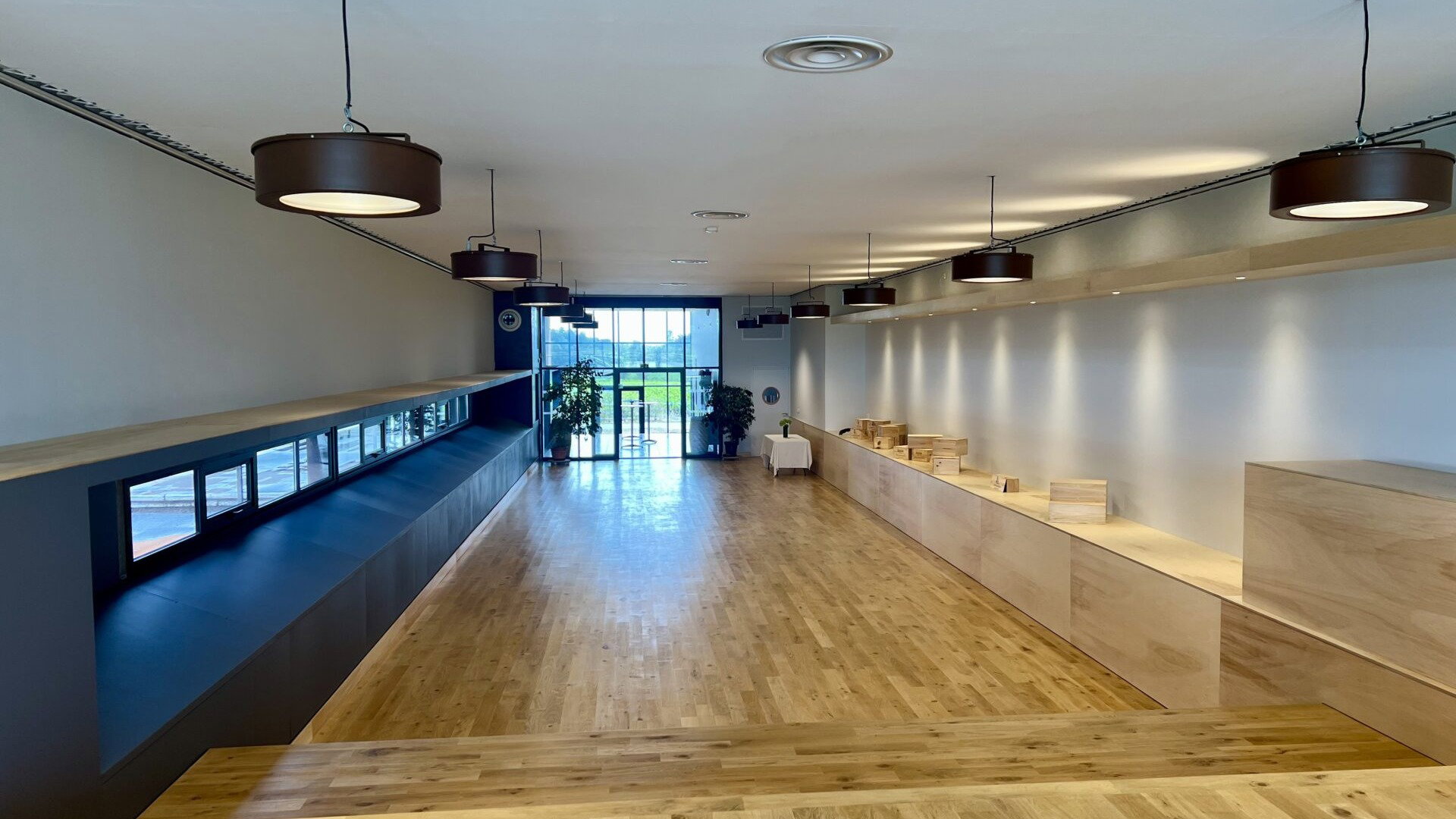
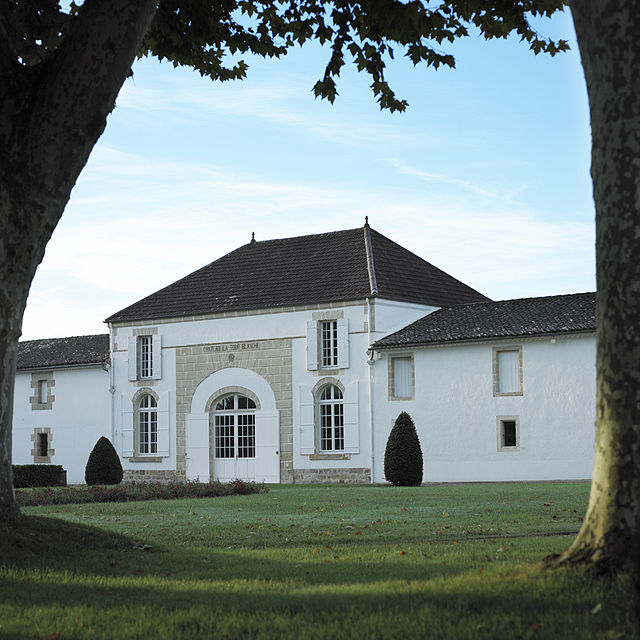
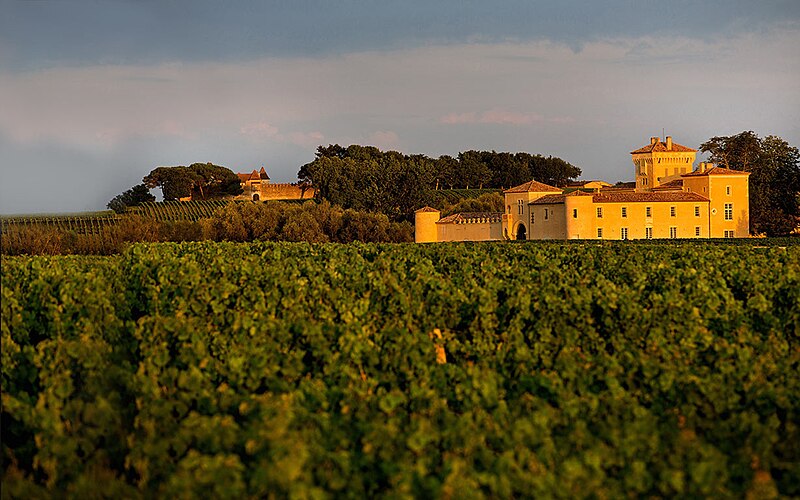
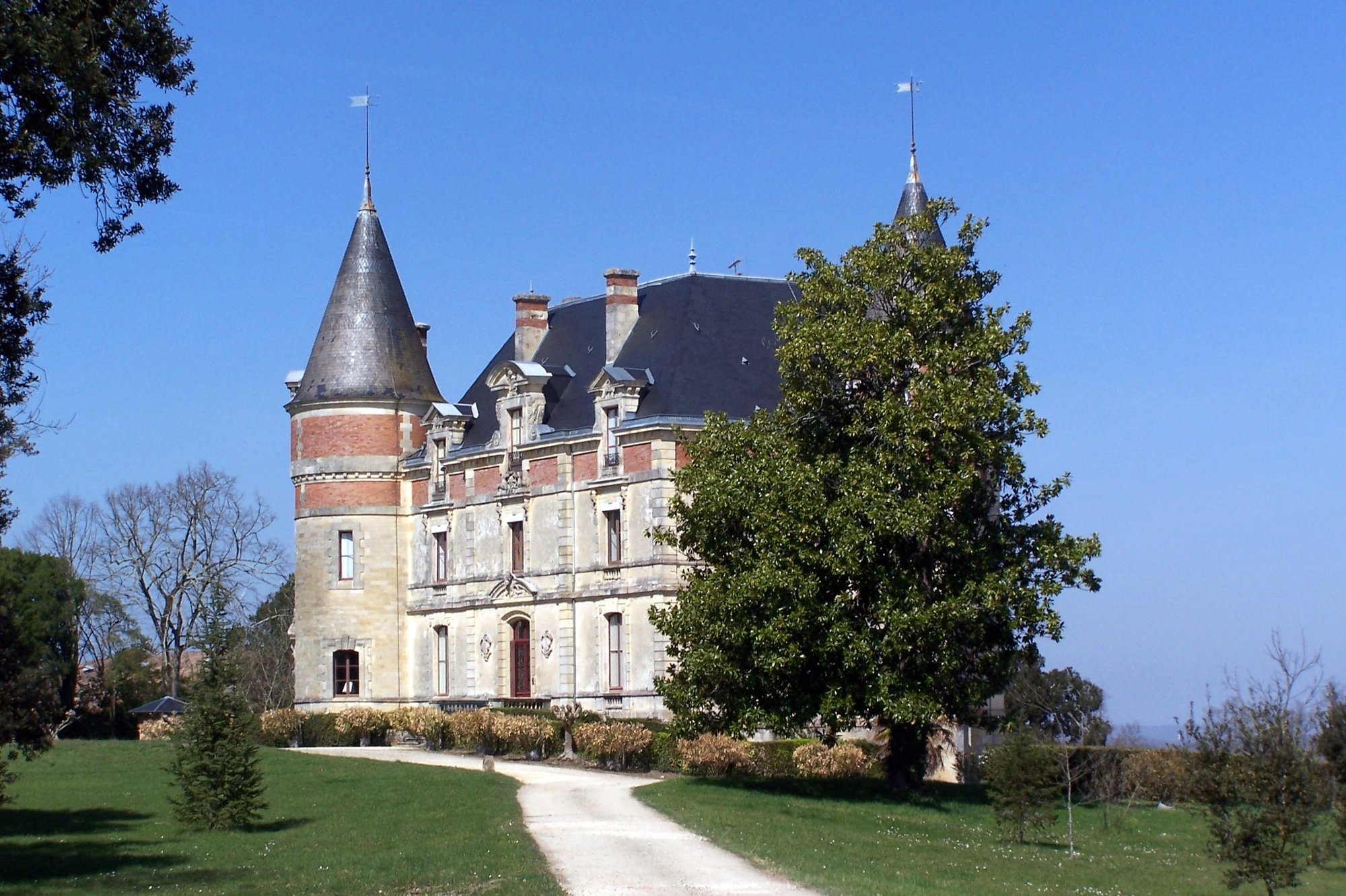
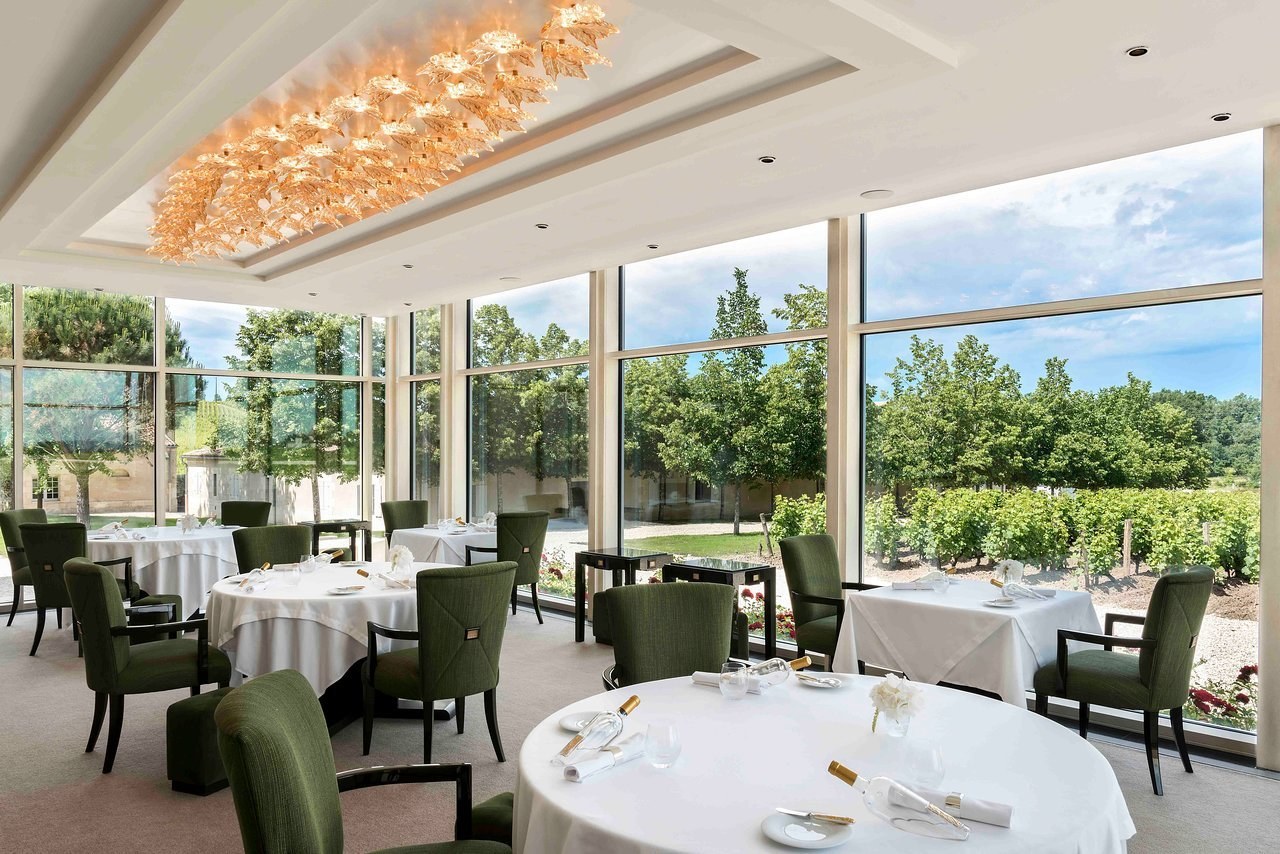
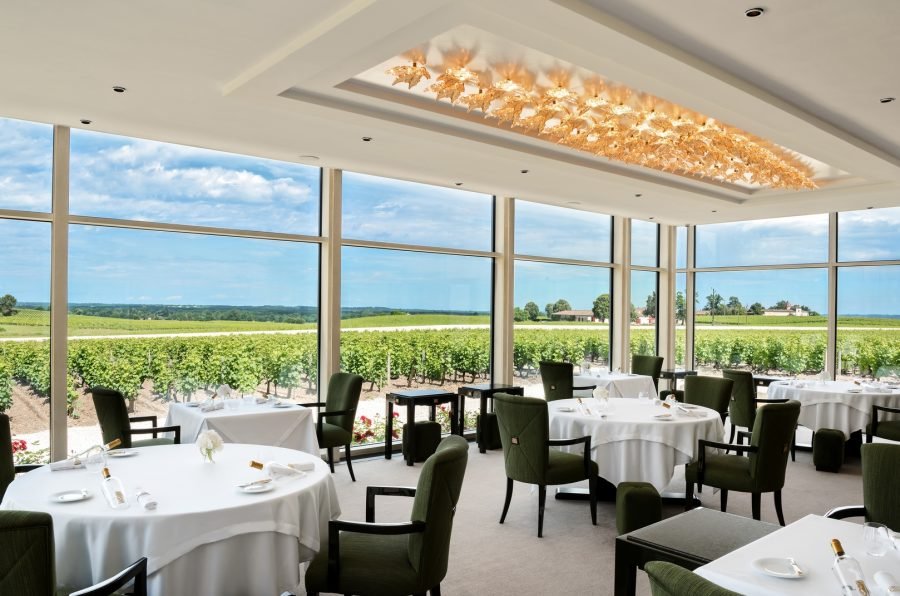
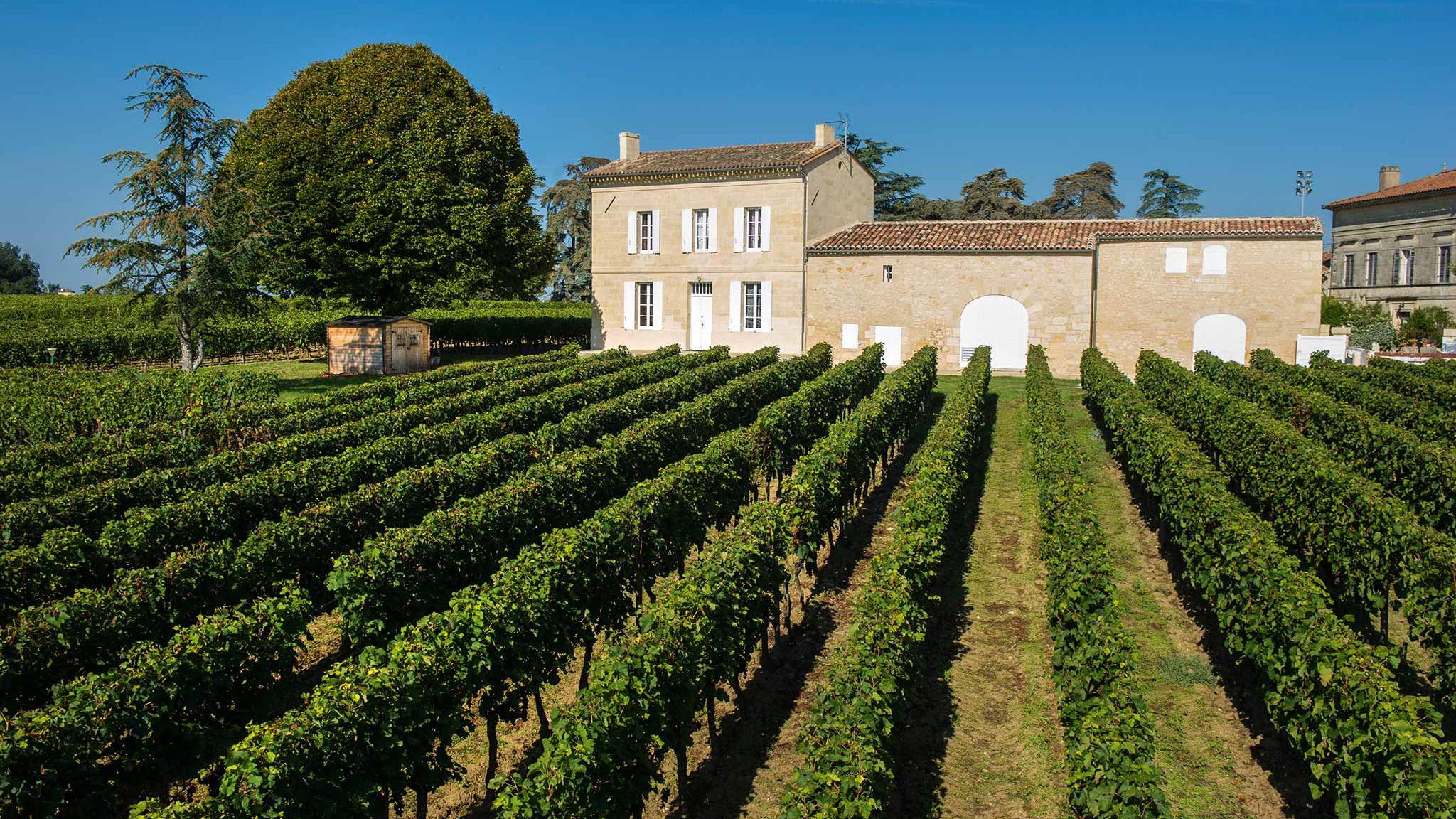
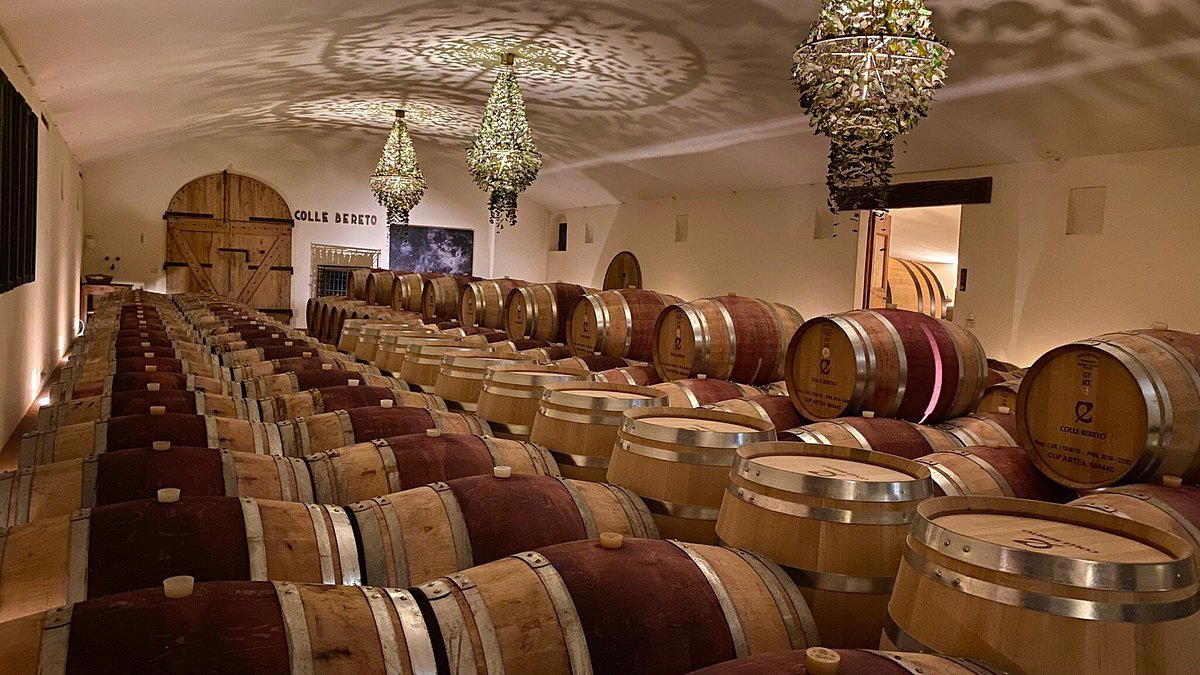
Elegant historic castle atmosphere with scenic vineyard views and a focus on balanced, aromatic sweet wines in a serene setting.
Tags
Vibe
Best For
Experience
Sourcing
View
At the Vineyard
- Appellation
- Sauternes
- Varietals
- Sémillon, Sauvignon Blanc, Muscadelle
- Tour Duration
- 60-90 minutes
- Tour Languages
- French, English
- Visits
- By appointment only
- Farming
- Sustainable
- Production
- Mid-size producer
- Wine Styles
- Still White, Dessert
- Wine Club
- Not available
Know before you go
Know Before You Go
- Getting there
- Château Rabaud-Promis, 768 Rte de Carbouniou, 33210 Bommes
Planning details
Location
Château Rabaud-Promis, 768 Rte de Carbouniou, 33210 Bommes · Directions
Recognition and awards

Also consider
If this is hard to arrange
Cross-shop Château Lafaurie-Peyraguey for a more complete destination-style experience in Bommes. For another serious Sauternes comparison, look at Château Rayne-Vigneau before defaulting to a farther or more famous name.
Winery context
How It Compares
In Bommes, Château Rabaud-Promis is the right call for readers who want a focused Sauternes appointment with classification weight and less emphasis on add-on hospitality. Château Sigalas-Rabaud and Clos Haut-Peyraguey are the closest cross-shops for keeping the day local and wine-led, while Château Lafaurie-Peyraguey is the stronger pick if the group wants a more polished destination feel.
Château Rayne-Vigneau is the practical alternative for another serious Sauternes address in Bommes; compare it when the priority is quality of experience without defaulting to the hardest name to access. Château d'Yquem carries the strongest global pull, but that fame can make planning tougher and the visit less flexible. For value of time, Rabaud-Promis makes sense when the group wants depth without turning the entire day into a trophy booking exercise.
Explore Bommes
Around this place
Discover more on Pearl
Unlock the full Château Rabaud-Promis guide in Pearl, including awards, comparisons, FAQs, planning details, and nearby places.
Compare Château Rabaud-Promis
| Venue | Location | Awards |
|---|---|---|
| Château Rabaud-Promis | Bommes | 2026 Falstaff Winery Guide |
| Château Sigalas-Rabaud | Bommes | 2026 Michelin 1 Grape - Bordeaux2026 Falstaff Winery Guide2025 Pearl 4 Star Prestige |
| Château Lafaurie-Peyraguey | Bommes | 2026 Wine Spectator Best of Award of Excellence2026 Falstaff Winery Guide2025 Pearl 4 Star Prestige |
| Clos Haut-Peyraguey | Bommes | 2026 Falstaff Winery Guide |
| Château Rayne-Vigneau | Bommes | 2026 Falstaff Winery Guide |
| Château d'Yquem | Sauternes | 2026 Michelin 3 Grapes - Bordeaux2026 Falstaff Winery Guide2025 World's 50 Best Vineyards · #92025 Pearl 5 Star Prestige2024 World's 50 Best Vineyards · #132023 World's 50 Best Vineyards · #182022 World's 50 Best Vineyards · #232020 World's 50 Best Vineyards · #31 |



How Château Rabaud-Promis Bommes compares with similar nearby venues.
FAQ
Frequently Asked Questions
What is Château Rabaud-Promis known for in this guide?
In this guide, Château Rabaud-Promis is recognized with Pearl 3 Star Prestige for 2025. It is listed in Bommes, and the dress code is smart casual.
Do I need a reservation at Château Rabaud-Promis?
Contact Château Rabaud-Promis directly before visiting Bommes to confirm current arrangements.
Can Château Rabaud-Promis handle large groups?
What should I wear to Château Rabaud-Promis?
The dress code is smart casual. That makes polished, comfortable attire the safest choice for a planned visit in Bommes.