
Scala Dei
Escaladei
Winery in Escaladei, Spain
 Book with Pearl
The Read
Llicorella-Rooted Priorat
Why go
Scala Dei is worth targeting for a serious Priorat-focused wine trip, especially if the goal is producer depth rather than a casual tasting-room circuit. The catch is practical: public details on pricing, shipping, club terms, and visit format are not clear, so it suits planners who confirm availability before shaping the day around Escaladei.
About Scala Dei
Scala Dei in Escaladei is recognised with Pearl 2 Star Prestige in 2025, and the dress code is smart casual. If Scala Dei is a priority for your Escaladei itinerary, confirm the practical details you need in advance.
The value case is therefore about fit rather than a published offer. If Scala Dei is a priority for your Escaladei itinerary, plan it as a stop and check the practical details in advance. Do not assume walk-in availability, a particular service, or a particular visit length unless Scala Dei confirms them directly.
Prioritise confirmed details before planning around Scala Dei
Scala Dei is best approached with the confirmed basics in mind: Escaladei location, smart casual dress, and Pearl 2 Star Prestige recognition for 2025. Other specifics should remain open until checked with the venue. That matters especially for travellers building a day around timing, budget, accessibility, or a larger group.
For a wider Escaladei trip, pair this with broader planning rather than treating it as a standalone certainty. Check restaurants, hotels, bars, and experiences so the day does not depend on one appointment.
Who should cross-shop before committing
If you are comparing Scala Dei with other names, keep the comparison broad and practical. Bodegas Torres, Familia Torres, Gramona, Clos Mogador, and Álvaro Palacios may be useful reference points depending on the kind of visit you are considering, but do not assume they are all interchangeable with Scala Dei or located in Escaladei. For local planning, compare Scala Dei with other Escaladei options generically and confirm the details that matter most before committing.
Planning details
- Location
- Cellers de Scala Dei - ESPAI VI:, Plaça del Priorat, 3, 43379 Escaladei, Tarragona
- Website
- cellersdescaladei.com
- Phone
- +34 977 82 71 73
The take
The Take
The Vibe
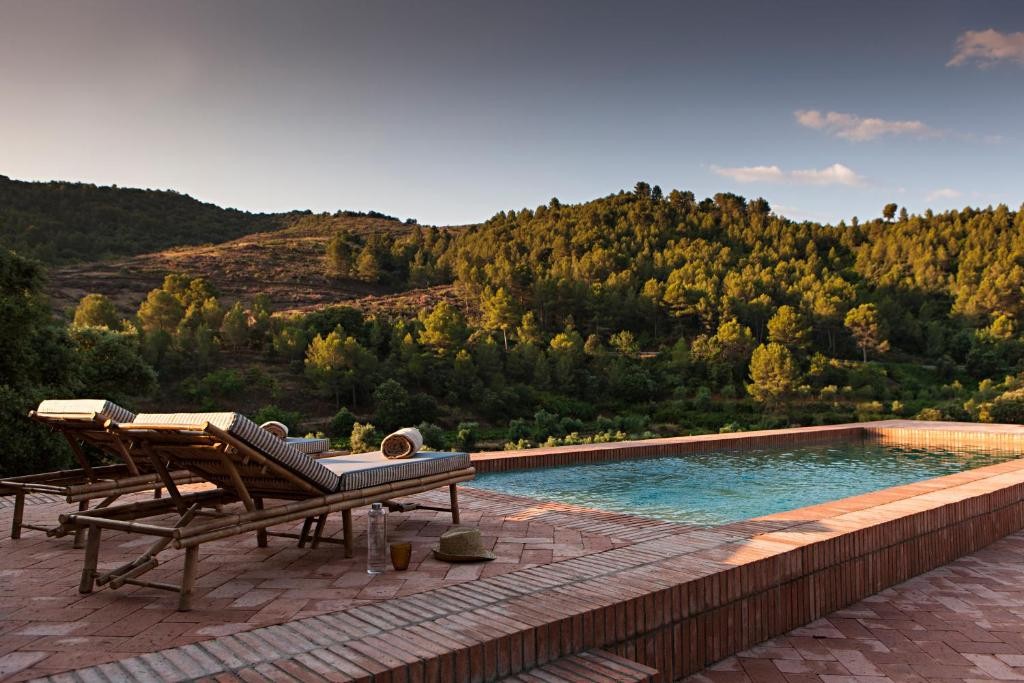
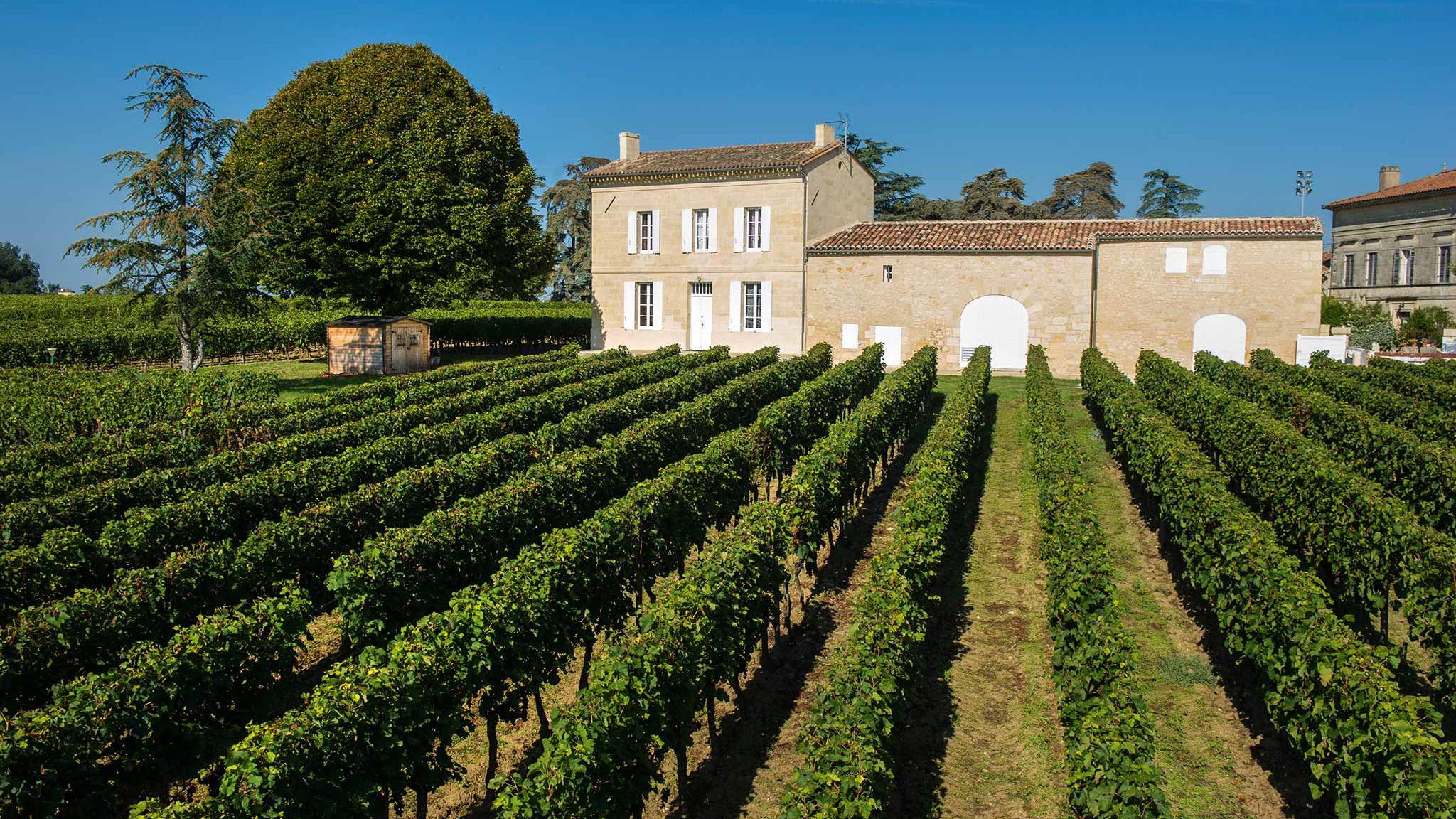
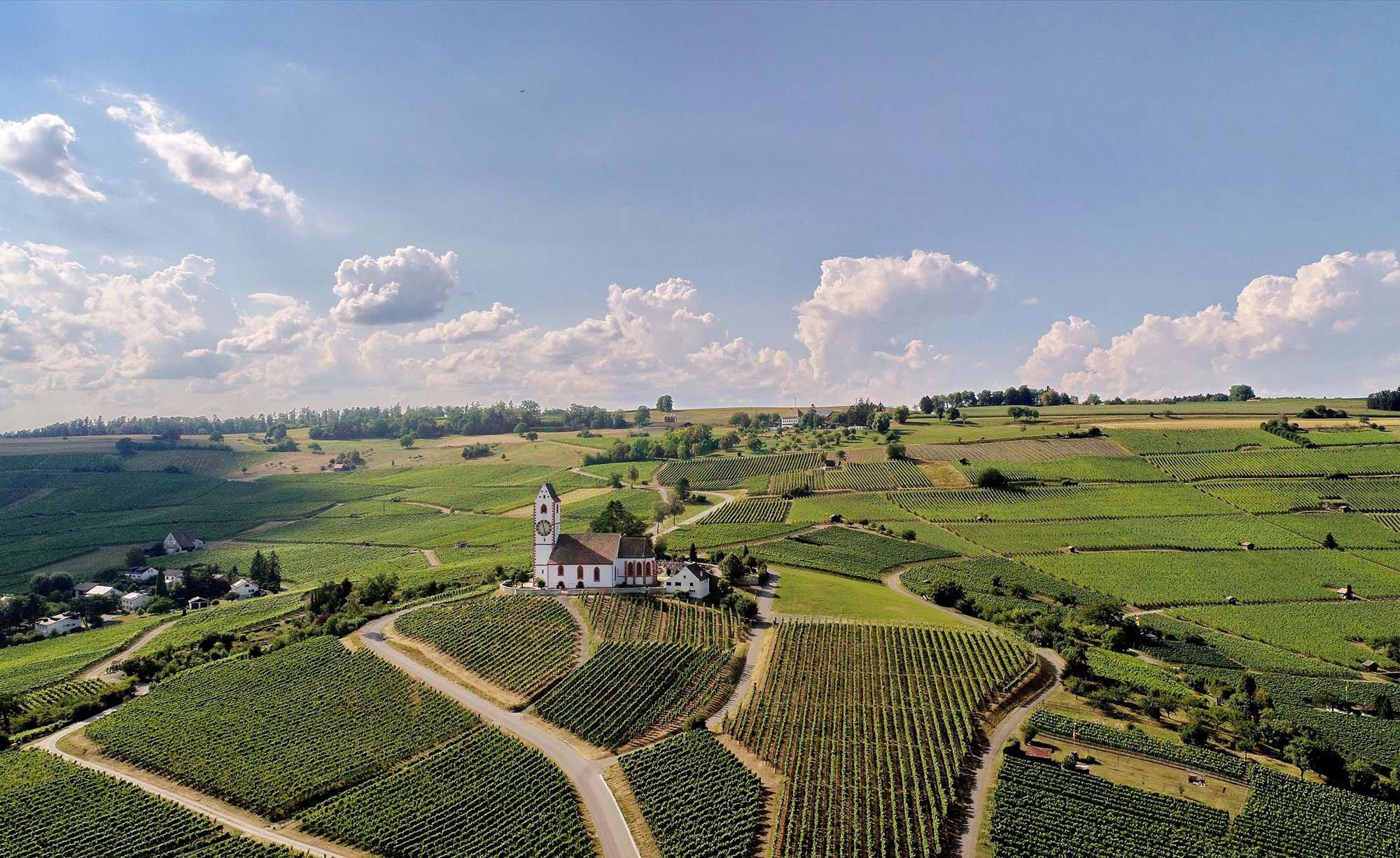
Scala Dei reads like a living chapter of Priorat's story: stone buildings and slate terraces cluster under the Serra de Montsant, and the ruined Carthusian monastery that gave the estate its name underscores a long, tangible history. The place feels measured and serious rather than flashy—its identity is built on llicorella soils, old vines and low yields that produce dense, mineral-driven wines. Visitors encounter a quiet gravity here, the kind of setting that rewards attention: atmospheric terraces, a compact village address and wines that signal provenance and craft. Overall, the impression is classically rooted and quietly sophisticated.
Best For
Scala Dei is best for visitors who are drawn to terroir and history. The estate suits inquisitive wine lovers, collectors and sommeliers who want to understand Priorat’s distinctive soils and cultivation on steep terraces. It also works well for reflective solo exploration or focused small-group visits where the landscape and lineage matter more than spectacle. Because Scala Dei figures into the region’s founding modern story and the region holds DOCa standing, it fits special-occasion pilgrimages for people who value provenance, old vines and wines that emphasize structure and mineral signature.
Tasting Tips
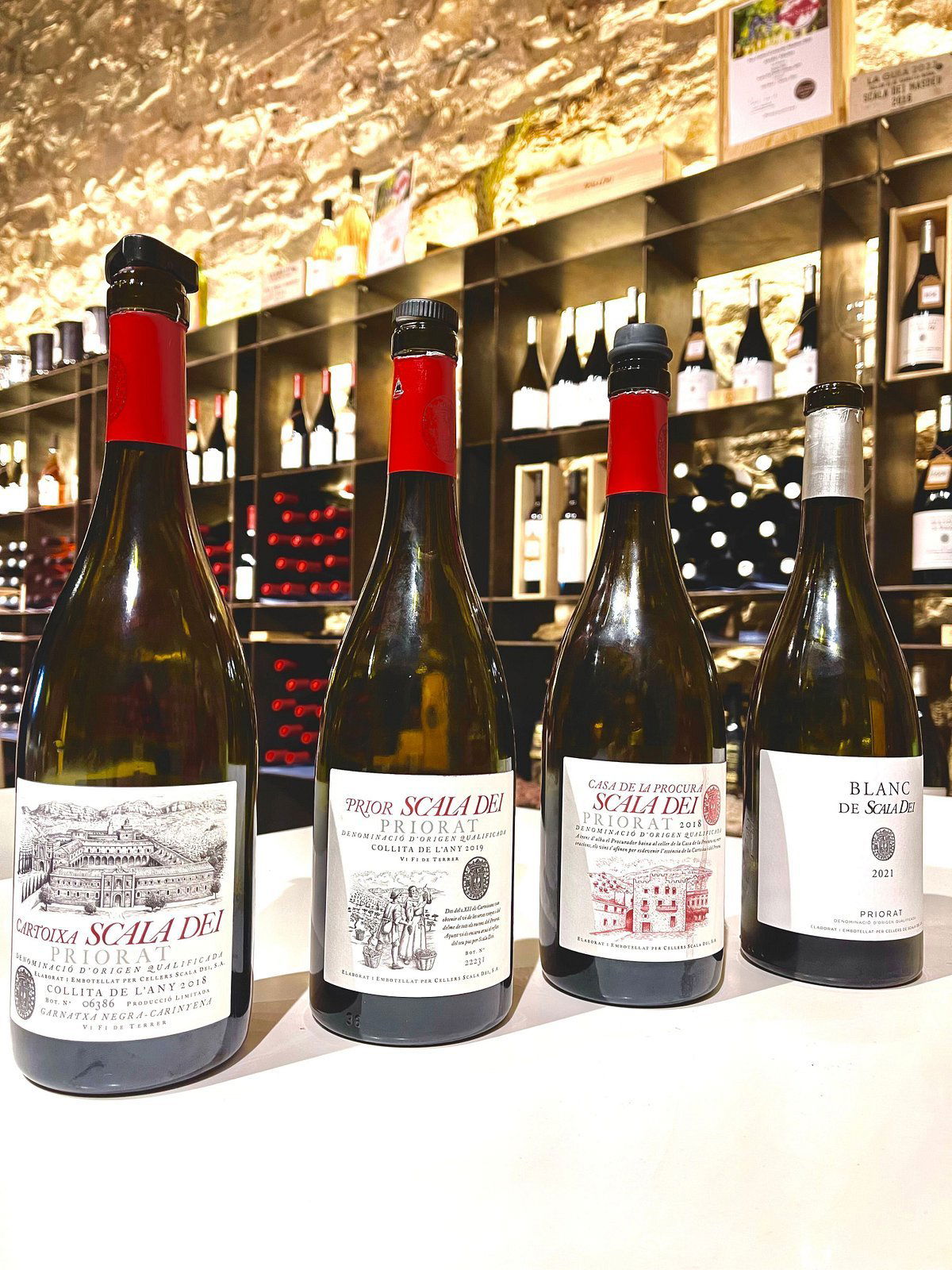
When engaging with Scala Dei’s wines, look for expressions that foreground Priorat’s dominant varieties—Grenache and Carignan—and seek out bottlings noted as old-vine parcels or Priorat DOCa offerings. The estate’s wines typically show dense structure and a mineral signature derived from llicorella slate; vintages with lower yields tend to concentrate those traits. Prioritize wines that reference vineyard or vine age on the label to experience the region’s depth, and expect tannic, structured profiles that reward some cellar time or decanting for immediate enjoyment.
Venue details
Ambiance
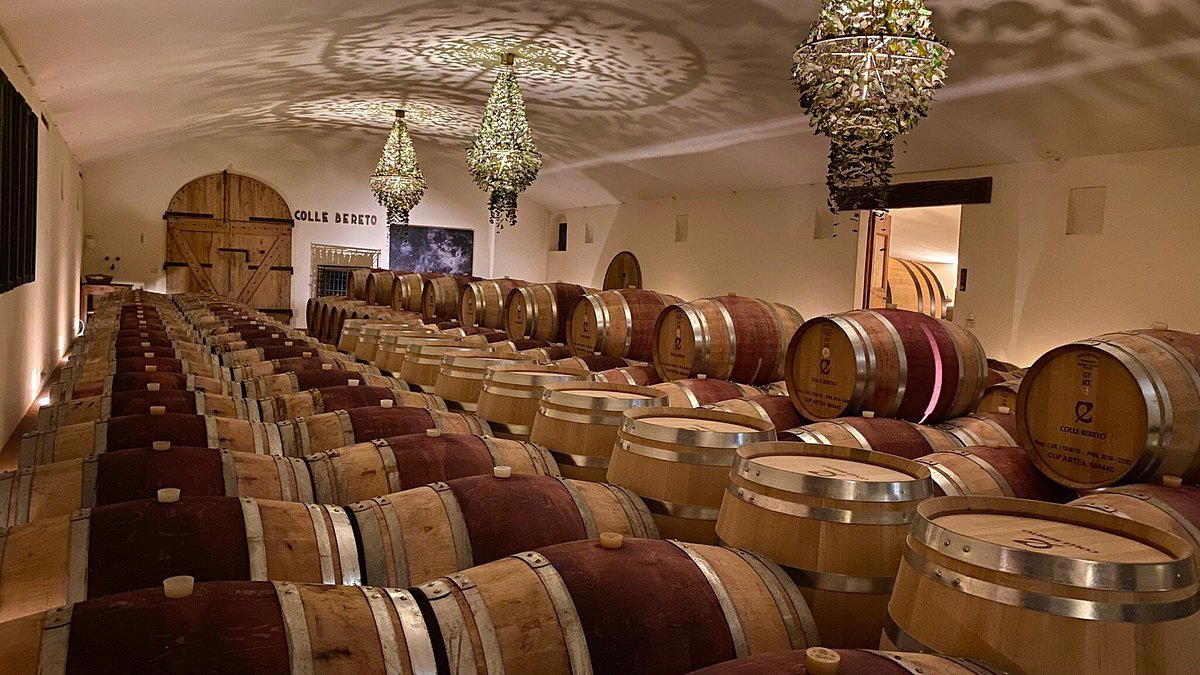
Dark, monastic tasting room with historical decor evoking a sense of timeless craftsmanship and serenity amid slate soils and rugged landscapes.
Tags
Vibe
Best For
Experience
Sourcing
View
At the Vineyard
- Appellation
- DOQ Priorat
- Varietals
- Grenache, Carignan, Cabernet Sauvignon, Syrah, Macabeu
- Tour Duration
- 60-90 minutes
- Visits
- By reservation
- Farming
- Sustainable
- Production
- Small producer
- Wine Styles
- Still Red
- Wine Club
- Not available
Know before you go
Know Before You Go
- Getting there
- Cellers de Scala Dei - ESPAI VI:, Plaça del Priorat, 3, 43379 Escaladei, Tarragona
Planning details
Location
Cellers de Scala Dei - ESPAI VI:, Plaça del Priorat, 3, 43379 Escaladei, Tarragona · Directions
Recognition and awards

Also consider
Also Consider
- Álvaro Palacios, Notable alternative
- Clos Mogador, Notable alternative
- Familia Torres, Notable alternative
- Bodegas Torres, Notable alternative
- Gramona, Notable alternative
Winery context
How Scala Dei compares in Priorat and beyond
Against Álvaro Palacios and Clos Mogador, Scala Dei is the choice for travellers who want to anchor themselves in Escaladei rather than chase a broader producer circuit. Álvaro Palacios is the sharper cross-shop for collectors prioritising name recognition, while Clos Mogador is better for visitors who want another serious Priorat benchmark if access here proves too hard.
Familia Torres and Bodegas Torres are stronger fits for travellers who prefer a larger, more established hospitality framework. Scala Dei feels like the better call when the day is specifically about Priorat and a quieter village setting; Torres is easier to justify for mixed-experience groups that want a broader, more structured visit.
Gramona is the cleanest alternative for drinkers whose interest leans sparkling rather than Priorat reds. If the priority is value for money, Scala Dei only wins once access, tasting terms, and bottle availability are confirmed. If booking certainty matters more, cross-shop the larger producers first and keep Scala Dei for a planner-led itinerary.
Explore Escaladei
Around this place
Discover more on Pearl
Unlock the full Scala Dei guide in Pearl, including awards, comparisons, FAQs, planning details, and nearby places.
Compare Scala Dei
| Venue | Location | Awards |
|---|---|---|
| Scala Dei | Escaladei | 2026 Falstaff Winery Guide |
| Álvaro Palacios | Gratallops | 2026 Falstaff Winery Guide |
| Clos Mogador | Gratallops | 2026 Falstaff Winery Guide |
| Familia Torres | Pacs del Penedès | 2022 World's 50 Best Vineyards · #342021 World's 50 Best Vineyards · #262020 World's 50 Best Vineyards · #422019 World's 50 Best Vineyards · #28 |
| Bodegas Torres | Vilafranca del Penedès | No published awards |
| Gramona | Sant Sadurní d'Anoia | 2026 Falstaff Winery Guide2025 World's 50 Best Vineyards · #252024 World's 50 Best Vineyards · #45 |

How Scala Dei Escaladei compares with similar nearby venues.
FAQ
Frequently Asked Questions
What practical details are confirmed for Scala Dei?
Scala Dei is in Escaladei, has a smart casual dress code, and is recognised with Pearl 2 Star Prestige in 2025. Confirm other visit details directly with Scala Dei before relying on them.
What should I wear to Scala Dei?
How long should I plan for a visit to Scala Dei?
A specific visit length is not set out here. Plan only after confirming current arrangements directly with Scala Dei in Escaladei.
Do I need a reservation at Scala Dei?
Reservation requirements are not set out here. Because the confirmed profile is limited to Escaladei location, smart casual dress, and Pearl 2 Star Prestige recognition in 2025, check directly with Scala Dei before you plan around a visit.
What is Scala Dei known for here?
The recognition here is Pearl 2 Star Prestige for 2025. No specific menu, service format, product, or experience detail is set out in this guide.
Can Scala Dei handle large groups?
Group capacity is not set out here. If you are planning for more than a small party, confirm directly with Scala Dei before making arrangements.
When is the best time to visit Scala Dei?
Specific opening times and ideal visit windows are not set out here. The safest approach is to confirm current timing directly with Scala Dei and plan the rest of your Escaladei itinerary around confirmed information.