
Andeluna Cellars
Gualtallary, Tupungato
Winery in Tupungato, Argentina
 Book with Pearl
The Read
High-Altitude Uco Terroir
Why go
Andeluna Cellars is worth planning around if Tupungato is a serious wine stop on the trip, not a quick tasting between other bookings. Its Pearl 2 Star Prestige recognition makes it a stronger fit for travelers who want a destination-style winery visit, while nearby peers may suit easier routing or broader name recognition.
About Andeluna Cellars
Andeluna Cellars is a Tupungato venue with Pearl 2 Star Prestige recognition for 2025. Use Andeluna Cellars as a considered stop if you are specifically looking at recognized venues in Tupungato. The dress code is smart casual, so plan for a polished but not formal visit. For any operational details beyond that, confirm directly with the venue before building an itinerary around it.
Choose it when the venue itself is the point of the day
The strongest reason to shortlist Andeluna Cellars is its Pearl 2 Star Prestige recognition for 2025. That recognition makes it a notable Tupungato option, but it does not by itself establish a particular service style, menu format, price point, seating setup, or schedule.
For travelers comparing options, the relevant names to cross-shop include Bodega La Azul, Domaine Bousquet, Finca Sophenia, Rutini Wines (La Rural), and Sitio La Estocada. Use those as comparison points when deciding what kind of day you want, and verify the current details of each venue directly before committing.
Plan around confirmed details
The key facts are simple: Andeluna Cellars is in Tupungato, carries Pearl 2 Star Prestige recognition for 2025, and has a smart casual dress code. Details such as exact address, hours, booking process, menu, tasting format, prices, accessibility, dietary accommodations, and transport arrangements should be checked with the venue or your travel planner.
Worth considering if you want a recognized Tupungato venue and are comfortable confirming the practical details directly. If you need a fully specified itinerary before deciding, compare it with other named venues and choose only after current availability and visit format are clear.
Planning details
- Location
- RP89 Km 11, M5561 Tupungato, Mendoza
- Website
- andeluna.com.ar
- Phone
- +54 261 460-6855
The take
The Take
The Vibe
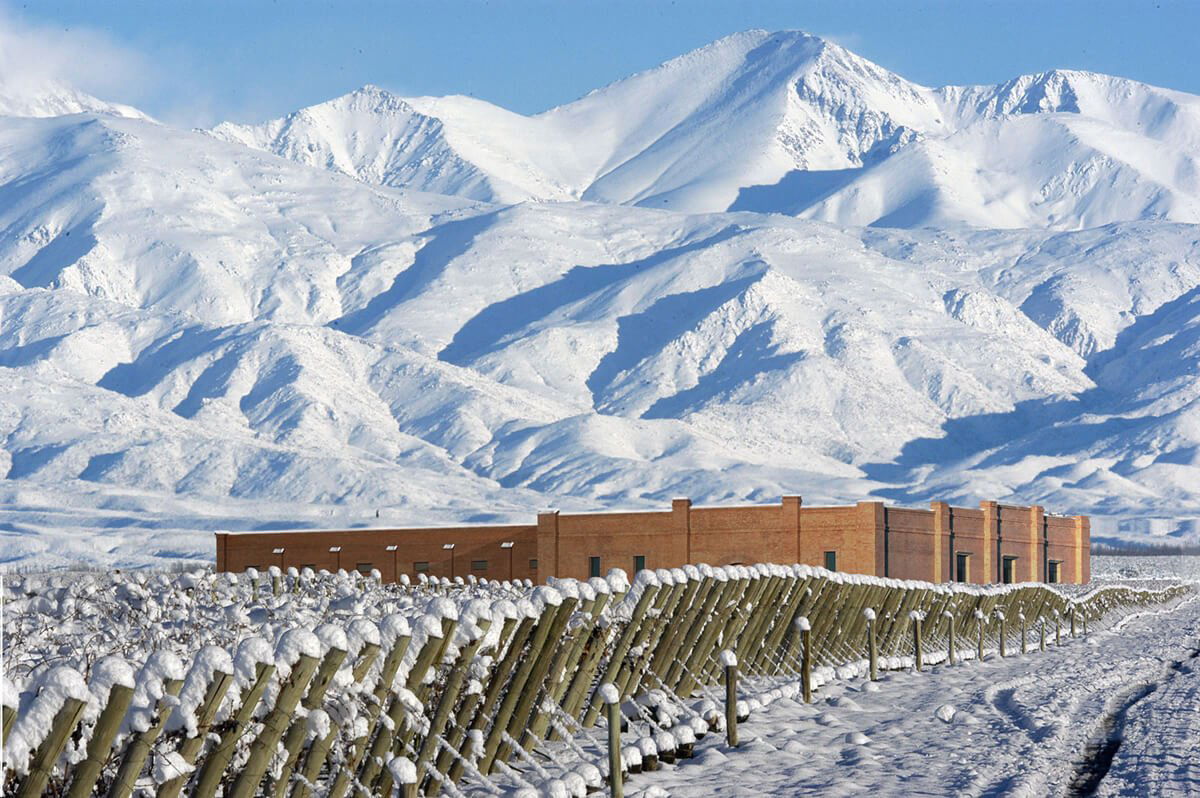
Andeluna Cellars presents itself less as a showpiece and more as a rigorous expression of place. The winery sits high in the Tupungato district where the Andes loom and altitude governs ripening; cooler nights and a wide diurnal range shape wines with taut structure and pronounced aromatics. Language in the description is pragmatic rather than decorative — it emphasizes climate, phenolic timing, and logistical realities of working at elevation. The overall impression is of a terroir-driven estate where precision and the mountain setting are the dominant personalities, appealing to visitors who appreciate the technical logic behind great high-altitude wines.
Best For
This estate is best for visitors who come with curiosity about how altitude and climate translate into wine. The write-up foregrounds viticultural variables — diurnal swings, slower phenolic development, extended hang time — so Andeluna rewards guests interested in the mechanics of terroir and tasting with a comparative, educational eye. Its 2025 Pearl 2 Star Prestige rating also signals quality for people seeking noteworthy, occasion-worthy bottles. Because the narrative stresses remoteness and logistical demands, it suits planned visits rather than drop-in stopovers: thoughtful, informed wine lovers gain the most from the experience described.
Tasting Tips
Plan visits with the site’s altitude and remoteness in mind: the road climbs out of Mendoza and the estate sits well above the plains, so allow extra travel time and expect mountain conditions. When engaging with staff or tasting notes, focus questions on vintage variation and the effects of Tupungato’s large diurnal range — the copy makes these the central variables that shape the wines. Given the emphasis on precision and structure, ask about how specific parcels or harvest dates reflect the region’s temperature swings rather than relying on broad appellation descriptors.
Venue details
Ambiance
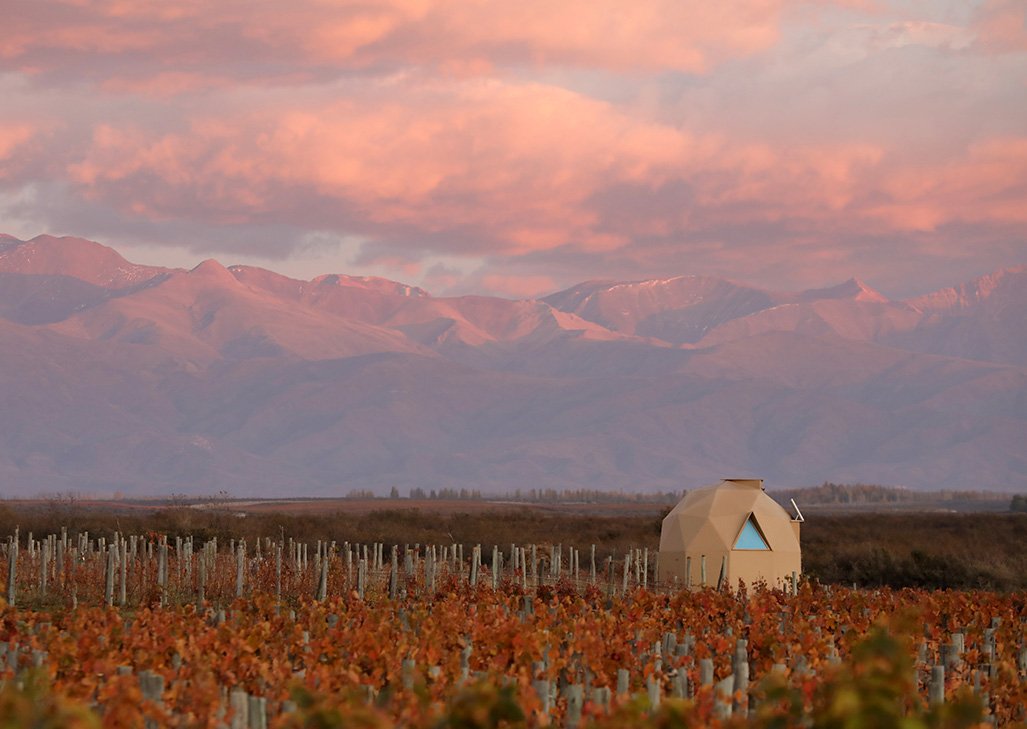
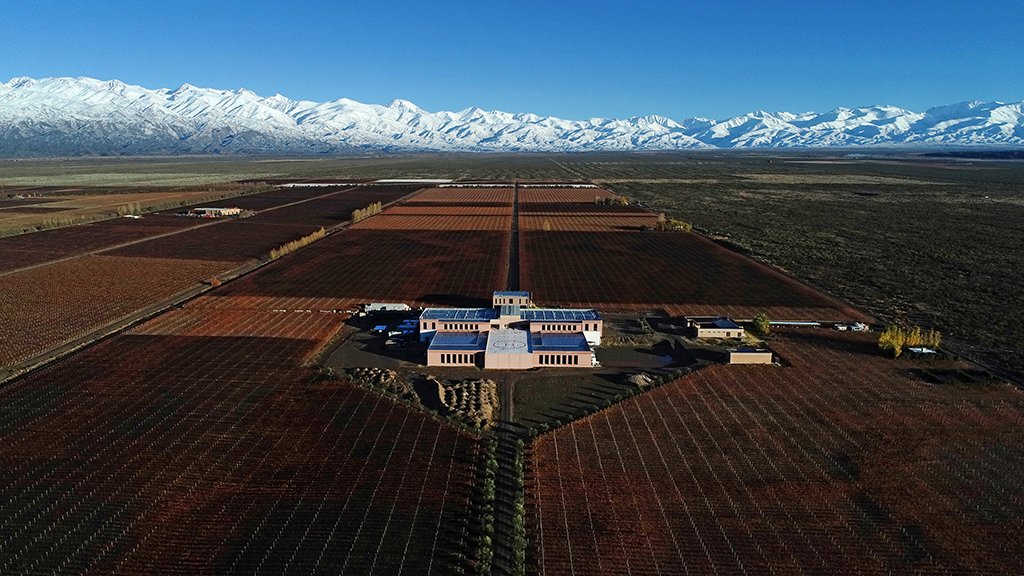
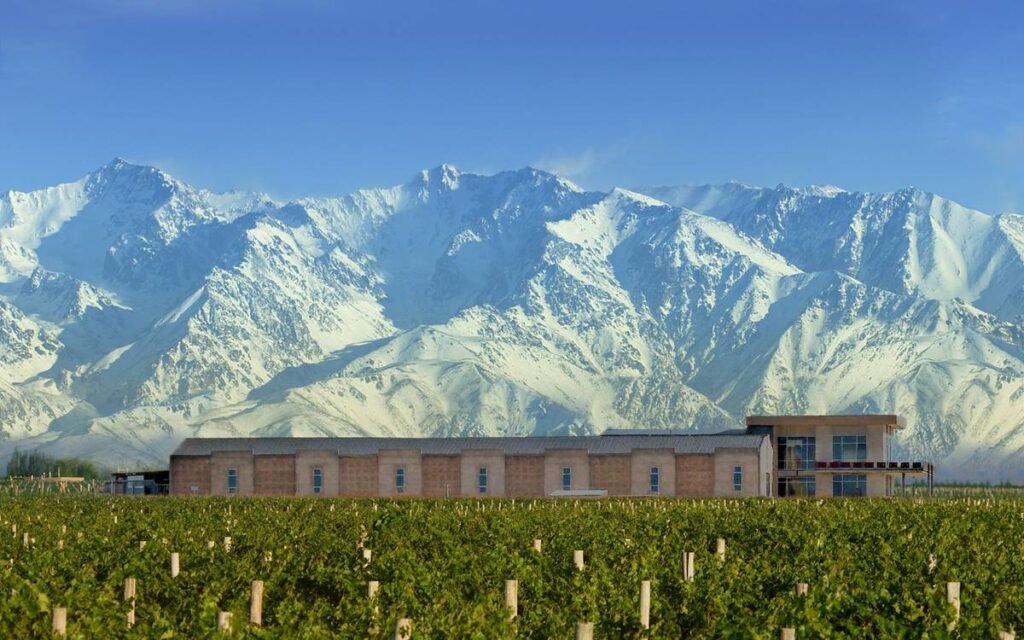
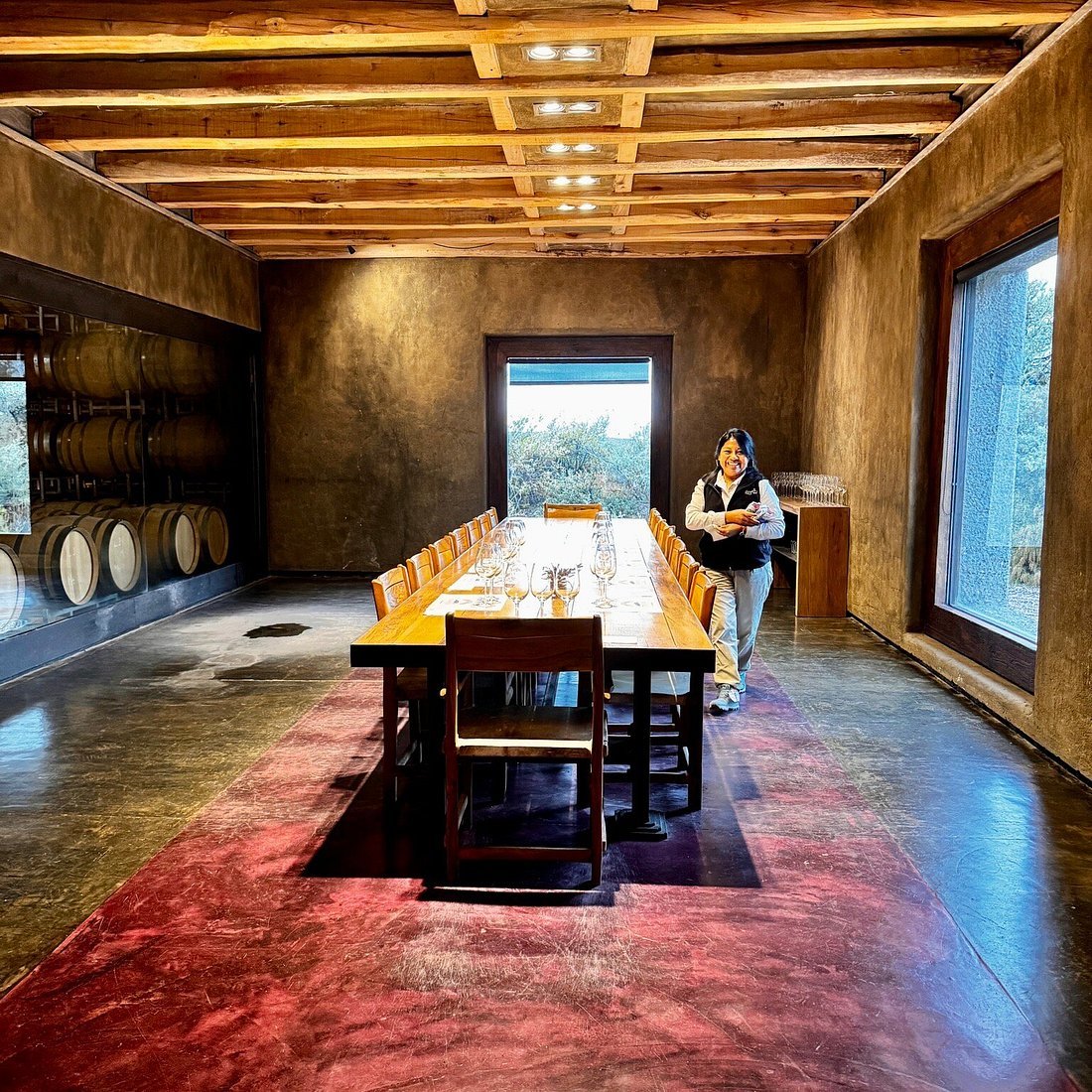
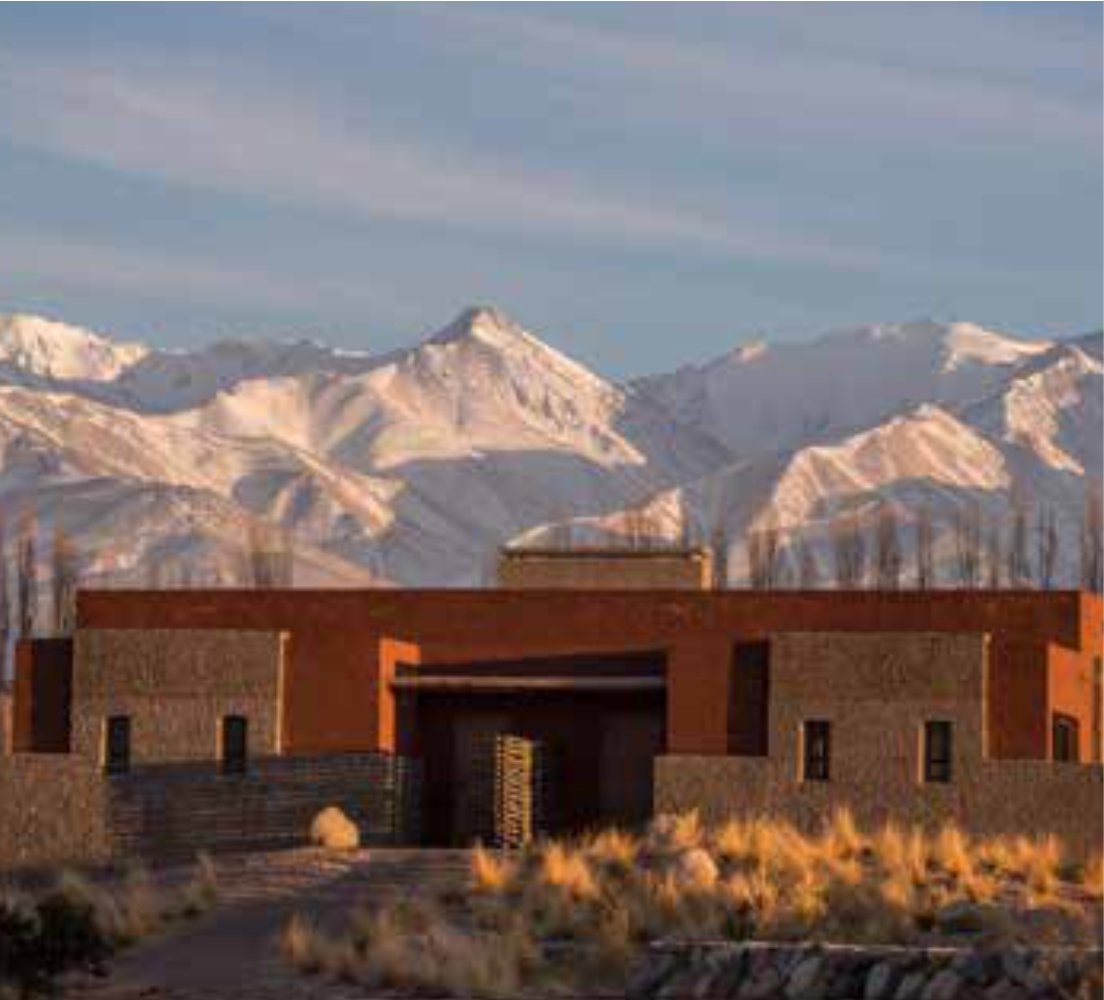
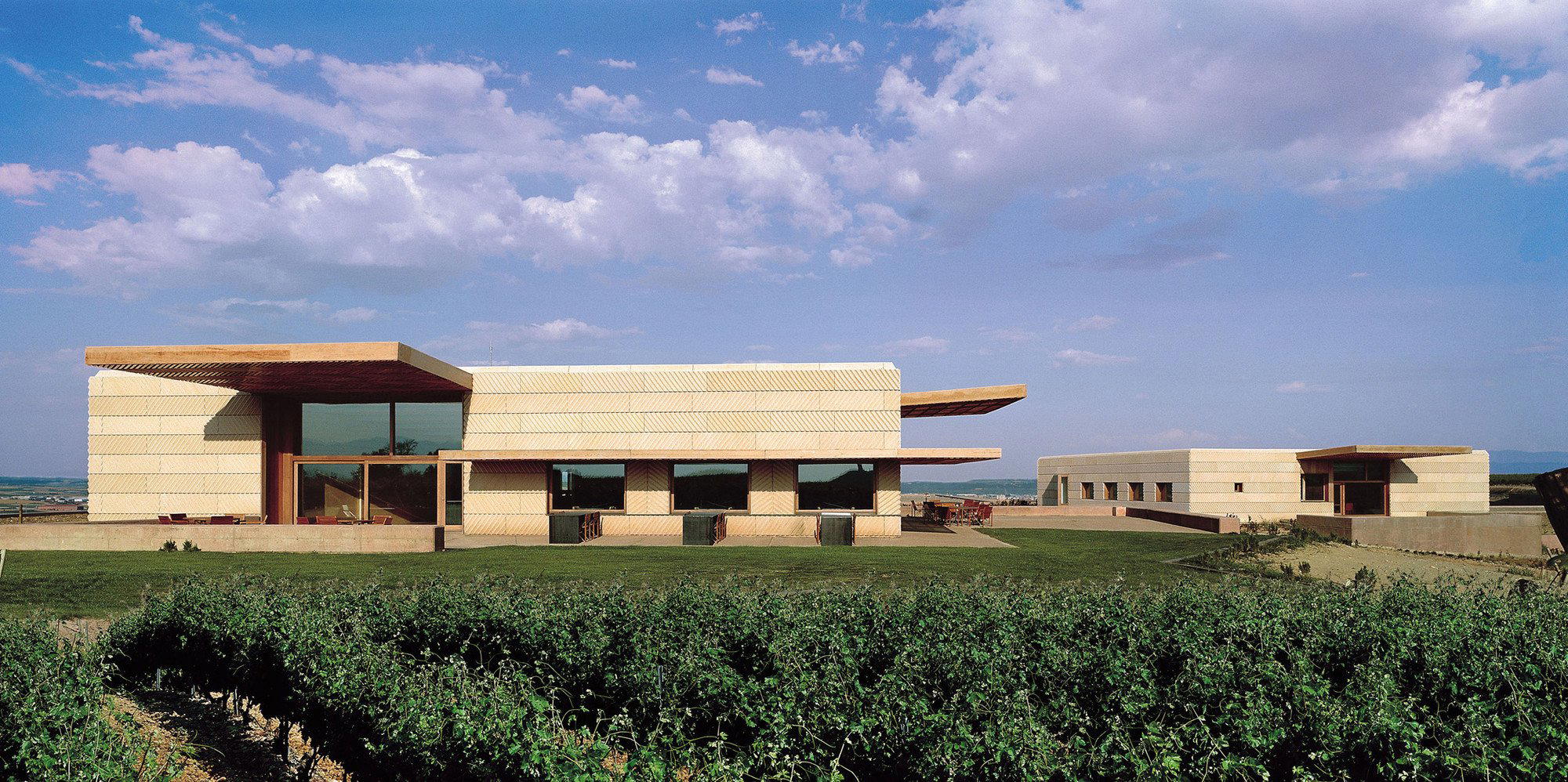
Rustic yet elegant ski-lodge style architecture with warm, peaceful interiors, stunning vineyard and Andes mountain views, and a serene, intimate atmosphere praised for tranquility and natural beauty.
Tags
Vibe
Best For
Experience
Sourcing
View
At the Vineyard
- Appellation
- Tupungato
- Varietals
- Malbec, Cabernet Franc, Chardonnay, Sauvignon Blanc, Cabernet Sauvignon
- Tour Duration
- 60-90 minutes
- Visits
- By reservation
- Farming
- Sustainable
- Wine Styles
- Still Red, Still White
- Food Pairing
- Offered
- Wine Club
- Not available
Know before you go
Know Before You Go
- Getting there
- RP89 Km 11, M5561 Tupungato, Mendoza
Planning details
Location
Recognition and awards

Also consider
If you cannot make this booking
Try Domaine Bousquet first for a nearby Tupungato alternative with broad appeal. If the day needs a smaller or simpler local pivot, check Finca Sophenia next.
Winery context
How it compares in Tupungato
Pick Andeluna Cellars when the winery visit is meant to anchor the day. Compared with Domaine Bousquet, it reads as the more selective choice for travelers prioritizing a prestige-led stop, while Domaine Bousquet is the safer cross-shop for visitors who want a broader, familiar winery experience in the same area.
Finca Sophenia and Sitio La Estocada are better backup choices when the schedule needs to stay flexible. They make sense for travelers building a Tupungato route with multiple stops rather than giving one property the main slot. Rutini Wines (La Rural) is the stronger option for visitors who want a more recognizable Argentine wine name attached to the day.
Bodega La Azul is the out-of-metro comparison to consider if the group is willing to route beyond the immediate Tupungato set for a different atmosphere. For value, the better choice is the one that fits transport cleanly: forcing Andeluna into a crowded itinerary can make the day feel inefficient, while a nearby peer may deliver a smoother visit.
Explore Tupungato
Around this place
Discover more on Pearl
Unlock the full Andeluna Cellars guide in Pearl, including awards, comparisons, FAQs, planning details, and nearby places.
Compare Andeluna Cellars
| Venue | Location | Awards |
|---|---|---|
| Andeluna Cellars | Tupungato | 2026 Falstaff Winery Guide |
| Rutini Wines (La Rural) | Tupungato | No published awards |
| Finca Sophenia | Tupungato | 2026 Falstaff Winery Guide |
| Bodega La Azul | Tunuyán | 2026 Falstaff Winery Guide |
| Sitio La Estocada | Tupungato | 2025 World's 50 Best Vineyards · #91 |
| Domaine Bousquet | Tupungato | 2026 Falstaff Winery Guide |

How Andeluna Cellars Tupungato compares with similar nearby venues.
FAQ
Frequently Asked Questions
What other venues should I compare with Andeluna Cellars?
For comparison, consider Bodega La Azul, Domaine Bousquet, Finca Sophenia, Rutini Wines (La Rural), and Sitio La Estocada. Andeluna Cellars stands out for its Pearl 2 Star Prestige recognition for 2025.
What is Andeluna Cellars known for?
The distinction for Andeluna Cellars is Pearl 2 Star Prestige recognition for 2025. Its dress code is smart casual.
Where is Andeluna Cellars located?
Andeluna Cellars is located in Tupungato.