
Bock Winery
Villány
Winery in Villány, Hungary
 Book with Pearl
The Read
Bordeaux-Variety Terroir Focus
Why go
Bock Winery is the Villány pick for travelers who want a reputation-led winery stop and are willing to plan around access. It is better suited to a focused tasting day than a casual drop-in, especially for small groups that care about regional context and want a more structured experience.
About Bock Winery
Bock Winery is a Villány venue with 2 Star Prestige recognition in 2025. For current service format, menu, pricing, hours, or specific visit arrangements, please confirm directly with the venue.
For travelers comparing wineries in Villány, Bock Winery can be considered alongside Csányi Winery, Gere Tamás & Zsolt Winery, Günzer Tamás Winery, Malatinszky Winery, and Polgár Winery. The dress code is casual. Confirm current visit details directly with the venue before building a schedule around it.
Worth prioritizing for a deeper Villány winery day
Bock Winery's 2 Star Prestige recognition makes it a notable Villány name for visitors planning around recognized wineries. Always check with the venue for current visit format, price, seat count, chef, menu, or opening schedule to avoid assuming a particular experience.
For broader planning, use Our full Villány wineries guide alongside comparison options such as Csányi Winery, Gere Tamás & Zsolt Winery, Günzer Tamás Winery, Malatinszky Winery, and Polgár Winery. If the trip extends beyond wine, pair the day with Our full Villány restaurants guide, Our full Villány hotels guide, Our full Villány bars guide, and Our full Villány experiences guide.
Have a backup if the visit slot matters
If Bock Winery is important to the itinerary, confirm availability and visit details directly before the trip. Guests should confirm walk-in access, reservation rules, visit times, lunch service, dinner service, or pricing directly, so schedule planning should stay flexible.
Quick reference: Bock Winery is a casual-dress Villány winery with 2 Star Prestige recognition in 2025; confirm all operational details with the venue before visiting.
Planning details
- Location
- Villány, Batthyány Lajos u. 15, 7773
- Website
- pince.bock.hu
- Phone
- +36 72 492 919
The take
The Take
The Vibe
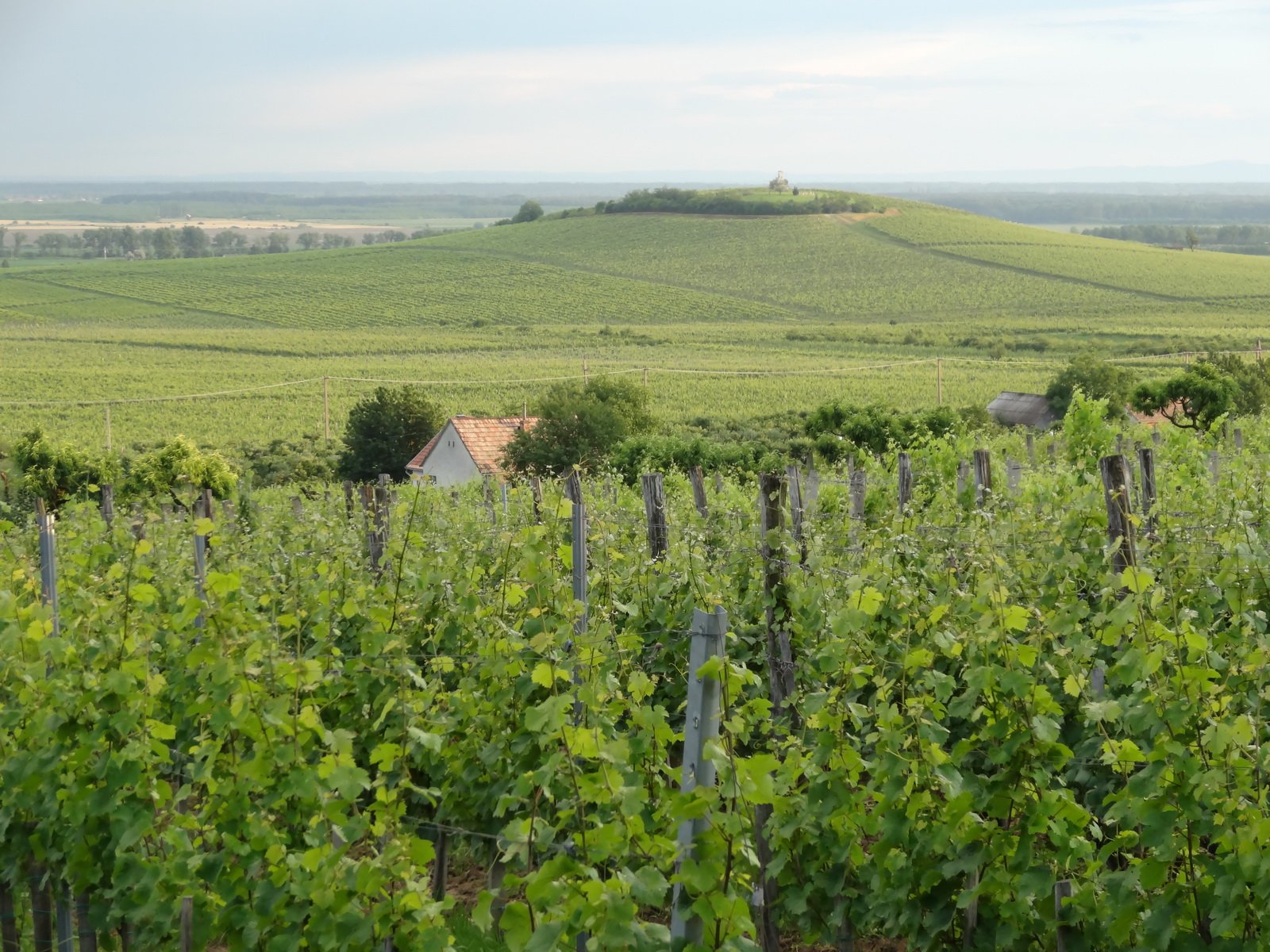
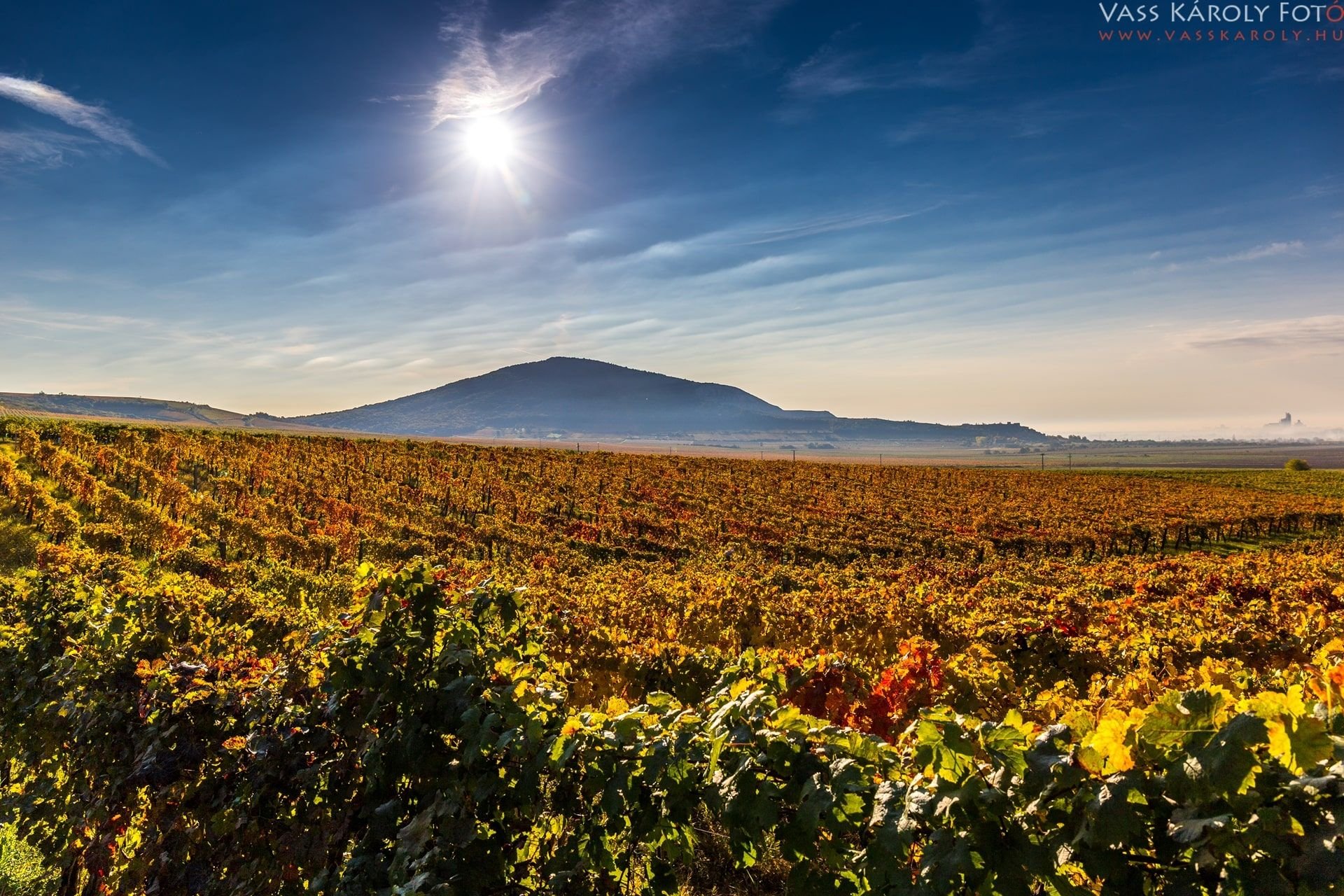
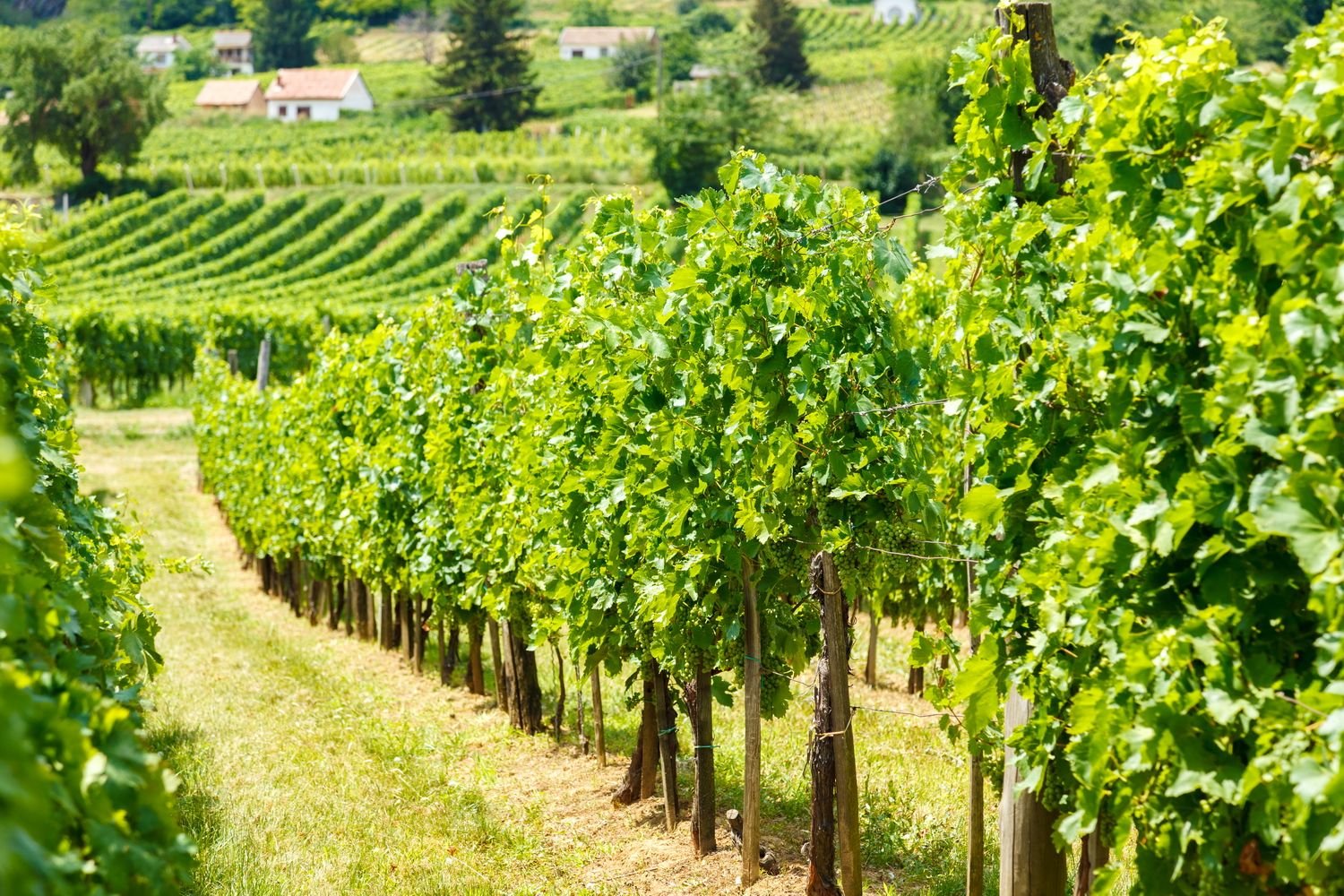
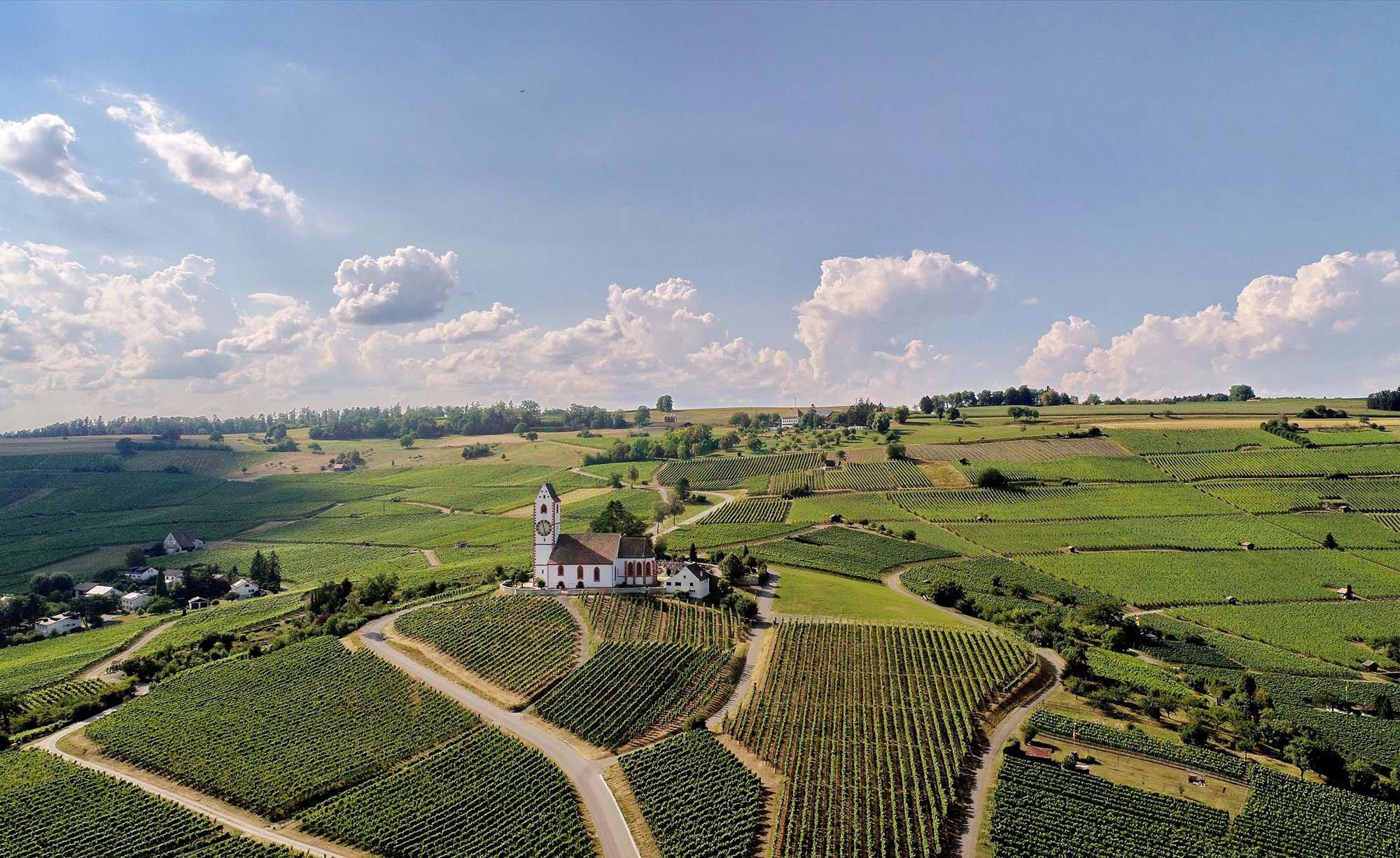
Bock Winery presents a measured, sophisticated presence rooted in Villány’s warm-climate vineyards and limestone soils. The estate reads like a producer that prioritizes terroir and long-term reputation over flash; its Pearl 2 Star Prestige recognition in 2025 underscores a steady record of quality rather than momentary hype. The writing on the land — south-facing slopes, loess and limestone subsoils — informs the house style: structured, dark-fruited reds that are built to age. The overall feel is refined and earnest, a place where careful viticulture and regional identity take center stage.
Best For
Bock is best for people who come to learn about Villány’s particular argument for red wine: collectors, serious wine students and groups touring the appellation. The estate’s strength lies in its focus on varietal expression and ageability, so visitors who value terroir-driven wines and thoughtful, cellar-worthy bottlings get the most out of a visit. It also suits celebratory occasions that call for wines with structure and longevity rather than light, immediate drinking. Travelers seeking a sense of place in Hungary’s southern hill country will find it especially rewarding.
Tasting Tips
When engaging with Bock’s wines, center attention on the region’s red varieties: Cabernet Franc, Cabernet Sauvignon, Merlot and the local Portugieser — the text singles out Franc as Villány’s most distinctive example. Look for wines that balance ripe colour with mineral tension and firm tannins; these are the bottlings built to age. Given the estate’s reputation for consistency, consider exploring different vintages to understand how warm-climate ripeness and limestone influence develop over time. Ask about cellar-worthy releases if you’re focused on collecting or cellaring.
Venue details
Ambiance
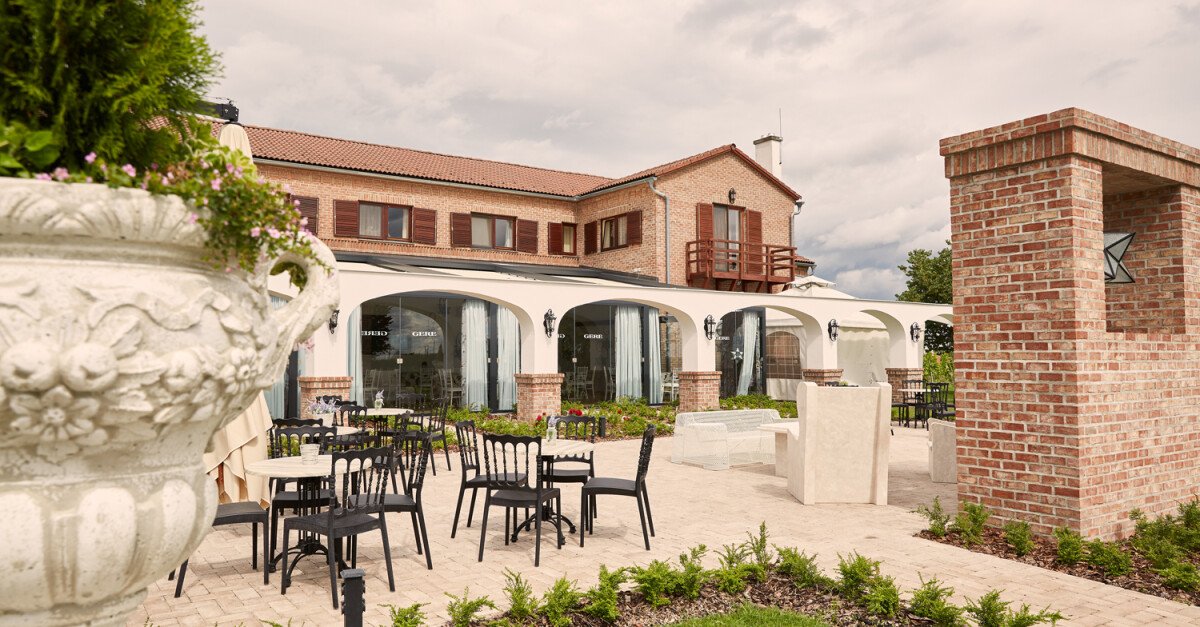
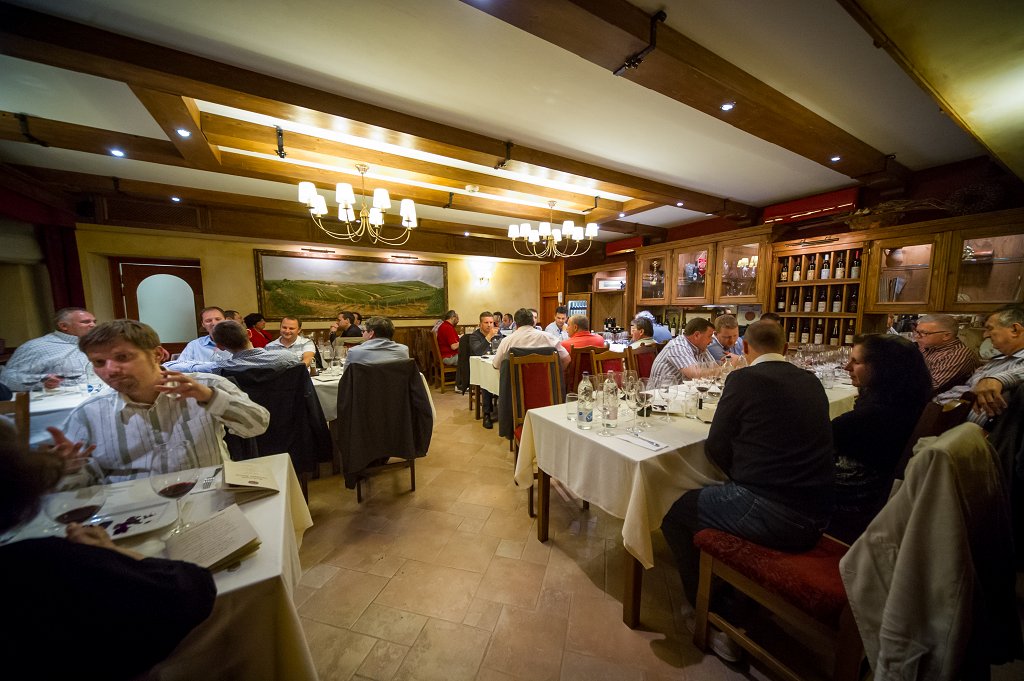
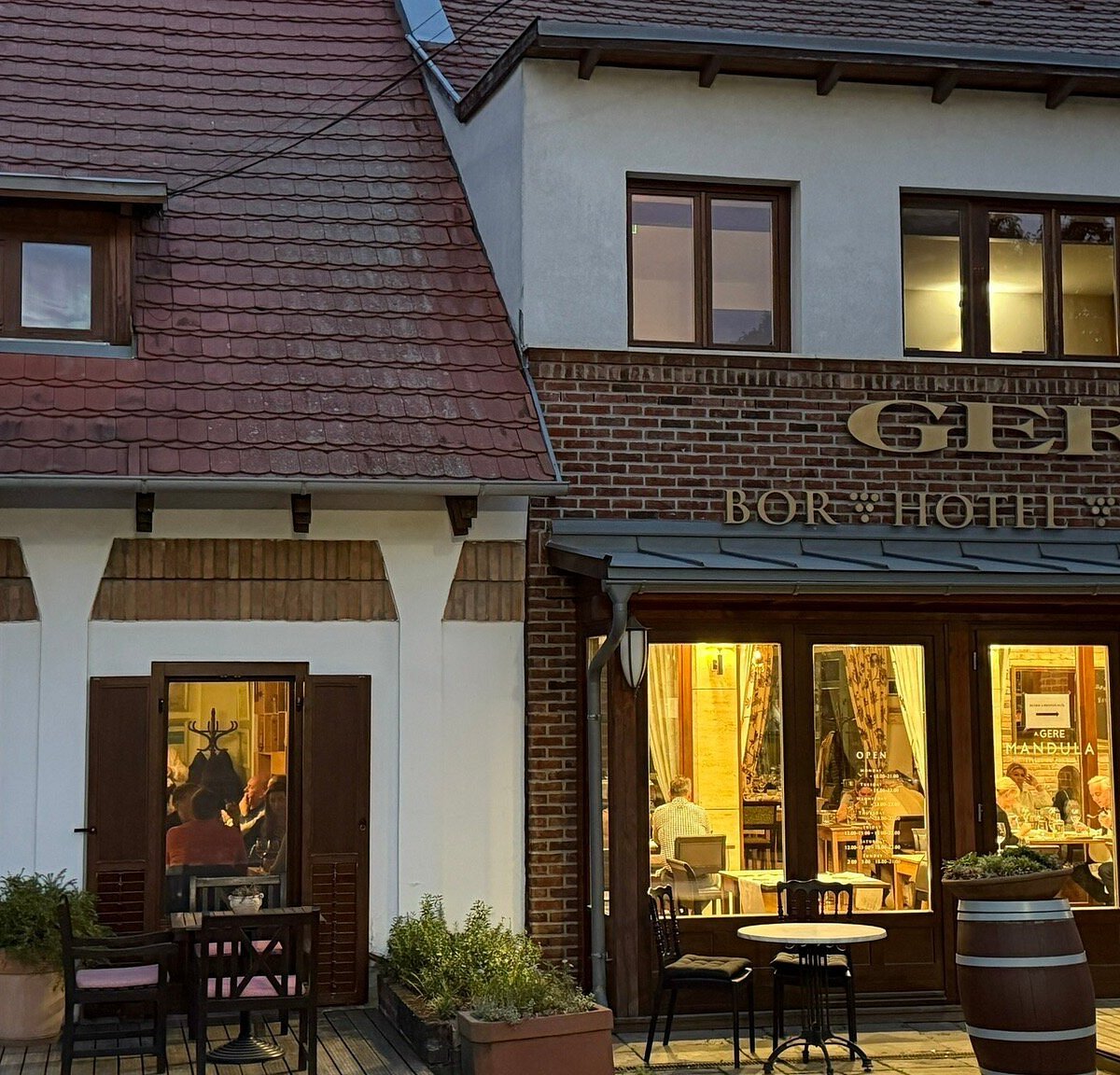
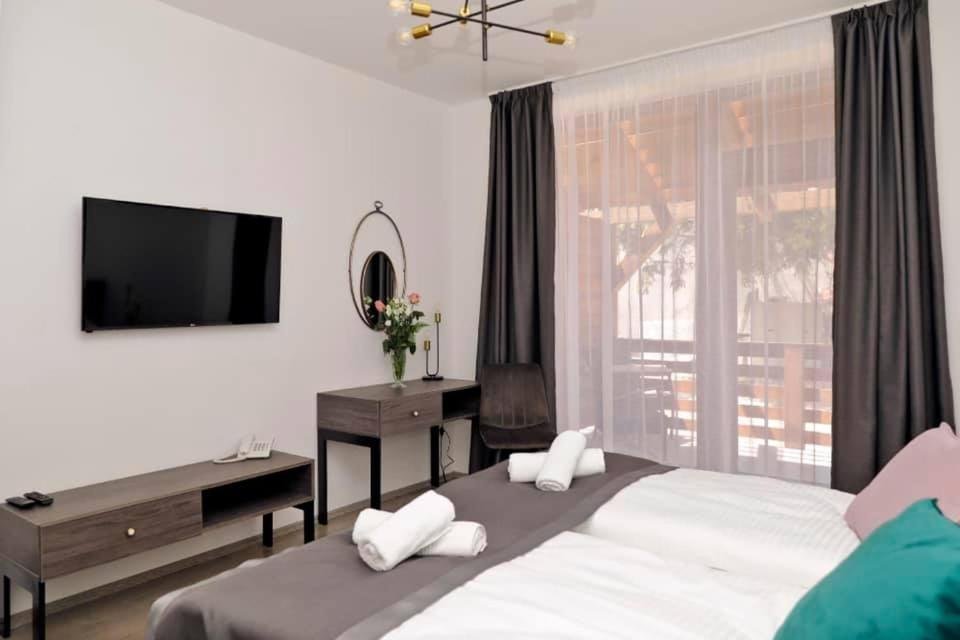
Cozy and relaxing with modern clean rooms, pleasant garden terrace, and a modest spa atmosphere featuring soft lighting in the small pool, sauna, and jacuzzi areas.
Tags
Vibe
Best For
Experience
Sourcing
View
Accessibility
At the Vineyard
- Appellation
- Villány
- Varietals
- Cabernet Franc, Cabernet Sauvignon, Merlot, Pinot Noir, Kékfrankos
- Tour Duration
- 60-90 minutes
- Tour Languages
- English
- Visits
- By reservation
- Farming
- Sustainable
- Wine Styles
- Still Red, Still White, Still Rose
- Food Pairing
- Offered
- Wine Club
- Not available
Know before you go
Know Before You Go
- Getting there
- Villány, Batthyány Lajos u. 15, 7773
Planning details
Location
Recognition and awards

Also consider
If access does not work
Try Malatinszky Winery if the priority is another serious Villány name, or Polgár Winery if the day needs a more forgiving backup. For a broader local route, add Csányi Winery or Gere Tamás & Zsolt Winery rather than waiting on a single hard-to-secure option.
Winery context
How It Compares
Bock Winery is the priority choice if the goal is a higher-stakes Villány visit with stronger prestige signaling, but it is also the one to treat as harder to secure. Malatinszky Winery is the better cross-shop for travelers who want another serious regional name in the plan, while Polgár Winery makes sense as the safer fallback if ease matters more than chasing the more in-demand option.
For groups balancing quality of experience against booking friction, Csányi Winery and Gere Tamás & Zsolt Winery are useful alternatives to keep in the same Villány shortlist. Choose Bock when the winery itself is the anchor of the day; choose one of these peers when the day needs more flexibility across tastings, meals, and transit.
Günzer Tamás Winery is the practical hedge for visitors who want a Villány tasting without putting the whole itinerary at risk. The smarter plan is to try for Bock first, then use one or two peer wineries as backups rather than forcing a single-slot schedule.
Explore Villány
Around this place
Discover more on Pearl
Unlock the full Bock Winery guide in Pearl, including awards, comparisons, FAQs, planning details, and nearby places.
Compare Bock Winery
| Venue | Location | Awards |
|---|---|---|
| Bock Winery | Villány | 2026 Falstaff Winery Guide |
| Malatinszky Winery | Villány | No published awards |
| Polgár Winery | Villány | No published awards |
| Csányi Winery | Villány | No published awards |
| Gere Tamás & Zsolt Winery | Villány | No published awards |
| Günzer Tamás Winery | Villány | No published awards |
How Bock Winery Villány compares with similar nearby venues.
FAQ
Frequently Asked Questions
What other wineries can I compare with Bock Winery?
For a Villány winery comparison, consider Malatinszky Winery, Polgár Winery, Csányi Winery, Gere Tamás & Zsolt Winery, and Günzer Tamás Winery alongside Bock Winery.
What is Bock Winery known for?
Bock Winery is a Villány winery with 2 Star Prestige recognition in 2025. The dress code is casual.