

2026 Falstaff Winery Guide: The Ultimate Wine Authority — Page 62
Falstaff's 2026 Wineries guide.

Venues on this list
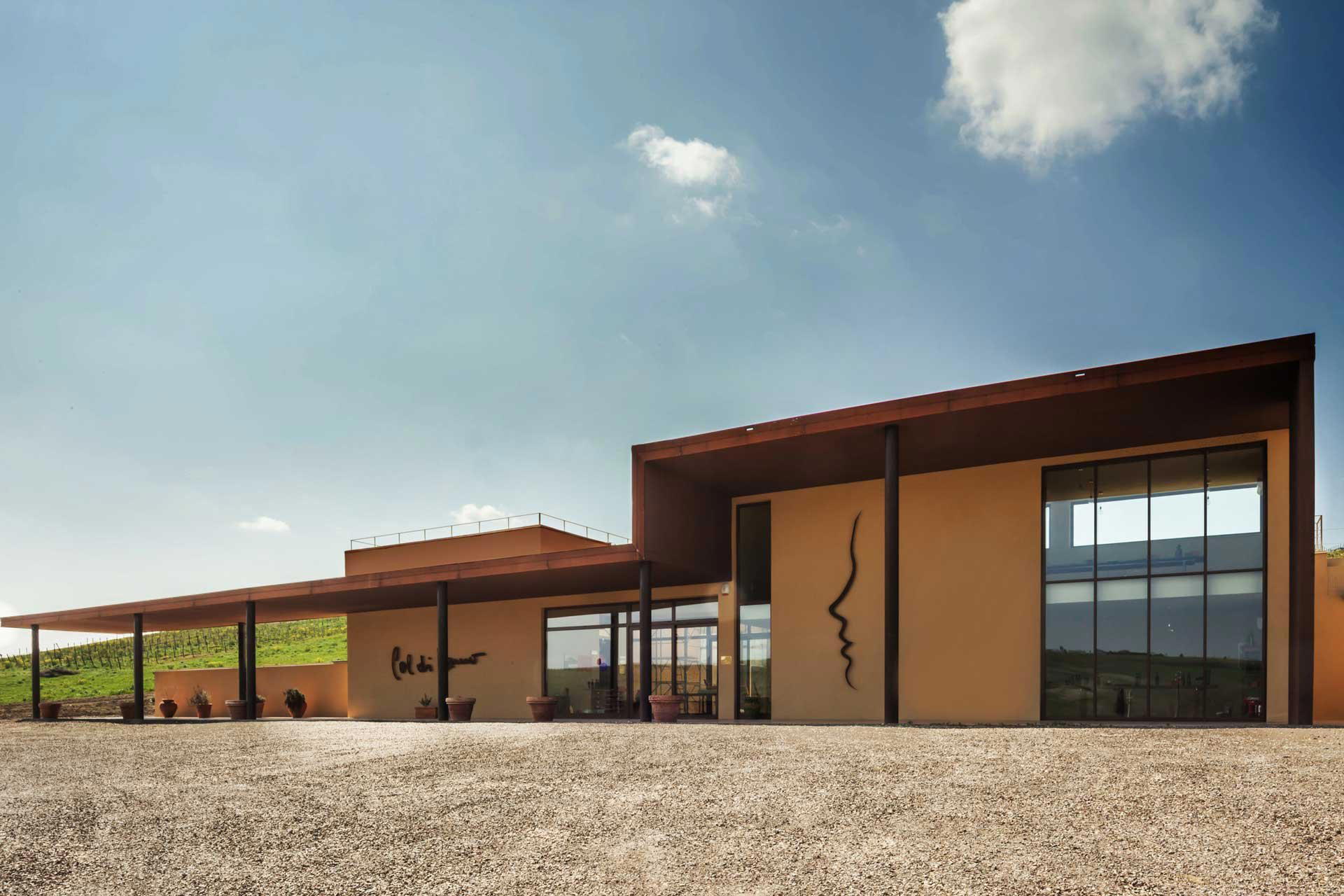
Col di Lamo
Torrenieri, Italy
Col di Lamo is a sensible Torrenieri shortlist pick for a quiet, wine-first Tuscany visit, especially if the occasion calls for a calmer tasting rather than a restaurant-led plan. Its Falstaff Listed 2026 recognition gives it a credible quality signal, but wine club or allocation value should be judged only after checking bottle frequency, shipping terms, and cancellation rules.
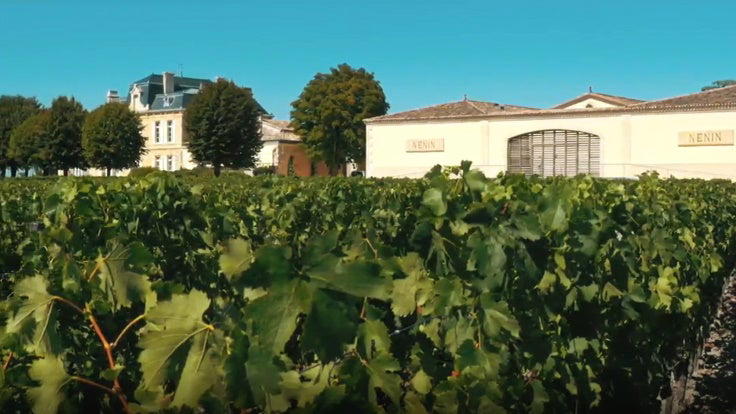
Château Nénin
Libourne, France
Book Château Nénin if the trip is built around serious Pomerol context rather than casual tasting. It suits collectors, special occasions, and business wine itineraries better than groups trying to fit in several quick stops, with 1869 heritage and Pearl 4 Star Prestige recognition in 2025 supporting the case.
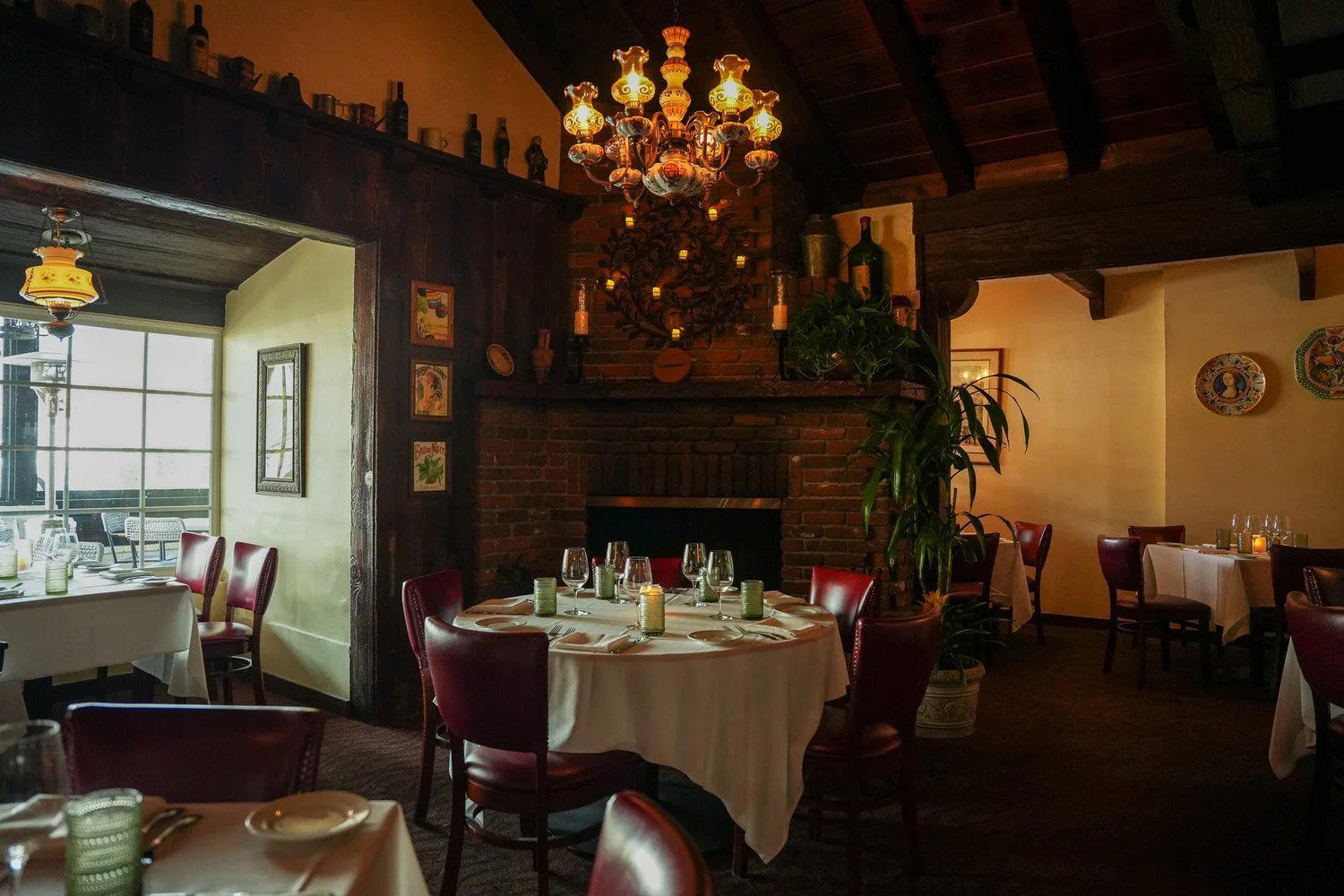
Aisna
Montalcino, Italy
Aisna is worth booking for a quiet, traditional Brunello-focused stop in Montalcino, especially if the day is built around Sangiovese and Tuscan food. It suits couples or small wine-led groups better than visitors looking for a large hospitality production.
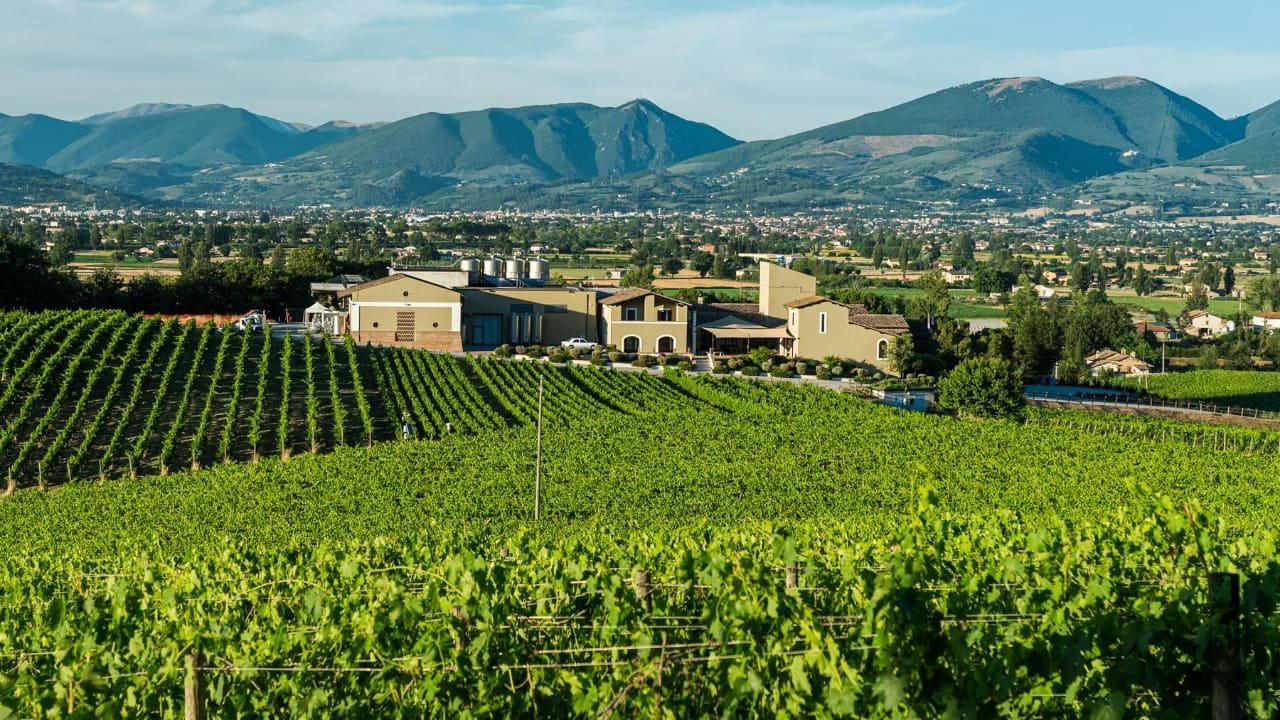
Arnaldo Caprai
Montefalco, Italy
Arnaldo Caprai is worth prioritizing if Montefalco wine depth is the point of the trip, not just a casual tasting between hill towns. Plan early, keep the schedule flexible around the visit, and use it as the wine anchor for a broader Umbrian day rather than a quick add-on.
Champagne A. R. Lenoble
Damery, France
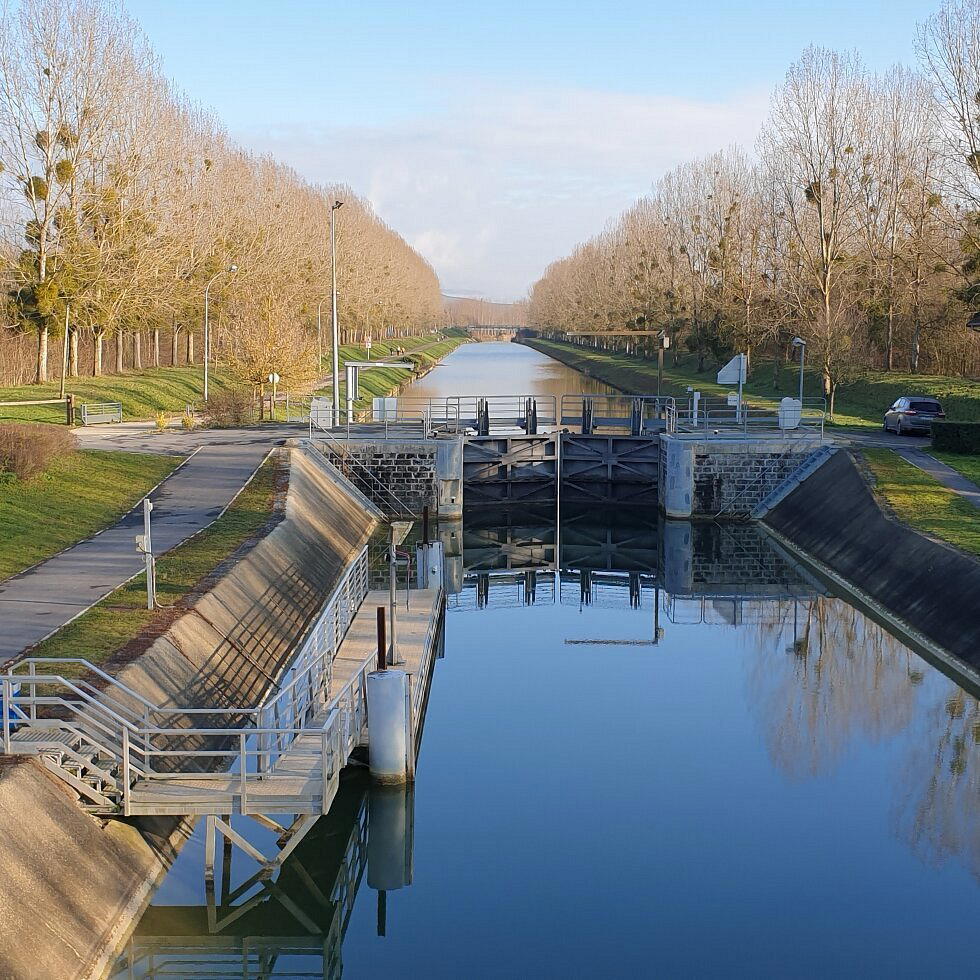
Book Champagne A. R. Lenoble if the goal is a focused Damery wine stop with credible external recognition, not a loose walk-in tasting day. Falstaff 4 Stars in 2026 gives it a clear quality signal, but the lack of published visit details means it suits organised Champagne drinkers better than casual first-timers.
Azienda vitivinicola Domenico Filippino
Neive, Italy
A Falstaff-listed Neive producer worth considering for travelers who want a quieter, cellar-focused Piedmont wine stop. Azienda vitivinicola Domenico Filippino fits an itinerary built around producer discovery and local context rather than a polished tasting-room format.
Bentu Luna
Neoneli, Italy
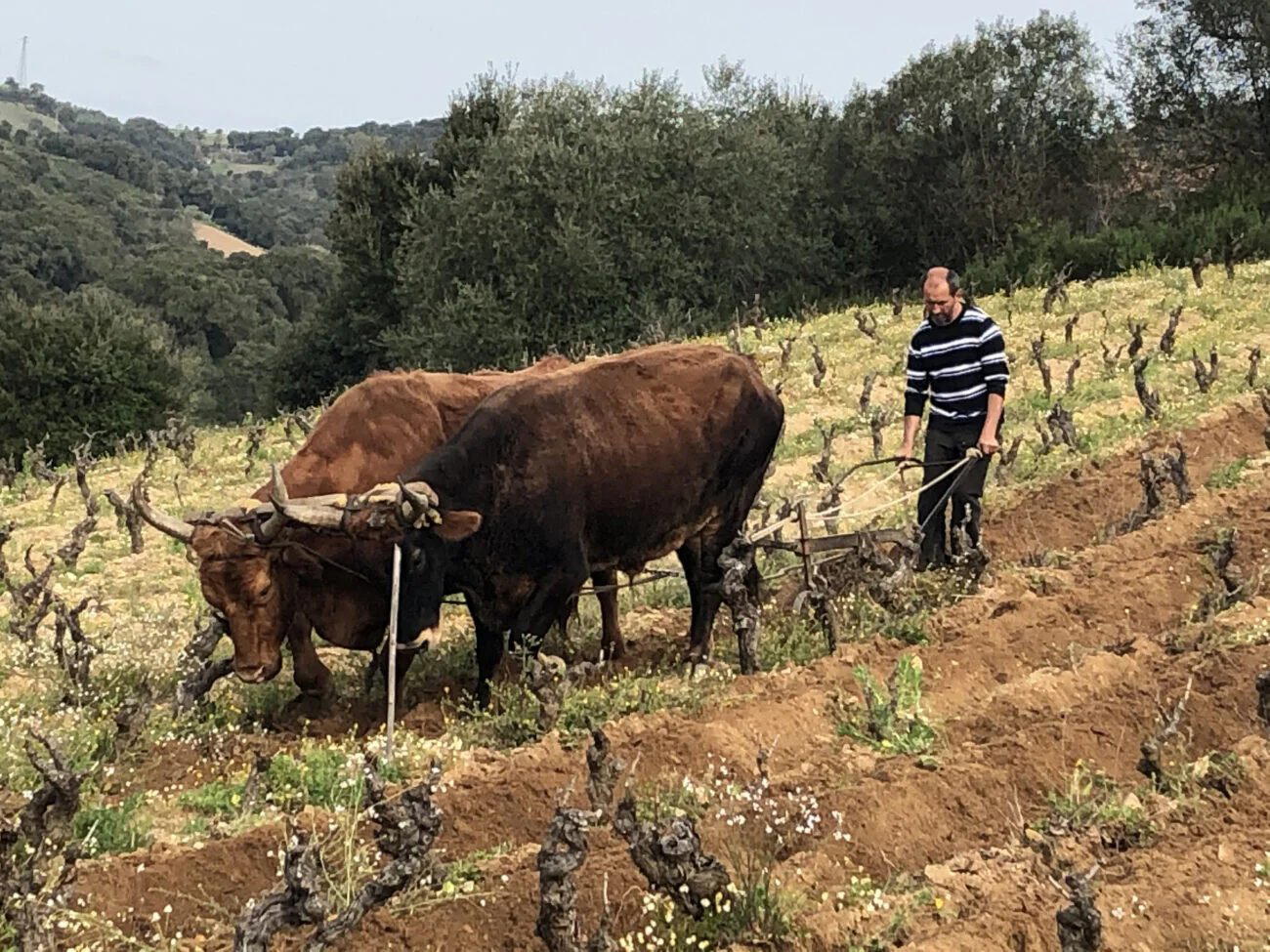
Worth planning around if inland Sardinian wine, old vines, and low-intervention production are the point of the trip. Bentu Luna is a stronger fit for curious wine travellers than casual drop-ins, with a modern winery format, indigenous varieties, and serious recognition for Sobi. Treat Neoneli as the anchor rather than a quick add-on.
Château de Lussac
Lussac, France
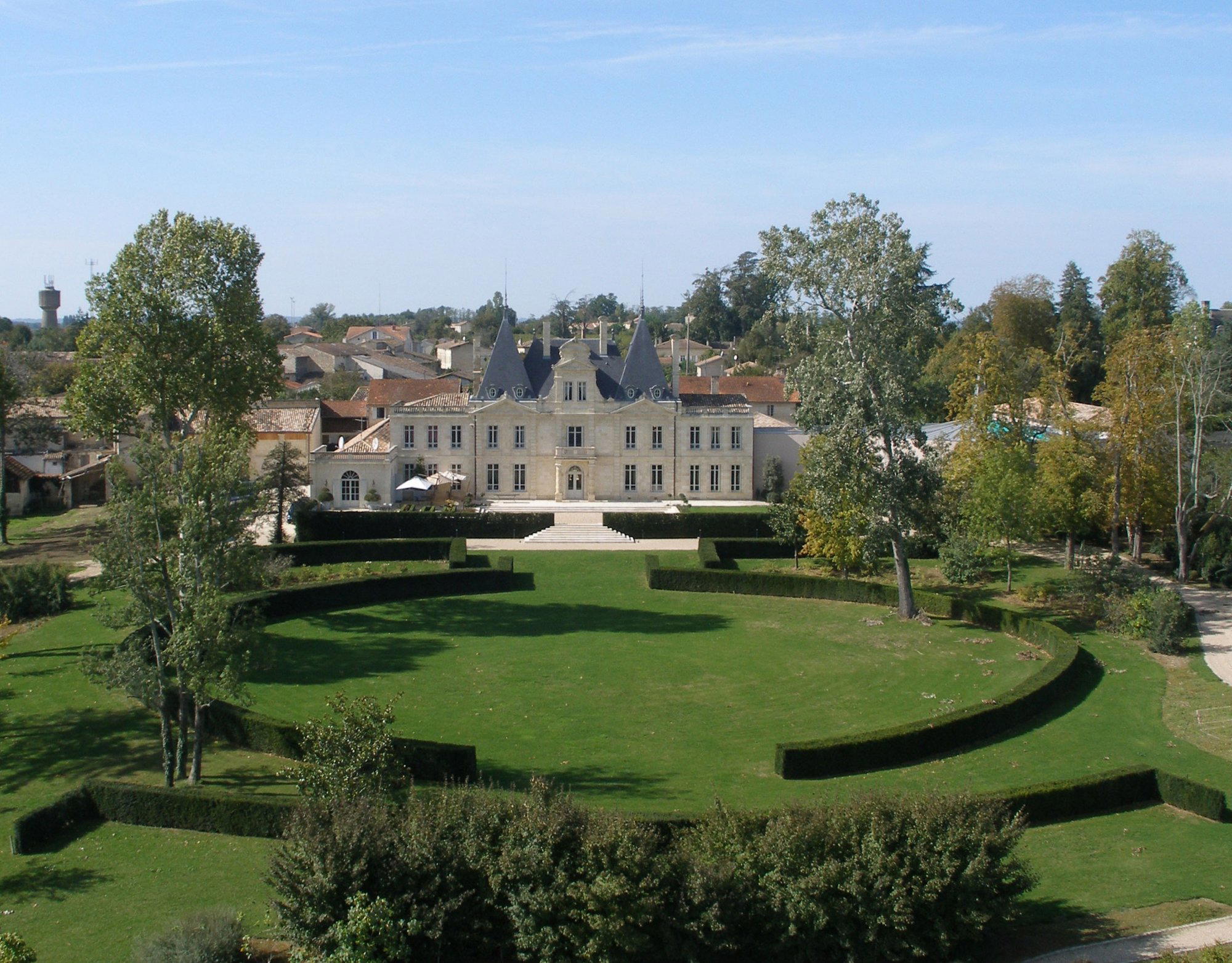
Book Château de Lussac if you want a calm, traditional Right Bank Bordeaux tasting with a clear Lussac-Saint-Émilion point of view. It is strongest for buyers assessing the flagship and second wine for repeat purchasing, not for travelers chasing elaborate hospitality or a food-led winery experience.
Herdade São Miguel
Redondo, Portugal
Herdade São Miguel is worth booking if the priority is understanding a modern Redondo producer through its reserve reds and broad Alentejo price ladder. Expect a working wine estate feel rather than luxury hospitality; the value is in comparing tiers, especially the stronger barrel-selected and reserve bottlings.
Ansitz Mairhof
Parcines, Italy
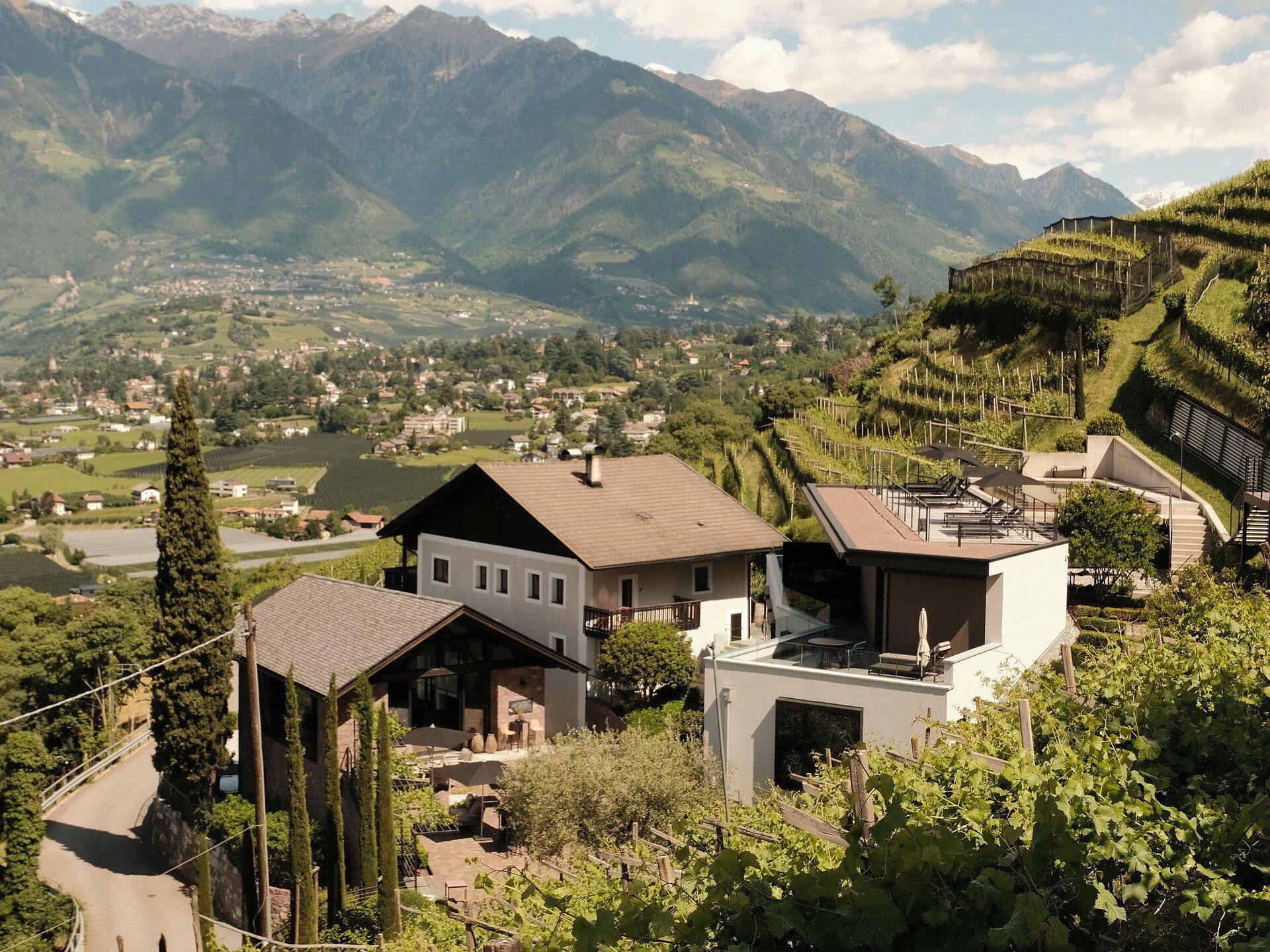
Book Ansitz Mairhof if you want a small, appointment-led South Tyrolean estate tasting with historic setting, estate-grown wines, and orchard products. It is better for curious wine travelers than for casual drop-ins or anyone seeking a large portfolio, formal club structure, or high-throughput cellar experience.
Gallica
St. Helena, United States
Gallica is worth shortlisting for a more focused St. Helena wine stop, especially if external recognition matters more than a fully packaged visitor experience. It suits Napa regulars, collectors, and special-occasion travelers better than large groups or first-timers who want every tasting detail set upfront.
Biohof Josef Grösz
Halbturn, Austria
Book Biohof Josef Grösz if the priority is a quiet, organic-wine-focused tasting in Halbturn rather than a designed hospitality experience. The value is strongest for couples or small celebration groups interested in vegan-friendly wines, Chardonnay, Burgenland reds, and a producer with Austria Bio Garantie certification and 30 years of organic recognition.
Domaine du Vieux Moulin
Motier Vully, Switzerland
Book Domaine du Vieux Moulin if you want a quiet, traditional Vully winery visit with family-estate history and a cellar-focused tasting mood. It is better for small celebrations and wine-led stops than for large groups or highly produced hospitality experiences, with a $$ price signal and Falstaff listing recognition in 2026.
Domaine Ponsot
Morey-Saint-Denis, France
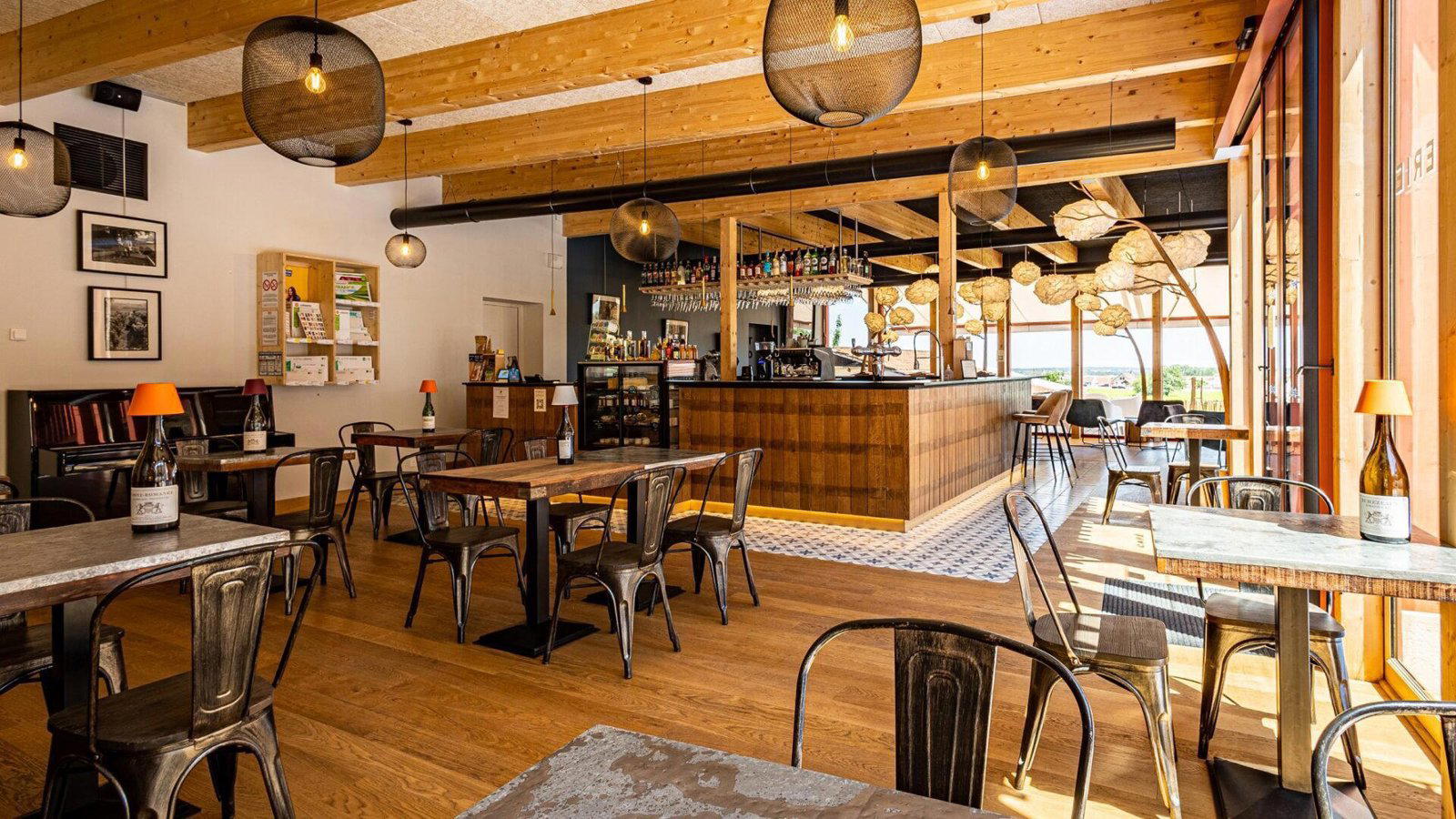
Domaine Ponsot is worth prioritising for serious Burgundy travelers who want Morey-Saint-Denis depth and are comfortable with difficult access. The first vintage dates to 1934, Rose-Marie Ponsot is listed as winemaker, and the 2025 Pearl 4 Star Prestige rating supports the effort. Casual visitors looking for food, group-friendly logistics, or an easy tasting format should cross-shop nearby domaines first.
Gérard Boulay
Chavignol, France
Prioritise Gérard Boulay if your Chavignol plan is built around serious Sancerre rather than casual cellar hopping. It is better treated as the anchor of a wine day, with meals and other stops arranged around access, especially given the high booking difficulty.
Niepoort
Vila Nova de Gaia, Portugal
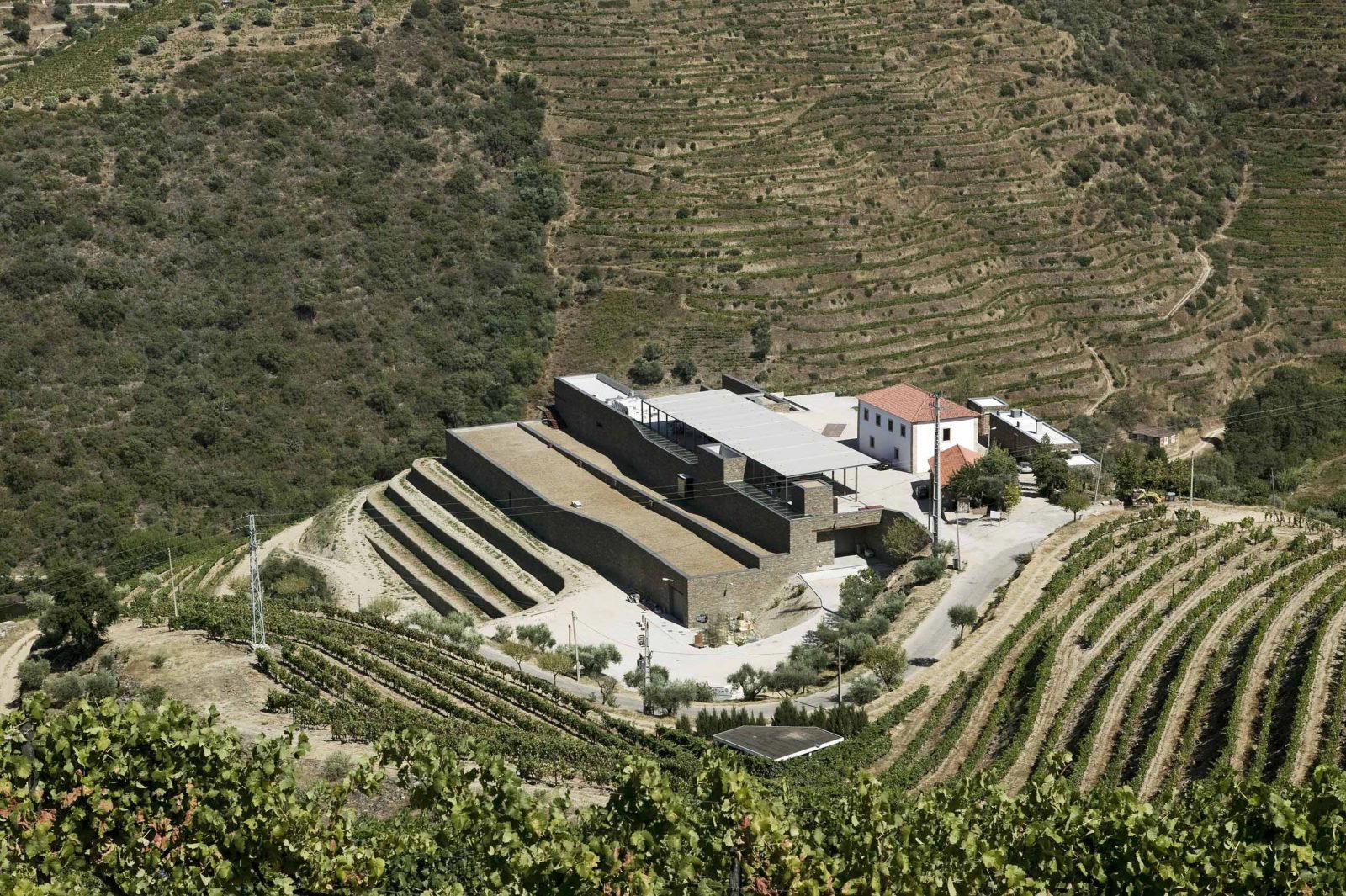
Prioritise Niepoort if the Vila Nova de Gaia plan is built around serious wine rather than a broad port-lodge checklist. It suits couples, collectors, and business guests who want a more intentional stop, but large groups may find a bigger Gaia lodge easier to organise.
Éric Forest
Vergisson, France
Éric Forest is worth targeting if the trip is about serious white Burgundy from Vergisson rather than a polished tasting-room circuit. Expect a small, family-run Chardonnay domaine with biodynamic influence, manual work and a strong limestone-driven identity; less suitable for large groups or visitors looking for food, retail browsing or a casual drop-in format.
Ca'Stelle
Castelvenere, Italy
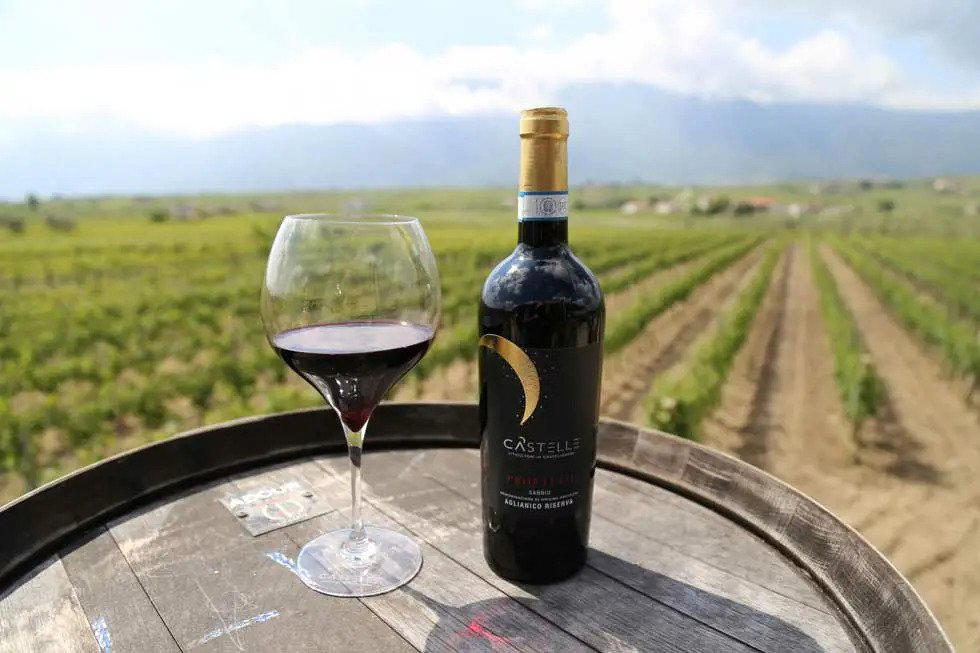
Ca'Stelle works for a wine-led stop in Castelvenere if the priority is assessing bottles from a Falstaff-listed producer rather than booking a fully documented hospitality experience. Treat it as an enquiry-first winery visit: confirm tastings, food, group fit, and shipping before planning a special occasion around it.
Château Belle-Vue
Macau, Macau
Château Belle-Vue is worth planning for if the goal is serious Haut-Médoc context rather than a casual tasting stop. Its appeal is the combination of Cru Bourgeois Exceptionnel credibility, a strong Petit Verdot angle, and a roadside Left Bank setting near Macau; the appointment-only format makes it better for focused wine travelers than flexible itineraries.
Champagne Bouché Père et fils
Pierry, France
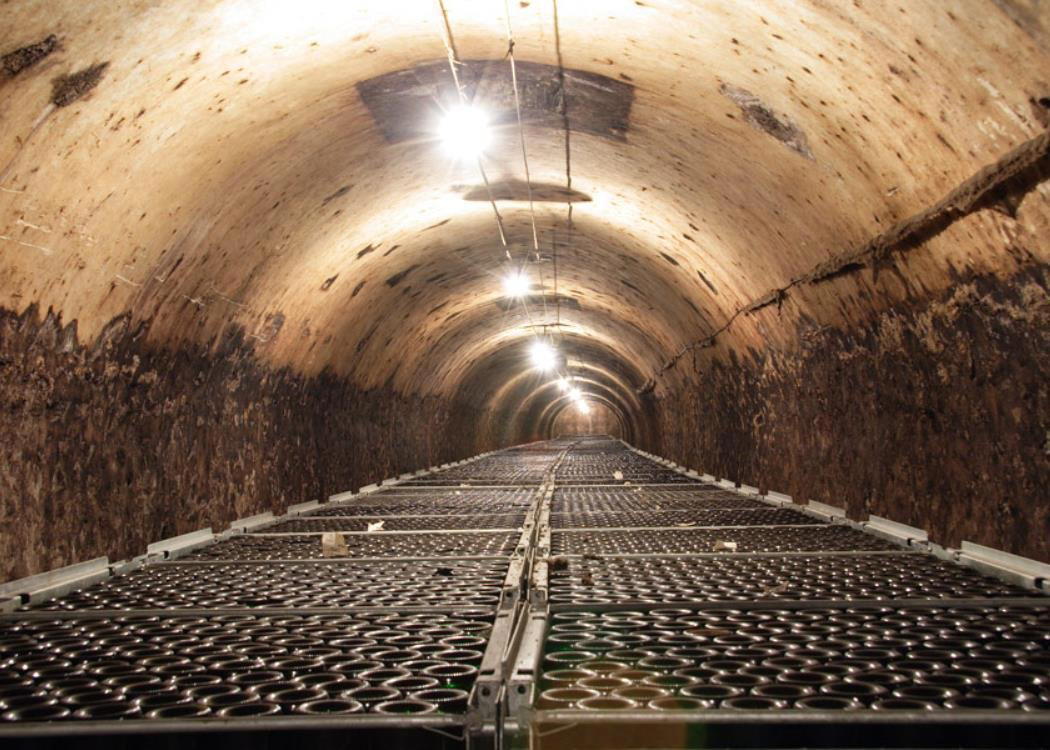
Book Champagne Bouché Père et fils if you want a quieter Pierry tasting with family-house heritage and historic-cellar atmosphere rather than a glossy large-house visit. It is a strong fit for couples, small groups, and repeat Champagne travelers who want to compare styles across classic grapes and cellar aging choices.
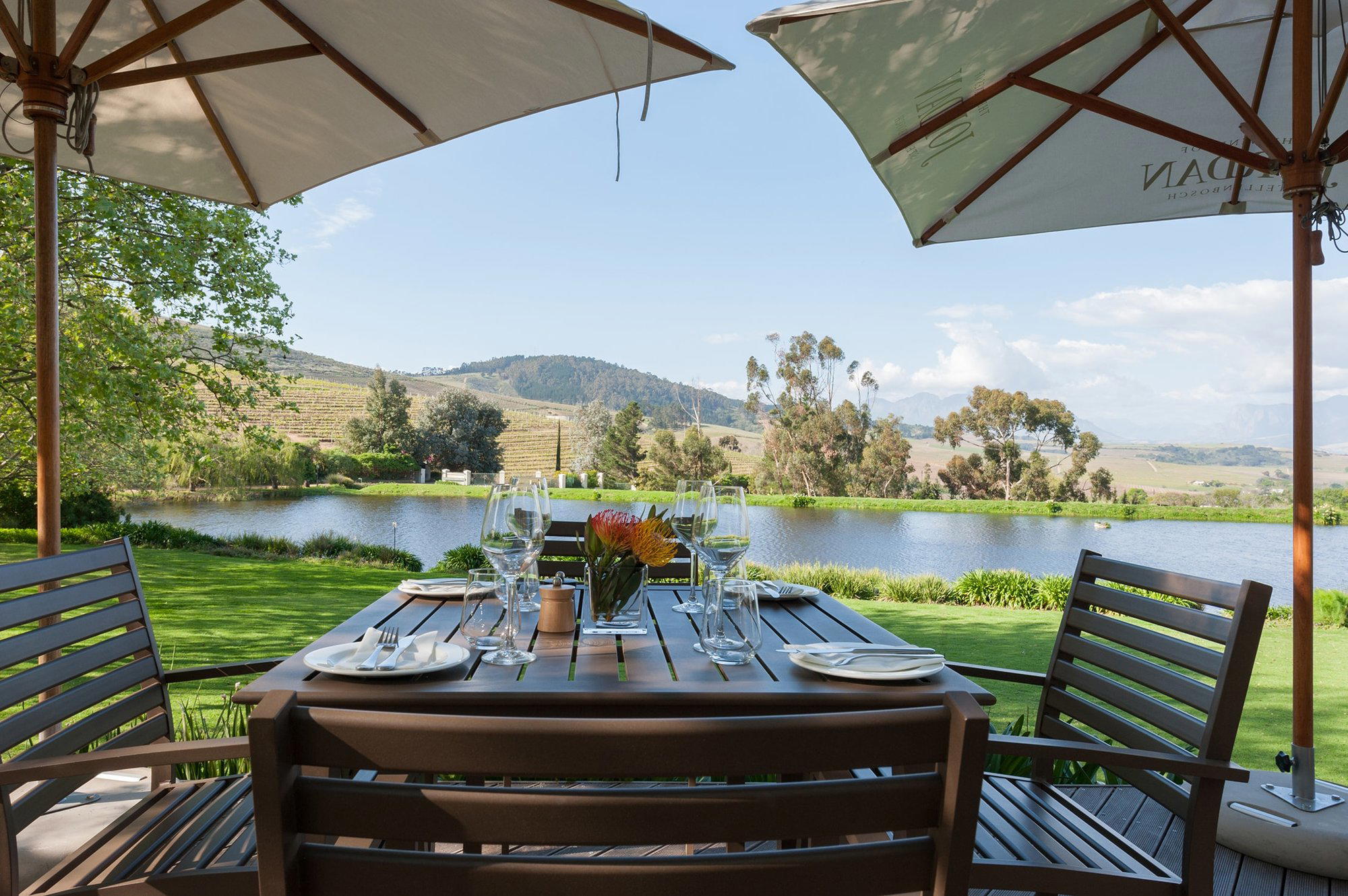
Jordan Wine Estate
Stellenbosch, South Africa
Jordan Wine Estate is worth planning around if the priority is a serious Stellenbosch wine stop rather than an easy drop-in. Its Pearl 2 Star Prestige recognition supports the case for advance planning, especially for enthusiasts considering repeat access or allocation-style buying, but casual visitors should compare it against larger, easier estates before committing.
Rodolfo Cosimi
Montalcino, Italy
Il Poggiolo is worth shortlisting for a quiet, traditional Brunello-focused stop near Montalcino, especially if the point of the day is Sangiovese and Tuscan estate atmosphere rather than a polished visitor program. The $$ price signal and 2026 Falstaff listing help the value case, but book only if a wine-first experience is enough for the occasion.
Camafonte – arte e natura
Pergola, Italy
A smart Pergola stop for natural-wine drinkers, especially if orange wine is the draw. Camafonte – arte e natura is appointment-only, rural and small-scale, with Falstaff-listed recognition and bottle prices from €12 to €29, plus a €95 six-bottle Natural Wine pack for a broader read on the portfolio.
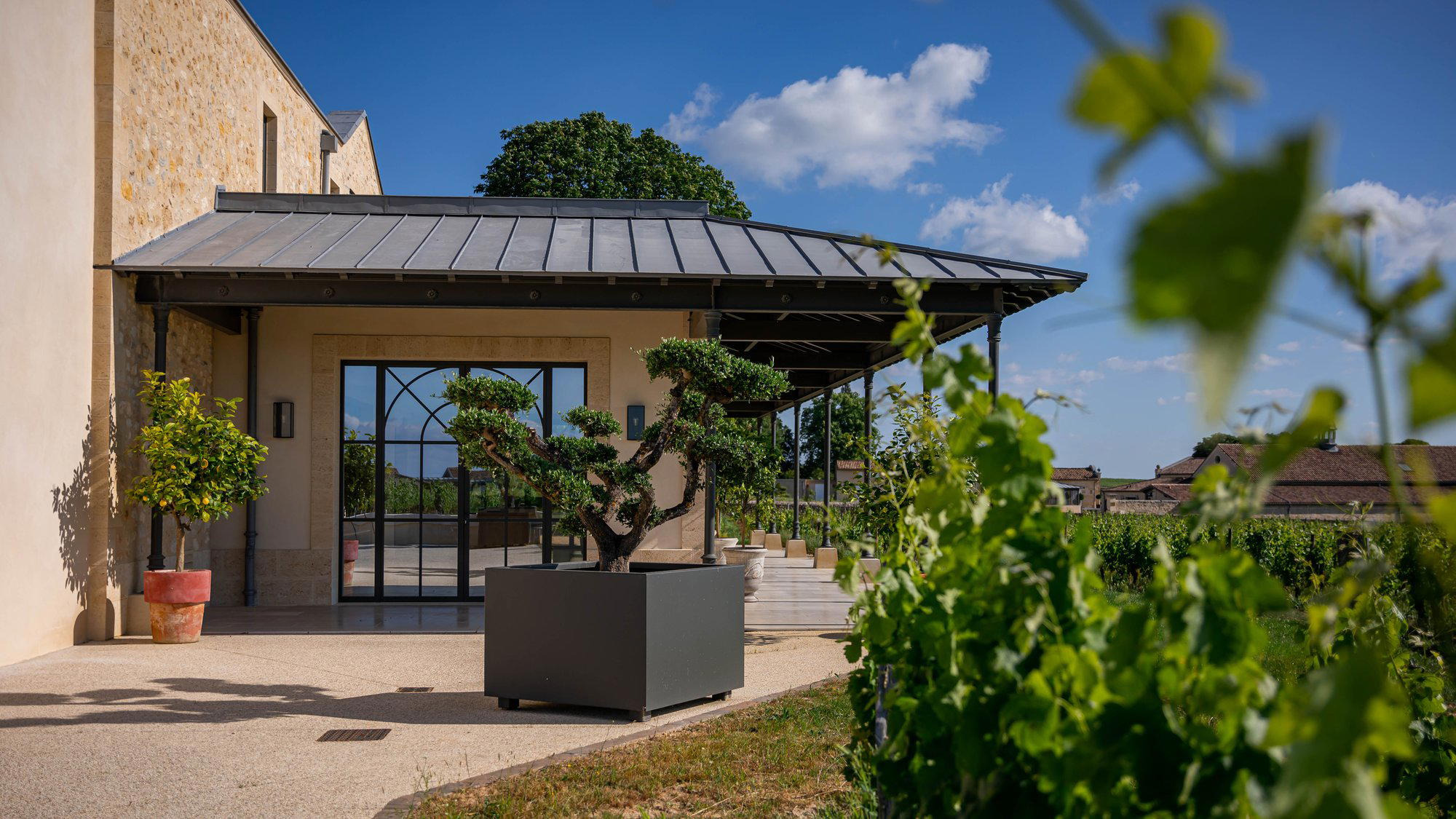
Château Larmande
Saint-Émilion, France
A good Saint-Émilion pick for visitors who want a quieter estate-focused wine stop rather than a hospitality-heavy outing. The 2026 Falstaff 2-Star recognition gives Château Larmande a clear quality signal, but plan carefully: confirmed visitor details are sparse, so it works better as part of a flexible village-and-wine itinerary.
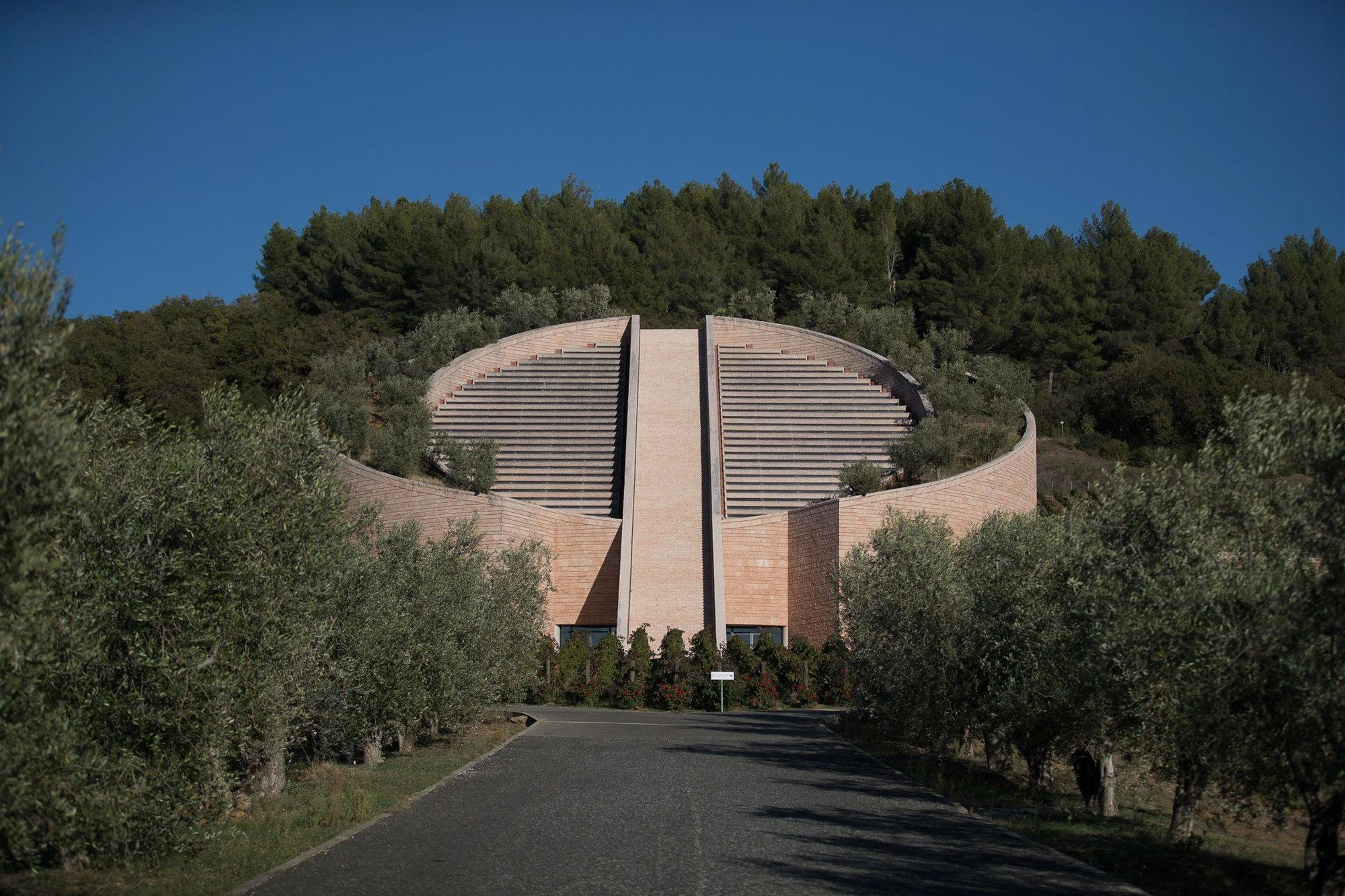
Alta Mora - Cusumano
San Cataldo, Italy
Alta Mora - Cusumano is worth booking if your Sicily wine plan is focused on Etna rather than a casual tasting-room stop. The private format is the stronger choice for travelers who want context on volcanic soils, indigenous grapes, and the Cusumano family’s site-driven approach; appointment-only planning makes it a deliberate itinerary anchor, not a last-minute backup.
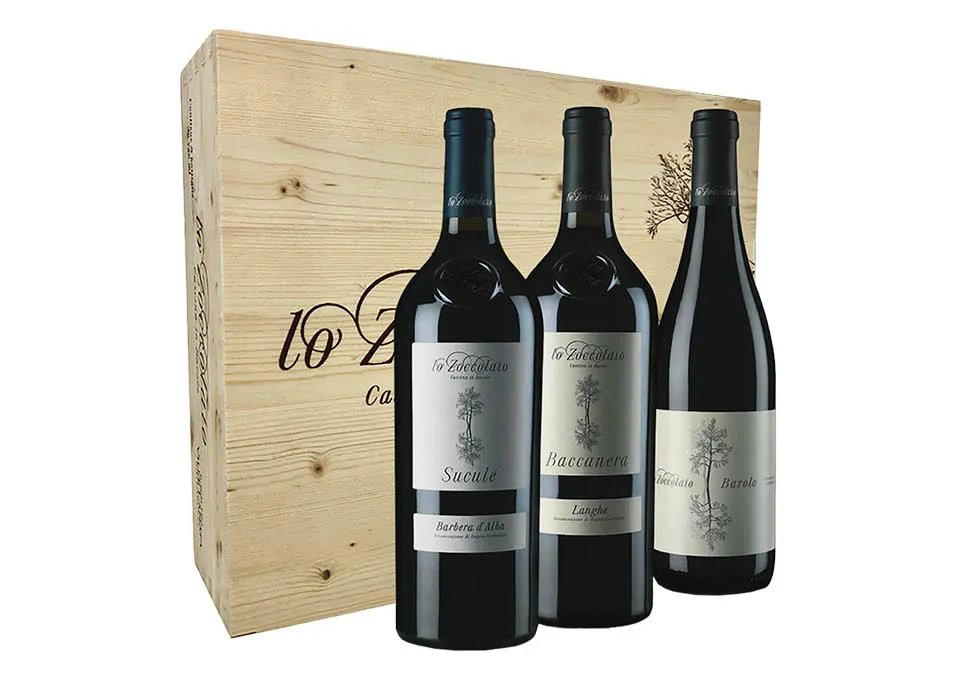
Cascina Lo Zoccolaio
Barolo, Italy
Worth considering as a focused Barolo winery stop if the goal is wine context rather than a full dining-style visit. Cascina Lo Zoccolaio carries Falstaff recognition for 2026, but travelers should confirm tasting format, group fit, and shipping details before building a day around it.
Champagne Mouzon Leroux et fils
Verzy, France
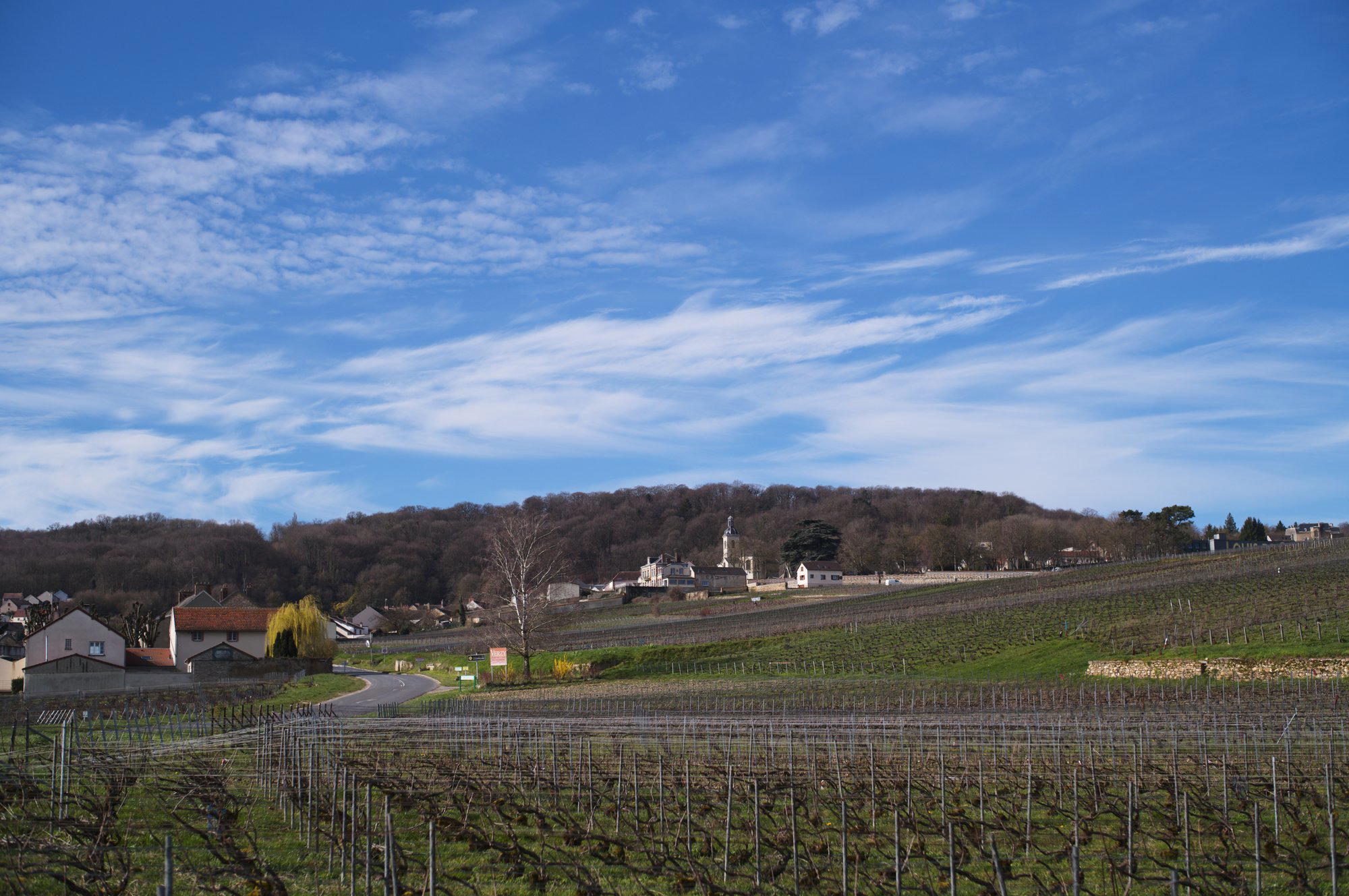
A focused Verzy Champagne stop for travelers who want a producer-led visit without turning the whole day into a formal estate itinerary. Champagne Mouzon Leroux et fils is a practical pick for couples or small celebration groups, with Falstaff Listed recognition in 2026 adding a useful quality signal. Confirm tasting format and timing before building meals or transfers around it.
Château Puech Haut
Saint Drezery, France
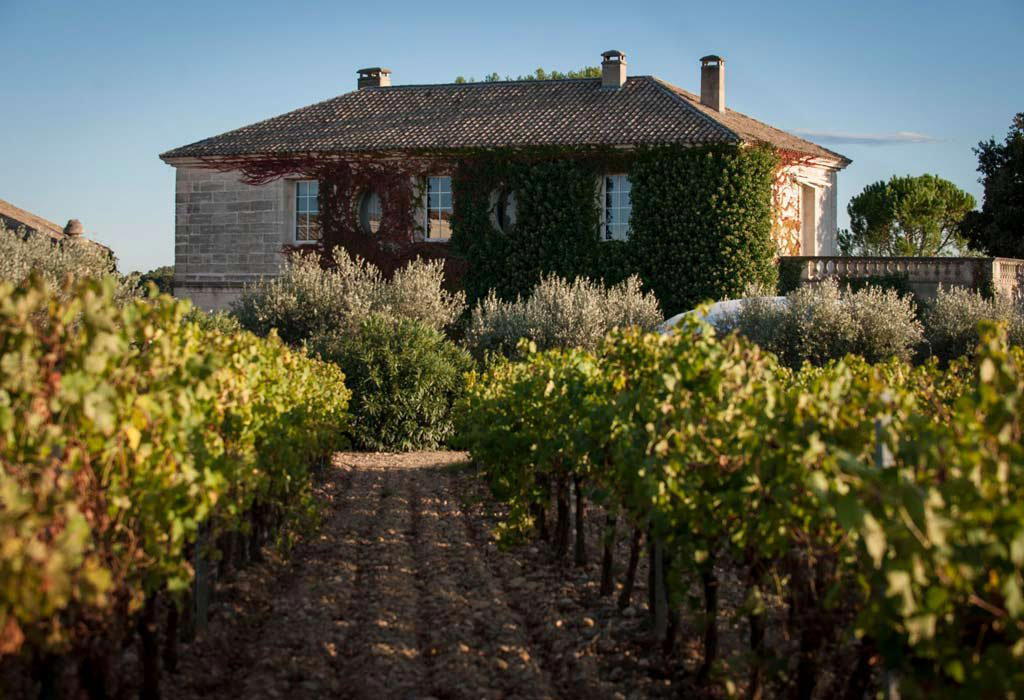
Château Puech Haut is worth booking for a polished Languedoc estate tasting near Montpellier, especially if the trip is built around wine rather than a quick countryside stop. The château setting, art installations, dedicated tasting room, Falstaff Listed 2026 recognition, and broad red-white-rosé portfolio make it a strong anchor for a Saint-Drézéry wine day.
Jakoby-Mathy
Kinheim, Germany
Jakoby-Mathy is a quiet, classic Kinheim wine stop that makes sense for a small Mosel itinerary, especially if the priority is a restrained appointment rather than a large visitor-center experience. For wine-club or allocation decisions, treat the visit as the test first; it is better framed as a local tasting prospect than an automatic long-term buying commitment.
Dalrymple Vineyards
Pipers Brook, Australia
Against more fully documented winery stops, Dalrymple Vineyards is the choice for a focused Pipers Brook wine visit rather than a guaranteed all-day hospitality venue. Its 2026 Falstaff listing gives it a useful credibility marker; plan ahead if food, fixed hours, or group logistics matter.
Bodegas Ondarre
Viana, Spain
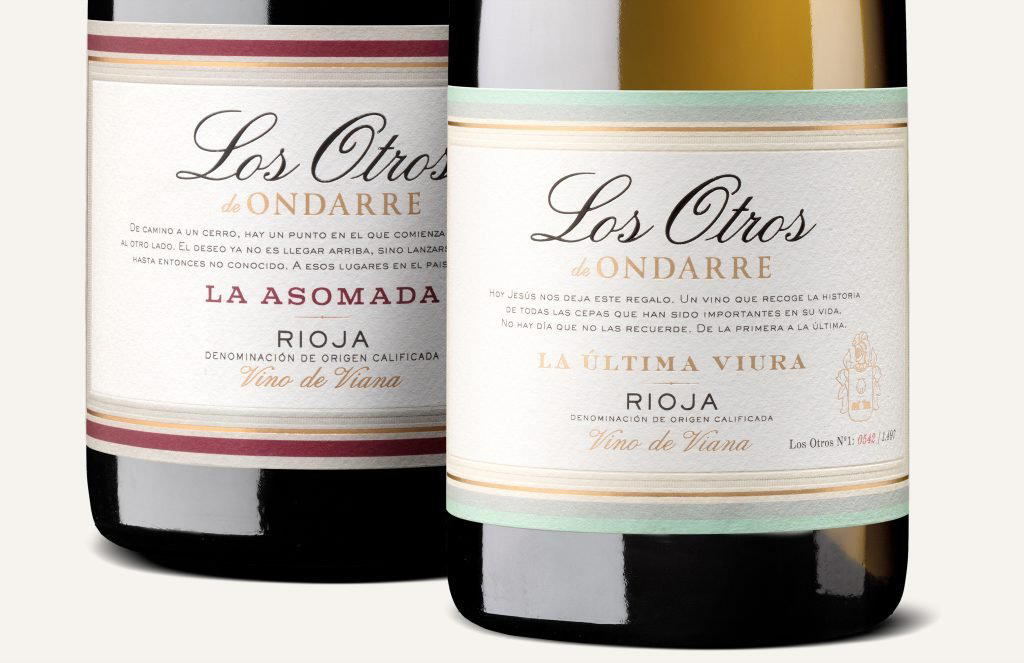
Book Bodegas Ondarre if you want a serious, traditional Rioja stop in Viana with a focus on Reserva-led wines, older bush vines, and soil-driven character. It is better for a quiet tasting or wine-focused celebration than for visitors looking for a food-heavy winery experience or a high-production tourist stop.
Château Haut Bellevue
Lamarque, France
Château Haut Bellevue works if the goal is a grounded Haut-Médoc stop rather than a grand château spectacle. Its pull is the Lamarque location, Cabernet-led Left Bank context, and connection to the Alain Roses portfolio, with Falstaff Listed (2026) recognition adding a useful trust signal for first-time planners.
Earl Domaine Rossignol-Février Père et Fils
Volnay, France
A serious Volnay choice for Burgundy drinkers who value small-scale, family-run production over a polished visitor setup. The draw is the 7-hectare Côte de Beaune footprint across Volnay, Pommard, and Beaune, plus a portfolio centered on Pinot Noir with Aligoté and Passetoutgrain. Better for allocation-minded buyers than casual tasting-room travelers.
Champagne Vincent Couche
Buxeuil, France
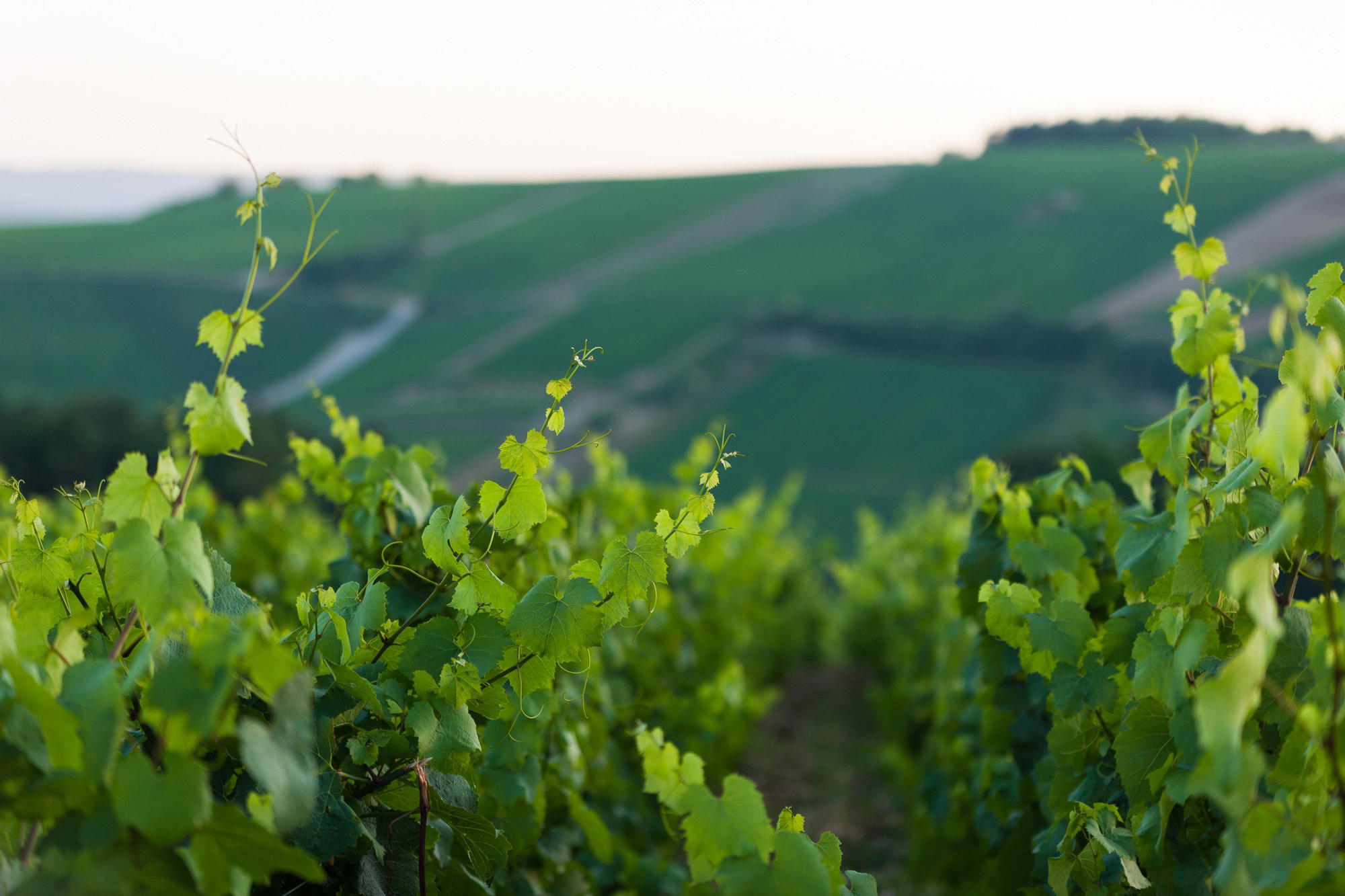
Book Champagne Vincent Couche if the goal is a serious Champagne-focused stop in Buxeuil, not a meal-led pairing experience. The Falstaff 2 Stars recognition gives it a credible quality signal, but planning should stay flexible because access is difficult and practical visit details are sparse.
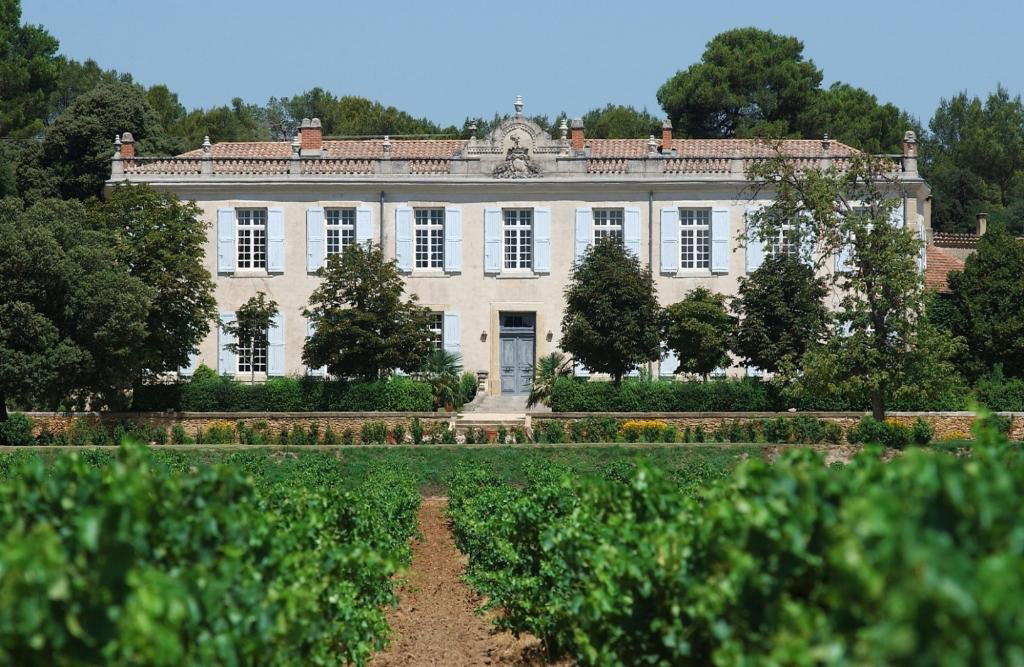
Château Beauchêne
Piolenc, France
Château Beauchêne is a sensible Piolenc stop for travelers building a Rhône-focused wine day, especially if the goal is regional context rather than a fully packaged luxury tasting. The value call is positive but cautious: confirm practical details first, then treat it as one piece of a wider Vaucluse itinerary.
I AM NOT WINE
Bingen am Rhein, Germany
A cautious yes for travelers building a Bingen am Rhein wine itinerary around contemporary, boutique-feeling stops. I AM NOT WINE has Falstaff recognition for 2026 and a moderate price signal, but the tasting format, portfolio, and production details are not clearly established, so it works better as an add-on than the centerpiece of a special occasion.
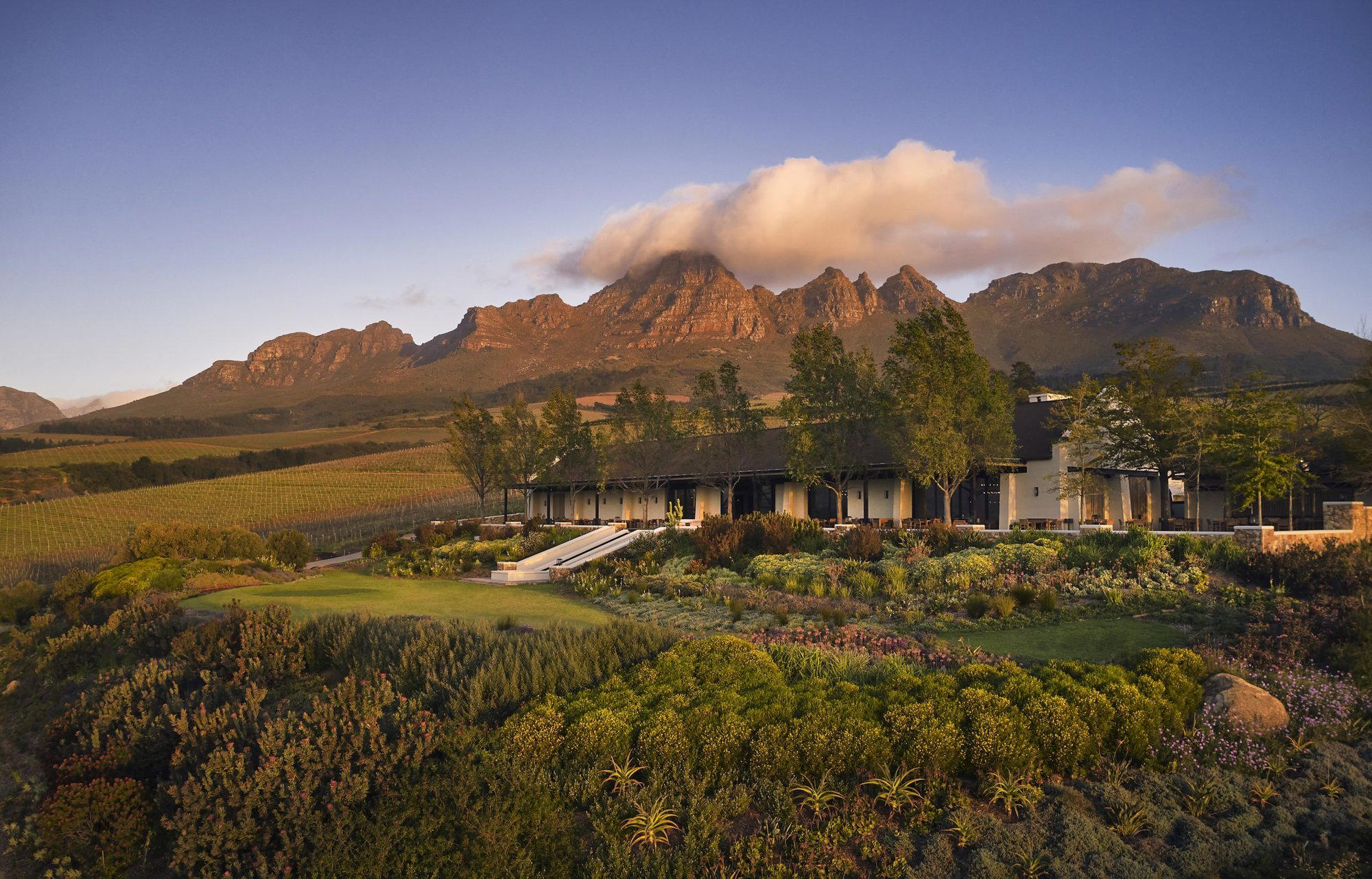
Ernie Els Wines
Stellenbosch, South Africa
Ernie Els Wines is worth prioritising if the goal is a polished, destination-style Stellenbosch winery stop rather than a quick tasting add-on. Build it into a southern Stellenbosch route and leave room in the schedule, especially if exact food, pricing, and booking details matter to the day's plan.
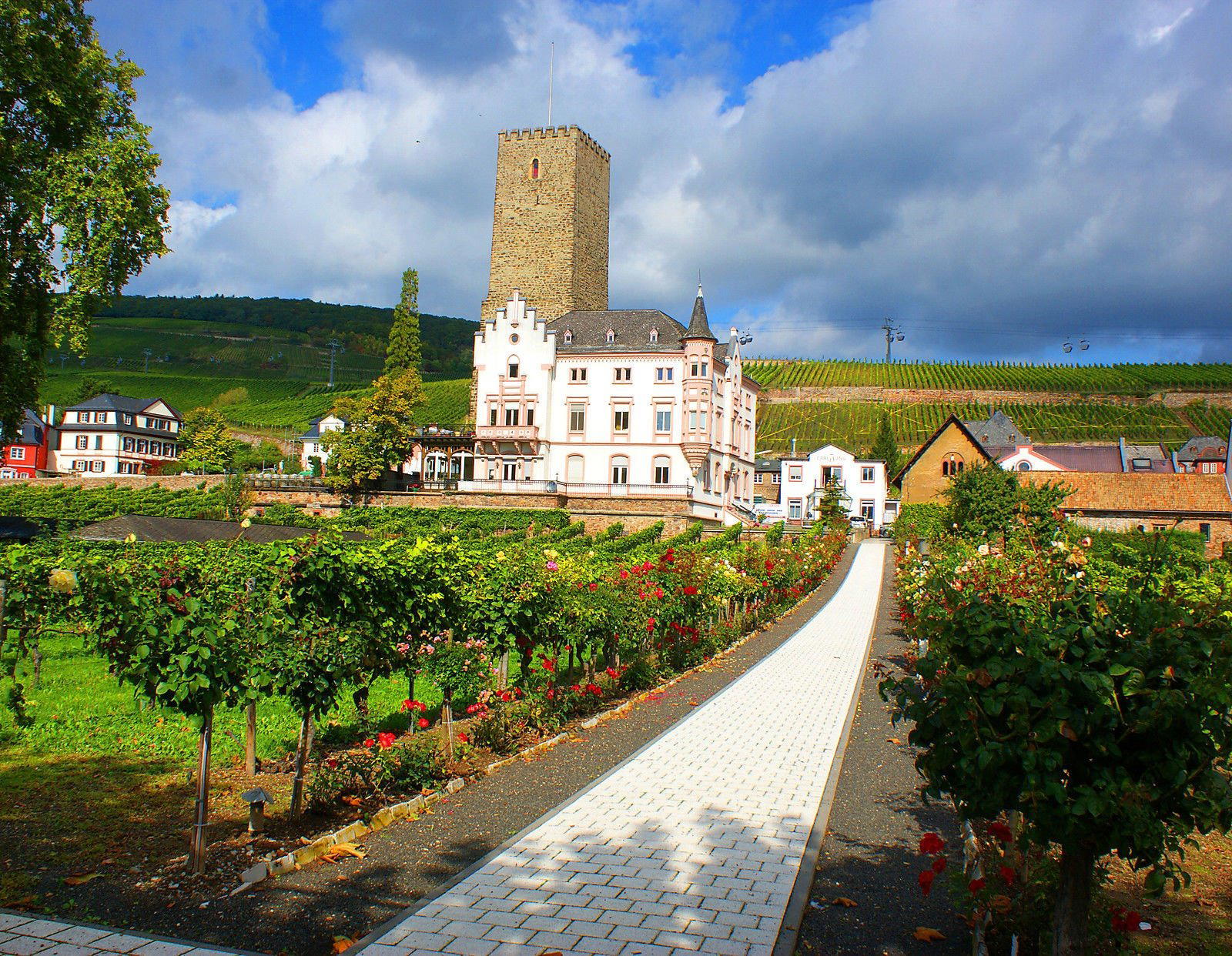
532 Riesling
Rüdesheim am Rhein, Germany
531 Riesling works if you already know Rüdesheim and want a smaller, Riesling-focused stop rather than a polished estate visit. The fit is strongest for serious Rheingau drinkers who can plan by appointment and do not need food, tours, or a broad hospitality setup built into the visit.
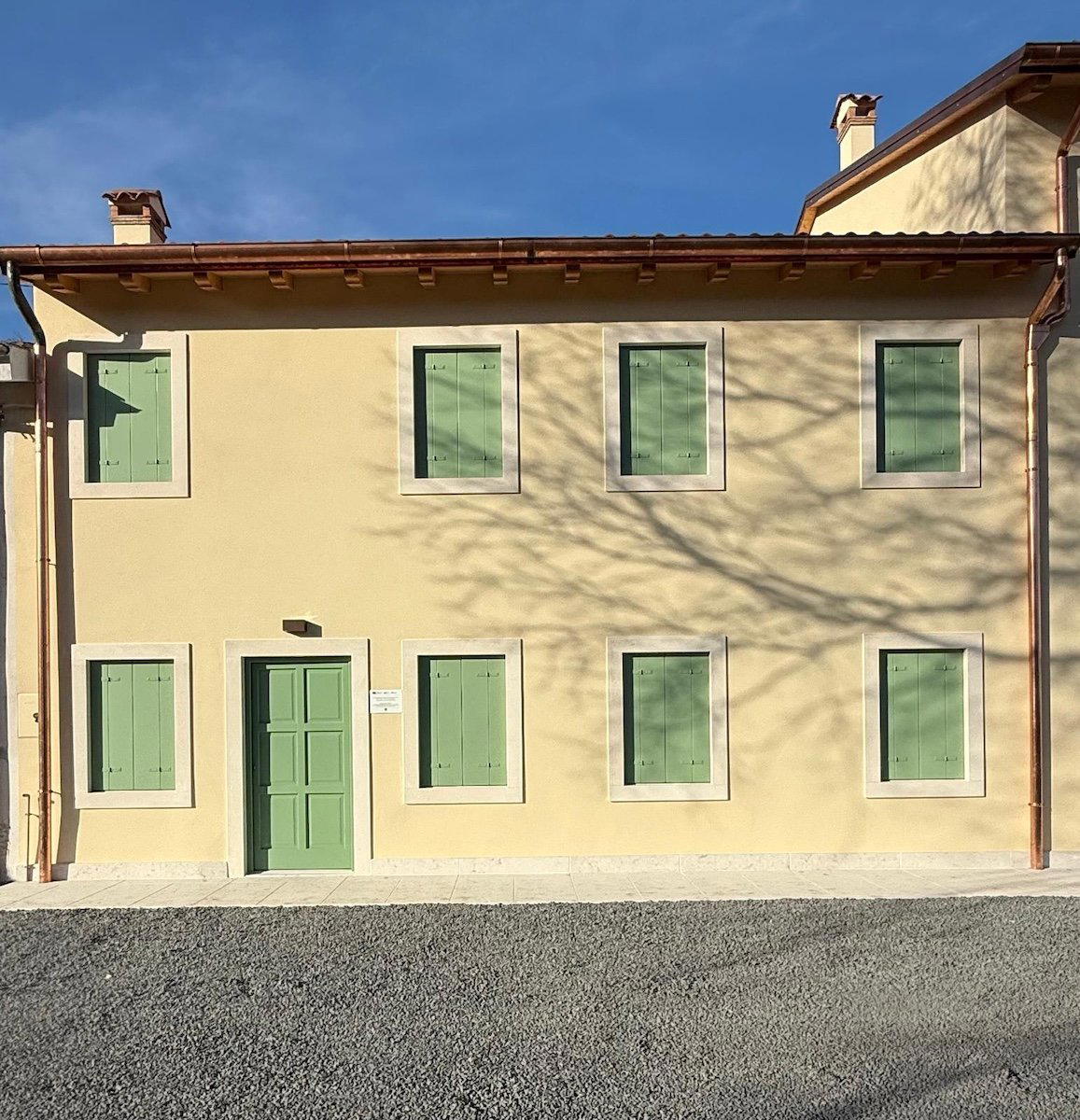
Ca' Rugate
Montecchia Di Crosara, Italy
Ca' Rugate is worth shortlisting if your Montecchia di Crosara plans are wine-led and you want a producer with a clear credibility signal, including Falstaff 4 Stars for 2026. Treat any club or allocation decision as access-driven: taste first, confirm terms directly, then join only if the wines suit a specific cellar need.
Cantina Latentia Winery SpA
Altamura, Italy
A good fit for travelers who already like structured Puglian Primitivo and want a guided winery experience near Altamura. The strongest reason to pay attention is the Novantaceppi Primitivo line, led by a 90-point Falstaff-rated Primitivo di Manduria DOC; skip it if you want a broad tasting across many styles.
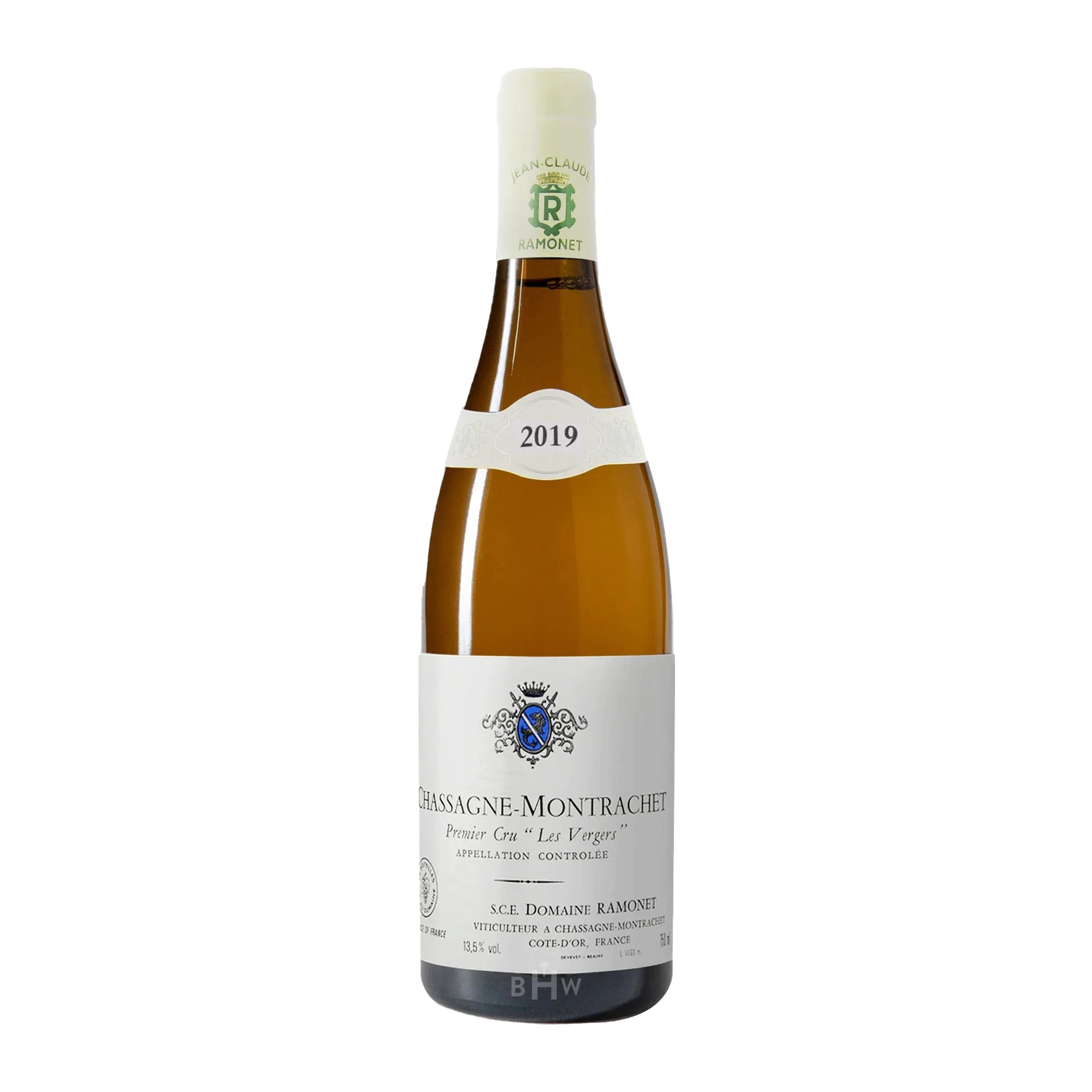
Domaine Ramonet
Chassagne-Montrachet, France
Domaine Ramonet is worth prioritizing for a serious Chassagne-Montrachet wine trip, especially if white Burgundy is the reason for traveling. Treat it as the anchor appointment for a small group or special occasion, then build the rest of the day around nearby Chassagne producers rather than overloading the itinerary.
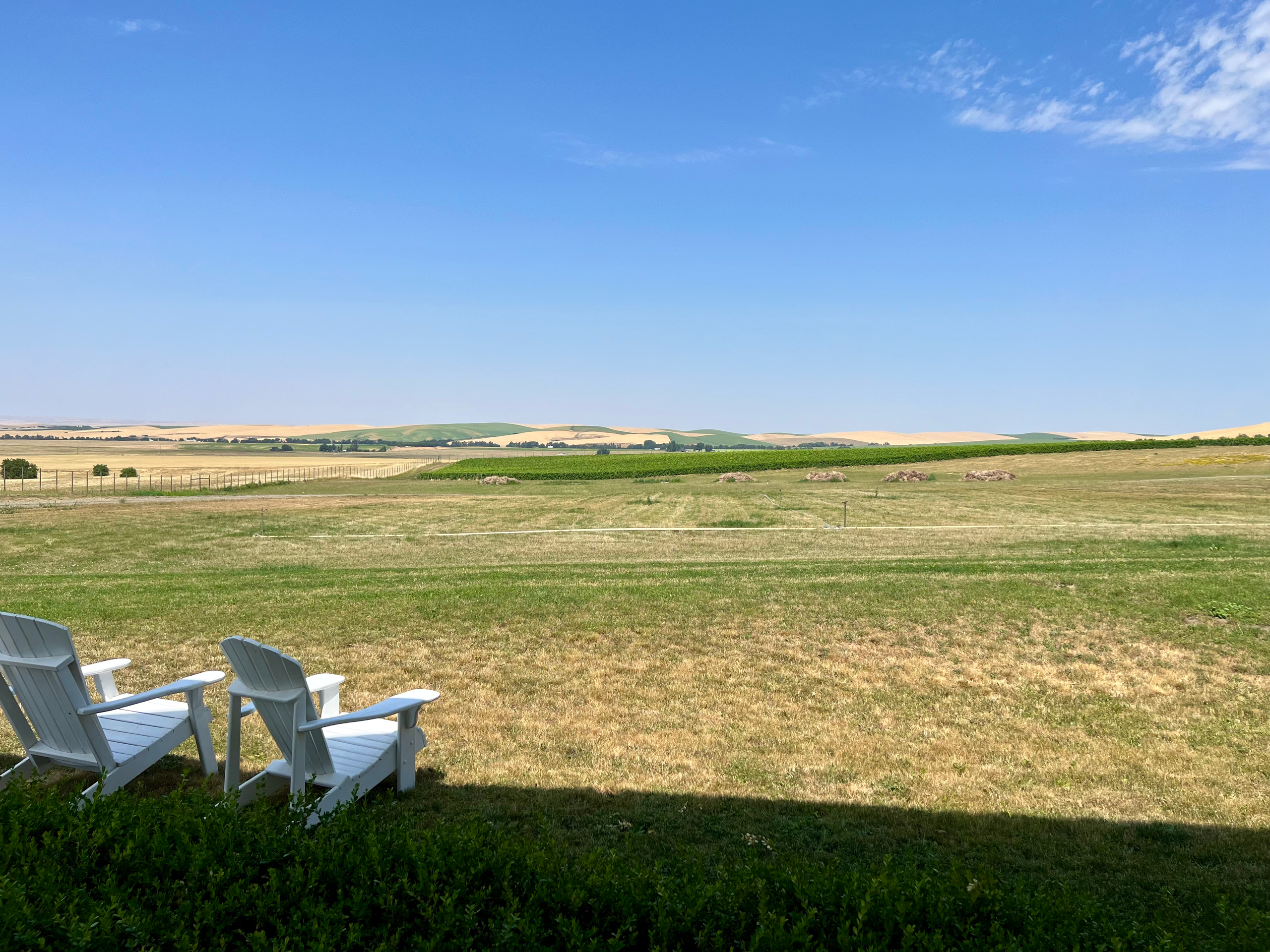
Reynvaan Family Vineyards
Walla Walla, United States
Reynvaan Family Vineyards is a strong pick for wine-focused Walla Walla visitors who care more about producer credibility than hospitality extras. Treat it as a serious tasting stop rather than a food-pairing or casual drop-in plan, and cross-shop bigger-name or easier group options if access is the main constraint.
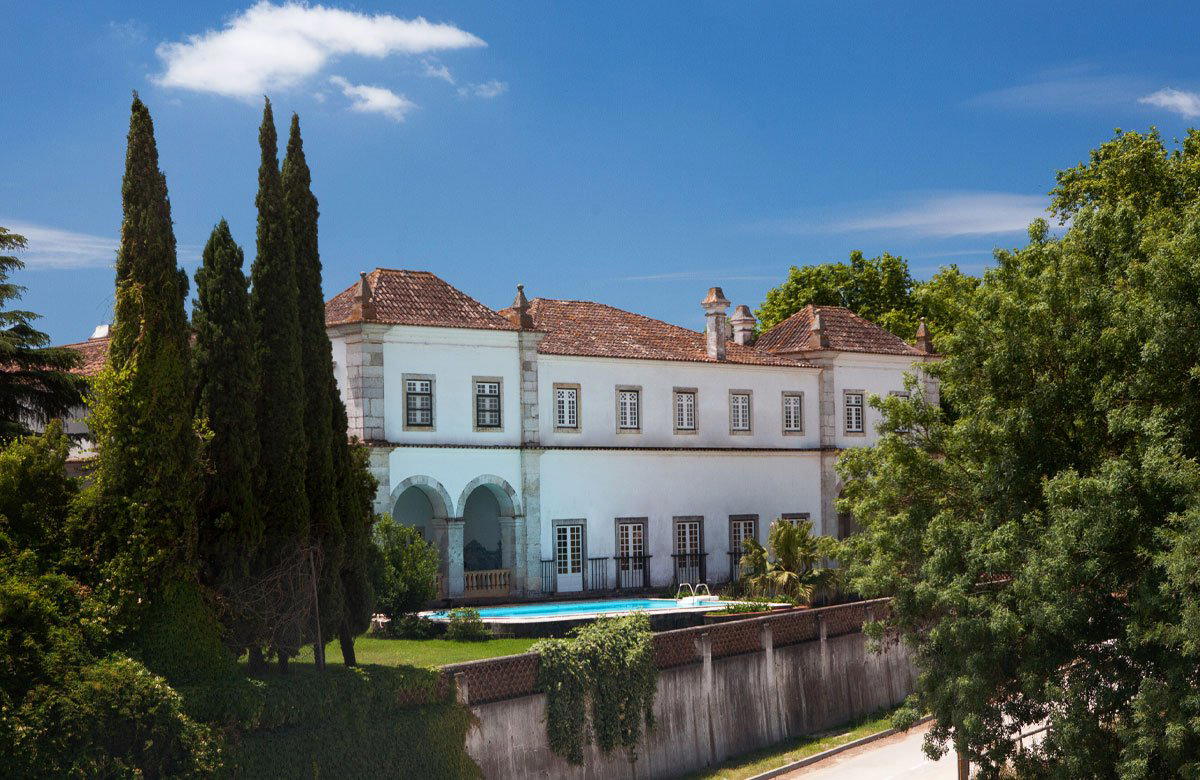
Casa Cadaval
Muge, Portugal
Casa Cadaval works for a slower Ribatejo winery visit in Muge, especially when the occasion calls for estate atmosphere rather than a quick tasting stop. Its Falstaff listing adds a useful quality signal, but confirm any private, group, or hosted tasting expectations before centering a special occasion around it.
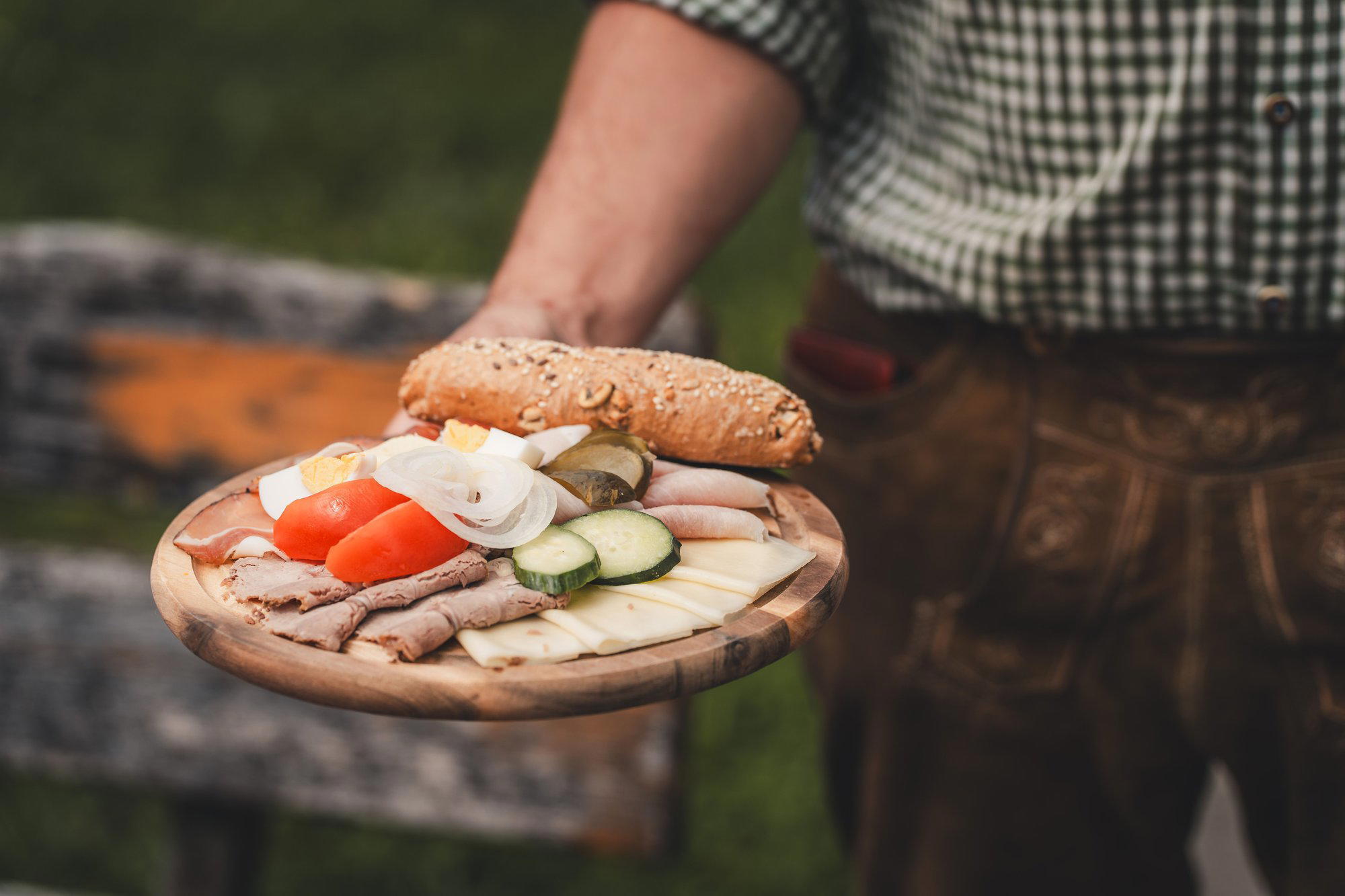
Bioweingut Geyerhof
Oberfucha Furth, Austria
Bioweingut Geyerhof is worth prioritizing if your Oberfucha-Furth trip is built around serious Kremstal wine rather than casual walk-in tastings. The 2026 Falstaff 4-star recognition gives it credibility, but the booking signal means this should be confirmed before you shape the day around it.
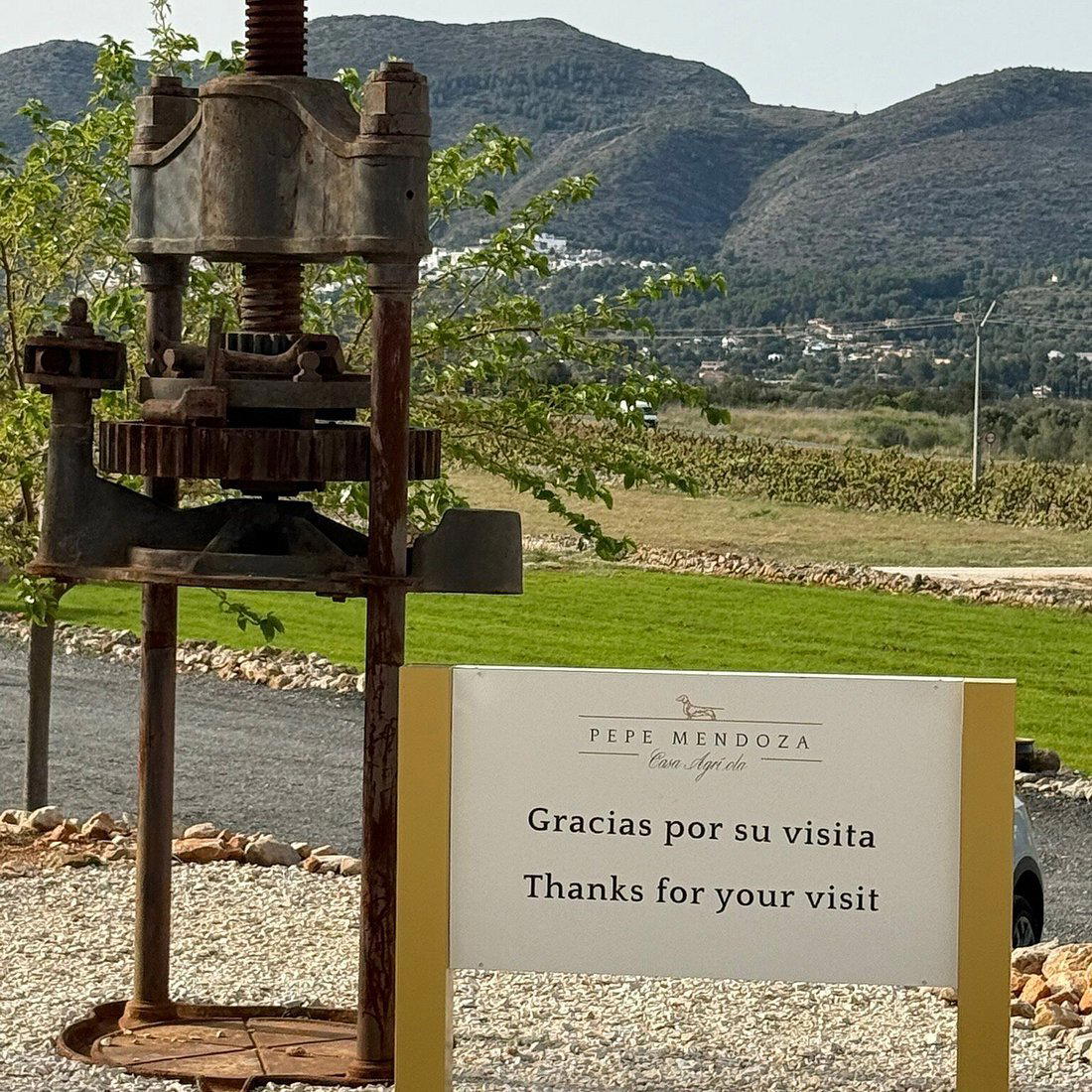
Casa Agricola Pepe Mendoza
Lliber, Spain
Casa Agricola Pepe Mendoza is a better choice for a quiet, wine-first outing in Lliber than for a food-led reservation. Falstaff 4-star recognition gives it a credible quality signal, but confirm visit format, group capacity, shipping, and food details before planning a celebration around it.
Pio Cesare
Alba, Italy
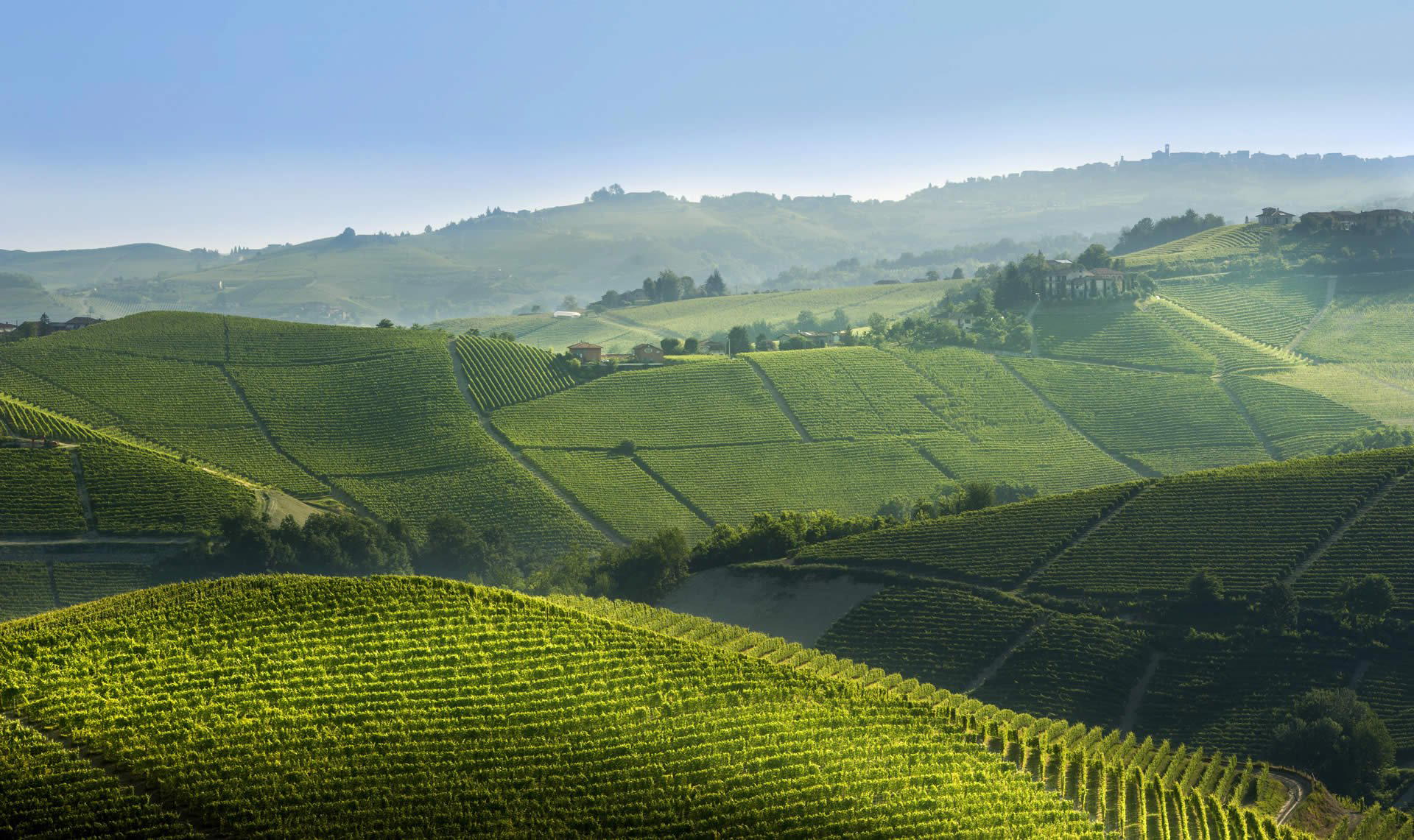
Pio Cesare is worth targeting for a serious Alba wine itinerary, especially when the trip calls for a recognized producer rather than a casual drop-in. Treat access as highly constrained and arrange a fallback, with Ceretto the cleaner same-city alternative for visitors who need more flexibility.
How many of these have you visited?
Find out on Pearl and keep score across every place in 2026 Falstaff Winery Guide.