
Niepoort
Vila Nova de Gaia
Winery in Vila Nova de Gaia, Portugal
 Book with Pearl
The Read
Multi-Generational Port Mastery
Why go
Prioritise Niepoort if the Vila Nova de Gaia plan is built around serious wine rather than a broad port-lodge checklist. It suits couples, collectors, and business guests who want a more intentional stop, but large groups may find a bigger Gaia lodge easier to organise.
About Niepoort
Niepoort is a Vila Nova de Gaia venue with Pearl 3 Star Prestige recognition for 2025. Plan around the basics rather than assuming a specific service format, menu, tasting structure, or visitor experience.
The dress code is smart casual. For a celebration, client outing, or carefully planned stop in Vila Nova de Gaia, that is the safest practical cue: dress neatly, confirm the details of your booking directly, and avoid building the day around assumptions.
Plan it as a Vila Nova de Gaia stop
Niepoort can be considered as part of a Vila Nova de Gaia itinerary. The most reliable approach is to confirm the current visit details with the venue before fixing the rest of the day.
For broader planning, you may compare Niepoort with Cockburn's Port, Dow's Port, Ferreira, Fonseca Port, and Taylor's Port. Those are useful names to review when deciding how to structure time, while keeping Niepoort on the shortlist for its Pearl 3 Star Prestige recognition.
Best approached with smart-casual planning
Niepoort is in Vila Nova de Gaia, has a smart casual dress code, and carries Pearl 3 Star Prestige recognition for 2025. Anything beyond that should be checked directly before you go.
If the plan includes dining, use Our full Vila Nova de Gaia restaurants guide; for the overnight base, check Our full Vila Nova de Gaia hotels guide. If the evening continues after your visit, consult current local listings before making plans.
Quick reference: treat Niepoort as a smart-casual Vila Nova de Gaia venue with Pearl 3 Star Prestige recognition, and confirm all operational details directly before planning around them.
Planning details
- Location
- R. de Serpa Pinto 278, 4400-307 Vila Nova de Gaia
- Website
- niepoort.pt/en/experiences/gaia-porto
- Phone
- +351 937 715 676
The take
The Take
The Vibe
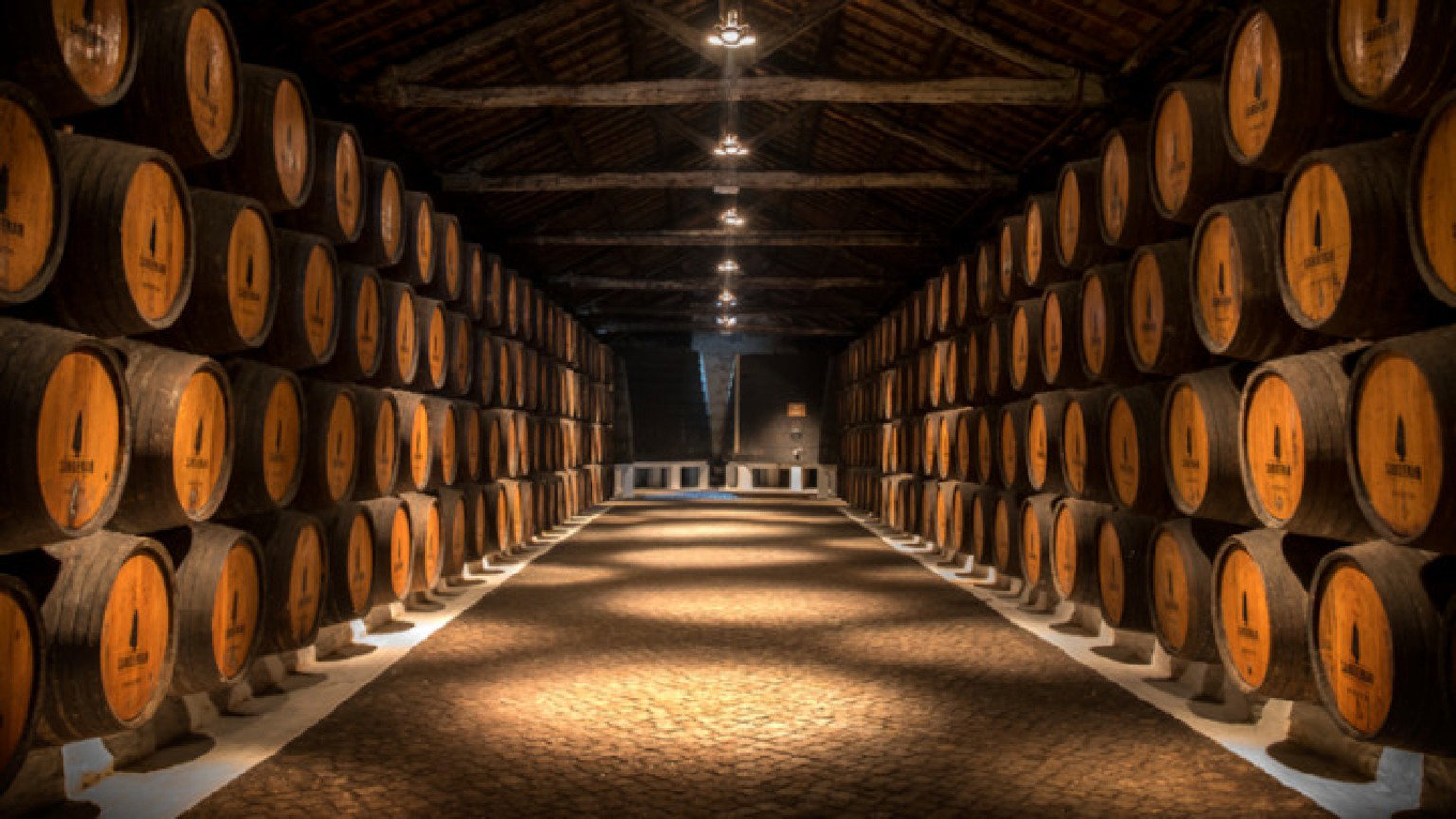
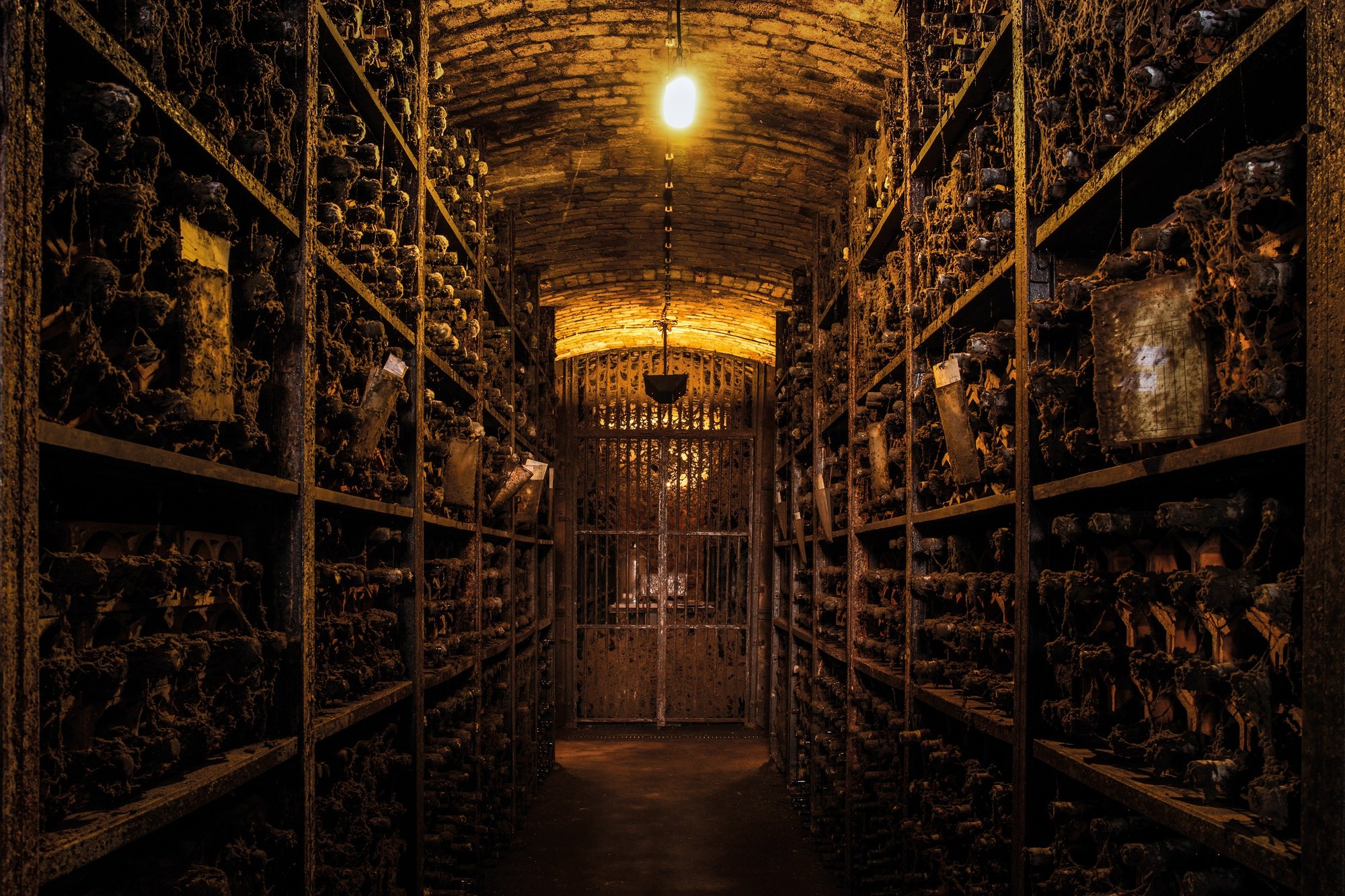
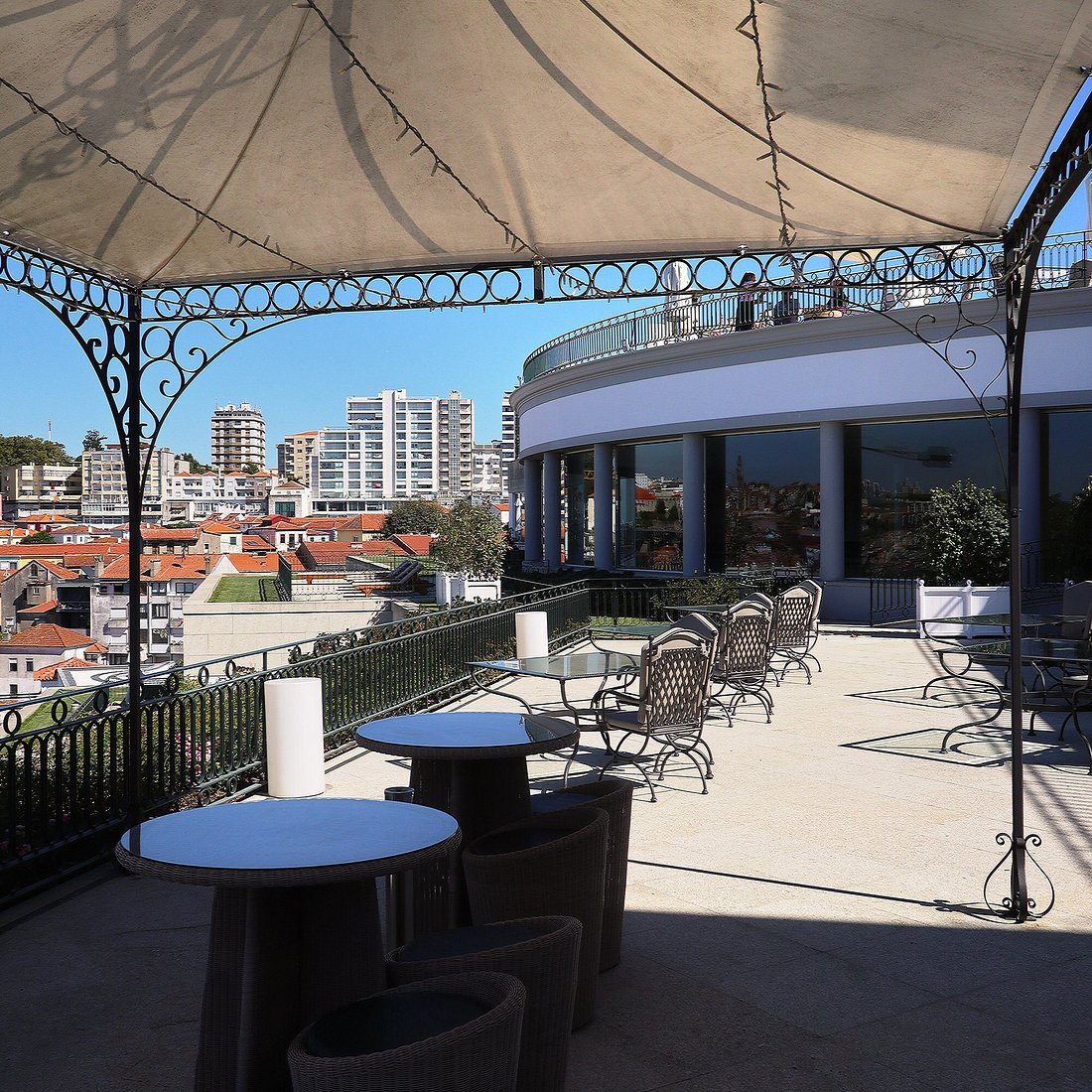
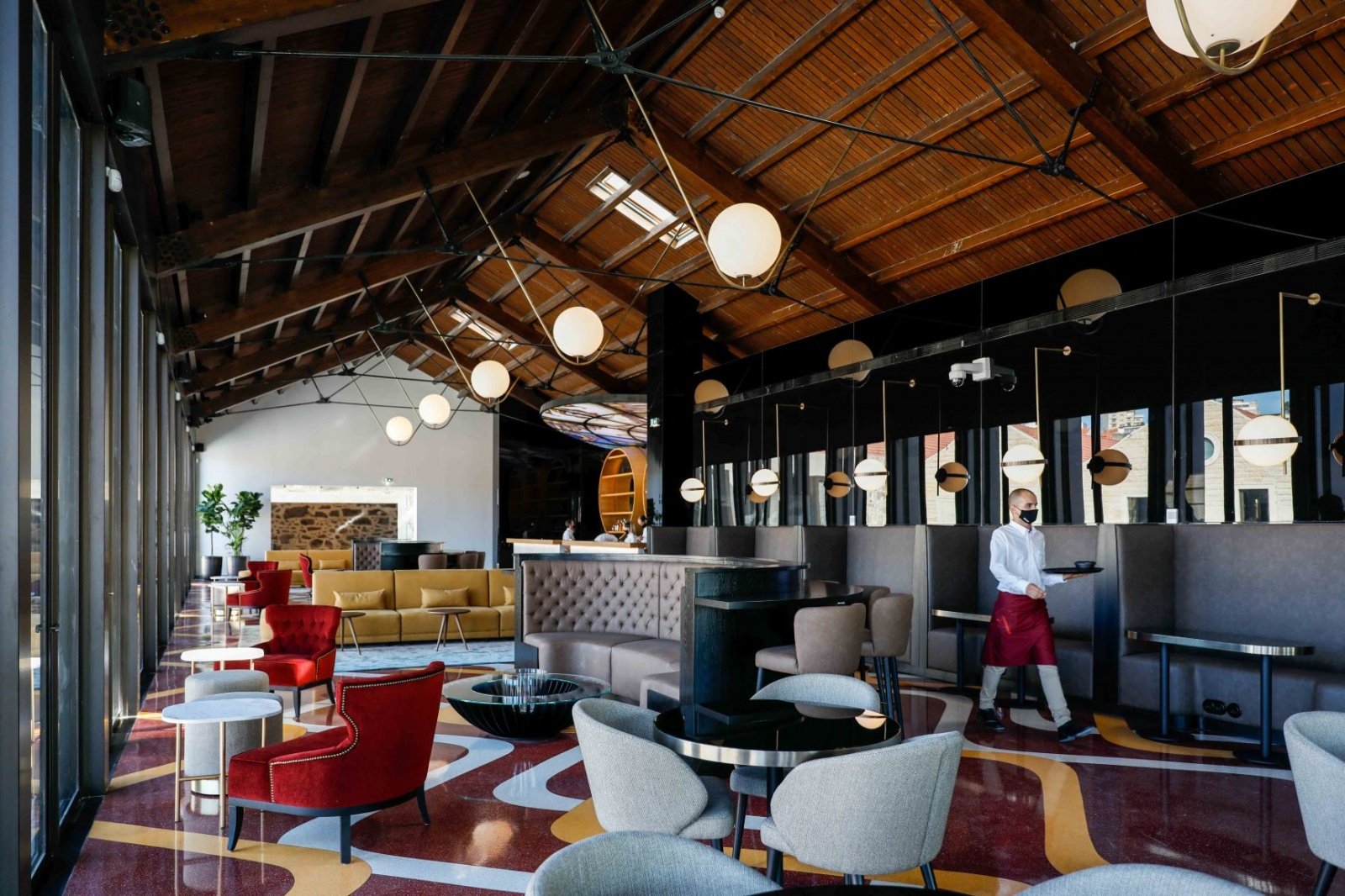
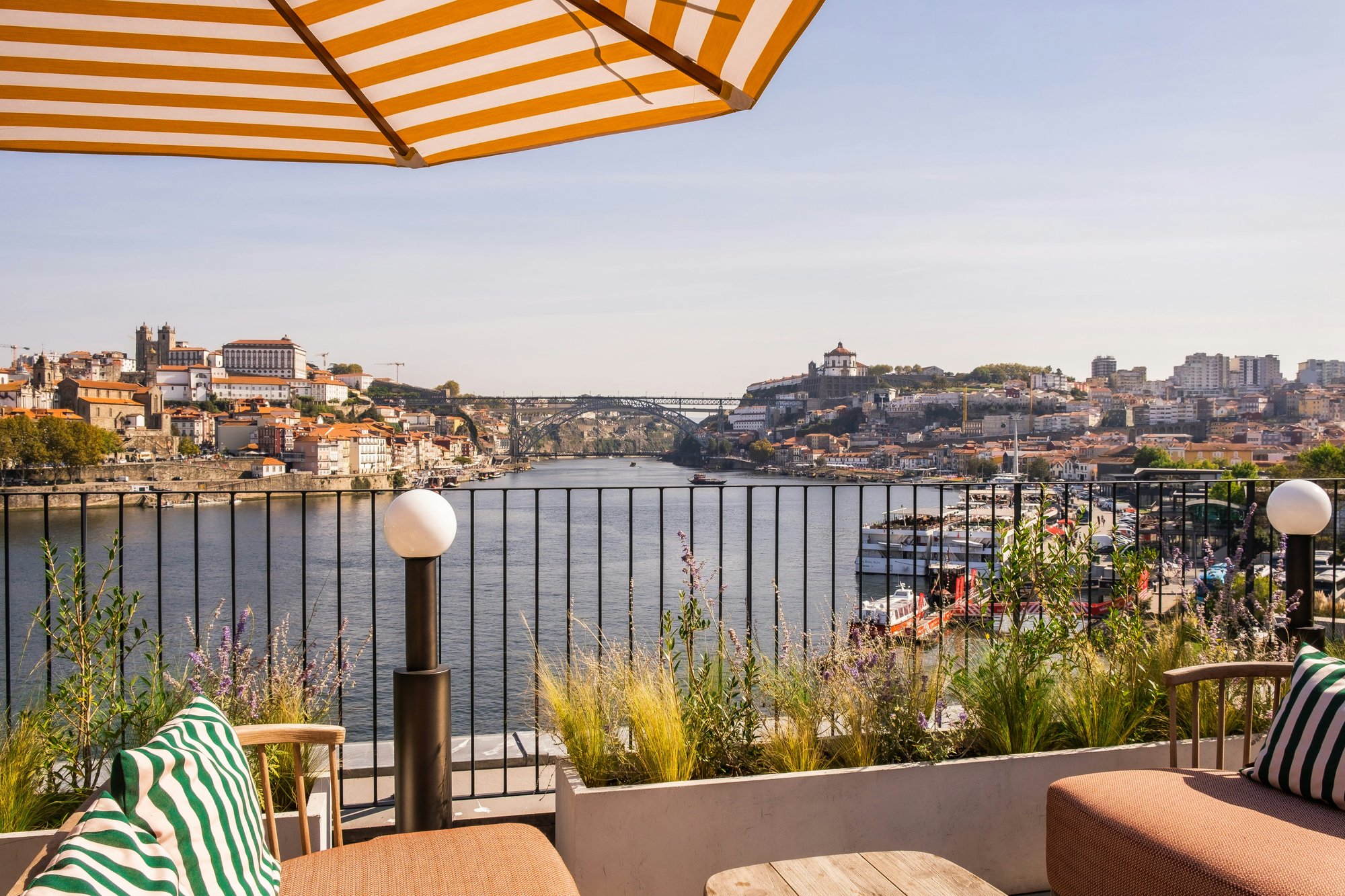
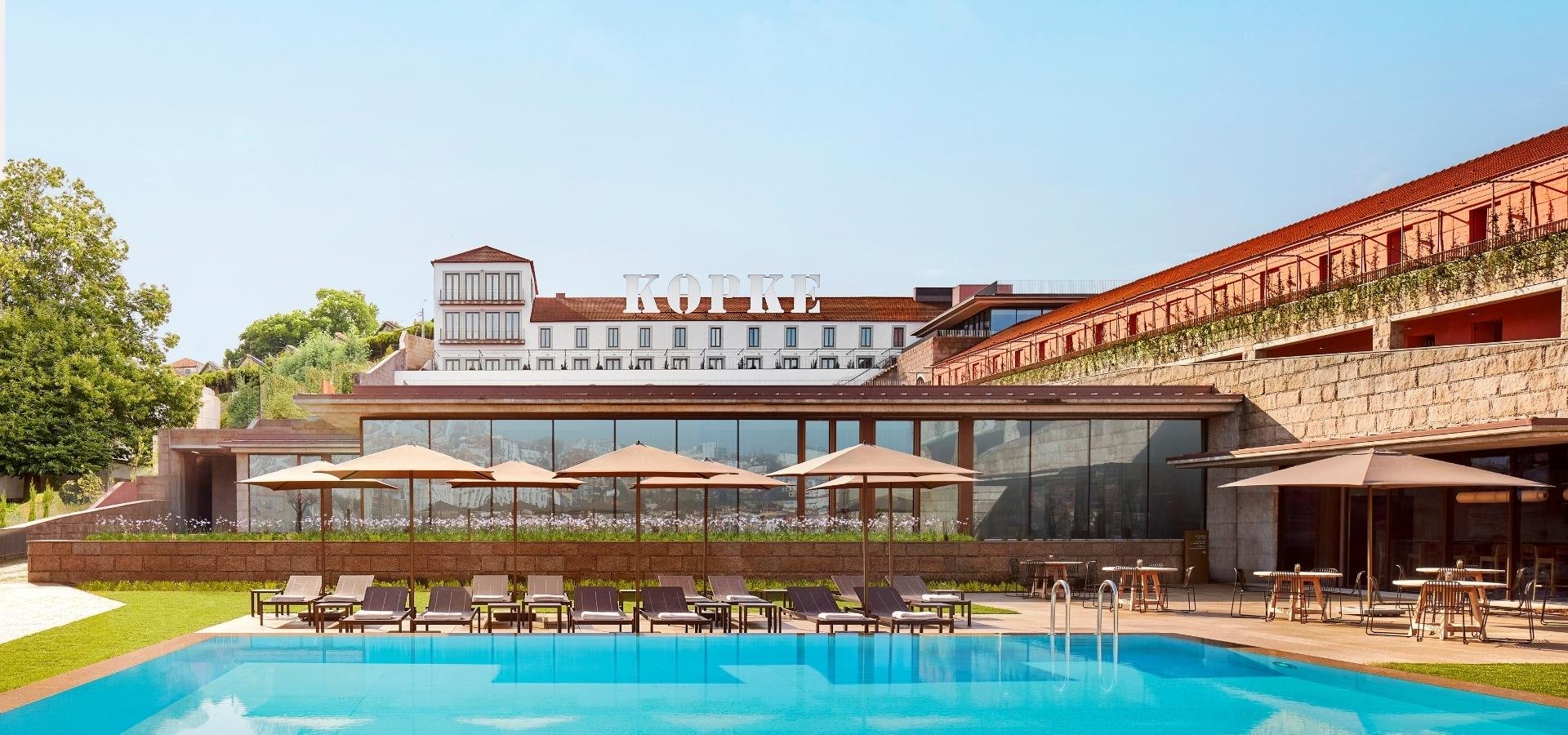
Niepoort sits within the clustered lodges of Vila Nova de Gaia, where white‑washed facades step up the estuary and Atlantic air moderates the microclimate. The writing is in the place: centuries of Port commerce, stacked storage, and slow oxidative aging create a place-driven atmosphere that feels both classic and quietly scenic. The lodge reads like a living archive — barrels and pipes are part of the architecture — and visiting is as much about understanding process and heritage as it is about tasting. The tone is measured and thoughtful, rewarding visitors who appreciate history and the craft of aging.
Best For
Niepoort is best for visitors who come to learn as much as to taste. The lodge’s role in finishing and aging Ports is foregrounded throughout the description, so the visit suits wine education, guided or self‑directed study of oxidative aging, and special‑occasion tastings where provenance and cellar time matter. Walkable from the riverside promenade, it also works well for short, focused visits that compare styles and vintages. The setting reinforces the experience: being on Gaia’s banks highlights the distinction between Douro harvest work and Gaia’s patient maturation.
Tasting Tips
When you visit, focus questions and tastings on the aging story: ask about tawny Ports and the oxidative process described here, including the use of small oak pipes of roughly 550 litres. Compare wines that have spent different spans in the lodge to hear how time in Gaia influences color and character. Inquire about the lodge’s history and how long particular stocks have been housed there — the text highlights that a lodge’s age and tenure carry information about its position in the trade. Let the cellar context guide tasting choices rather than seeking a single showpiece bottle.
Venue details
Ambiance
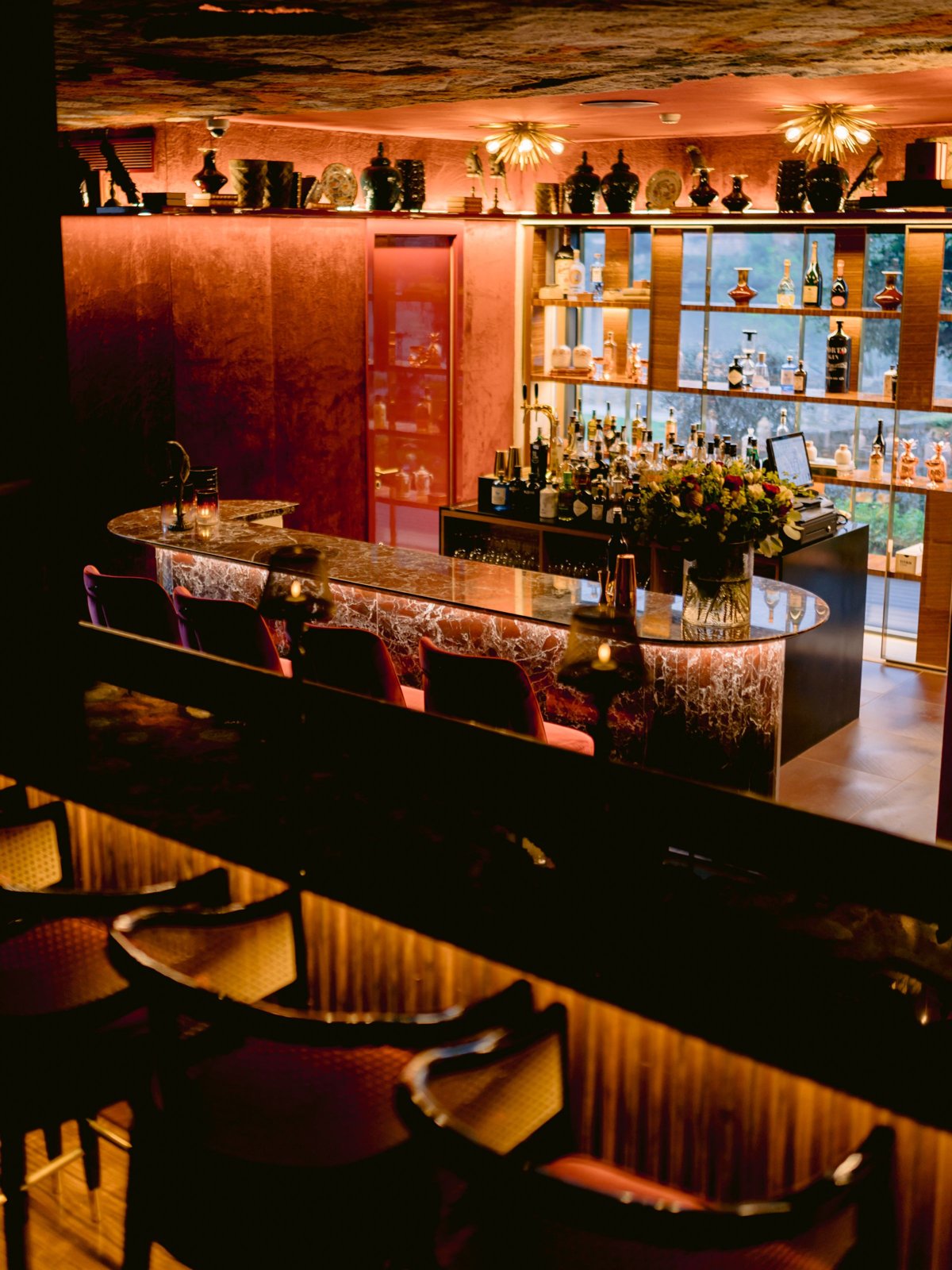
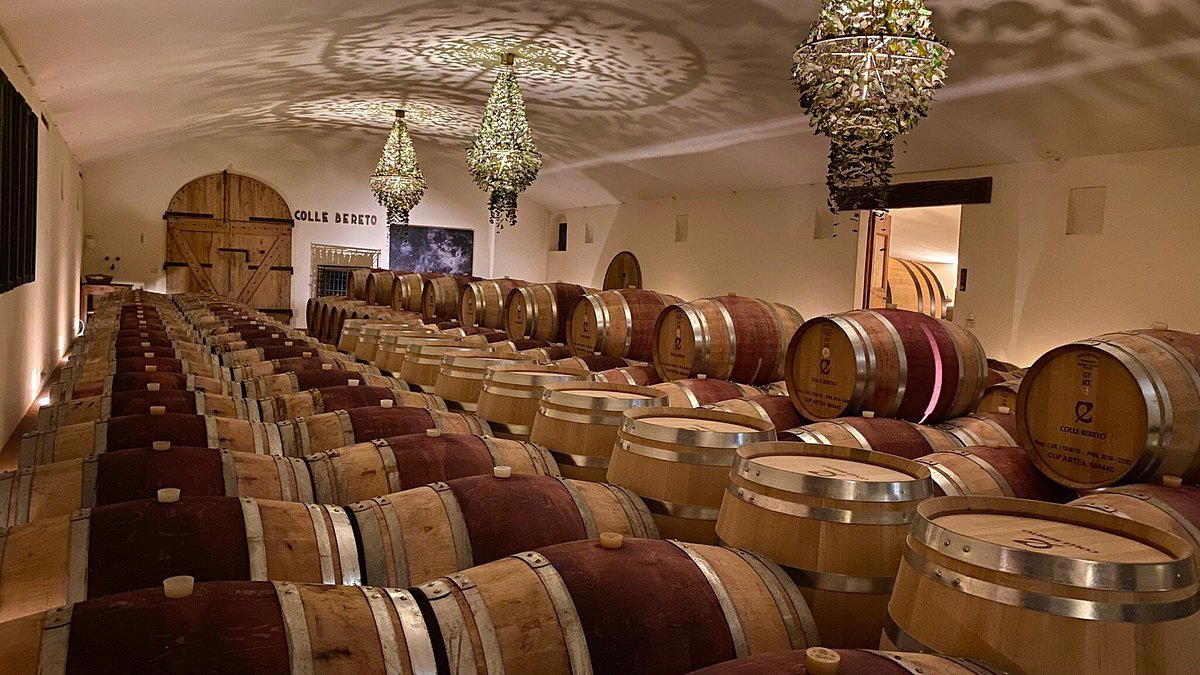
Dimly lit historic cellars create an intimate, timeless atmosphere with a sense of exclusivity and tradition.
Tags
Vibe
Best For
Experience
View
At the Vineyard
- Appellation
- Douro
- Varietals
- Touriga Nacional, indigenous Douro varieties
- Tour Duration
- 60 minutes
- Wine Club
- Not available
Know before you go
Know Before You Go
- Getting there
- R. de Serpa Pinto 278, 4400-307 Vila Nova de Gaia
Planning details
Location
R. de Serpa Pinto 278, 4400-307 Vila Nova de Gaia · Directions
Recognition and awards

Also consider
If You Cannot Get In
Cross-shop Ferreira if the group wants a heritage-led Gaia port experience, or Taylor's Port if ease and a larger visitor setup matter more than a highly selective appointment.
Winery context
How It Compares With Gaia Port Houses
Choose Niepoort when the priority is a more focused wine-led stop in Vila Nova de Gaia. Cockburn's Port and Taylor's Port are safer choices for travellers who want a larger, more classic visitor setup with broader name recognition. Niepoort is the sharper pick for serious wine drinkers; the bigger lodges are easier for mixed-interest groups.
Ferreira is the better cross-shop for visitors who want a heritage-heavy Gaia experience, while Dow's Port and Fonseca Port make sense when the goal is to compare major port houses in a single area. If value means maximum structure and simplicity, start with one of those. If value means a more selective appointment and a less generic day, keep Niepoort higher on the list.
For ambience, the choice comes down to scale. The larger port houses are better for first-time visitors who want the familiar Gaia lodge experience. Niepoort is better for a date, collector-led trip, or business guest where the booking itself should feel considered rather than automatic.
Around this place
Discover more on Pearl
Unlock the full Niepoort guide in Pearl, including awards, comparisons, FAQs, planning details, and nearby places.
Compare Niepoort
| Venue | Location | Awards |
|---|---|---|
| Niepoort | Vila Nova de Gaia | 2026 Falstaff Winery Guide |
| Cockburn's Port | Vila Nova de Gaia | 2026 Falstaff Winery Guide |
| Dow's Port | Vila Nova de Gaia | 2026 Falstaff Winery Guide |
| Ferreira | Vila Nova de Gaia | 2026 Falstaff Winery Guide |
| Taylor's Port | Vila Nova de Gaia | 2026 Falstaff Winery Guide2025 World's 50 Best Vineyards · #85 |
| Fonseca Port | Vila Nova de Gaia | No published awards |

How Niepoort Vila Nova de Gaia compares with similar nearby venues.
FAQ
Frequently Asked Questions
What other venues can I compare with Niepoort?
Venues to compare include Dow's Port, Taylor's Port, Ferreira, Cockburn's Port, and Fonseca Port. Check each venue directly for current visit details before planning an itinerary.
Does Niepoort serve food?
Treat dining as separate unless the venue confirms otherwise through its official channels.
What is Niepoort known for?
Niepoort is a Vila Nova de Gaia venue with Pearl 3 Star Prestige recognition for 2025 and a smart casual dress code.
Where is Niepoort located?
Niepoort is located in Vila Nova de Gaia.