

2026 Falstaff Winery Guide: The Ultimate Wine Authority — Page 63
Falstaff's 2026 Wineries guide.

Venues on this list
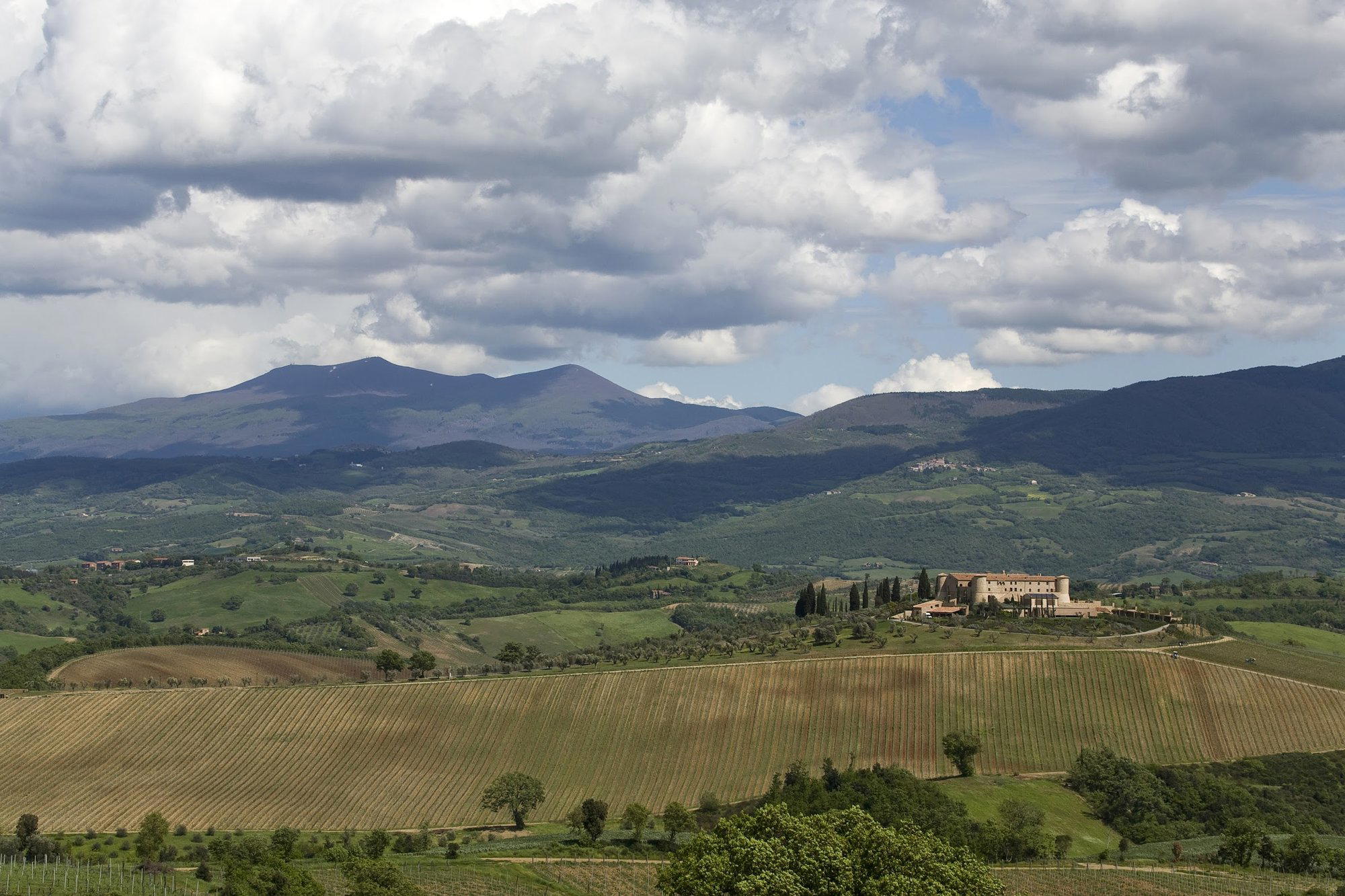
Agostina Pieri
Montalcino, Italy
Agostina Pieri is a wine-focused Montalcino option to consider for a celebration or tasting-led day, especially with Falstaff Listed recognition for 2026. Do not frame it as a confirmed food-pairing or restaurant-style visit; plan dining separately and use it as one stop within a broader Montalcino itinerary.
Bio-Weingut Goswin Kranz
Brauneberg, Germany
Bio-Weingut Goswin Kranz is a wine-first Brauneberg pick for visitors who want an organic Moselle producer with Falstaff 2 Stars in 2026. Treat it as a focused tasting or buying stop, not a full hospitality venue, and confirm the visit format before building a group plan around it.
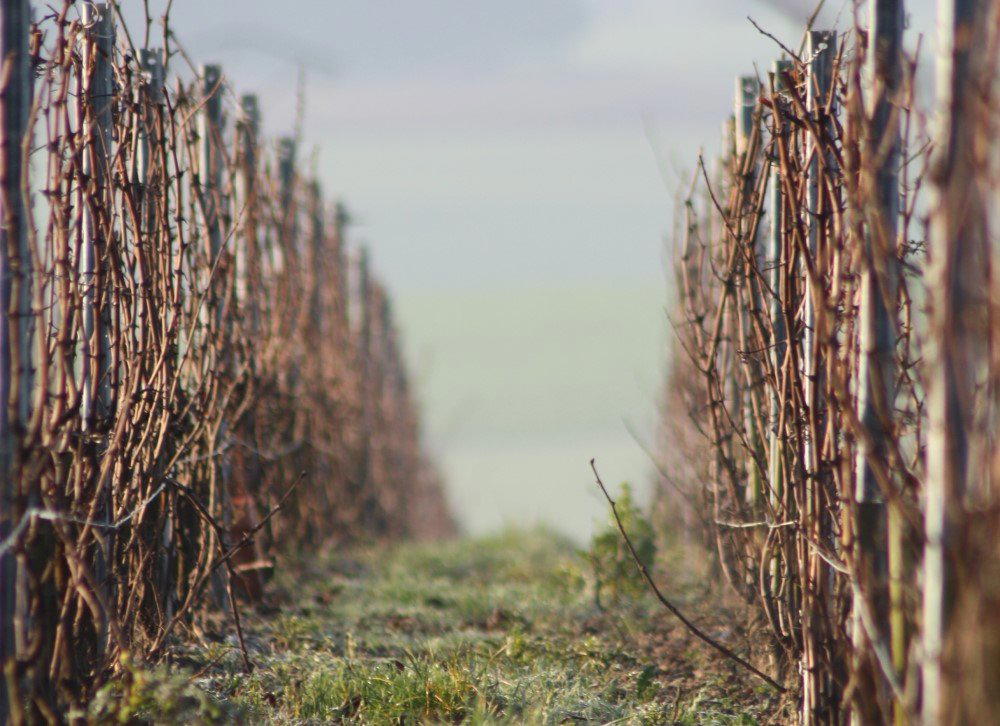
Champagne Solemme
Villers Aux Noeuds, France
This works as a focused Champagne stop in Villers Aux Noeuds, especially for couples or small groups building a quiet wine-led day in Grand Est. Treat it as a winery visit to confirm in advance rather than a guaranteed dining or large-group solution. Falstaff Listed in 2026 gives it a useful recognition signal, but practical details should drive the decision.
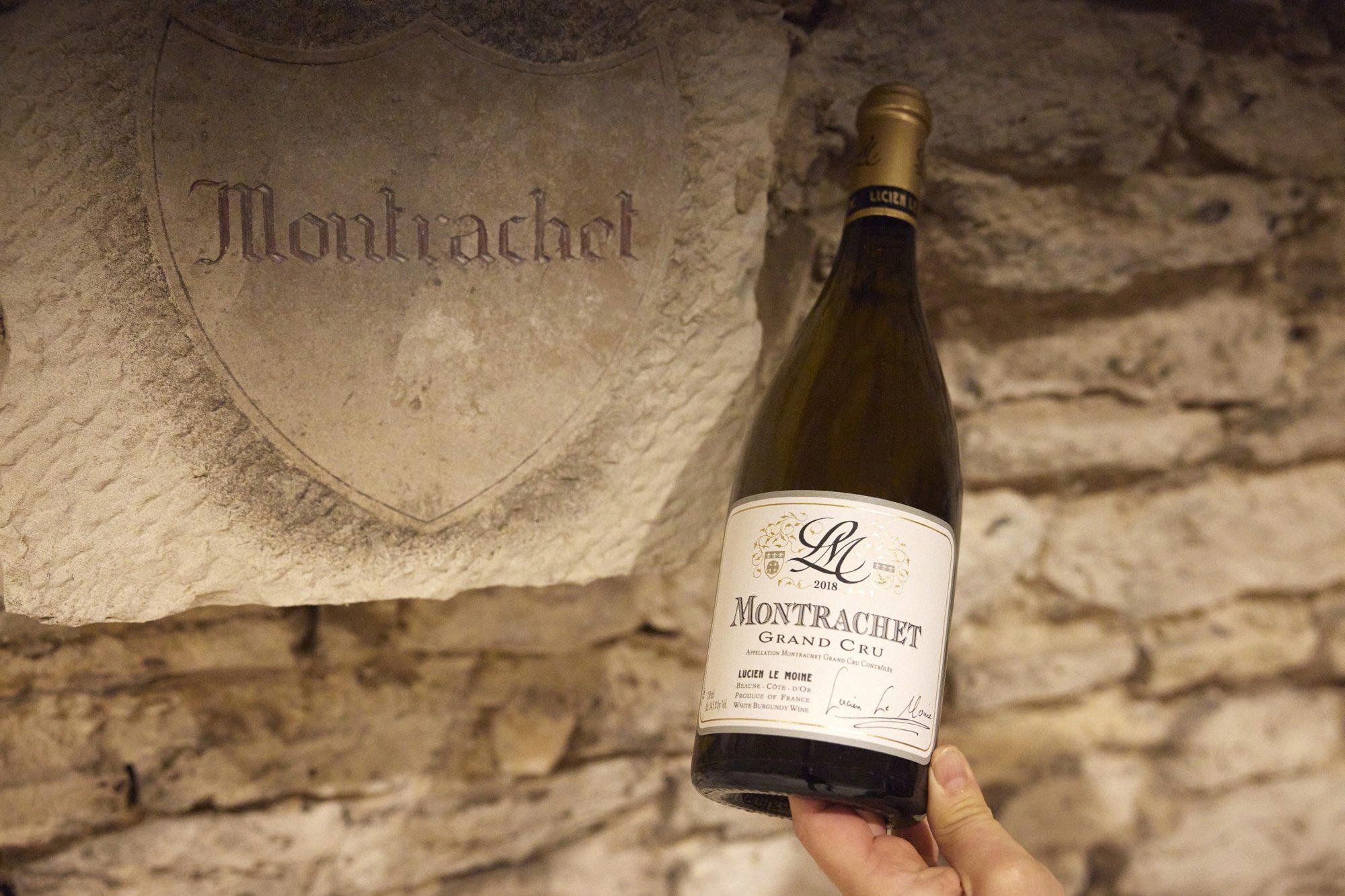
Lucien Le Moine
Beaune, France
For a special-occasion Beaune wine itinerary, Lucien Le Moine makes sense as the serious Burgundy stop, not as a food-led tasting or casual group venue. Plan the meal, hotel, and later drinks separately, then use this as the focused cellar appointment around which the day is built.
Fratelli Corti
Balerna, Switzerland
Fratelli Corti is a strong choice for wine travelers who want a small, historic Ticino cellar rather than a tourism-heavy winery visit. Go for family continuity dating to 1792, Mendrisiotto and Luganese context, and a portfolio that includes Merlot-led reds, regional whites, sparkling wines, collaborations, and distillates.
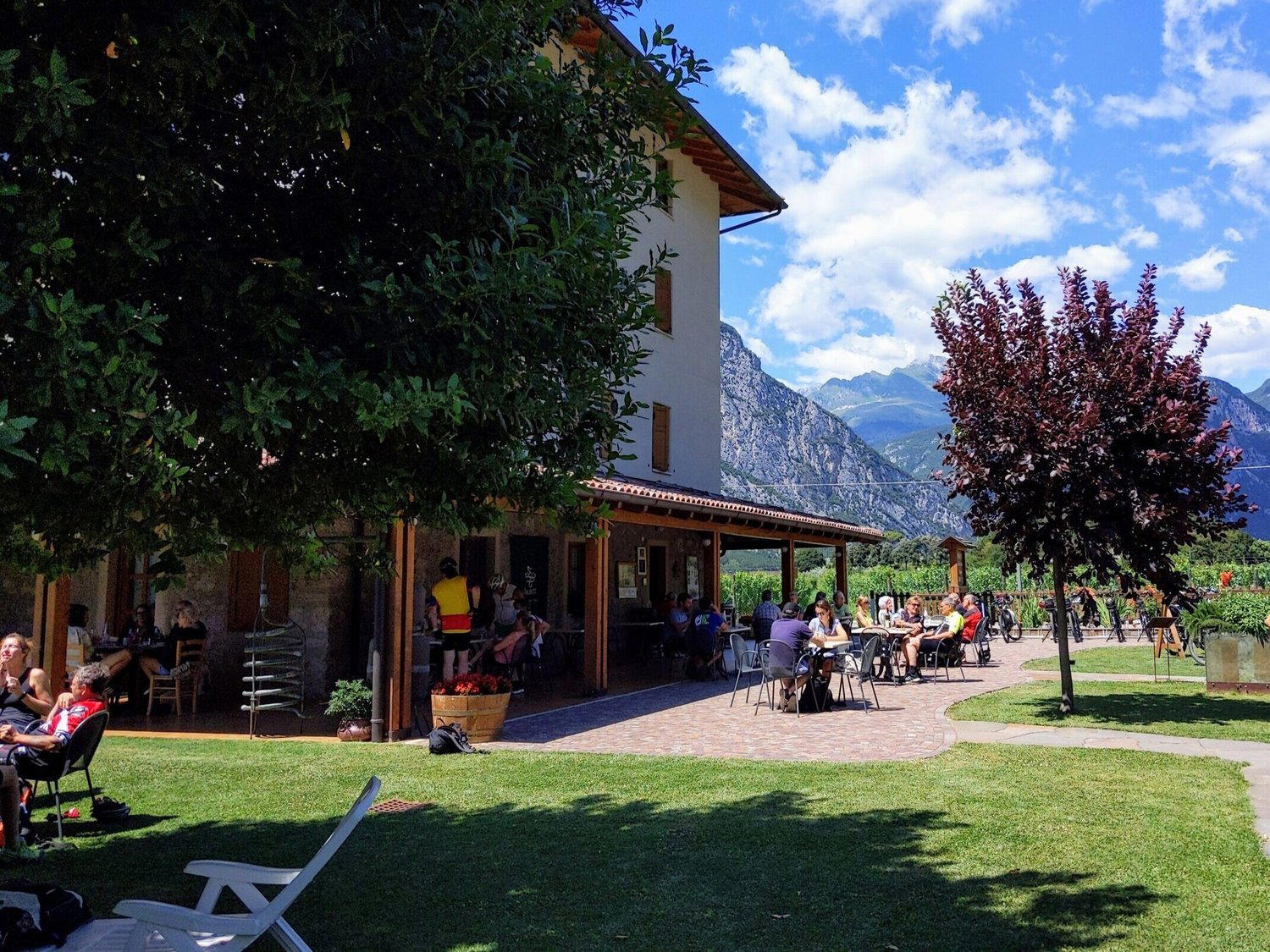
Azienda Agricola Gino Pedrotti
Lago Di Cavedine Pietramurata, Italy
Azienda Agricola Gino Pedrotti is worth planning for if the goal is a relaxed Lago di Cavedine wine stop with family-run hospitality, local food, and a clear focus on Vino Santo Trentino DOC. It is an easy fit for a countryside itinerary rather than a high-production tasting-room day, with 2026 Falstaff listing adding a useful trust signal.
Giuseppe Rinaldi
Barolo, Italy
A serious Barolo appointment for visitors who care about traditional Nebbiolo more than polished hospitality. Giuseppe Rinaldi is worth the effort for cellar-focused drinkers drawn to old oak casks, organic farming, indigenous yeasts, and long-aging Barolo; casual groups wanting food, flexibility, or a broad tasting-room format should choose an easier stop.
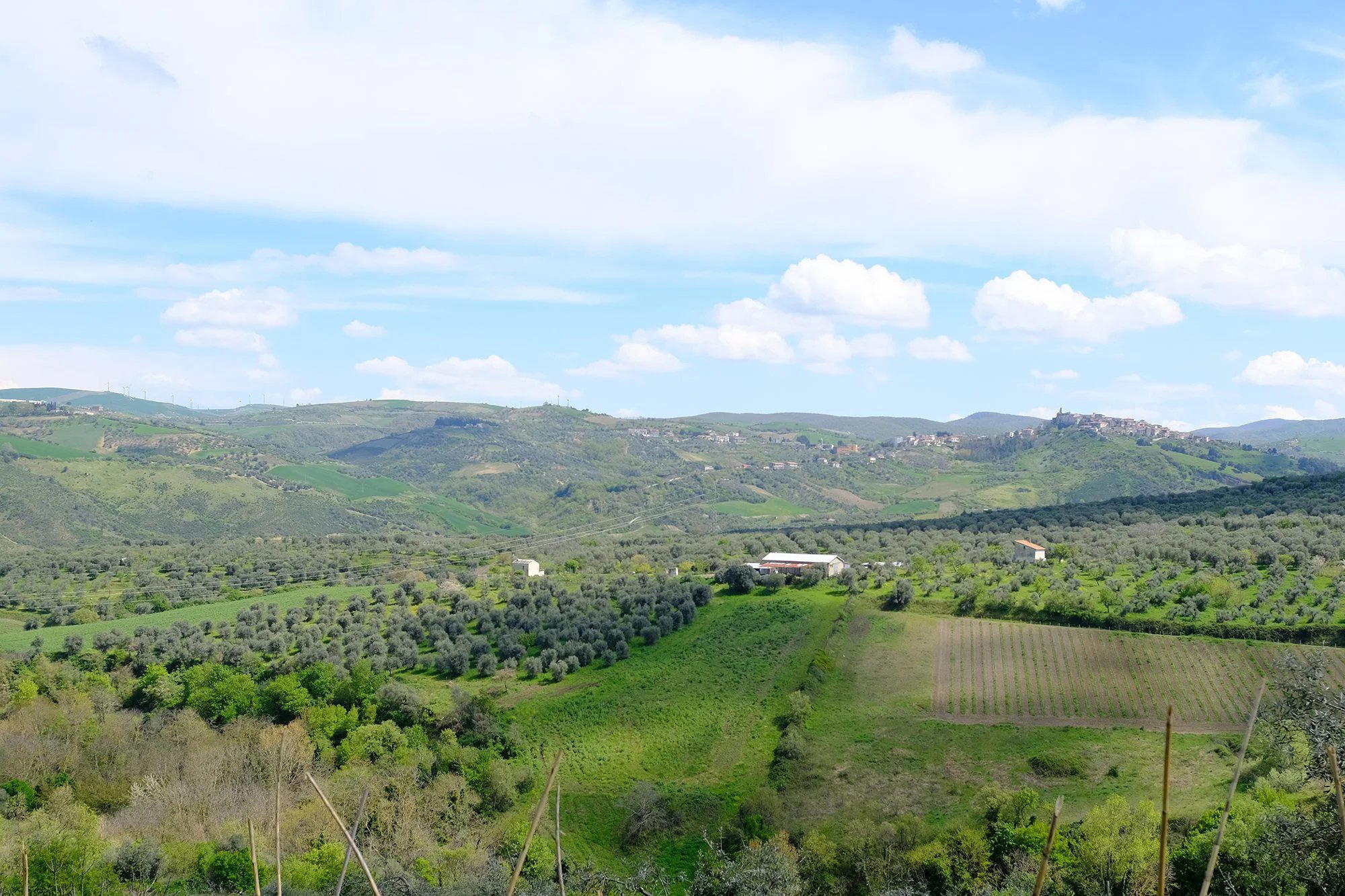
Basilisco
Barile, Italy
Book Basilisco if the priority is a focused Barile winery stop with Aglianico del Vulture context, not a meal-driven visit. The 2026 Falstaff listing gives it a useful quality marker, but food, pricing, and formal tasting details should be treated as pre-visit checks rather than assumptions.
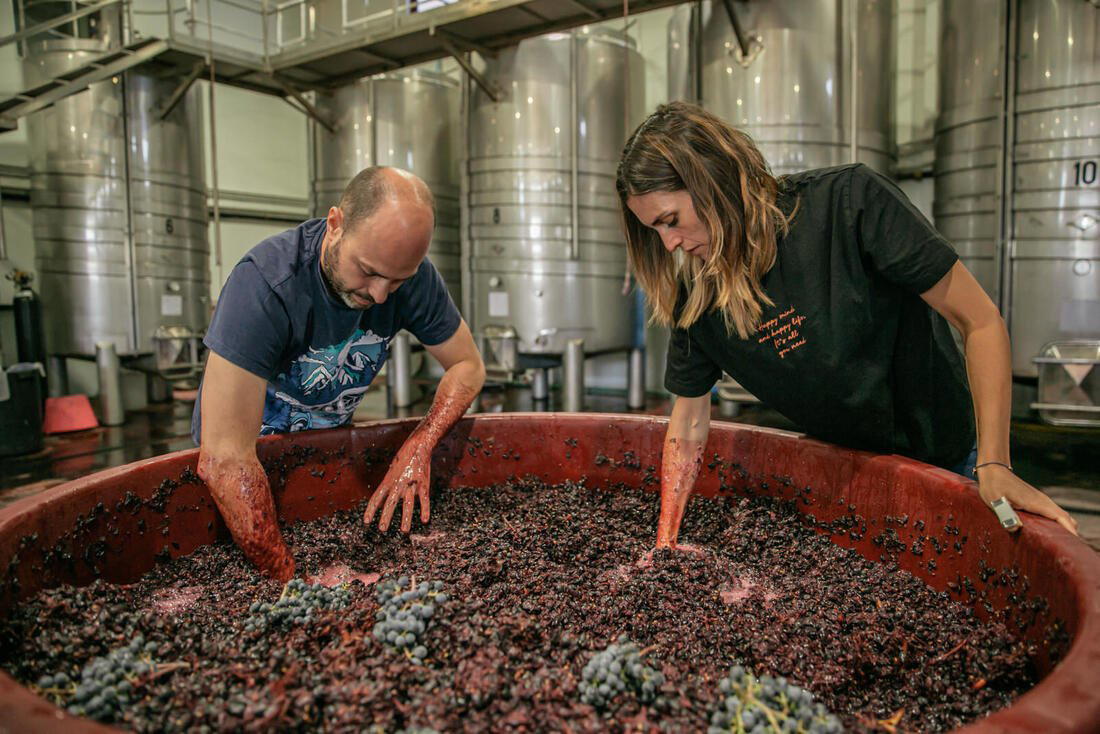
Bodegas Bernabé Navarro
Villena, Spain
Bodegas Bernabé Navarro is a better fit for wine-led occasions than for guests expecting a full food program. Make it the anchor of a Villena day, then plan lunch, bars, or hotels separately; the confirmed Falstaff 3 Stars recognition gives the visit a credible quality signal.
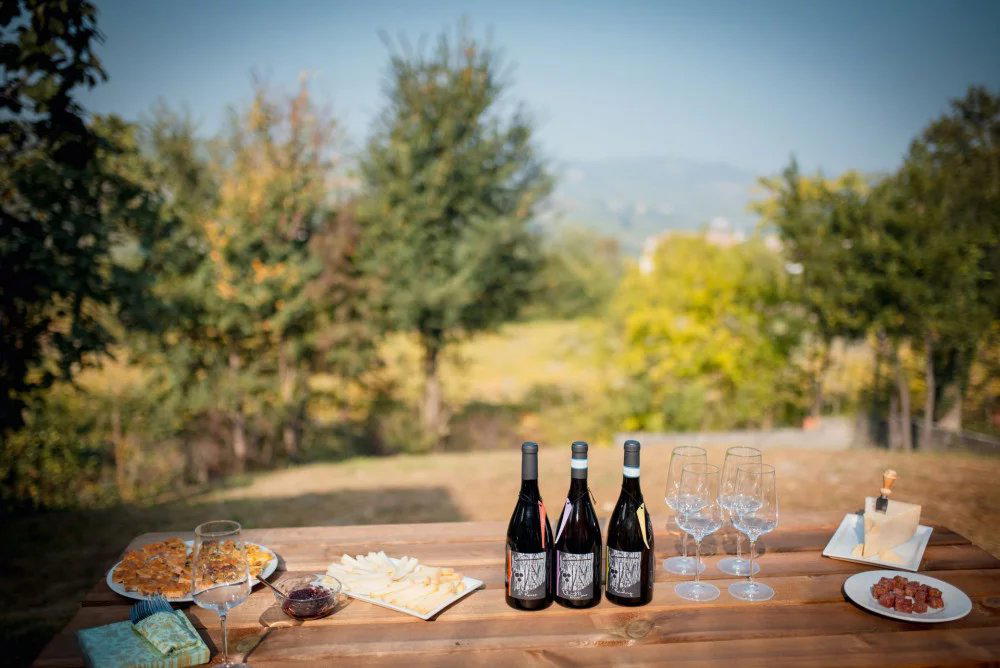
Cantina Taia
Montecalvo Versiggia, Italy
Cantina Taia works for a flexible wine-focused stop in Montecalvo Versiggia, especially if the trip is built around Oltrepò Pavese context rather than a tightly scripted tasting day. Falstaff listing for 2026 gives it a useful credibility signal, but plan around sparse public logistics and confirm details before anchoring a group itinerary here.
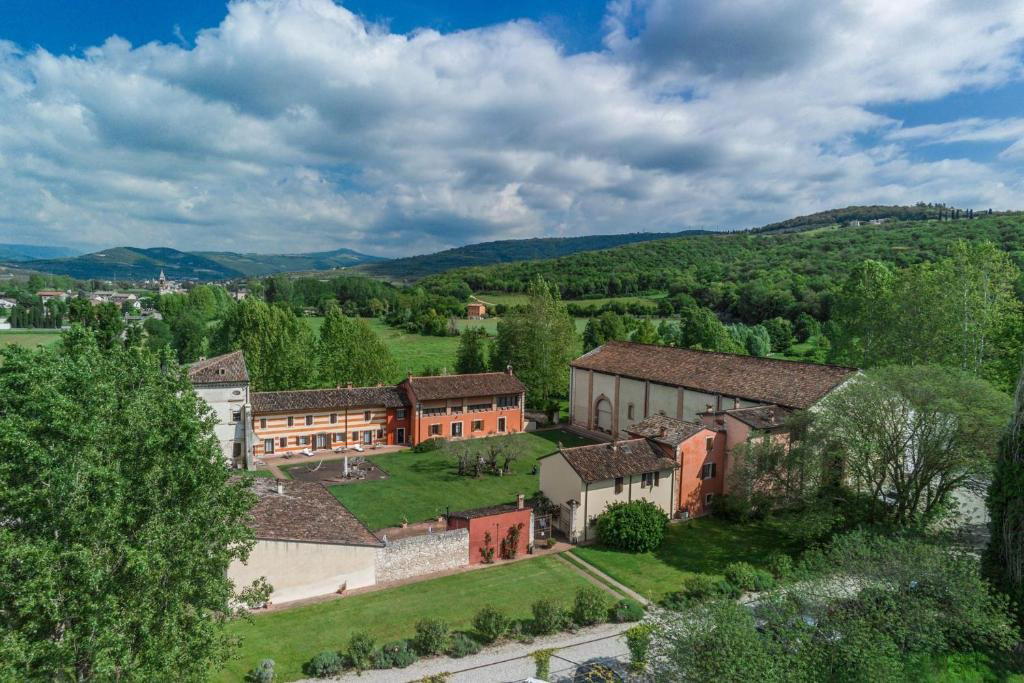
Burato Wines
San Martino Buon Albergo, Italy
Burato Wines works as a focused Veneto wine stop, especially for travelers building a San Martino Buon Albergo winery day. Go in with a practical mindset: confirm tasting details first, do not assume food service, and pair it with nearby winery research rather than treating it as a fully packaged visit.
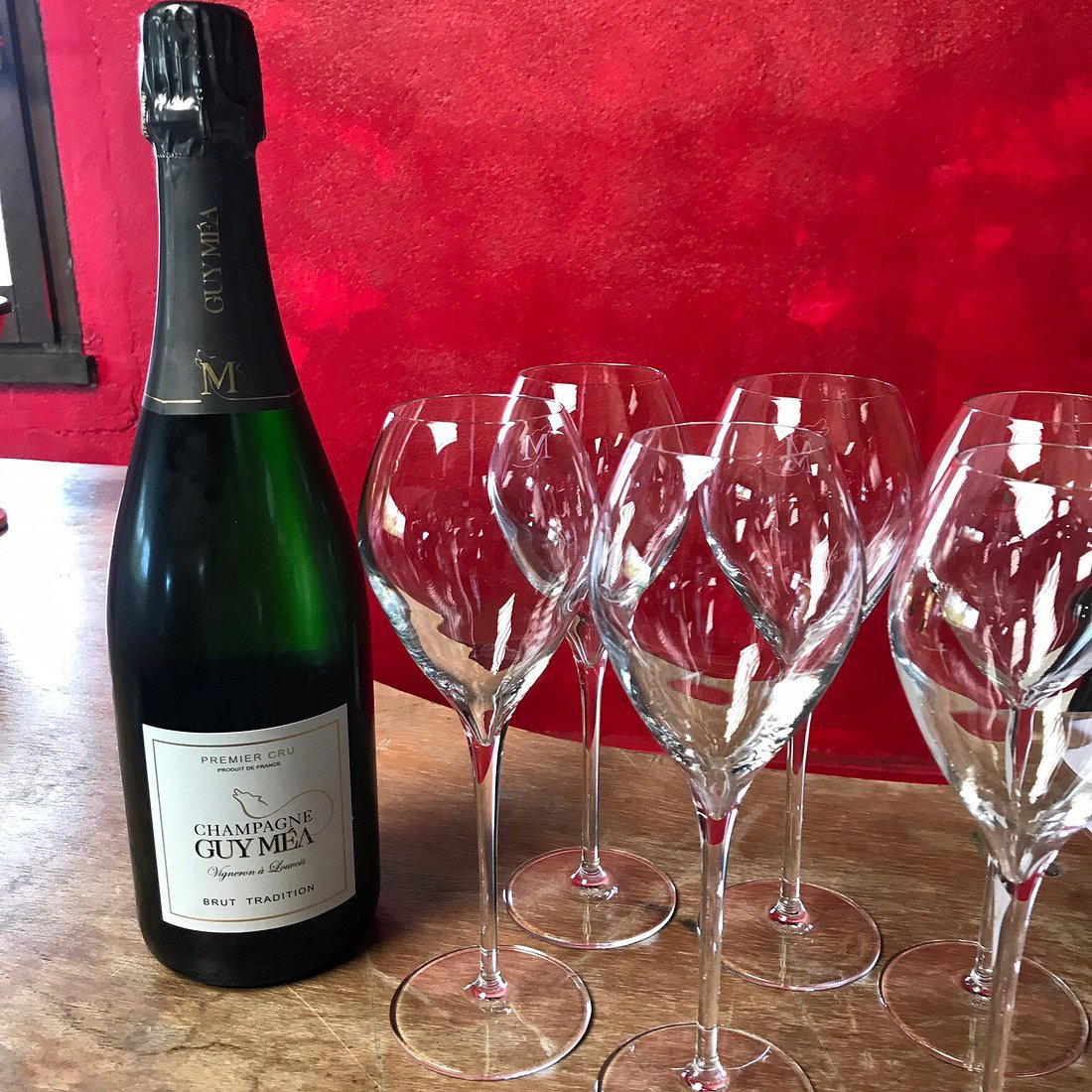
Champagne Guy Méa
Louvois, France
Champagne Guy Méa is worth booking if you want a grower Champagne visit rather than a polished big-house tour. The draw is the Louvois Grand Cru context, five-generation family stewardship, Sophie Milesi’s recent-era farming focus, and a production story built around estate-grown Pinot Noir and Chardonnay.
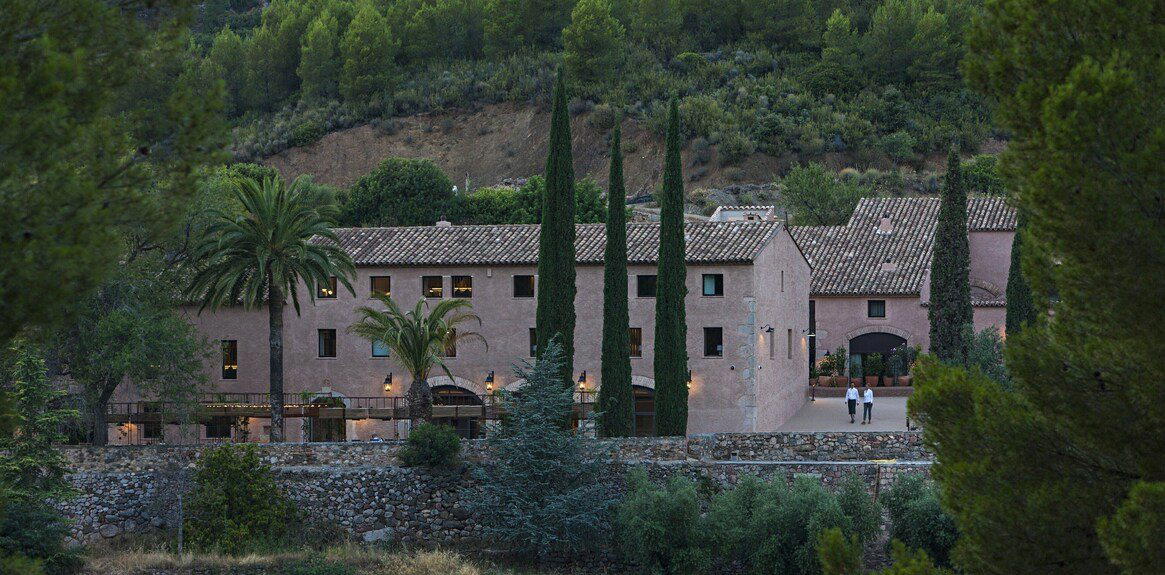
Acústic Celler
Els Guiamets, Spain
Acústic Celler works as a focused winery stop in Marçà, especially for travellers who care more about rural Catalan setting than built-out hospitality. Falstaff 3 Stars (2026) gives it a clear recognition signal, but confirm visit details before planning around it.
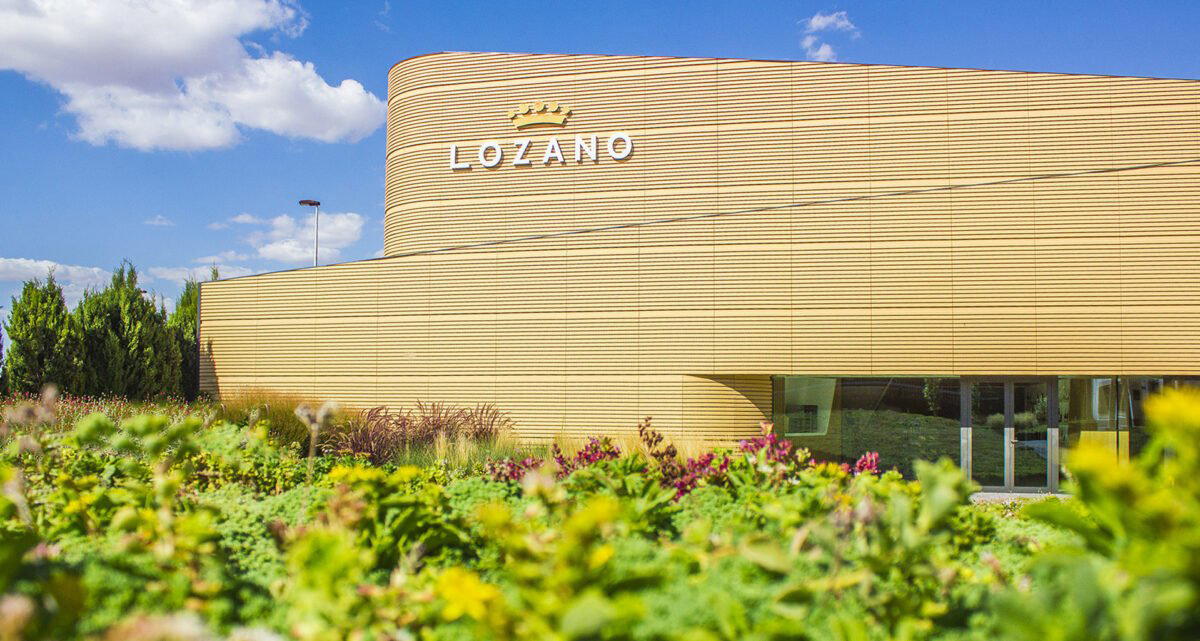
Bodegas Lozano
Villarrobledo, Spain
Bodegas Lozano is a good Villarrobledo pick for a structured winery visit with family heritage, contemporary visitor spaces, and a broad wine range. It works especially well for celebrations or mixed-interest groups who want context and comfort rather than a collector-only cellar appointment.
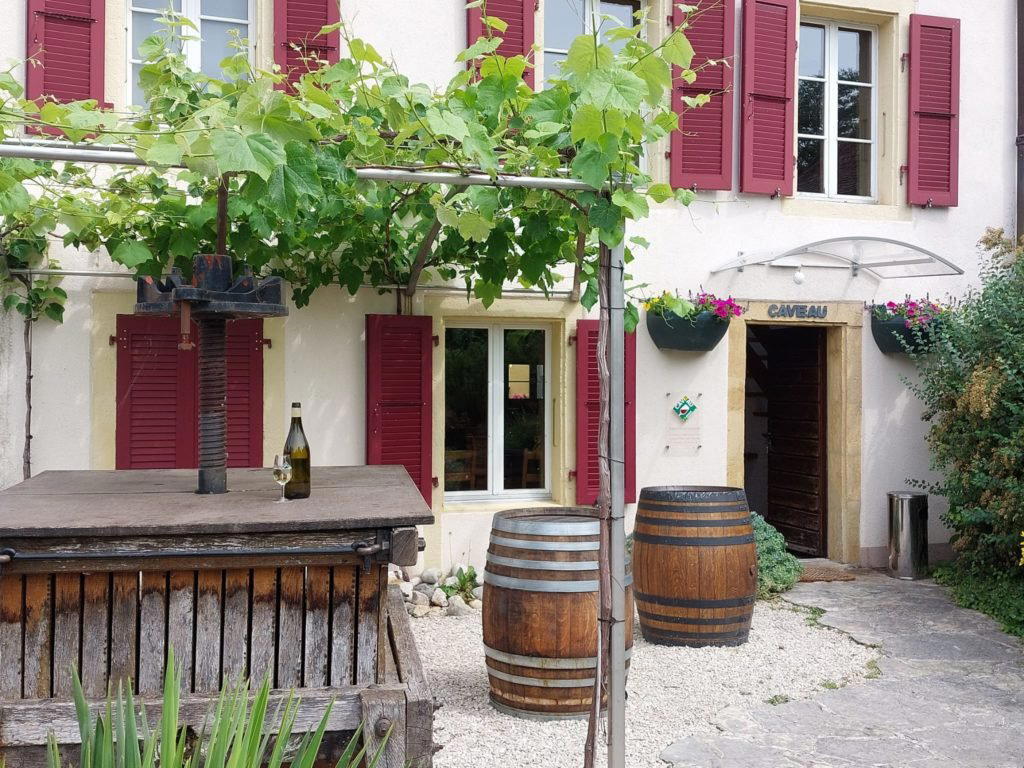
Cave La Siseranche
Chamoson, Switzerland
Cave La Siseranche is worth choosing for a relaxed Valais winery visit built around local wines and rustic platters rather than a glossy tasting-room format. It is strongest for small celebrations, dates, or groups that want variety: the estate works with 21 grape varieties across 6 hectares and is Falstaff Listed for 2026.
Erwin Gruber
Schiltern, Austria
A sensible Schiltern winery stop if the priority is a calm Kamptal setting over a heavily programmed tasting experience. The Falstaff Listed 2026 recognition gives Erwin Gruber a credible quality signal, but first-timers should plan around the setting and keep the rest of the day flexible.
Ca' Lovisotto
Prepotto, Italy
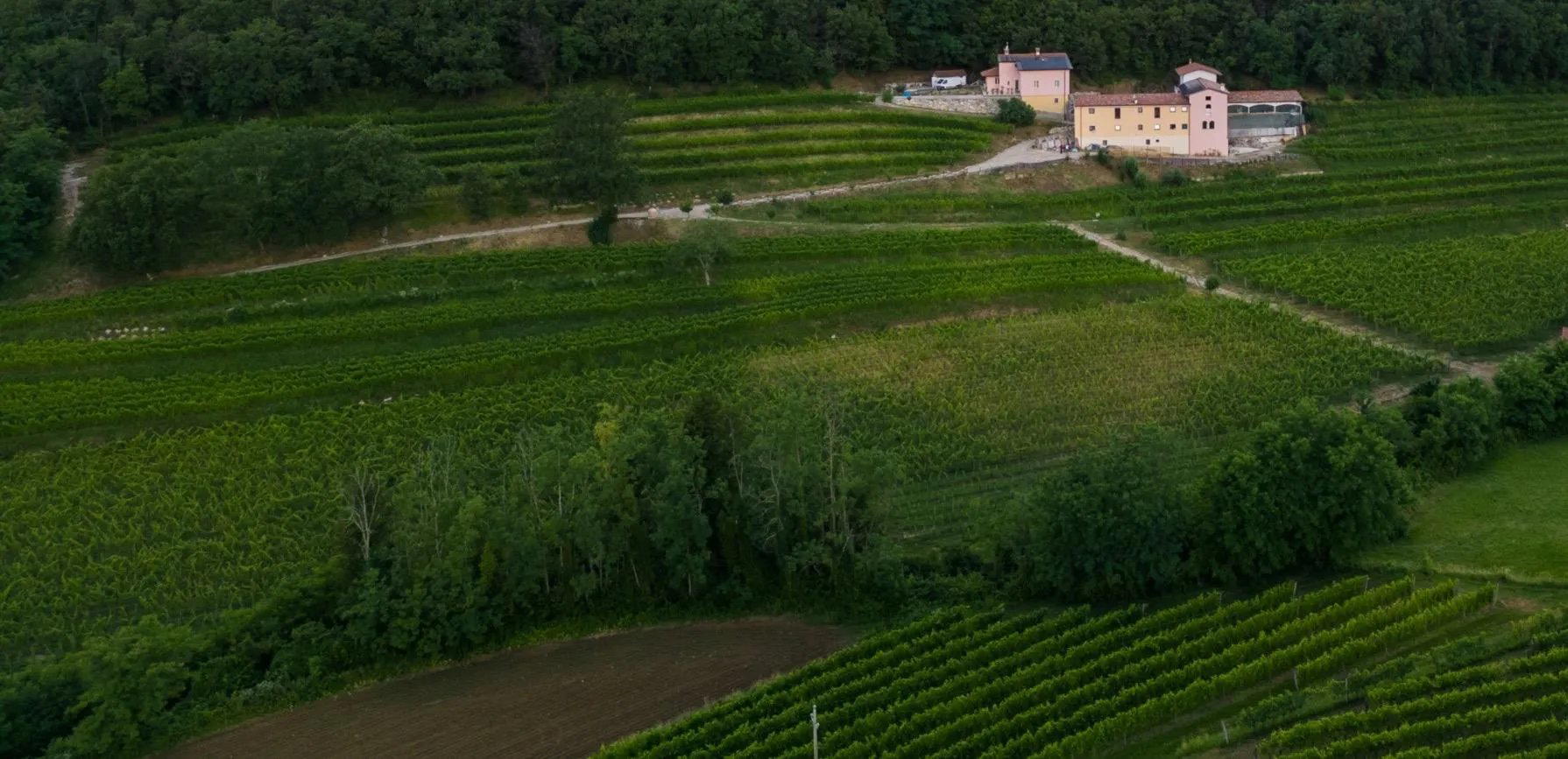
Ca' Lovisotto is worth booking for wine travelers who want a quiet Prepotto stop built around native Friulian grapes rather than a broad tasting-room format. The draw is organic farming, Schioppettino di Prepotto, amphora-aged Ribolla Gialla, and a hillside setting that suits couples or small groups seeking depth and calm.
Domaine Cosse et Maisonneuve
Touzac, France
Book Domaine Cosse et Maisonneuve if the priority is a serious, biodynamic Cahors tasting in a quiet rural setting. It is better suited to wine-focused couples or small groups than to travellers looking for polished hospitality, with the value coming from estate-grown Malbec, Demeter-certified farming, and terroir-specific cuvées.
Paul Hobbs Winery
Sebastopol, United States
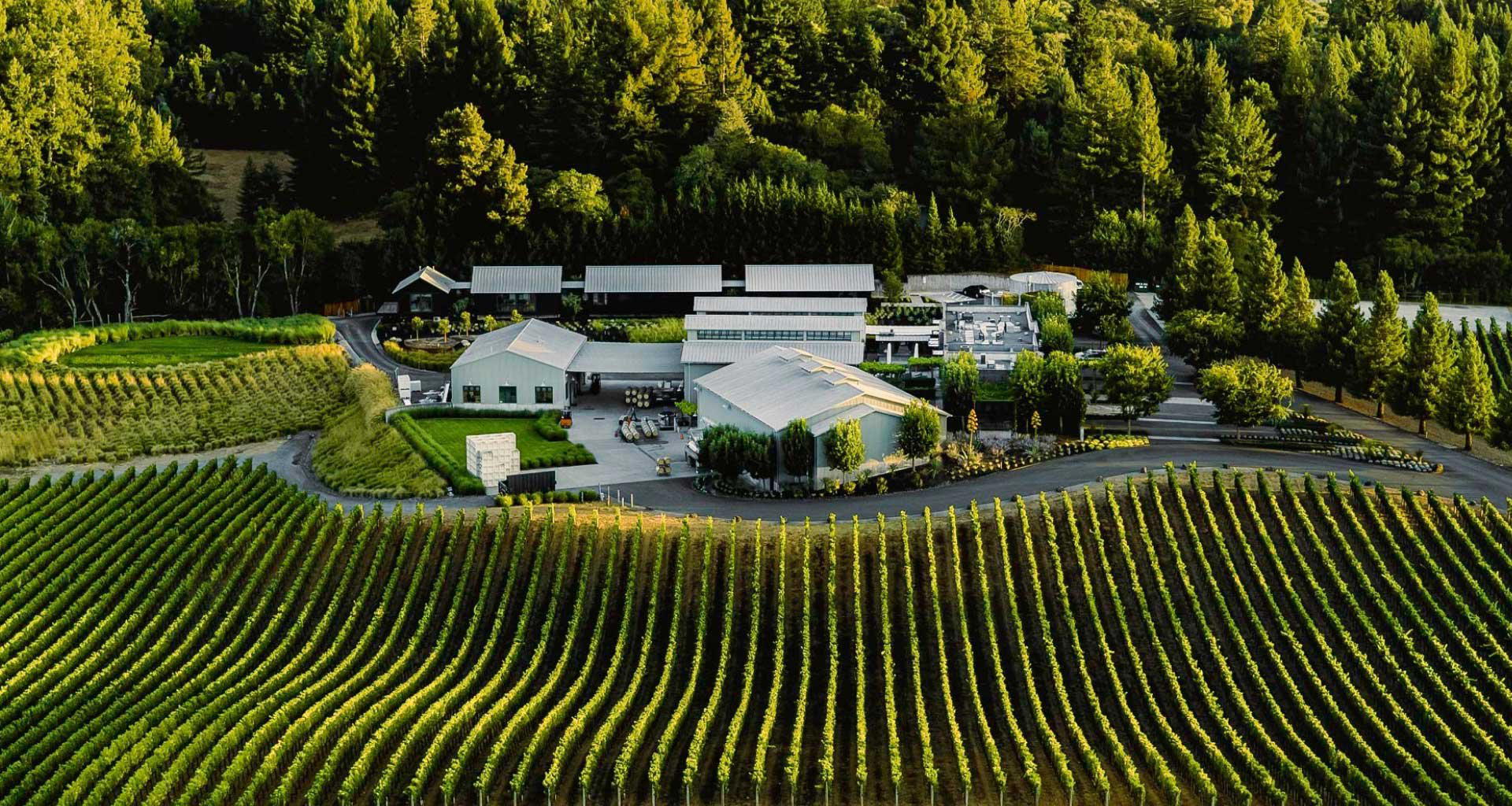
Paul Hobbs Winery is the Sebastopol pick for a focused, higher-intent wine visit rather than a casual drop-in tasting day. It is worth planning around if estate setting and prestige matter, but groups seeking flexibility should compare it with Dutton-Goldfield Winery, Merry Edwards Winery, or Iron Horse Vineyards before committing.
Cakebread Cellars
Rutherford, United States
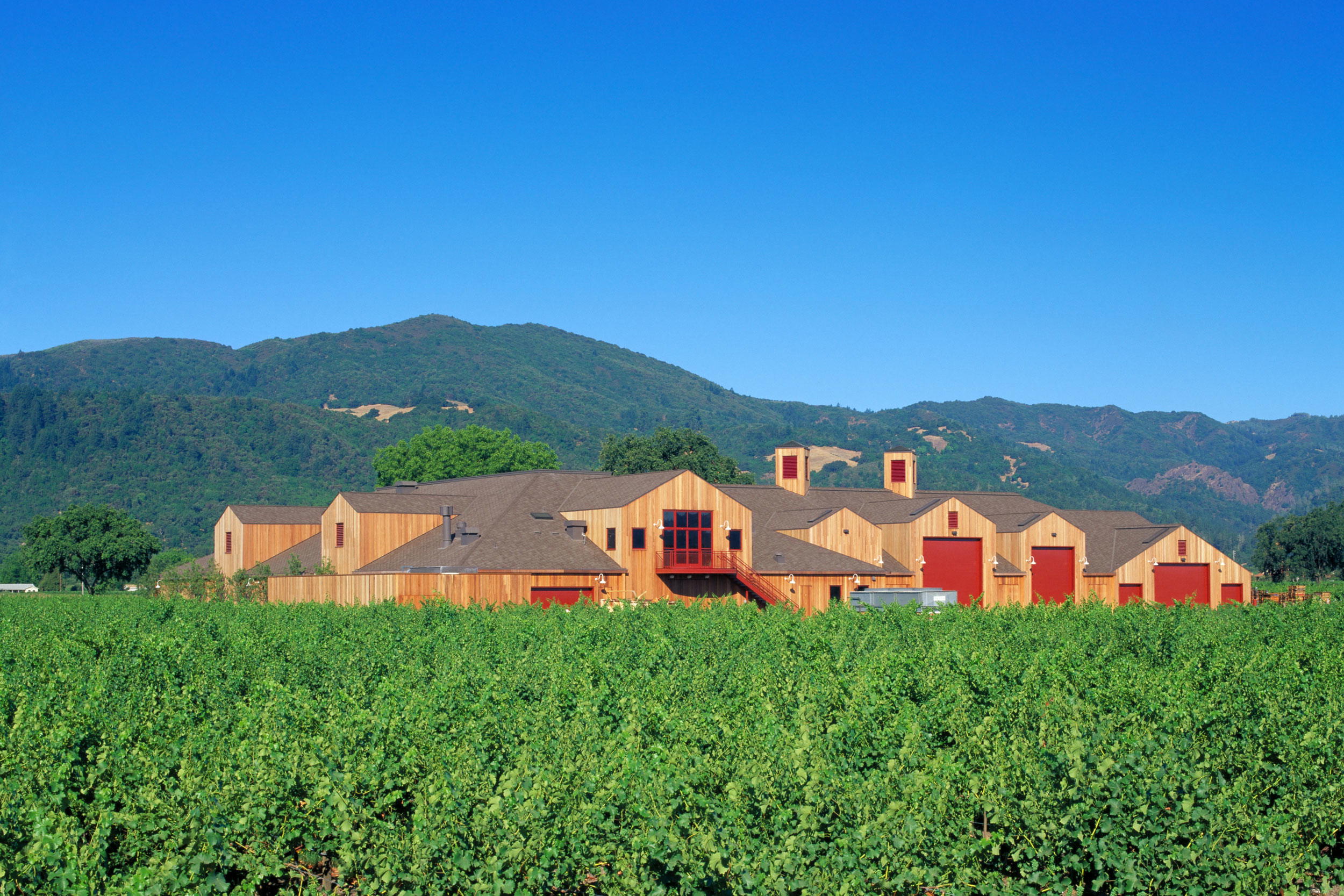
Cakebread Cellars is worth prioritizing for a Rutherford wine day if you want producer history and a serious tasting frame rather than a casual walk-in stop. The 1973 first vintage and current winemaking leadership from Stephanie Jacobs and Julianne Laks make it a stronger fit for repeat Napa visitors comparing house styles across the valley.
Weingut Hagn
Mailberg, Austria
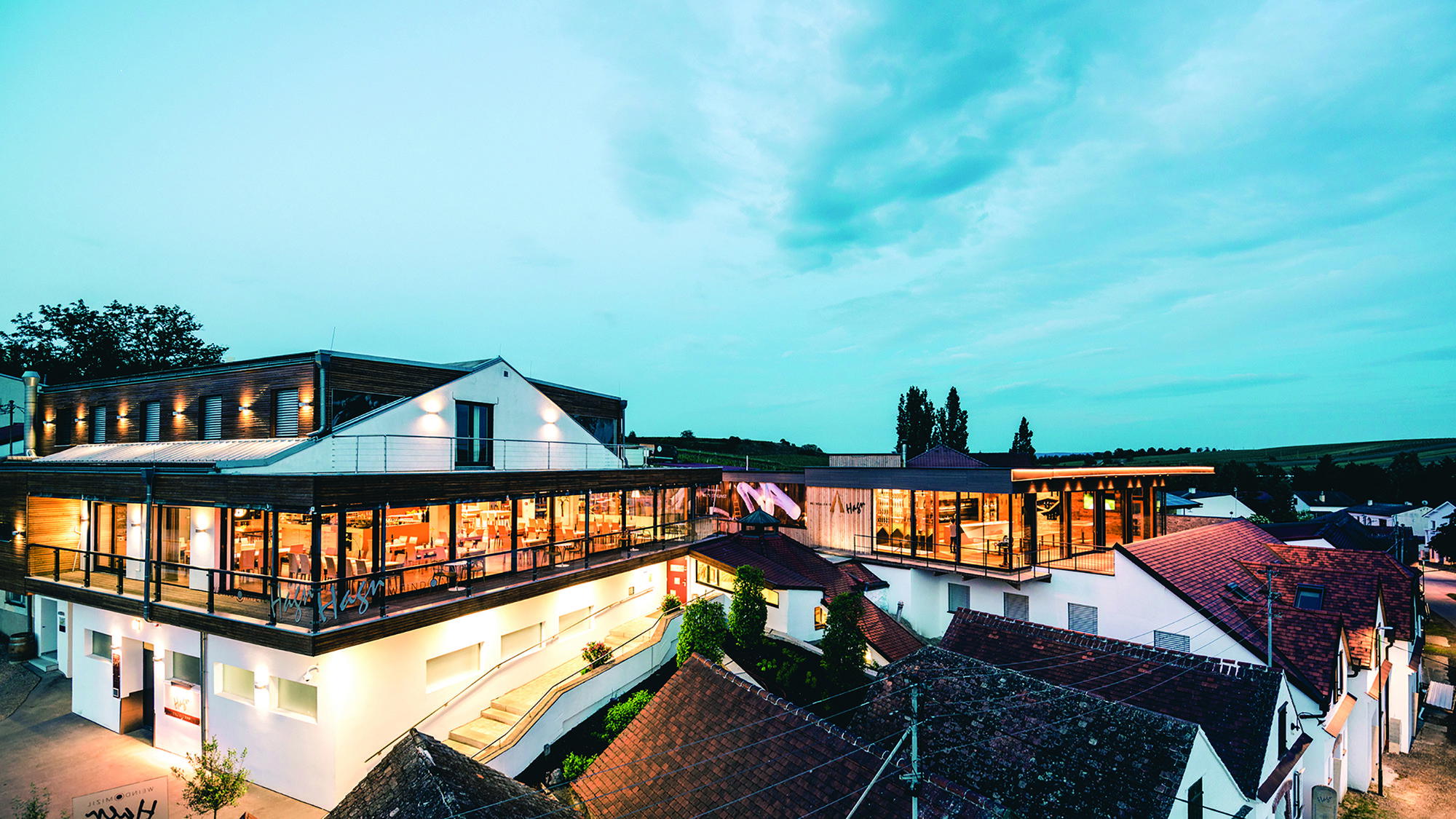
Weingut Hagn works as an easy Mailberg wine-country stop, not as a high-ceremony destination meal. First-timers should book it as part of a wider Mailberg plan and compare Genusswirtschaft if the priority is a clearer restaurant-led experience.
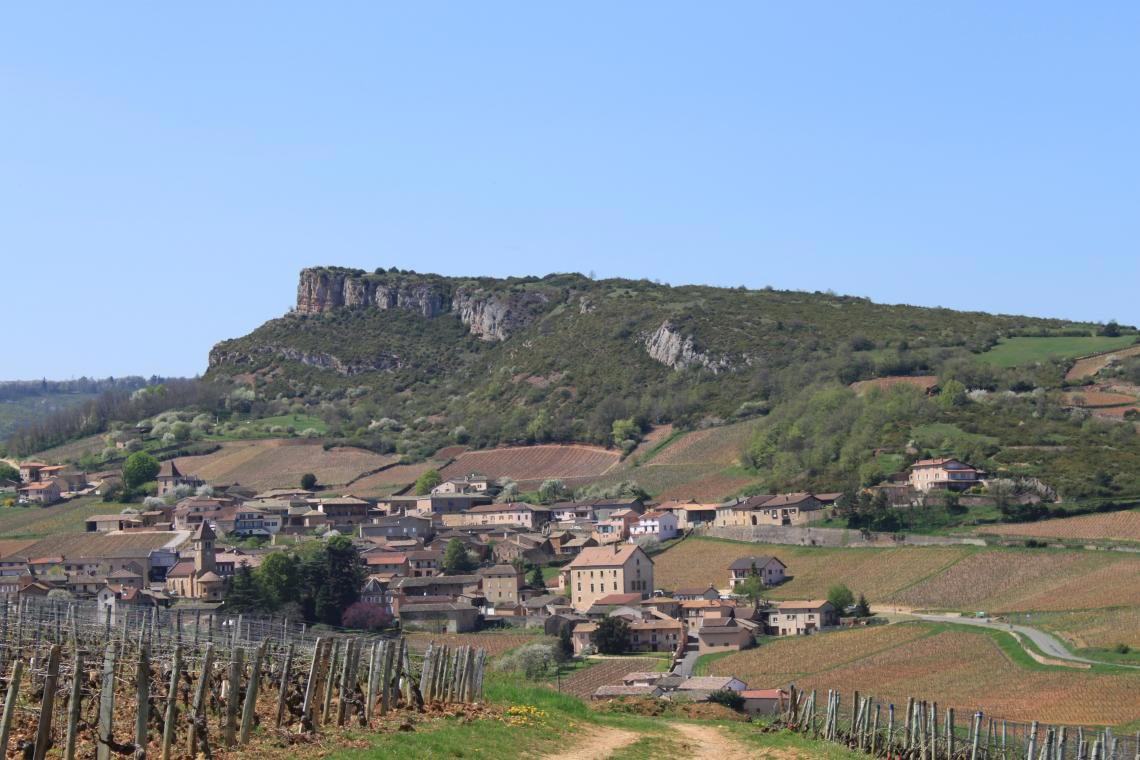
Domaine Cheveau
Solutré-Pouilly, France
Domaine Cheveau is worth booking if the goal is serious Pouilly-Fuissé context rather than a polished tourist tasting. The 14-hectare family estate works across Chardonnay and Gamay, with hand-harvesting and parcel-by-parcel winemaking giving the visit real production depth. Plan ahead, since visits are appointment only.
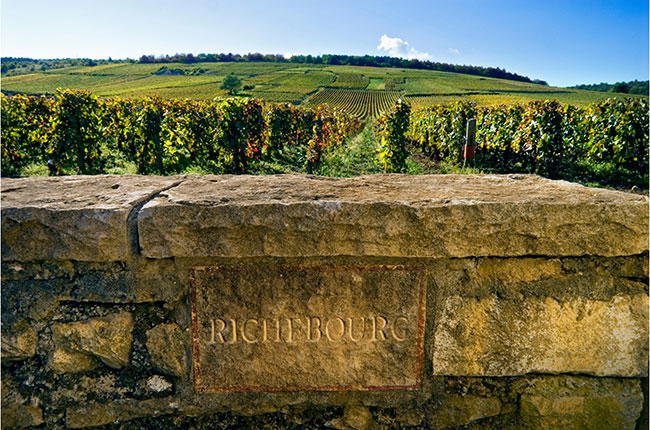
Domaine Jean Grivot
Vosne-Romanée, France
A strong request for serious Burgundy travelers, especially first-timers who want a focused Vosne-Romanée domaine appointment rather than a casual tasting-room stop. Plan early, do not expect a food-led format, and cross-shop against the village's other high-demand names before building the day around it.
Jean-Michel Novelle
Satigny, Switzerland
Book Jean-Michel Novelle if the priority is a small Satigny estate with hand-led vineyard work, biodiversity credentials, and a wide 38-wine portfolio from 7 hectares. It is less compelling for travelers seeking a food-led tasting format; the value is in the wines, the family continuity, and the detailed farming story.
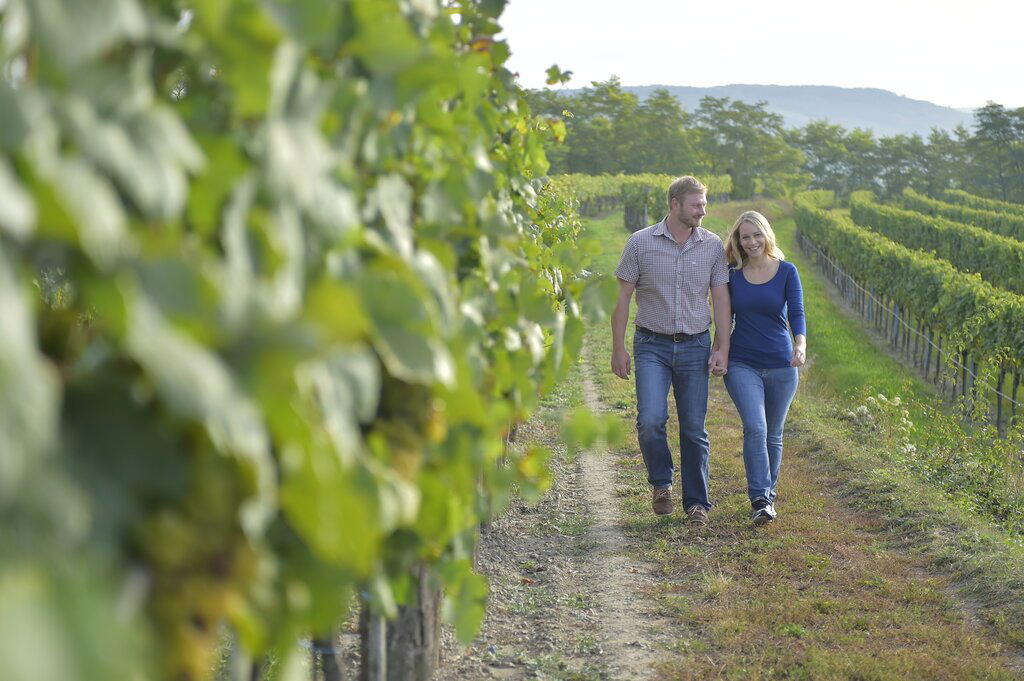
Bioweingut Familie Schnabl
Retz, Austria
Plan this as a focused Retz winery visit for organic Weinviertel wines, especially if histamine-tested bottles matter to the group. It is a stronger fit for curious wine travelers than for guests looking for a large hospitality setup, food-heavy tasting, or polished cellar-door production.
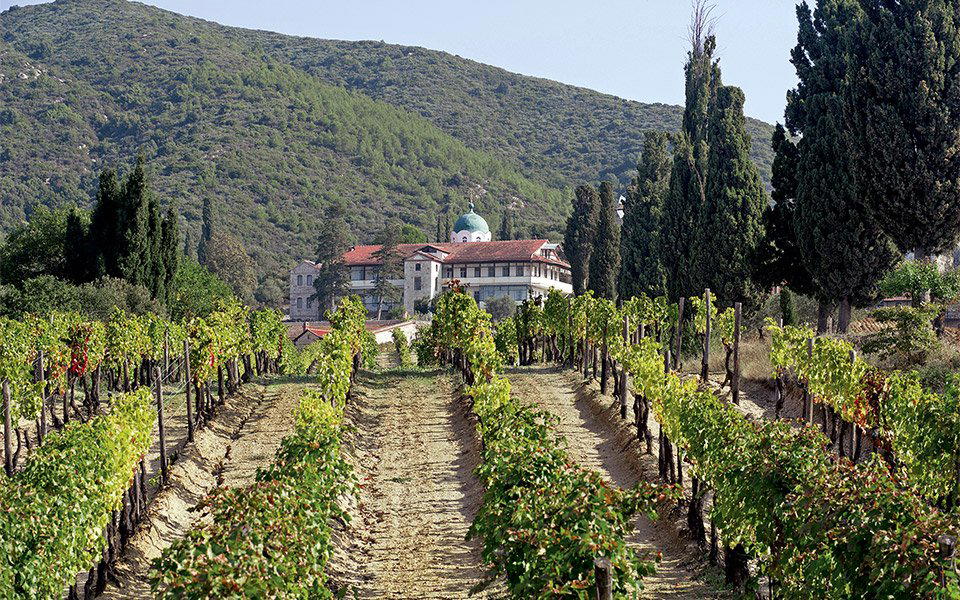
Tsantali Distillery
Thessaloniki, Greece
A targeted producer stop near Thessaloniki for travelers who care about Halkidiki context more than easy, walk-up planning. Worth considering for allocation-minded wine and spirits enthusiasts, but less suitable if published visitor details, group logistics, or a simple tasting format are the priority.
Château Plantey
Saint-Estèphe, France
Château Plantey is a smart Saint-Estèphe-area pick for Bordeaux drinkers who want structured, Cabernet-led Haut-Médoc without chasing classified-growth prestige. Go for a focused, appointment-led tasting built around serious red wine; skip it if the priority is a polished hospitality experience with broad tasting formats and visible visitor amenities.
Gál Lajos
Eger, Hungary
Book Gál Lajos if the goal is a quiet, educational Eger winery visit centered on Bikavér, Olaszrizling, and volcanic-soil context. The value signal is strong at $8 per person, with Falstaff Listed recognition in 2026; it is better for couples or small groups than for a big celebratory tasting.
Clos Romanile
Saint-Émilion, France
Clos Romanile works as a wine-first Saint-Émilion stop, not as a food-pairing or restaurant replacement. Its Falstaff Listed (2026) recognition gives it a useful trust signal for itinerary planning, but travelers should build lunch, dinner, and any plated pairing experience separately.
Francesco Bellei
Bomporto, Italy
Book Francesco Bellei if the goal is a serious, appointment-led sparkling-wine stop in the Sorbara area rather than a casual tasting-room outing. The draw is its Metodo Classico focus, Lambrusco di Sorbara context, quiet winery setting, and guide-recognized sparkling range; skip it if the group needs food-led hospitality or walk-in flexibility.
Domaine de la Devinière
Satigny, Switzerland
A good Satigny choice for travelers building a Geneva-canton wine itinerary, especially if the priority is a recognized winery stop rather than a food-led tasting. Domaine de la Devinière is better treated as the wine anchor of the day, with restaurants and logistics planned separately.
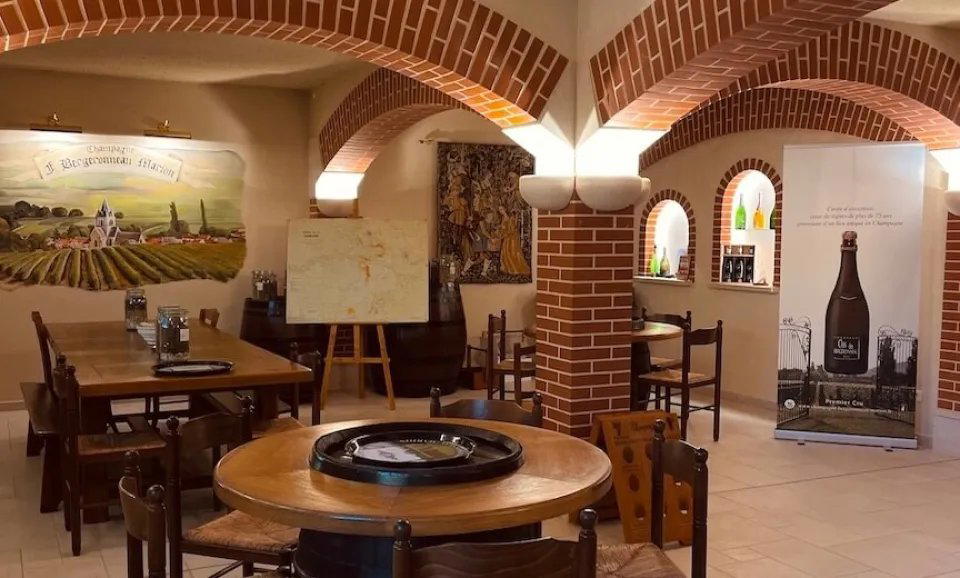
Champagne Florent Bergeronneau Marion
Ville Dommange, France
Book Champagne Florent Bergeronneau Marion if you want a relaxed grower-Champagne visit with real vineyard context, not grand-house theatre. The $$ pricing, Premier Cru village setting, enclosed clos, and accessible tasting fees make it a strong-value stop for wine travellers who care about estate-grown production and family-run hospitality.
Domaine Binet-Jacquet
Faugeres, France
Domaine Binet-Jacquet is worth targeting if the priority is serious, biodynamic Faugères red wine rather than a polished cellar-door experience. The value lies in estate-grown blends shaped by schist soils, altitude, and a production-first rural setting, with Falstaff listing in 2026 adding a useful recognition signal.
Fattoria Bellosguardo
Castiglion Fibocchi, Italy
Fattoria Bellosguardo is worth choosing if the goal is a quiet Tuscan estate visit with vineyards, olive groves, wooded land, and a small lake, not just a fast tasting. The draw is organic farming, native Valdarno grapes, and family continuity; travellers looking for a highly formal or food-led winery experience may want a different format.
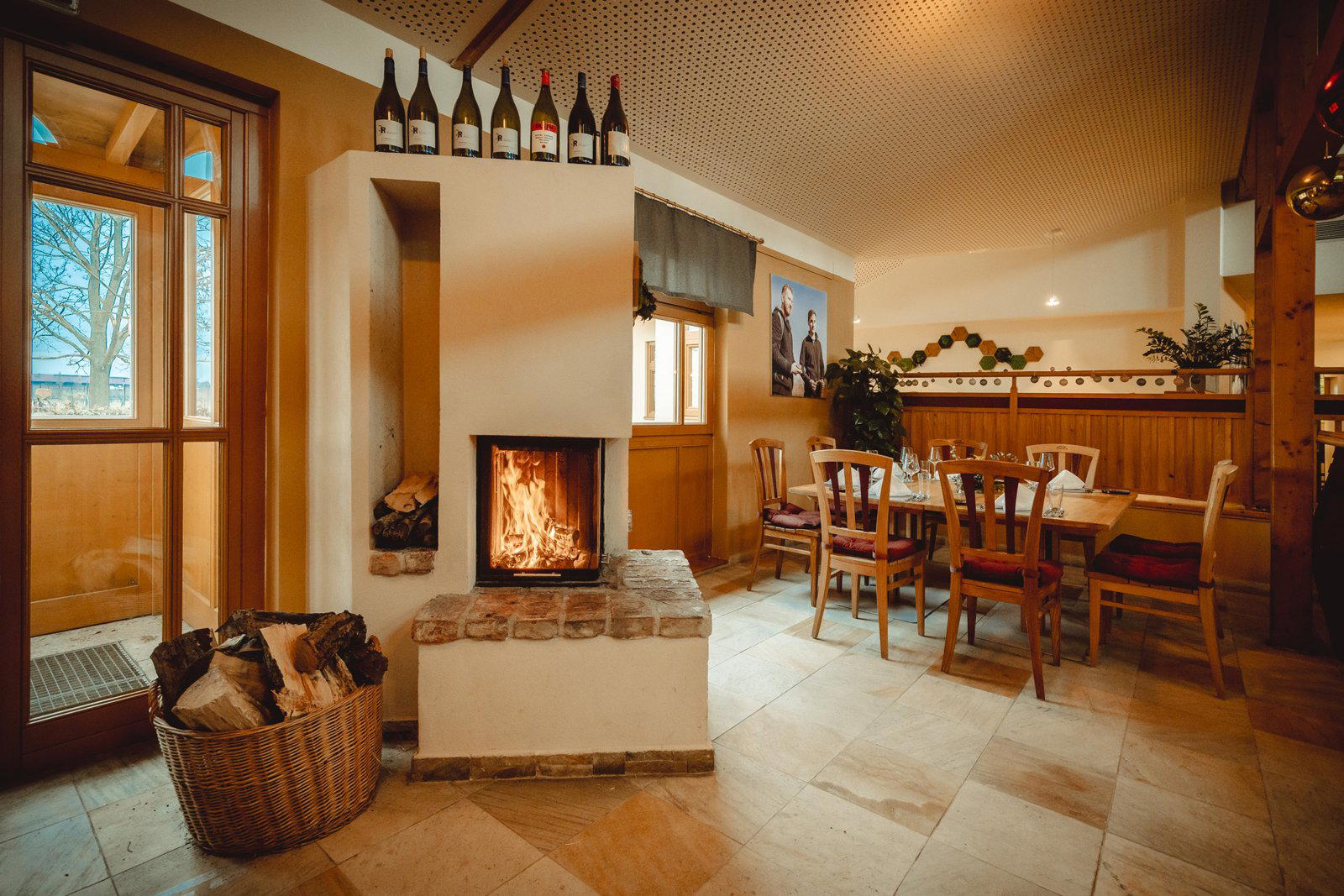
Weingut Familie Reinisch
Tattendorf, Austria
Prioritise Weingut Familie Reinisch if Tattendorf is the centre of a wine-focused day, not a casual stop between plans. The value case rests on quality positioning and scarcity of access rather than published pricing, so it suits serious wine travellers more than flexible groups or drop-in tasters.
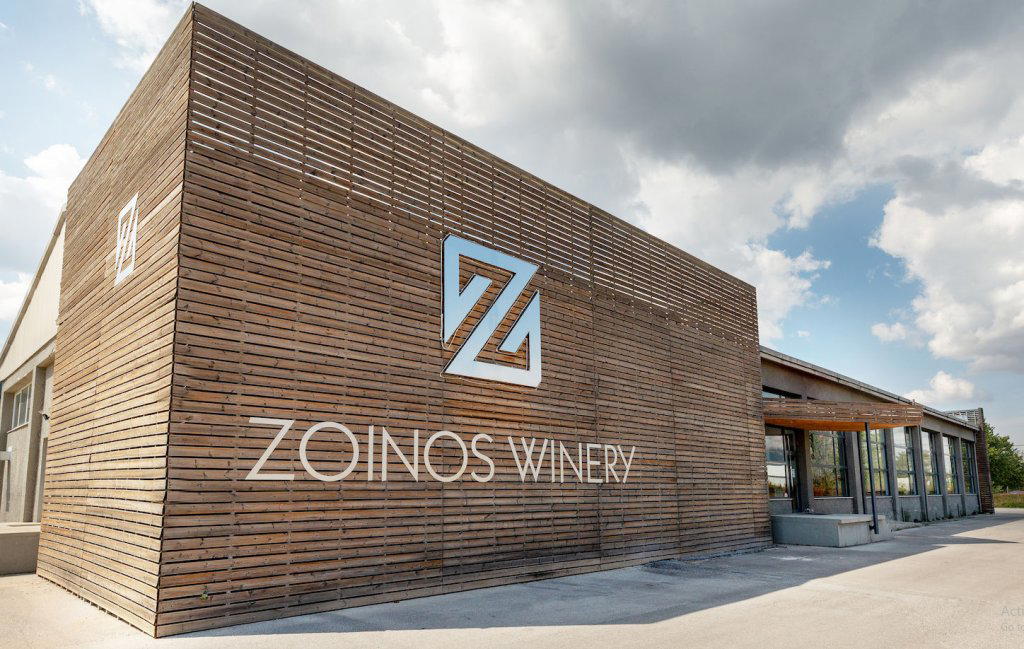
Zoinos Winery
Zitsa, Greece
Book Zitsa Wine Cooperative only if the goal is to understand Zitsa through a grounded regional producer rather than a polished estate tasting. It is strongest as an orientation stop for first-timers in the area, but confirm plans before building a day around it, especially for groups.
Domaine Belles Pierres
Murviel Les Montpellier, France
Domaine Belles Pierres works if the goal is an easy, wine-focused stop around Murviel-lès-Montpellier rather than a heavily structured destination visit. Its 2026 Falstaff listing gives it a useful credibility signal, but the draw is producer discovery and local context more than published hospitality detail.
Château Preuillac
Lesparre Medoc, France
A measured Médoc winery choice near Lesparre-Médoc, Château Preuillac makes sense for travelers who want a composed château stop rather than an overpacked tasting day. It is better suited to a special-occasion wine-country plan than a quick checklist visit, with the strongest value in keeping the schedule focused and unhurried.
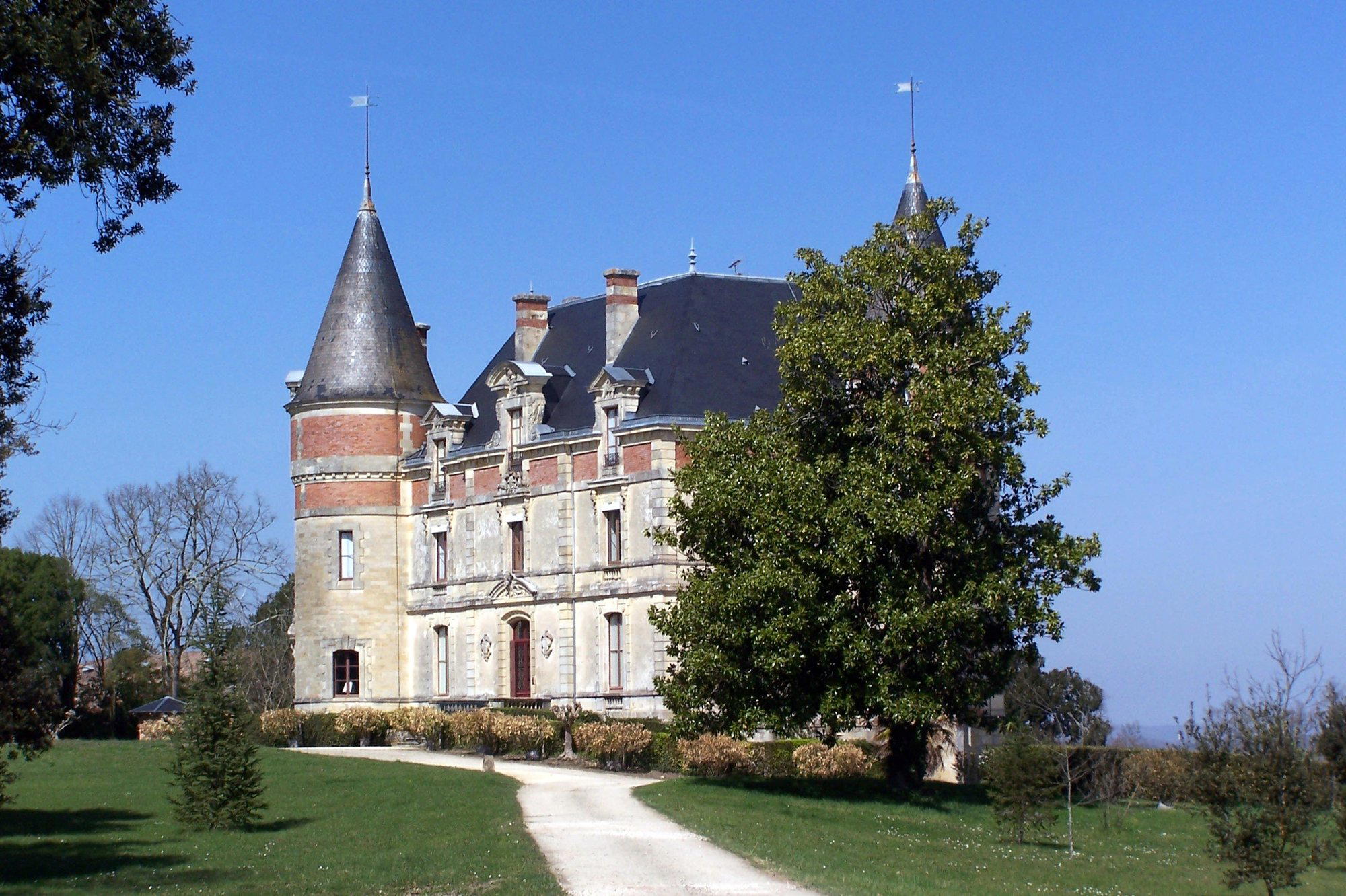
Château Rayne-Vigneau
Bommes, France
Book Château Rayne-Vigneau if the goal is a serious Sauternes stop in Bommes, not a casual tasting-room crawl. It makes the strongest case for travelers weighing sweet-wine value, prestige, and focus against nearby peers such as Clos Haut-Peyraguey, Château Lafaurie-Peyraguey, and Château La Tour Blanche.
Château Clerc Milon
Pauillac, France
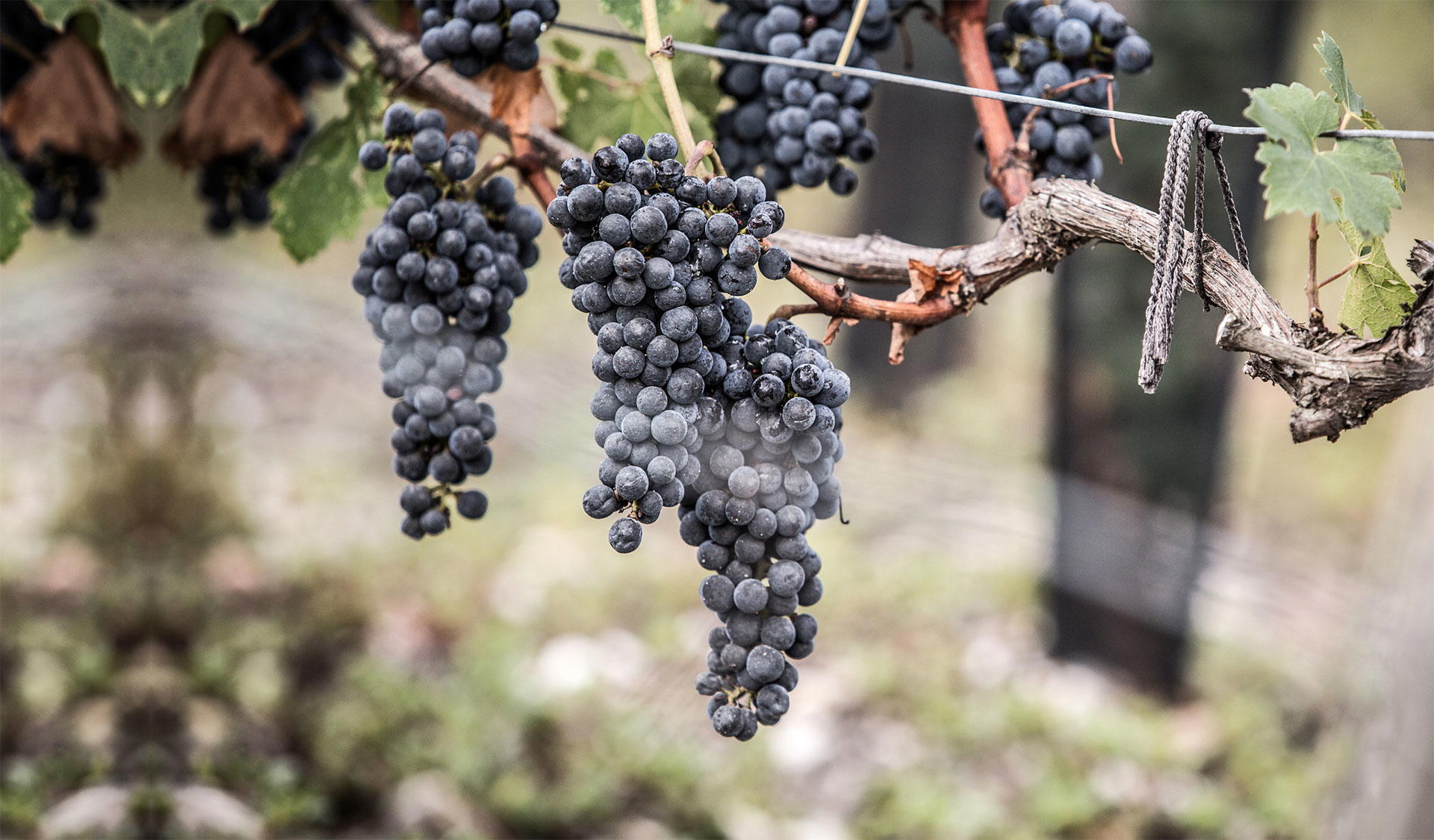
Château Clerc Milon is worth the effort for first-time Pauillac visitors who care about classified-growth context and potential allocation value more than pure name recognition. It is a stronger fit for serious Bordeaux buyers than casual tasters, with Lafite and Mouton better for trophy appeal and Château d'Armailhac a useful nearby cross-shop.
BioVio
Bastia D Albenga, Italy
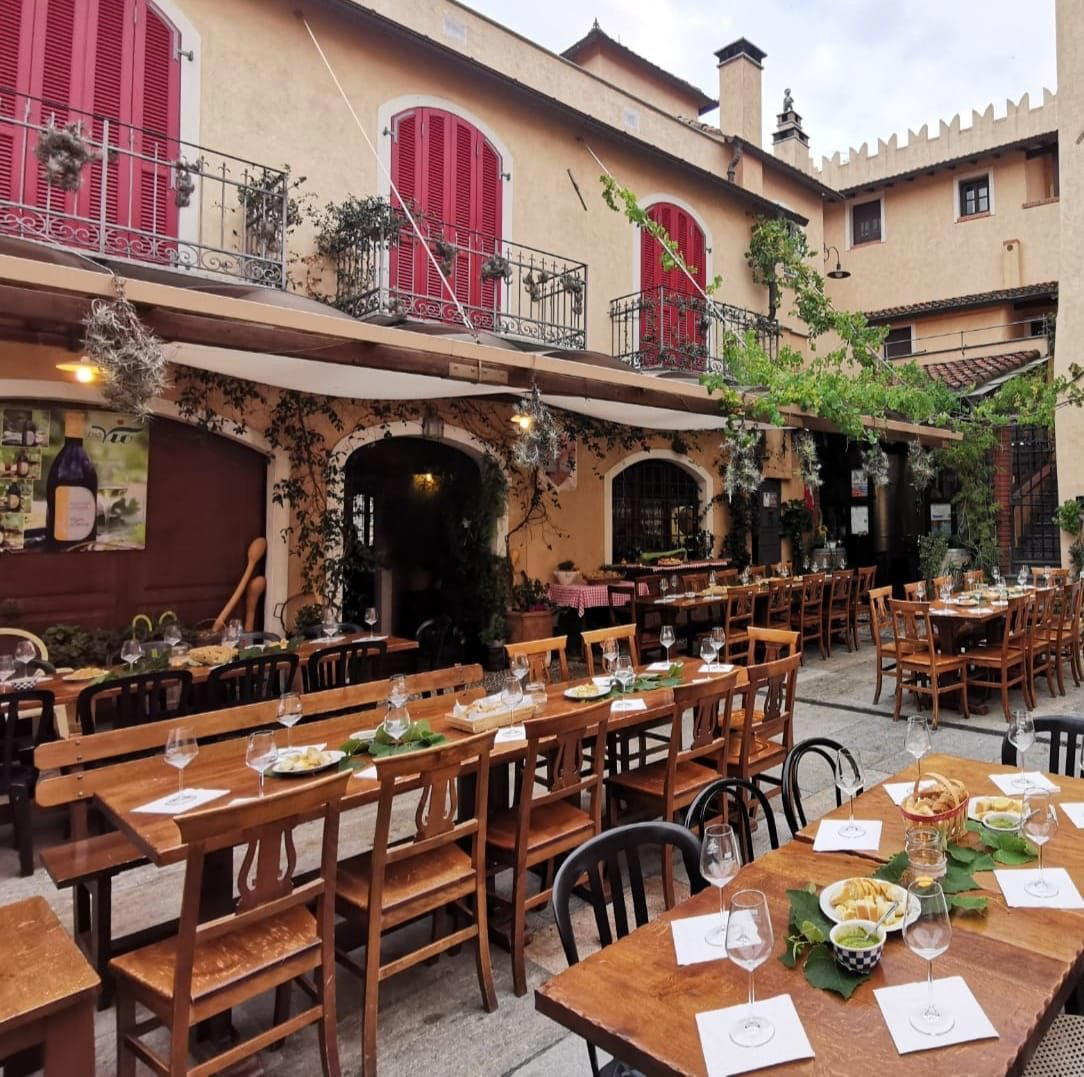
BioVio is worth booking for travelers who want a grounded Ligurian winery visit built around organic farming, native grapes, olive oil, and rural hospitality. The value is strongest if tasting, food, and place matter together; Falstaff listing for 2026 and long-running organic certification add credibility without pushing it into luxury-winery territory.
Katarzyna Estate
Sofia, Bulgaria
Katarzyna Estate is worth planning as a premium winery retreat, especially for anniversaries, date stays, or business escapes where the wine program matters as much as the setting. The strongest reasons to go are estate-grown vineyards, French-oak aging, underground bottle maturation, and a hotel-spa format that rewards a longer stay over a quick tasting.
Auberson & Fils SA
La Neuveville, Switzerland
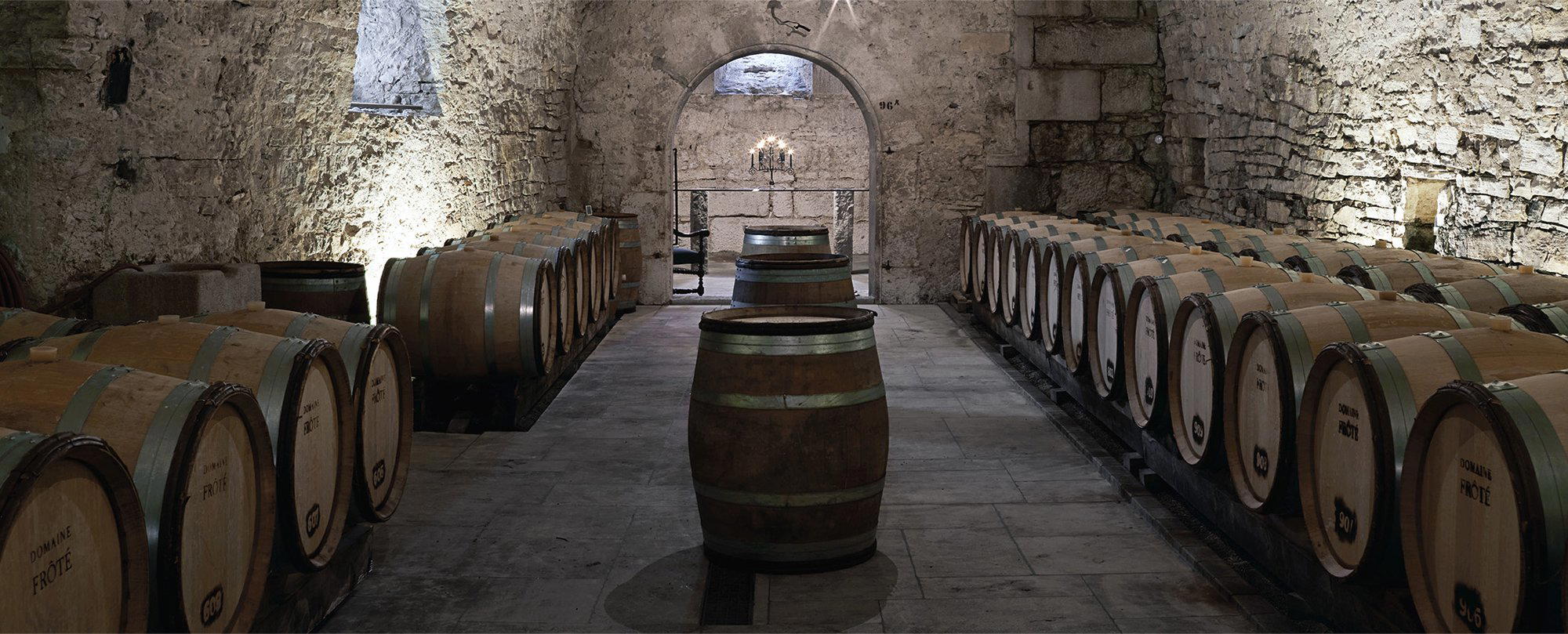
Auberson & Fils SA works for a quiet, producer-focused winery stop in La Neuveville, especially for travelers who prefer context over a polished tasting-room format. The key trust signal is its Falstaff Listed status for 2026; plan it as part of a broader Canton Bern wine day rather than a casual drop-in.
Weingut Fred Loimer
Langenlois, Austria
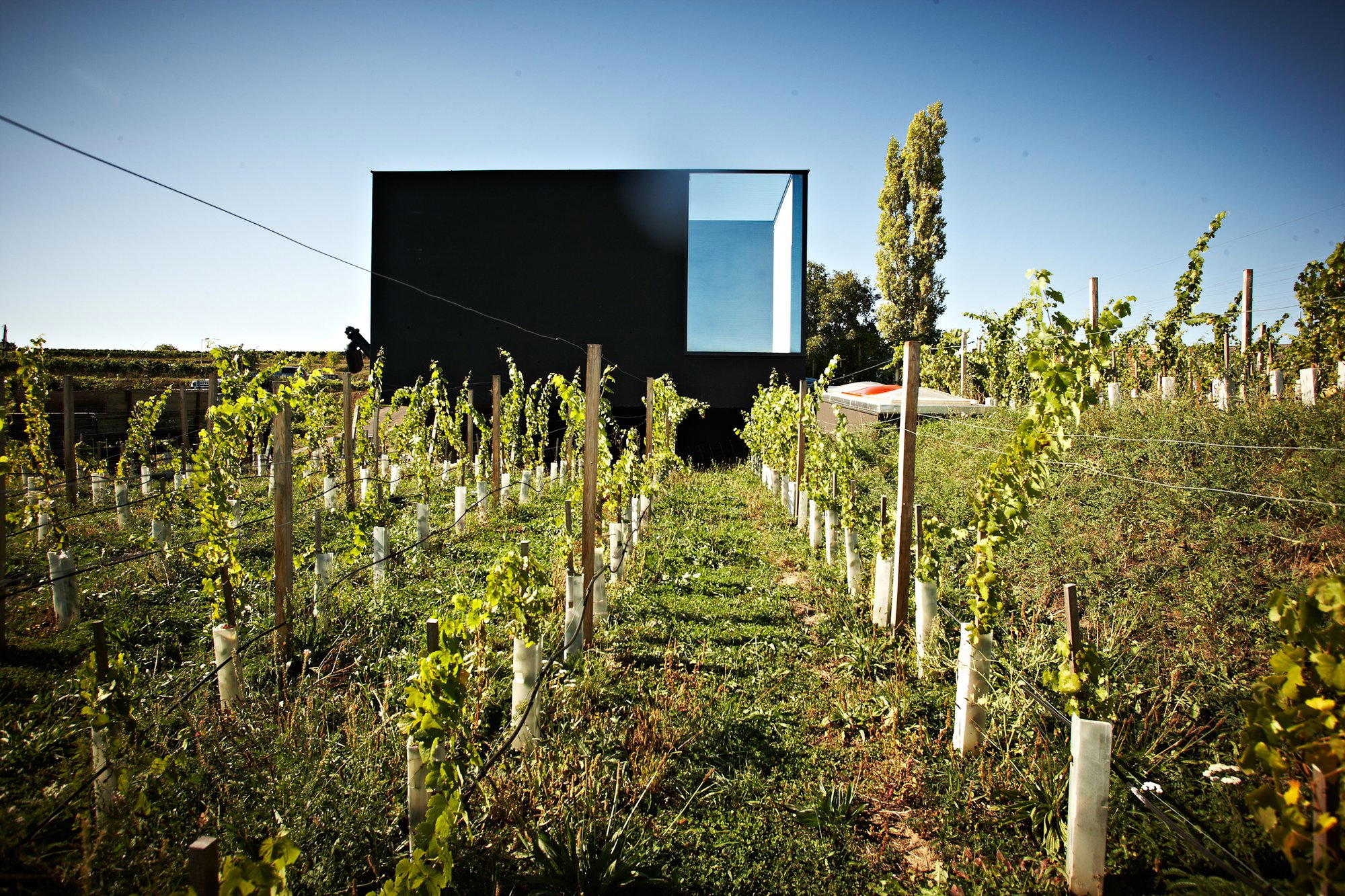
Book Weingut Fred Loimer if the trip calls for a serious Langenlois wine appointment with enough focus for a date, celebration, or client-adjacent stop. It is less suited to loose large groups or anyone expecting food without confirming details first. Cross-shop Bründlmayer, Jurtschitsch, Hiedler, and Schloss Gobelsburg if availability or format matters more than producer preference.
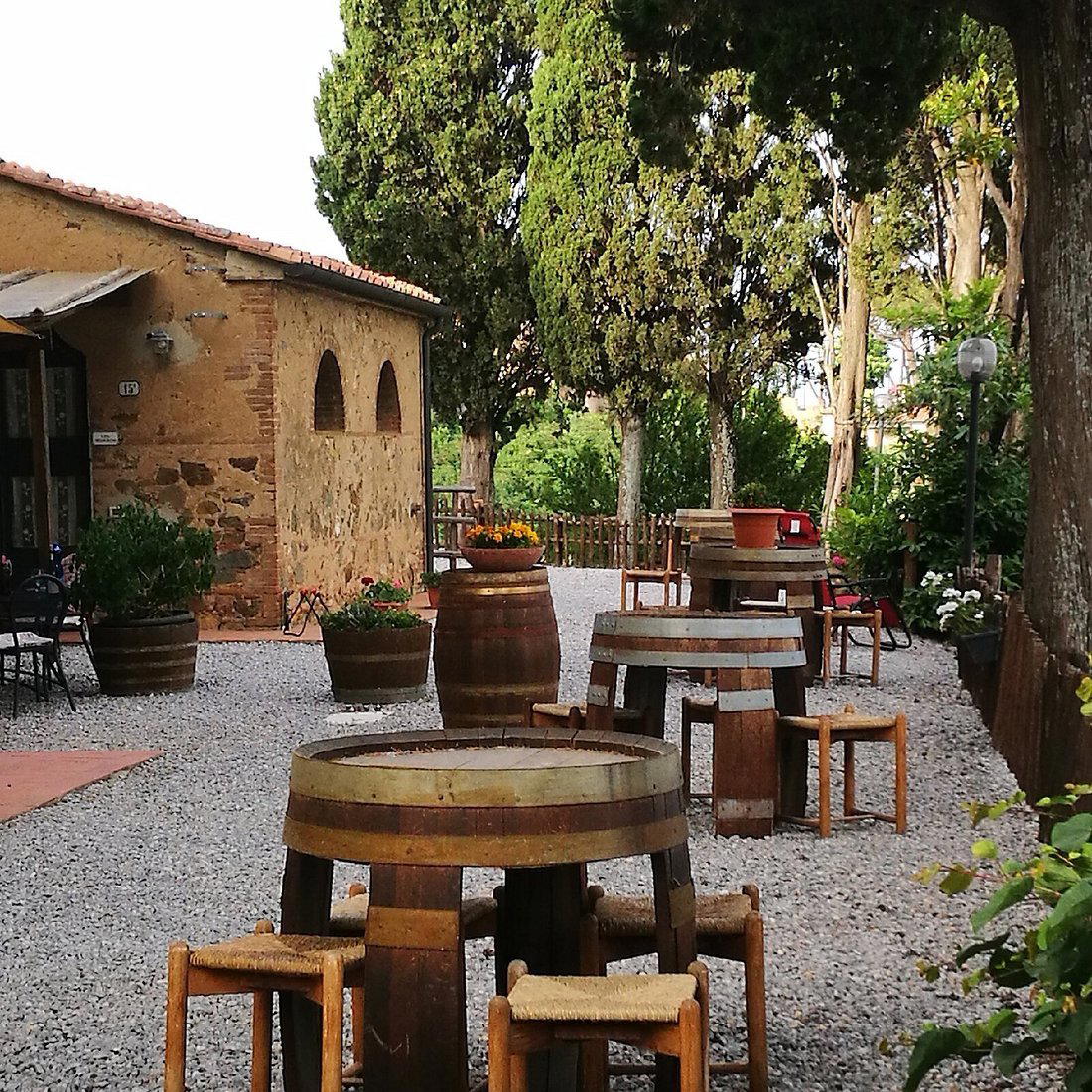
Azienda Agricola Serni Fulvio Luigi
Castagneto Carducci, Italy
Book Azienda Agricola Serni Fulvio Luigi if you want a relaxed Castagneto Carducci farm-winery visit rather than a formal Bolgheri tasting room. The draw is a small family-run estate with Bolgheri DOC reds, rosato, Vermentino, sparkling wine, and olive oil; wine-club value makes sense only if it gives access beyond bottles you can buy during the visit.
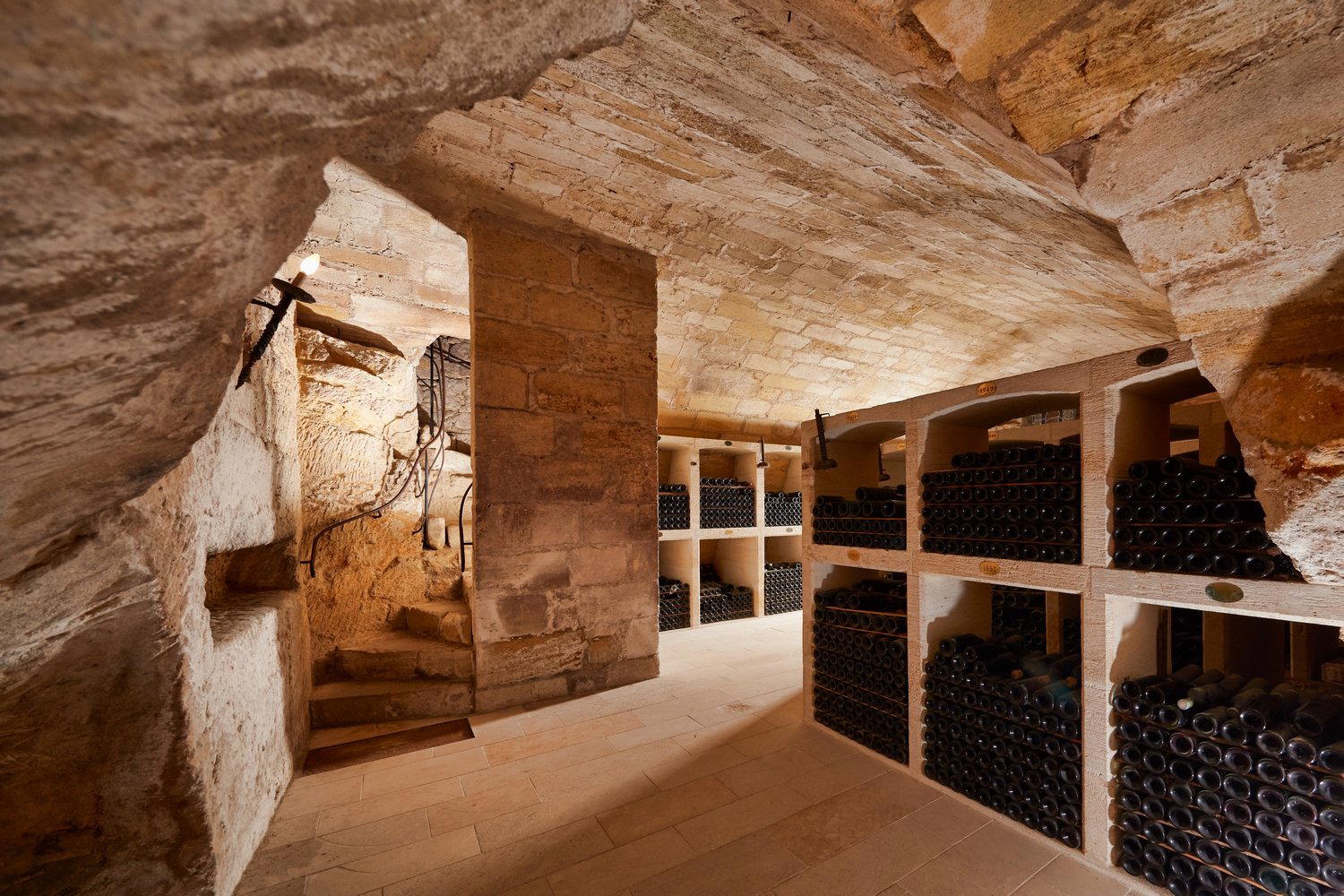
Château Couvent des Jacobins
Saint-Émilion, France
Book Château Couvent des Jacobins if the goal is a credible, low-friction Saint-Émilion winery stop rather than a highly specified tasting program. Its 2026 Falstaff listing gives it a useful trust signal, but the lack of published pricing, food, hours, and flagship-wine detail makes it better as part of a wider village itinerary than the sole anchor of a wine day.

Bodegas y Vinedos Gómez Cruzado
Haro, Spain
A serious Haro winery pick for Rioja drinkers who want depth over a casual stop. The Falstaff 2 Stars recognition gives it a clear quality signal, and it is worth prioritizing if an upgraded or private-style tasting is available for your date.
How many of these have you visited?
Find out on Pearl and keep score across every place in 2026 Falstaff Winery Guide.