
Weingut Fred Loimer
Langenlois
Winery in Langenlois, Austria
 Book with Pearl
The Read
Kamptal Prestige Viticulture
Price
$20–30tasting
Why go
Book Weingut Fred Loimer if the trip calls for a serious Langenlois wine appointment with enough focus for a date, celebration, or client-adjacent stop. It is less suited to loose large groups or anyone expecting food without confirming details first. Cross-shop Bründlmayer, Jurtschitsch, Hiedler, and Schloss Gobelsburg if availability or format matters more than producer preference.
About Weingut Fred Loimer
In Langenlois, Weingut Fred Loimer is a winery listing with a Pearl 2 Star Prestige recognition for 2025. For travelers comparing premium winery options in the area, that accolade is the clearest reason to place it on the shortlist.
Beyond the recognition and smart casual dress code, specific visit details vary. Check the tasting format, food service, group capacity, pricing, and schedule directly with the venue before building the rest of the day around it. Treat Weingut Fred Loimer as a Langenlois winery to research directly before building the rest of the day around it.
Choose it for a serious Langenlois winery shortlist
The decision is simplest if you are narrowing a Langenlois wine itinerary around recognized producers. Weingut Fred Loimer has Pearl 2 Star Prestige recognition for 2025, which gives it a clear premium signal without needing to invent details about the visit itself.
Because food service, menu details, hours, pricing, and tasting formats may vary, do not plan the day around lunch, a private program, or a specific hospitality setup unless those details are confirmed directly with the venue. Use the confirmed facts as the starting point: this is Weingut Fred Loimer in Langenlois, with smart casual dress and a 2025 Pearl 2 Star Prestige distinction.
Who should cross-shop before committing
If the main priority is comparing several producers in and around the area, look at Weingut Bründlmayer, Weingut Jurtschitsch, Weingut Hiedler, Weingut Hirsch, and Schloss Gobelsburg (Weingut) before locking the route. That group gives a useful way to compare winery choices.
For a celebration or premium wine-country stop, Weingut Fred Loimer can work as a shortlist anchor because of its recognition. For any group size or specific plan, confirm availability and visit details directly before relying on it. Use Our full Langenlois wineries guide to shape the wider plan, then add restaurants, hotels, bars, or experiences only after the winery schedule is set via Our full Langenlois restaurants guide, Our full Langenlois hotels guide, Our full Langenlois bars guide, and Our full Langenlois experiences guide.
Planning details
- Location
- Haindorfer Vögerlweg 23, 3550 Langenlois
- Website
- loimer.at
- Phone
- +43 2734 22390
The take
The Take
The Vibe
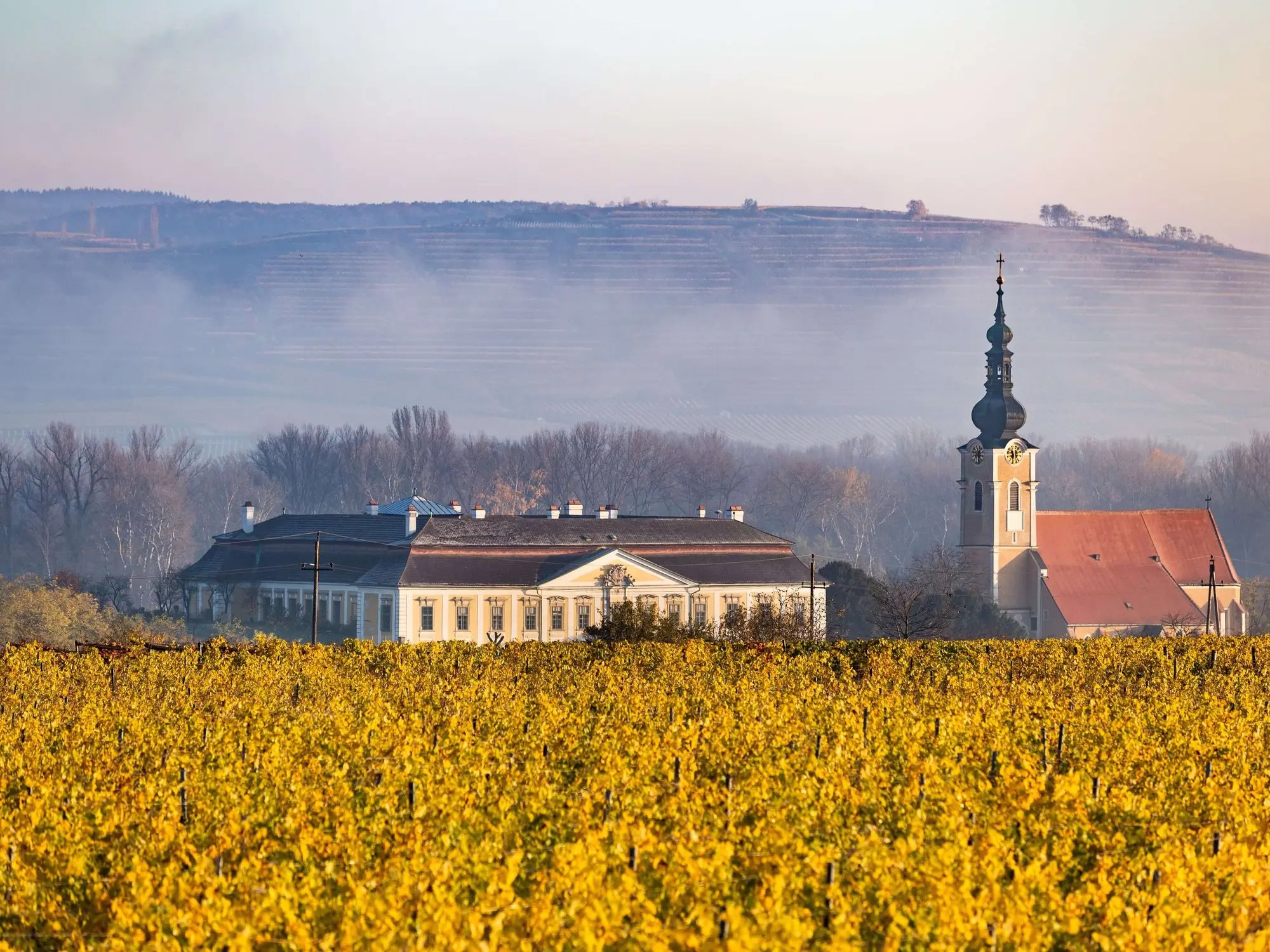
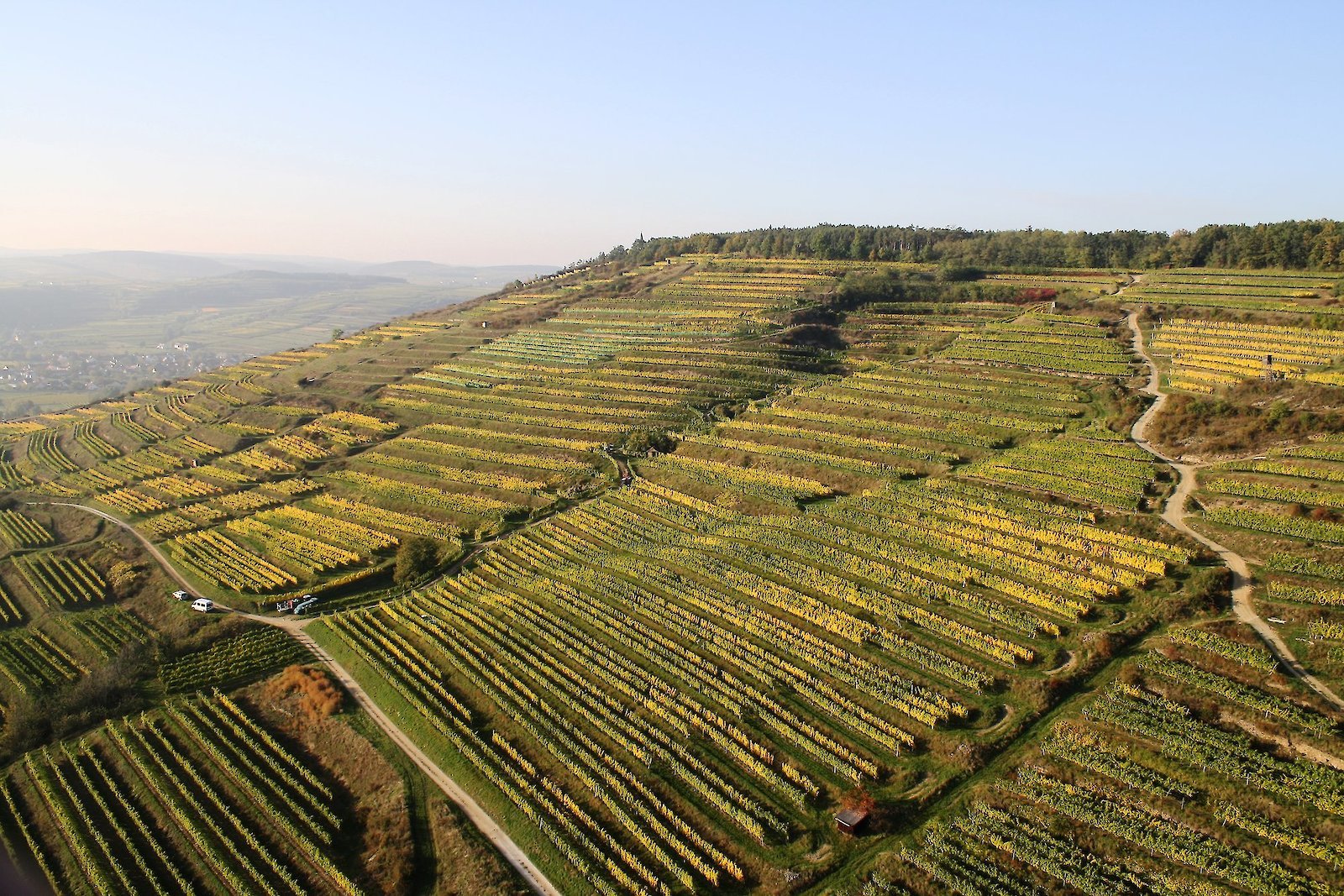
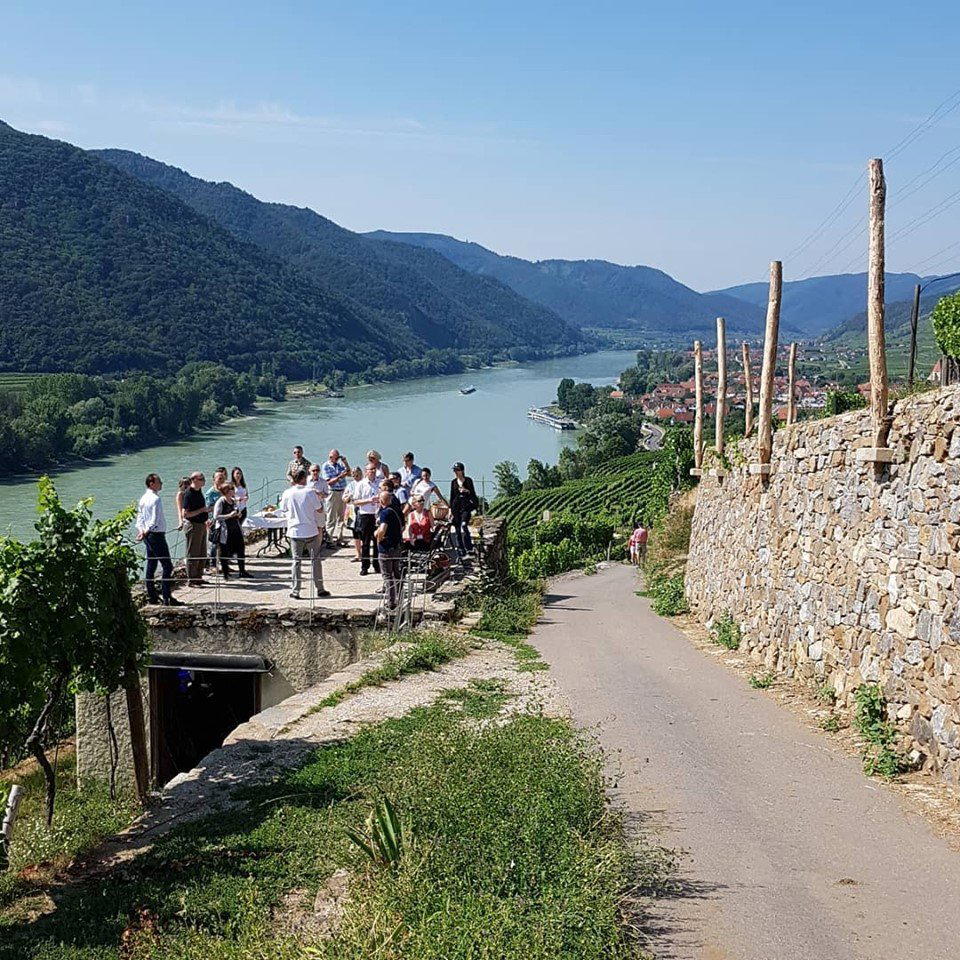
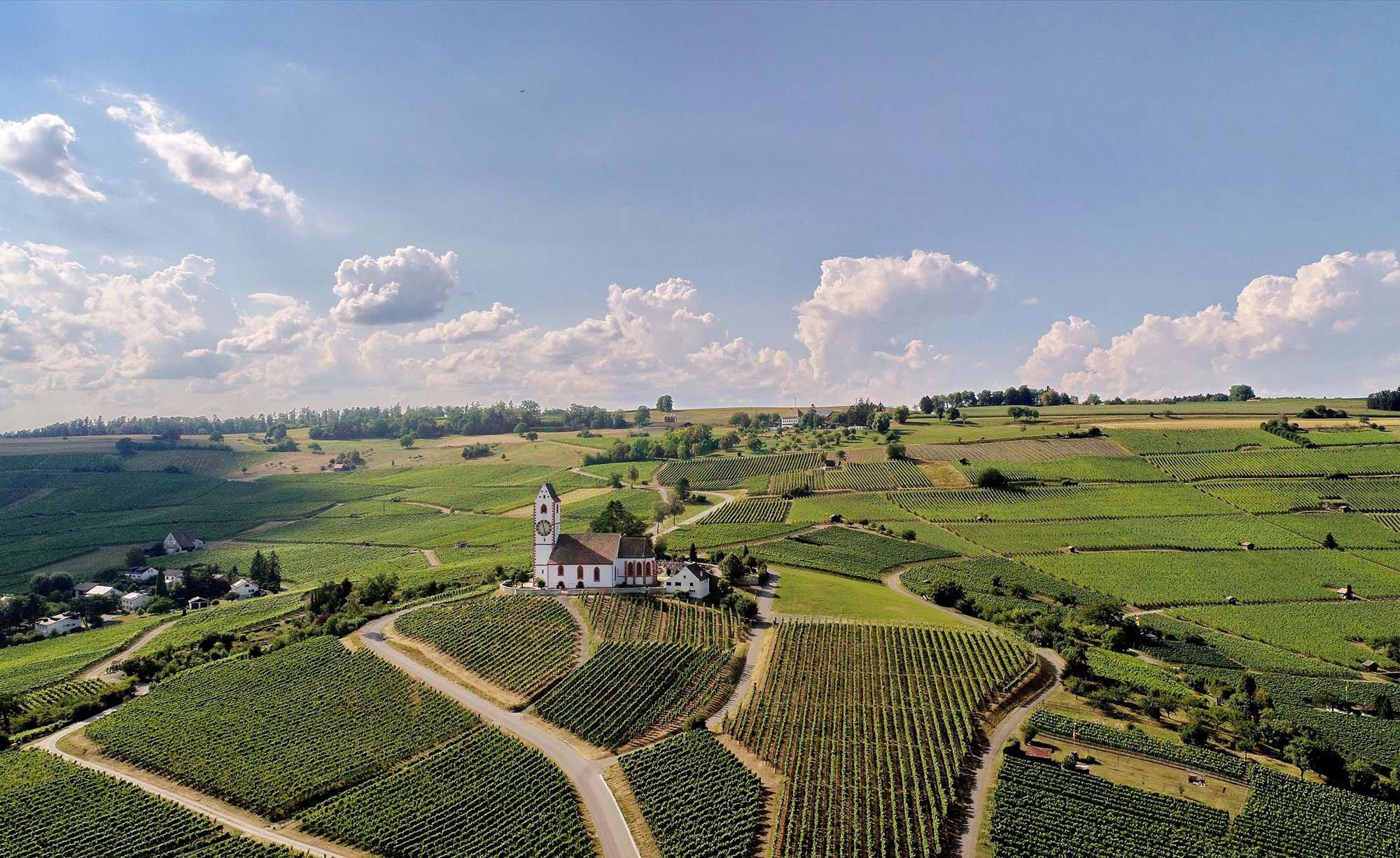
Weingut Fred Loimer presents a thoughtful, terroir-first personality rooted in the Kamptal's loess-rich slopes. The estate reads as a sophisticated player in contemporary Austrian wine culture: it aligns with biodynamic and organic farming and positions itself in a Europe-wide dialogue about minimal intervention and the identity of Austrian white wine. The setting—ancient vineyard sites and cultivated slopes—gives the place a scenic, historical gravity rather than flash; the emphasis is on soil, site, and careful farming rather than cellar showmanship. Visitors encounter a serious, reflective producer whose reputation is built on vineyard practice and regional fidelity.
Best For
This estate is best suited to visitors who want to learn about terroir-driven Austrian wines and the farming philosophies behind them. It is a natural stop for wine-education minded travelers and solo explorers who appreciate methodical, vineyard-focused storytelling. The property's high ranking and prestige recognition also make it appropriate for special-occasion visits where the goal is to taste benchmark wines that express Kamptal sites. Loimer is less about spectacle and more about informed tasting, so bring curiosity and a willingness to engage with viticultural detail.
Tasting Tips
When exploring the Loimer range, prioritize bottles that emphasize vineyard origin and minimal-intervention winemaking: the estate's strength lies in terroir expression and its biodynamic/organic approach. Look for white wines that the profile identifies as part of the Kamptal conversation about Austrian whites, and ask staff about specific classified sites on the estate's slopes. Given the property's high rating in this guide, seek out the estate-designated or prestige bottlings to understand its stylistic benchmarks; request background on farming and cellar choices to frame each tasting through the lens of soil and site.
Venue details
Ambiance
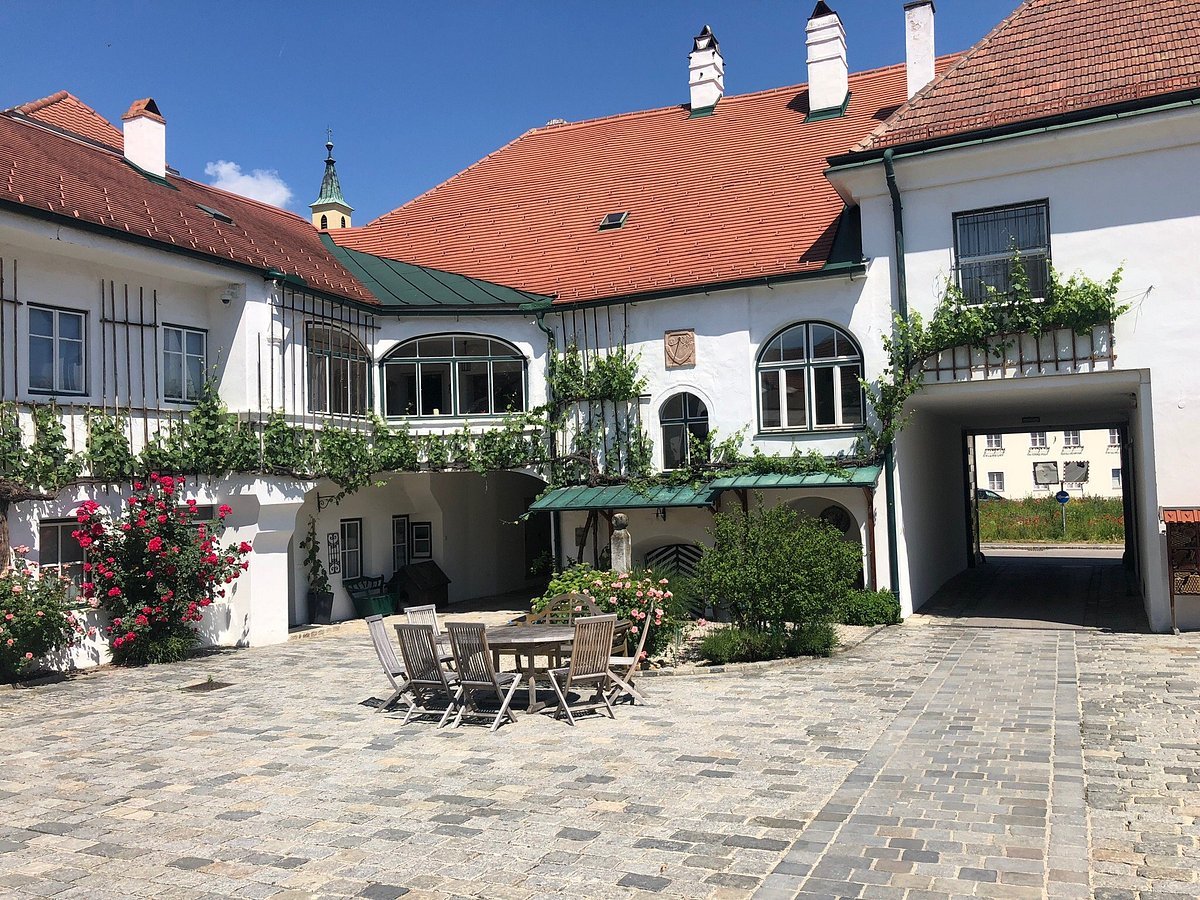
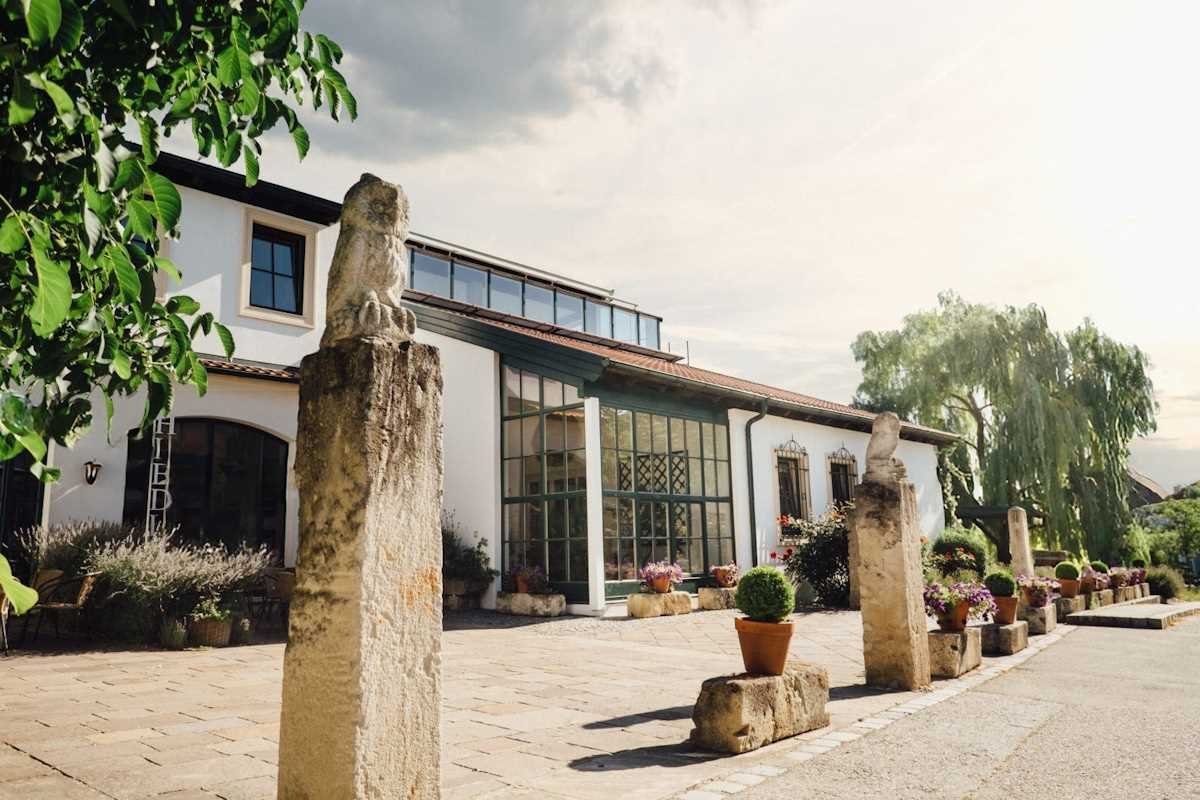
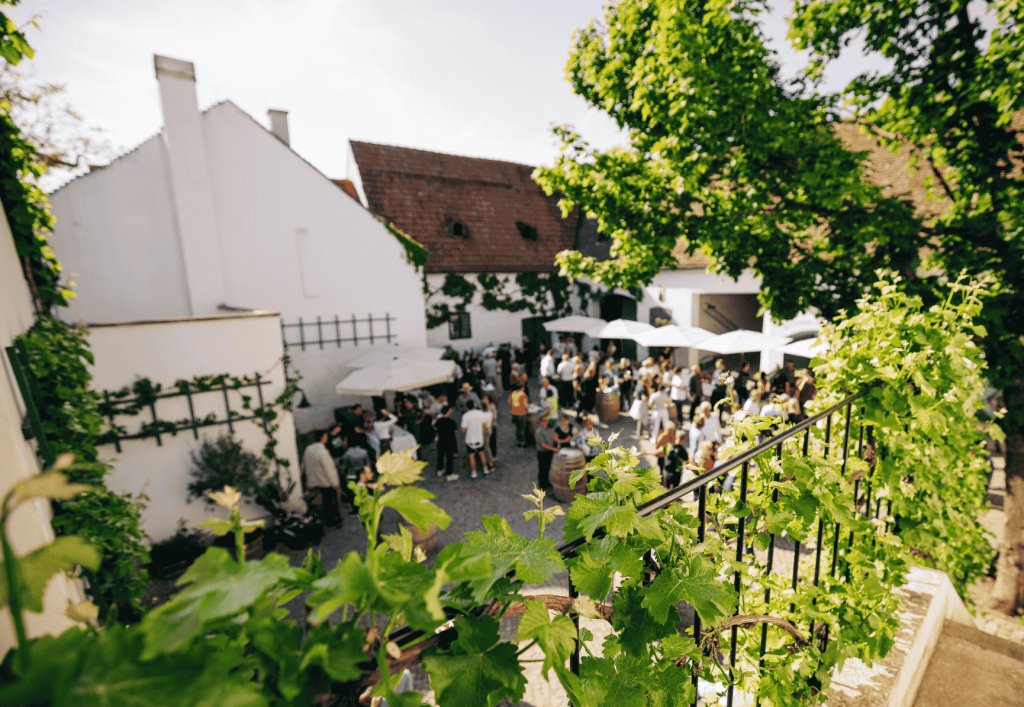
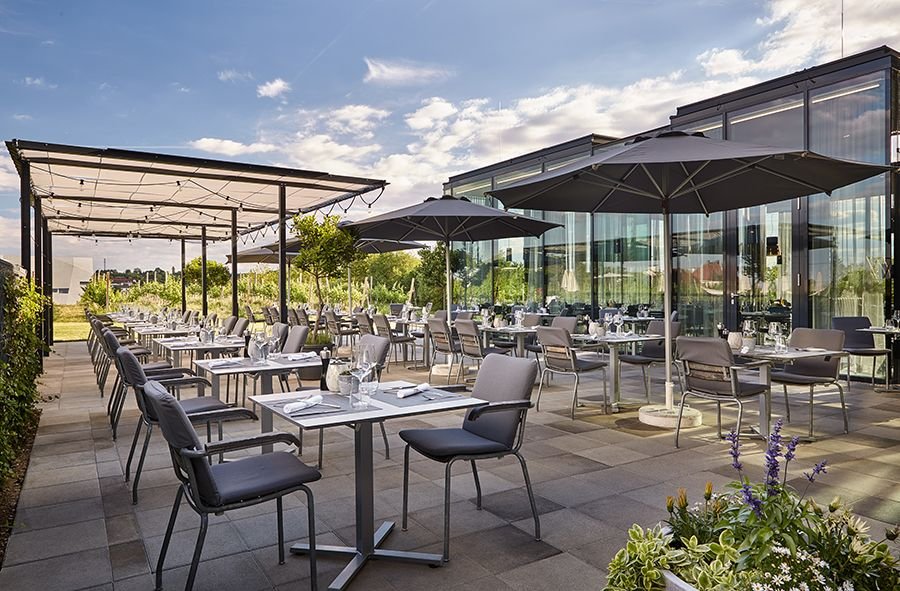
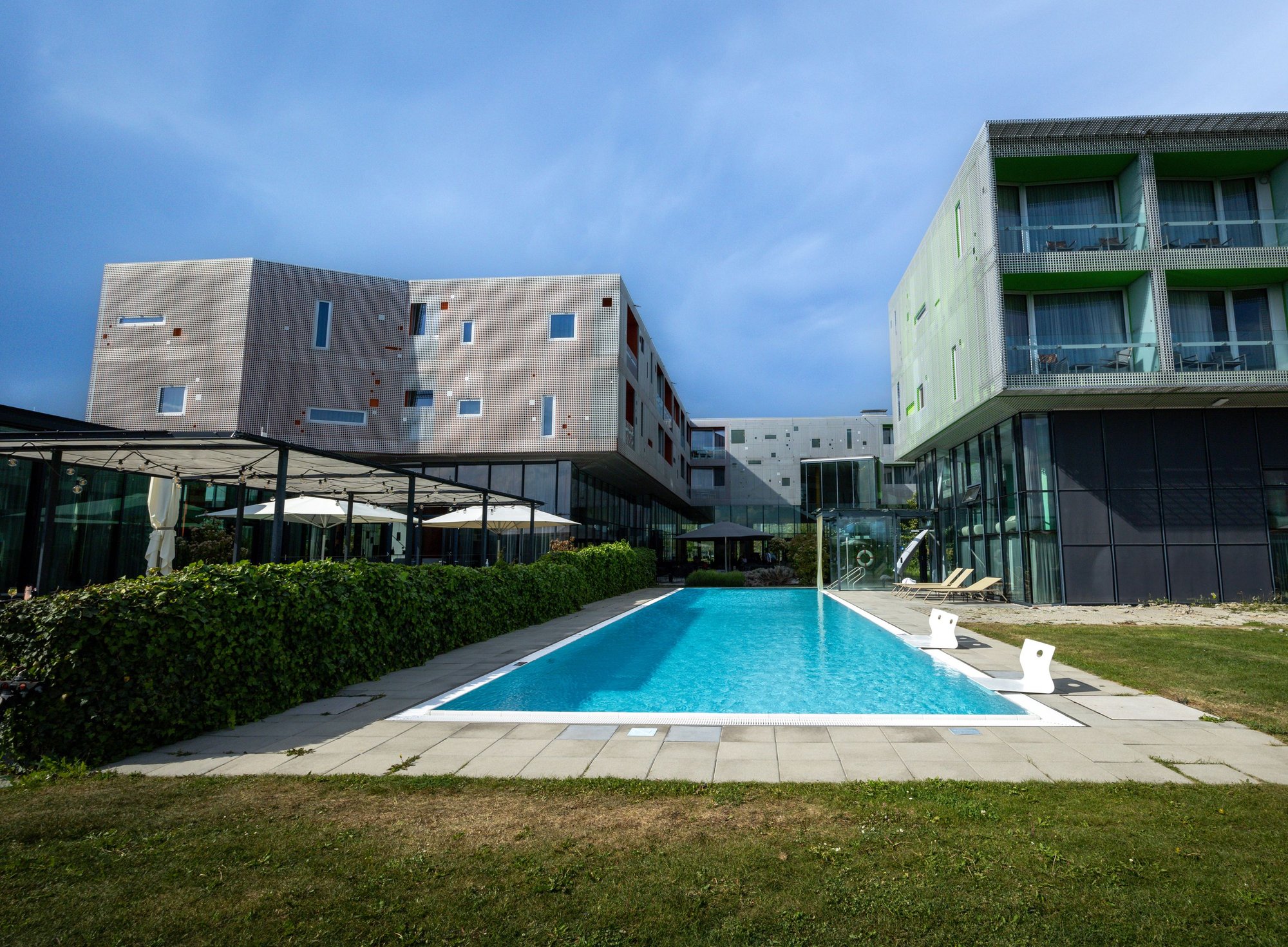
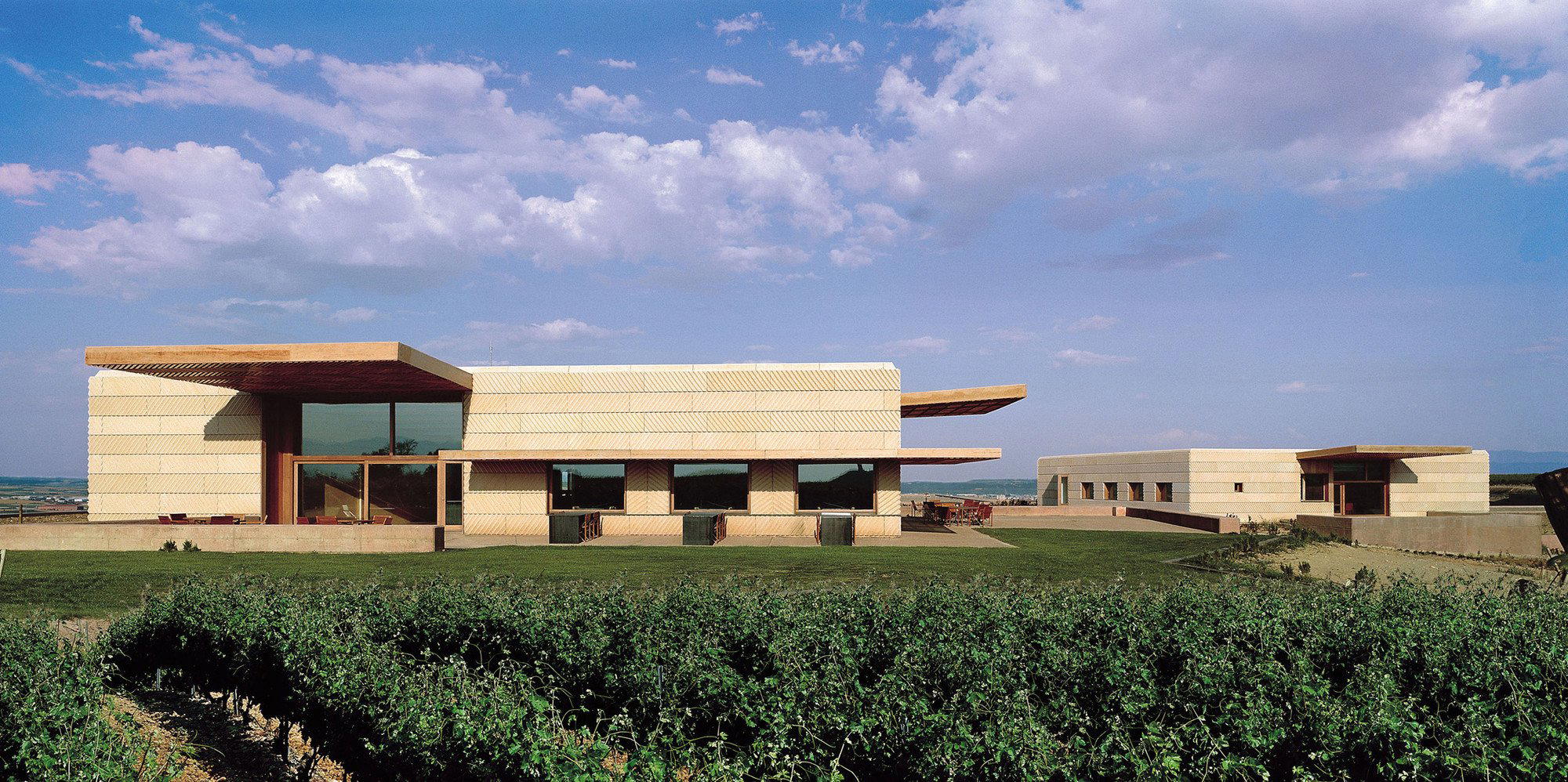
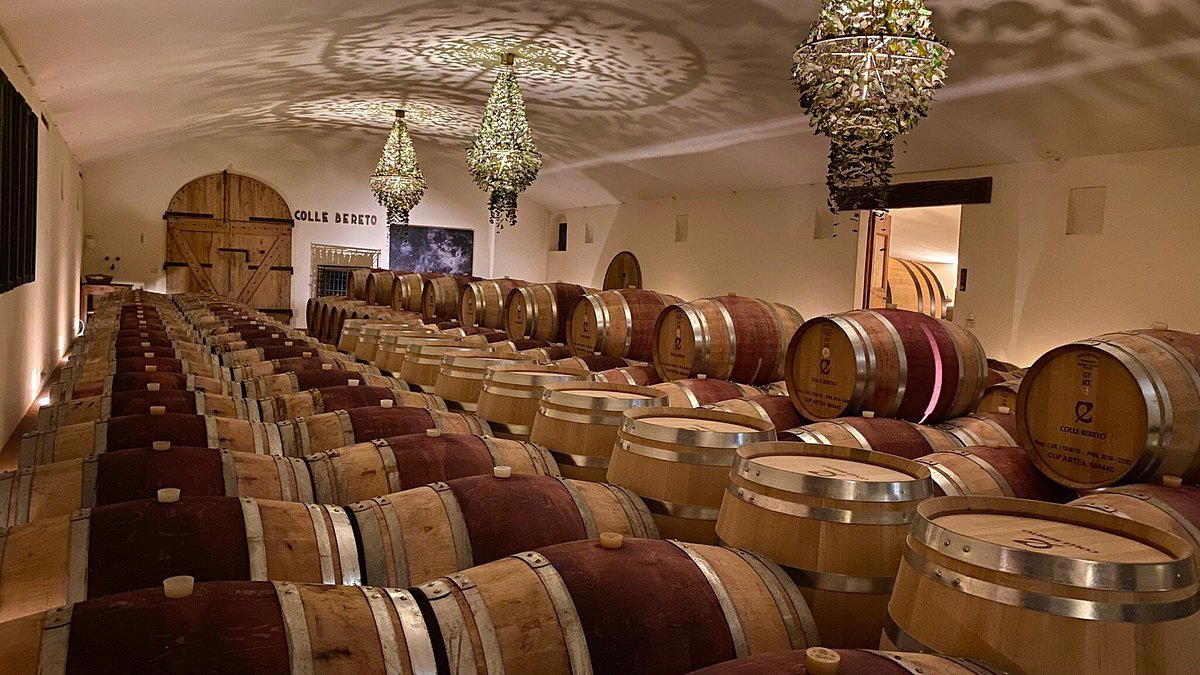
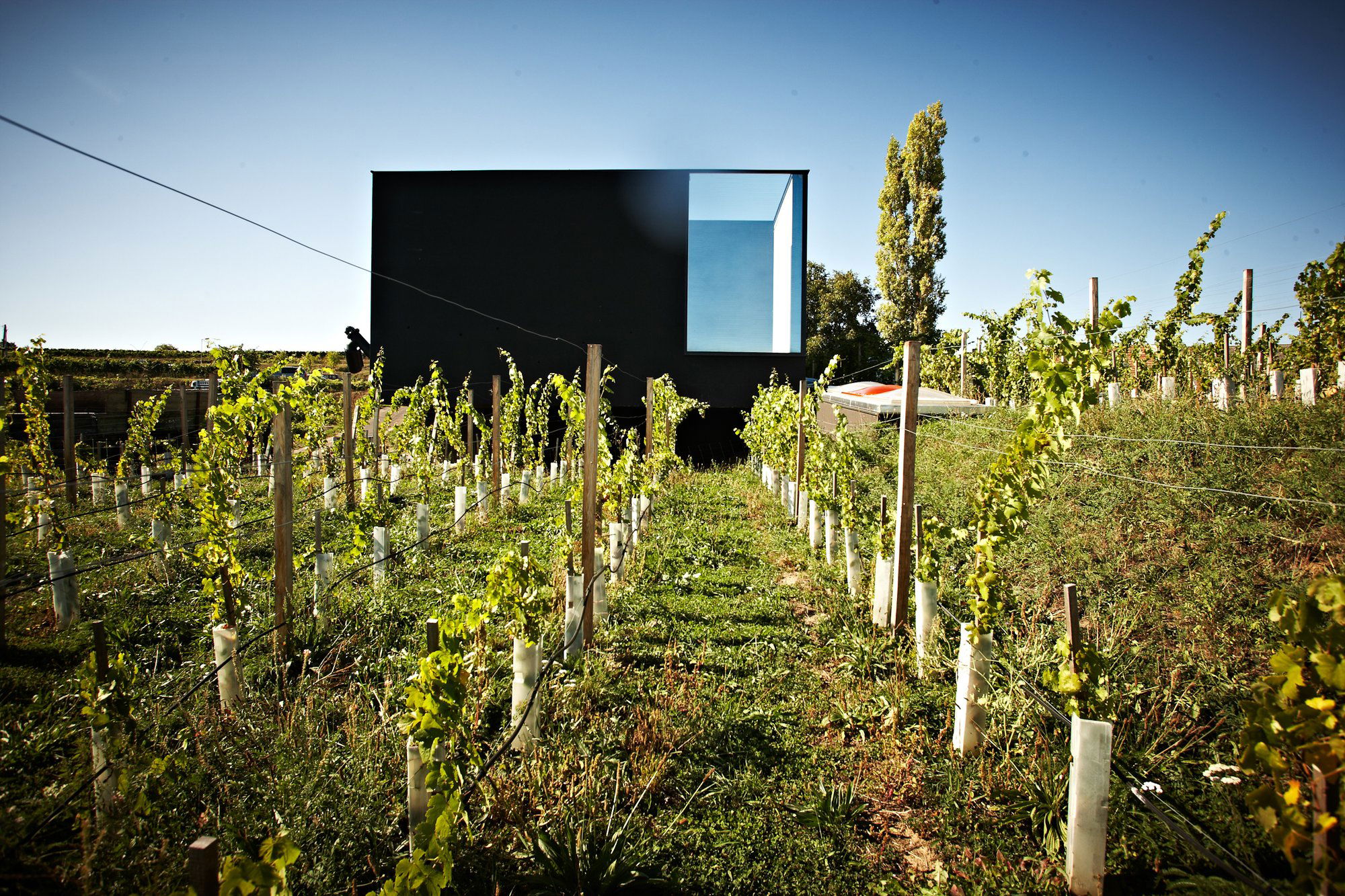
Minimalist modern design atop rustic historic cellars, creating an elegant fusion of old-world tradition and contemporary sophistication.
Tags
Vibe
Best For
Experience
Sourcing
View
At the Vineyard
- Appellation
- Kamptal DAC
- Varietals
- Grüner Veltliner, Riesling, Chardonnay, Pinot Noir, Zweigelt
- Tour Duration
- 60-90 minutes
- Tour Languages
- English, German
- Visits
- By reservation
- Farming
- Biodynamic
- Production
- Mid-size producer
- Wine Styles
- Still White, Still Red, Sparkling, Orange
- Wine Club
- Not available
Know before you go
Know Before You Go
- Getting there
- Haindorfer Vögerlweg 23, 3550 Langenlois
Planning details
Location
Recognition and awards

Also consider
Also Consider
- Weingut Jurtschitsch, Notable alternative
- Weingut Hiedler, Notable alternative
- Weingut Bründlmayer, Notable alternative
- Weingut Hirsch, Notable alternative
- Schloss Gobelsburg (Weingut), Notable alternative
Winery context
How it compares in Langenlois
Weingut Fred Loimer is the pick when the visit needs to feel focused and appointment-worthy. Weingut Jurtschitsch, Weingut Hiedler, and Weingut Bründlmayer are the obvious Langenlois cross-shops, especially if the priority is building a multi-producer day rather than centering one stop.
For value, do not assume a clear winner without current tasting terms; choose based on format and availability instead. Weingut Bründlmayer and Schloss Gobelsburg (Weingut) make sense for visitors who want another high-credibility name in the same wider area, while Weingut Hirsch is the better comparison if the day can stretch beyond the immediate Langenlois cluster.
If availability is tight, cross-shop first with Weingut Jurtschitsch or Weingut Hiedler rather than waiting too long for one appointment. For a special occasion, keep Weingut Fred Loimer as the anchor and use the others as alternates or second stops.
Around this place
Discover more on Pearl
Unlock the full Weingut Fred Loimer guide in Pearl, including awards, comparisons, FAQs, planning details, and nearby places.
Compare Weingut Fred Loimer
| Venue | Location | Awards |
|---|---|---|
| Weingut Fred Loimer | Langenlois | 2026 Falstaff Winery Guide |
| Weingut Jurtschitsch | Langenlois | 2026 Falstaff Winery Guide |
| Weingut Hiedler | Langenlois | 2026 Falstaff Winery Guide |
| Weingut Bründlmayer | Langenlois | 2026 Falstaff Winery Guide |
| Weingut Hirsch | Kammern | 2026 Falstaff Winery Guide |
| Schloss Gobelsburg (Weingut) | Langenlois | 2026 Falstaff Winery Guide2022 World's 50 Best Vineyards · #502019 World's 50 Best Vineyards · #30 |

How Weingut Fred Loimer Langenlois compares with similar nearby venues.
FAQ
Frequently Asked Questions
What other wineries can I compare with Weingut Fred Loimer?
Consider Weingut Bründlmayer, Weingut Jurtschitsch, Weingut Hiedler, Weingut Hirsch, and Schloss Gobelsburg (Weingut), along with other Langenlois winery options. They are useful reference points when comparing Weingut Fred Loimer with other producers in the area.
Can Weingut Fred Loimer handle large groups?
If you are planning for a party or larger group, contact the estate in Langenlois directly before making it the center of the itinerary.
Are membership or allocation details for Weingut Fred Loimer ?
The Pearl 2 Star Prestige recognition for 2025 suggests Weingut Fred Loimer belongs on a premium winery shortlist, but any such decisions should be based on current details from the estate.
Does Weingut Fred Loimer serve food?
How long should I plan for a visit to Weingut Fred Loimer?
If you are comparing it with other Langenlois producers, confirm the current visit format and timing directly with Weingut Fred Loimer before finalizing the day.
When is the best time to visit Weingut Fred Loimer?
Choose a time only after confirming current visit details directly with the estate in Langenlois.
Do I need a reservation at Weingut Fred Loimer?
Because Weingut Fred Loimer has Pearl 2 Star Prestige recognition for 2025, it is sensible to check directly before visiting rather than assuming walk-in availability.