
Lucien Le Moine
Beaune
Winery in Beaune, France
 Book with Pearl
The Read
Allocation-Only Burgundy Négociant
Why go
For a special-occasion Beaune wine itinerary, Lucien Le Moine makes sense as the serious Burgundy stop, not as a food-led tasting or casual group venue. Plan the meal, hotel, and later drinks separately, then use this as the focused cellar appointment around which the day is built.
About Lucien Le Moine
Lucien Le Moine is a Pearl 4 Star Prestige 2025 venue in Beaune. For planning, use it as a concise reference point and confirm practical details such as services, menus, tastings, pricing, hours, and group capacity directly before you go.
For trip planning, use Lucien Le Moine as one Beaune stop to consider alongside details you confirm directly. Use our broader Beaune planning guide for city context, then place Lucien Le Moine into the itinerary where its practical details fit.
Plan with confirmed details in mind
Lucien Le Moine is listed in Beaune with Pearl 4 Star Prestige recognition for 2025. The dress code is smart casual. Before making plans, check service format, menu style, cuisine, beverage program, pricing, hours, address, and booking requirements directly.
That makes planning discipline important. For broader city context, use our broader Beaune planning guide. For overnight logistics, our full Beaune hotels guide is the better place to compare stays; for drinks, use our full Beaune bars guide. Keep assumptions separate until you have confirmed the practical details directly.
Where it fits in a Beaune itinerary
Lucien Le Moine can be considered as part of a Beaune itinerary. Confirm the experience type, schedule, and visitor format directly before finalizing the day.
For comparison, travelers may also look at Maison Champy, Maison Chanson Père & Fils, Maison Joseph Drouhin, Maison Louis Latour, or Pierre Meurgey. Other Beaune options can be handled through broader city research rather than inferred from this listing.
Quick reference: Lucien Le Moine is a Pearl 4 Star Prestige 2025 venue in Beaune with a smart casual dress code; confirm other specifics directly.
Planning details
- Location
- 1 Rle Morlot, 21200 Beaune
- Website
- lucienlemoine.com/contact
- Phone
- +33 3 80 24 99 98
The take
The Take
The Vibe
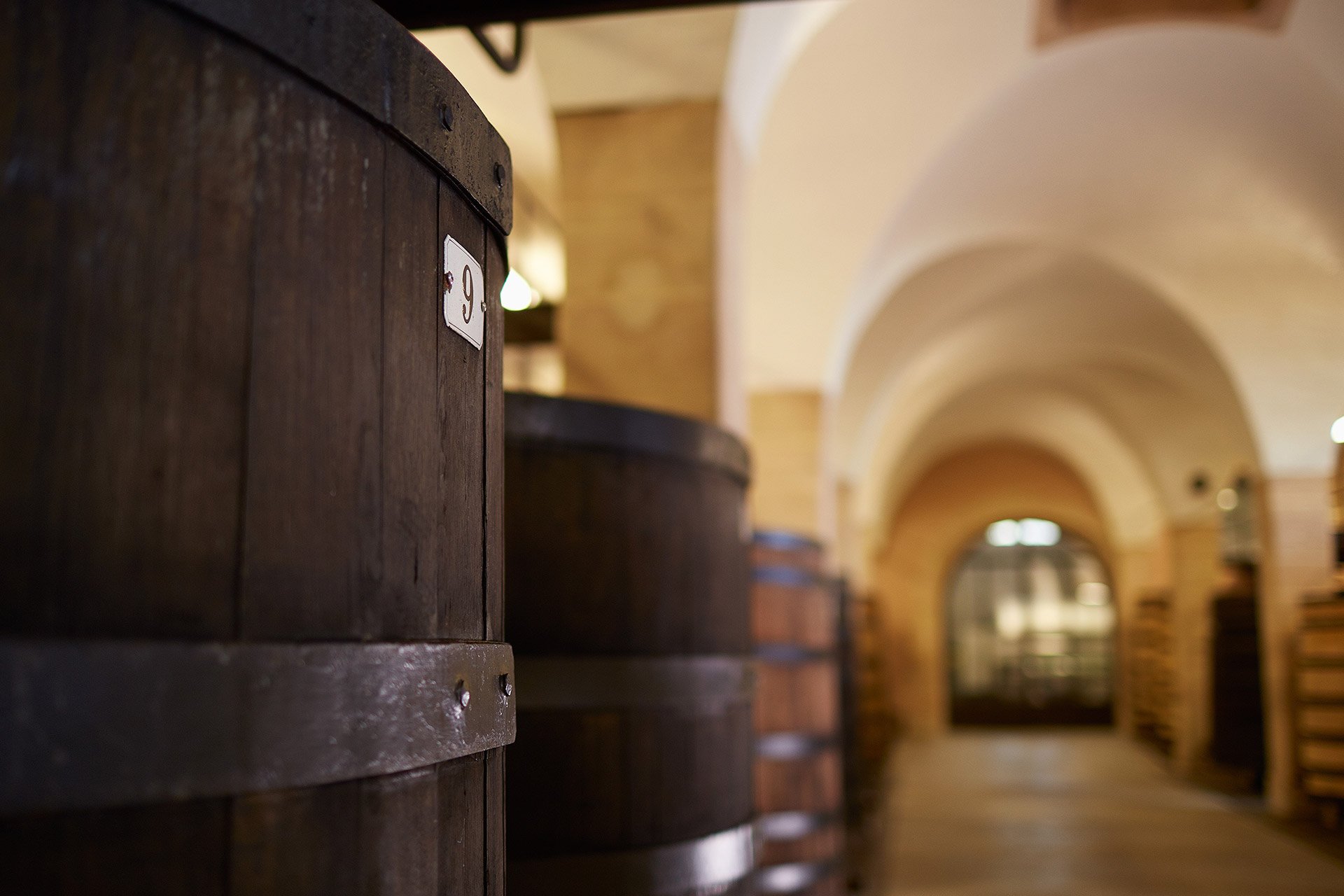
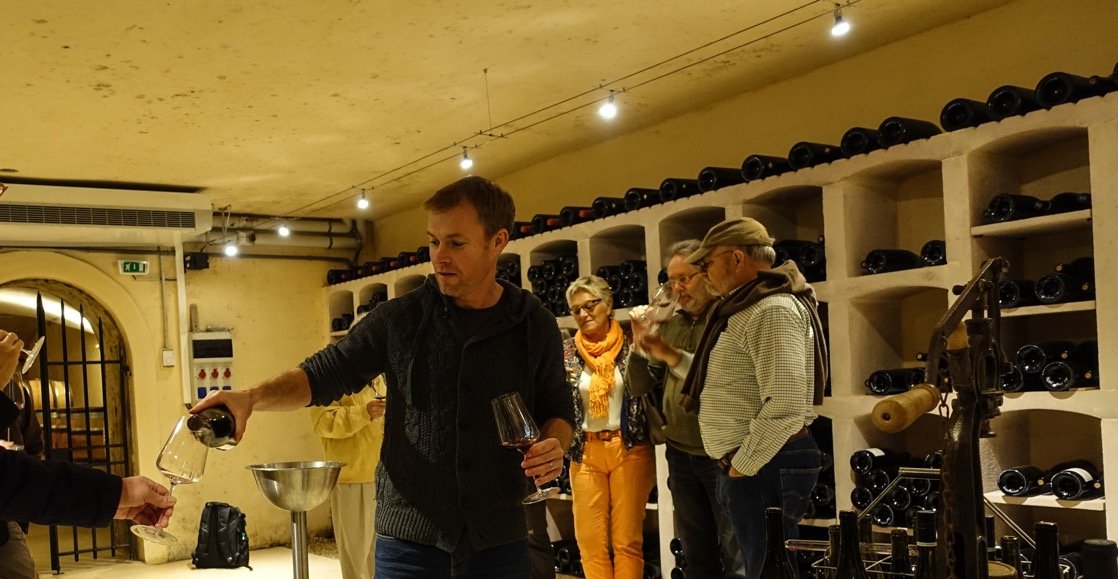
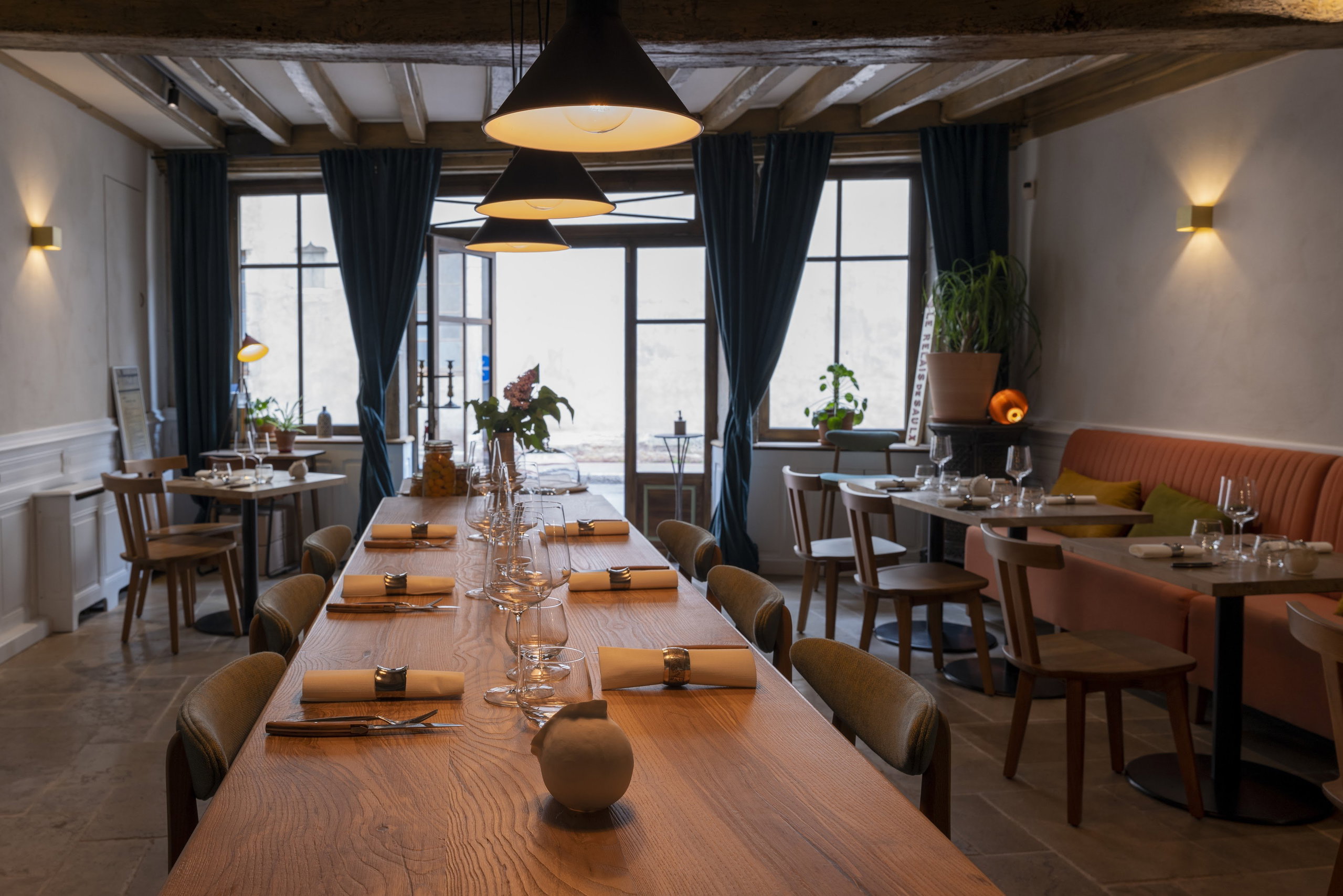
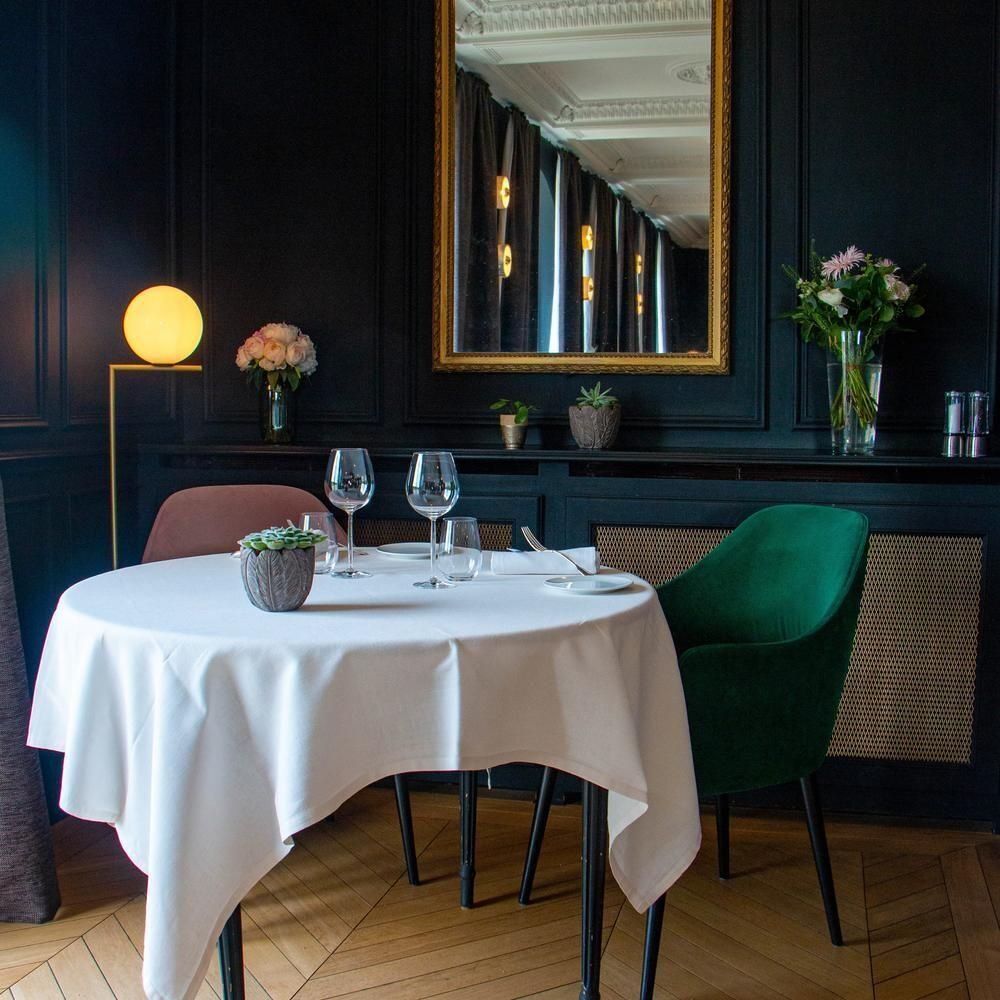
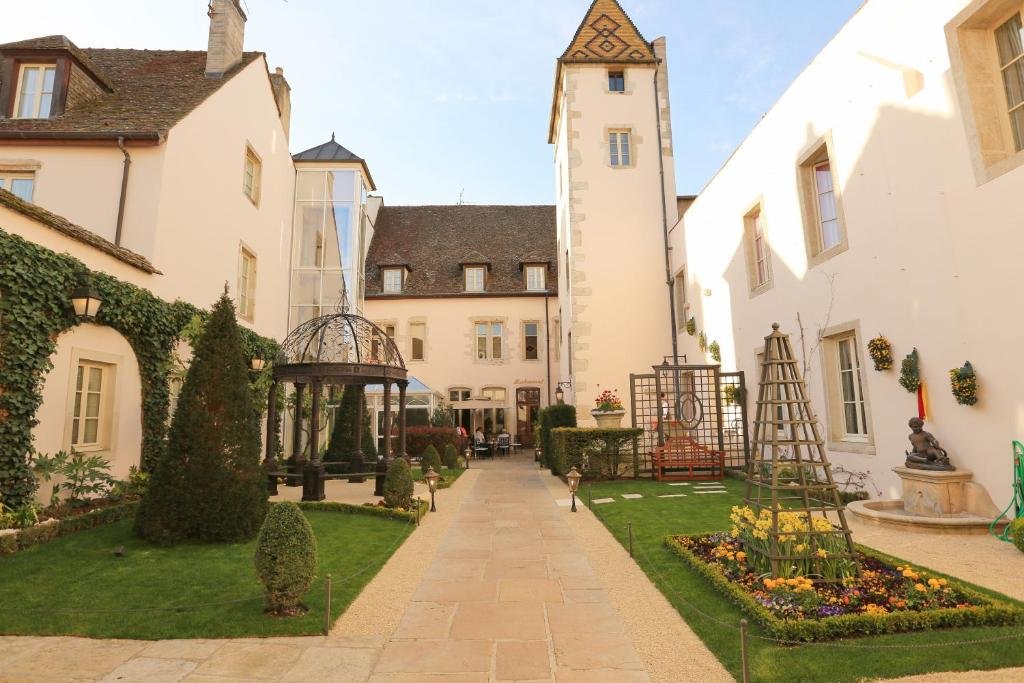
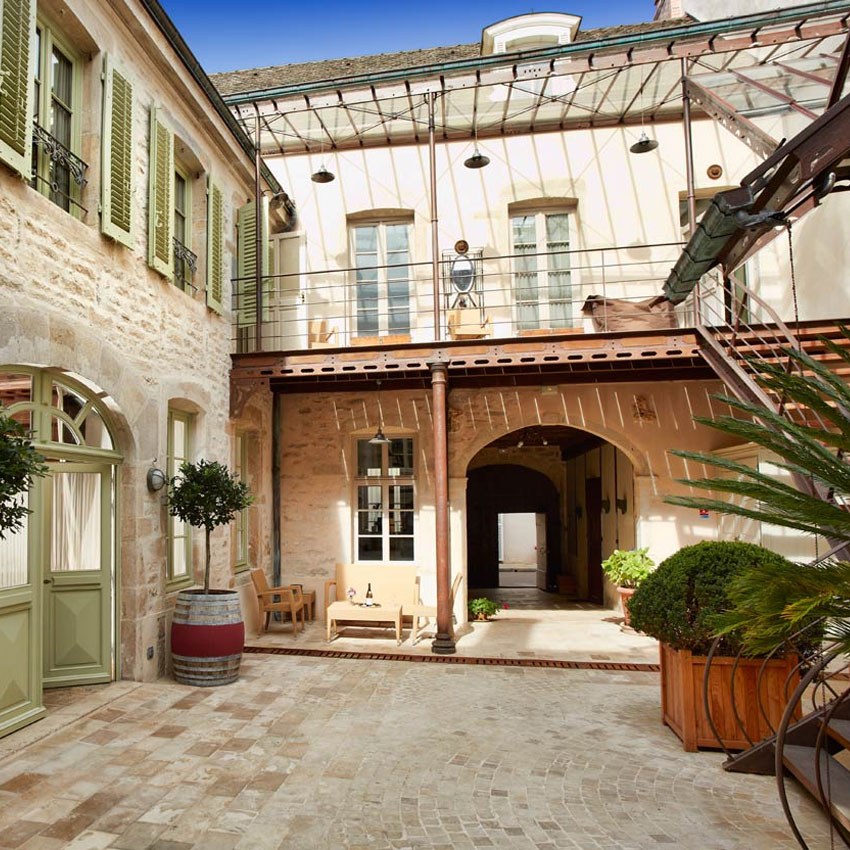
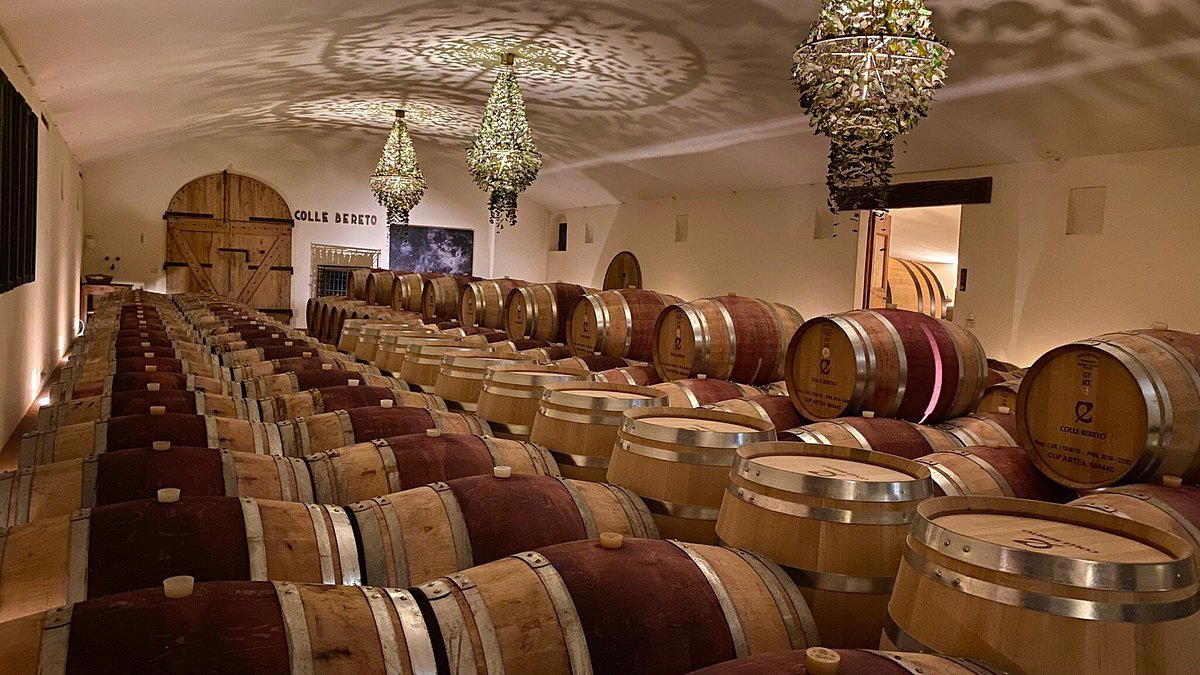
Lucien Le Moine presents itself as a quietly refined Burgundy address. Tucked on a subdued lane off Beaune's old centre, the winery privileges cellar work over theatrics: the cellar is the operation, and everything revolves around what happens between harvest and bottling. That focus yields an intimate, elegant and classic character — not flashy, but exacting and sophisticated in its aims. Visitors who appreciate understated craft and historic context will find the setting reassuringly restrained, a small-scale négociant that trades spectacle for meticulous attention to site expression and cellaring.
Best For
This winery suits visitors who care about the mechanics and provenance of their wine. It is well matched to people seeking wine education, solo exploration and quiet special occasions: the narrative centers on selective négociant sourcing, disciplined cellaring and an upper-tier reputation (2025 Pearl 4 Star Prestige). Instead of a tourist-oriented spectacle, Lucien Le Moine offers a close look at production priorities and terroir fidelity, so it is best for those who want to learn about harvest-to-bottling choices and taste wines that reflect careful selection and cellar discipline.
Tasting Tips
Treat visits here as opportunities to focus on production and provenance rather than visitor amenities. Conversations about what happens between harvest and bottling are the clearest entrée to the site’s strengths, so prioritize tasting notes and questions about sourcing, selection and cellaring practices. Expect a subdued, cellar-first approach rather than a spectacle; ask the team to explain how their négociant model and selective purchases affect each bottling. Because the operation emphasizes winemaking discipline, center your visit on wines that demonstrate site character and the cellar’s stylistic decisions.
Venue details
Ambiance
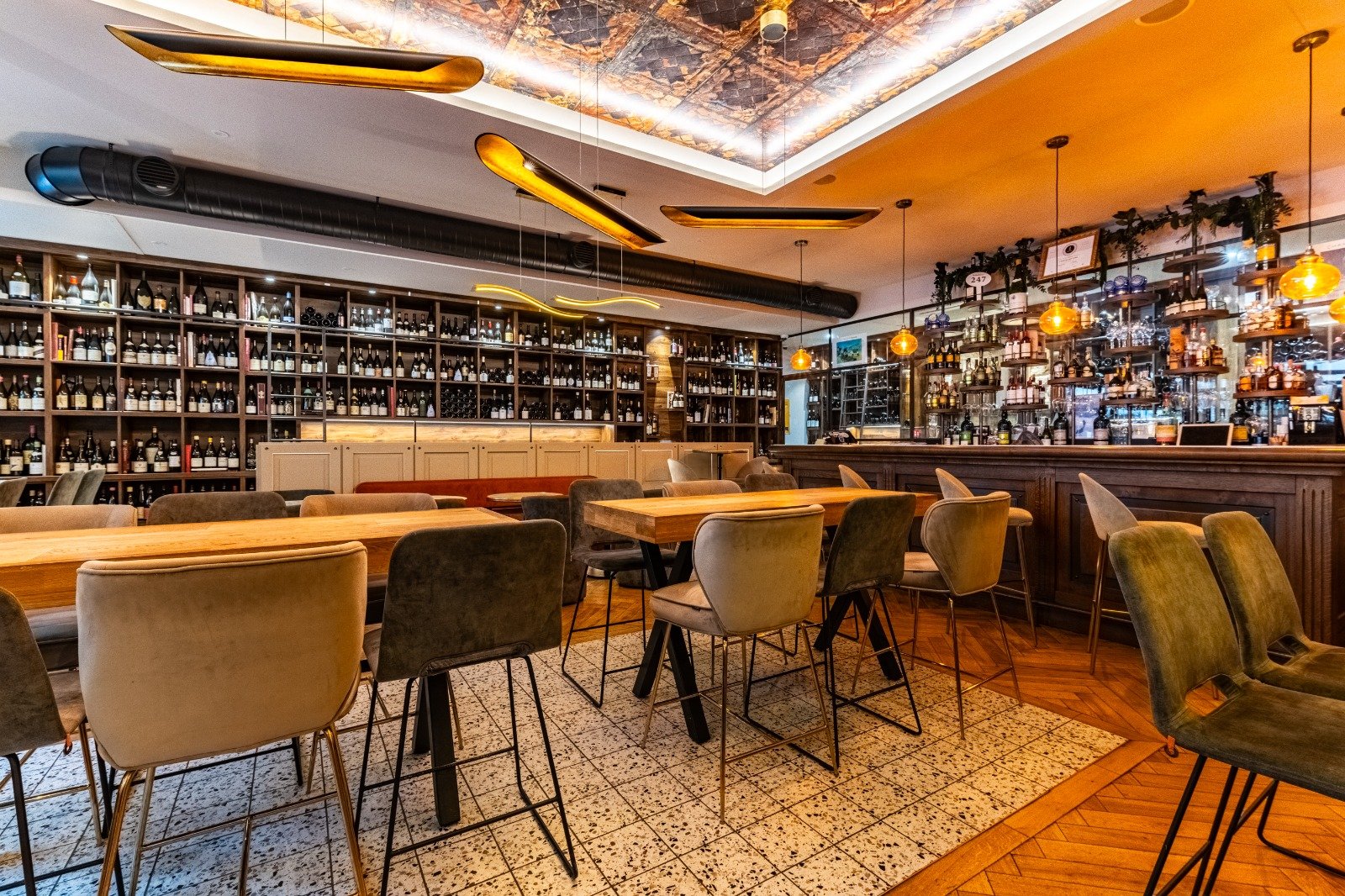
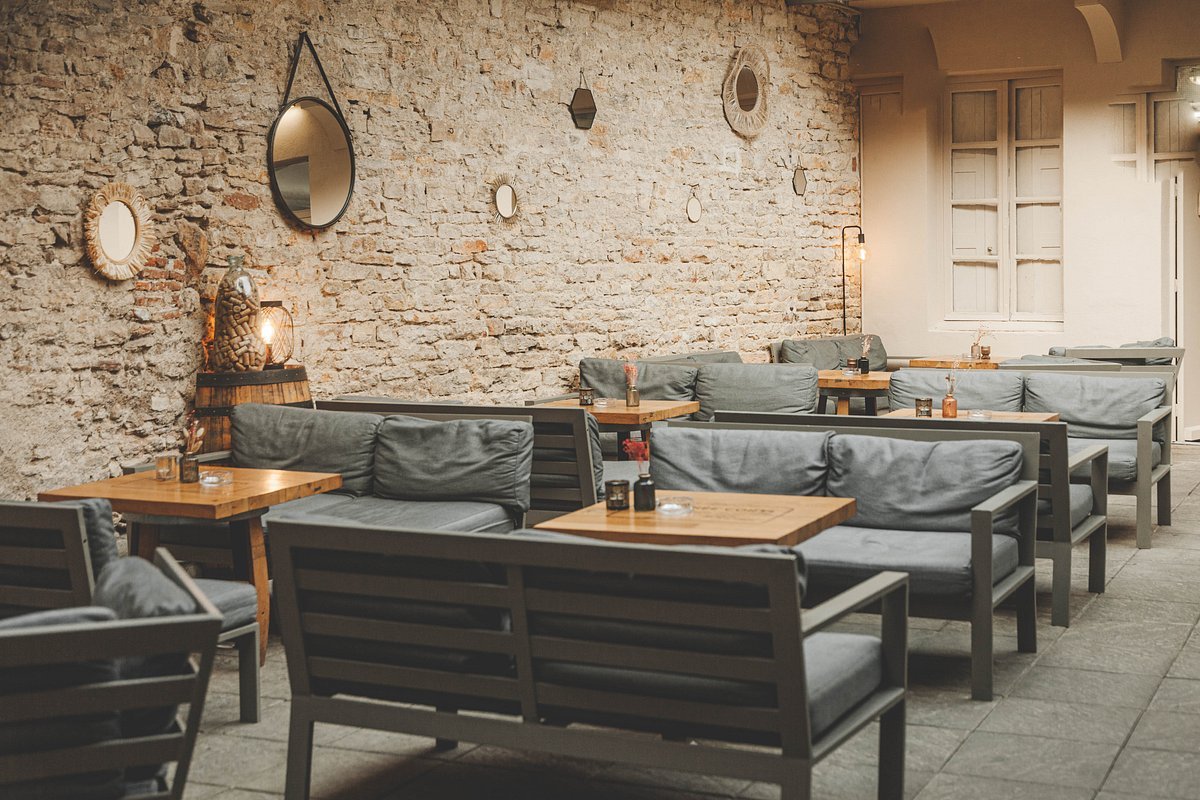
Intimate and artisanal atmosphere in a small Beaune cellar dedicated to meticulous, hands-on winemaking.
Tags
Vibe
Best For
Experience
At the Vineyard
- Appellation
- Côte d'Or
- Varietals
- Pinot Noir, Chardonnay
- Tour Duration
- 60-90 minutes
- Tour Languages
- English, Français
- Visits
- By appointment only
- Wine Styles
- Still Red, Still White
- Wine Club
- Available
Know before you go
Know Before You Go
- Getting there
- 1 Rle Morlot, 21200 Beaune
Planning details
Location
Recognition and awards

Also consider
Also Consider
- Maison Joseph Drouhin, Notable alternative
- Pierre Meurgey, Notable alternative
- Maison Louis Latour, Notable alternative
- Maison Chanson Père & Fils, Notable alternative
- Maison Champy, Notable alternative
Winery context
How it compares in Beaune
Choose Lucien Le Moine if the priority is a quieter, wine-first appointment with a serious Burgundy focus. Maison Joseph Drouhin is the safer cross-shop for travelers who want a more classic Beaune house feel, while Maison Louis Latour suits visitors who prefer a larger-name reference point in the itinerary.
For value and flexibility, Pierre Meurgey is the practical alternative to check if this is hard to schedule. For ambiance, Maison Chanson Père & Fils and Maison Champy are better cross-shops for visitors who want the Beaune house experience to feel more visibly historic or visitor-facing.
The short version: book Lucien Le Moine when wine focus matters more than broad hospitality; cross-shop Joseph Drouhin or Louis Latour for classic Beaune positioning, Pierre Meurgey for easier planning, and Chanson Père & Fils or Champy for a more atmospheric house visit.
Around this place
Discover more on Pearl
Unlock the full Lucien Le Moine guide in Pearl, including awards, comparisons, FAQs, planning details, and nearby places.
Compare Lucien Le Moine
| Venue | Location | Awards |
|---|---|---|
| Lucien Le Moine | Beaune | 2026 Falstaff Winery Guide |
| Maison Joseph Drouhin | Beaune | 2026 Falstaff Winery Guide2026 Michelin 1 Grape - Burgundy2025 Pearl 3 Star Prestige |
| Pierre Meurgey | Beaune | 2026 Falstaff Winery Guide |
| Maison Louis Latour | Beaune | 2026 Falstaff Winery Guide |
| Maison Chanson Père & Fils | Beaune | 2026 Falstaff Winery Guide |
| Maison Champy | Beaune | 2026 Falstaff Winery Guide |


How Lucien Le Moine Beaune compares with similar nearby venues.
FAQ
Frequently Asked Questions
Can Lucien Le Moine handle large groups?
Do I need a reservation at Lucien Le Moine?
What is Lucien Le Moine known for?
Lucien Le Moine is a Pearl 4 Star Prestige 2025 venue in Beaune. The dress code is smart casual.