
Weingut Familie Reinisch
Tattendorf
Winery in Tattendorf, Austria
 Book with Pearl
The Read
Thermenregion Indigenous Varieties
Why go
Prioritise Weingut Familie Reinisch if Tattendorf is the centre of a wine-focused day, not a casual stop between plans. The value case rests on quality positioning and scarcity of access rather than published pricing, so it suits serious wine travellers more than flexible groups or drop-in tasters.
About Weingut Familie Reinisch
Weingut Familie Reinisch is a Tattendorf venue with a concise profile: casual dress code and 2 Star Prestige recognition for 2025. Specific details such as prices, hours, visit formats, lists, food service, reservations, shipping, and group capacity are not provided.
If you are arranging time in Tattendorf, confirm practical details directly with the venue before building the day around it. For broader local planning, you can also consult our full Tattendorf restaurants guide.
Worth noting for a Tattendorf plan
The primary reason to pay attention to Weingut Familie Reinisch is its 2 Star Prestige recognition in 2025. That is a meaningful quality signal, but it does not by itself specify the details of a visit, membership program, tasting structure, or any specific offering.
For price-to-quality thinking, bottle prices, tasting fees, menu prices, and package prices are not available. If the venue matters to your Tattendorf plans, confirm current arrangements with Weingut Familie Reinisch before committing your schedule.
Build the day tightly, not casually
Because hours, reservation rules, food service, or shipping are not provided, avoid assuming a casual drop-in visit will work. Treat the venue as a Tattendorf stop that requires direct confirmation for practical planning.
If you are comparing related venues, consider Weingut Alphart, Weingut Heinrich Hartl, Weingut Stadlmann, Weingut Christian Fischer Distillery, and Abfindungsbrennerei Franz as other named options to research separately. The verdict: Weingut Familie Reinisch is best approached as a Tattendorf venue with 2 Star Prestige recognition and casual dress, while all visit-specific details should be checked before you go.
Planning details
- Location
- Im Weingarten 1, 2523 Tattendorf
- Website
- j-r.at
- Phone
- +43 2253 81423
The take
The Take
The Vibe
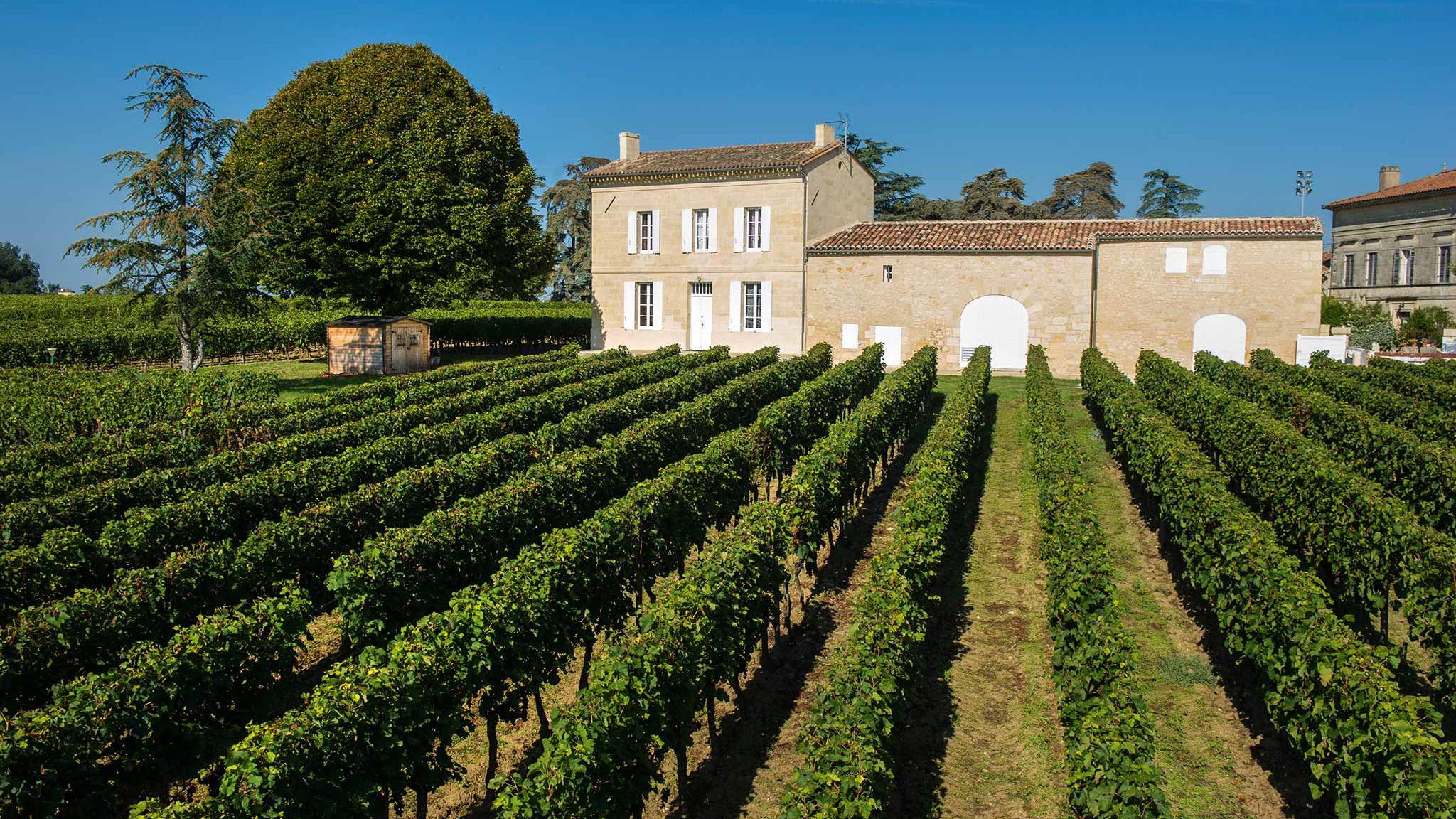
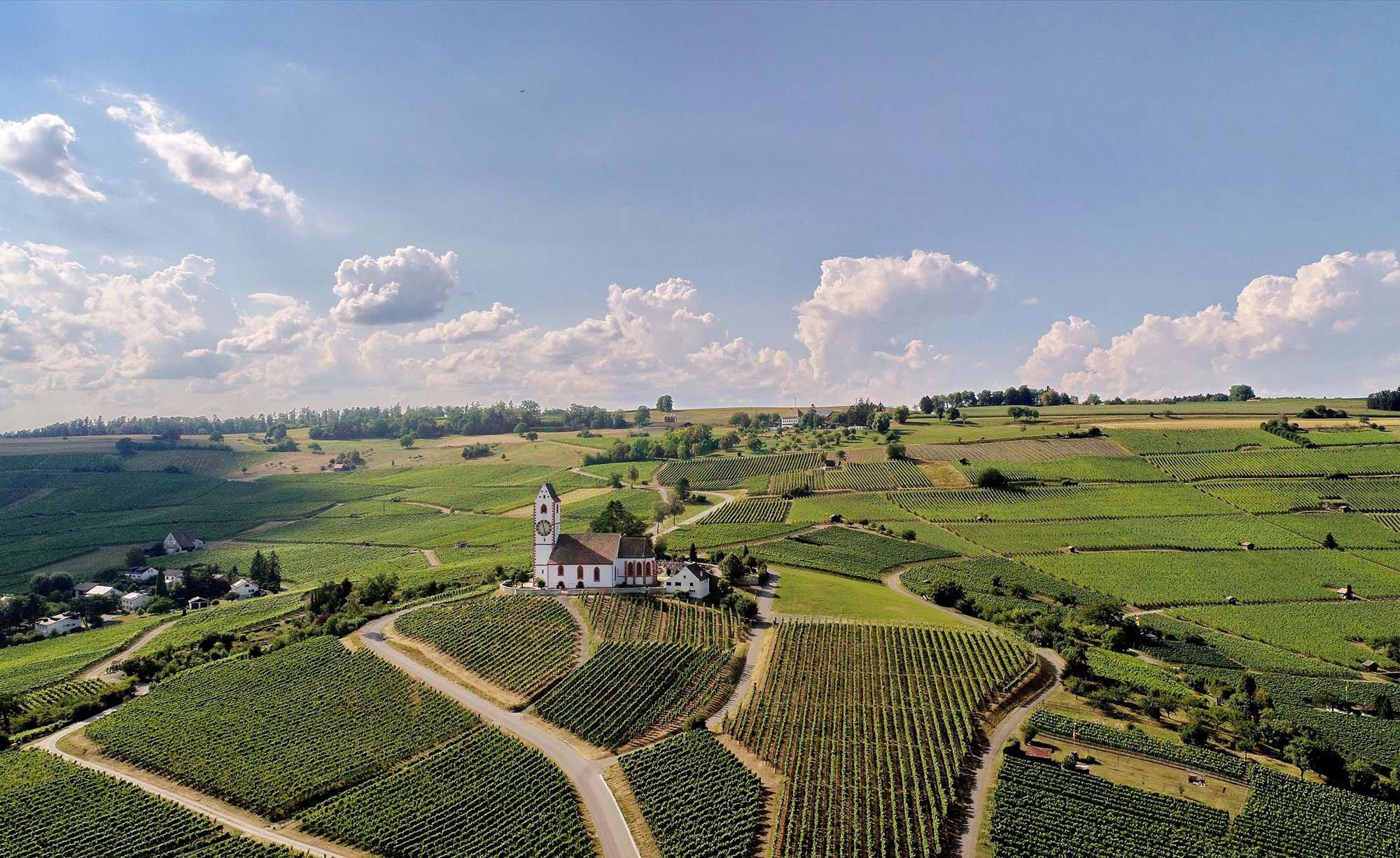
Weingut Familie Reinisch presents a quietly insistent case for the Thermenregion. The writing frames the estate as firmly planted in farming country — vine rows, low hills and the address 'Im Weingarten' underline a close relationship between land and bottle. The tone is unflashy and patient: growers who prize diurnal temperature swings and limestone-and-clay soils for structure and tension rather than quick rewards. This is a serene, terroir-forward spot that prefers argument by taste to tourist spectacle, appealing to visitors who value calm, craft and a direct sense of place.
Best For
This estate is best for visitors focused on learning about regional expression and for solitary day-trippers from Vienna. The write-up emphasizes soil, climate and local varieties — Pinot Noir (Blauburgunder), Zierfandler and Rotgipfler — making the winery a strong pick for wine-education visits and tasting sessions aimed at understanding Thermenregion’s distinct profile. It is less of a social scene and more a study in place, suited to people who want a quiet, contemplative tasting and a close look at vineyard-driven wines.
Tasting Tips
When tasting at Reinisch, prioritize the local signatures mentioned in the description: the red varieties like Pinot Noir and the indigenous whites Zierfandler and Rotgipfler. Ask about how the limestone-and-clay subsoils and the region’s diurnal shifts influence ripeness and acidity — the text makes terroir the central theme. Also look for the estate’s noted designations (the narrative references a Pearl 2 Star Prestige) and let the conversation steer you toward bottlings that exemplify the tension between warm days and cool nights.
Venue details
Ambiance
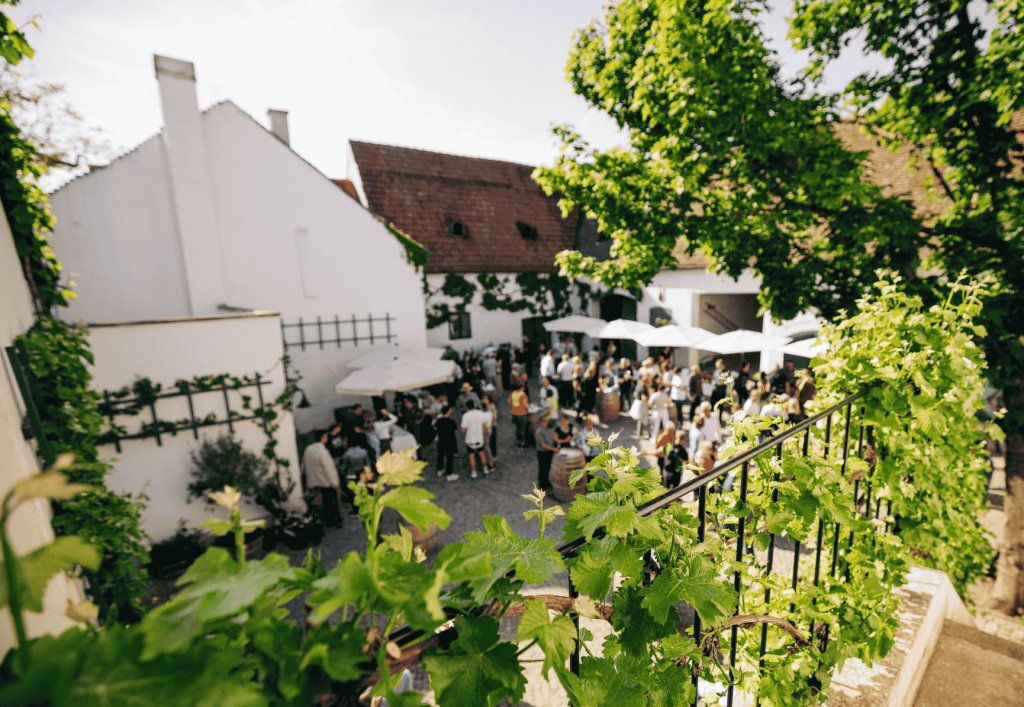
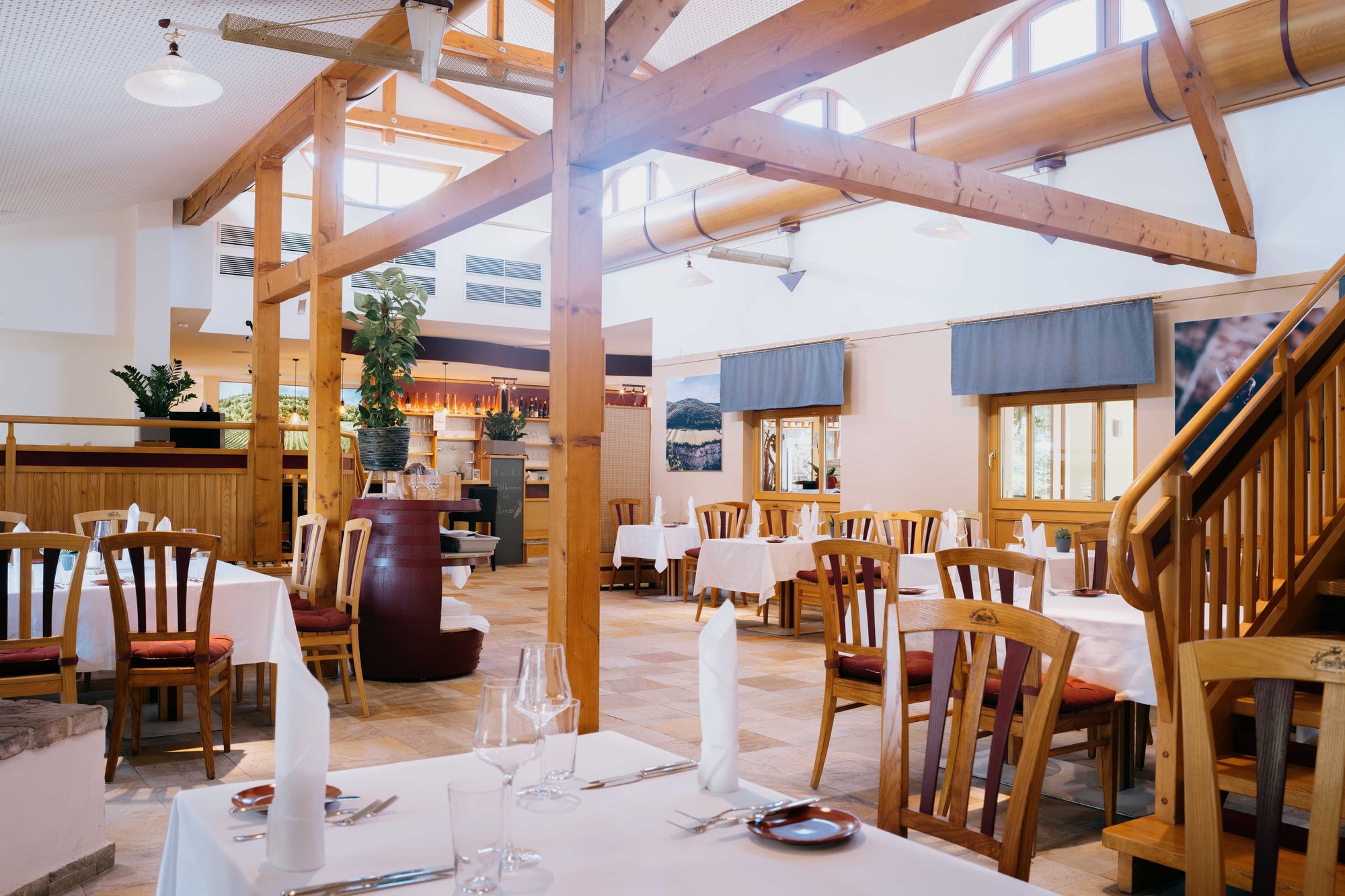
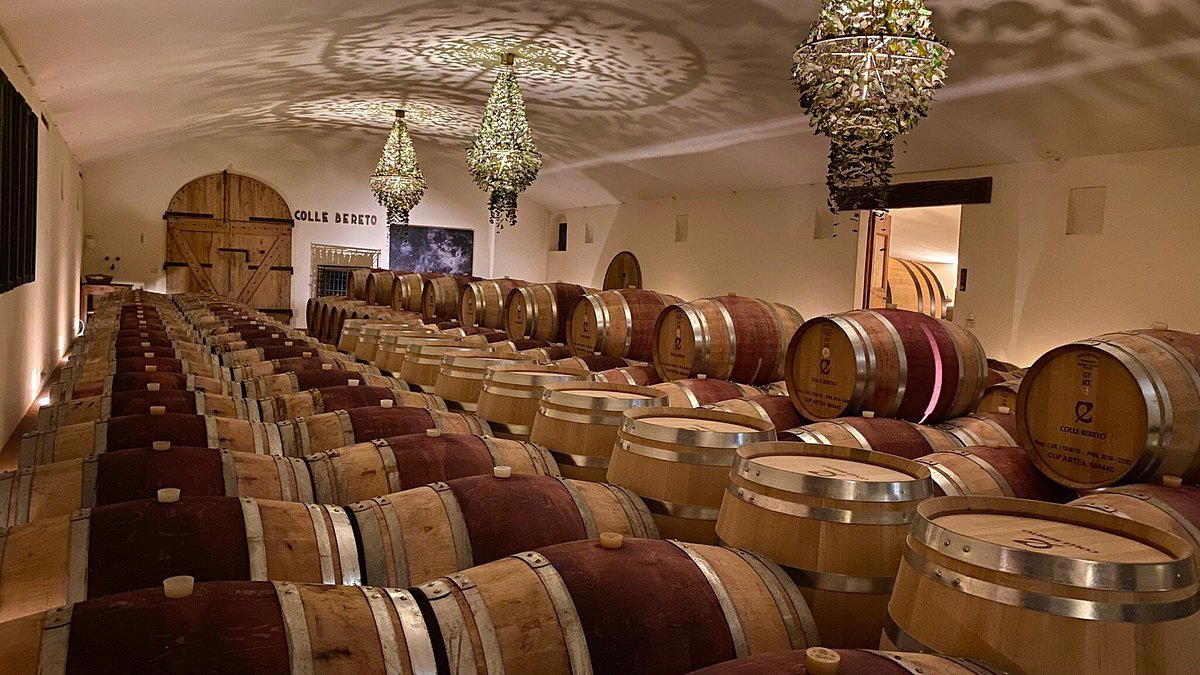
Traditional vaulted cellars with modern cellar technology, surrounded by hillside vineyards offering a serene, nature-connected atmosphere.
Tags
Vibe
Best For
Experience
Sourcing
View
At the Vineyard
- Appellation
- Thermenregion
- Varietals
- Pinot Noir, St. Laurent, Zierfandler, Rotgipfler, Zweigelt
- Visits
- By reservation
- Farming
- Organic
- Wine Styles
- Still Red, Still White
- Wine Club
- Not available
Know before you go
Know Before You Go
- Getting there
- Im Weingarten 1, 2523 Tattendorf
Planning details
Location
Recognition and awards

Also consider
Also Consider
- Weingut Heinrich Hartl, Notable alternative
- Weingut Stadlmann, Notable alternative
- Weingut Alphart, Notable alternative
- Weingut Christian Fischer Distillery, Notable alternative
- Abfindungsbrennerei Franz, Notable alternative
Winery context
How it compares in Tattendorf
Choose Weingut Familie Reinisch when prestige and depth matter more than convenience. Against Weingut Heinrich Hartl, Weingut Stadlmann, and Weingut Alphart, the stronger recommendation is for travellers who are comfortable planning the day around one producer rather than stacking several easier stops.
For value, the safer cross-shop is one of the nearby winery peers if timing matters more than status. Weingut Heinrich Hartl and Weingut Stadlmann are better fits for visitors trying to compare producers in the same outing, while Weingut Familie Reinisch is the pick when the day can absorb a harder booking and a more focused visit.
If the group is more interested in spirits than wine, look instead at Weingut Christian Fischer Distillery or Abfindungsbrennerei Franz. They make more sense for a drinks-led itinerary with less emphasis on classic winery depth and more emphasis on category variety.
Explore Tattendorf
Around this place
Discover more on Pearl
Unlock the full Weingut Familie Reinisch guide in Pearl, including awards, comparisons, FAQs, planning details, and nearby places.
Compare Weingut Familie Reinisch
| Venue | Location | Awards |
|---|---|---|
| Weingut Familie Reinisch | Tattendorf | 2026 Falstaff Winery Guide |
| Weingut Heinrich Hartl | Oberwaltersdorf | 2026 Falstaff Winery Guide |
| Weingut Stadlmann | Traiskirchen | 2026 Falstaff Winery Guide |
| Weingut Alphart | Traiskirchen | 2026 Falstaff Winery Guide |
| Weingut Christian Fischer Distillery | Sooß | 2026 Falstaff Winery Guide |
| Abfindungsbrennerei Franz | Leithaprodersdorf | No published awards |
How Weingut Familie Reinisch Tattendorf compares with similar nearby venues.
FAQ
Frequently Asked Questions
Is a membership program at Weingut Familie Reinisch worth joining?
A membership program or related benefits are not provided. If you are interested in recurring purchases or membership-style access, check directly with Weingut Familie Reinisch before making plans.
Does Weingut Familie Reinisch offer shipping?
Shipping service is not provided. If shipping matters to your plans, ask Weingut Familie Reinisch directly before ordering or visiting.
What other venues can I compare with Weingut Familie Reinisch?
Other named venues to compare include Weingut Heinrich Hartl, Weingut Stadlmann, and Weingut Alphart. Weingut Christian Fischer Distillery and Abfindungsbrennerei Franz are also options to look up separately.
Does Weingut Familie Reinisch serve food?
Food service is not provided. Do not assume a meal, pairing, or snack setup is available unless Weingut Familie Reinisch confirms it directly.
What is Weingut Familie Reinisch known for?
Weingut Familie Reinisch is known for being in Tattendorf, having a casual dress code, and holding 2 Star Prestige recognition for 2025. Specific offerings are not provided.