
Château Rayne-Vigneau
Bommes
Winery in Bommes, France
 Book with Pearl
The Read
Botrytis-Driven Premier Cru
Why go
Book Château Rayne-Vigneau if the goal is a serious Sauternes stop in Bommes, not a casual tasting-room crawl. It makes the strongest case for travelers weighing sweet-wine value, prestige, and focus against nearby peers such as Clos Haut-Peyraguey, Château Lafaurie-Peyraguey, and Château La Tour Blanche.
About Château Rayne-Vigneau
Is Château Rayne-Vigneau worth planning around in Bommes? It can be, especially for travelers who want to prioritize a clearly recognized venue. Château Rayne-Vigneau is in Bommes, has Pearl 3 Star Prestige (2025), and has a smart casual dress code.
Plan with care. Confirm timing, services, and the format of your visit directly before you commit. Do not assume details such as menus, tastings, shipping, food service, prices, or opening hours unless the venue confirms them through its own current channels.
A focused Bommes stop with limited confirmed details
Château Rayne-Vigneau is one of several names travelers may compare when planning, including Clos Haut-Peyraguey, Château Lafaurie-Peyraguey, Château La Tour Blanche, Château Sigalas-Rabaud, and Château d'Arche. The safest way to compare them is by fit, availability, and the kind of visit each venue currently offers.
For Château Rayne-Vigneau itself, the grounded takeaway is direct: it is a Bommes venue with Pearl 3 Star Prestige (2025), and smart casual dress is appropriate. Anything more specific should be checked directly before you make it the center of an itinerary.
How to build the Bommes day around it
Use Château Rayne-Vigneau as a candidate anchor only after confirming the practical details that matter to your group. If your plan depends on a particular service, schedule, format, or purchase option, verify it first rather than assuming it is available.
For planning around Bommes, use our full Bommes restaurants guide and our full Bommes hotels guide for broader logistics. When comparing options, keep Château Rayne-Vigneau alongside names such as Château La Tour Blanche, Château Lafaurie-Peyraguey, Château Sigalas-Rabaud, Château d'Arche, and Clos Haut-Peyraguey, then confirm the current details with each venue.
Planning details
- Location
- Le Vigneau, 541 Route du Piquey, 33210 Bommes
- Website
- raynevigneau.fr
- Phone
- +33 5 56 76 64 05
The take
The Take
The Vibe
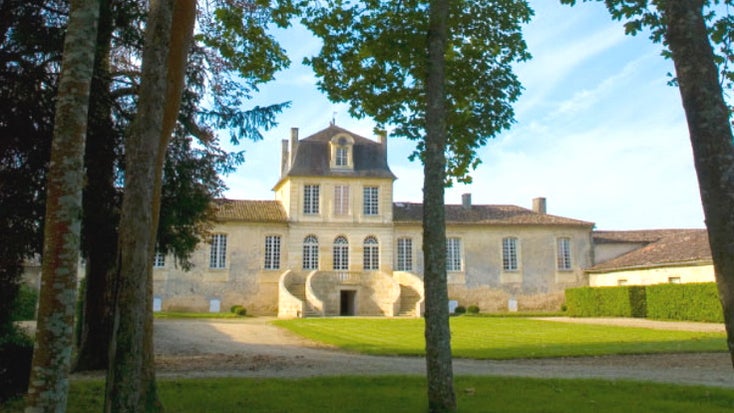
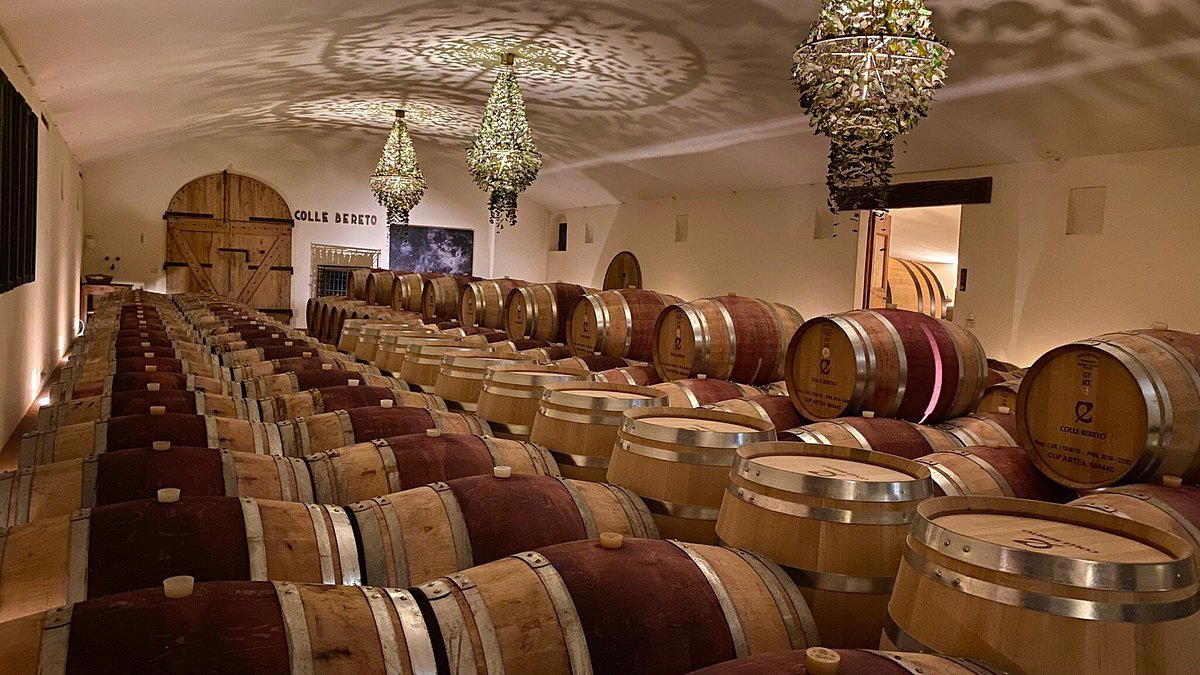
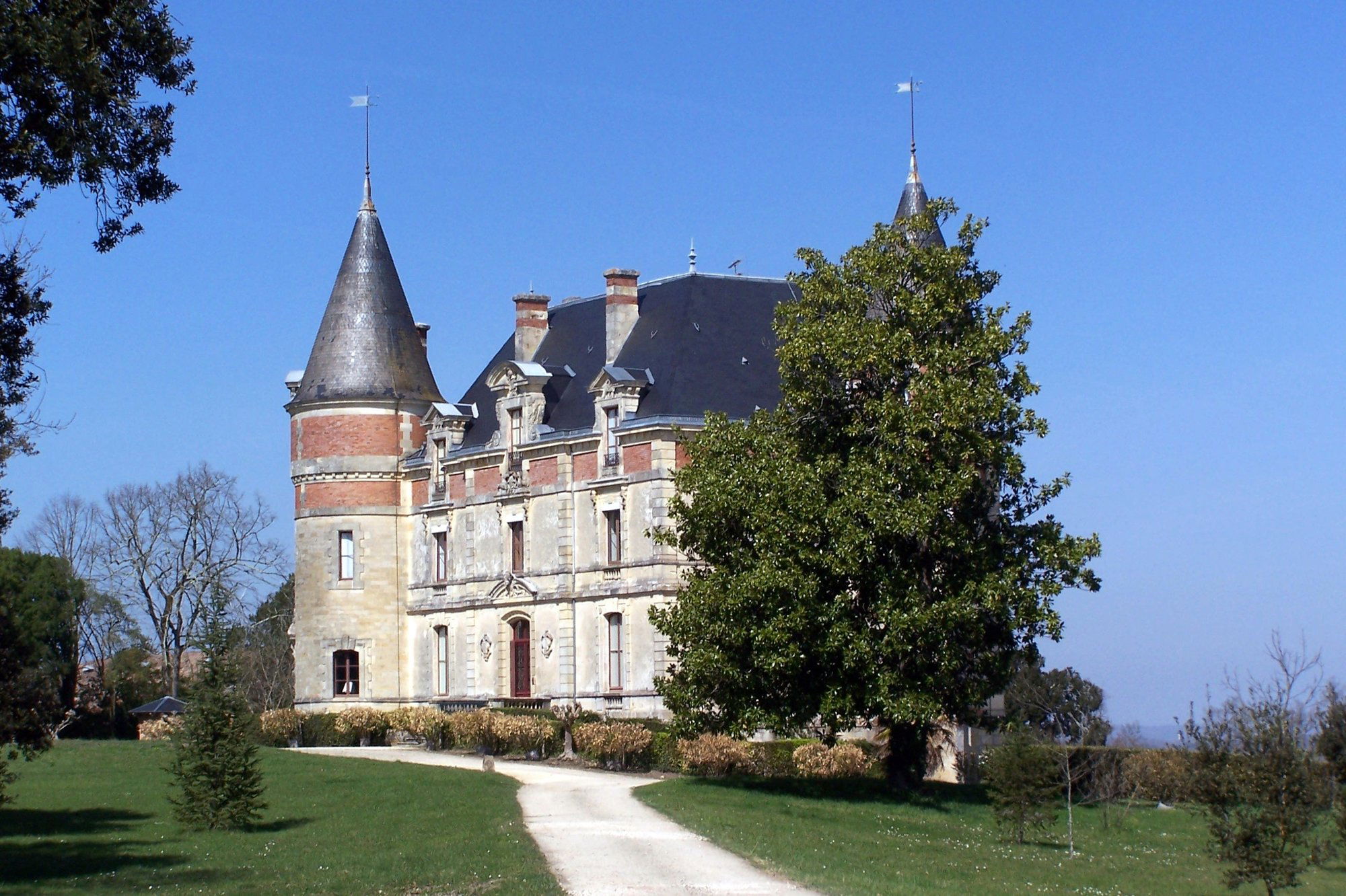
Château Rayne-Vigneau reads like a historically framed Sauternes estate—rooted in the 1855 classification and the compact, storied terroir of Bommes. Mornings here begin with Ciron fog that defines the rhythm of the vineyard and the careful, weather-driven harvest. The writing emphasizes the tension between concentration and ruin that makes this place exacting and quietly dramatic: harvest decisions are made by reading the vine and the sky rather than by calendar. That combination of measured ritual, long pedigree and an attention to cellar detail gives the estate a restrained, contemplative character.
Best For
Rayne-Vigneau is ideal for visitors who want a deep, technical look at Sauternes production—oenophiles, collectors and students of botrytised wine. The estate’s narrative centers on harvest timing and cellar choices, so tastings and visits reward people who ask about vintage variation, botrytis intensity and oak regimen. It also suits those seeking an elevated, memorable tasting experience: the property’s upper-tier recognition positions it as a thoughtful stop for special-occasion visits or comparative tastings among Bommes neighbors.
Tasting Tips
When tasting or buying at Rayne-Vigneau, focus questions on the harvest window and the vintage’s botrytis character—those factors are presented as decisive. Ask which picks were chosen for concentration versus longevity, and how barrel selection and aging shaped the final style. Inquire about recent vintages’ aging potential so you can decide between an earlier-drinking, lush bottling and a more structured, cellar-worthy wine. Also note the estate’s recent Pearl 3 Star Prestige recognition for context when comparing cru status among Bommes properties.
Venue details
Ambiance
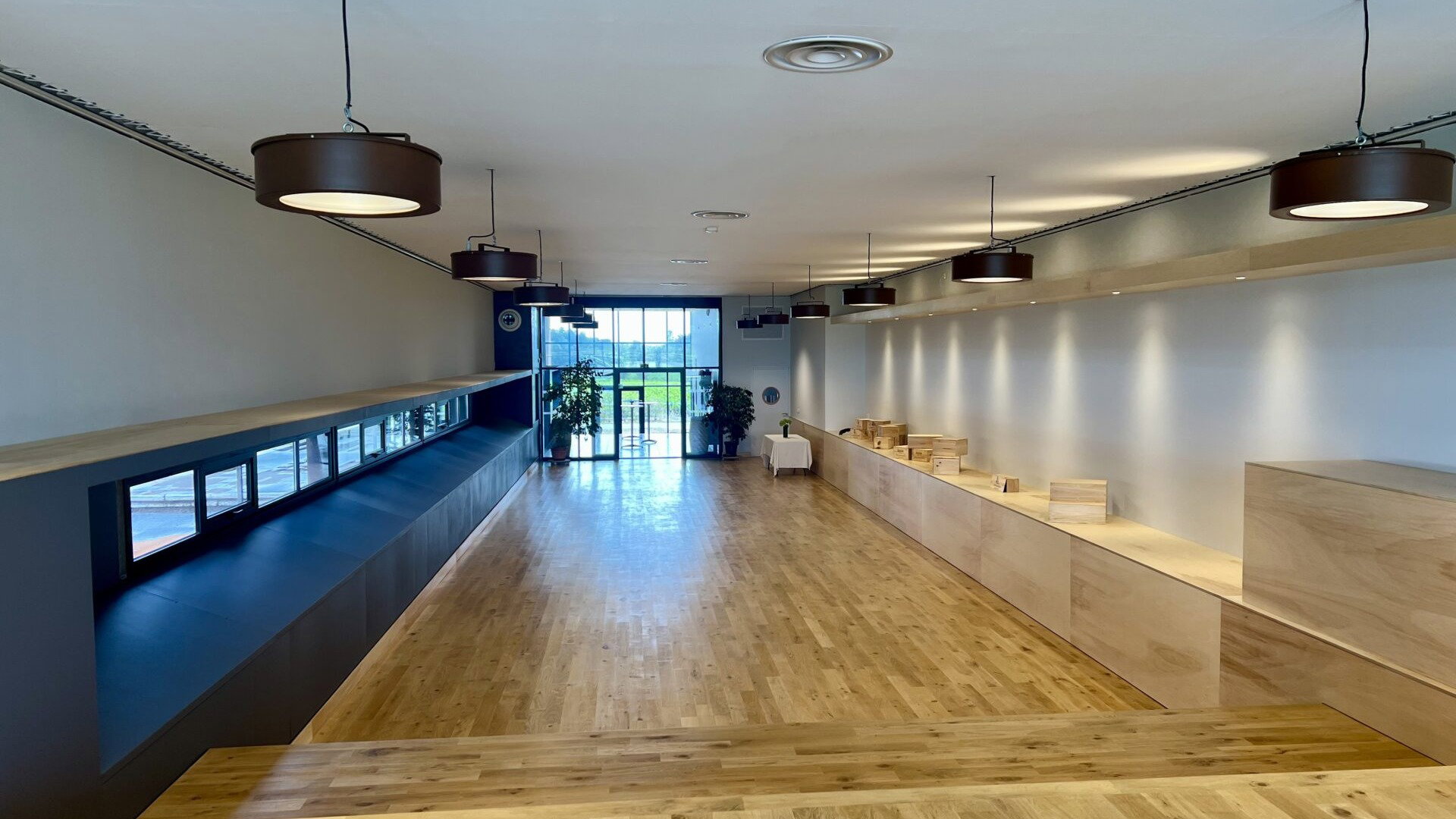
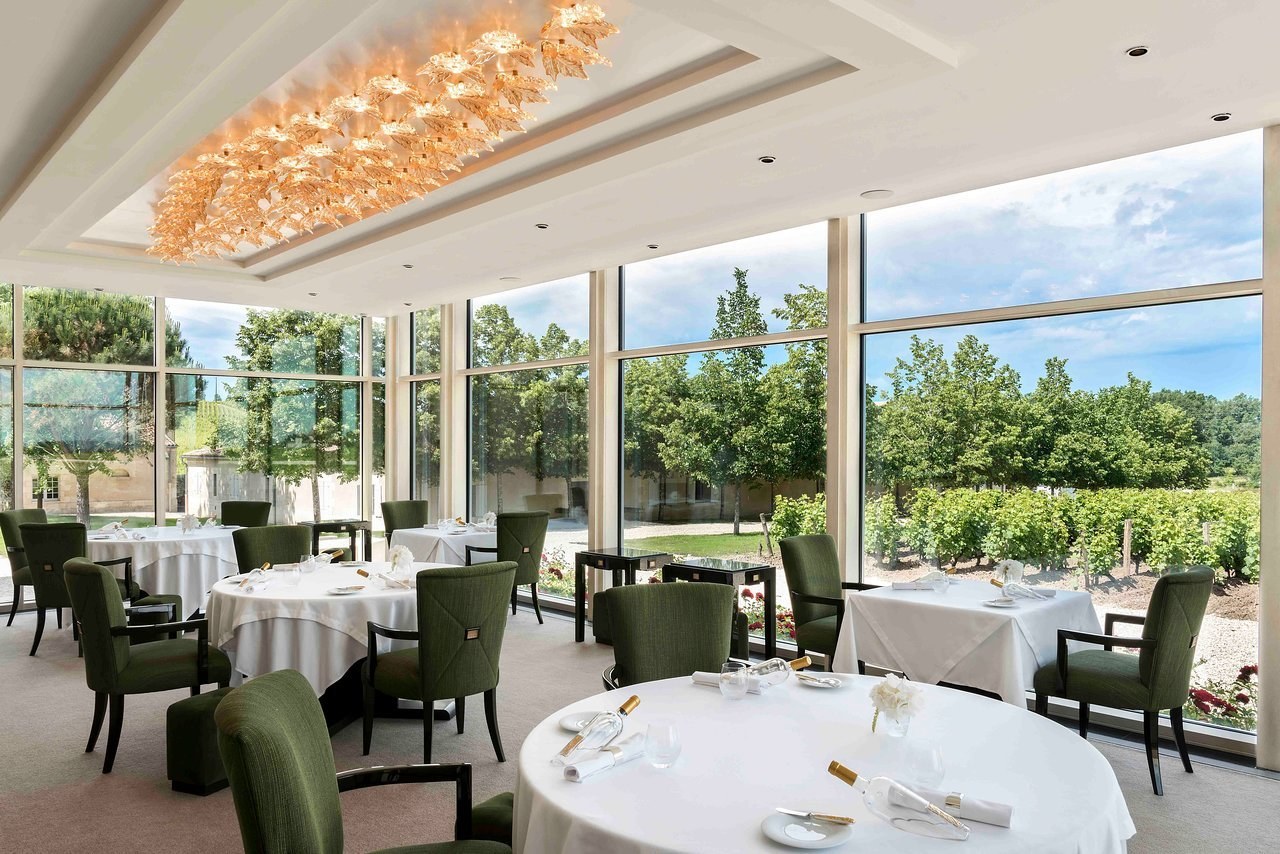
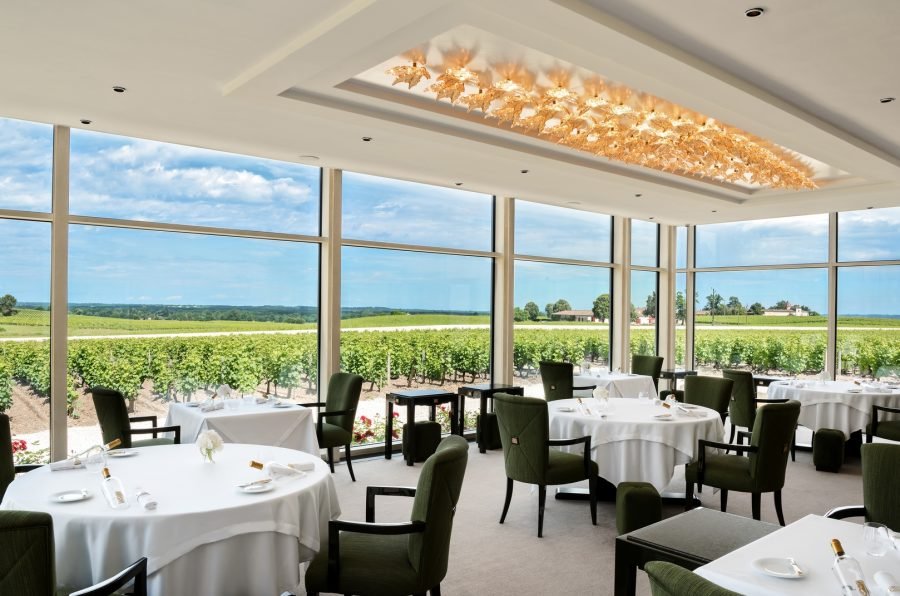
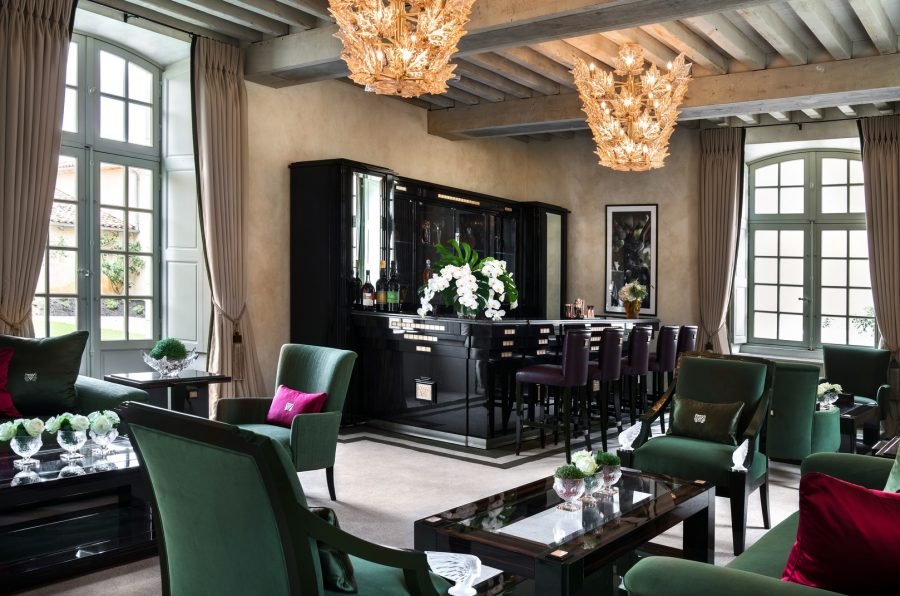
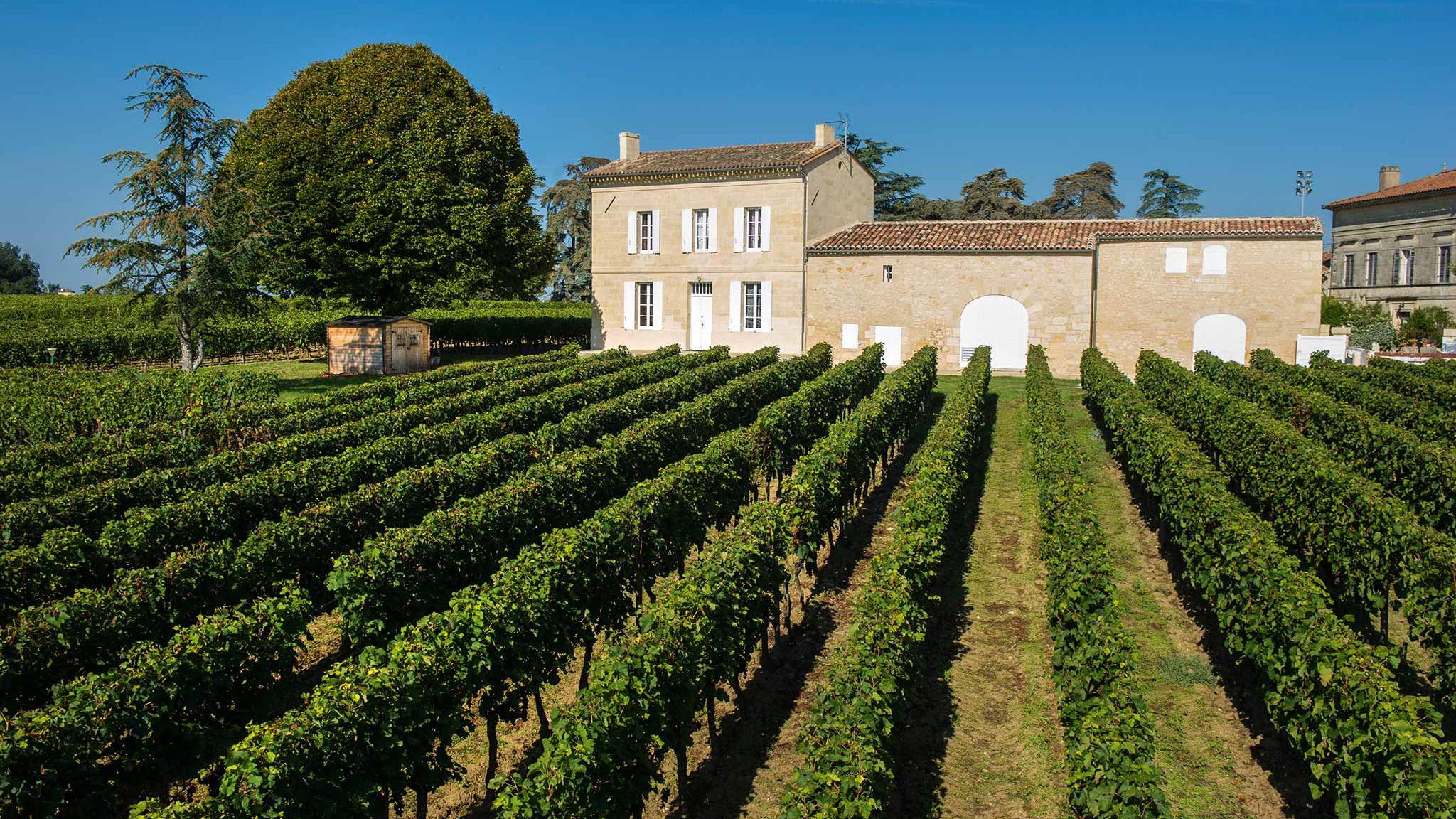
Elegant and historic château atmosphere with refined, fresh Sauternes wines in a scenic vineyard setting.
Tags
Vibe
Best For
Experience
Sourcing
View
At the Vineyard
- Appellation
- Sauternes AOC
- Varietals
- Sémillon, Sauvignon Blanc, Muscadelle
- Tour Duration
- 60-90 minutes
- Tour Languages
- French, English
- Visits
- By appointment only
- Wine Styles
- Dessert
- Wine Club
- Not available
Know before you go
Know Before You Go
- Getting there
- Le Vigneau, 541 Route du Piquey, 33210 Bommes
Planning details
Location
Recognition and awards

Also consider
Also Consider
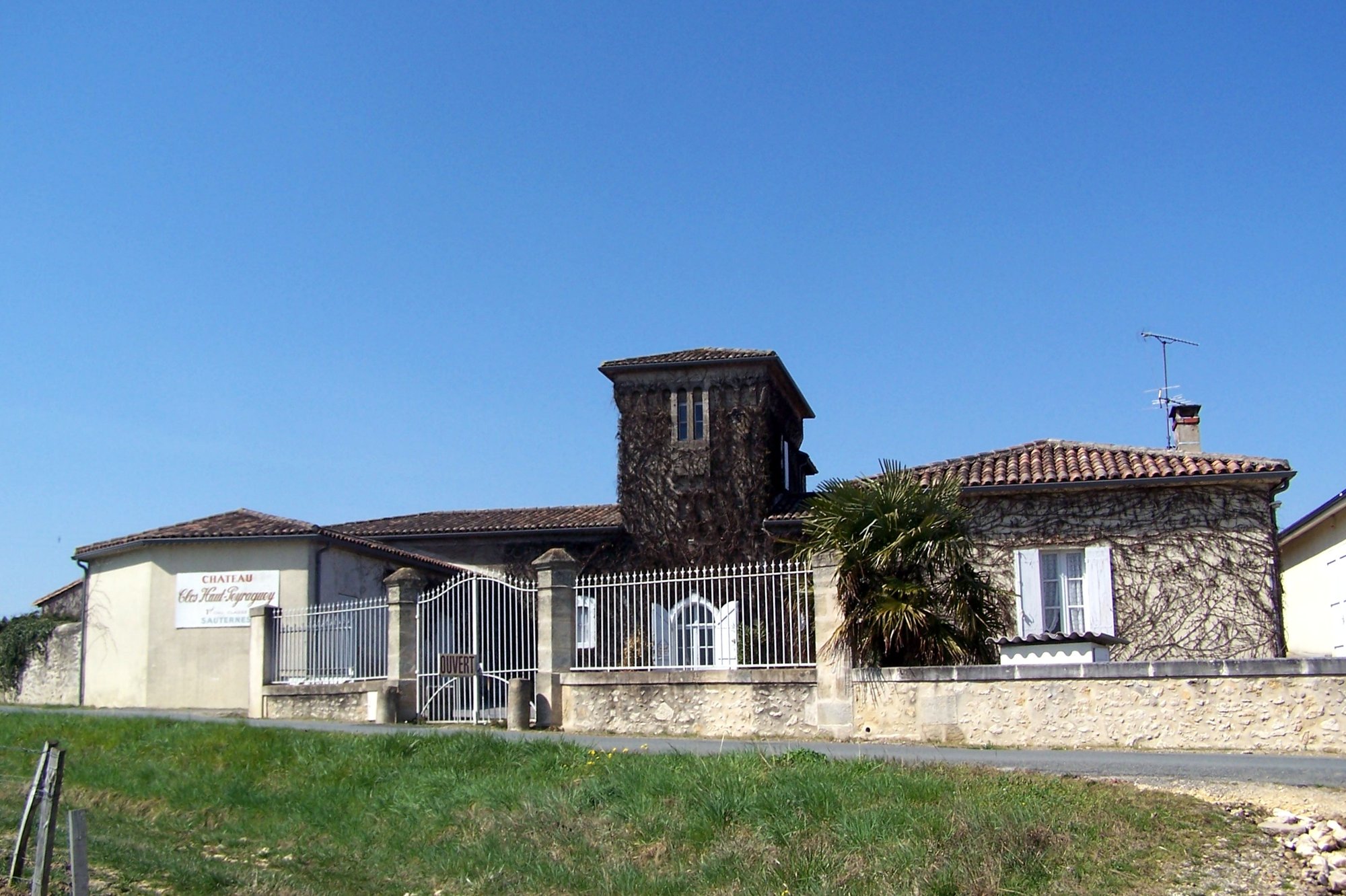
- Clos Haut-Peyraguey, Notable alternative
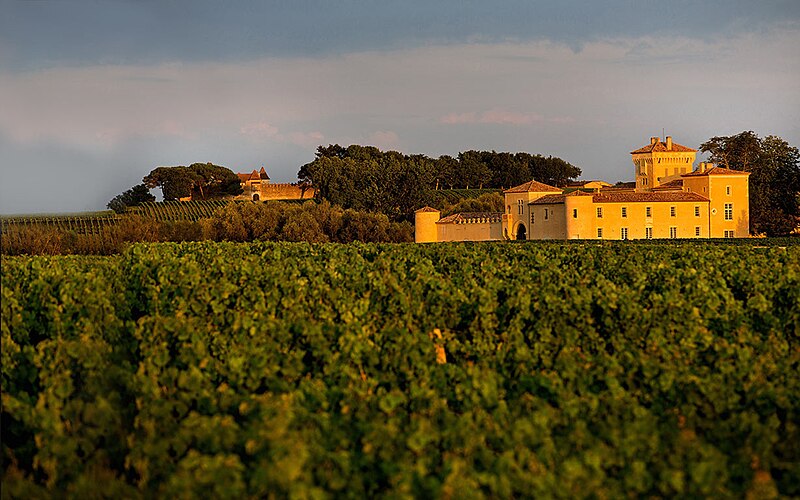
- Château Lafaurie-Peyraguey, Notable alternative
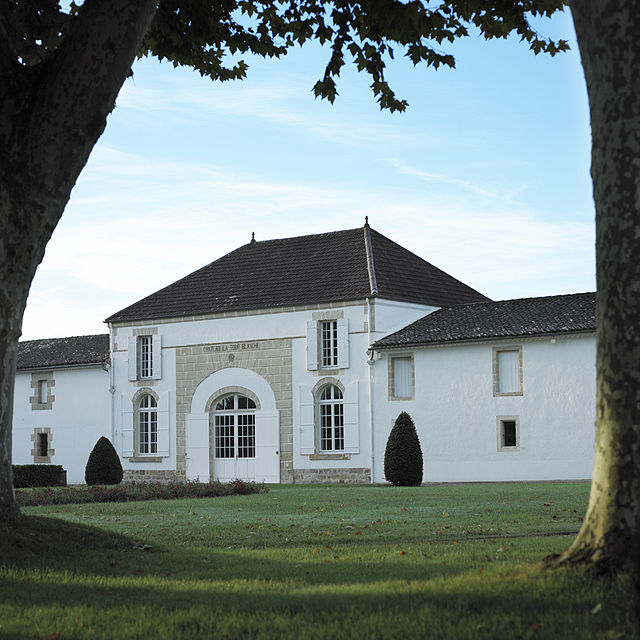
- Château La Tour Blanche, Notable alternative
- Château Sigalas-Rabaud, Notable alternative
- Château d'Arche, Notable alternative
Winery context
How It Compares
Choose Château Rayne-Vigneau if the priority is a focused Sauternes visit with a strong value-to-prestige argument. Clos Haut-Peyraguey and Château Lafaurie-Peyraguey are better fits when the reader wants a more polished, luxury-adjacent Bommes stop, but Rayne-Vigneau is the cleaner pick for wine-first travelers who care less about add-on hospitality.
Château La Tour Blanche is the stronger choice for a more educational frame, while Château Sigalas-Rabaud works better for readers looking for another compact Sauternes comparison nearby. Château d'Arche belongs on the list if the plan extends beyond the immediate Bommes cluster.
Booking difficulty is the main caution: do not make this the only winery on the day unless access is already secured. If Rayne-Vigneau is unavailable, cross-shop Château La Tour Blanche for context, or Château Lafaurie-Peyraguey for a more hospitality-led alternative.
Explore Bommes
Around this place
Discover more on Pearl
Unlock the full Château Rayne-Vigneau guide in Pearl, including awards, comparisons, FAQs, planning details, and nearby places.
Compare Château Rayne-Vigneau
| Venue | Location | Awards |
|---|---|---|
| Château Rayne-Vigneau | Bommes | 2026 Falstaff Winery Guide |
| Clos Haut-Peyraguey | Bommes | 2026 Falstaff Winery Guide |
| Château Lafaurie-Peyraguey | Bommes | 2026 Wine Spectator Best of Award of Excellence2026 Falstaff Winery Guide2025 Pearl 4 Star Prestige |
| Château La Tour Blanche | Bommes | 2026 Michelin Grape Main Selection - Bordeaux2026 Falstaff Winery Guide2025 Pearl 4 Star Prestige |
| Château Sigalas-Rabaud | Bommes | 2026 Michelin 1 Grape - Bordeaux2026 Falstaff Winery Guide2025 Pearl 4 Star Prestige |
| Château d’Arche | Sauternes | 2026 Falstaff Winery Guide |



How Château Rayne-Vigneau Bommes compares with similar nearby venues.
FAQ
Frequently Asked Questions
When is the best time to visit Château Rayne-Vigneau?
Opening hours and seasonal timing are not specified here. Plan around Bommes and confirm current availability directly with Château Rayne-Vigneau before making it the anchor of your day. Château La Tour Blanche and Château Sigalas-Rabaud are useful names to compare while planning.
What other venues can I compare with Château Rayne-Vigneau?
Relevant names to compare include Clos Haut-Peyraguey, Château Lafaurie-Peyraguey, Château La Tour Blanche, Château Sigalas-Rabaud, and Château d'Arche. Confirm current visit details directly with each venue before building an itinerary.
Does Château Rayne-Vigneau serve food?
Dining service is not specified here. If food is essential to your plan, confirm directly with the venue before visiting and use other Bommes planning resources for meal logistics.
Does Château Rayne-Vigneau ship wine?
Shipping policy is not specified here. If shipping is important, contact Château Rayne-Vigneau directly before planning around that service.
Do I need a reservation at Château Rayne-Vigneau?
Reservation policy is not specified here. Plan ahead and check directly with Château Rayne-Vigneau before visiting. For the visit itself, smart casual dress is the confirmed dress code.