

Domaine Ramonet
Chassagne-Montrachet
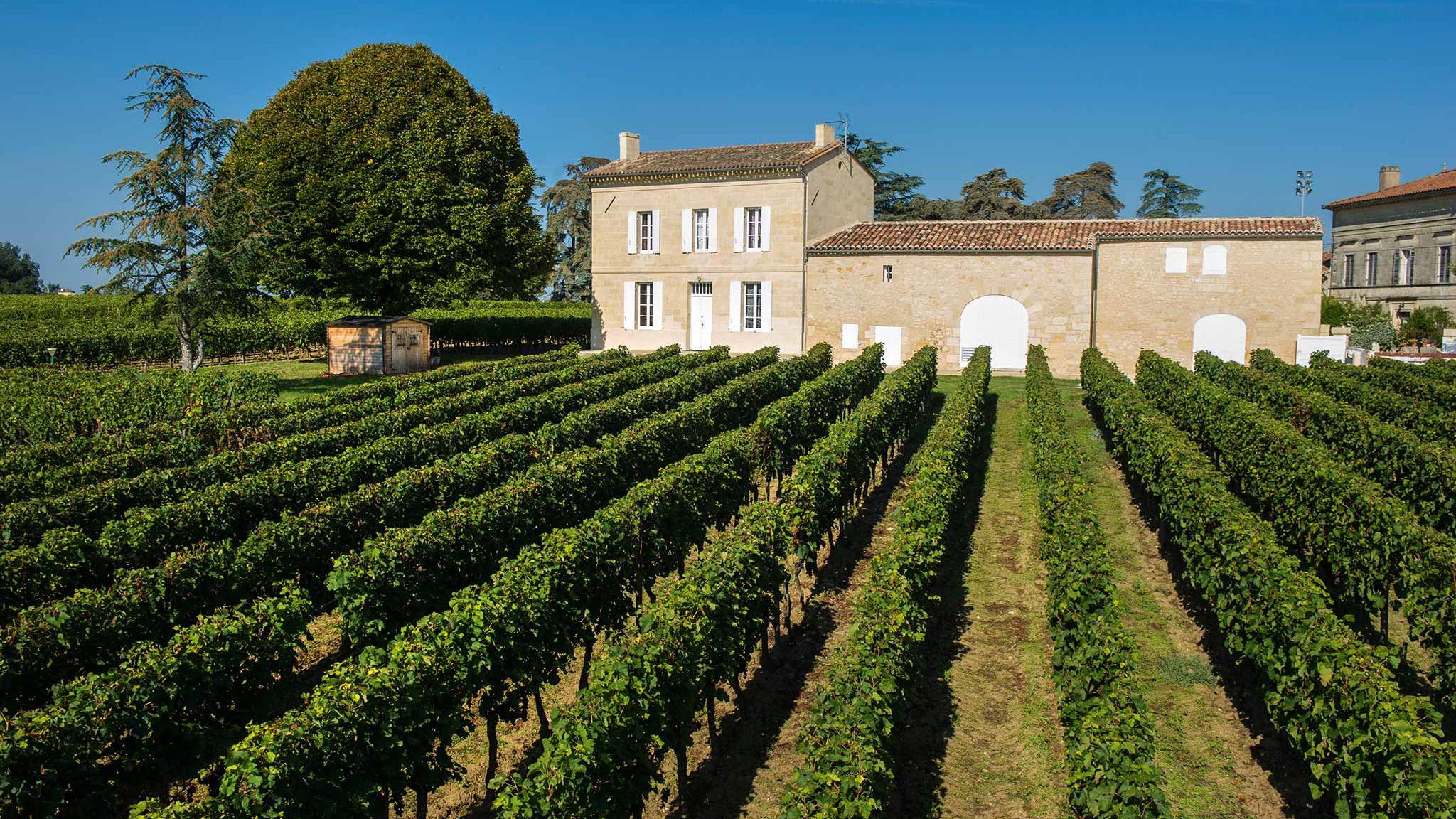
Winery in Chassagne-Montrachet, France
 Book with Pearl
The Read
Allocation-Tier Burgundy
Price
$150–200tasting
Why go
Domaine Ramonet is worth prioritizing for a serious Chassagne-Montrachet wine trip, especially if white Burgundy is the reason for traveling. Treat it as the anchor appointment for a small group or special occasion, then build the rest of the day around nearby Chassagne producers rather than overloading the itinerary.
About Domaine Ramonet
Domaine Ramonet is a Chassagne-Montrachet venue recognized with Pearl 3 Star Prestige in 2025. This guide provides a concise orientation, but visitors should confirm current details regarding tasting format, hours, pricing, food service, or access directly with the venue. The dress code is smart casual.
For trip planning, place Domaine Ramonet within a broader Chassagne-Montrachet itinerary and confirm current visit details directly with the venue before making plans. For meals around the visit, use Our full Chassagne-Montrachet restaurants guide.
Make this a priority Chassagne-Montrachet stop, then keep the rest of the day flexible
Domaine Ramonet is best approached as a priority Chassagne-Montrachet stop, with the rest of the day kept flexible until the venue's current arrangements are confirmed. It holds a 2025 Pearl 3 Star Prestige recognition and a smart-casual dress code. Information on visit format, group size, food service, pricing, or hours should be confirmed directly with the venue.
If you are comparing other names for the same trip, Domaine Alex Moreau, Domaine Fontaine-Gagnard, and Domaine Jean-Marc Pillot are natural names to research alongside Domaine Ramonet. Keep the plan practical: confirm details directly, avoid assuming drop-in availability, and leave enough space in the itinerary for meals or other Chassagne-Montrachet plans.
Who should prioritize it over other options
Prioritize Domaine Ramonet if your Chassagne-Montrachet plan is built around a Pearl 3 Star Prestige venue and you are comfortable confirming logistics directly. If you want to compare several other options, Domaine Jean-Noël Gagnard, Domaine Simon Colin, Domaine Alex Moreau, Domaine Fontaine-Gagnard, and Domaine Jean-Marc Pillot are relevant names to research.
Its Chassagne-Montrachet location, 2025 Pearl 3 Star Prestige recognition, and smart-casual dress code are compelling reasons to visit Domaine Ramonet. Other details should be checked with the venue before you build the day around them.
Planning details
- Location
- 11 Rue du Parterre, 21190 Chassagne-Montrachet
- Website
- domaine-ramonet.com
- Phone
- +33380213088
The take
The Take
The Vibe
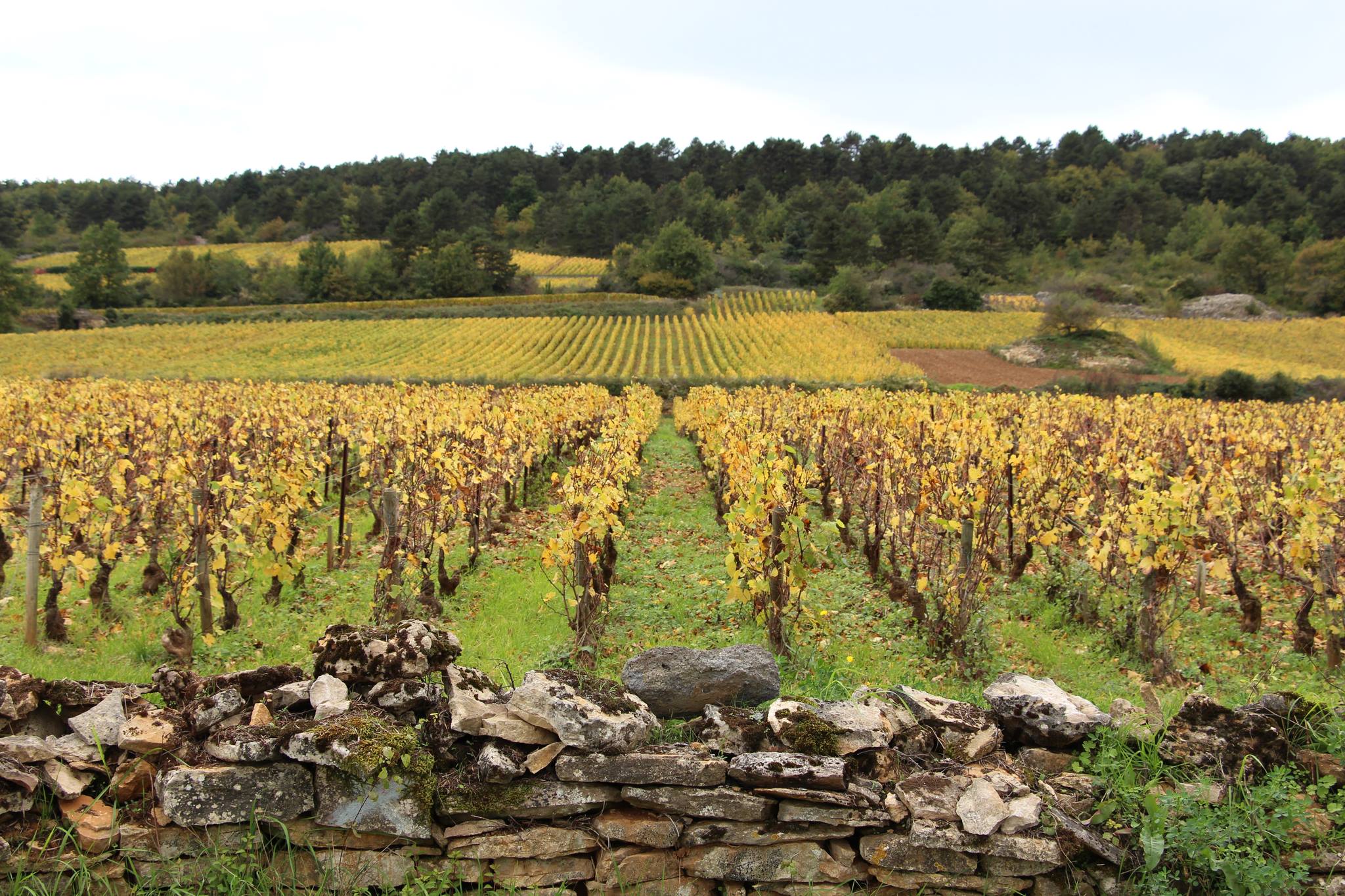
Domaine Ramonet sits quietly in the stone-lined compact of Chassagne-Montrachet, where narrow streets and pale limestone slopes shape a restrained, almost meditative atmosphere. The property reads like a piece of place: rows of dormant vines climb the famous slopes above town, and autumn light softens everything into a calm tableau. The overall effect is scenic and historically rooted rather than flashy — a serene Burgundy setting that emphasizes terroir and continuity. Visits feel thoughtful and low-key, appropriate to a domaine whose reputation is built on long-term performance rather than seasonal theater.
Best For
This is a destination for serious wine lovers and collectors who want to understand top-tier White Burgundy in context. The write-up centers on aging potential and the hierarchy of village, premier cru and grand cru holdings, so Ramonet is best for focused educational visits, cellar-minded buyers, and intimate special-occasion stops for people who appreciate lineage and provenance. The quiet village setting also makes it well suited to reflective tastings rather than loud group outings, and the domaine’s central place in Chassagne’s story rewards guests who come prepared to listen and learn.
Tasting Tips
When considering bottles from Ramonet, prioritize the site-driven bottlings that speak to cellar life: the copy highlights wines that "improve across a decade in the cellar," so factor in ageability when buying. Focus attention on the village’s premier cru plots—where collectors often find depth before prices leap for Montrachet and the other grands crus—and treat allocations with patience; these wines are talked about in relation to long-term development rather than immediate gratification. If you’re researching vintages, look for discussions of relative age-worthiness rather than quick drinking notes, and plan for cellaring.
Venue details
Ambiance
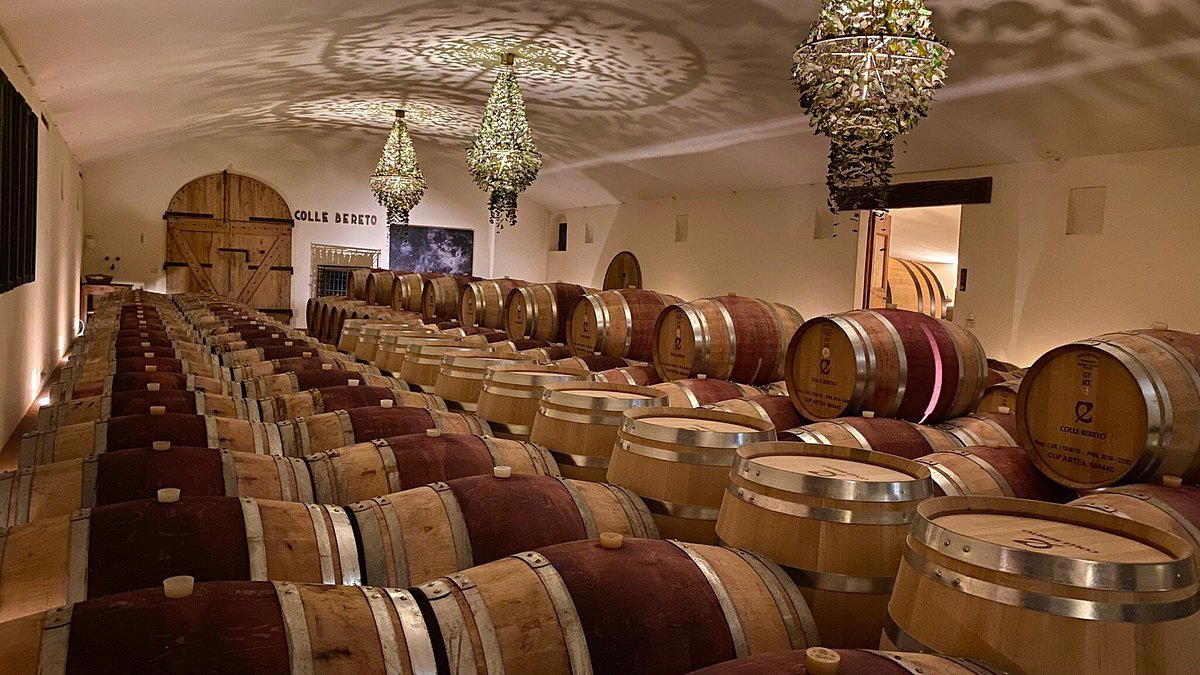
Traditional cellar environment with focus on precision winemaking; austere and serious atmosphere reflecting the estate's dedication to terroir expression over spectacle.
Tags
Vibe
Best For
Experience
Sourcing
View
At the Vineyard
- Appellation
- Chassagne-Montrachet AOC
- Varietals
- Chardonnay, Pinot Noir
- Tour Duration
- 90-120 minutes
- Tour Languages
- French, English
- Visits
- By appointment only
- Farming
- Sustainable
- Wine Styles
- Still White, Still Red
- Shipping
- Available
- Wine Club
- Available
Know before you go
Know Before You Go
- Getting there
- 11 Rue du Parterre, 21190 Chassagne-Montrachet
Planning details
Location
Recognition and awards

Also consider
If this is not available
Try Domaine Alex Moreau first if the goal is a serious Chassagne-Montrachet visit without rebuilding the day. Domaine Fontaine-Gagnard is the next sensible cross-shop for staying close, keeping the mood wine-focused, and avoiding an itinerary that depends on one difficult appointment.
Winery context
How It Compares
Among Chassagne-Montrachet options, Domaine Ramonet is the higher-effort choice for visitors who want the day to revolve around one serious cellar appointment. Domaine Jean-Noël Gagnard and Domaine Fontaine-Gagnard make more sense if the goal is to keep the itinerary practical and village-focused while still staying in the Chassagne lane.
Domaine Alex Moreau is the more direct cross-shop for travelers who want a serious producer without making the whole day depend on one appointment. Domaine Simon Colin is better for visitors trying to understand the next-generation Chassagne conversation, while Domaine Jean-Marc Pillot is the easier recommendation for a balanced Burgundy day with less pressure on a single stop.
For a special occasion, choose Domaine Ramonet if access is the point and the group is comfortable with a quieter, more focused visit. For value of time, not just money, build around Domaine Alex Moreau or Domaine Fontaine-Gagnard instead, then add Domaine Jean-Marc Pillot as the practical backup.
Explore Chassagne-Montrachet
Around this place
Discover more on Pearl
Unlock the full Domaine Ramonet guide in Pearl, including awards, comparisons, FAQs, planning details, and nearby places.
Compare Domaine Ramonet
| Venue | Location | Awards |
|---|---|---|
| Domaine Ramonet | Chassagne-Montrachet | 2026 Falstaff Winery Guide2026 Michelin Grape Main Selection - Burgundy |
| Domaine Jean-Noël Gagnard | Puligny-Montrachet | 2025 Pearl 3 Star Prestige |
| Domaine Alex Moreau | Chassagne-Montrachet | 2026 Michelin Grape Main Selection - Burgundy |
| Domaine Fontaine-Gagnard | Chassagne-Montrachet | No published awards |
| Domaine Simon Colin | Chassagne-Montrachet | No published awards |
| Domaine Jean-Marc Pillot | Chassagne-Montrachet | 2026 Falstaff Winery Guide |

How Domaine Ramonet Chassagne-Montrachet compares with similar nearby venues.
FAQ
Frequently Asked Questions
What other venues should I compare with Domaine Ramonet?
Relevant comparison names include Domaine Jean-Noël Gagnard, Domaine Alex Moreau, Domaine Fontaine-Gagnard, Domaine Simon Colin, and Domaine Jean-Marc Pillot. Choose Domaine Ramonet if your priority is a Chassagne-Montrachet venue with Pearl 3 Star Prestige recognition in 2025.
When is the best time to visit Domaine Ramonet?
Do I need a reservation at Domaine Ramonet?
Reservation requirements are not listed here. Contact Domaine Ramonet directly before you go, especially if you are arranging a Chassagne-Montrachet itinerary around the visit.
Are purchasing or membership options for Domaine Ramonet?
Purchasing or membership details are not listed here. Review any current options directly with Domaine Ramonet before deciding.
Does Domaine Ramonet serve food?
Food service details are not listed here. Treat Domaine Ramonet as a Chassagne-Montrachet venue whose current offerings should be confirmed directly, then plan meals separately if needed.
Can Domaine Ramonet handle large groups?
Group capacity is not listed here. Ask Domaine Ramonet directly before planning for a large party in Chassagne-Montrachet.