
Arnaldo Caprai
Montefalco
Winery in Montefalco, Italy
 Book with Pearl
The Read
Sagrantino Benchmark Production
Why go
Arnaldo Caprai is worth prioritizing if Montefalco wine depth is the point of the trip, not just a casual tasting between hill towns. Plan early, keep the schedule flexible around the visit, and use it as the wine anchor for a broader Umbrian day rather than a quick add-on.
About Arnaldo Caprai
In Montefalco, Arnaldo Caprai is a Pearl 2 Star Prestige (2025) venue with a smart casual dress code. For highly specific details such as format, services, menus, tastings, prices, hours, or visitor access, contact the venue directly before planning a trip around them. If the goal is simply to compare options in the area, use our full Montefalco guide as a broader starting point.
Think of Arnaldo Caprai as a Montefalco name to consider, especially for travelers already focusing on the area. Check the practical details before committing a schedule.
Consider this for a Montefalco name, not assumptions
Arnaldo Caprai is in Montefalco, carries Pearl 2 Star Prestige (2025), and the dress code is smart casual. For the rest of the day, restaurants via our full Montefalco restaurants guide, hotels via our full Montefalco hotels guide, and bars via our full Montefalco bars guide can help round out the itinerary.
Avoid building plans around specifics such as exact timing, services, food, tastings, or availability unless those details are arranged directly. If Arnaldo Caprai is important to the day, plan with enough flexibility to adjust around your arrangements.
How to place it within a broader itinerary
Choose Arnaldo Caprai when Montefalco is already part of the plan and a Pearl-recognized venue is the priority. If you are comparing broader regional options, Tenuta Castelbuono (Tenute Lunelli), Lungarotti, and Famiglia Cotarella (Falesco) are natural names to consider, while other dining in Montefalco can be considered generically depending on the rest of the day.
For a wider comparison set, Distilleria Varnelli and Sabatini Gin may also be useful reference points. For Montefalco specifically, keep Arnaldo Caprai on the list when its recognition and location are enough to justify further planning.
Planning details
- Location
- Località Torre, 1, 06036 Montefalco PG
- Website
- arnaldocaprai.it
- Phone
- +39 0742 378802
The take
The Take
The Vibe
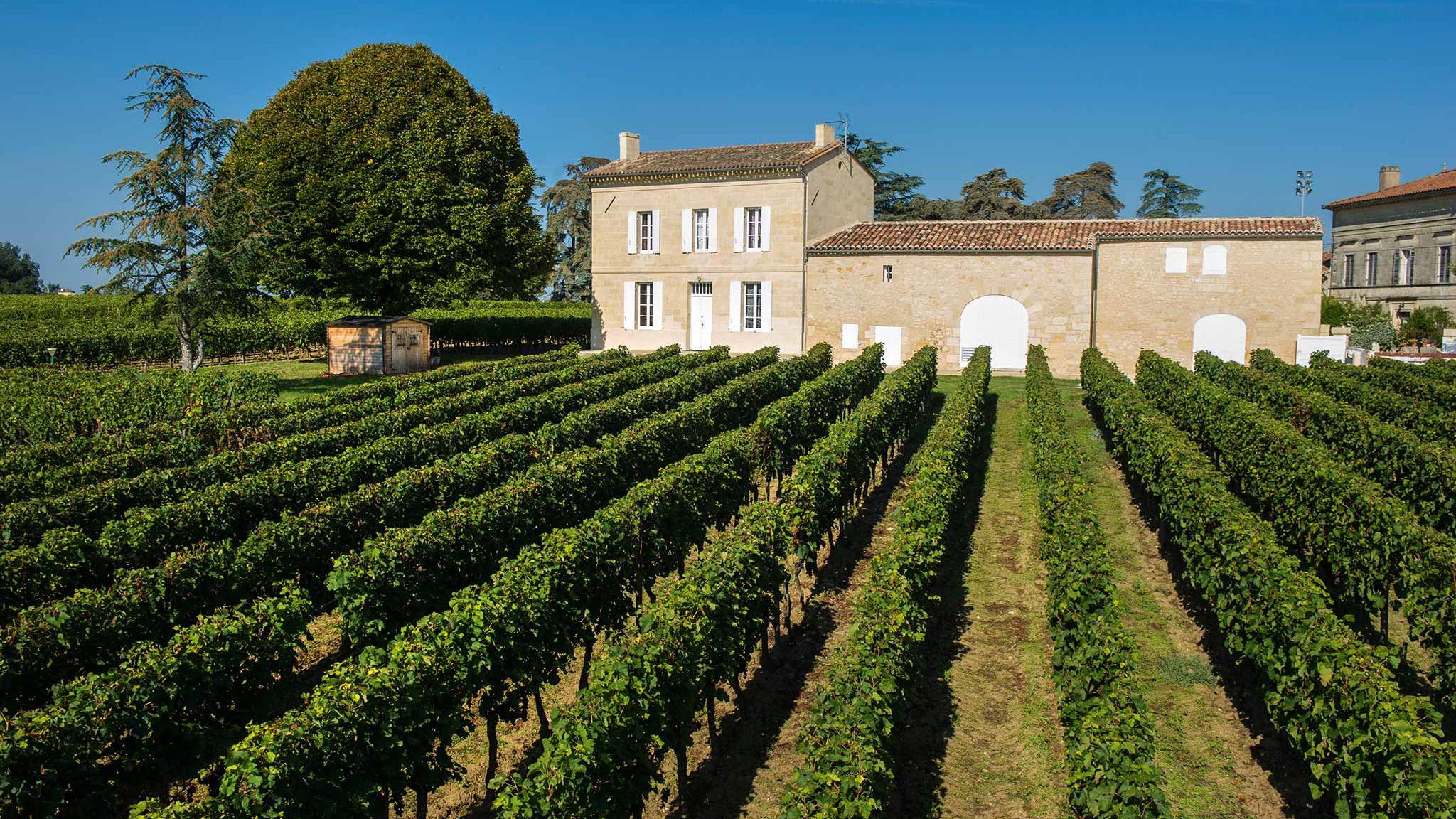
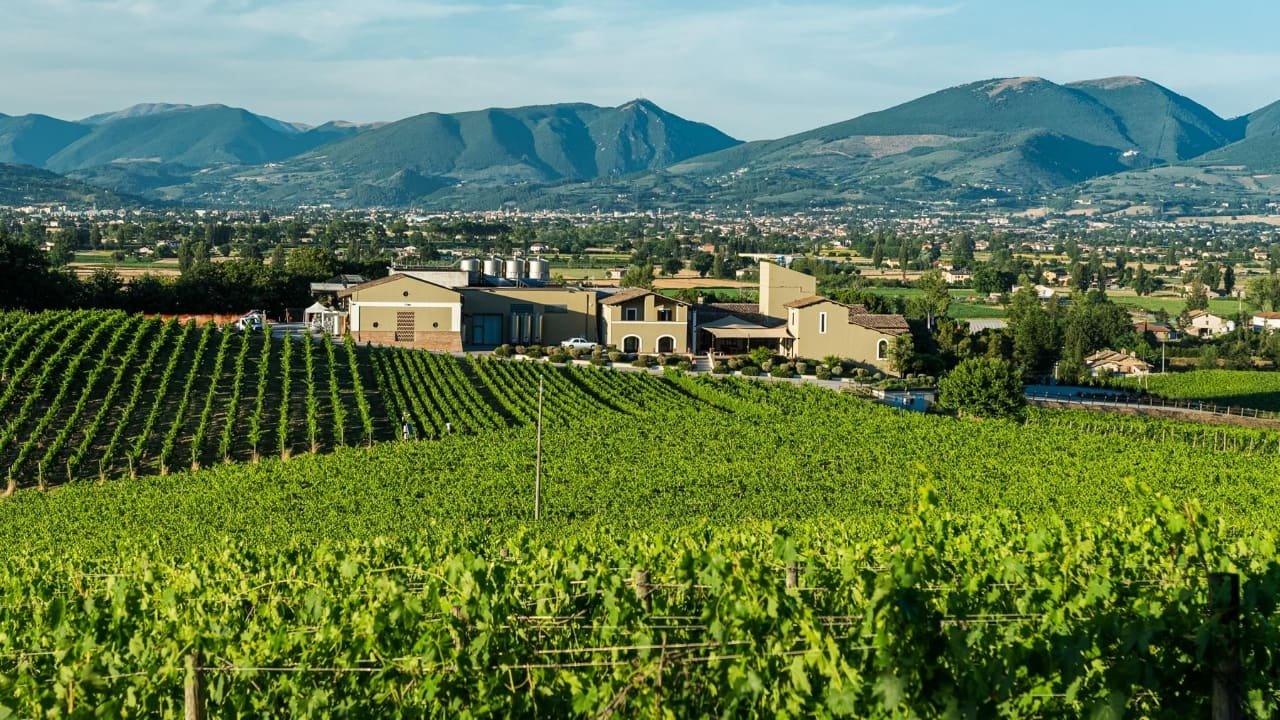
Arnaldo Caprai reads like a terroir argument rendered in stone and vine. Perched on the ridge above Montefalco, the estate is presented as a serious, terroir-first producer where Sagrantino finds its fullest expression. The copy underscores a measured, high‑calibre approach—consistency across vintages, a recent Pearl 2 Star Prestige award and alignment with other respected Umbrian estates—so the overall impression is of a classic, iconic wine property whose identity is inseparable from hillside soils, altitude and a close study of microclimate.
Best For
This estate is best for visitors focused on learning and appreciation rather than casual drinking. The text frames Arnaldo Caprai as a destination for wine education and thoughtful exploration—ideal for solo visitors who want to study Sagrantino’s character and for groups marking a special occasion with a visit to a higher-tier producer. The emphasis on terroir, varietal specificity and vintage consistency makes it particularly rewarding for people who want to connect vineyard, soil and bottle.
Tasting Tips
When engaging with Arnaldo Caprai’s wines, prioritize Sagrantino bottlings that showcase site and vintage differences—the variety is described as highly tannic and phenolically dense, so age and bottle selection matter. Seek out estate-designate or prestige labels highlighted by the winery’s Pearl award, and compare recent and older vintages where available to appreciate how tannic structure and phenolic intensity evolve. If given guidance, ask about the estate’s higher‑tier releases and any notes on vintages to match your preference for youthful power or more developed, age-softened textures.
Venue details
Ambiance
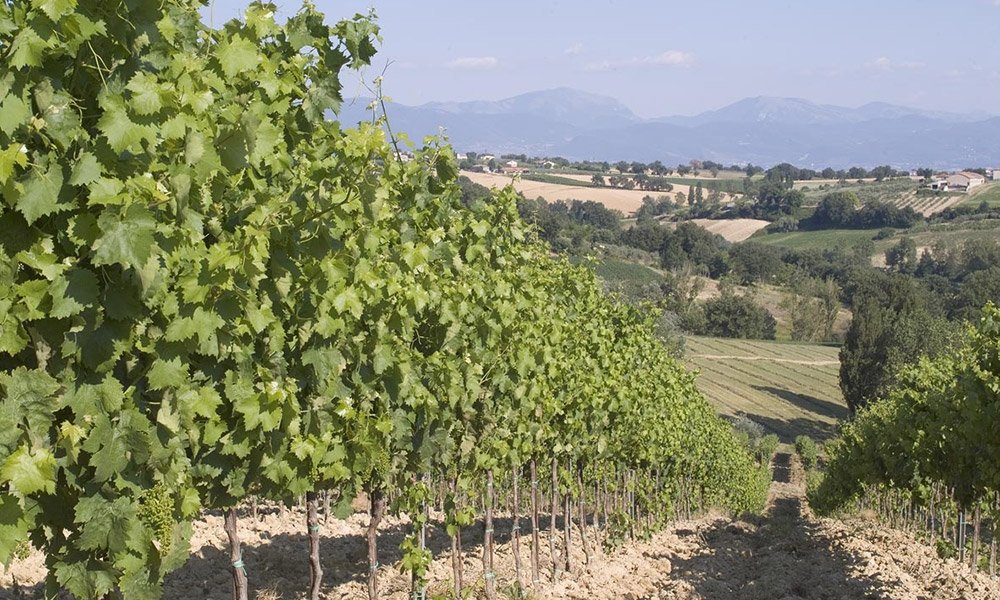
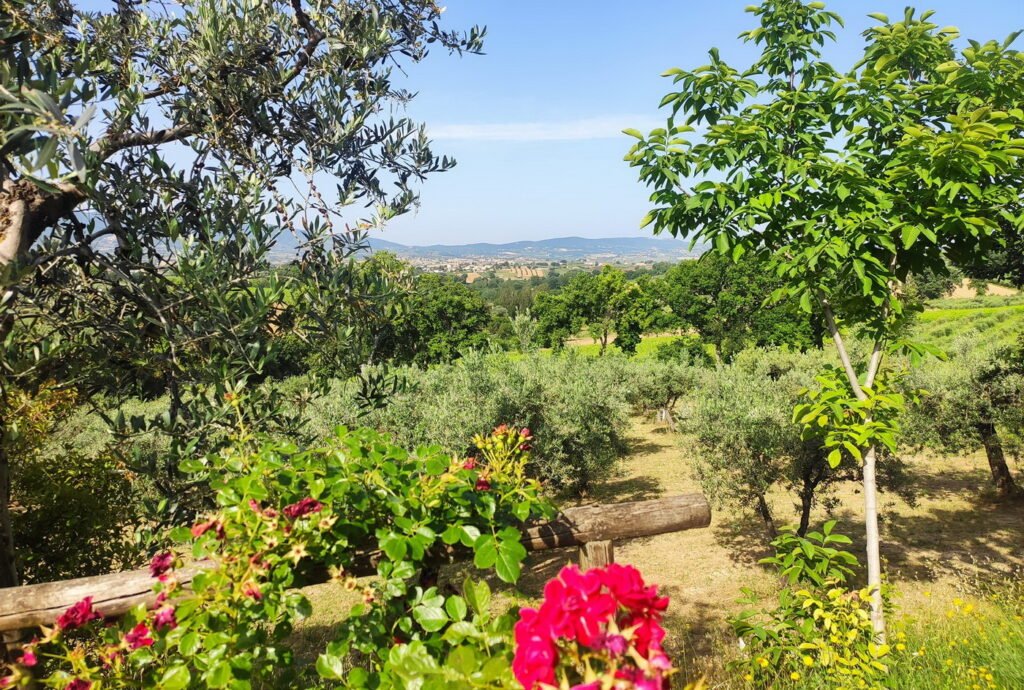
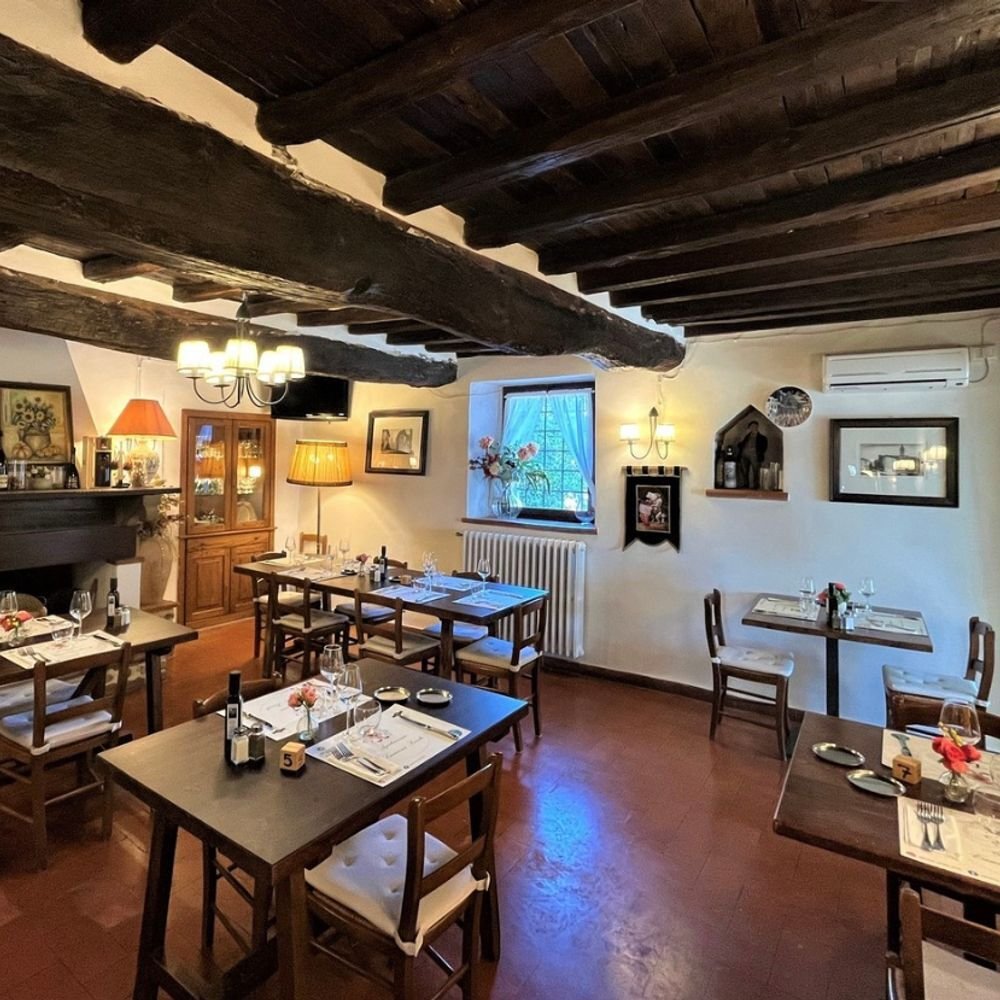
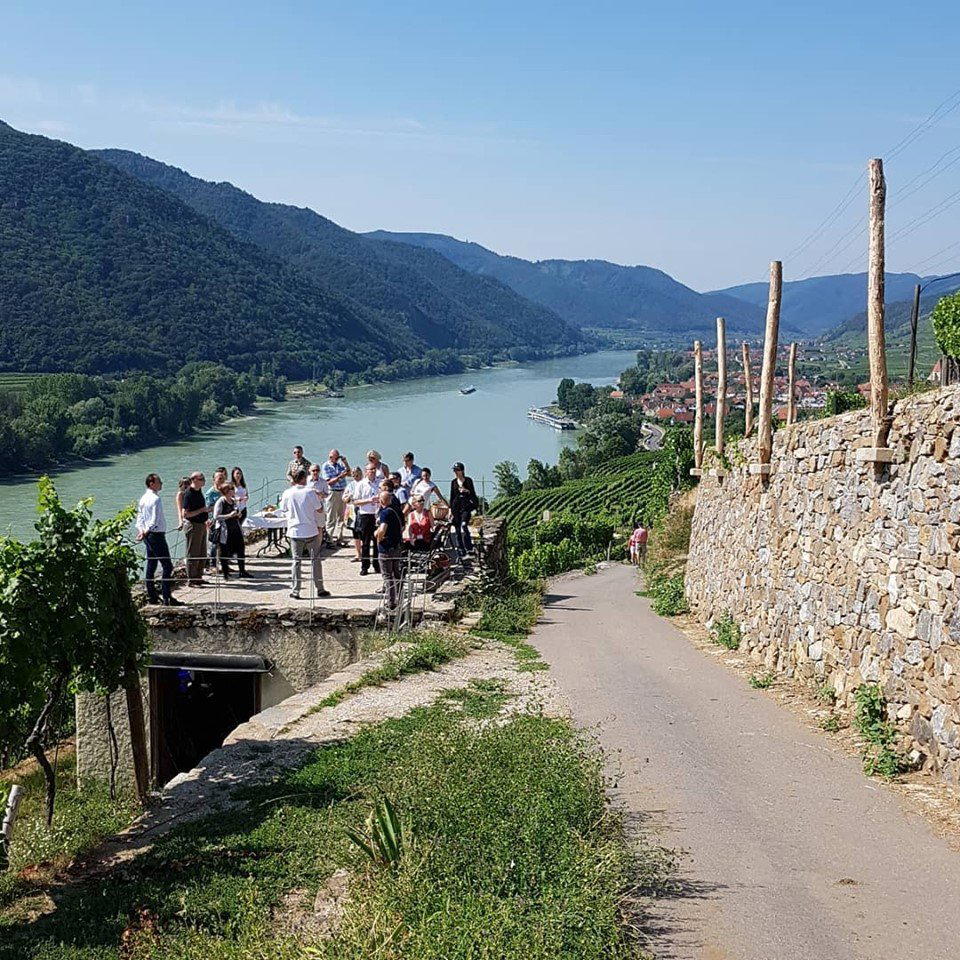
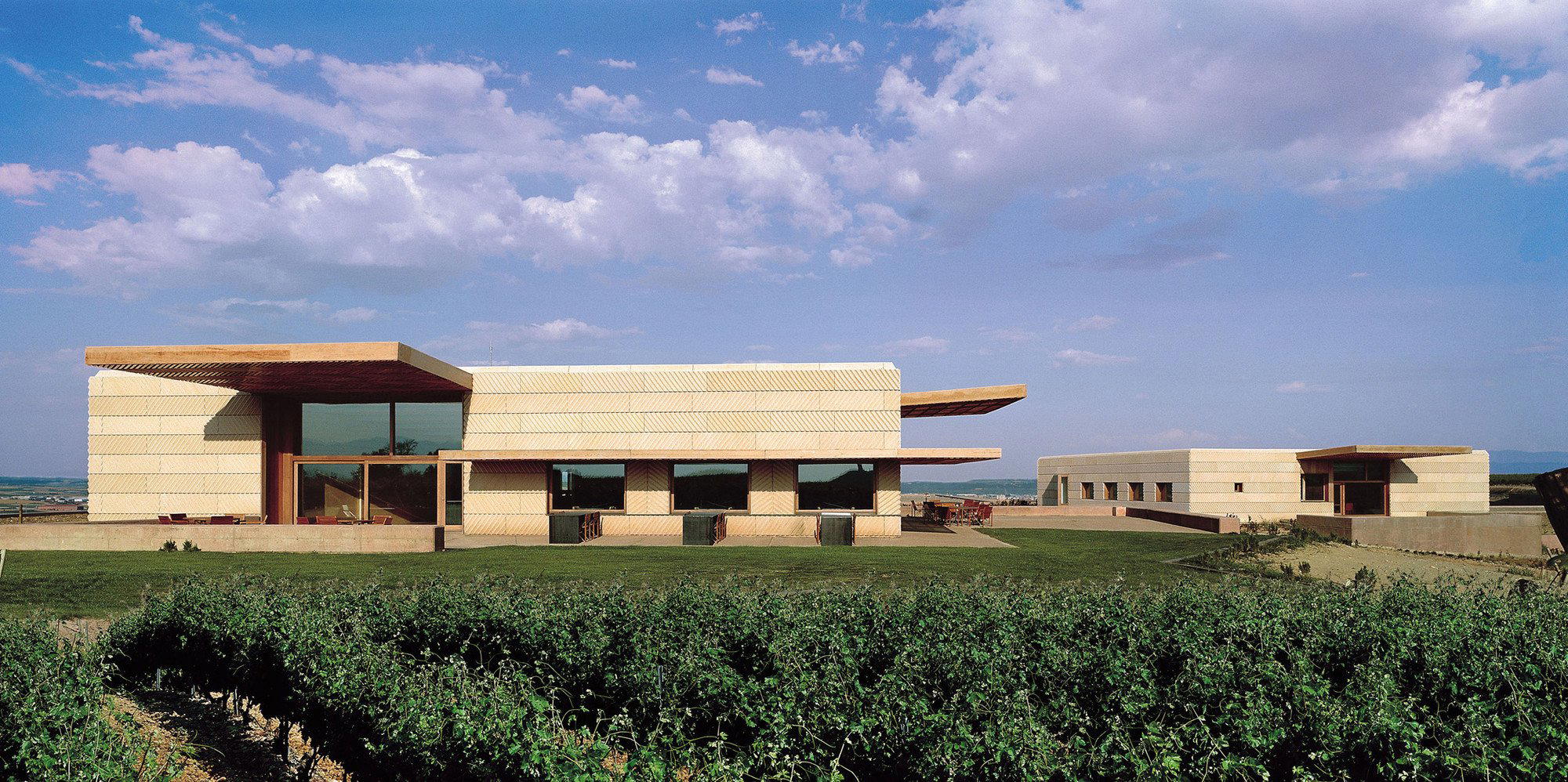
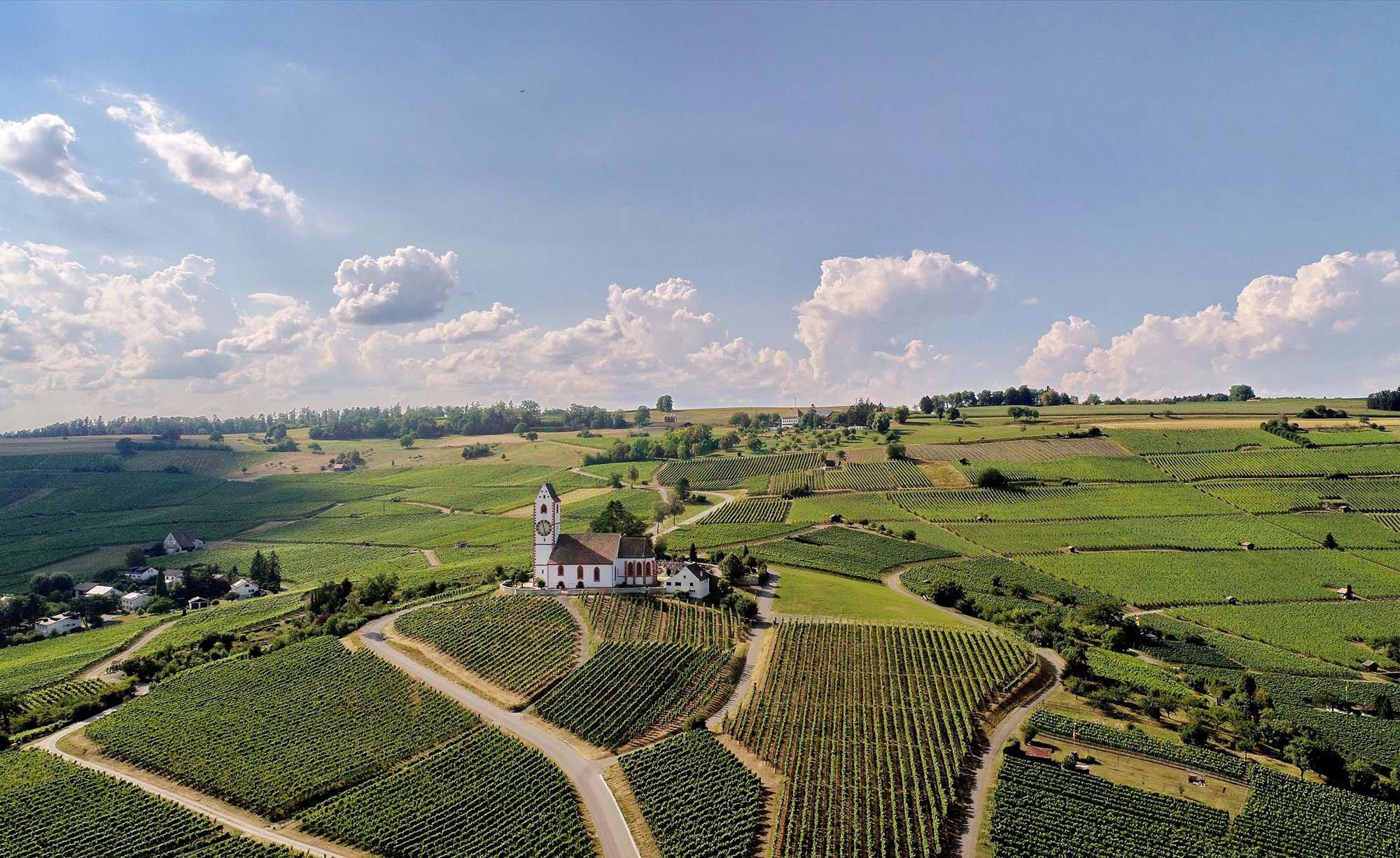
Set amidst vast Umbrian hillside vineyards with picturesque views of Montefalco, Spoleto, and Assisi, offering a serene and elegant atmosphere.
Tags
Vibe
Best For
Experience
Sourcing
View
At the Vineyard
- Appellation
- Montefalco DOCG
- Varietals
- Sagrantino, Sangiovese, Grechetto, Merlot, Pinot Noir
- Tour Duration
- 60-90 minutes
- Tour Languages
- English, Italian
- Visits
- By appointment only
- Farming
- Sustainable
- Wine Styles
- Still Red, Still White
- Wine Club
- Not available
Know before you go
Know Before You Go
- Getting there
- Località Torre, 1, 06036 Montefalco PG
Planning details
Location
Recognition and awards

Also consider
Also Consider
- Tenuta Castelbuono (Tenute Lunelli), Notable alternative
- Lungarotti, Notable alternative
- Distilleria Varnelli, Notable alternative
- Famiglia Cotarella (Falesco), Notable alternative
- Sabatini Gin, Notable alternative
Winery context
How It Compares
Among the listed peers, Arnaldo Caprai is the practical choice for travelers focused on Montefalco wine identity and a serious cellar visit. Tenuta Castelbuono (Tenute Lunelli) is the more obvious cross-shop if architecture and a polished estate setting matter as much as what is in the glass. Choose Arnaldo Caprai for regional wine depth; choose Tenuta Castelbuono if the group wants a more visually led visit.
Lungarotti and Famiglia Cotarella (Falesco) make more sense for travelers building a broader Umbrian or central Italian wine route rather than staying tightly focused on Montefalco. If booking access is tight, those are sensible alternatives to check before reshaping the whole day. For value, the better pick depends on what the group values: Arnaldo Caprai for a targeted Montefalco stop, Lungarotti or Famiglia Cotarella for a wider regional frame.
Distilleria Varnelli and Sabatini Gin are not like-for-like winery substitutes; they are better for spirits-focused travelers or mixed groups that do not want another wine tasting. If the day needs lower intensity and a change of pace, cross-shop those. If the trip is about understanding Montefalco through wine, keep Arnaldo Caprai higher on the list.
Explore Montefalco
Around this place
Discover more on Pearl
Unlock the full Arnaldo Caprai guide in Pearl, including awards, comparisons, FAQs, planning details, and nearby places.
Compare Arnaldo Caprai
| Venue | Location | Awards |
|---|---|---|
| Arnaldo Caprai | Montefalco | 2026 Falstaff Winery Guide |
| Tenuta Castelbuono (Tenute Lunelli) | Umbria | 2026 Falstaff Winery Guide2024 World's 50 Best Vineyards · #25 |
| Lungarotti | Torgiano | 2026 Falstaff Winery Guide |
| Distilleria Varnelli | Muccia | No published awards |
| Famiglia Cotarella (Falesco) | Montefiascone | 2026 Falstaff Winery Guide |
| Sabatini Gin | Cortona | No published awards |

How Arnaldo Caprai Montefalco compares with similar nearby venues.
FAQ
Frequently Asked Questions
What is Arnaldo Caprai known for?
Arnaldo Caprai is in Montefalco, has Pearl 2 Star Prestige (2025), and has a smart casual dress code. Confirm specific products, formats, or visitor services directly before you plan around them.
Does Arnaldo Caprai serve food?
If food is important to your plans, contact Arnaldo Caprai directly before relying on it or plan a separate meal in Montefalco.
How long should I plan for Arnaldo Caprai?
Is there a dress code at Arnaldo Caprai?
Yes. The dress code for Arnaldo Caprai is smart casual.
What other venues can I compare with Arnaldo Caprai?
Useful comparisons include Tenuta Castelbuono (Tenute Lunelli), Lungarotti, and Famiglia Cotarella (Falesco). Distilleria Varnelli and Sabatini Gin may also be useful reference points for a broader itinerary.
When is the best time for Arnaldo Caprai?
Do I need a reservation at Arnaldo Caprai?
Because Arnaldo Caprai has Pearl 2 Star Prestige (2025), it is sensible to confirm arrangements in advance rather than rely on assumptions.