


Domaine Ponsot
Morey-Saint-Denis
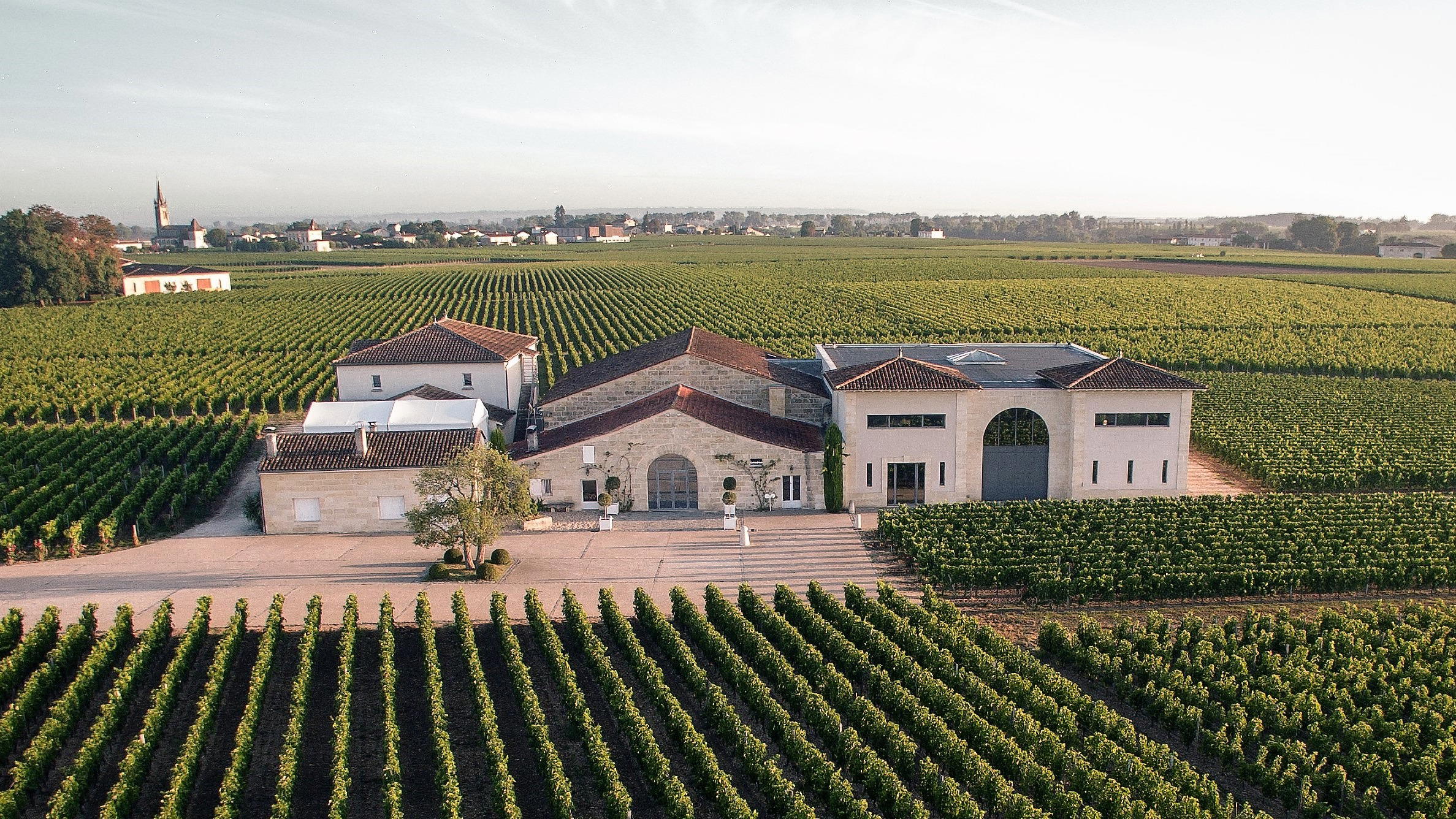
Winery in Morey-Saint-Denis, France
 Book with Pearl
The Read
Village-Domaine Precision
Why go
Domaine Ponsot is worth prioritising for serious Burgundy travelers who want Morey-Saint-Denis depth and are comfortable with difficult access. The first vintage dates to 1934, Rose-Marie Ponsot is listed as winemaker, and the 2025 Pearl 4 Star Prestige rating supports the effort. Casual visitors looking for food, group-friendly logistics, or an easy tasting format should cross-shop nearby domaines first.
About Domaine Ponsot
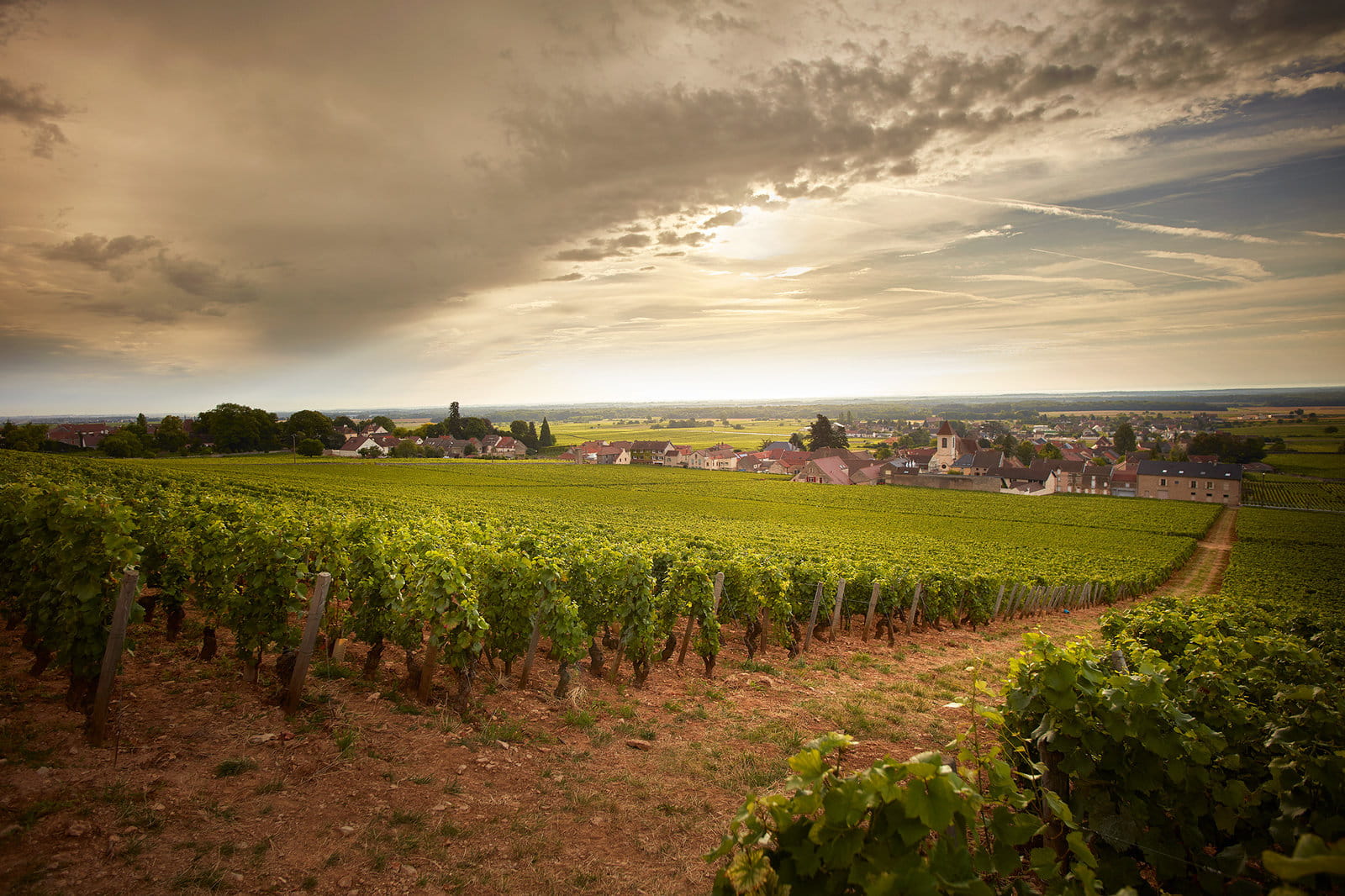
For travelers considering Domaine Ponsot, start with its setting in Morey-Saint-Denis. Plan around direct confirmation for public visit formats, prices, hours, and services rather than making assumptions.
Key points are direct: Domaine Ponsot is in Morey-Saint-Denis, Rose-Marie Ponsot is the chef/owner, the dress code is smart casual, and the venue carries Pearl 4 Star Prestige recognition for 2025. Use the broader Morey-Saint-Denis guides to shape the rest of the day around directly confirmed plans.
Choose this for a focused Morey-Saint-Denis plan
The case for considering Domaine Ponsot is strongest for visitors who are already organizing an itinerary around Morey-Saint-Denis. Rose-Marie Ponsot is the chef/owner, and the venue carries Pearl 4 Star Prestige recognition for 2025. Specific tasting formats, prices, hours, and visitor arrangements should be checked directly before you plan around them.
Build flexibility into the day. If you are comparing other names, consider Domaine des Lambrays, Domaine du Clos de Tart, Domaine Taupenot-Merme, Domaine Perrot-Minot, and Domaine Robert Groffier Père & Fils as additional venues to research. The better strategy is to confirm details directly rather than base the day on assumptions.
The value depends on context, not extras
Do not judge Domaine Ponsot like a restaurant-style experience unless the venue has outlined cuisine, a public tasting menu, published price, seat count, or service format for your visit. The value is its Morey-Saint-Denis identity, Rose-Marie Ponsot's role, and the 2025 Pearl 4 Star Prestige recognition. For a traveler who prioritizes venue context, that may be enough to investigate further; for someone looking for guaranteed food service, a large group setup, or a predictable tasting format, specific arrangements should be checked directly.
Plan the rest of the day with practical backups. Dress code is listed as smart casual, but other specifics should be checked directly before making plans.
Planning details
- Location
- 21 Rue de la Montagne, 21220 Morey-Saint-Denis
- Website
- domaine-ponsot.com/Home
- Phone
- +33 3 80 34 32 46
The take
The Take
The Vibe
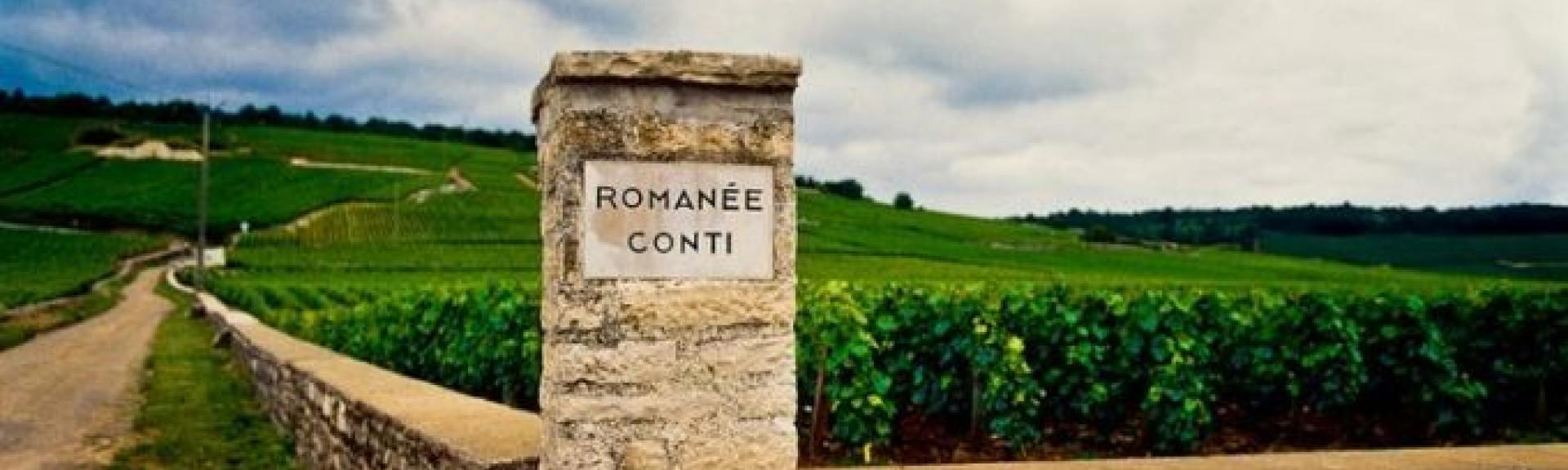
Domaine Ponsot reads like a working, historic Burgundy estate rather than a polished tasting destination. The domaine’s uninterrupted bottling history back to 1934 gives visits a sense of continuity and gravitas: this is a place where accumulated knowledge about specific parcels shapes the wines. The cellar door is described as production space first, so encounters with Ponsot are practical and matter-of-fact rather than hospitality-forward. In the quieter months the village settles into an agricultural rhythm, and the mood is understated — measured, focused and quietly authoritative, the sort of place collectors return to for clarity rather than spectacle.
Best For
Ponsot is best for serious wine students and collectors who want to study terroir and lineage rather than look for a showy tasting experience. The domaine’s decades of uninterrupted production and parcel-specific expertise reward visitors who are curious about how Morey-Saint-Denis sits between Gevrey and Chambolle in style and structure. It also suits independent explorers who appreciate a production-focused visit and don’t expect tourism-oriented amenities. For those seeking a meaningful encounter with classic Burgundy provenance — and who prize technical insight over fanfare — Ponsot delivers.
Tasting Tips
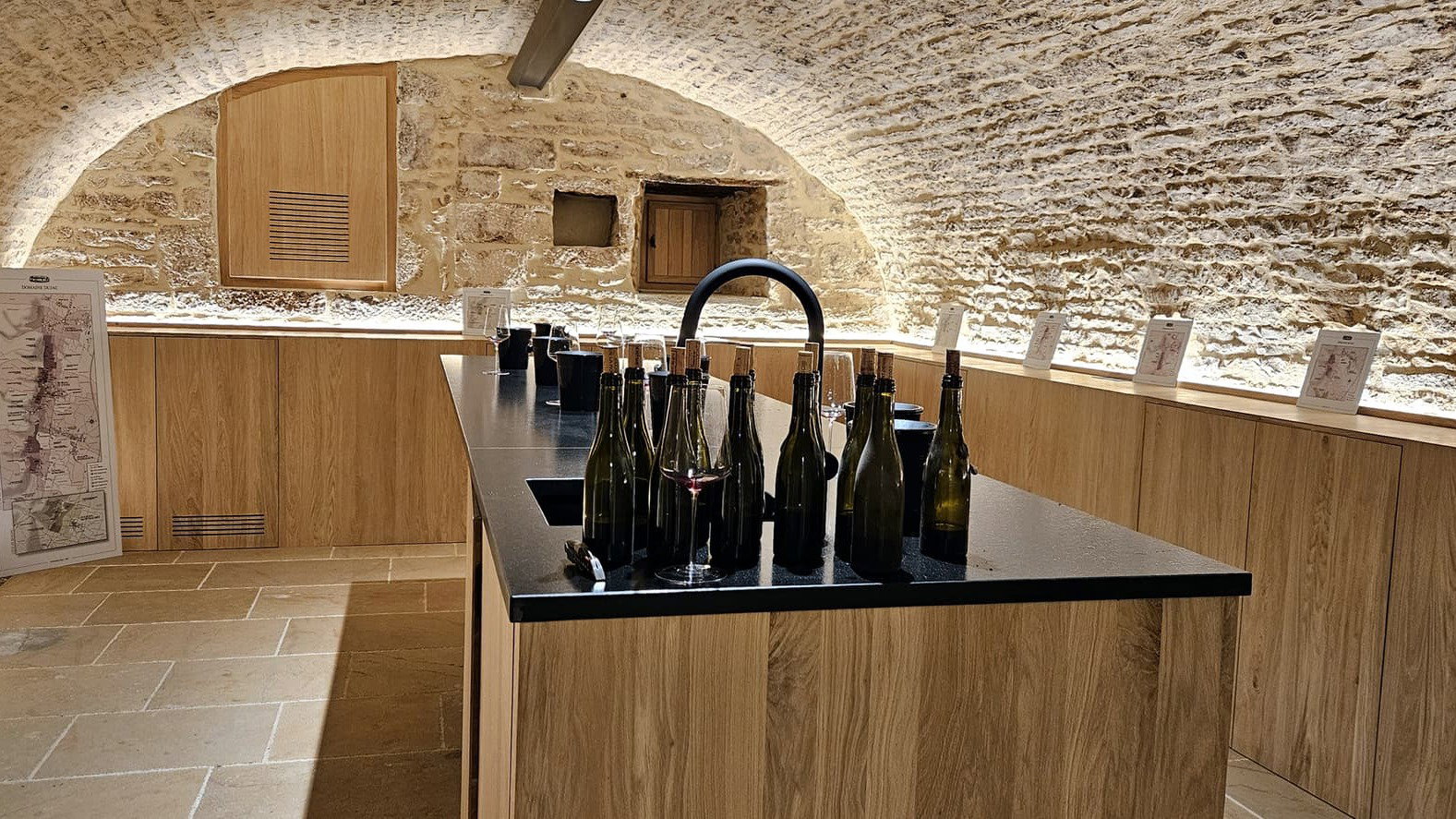
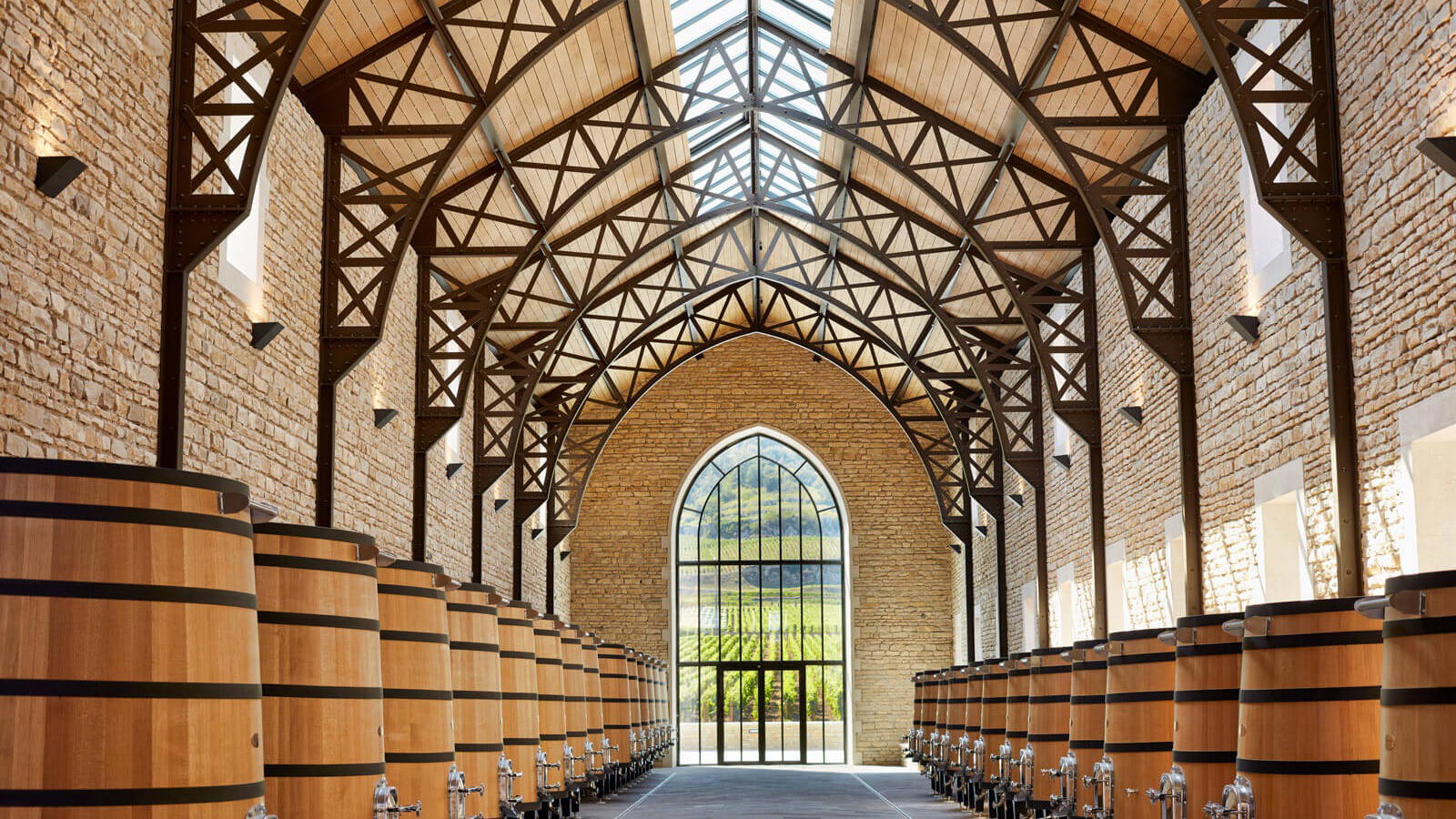
Expect a production-focused visit: the 'cellar door' here functions as working cellar space rather than a hospitality-driven tasting room. Plan to approach the visit as a technical encounter with wines and provenance — bring specific questions about parcels and vintages. If you prefer a quieter experience, target the months between harvest and spring, which the description calls out as calmer. Come prepared to spend time listening and learning rather than seeking a curated, tourism-style service; that mindset yields the best experience at this domain.
Venue details
Ambiance
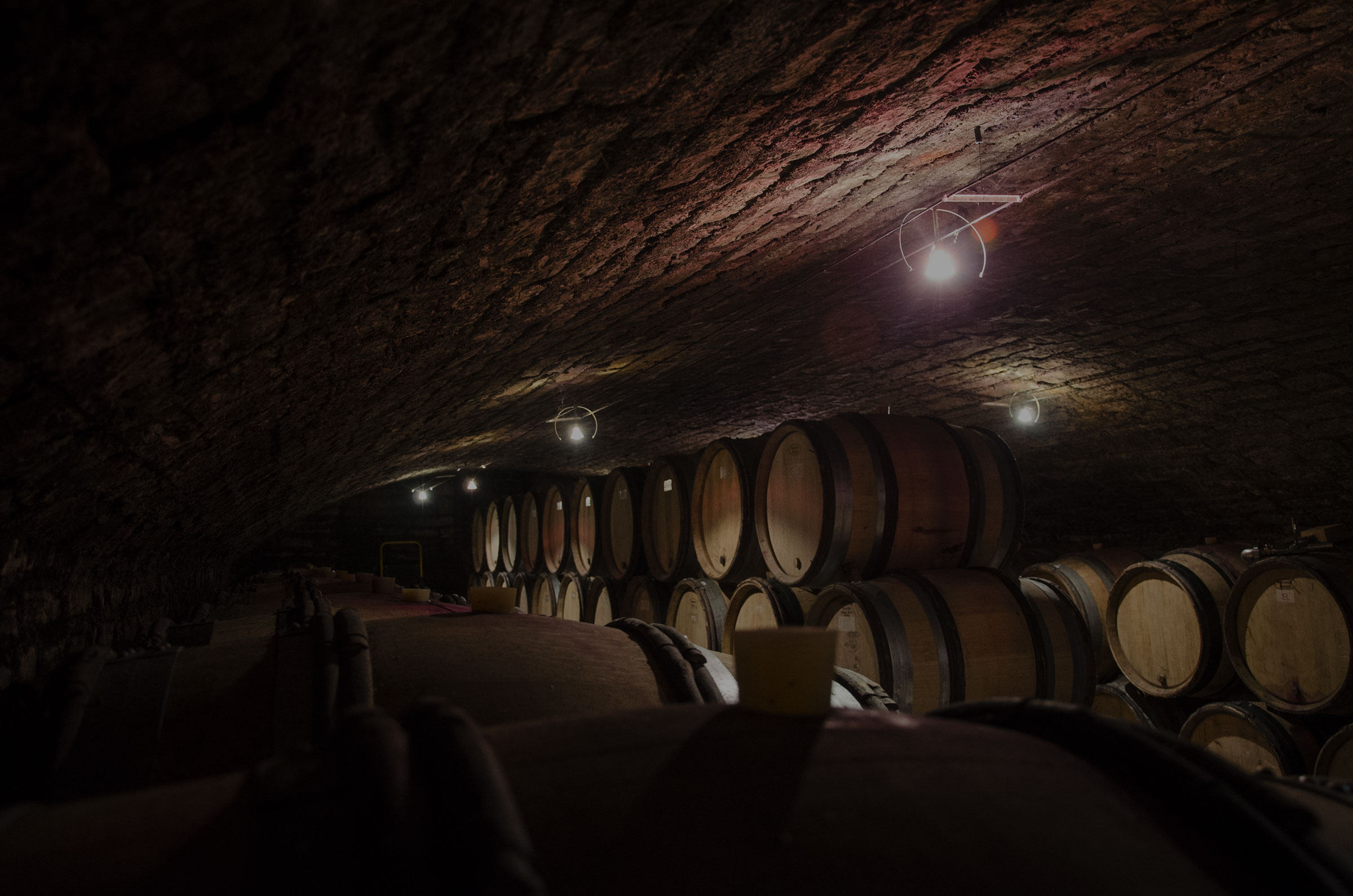
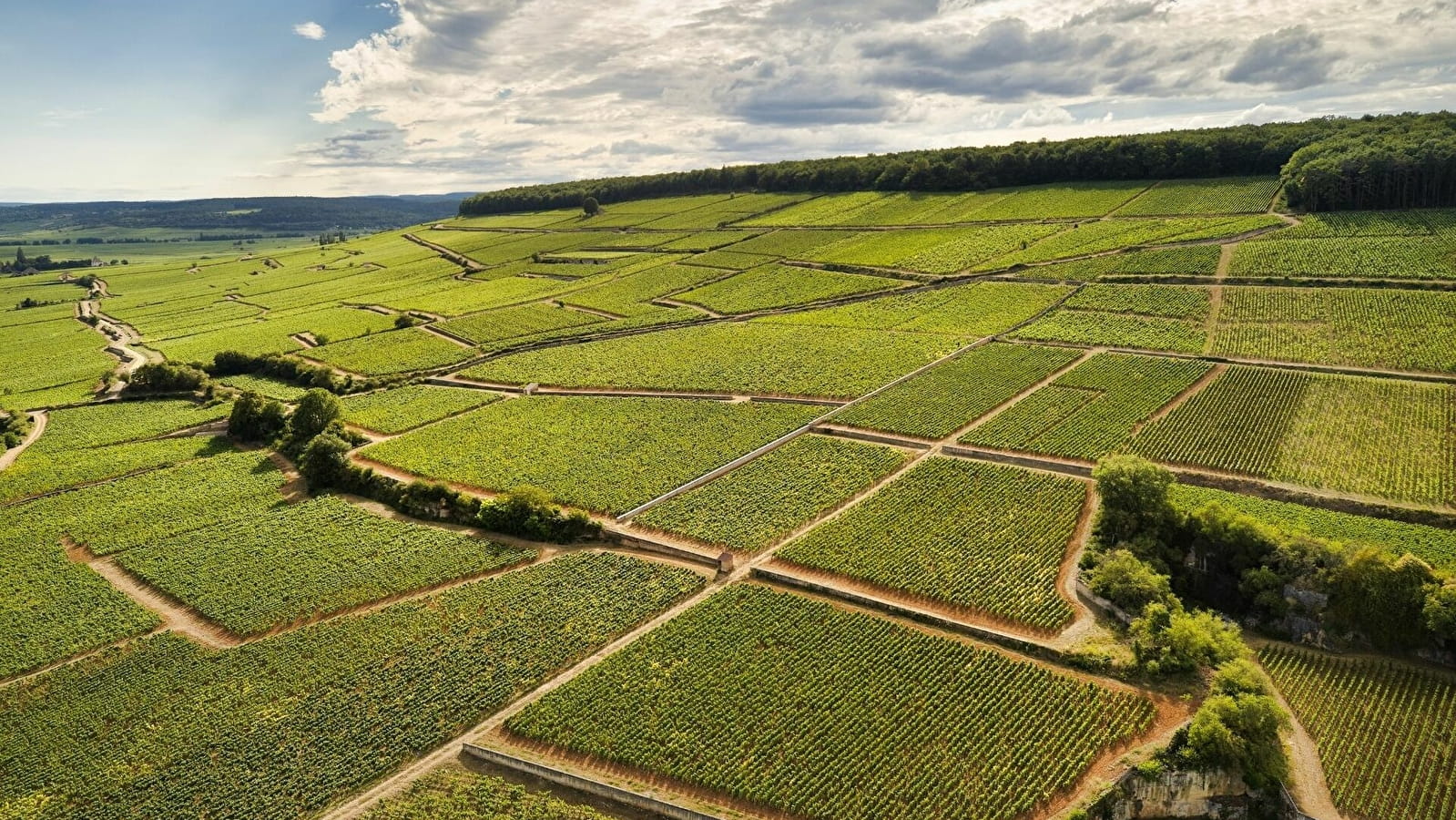
Classic and elegant winery atmosphere focused on terroir expression through minimal intervention winemaking in old oak barrels.
Tags
Vibe
Best For
Experience
Sourcing
View
At the Vineyard
- Appellation
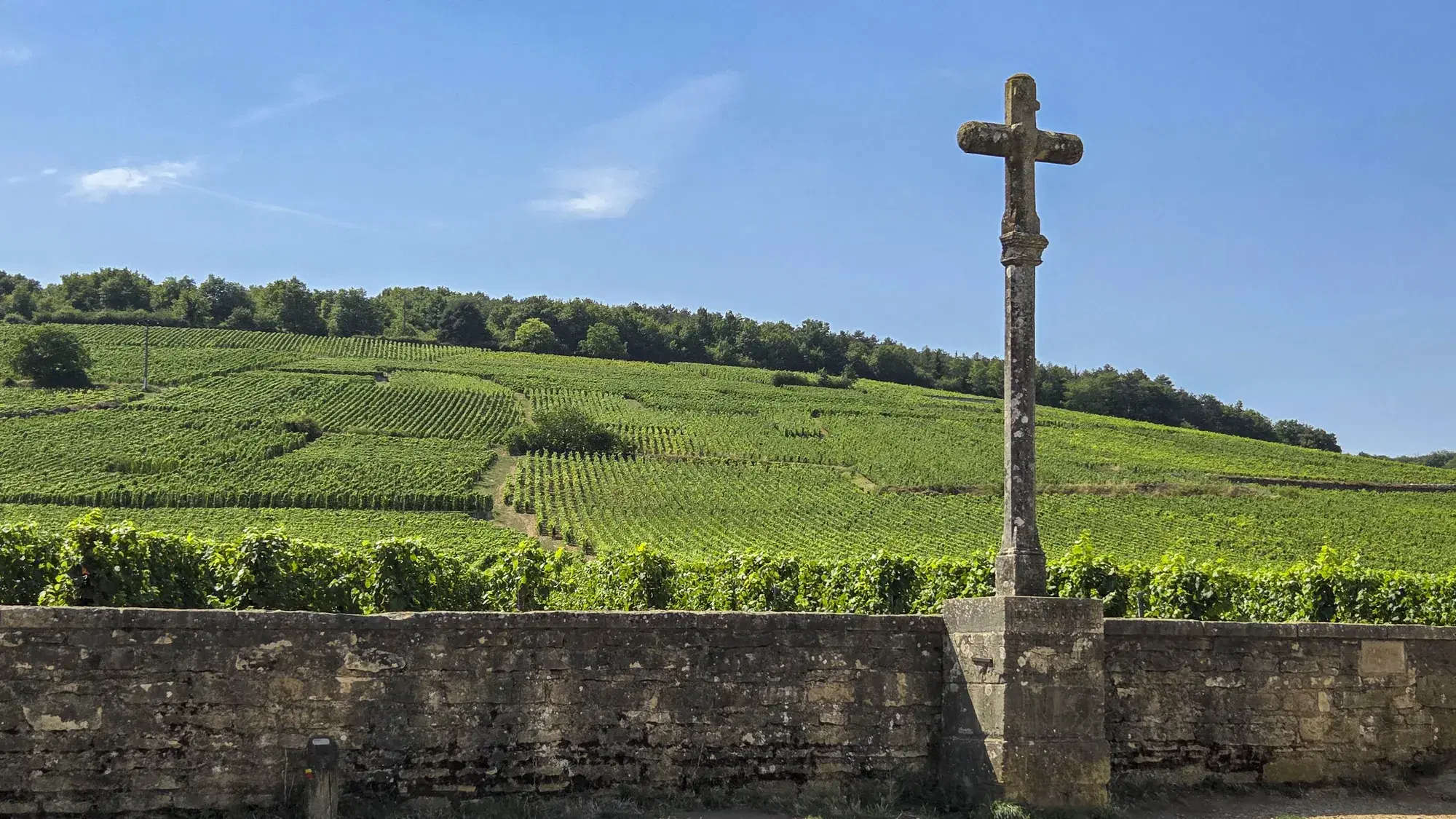
- Morey-Saint-Denis AOC
- Varietals
- Pinot Noir, Aligoté, Chardonnay
- Wine Club
- Available
Know before you go
Know Before You Go
- Getting there
- 21 Rue de la Montagne, 21220 Morey-Saint-Denis
Planning details
Location
Recognition and awards

Also consider
Also Consider
- Domaine Taupenot-Merme, Notable alternative
- Domaine Perrot-Minot, Notable alternative
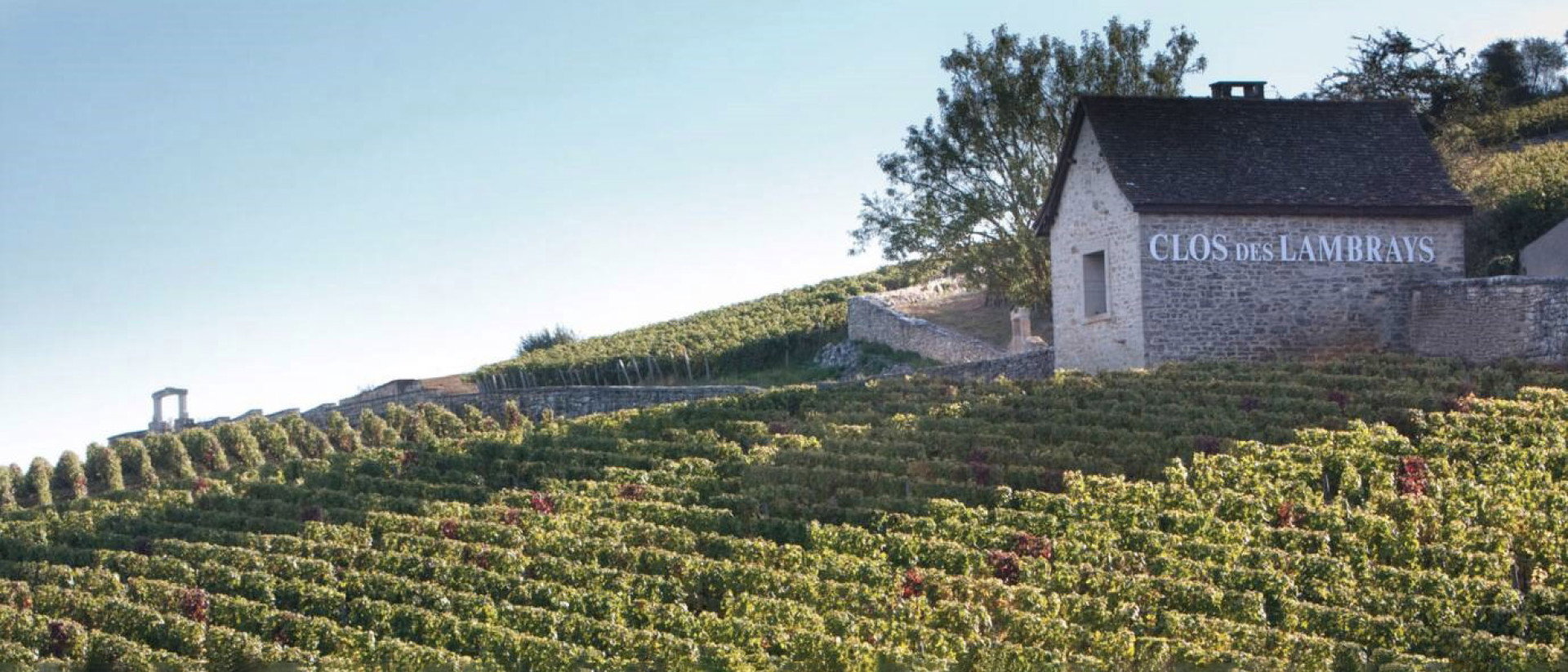
- Domaine des Lambrays, Notable alternative
- Domaine du Clos de Tart, Notable alternative
- Domaine Robert Groffier Père & Fils, Notable alternative
Winery context
How it compares in Morey-Saint-Denis
Domaine Ponsot is the harder, more commitment-heavy choice in this Morey-Saint-Denis group. Choose it if the priority is producer depth and long continuity. Domaine Taupenot-Merme is the more sensible cross-shop if the trip needs a broader village itinerary with less dependence on a single difficult request.
Against Domaine Perrot-Minot, Domaine des Lambrays, and Domaine du Clos de Tart, the decision comes down to how much structure the visitor wants. Domaine Ponsot suits a collector-minded traveler who values access to a serious name over predictable tasting logistics. Domaine des Lambrays and Domaine du Clos de Tart make better fallback anchors for readers building a day around named Morey-Saint-Denis domaines.
Domaine Robert Groffier Père & Fils belongs on the same shortlist for readers who want another high-intent Burgundy request nearby. The practical recommendation: try for Domaine Ponsot first if it is the priority, but do not leave the day exposed. Pair the request with two or three peers, then let confirmed access decide the final route.
Explore Morey-Saint-Denis
Around this place
Discover more on Pearl
Unlock the full Domaine Ponsot guide in Pearl, including awards, comparisons, FAQs, planning details, and nearby places.
Compare Domaine Ponsot
| Venue | Location | Awards |
|---|---|---|
| Domaine Ponsot | Morey-Saint-Denis | 2026 Falstaff Winery Guide2026 Michelin 1 Grape - Burgundy2025 Pearl 4 Star Prestige |
| Domaine Taupenot-Merme | Morey-Saint-Denis | 2026 Falstaff Winery Guide2025 Pearl 4 Star Prestige |
| Domaine Perrot-Minot | Morey-Saint-Denis | 2026 Falstaff Winery Guide |
| Domaine des Lambrays | Morey-Saint-Denis | 2026 Falstaff Winery Guide2026 Michelin 1 Grape - Burgundy2025 Pearl 4 Star Prestige |
| Domaine du Clos de Tart | Morey-Saint-Denis | 2026 Michelin 1 Grape - Burgundy2026 Falstaff Winery Guide2025 Pearl 5 Star Prestige |
| Domaine Robert Groffier Père & Fils | Morey-Saint-Denis | 2025 Pearl 4 Star Prestige |
How Domaine Ponsot Morey-Saint-Denis compares with similar nearby venues.
FAQ
Frequently Asked Questions
Is Domaine Ponsot suitable for a planned visit?
What other venues can I compare with Domaine Ponsot?
Useful comparison venues to research include Domaine Taupenot-Merme, Domaine Perrot-Minot, Domaine des Lambrays, Domaine du Clos de Tart, and Domaine Robert Groffier Père & Fils. Compare them based on visitor details you confirm directly rather than assuming the same format at each venue.
What is Domaine Ponsot known for in this guide?
The clearest way to frame the venue is by its Morey-Saint-Denis location, Rose-Marie Ponsot's role, smart casual dress code, and Pearl 4 Star Prestige recognition for 2025.