

Reynvaan Family Vineyards
foothills of Blue Mountains, Walla Walla
Winery in Walla Walla, United States
 Book with Pearl
The Read
Cottonwood Road Prestige
Why go
Reynvaan Family Vineyards is a strong pick for wine-focused Walla Walla visitors who care more about producer credibility than hospitality extras. Treat it as a serious tasting stop rather than a food-pairing or casual drop-in plan, and cross-shop bigger-name or easier group options if access is the main constraint.
About Reynvaan Family Vineyards
Reynvaan Family Vineyards is a Walla Walla venue. Matt Reynvaan is the chef/owner, the dress code is smart casual, and Reynvaan Family Vineyards holds Pearl 4 Star Prestige (2025).
It does not specify cuisine, a menu, service format, hours, pricing, tasting availability, or food offerings, so plan with those gaps in mind. Confirm details directly with the venue before building a detailed itinerary around it.
Prioritize this for essential details, not assumed extras
The safest way to approach Reynvaan Family Vineyards is to focus on what is known rather than assuming a particular hospitality format. No specific cuisine type, menu, lunch service, tasting format, or pairing program is provided, so arrange any meal plans separately in Walla Walla and check the venue's official channels for current details.
For broader trip planning, keep Reynvaan Family Vineyards in the Walla Walla portion of the itinerary and confirm timing directly before you go. If the group is splitting priorities, use Our full Walla Walla restaurants guide, Our full Walla Walla hotels guide, Our full Walla Walla bars guide, and Our full Walla Walla experiences guide for the rest of the stay.
Who should prioritize this, and who should cross-shop
Prioritize this if the group is specifically interested in Reynvaan Family Vineyards and wants a Walla Walla stop recognized with Pearl 4 Star Prestige (2025). Cross-shop Doubleback Winery, Duckhorn – Canvasback, Devison Vintners, Leonetti Cellar, or Walla Walla Vintners if you are comparing other options for the trip.
Bottom line: this is a consideration for visitors who already want Reynvaan Family Vineyards in their Walla Walla plans and are comfortable confirming details directly. It is a weaker fit for groups that need published specifics on food, pricing, hours, or service format before deciding.
Quick reference: Walla Walla; smart casual; Matt Reynvaan; Pearl 4 Star Prestige (2025); confirm current visit details directly with the venue.
Planning details
- Location
- 6309 Cottonwood Rd, Walla Walla, WA 99362
- Website
- reynvaanfamilyvineyards.com
- Phone
- +1 509-525-3462
The take
The Take
The Vibe
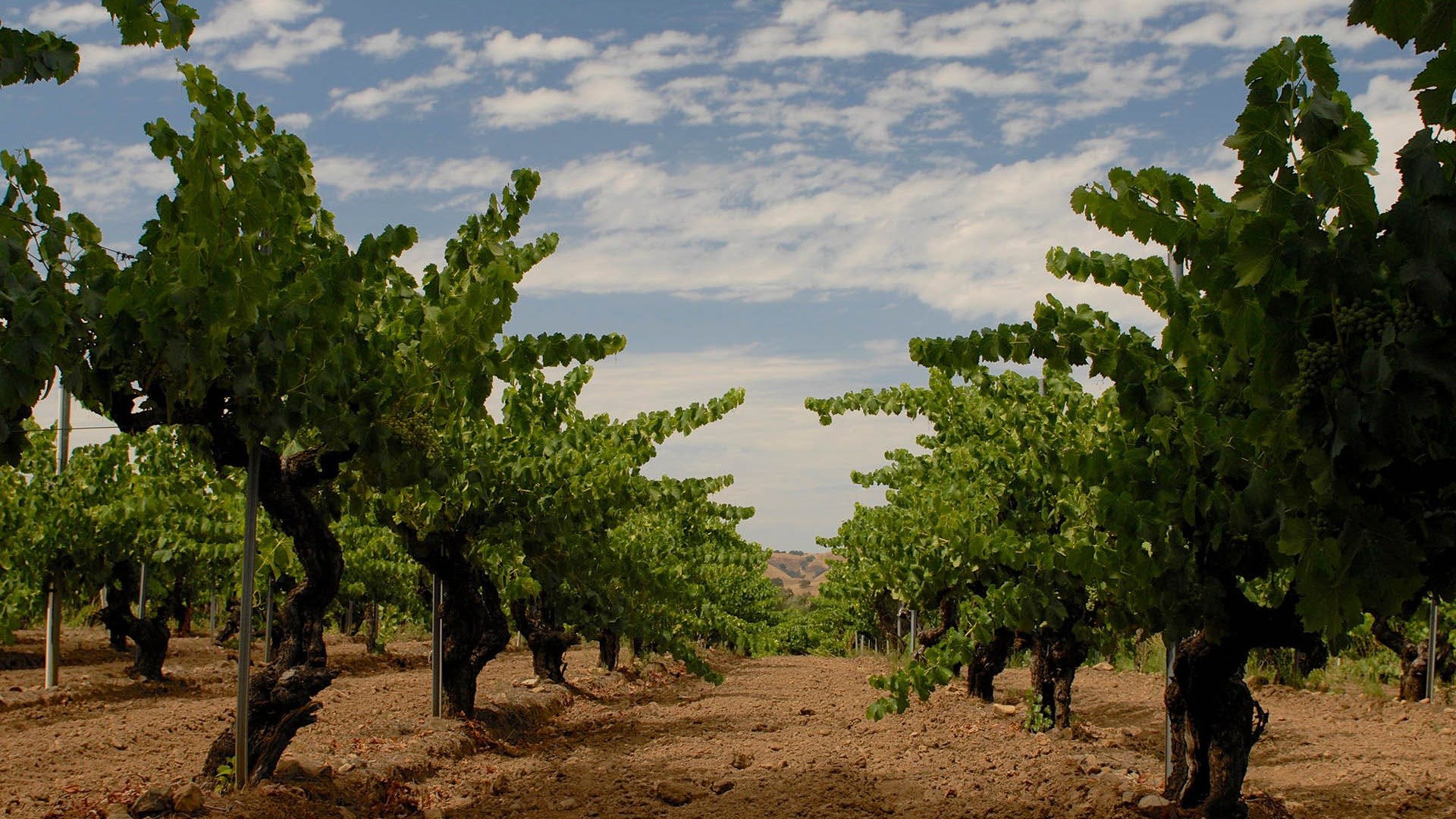
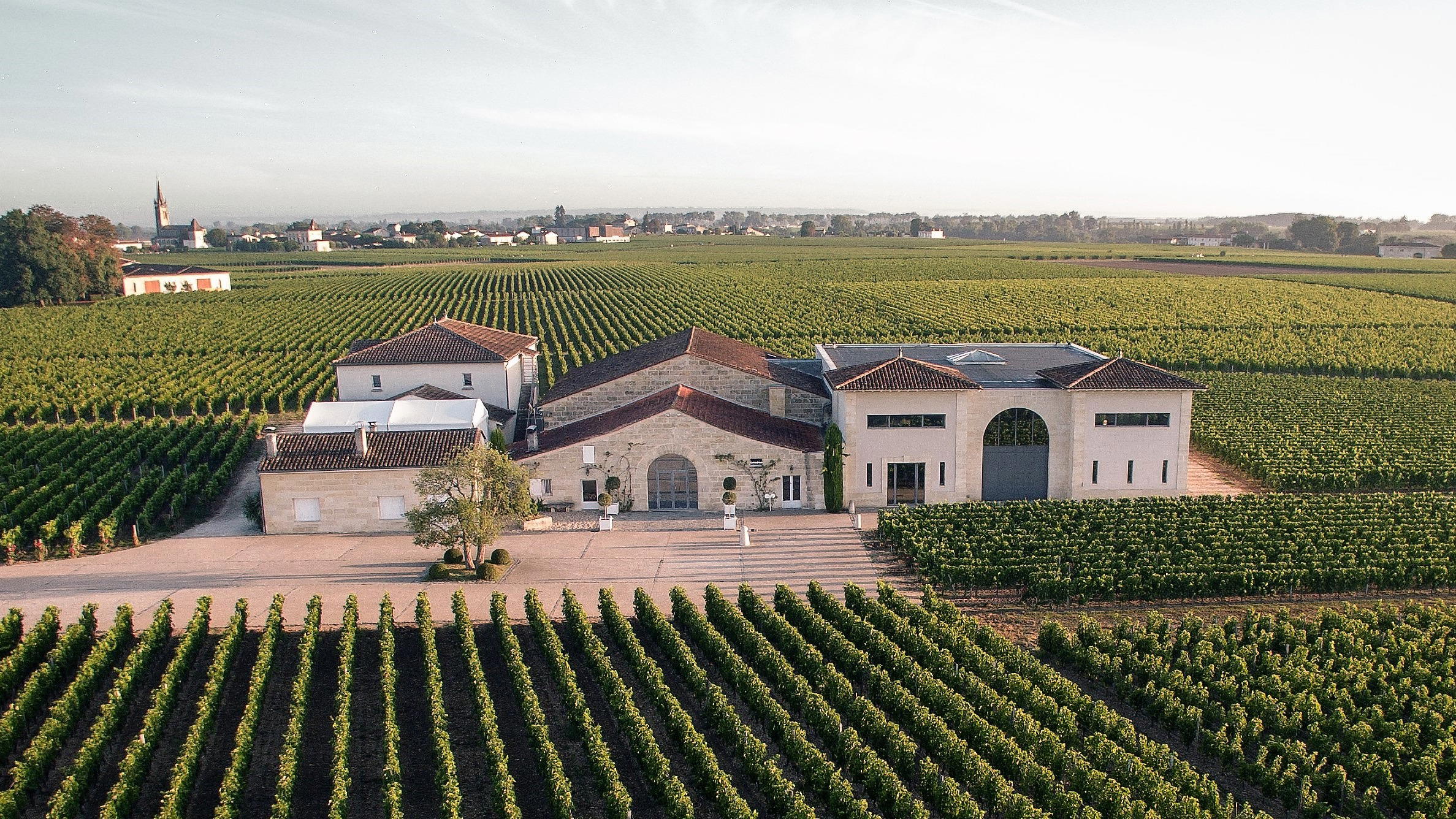
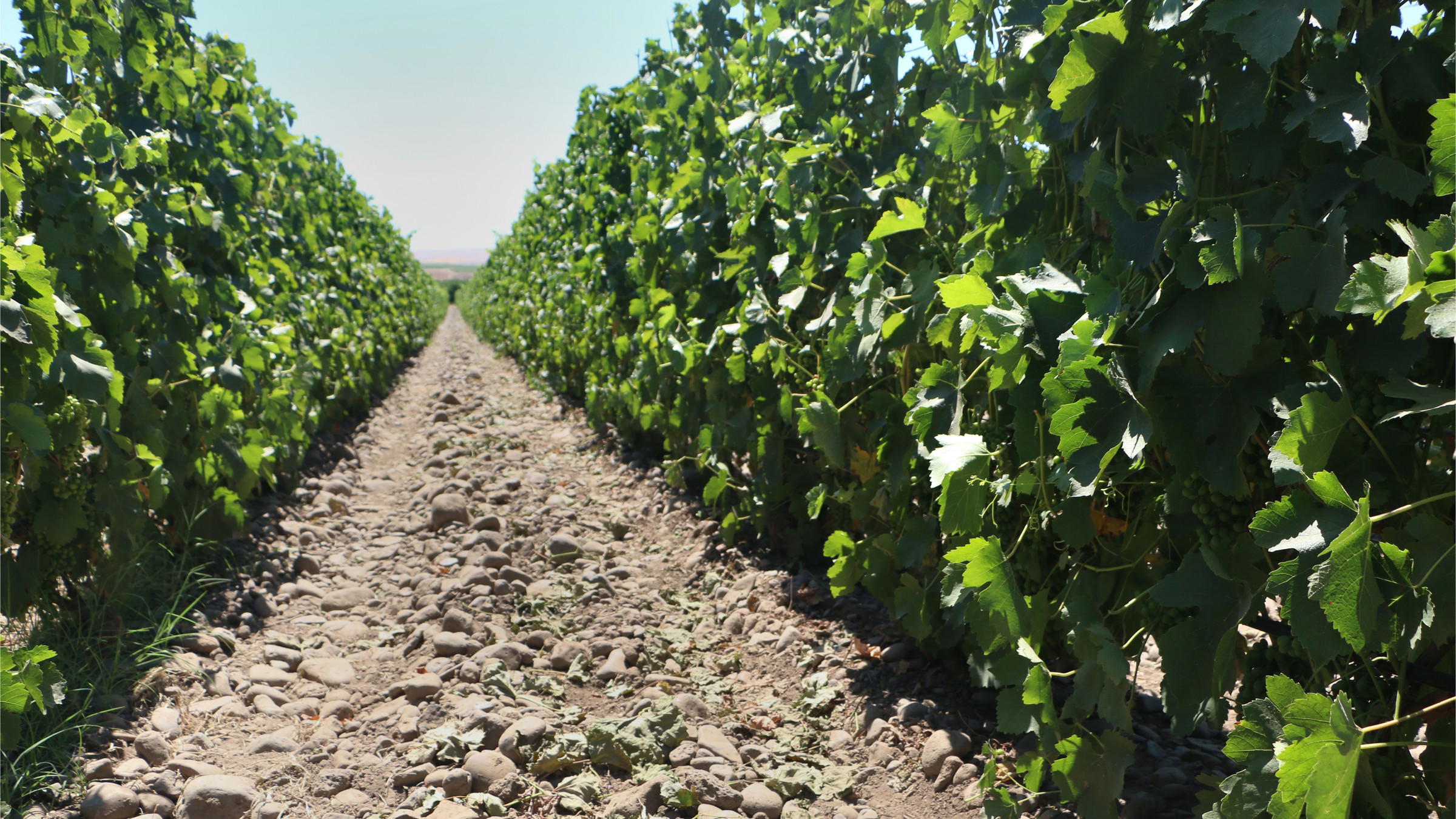
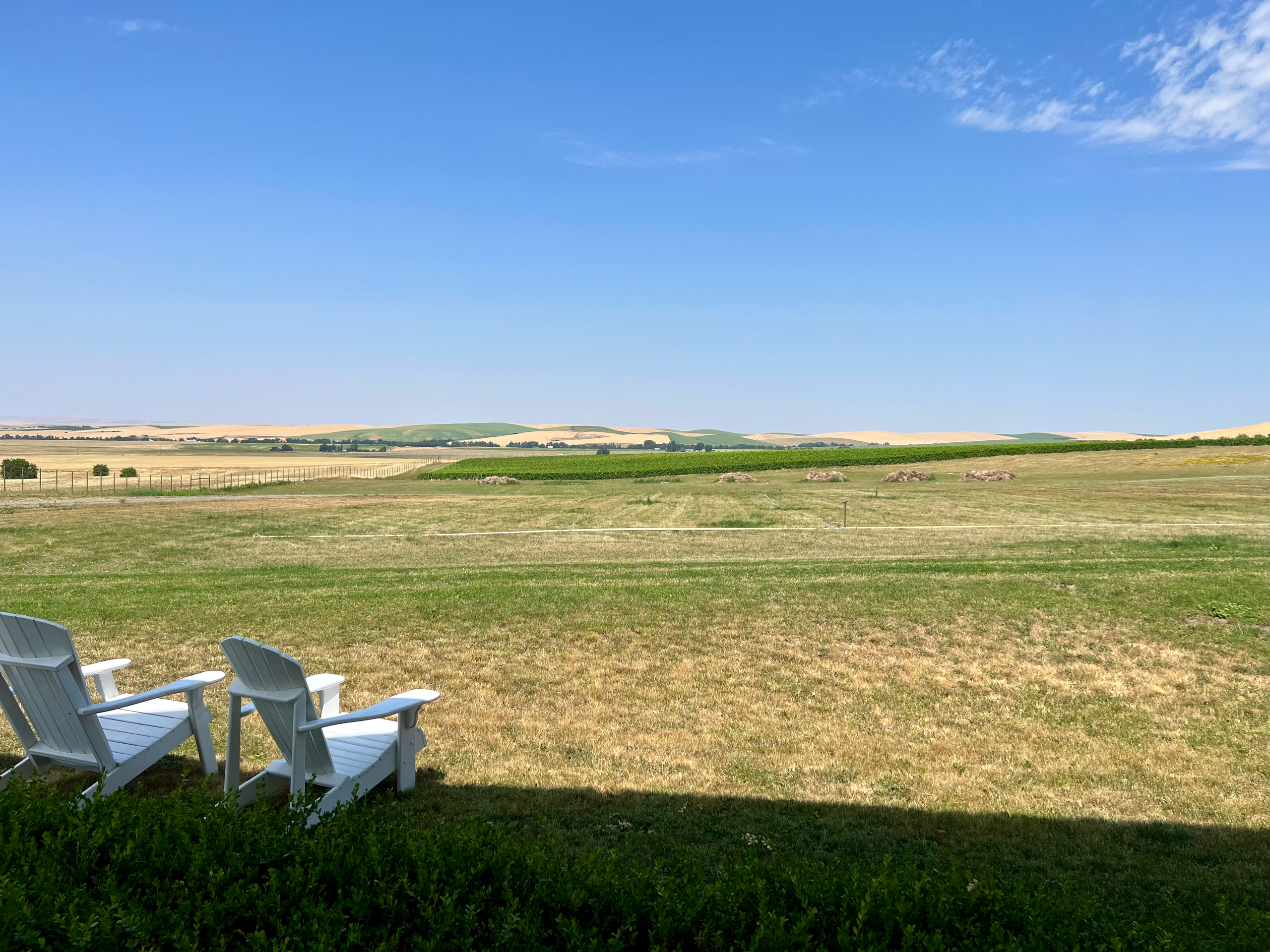
Reynvaan Family Vineyards presents a restrained, sophisticated character that reads more like a small Burgundian estate than a tourist tasting room. The property sits on the valley’s southeastern benchland amid mature vines and agricultural terrain; the route in—wheat fields, ranch fencing, and unobtrusive signage—underscores an austere, purposeful approach. Winemaker Matt Reynvaan’s long tenure and the project’s recent recognition point to craft and consistency rather than spectacle. Views of the Blue Mountains and the estate setting contribute to a quiet, contemplative atmosphere that rewards focused visits and collectors who appreciate subtlety over showmanship.
Best For
This is a winery for people who prioritize wines and provenance over convivial tasting-room traffic. Reynvaan’s allocation-style operation and limited production suit collectors, mailing-list members, and serious enthusiasts seeking depth and consistency in Syrah, Cabernet Franc, and other regional varieties. The rural, appointment-oriented nature of the property makes it a good fit for solo exploration, focused wine education, or a restrained special occasion where the wines, rather than visitor amenities, are the centerpiece. Casual drop-in visits and large groups are not what the estate is designed to accommodate.
Tasting Tips
Plan ahead: Reynvaan is not set up for casual drop-ins and operates within an allocation mindset, so joining the mailing list or watching the direct-release calendar is the most reliable way to access new releases. Treat visits as appointments rather than walk-up opportunities—the text emphasizes that the property does not advertise itself or support heavy tourism. Expect limited production and a restrained approach to hospitality; if you’re seeking specific bottlings, prioritize allocation channels and the winery’s direct communications to secure wine.
Venue details
Ambiance
Intimate, storybook setting in the foothills with a focus on terroir-driven wines showcasing stony minerality and elegant complexity.
Tags
Vibe
Best For
Experience
Sourcing
View
At the Vineyard
- Appellation
- Walla Walla Valley AVA
- Varietals
- Syrah, Viognier, Grenache Blanc, Cabernet Sauvignon, Cabernet Franc
- Tour Duration
- 60-90 minutes
- Visits
- By appointment only
- Farming
- Organic
- Wine Styles
- Still Red, Still White
- Wine Club
- Available
Know before you go
Know Before You Go
- Getting there
- 6309 Cottonwood Rd, Walla Walla, WA 99362
Planning details
Location
Recognition and awards

Also consider
If you cannot get in
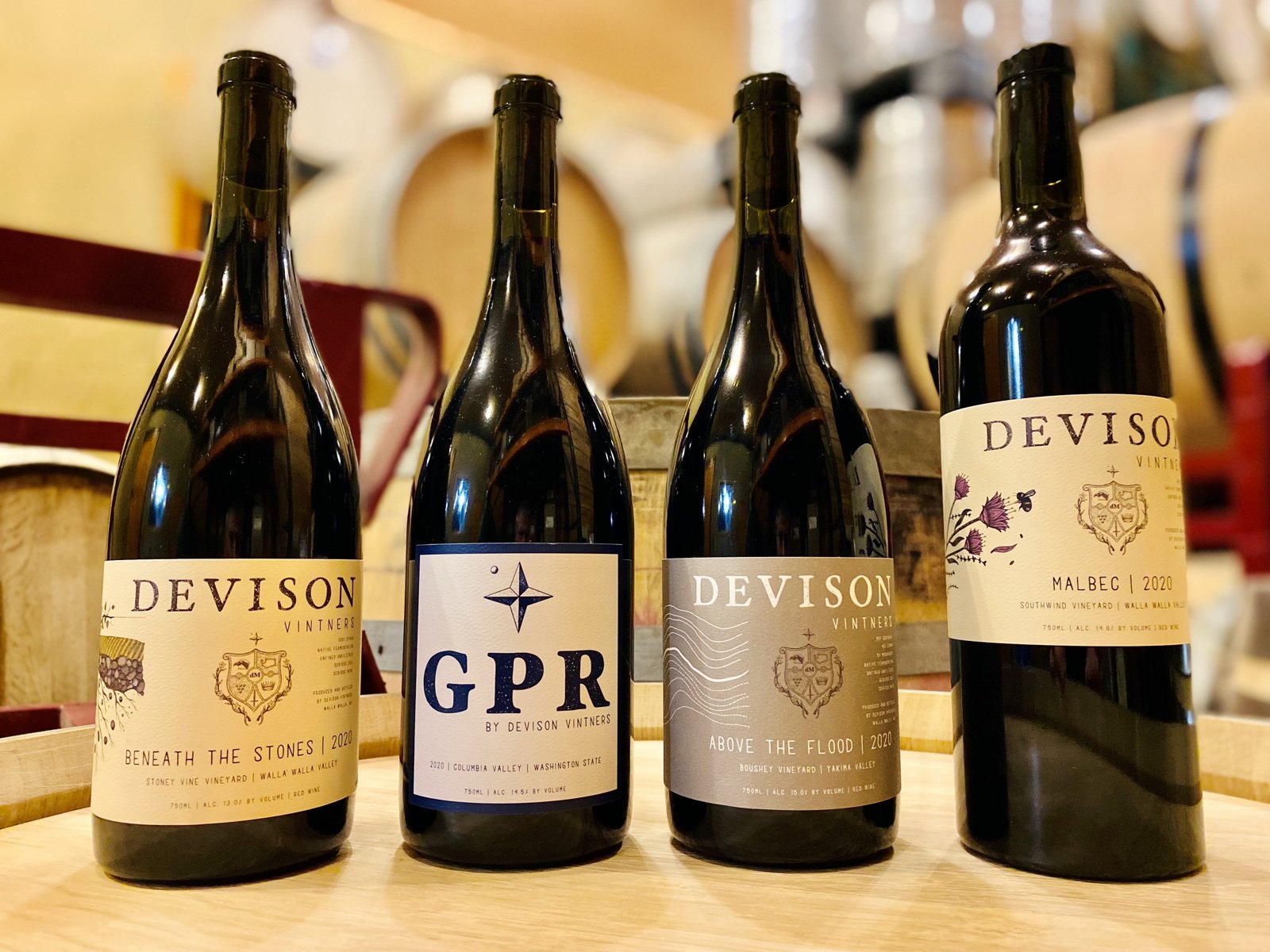
Try Devison Vintners if the appeal is a smaller Walla Walla producer. Choose Doubleback Winery if the group wants a more recognizable name and a winery choice that is easier to explain to mixed-interest guests.
Winery context
How it compares in Walla Walla
Reynvaan Family Vineyards is the pick for travelers who want a focused producer visit and are willing to plan around harder access. Doubleback Winery is the easier recommendation for guests who want a more name-recognizable Walla Walla stop, while Duckhorn – Canvasback works better for groups that prefer a larger-brand frame and a less insider-feeling choice.
Against Leonetti Cellar, Reynvaan is better suited to visitors tracking the newer generation of Walla Walla producers, with its first vintage in 2007 and Matt Reynvaan as winemaker. Leonetti is the stronger cross-shop when heritage is the point of the trip. Devison Vintners is the closer alternative for smaller-producer energy, while Walla Walla Vintners is the safer fit for a broader group that wants a less tightly framed wine stop.
For value, choose based on what the group will actually appreciate. Serious wine drinkers get more from Reynvaan than casual tasters because the draw is the wine focus, not a food program or broad hospitality package. Mixed-interest groups should start with Doubleback Winery or Duckhorn – Canvasback, then add Reynvaan only if the itinerary can handle a more access-dependent appointment.
Explore Walla Walla
Around this place
Discover more on Pearl
Unlock the full Reynvaan Family Vineyards guide in Pearl, including awards, comparisons, FAQs, planning details, and nearby places.
Compare Reynvaan Family Vineyards
| Venue | Location | Awards |
|---|---|---|
| Reynvaan Family Vineyards | Walla Walla | 2026 Falstaff Winery Guide2025 Pearl 4 Star Prestige |
| Doubleback Winery | Walla Walla | No published awards |
| Duckhorn – Canvasback | Walla Walla | No published awards |
| Leonetti Cellar | Walla Walla | No published awards |
| Devison Vintners | Walla Walla | 2025 Pearl 4 Star Prestige |
| Walla Walla Vintners | Walla Walla | No published awards |
How Reynvaan Family Vineyards Walla Walla Guide compares with similar nearby venues.
FAQ
Frequently Asked Questions
When is the best time to visit Reynvaan Family Vineyards?
How long should I plan for a visit to Reynvaan Family Vineyards?
A specific visit length is not provided. If you are building a Walla Walla day around it, confirm timing directly and compare plans with other options such as Doubleback Winery or Leonetti Cellar.
Does Reynvaan Family Vineyards serve food?
Food service details are not provided. If you want lunch or dinner in Walla Walla, plan that separately and check Reynvaan Family Vineyards' official channels for current details.