

2026 Falstaff Winery Guide: The Ultimate Wine Authority — Page 39
Falstaff's 2026 Wineries guide.

Venues on this list
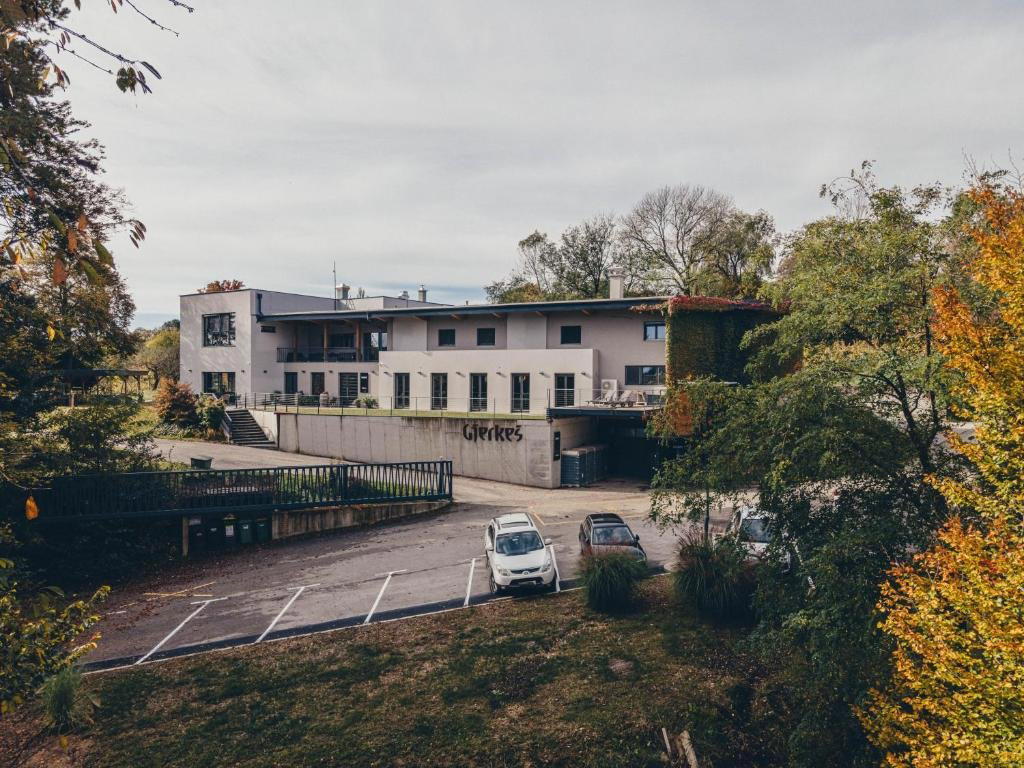
Posestvo Gjerkeš
Rogasovci, Slovenia
Posestvo Gjerkeš is a low-pressure Rogasovci option to consider when convenience and a quieter countryside setting matter more than a clearly published culinary format. It suits a simple local meal or relaxed small occasion, but diners planning around specific dishes, chef credentials, awards, or a known price tier should compare alternatives first.
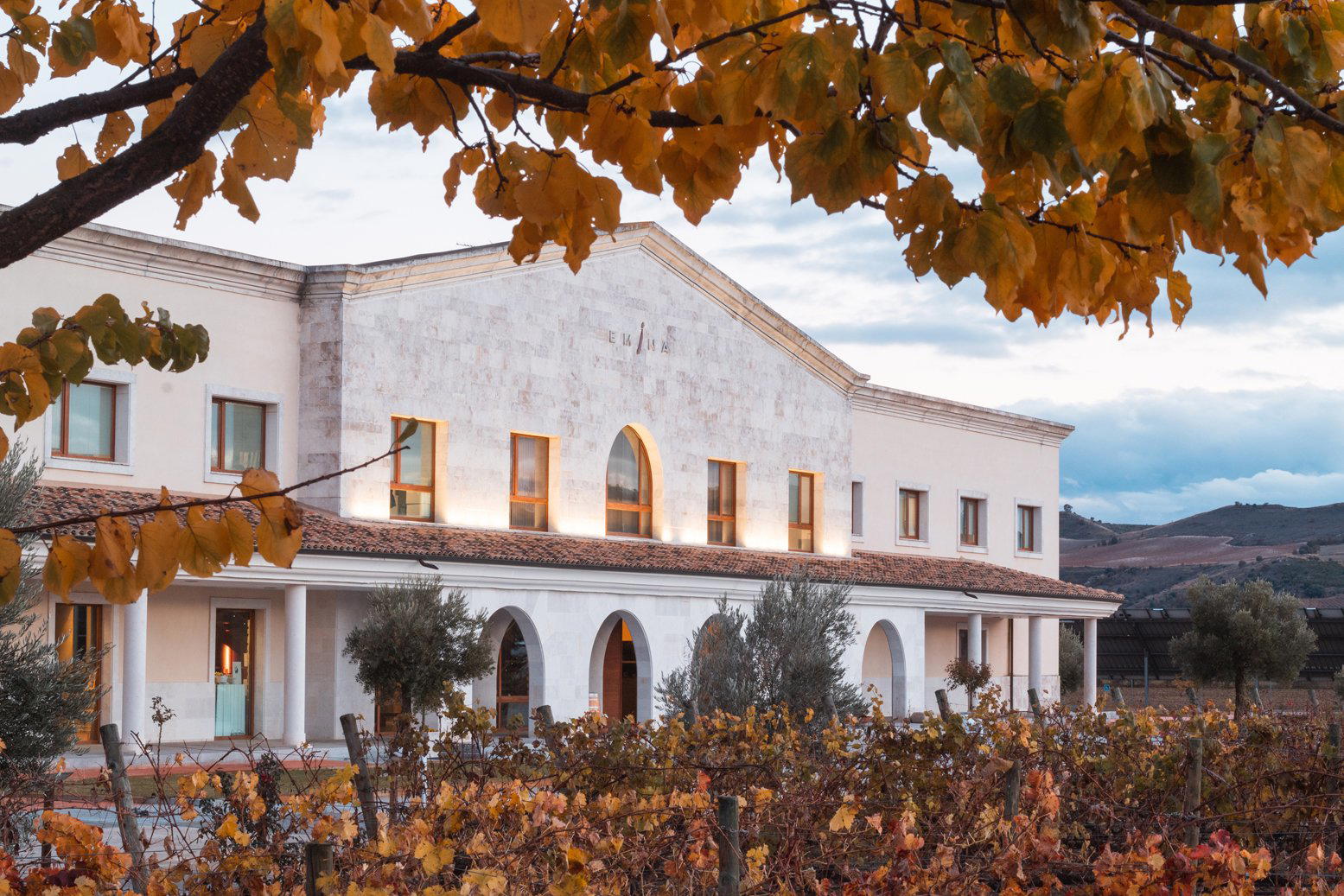
Bodega Matarromera
Valladolid, Spain
Prioritise Bodega Matarromera if the trip is built around Ribera del Duero wine rather than a quick Valladolid stop. It is better suited to special occasions, collectors, and planned wine-country days than to casual walk-in tasting plans.
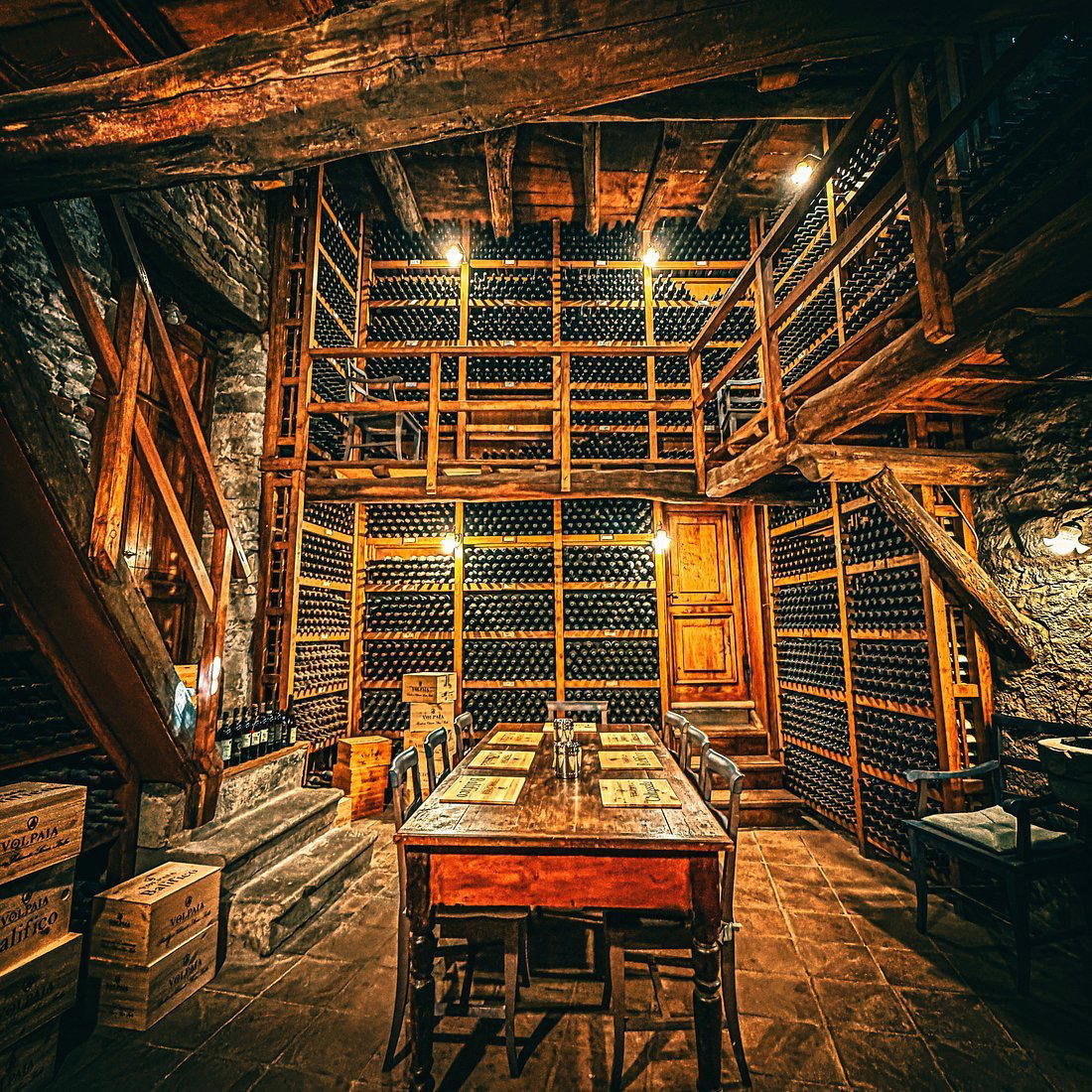
Castello di Radda
Radda in Chianti, Italy
Book Castello di Radda if you want a structured Chianti Classico estate visit where the vineyards, cellar, and restored hilltop setting add real context to the wines. It is strongest for Sangiovese drinkers who want to compare Chianti Classico, Riserva, and Gran Selezione rather than chase a quick tasting-room stop.
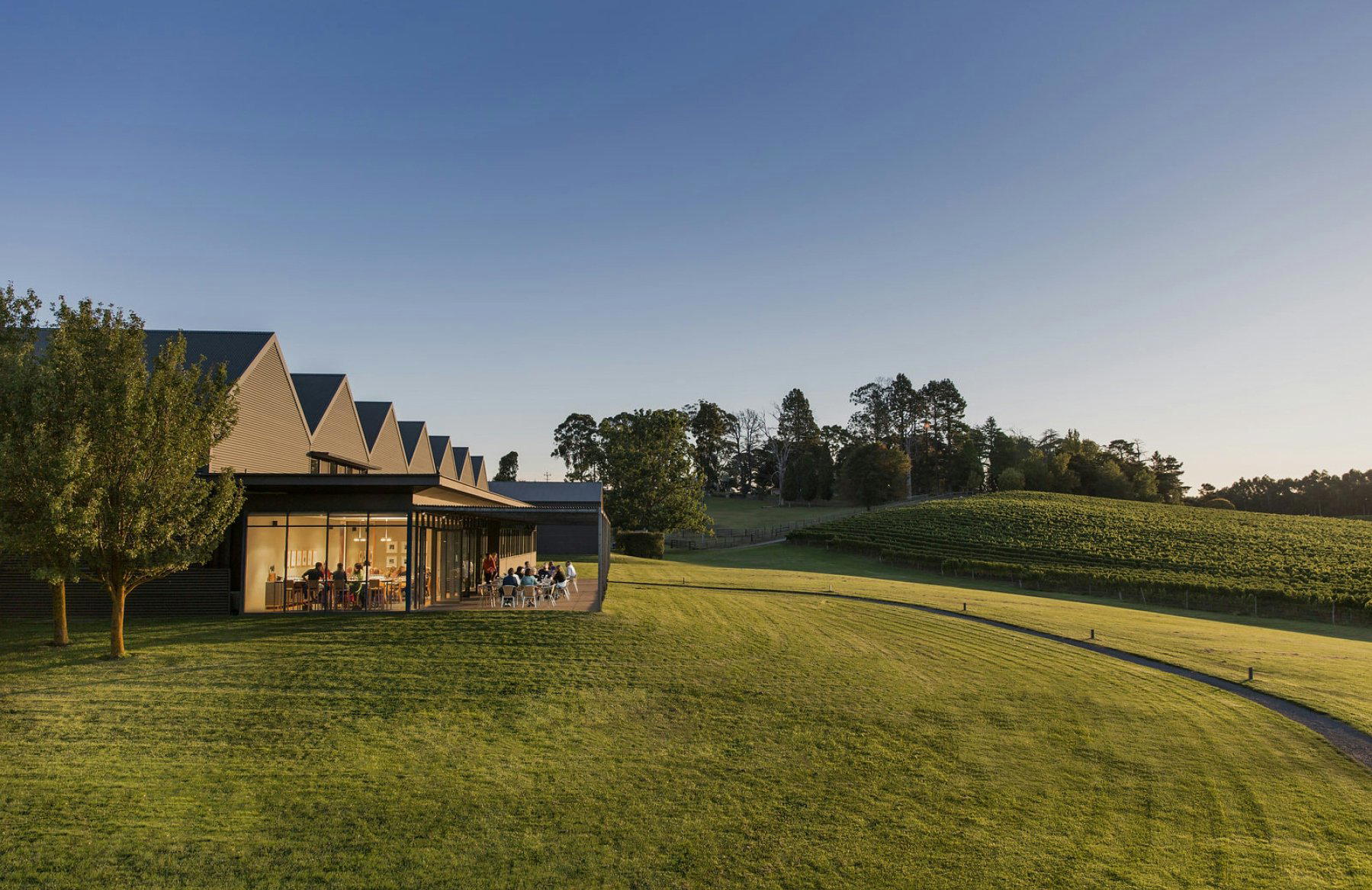
Shaw + Smith
Adelaide Hills, Australia
Shaw + Smith is the Adelaide Hills booking to prioritise when wine is the point of the trip, not a side stop. It suits smaller groups, slower pacing, and visitors who want a polished estate-led tasting rather than a loose cellar-door crawl.
Bodegas Torrederos
Fuentelisendo, Spain
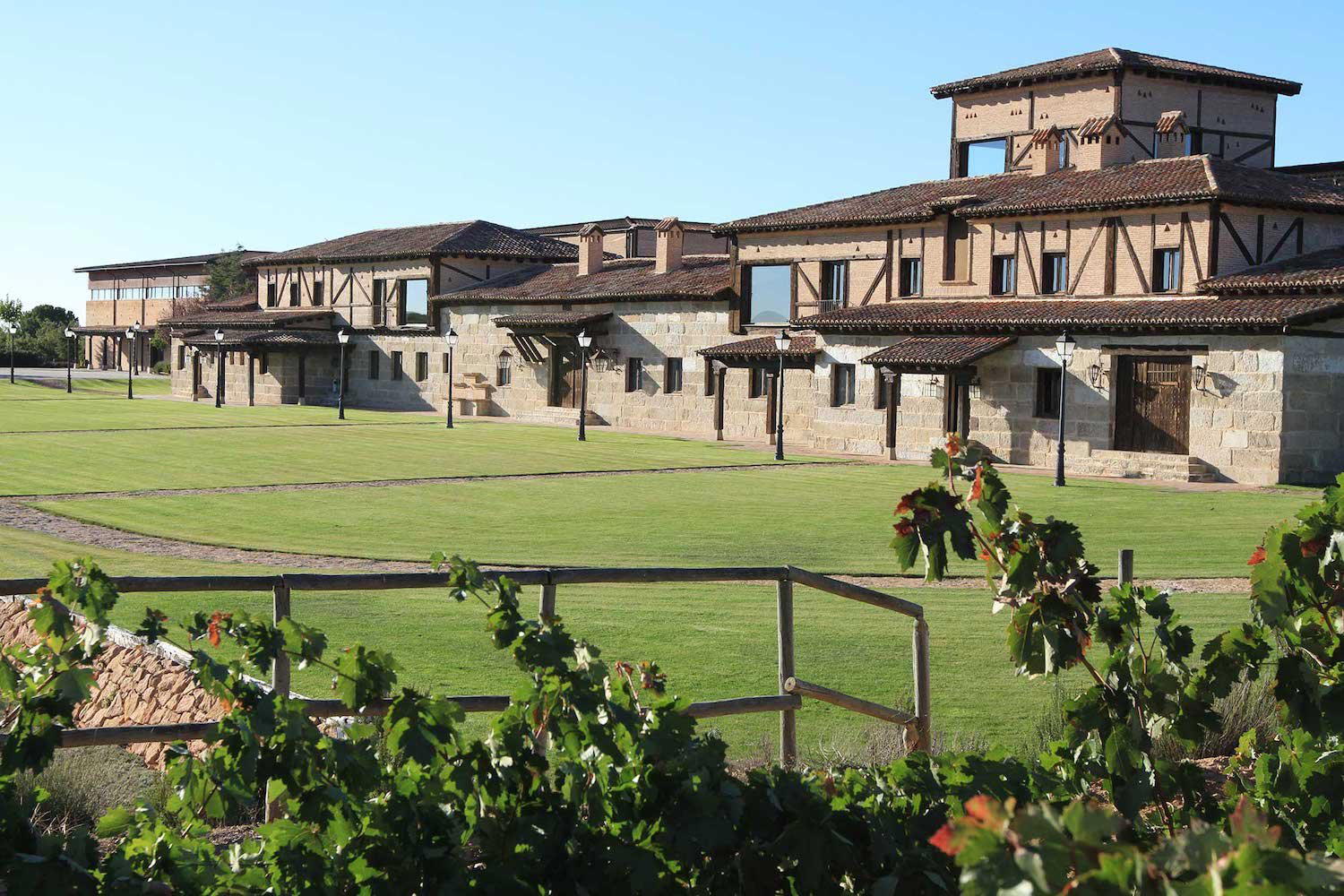
Worth booking if the goal is a grounded Ribera del Duero tasting built around Tempranillo, barrel aging and cellar context rather than luxury hospitality. The $$ positioning and Falstaff 2 Stars recognition make it a sensible first-timer stop, especially for drinkers who want Roble, Crianza and Reserva explained side by side.
Grant Burge
Barossa Valley, Australia
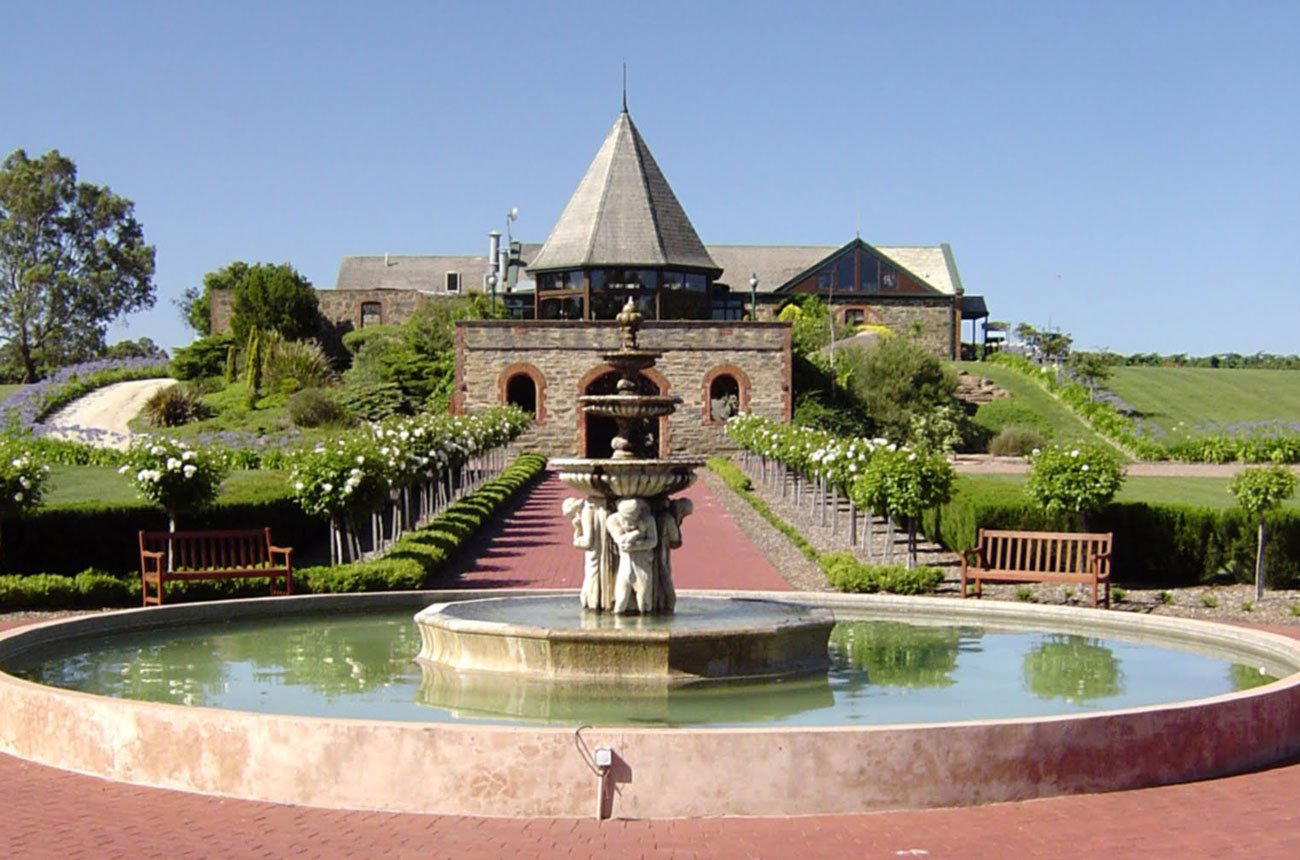
Grant Burge is the Barossa Valley pick for a polished, prestige-leaning cellar-door stop rather than a small-producer deep dive. It suits celebrations, client-friendly itineraries, and mixed groups who want a recognisable name in Rowland Flat, while wine-focused travellers should also cross-shop Rockford, Rieslingfreak, Charles Melton Wines, and Glaetzer Wines.
Domaine les Bruyères
Beaumont Monteux, France
Worth considering if Beaumont-Monteux is already on the route and the priority is a recognized wine stop over a polished visitor format. The 2026 Falstaff listing gives Domaine les Bruyères credibility, but celebration planners should avoid relying on unpublished tasting logistics unless details are arranged before committing the day around it.
Le Chiuse
Montalcino, Italy
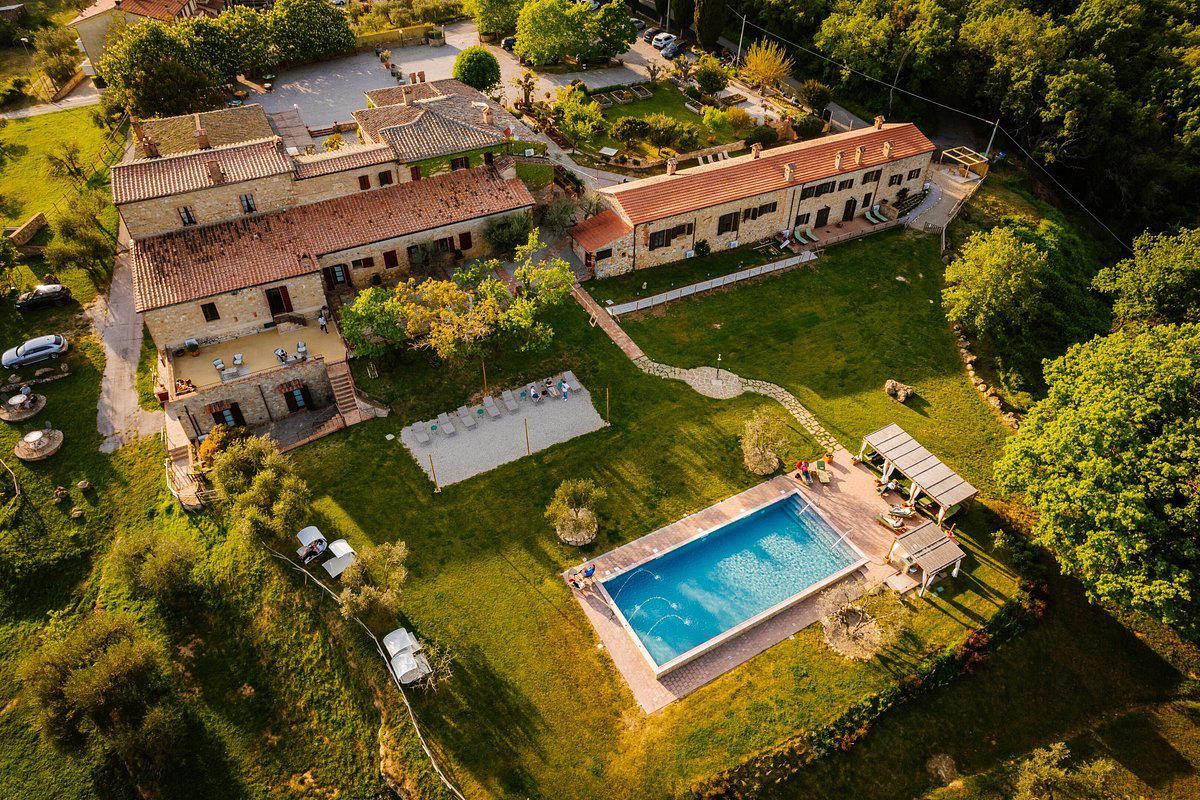
Book Azienda Agricola Le Chiuse if the priority is a focused Montalcino wine visit with a credible 2026 Falstaff 3 Stars signal. It is not the right pick if the day depends on a confirmed meal, wine club benefit, or shipping arrangement; verify those details before building a special-occasion itinerary around it.
Bodegas Palacio de la Vega
Dicastillo, Spain
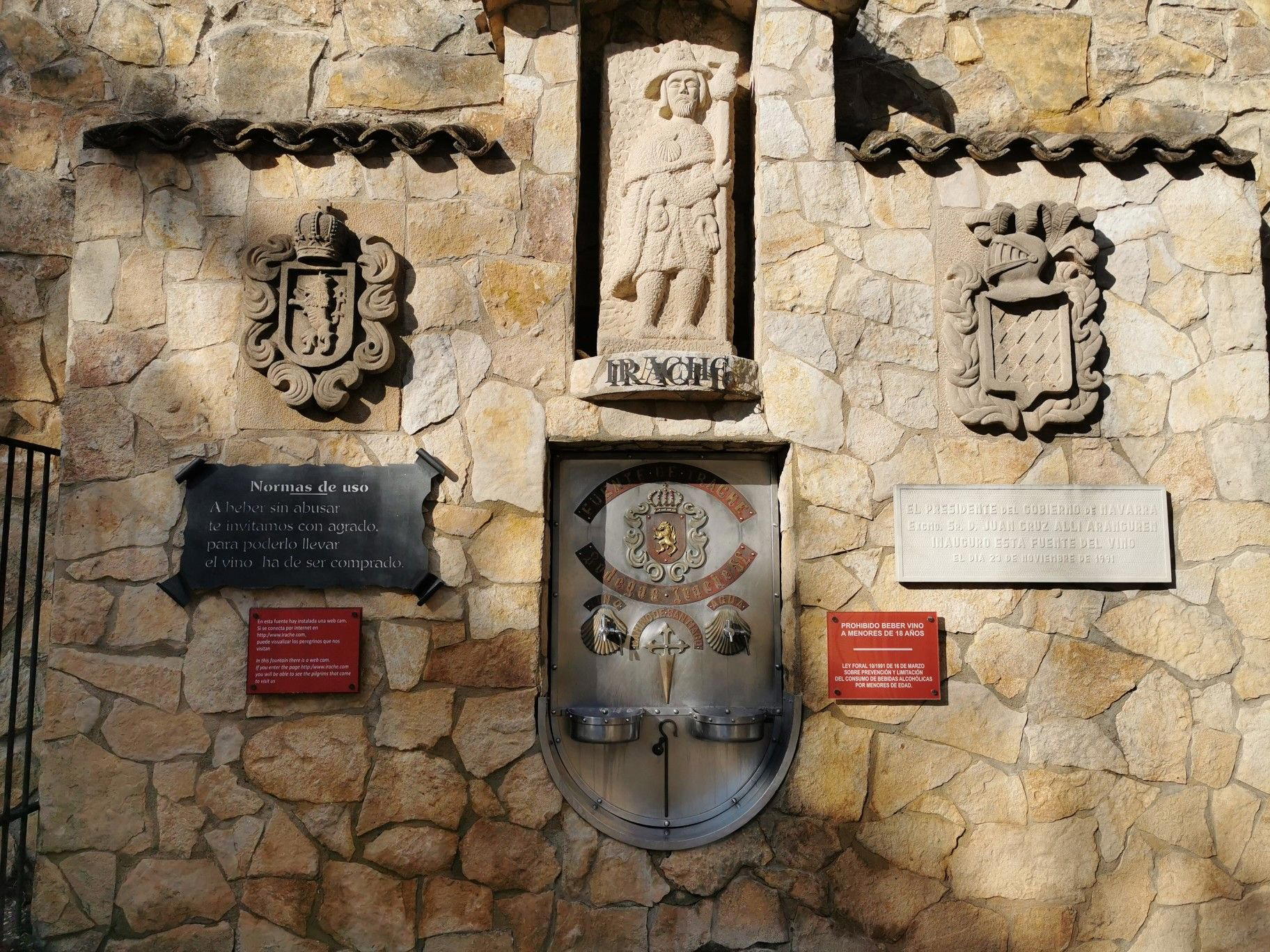
Bodegas Palacio de la Vega is worth tracking if the goal is a quieter Navarra pacharán distillery pick rather than a heavily staged tasting-room stop. The 2026 Falstaff listing gives it a useful trust signal, but any club or allocation decision should come down to bottle pricing, shipping terms, and whether the release rhythm fits how often the wines will be opened.
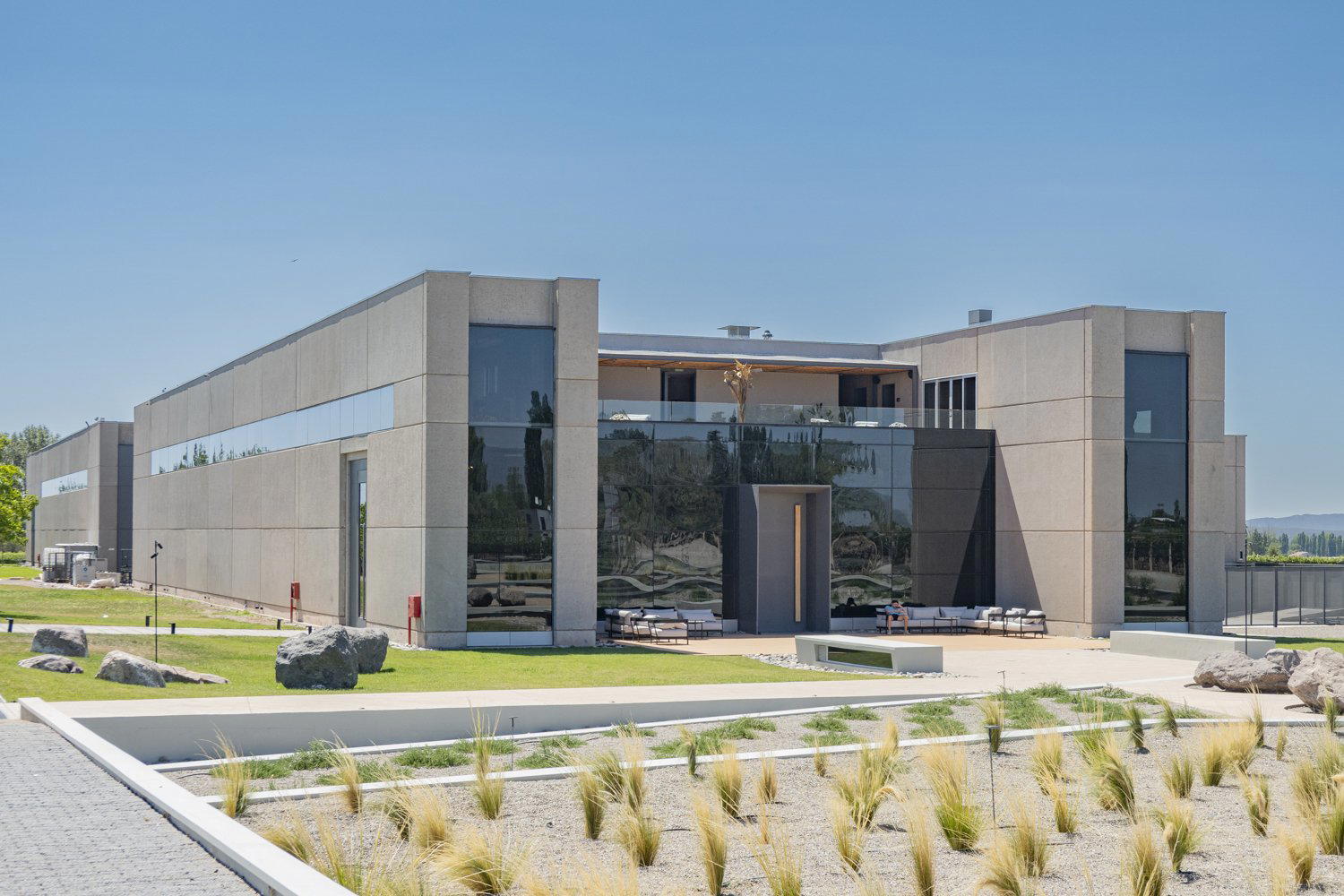
Viña Cobos
Luján de Cuyo, Argentina
Viña Cobos is the Luján de Cuyo pick for travelers who want a serious, celebration-level winery appointment rather than an easy casual tasting. Book early and plan the day around it; if the group needs confirmed dining or more flexible logistics, cross-shop nearby Luján de Cuyo wineries before committing.
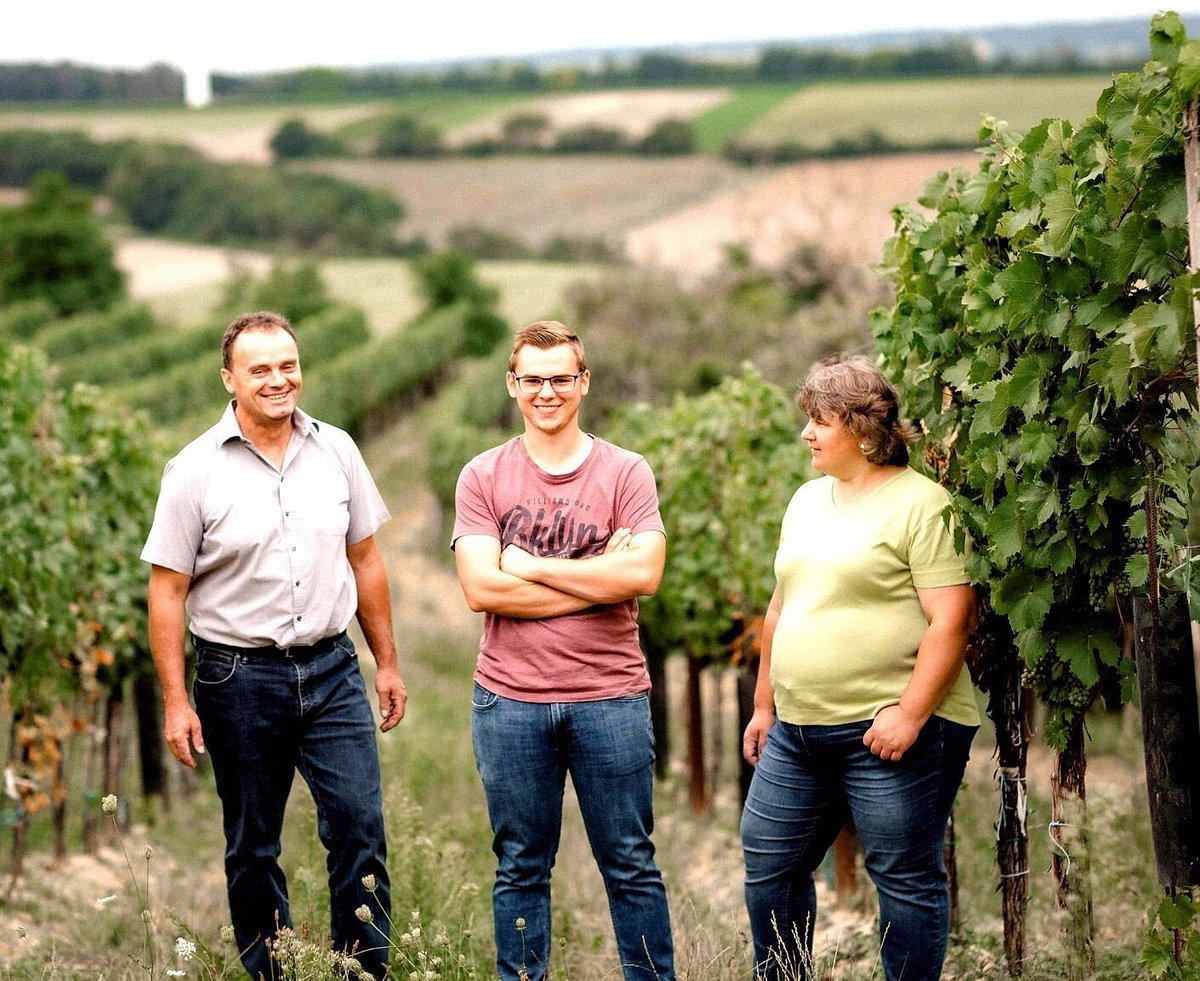
Bioweinbau Christian Mrozowski
Hohenruppersdorf, Austria
Bioweinbau Christian Mrozowski works if the goal is an organic Weinviertel winery stop with regional context rather than a polished tasting-room production. The strongest reason to go is its Hohenruppersdorf setting plus Falstaff Listed recognition in 2026; plan with flexibility, since detailed public hospitality information is sparse.
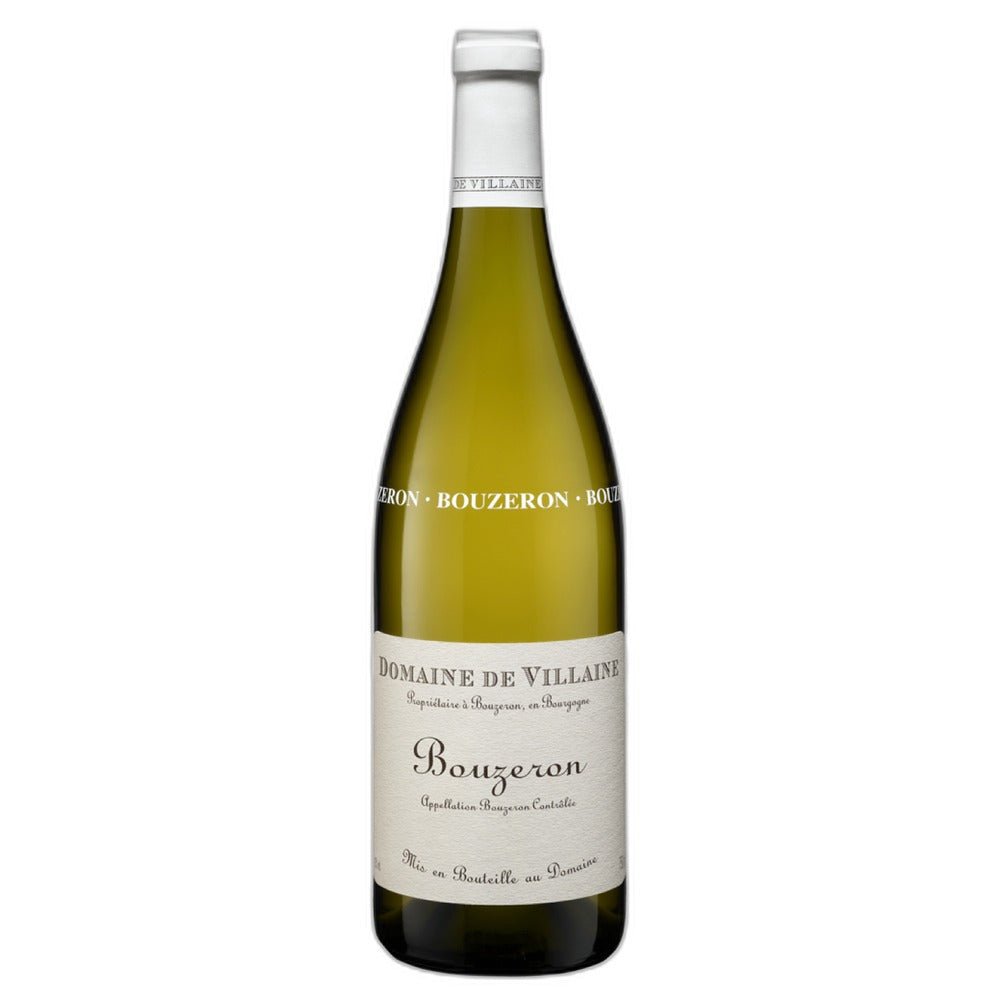
Domaine A. & P. de Villaine
Bouzeron, France
Book Domaine A. & P. de Villaine if the goal is Burgundy value with serious regional credibility rather than a showy cellar visit. It is a better fit for focused first-timers planning ahead than for casual walk-ins or groups looking for a hospitality-heavy tasting experience.
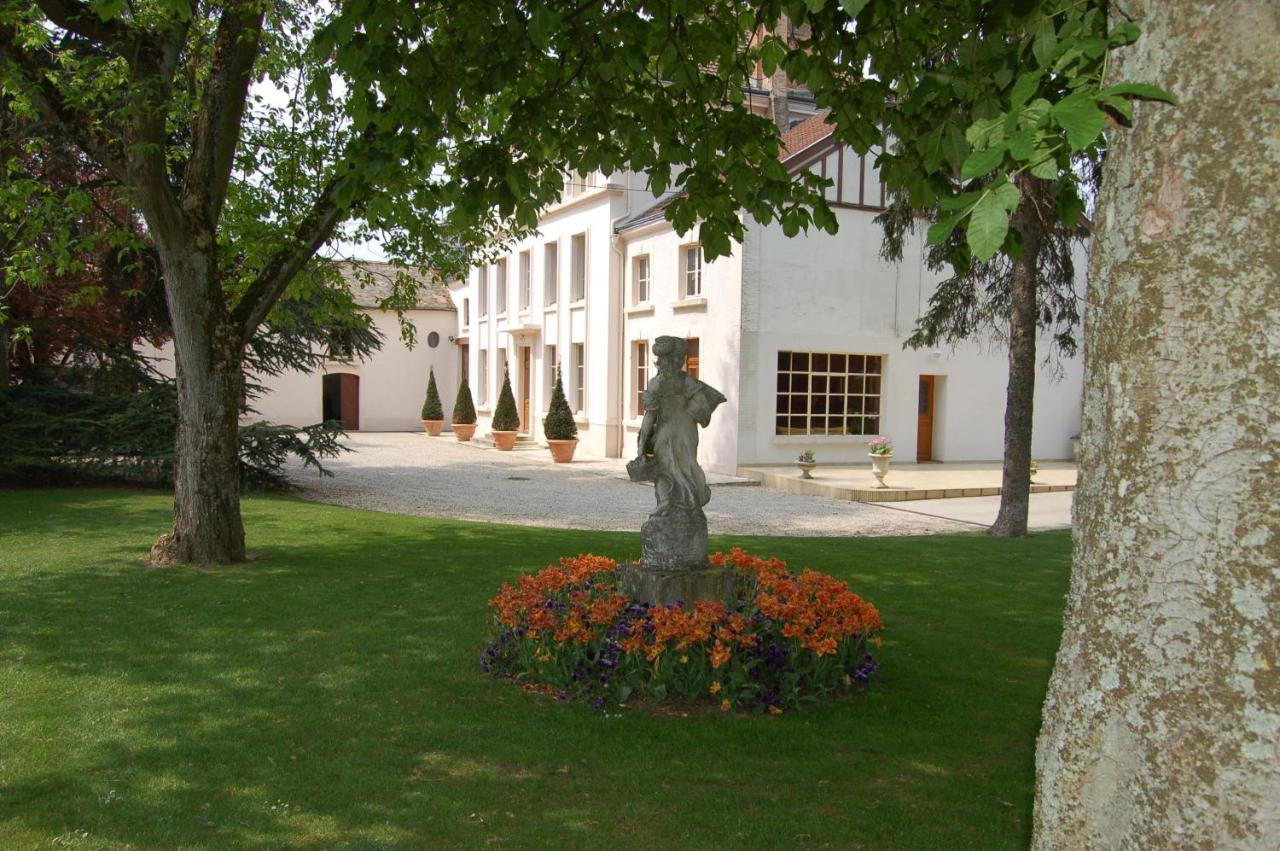
Champagne Ployez-Jacquemart
Ludes, France
Book Champagne Ployez-Jacquemart if the Ludes stop is about producer depth, not a casual drop-in tasting. The Falstaff 1 Star recognition in 2026 is a helpful quality signal, and the hard booking profile means it should be treated as an anchor appointment. Confirm practical details before routing a full day around it.
Gloire de Duras
Sint-Truiden, Belgium
A quiet Haspengouw wine estate makes sense for travelers who want Belgian vineyard context over a polished tasting-room afternoon. Gloire de Duras is strongest as a small, family-run producer focused on cool-climate whites and sparkling wines, with Falstaff listing recognition in 2026. Go for depth and regional interest, not for a large-group hospitality setup.

Accolade Fine Wines
Melbourne, Australia
Book Accolade Fine Wines if the goal is a focused, appointment-only look at premium Australian regional wine rather than a casual tasting-room stop. The value is in comparing portfolio labels across Barossa, McLaren Vale, Western Australia, and the Adelaide Hills, with Falstaff Listed recognition in 2026 adding a useful trust signal.
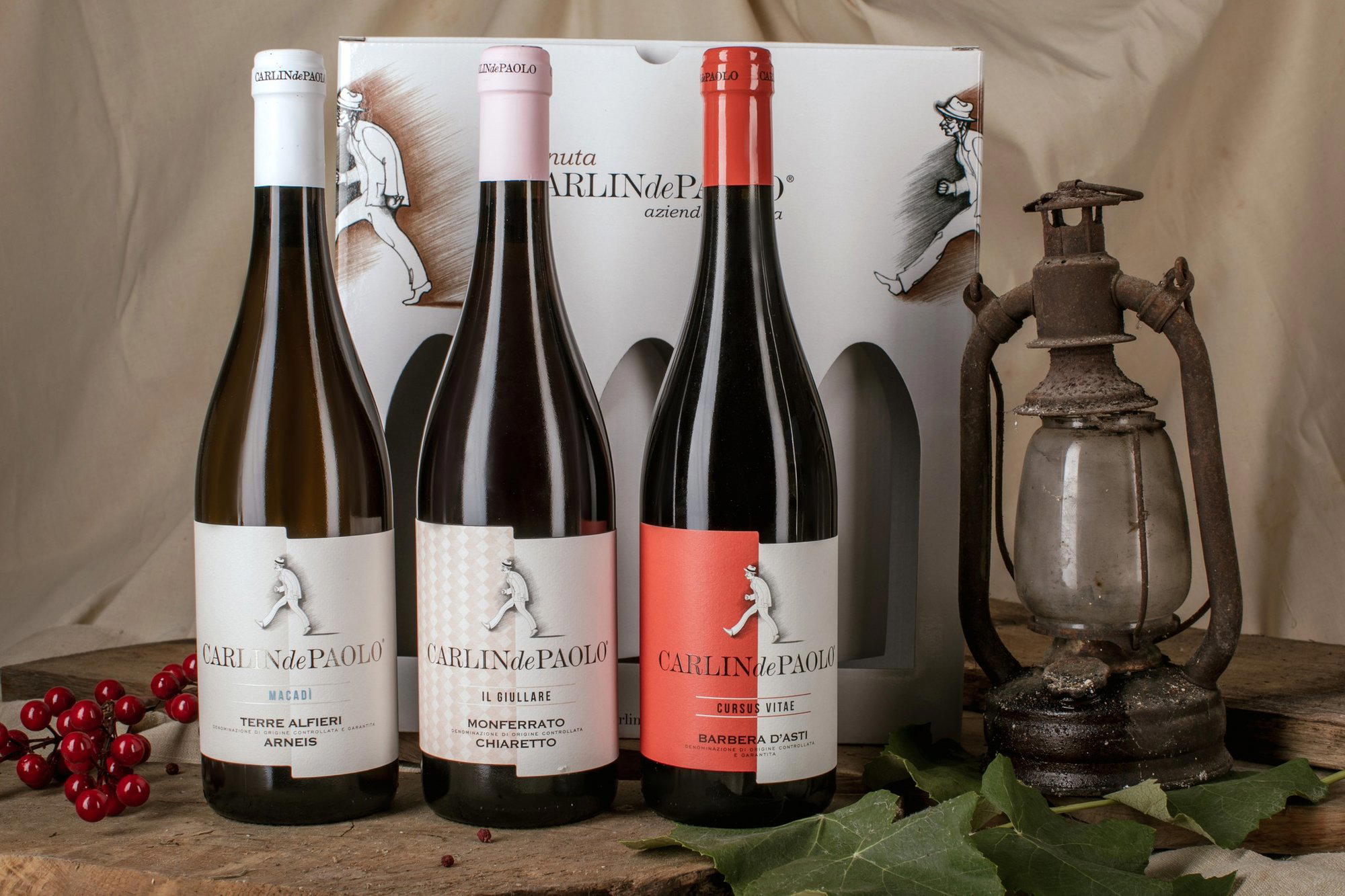
Carlin de Paolo
San Damiano D Asti, Italy
Carlin de Paolo is worth planning as a tasting-with-food stop in San Damiano d’Asti, especially for first-timers who want Moscato d’Asti, Barbera and Arneis in one estate setting. Booking is recommended, casual dress is fine, and the value is strongest when the visit replaces a separate lunch rather than acting as a quick pour.
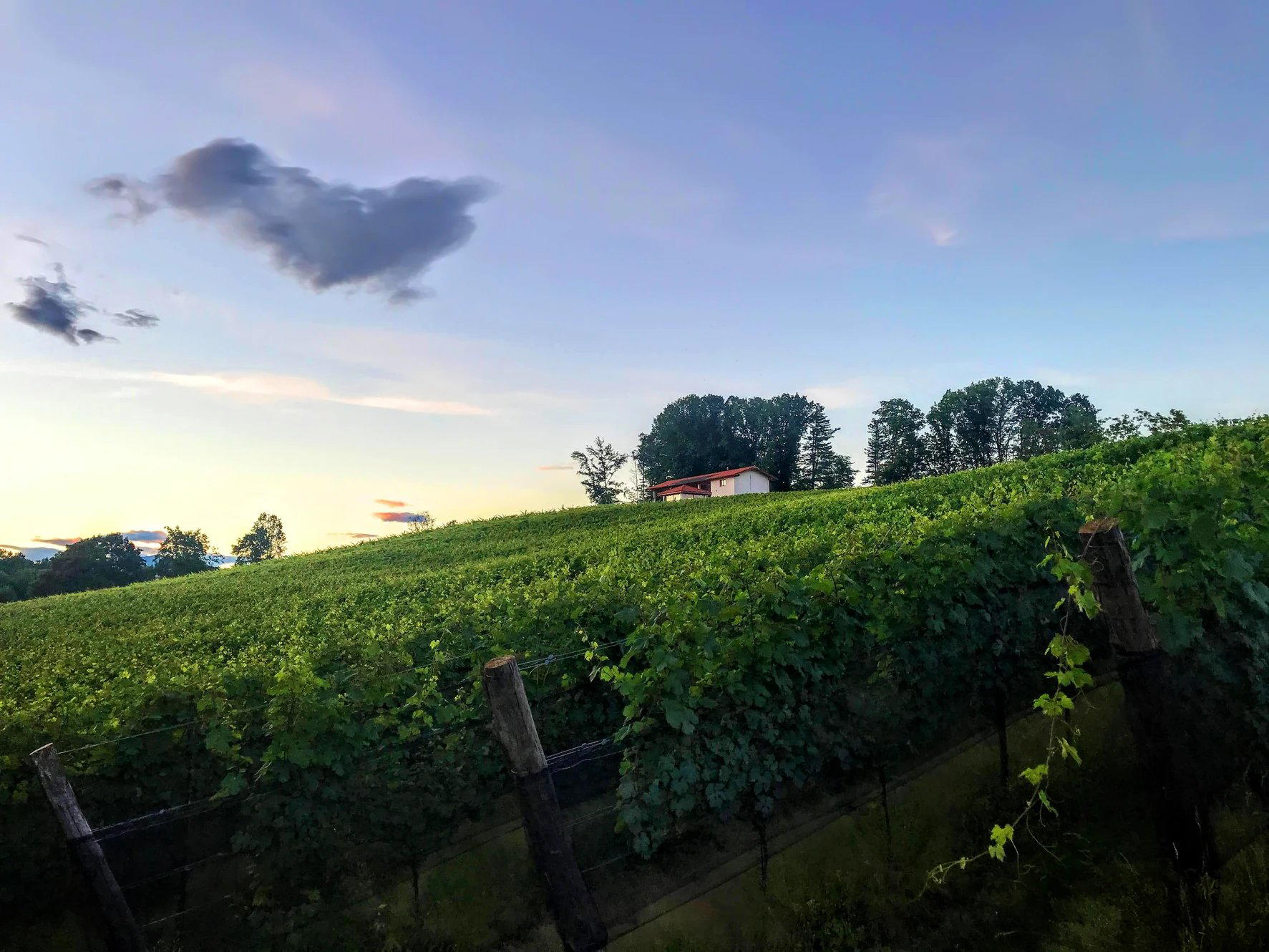
Cantine Cogo
Gattico Veruno, Italy
Book Cantine Cogo if you want a quiet, family-run organic winery visit in the Colline Novaresi rather than a high-production tasting room. The value is strongest for travelers already near Gattico Veruno or Lago Maggiore who want Nebbiolo, Vespolina, local whites, and a guided vineyard-and-cellar format at a $$ price level.
Gianfranco Fino Viticoltore
Manduria, Italy
Book Gianfranco Fino Viticoltore if Manduria is a serious wine stop, not just a scenic detour. The estate is strongest for guided Primitivo and Negroamaro context, old-vine heritage, and a tasting that can extend into lunch, dinner, or a stay; it is less suited to rushed multi-winery hopping.
Château de Haut Coulon
Blanquefort, France
Château de Haut Coulon is worth booking for a focused, small-estate Bordeaux visit rather than a broad château hospitality day. Go if the draw is a Merlot-led Cadillac Côtes de Bordeaux profile, clay-limestone terroir, and a quieter appointment format; skip it if the priority is a fully programmed tasting experience with published extras.
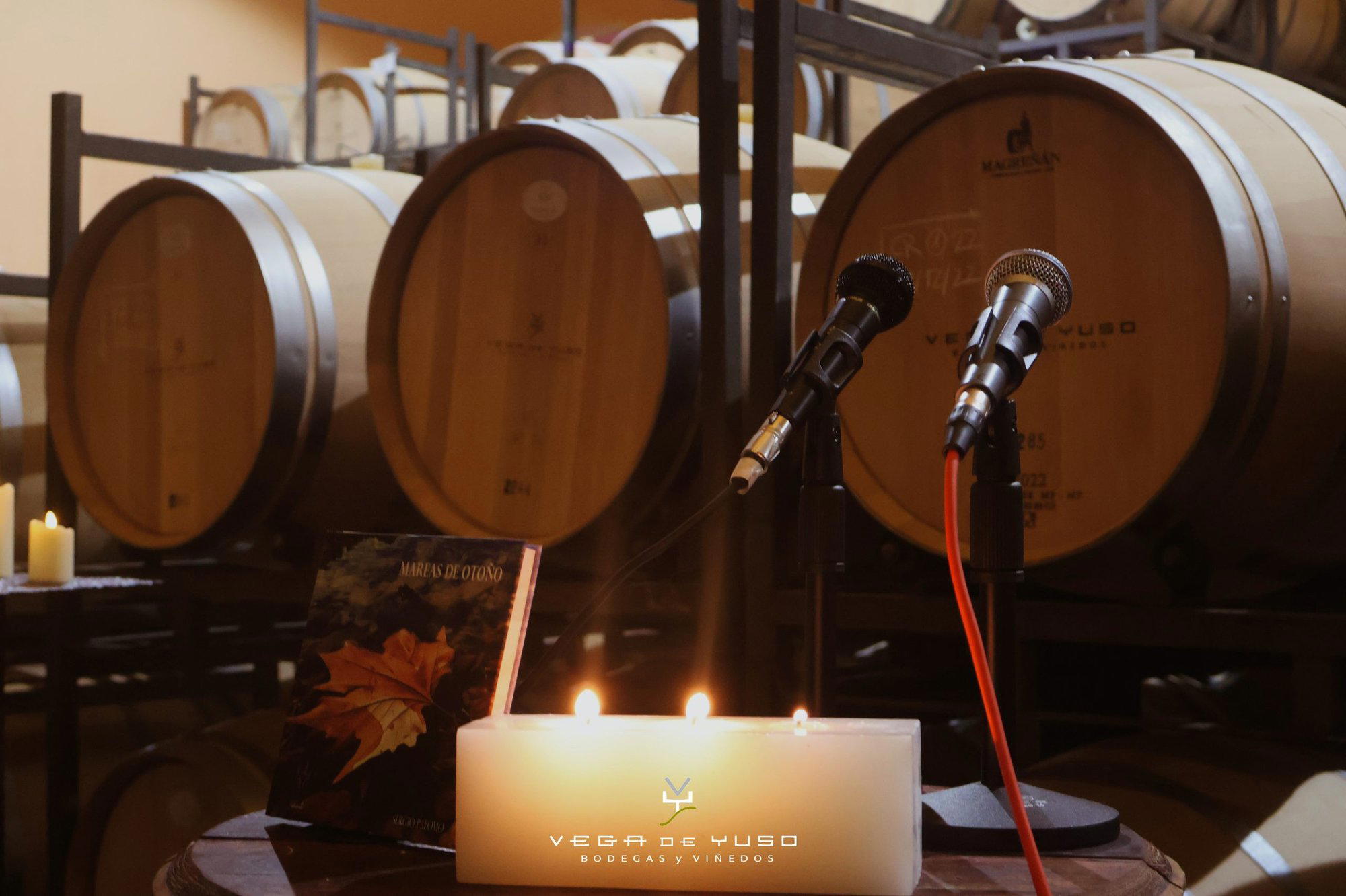
Vega de Yuso, SL
Quintanilla De Onesimo Valladolid, Spain
A quality-led Ribera del Duero winery pick for a wine-focused stop in Quintanilla de Onésimo, backed by a Falstaff 2-star 2026 rating. Worth pursuing for a special occasion if the visit details work for your group, but less convenient for travelers who need visible pricing, hours, and booking format upfront.
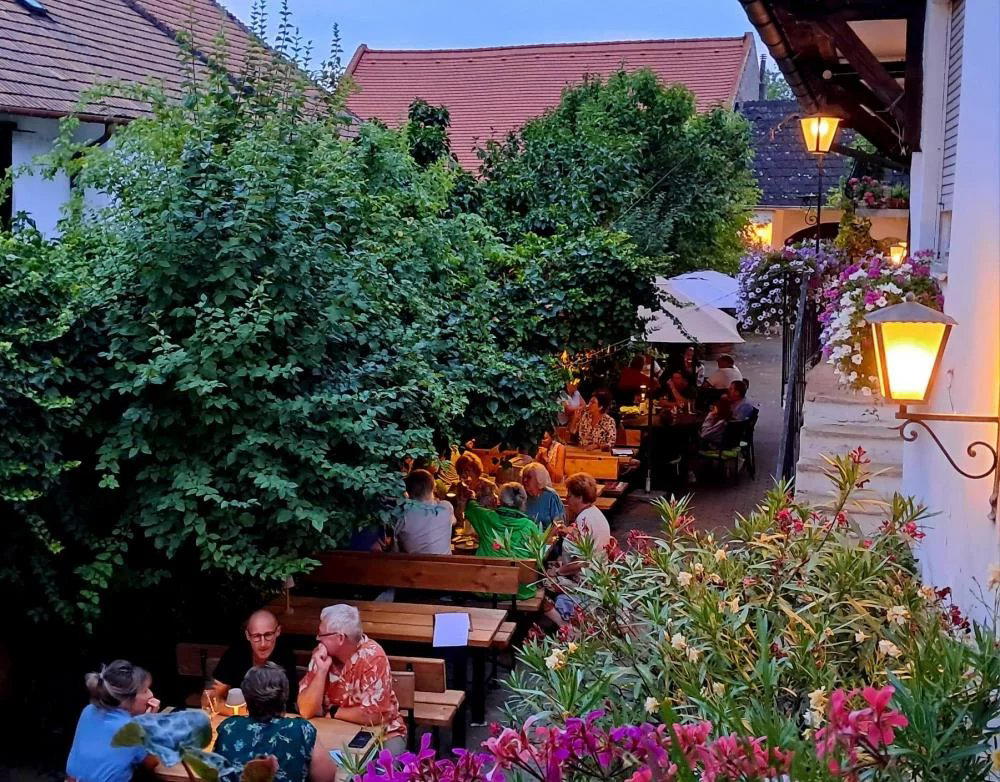
Behike Wein
Podersdorf am See, Austria
Book Behike Wein if you want a private, producer-led Burgenland tasting in a renovated 1955 Streckhof farmhouse rather than a quick cellar-door stop. It suits first-time visitors to Podersdorf am See who want context on Lake Neusiedl, Cabernet Franc, and local place; it is less useful for groups chasing a fast, high-volume tasting route.
Cave chez Violaine
Salgesch, Switzerland
A practical Salgesch wine stop for visitors who want a flexible cellar-led outing rather than a heavily structured tasting or meal. Cave chez Violaine is a safer choice as part of a wider Valais wine day, especially for first-timers building an itinerary around several nearby stops.
Earl Robert et Rémi Niero
Condrieu, France
A smart Condrieu stop for wine travelers who want appellation context without a showy cellar-door format. The tasting is easy to plan, modestly priced at about $25 per person, and strongest for understanding Viognier alongside Côte-Rôtie, Saint-Joseph, and Crozes-Hermitage references. Book if calm, focused guidance matters more than food or design theatrics.
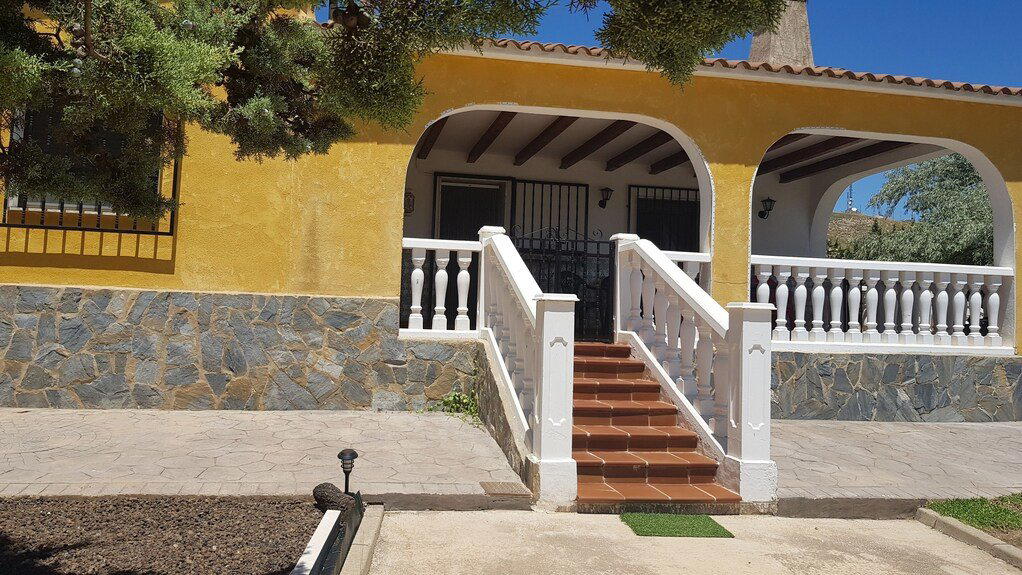
Bodegas Castaño
Yecla Murcia, Spain
Bodegas Castaño is worth booking if Yecla Monastrell is the reason for the trip. The value is in the focused regional context: family winemaking roots from 1950, extensive estate vineyards, manual harvest, barrel-ageing infrastructure, and tasting formats that can include food pairings or longer group experiences.
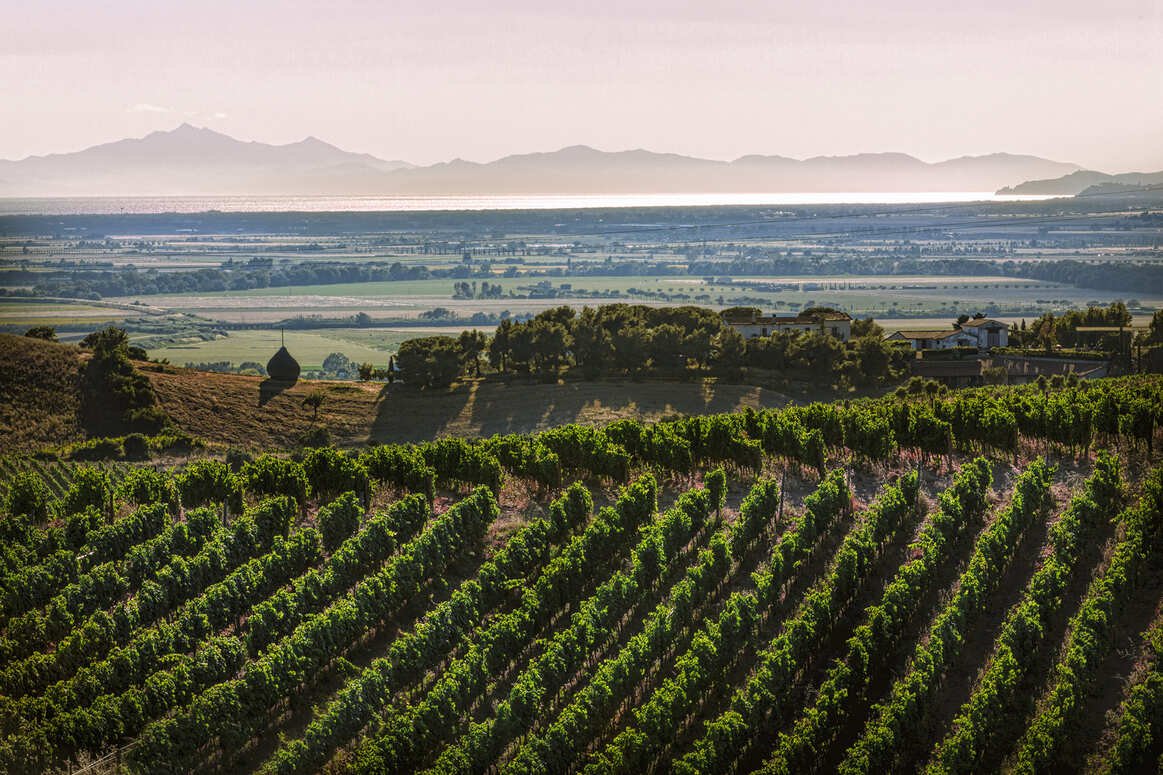
Belguardo
Castellina in Chianti, Italy
Book Belguardo if the priority is a calm, wine-serious Tuscan estate visit with Maremma terroir at the center. It suits couples, celebration tastings and wine-focused itineraries better than casual drop-ins, with the strongest case built around coastal Vermentino, Morellino di Scansano Riserva and the Mazzei family’s long winemaking lineage.
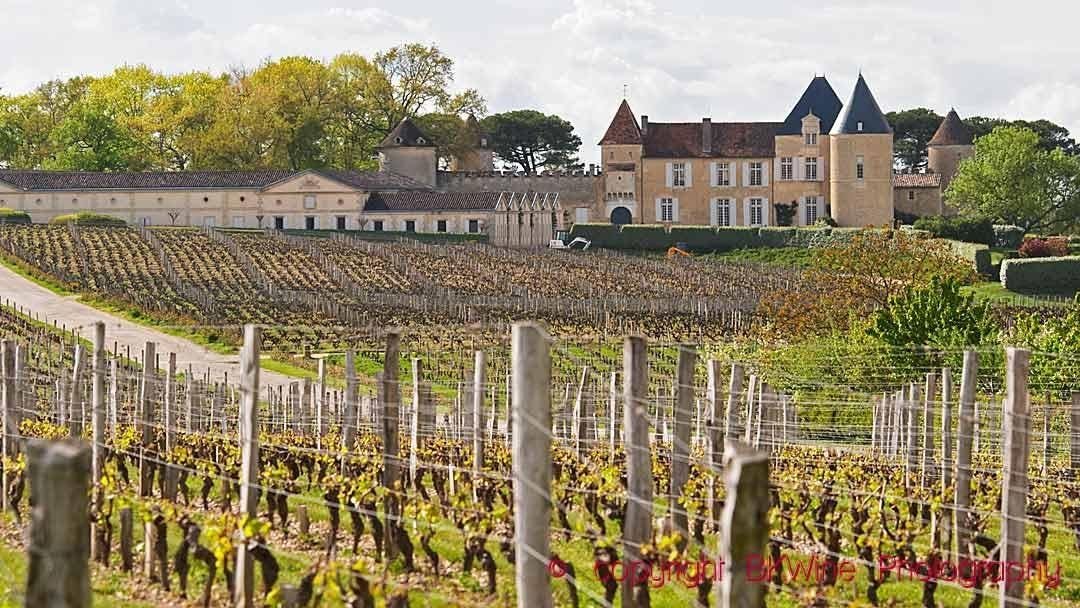
Bollinger Groupe
Paris, France
Choose Bollinger Groupe if Champagne depth matters more than a casual tasting-room stop. The private format is the draw: small-group, heritage-led, and better suited to enthusiasts who want context around Special Cuvée, cellar methods, and the house’s long history than to travelers seeking a quick glass.
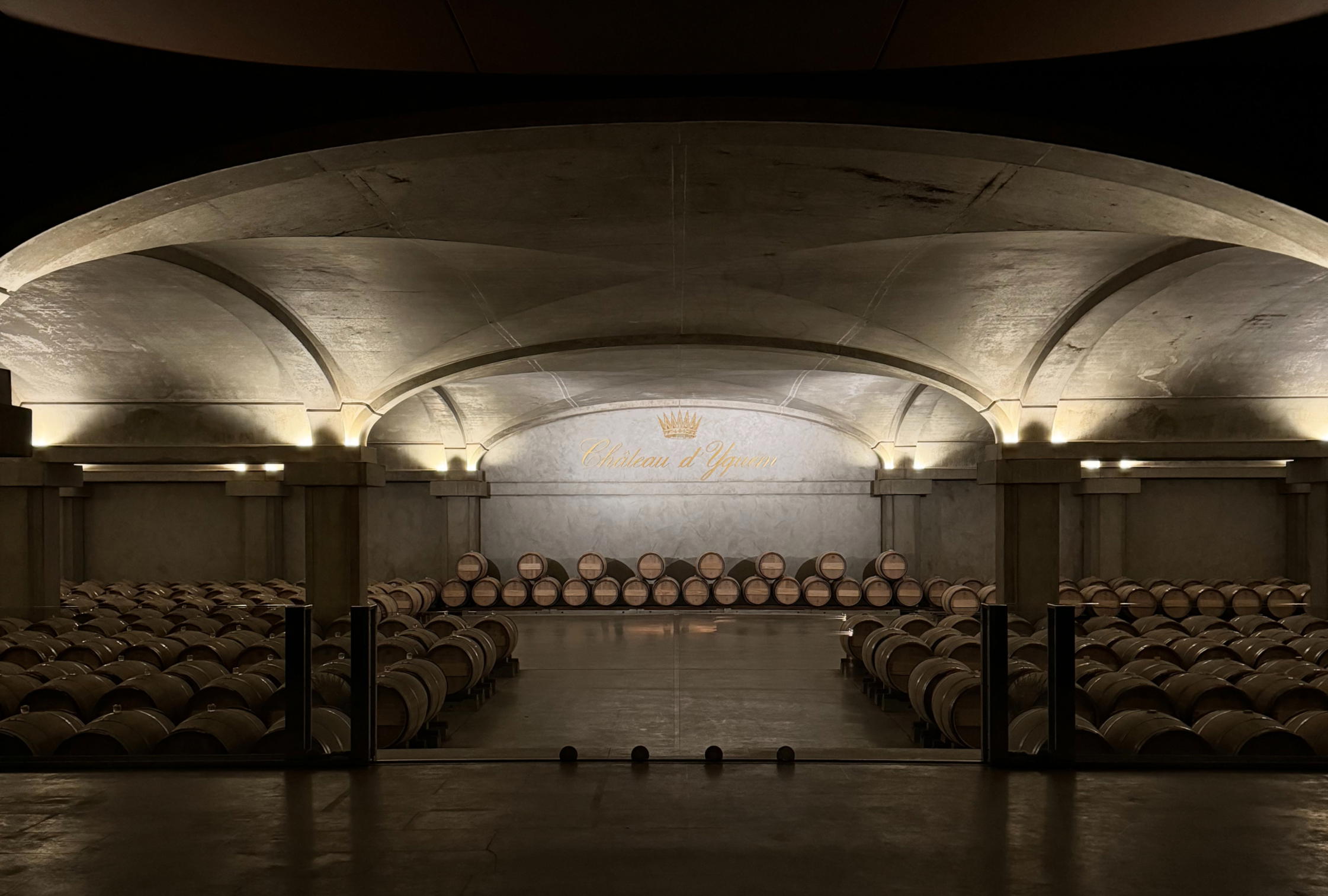
Château d'Yquem
Sauternes, France
Château d'Yquem is a wine estate in Sauternes, France.
Stony Hill Vineyard
Napa, United States
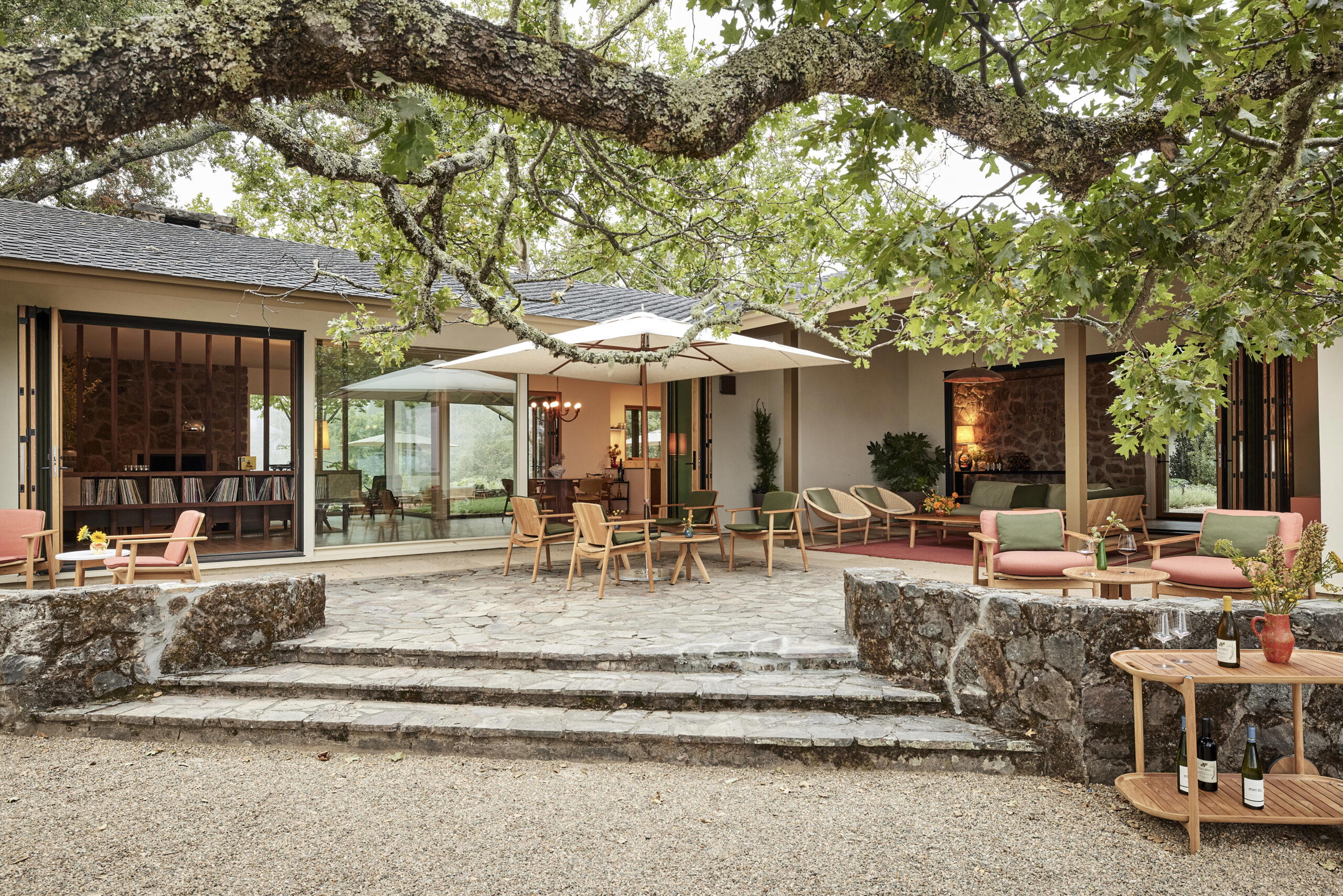
Stony Hill Vineyard is worth prioritizing for wine travelers who want Napa heritage and producer context rather than a broad hospitality experience. The first vintage dates to 1952, and the St. Helena setting makes it a focused stop for a serious tasting itinerary, especially if the group is small and wine-led.
Bodegas Félix Azpilicueta
Logroño, Spain
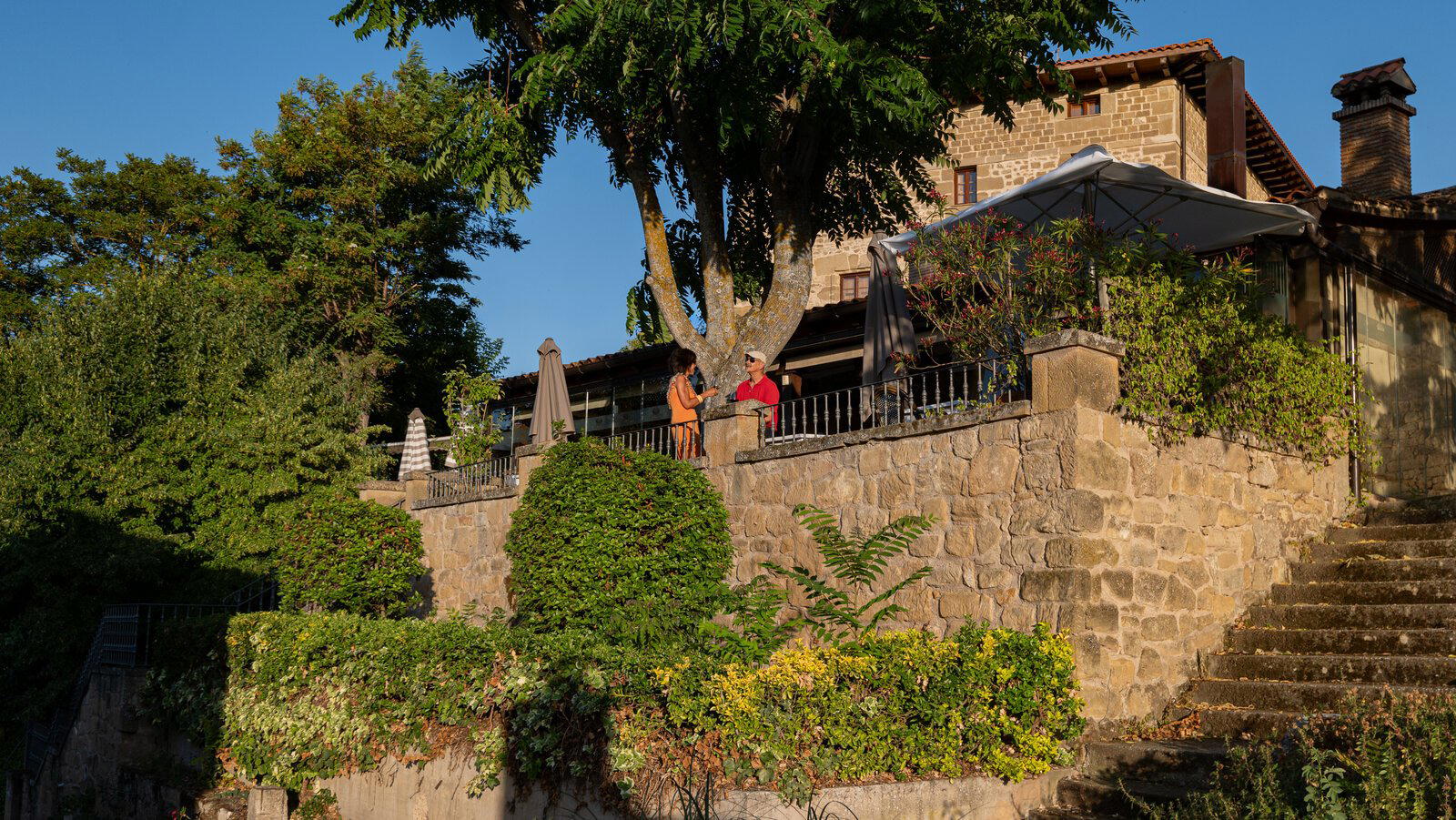
Book Bodegas Félix Azpilicueta if the priority is a classic Rioja Alta reference point with real historical depth. The appointment-only format suits travelers who want context on Fuenmayor, native Rioja grapes, and Crianza-to-Gran Reserva aging rather than a casual drop-in tasting.
Alexandre de Torrenté Sàrl
Vetroz, Switzerland
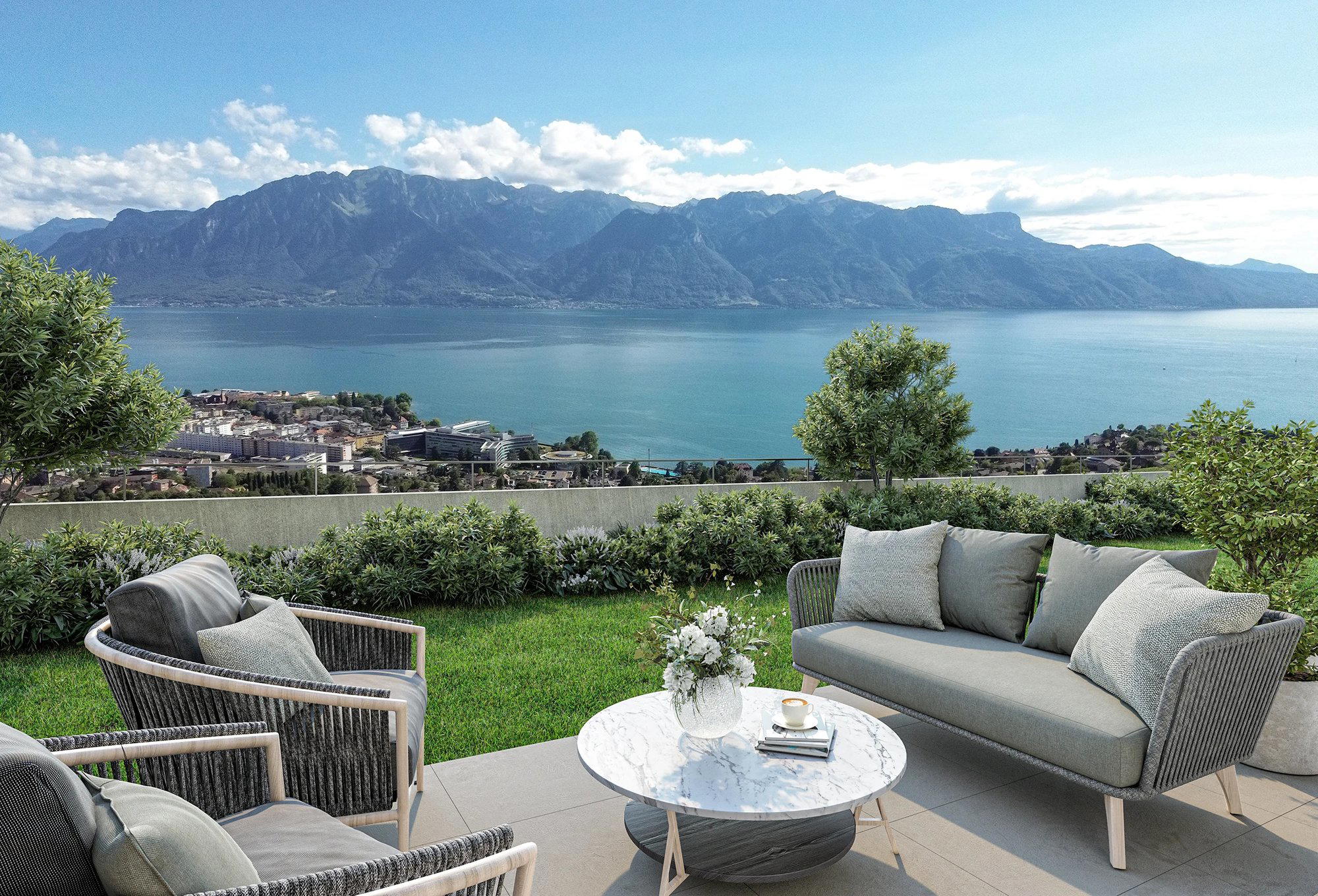
Book Alexandre de Torrenté Sàrl if you want a quiet, appointment-only Valais tasting centered on Petite Arvine and other local varieties. The one-hectare scale and $$ price point make it better for serious wine explorers than casual drop-ins, with Falstaff 2026 recognition adding a useful trust signal.
Domaine Pierre Fonjallaz - Vins Biodynamiques
Bourg En Lavaux, Switzerland
Choose Domaine Pierre Fonjallaz - Vins Biodynamiques if the Bourg-en-Lavaux plan is about farming approach and Lavaux context rather than a broad hospitality setup. Its biodynamic focus gives wine enthusiasts a clear reason to include it, especially when comparing smaller regional producers across a single Vaud itinerary.
Pierre Paillard
Bouzy, France
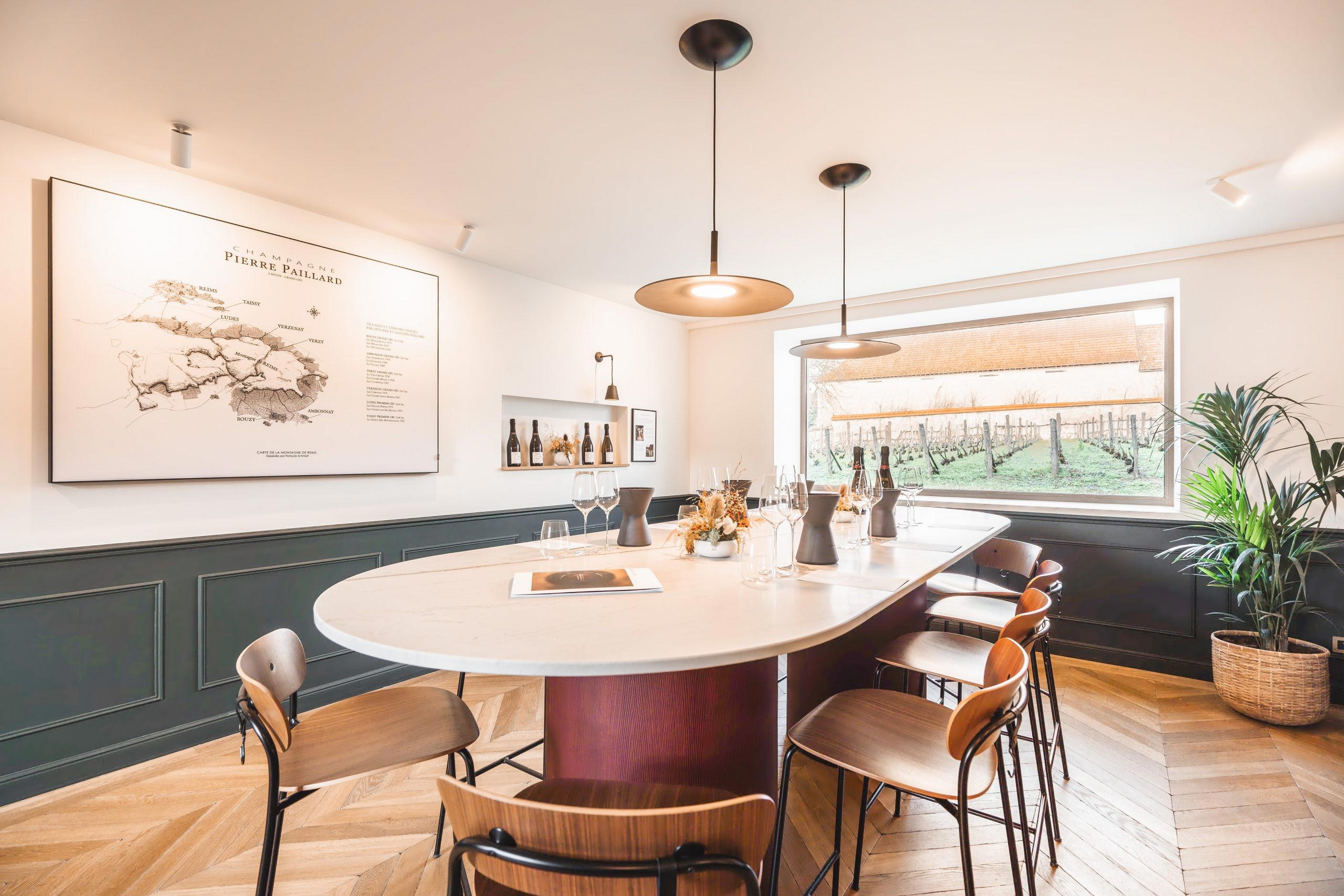
Pierre Paillard offers a Tasting Table vineyard-and-cellar visit or a longer Chef's Table meal in Bouzy. Book ahead and choose whether the focus is four wines or wine with lunch.
Champagne Proy-Goulard
Épernay, France
Book Champagne Proy-Goulard if the goal is a compact Épernay winery stop rather than a restaurant-style pairing experience. It is a better fit for Champagne-focused travelers comparing producers across the city, with Falstaff Listed recognition in 2026 adding a useful credibility signal.
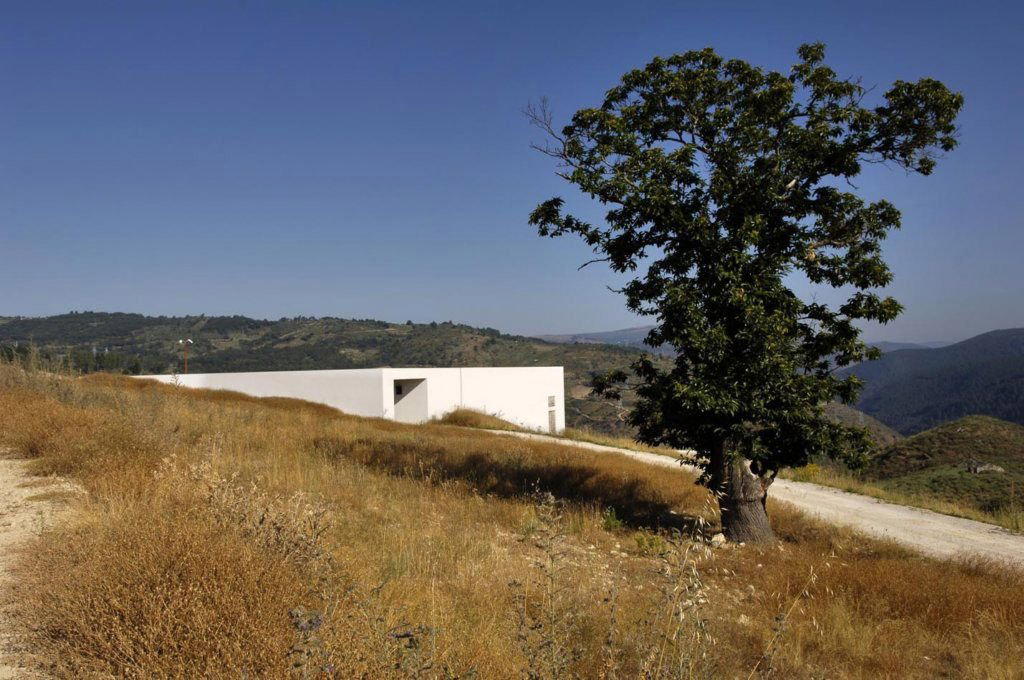
Dominio do Bibei
Manzaneda, Spain
Prioritise Dominio do Bibei for serious Ribeira Sacra drinking, especially if freshness, altitude and indigenous Galician varieties matter more than a polished tourist setup. The draw is the Bibei valley’s north-facing terraces, gravity-led cellar work and a focused portfolio that rewards moving beyond the entry bottle.
Griesserhof
Vahrn, Italy
Griesserhof is worth choosing for a relaxed South Tyrolean wine-farm experience rather than a formal tasting-room visit. The value is in the combination of listed farm buildings, vineyard-slope setting, regional food, young wine and the option to make it part of a slower Vahrn or Brixen-area itinerary.
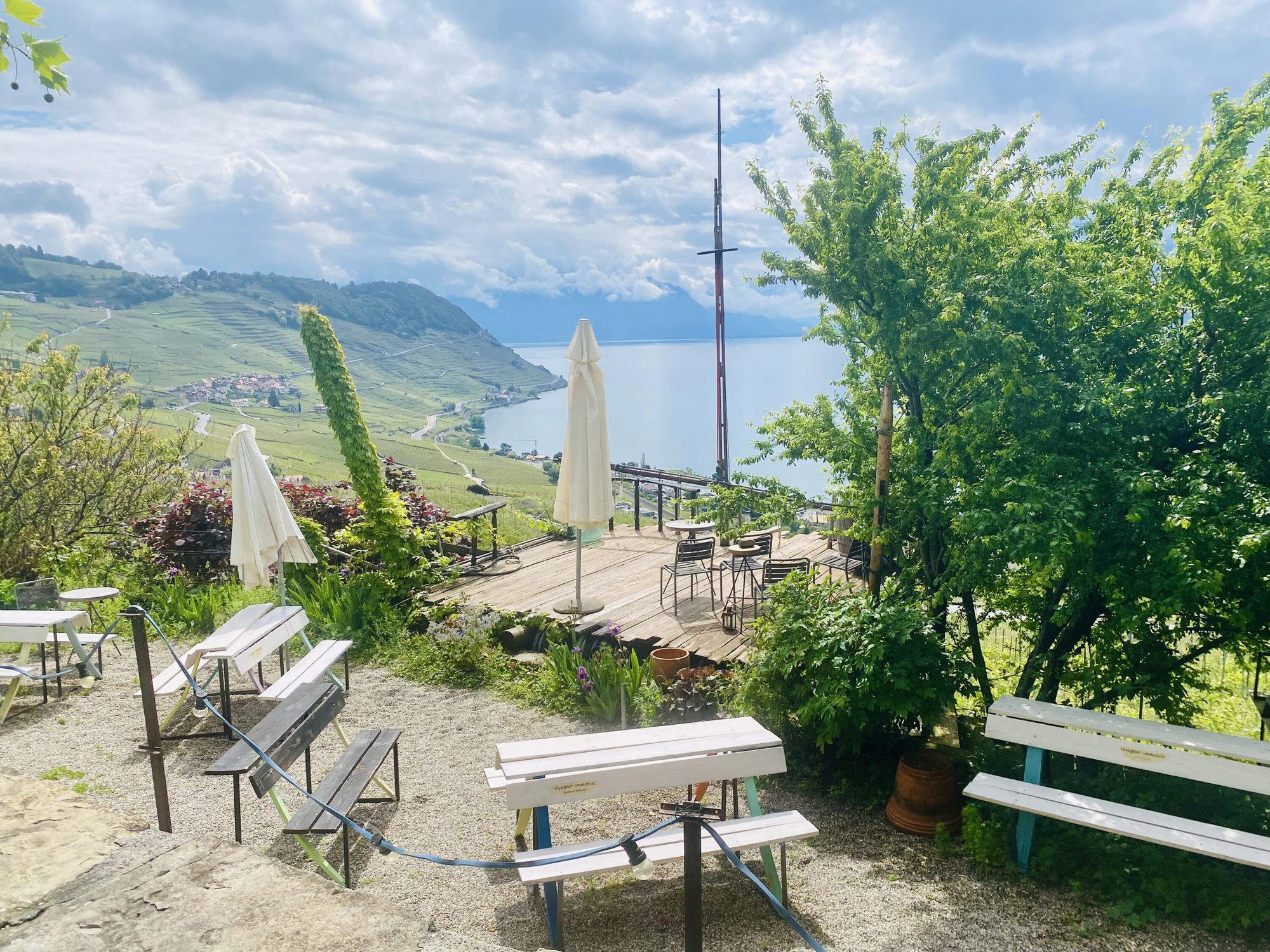
Domaine Wannaz
Chenaux, Switzerland
Domaine Wannaz is a sensible Chenaux pick for a quieter Lavaux wine stop with a credible Falstaff Listed signal. It is better for couples or small groups who care about producer recognition and a calm setting than for visitors who need a fully pre-packaged tasting experience with every practical detail visible upfront.
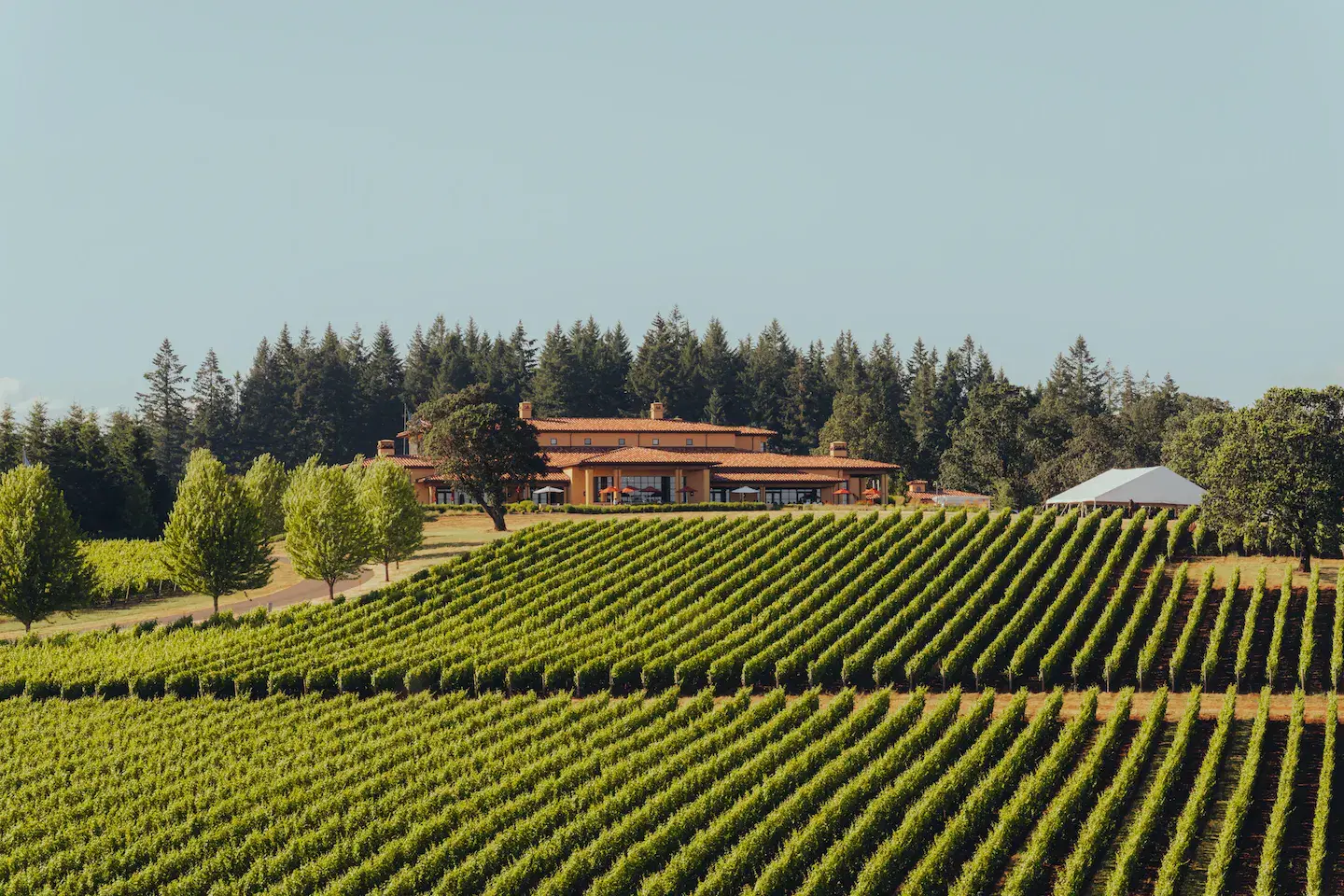
Domaine Serene Winery
Dayton, United States
A strong Dayton choice for a polished Willamette Valley wine visit, especially for celebrations built around Oregon Pinot Noir. The draw is the long production history, first vintage in 1989, and current winemaking team of Michael Fay and Remi Cohen. Treat it as the anchor tasting rather than a casual extra stop.
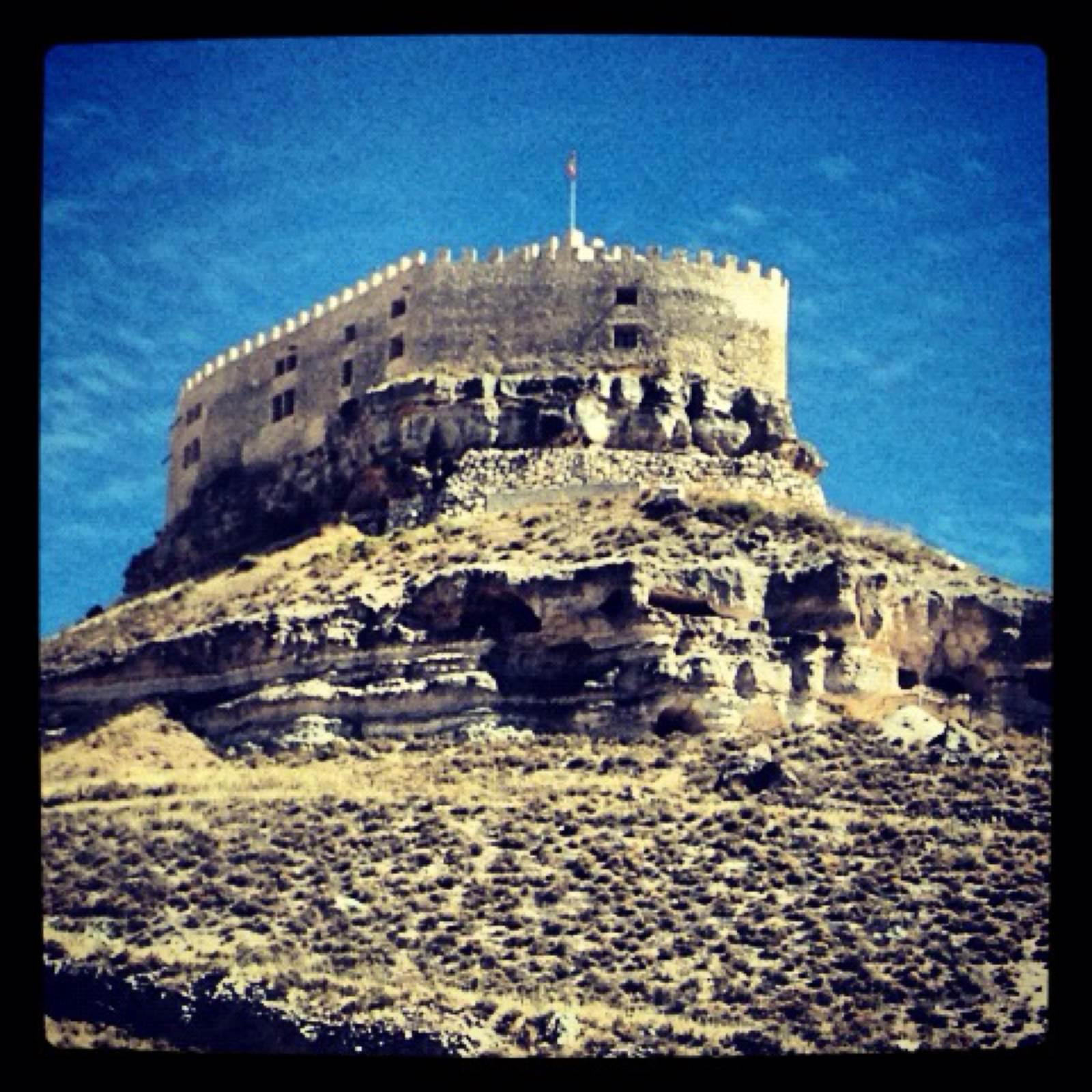
Bodegas Legaris
Curiel De Duero, Spain
Bodegas Legaris is worth booking if you want a polished, educational Ribera del Duero tasting focused on Tempranillo, vineyard parcels, and modern winery design. It is stronger for wine travelers who care about production detail than for anyone seeking a quick casual pour, and the listed fee makes sense when the visit includes guided context.
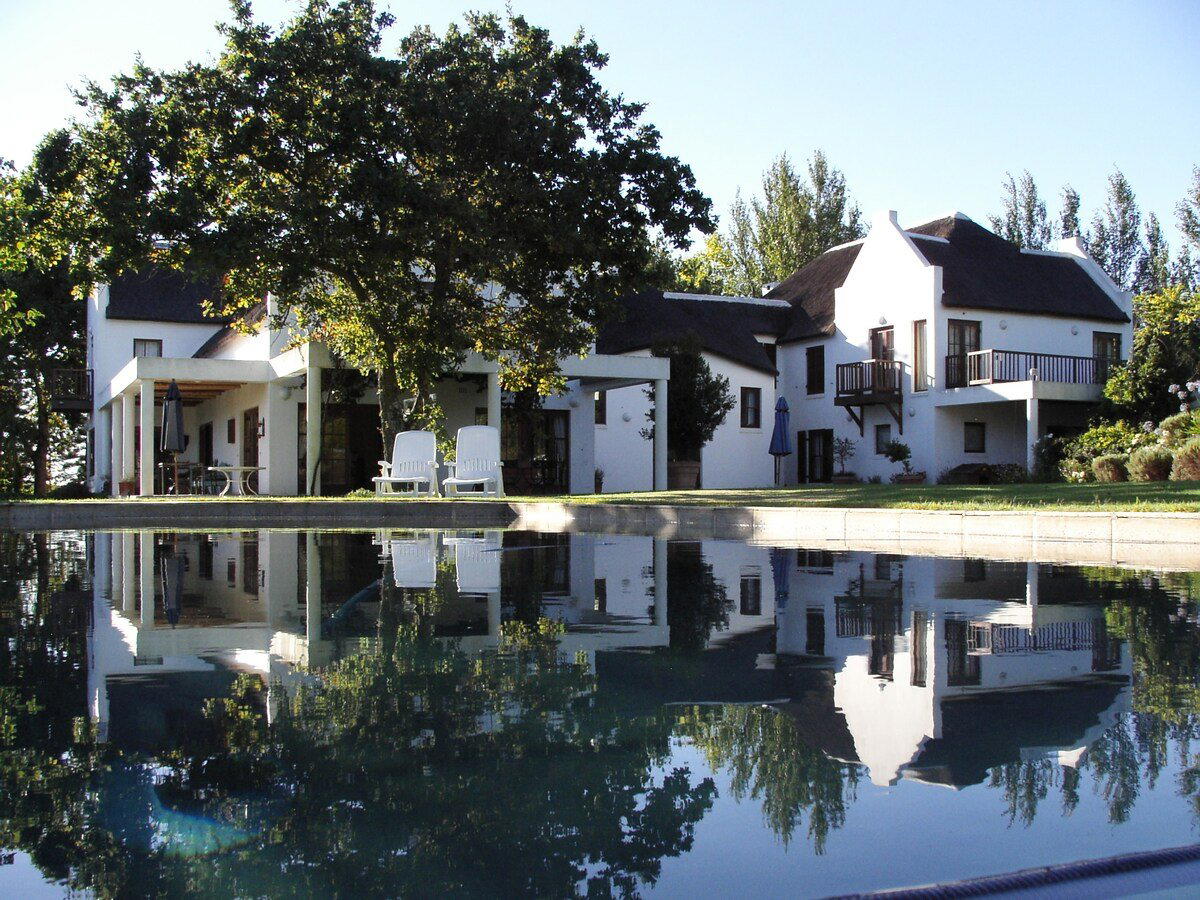
Graceland Vineyards
Stellenbosch, South Africa
A worthwhile Stellenbosch booking for visitors who want an intimate Helderberg red-wine tasting rather than a large estate production. The strongest reasons to go are the family-run scale, Cabernet-Shiraz-Merlot focus, manual cellar work, and 2026 Falstaff listing. Book ahead and treat it as a focused wine stop, not an all-day hospitality destination.
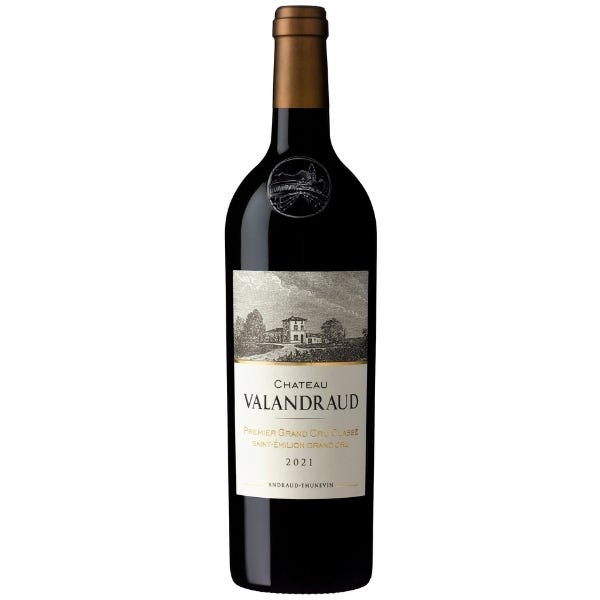
Château Valandraud
Saint-Émilion, France
Château Valandraud is a strong choice for serious Saint-Emilion wine travelers who want producer depth over a casual château circuit. Prioritize it for a focused tasting request and plan meals separately; the payoff is context around Jean-Luc Thunevin and the estate's place in the modern Right Bank conversation.
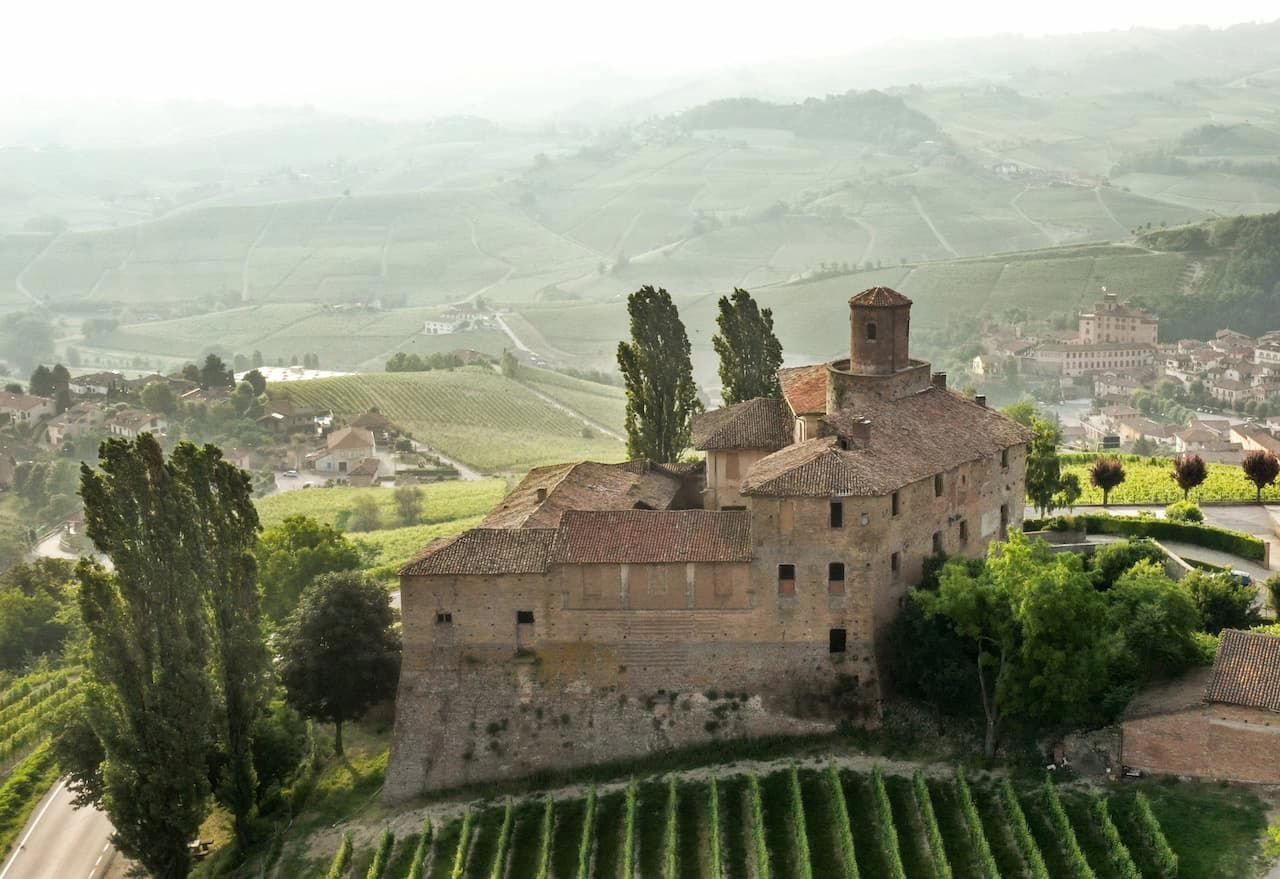
Marchesi di Barolo
Barolo, Italy
Book Marchesi di Barolo if the goal is a prestige-led Barolo winery visit anchored in the village itself. Its 2025 World's 50 Best Vineyards recognition makes it a stronger celebration or client-trip choice than a casual drop-in, but readers wanting a more intimate producer feel should also compare Luciano Sandrone, Aldo Conterno, and Brovia.
Erlenhof
Wittnau, Switzerland
Book Erlenhof for a relaxed family farm outing in Wittnau, not for a formal wine-tasting appointment. The value is in the Jurapark Aargau setting, open-stable atmosphere, regional farm shop and sustainability certifications; wine is part of the visit, but direct farm buying matters more than allocations or flagship bottles.
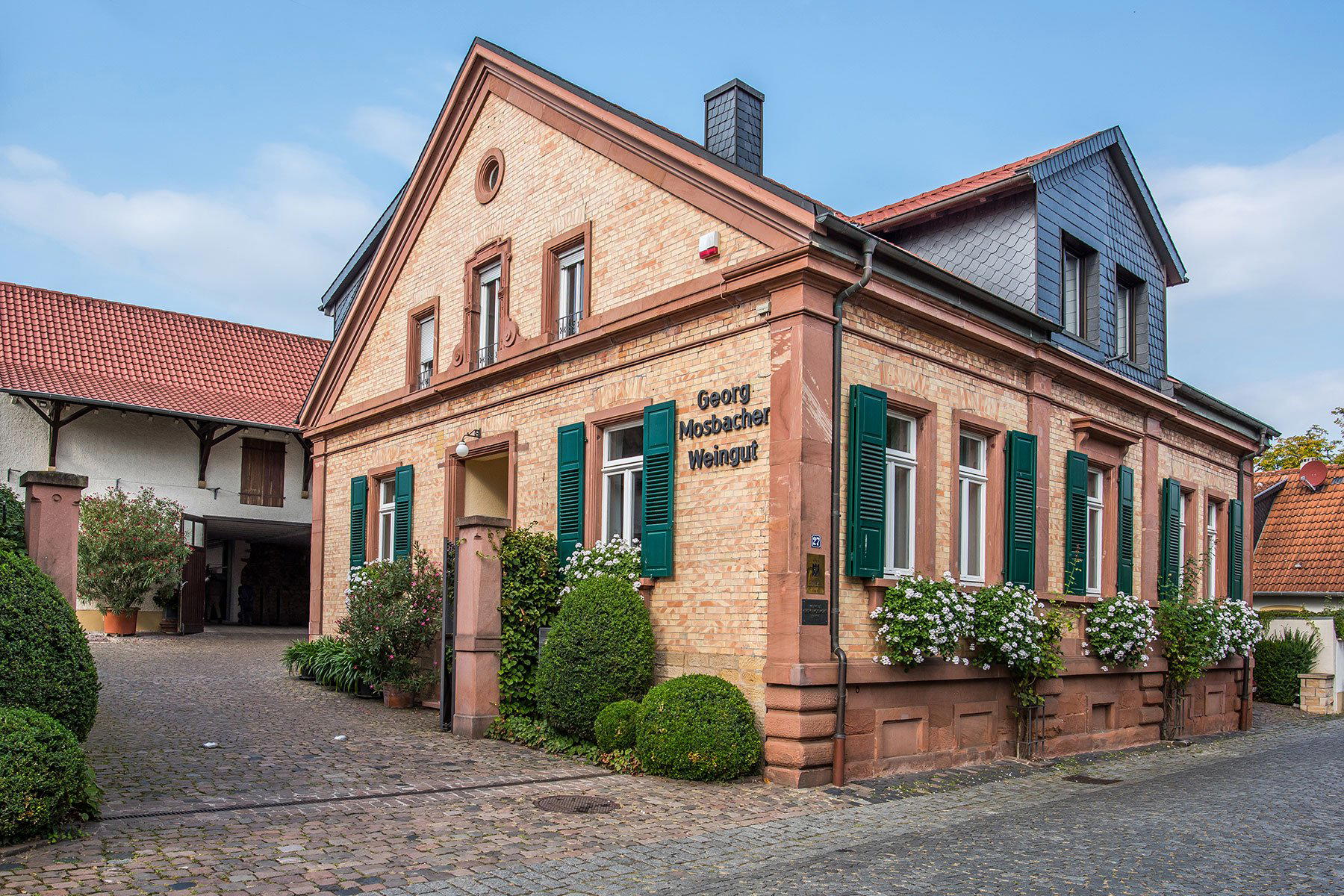
Weingut Georg Mosbacher
Forst an der Weinstraße, Germany
Book Weingut Georg Mosbacher if the goal is a serious, wine-first stop in Forst an der Weinstraße rather than a flexible food-and-wine outing. It suits small groups and Riesling-focused travelers who want depth, context, and a quieter tasting rhythm; plan meals separately and compare nearby peers if the day needs more variety.
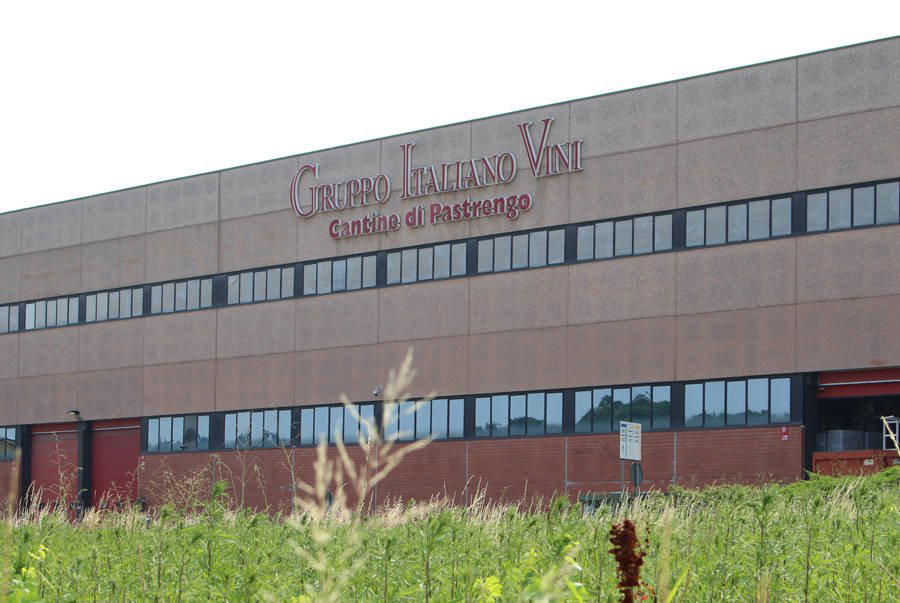
CDP SPA
Bardolino, Italy
CDP SPA works if the priority is an easy Bardolino wine stop, not a fully scripted tasting destination. Its Falstaff Listed recognition for 2026 gives it a credible signal, but visitors planning a celebration should compare local winery options first because pricing, tasting structure, and membership terms are not clearly published.
How many of these have you visited?
Find out on Pearl and keep score across every place in 2026 Falstaff Winery Guide.