

Marchesi di Barolo
Barolo
Winery in Barolo, Italy
 Book with Pearl
The Read
Appellation-Origin Nebbiolo
Why go
Book Marchesi di Barolo if the goal is a prestige-led Barolo winery visit anchored in the village itself. Its 2025 World's 50 Best Vineyards recognition makes it a stronger celebration or client-trip choice than a casual drop-in, but readers wanting a more intimate producer feel should also compare Luciano Sandrone, Aldo Conterno, and Brovia.
About Marchesi di Barolo
Marchesi di Barolo is a Barolo venue with 2025 recognition: Pearl 3 Star Prestige (2025) and World's 50 Best Vineyards #80 (2025). For travelers building a Barolo itinerary, that recognition is the strongest reason to prioritize it, rather than planning around a particular visit format, menu, service style, or visit length.
Its Barolo location makes it easy to consider within a town-based plan. Readers planning a wider day should use our full Barolo guide for the broader route, then layer in our full Barolo restaurants guide, our full Barolo hotels guide, and our full Barolo bars guide if staying overnight.
A prestige-led Barolo stop that works better as a planned anchor
The clearest reason to consider Marchesi di Barolo is its 2025 recognition: Pearl 3 Star Prestige and World's 50 Best Vineyards #80. Check current experience formats, access levels, prices, opening hours, and food offerings directly before making plans.
For itinerary planning, keep the comparison simple. If you are considering other notable venues, compare Marchesi di Barolo with Luciano Sandrone, Aldo Conterno, Elvio Cogno, Paolo Scavino, or Brovia according to each venue's current details. For broader trip-building, our full Barolo experiences guide is the better planning layer.
Who should choose this as a Barolo anchor
Choose Marchesi di Barolo if you want a Barolo stop supported by premium recognition. If your priority is a specific type of visit, such as a particular format, technical discussion, food pairing, private appointment, or purchasing arrangement, check directly with the venue before treating it as part of the plan. Dress code: smart casual.
Planning details
- Location
- Via Roma, 1, 12060 Barolo CN
- Website
- marchesibarolo.com/it
- Phone
- +39 0173 564419
The take
The Take
The Vibe
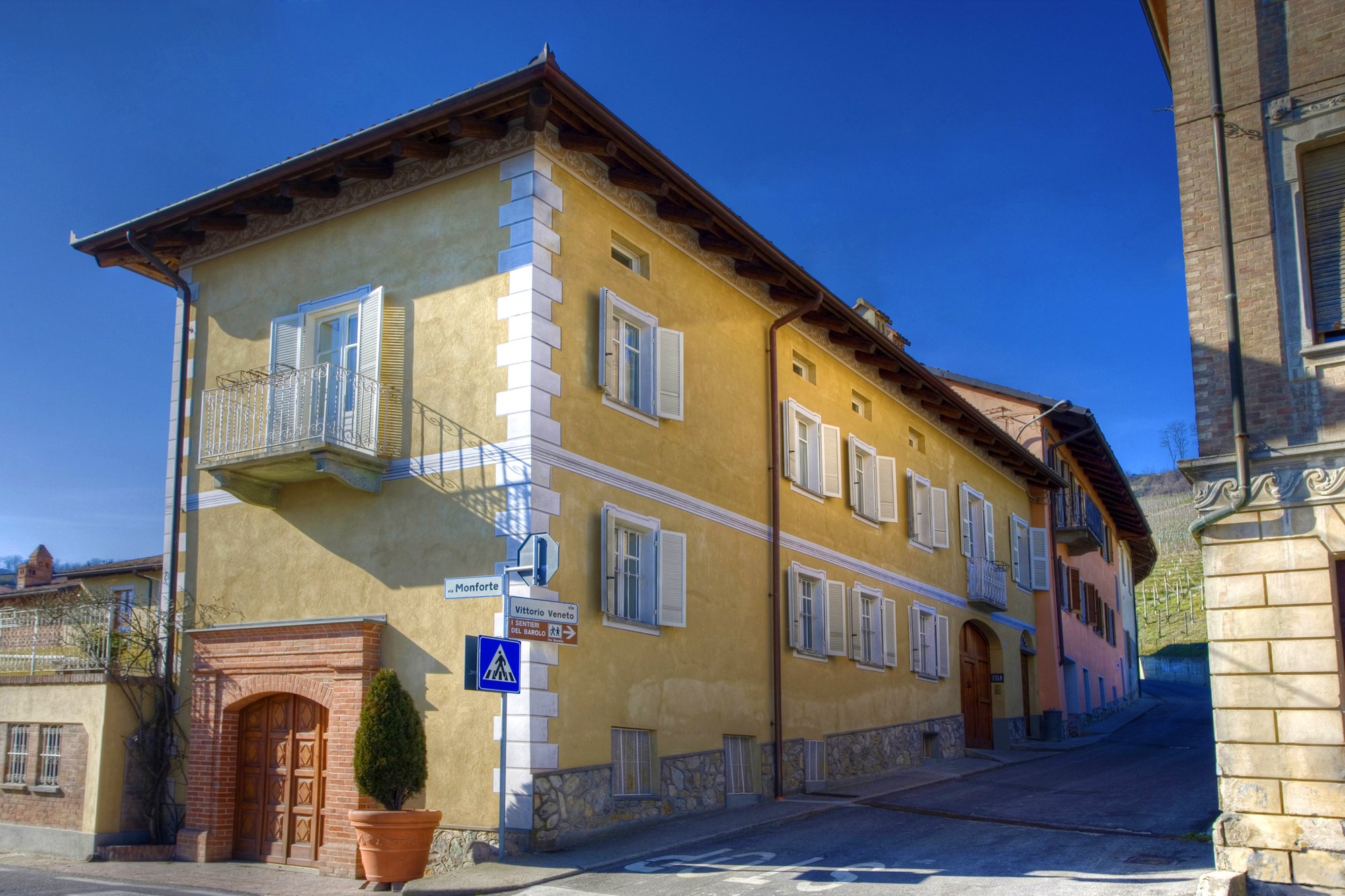
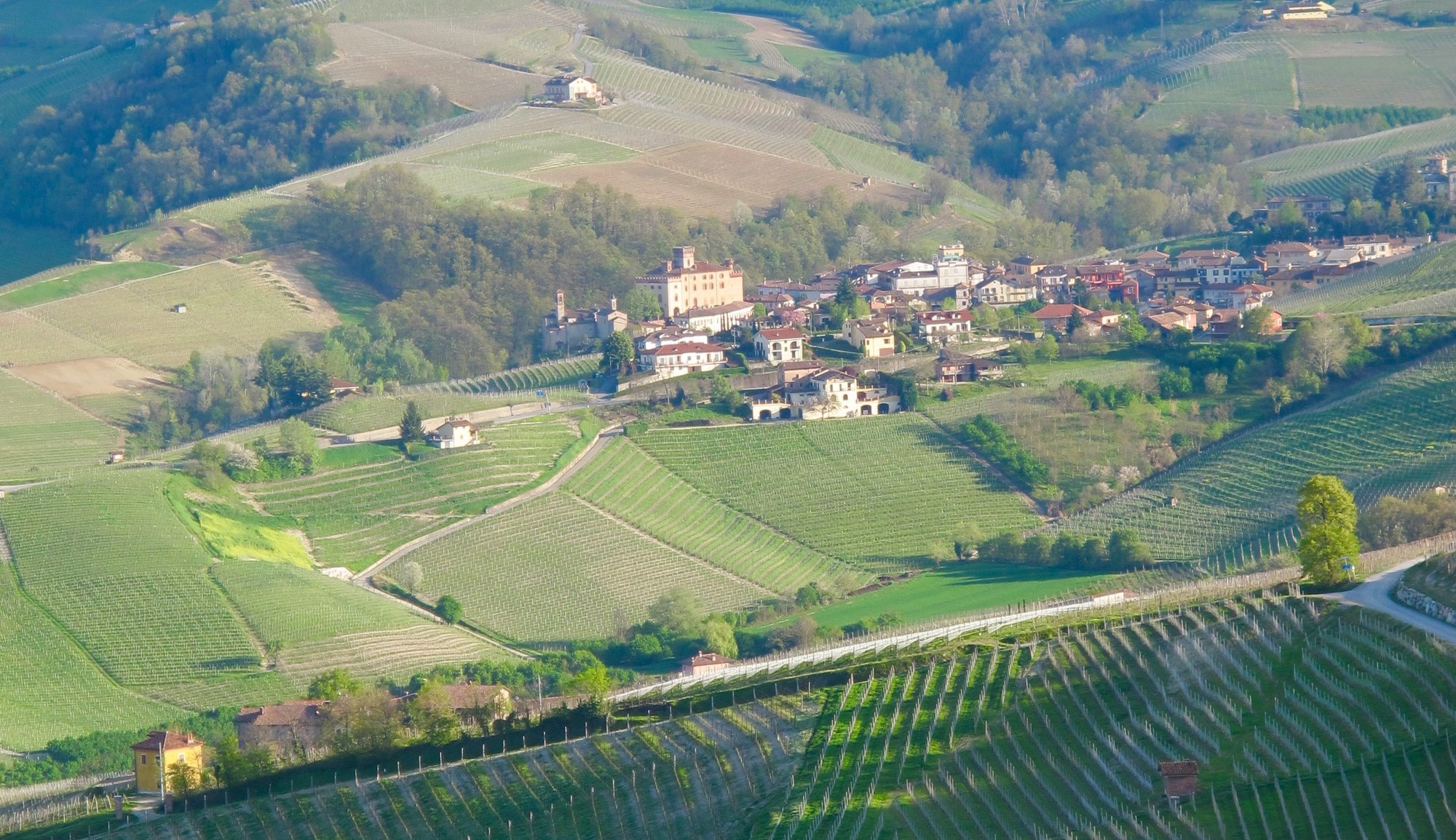
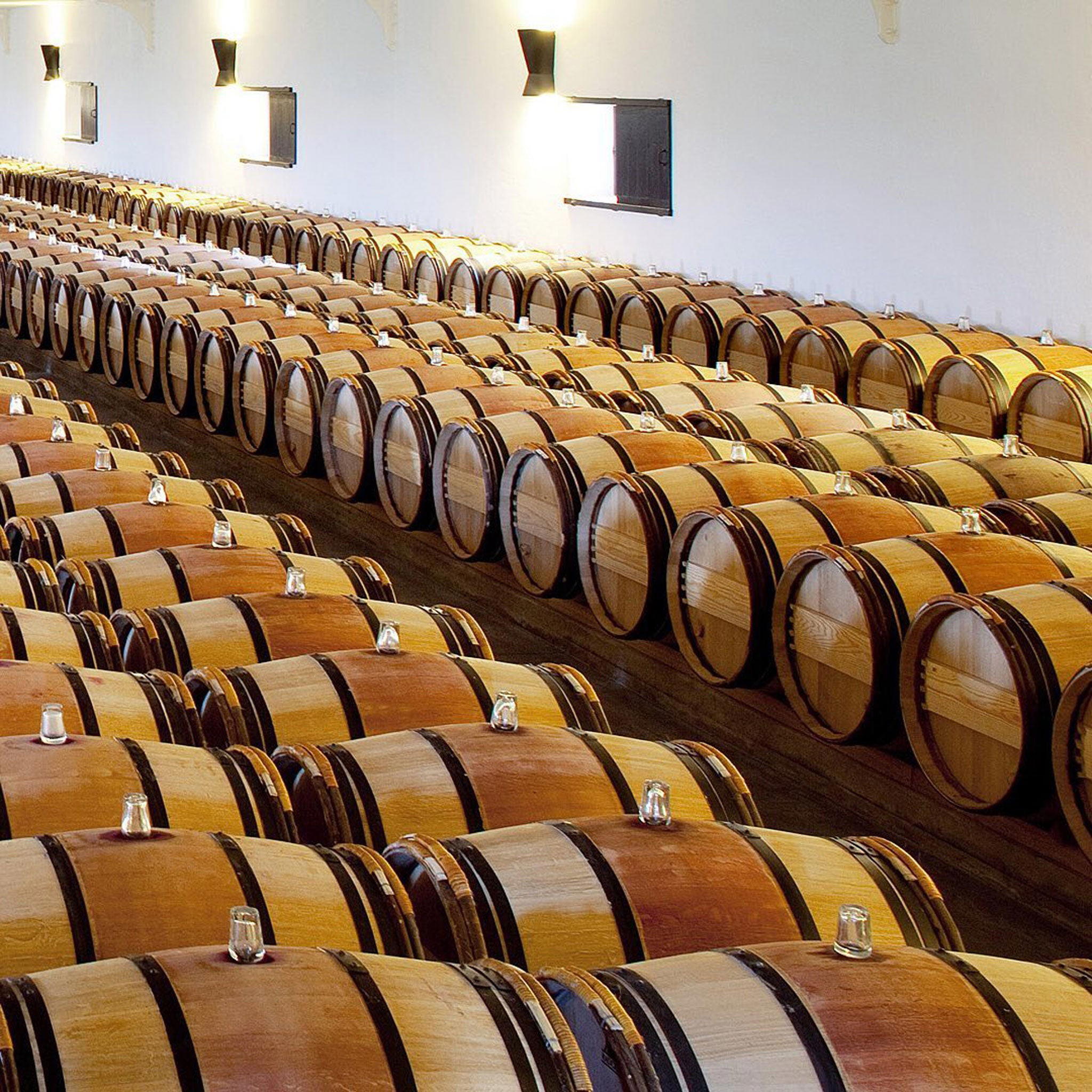
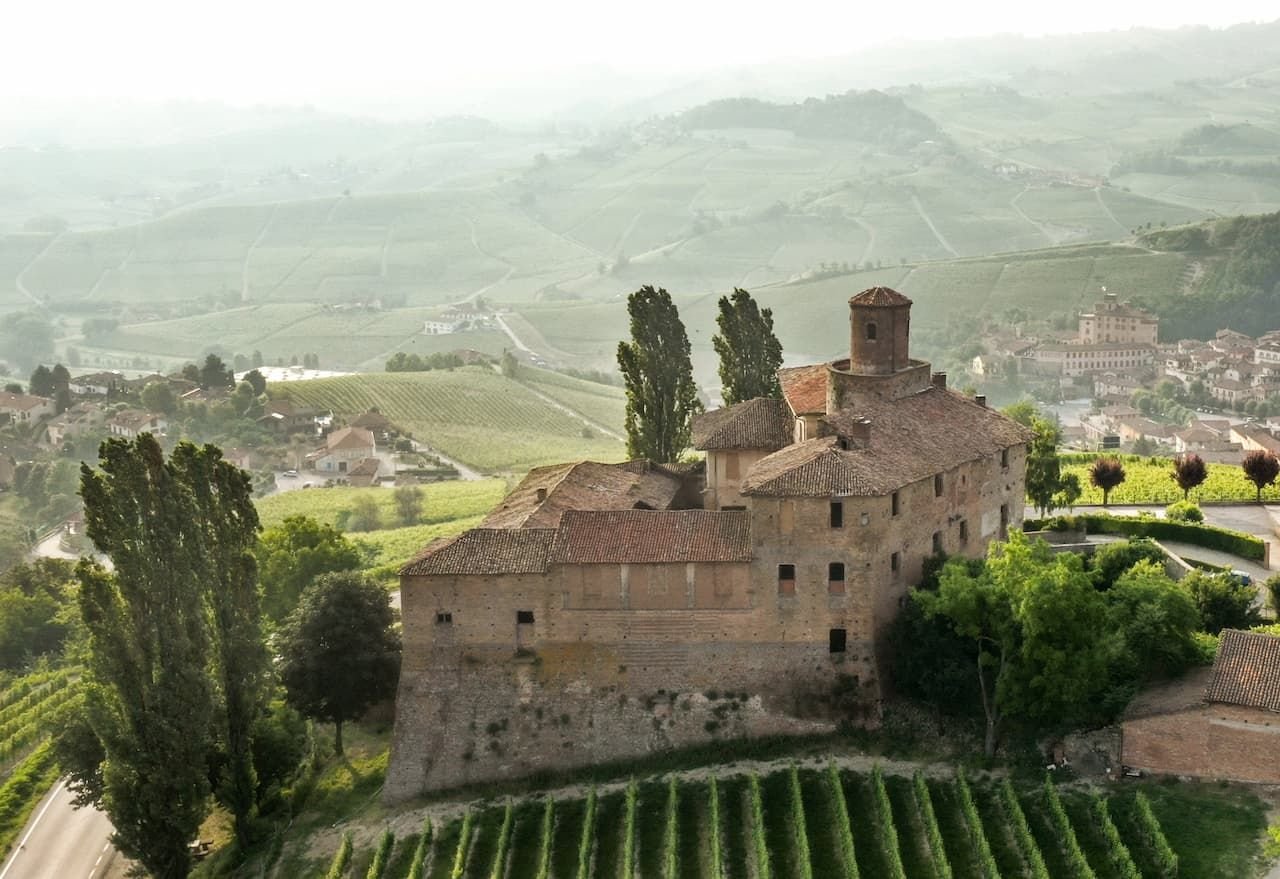
Marchesi di Barolo reads like an institution: the estate occupies a literal and symbolic first address on Via Roma and carries two centuries of continuous practice into the present. The writing emphasizes lineage and craft rather than nostalgia — restored nineteenth‑century oak casks are actively used for ageing, and the house’s custodial role in Barolo’s reputation is foregrounded. Visiting feels like stepping into the living archive of Barolo: architecture, production, and taste cohere around considerable seriousness, historical weight, and a measured, collector‑focused sophistication rather than trendy flash.
Best For
This estate is best for anyone seeking deep wine education or a contemplative, special‑occasion tasting rooted in history. The text positions Marchesi di Barolo as a reference point for serious collectors and students of Nebbiolo, stressing the region’s age‑worthy structure and aromatics that evolve over decades. Solo explorers comfortable with focused, somber tasting contexts will find it rewarding; groups looking for a landmark producer to anchor a celebration will also appreciate the provenance and continuity the house represents.
Tasting Tips
When engaging with Marchesi di Barolo, center the conversation on Barolo’s Nebbiolo: ask about ageability, tannin and acidity structure, and how the estate’s restored oak casks influence maturation. Inquire specifically about wines that have spent time in the historic casks mentioned in the description — the text frames those vessels as active and distinctive. For collectors, request guidance on bottlings suited to long cellaring versus those showing earlier approachability; seek context about the house’s nineteenth‑century origins to better appreciate provenance and stylistic intent.
Venue details
Ambiance
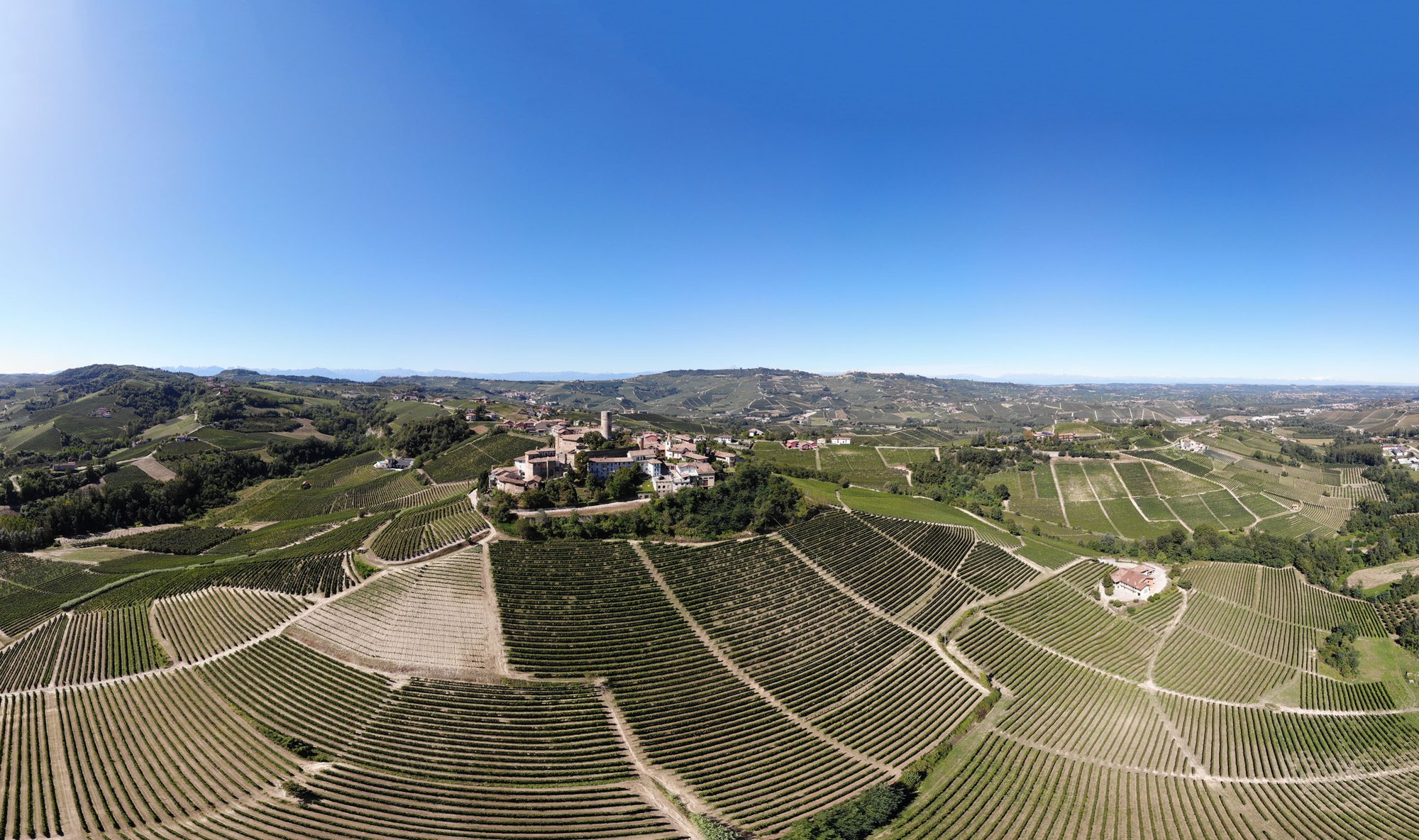
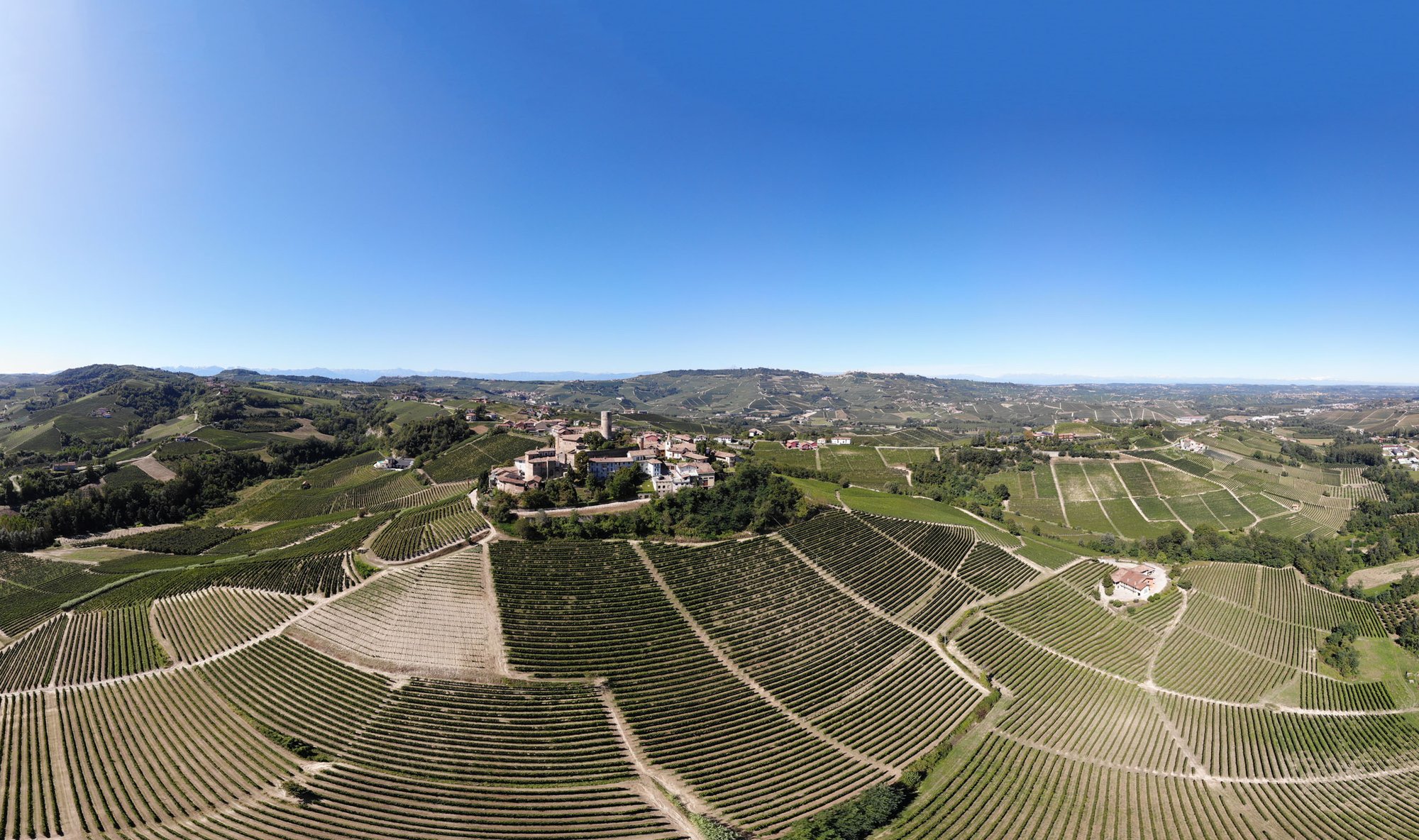
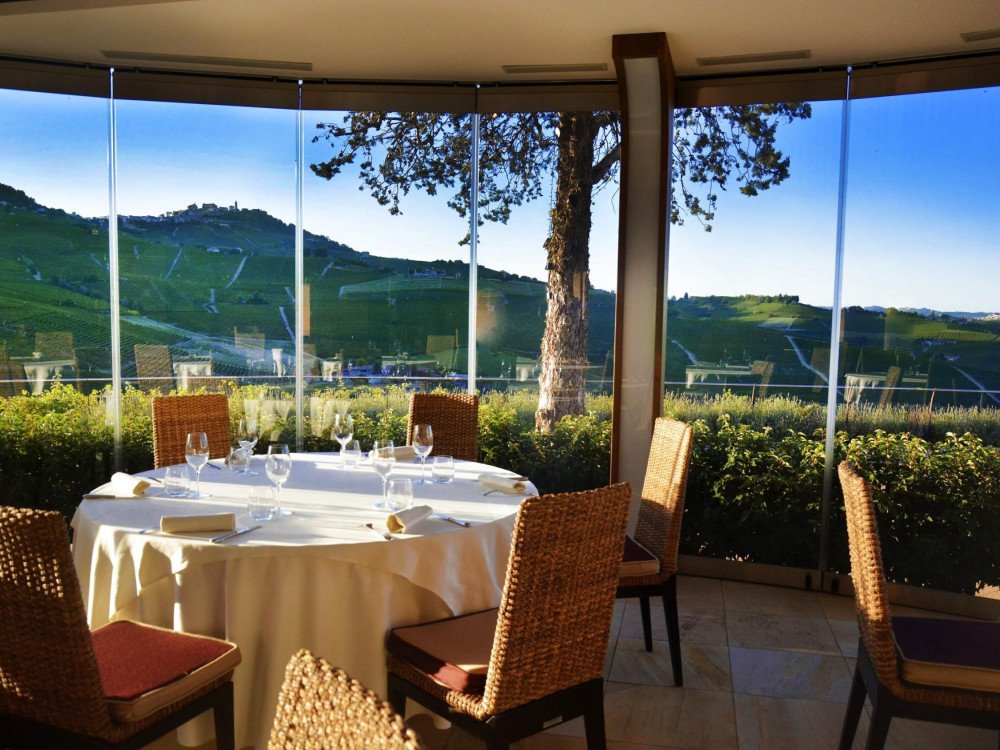
Elegant and historic atmosphere in ancient cellars surrounded by UNESCO vineyards, blending tradition with sophisticated charm.
Tags
Vibe
Best For
Experience
Sourcing
View
At the Vineyard
- Appellation
- Barolo DOCG
- Varietals
- Nebbiolo, Arneis
- Tour Duration
- 60-90 minutes
- Tour Languages
- English, Italian
- Visits
- By reservation
- Farming
- Sustainable
- Production
- Large producer
- Wine Styles
- Still Red
- Food Pairing
- Offered
- Wine Club
- Not available
Know before you go
Know Before You Go
- Getting there
- Via Roma, 1, 12060 Barolo CN
Planning details
Location
Recognition and awards


Also consider
Also Consider
- Luciano Sandrone, Notable alternative
- Elvio Cogno, Notable alternative
- Aldo Conterno, Notable alternative
- Paolo Scavino, Notable alternative
- Brovia, Notable alternative
Winery context
How it compares in Barolo
Marchesi di Barolo is the more obvious village-anchor choice if logistics matter: it suits travelers who want a recognizable Barolo name without building the day around hill-to-hill transfers. Luciano Sandrone is the stronger cross-shop for readers prioritizing a more producer-focused appointment, while Marchesi di Barolo is better for a polished celebration stop that fits neatly into a Barolo town itinerary.
For a more destination-style winery day, compare it with Elvio Cogno, Aldo Conterno, and Paolo Scavino. Those make more sense when the winery itself is the day's main reason to drive beyond the village. Marchesi di Barolo is the practical pick when lunch, a village walk, and one serious tasting need to work together without overcomplicating the schedule.
Brovia is the one to keep in the mix if the goal is a quieter, more wine-geek itinerary. Choose Marchesi di Barolo for reputation, centrality, and occasion value; choose Brovia or Luciano Sandrone when the priority is a more tightly focused producer visit.
Explore Barolo
Around this place
Discover more on Pearl
Unlock the full Marchesi di Barolo guide in Pearl, including awards, comparisons, FAQs, planning details, and nearby places.
Compare Marchesi di Barolo
| Venue | Location | Awards |
|---|---|---|
| Marchesi di Barolo | Barolo | 2026 Falstaff Winery Guide2025 World's 50 Best Vineyards · #80 |
| Luciano Sandrone | Barolo | 2026 Falstaff Winery Guide |
| Elvio Cogno | Novello | 2026 Falstaff Winery Guide |
| Aldo Conterno | Monforte d'Alba | 2026 Falstaff Winery Guide |
| Paolo Scavino | Castiglione Falletto | No published awards |
| Brovia | Castiglione Falletto | 2026 Falstaff Winery Guide |
How Marchesi di Barolo compares with similar nearby venues.
FAQ
Frequently Asked Questions
Do I need a reservation at Marchesi di Barolo?
Does Marchesi di Barolo offer purchasing or shipping options?
How long should I plan for a visit to Marchesi di Barolo?
Ask Marchesi di Barolo for the expected visit timing before fixing the rest of your Barolo itinerary.
Does Marchesi di Barolo offer membership or special purchasing programs?
Check directly with the venue for membership or special purchasing programs. Marchesi di Barolo's 2025 recognition includes Pearl 3 Star Prestige and World's 50 Best Vineyards #80.
What other venues should I compare with Marchesi di Barolo?
Luciano Sandrone, Elvio Cogno, Aldo Conterno, Paolo Scavino, and Brovia are useful comparison names when planning an itinerary. Choose Marchesi di Barolo when you want a Barolo venue with 2025 recognition.
When is the best time to visit Marchesi di Barolo?
Does Marchesi di Barolo serve food?
Do not plan around dining at Marchesi di Barolo unless the venue offers it for your visit.