
Shaw + Smith
Balhannah, Adelaide Hills
Winery in Adelaide Hills, Australia
 Book with Pearl
The Read
Cool-Climate Altitude Viticulture
Price
$20–30tasting
Why go
Shaw + Smith is the Adelaide Hills booking to prioritise when wine is the point of the trip, not a side stop. It suits smaller groups, slower pacing, and visitors who want a polished estate-led tasting rather than a loose cellar-door crawl.
About Shaw + Smith
Shaw + Smith is a Pearl 2 Star Prestige (2025) venue in Adelaide Hills. The safest way to frame a visit is as an Adelaide Hills stop rather than to assume a specific service format, menu, tasting structure, or booking policy. The dress code is smart casual, so plan for a polished but not formal visit.
Information about hours, prices, food, drinks, visit format, group size, or reservations is not available. Use the official Shaw + Smith channels for those practical details before travelling, then treat the recognition as the main reason why it belongs on a considered Adelaide Hills itinerary.
Book it for a considered Adelaide Hills day, not an assumed drop-in crawl
Shaw + Smith is best treated as a deliberate Adelaide Hills stop until current operating details are confirmed directly with the venue. If you are building a broader regional plan, use Our full Adelaide Hills venue guide to compare options, then keep food, sleep, and post-visit plans separate with Our full Adelaide Hills restaurants guide, Our full Adelaide Hills hotels guide, Our full Adelaide Hills bars guide, and Our full Adelaide Hills experiences guide.
For other named options, compare Shaw + Smith with Adelaide Hills Distillery (78°), Bird in Hand, Murdoch Hill, Nepenthe, and Tapanappa. Keep the comparison practical: decide which venue best fits the day you are planning, then confirm the latest details directly before you go.
The Adelaide Hills setting adds value if you plan around confirmed details
Shaw + Smith is located in Adelaide Hills. Details like street address, neighbourhood, opening hours, prices, food service, drinks offering, or visit format are not available, so avoid building the day around assumptions. The more reliable approach is to confirm the current visit details with the venue and then schedule the rest of the day around those facts.
The verdict: Shaw + Smith is a strong Adelaide Hills consideration because it carries Pearl 2 Star Prestige (2025) recognition. Plan for smart casual dress, confirm all practical details before visiting, and compare it with other Adelaide Hills venues if you need a specific format, timing, or broader itinerary fit.
Planning details
- Location
- 136 Jones Rd, Balhannah SA 5242
- Website
- shawandsmith.com
- Phone
- +61 8 8398 0500
The take
The Take
The Vibe
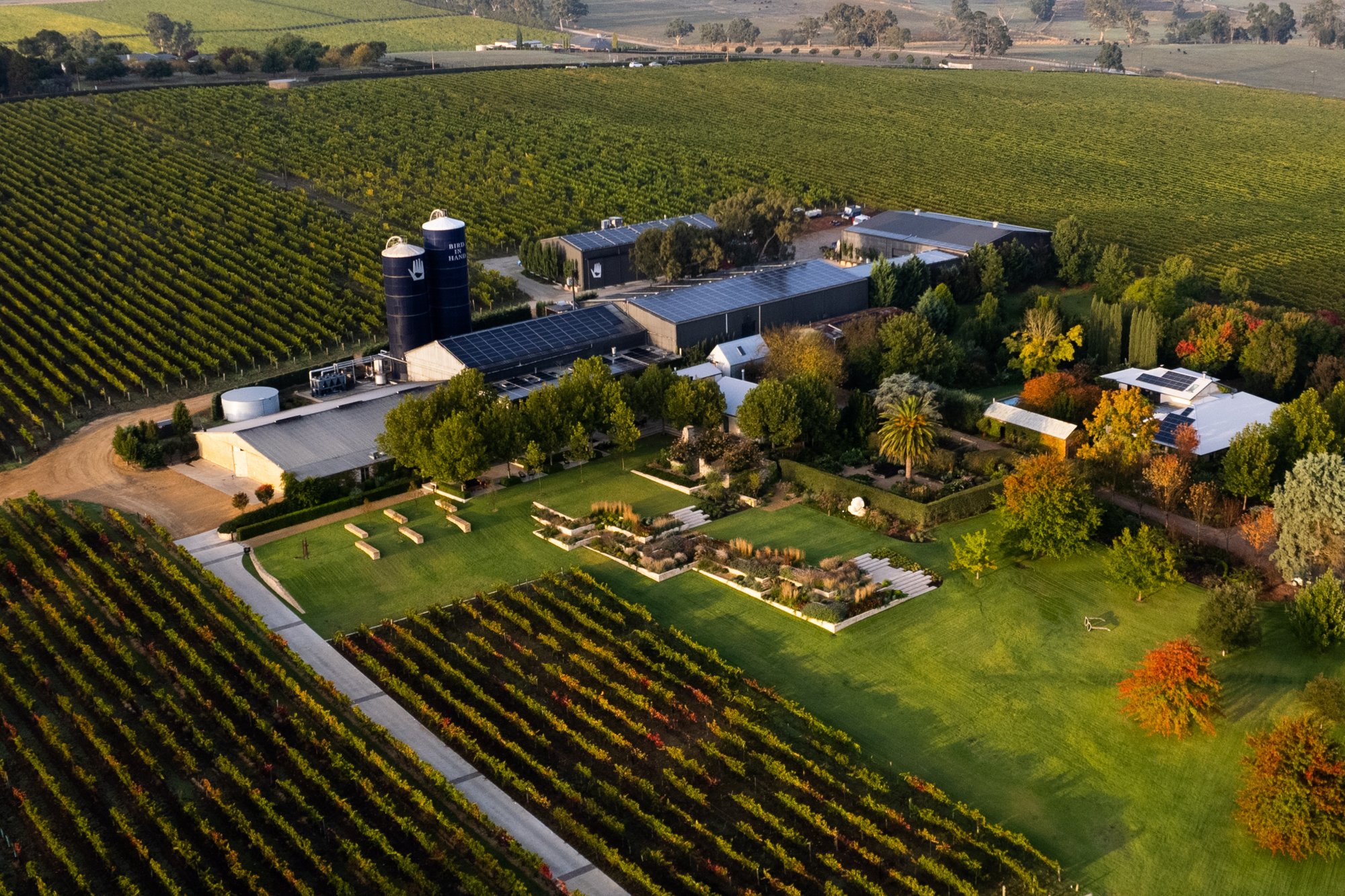
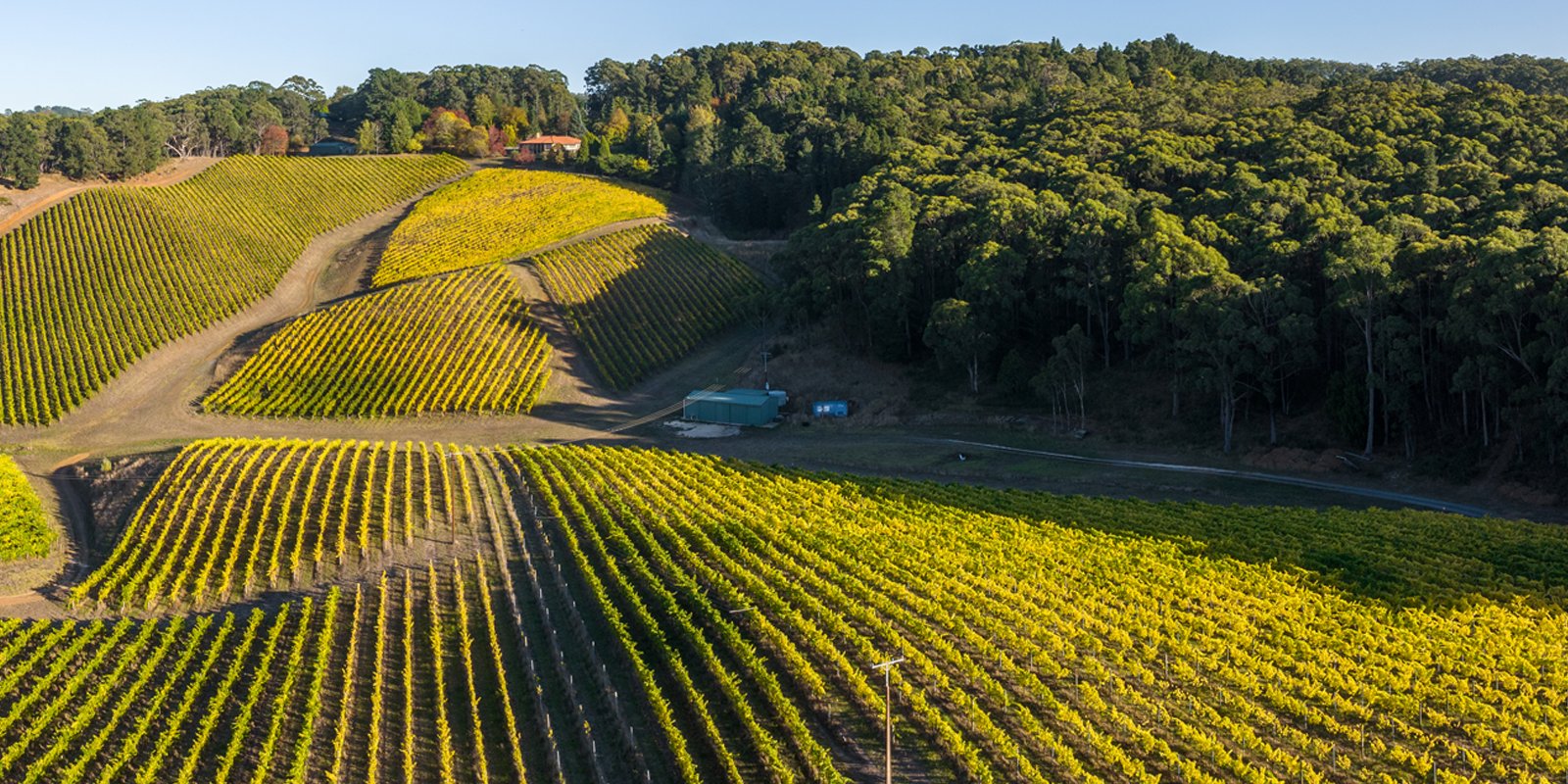
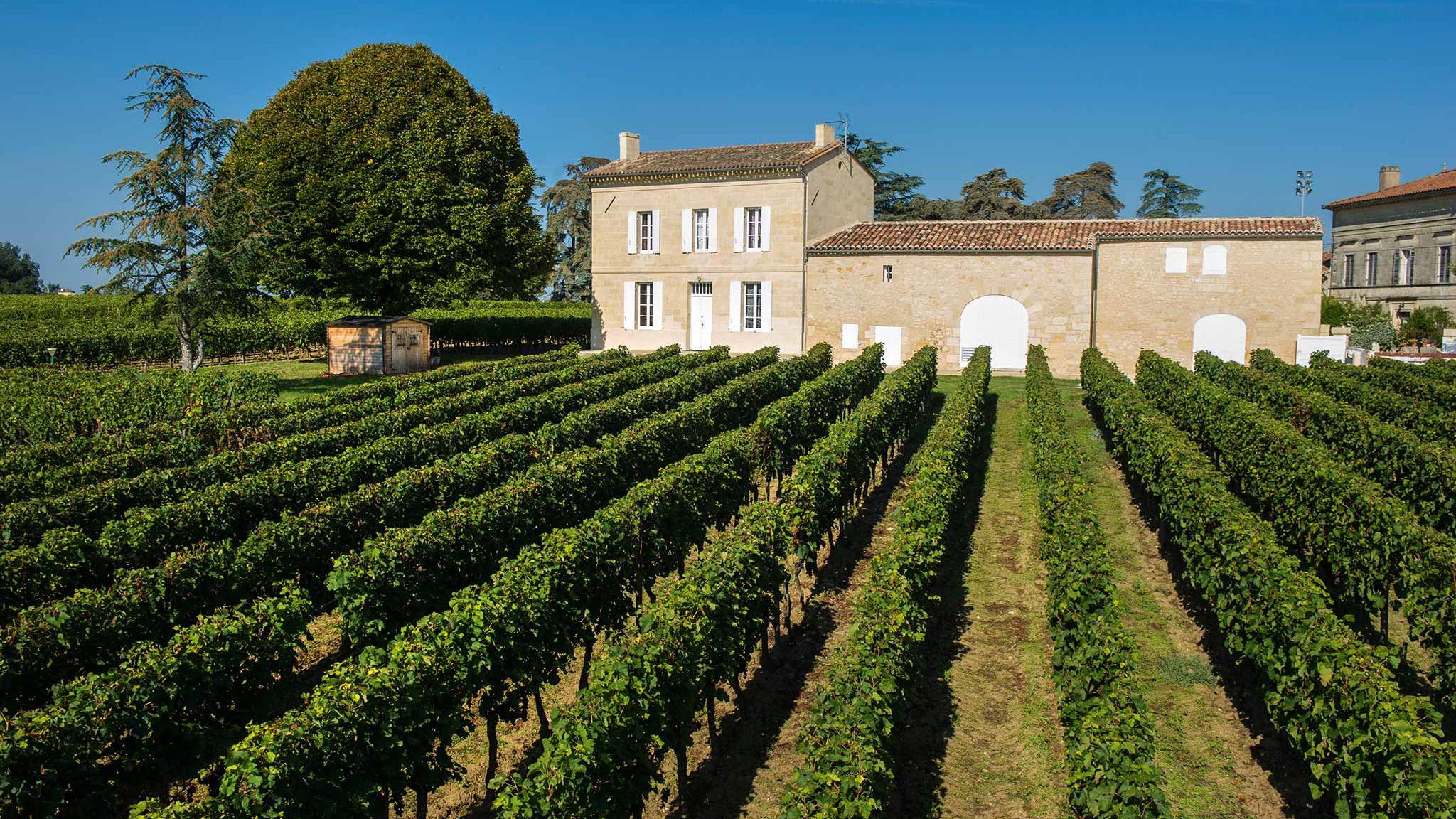
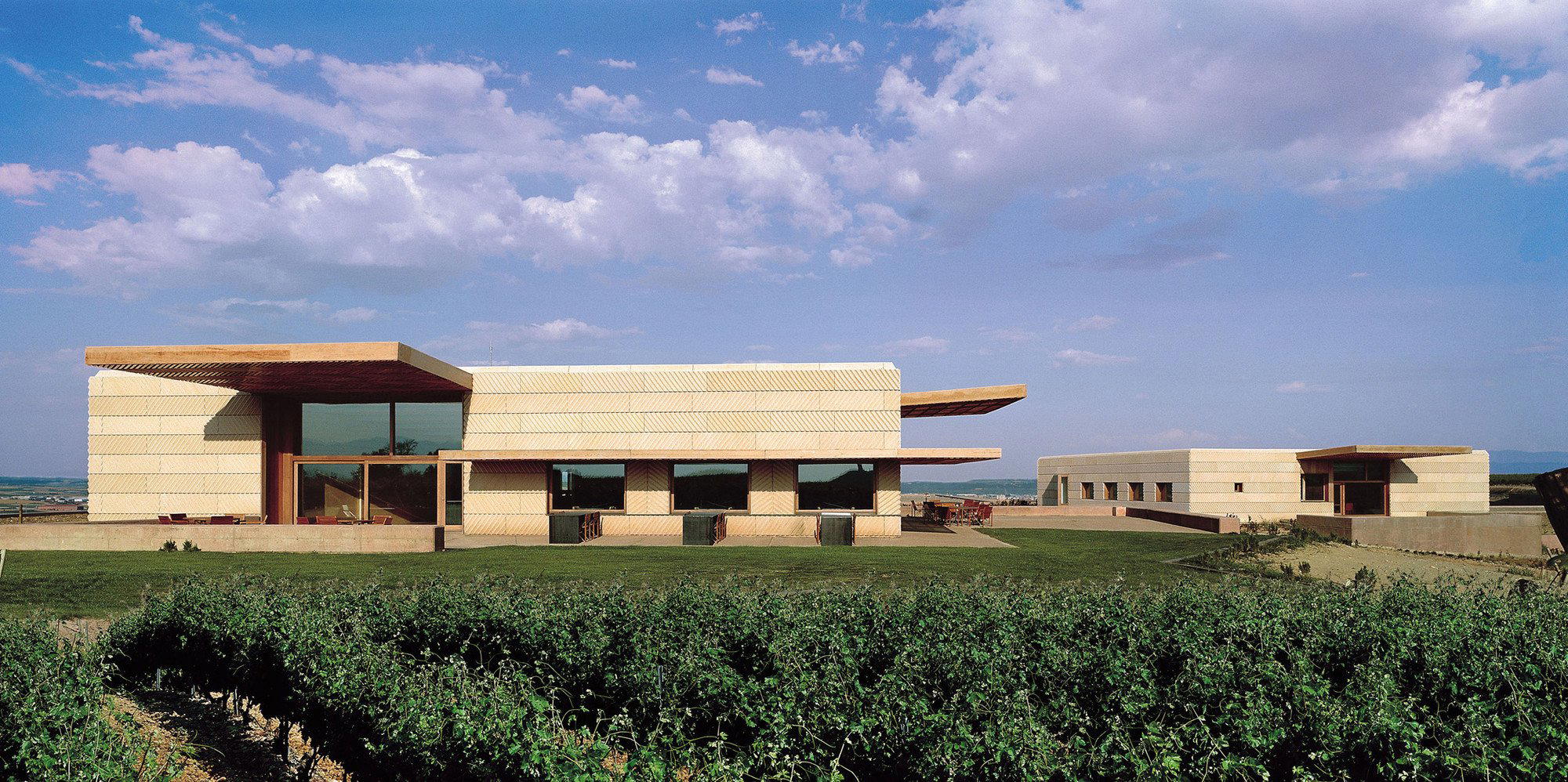
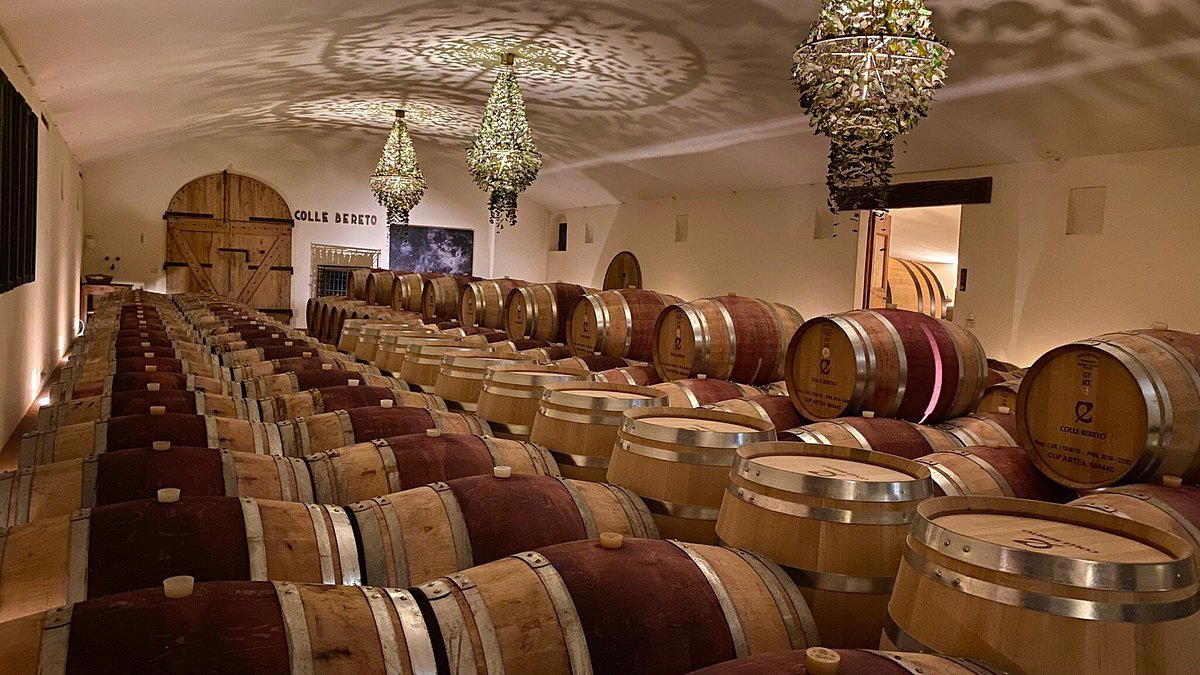
Shaw + Smith presents a quietly assured winery experience rooted in cool‑climate clarity. The estate sits on the Adelaide Hills ridgeline, and the site’s elevation and cooler growing season are central to how the place thinks about fruit and structure. The cellar door is not a theatrical set piece but a working extension of production: tanks and barrels are visible, and the overall geometry of the site feels organised around winemaking logic. The wines mirror that restraint — direct, unornamented and focused on natural acidity and tension rather than overt ripeness — making the visit feel thoughtful and matter‑of‑fact.
Best For
Shaw + Smith is well suited to visitors who want to study cool‑climate viticulture or mark a quieter, elevated celebration. As a regional benchmark with a Pearl 2 Star Prestige award, the estate attracts people interested in tasting precise, site‑driven expressions of Sauvignon Blanc, Chardonnay, Pinot Noir and Shiraz. The production‑forward cellar door supports educational conversations about site, vintage and technique, while the ordered, untheatrical environment makes it a calm setting for a special occasion tasting rather than a boisterous group outing.
Tasting Tips
When tasting at Shaw + Smith, focus on the core varieties the house emphasises: Sauvignon Blanc and Chardonnay alongside the estate’s Pinot Noir and Shiraz. Taste with the cool‑climate argument in mind — look for natural acidity, structural tension and varietal clarity — and ask staff about the visible tanks and barrels to learn how the wines are made on site. Comparing the same fruit sources across vintages will highlight the estate’s deliberate approach to depth over breadth. The producer’s recent EP Club recognition is a useful shorthand for quality when selecting bottles to take away.
Venue details
Ambiance
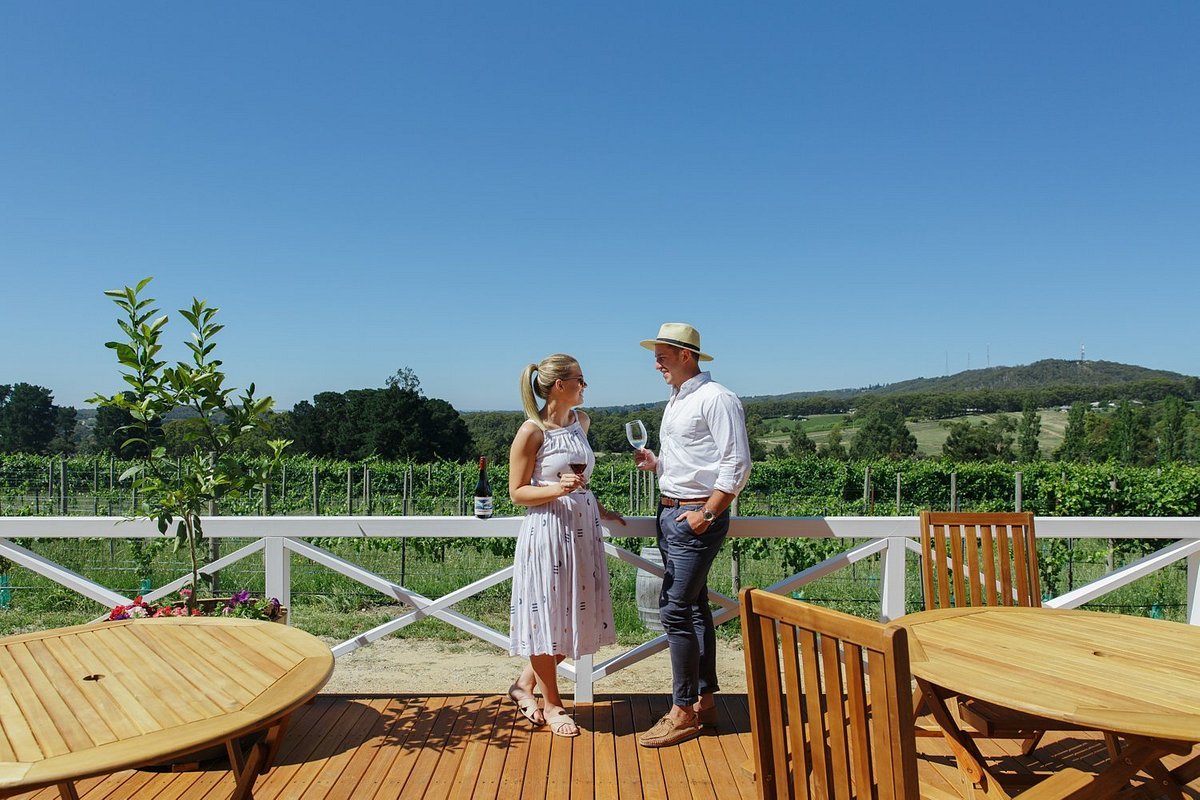
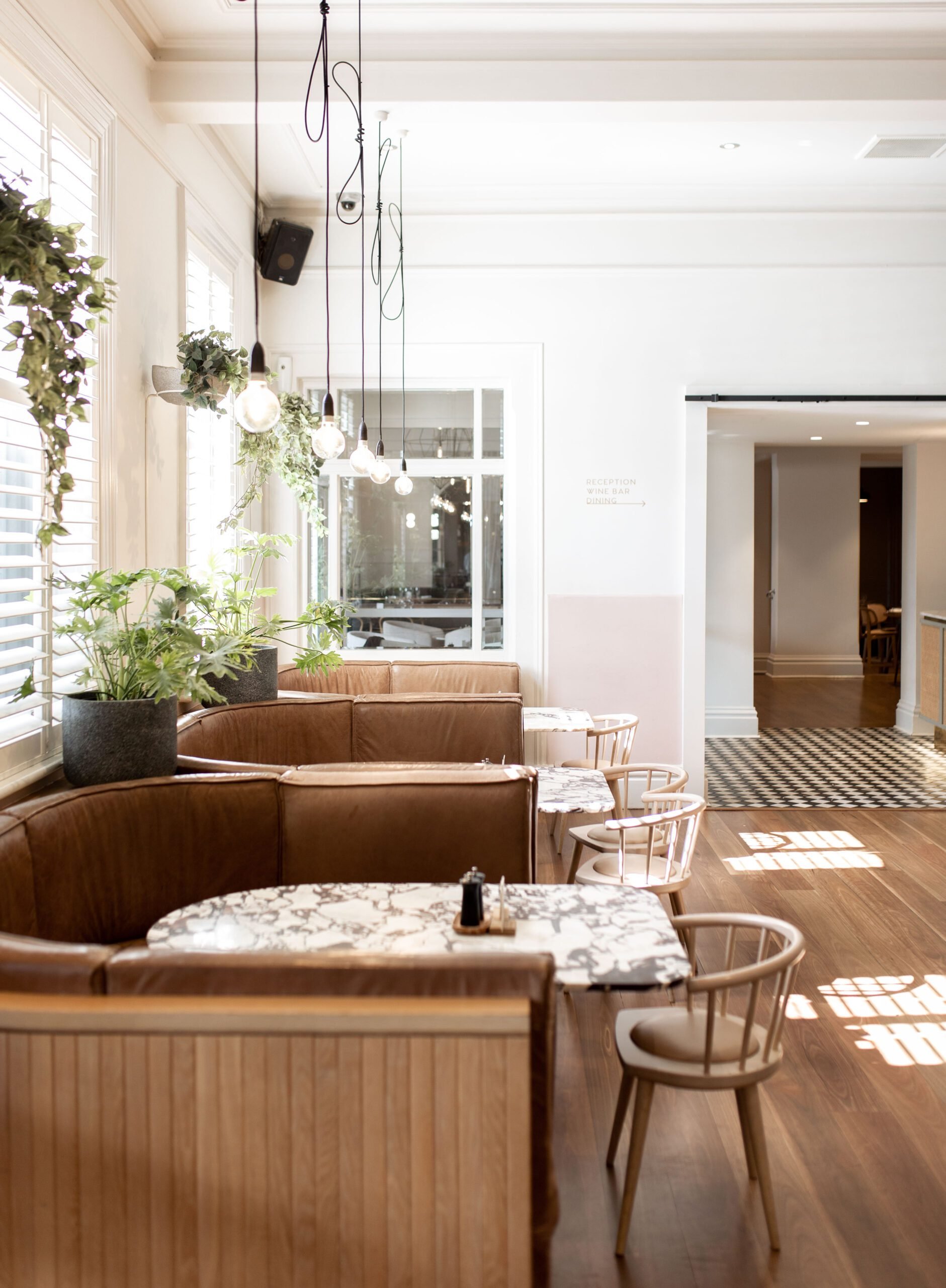
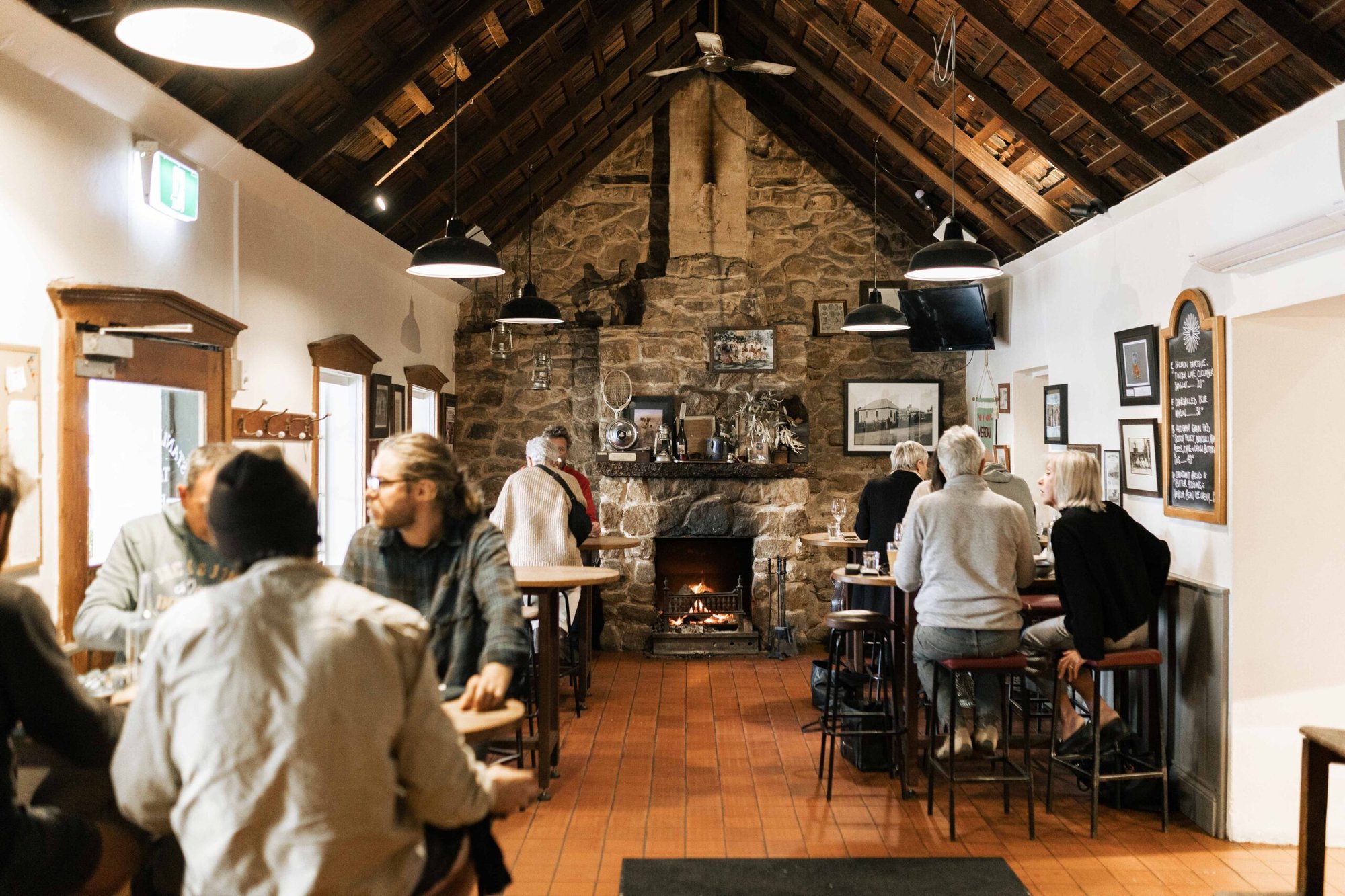
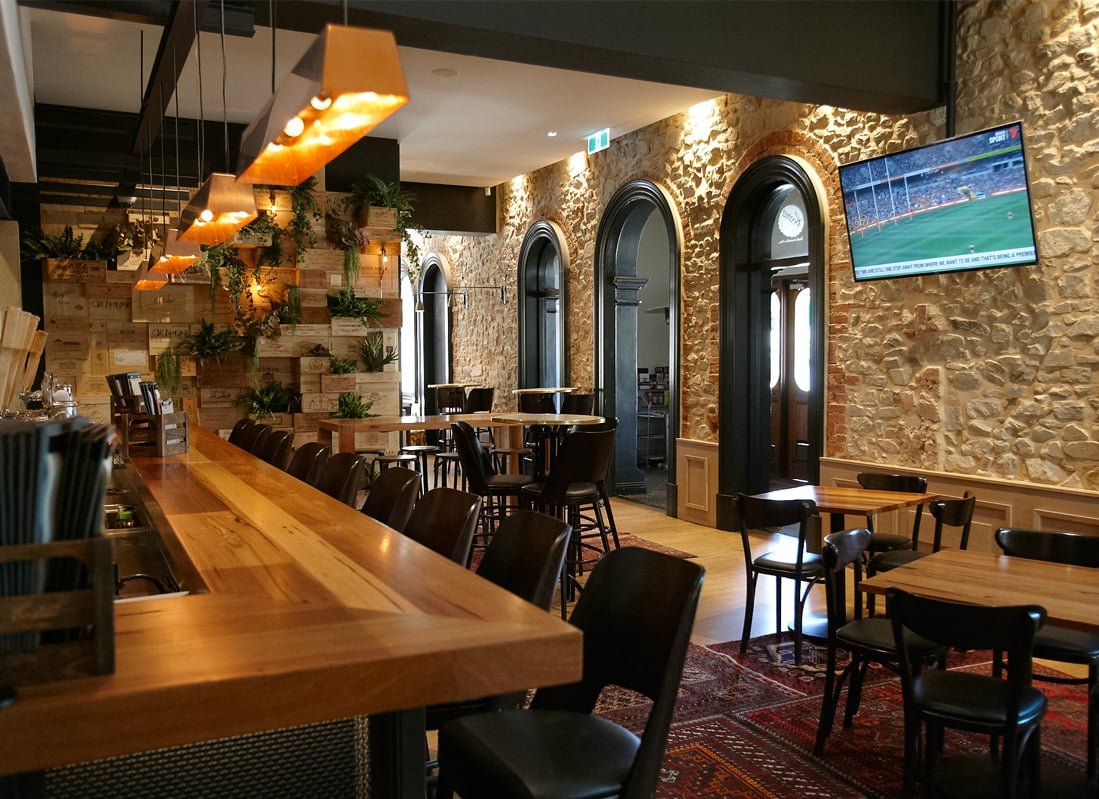
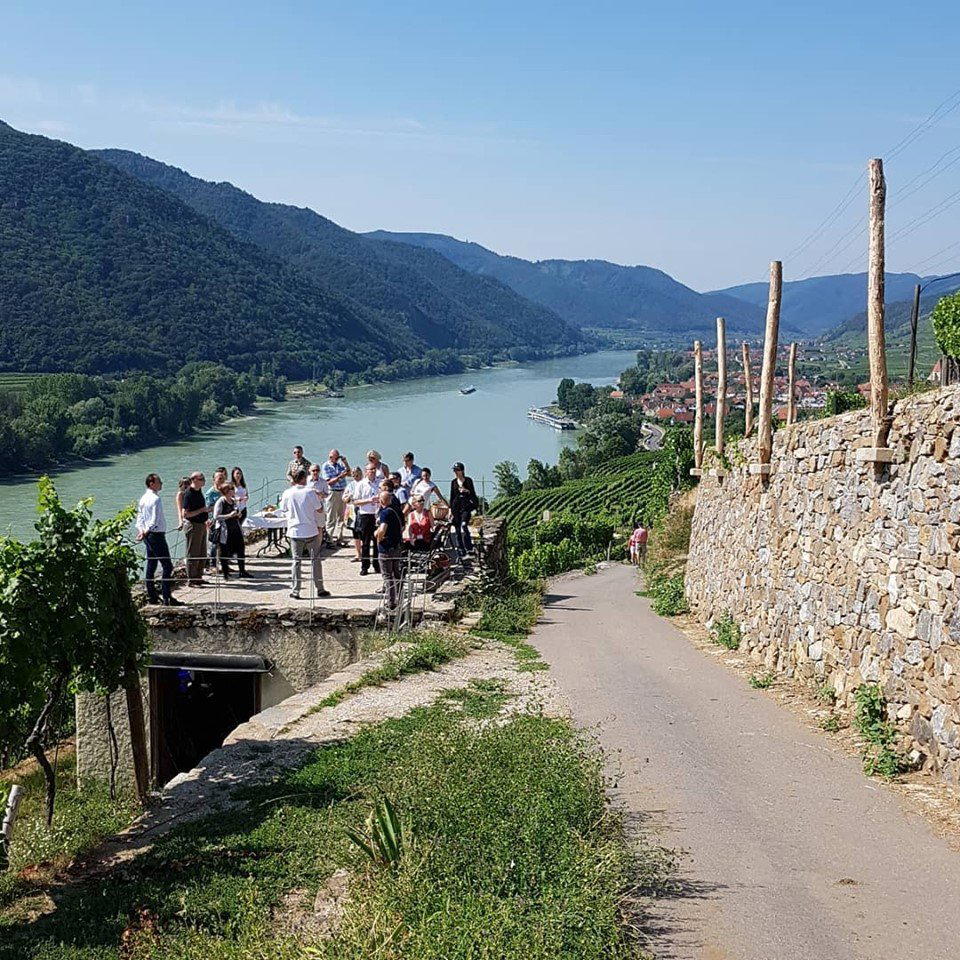
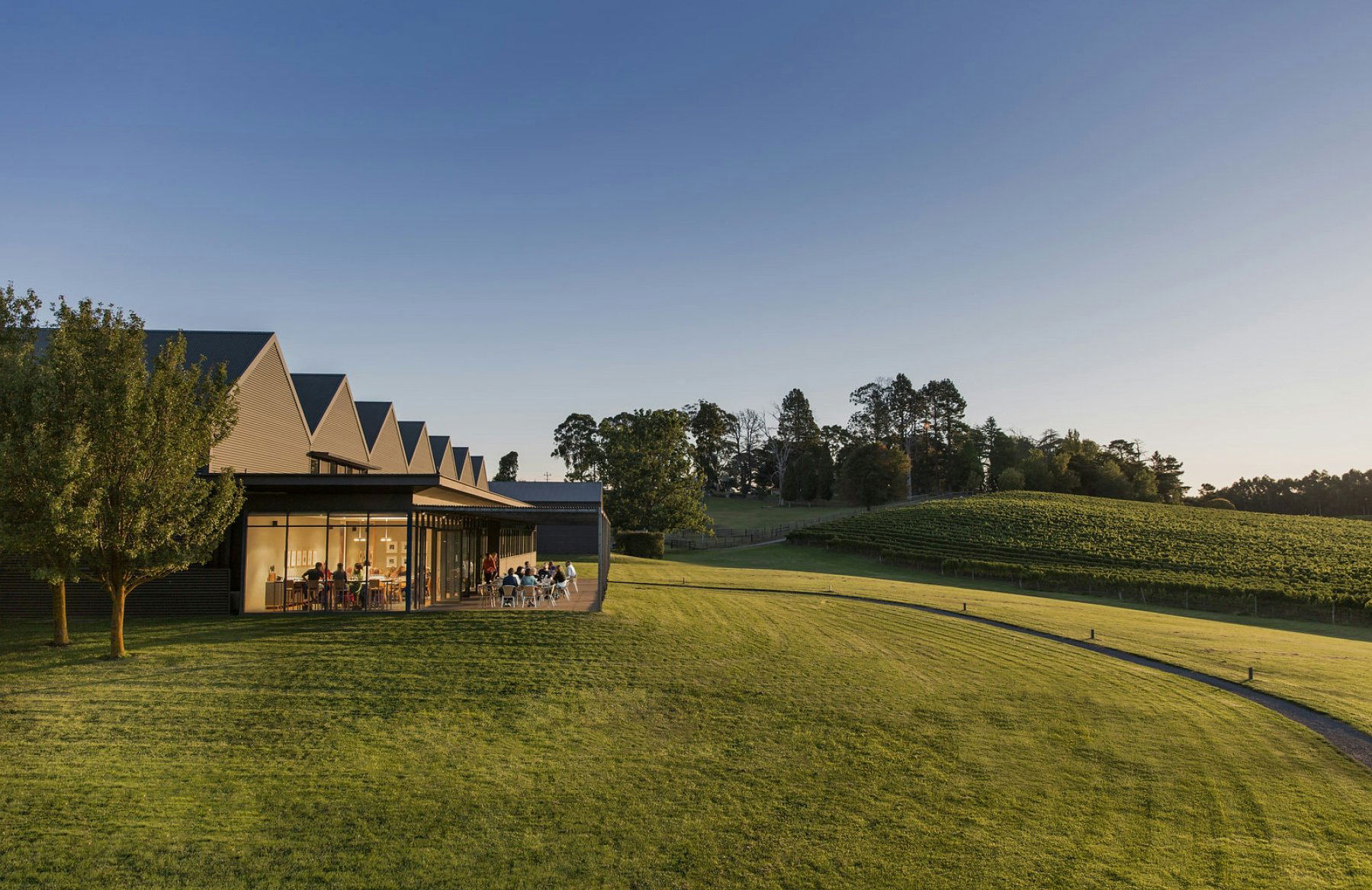
Stylish and modern with panoramic vineyard views, relaxed terrace seating, and cozy open fire in winter.
Tags
Vibe
Best For
Experience
View
At the Vineyard
- Appellation
- Adelaide Hills
- Varietals
- Sauvignon Blanc, Riesling, Chardonnay, Pinot Noir, Shiraz
- Tour Duration
- 60-90 minutes
- Visits
- By reservation
- Wine Styles
- Still White, Still Red
- Food Pairing
- Offered
- Shipping
- Available
- Wine Club
- Available
Know before you go
Know Before You Go
- Getting there
- 136 Jones Rd, Balhannah SA 5242
Planning details
Location
Recognition and awards

Also consider
Also Consider
- Nepenthe, Notable alternative
- Adelaide Hills Distillery (78°), Notable alternative
- Murdoch Hill, Notable alternative
- Bird in Hand, Notable alternative
- Tapanappa, Notable alternative
Winery context
How It Compares
Choose Shaw + Smith when the group wants the wine appointment to anchor the day. Compared with Nepenthe and Bird in Hand, it reads as the more focused choice for travellers who care less about a broad social stop and more about a composed cellar-door visit.
Murdoch Hill is the better cross-shop for drinkers who want another wine-led Adelaide Hills option, while Adelaide Hills Distillery (78°) is the practical fallback when the group wants cocktails or spirits rather than another tasting. If booking pressure is the issue, those alternatives may be easier to work into a flexible route.
Tapanappa makes more sense for travellers willing to build the day around an out-of-metro stop. Stay with Shaw + Smith if the priority is a high-confidence Adelaide Hills cellar-door anchor; look elsewhere if the trip needs looser timing, larger-group energy, or a lower-commitment stop.
Explore Adelaide Hills
Around this place
Discover more on Pearl
Unlock the full Shaw + Smith guide in Pearl, including awards, comparisons, FAQs, planning details, and nearby places.
Compare Shaw + Smith
| Venue | Location | Awards |
|---|---|---|
| Shaw + Smith | Adelaide Hills | 2026 Falstaff Winery Guide |
| Nepenthe | Adelaide Hills | No published awards |
| Adelaide Hills Distillery (78°) | Adelaide Hills | No published awards |
| Murdoch Hill | Adelaide Hills | No published awards |
| Bird in Hand | Adelaide Hills | 2026 Falstaff Winery Guide |
| Tapanappa | Piccadilly Valley | 2026 Falstaff Winery Guide |
How Shaw + Smith Adelaide Hills compares with similar nearby venues.
FAQ
Frequently Asked Questions
When is the best time to visit Shaw + Smith?
Specific best time, opening hours, or booking window is not available. Treat Shaw + Smith as a planned Adelaide Hills stop and confirm current details directly with the venue before you go. The Pearl 2 Star Prestige (2025) recognition makes it worth considering in advance rather than treating practical details as assumed.
What should I know before visiting Shaw + Smith?
Details include Adelaide Hills location, smart casual dress, and Pearl 2 Star Prestige (2025) recognition. If a specific offering or visit format matters, check Shaw + Smith's official channels for current information before planning around it.
Does Shaw + Smith serve food?
Food service details are not available. If dining is important to the day, confirm directly with Shaw + Smith or plan separately around other Adelaide Hills dining.
What is the dress code at Shaw + Smith?
Do I need a reservation at Shaw + Smith?
Reservation requirements are not available. Before visiting Shaw + Smith in Adelaide Hills, confirm the current booking policy directly with the venue, especially if you are planning around a specific date or time.