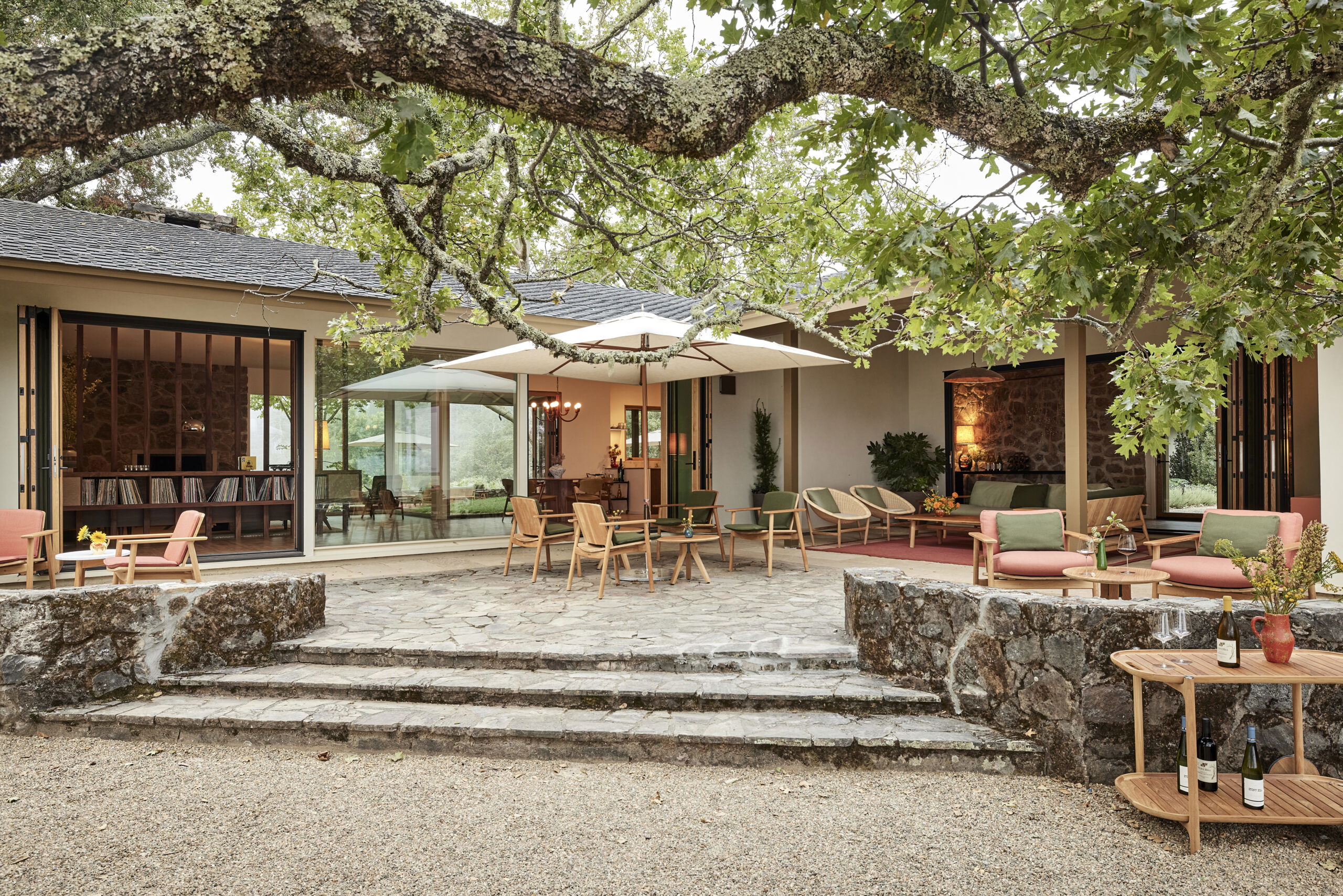


Stony Hill Vineyard
St. Helena, Napa
Winery in Napa, United States
 Book with Pearl
The Read
Spring Mountain Restraint
Why go
Stony Hill Vineyard is worth prioritizing for wine travelers who want Napa heritage and producer context rather than a broad hospitality experience. The first vintage dates to 1952, and the St. Helena setting makes it a focused stop for a serious tasting itinerary, especially if the group is small and wine-led.
About Stony Hill Vineyard
Use this as a focused Napa venue guide for Stony Hill Vineyard. Stony Hill Vineyard is in Napa, Mike Chelini is listed as chef/owner, the dress code is smart casual, and the venue holds 4 Star Prestige recognition for 2025.
Because specific hours, prices, visit formats, menu details, group capacity, shipping options, and a street address are not included here, do not build a plan around those assumptions. Confirm the operational details directly with the venue before making it the anchor of a Napa itinerary.
Book this for a focused Napa stop, not for extras
Stony Hill Vineyard is best considered when the goal is a Napa visit centered on the venue itself rather than on details that are not confirmed. The smart-casual dress code gives a useful baseline for how to show up, but the available information does not support claims about a food program, a particular service style, lunch, large-group setup, or a specific hospitality format.
The practical play is to confirm timing, availability, and visit details directly before committing. Visitors planning a fuller trip can use Pearl's Napa wineries guide for the itinerary, then pair it with the Napa restaurants guide, the Napa hotels guide, the Napa bars guide, and the Napa experiences guide if the visit is part of a full weekend.
Where it sits among serious venue visits
For travelers comparing options, Stony Hill Vineyard can be considered alongside Charbay Winery & Distillery, Keenan Winery, Philip Togni Vineyard, Schramsberg Vineyards, and Smith-Madrone Vineyards & Winery. Those names provide useful reference points for building a broader itinerary, but any differences in format, location, hours, or visitor experience should be checked directly with each venue.
The verdict: consider Stony Hill Vineyard if you want a Napa stop with 4 Star Prestige recognition and a smart-casual baseline. Do not assume food service, a specific visit format, a street address, large-group flexibility, or other operational details unless the venue confirms them directly.
Planning details
- Location
- 3331 St Helena Hwy North, St Helena, CA 94574
- Website
- stonyhillvineyard.com
- Phone
- +1 707-963-2636
The take
The Take
The Vibe
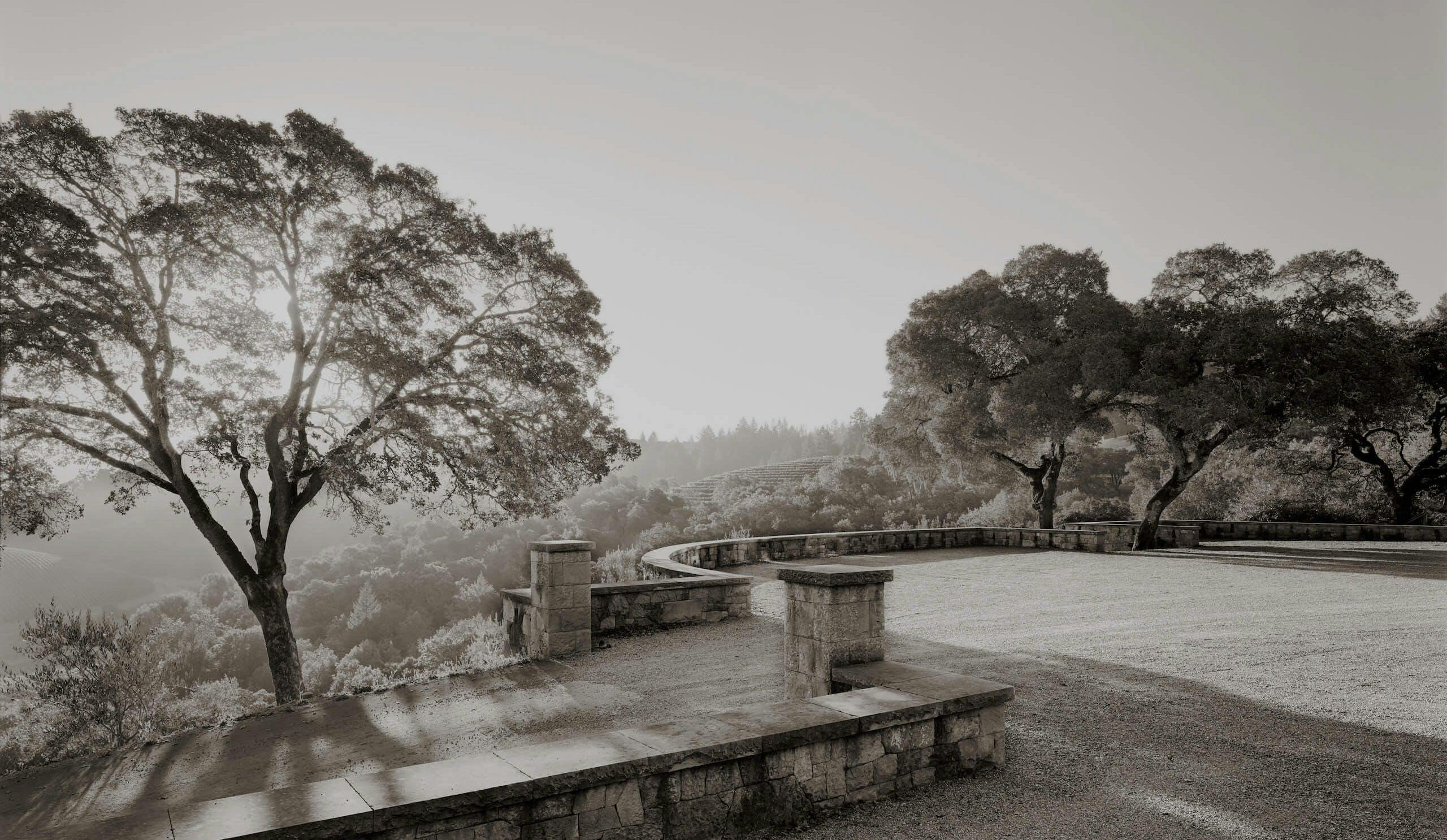
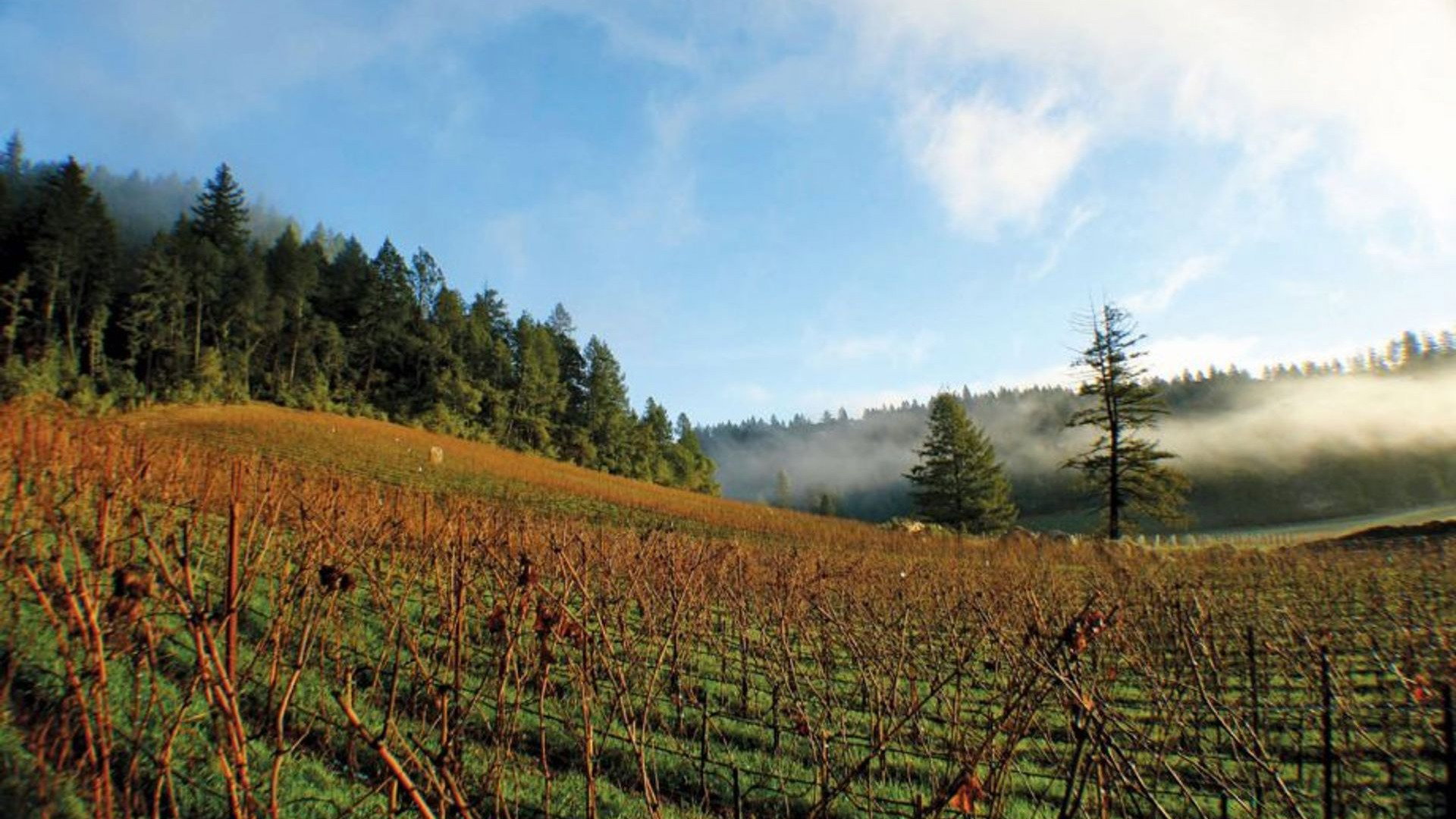
Stony Hill Vineyard reads like a quiet chapter in Napa history. The estate’s 1952 founding and hillside site frame a restrained, contemplative mood rather than the fanfare of later, market-driven wineries. Writing about oak canopies, volcanic soils and shifting afternoon light underscores an old‑school farming sensibility: low-key, attentive and rooted in place. Visitors encounter a landscape-first character—muted and serious rather than flashy—where geology and elevation shape the experience. The result is a historic, serene property that rewards slow, observant tasting and a preference for understated, place-driven wines.
Best For
This is a destination for travelers who prize history and terroir. The vineyard’s pre‑commercial provenance and hillside context make it especially rewarding for solo exploration, focused wine study and low‑key special occasions that favor atmosphere over spectacle. Couples and small groups who want a quiet, contemplative tasting experience—one that emphasizes place and farming legacy—will find the setting particularly fitting. It also appeals to visitors seeking a deeper sense of Napa’s roots rather than the valley’s more theatrical tasting-room scenes.
Tasting Tips
Given Stony Hill’s emphasis on site and history, approach tastings with questions about provenance rather than chasing novelty. Ask staff about the estate’s 1952 origins, the role of elevation and volcanic-derived soils, and how those factors shape current vintages. If available, request verticals or wines that highlight site expression so you can sense the house’s stylistic throughlines. Expect restrained, terroir-driven wines; listening for detail and minerality will pay dividends more than seeking overtly bold or modern styles.
Venue details
Ambiance
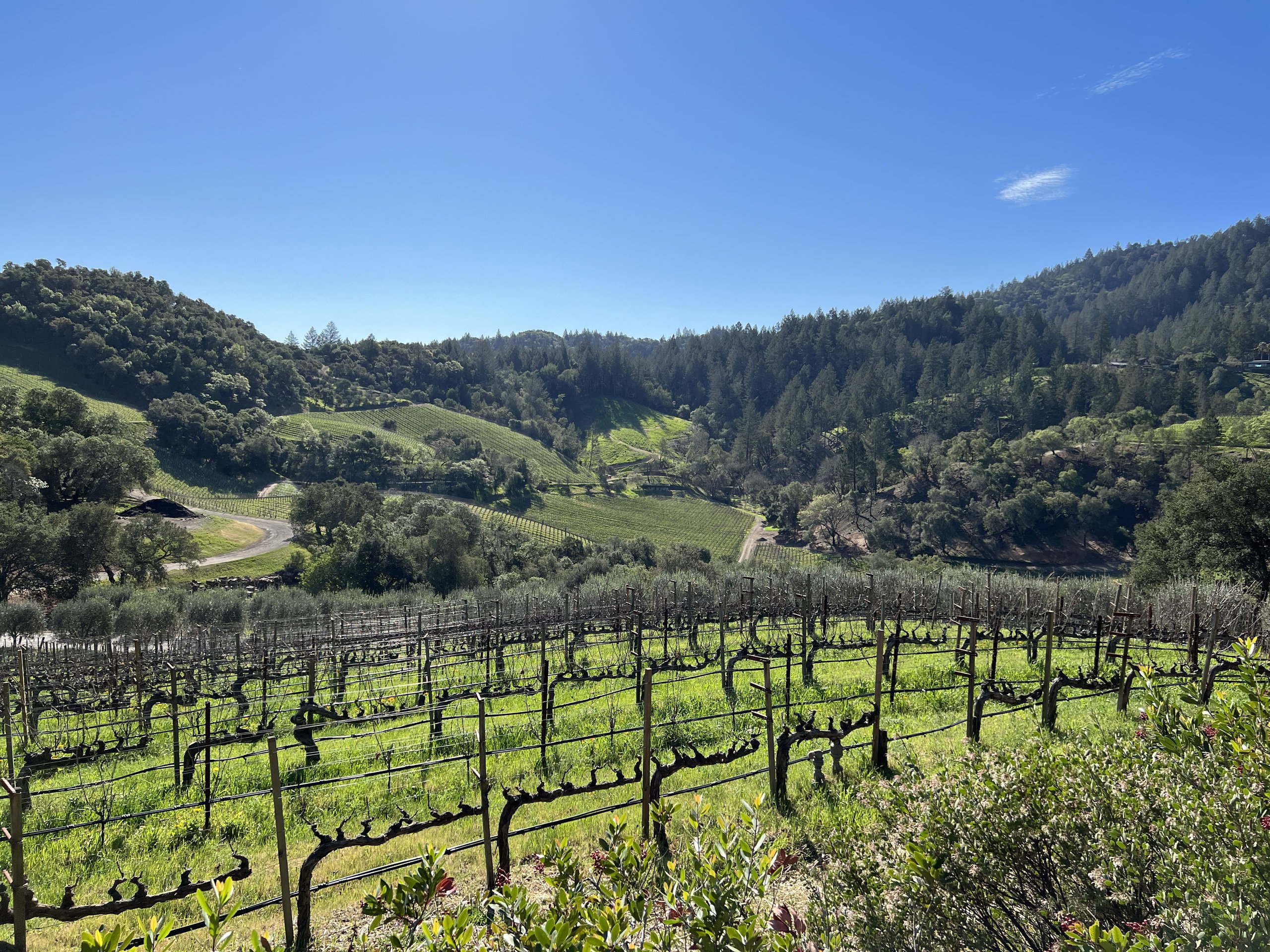
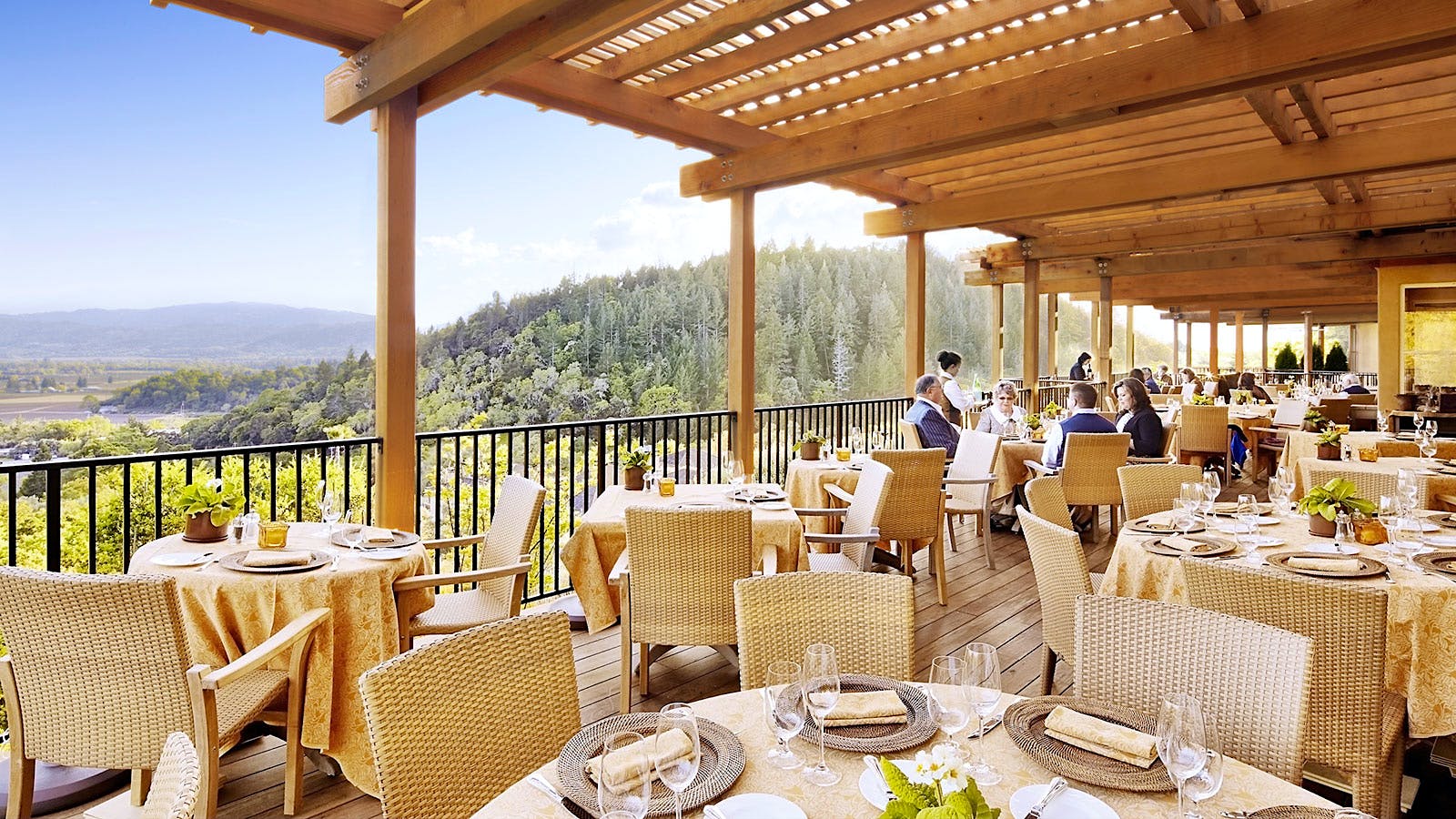
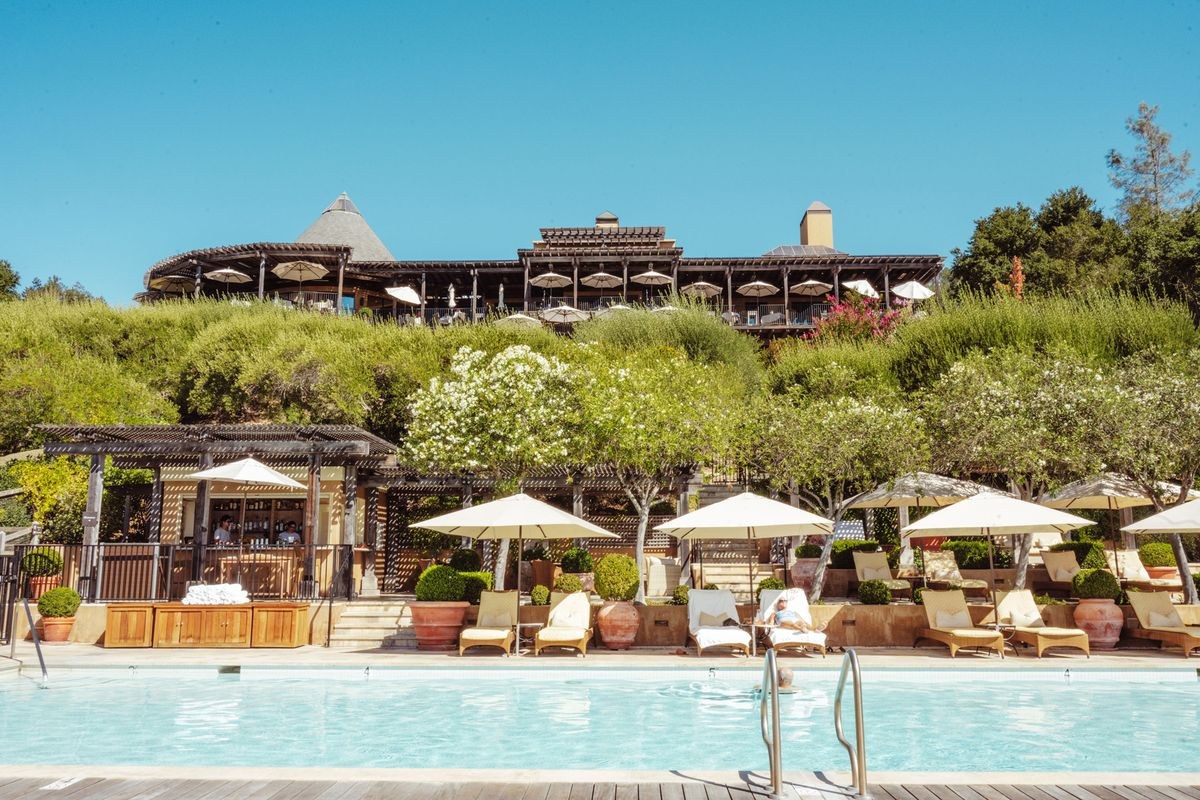
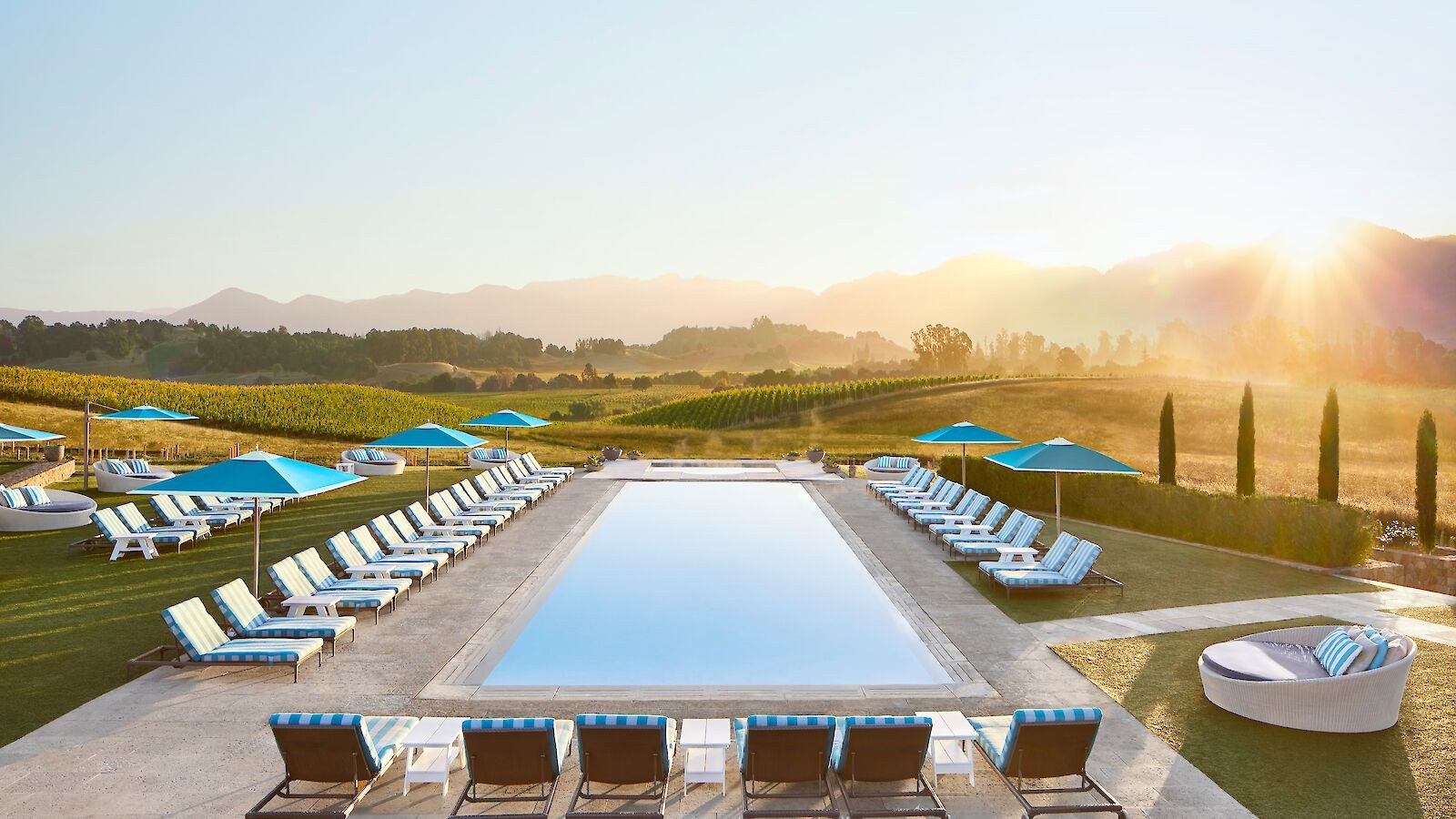
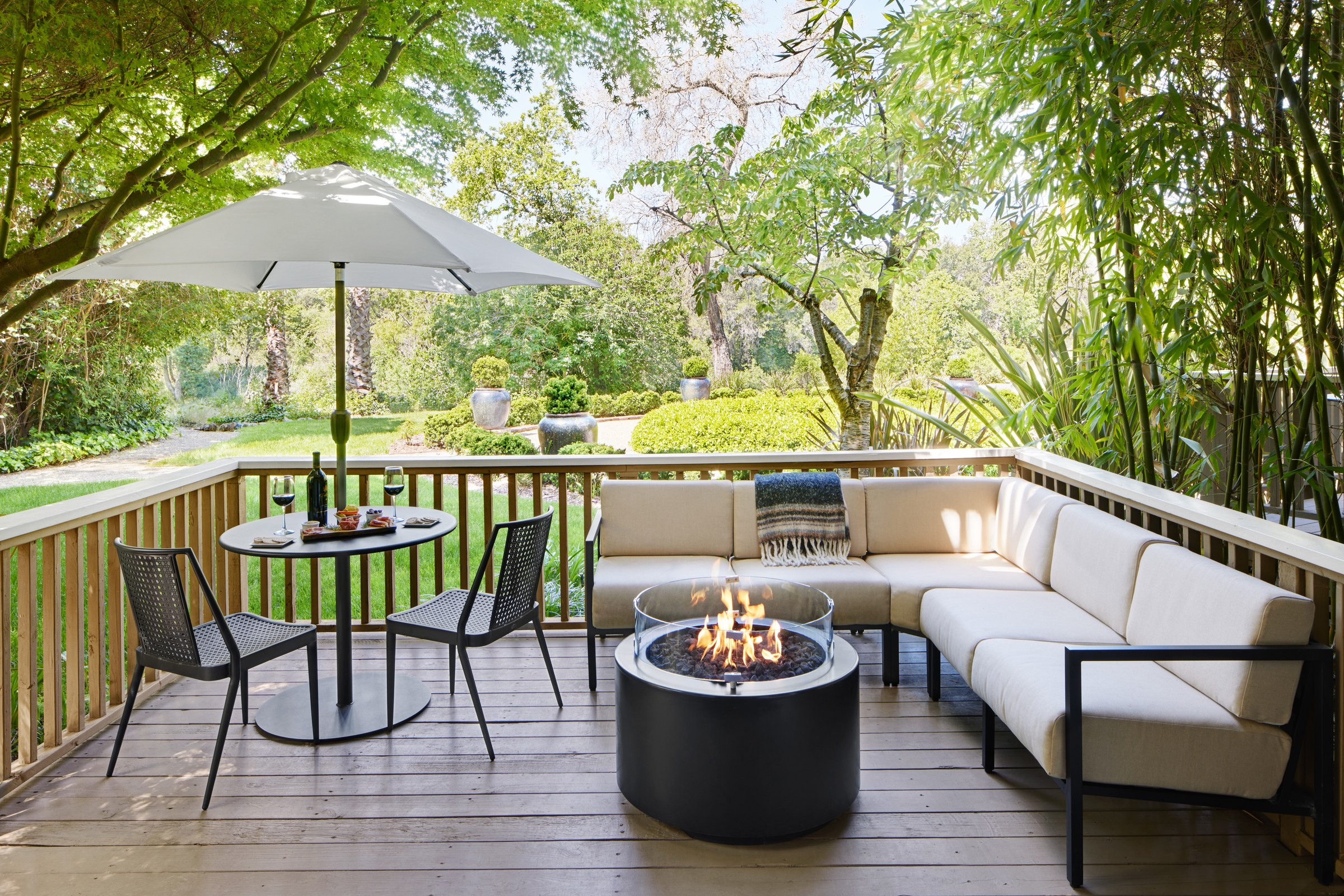
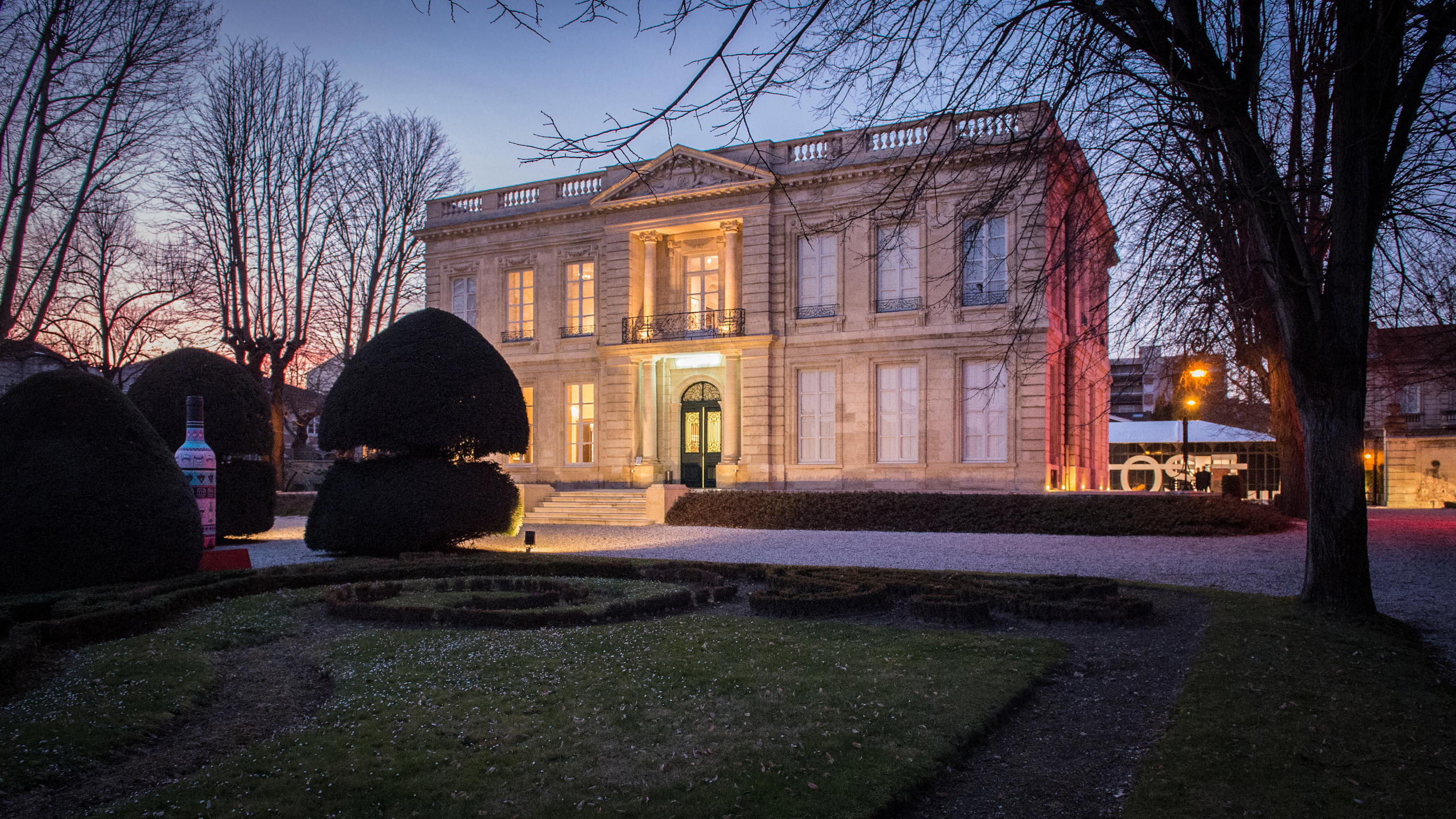
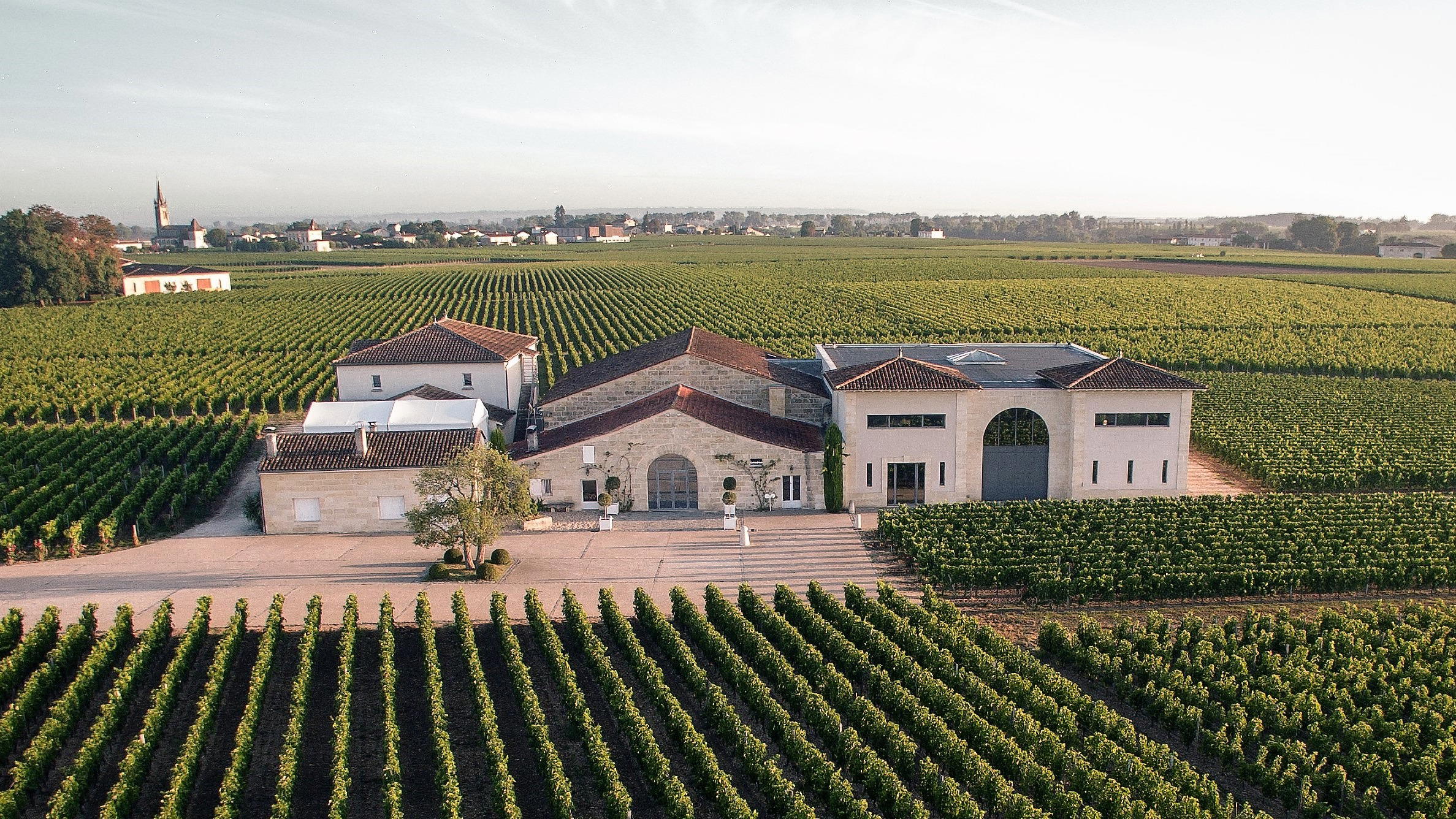
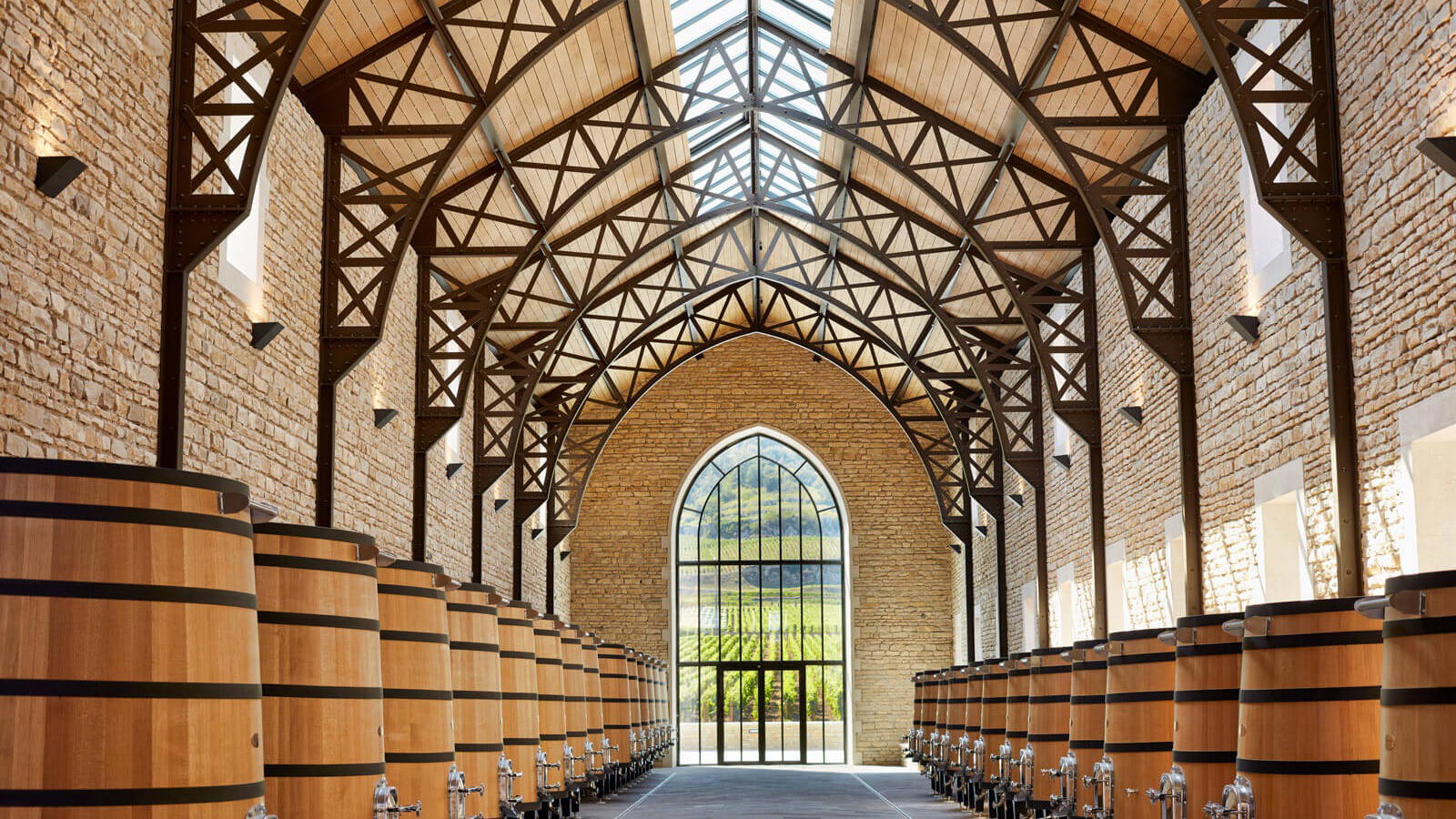
Cozy and warm home-like atmosphere with breathtaking hillside views, peaceful and private setting.
Tags
Vibe
Best For
Experience
View
At the Vineyard
- Appellation
- Napa Valley AVA
- Varietals
- Chardonnay, Riesling, Gewurztraminer, Cabernet Sauvignon, Syrah
- Tour Duration
- 60-90 minutes
- Visits
- By appointment only
- Wine Styles
- Still White, Still Red
- Wine Club
- Available
Know before you go
Know Before You Go
- Getting there
- 3331 St Helena Hwy North, St Helena, CA 94574
Planning details
Location
Recognition and awards

Also consider
Where to look if this does not fit
Try Schramsberg Vineyards if the group wants sparkling wine and a more clearly structured visitor experience. Try Smith-Madrone Vineyards & Winery if the goal is another focused producer visit with a serious Napa feel.
Winery context
How Stony Hill Vineyard compares in Napa
Choose Stony Hill Vineyard if heritage and producer focus matter more than a broad visitor program. Against Philip Togni Vineyard and Smith-Madrone Vineyards & Winery, it sits in the serious-taster lane: better for people building a wine-depth itinerary than for groups looking for a flexible social tasting.
Schramsberg Vineyards is the more obvious alternative when sparkling wine or a more structured visitor format is the point of the stop. Keenan Winery and Charbay Winery & Distillery are better cross-shops if the group wants a different mountain or spirits-adjacent angle rather than a St. Helena estate visit.
For value, the deciding factor is not a listed tasting fee here; it is fit. Stony Hill is worth the effort for a small group that wants depth, older Napa context, and a quieter agenda. If the day needs easier logistics or broader group appeal, start with Schramsberg or Keenan instead.
Around this place
Discover more on Pearl
Unlock the full Stony Hill Vineyard guide in Pearl, including awards, comparisons, FAQs, planning details, and nearby places.
Compare Stony Hill Vineyard
| Venue | Location | Awards |
|---|---|---|
| Stony Hill Vineyard | Napa | 2026 Falstaff Winery Guide2025 Pearl 4 Star Prestige |
| Philip Togni Vineyard | St. Helena | 2026 Falstaff Winery Guide |
| Keenan Winery | St. Helena | No published awards |
| Charbay Winery & Distillery | St. Helena | No published awards |
| Schramsberg Vineyards | Calistoga | No published awards |
| Smith-Madrone Vineyards & Winery | St. Helena | No published awards |
How Stony Hill Vineyard Napa compares with similar nearby venues.
FAQ
Frequently Asked Questions
How long should I plan for a visit to Stony Hill Vineyard?
A specific visit length is not listed. Confirm timing, availability, and any appointment details directly with Stony Hill Vineyard before building the rest of your Napa schedule around it.
When is the best time to visit Stony Hill Vineyard?
Can Stony Hill Vineyard handle large groups?
Does Stony Hill Vineyard serve food?
Do not assume a meal, menu, or pairing format is available unless Stony Hill Vineyard confirms it directly.
What other venues might I compare with Stony Hill Vineyard?
Travelers comparing venue visits can also look at Charbay Winery & Distillery, Keenan Winery, Philip Togni Vineyard, Schramsberg Vineyards, and Smith-Madrone Vineyards & Winery. Confirm each venue's current location details, hours, and visit format directly before planning the route.