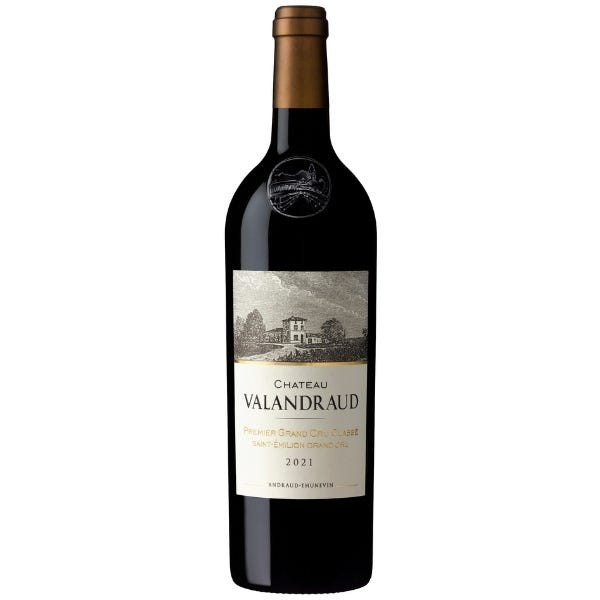


Château Valandraud
Saint-Emilion, Saint-Émilion
Winery in Saint-Émilion, France
 Book with Pearl
The Read
Garage-Movement Precision
Why go
Château Valandraud is a strong choice for serious Saint-Emilion wine travelers who want producer depth over a casual château circuit. Prioritize it for a focused tasting request and plan meals separately; the payoff is context around Jean-Luc Thunevin and the estate's place in the modern Right Bank conversation.
About Château Valandraud
Château Valandraud is a Saint-Emilion venue with Jean-Luc Thunevin identified as chef/owner. It is best used as a concise orientation note for travelers: the dress code is smart casual, and the venue holds Pearl 3 Star Prestige recognition for 2025. Those points give travelers a basic frame for how to think about the venue. Use it as a planning note, and check directly with the venue for visit details, menus, prices, hours, services, or any particular on-site experience.
For travelers comparing notable names around a Saint-Emilion plan, Château Valandraud can be considered alongside Château La Mondotte, Château Le Tertre Roteboeuf, Château Peby Faugeres, Château Troplong Mondot, and Château TrotteVieille. That comparison is best understood at the level of shortlisting and orientation, not as a detailed equivalence between offerings. Beyond those comparisons, keep plans flexible and confirm current arrangements directly with the venue before making a special trip, especially if your itinerary depends on timing, access, dining, or other arrangements.
Choose it for a Saint-Emilion short list
The core facts are direct: Château Valandraud is in Saint-Emilion, Jean-Luc Thunevin is chef/owner, smart casual dress is noted, and Pearl lists it with 3 Star Prestige recognition in 2025. In a region where many travelers are comparing names quickly, that set of details is still meaningful. It places the venue clearly within a Saint-Emilion context and gives a basic standard for appearance through the smart casual note. Details such as a tasting format, dining service, specific dishes, pricing, opening hours, or visitor arrangements should be checked directly with the venue before planning around them.
If you are building a Saint-Emilion itinerary, compare Château Valandraud naturally with Château Peby Faugeres, Château Le Tertre Roteboeuf, Château La Mondotte, Château Troplong Mondot, and Château TrotteVieille, or with other Saint-Emilion venues generically. The value of the comparison is in helping you organize research: it can sit on a list of notable names while you decide what needs direct confirmation. The strongest planning approach is to use these basics as a starting point and confirm any operational details through the venue's official channels. That approach keeps the itinerary realistic and avoids building plans around details that may be incomplete, unavailable, or subject to change.
Best for a Saint-Emilion plan built around essential details
Do not rely on Château Valandraud for a meal plan unless you have confirmed dining arrangements directly. The same caution applies to any broader expectation that depends on services, schedules, prices, or formats. Build any dining, hotel, bar, or broader experience planning separately in Saint-Emilion, and confirm details before committing. This is especially important if Château Valandraud is being considered as part of a tightly timed route, a special occasion, or a trip where reservations and sequencing matter. Treat Château Valandraud as one reference point within a wider plan, then use direct confirmation to fill in the practical gaps.
For a fuller regional trip, use Our full Saint-Emilion wineries guide alongside Our full Saint-Emilion restaurants guide, Our full Saint-Emilion hotels guide, Our full Saint-Emilion bars guide, and Our full Saint-Emilion experiences guide. Those broader guides can help organize separate research, while Château Valandraud can stay as a focused reference within the wider plan.
Planning details
- Location
- 1589 route de Jappeloup, 33330 Saint-Étienne-de-Lisse
- Website
- valandraud.fr
- Phone
- +33 5 57 40 17 78
The take
The Take
The Vibe
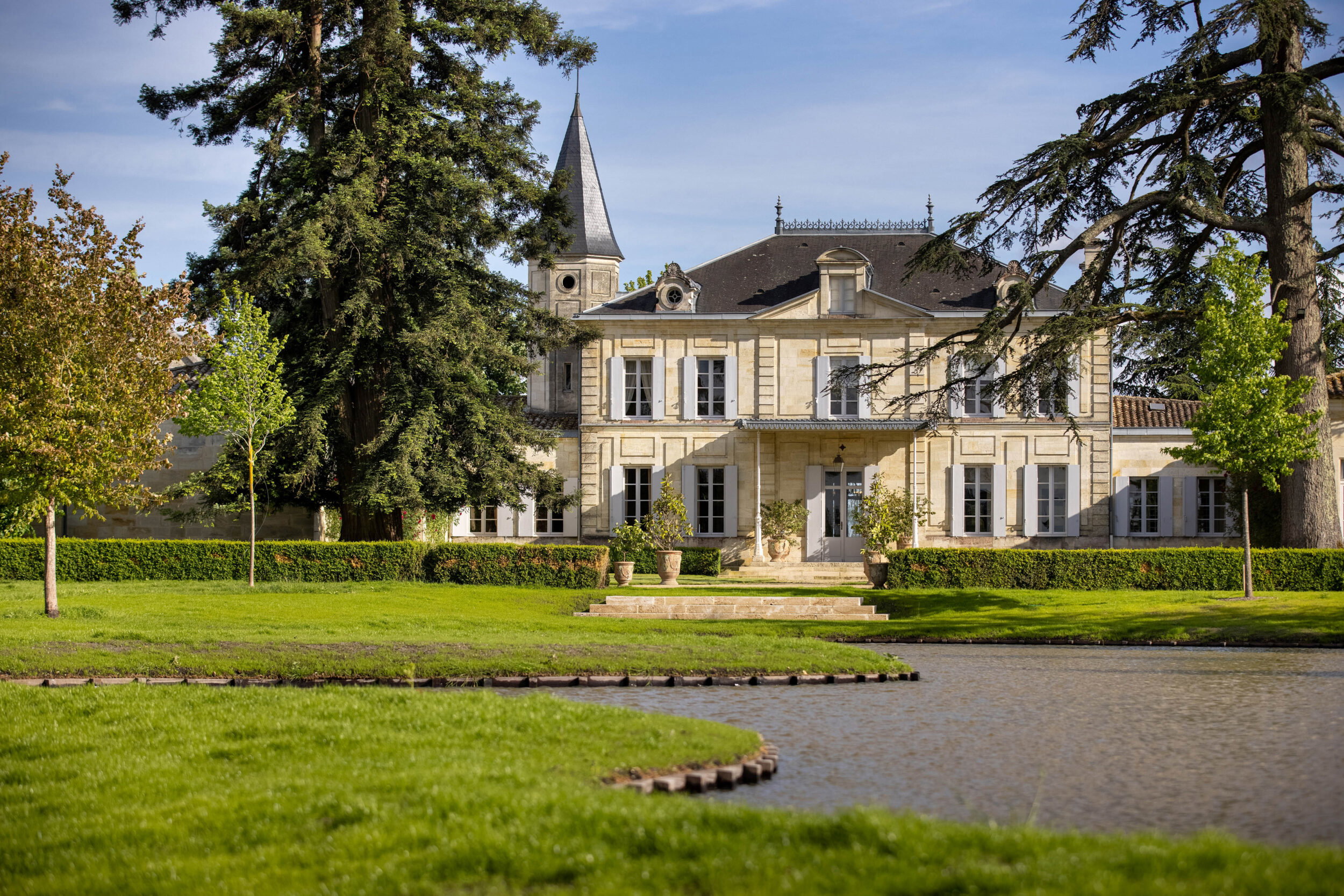
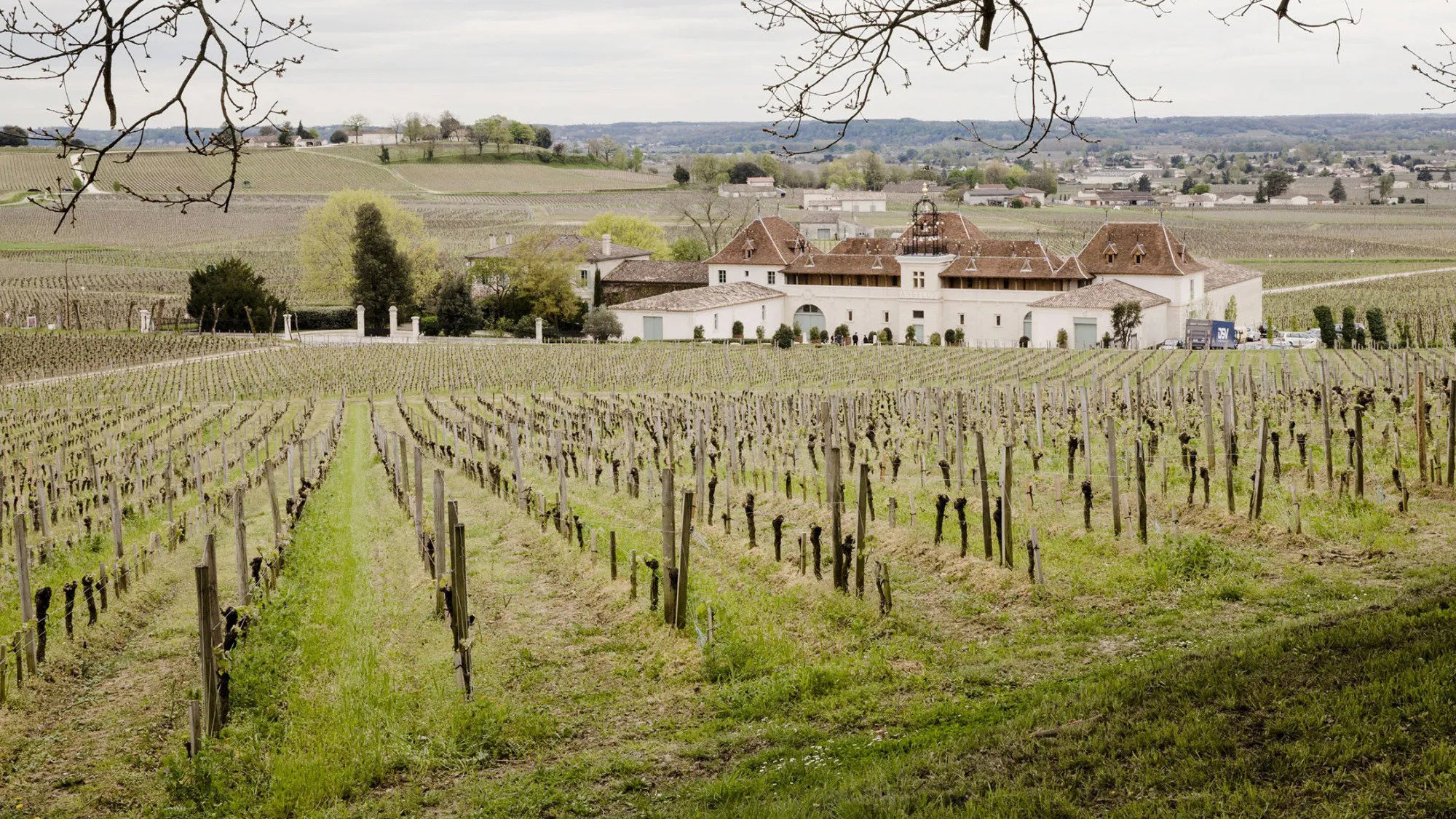
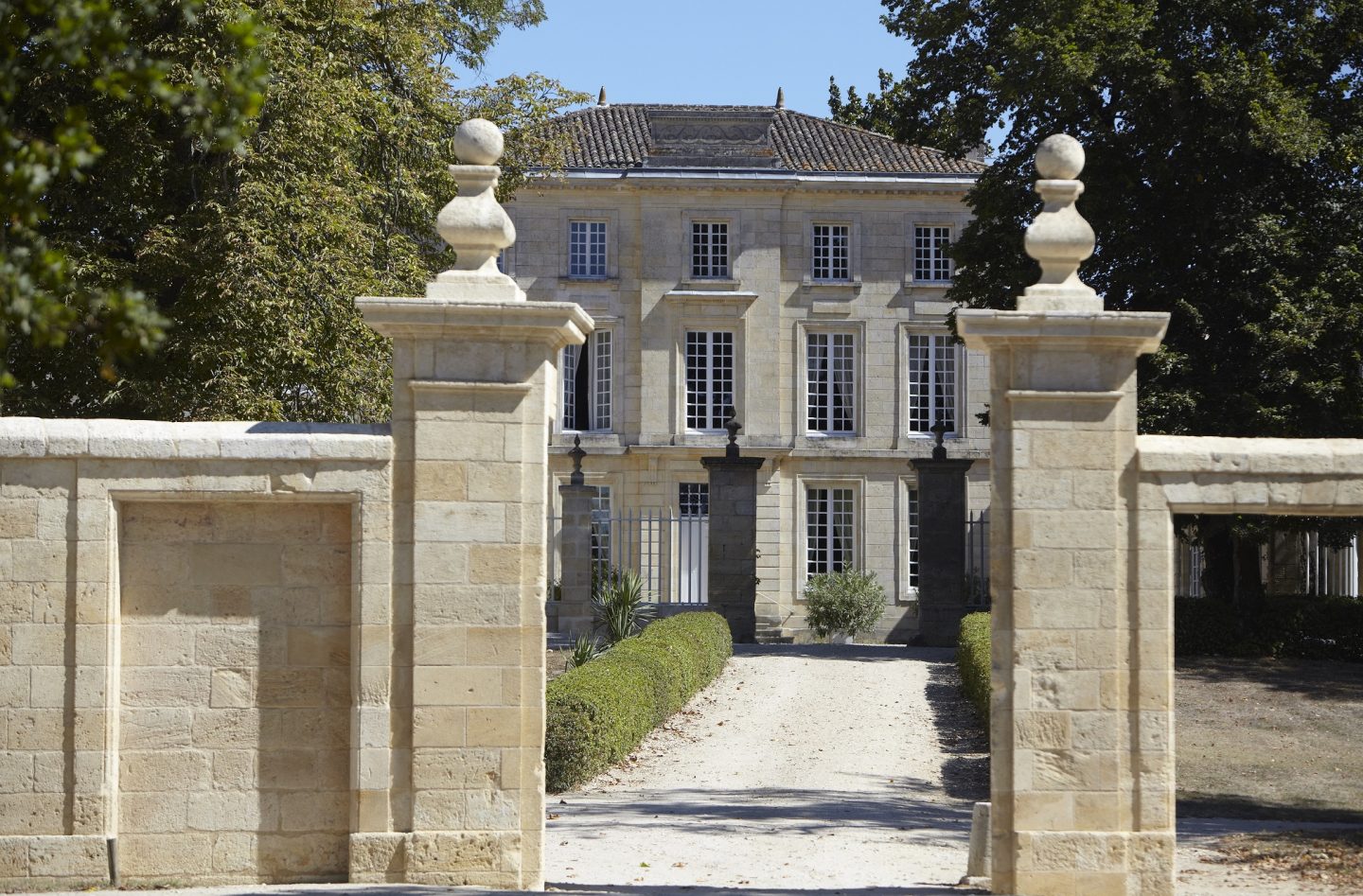
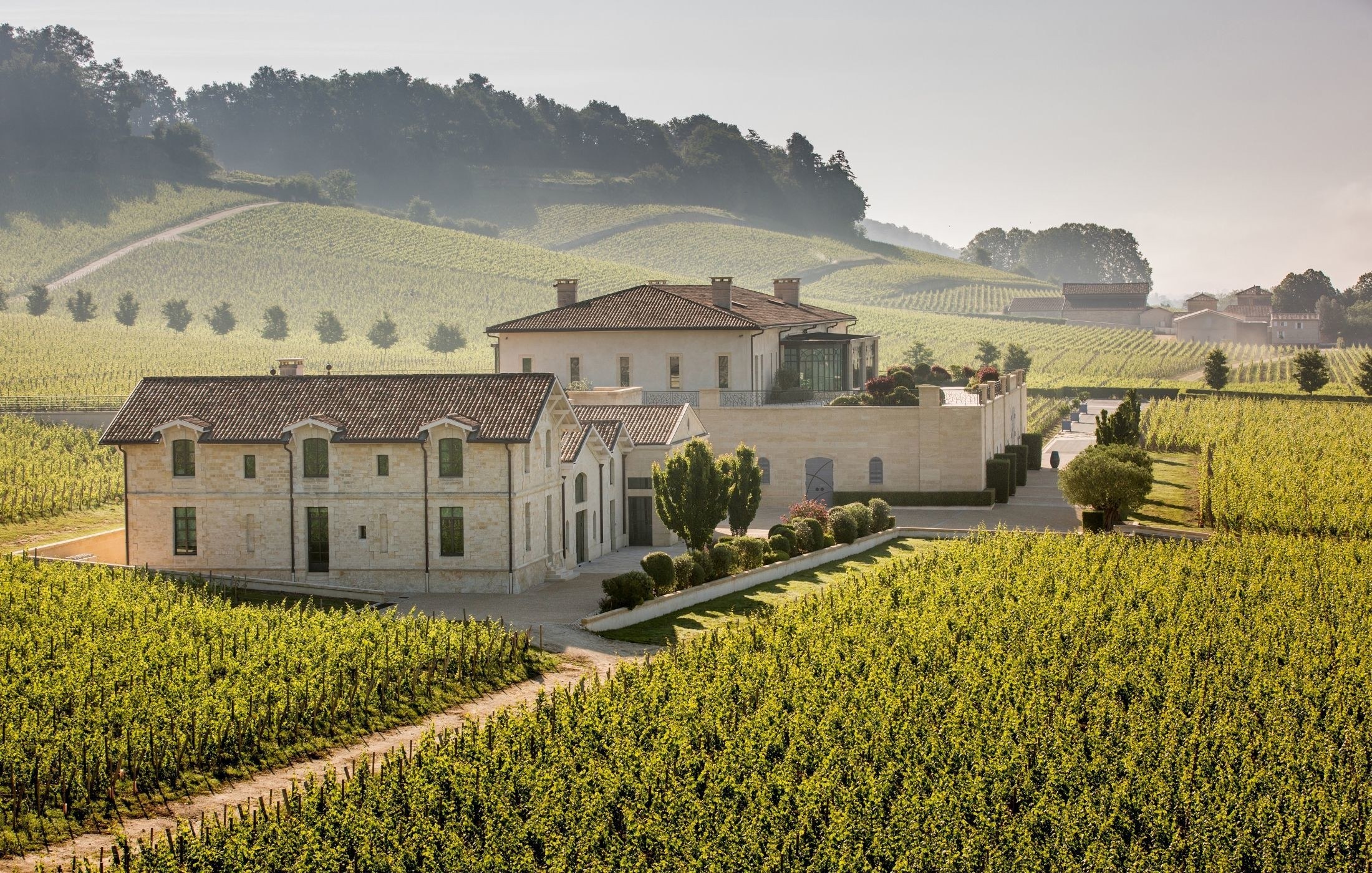
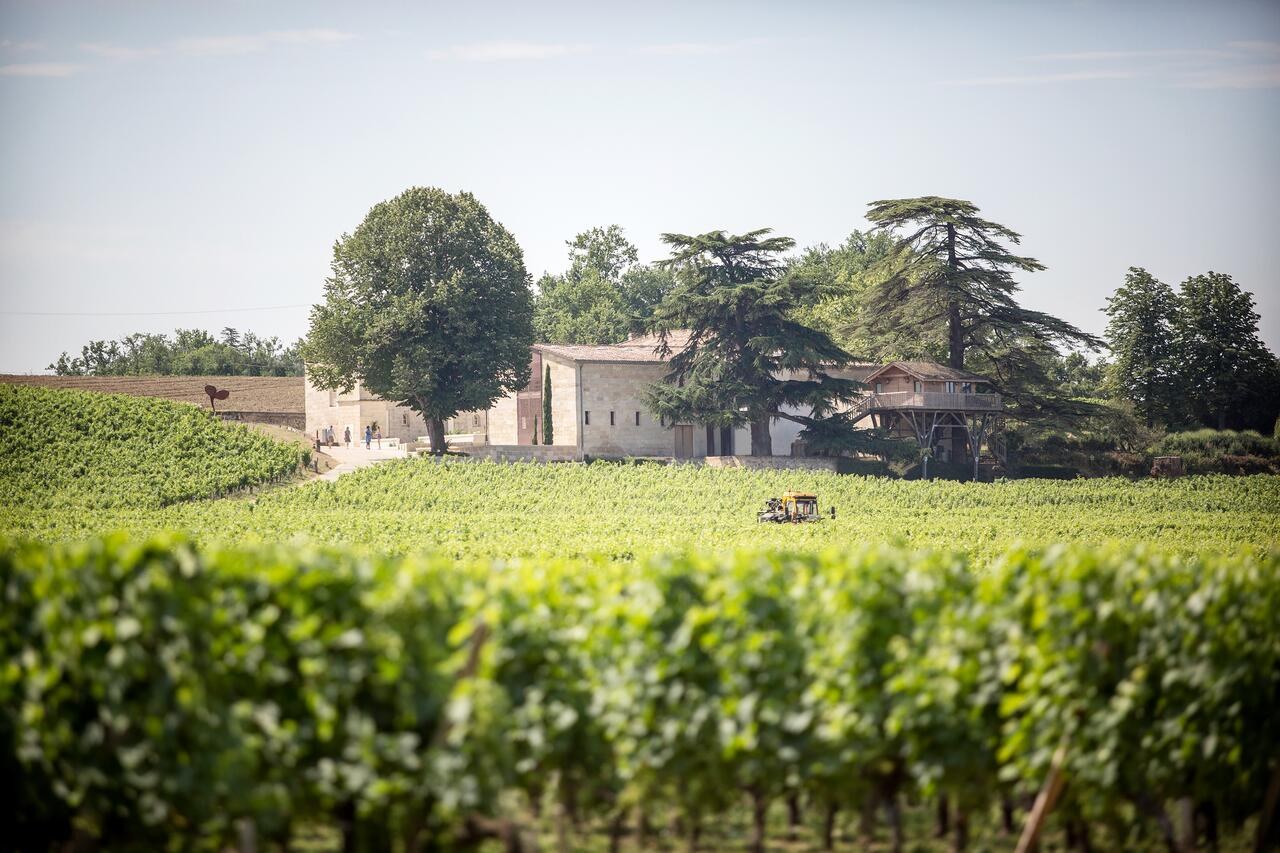
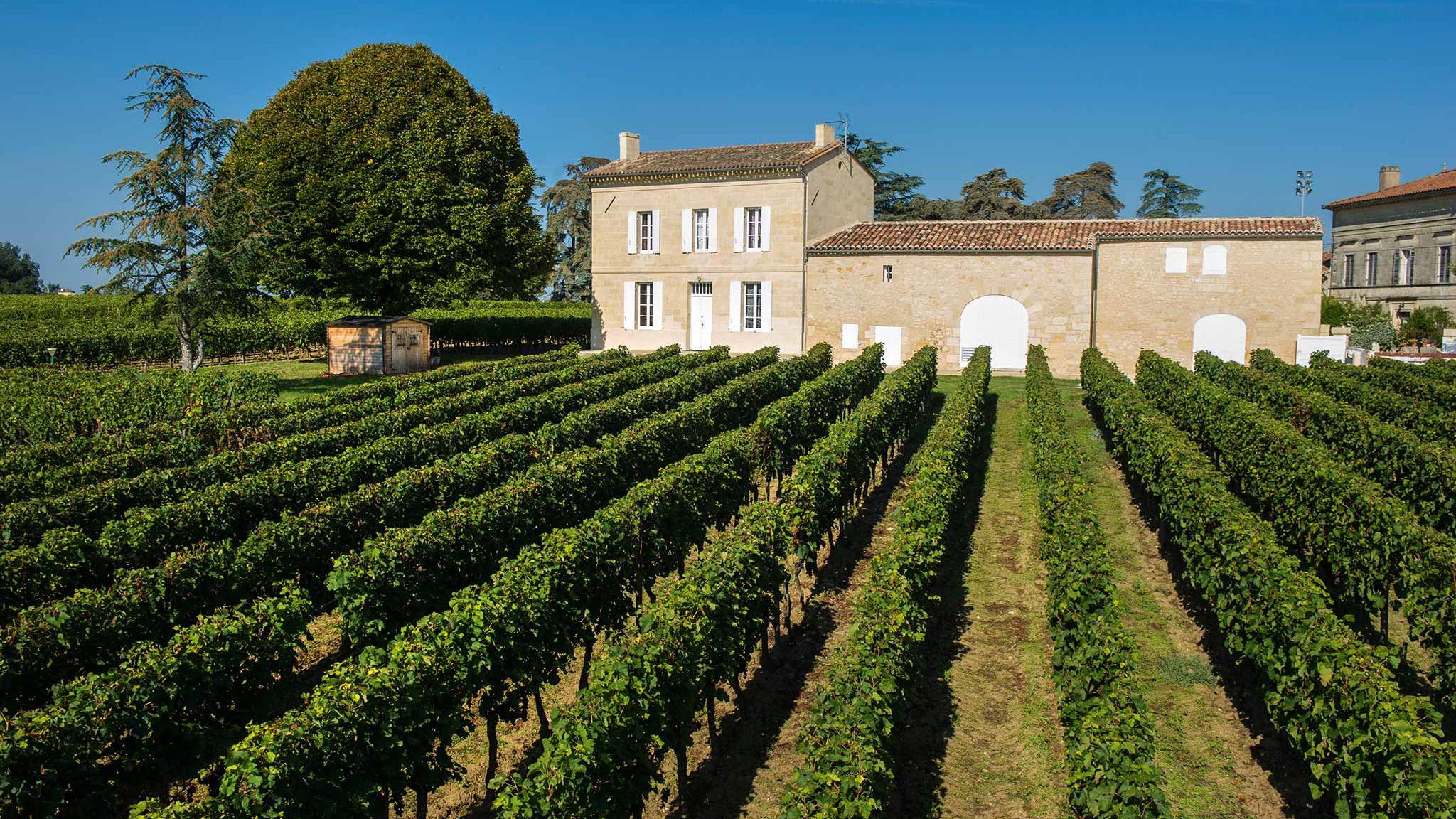
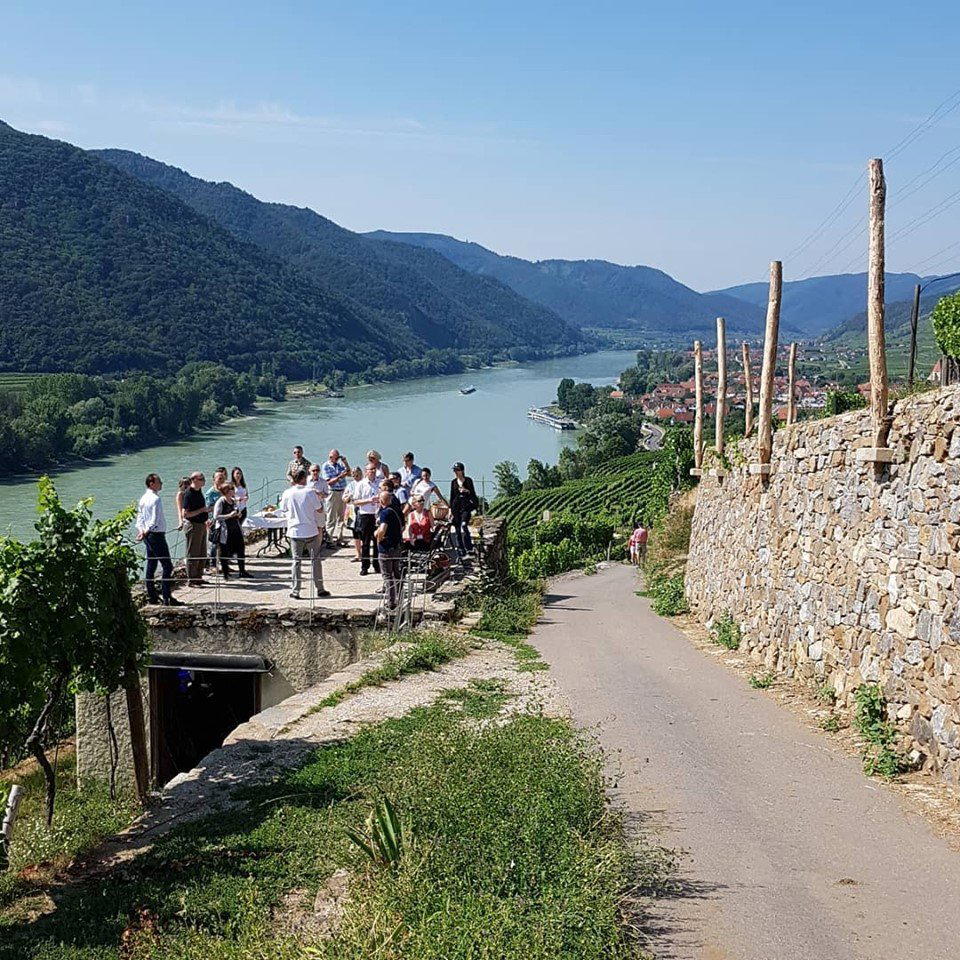
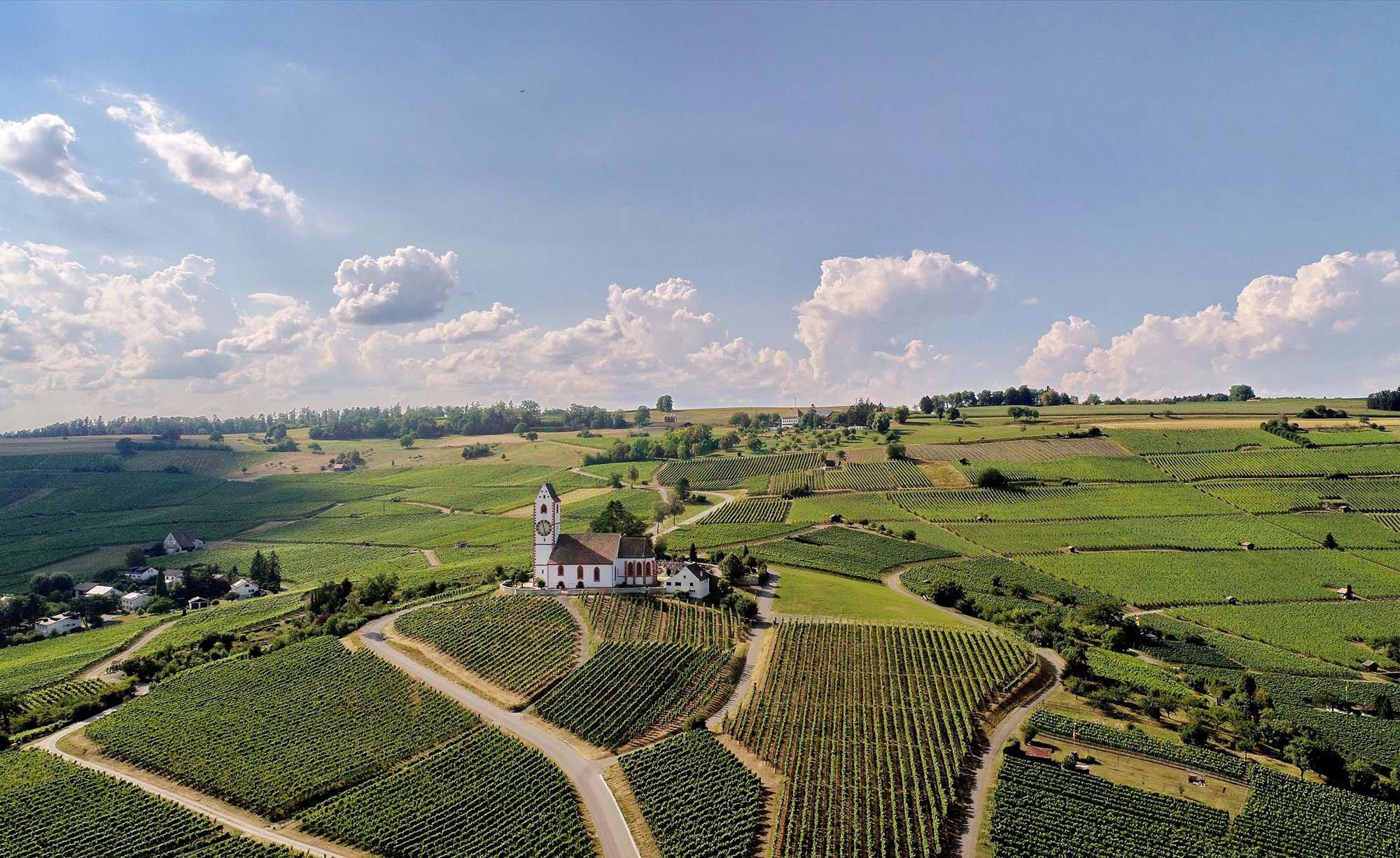
Château Valandraud reads like a pivotal chapter in modern Saint-Émilion: rooted in the medieval hilltop setting of the appellation yet defined by a renegade, garagiste logic that challenged inherited hierarchies. The estate’s story is as much spatial as stylistic—small parcels and determined production strategies that pushed critics’ expectations and earned Valandraud placement alongside the region’s elite. The writing emphasizes both place and provenance, so visitors encounter an estate that feels historically anchored and scenically poised while representing a modern, quality-first rewrite of Right Bank Bordeaux conventions.
Best For
Valandraud is best for travelers who come with a wine-first agenda: collectors, students of Bordeaux history, and anyone curious about the garagiste movement’s influence on Saint-Émilion. Its placement in EP Club’s Pearl 3 Star Prestige tier makes it a meaningful stop for special-occasion visits and comparative tastings with nearby top estates. Because the profile frames Valandraud as consequential rather than traditional, it particularly suits visitors who want to explore how production choices and small parcels reshaped regional reputation in recent decades.
Tasting Tips
When engaging with Valandraud’s offerings, orient your attention to its flagship bottlings and the estate’s place within contemporary Saint-Émilion conversation. The profile highlights a Pearl 3 Star Prestige rating and explicitly compares Valandraud to Château Bélair-Monange, Château Canon‑la‑Gaffelière, Château Clos Fourtet and Château La Mondotte—use those references as context when evaluating vintages and critics’ notes. The estate’s narrative is central: prioritize wines that illustrate its garagiste origins and the small-parcel logic that propelled its critical ascent.
Venue details
Ambiance
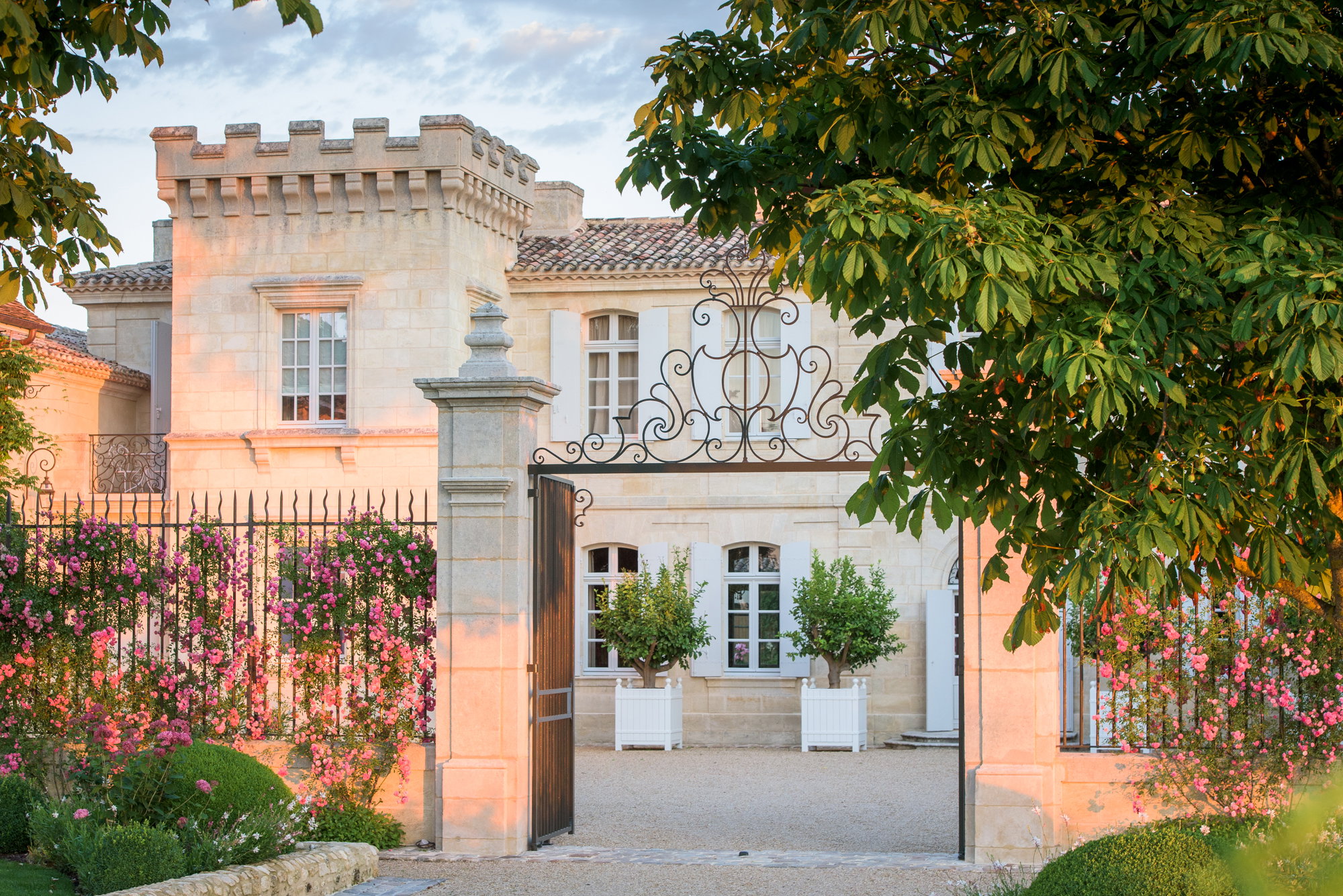
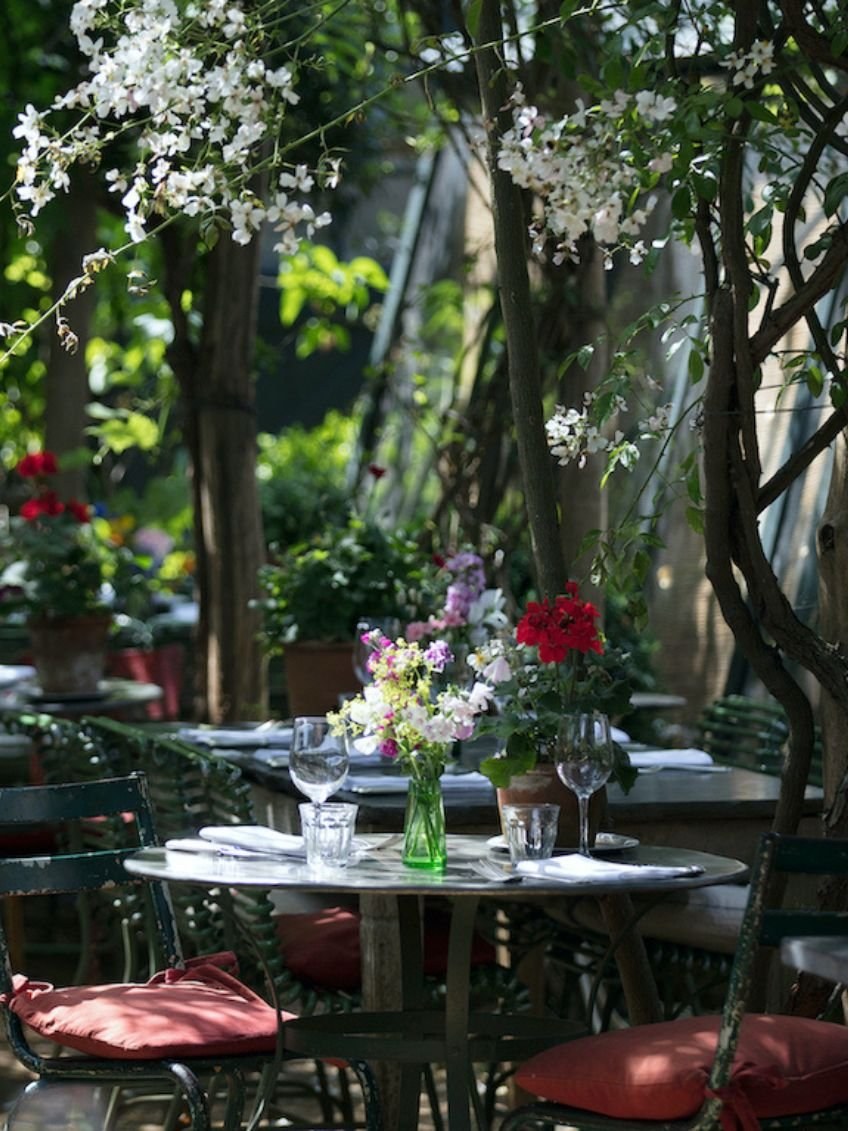
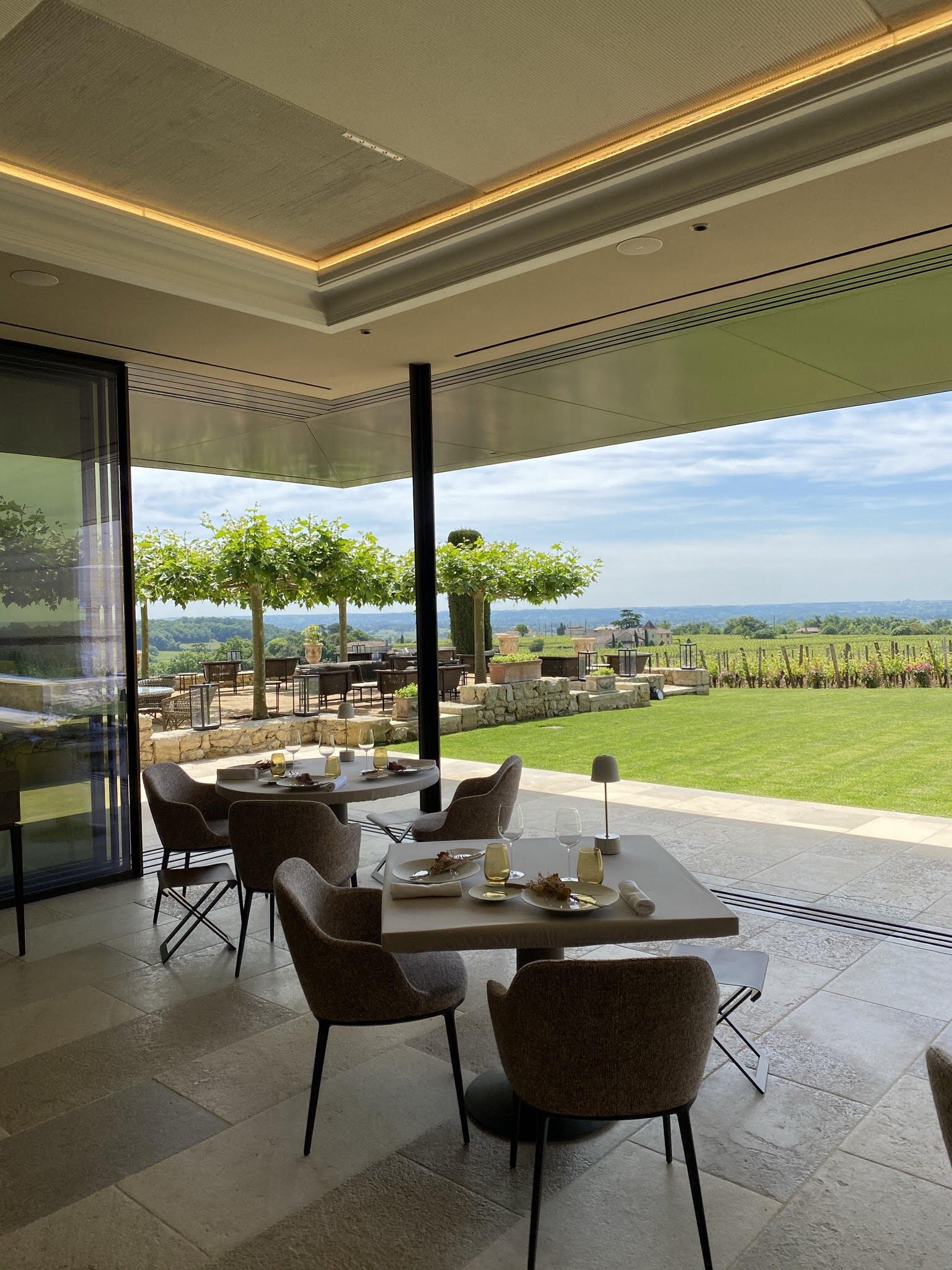
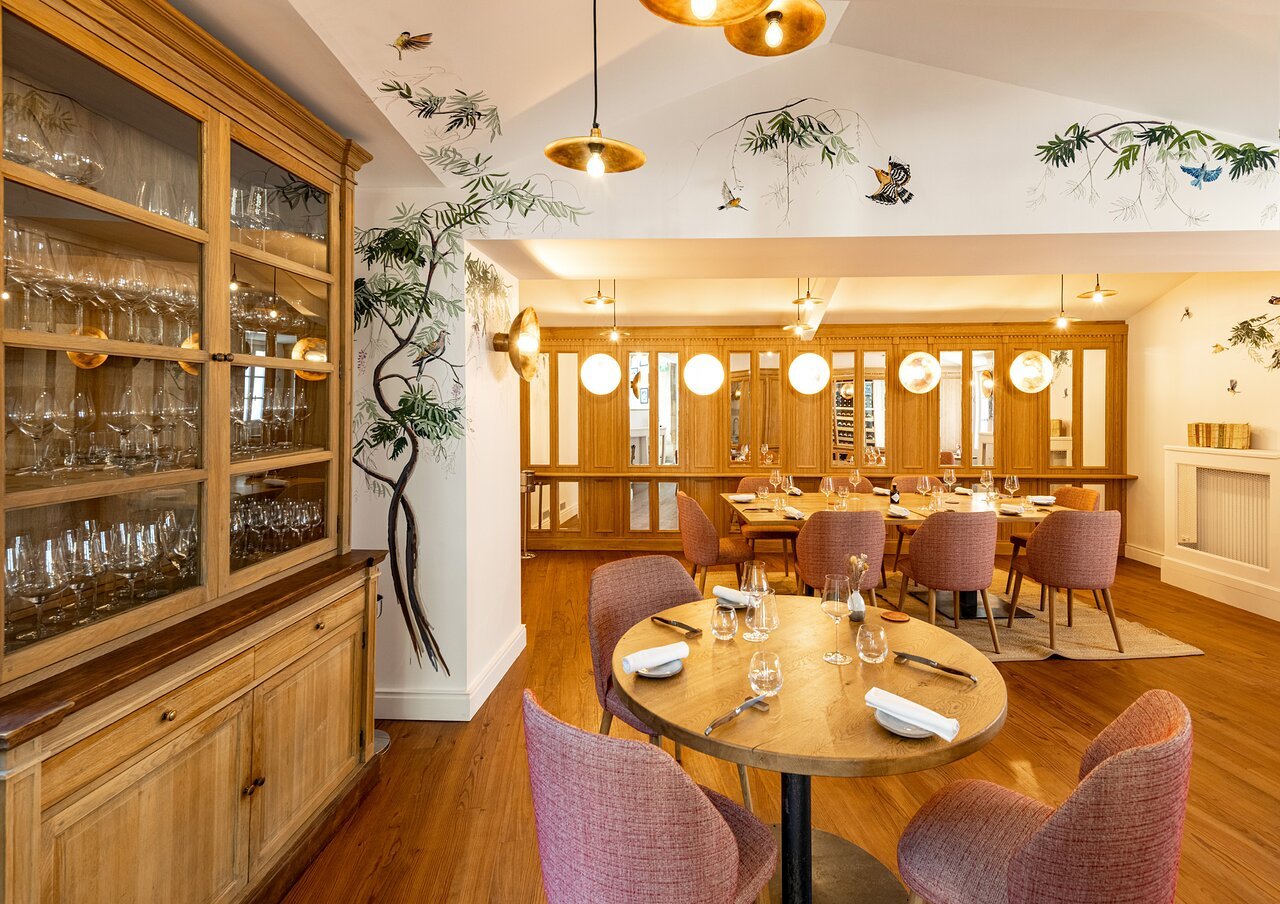
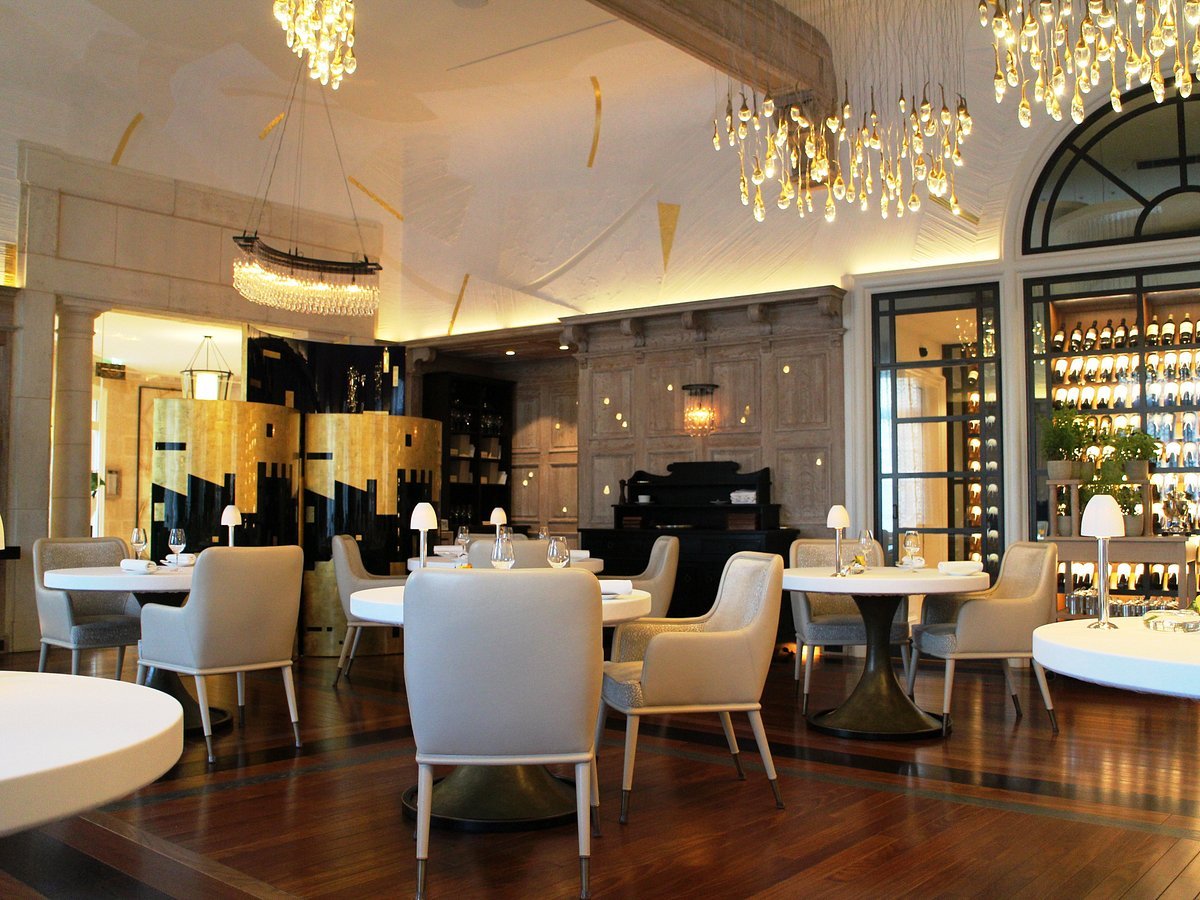
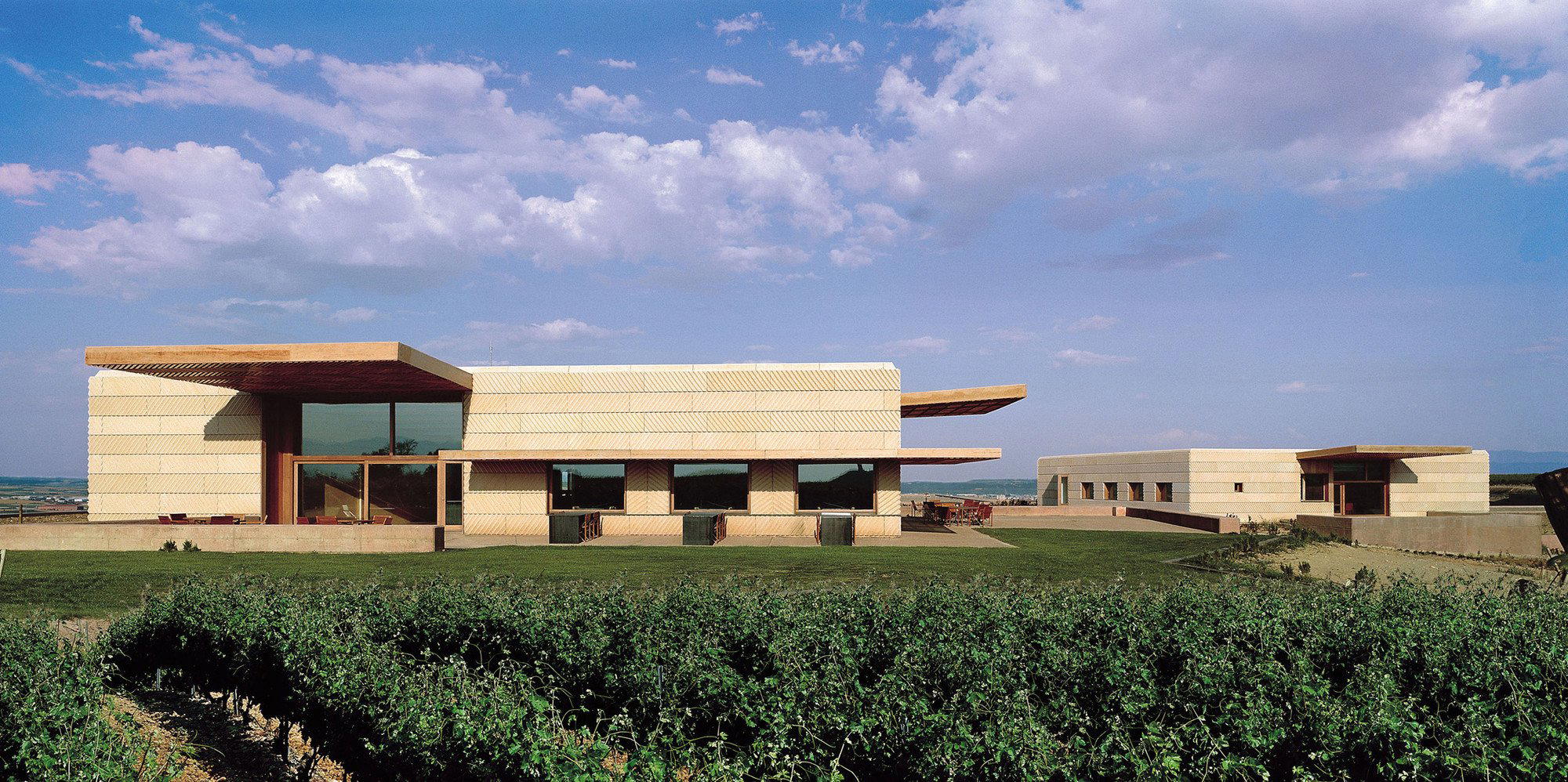
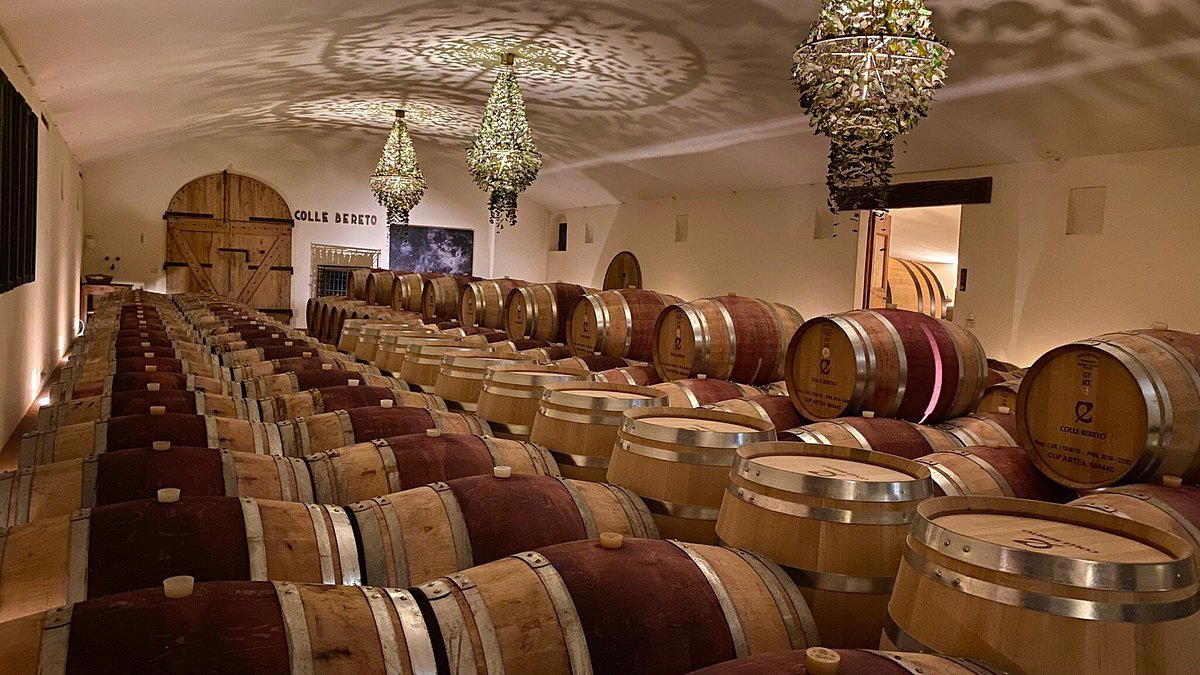
opulent and sophisticated with a rustic charm from its garage wine origins, now featuring a state-of-the-art cellar.
Tags
Vibe
Best For
Experience
Sourcing
View
At the Vineyard
- Appellation
- Saint-Emilion Grand Cru
- Varietals
- Merlot, Cabernet Franc, Cabernet Sauvignon, Malbec, Carmenere
- Wine Club
- Available
Know before you go
Know Before You Go
- Getting there
- 1589 route de Jappeloup, 33330 Saint-Étienne-de-Lisse
Planning details
Location
Recognition and awards

Also consider
Where to look if access is tight
If Château Valandraud is not workable, try Château La Mondotte for another serious Saint-Emilion producer comparison, or Château Troplong Mondot if the group needs a more polished visitor experience.
Winery context
How Château Valandraud compares in Saint-Emilion
Choose Château Valandraud if the priority is producer identity and a more contemporary Right Bank angle. Château Le Tertre Roteboeuf is the better cross-shop for travelers chasing a more cult, old-school Saint-Emilion feel, while Château La Mondotte suits visitors who want another high-concentration, serious-wine comparison point.
For a more polished, visitor-friendly château day, Château Troplong Mondot is the safer alternative. It is the easier recommendation for mixed groups where not everyone wants a deep wine conversation. For collectors or focused tasters, Château Valandraud has the stronger reason to pursue.
Château Peby Faugeres and Château TrotteVieille are useful backups if access here is difficult. Peby Faugeres makes sense for a compact, serious Saint-Emilion comparison; TrotteVieille is the better pick when the group wants a more traditional reference point.
Explore Saint-Émilion
Around this place
Discover more on Pearl
Unlock the full Château Valandraud guide in Pearl, including awards, comparisons, FAQs, planning details, and nearby places.
Compare Château Valandraud
| Venue | Location | Awards |
|---|---|---|
| Château Valandraud | Saint-Emilion | 2026 Falstaff Winery Guide2025 Pearl 3 Star Prestige |
| Château Peby Faugeres | Saint-Emilion | 2025 Pearl 3 Star Prestige |
| Château Le Tertre Roteboeuf | Saint-Emilion | 2026 Falstaff Winery Guide2025 Pearl 3 Star Prestige |
| Château La Mondotte | Saint-Emilion | 2026 Michelin 1 Grape - Bordeaux2026 Falstaff Winery Guide2025 Pearl 3 Star Prestige |
| Château Troplong Mondot | Saint-Laurent-des-Combes | 2026 Michelin 2 Grapes - Bordeaux2026 Falstaff Winery Guide2025 Pearl 4 Star Prestige |
| Château TrotteVieille | Saint-Emilion | No published awards |


How Château Valandraud Saint-Emilion compares with similar nearby venues.
FAQ
Frequently Asked Questions
What should I confirm before planning Château Valandraud?
What is Château Valandraud known for?
Château Valandraud is a Saint-Emilion venue with Jean-Luc Thunevin identified as chef/owner and Pearl 3 Star Prestige recognition in 2025.
Where is Château Valandraud located?
Château Valandraud is located in Saint-Emilion.