

Viña Cobos
Luján de Cuyo
Winery in Luján de Cuyo, Argentina
 Book with Pearl
The Read
High-Altitude Terroir Precision
Why go
Viña Cobos is the Luján de Cuyo pick for travelers who want a serious, celebration-level winery appointment rather than an easy casual tasting. Book early and plan the day around it; if the group needs confirmed dining or more flexible logistics, cross-shop nearby Luján de Cuyo wineries before committing.
About Viña Cobos
Viña Cobos is a recognized Luján de Cuyo venue for travelers building a premium itinerary. Its confirmed credentials are Pearl 2 Star Prestige (2025) and World's 50 Best Vineyards #49 (2025), which make it a notable name to consider when comparing higher-profile stops.
The case for including it is strongest if Luján de Cuyo is the anchor of the day. Because public details here are limited, avoid building the plan around unconfirmed assumptions about meals, tasting formats, availability, pricing, or visit length. If the goal is to compare venues in one trip, consider Viña Cobos alongside names such as Bodega Bressia, Bodega Melipal, Bodega Séptima, Las Perdices, and Susana Balbo (Dominio del Plata).
Plan around confirmed recognition, not extras
This is best framed as a Luján de Cuyo stop with confirmed recognition, rather than as a page with claims about a specific dining program, tasting menu, or hospitality format. The 2025 vineyard ranking gives it an external credential, and the Pearl 2 Star Prestige mark places it among notable venues for travelers comparing serious visits.
Because confirmed public details on food service, tasting length, and on-site arrangements are not included in the record here, plan conservatively: do not assume lunch, same-day availability, or a walk-in format. For a special occasion, that is a planning cue rather than a confirmed service detail. Confirm directly before arranging transport, meals, or hotel timing, then use city guides for the rest of the day: Luján de Cuyo restaurants, hotels, bars, wineries, and experiences.
How to place it within a wider Luján de Cuyo plan
Compare only the confirmed basics: location in Luján de Cuyo, smart casual dress code, Pearl 2 Star Prestige (2025), and World's 50 Best Vineyards #49 (2025).
The verdict: consider Viña Cobos if the trip needs a recognized Luján de Cuyo venue with confirmed 2025 credentials. Cross-shop or confirm directly if the group needs dining, availability, pricing, visit length, or a specific service format before committing.
Planning details
- Location
- Costa Flores, S/N y RN7, M5509 Luján de Cuyo, Mendoza
- Website
- vinacobos.com
- Phone
- +54 261 321-1777
The take
The Take
The Vibe
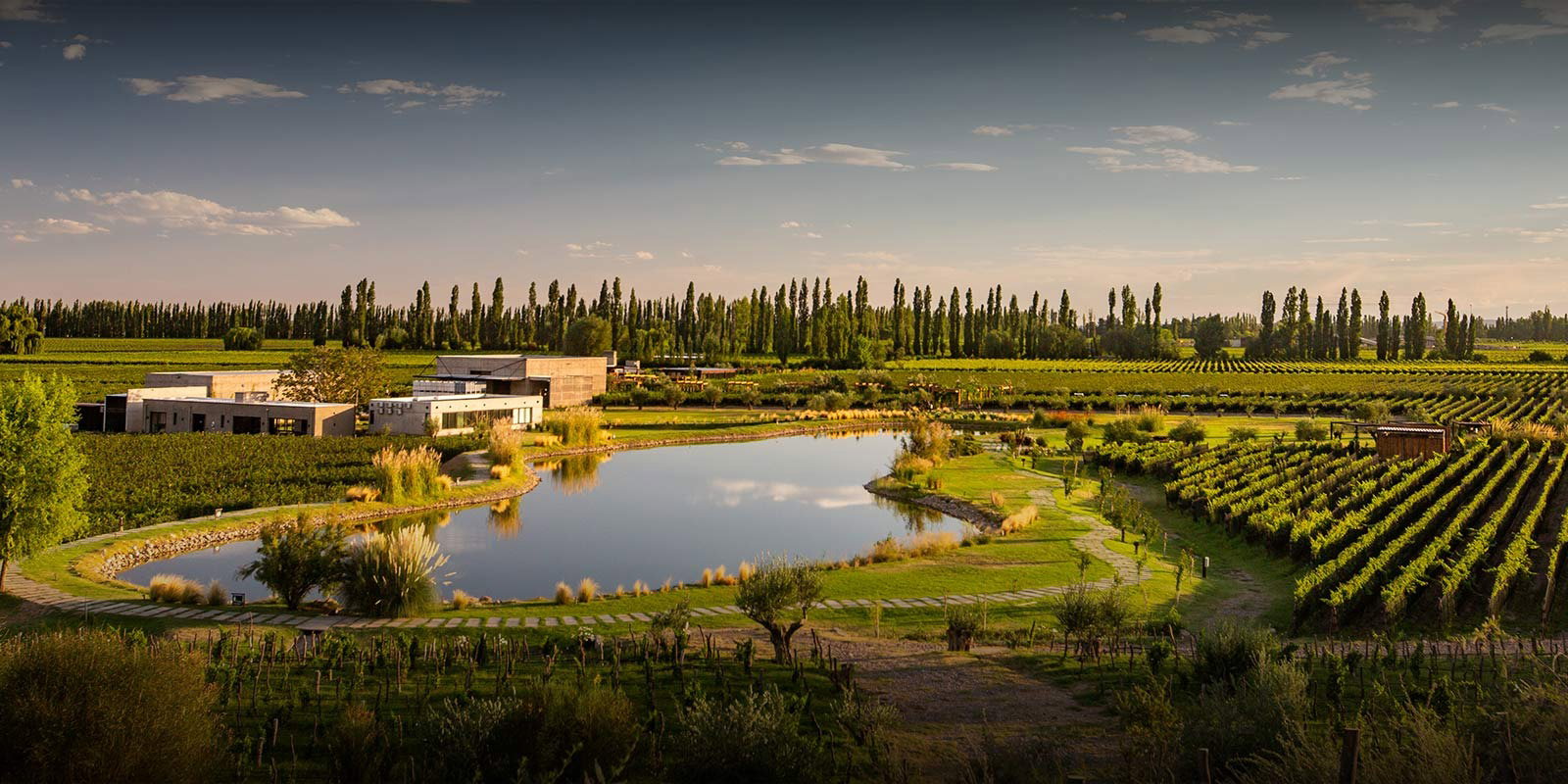
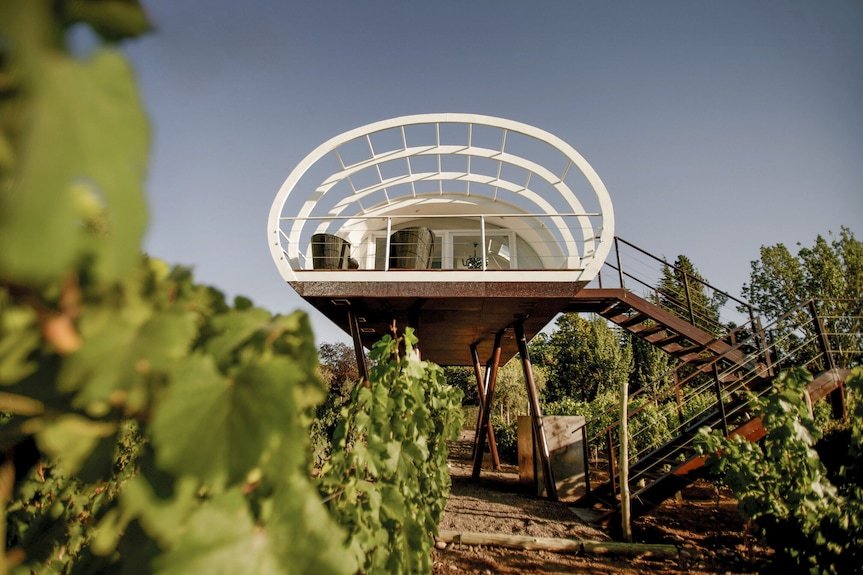
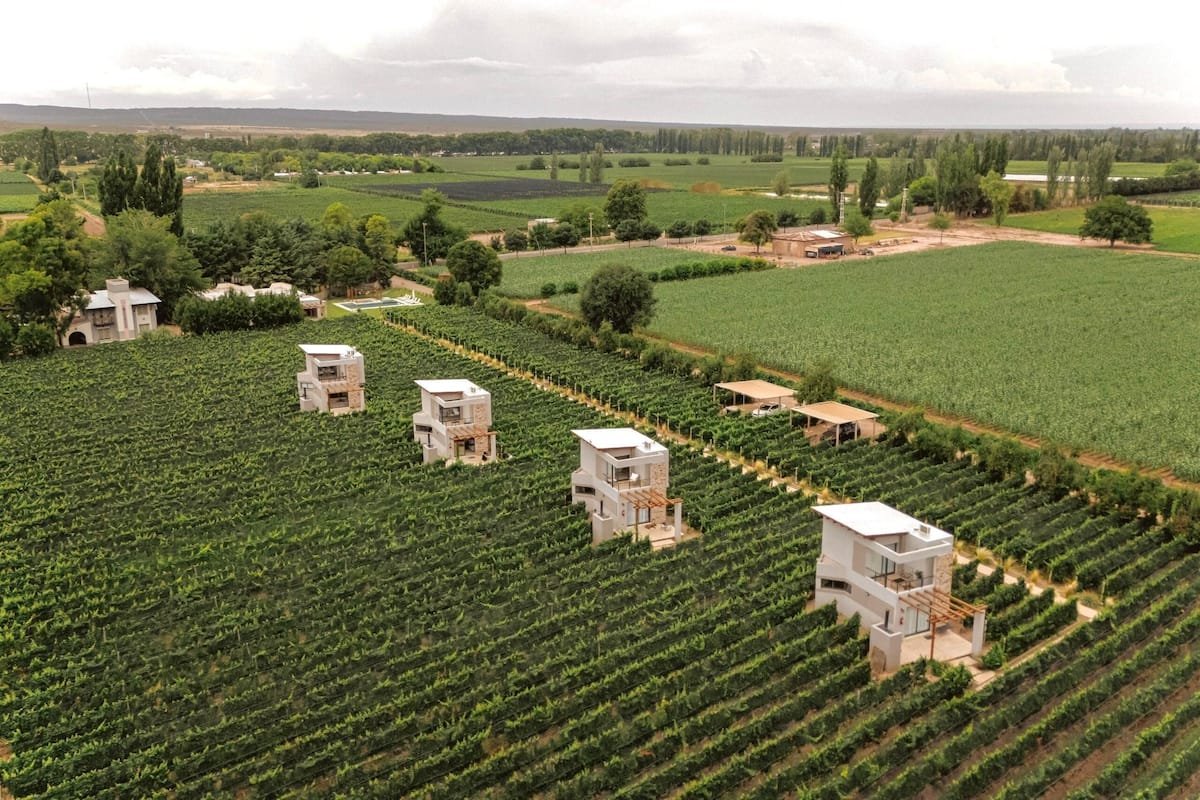
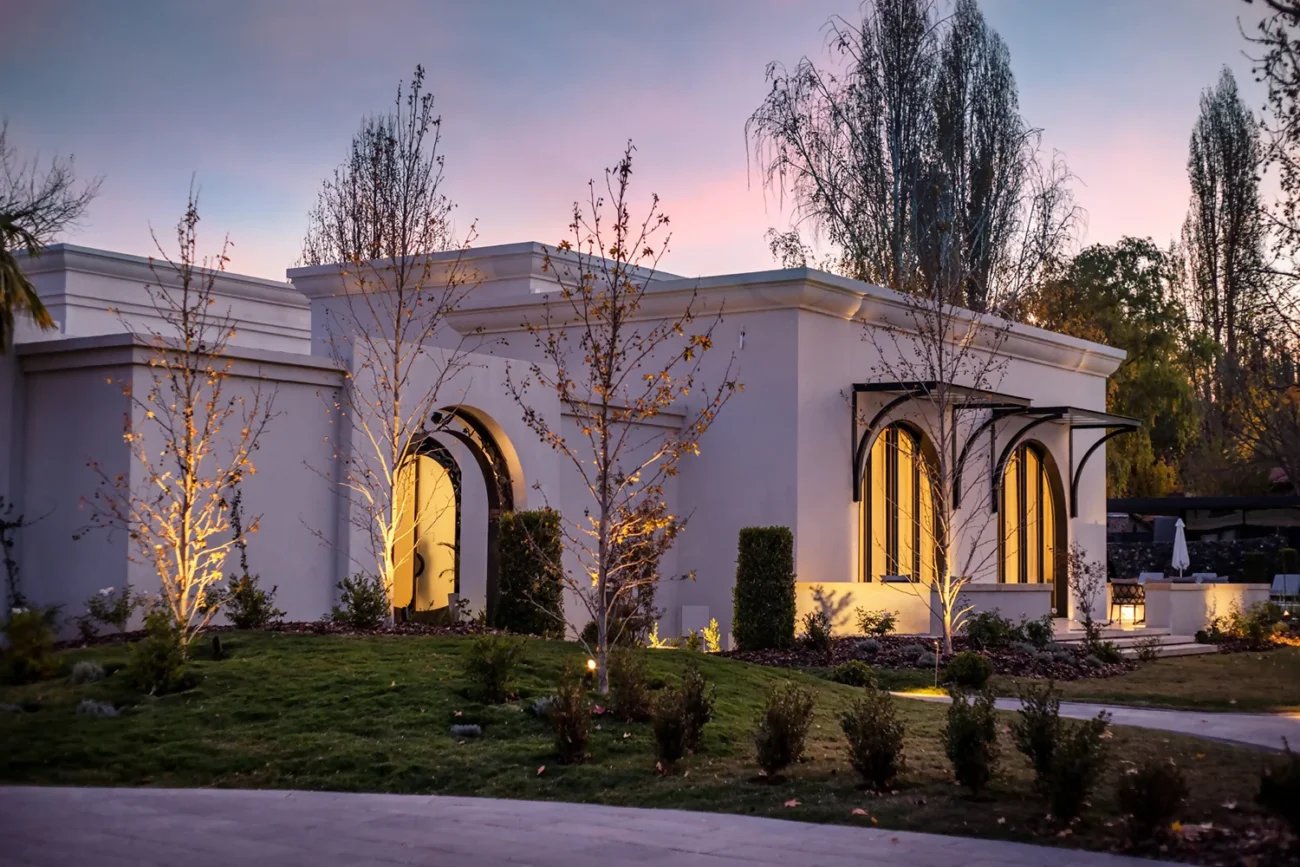
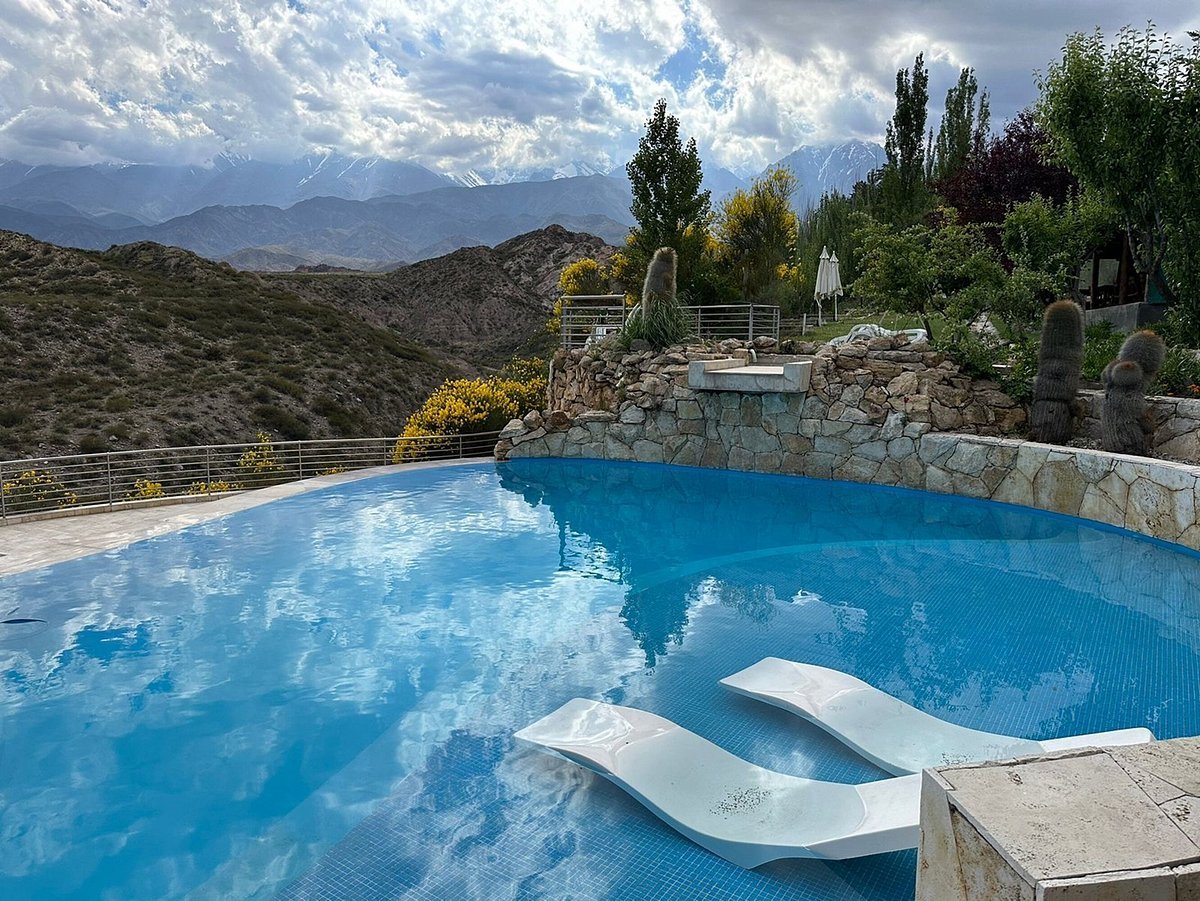
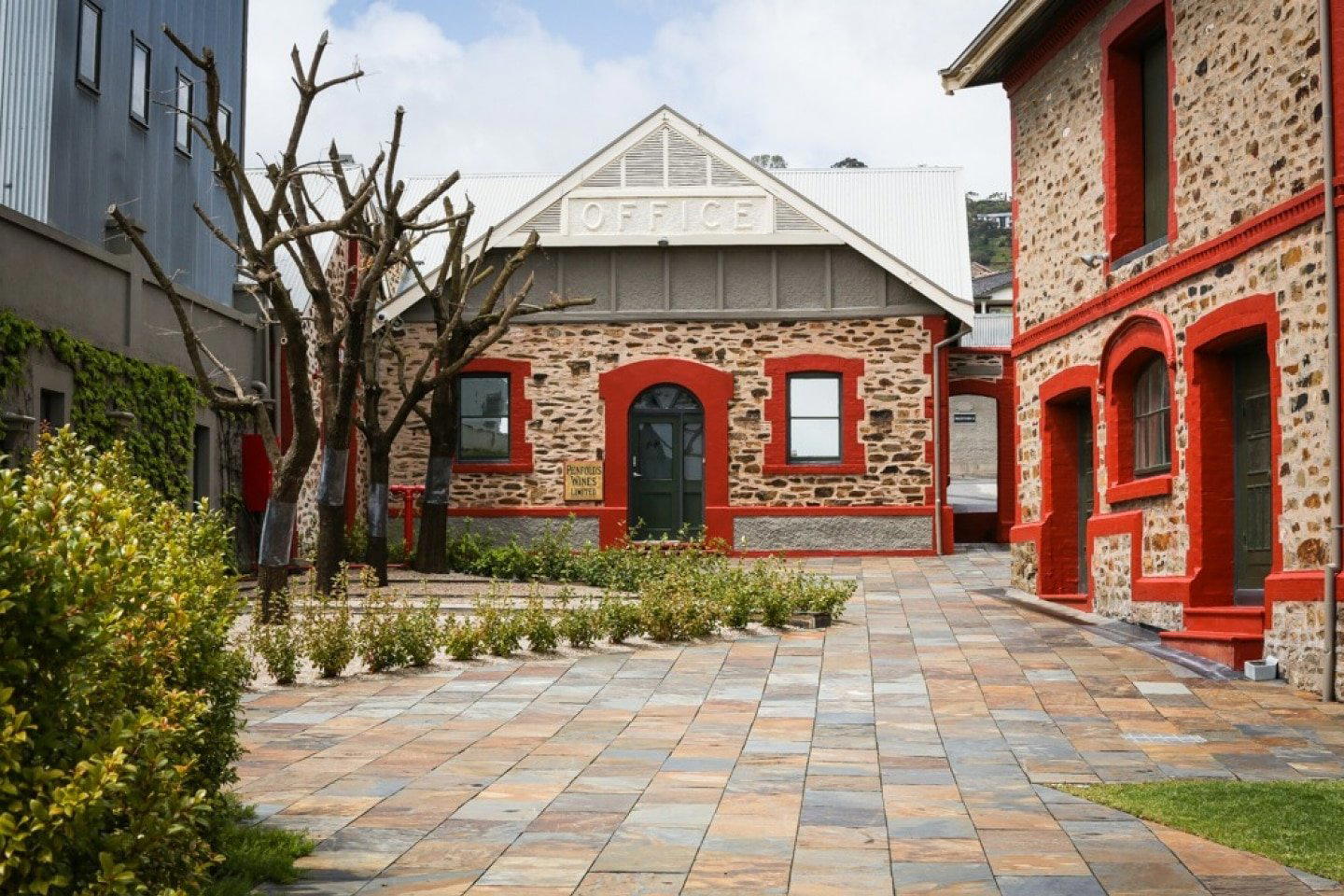
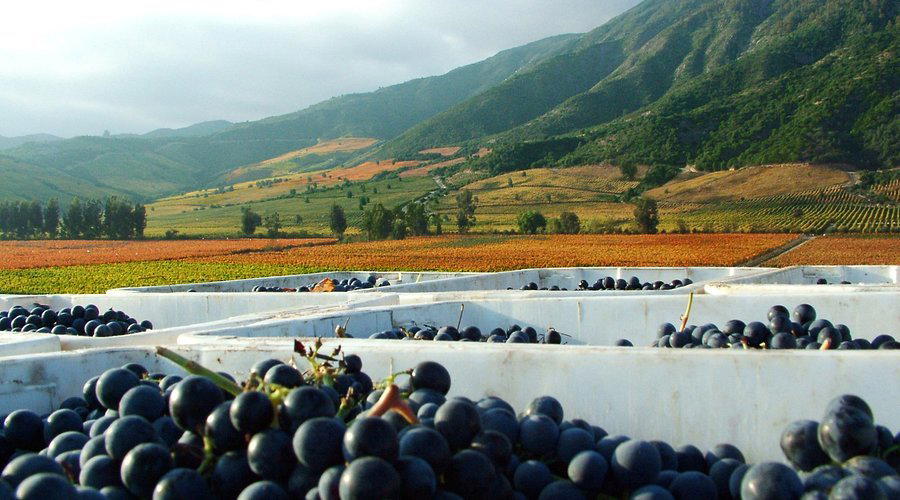
Viña Cobos presents a serious, terroir-forward personality set against the tightening rows of Luján de Cuyo. The approach—open sky and low stone architecture—signals a sober, collector-focused operation rather than a tourist spectacle. Tastings are deliberate and site-specific, and the vineyard-lined horizon and Andean backdrop reinforce the sense of place. Guests encounter a refined, measured atmosphere that favors study over spectacle: wines are presented as arguments about parcel, age and élevage, and the estate’s prestige places it in the senior cohort of Mendoza producers.
Best For
This is a stop for people who come to Mendoza to learn and to mark an occasion. The writing frames Viña Cobos as a destination for wine education—structured, progression-led tastings that unpack terroir, élevage and vineyard age—and as a producer whose standing makes visits feel like a special occasion. It suits collectors and serious wine drinkers who want a focused, slow tasting rather than a high-volume walk-through, and it’s appropriate for milestone visits where depth of explanation matters as much as the bottles poured.
Tasting Tips
Book a tasting slot that allows time for a progression-led format: Viña Cobos favors a structured sequence that starts with entry points, moves through parcel-driven mid-tier selections and culminates with the estate’s top bottlings. Expect a guided, argument-based tasting—come prepared to discuss vineyard, altitude and élevage—and avoid scheduling the shortest, high-volume options common elsewhere in Mendoza. If possible, ask in advance about reserve or vertical options so the host can plan the tasting arc around any particular bottles of interest.
Venue details
Ambiance
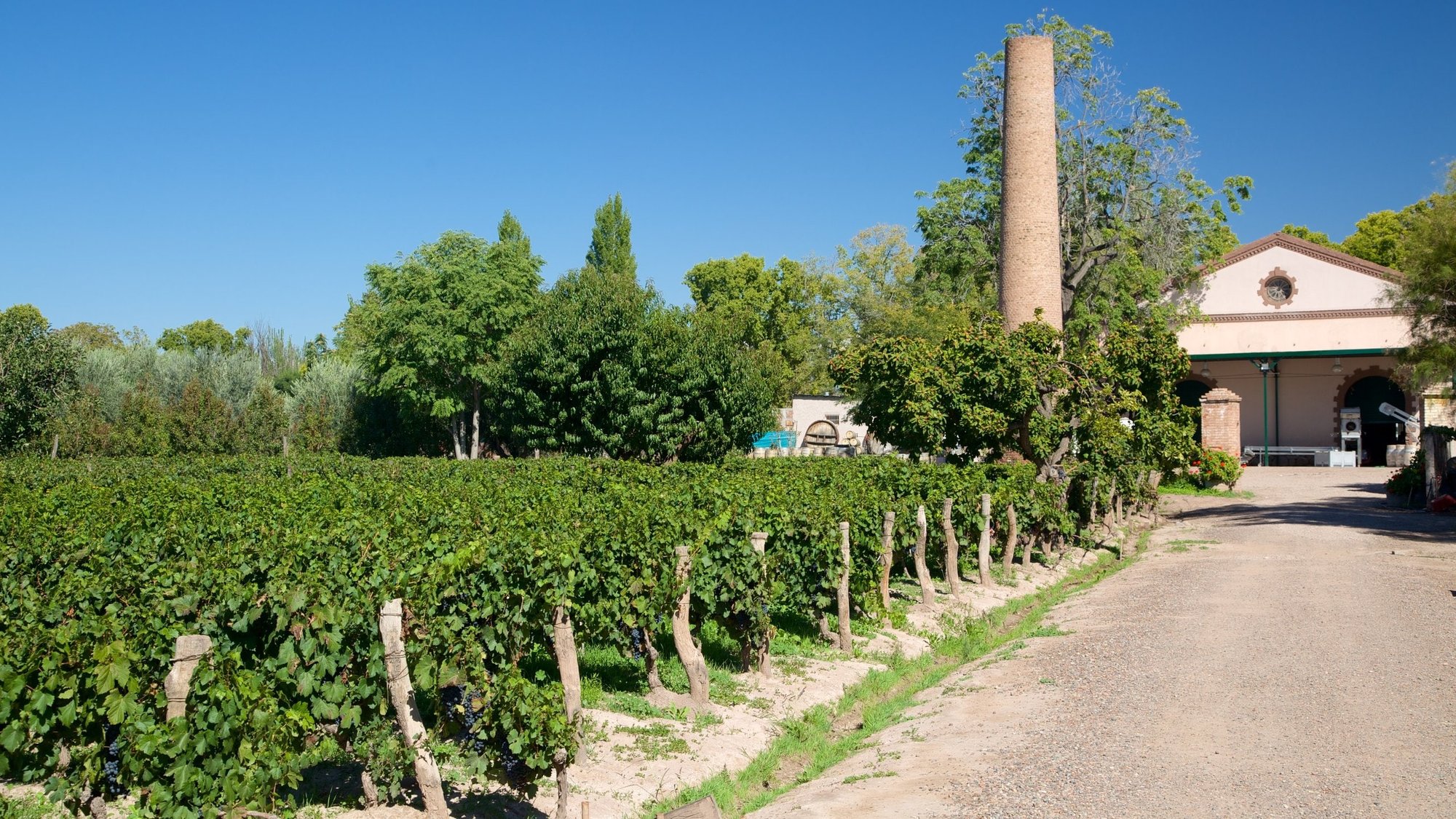
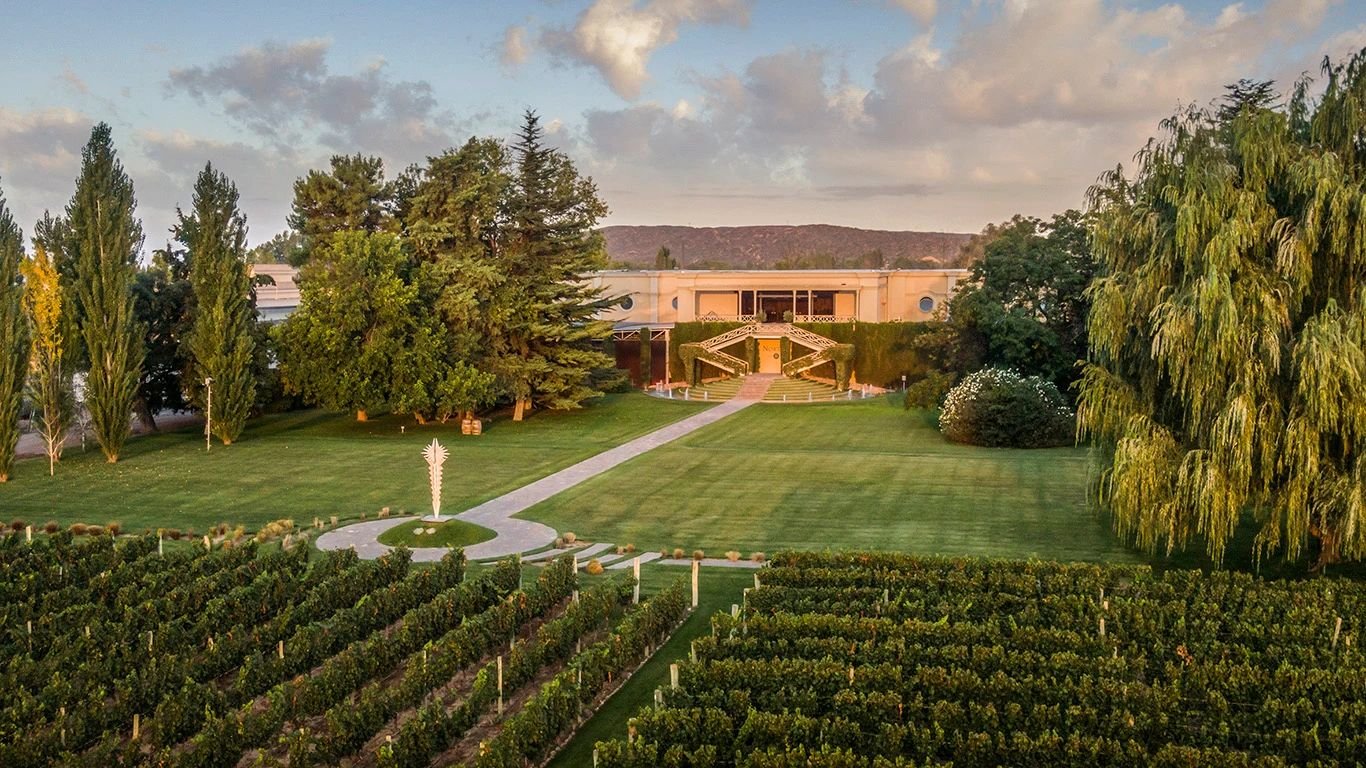
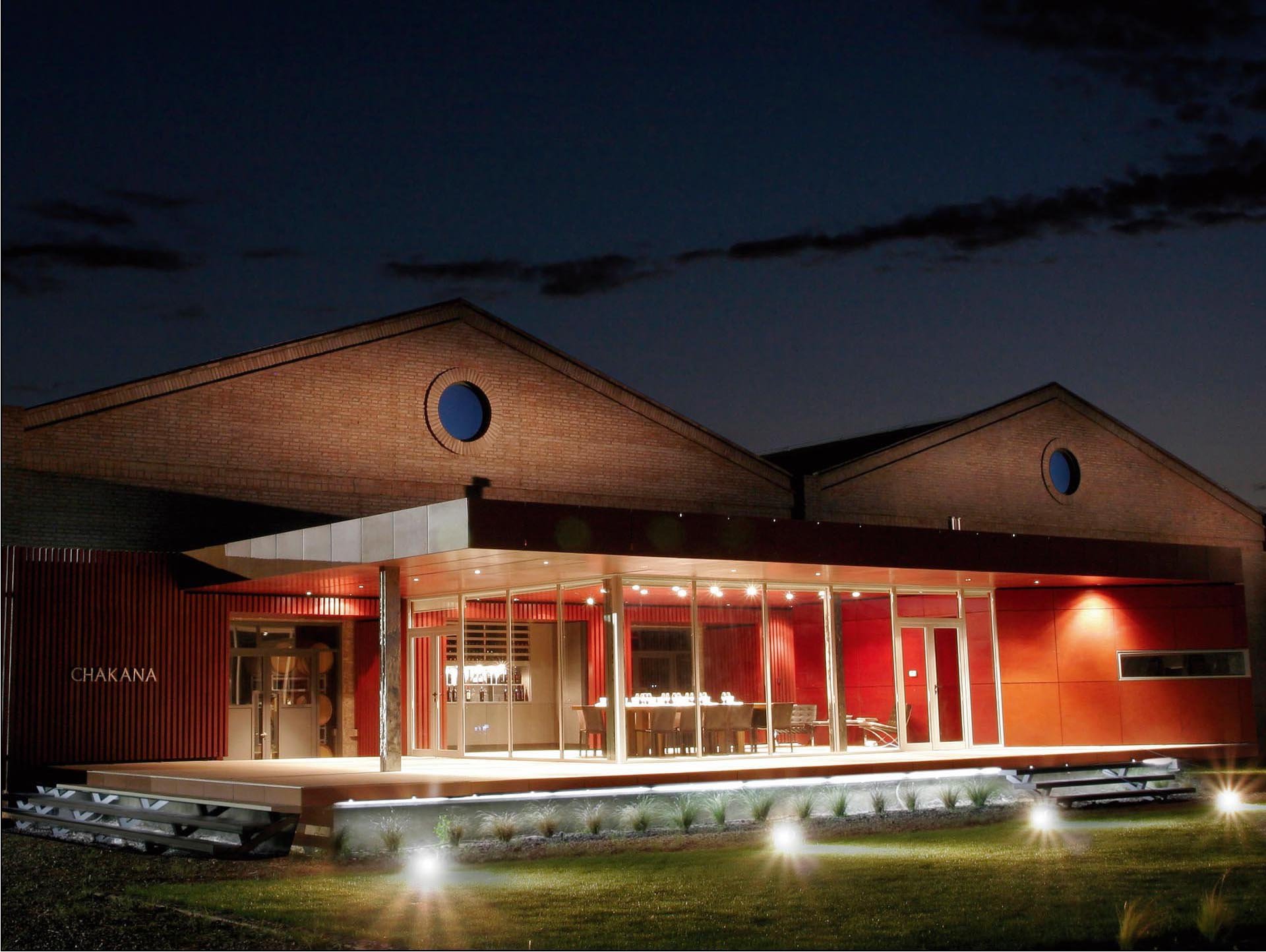
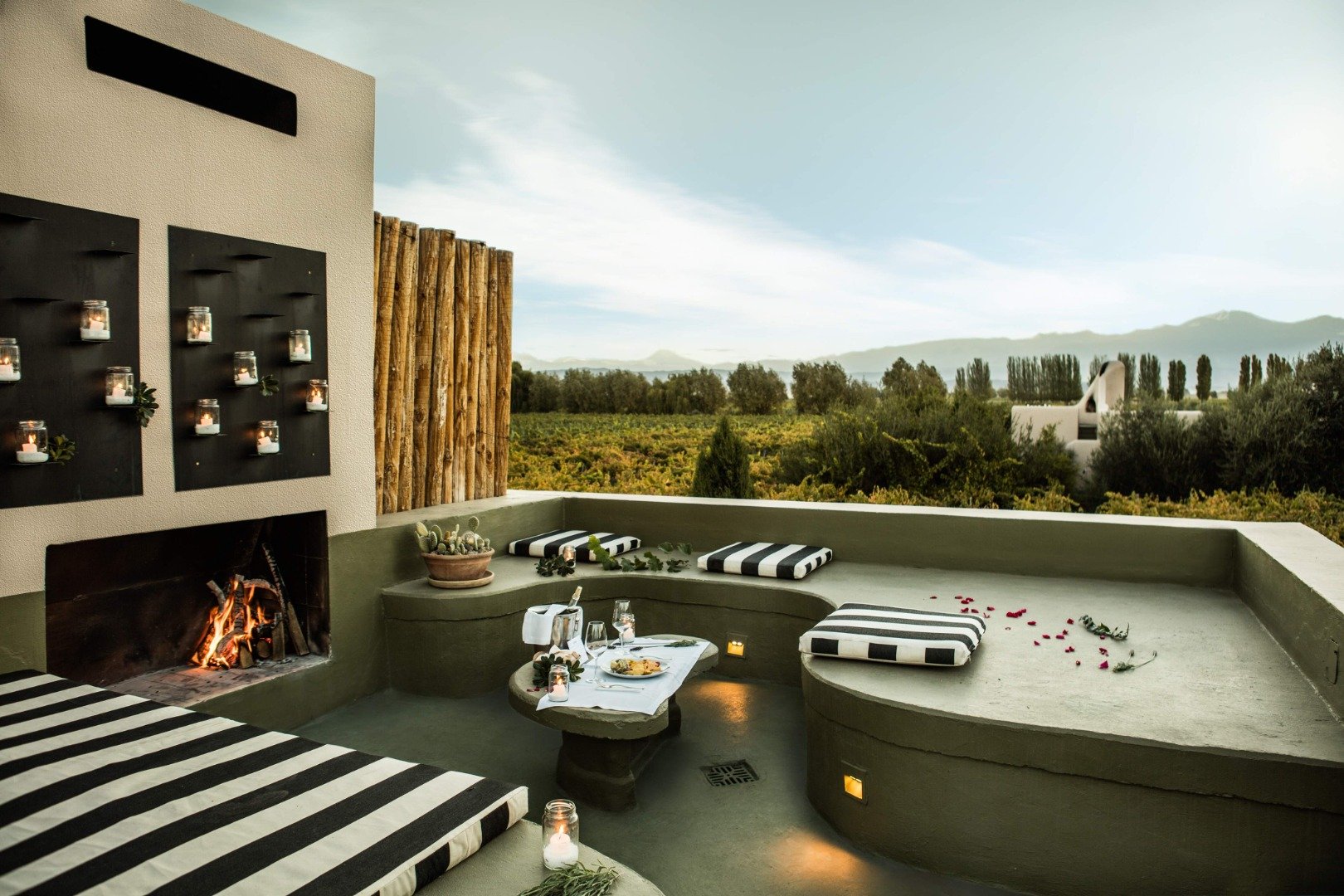
Sophisticated stone and glass gravity-flow winery with sleek, modern lines providing an elegant backdrop for exclusive, tailor-made tastings amid stunning vineyard views.
Tags
Vibe
Best For
Experience
Sourcing
View
At the Vineyard
- Appellation
- Luján de Cuyo
- Varietals
- Malbec, Cabernet Sauvignon, Chardonnay, Cabernet Franc
- Visits
- By appointment only
- Farming
- Sustainable
- Production
- Small producer
- Wine Styles
- Still Red, Still White
- Wine Club
- Not available
Know before you go
Know Before You Go
- Getting there
- Costa Flores, S/N y RN7, M5509 Luján de Cuyo, Mendoza
Planning details
Location
Recognition and awards


Also consider
Where to look if this is booked
If Viña Cobos is unavailable, start with Susana Balbo (Dominio del Plata) for another Luján de Cuyo option with occasion appeal. For a simpler local backup, try Las Perdices; it is the cleaner choice when the group needs less scheduling pressure.
Winery context
How Viña Cobos compares in Luján de Cuyo
Choose Viña Cobos when producer credibility and occasion value matter more than ease. Against Bodega Séptima, Bodega Melipal, and Bodega Bressia, it is the stronger fit for a tighter, wine-first itinerary where the booking itself is meant to anchor the day.
For visitors staying focused on Luján de Cuyo, Las Perdices and Susana Balbo (Dominio del Plata) are the more practical cross-shops if location convenience matters. Viña Cobos is the better call for reputation-led planning; Las Perdices is easier to justify for a simpler local stop, while Susana Balbo is the one to compare if the group wants a more hospitality-forward Luján de Cuyo day.
For value, do not judge this only by price, since confirmed pricing is not supplied. Judge it by trip purpose: for a special occasion or collector-leaning visit, Viña Cobos earns the first inquiry. For a relaxed group day with uncertain timing, start with Las Perdices or Susana Balbo (Dominio del Plata) and keep Viña Cobos for when the schedule can bend around the appointment.
Explore Luján de Cuyo
Around this place
Discover more on Pearl
Unlock the full Viña Cobos guide in Pearl, including awards, comparisons, FAQs, planning details, and nearby places.
Compare Viña Cobos
| Venue | Location | Awards |
|---|---|---|
| Viña Cobos | Luján de Cuyo | 2026 Falstaff Winery Guide2025 World's 50 Best Vineyards · #49 |
| Bodega Séptima | Agrelo | 2026 Falstaff Winery Guide |
| Las Perdices | Luján de Cuyo | No published awards |
| Bodega Melipal | Agrelo | No published awards |
| Bodega Bressia | Agrelo | No published awards |
| Susana Balbo (Dominio del Plata) | Luján de Cuyo | No published awards |
How Viña Cobos Luján de Cuyo compares with similar nearby venues.
FAQ
Frequently Asked Questions
Does Viña Cobos serve food?
Do not plan on Viña Cobos as a meal stop unless the venue confirms current details directly.
How long should I plan for a visit to Viña Cobos?
Where is Viña Cobos?
Viña Cobos is in Luján de Cuyo. A more specific address is not included in the record here.
What recognition does Viña Cobos have?
The confirmed signals here are Pearl 2 Star Prestige (2025) and World's 50 Best Vineyards #49 (2025).
Do I need a reservation at Viña Cobos?
If Viña Cobos is part of a one-day Luján de Cuyo route, confirm current visit arrangements directly with the venue. Smart casual dress is the dress code.