
Weingut Georg Mosbacher
Forst an der Weinstraße
Winery in Forst an der Weinstraße, Germany
 Book with Pearl
The Read
Basalt-Driven Pfalz Riesling
Why go
Book Weingut Georg Mosbacher if the goal is a serious, wine-first stop in Forst an der Weinstraße rather than a flexible food-and-wine outing. It suits small groups and Riesling-focused travelers who want depth, context, and a quieter tasting rhythm; plan meals separately and compare nearby peers if the day needs more variety.
About Weingut Georg Mosbacher
Weingut Georg Mosbacher is a venue in Forst an der Weinstraße with a casual dress code and Pearl 2 Star Prestige recognition for 2025. Travelers should confirm the visit format, menu, tasting structure, cuisine, price level, and services directly with the venue before planning around them.
Plan conservatively: the key details are the venue’s location in Forst an der Weinstraße, its casual dress code, and its 2025 Pearl 2 Star Prestige recognition. Check current arrangements with official channels before building an itinerary around a visit.
Book this for a Forst an der Weinstraße visit with details confirmed in advance
Weingut Georg Mosbacher may fit travelers planning around venues in Forst an der Weinstraße, especially with current arrangements confirmed in advance. Do not rely on assumptions about food service, tasting length, appointment policy, pricing, bottles, or a particular style of visit.
The practical approach is simple: confirm current arrangements directly before going, dress casually, and keep the rest of the day flexible. If meals, hotels, bars, or other activities are part of the plan, make those arrangements separately rather than assuming they are part of the Weingut Georg Mosbacher experience.
Who should cross-shop before committing
If you are comparing venues, names to consider include Weingut Bassermann-Jordan, Weingut Dr. Bürklin-Wolf, Weingut Pfeffingen, Weingut Reichsrat von Buhl, and Weingut Von Winning. Keep the comparison focused on your own itinerary needs, and confirm specific services, styles, prices, or tasting formats directly with each venue.
The clearest reasons to keep Weingut Georg Mosbacher on the shortlist are its Pearl 2 Star Prestige recognition in 2025 and its location in Forst an der Weinstraße. For anything beyond that, including food, visit format, purchasing options, or timing, confirm directly before you go.
Planning details
- Location
- Weinstraße 27, 67147 Forst an der Weinstraße
- Website
- georg-mosbacher.de
- Phone
- +49 6326 329
The take
The Take
The Vibe
Weingut Georg Mosbacher reads as a terroir-forward, sophisticated Pfalz estate. The copy centers on geological particularity—basalt lava beneath Forst’s top sites—which the château leverages to produce dense, highly expressive Rieslings. A Pearl 2 Star Prestige rating places Mosbacher among the region’s upper tier, so the overall impression is measured and accomplished rather than flashy. The tone suits visitors who care about site expression, vine-to-bottle logic, and the precise mechanics that distinguish great German Riesling in a single village.
Best For
This estate is best for guests seeking deep, educational encounters with terroir-driven Riesling. The write-up emphasizes access to Forst’s premier sites and the basalt influence on vineyards such as Kirchenstück and Jesuitengarten, making Mosbacher a natural stop for anyone focused on vineyard-specific wines. It also suits solo visitors intent on study and tasting at their own pace; the material rewards concentrated attention and reading between the lines of geological and stylistic distinctions rather than casual sightseeing.
Tasting Tips
When tasting or buying, prioritize single-vineyard expressions tied to Forst’s named sites—Kirchenstück and Jesuitengarten—because the text highlights those parcels as central to the estate’s identity. Ask staff about the basalt influence and how it shapes ripening and extract, and look for the estate’s Pearl 2 Star Prestige bottlings to sample its benchmark releases. If available, compare village, single-site, and prestige bottlings side by side to trace the difference that Forst’s soils and microclimates make.
Venue details
Ambiance
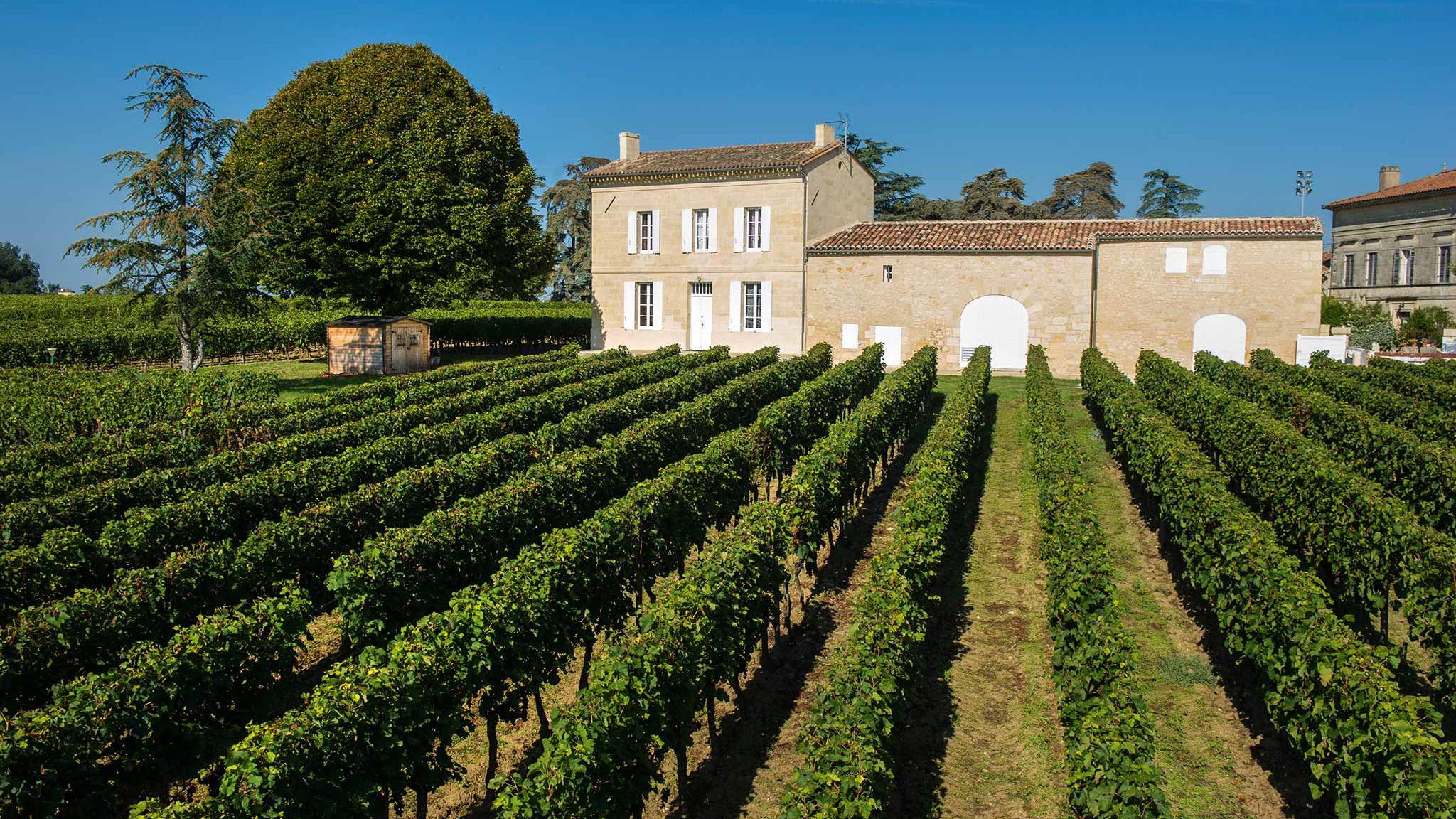
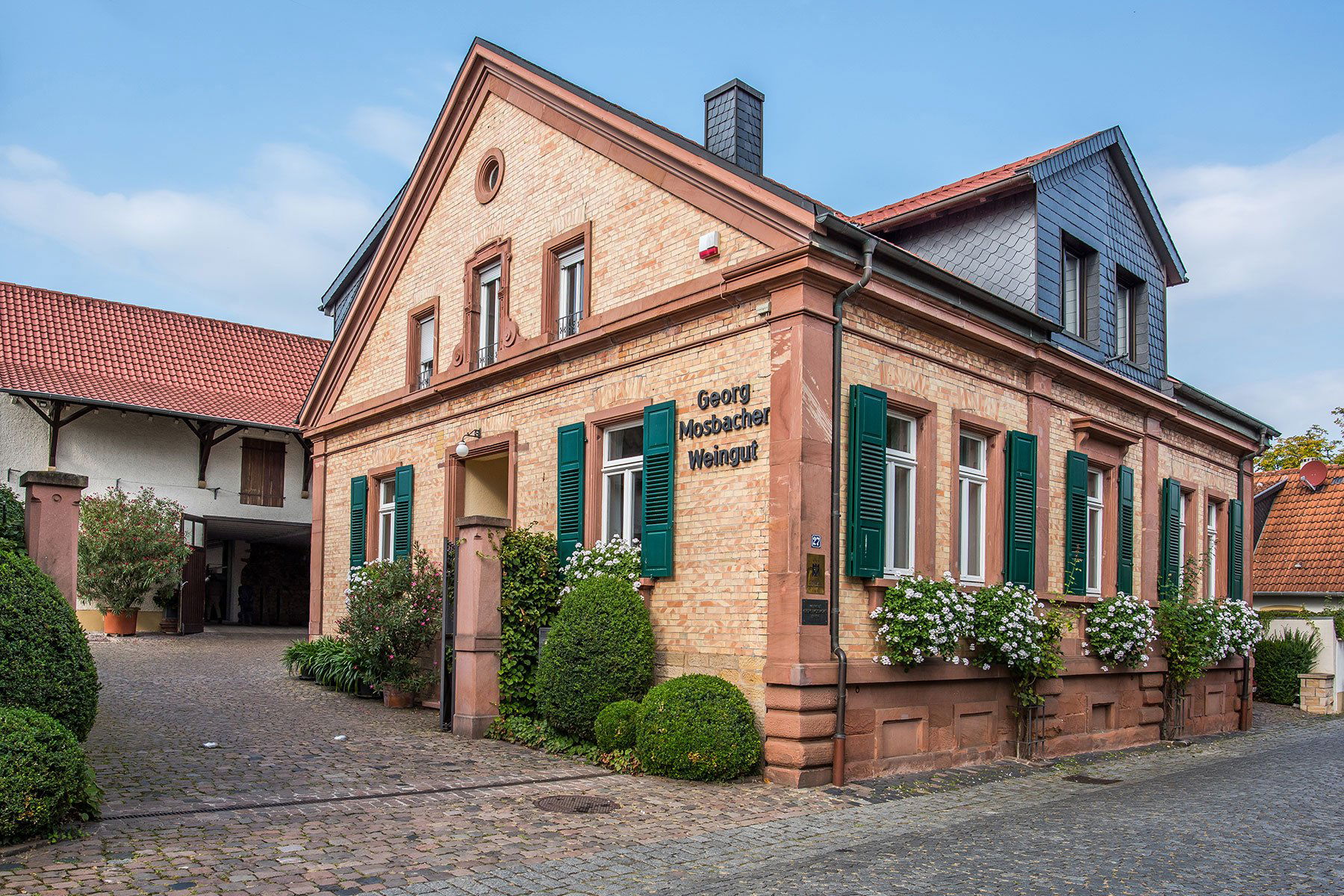
Traditional and harmonious village-integrated architecture fostering an informal, open-minded atmosphere for wine enthusiasts.
Tags
Vibe
Best For
Experience
Sourcing
View
At the Vineyard
- Appellation
- Pfalz
- Varietals
- Riesling, Pinot Blanc, Sauvignon Blanc, Gewürztraminer, Pinot Noir
- Tour Duration
- 60-90 minutes
- Tour Languages
- German, English
- Visits
- By reservation
- Farming
- Organic
- Wine Styles
- Still White, Still Red
- Wine Club
- Not available
Know before you go
Know Before You Go
- Getting there
- Weinstraße 27, 67147 Forst an der Weinstraße
Planning details
Location
Recognition and awards

Also consider
Where to look if this does not fit
If the preferred timing does not work, start with Weingut Von Winning or Weingut Dr. Bürklin-Wolf for another serious regional comparison. For a broader local shortlist, add Weingut Bassermann-Jordan and Weingut Pfeffingen.
Winery context
How it compares in Forst an der Weinstraße
Choose Weingut Georg Mosbacher if the priority is a focused, serious Pfalz wine stop. Weingut Von Winning, Weingut Reichsrat von Buhl, and Weingut Dr. Bürklin-Wolf are the first cross-shops for travelers who want to compare major local names before choosing one anchor visit.
For a tighter Forst plan, Weingut Bassermann-Jordan and Weingut Pfeffingen are useful alternatives if the main booking is difficult or the group wants a different pace. With limited public price cues across this set, treat value as a fit question: book the producer whose style and availability match the day, not the one that sounds grander on paper.
Ambiance is the real divider. This is the right pick for a quieter, wine-led visit; cross-shop the others if the group needs broader hospitality, easier timing, or a more varied day around the tasting.
Explore Forst an der Weinstraße
Around this place
Discover more on Pearl
Unlock the full Weingut Georg Mosbacher guide in Pearl, including awards, comparisons, FAQs, planning details, and nearby places.
Compare Weingut Georg Mosbacher
| Venue | Location | Awards |
|---|---|---|
| Weingut Georg Mosbacher | Forst an der Weinstraße | 2026 Falstaff Winery Guide |
| Weingut Von Winning | Deidesheim | 2026 Falstaff Winery Guide |
| Weingut Reichsrat von Buhl | Deidesheim | 2026 Falstaff Winery Guide |
| Weingut Dr. Bürklin-Wolf | Wachenheim an der Weinstraße | 2026 Falstaff Winery Guide |
| Weingut Bassermann-Jordan | Deidesheim | 2026 Falstaff Winery Guide |
| Weingut Pfeffingen | Bad Dürkheim | 2026 Falstaff Winery Guide |
How Weingut Georg Mosbacher compares with similar nearby venues.
FAQ
Frequently Asked Questions
What is the flagship wine at Weingut Georg Mosbacher?
For a flagship wine recommendation at Weingut Georg Mosbacher, ask the venue directly. The key planning details are that it is in Forst an der Weinstraße, has a casual dress code, and holds Pearl 2 Star Prestige recognition for 2025. If you want to compare other venues, consider Weingut Von Winning or Weingut Reichsrat von Buhl.
How long should I plan for a visit to Weingut Georg Mosbacher?
Plan only after checking directly with Weingut Georg Mosbacher, and do not assume a tasting duration, meal format, appointment policy, or walk-in arrangement in advance.
What other venues should I compare with Weingut Georg Mosbacher?
For comparison, consider Weingut Dr. Bürklin-Wolf, Weingut Bassermann-Jordan, Weingut Reichsrat von Buhl, Weingut Von Winning, and Weingut Pfeffingen. Confirm distances, services, and tasting formats with each venue before planning the day.
Is the wine club at Weingut Georg Mosbacher worth joining?
Does Weingut Georg Mosbacher serve food?
Make meal plans separately unless Weingut Georg Mosbacher confirms current food options directly.