

2026 Falstaff Winery Guide: The Ultimate Wine Authority — Page 33
Falstaff's 2026 Wineries guide.

Venues on this list
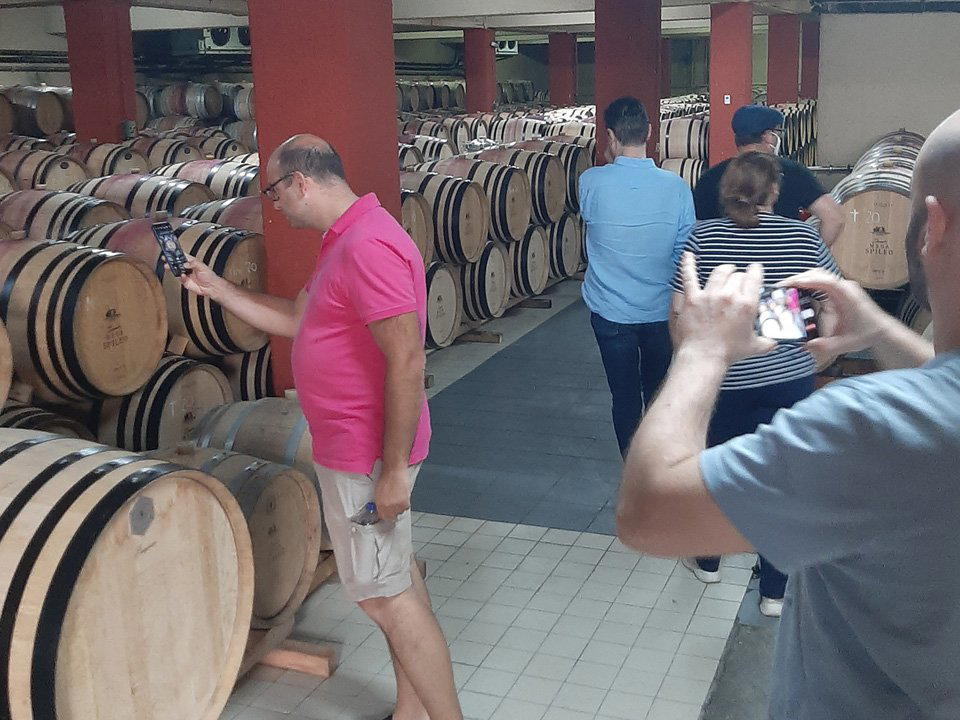
Cavino Winery & Distillery
Aigion, Greece
Book Cavino Winery & Distillery if you want a practical, production-led look at Achaia wine rather than a small-estate tasting. The draw is breadth: indigenous Greek grapes, traditional retsina, and ouzo production in one modern winery-distillery setting on the slopes of Aigialia.
Campi Valerio
Monterodnuni, Italy
Campi Valerio works if Monteroduni or Molise wine is already part of the plan. The useful trust signal is its Falstaff Listed status for 2026; treat that as a reason to investigate bottles, club terms, and shipping costs, not as a reason to commit before checking current availability.
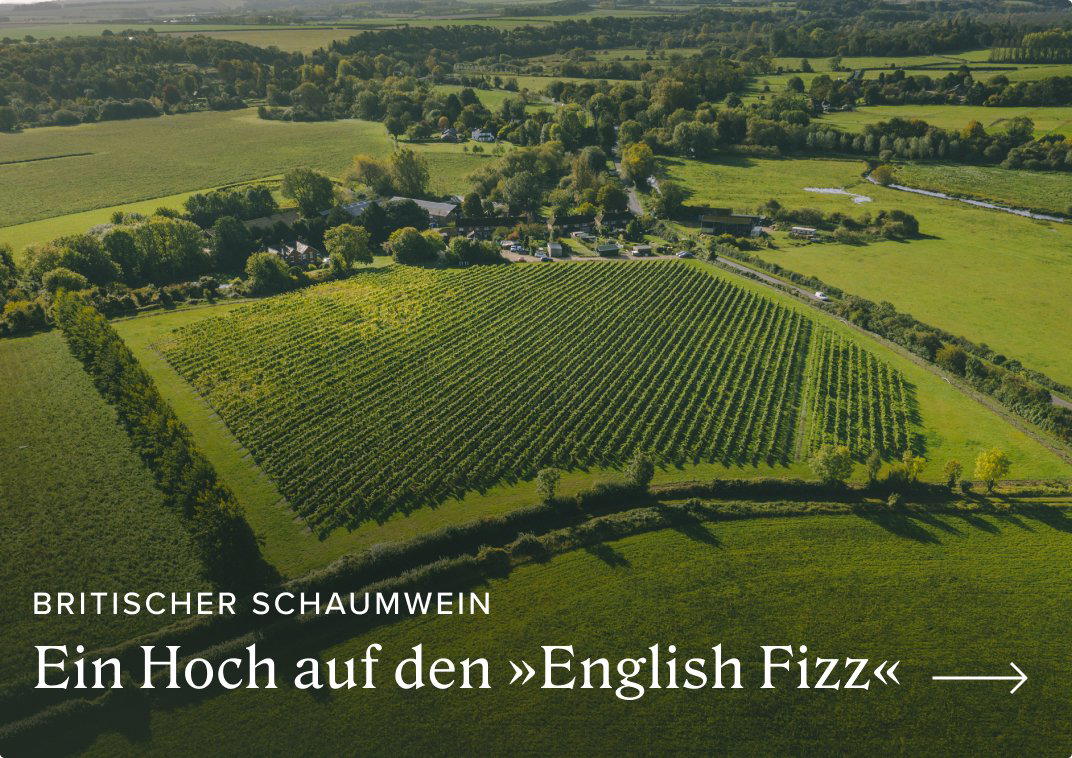
Bioweingut Christian & Thomas Weiss
Gols, Austria
Book Bioweingut Christian & Thomas Weiss if organic, vegan, histamine-tested, or non-alcoholic wines are a real priority. This appointment-only Gols winery is more practical than showy, with Falstaff recognition and a $$ price signal that make it a smart small-group stop near Lake Neusiedl.
Champagne Royal Rivera
Monte Carlo, France
Champagne Royal Rivera works for wine-focused travellers who want a champagne name with Falstaff Listed recognition in 2026. Treat it as a targeted wine stop, not a fully defined tasting or dining experience, because pricing, food service, hours, and group details are not published here.
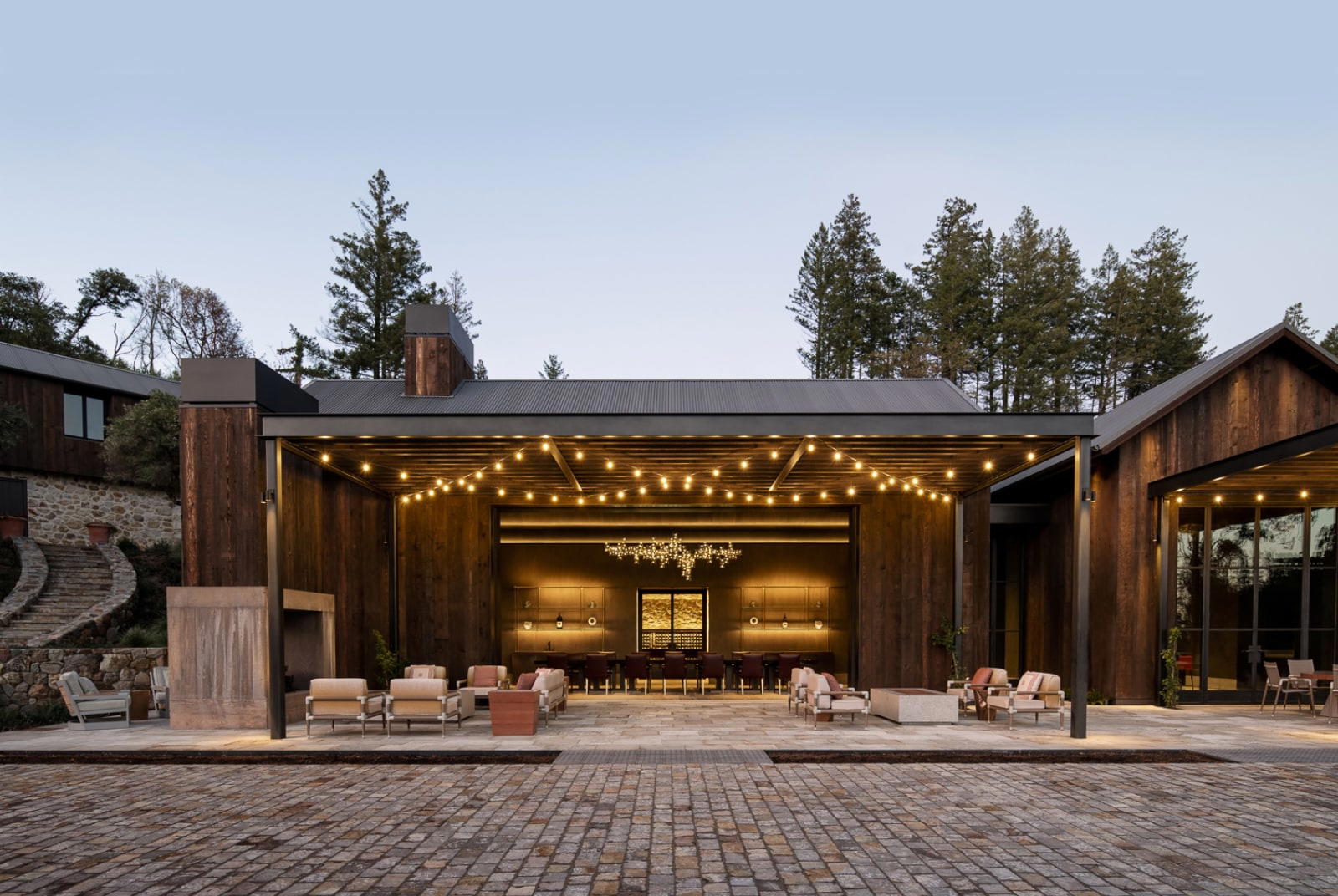
Mayacamas Vineyards and Winery
Napa, United States
A strong choice for a Napa special-occasion winery visit when heritage and a quieter mountain setting matter more than a social tasting-room scene. Its 1863 first vintage gives it rare historical weight, but the fit is selective: plan ahead, keep the day lightly scheduled, and choose a more accessible peer if the group wants an easier, livelier stop.
Commune de Bourg-en-Lavaux
Bourg En Lavaux, Switzerland
Worth prioritizing if the goal is to understand Lavaux through its civic wines rather than a polished private-cellar format. Commune de Bourg-en-Lavaux is strongest for Chasselas, Grand Cru context, and the local red variety Plant Robert, with tastings typically folded into village wine shops, restaurants, and caveaux.
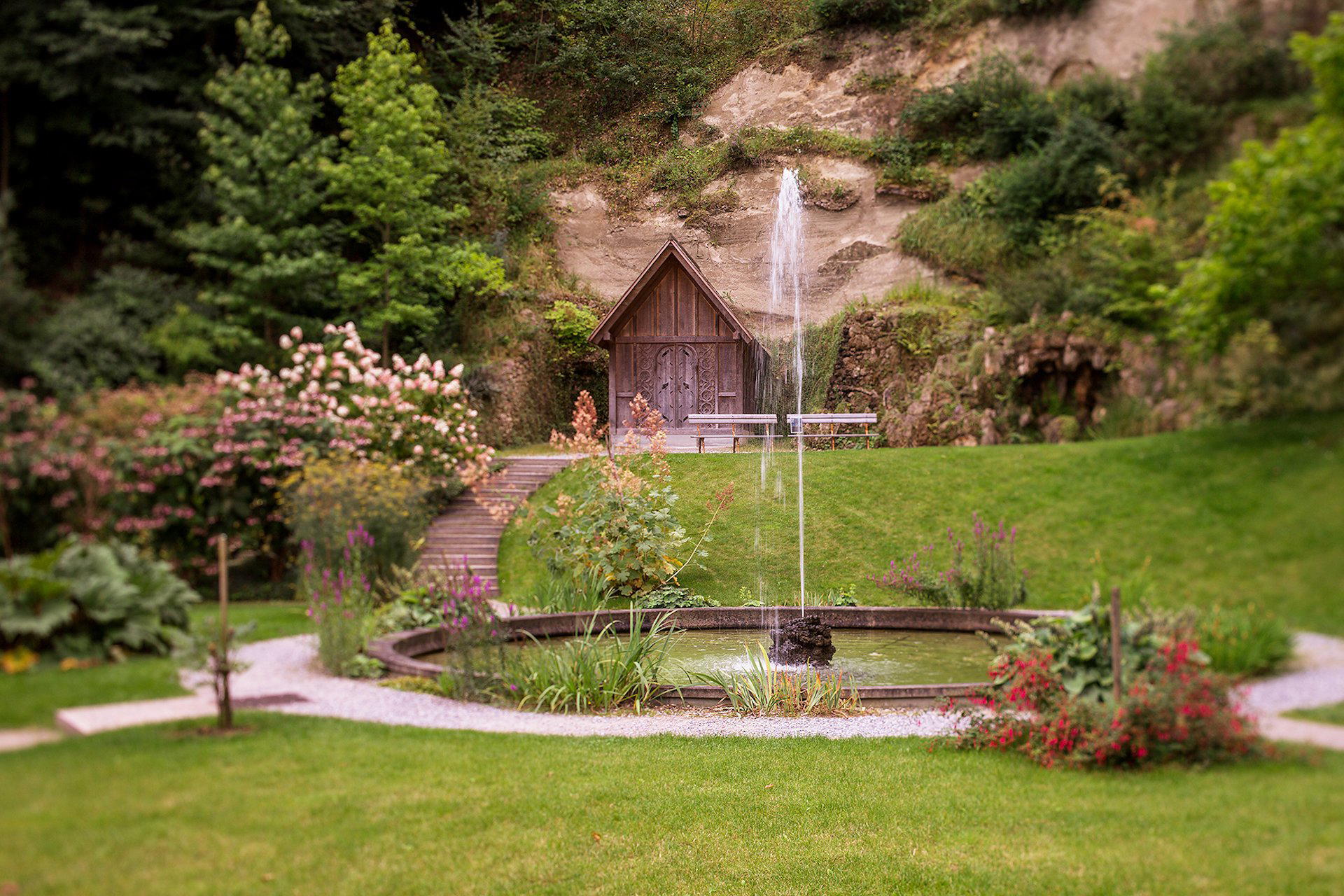
BBZ Arenenberg
Salenstein, Switzerland
BBZ Arenenberg is worth booking for a relaxed Salenstein wine stop with gardens, vineyard context, and an educational countryside setting. Go for Müller-Thurgau, daylight, and a low-pressure Thurgau experience; skip it if the goal is a luxury collector tasting or a deep reserve portfolio.
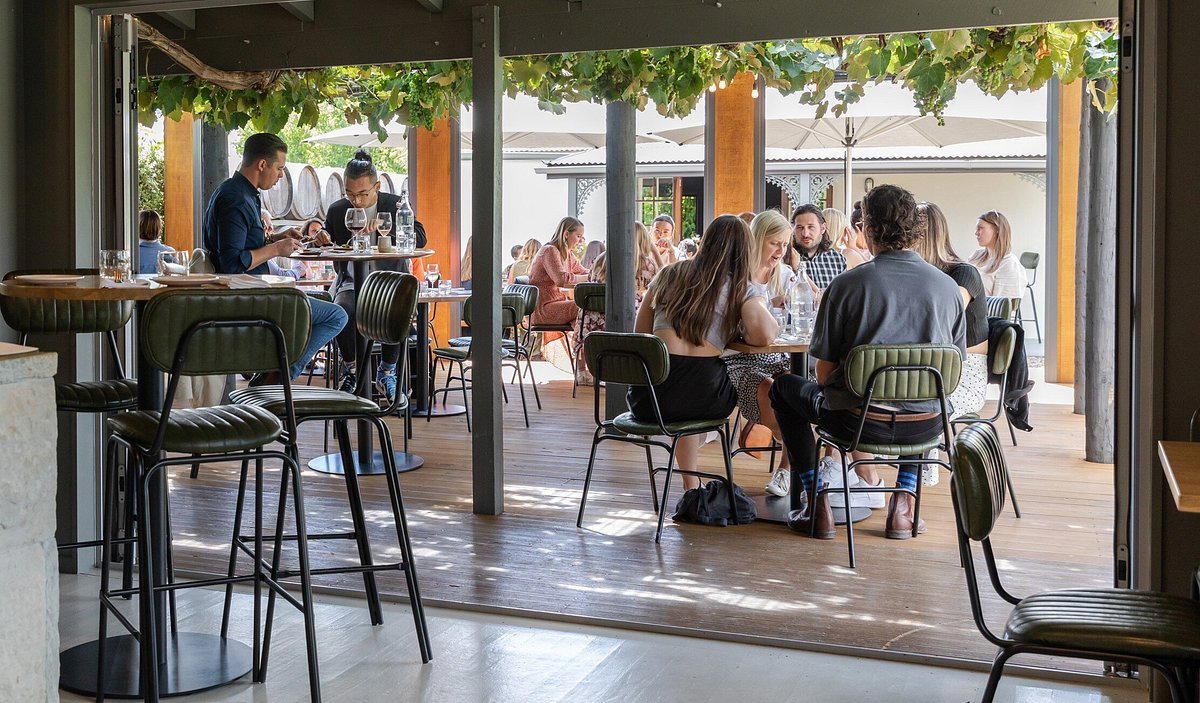
Greystone Wines
Waipara, New Zealand
Greystone Wines is the Waipara booking to prioritise if international vineyard recognition matters: it holds World's 50 Best Vineyards #89 for 2025. Go for a serious North Canterbury wine stop with vineyard setting and depth; keep backup plans if food, group logistics, or exact timing need to be locked in early.
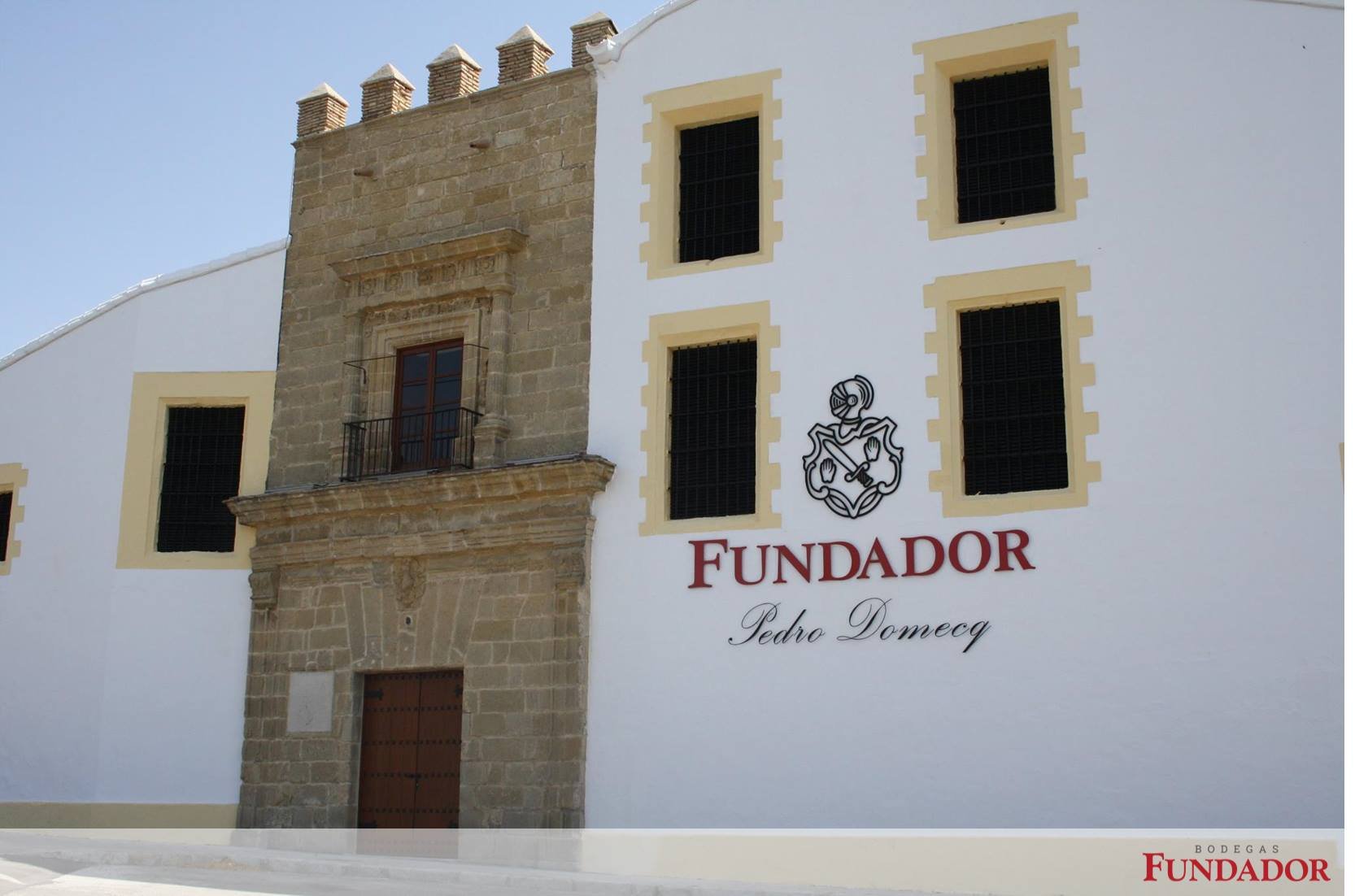
Bodegas Fundador
Jerez, Spain
Bodegas Fundador is the Jerez booking to make when brandy history matters as much as sherry. The setting is large-scale and tradition-forward, with museum spaces and old bodegas giving the visit more context than a simple tasting. Choose the private or upgraded format if Fundador brandy is the main reason for going; casual first-timers can keep it standard.
Fuori Mondo
Livorno, Italy
Book Fuori Mondo if you want a small, atmospheric Tuscan wine estate with a strong sense of place and a quieter Livorno-area feel. The value is strongest for travelers who care about narrative, land, and appointment-led intimacy; it is less suited to large groups or anyone who needs a fully published tasting format in advance.
Dreschers Weine
Sommerach, Germany
Book Dreschers Weine if the goal is an informal Sommerach winery visit with serious organic credentials. The strongest fit is for drinkers interested in Franconian whites, estate-grown fruit, cuvée blending, and a family courtyard setting rather than a highly formal tasting format.
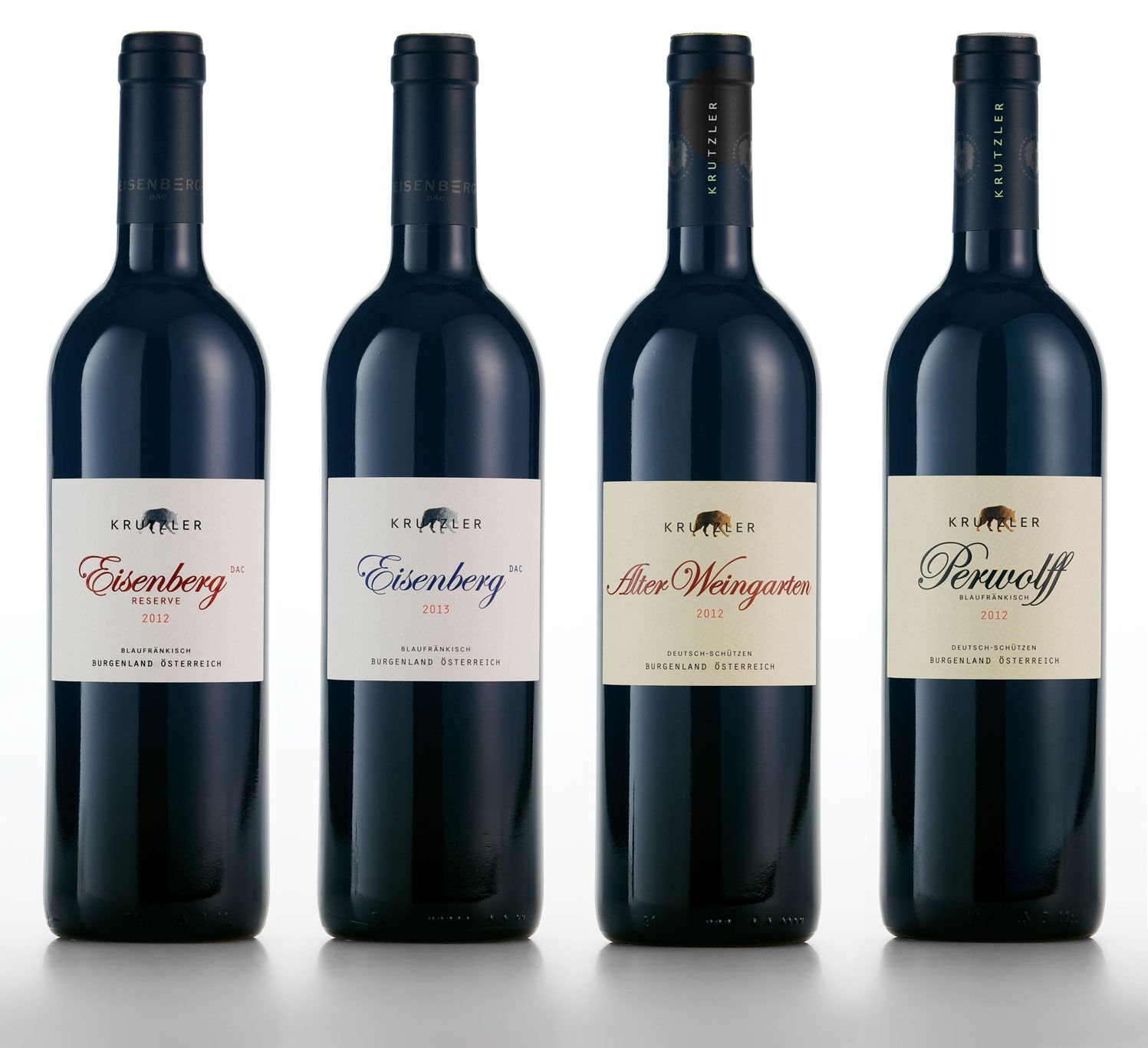
Weingut Krutzler Distillery
Deutsch Schützen, Austria
A serious Deutsch Schützen stop for wine travellers who care more about producer context than built-out hospitality. Prioritise it if the visit is about bottles, cellar access, or regional depth; cross-shop Weingut Uwe Schiefer for another wine-led option and Gölles Distillery if spirits matter more to the group.
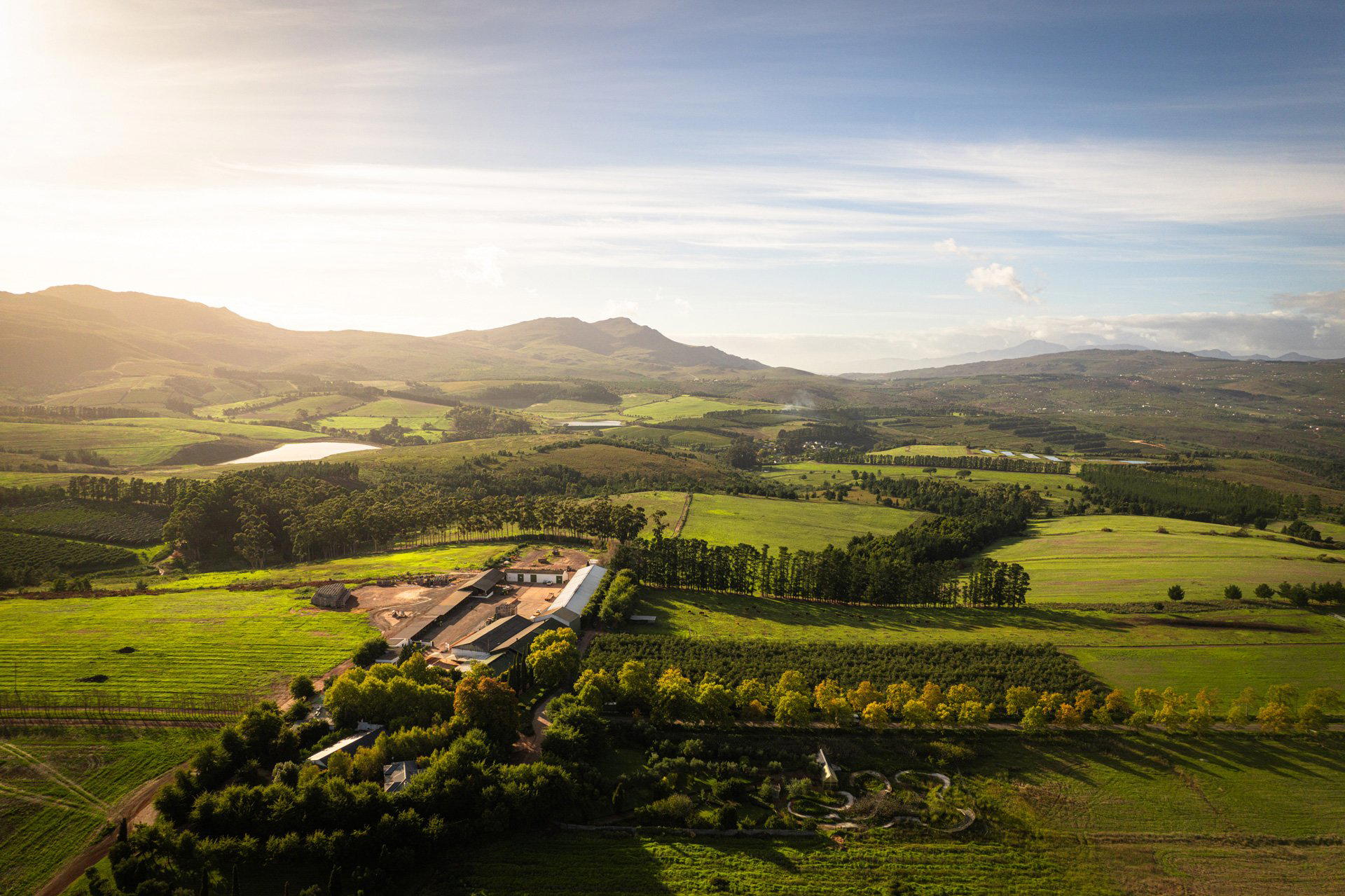
Paul Cluver Wines
Elgin, South Africa
Paul Cluver Wines is worth prioritising if the goal is a serious Elgin wine stop rather than a broad hospitality estate. It suits first-time visitors who want regional context and a calmer cellar-door feel; cross-shop Oak Valley Estate or Iona Vineyard if the day needs easier comparison across nearby producers.
Contromano
Sirmione, Italy
Contromano works if the goal is a quiet Lugana-focused producer rather than a full hospitality winery. Book by appointment, start with the Lugana-labeled Grande 2020, and do not treat any wine-club decision as sensible until tasting and terms are clear.
Weingut Birgit Braunstein
Purbach, Austria
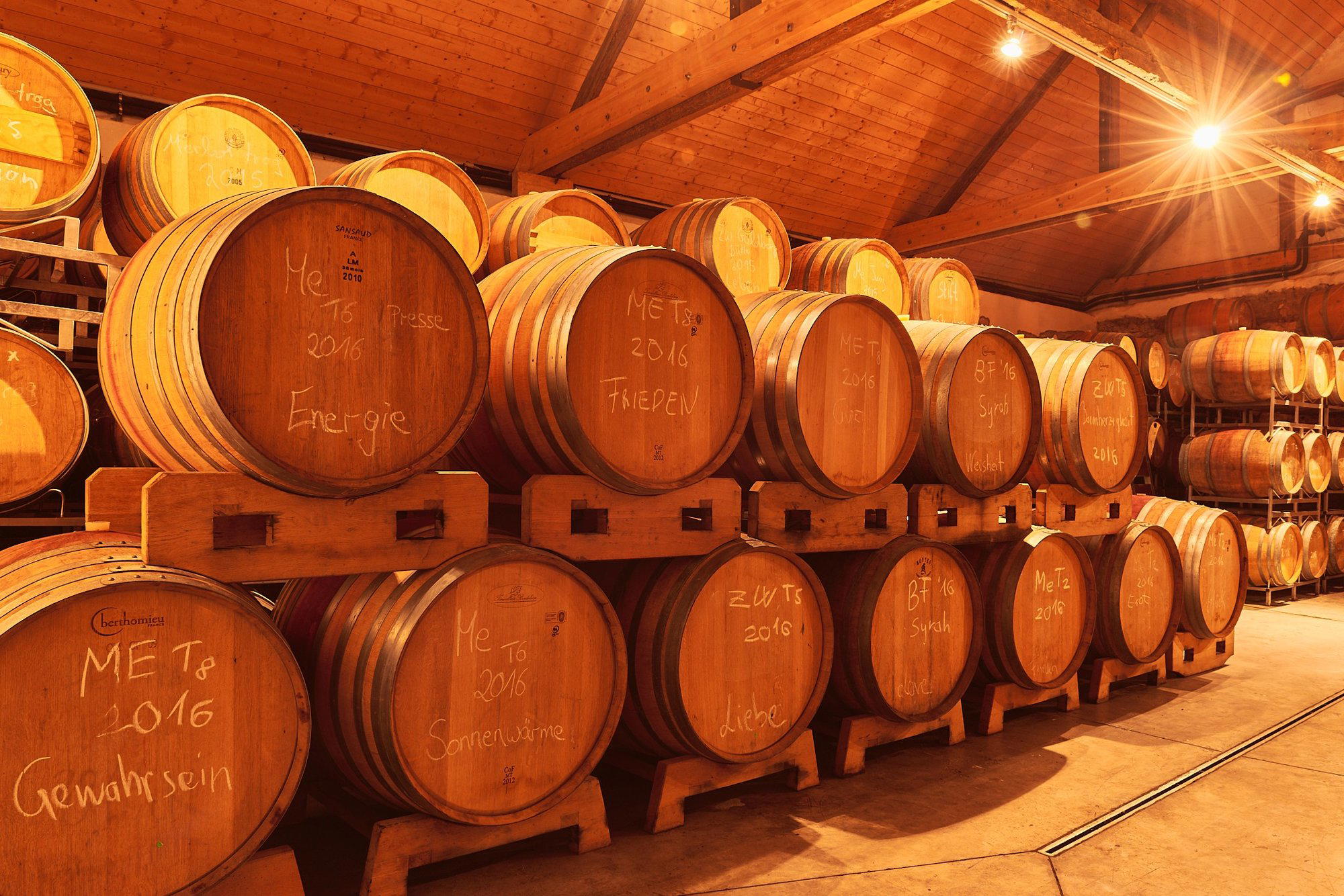
A serious Purbach winery pick for small, wine-focused occasions where planning ahead is part of the value. Choose Weingut Birgit Braunstein when the tasting itself is the anchor of the day; cross-shop nearby producers if schedule flexibility matters more than securing the harder reservation.
Bodegas Juan Alcorta
Logroño, Spain
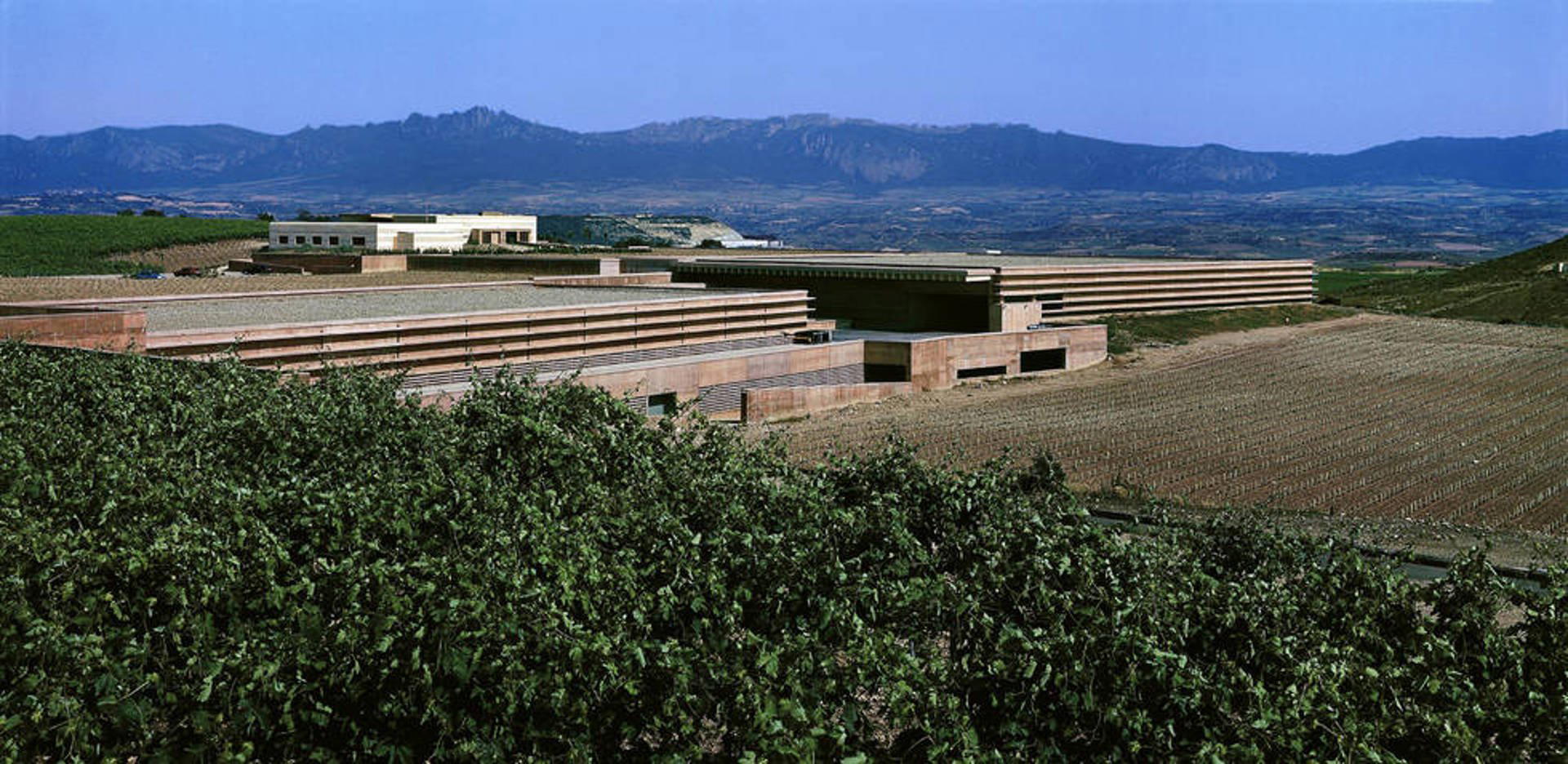
A serious Logroño winery choice for travelers building a Rioja-focused itinerary, not a casual add-on. The 2026 Falstaff 1 Star recognition gives it a clear credibility signal, but the hard booking profile means it works best when planned ahead and paired with a wider Logroño food-and-wine day.
Hanni's Wein
Vienna, Austria
Hanni's Wein is a practical Vienna wine stop for travelers who want an easy, low-pressure addition to a city itinerary. It has Falstaff listing recognition for 2026, but public detail on tasting format, pricing, and visitor structure is thin, so plan it as a compact stop rather than the centerpiece of a wine day.
Domaine Bardon
Meusnes, France
Domaine Bardon is worth planning around if the priority is Loire Sauvignon Blanc with clear Meusnes flint context, not a full-service winery outing. The estate’s 1890 roots, 60 hectares, Valençay and Val de Loire focus, and Falstaff Listed recognition make it a strong fit for wine travelers who want production detail over hospitality polish.
Weingut Bründlmayer
Langenlois, Austria
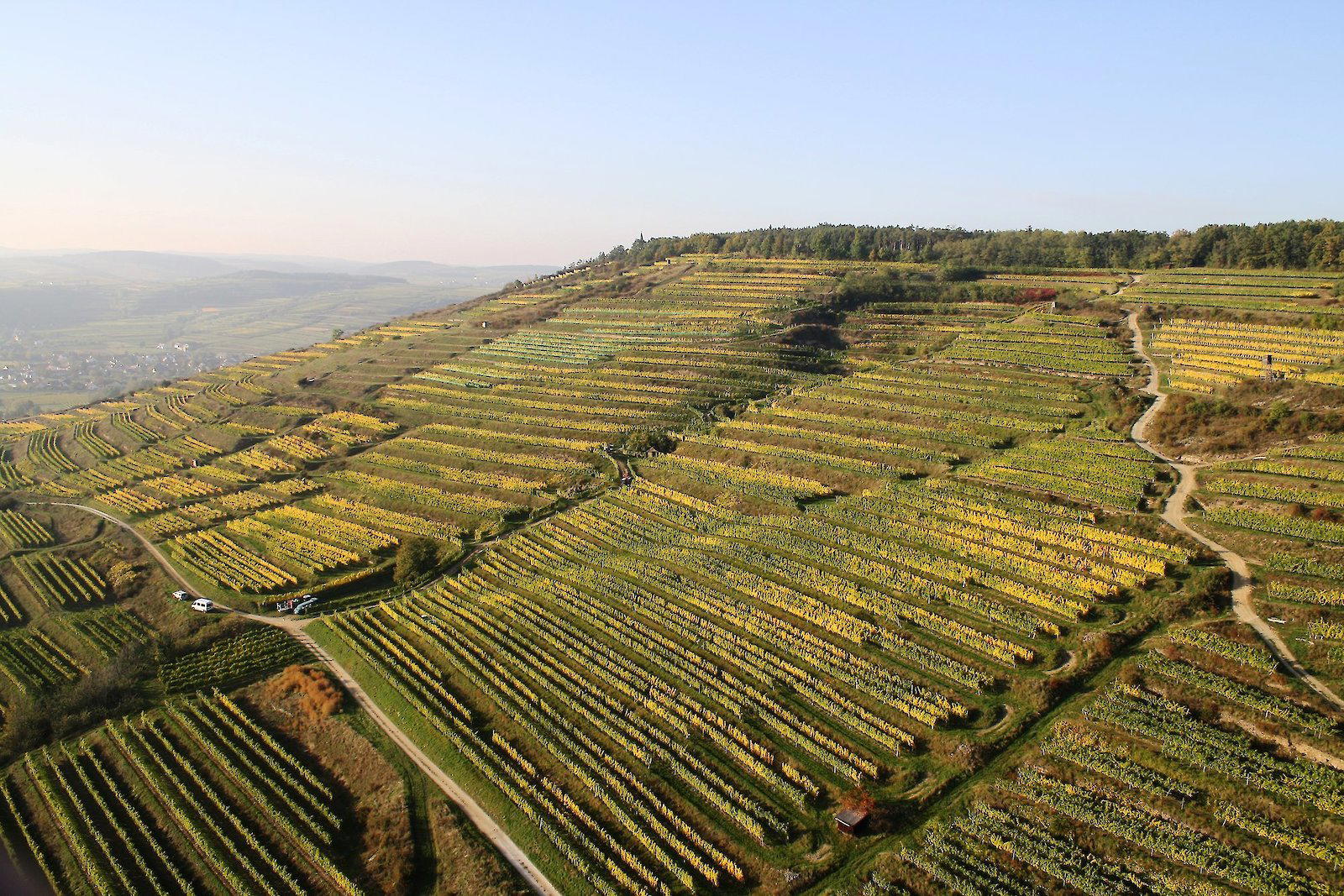
Choose Weingut Bründlmayer if the trip is about serious Kamptal wine buying, not a casual drop-in tasting. It is a stronger fit for collectors and focused wine travelers than for groups needing food, transparent walk-in logistics, or a light social stop. Build backup appointments in Langenlois before committing the day.
Domaine Bruno Clavelier
Vosne-Romanée, France
Domaine Bruno Clavelier works for Burgundy-focused visitors already planning time in Vosne-Romanée. The 2026 Falstaff listing gives it a useful recognition signal, but this is a better fit for serious wine planning than for groups looking for a casual tasting-room experience, food service, or broad visitor infrastructure.
Kaiserhofkellerei
Krems At The Donau, Austria
Kaiserhofkellerei works if the goal is a quiet, cellar-first Krems wine stop rather than a polished tasting-room experience. The verified profile points to winery/cellar operations and wine trade, with casual expectations and easy access, but not a published food, tour, or portfolio-led hospitality program.
Ata Rangi
Martinborough, New Zealand
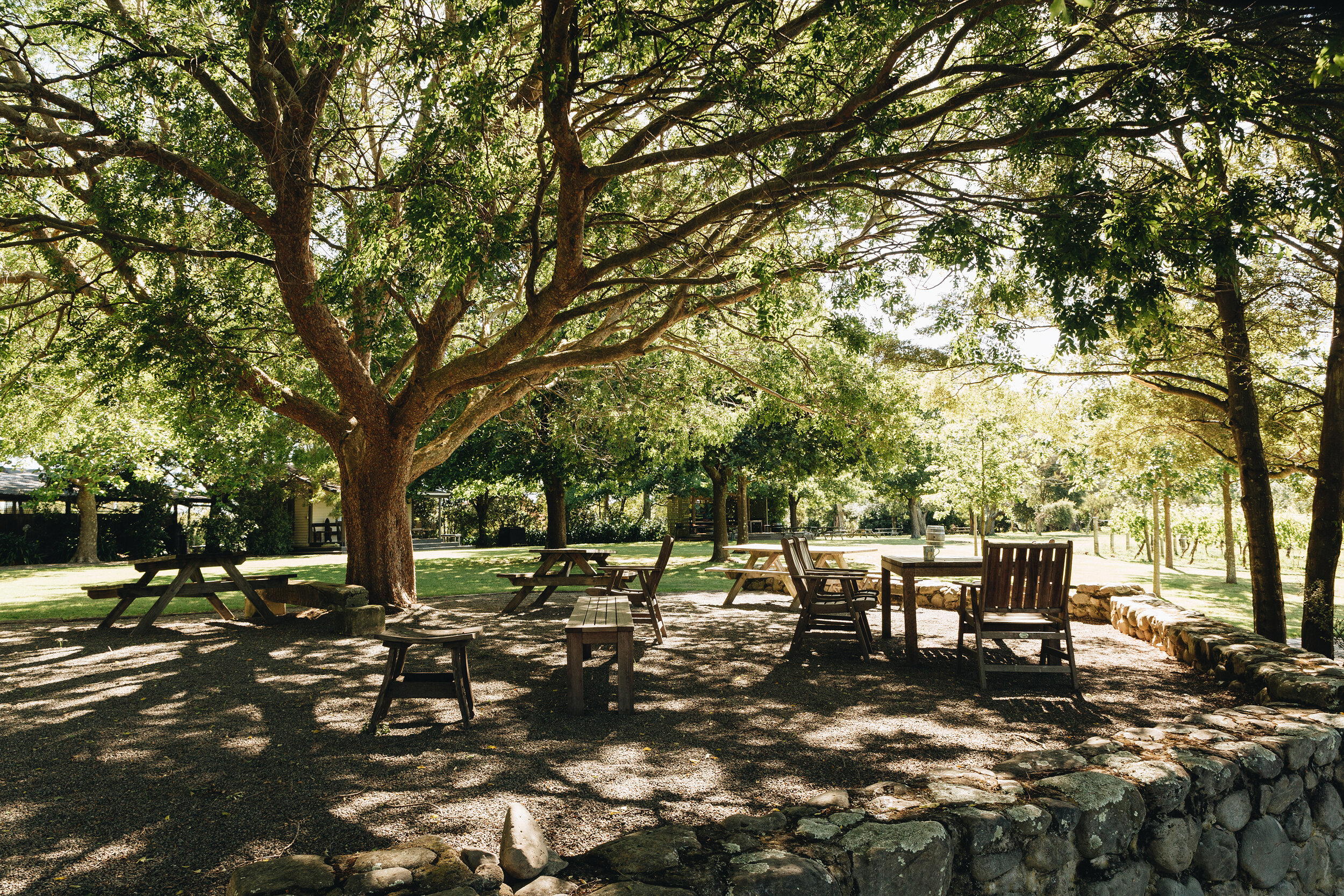
Ata Rangi is the Martinborough winery to prioritise when the trip is built around serious New Zealand wine rather than casual cellar-door hopping. Its 2025 World's 50 Best Vineyards placement and Pearl 4 Star Prestige signal make it worth planning around, especially for Pinot Noir-focused travellers who want depth and regional context.
Domaine Antoine Sanzay
Varrains, France
Domaine Antoine Sanzay is worth shortlisting if the goal is a focused Loire winery stop in Varrains rather than a full hospitality-led estate visit. Falstaff Listed in 2026 gives it a credible external signal, but travelers should treat it as a wine-first appointment and plan restaurants, hotels, and other Varrains logistics separately.
Domaine François Lamarche
Vosne-Romanée, France
Domaine François Lamarche works for a Burgundy-focused stop in Vosne-Romanée, especially for collectors or special-occasion guests who care about producer context. The value is in appellation focus and Falstaff Winery recognition for 2026, not a broad food-and-wine hospitality format.
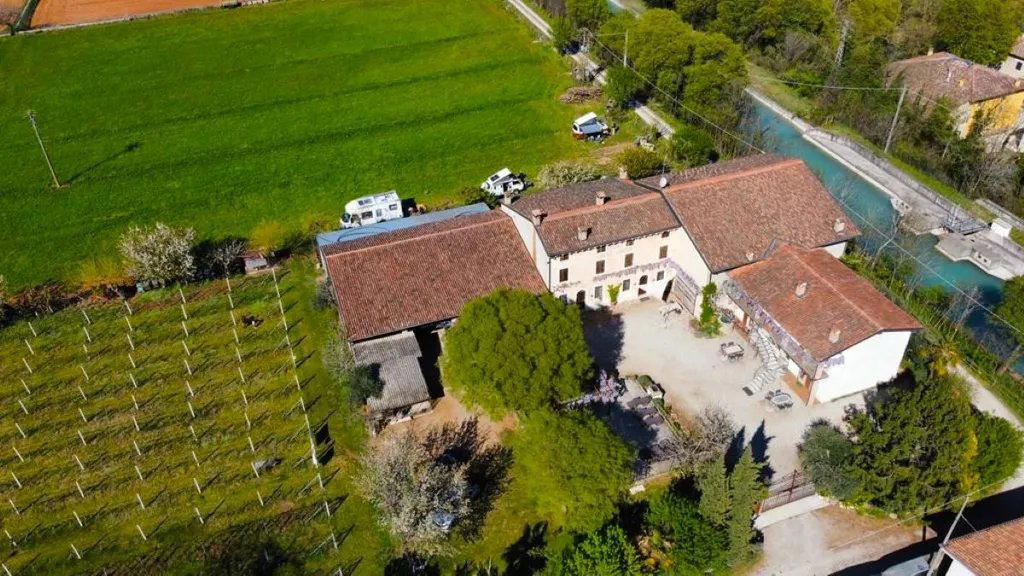
Biohof Lang
Halbturn, Austria
A good pick for visitors who value certified organic farming, fair $$ pricing, and a quiet Burgenland winery setting over polished hospitality theatre. Biohof Lang makes the most sense as part of a Halbturn wine circuit, especially if the goal is to taste across local whites, reds, sparkling wines, sweet wines, and farm-made extras.
Tapada de Coelheiros
Cernadelo, Portugal
Prioritize Herdade dos Coelheiros if the estate setting is part of the reason for going, not just a backdrop. This is a better fit for wine travelers building time around Igrejinha and Évora than for anyone trying to squeeze in a quick tasting between other plans. Falstaff listing in 2026 gives it a useful external quality signal.
Domaine Bonneford
Ampuis, France
Domaine Bonneford works for Rhône wine travelers who want a Falstaff-listed 2026 producer in Ampuis, but it is not the right pick for anyone who needs confirmed tasting prices, hours, food service, or group logistics before planning. Treat it as an itinerary add-on, not the anchor stop.
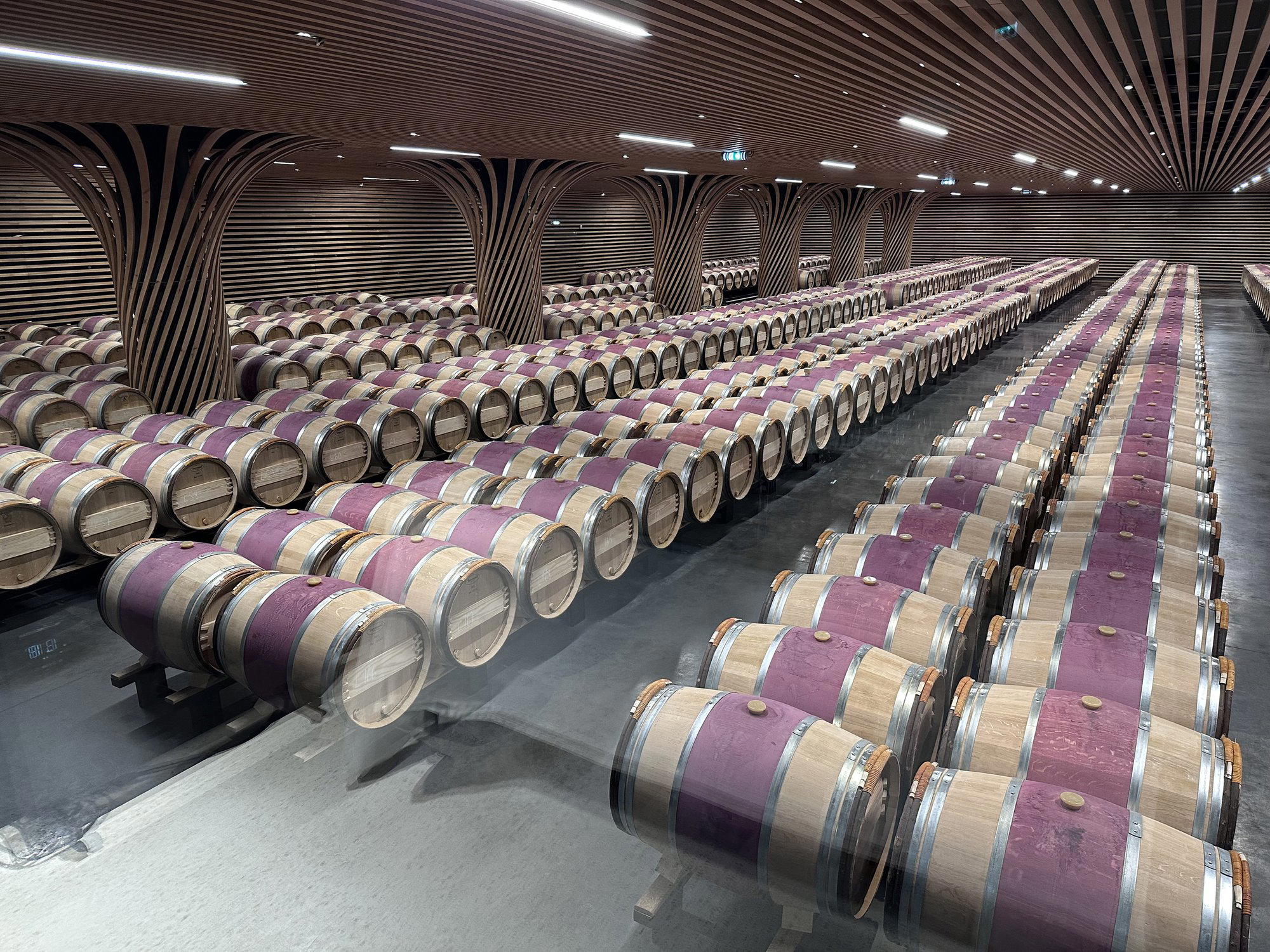
Bio-Weingut Erik Fischer & Söhne
Gau Bickelheim, Germany
A smart pick for a quiet, cellar-door Rheinhessen tasting if organic white wines are the goal. The value is strongest for Scheurebe and Riesling drinkers, especially given Falstaff-listed recognition and recent 89-point examples, but it is not the right choice for a showy visitor experience or a broad red-wine lineup.
Clos L'Eglise
Pomerol, France
Clos L'Eglise works if the goal is Pomerol depth rather than an easy tasting-room stop. Falstaff 3 Stars in 2026 gives it a credible quality signal, but sparse public visitor details mean it suits serious Bordeaux travelers who can plan around uncertainty, not groups looking for simple scheduling.
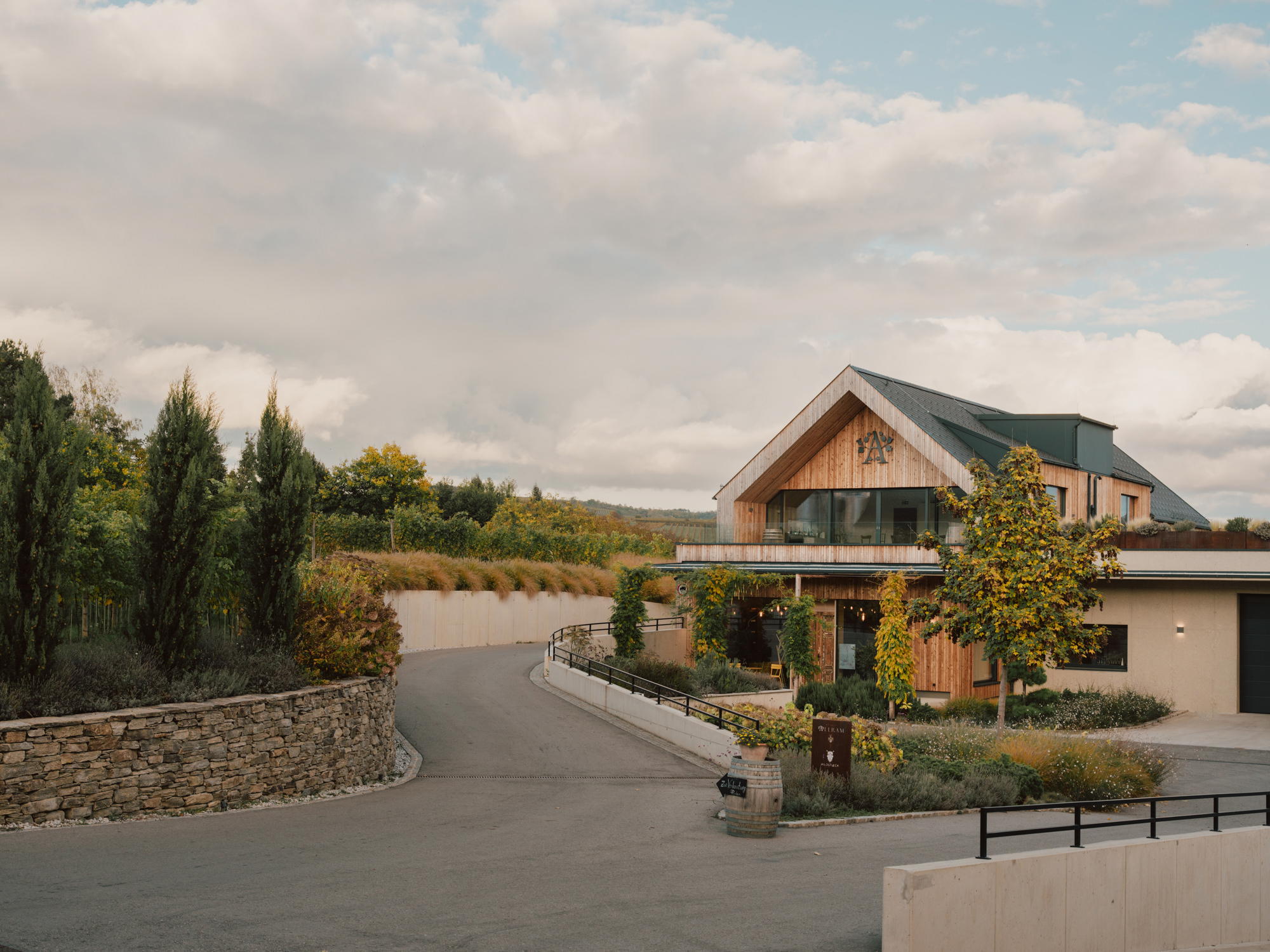
Weingut Allram
Straß im Straßertale, Austria
Prioritise Weingut Allram if the goal is a serious wine stop in Straß im Straßertale rather than a casual walk-in tasting. Availability is the main constraint, so it works better as an anchor appointment than a flexible add-on. Cross-shop nearby village wineries if the day needs easier logistics or backup options.
Costaripa
Moniga del Garda, Italy
Costaripa works if you want a serious winery stop in Moniga del Garda without building the whole day around a difficult booking. The Falstaff Listed 2026 recognition gives it credibility, but confirm tasting format, food, shipping, and group details before planning tightly around the visit.
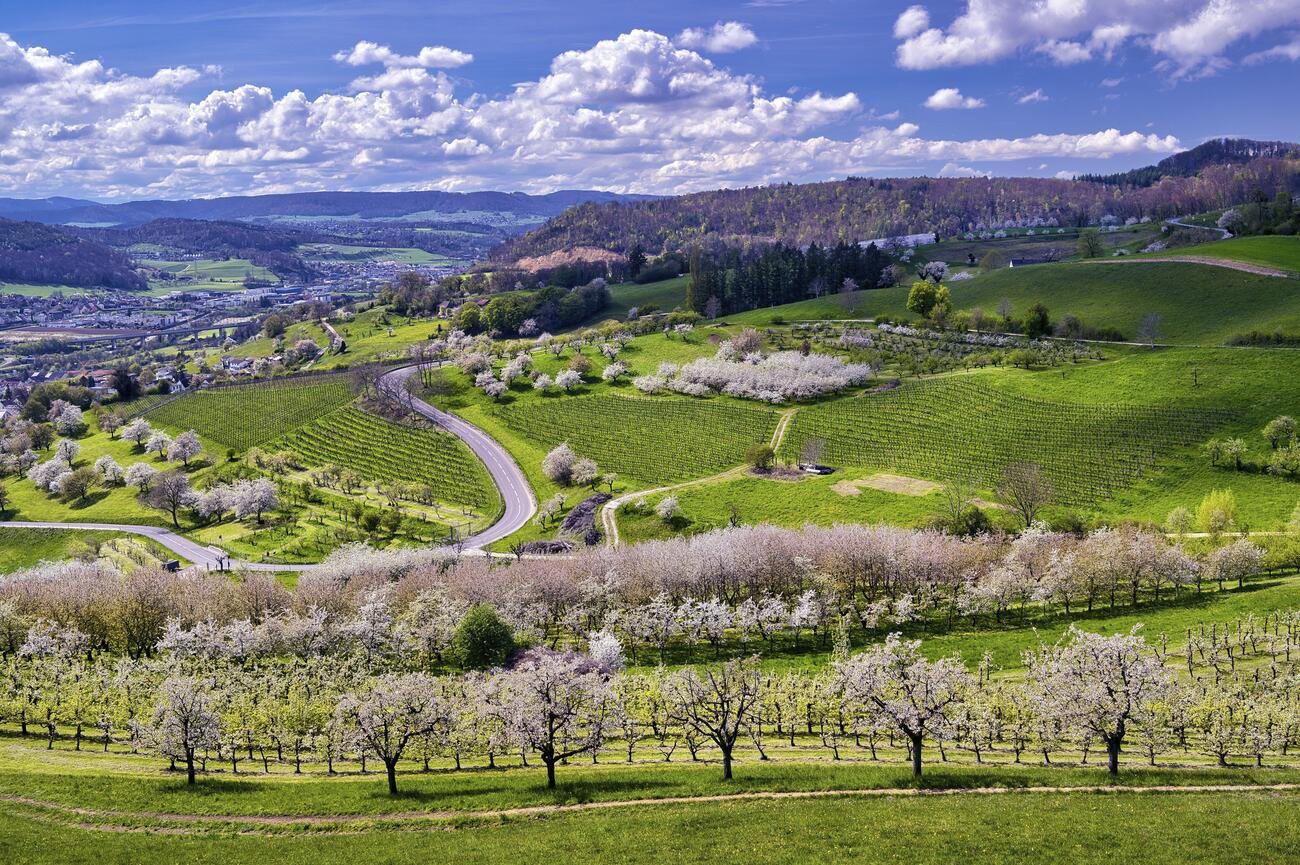
Bischofsteiner Weine
Sissach, Switzerland
Worth considering if the goal is a quiet, wine-focused Sissach visit rather than a polished tasting-room outing. Bischofsteiner Weine is strongest for buyers interested in handcrafted Baselbieter wines and local grape expression, with a Falstaff-listed 2026 signal adding confidence. Keep it small, serious, and bottle-led.
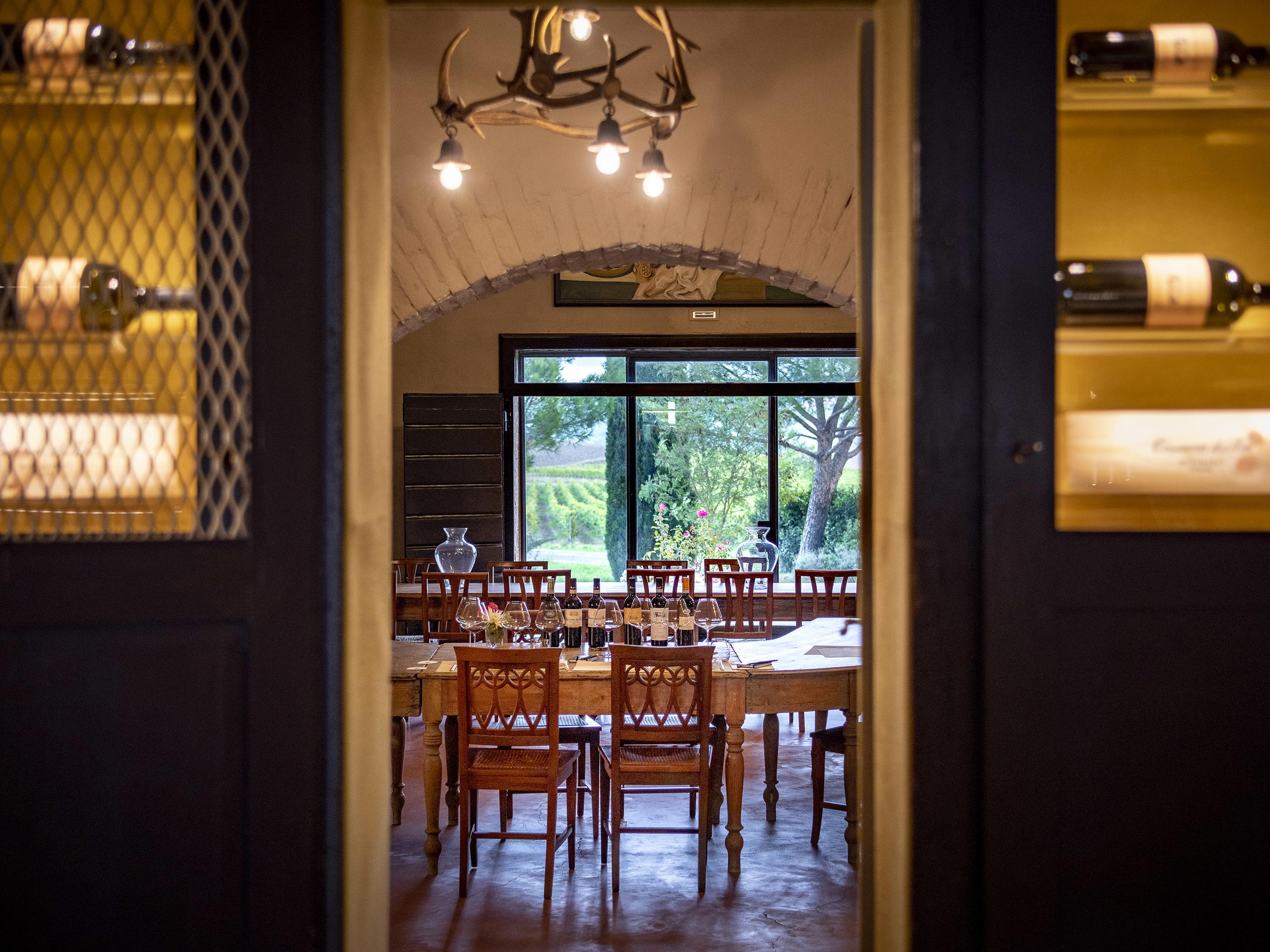
Azienda Agricola Casanova di Neri di Giacomo Neri
Montalcino, Italy
A serious Montalcino winery choice for travelers who want one high-conviction Brunello stop rather than a casual tasting-room add-on. Worth prioritizing for a special-occasion itinerary, especially if reputation and a focused visit matter more than easy availability.
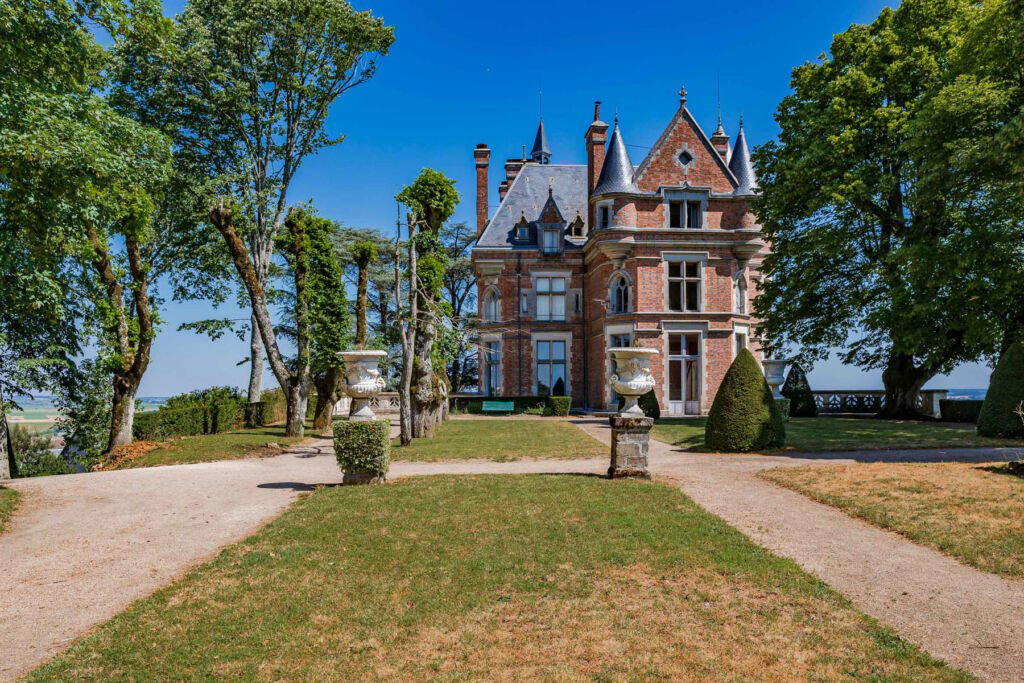
Château de Sancerre
Sancerre, France
A smart first Sancerre booking if the goal is to understand the appellation through its flagship Sauvignon Blanc rather than chase rare bottles. The $18-per-person guided tasting is worth it for the château setting, vineyard context, and Falstaff Winery-listed 2026 recognition, especially for first-time visitors.
Flagstone Wines
Somerset West, South Africa
Flagstone Wines works as a flexible Somerset West wine stop, especially for repeat visitors building a broader Coastal Region itinerary. Its Falstaff listing for 2026 gives it a credible wine-focused signal, but do not make it the anchor if the day needs confirmed food, detailed group logistics, or a tightly timed tasting plan.
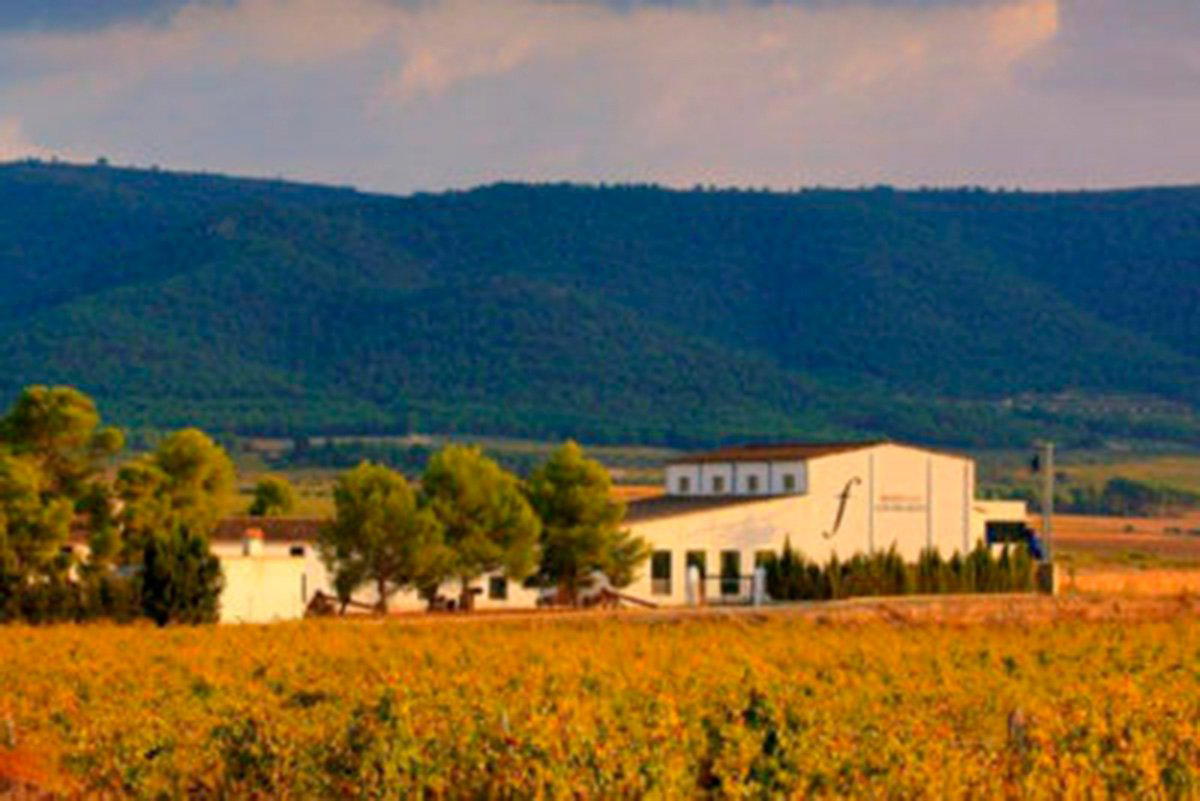
Casa Los Frailes
Fontanars Dels Alforins, Spain
Casa Los Frailes is worth prioritising if the goal is a quiet, estate-led winery visit rather than a polished tasting-room circuit. The draw is the combination of Falstaff 3 Stars recognition, biodynamic farming, old Monastrell vines, historic vessels, and a rustic vineyard setting that suits a special occasion or serious wine stop.
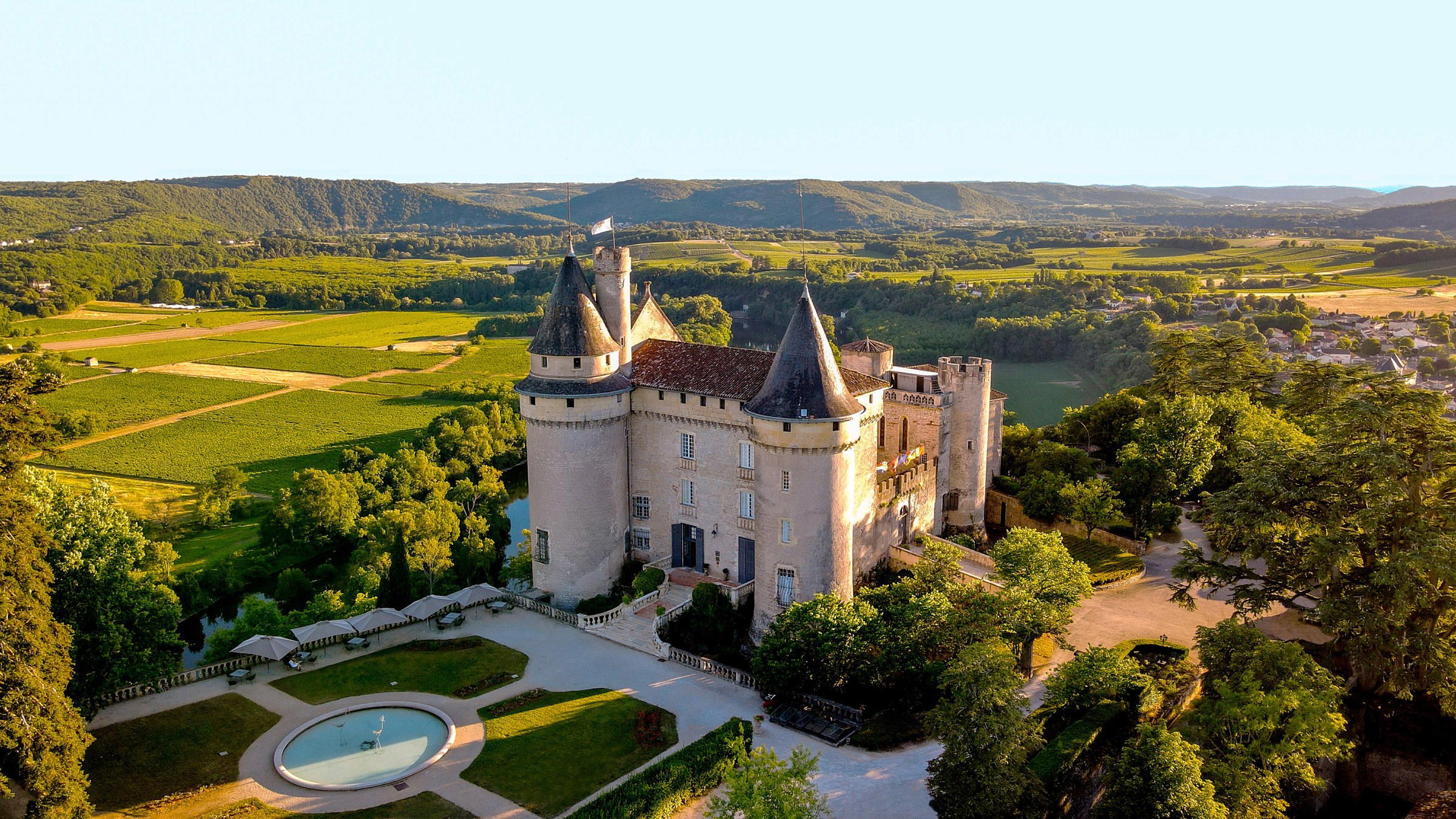
Château de Mercuès
Mercuès, France
Château de Mercuès is worth prioritizing for a polished Cahors Malbec visit where the château setting matters as much as the tasting. It suits couples, celebrations, and business meals better than a quick wine crawl, with a calm Lot valley atmosphere, smart casual expectations, and recognized sustainability credentials.
Fabrizio Pratesi
Seano, Italy
Fabrizio Pratesi is a better fit for independent wine travelers already planning time around Seano than for visitors who need a fully defined tasting itinerary in advance. The Falstaff Listed 2026 recognition gives it credibility, but the main reason to consider it is the Tuscany setting and its usefulness as part of a broader local wine day.
Stift Klosterneuburg Winery
Klosterneuburg, Austria
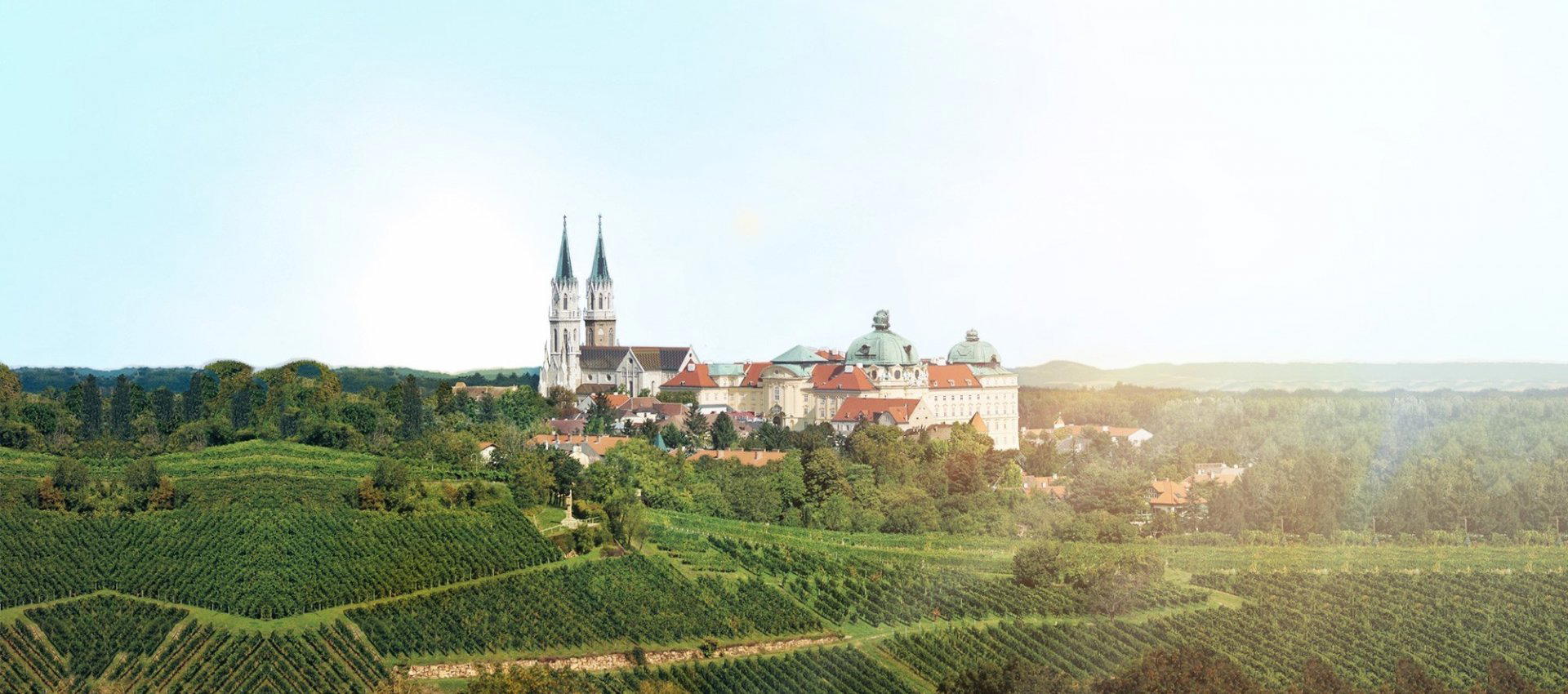
Book Stift Klosterneuburg Winery if you want a Klosterneuburg wine stop with abbey context and a stronger sense of place than a standard tasting room. It is the right choice for heritage-minded wine travelers; Vienna-area peers are easier to fold into a city itinerary.
Il Falcone
Suvereto, Italy
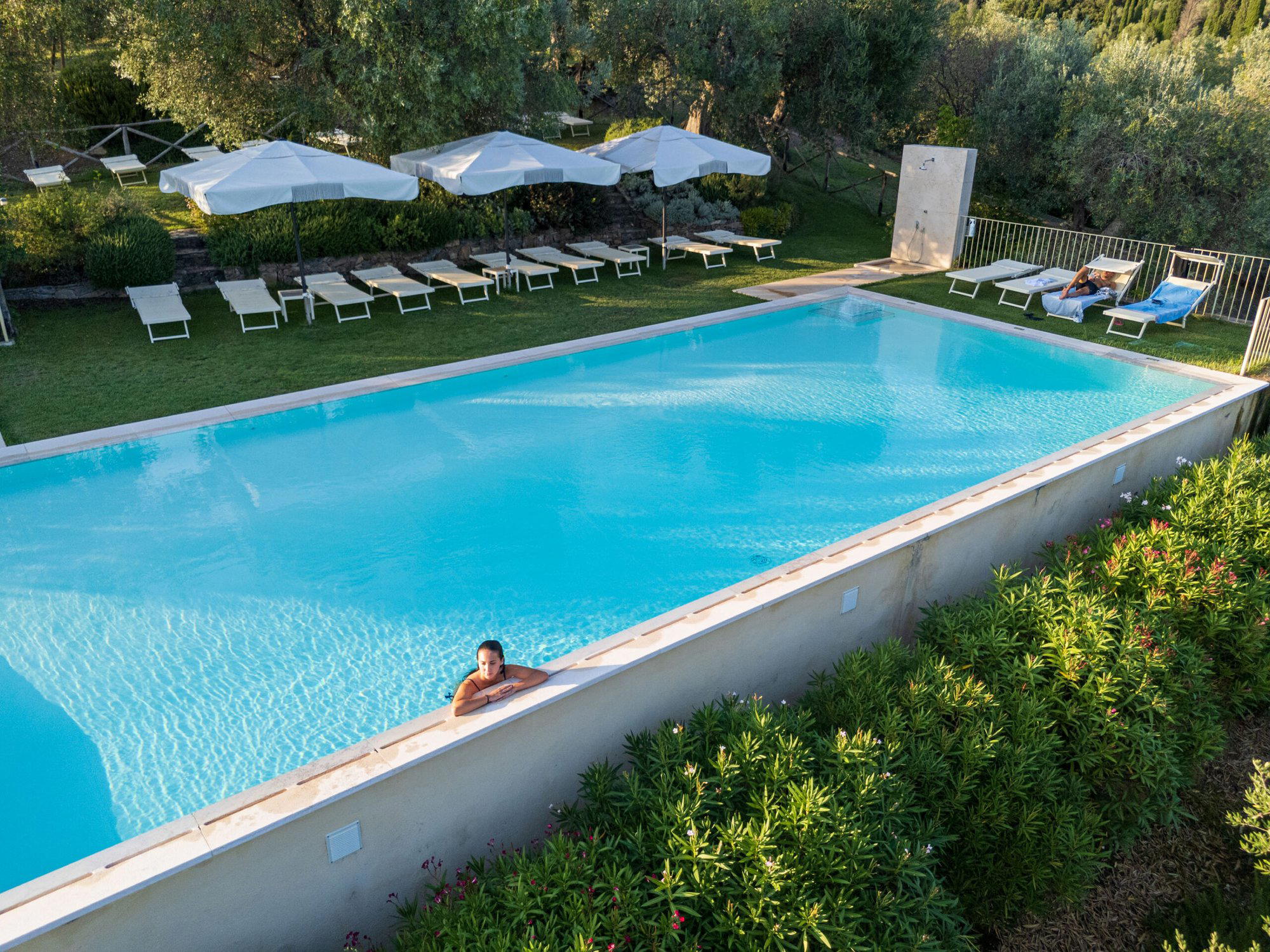
Book Il Falcone if you want a relaxed Suvereto estate visit where the farmhouse setting, vineyards, olive groves, oil, and grappa are part of the appeal. It is stronger for atmosphere and mixed-interest groups than for technical wine analysis, with Falstaff Listed recognition in 2026 adding a useful trust signal.
Château Lanessan
Cussac Fort Medoc, France
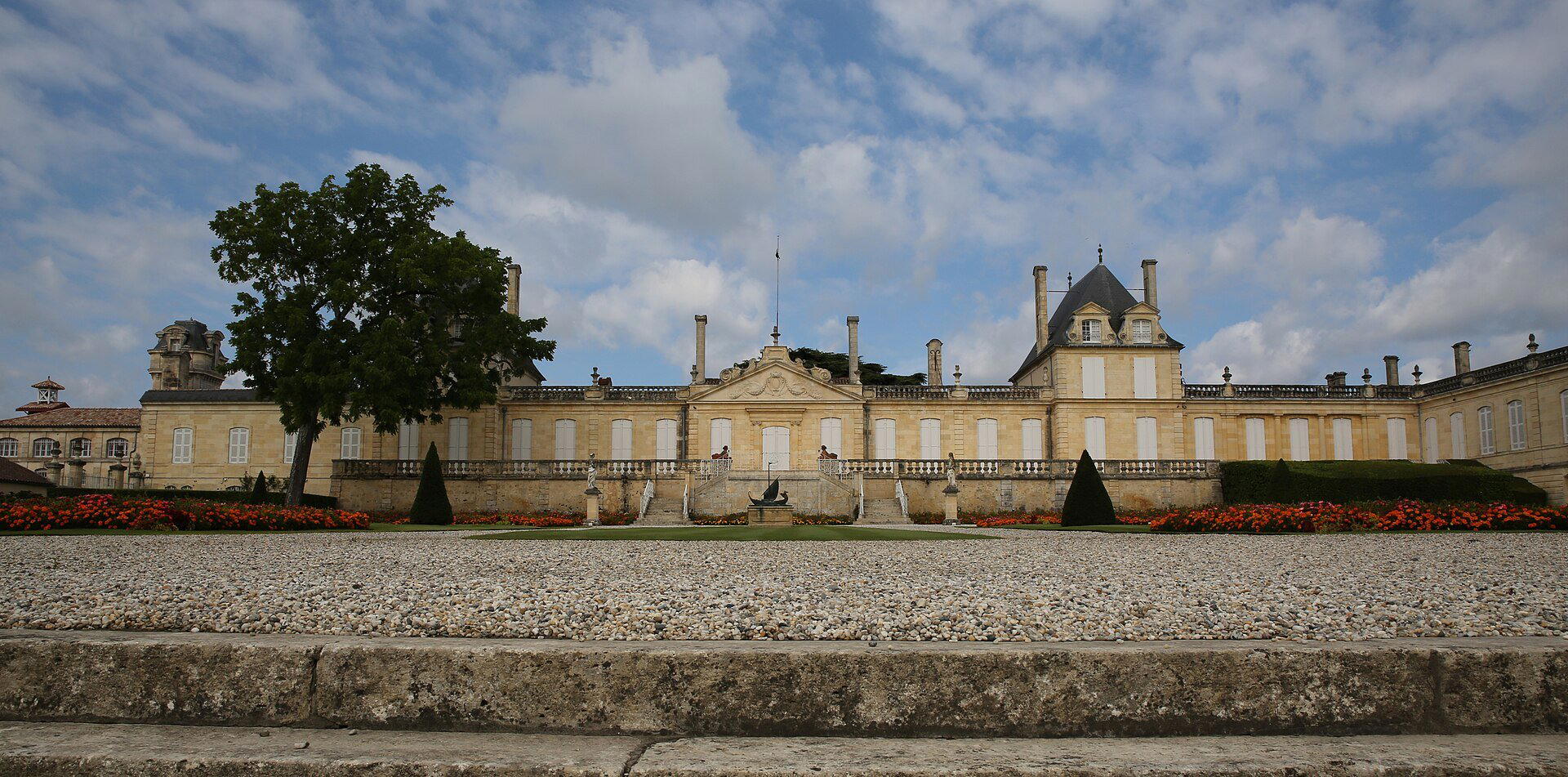
Book Château Lanessan if you want a heritage-led Haut-Médoc tasting with real wine substance and a calmer estate setting. The value is strongest for travelers who care about Cabernet-driven Bordeaux, family ownership, gardens, and historical context more than luxury theatrics or rare-label access.
Château Fonréaud
Listrac-Médoc, France
Château Fonréaud works for a relaxed Listrac-Médoc tasting with real regional credibility and a manageable $$ price signal. Go for the Cru Bourgeois red wines, the historic château setting, and the chance to taste Le Cygne de Fonréaud if it is available; skip it if the goal is a highly choreographed luxury château appointment.
Heathcote Winery & Vineyards Pty Ltd
Heathcote, Australia
Book Heathcote Winery & Vineyards Pty Ltd for an easy, heritage-forward cellar-door stop in Heathcote rather than a high-structure private tasting day. The $$ positioning and Falstaff Listed recognition make it a sensible add-on for regional wine explorers, especially if the goal is a relaxed town-based visit with rustic character.
Campo alle Comete
Castagneto Carducci, Italy
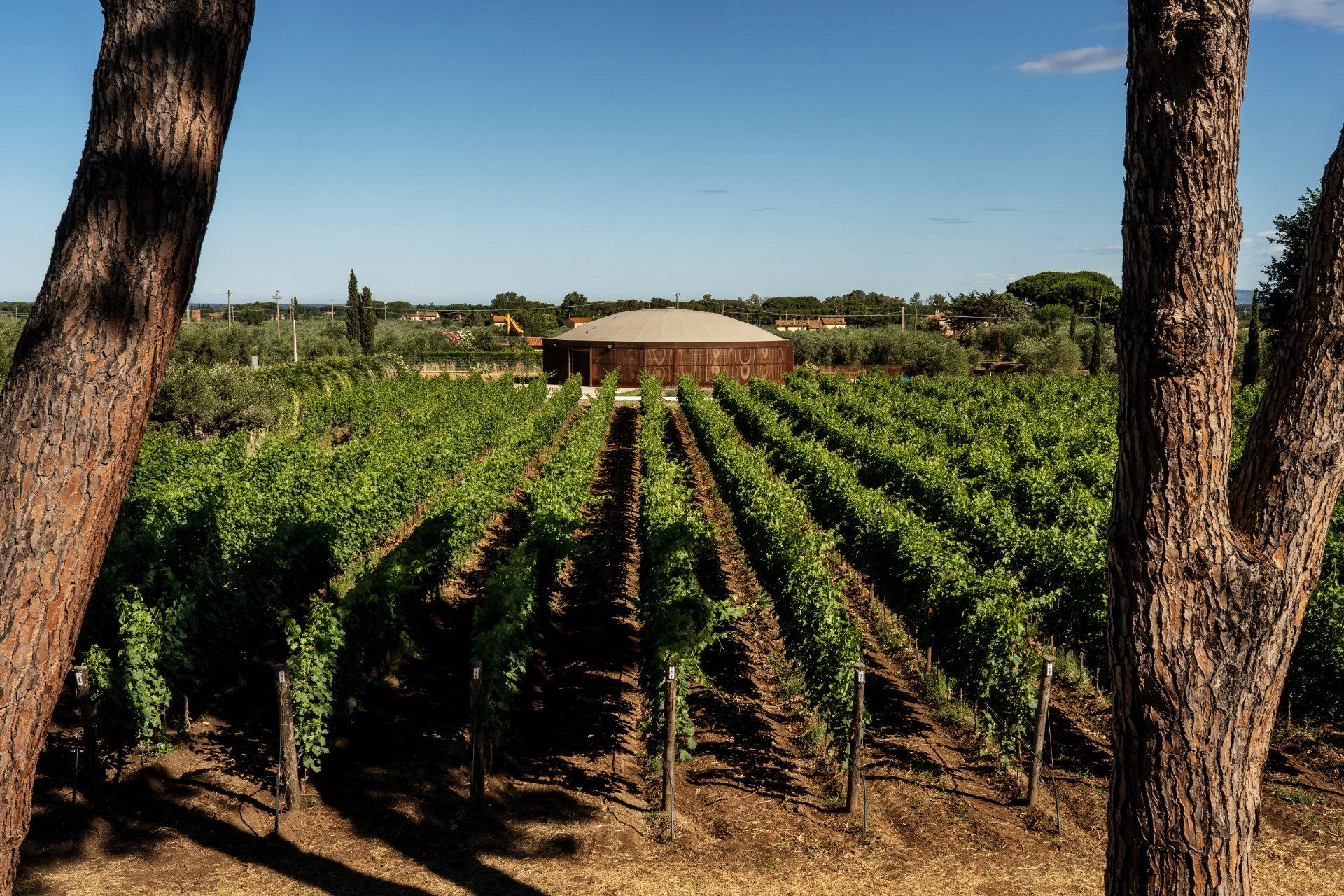
Campo alle Comete is worth planning ahead for if the goal is a polished Bolgheri winery visit with design, vineyard context, and a modern tasting format. Choose the longer experience if wine is the point of the day; the shorter format works better as part of a multi-winery Castagneto Carducci route.
CARM - Casa Agricola Roboredo Madeira
Almendra, Portugal
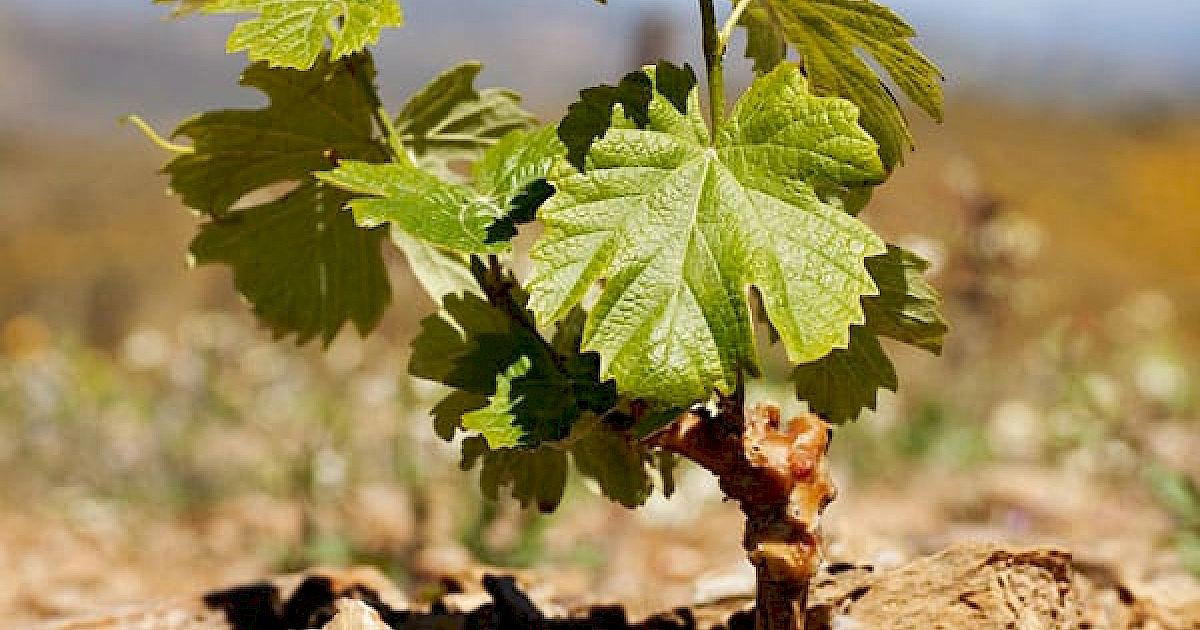
Fresh olive, apple, tomato, and pepper notes make the olive oil side as important as the wine here. Book CARM - Casa Agricola Roboredo Madeira if the goal is a slower Douro Superior estate visit with vineyards, olive groves, and family-run production context; skip it for a quick tasting-room stop.
Weingut Van Volxem
Wiltingen, Germany
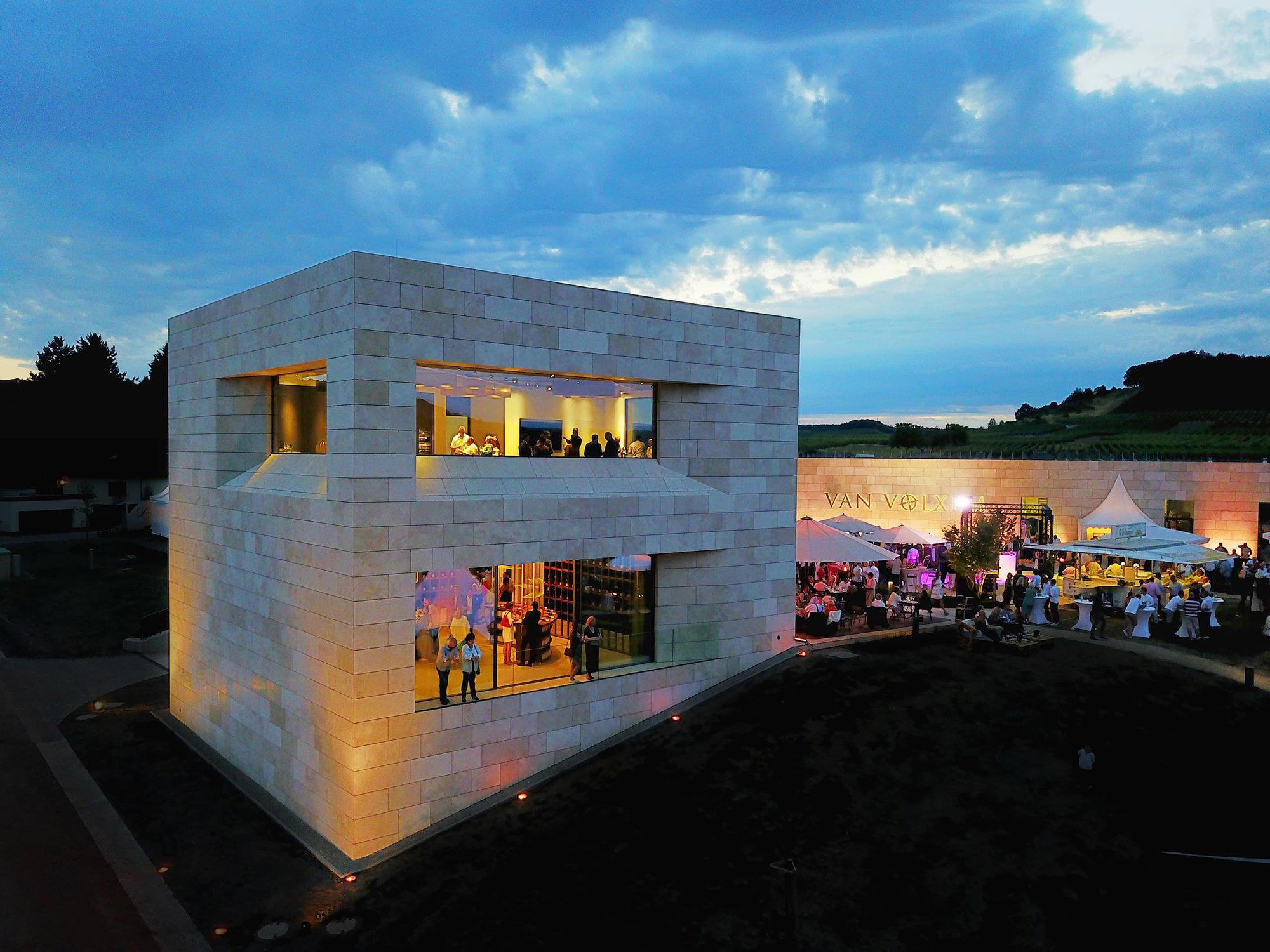
A strong pick for wine travellers who want a Saar estate visit with real place context, not just a quick tasting stop. Prioritise it if Wiltingen itself is part of the appeal; cross-shop Weingut Egon Müller if name recognition matters more than estate atmosphere.
Château Fourcas-Borie
Listrac-Médoc, France
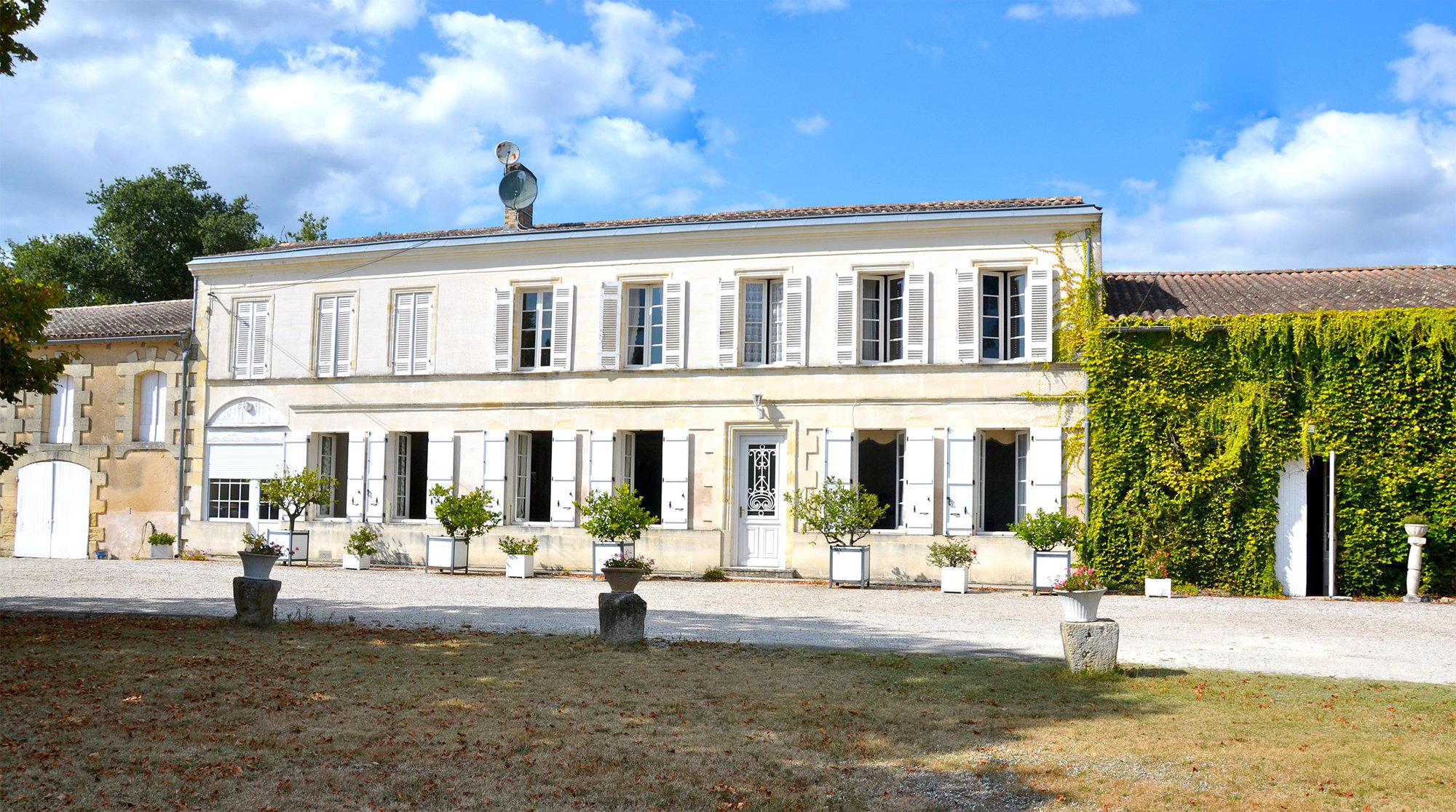
Château Fourcas-Borie is a sensible Listrac-Médoc stop for travelers focused on bottle assessment rather than spectacle. Its Falstaff Listed (2026) recognition gives it a useful credibility marker, but the visit makes the most sense as part of a wider Médoc tasting route, especially if the decision is whether the estate’s flagship wine deserves cellar or shipping space.
How many of these have you visited?
Find out on Pearl and keep score across every place in 2026 Falstaff Winery Guide.