
Weingut Birgit Braunstein
Purbach
Winery in Purbach, Austria
 Book with Pearl
The Read
Lakeside Terroir Precision
Why go
A serious Purbach winery pick for small, wine-focused occasions where planning ahead is part of the value. Choose Weingut Birgit Braunstein when the tasting itself is the anchor of the day; cross-shop nearby producers if schedule flexibility matters more than securing the harder reservation.
About Weingut Birgit Braunstein
For a return trip to Purbach, Weingut Birgit Braunstein is a venue to consider when the plan is centered on the producer itself rather than a long list of extras. The venue is in Purbach, the dress code is casual, and it holds Pearl 2 Star Prestige recognition for 2025.
Keep planning assumptions modest. This is a Purbach visit to confirm directly before you go, especially for timing, group arrangements, purchases, or any special requests. If the day is meant to feel relaxed, build the itinerary around one primary stop and leave room for other Purbach dining or regional wine-country plans only after the core plan is clear.
Plan this as a Purbach visit with details confirmed in advance
The strongest grounded reason to put Weingut Birgit Braunstein on the shortlist is its 2025 Pearl 2 Star Prestige recognition. Beyond that, the public planning details here should stay practical rather than over-specific: dress casually, confirm the current visitor arrangements with the estate, and avoid assuming a particular tasting format, schedule, menu, price, shipping option, or group capacity unless the venue confirms it directly.
For a broader day in town, use Purbach as the base and then decide whether to add other dining, lodging, bar, or experience plans around the visit. The priority is not to overbuild the schedule from assumptions, but to keep the visit focused on Weingut Birgit Braunstein and the reason it stands out.
Who should book, and who should cross-shop
Consider Weingut Birgit Braunstein if you want a Purbach venue with confirmed Pearl 2 Star Prestige recognition in 2025 and a casual dress code. Cross-shop if your decision depends on details such as exact opening times, visit structure, pricing, current purchase options, or large-group arrangements.
For a regional wine trip, the natural comparison set includes Gut Oggau Winery, Weingut Höpler, Weingut Leo Hillinger, Weingut Markus Altenburger, and Weingut Prieler. Use those names as wine-country context, while confirming each venue's current visitor details directly before building a final itinerary.
Planning details
- Location
- Hauptgasse 16, 7083 Purbach am Neusiedler See
- Website
- weingut-braunstein.at
- Phone
- +43 2683 5913
The take
The Take
The Vibe
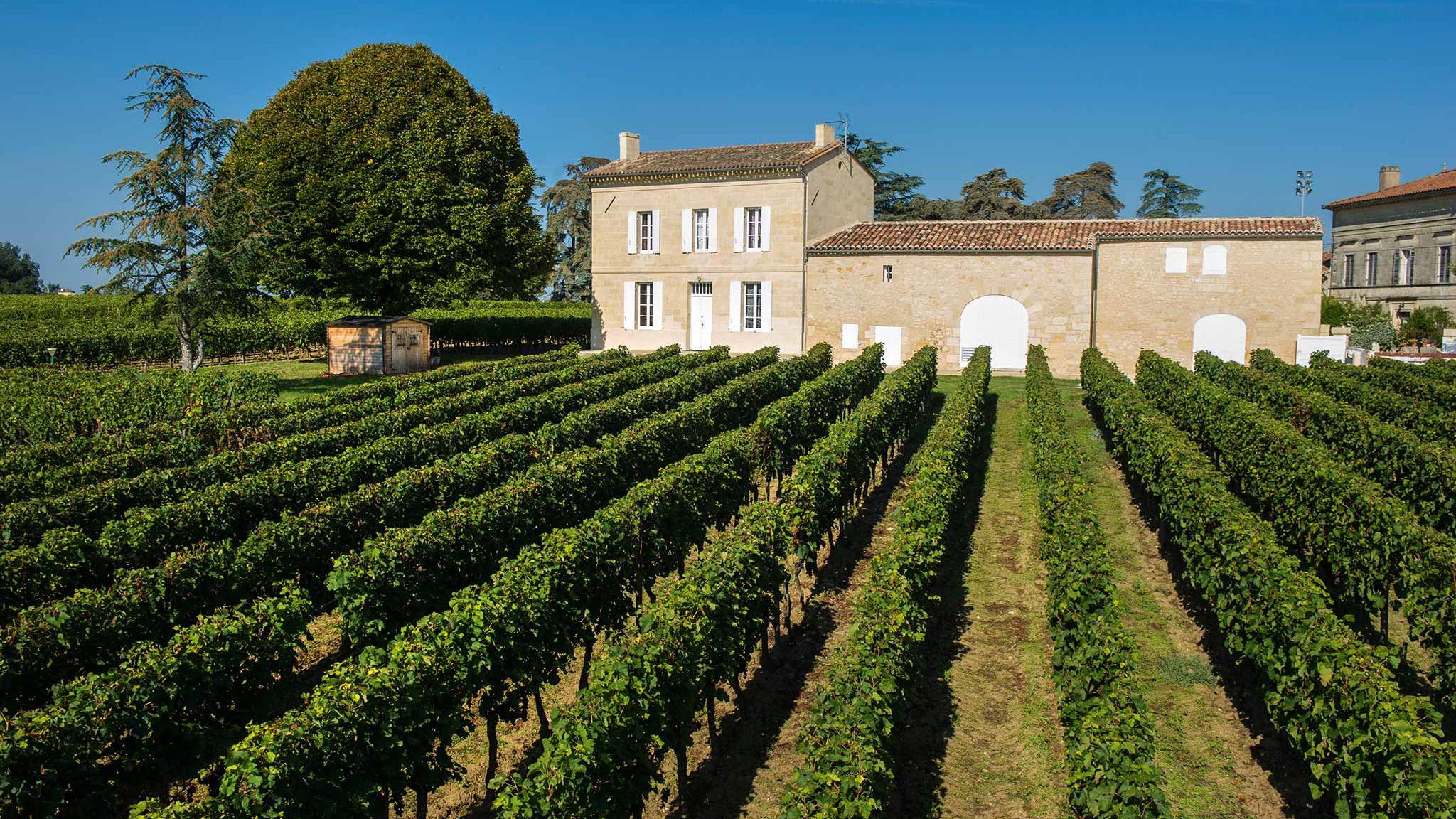
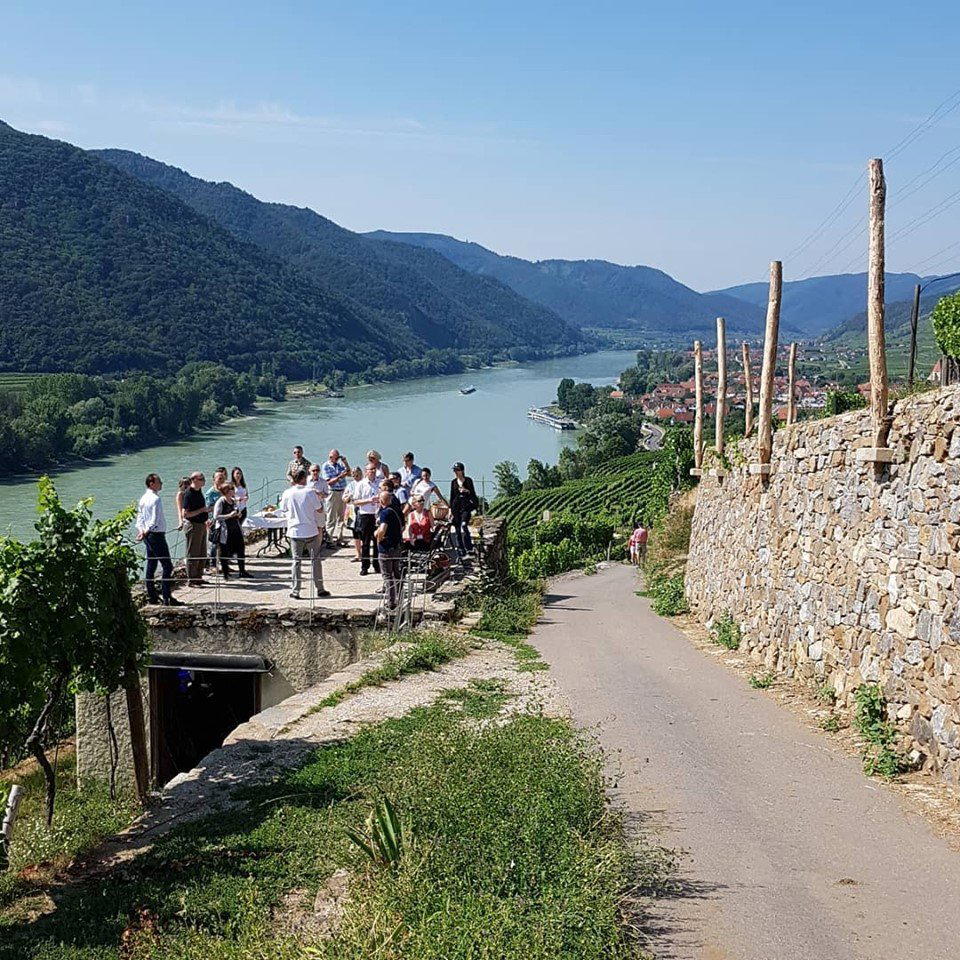
Weingut Birgit Braunstein sits within a landscape that reads as much like a climate system as a setting: the broad, shallow Neusiedler See flattens and warms the light, lending a calm, almost meditative quality to the surrounding vineyards. The copy emphasizes long ripening windows, reed-fringed shores and a UNESCO-recognized cultural landscape, so the estate feels rooted in history and place. Visitors encounter an understated, serene atmosphere where the regional ecology — limestone soils, loam and lake influence — is the protagonist, and the wines are presented as the direct expression of that unique Pannonian environment.
Best For
This estate is best suited to people who come to learn about terroir and the distinctive microclimate of Burgenland. The text foregrounds climatic effects and regional soil types, which makes the property a natural stop for wine-education visits and solo exploration focused on viticulture. It also reads as a refined spot for marking special occasions with bottles that reflect local typicity — notably full-bodied reds and botrytis-affected sweet wines — so small celebratory tastings or thoughtful visits to study stylistic contrasts are appropriate here.
Tasting Tips
When tasting at Birgit Braunstein, prioritize comparisons that showcase the site's strengths: sample the full-bodied red varieties alongside any botrytis-affected sweet wines the producer offers to understand the range that this warm, lake‑moderated zone can deliver. Ask about recent vintage conditions and harvest timing — the copy highlights extended ripening windows and microclimate effects, which shape ripeness and botrytis development. If available, request information on soil parcels (limestone, loam) and cellar handling to better judge structure and aging potential.
Venue details
Ambiance
Serene and harmonious atmosphere attuned to nature, with an emphasis on mindfulness and the earth's tranquilizing influence.
Tags
Vibe
Best For
Experience
Sourcing
View
At the Vineyard
- Appellation
- Leithaberg DAC
- Varietals
- Blaufränkisch, Chardonnay, Pinot Blanc, Zweigelt, Pinot Noir
- Tour Duration
- 60-90 minutes
- Visits
- By appointment only
- Farming
- Biodynamic
- Production
- Small producer
- Wine Styles
- Still White, Still Red, Skin Contact, Pet Nat
- Wine Club
- Not available
Know before you go
Know Before You Go
- Getting there
- Hauptgasse 16, 7083 Purbach am Neusiedler See
Planning details
Location
Recognition and awards

Also consider
If this is not available
Try Weingut Markus Altenburger if the goal is still a serious regional wine stop. Choose Weingut Leo Hillinger if the group needs a more flexible fallback for the same trip.
Winery context
How it compares in Purbach
Weingut Birgit Braunstein is the choice to prioritize when the visit is the point of the day, not a casual add-on. Compared with Weingut Höpler and Weingut Prieler, it reads as the more commitment-heavy booking: better for a special occasion or focused tasting, less useful if the group wants maximum scheduling flexibility.
Weingut Leo Hillinger is the easier cross-shop for readers who want a broader, more accessible wine-country stop, while Weingut Markus Altenburger is a strong alternative for a serious wine itinerary when this booking is not workable. Gut Oggau Winery is the peer to consider if ambiance and producer identity matter as much as the tasting itself.
For value, the decision is not about published price, since no reliable price point is listed here. It is about how much of the day the group is willing to dedicate to one appointment. If the answer is most of it, choose Weingut Birgit Braunstein. If the group wants a looser route with easier pivots, start with Weingut Leo Hillinger or Weingut Höpler instead.
Explore Purbach
Around this place
Discover more on Pearl
Unlock the full Weingut Birgit Braunstein guide in Pearl, including awards, comparisons, FAQs, planning details, and nearby places.
Compare Weingut Birgit Braunstein
| Venue | Location | Awards |
|---|---|---|
| Weingut Birgit Braunstein | Purbach | 2026 Falstaff Winery Guide |
| Weingut Höpler | Breitenbrunn | 2026 Falstaff Winery Guide |
| Weingut Prieler | Schützen | 2026 Falstaff Winery Guide |
| Weingut Leo Hillinger | Jois | 2026 Falstaff Winery Guide |
| Weingut Markus Altenburger | Jois | 2026 Falstaff Winery Guide |
| Gut Oggau Winery | Oggau | 2026 Falstaff Winery Guide |
How Weingut Birgit Braunstein Purbach compares with similar nearby venues.
FAQ
Frequently Asked Questions
When is the best time to visit Weingut Birgit Braunstein?
The venue does not specify hours or a best season. Plan around Purbach, check the estate's current visitor information directly, and avoid assuming a particular schedule unless it is confirmed by the venue.
What recognition does Weingut Birgit Braunstein have?
The venue has Pearl 2 Star Prestige recognition for 2025.
Can Weingut Birgit Braunstein handle large groups?
How long should I plan for a visit to Weingut Birgit Braunstein?
The venue does not specify a visit length or format. Set aside enough time for a focused stop in Purbach, but confirm the current format and timing with the estate before finalizing the day.
What should I confirm before visiting Weingut Birgit Braunstein?
Confirm any details that matter to your plans directly with the venue, since the information here is limited to Purbach, casual dress code, and Pearl 2 Star Prestige recognition for 2025.