

2026 Falstaff Winery Guide: The Ultimate Wine Authority — Page 32
Falstaff's 2026 Wineries guide.

Venues on this list
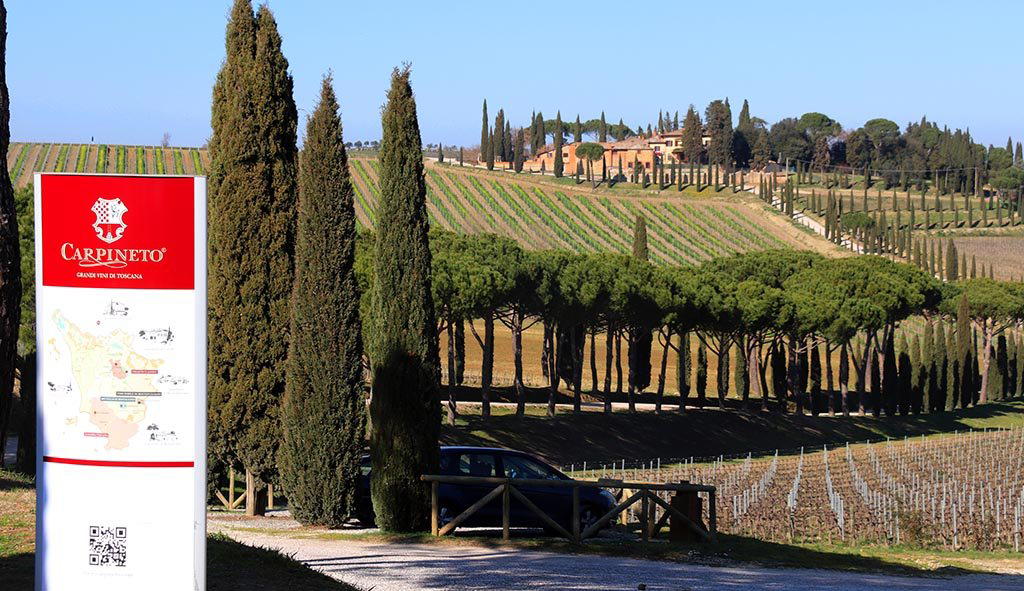
Carpineto
Greve in Chianti, Italy
Carpineto is worth choosing when a Greve in Chianti winery visit needs more than a quick tasting: vineyard walk, ageing cellar, wine museum, and food pairings give it occasion-friendly structure. It is strongest for Sangiovese drinkers, Chianti Classico context, and groups who want a relaxed but educational Tuscan countryside experience.
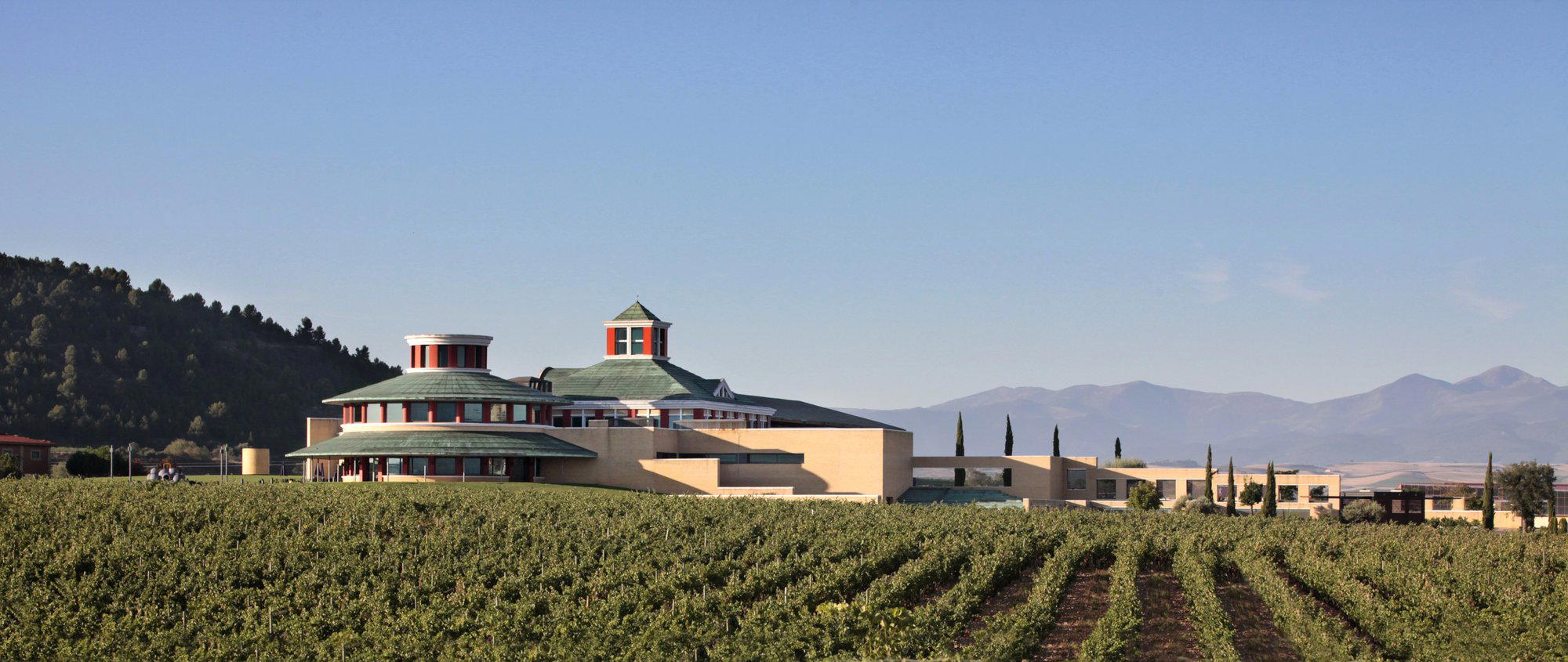
Bodegas Imperial
Haro, Spain
Book Bodegas Imperial if you want a serious read on classic Rioja through CVNE’s flagship Reserva and Gran Reserva. The draw is oak-aged structure, historic Haro cellars and selective production, not a flashy hospitality setup. It is strongest for repeat Rioja drinkers, collectors and anyone deciding which bottles are worth taking home.
Château Le Conseiller
Saint-Émilion, France
A sensible Saint-Émilion pick if the goal is a quiet wine-estate stop rather than a restaurant-style outing. Château Le Conseiller has a 2026 Falstaff listing, so it has a recognition signal, but the smarter move is to place it within a broader winery itinerary and plan meals separately.
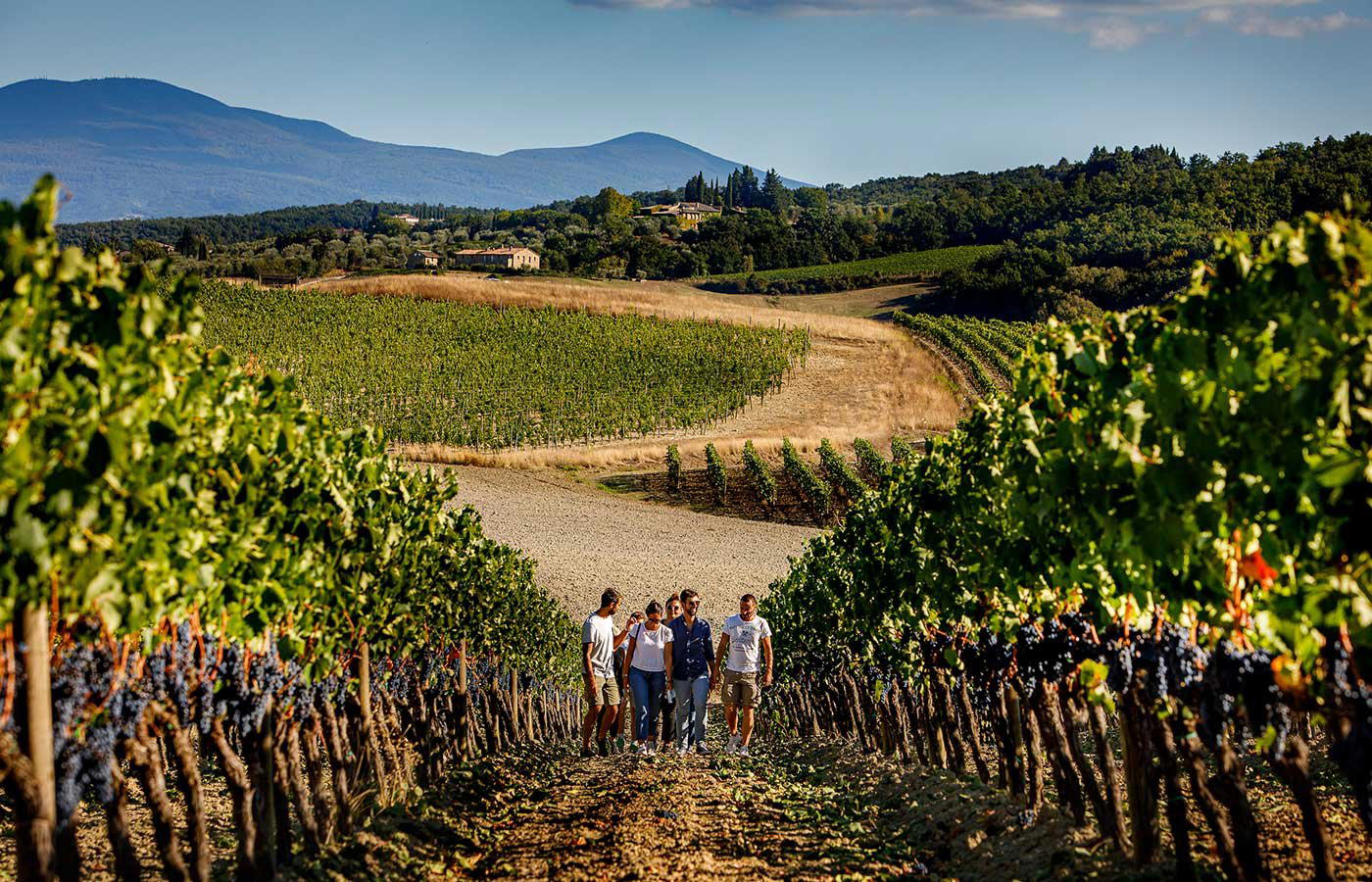
Cantine Delite
Montemarano, Italy
Book Cantine Delite if Montemarano is already part of an Irpinia-focused wine day and you want a calmer winery stop with local context. It is less compelling as a standalone detour without confirmed tasting details, so groups and private tasting requests should plan ahead.
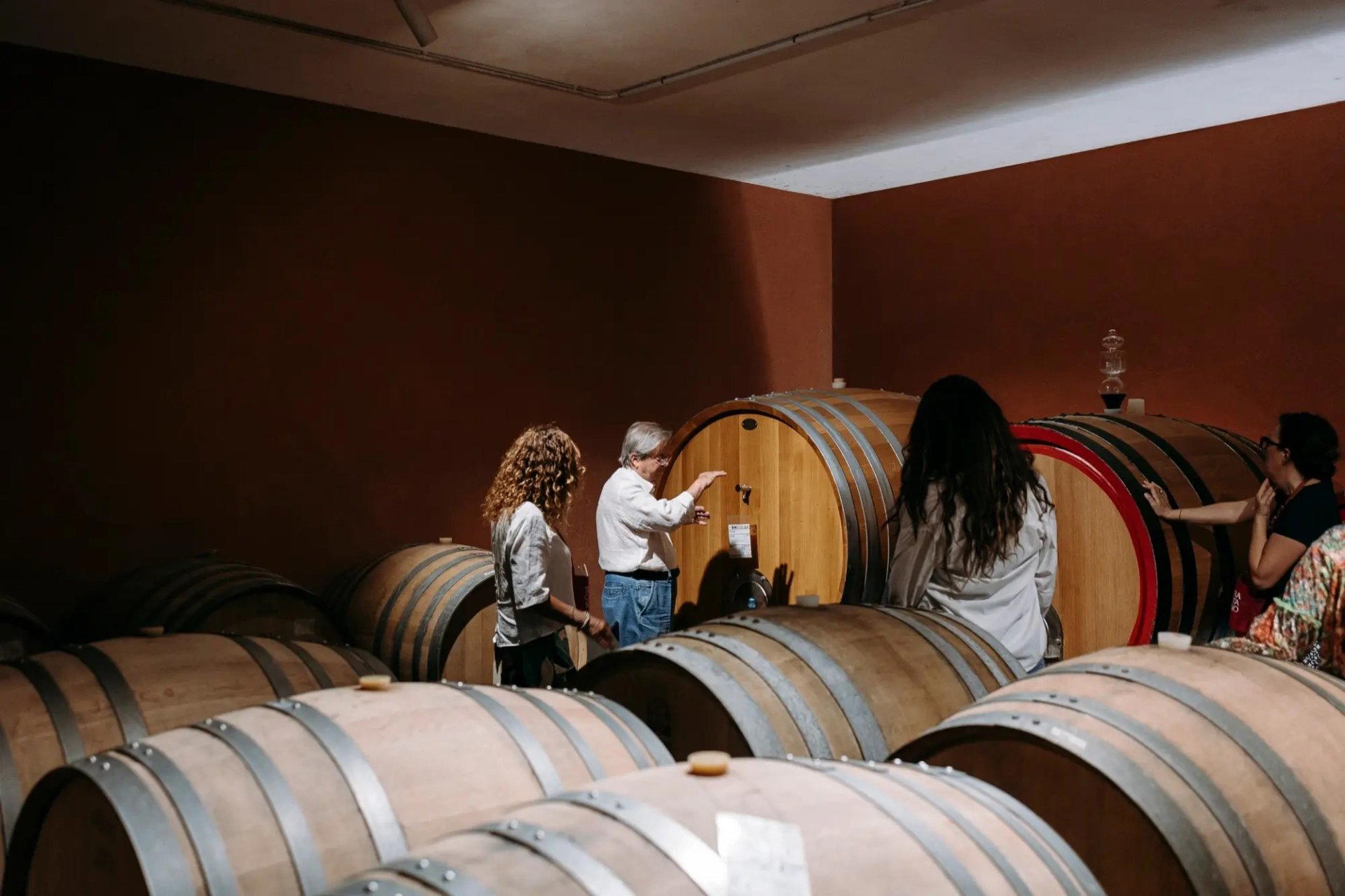
Azienda Agricola Costantino
Partinico, Italy
Azienda Agricola Costantino is a good Partinico pick for visitors who care more about organic farming, Sicilian grape varieties, and family-run production than polished luxury hospitality. Book it for a low-key wine-focused outing, especially if Grillo and Nero d’Avola are the point of the trip.
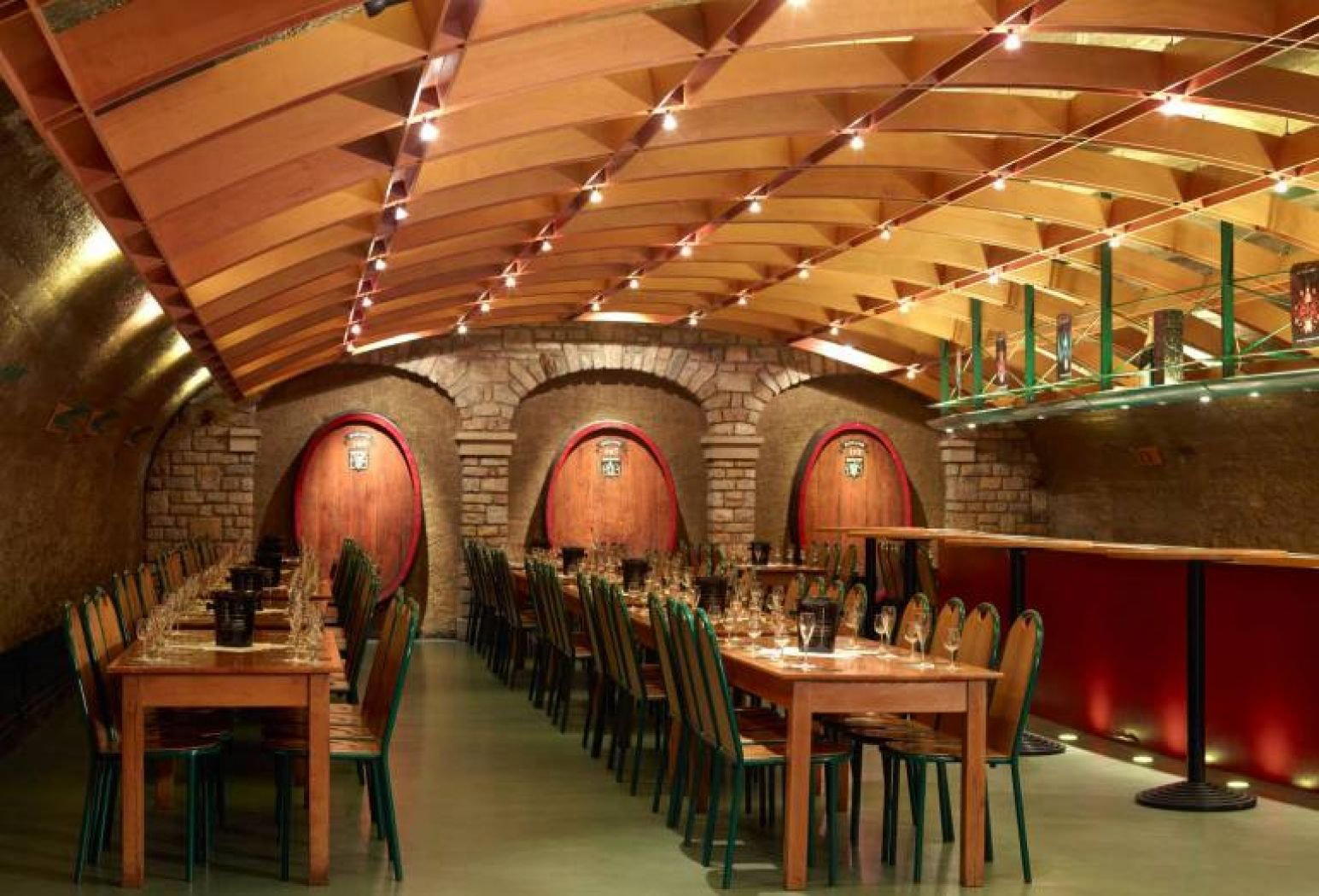
Domaines Vinsmoselle
Remich, Luxembourg
A strong first stop for understanding Luxembourg’s Moselle wines, especially Crémant and the cooperative model. Domaines Vinsmoselle is better for range, education, and easygoing tastings than for rare-bottle hunting or a tiny grower experience.
Conti Marone Cinzano
Montalcino, Italy
A practical Montalcino wine stop for visitors prioritizing bottle assessment over a fully packaged hospitality experience. Conti Marone Cinzano has a Falstaff Listed 2026 signal, but confirmed visitor details are sparse, so treat it as part of a wider Brunello-focused circuit and confirm tasting, food, and shipping options before planning around it.
höckner & höckner Weinbau
Krems At The Donau, Austria
Choose höckner & höckner Weinbau for a small, appointment-only Kremstal tasting with a personal feel and a sustainability-minded point of view. It is strongest for wine travelers who want conversation, patient maturation, and regional context rather than a large visitor facility or food-led outing. Falstaff listing adds a useful recognition signal for a $$ winery stop.
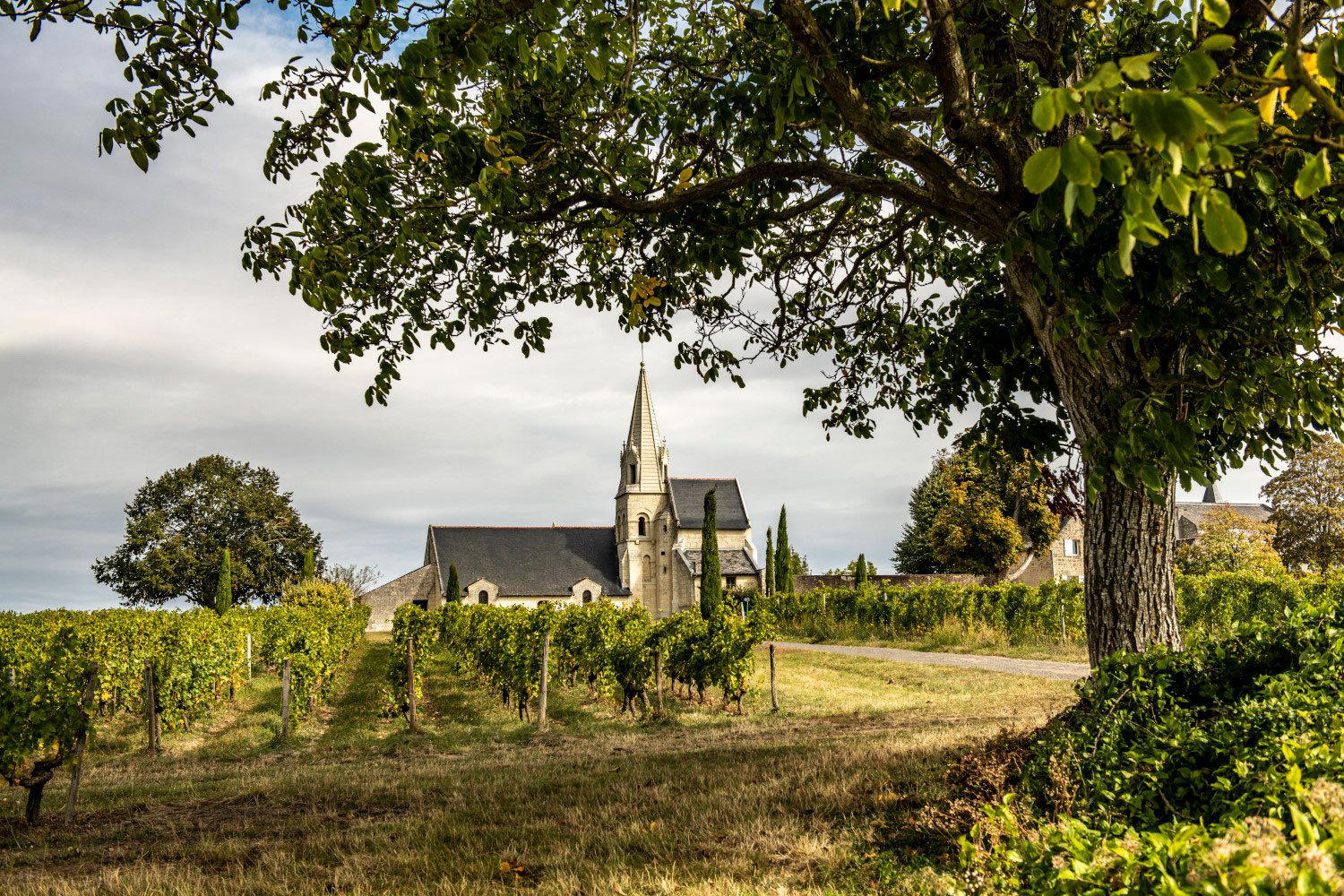
Chapin & Landais
Saumur, France
Chapin & Landais works for a flexible Saumur wine stop focused on traditional Loire sparkling rather than a high-production tasting experience. The draw is heritage, méthode champenoise production, and long-aged Chenin-based bubbles at a modest price tier; go for bottle value and meal-pairing usefulness, not for a confirmed elaborate hospitality format.
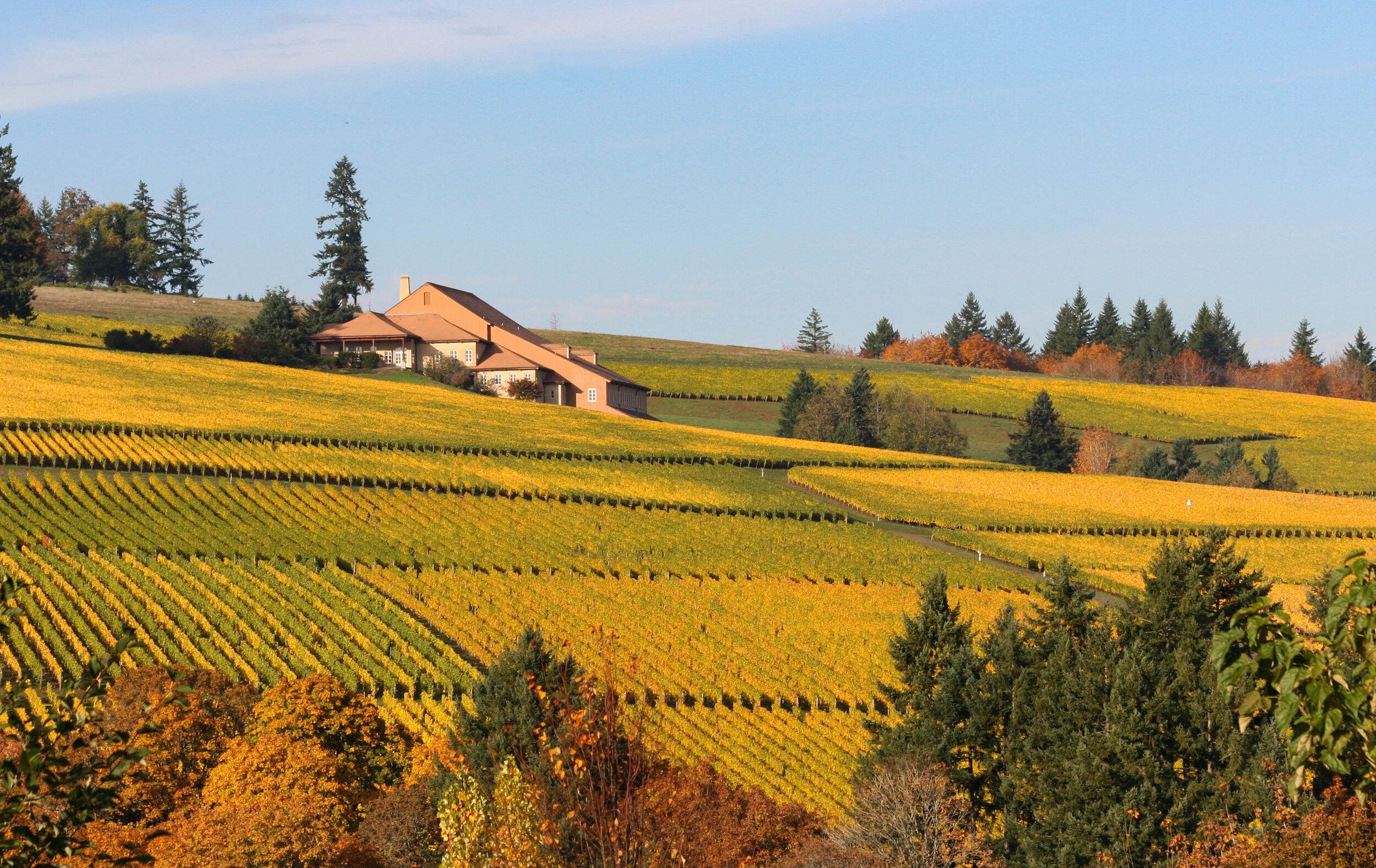
Domaine Drouhin
Dayton, United States
Prioritise Domaine Drouhin if your Dayton wine day is about producer depth, winemaker continuity, and Oregon's Burgundy-influenced Pinot Noir and Chardonnay story. It is a stronger fit for collectors and focused wine travellers than for casual groups trying to cover as many tasting rooms as possible.
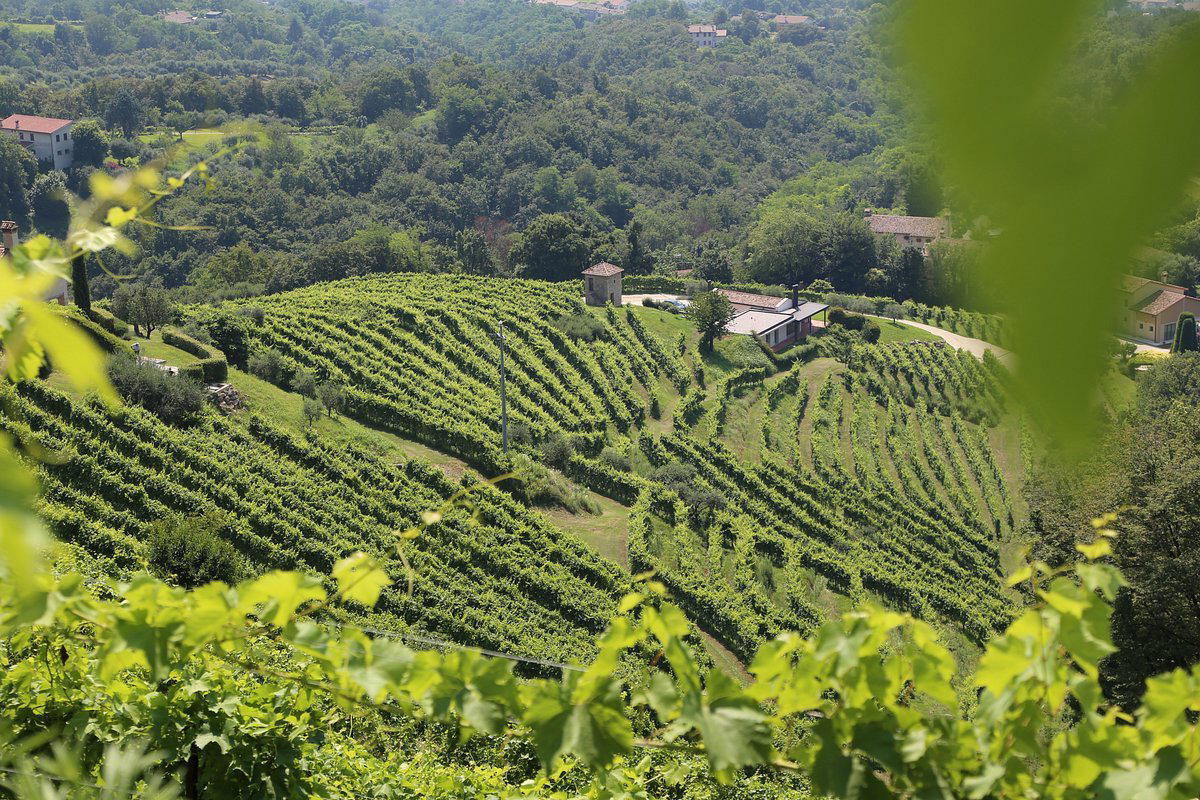
Asolo Manor
Asolo, Italy
Book Asolo Manor if the draw is organic Asolo Prosecco Superiore DOCG with a clear vineyard story, not a broad winery resort experience. The appeal is the high-hill, rocky-terrain farming approach behind Figlio Della Roccia, especially for travelers who want production context and a focused sparkling-wine tasting in Asolo.
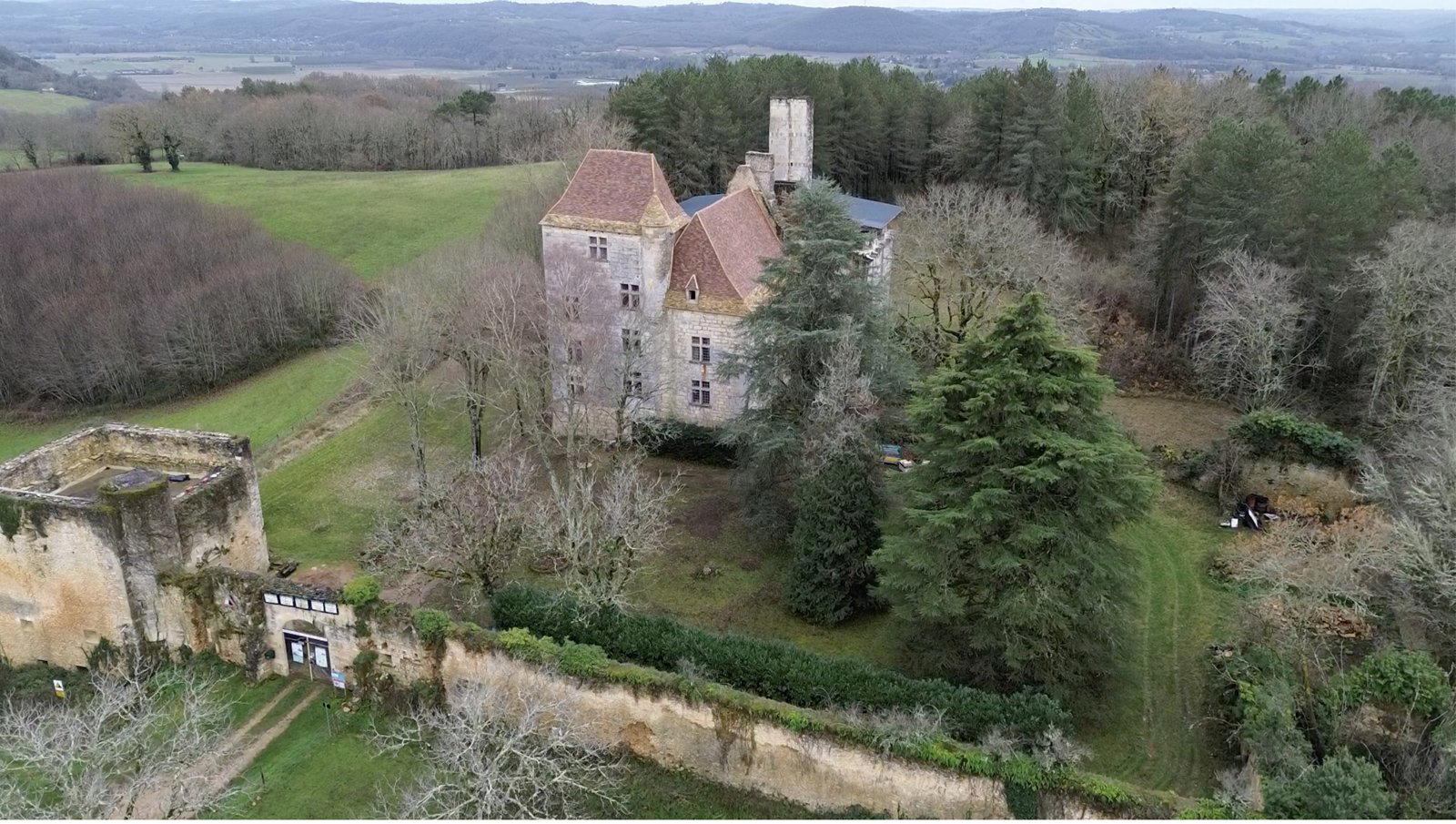
Chateau Maillard
Mazeres, France
Château Maillard is a good fit for a quiet, appointment-led Bordeaux winery stop in Mazères, especially if the aim is to understand a working estate rather than stage a grand tasting occasion. Expect a traditional, rustic feel and a narrow red-Bordeaux focus; groups wanting food pairings, multiple flight formats, or a polished hospitality production should plan carefully.
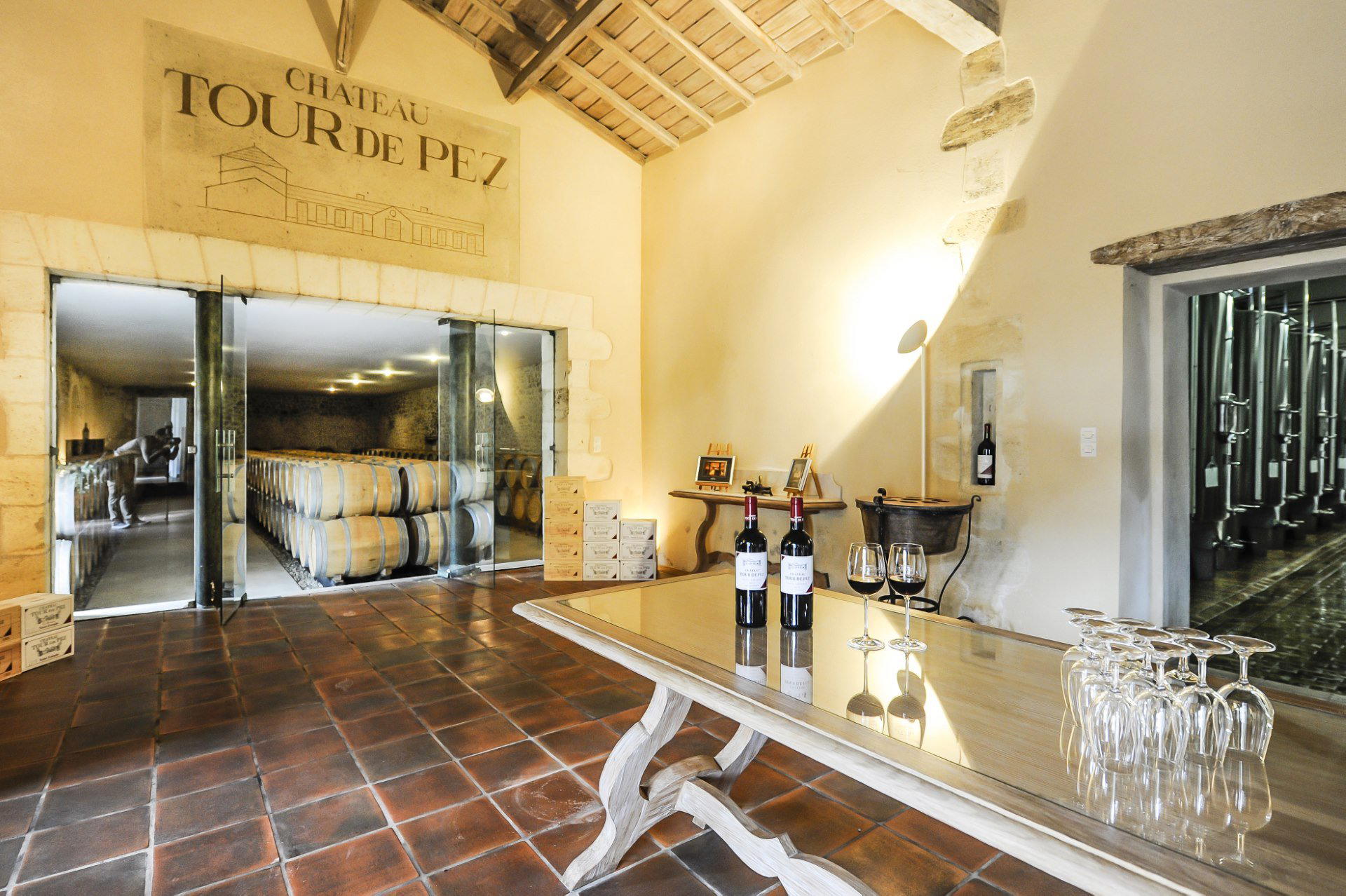
Château Tour de Pez
Saint-Estèphe, France
Château Tour de Pez is worth booking if you want a serious Saint-Estèphe cru bourgeois without chasing grand-cru pricing or pageantry. The draw is value: Merlot-led Left Bank reds, recent 90+ critic scores, HEQ-certified 2019 credentials and a historic Pez setting that works well for first-time Médoc visitors.
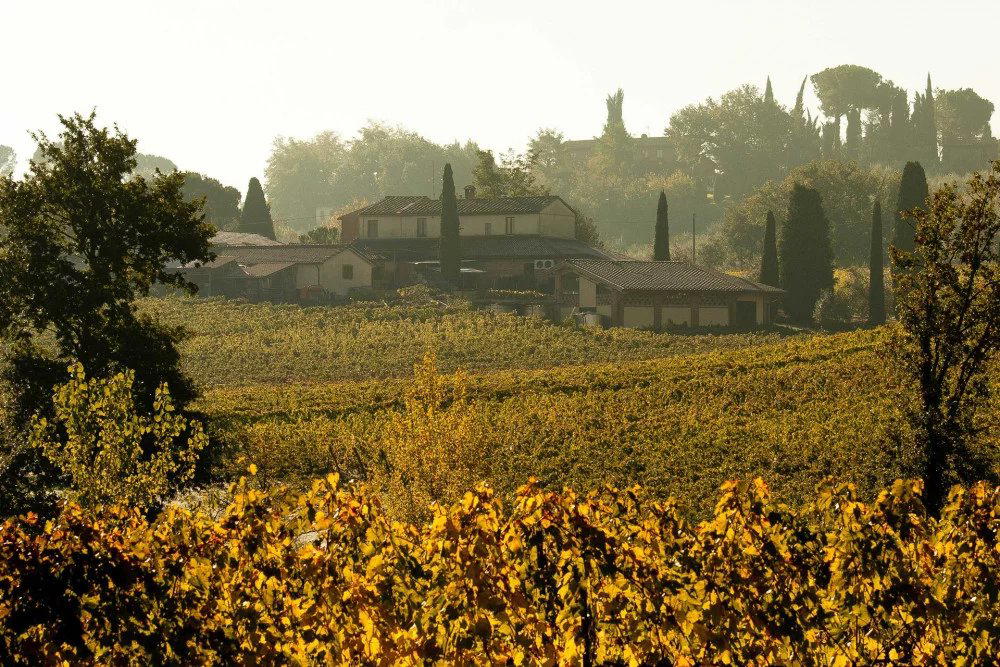
Boscarelli
Montepulciano, Italy
Book Boscarelli if you want a serious, family-run Montepulciano tasting focused on Vino Nobile rather than a quick scenic pour. It is strongest for returning visitors, Sangiovese drinkers, and small groups who want cellar context, vineyard views, and a more conversational Tuscan estate experience.
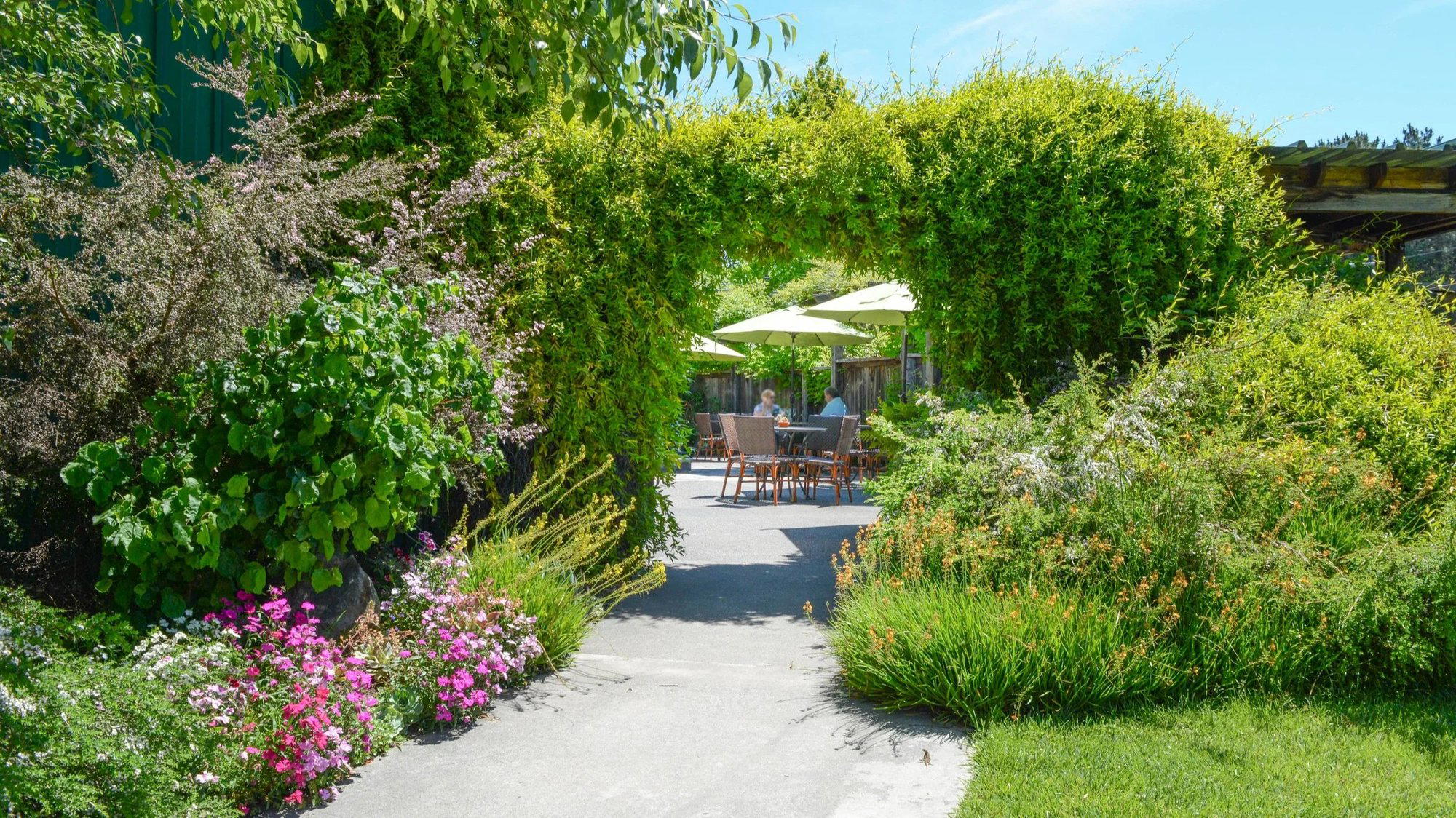
Dutton-Goldfield Winery
Sebastopol, United States
Book Dutton-Goldfield Winery if the goal is a composed Sebastopol tasting that suits a date, anniversary, or small business outing. It is better planned as one calm anchor stop in a two-stop wine day than as part of a rushed tasting-room circuit.
Domaine la Clef du Récit
Vinon, France
Worth considering if a Sancerre-area wine stop is already on the itinerary and the visit is about the domaine rather than hospitality extras. Domaine la Clef du Récit has a Falstaff listing for 2026, which gives it a useful quality signal, but plan ahead and pair it with other Vinon stops rather than making it the whole day.
Camille Crettol
Martigny Croix, Switzerland
Camille Crettol works as an easy Martigny-Croix wine stop, especially if the plan is already focused on Valais. The 2026 Falstaff listing gives it a credible signal, but treat it as wine-led rather than a full food-pairing or restaurant-style occasion.
Dos Deus
Bellmunt Del Priorat, Spain
Worth adding if the Priorat trip needs a vermouth-focused stop rather than another standard cellar visit. Dos Deus is strongest for travelers who care about local Muscatel, Mediterranean botanicals, Sherry-barrel maturation, and aperitif culture; it is less suited to anyone seeking a full restaurant or luxury tasting format.
Bioweingut Söllner
Gosing Wagram, Austria
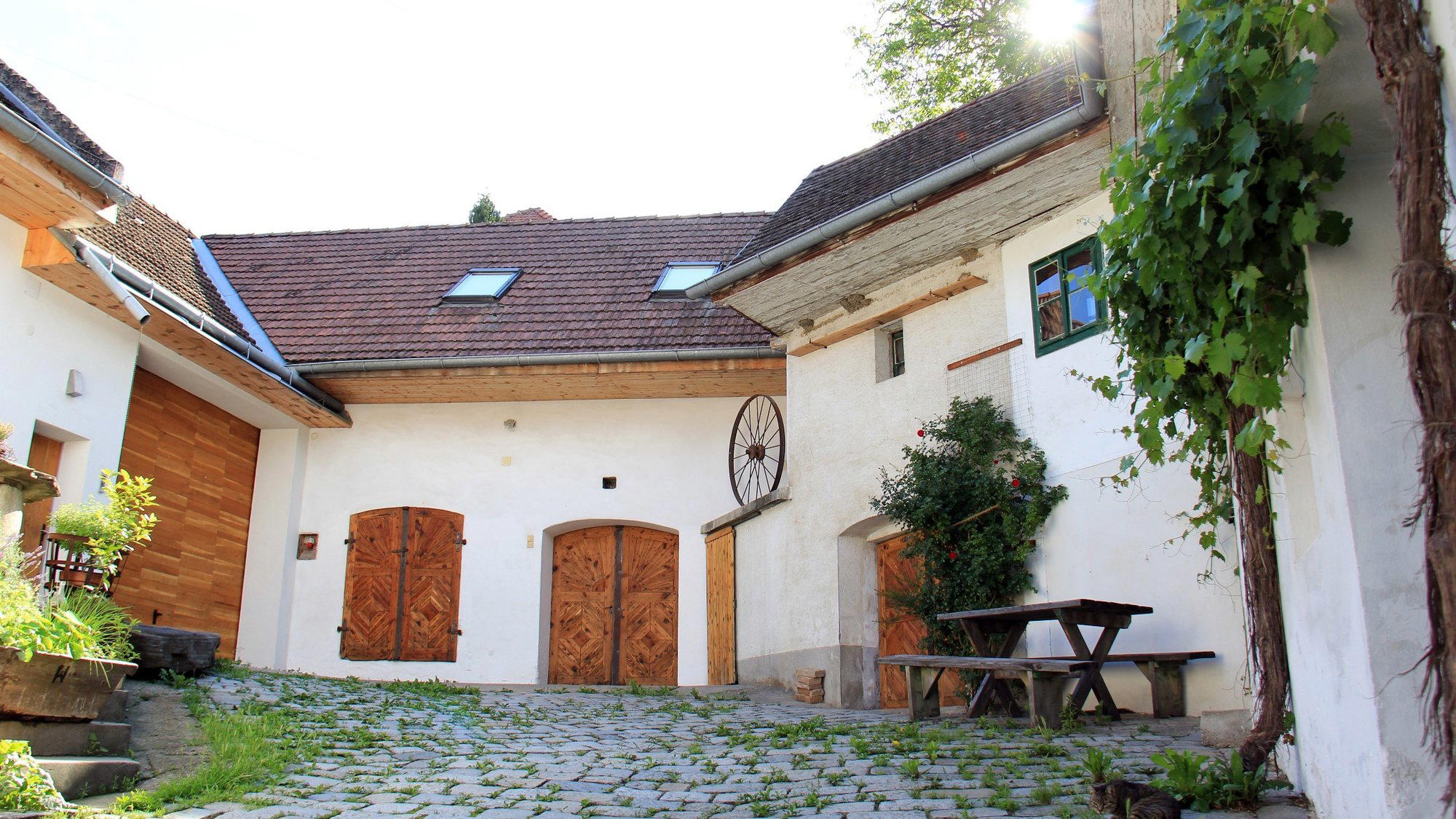
Bioweingut Söllner is a focused Wagram choice for visitors who care about biodynamic wine and producer-led tasting more than restaurant-style hospitality. Falstaff listing in 2026 gives it a credible signal, but plan carefully if food, group setup, shipping, or published pricing matter to the decision.
Chateau Camplazens
Armissan, France
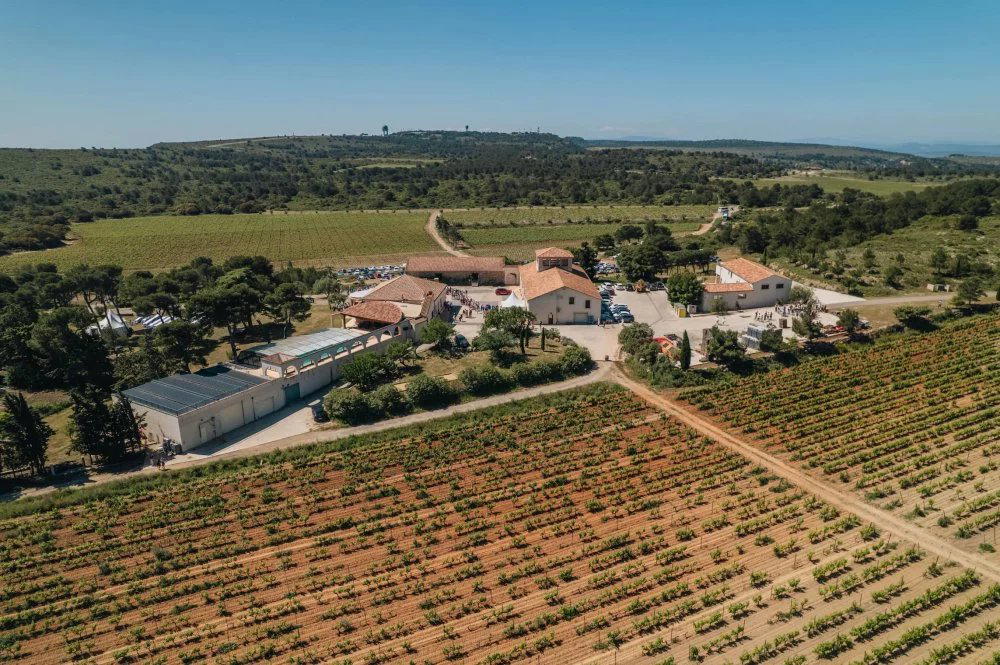
Book Château Camplazens if the priority is a scenic La Clape winery visit with flexible tasting formats, from a quick cellar tasting to a tower or food-pairing experience. It is better for wine travelers who want place, views, and Mediterranean blends than for visitors chasing famous-label prestige or a full lunch program.
Domaine Yann Chave
Mercurol, France
Domaine Yann Chave is worth shortlisting if the priority is a serious Mercurol wine stop with outside recognition: it is Falstaff Listed for 2026. Treat it as a wine-focused visit, not a food-led or large-group venue, and confirm logistics before planning a special occasion around it.
Gysel 175 Weingut
Wilchingen, Switzerland
Plan Gysel 175 Weingut as a focused Klettgau winery stop, especially if Pinot Noir/Blauburgunder is the reason for the trip. The draw is small-scale family production, a contemporary village-center cellar, and Falstaff Listed recognition in 2026, not a large hospitality program or food-led experience.
Federico Paternina
Haro, Spain
Federico Paternina works for a Haro itinerary built around traditional Rioja, mature reds, and cellar heritage. It suits special-occasion wine travelers who want an old-school producer with deep roots, but it is less suited to casual drop-ins or groups looking for a modern tasting-room format.
Château Fougas
Lansac, France
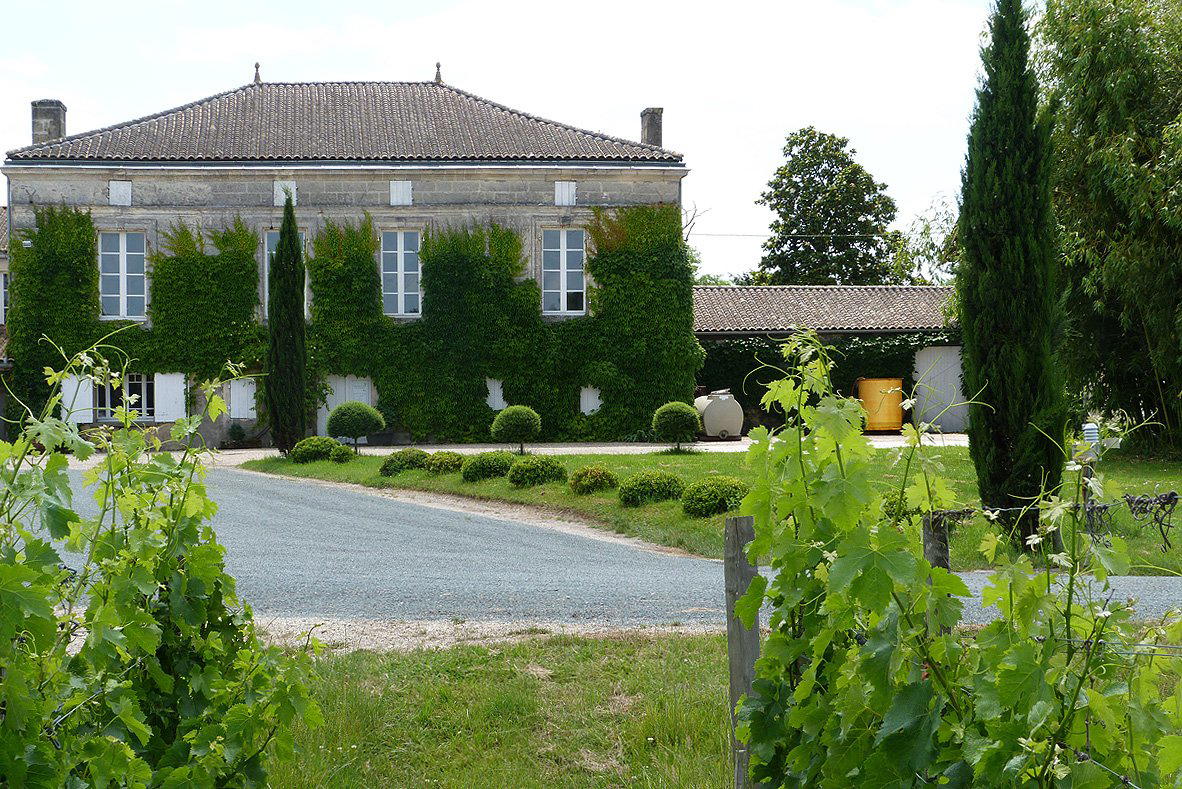
Château Fougas is worth booking if the draw is an educational Côtes de Bourg visit built around organic and biodynamic farming, not luxury tasting-room polish. Go for the vineyard context, the Merlot-led reds, and the chance to understand a historic Lansac estate with Falstaff Listed recognition in 2026.
Bioweingut Johannes Zillinger
Velm Gotzendorf, Austria
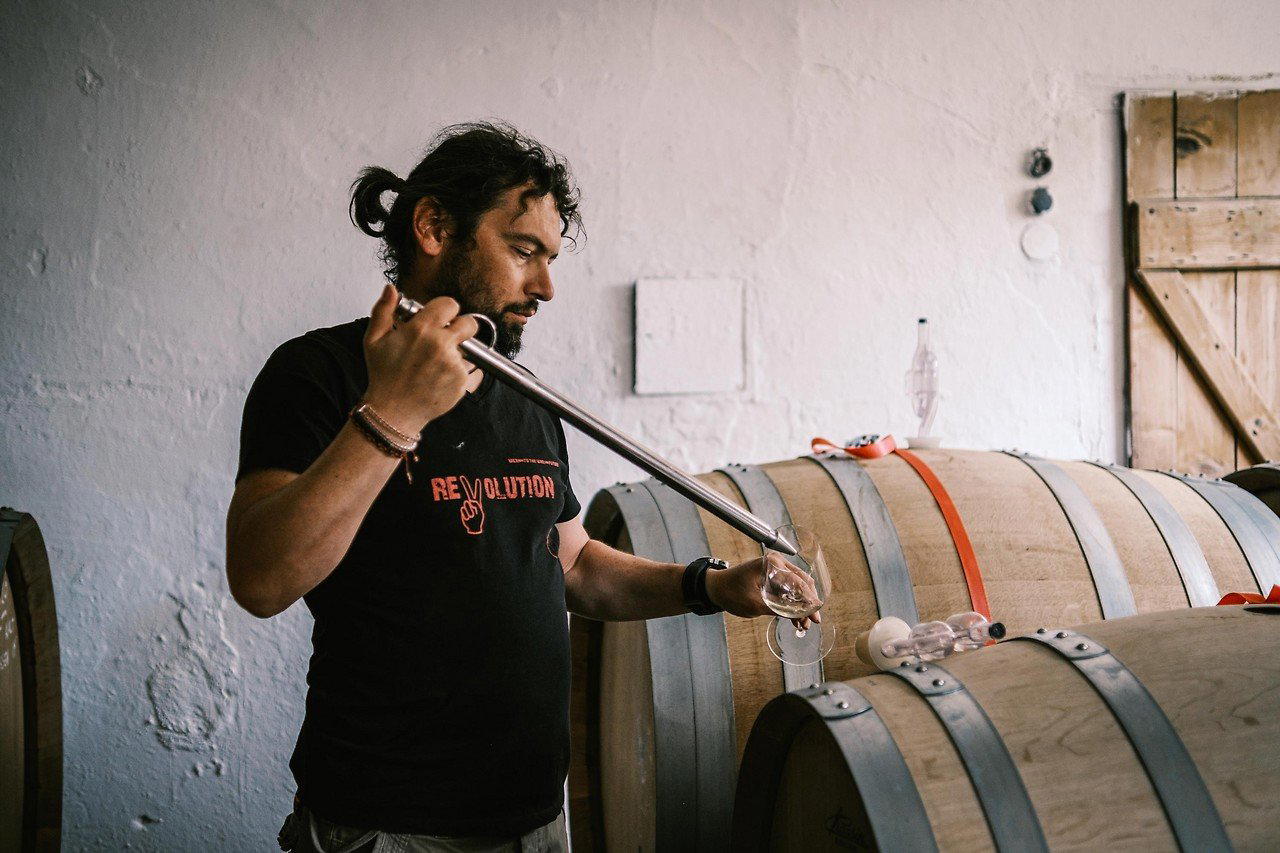
A worthwhile Weinviertel stop for wine travelers who care about regional context and a Falstaff 2026 listing more than polished visitor infrastructure. Plan it as a confirmed winery appointment in Velm-Götzendorf, not as a guaranteed walk-in tasting with food, set hours, or published club and shipping details.
Château La Croix
Pomerol, France
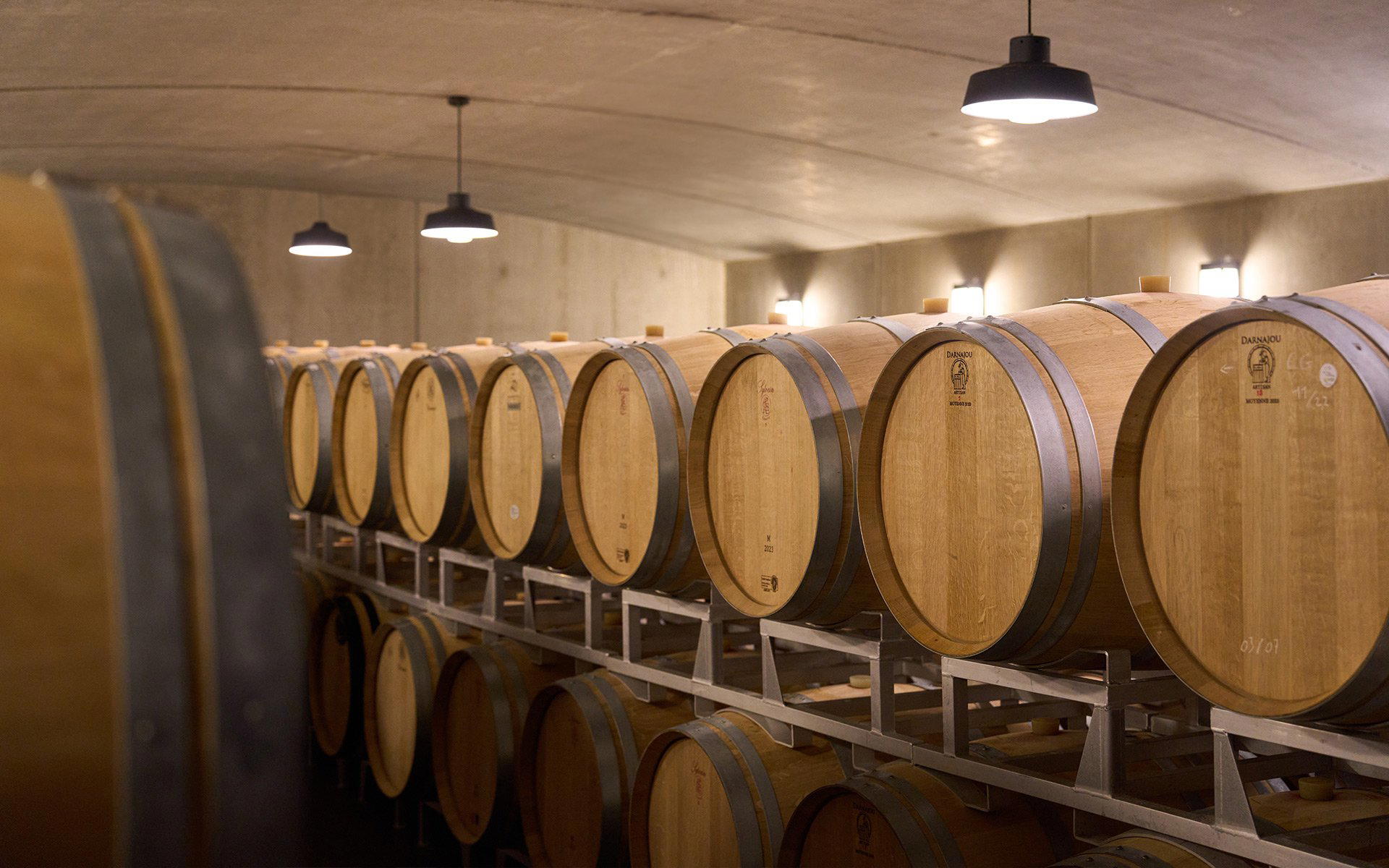
Château La Croix works for Pomerol-focused buyers who care about external recognition and cellar relevance more than a documented visitor setup. Use it for special-occasion wine planning or allocation research, but build the rest of the day through broader Pomerol guides rather than assuming a casual tasting-room format.
Cantina Cristini e Figli Sagl
Camorino, Switzerland
A cautious yes for guests who want a young, family-run Camorino wine producer rather than a fully published estate experience. Cantina Cristini e Figli Sagl is Falstaff Listed for 2026 and positioned at $$, but the visit works better for small, flexible plans than for groups needing confirmed hospitality details in advance.
Bodegas Ismael Arroyo
Sotillo De La Ribera, Spain
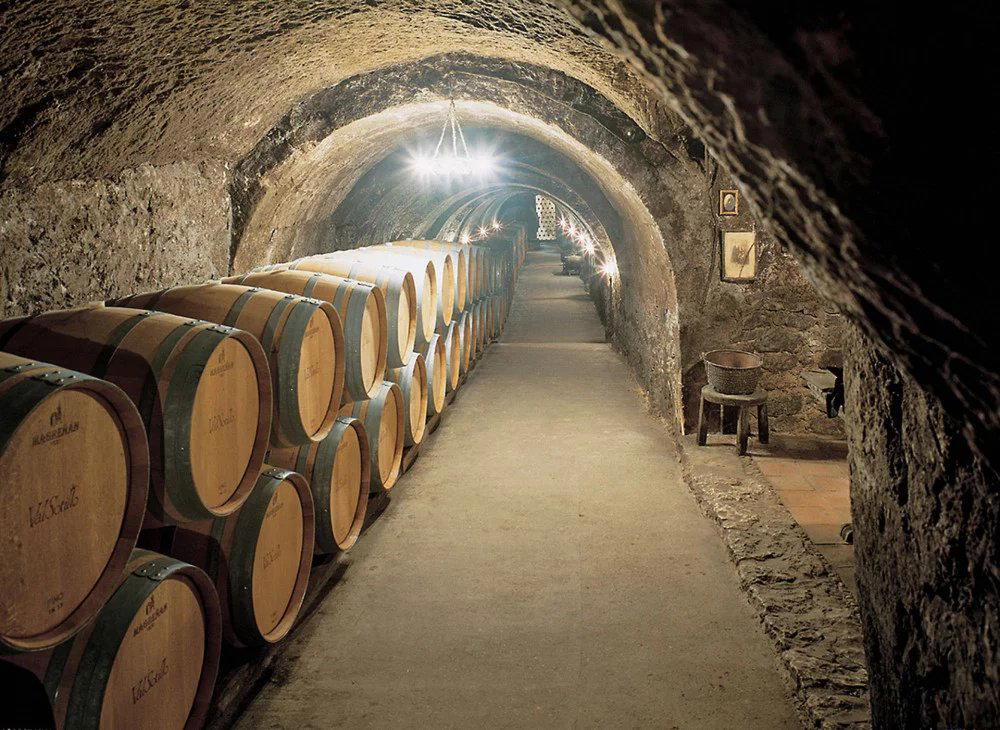
A serious Sotillo de la Ribera winery pick for travelers prioritizing recognized producer quality over casual visitor amenities. The 2026 Falstaff 2 Stars make it worth considering, but plan ahead because public-facing visit details are sparse and this is a better fit for organized wine travelers than spontaneous groups.
Bodegas Baigorri
Samaniego, Spain
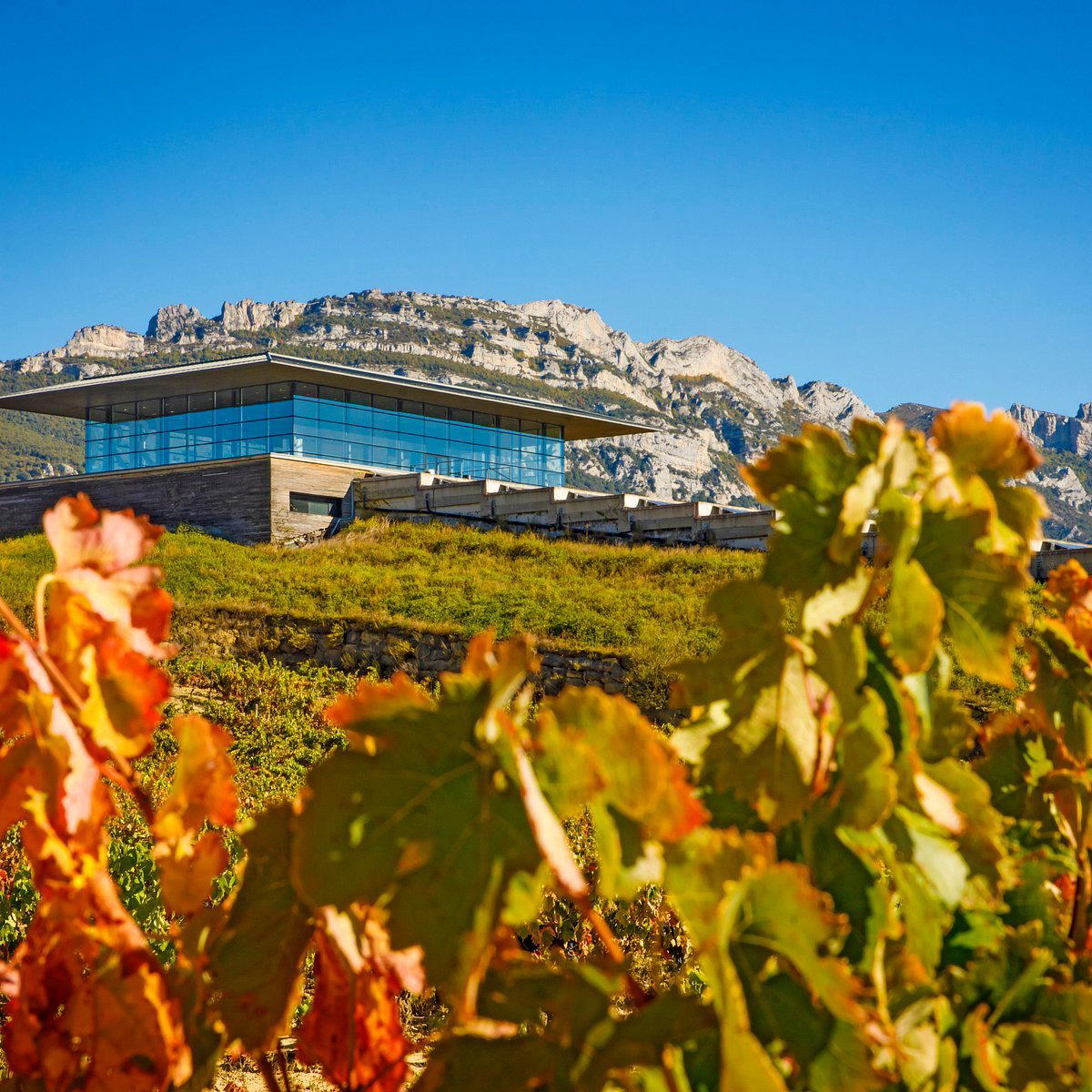
Book Bodegas Baigorri if Samaniego is the wine focus of the day, not a quick detour. Its recognition makes it a stronger choice for travellers seeking Rioja Alavesa depth, while Bodegas Ysios, Vivanco, and Marqués de Riscal are better cross-shops for architecture, broader wine culture, or marquee-name appeal.
Ktima Pavlidis
Drama, Greece
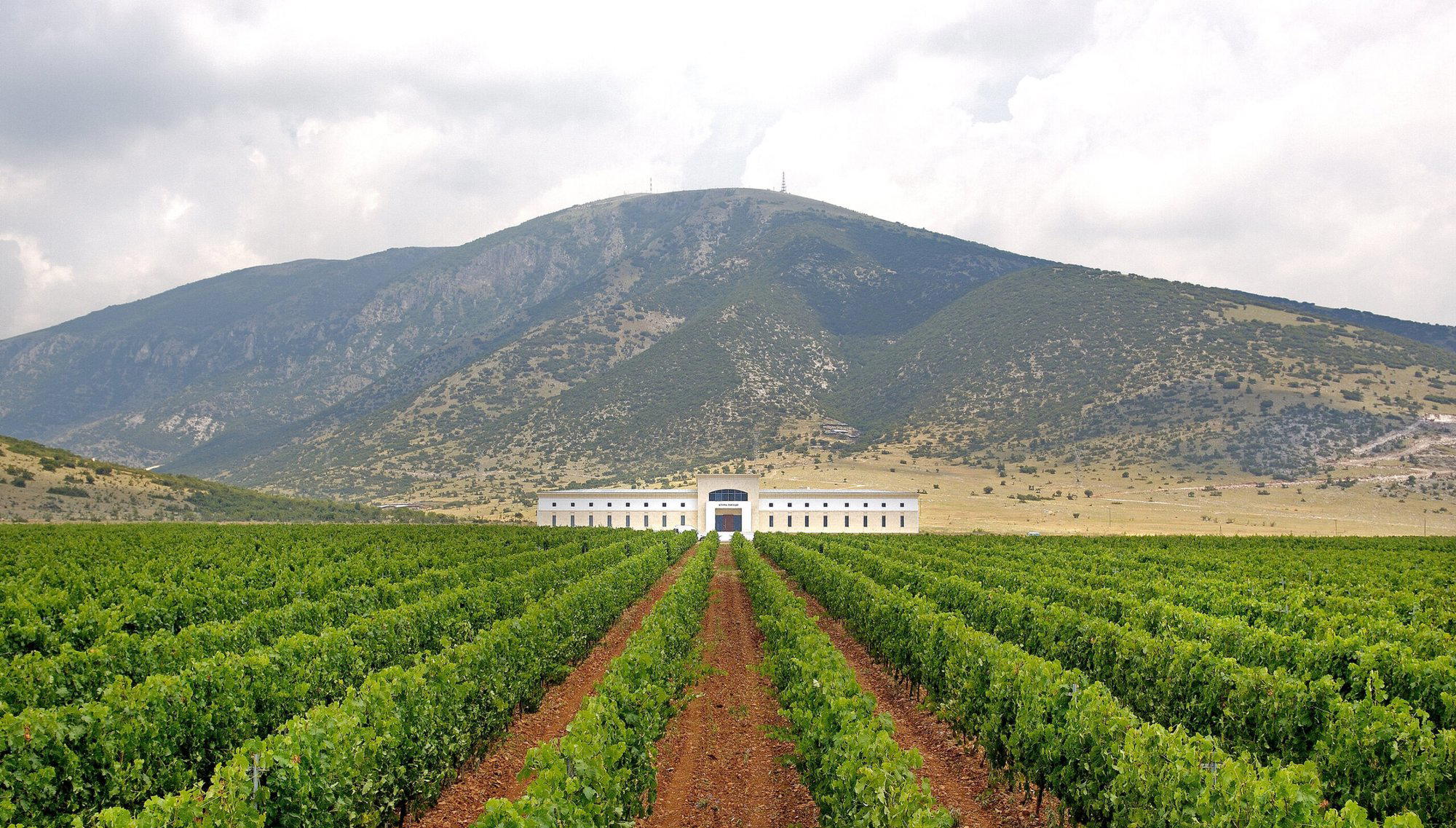
Ktima Pavlidis is worth prioritizing if the Kokkinogia trip is built around serious wine rather than a casual drop-in. The 2025 Prestige recognition gives it a stronger reason to anchor a celebration or business-hosting itinerary, but plan access in advance because public practical details are thin.
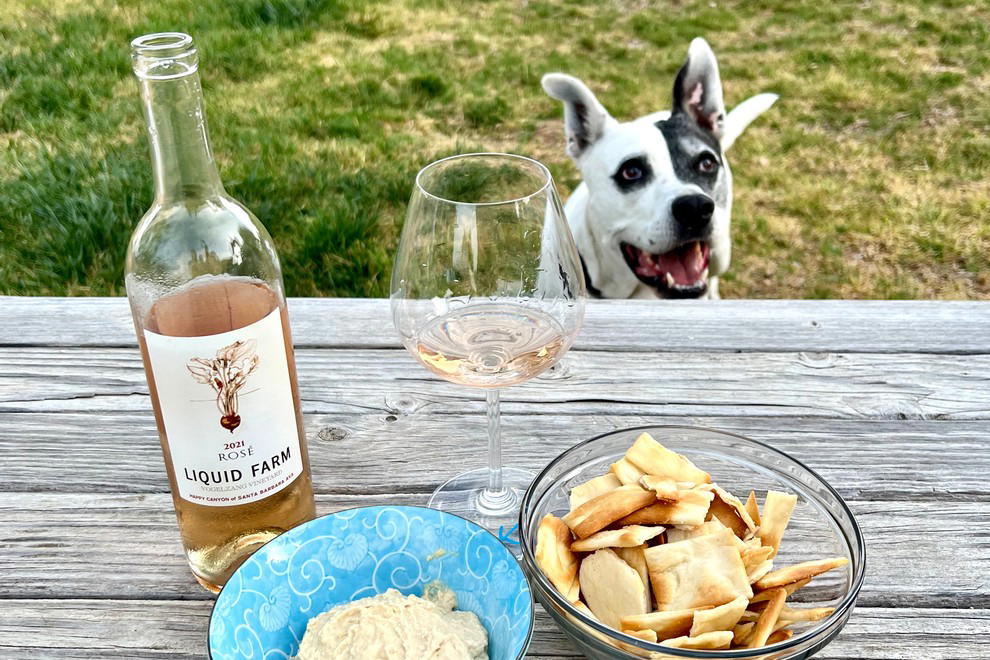
Liquid Farm Tasting Room
Los Olivos, United States
Liquid Farm Tasting Room is worth prioritizing if the trip is built around a focused Los Olivos wine tasting rather than a casual sampler crawl. It is strongest for date, celebration, or wine-serious itineraries where one planned tasting matters more than covering as many rooms as possible.
David Tofterup
Gratallops, Spain
A serious Priorat shortlist pick for drinkers already focused on Gratallops producers. The Falstaff 3 Stars (2026) signal makes David Tofterup worth attention, but sparse public-facing visitor detail means it suits collectors and repeat Priorat travelers better than casual wine tourists.
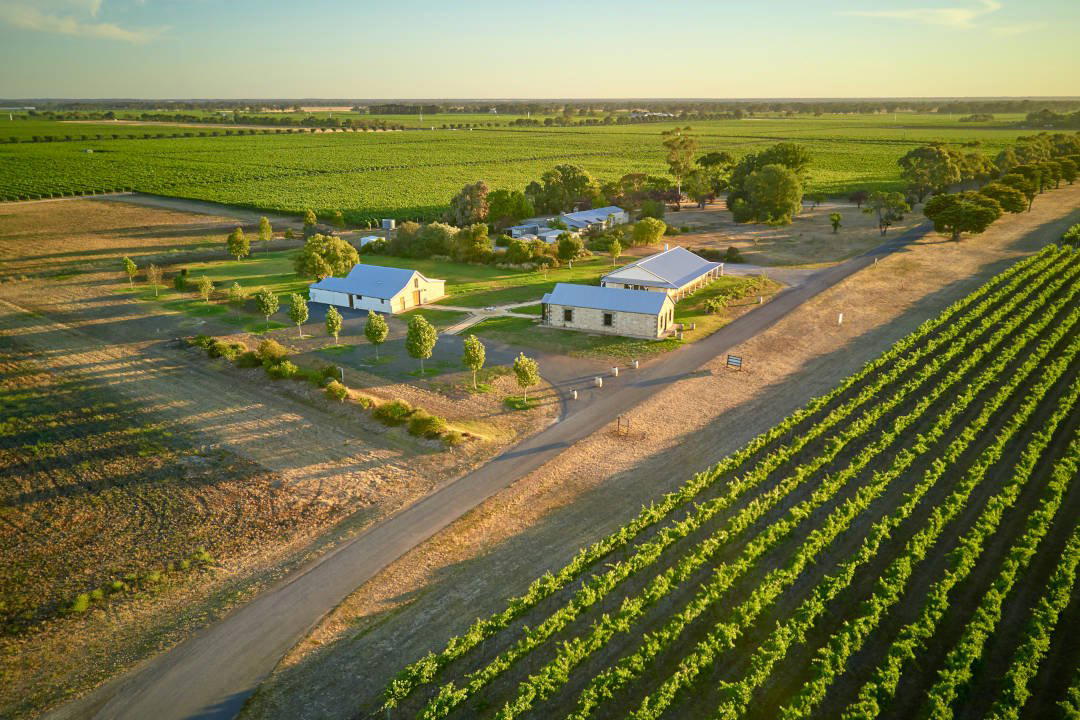
Katnook Estate
Coonawarra, Australia
Katnook Estate is worth prioritising if Coonawarra Cabernet is the reason for the trip, not just a backdrop. Use it as a serious tasting anchor alongside Wynns, Majella, Balnaves, Parker, and Penley, especially if bottle-buying or cellaring decisions are part of the plan.
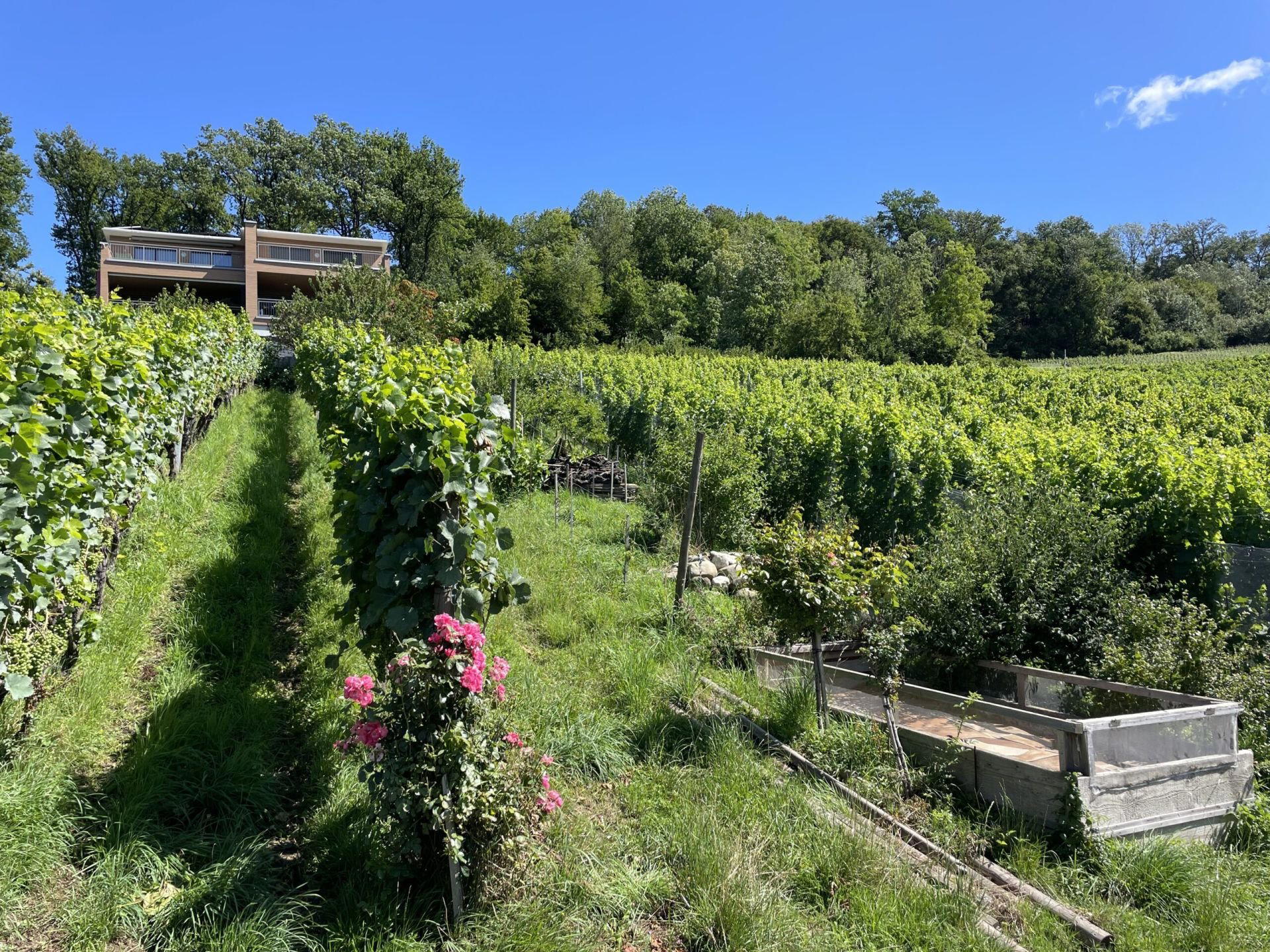
HerterWein
Hettlingen, Switzerland
A strong pick for wine-focused couples or small groups who want an intimate Zurich-area estate visit rather than a conventional tasting room. HerterWein is strongest on living-soil farming, low-intervention cellar work, and appointment-led hospitality near Winterthur; plan ahead and treat it as a fixed stop, especially if aiming for a seasonal event or tavolata-style visit.
Duchrow's Sektkellerei
Naumburg, Germany
Book Duchrow's Sektkellerei if your Naumburg wine day needs a focused Sekt stop rather than another broad still-wine tasting. The appointment-only format suits planners and sparkling-wine enthusiasts; casual groups looking for food, walk-in flexibility, or a larger hospitality setup should choose a broader itinerary.
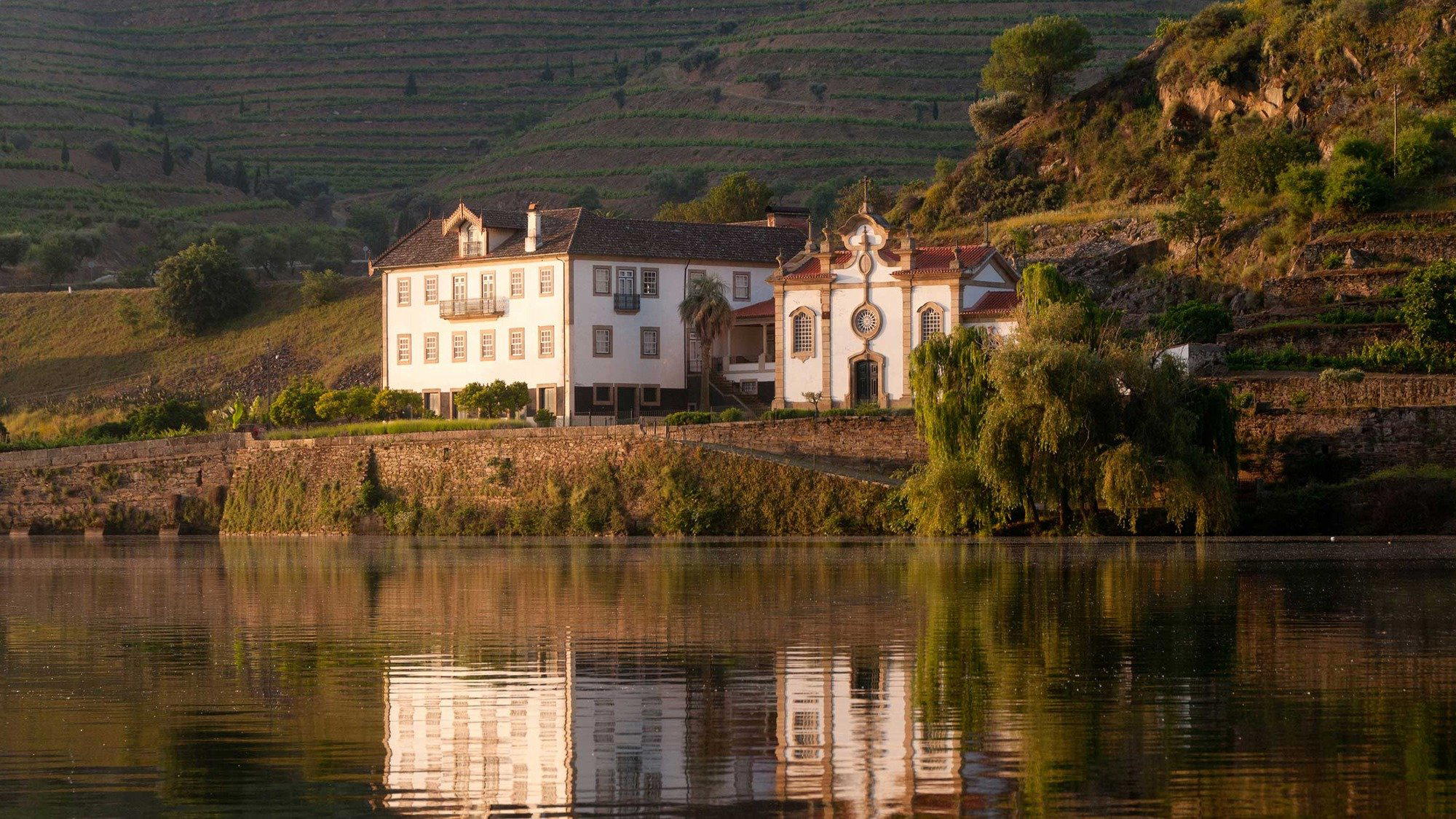
Quinta do Vesúvio
Vila Nova de Foz Côa, Portugal
Quinta do Vesúvio is the right call for serious Douro travelers who want estate context near Vila Nova de Foz Côa, not a quick casual tasting. It is less convenient than more visitor-led Douro stops, but stronger for a wine-focused itinerary where the setting and production context matter.
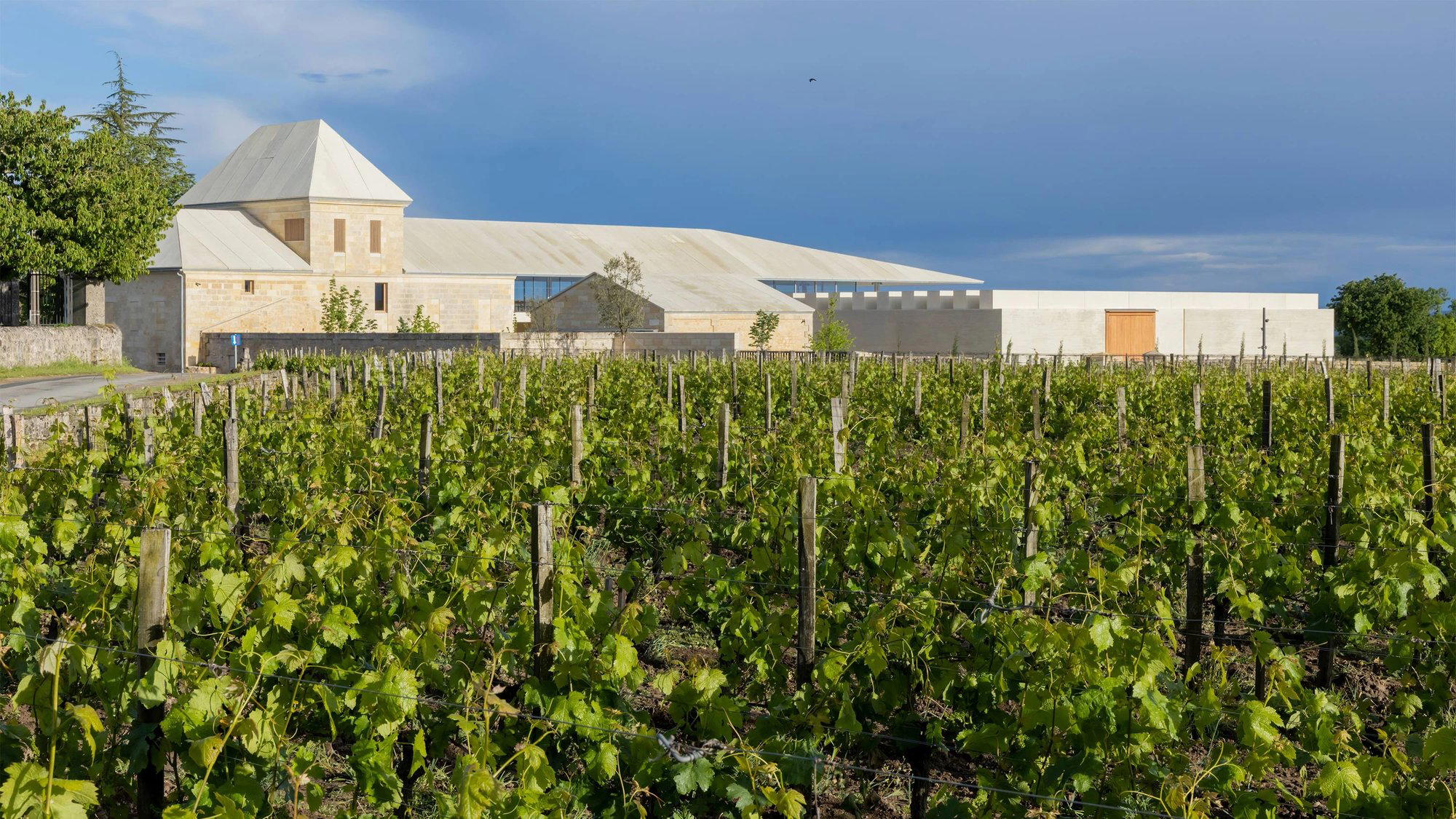
Château Bélair-Monange
Saint-Émilion, France
A serious Saint-Emilion target for collectors and allocation-minded wine travelers, not a casual drop-in tasting. Prioritize Château Bélair-Monange if prestige and cellar relevance matter more than convenience; otherwise cross-shop nearby peers with smoother itinerary flexibility.
Christoph Groiss KG
Pettendorf, Austria
Book Christoph Groiss KG for a quiet, appointment-only Weinviertel tasting built around family viticulture and Grüner Veltliner rather than a formal luxury cellar-door setup. The $$ price signal, Heuriger tradition, and Falstaff Listed 2026 recognition make it a sound pick for small celebrations or wine-focused detours, but treat any club or allocation decision as try-before-you-commit.
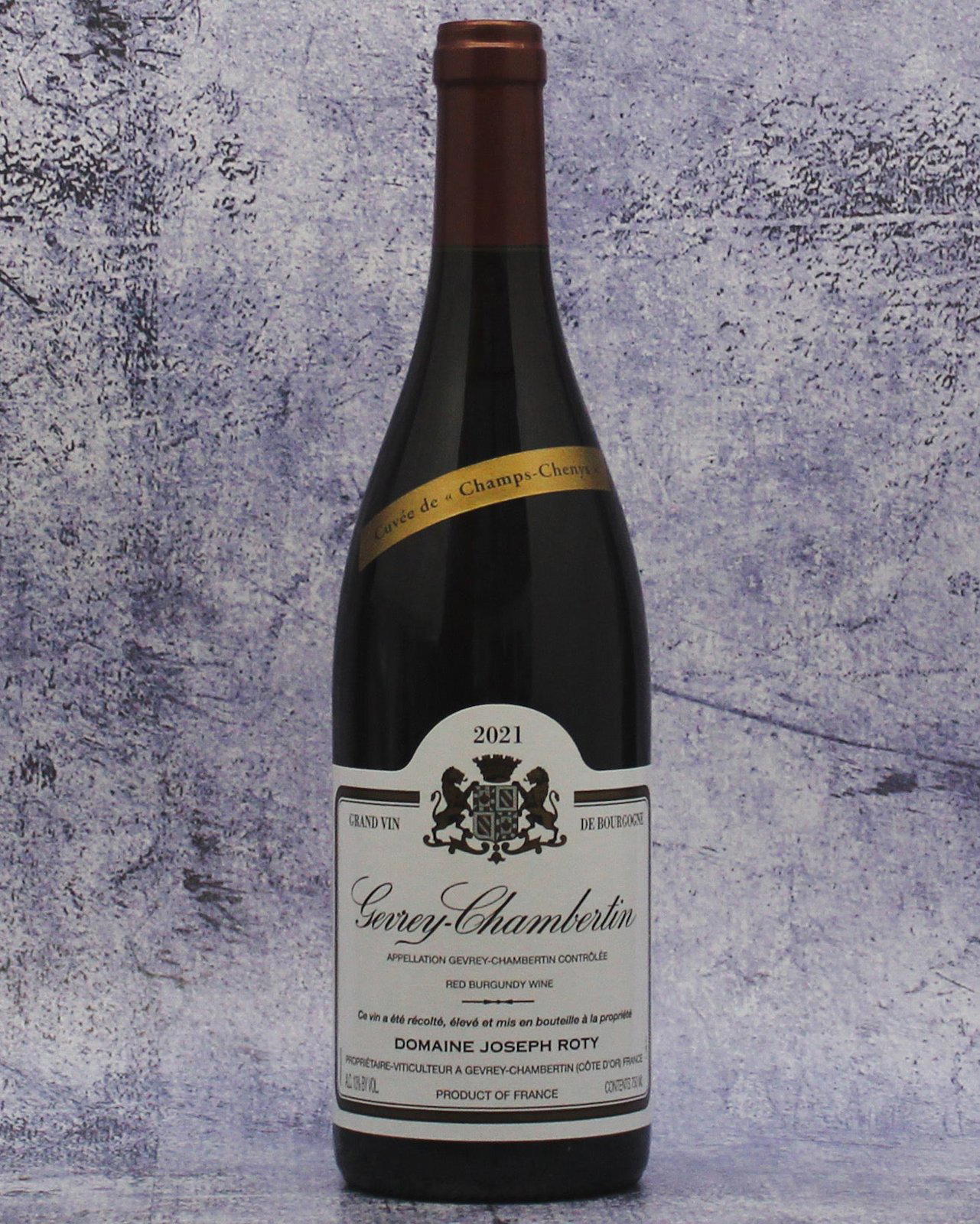
Domaine Joseph Roty
Gevrey-Chambertin, France
Domaine Joseph Roty is worth targeting for serious Burgundy travelers who want producer depth in Gevrey-Chambertin, not a casual tasting-room stop. Access should be treated as difficult, so keep plans flexible and compare it with Domaine Duroché or Domaine Henri Rebourseau if the group needs a more predictable visit.
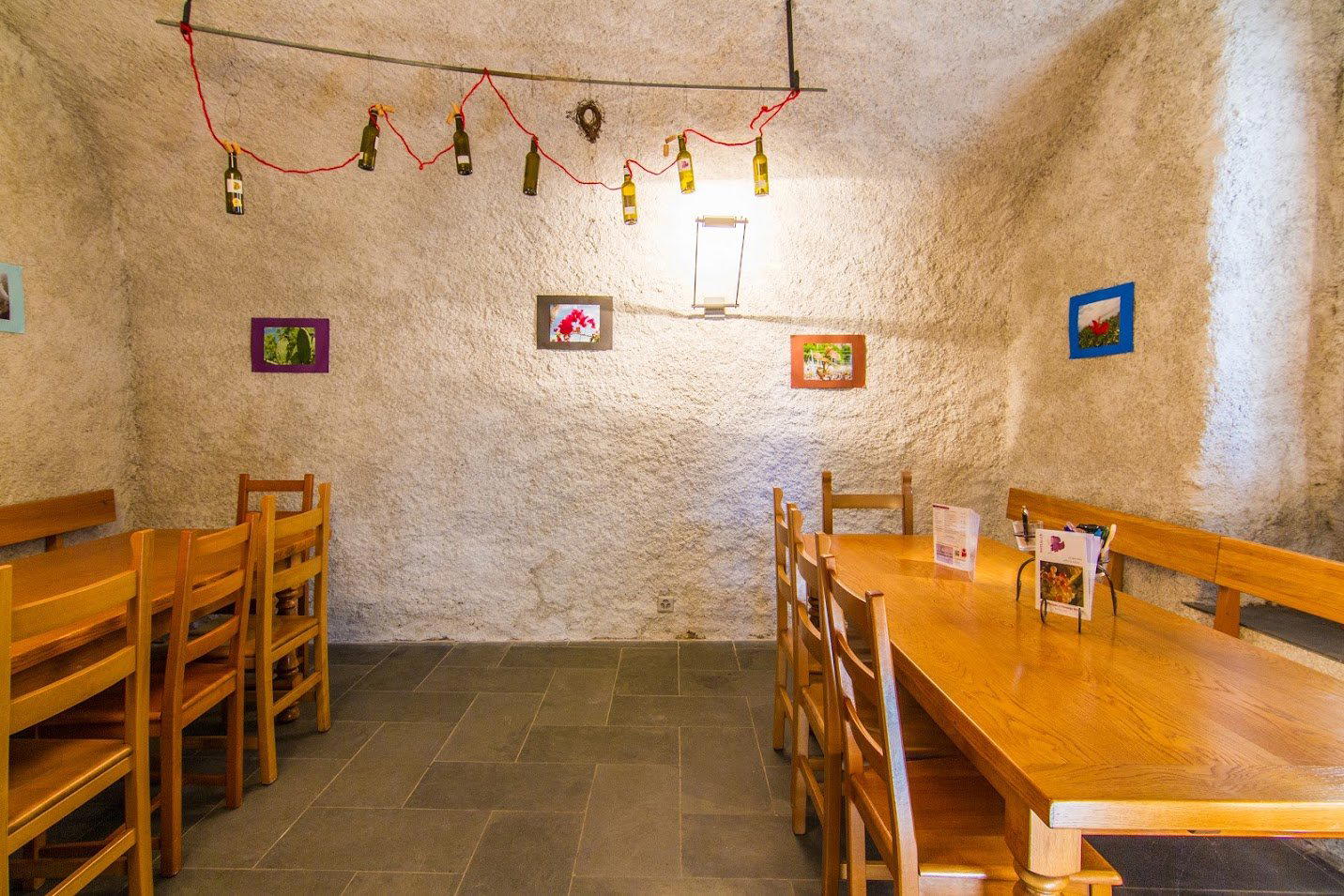
Cave Philippe et Véronyc Mettaz
Fully, Switzerland
A smart Fully stop for drinkers who want organic Valais wines and grape-by-grape terroir context rather than a restaurant-style pairing experience. Go for Petite Arvine, Gamaret and the wider local-variety range; plan food separately around the bottles. Best for focused couples or small wine-minded groups, not a casual large-party tasting.
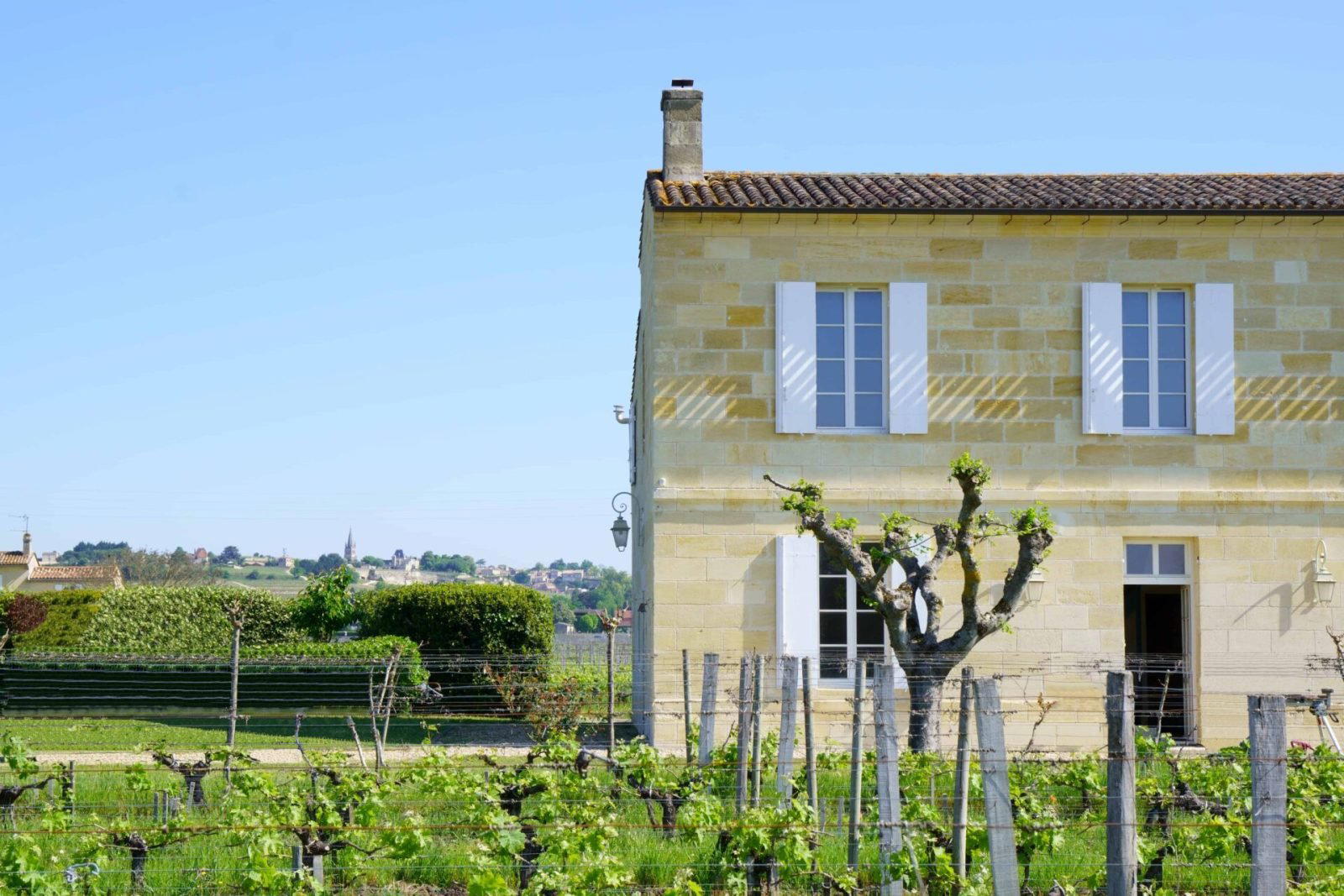
Château Ferrand Lartigue
Saint-Émilion, France
Book Château Ferrand Lartigue if you want a focused, appointment-only Saint-Émilion Grand Cru visit built around small-scale right-bank Bordeaux rather than a broad hospitality program. It suits wine-focused couples or small groups who value vineyard context, Merlot-led blends, and a quieter tasting format; skip it if you need public hours or a more casual drop-in plan.
Bodegas Jalón, S.L.
Alberite De Iregua, Spain
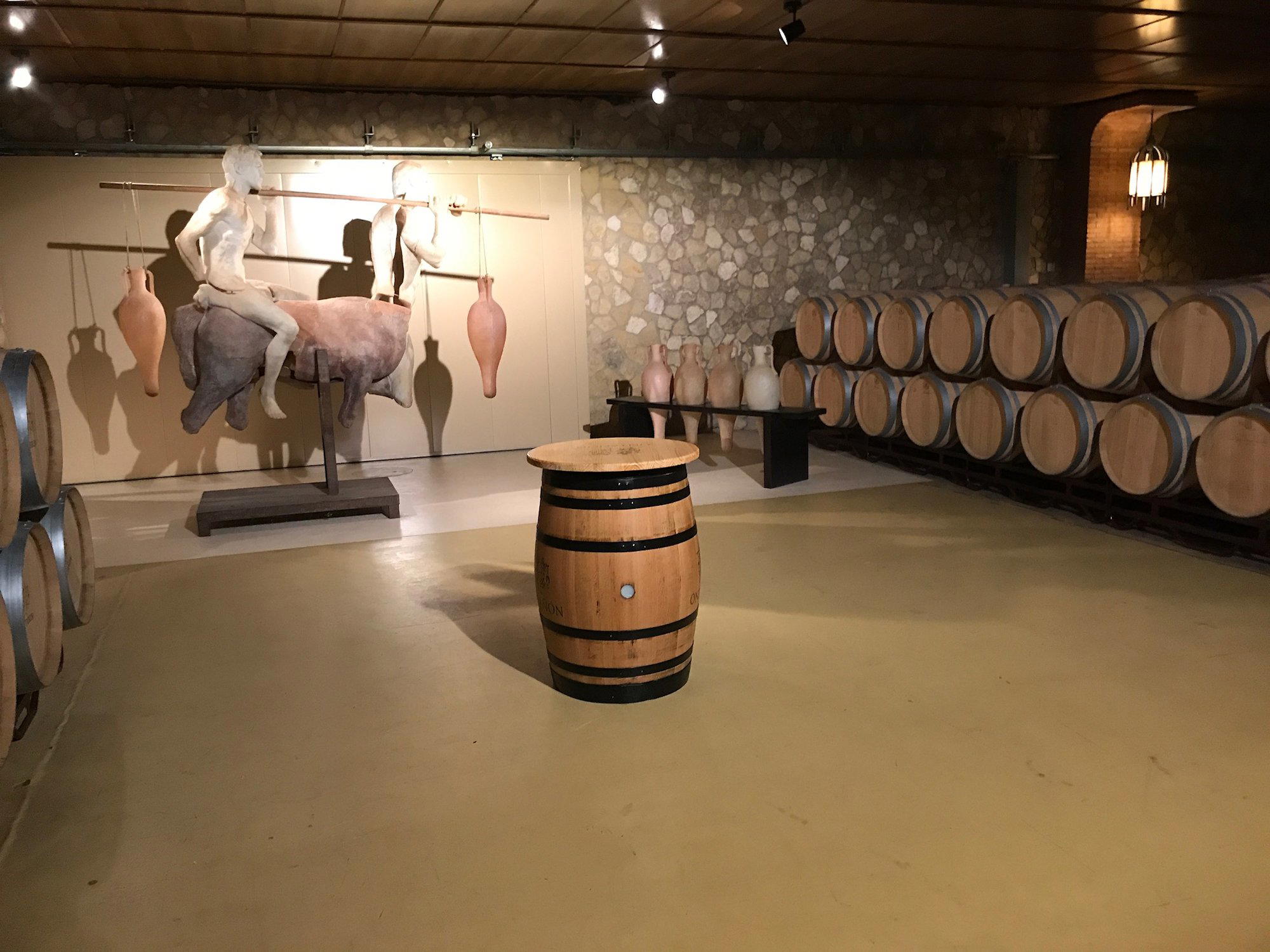
Bodegas Jalón, S.L. works for organic Rioja drinkers who value estate-grown fruit, traditional crianza and reserva ageing, and a quieter rural setting over polished hospitality. The strongest value case is in the farming and cellar work rather than amenities, with a $$ positioning and Falstaff Listed recognition in 2026.
Bodegas Horacio Calvente
Jete, Spain
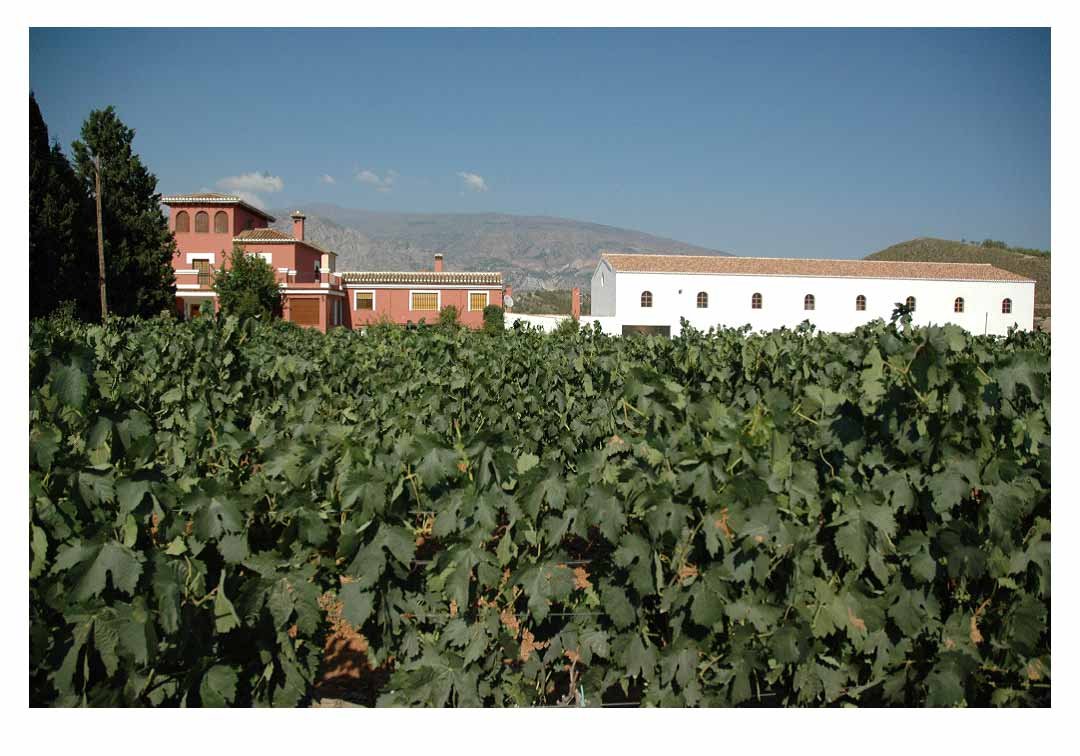
Bodegas Horacio Calvente is worth the effort for wine travelers who care about mountain viticulture, small-production bottles, and Granada’s less obvious wine identity. It is less suited to casual drop-ins or large social tastings, but strong for focused visitors who want context before buying deeper into the range.
How many of these have you visited?
Find out on Pearl and keep score across every place in 2026 Falstaff Winery Guide.