

2026 Falstaff Winery Guide: The Ultimate Wine Authority — Page 31
Falstaff's 2026 Wineries guide.

Venues on this list
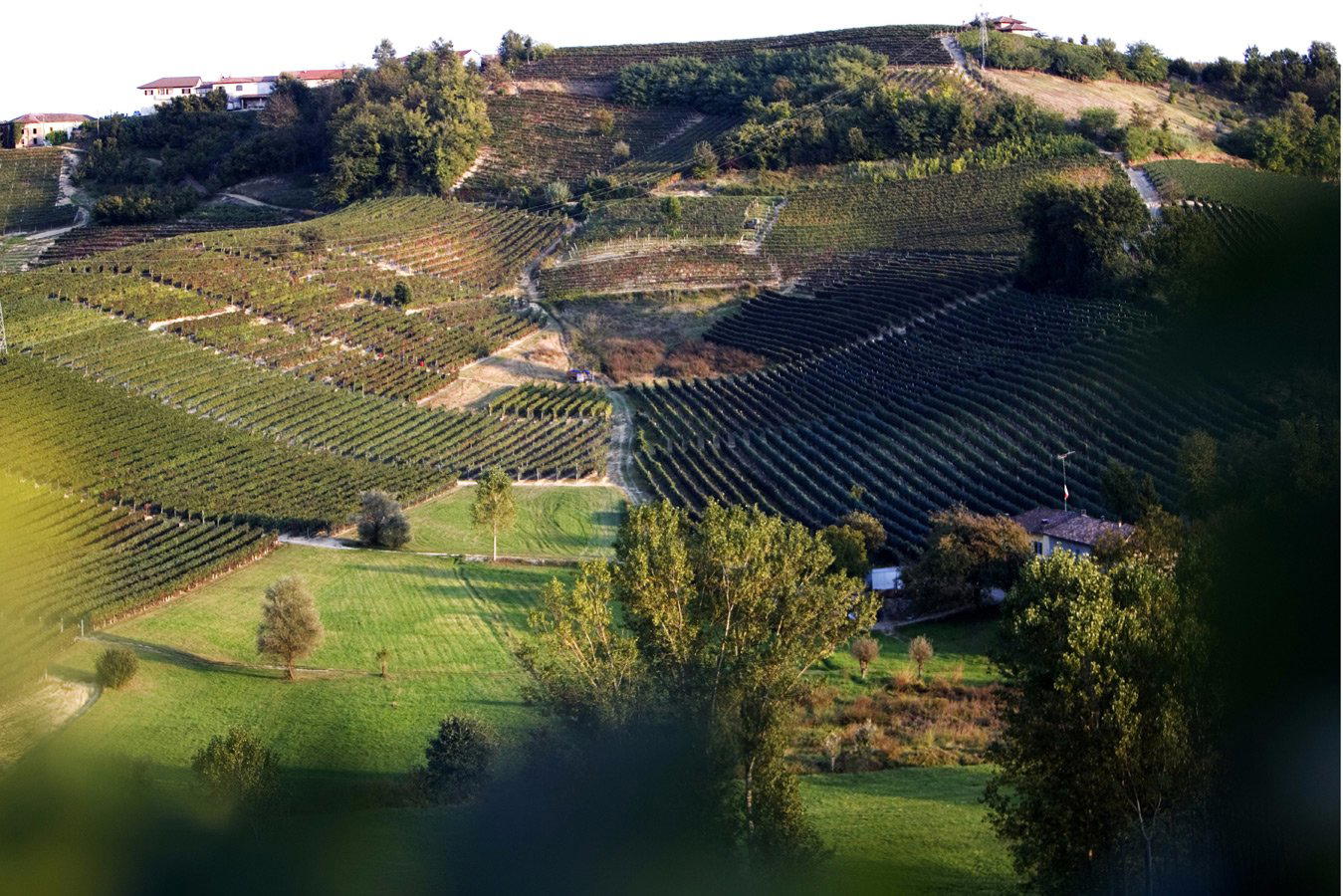
Agostino Pavia & Figli
Agliano Terme, Italy
Agostino Pavia & Figli works as a relaxed Agliano Terme wine stop rather than a fully structured destination visit. Go if the plan is a Piedmont tasting day with flexibility; choose another local option if the occasion needs confirmed food, group logistics, or a more formal visitor setup.
Dubrovački Podrum
Gruda, Croatia
Dubrovački Podrum is worth planning for wine-focused travelers who want Konavle heritage, Merlot, and Malvasija Dubrovačka rather than a meal-led tasting. The strongest reasons to go are its roots dating to 1876, Falstaff listing for 2026, and role as a historic regional producer; food-pairing details are not a reason to choose it.
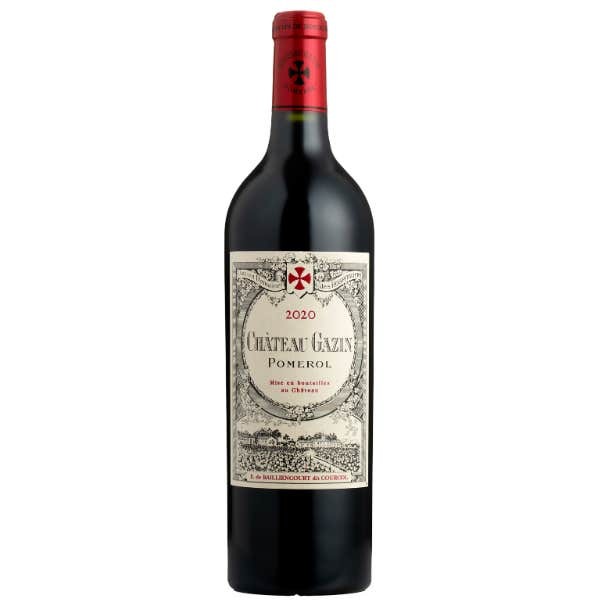
Château Gazin
Pomerol, France
Château Gazin is worth prioritizing for a serious Pomerol itinerary if the goal is producer depth and long-term cellar interest, not a casual tasting stop. Availability is difficult, so plan it as an anchor appointment and cross-shop nearby Pomerol peers if timing is tight.
Espenhof – Nico Espenschied
Flonheim Uffhofen, Germany
Book Espenhof – Nico Espenschied if you want a Rheinhessen winery visit where food pairings make the wines easier to place. The appeal is not flash: it is a modern vinothek, deep family history, classic and experimental bottlings, and enough hospitality structure to reward a planned stop.
Áster
Anguix, Spain
Choose Áster when you want a polished Ribera del Duero tasting built around estate Tempranillo rather than a casual cellar-door stop. It is strongest for return visitors, couples, and small groups who want the vineyard, barrel hall, and premium bottlings to connect in one structured visit.
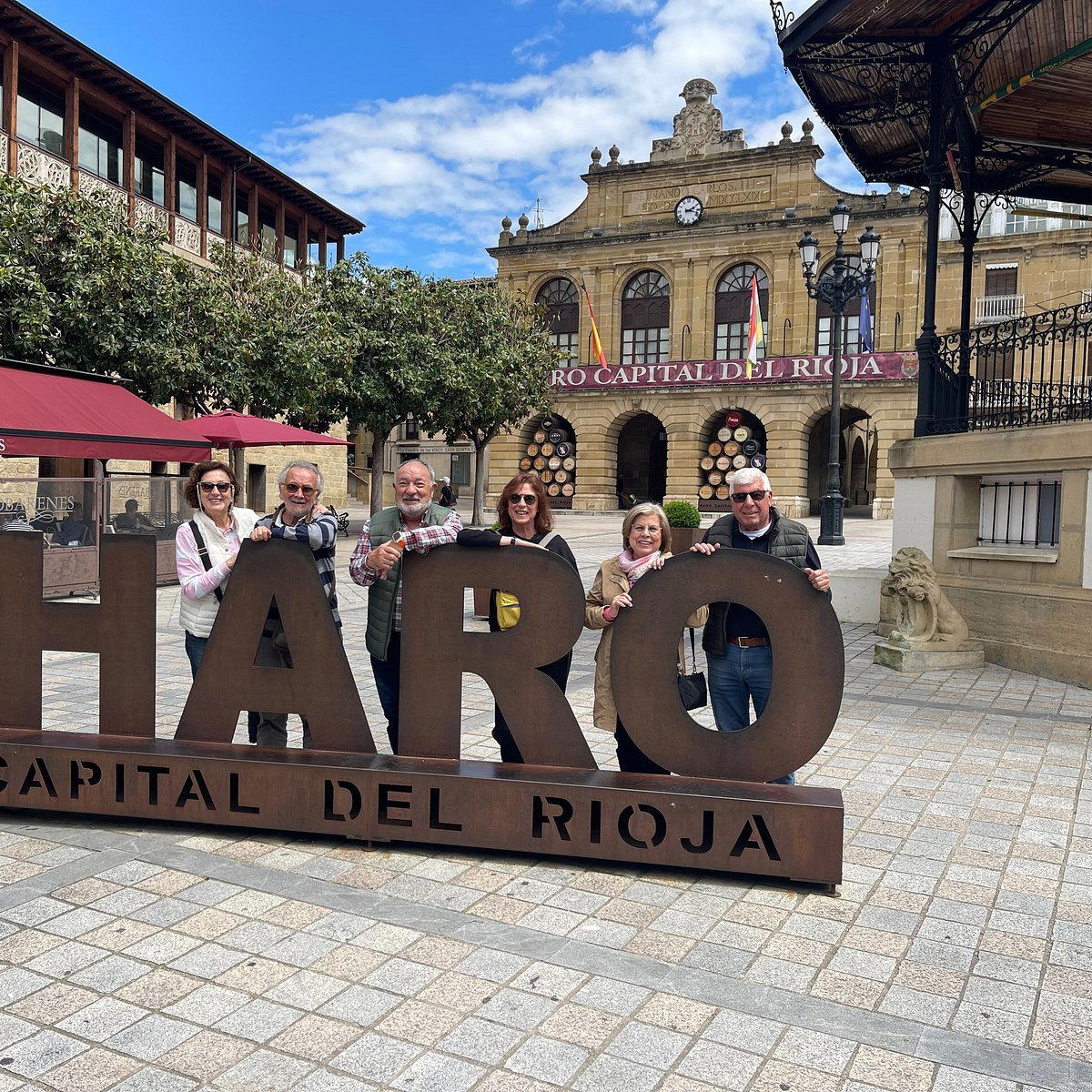
Bodegas Cune
Haro, Spain
Book Bodegas Cune if you want a clear, historically grounded introduction to classic Rioja Alta rather than a niche collector tasting. The visit is strongest for travelers who care about tasting structure, category context, and Haro’s old wine district, with food playing a supporting role through pairing formats.
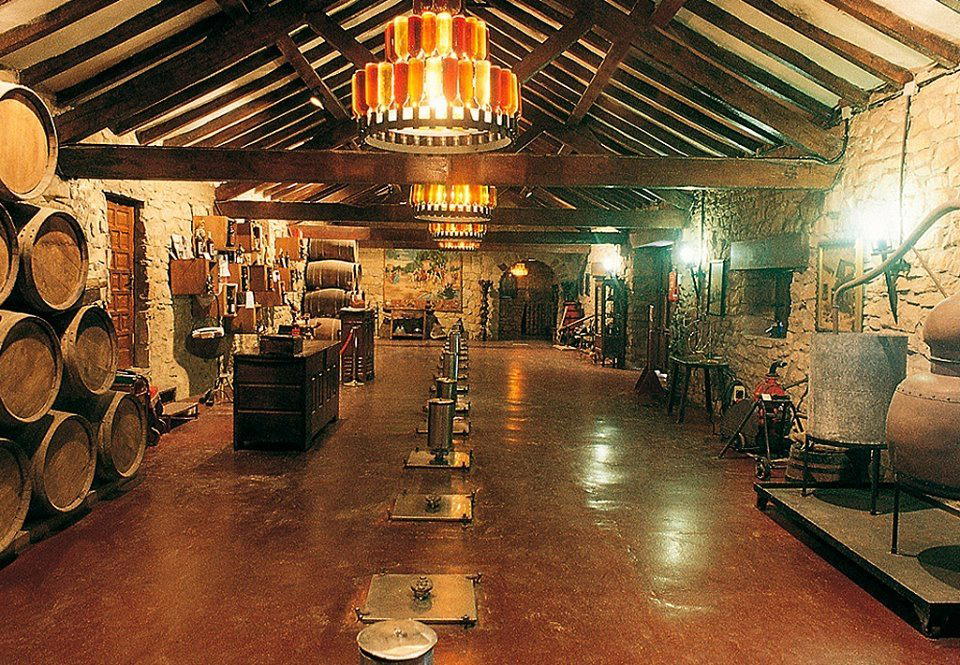
Bodegas Irache
Ayegui, Spain
Bodegas Irache is worth planning ahead for if the appeal is Navarra wine history, Camino de Santiago context, and a traditional cellar-museum visit rather than a sleek modern tasting room. The standard tasting is strong value at $13 per person; the private option makes more sense for travelers who want deeper context around Prado de Irache and Vino de Pago.
Domaine Julien Brocard
Préhy, France
Book Domaine Julien Brocard if the goal is a wine-focused stop in Préhy rather than a hospitality-heavy visit. Falstaff recognition for 2026 gives it a useful quality signal, but treat shipping, release access, and any membership value as details to confirm before committing.
Bužinel
Brda, Slovenia
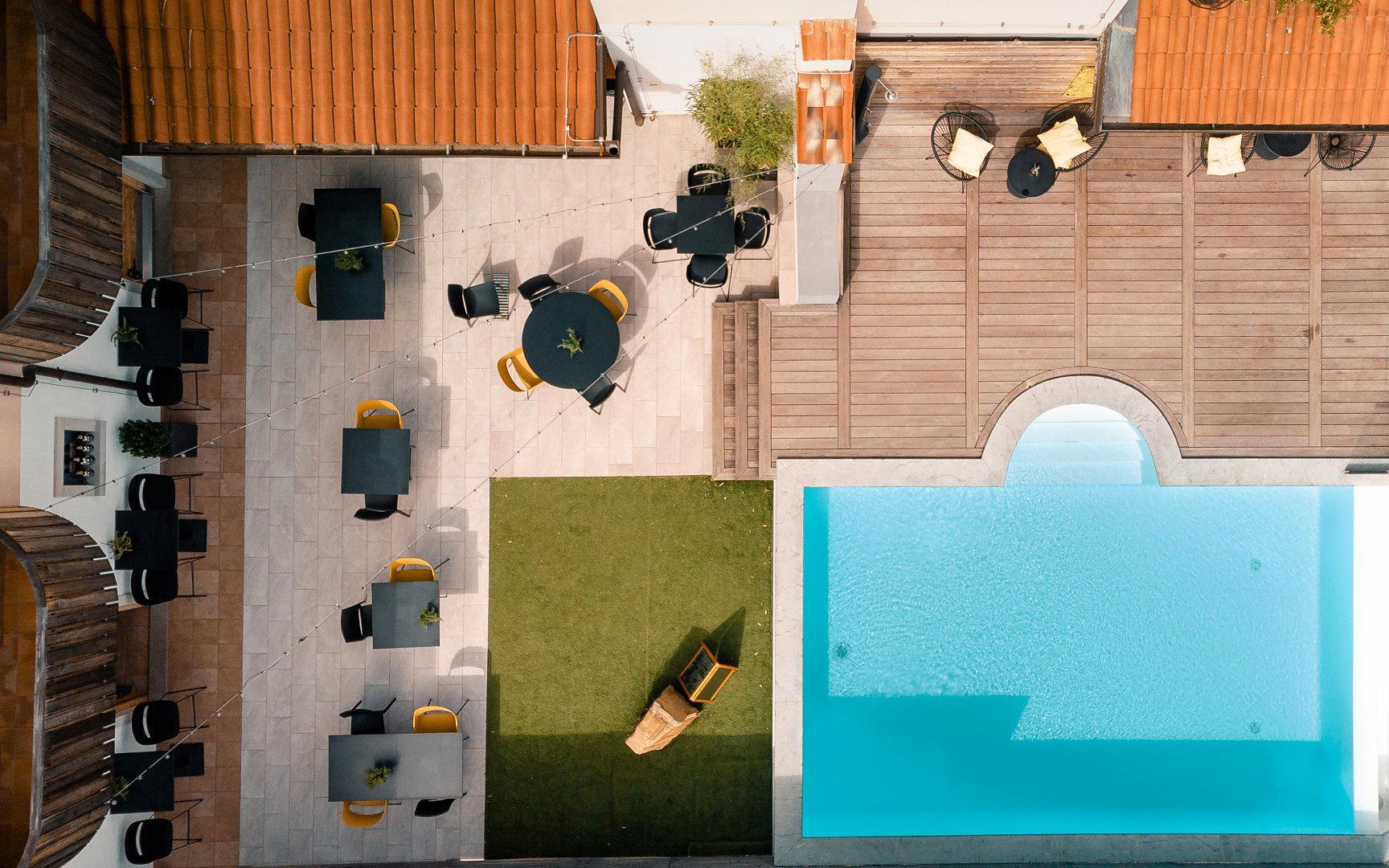
A seven-day-a-week neighborhood restaurant in upper Brda with dual lunch and dinner service and easy walk-in booking. Without published menu details or awards, it reads as a practical fallback for wine-tour groups or last-minute tables rather than a planned culinary destination. Best suited for travelers prioritizing schedule flexibility over chef-driven cooking.
Blackbook Winery
London, United Kingdom
Blackbook Winery is a worthwhile London shortlist for drinkers interested in city-based wine production rather than a conventional countryside estate visit. Its Falstaff Listed recognition adds credibility, but plan carefully if food, group capacity, flagship bottles, or fixed visitor details matter to the trip.
Domaine Denis Mortet
Gevrey-Chambertin, France
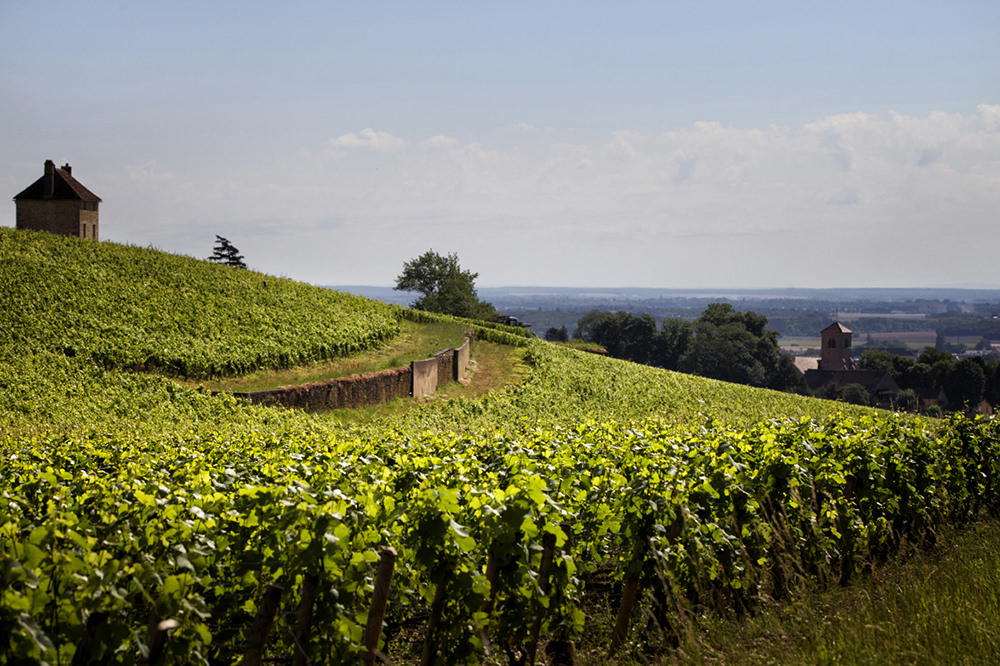
Domaine Denis Mortet is a winery on Rue de Lavaux in Gevrey-Chambertin.
Domaine Nicolas Rossignol
Beaune, France
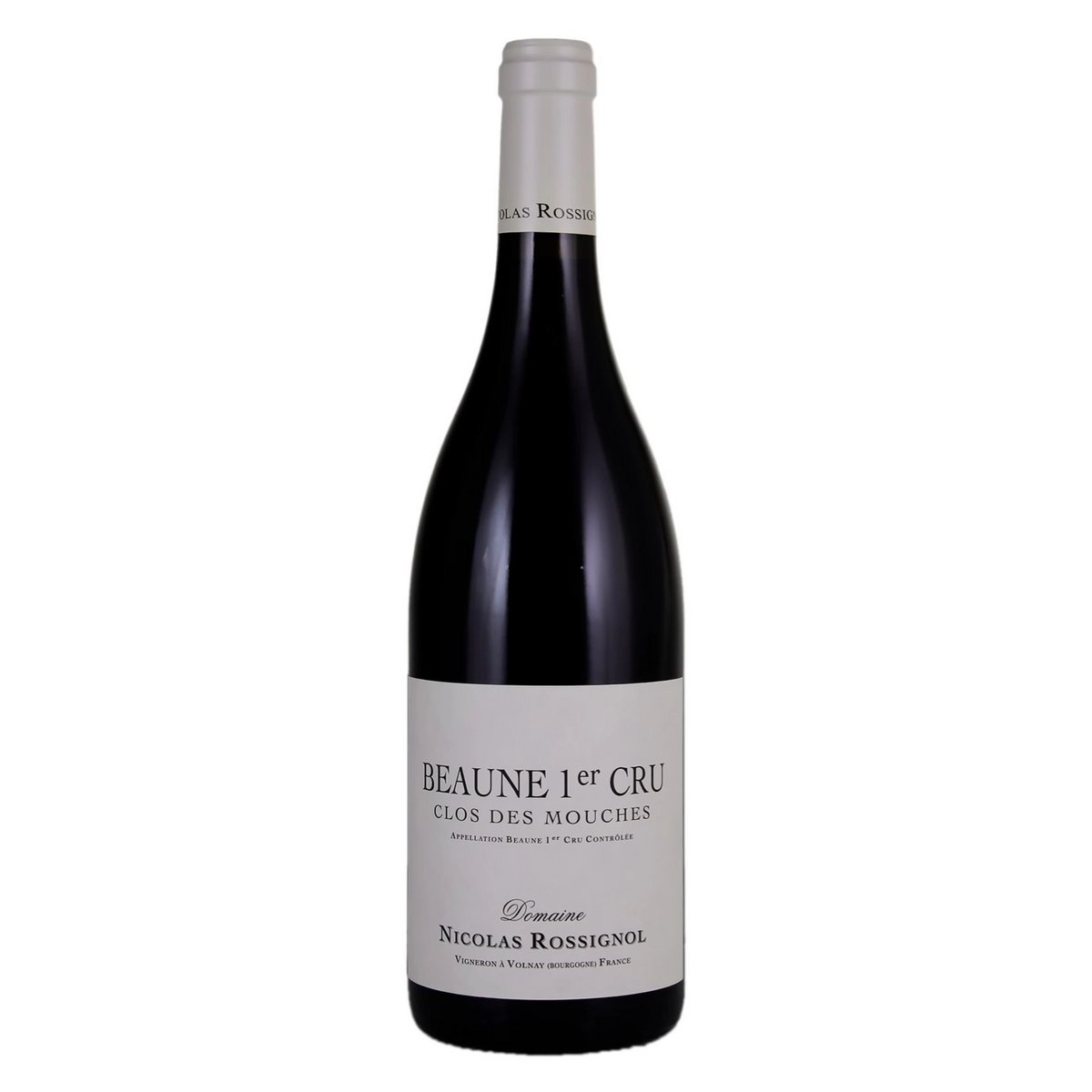
Choose Domaine Nicolas Rossignol if your Beaune plan is producer-led and wine-focused, not built around a broad tourist cellar circuit. It is a stronger fit for Burgundy enthusiasts comparing serious local options than for first-timers who want the easiest overview of the region in one stop.
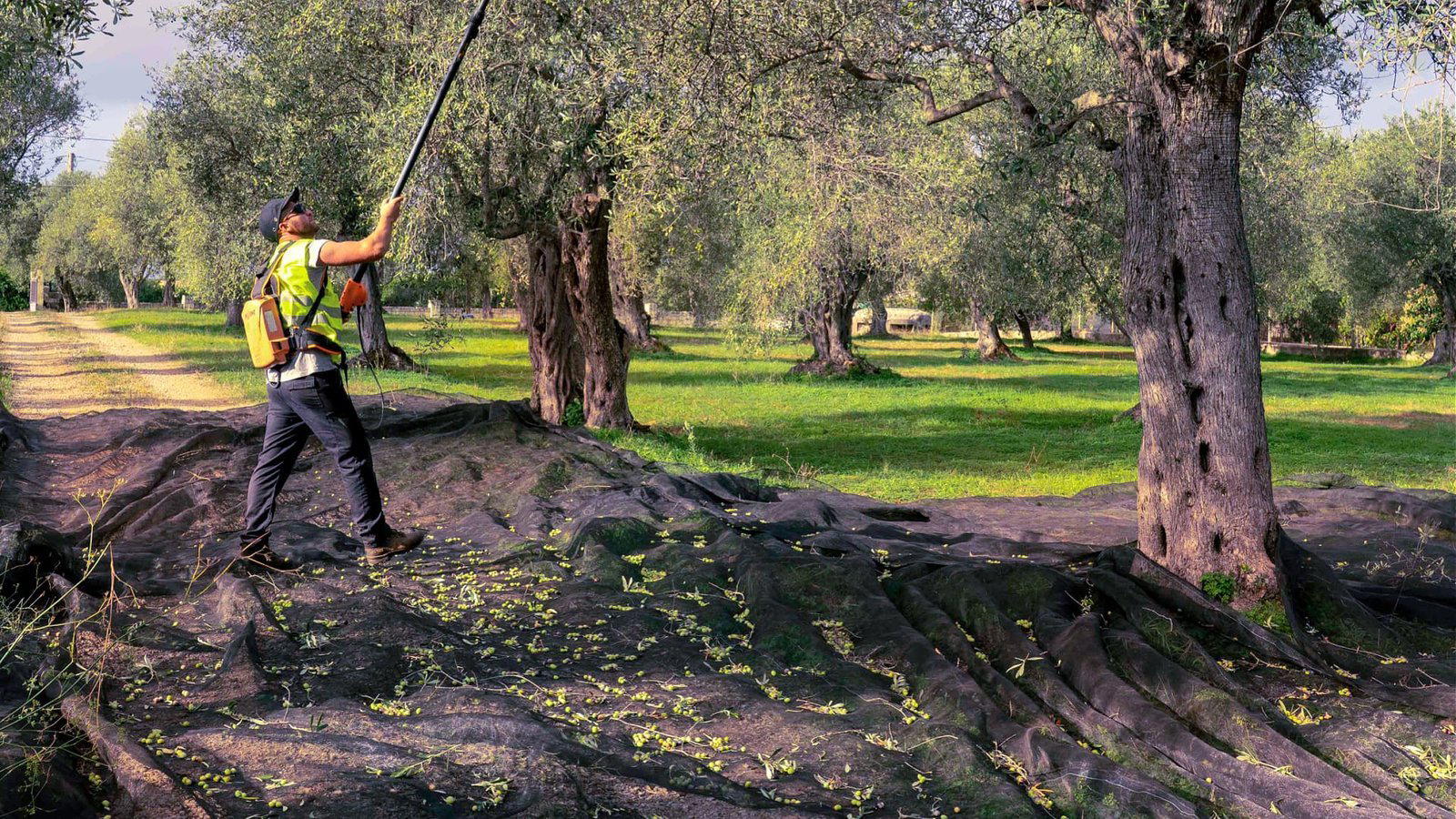
Accademia Olearia
Alghero, Italy
Worth booking if the Alghero trip has a serious food angle and olive oil matters as much as wine. Accademia Olearia offers rural Sardinian atmosphere, strong production credentials, and Falstaff Listed 2026 recognition at a $$ level, making it better for a thoughtful daytime stop than a formal special-occasion meal.
Francesco Cadinu
Mamoiada, Italy
Book Francesco Cadinu if the goal is a small, family-led Mamoiada tasting with real Cannonau context rather than a polished cellar-door setup. The appeal is old-vine, parcel-minded Sardinian wine, direct hospitality, and regional credibility from 2026 recognition; it is better for couples or small groups than for a large, casual tasting stop.
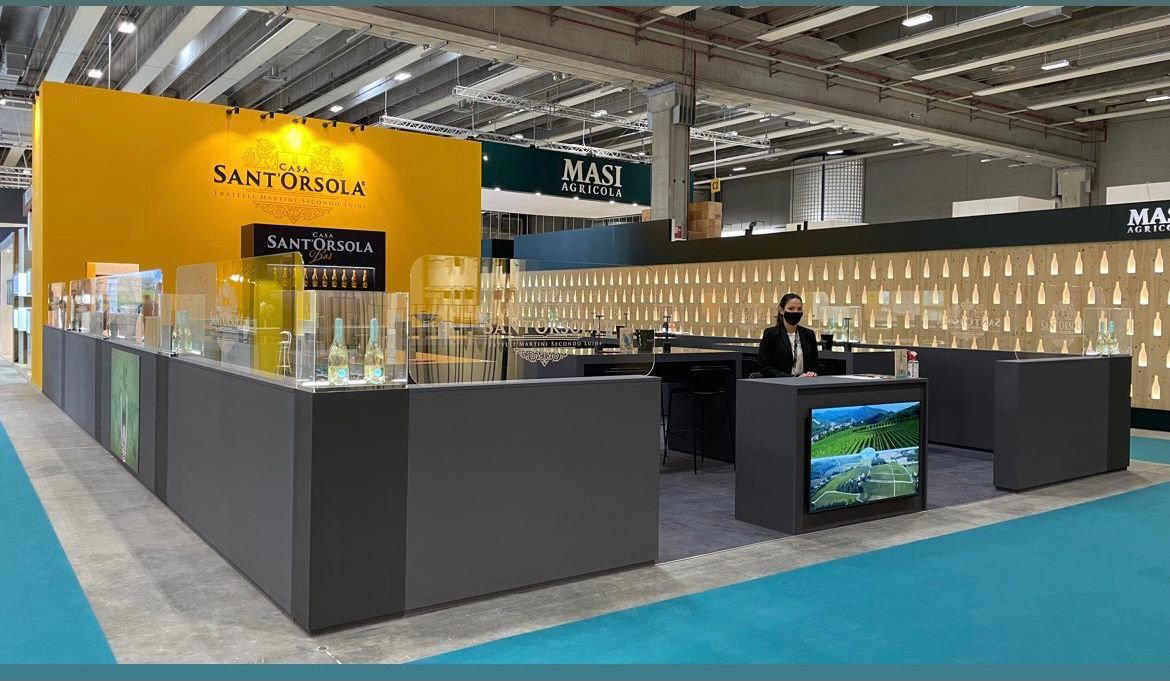
Canti Wine
Cossano Belbo, Italy
Canti Wine is worth booking if you want a modern, production-focused Langhe winery visit rather than a small ancestral cellar experience. The draw is its appointment-only access, $$ positioning, Falstaff Listed 2026 recognition, design-led setting, and focus on sparkling wines, rosé, and Gavi di Gavi.
Gsellmann Weine
Gols, Austria
Gsellmann Weine is worth booking if the goal is a relaxed Burgenland winery visit with a red-leaning portfolio, site-specific logic and hospitality that can stretch beyond a quick tasting. Prioritize the Blaufränkisch, Zweigelt, St. Laurent and Pinot Noir side, then check whether any sweet Prädikat wine is available.
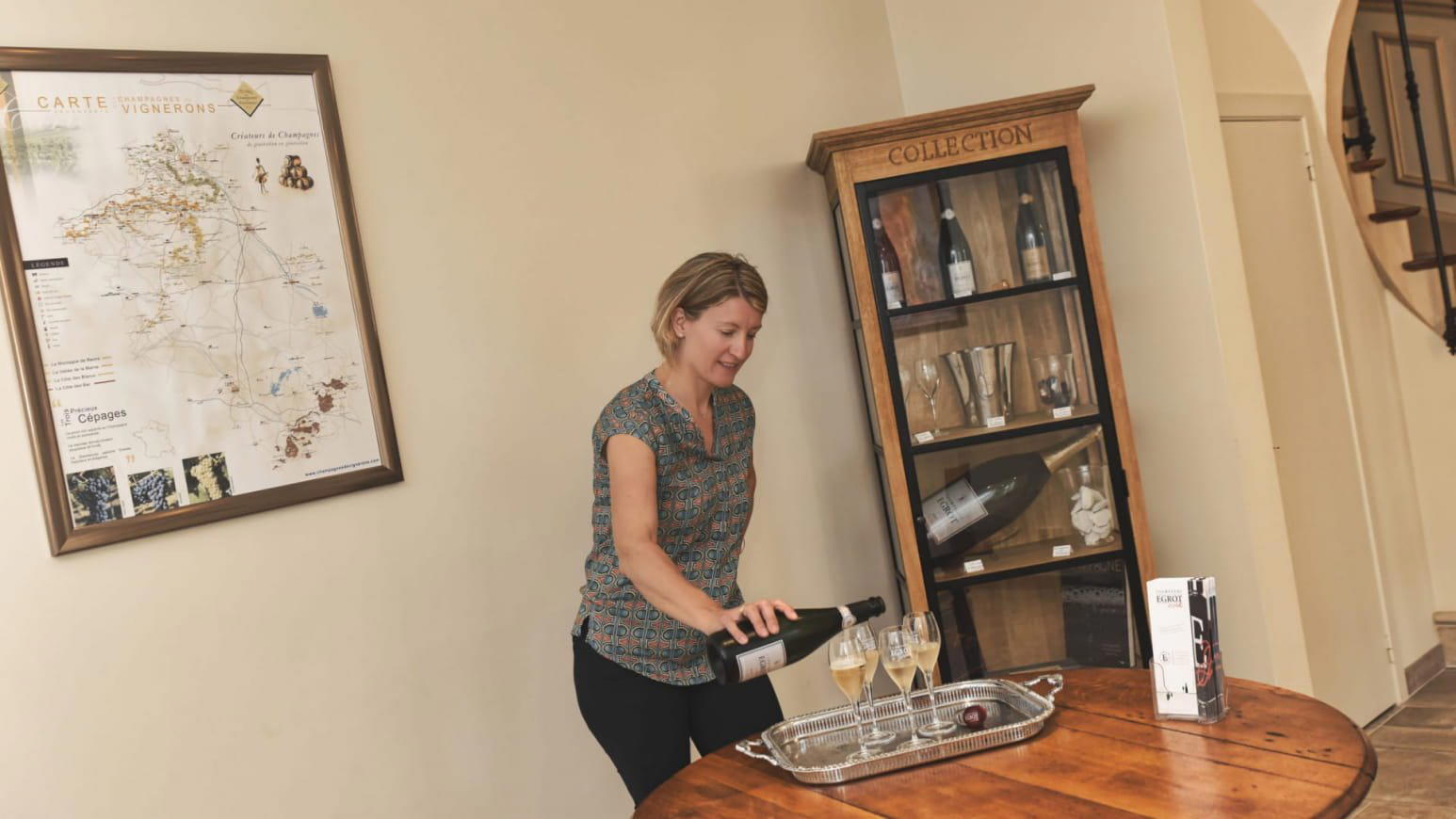
Champagne Egrot et Filles
Aÿ, France
A focused Aÿ Champagne stop for visitors who care more about producer discovery than grand-house theatre. Champagne Egrot et Filles works for a celebration tasting when value, range, and a quieter format matter more than chasing a famous label; confirm timing and group needs before building the day around it.
Hafner Family Estate – Mag. Julius Hafner
Mönchhof, Austria
Best for first-time visitors who want a modest-price, rural Burgenland winery stop with a family-estate feel and specialty focus on kosher, organic and sweet wines. Falstaff Listed for 2026, it makes sense as part of a Mönchhof wine day rather than as a heavily structured destination tasting.
Iten Weinbau
Birr Lupfig, Switzerland
Iten Weinbau works if the plan is a quiet Aargau wine stop rather than a high-production tasting-room visit. The appeal is its Birr-Lupfig base, Geissberg/Mönthal connection, still wines and sparkling wines, and Falstaff Listed 2026 signal; plan ahead and keep expectations focused on a compact producer visit.
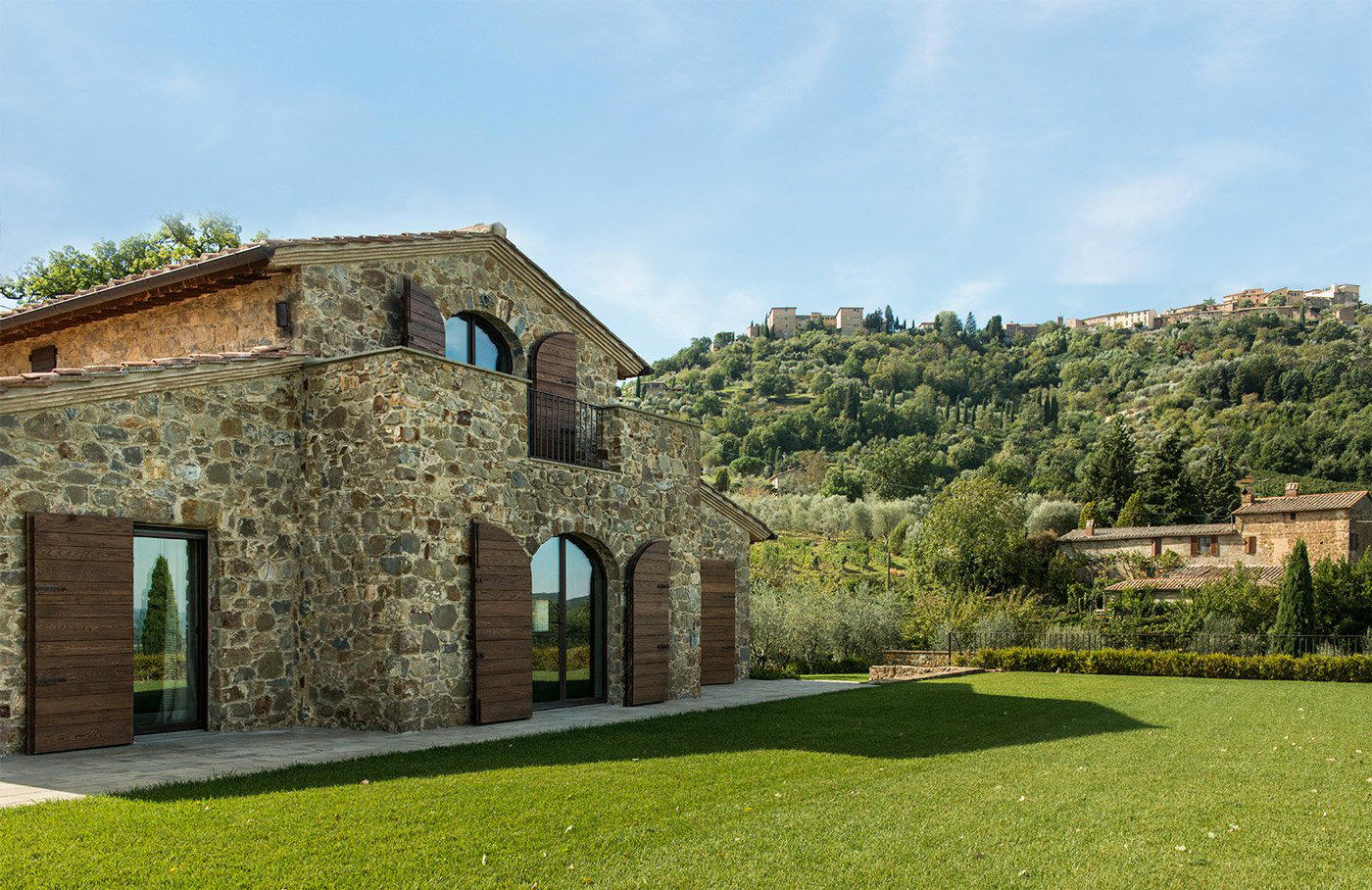
La Gerla
Montalcino, Italy
Prioritise La Gerla if the Montalcino trip is about Brunello rather than a restaurant-style winery day. The key trust signal is Falstaff 4 Stars in 2026; plan logistics ahead and pair the visit with separate dining arrangements in town.
Domaine Egloff
Niederneunforn, Switzerland
Book Domaine Egloff if the goal is a small Thurgau winery visit with estate context, Pinot Noir focus, and a flexible VINUM event-space angle. It is better for planned tastings or group use than casual walk-ins, with a $$ price signal and Falstaff Listed recognition in 2026 supporting the value case.
Bodega Estancia Piedra S.L.
Toro, Spain
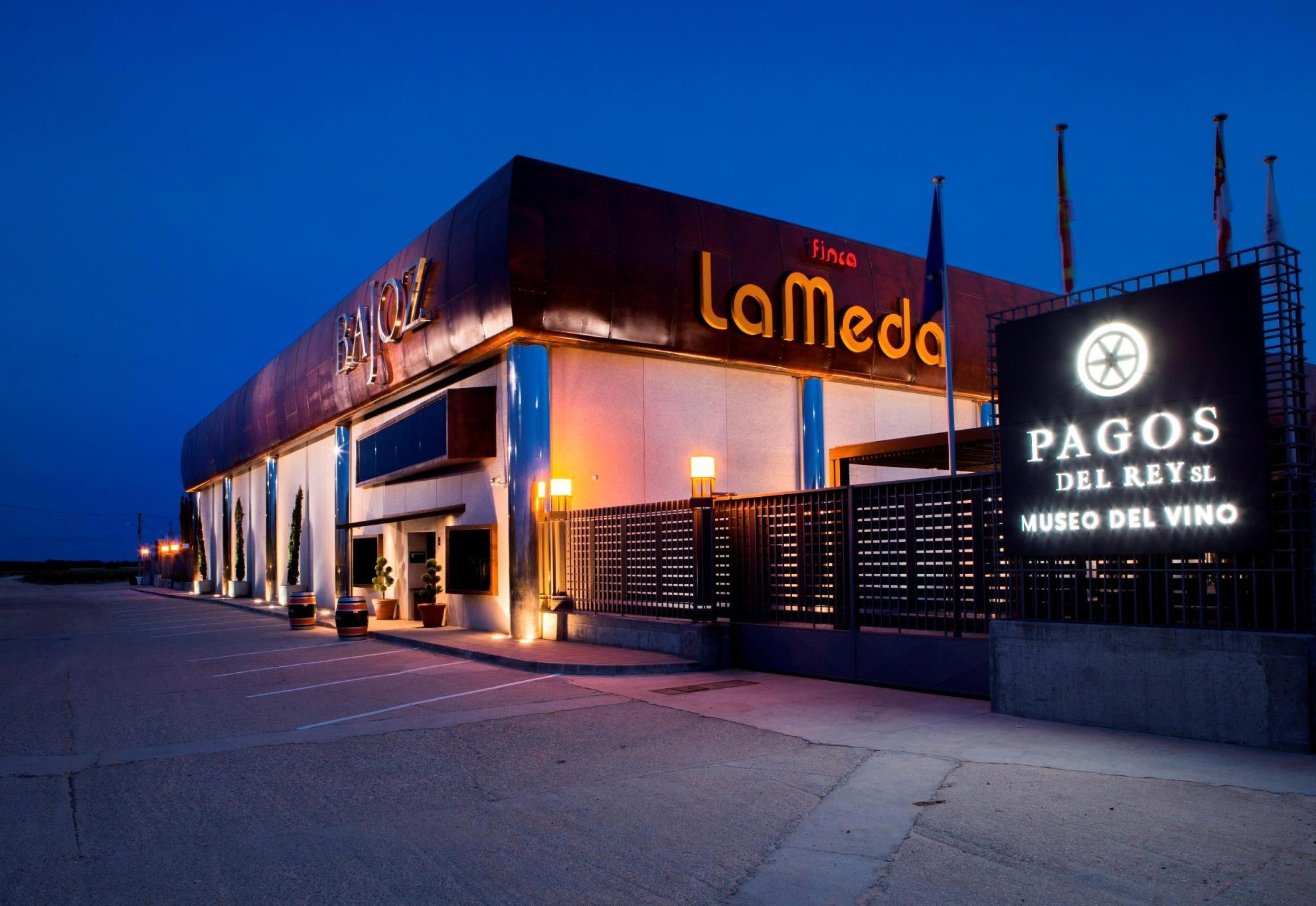
A strong pick in Toro for visitors who want a working-winery tasting built around old vines, production areas, and a relaxed vinoteca rather than a quick pour. The private or upgraded format is the smarter choice for a date, celebration, or business outing, especially if the group wants context on Tinta de Toro and the estate’s 1967 vineyard.
Family of Wine
Ronca, Italy
Family of Wine is a sensible Roncà pick if you want a calm producer stop and can confirm the visit details before committing. It is better for small, conversation-led occasions than for travelers who need published pricing, flagship-wine detail, or a formal tour structure upfront.
Wolf Blass
Barossa Valley, Australia
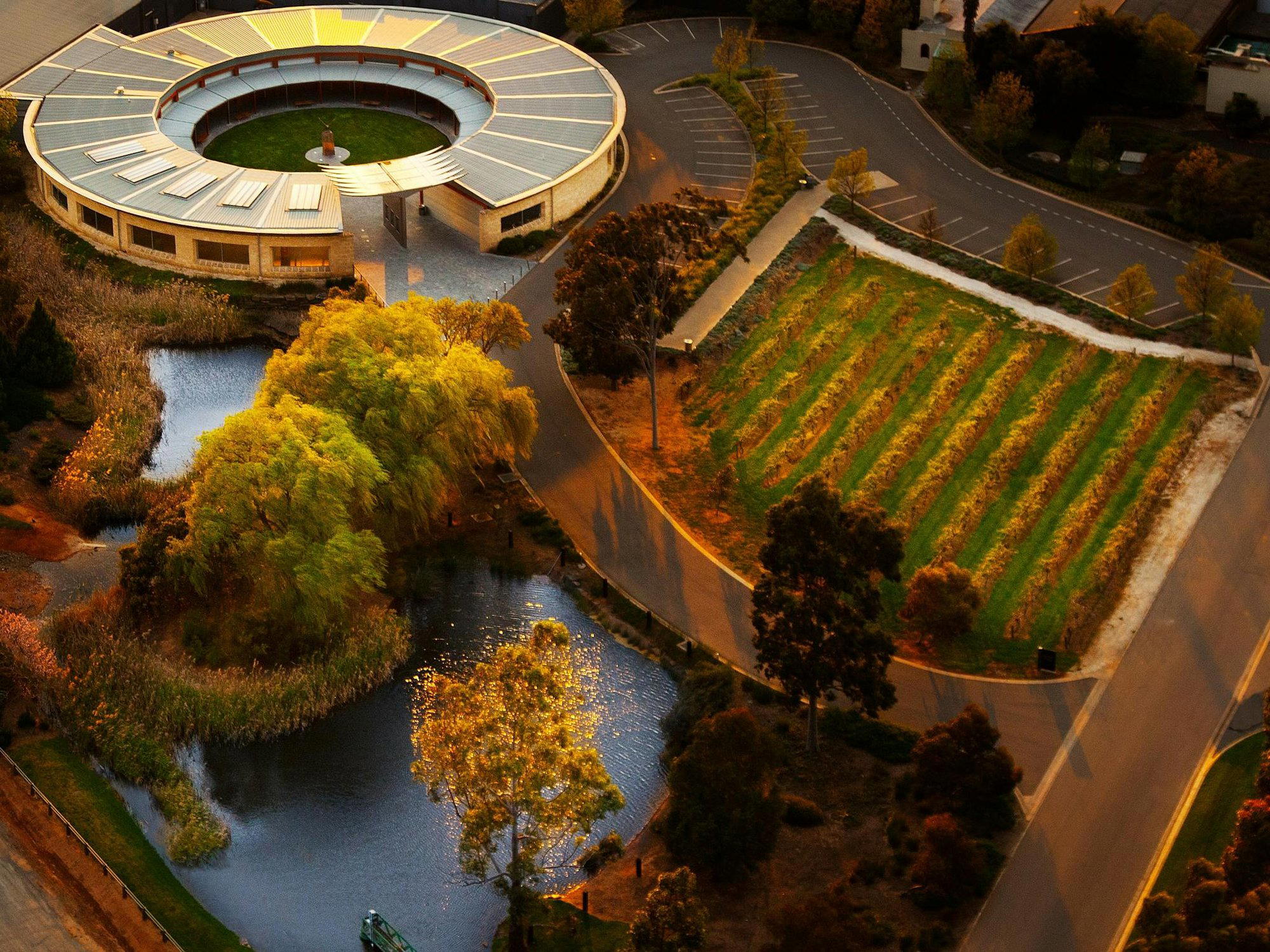
A strong pick for a wine-led Barossa Valley celebration when brand recognition, cellar-door polish, and gifting potential matter more than a food-first itinerary. Treat Wolf Blass as a planned winery stop, not a meal anchor, and compare it with smaller Barossa producers if a more personal tasting experience is the priority.
Conde de los Andes
Ollauri, Spain
Conde de los Andes is the Ollauri winery to prioritise if the trip is about serious Rioja context rather than a food-led tasting. Its Falstaff 3 Stars rating for 2026 gives it a clear quality signal, but access should be treated as difficult, so plan ahead and build meals separately.
Colle al Vento
Manduria, Italy
Colle al Vento works for bottle-focused Primitivo di Manduria, especially if you want a polished, full-bodied Puglia red for richer food. It is less convincing as a travel anchor because confirmed tasting-room details are thin; treat it as a wine to seek out, not the main stop of a Manduria winery day.
Bodega Ca' di Mat
Pelayos De La Presa, Spain
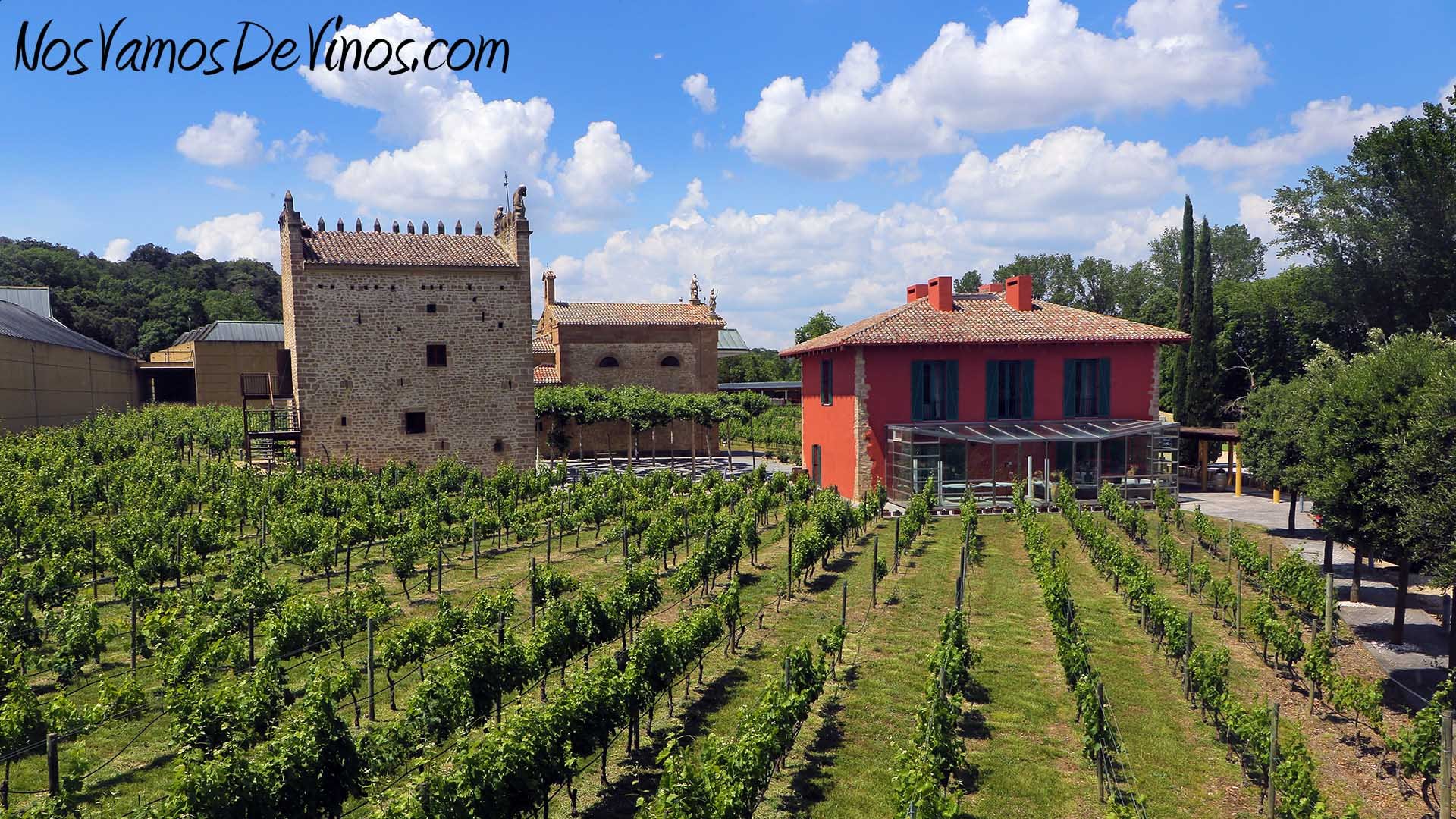
Book Bodega Ca' di Mat if you want a quiet, appointment-only Madrid-region winery visit focused on old-vine Garnacha and organically farmed vineyards. It is better for couples and small wine-minded groups than for visitors looking for a restaurant, event space, or polished cellar-door production. The value case is strong if the tasting fee remains around the published €15 level.
Bortolin Angelo
Valdobbiadene, Italy
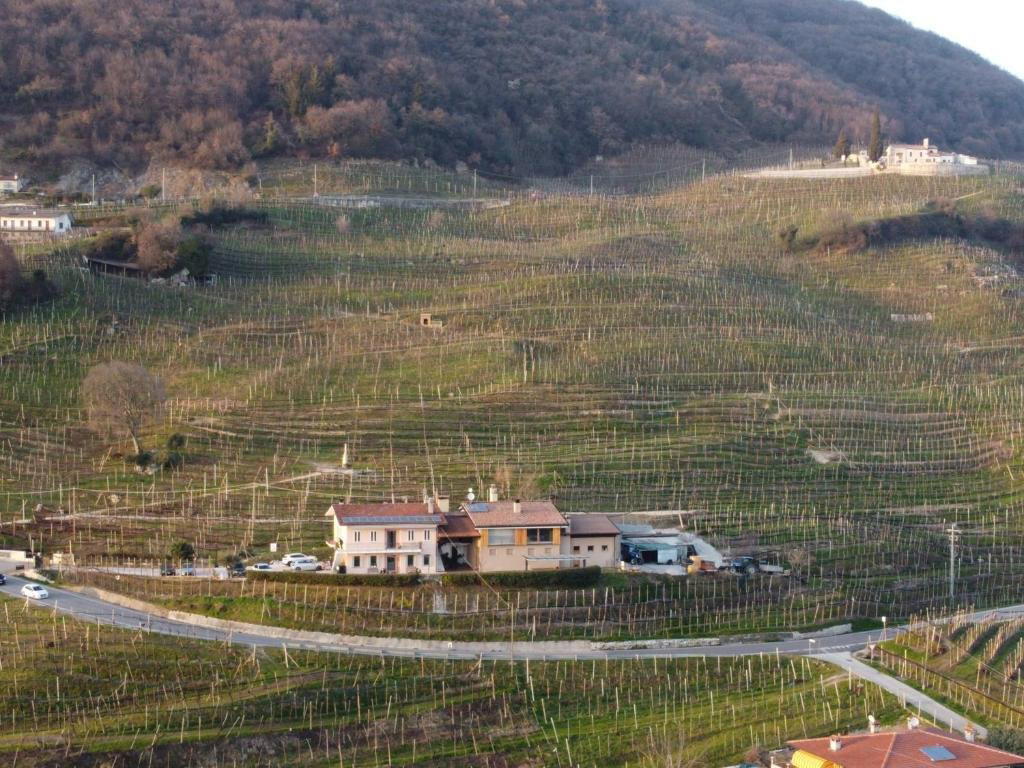
Bortolin Angelo is worth planning for if you want a focused Valdobbiadene DOCG tasting with a rural Guia hillside feel. The draw is freshness, fine bubbles, and food-friendly Prosecco Superiore rather than a broad portfolio or high-design hospitality room.
Colle Acacia
Arezzo, Italy
Colle Acacia is worth booking if you want a quiet, appointment-only Tuscan winery visit built around vineyard context rather than a busy tasting room. The strongest pull is its compact Cortona DOC estate, small annual production, and focused lineup spanning Sangiovese, Syrah, rosé, and a Supertuscan-style blend. Best for couples or small private groups planning a relaxed Arezzo-area wine afternoon.
Domaine Jean-Baptiste Boudier
Pernand-Vergelesses, France
A sensible Pernand-Vergelesses winery stop for Burgundy-focused travelers who value external recognition and a quiet village setting. Book it into a wider Côte de Beaune day rather than treating it as a guaranteed full tasting experience, and confirm arrangements before going.
Domaine de Beauvent
Bernex, Switzerland
Go for a relaxed Geneva winery visit with real regional context, not luxury staging. Domaine de Beauvent is strongest for drinkers who want to understand Bernex through a family-run estate, hillside vineyards, GRTA-certified farming, and a broad range of local varieties. It is a better fit for curious wine explorers than for travellers chasing a high-production tasting room.
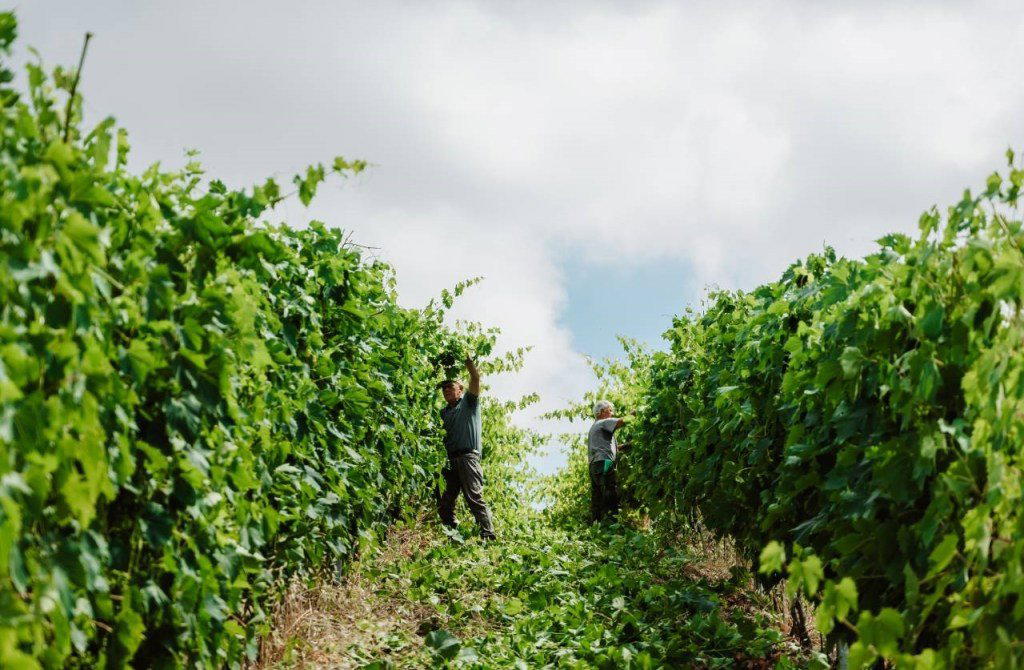
Azienda Agricola Podere Il Sassolo
Carmignano, Italy
Azienda Agricola Podere Il Sassolo is a strong Carmignano pick for travelers who care more about DOCG context than polished hospitality. Go for the estate’s Carmignano DOCG, traditional Tuscan grapes, rural cellar feel, and Falstaff-recognized credibility; skip it if you need a restaurant-style winery visit or a highly structured tasting program.
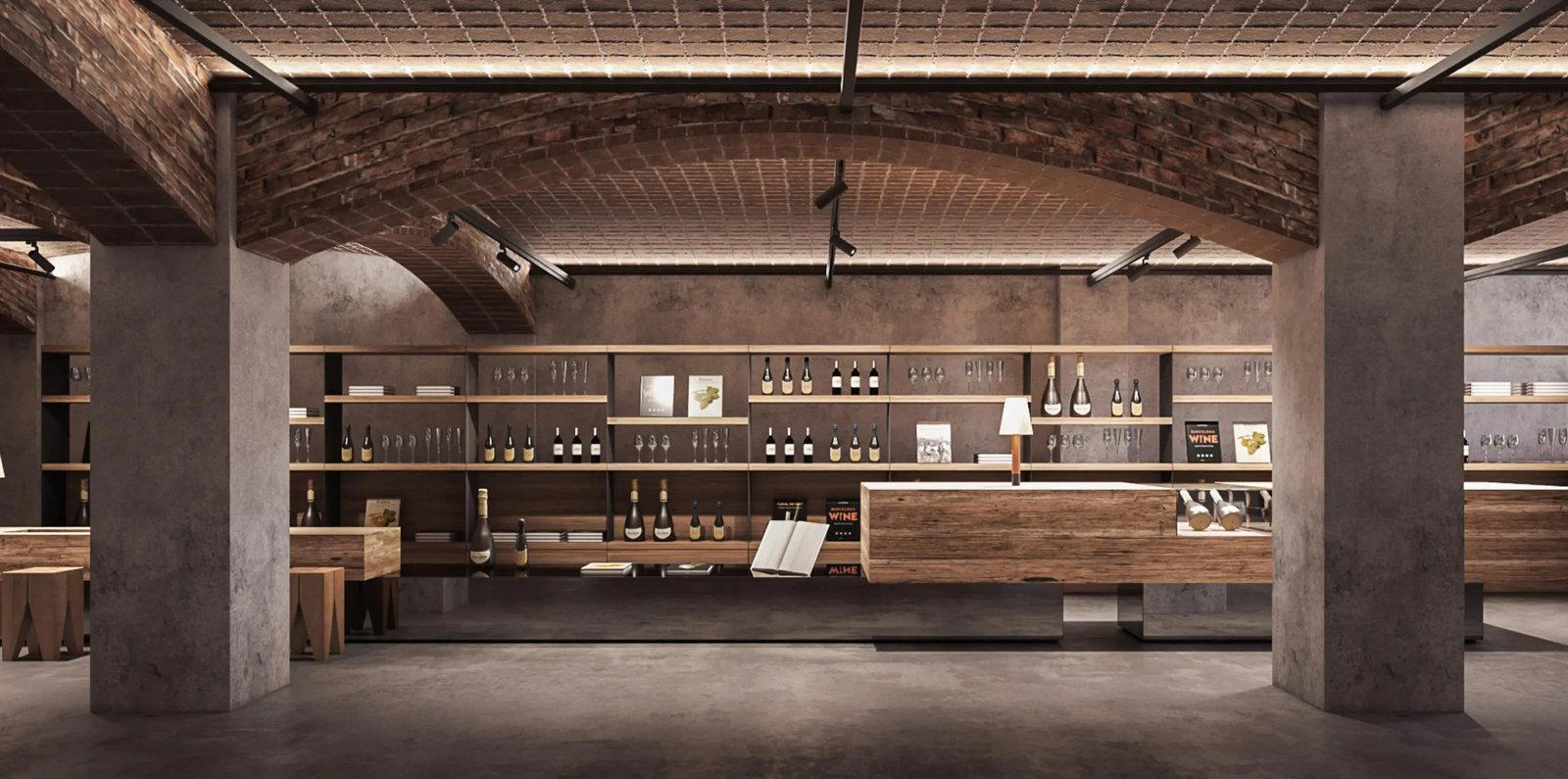
Juvé & Camps
Sant Sadurní d'Anoia, Spain
Juvé & Camps is worth prioritising if the plan is a polished cava-focused visit in Sant Sadurní d'Anoia, especially for a date, anniversary, or client outing. Treat food as something to confirm rather than assume; if dining is central, plan the meal separately and use the winery as the celebratory anchor.
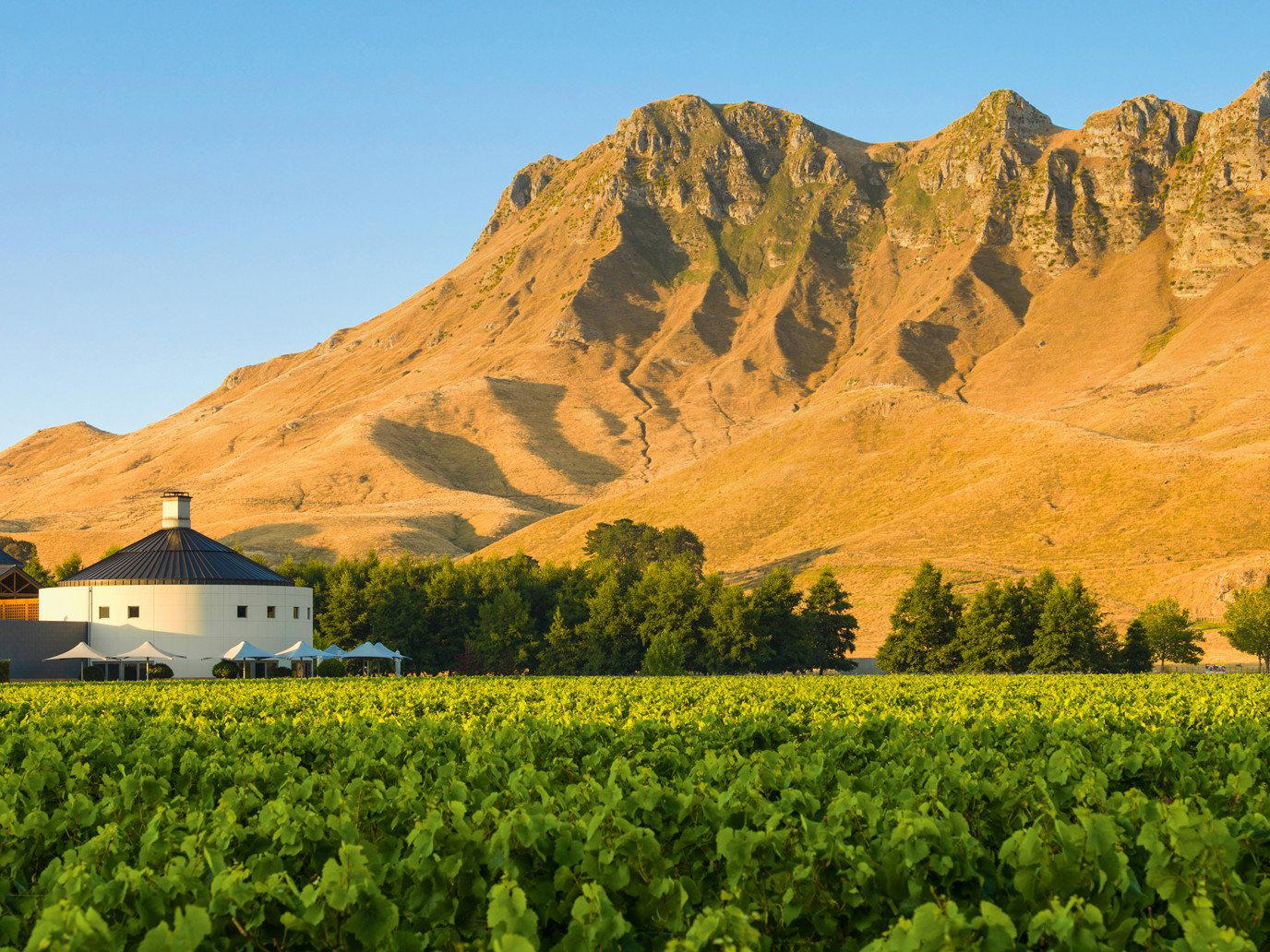
Weingut Gerhard Markowitsch
Göttlesbrunn, Austria
A strong choice for wine travellers using Göttlesbrunn as a Carnuntum base, especially if the goal is producer comparison rather than a casual tasting stop. Plan well ahead, keep nearby wineries as backups, and make this the anchor of the day if regional depth matters more than convenience.
Château Fombrauge
Saint-Christophe-des-Bardes, France
Château Fombrauge is worth booking for a polished Saint-Émilion château visit built around Grand Cru Classé credibility, quiet vineyard atmosphere, and more structured hospitality than a basic tasting. It suits celebrations, business groups, and travelers who want a composed estate experience with tours, workshops, pairing formats, and group infrastructure.
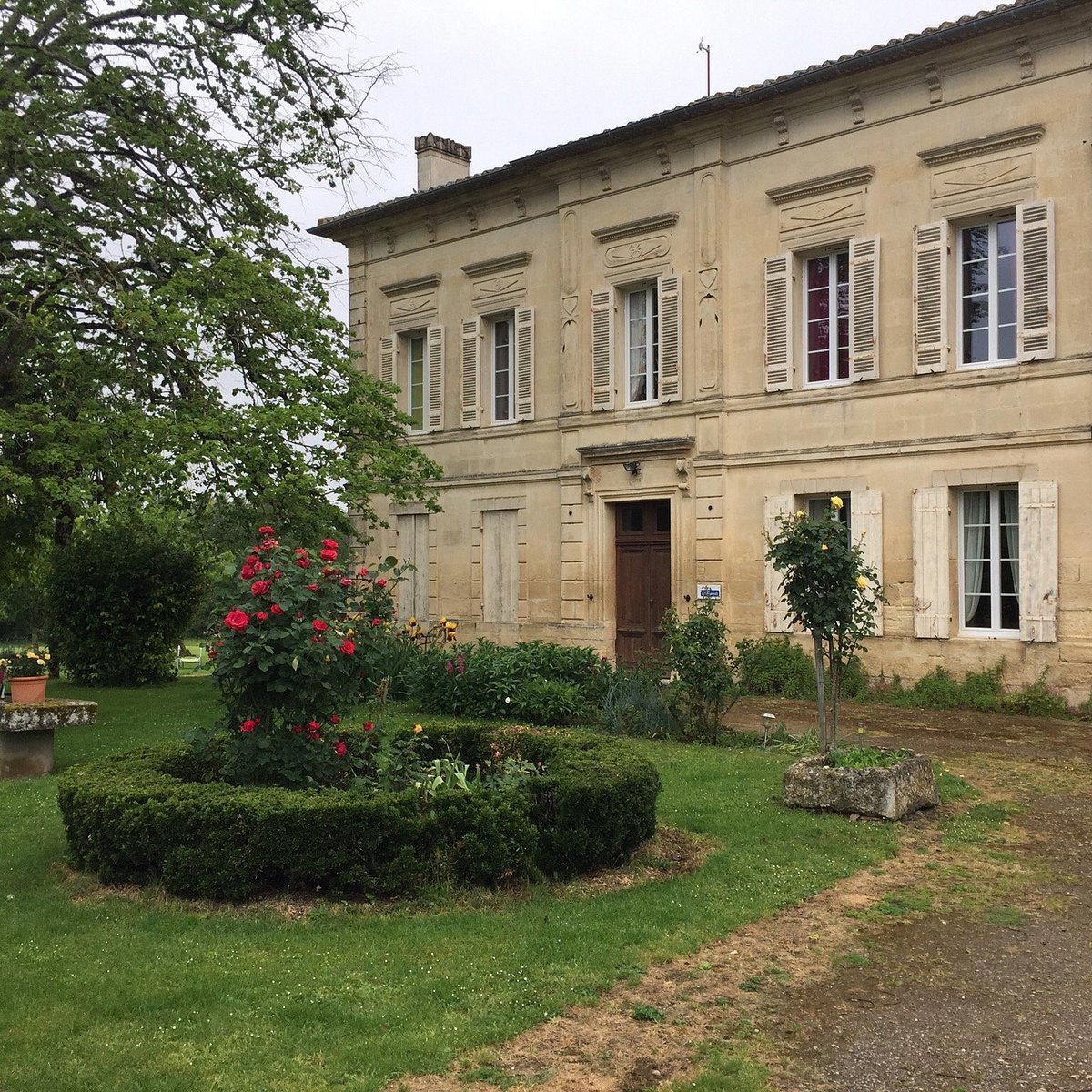
Château Branda
Puisseguin, France
A good fit for first-time visitors who want a calm, red-Bordeaux-focused stop in Puisseguin rather than a polished hospitality production. Château Branda offers credible terroir context, a Merlot-led Right Bank blend, mature vines, sustainability cues, and 2026 Falstaff listing recognition, making it worth a focused visit if structured reds are the point.
Colombo Antonio e Figli
Bubbio, Italy
Book Colombo Antonio e Figli if you want a quiet Alta Langa winery visit where the vineyard setting explains the wines. The draw is a focused look at Pinot Noir, Chardonnay, and Metodo Classico from a small Bubbio estate, with more depth than spectacle. It suits couples and wine-focused travelers better than groups chasing a food-heavy winery day.
Château Lynsolence
Saint-Sulpice-de-Faleyrens, France
Château Lynsolence is worth pursuing for a serious Saint-Sulpice-de-Faleyrens wine stop, especially if the visit is tied to collecting, gifting, or allocation interest. Falstaff 2 Stars in 2026 gives it a useful quality signal, but with no public pricing or club terms here, treat any membership decision as a post-tasting call rather than an automatic yes.
Croatto Piero
Buttrio, Italy
Croatto Piero works if you want a quiet, small-scale Colli Orientali winery stop rather than a polished visitor attraction. The fit is strongest for wine travelers seeking regional context in Buttrio; it is less suitable for large groups or anyone who needs published tasting formats, fixed hours, and visible hospitality infrastructure before planning.
Hacienda Monasterio
Pesquera de Duero, Spain
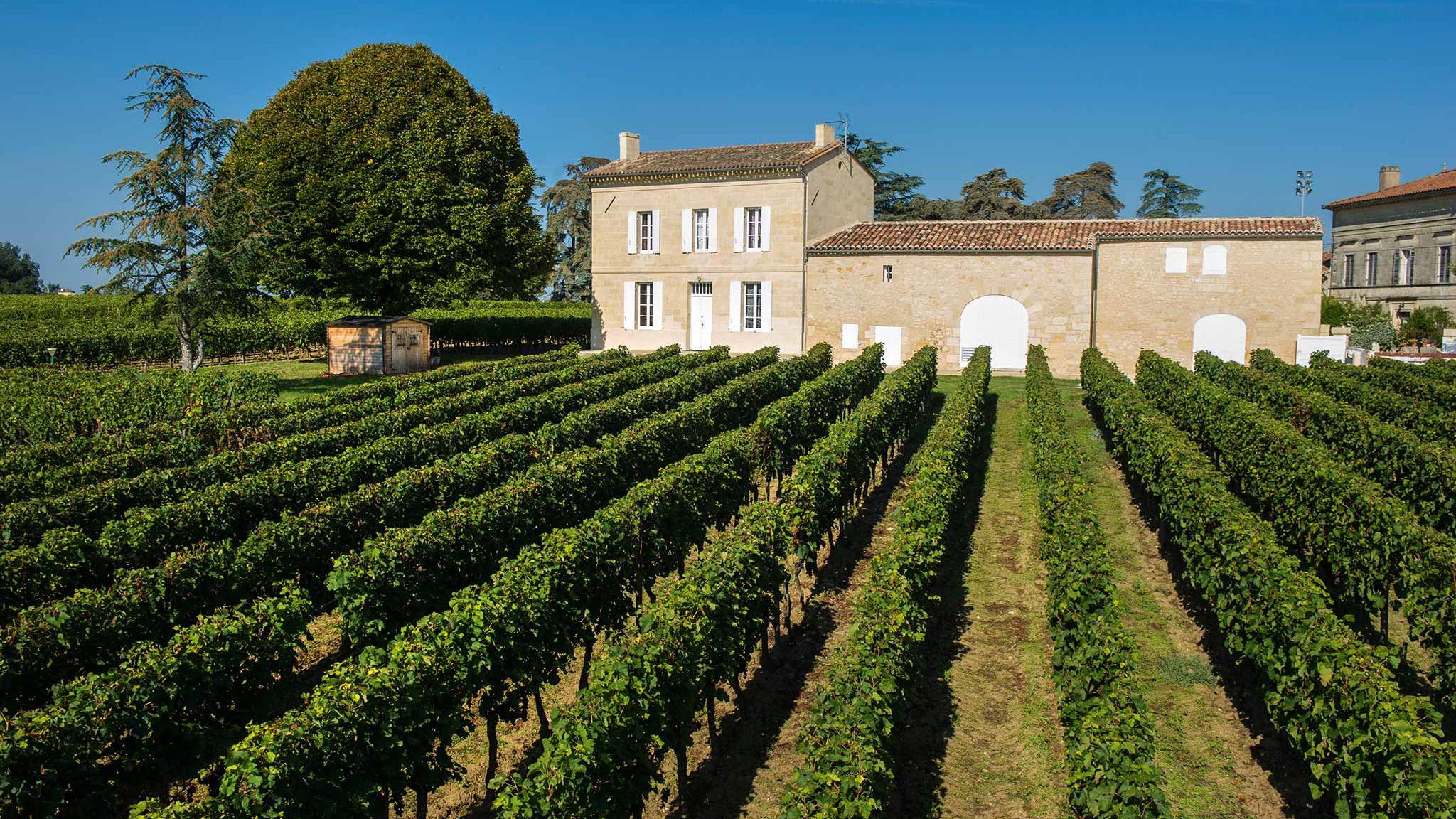
A strong choice for serious Ribera del Duero drinkers who want estate context, organic farming, and a focused red-wine portfolio rather than a casual tasting stop. The main draw is the reserve ladder, especially for buyers deciding whether to cellar beyond the flagship wine.
Pingus
Ribera del Duero, Spain
Pingus is for serious Ribera del Duero collectors, not casual winery browsing. Book the pursuit if Peter Sisseck's producer name is the point of the trip; otherwise, use Arzuaga Navarro, Abadía Retuerta, or Vega Sicilia for a more rounded wine-day experience.
Bodegas Faustino Rivera Ulecia
Arnedo, Spain
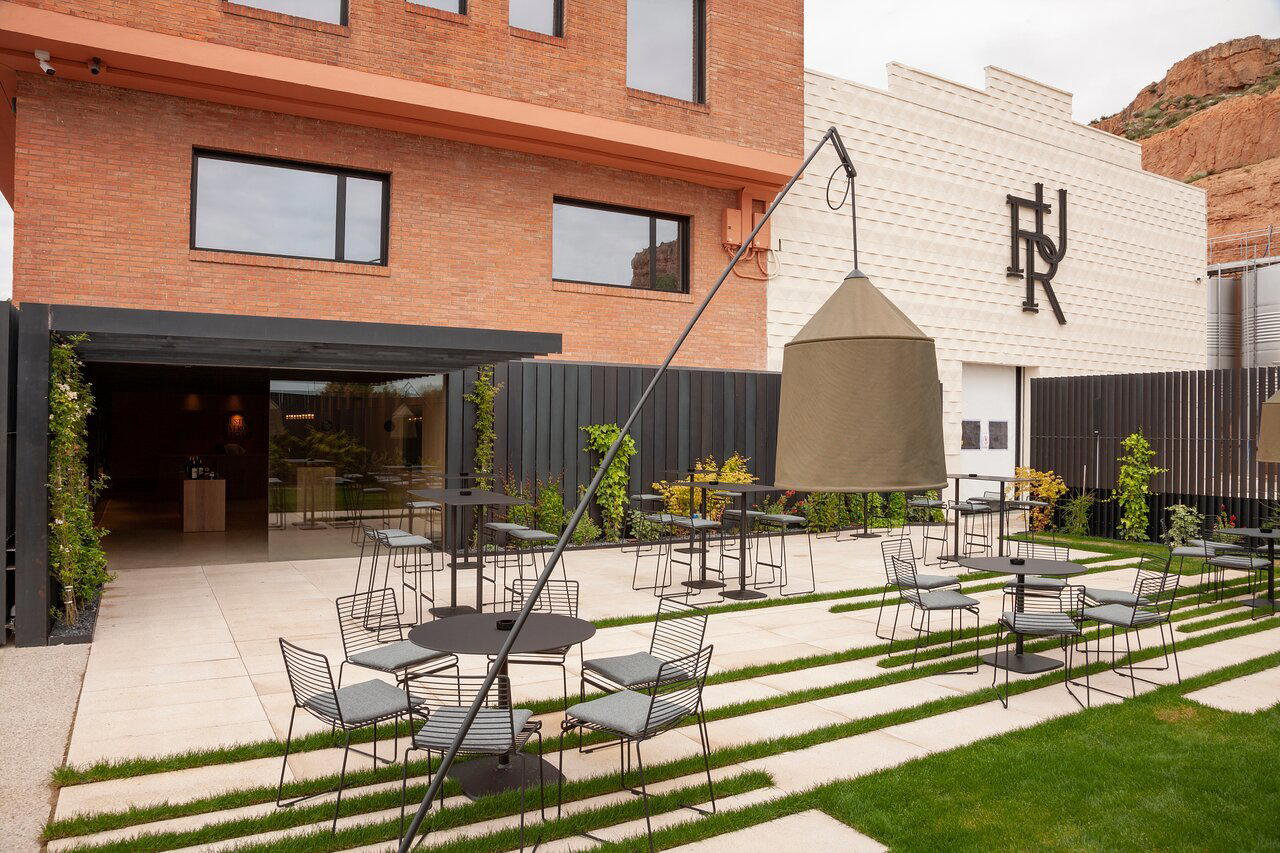
Book Bodegas Faustino Rivera Ulecia if you want an accessible, cellar-led Rioja tasting near Arnedo with real family heritage behind it. It is better for couples, small celebrations, and curious drinkers than for travelers chasing a formal luxury estate experience.
Clos Marguerite
Seddon, New Zealand
Clos Marguerite is worth seeking out if the goal is serious, small-production Marlborough wine rather than a casual cellar-door circuit. The strongest case is the estate-owned focus on Sauvignon Blanc and Pinot Noir, with Burgundian-influenced Pinot Noir production and credible critic recognition for the 2019 vintage.
Château Margaux
Margaux, France
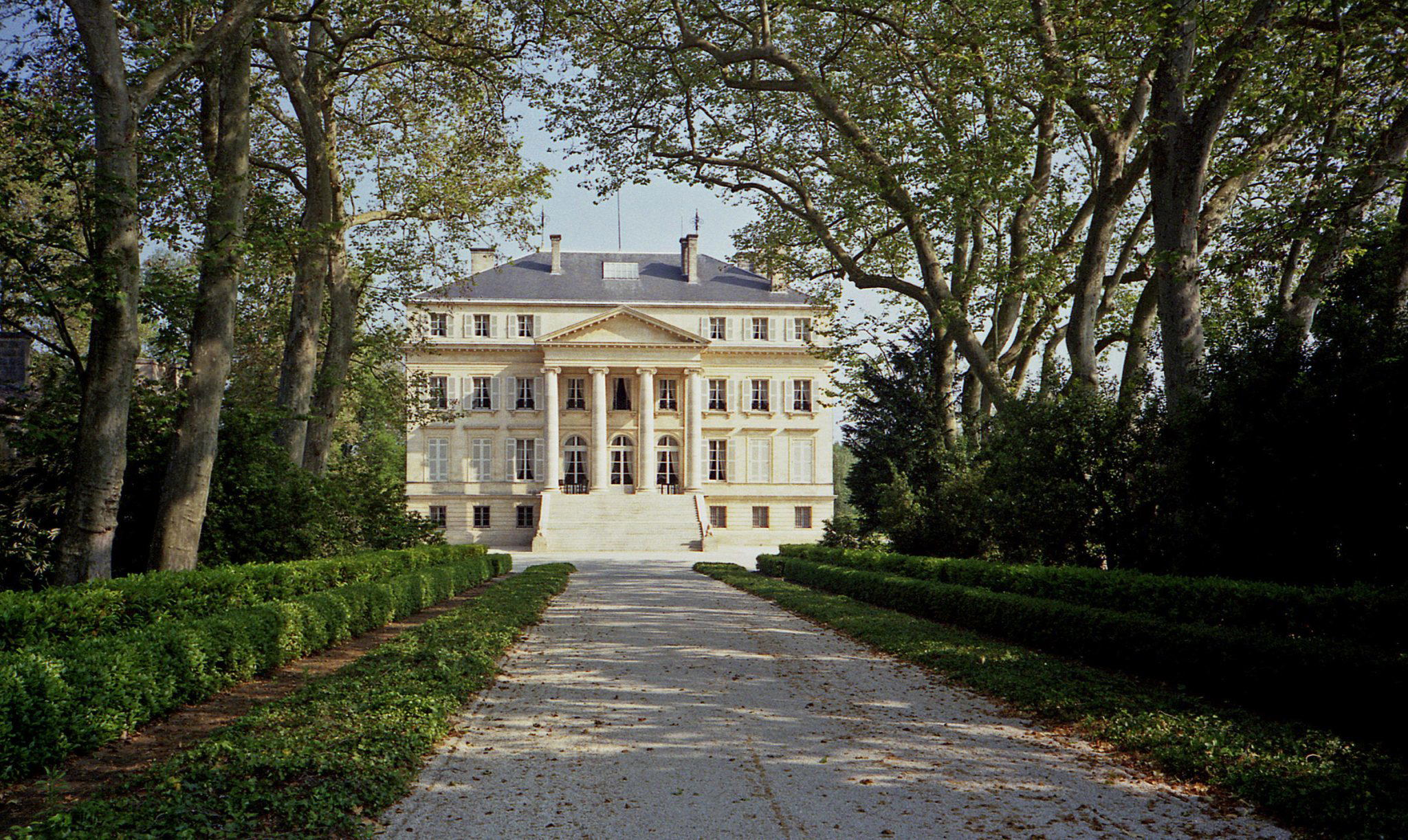
Château Margaux is a classified First Growth wine estate in Margaux-Cantenac, Bordeaux.
Weingut Pöckl
Mönchhof, Austria
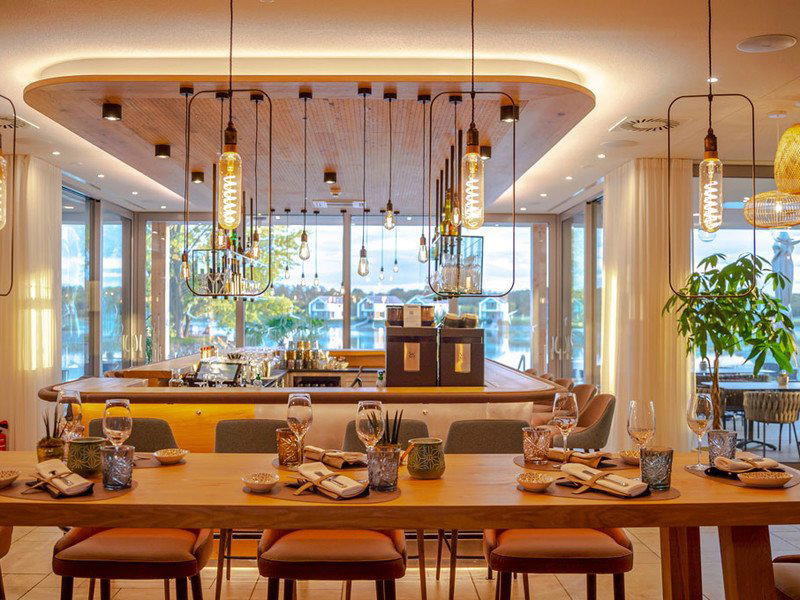
A serious Mönchhof winery choice for travelers building a planned Burgenland wine day, not a casual last-minute stop. Prioritize it if regional reputation matters and you can plan ahead; cross-shop Weingut Keringer if availability and a simpler visit matter more.
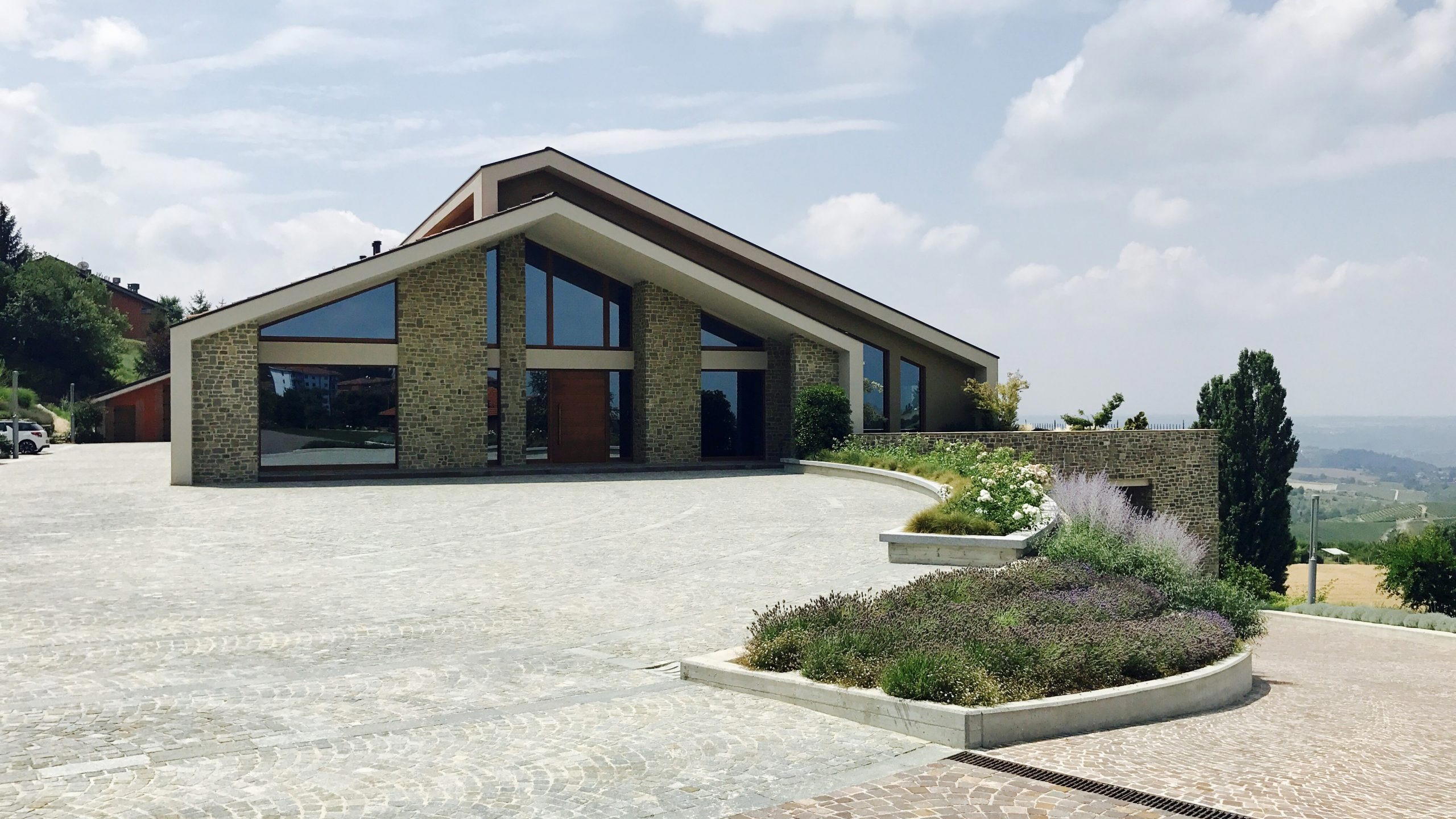
Giacomo Conterno
Monforte d'Alba, Italy
Giacomo Conterno is a wine estate in Monforte d'Alba, Piedmont.
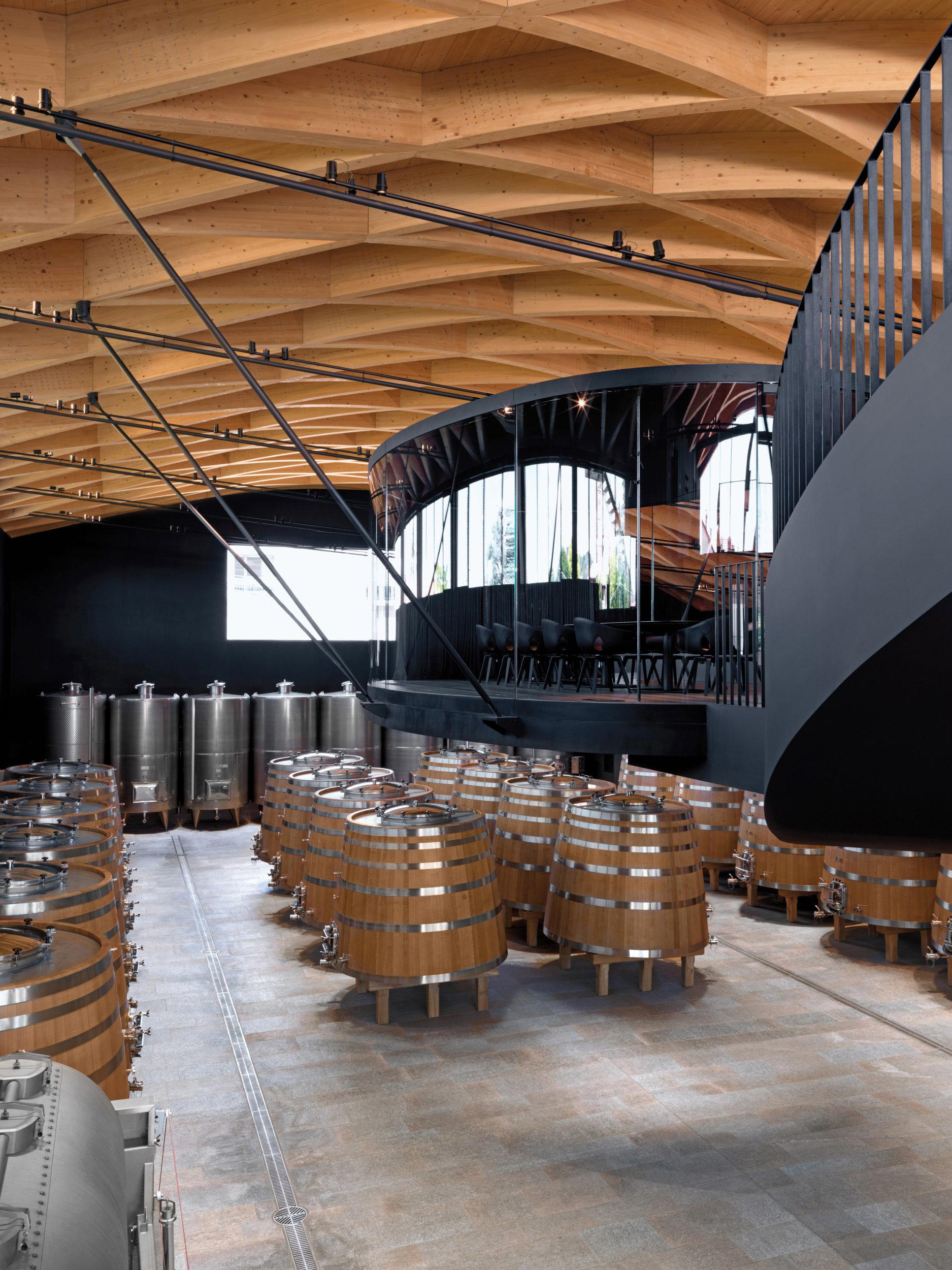
Azienda Vitivinicola Nervi
Gattinara, Italy
Azienda Vitivinicola Nervi is a strong first Gattinara pick for wine travelers who want a focused Alto Piemonte stop, backed by Falstaff 4 Stars in 2026. It is less suitable for casual groups or food-led itineraries because public visit details are sparse, so plan it as a serious wine appointment rather than a flexible day out.
Domaine de Bachellery
Béziers, France
Book Domaine de Bachellery if you want a working Languedoc estate with real production depth rather than a polished tasting-room set piece. The draw is its 70-hectare Mediterranean-facing site, around 20 planted grape varieties, Falstaff listing, and family-led winemaking continuity; it is a better fit for curious wine travellers than for visitors seeking a luxury food-pairing experience.
Caferro
Vo, Italy
Caferro is worth booking for a quieter Colli Euganei winery stop focused on volcanic soils, family farming, and Fior d’Arancio rather than polished wine-tourism theatre. It suits couples and small celebration groups planning a Vò tasting day, especially if they want a traditional cellar visit with organic farming credentials and a local Veneto point of view.
Franschoek Cellar
Franschhoek, South Africa
A good Franschhoek pick for groups that want wine tasting, lunch, garden time and an easygoing Winelands atmosphere in one stop. Choose it for pairing-led tastings, family-friendly pacing and occasion-ready hospitality; skip it if the priority is highly technical vineyard or cellar detail.

Begali Lorenzo
San Pietro In Cariano, Italy
A focused Valpolicella Classica estate for travelers who want Amarone, Ripasso and Valpolicella Classico in a rural, family-run setting. Begali Lorenzo is worth planning around if the goal is a deeper read on Cengia terroir and estate-grown wines, especially for buyers deciding whether to follow the producer beyond a single tasting.
Feist
Vila Nova de Gaia, Portugal
Feist is a better choice for Port drinkers who want heritage, category depth, and aged styles than for visitors seeking a broad winery-day experience. The draw is its Douro-rooted production model, 1836 history, and focus on Tawny, Ruby, Vintage, and Colheita Port.
How many of these have you visited?
Find out on Pearl and keep score across every place in 2026 Falstaff Winery Guide.