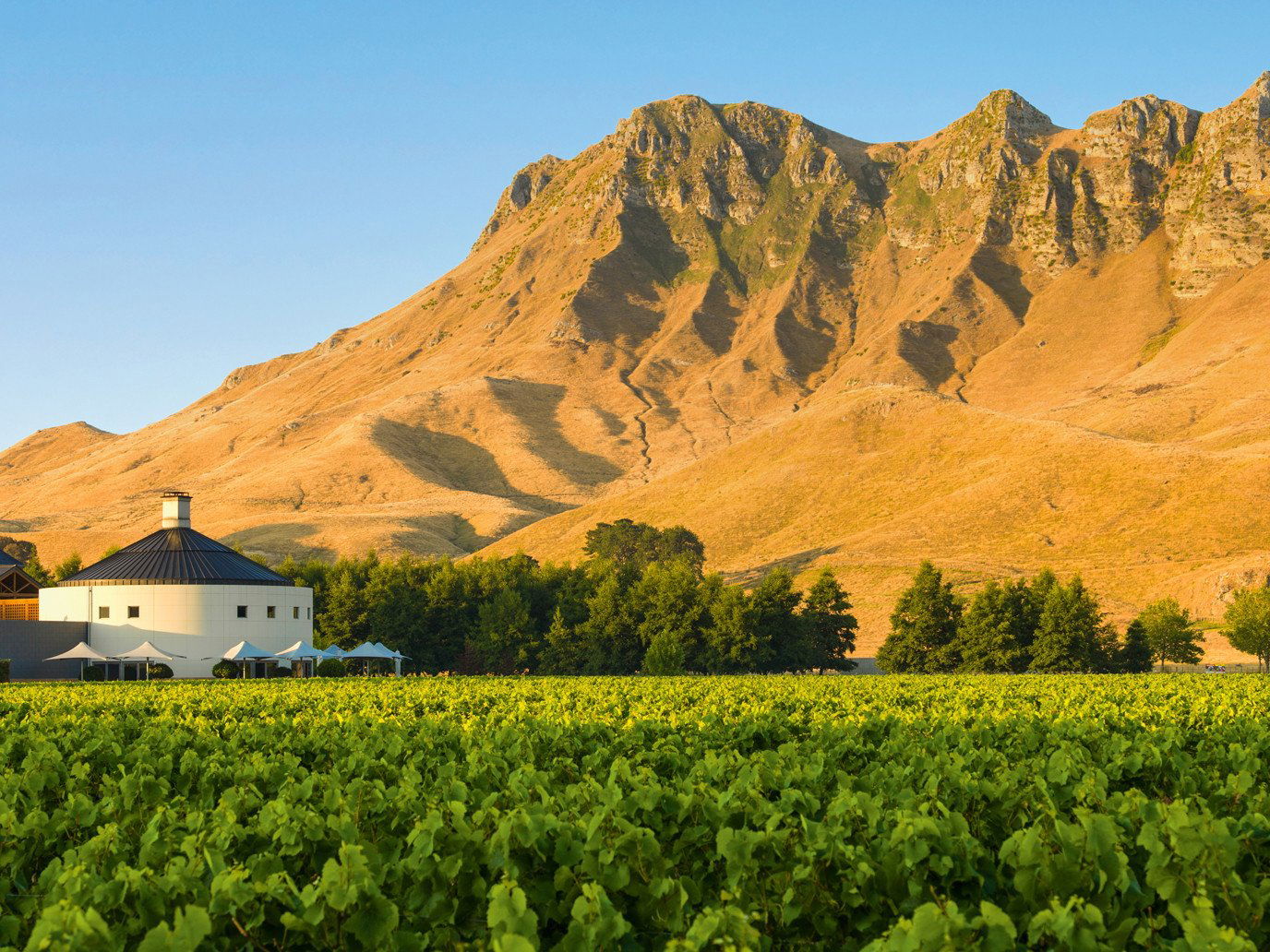

Weingut Gerhard Markowitsch
Göttlesbrunn
Winery in Göttlesbrunn, Austria
 Book with Pearl
The Read
Carnuntum Red Wine Precision
Why go
A strong choice for wine travellers using Göttlesbrunn as a Carnuntum base, especially if the goal is producer comparison rather than a casual tasting stop. Plan well ahead, keep nearby wineries as backups, and make this the anchor of the day if regional depth matters more than convenience.
About Weingut Gerhard Markowitsch
Weingut Gerhard Markowitsch is a venue in Göttlesbrunn with Pearl 2 Star Prestige recognition for 2025. Given the limited public details, plan around the essentials rather than assuming a specific format, schedule, menu, price, or service offering.
The dress code is smart casual. For any visit-specific details, such as availability, timing, group arrangements, or on-site services, check directly with the venue before making plans.
Book this as the anchor stop, not the casual add-on
If Weingut Gerhard Markowitsch is the reason for the trip to Göttlesbrunn, treat it as the main stop and confirm practical details in advance. Do not assume walk-in access, appointment rules, visit structure, prices, opening hours, or group capacity.
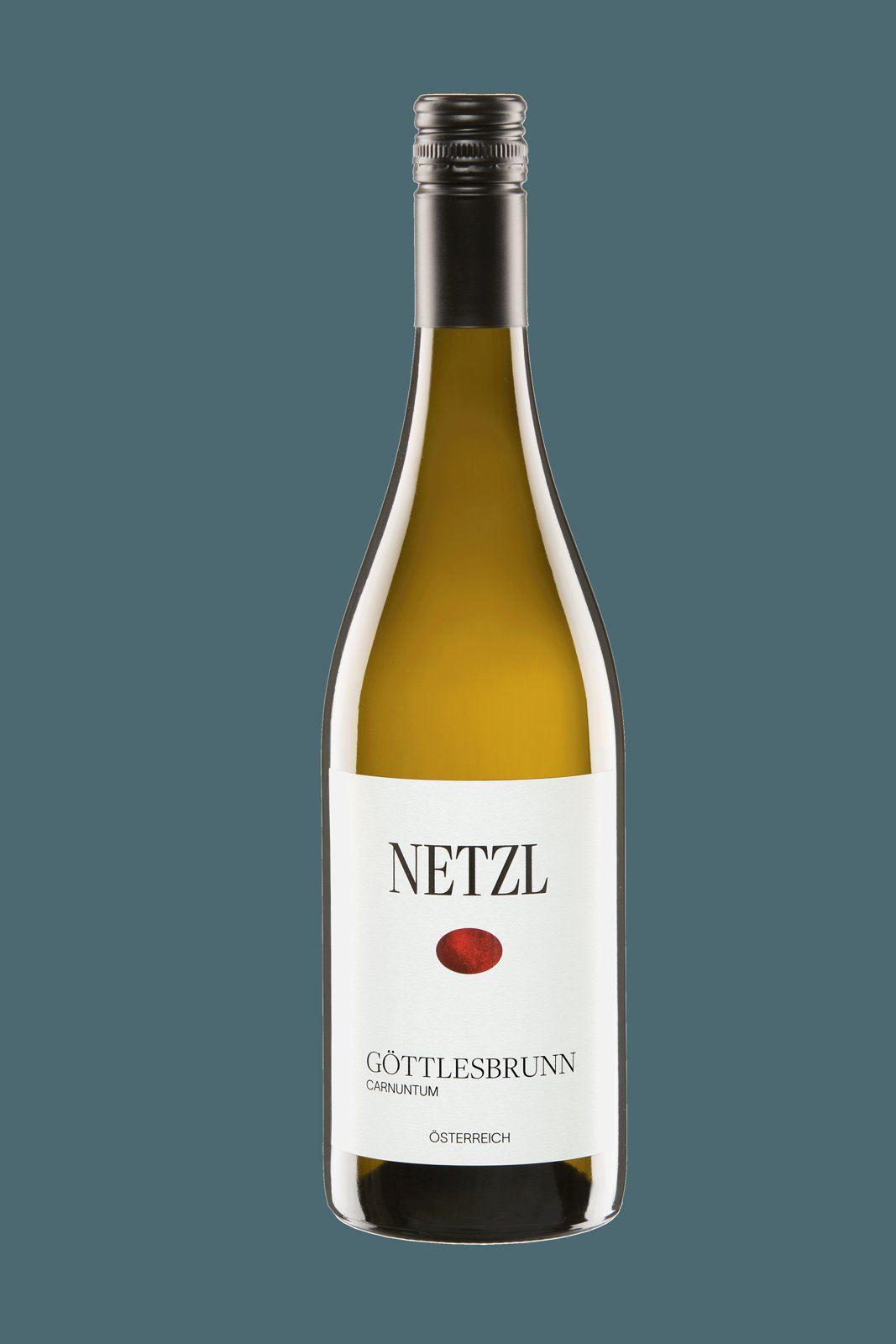
Travellers comparing venues can also consider Weingut Philipp Grassl, Weingut Franz Glatzer, and Weingut Netzl. Keep comparisons focused on fit and location rather than claims about service style, range, or visitor experience.
Where it fits in a Göttlesbrunn-focused itinerary
Choose Weingut Gerhard Markowitsch when the priority is a Göttlesbrunn venue with Pearl 2 Star Prestige recognition in 2025. If you are comparing other venues, Weingut Leo Hillinger and Weingut Markus Altenburger may also be relevant options, but details for each should be checked directly before planning around them.
For planning around the stop, keep the rest of the day flexible. Use broader Göttlesbrunn planning resources to build the route, then add other dining, lodging, or later-day options only after confirming current details. The verdict: make this a deliberate stop if Göttlesbrunn is the focus, and confirm the practical details before committing the rest of the itinerary.
Planning details
- Location
- Pfarrgasse 6, 2464 Göttlesbrunn
- Website
- markowitsch.at
- Phone
- +43 2162 8222
The take
The Take
The Vibe
Weingut Gerhard Markowitsch projects a quiet, assured presence within Göttlesbrunn and the wider Carnuntum conversation. The copy emphasizes terroir and structure rather than flash, situating the producer amid a village-centre cluster of serious makers. References to loam-over-gravel soils and a Pearl 2 Star Prestige award underline a measured, terroir-driven approach: wines that favor structure and clarity over flamboyance. Visitors should expect a restrained, contemplative atmosphere that mirrors the wines—calm, focused, and deliberately placed within the regional identity rather than performing for it.
Best For
This producer reads as an ideal stop for anyone interested in regional wine study and focused tasting: the profile centers Carnuntum’s identity and varietal tradition, making the estate a logical pick for wine education. The Pearl 2 Star Prestige designation also positions the house as a good choice for special occasions when guests want wines that feel above the baseline without claiming superstar status. The writing’s calm tone and village-centre location likewise suit solo exploration—serious tasters visiting to trace terroir and variety will find the context especially useful.
Tasting Tips
When tasting or selecting bottles, prioritize the region’s signature reds: the profile explicitly links Carnuntum with Zweigelt and Blaufränkisch and notes local soils that favor structured red wines. Look for the estate’s Pearl-rated releases or bottlings described as terroir-expressive; those are the wines called out by the profile. Given the winery’s placement in a village cohort of reputable producers, lean toward structured, age-worthy red examples rather than lighter, entry-level styles—these more clearly reflect the house’s stated strengths.
Venue details
Ambiance
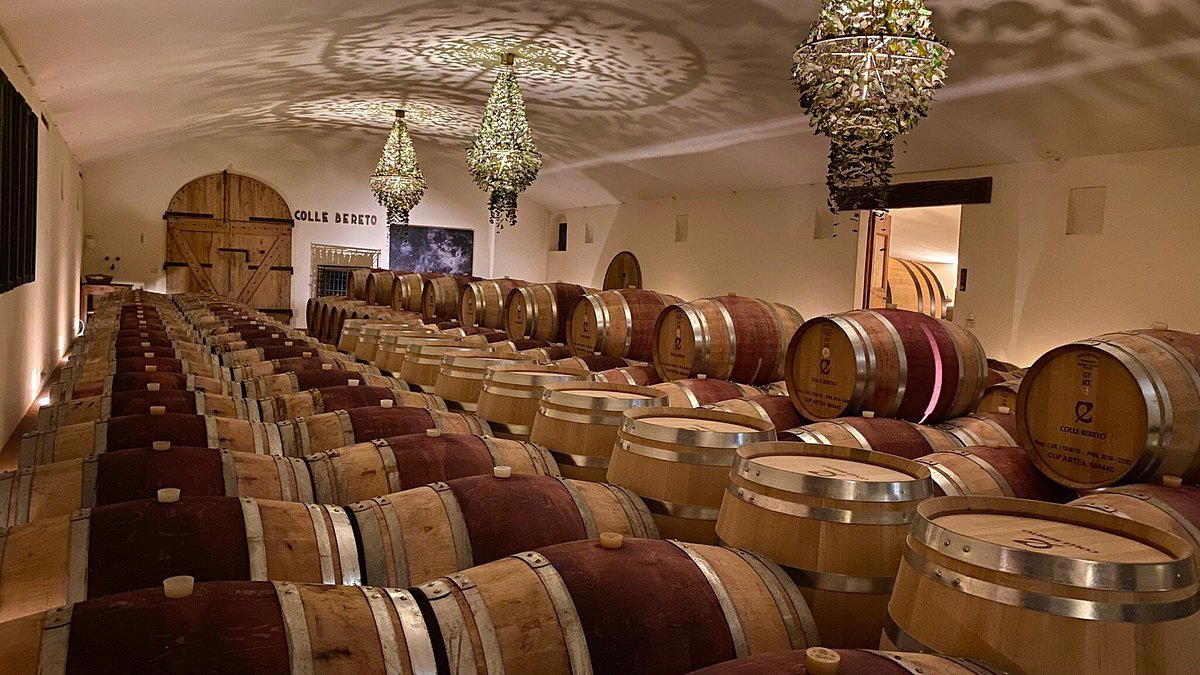
Professional, focused tasting environment with state-of-the-art cellar technology; emphasis on serious wine appreciation rather than casual hospitality.
Tags
Vibe
Best For
Experience
Sourcing
View
At the Vineyard
- Appellation
- Carnuntum
- Varietals
- Zweigelt, Merlot, Blaufränkisch, Pinot Noir, Chardonnay
- Visits
- By appointment only
- Farming
- Sustainable
- Wine Styles
- Still Red, Still White
- Food Pairing
- Offered
- Shipping
- Available
- Wine Club
- Not available
Know before you go
Know Before You Go
- Getting there
- Pfarrgasse 6, 2464 Göttlesbrunn
Planning details
Location
Recognition and awards

Also consider
Where to go if this does not work
Start with Weingut Philipp Grassl or Weingut Franz Glatzer if the priority is staying in Göttlesbrunn with minimal transfer time. Add Weingut Netzl if the day can support a second village producer comparison.
Winery context
How it compares in Göttlesbrunn
Weingut Gerhard Markowitsch is the one to prioritise when the day is built around a serious Carnuntum reference point. Weingut Philipp Grassl, Weingut Franz Glatzer, and Weingut Netzl are better used as same-village comparisons or backups, especially if appointment timing is the deciding factor.
For ambiance, stay in Göttlesbrunn if the appeal is a compact wine-village day with short transfers and producer-to-producer contrast. Weingut Leo Hillinger makes more sense for readers who want a larger destination feel outside the immediate cluster, while Weingut Markus Altenburger is the better cross-shop when the itinerary is already moving beyond Göttlesbrunn.
Value depends on what kind of day is being planned: Markowitsch is strongest as the anchor for a focused wine itinerary, not as an easy add-on. If booking friction becomes the issue, start with Philipp Grassl, Franz Glatzer, or Netzl before widening the search outside the village.
Explore Göttlesbrunn
Around this place
Discover more on Pearl
Unlock the full Weingut Gerhard Markowitsch guide in Pearl, including awards, comparisons, FAQs, planning details, and nearby places.
Compare Weingut Gerhard Markowitsch
| Venue | Location | Awards |
|---|---|---|
| Weingut Gerhard Markowitsch | Göttlesbrunn | 2026 Falstaff Winery Guide |
| Weingut Philipp Grassl | Göttlesbrunn | 2026 Falstaff Winery Guide |
| Weingut Franz Glatzer | Göttlesbrunn | No published awards |
| Weingut Netzl | Göttlesbrunn | No published awards |
| Weingut Leo Hillinger | Jois | 2026 Falstaff Winery Guide |
| Weingut Markus Altenburger | Jois | 2026 Falstaff Winery Guide |
How Weingut Gerhard Markowitsch compares with similar nearby venues.
FAQ
Frequently Asked Questions
How long should I plan for a visit to Weingut Gerhard Markowitsch?
A standard visit length is not specified. Weingut Gerhard Markowitsch is in Göttlesbrunn and has Pearl 2 Star Prestige recognition for 2025, so confirm timing directly before planning the rest of your day.
What visit details should I confirm before going to Weingut Gerhard Markowitsch?
Can Weingut Gerhard Markowitsch handle large groups?
Group capacity is not specified. If you are visiting with a larger party, confirm arrangements directly with the venue and consider comparing timing with Weingut Franz Glatzer or Weingut Netzl if you need another option.
What should I know before comparing Weingut Gerhard Markowitsch with other venues?
Key details include: Göttlesbrunn location, smart casual dress code, and Pearl 2 Star Prestige recognition for 2025. Check directly with Weingut Gerhard Markowitsch and compare current details with other venues such as Weingut Markus Altenburger.
When is the best time to visit Weingut Gerhard Markowitsch?
Opening hours or preferred visiting times are not specified. Confirm directly before travelling to Göttlesbrunn, especially if you also plan to compare Weingut Philipp Grassl or Weingut Leo Hillinger.