

2026 Falstaff Winery Guide: The Ultimate Wine Authority — Page 30
Falstaff's 2026 Wineries guide.

Venues on this list
Château Viramon
Saint Etienne De Lisse, France
Château Viramon is worth booking if you want a quiet, appointment-led look at a small independent Right Bank Bordeaux estate rather than a polished tourism setup. The draw is its red-wine focus across Saint-Emilion Grand Cru, Castillon Côtes de Bordeaux, and Francs Côtes de Bordeaux, backed by High Environmental Value certification and Falstaff recognition.
Geils Sekt- und Weingut
Bermersheim, Germany
Geils Sekt- und Weingut is worth planning for if the priority is a serious Rheinhessen tasting built around dry whites, Sekt, and family-led winemaking. Falstaff 2 Stars in 2026 gives it a useful quality signal, while the $$ positioning makes it feel more about focused regional value than luxury theater.
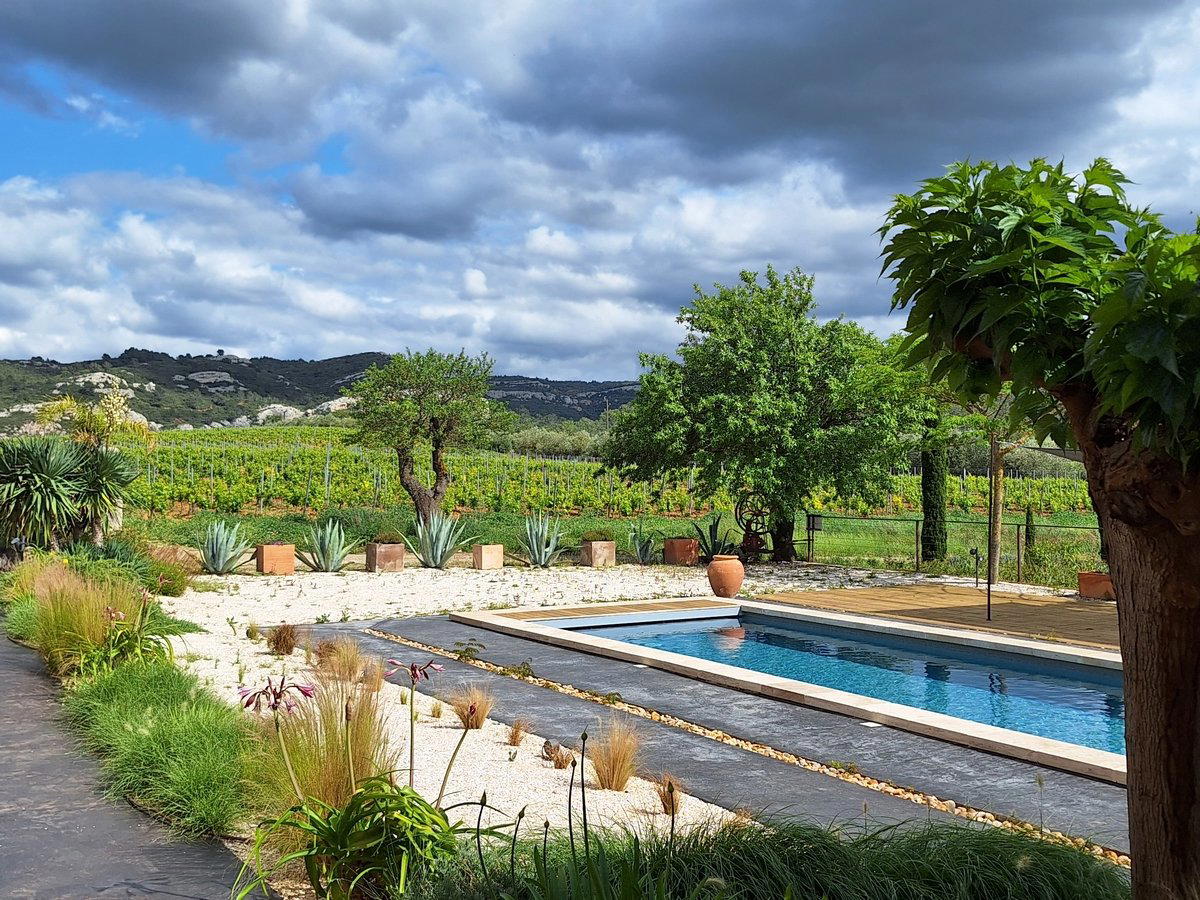
Château Cascadais
Saint Laurent De La Cabrerisse, France
Château Cascadais works for a flexible Corbières wine-country plan, especially if Saint-Laurent-de-la-Cabrerisse is already on the route. Because visitor logistics are not clearly published, it suits explorers more than groups needing a tightly confirmed tasting schedule.
Giacomo Grassi
Greve in Chianti, Italy
Giacomo Grassi is a sensible Greve in Chianti stop for travelers who want a rural, family-run producer setting focused on organic olive oil and wine. It carries a $$ price signal and Falstaff Listed recognition for 2026, but the strongest case is practical: go for a flexible Chianti Classico itinerary, not a heavily staged estate experience.
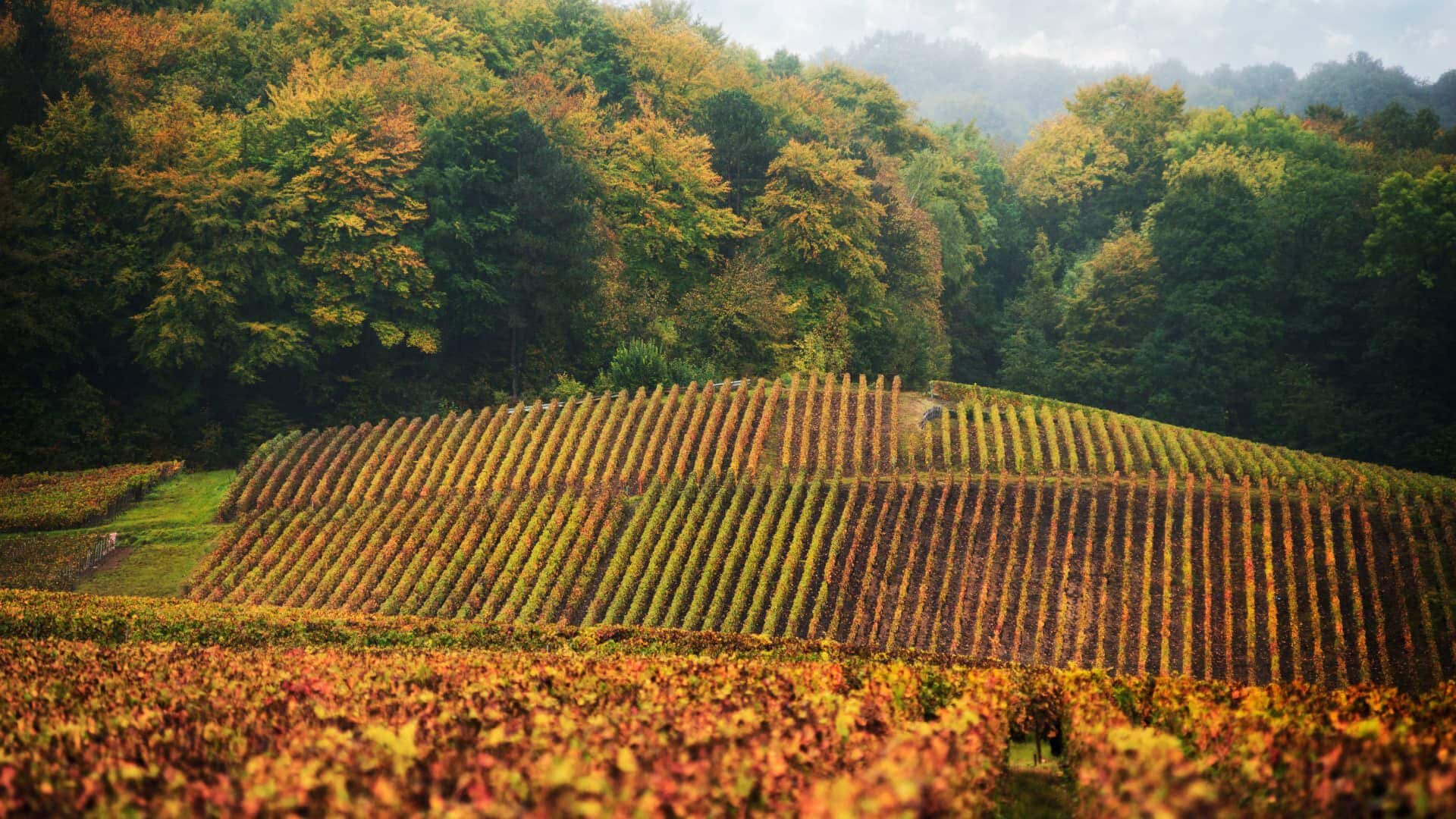
Ruinart
Reims, France
Ruinart is a Champagne house on Rue des Crayères in Reims.
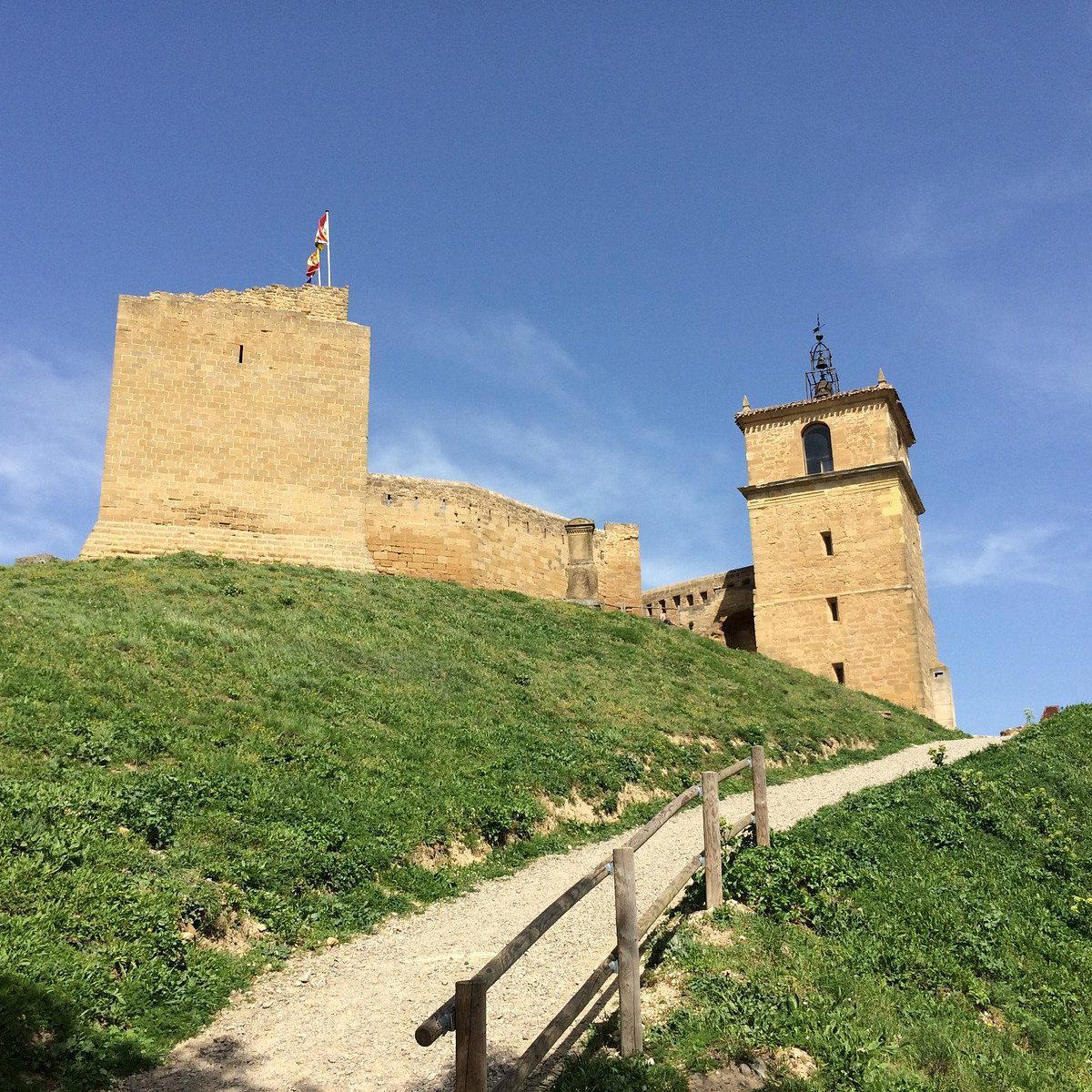
Castillo de Mendoza
San Vicente de la Sonsierra, Spain
Book Castillo de Mendoza if you want a personal Rioja winery visit with an organic focus and a rock-cut cellar rather than a large polished tasting circuit. It works especially well as one planned stop in a San Vicente de la Sonsierra wine day, particularly for couples or small groups who want family-scale hospitality and classic Rioja context.
Château Haut-Blanville
Saint Pargoire, France
Château Haut-Blanville works for wine travellers building a focused Saint-Pargoire itinerary, especially because it carries Falstaff Listed recognition for 2026. Go for producer discovery rather than a fully published visitor format: pricing, hours, tasting structure, and group handling are not listed, so planners who need fixed logistics should keep backup winery options nearby.
Château Caronne Sainte Gemme
Saint-Laurent-Médoc, France
Book Château Caronne Sainte Gemme if you want a classic Left Bank Bordeaux estate visit built around gravel-soil context, guided tasting and a slower food-pairing or picnic format. It is a stronger choice for return Bordeaux visitors than for anyone chasing a glossy tasting-room experience.
Château Villars
Saillans, France
Château Villars is a sensible Saillans shortlist pick for travelers building a focused Fronsac wine route rather than a high-service château day. The clear trust signal is Falstaff 1 Stars (2026); plan ahead, use it as an anchored stop, and avoid relying on walk-up logistics.
Champagne Albert Levasseur
Cuchery, France
Champagne Albert Levasseur works for buyers already planning a Cuchery wine stop, especially given its Falstaff Listed (2026) recognition. Treat any club or allocation decision as tasting-led rather than automatic: the value case depends on how the wines fit your cellar, not on the listing alone.
Château Quinault L'Enclos
Libourne, France
Château Quinault L'Enclos is a better fit for serious Right Bank wine planning than casual tasting-room tourism. The 2026 Falstaff 2 Stars recognition supports the case for collectors, but any club or allocation commitment should be assessed only after confirming access, purchase terms, and visit format.
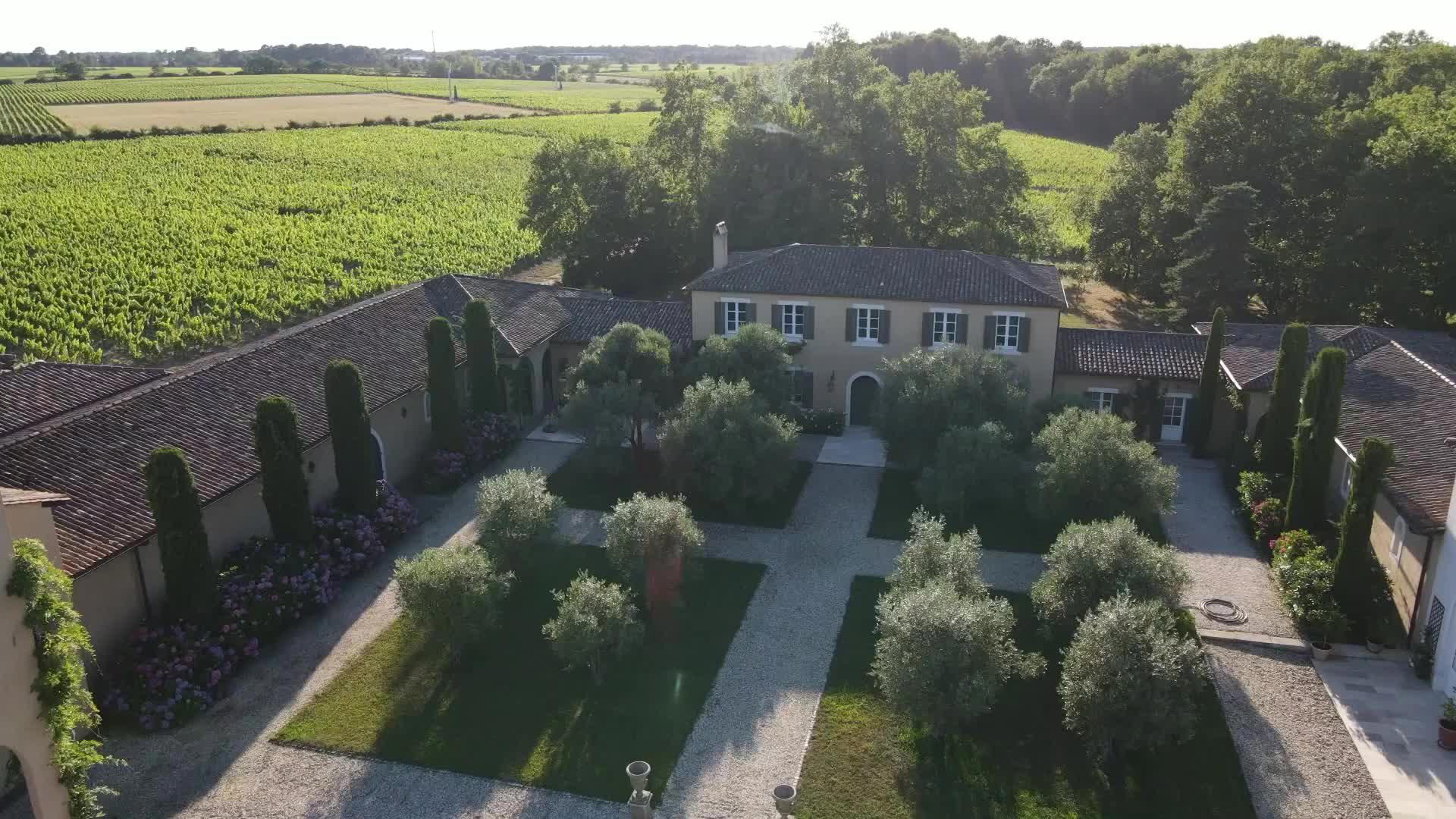
Château Lafont Menaut
Martillac, France
Book Château Lafont Menaut for a calm, traditional Pessac-Léognan tasting rather than a flashy château day. It suits couples, small groups, and low-key celebrations that want family-estate context, barrel-cellar atmosphere, and a clear red-and-white Bordeaux portfolio without overcomplicating the itinerary.
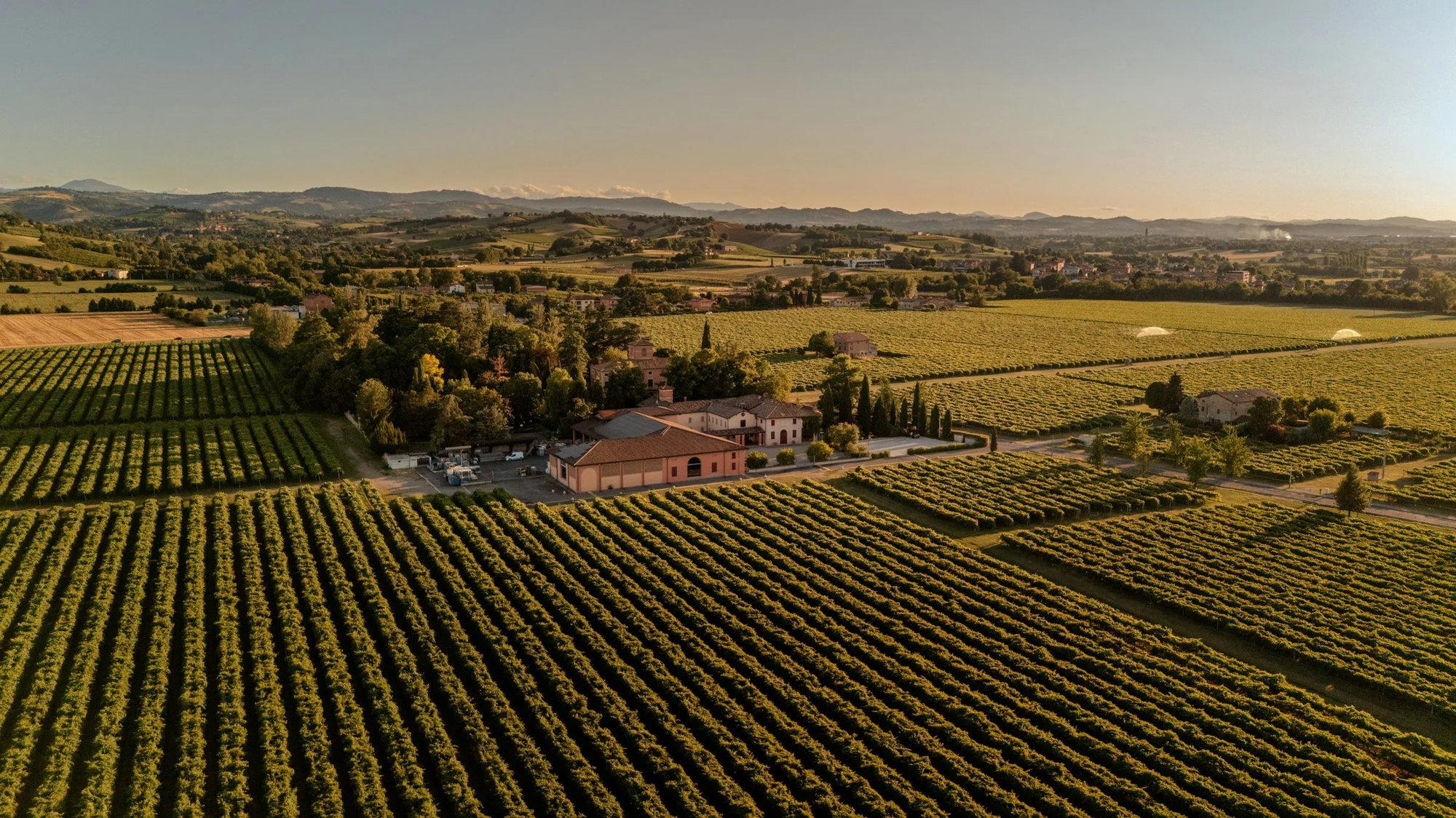
Cleto Chiarli
Castelvetro di Modena, Italy
Book Cleto Chiarli if the goal is a calm, heritage-led Lambrusco tasting in the Modenese hills rather than a casual walk-in pour. It is strongest for couples, small groups, and special-occasion visitors who want regional context, guided structure, and a relaxed countryside setting.
Fiegl
Gorz, Italy
Fiegl works for wine travellers planning a Gorz stop around recognised producers rather than fixed hospitality amenities. Its Falstaff Listed status for 2026 is the key trust signal; go in expecting a research-led winery visit, not a fully specified restaurant-style booking.
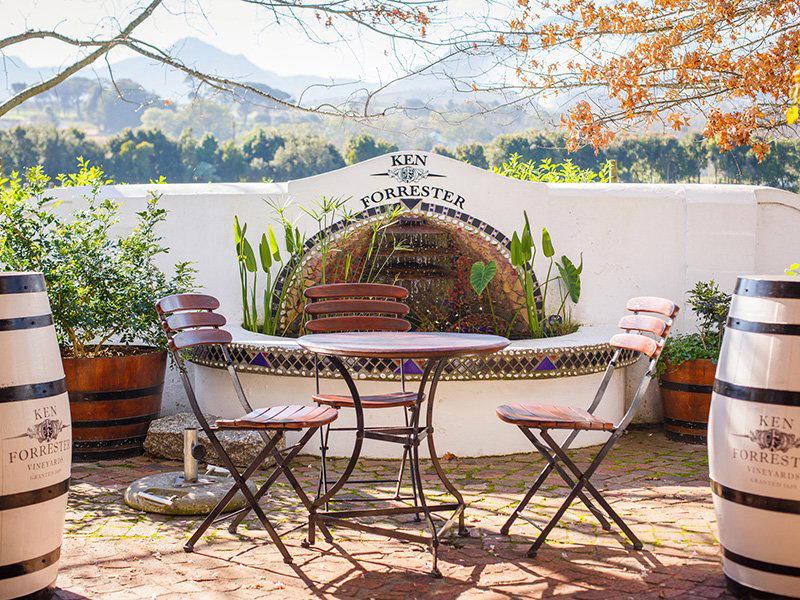
Ken Forrester Vineyards
Stellenbosch, South Africa
Ken Forrester Vineyards is worth prioritising if the goal is a serious Stellenbosch tasting stop with enough reputation to justify advance planning. Treat it as the anchor of a Somerset West-side wine route, not a casual add-on, especially for celebrations, couples, or business hosting where timing and logistics matter.
Domaine Michel Mallard et Fils
Ladoix Serrigny, France
A credible Ladoix-Serrigny producer stop for Burgundy travelers who value village context over a polished hospitality setup. Domaine Michel Mallard et Fils works as part of a focused Côte de Beaune itinerary, especially with its Falstaff Listed 2026 recognition, but verify tasting format before treating it as a private-visit anchor.
Domaine Y. Clerget
Volnay, France
Domaine Y. Clerget works for Burgundy-focused travelers who want a Volnay producer stop tied to serious Pinot Noir buying decisions. Its Falstaff Listed 2026 recognition gives it a useful trust signal, but treat any wine club or allocation opportunity as a practical cellar decision rather than a travel perk.
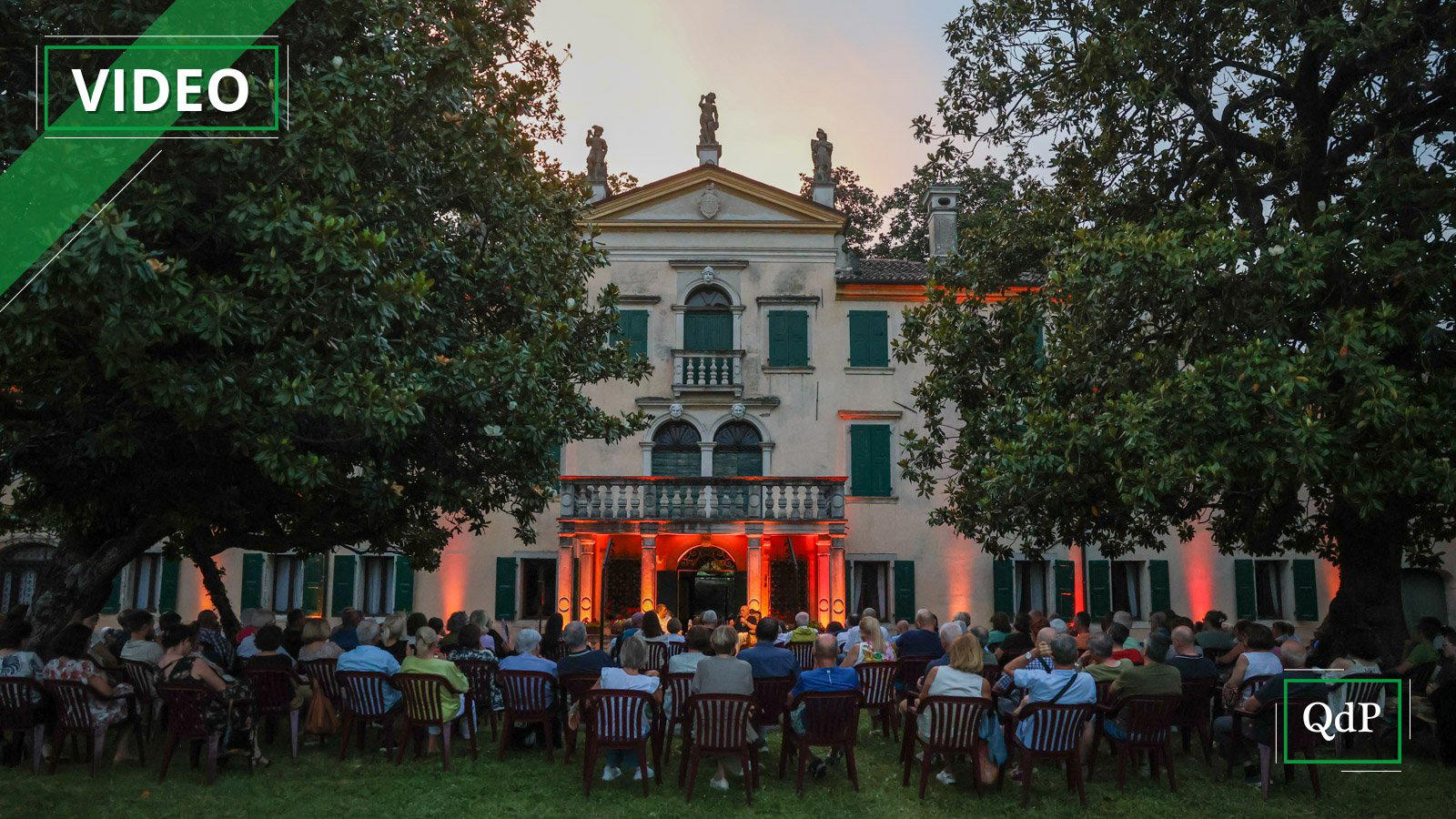
Bogana Vini
Pederobba, Italy
Book Bogana Vini if the goal is a relaxed Asolo Prosecco tasting with clear bottle-buying value, especially around the Falstaff-recognized Extra Brut. The visit is better for wine travelers who want estate context and informal hospitality than for anyone seeking a polished, design-led tasting room.
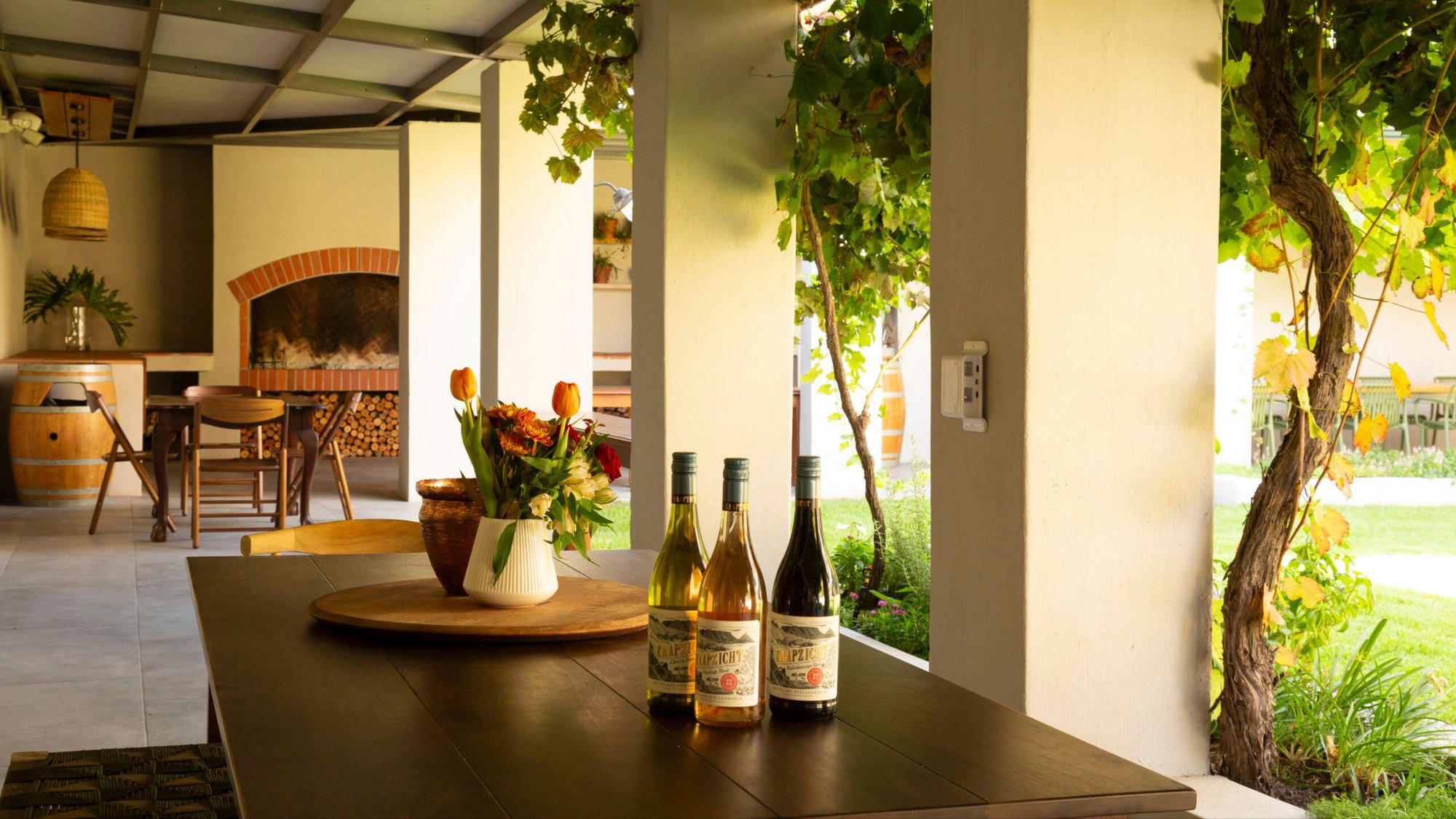
Kaapzicht Wine Estate
Stellenbosch, South Africa
Book Kaapzicht Wine Estate for a relaxed Bottelary Hills tasting focused on estate-grown Stellenbosch reds rather than a restaurant-led winery day. The value is strongest for visitors who want family-run atmosphere, Cape-view scenery, and a clear step up from approachable blends to awarded Steytler bottlings.
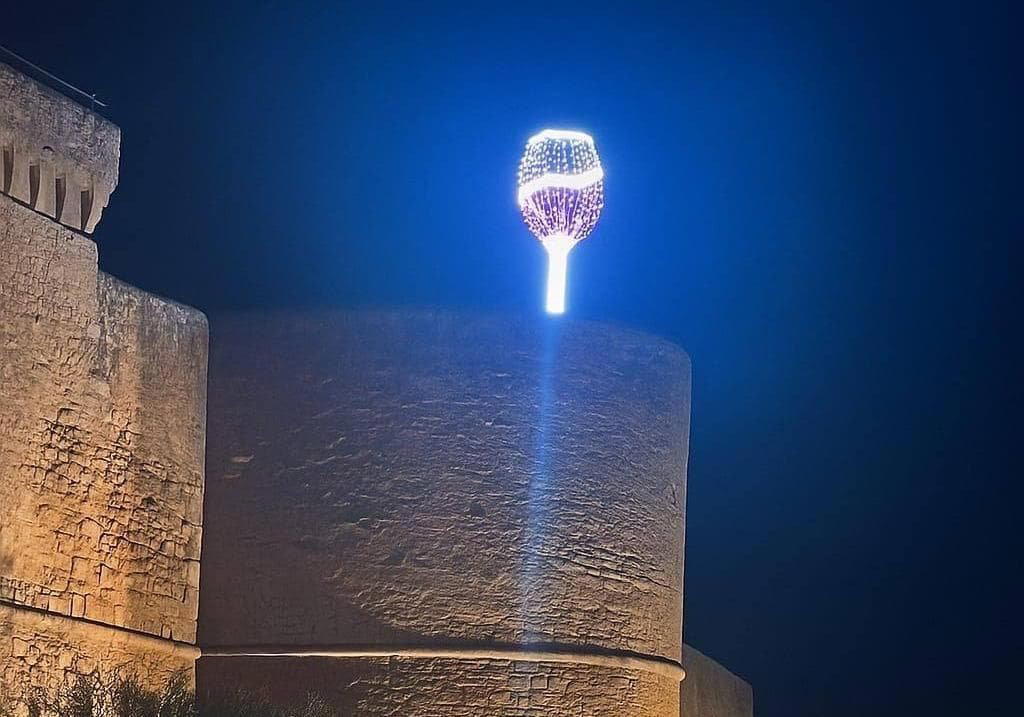
Bragaglia
Magliano In Toscana, Italy
Bragaglia is worth booking if you want a low-gloss Maremma farm visit centered on organic agriculture and Morellino di Scansano rather than a polished luxury tasting. It is appointment-only, easy to plan with notice, and better for wine travelers who value working-farm context over formal cellar programming.
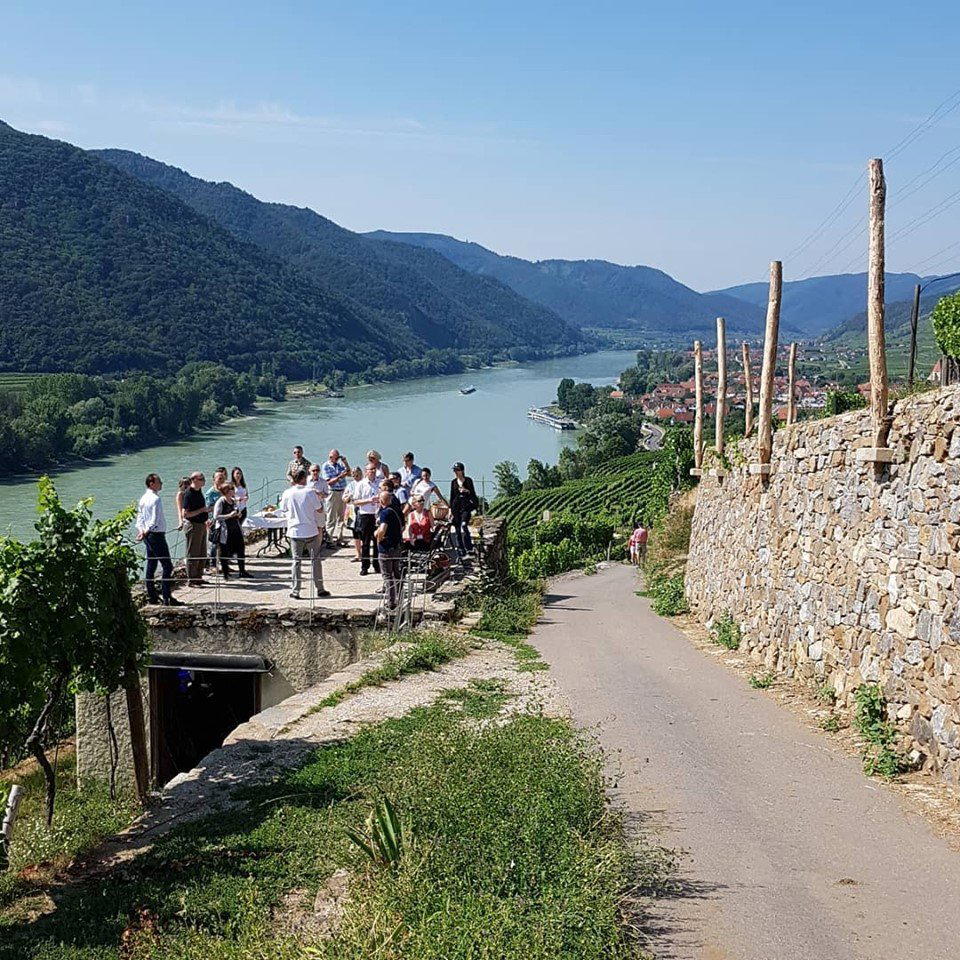
Weingut Jamek
Joching, Austria
Prioritise Weingut Jamek if the trip is built around serious Wachau wine and selective bottle buying, not a casual tasting stop. Booking pressure makes it a risky anchor without a backup, but the value case is strong for visitors who want a quieter, credibility-led Joching winery experience.
Château Hanteillan
Cissac Medoc, France
Worth considering if you want a quiet, producer-led Haut-Médoc reference rather than a hospitality-focused château visit. Château Hanteillan is strongest for wine travelers comparing Cru Bourgeois value, vintage variation, and classic Left Bank blends; it is less suited to visitors seeking a polished tasting-room program or a membership-style allocation model.
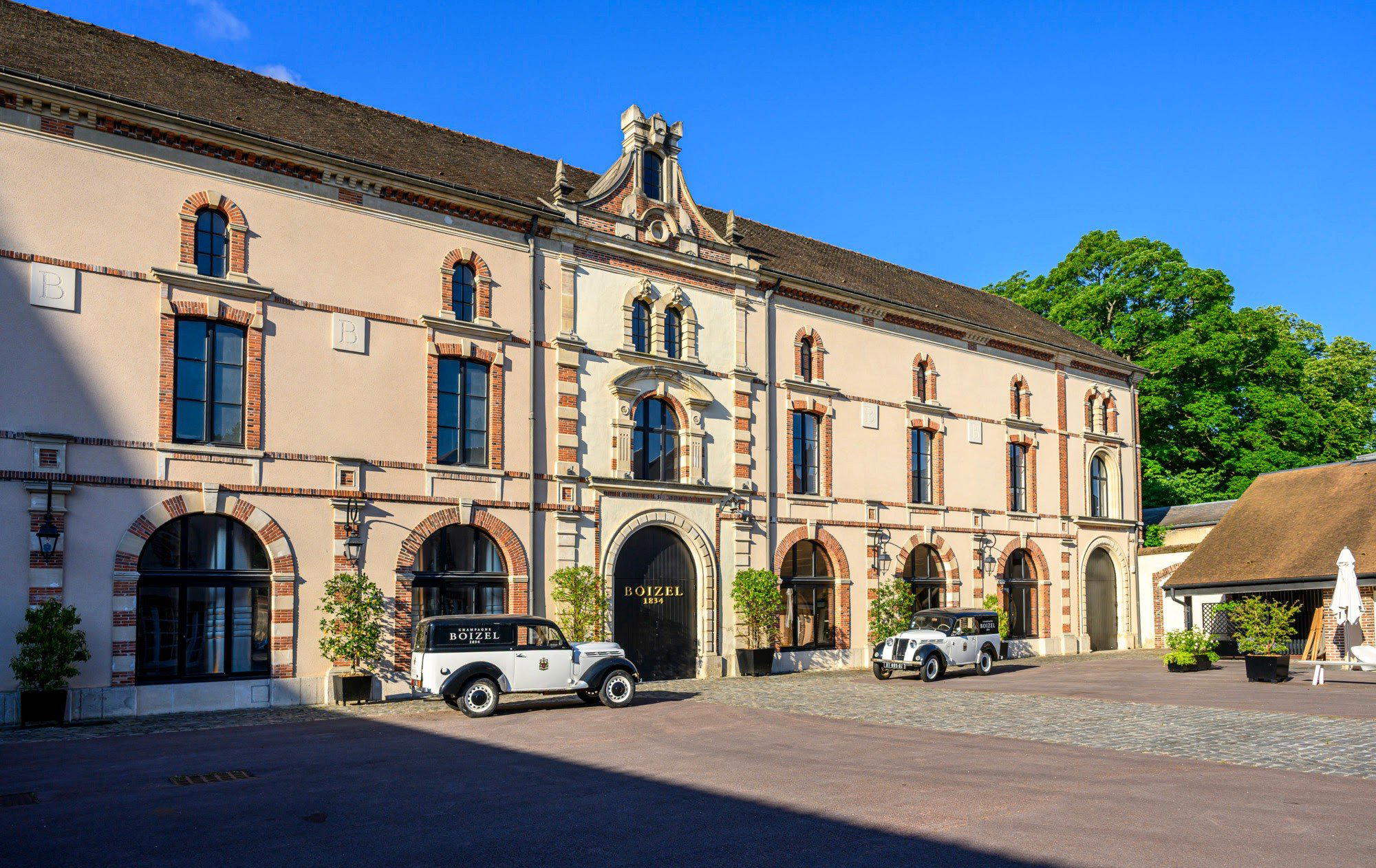
Champagne Boizel
Épernay, France
Book Champagne Boizel if the goal is a polished Épernay tasting with real production context, not just a quick pour. The family-run house, historic cellars, Atelier 1834 setting, and focus on blending, lees aging, and measured oak use make it a strong choice for Champagne drinkers who want to understand the style behind the glass.
Château Faurie de Soutard
Saint-Émilion, France
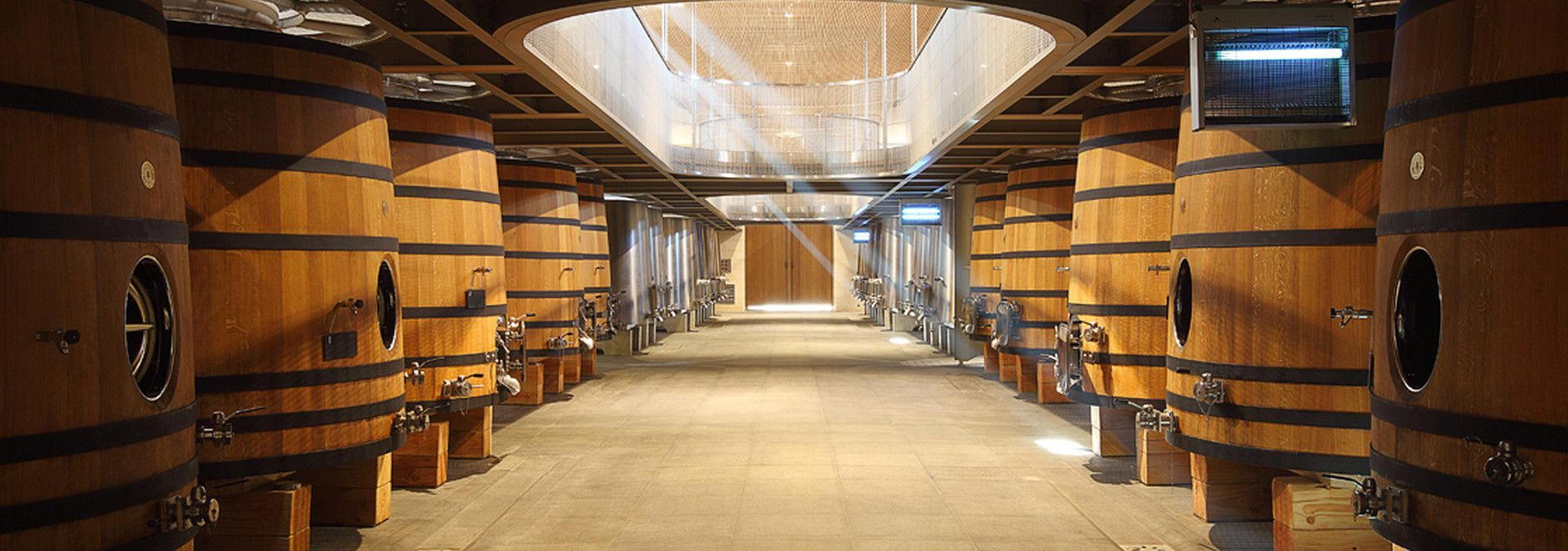
Worth booking if you want a calm, terroir-focused Saint-Émilion visit rather than a glossy tasting circuit. Château Faurie de Soutard is strongest for travelers interested in Grand Cru Classé context, cooler clay-limestone vineyard character, and a focused Merlot-led flagship red.
Bodegas Primitivo Collantes
Cádiz, Spain
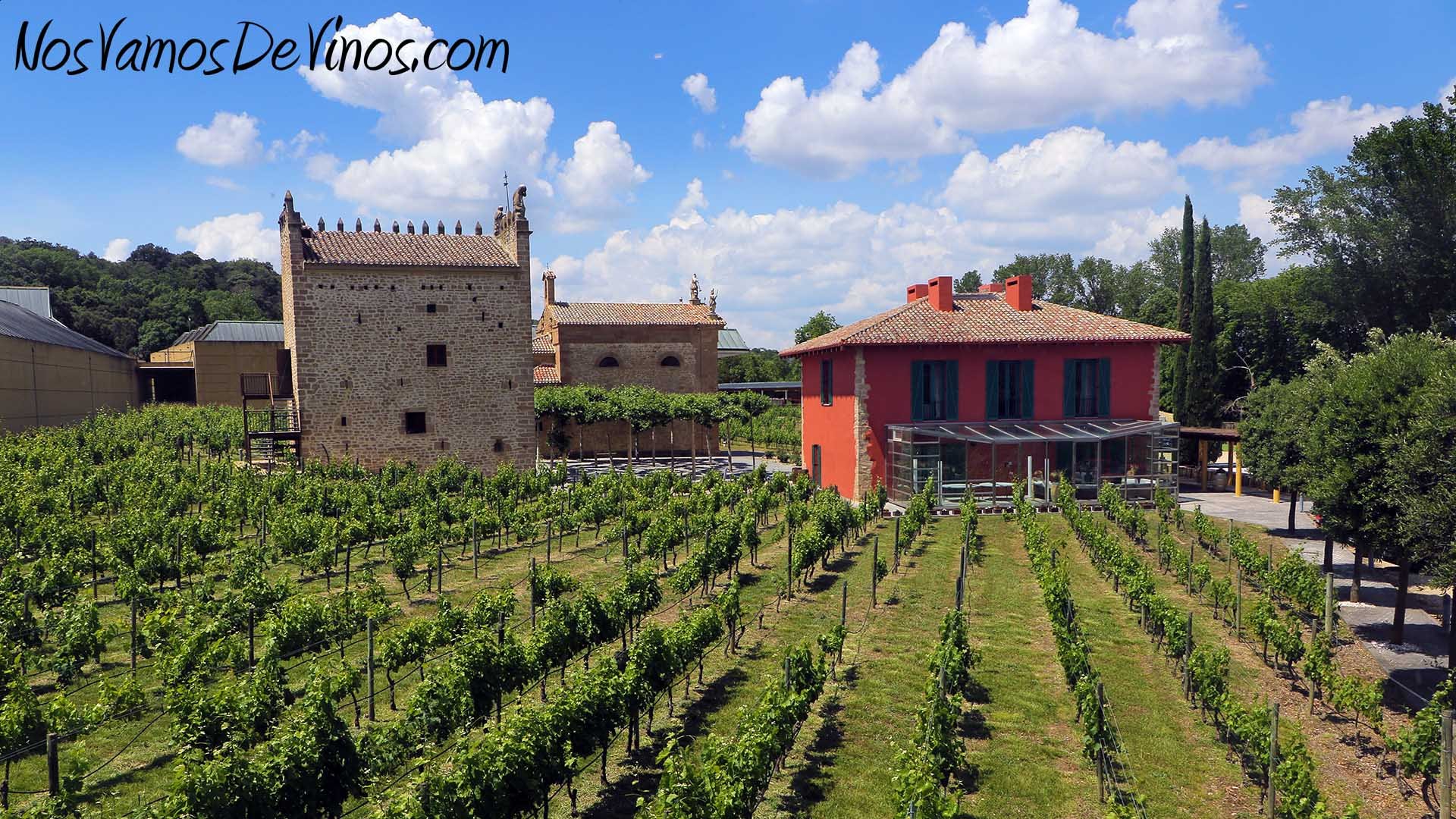
A strong pick for serious Cádiz wine drinkers who want sherry heritage, cellar atmosphere, and a clear Chiclana point of view. Bodegas Primitivo Collantes is better for a quiet, educational tasting around Palomino, flor ageing, Amontillado, and Vino de Pasto than for visitors seeking a highly polished hospitality setup. Falstaff Listed in 2026.
Château Rahoul
Portets, France
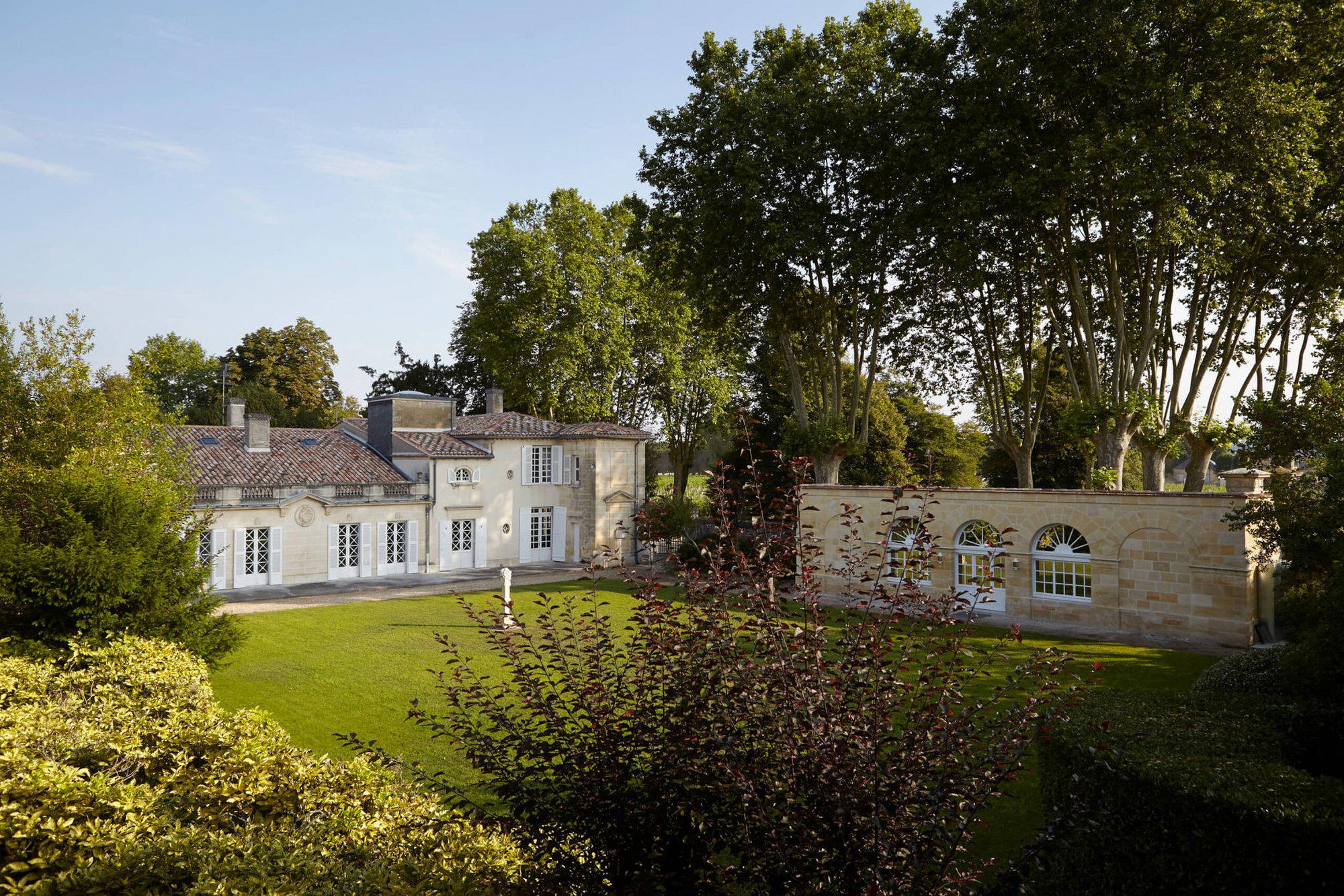
Château Rahoul works for a polished Graves wine stop in Portets, especially if the visit is tied to a celebration, date, or client itinerary. Treat booking as hard and plan food separately; this is a wine-and-setting decision, not a full restaurant substitute.
Galil Mountain Winery
M P Merom Hagalil, Israel
A strong pick for a scenic Upper Galilee wine stop, especially if the occasion calls for mountain setting and regional context rather than a restaurant-style tasting. The $$ positioning and Falstaff Listed recognition make the value case credible, but confirm current tasting and food details before planning the day around it.
Trefethen Family Vineyards
Napa, United States
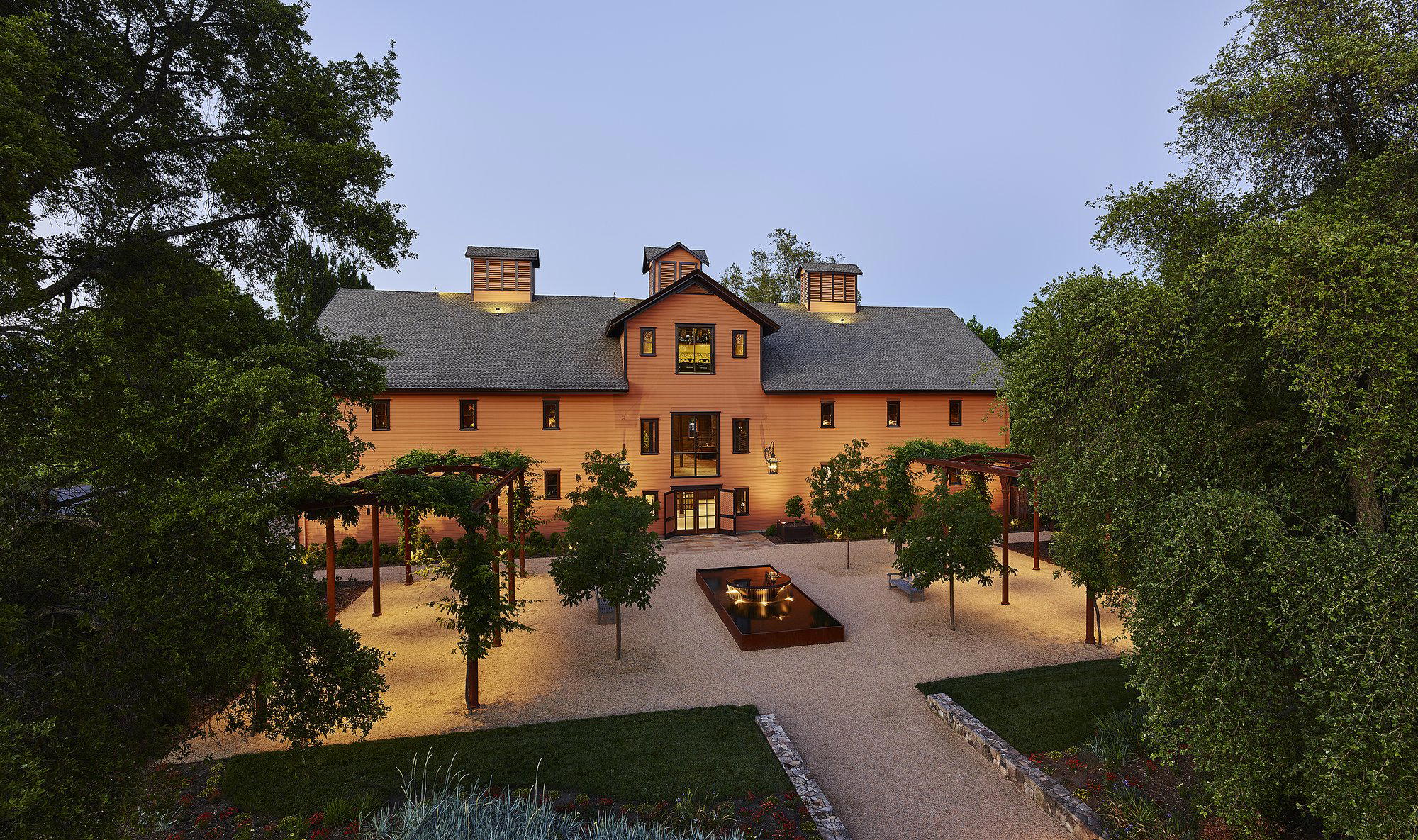
Trefethen Family Vineyards is a strong Napa choice for a serious, wine-led estate visit in Oak Knoll. Book it as the anchor of a tasting day, not as a food-focused stop, and plan restaurants or bars separately before or after.
Comando G
Madrid, Spain
Comando G is worth pursuing for a Madrid wine itinerary when the tasting is the point of the trip, especially for a celebration or client-focused day. The Falstaff 5 Stars recognition for 2026 gives it a credible quality signal, but plan around confirmed access rather than treating it as a casual add-on.
Domaine Camus Père & Fils
Gevrey-Chambertin, France
Book Domaine Camus Père & Fils if you want a focused Gevrey-Chambertin wine stop rooted in village context, not a broad hospitality experience. It is better for serious Burgundy planning than casual drop-in touring, especially since visitor details such as food, shipping, and formal tasting structure are not clearly signposted.
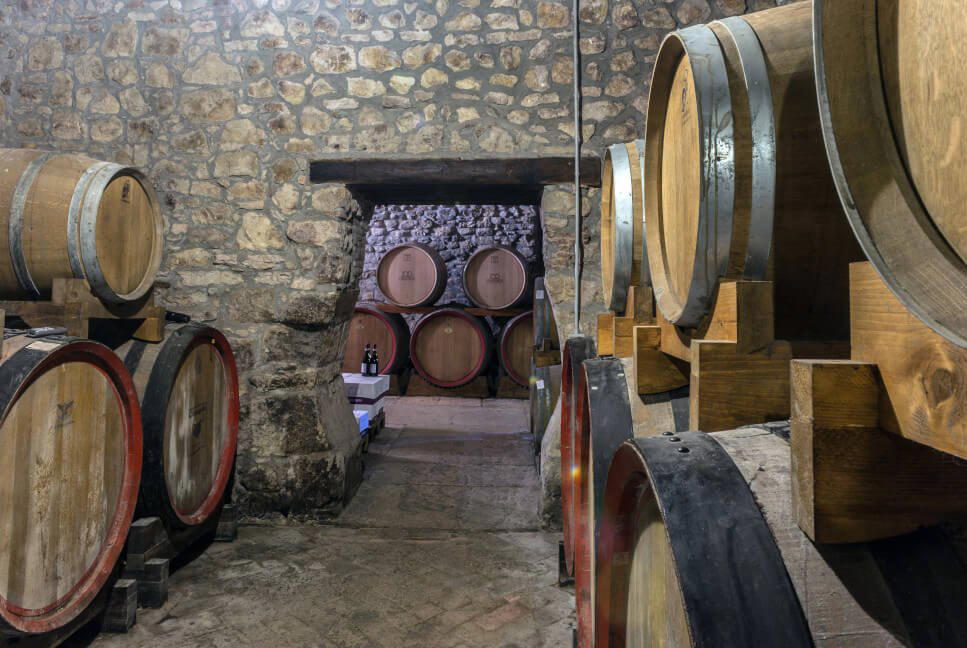
Corte Archi
Marano di Valpolicella, Italy
Corte Archi is worth booking if you want a compact, family-run Valpolicella tasting focused on Classico, Ripasso, Amarone, Recioto, and Oseleta rather than a long food-led winery visit. It works especially well for returning visitors who want clearer context on local grapes, dried-grape winemaking, and the difference between everyday Valpolicella and richer regional styles.
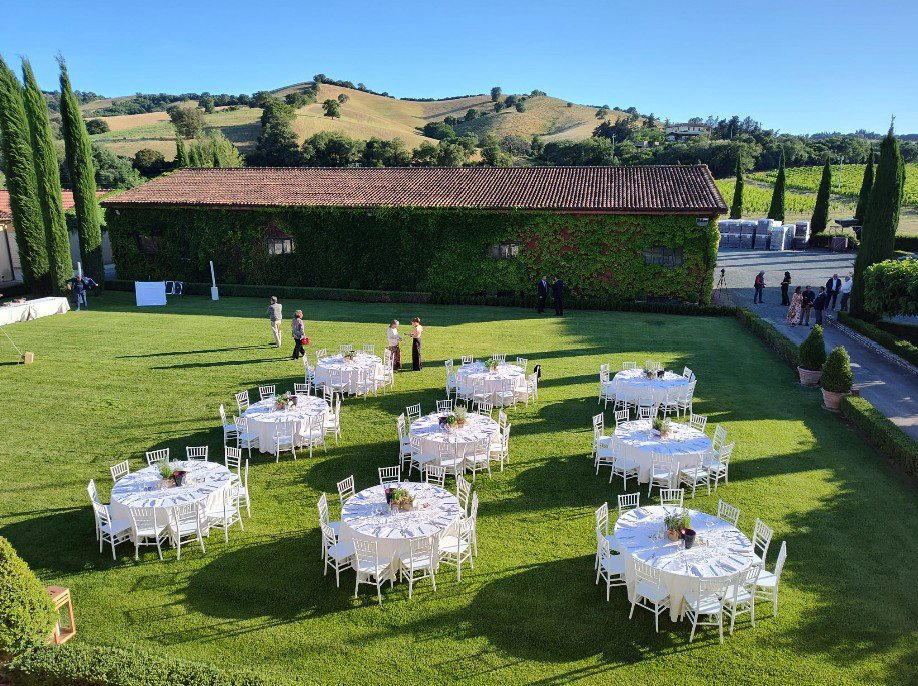
3GP SRL
Treviso, Italy
A good Treviso pick if the priority is a focused Prosecco DOC producer rather than a large hospitality setup. 3GP SRL makes the strongest case through the FIOL Prosecco DOC and Rosé Prosecco DOC, with Falstaff listing recognition for 2026. Book the private format if available; it is the clearest way to get useful context from the visit.
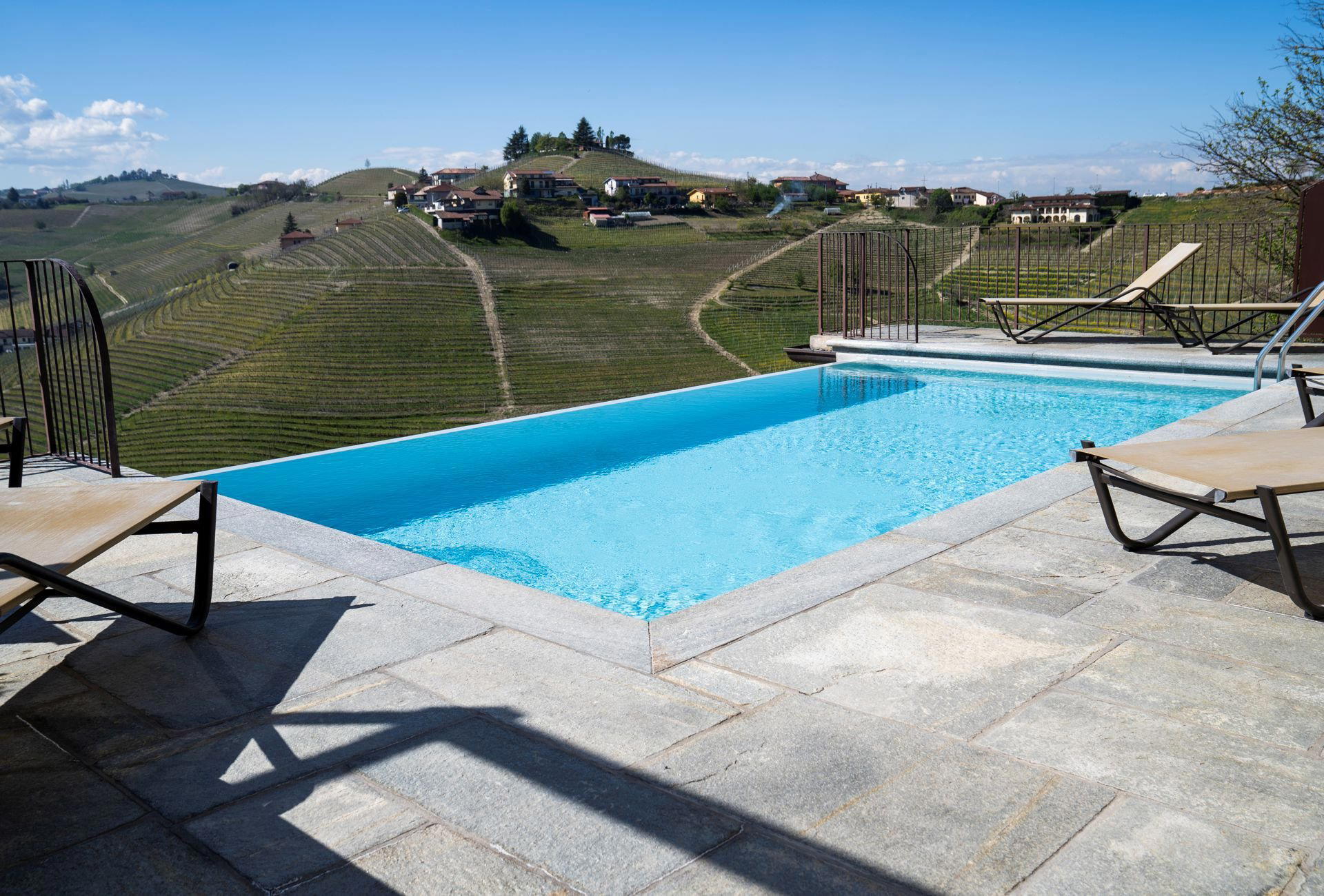
Guido Rivella
Barbaresco, Italy
Book Guido Rivella if the priority is serious Barbaresco rather than a designed visitor experience. The draw is small-production Nebbiolo from Montestefano and Fausoni, backed by Guido Rivella’s 47 years as winemaker for Angelo Gaja, appointment-only access, and a $$$ positioning that makes the strongest sense for collectors or special-occasion wine buyers.
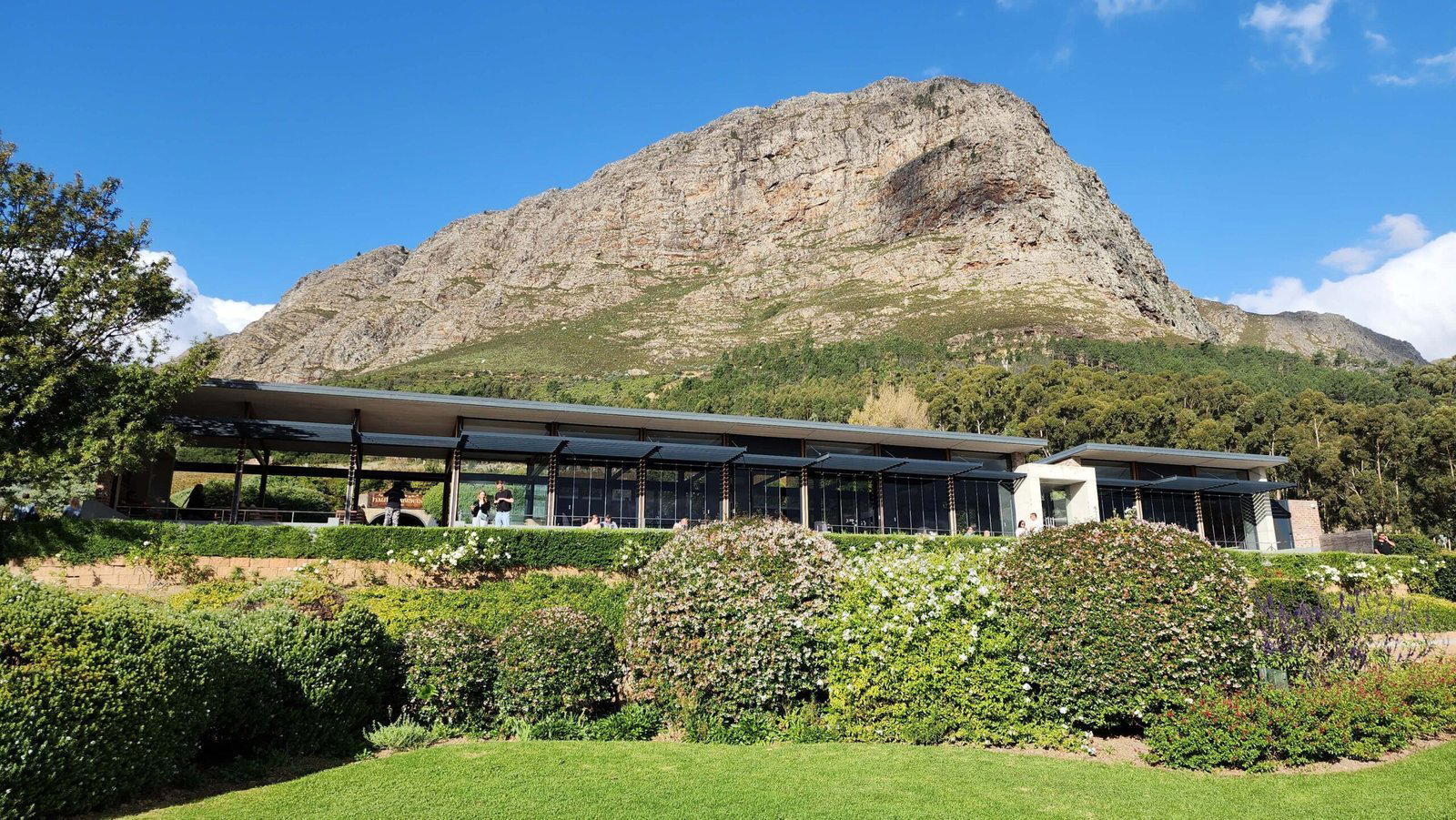
Haute Cabrière
Franschhoek, South Africa
Haute Cabrière is worth prioritising for a wine-led Franschhoek itinerary, especially if the goal is a focused estate visit rather than a packed tasting crawl. Plan ahead and treat it as an anchor stop; visitors who need a broader farm-day setup or more predictable logistics may prefer cross-shopping nearby Franschhoek peers first.
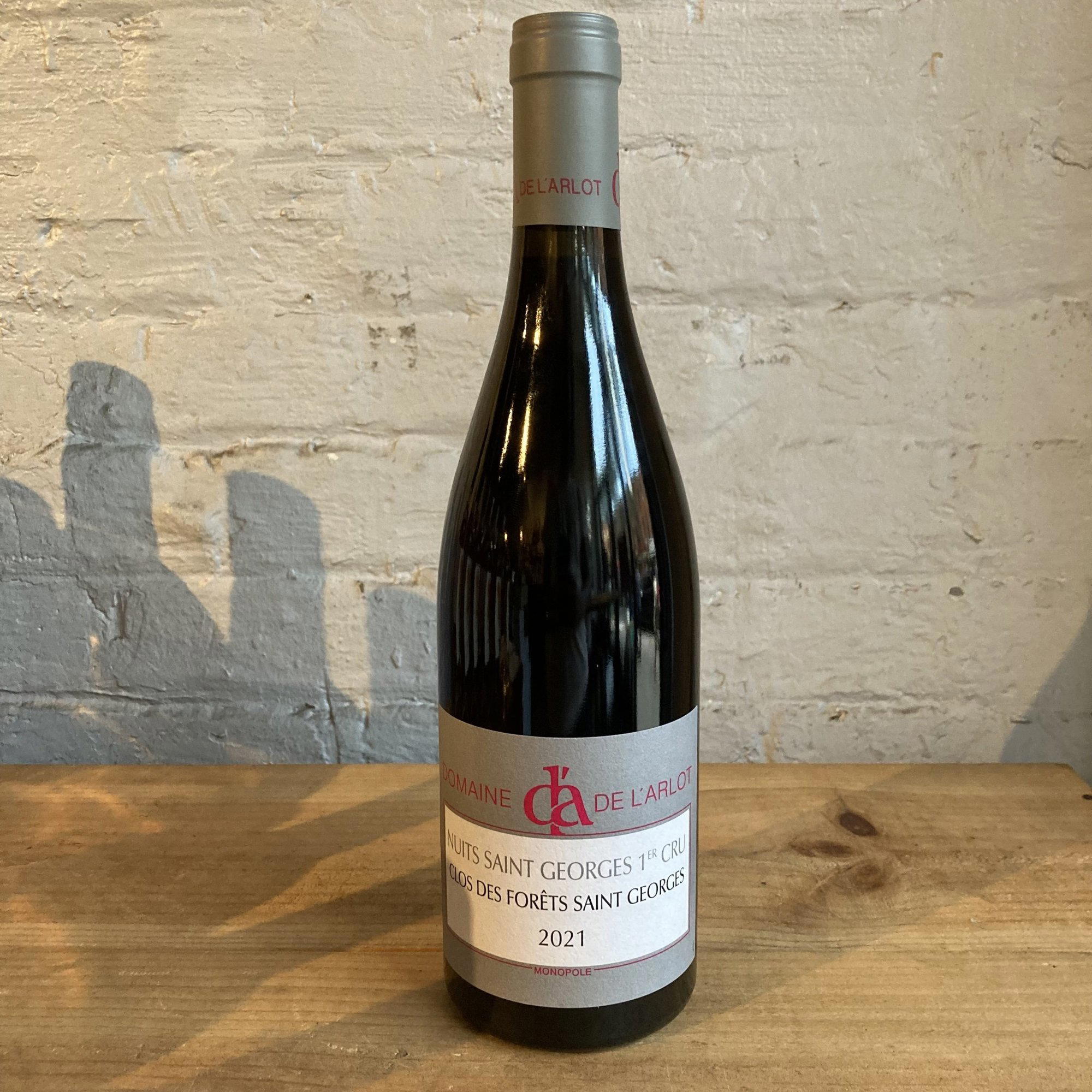
Domaine de l'Arlot
Nuits-Saint-Georges, France
A serious Nuits-Saint-Georges producer stop for Burgundy travelers who care more about access and context than convenience. Prioritize it for a small, wine-focused itinerary; skip it for large groups or anyone needing flexible, tourist-facing tasting logistics.
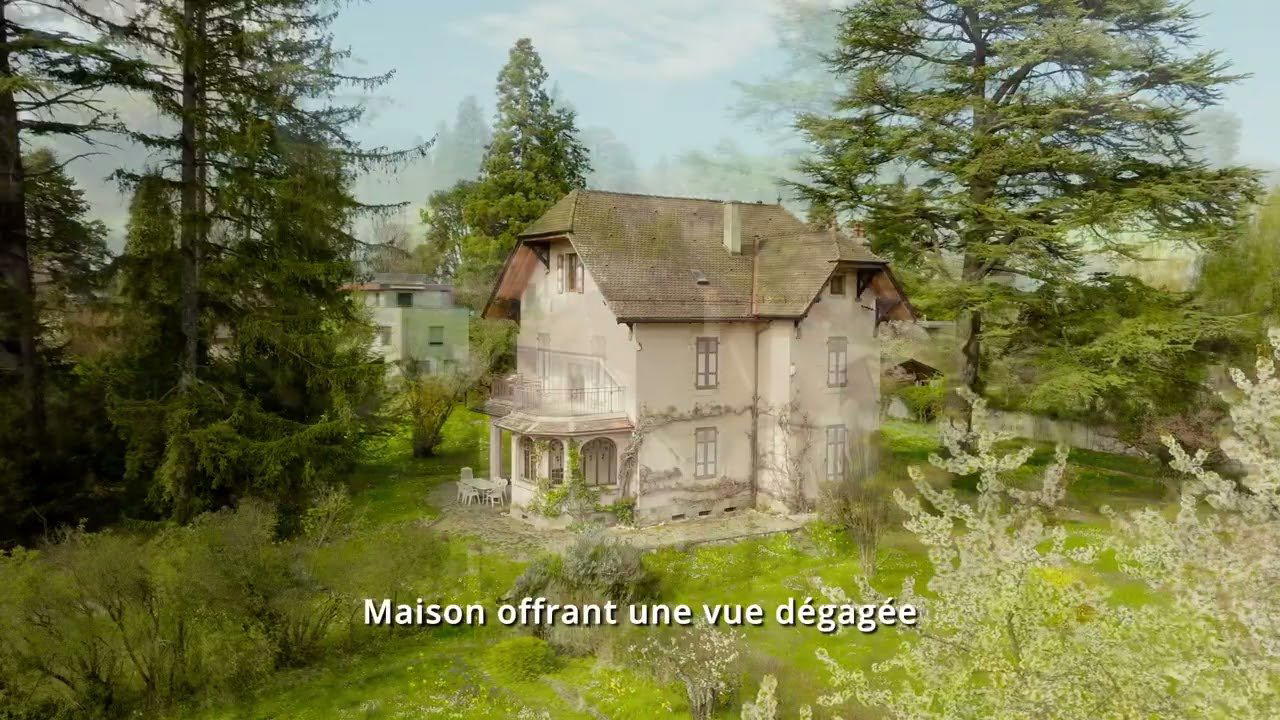
Bernard Bosseau – Cave de Sézenove
Bernex, France
Worth targeting if the goal is a serious Geneva producer visit rather than a casual tasting-room afternoon. Bernard Bosseau – Cave de Sézenove is strongest for drinkers who want Chasselas, Gamay, Sauvignon Blanc, Pinot Noir, sparkling wine, and the Pierres Noires red blend in a compact Bernex setting, with Falstaff 2 Stars in 2026 adding useful credibility.
Corte Tamellini
Soave, Italy
Corte Tamellini is worth booking if the goal is a quiet Soave countryside base with real wine context, not a full-service luxury hotel. The draw is the hillside setting, saltwater outdoor pool, valley views, homemade breakfast, and a family Garganega story backed by Falstaff recognition for 2026.
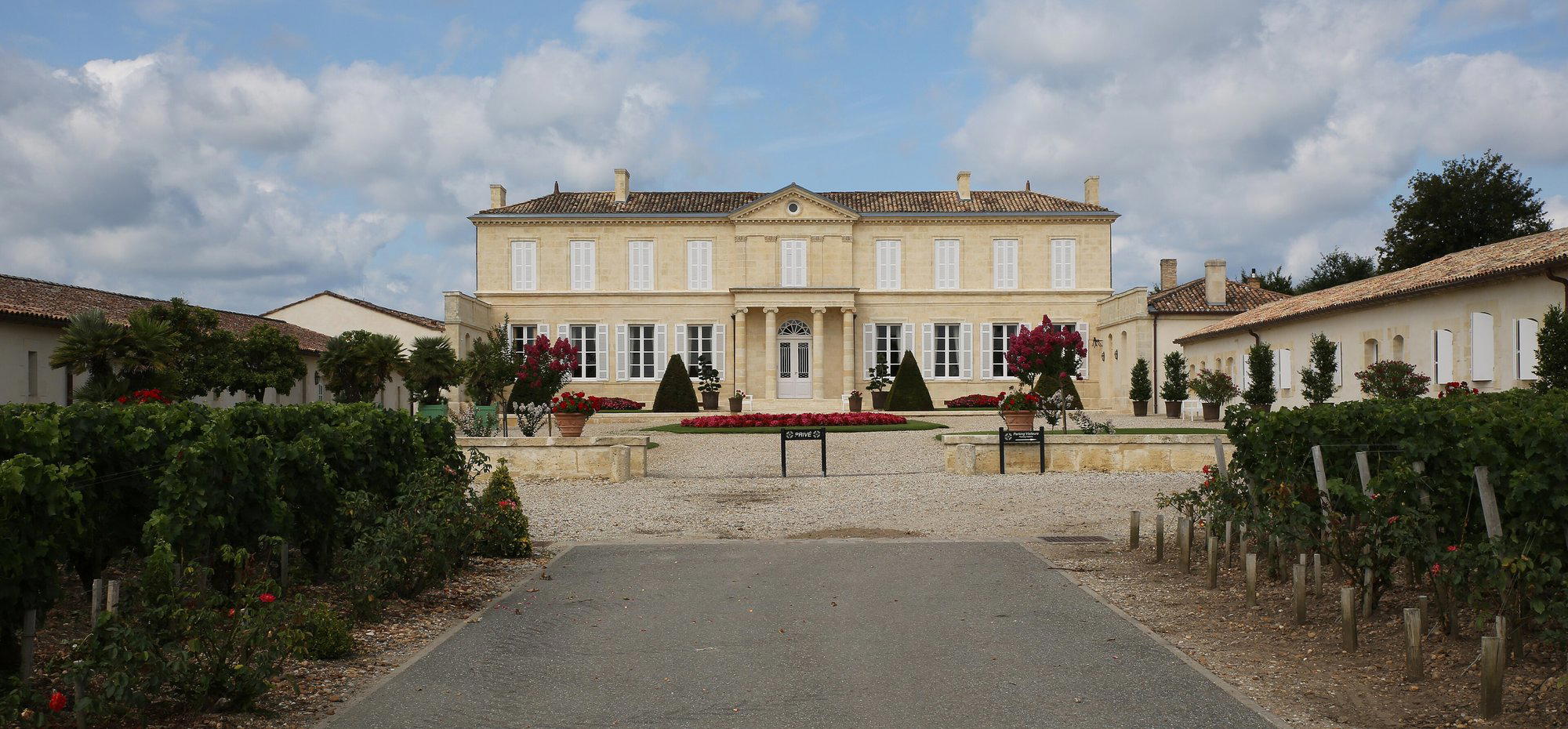
Château du Glana
St-Julien, France
A smart Saint-Julien booking for visitors who want classic Left Bank context without turning the day into a prestige chase. Château du Glana is strongest for wine-focused travelers: restored estate setting, family ownership, Cabernet-led Bordeaux blends, Falstaff recognition, and a flagship wine with a value-driven reputation. Skip it if the priority is a confirmed food pairing program.
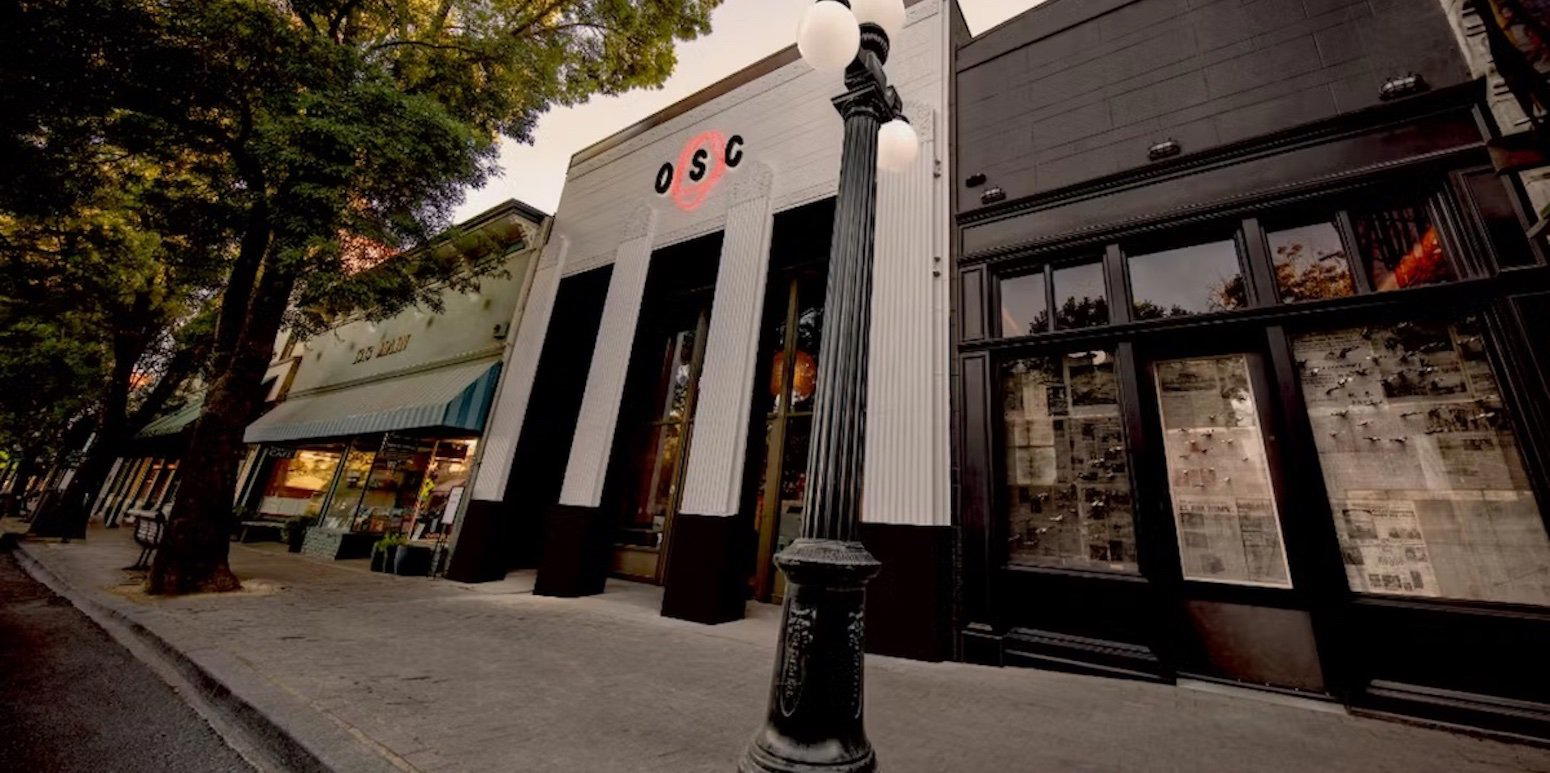
Orin Swift Cellars
St. Helena, United States
Book Orin Swift Cellars if the goal is a convenient St. Helena wine stop built around a recognizable Napa label and a Main Street location. It is less compelling as a food-pairing-first choice, so plan meals separately and use it as one part of a tighter winery day.
Château Millegrand
Capestang, France
Château Millegrand works if the appeal is a historic Languedoc estate setting, Canal du Midi context, and structured southern French reds rather than a heavily packaged tasting experience. The draw is the combination of long heritage, large vineyard holdings, concrete-vat and barrel-cellar production, and HVE-certified farming.
Burn Cottage
Lake Dunstan, New Zealand
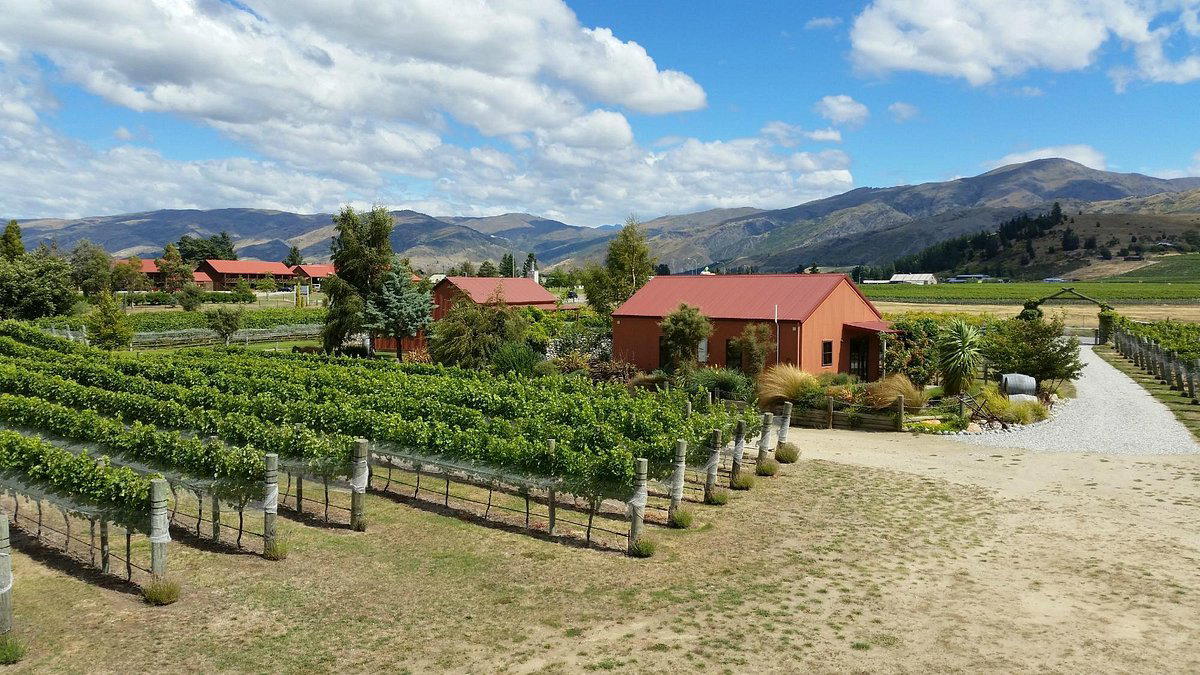
Burn Cottage is worth prioritising for serious Central Otago Pinot Noir context, especially if biodynamic farming and Lowburn site expression matter more than casual cellar-door ease. Go for a quiet, intimate farm-vineyard experience above Lake Dunstan, not for a broad hospitality setup or a spontaneous group stop.
Gerardo Cesari
Fumane, Italy
Gerardo Cesari is worth booking if you want a polished Valpolicella tasting anchored by Amarone, named vineyard identities, and a modern winery setting. It suits special occasions and business-friendly tastings better than visitors looking for a clearly defined wine-club or allocation-led experience. Falstaff listing in 2026 adds a useful recognition signal.
Champagne Salon
Le Mesnil-sur-Oger, France
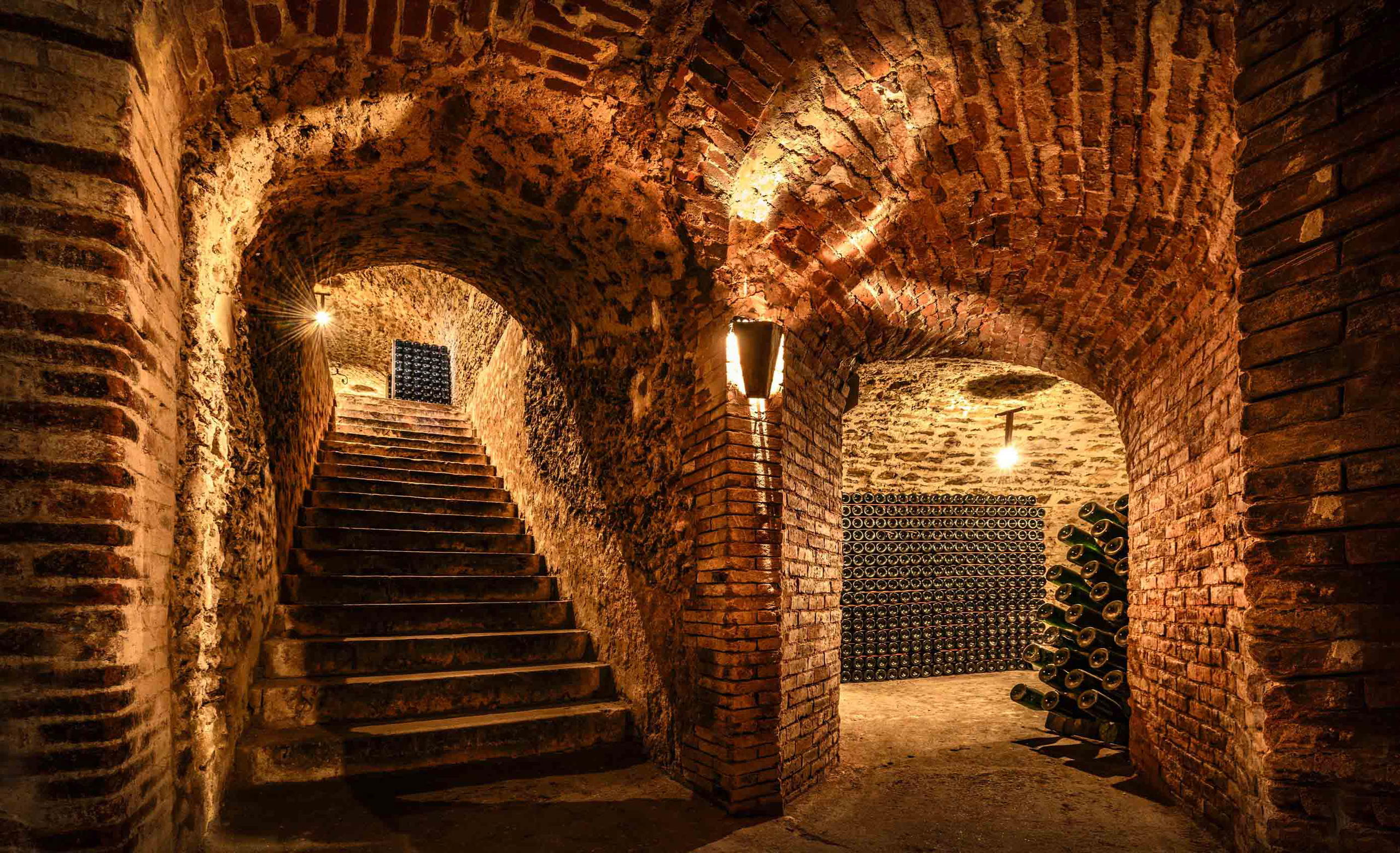
Salon makes a single vintage Blanc de Blancs from Le Mesnil-sur-Oger Chardonnay in selected years. Check the vintage and provenance when buying; its house is open for visits only to wine professionals.
Château de Girard
Lans En Vercors, France
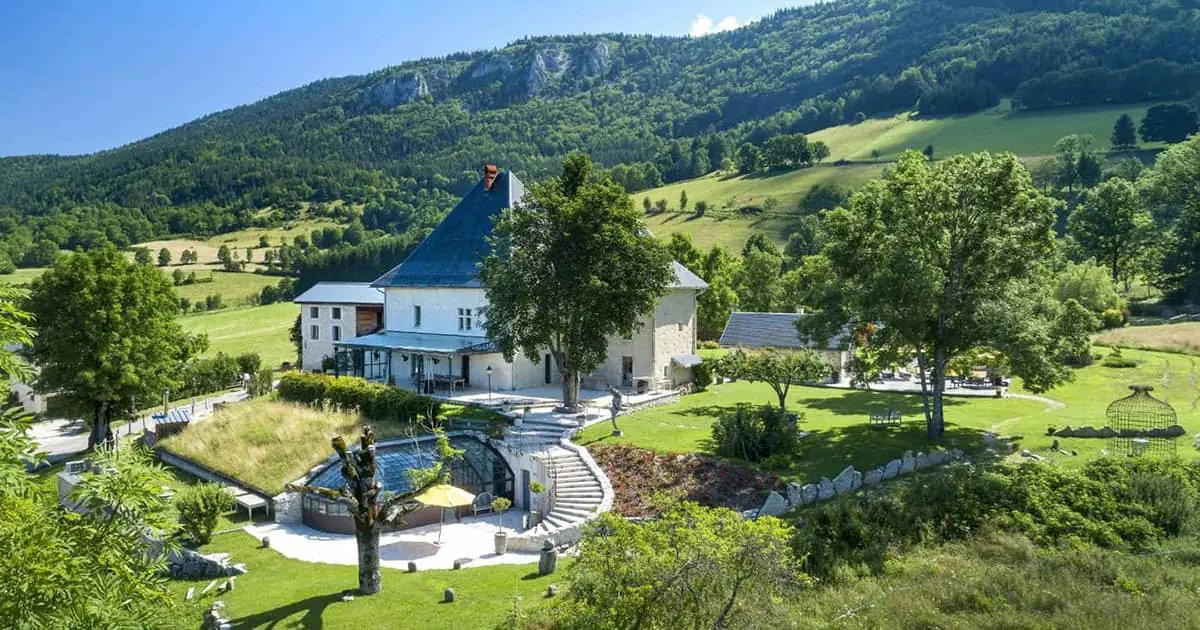
Château de Girard works for private Vercors gatherings, weddings, seminars, or group stays, not for a winery-style tasting visit. The appeal is the historic former hunting-lodge setting and full-property hospitality; skip it if the brief is estate wine, a chef-led meal, or a structured pairing program.
Azienda Agricola Villa Monteleone
Sant'Ambrogio di Valpolicella, Italy
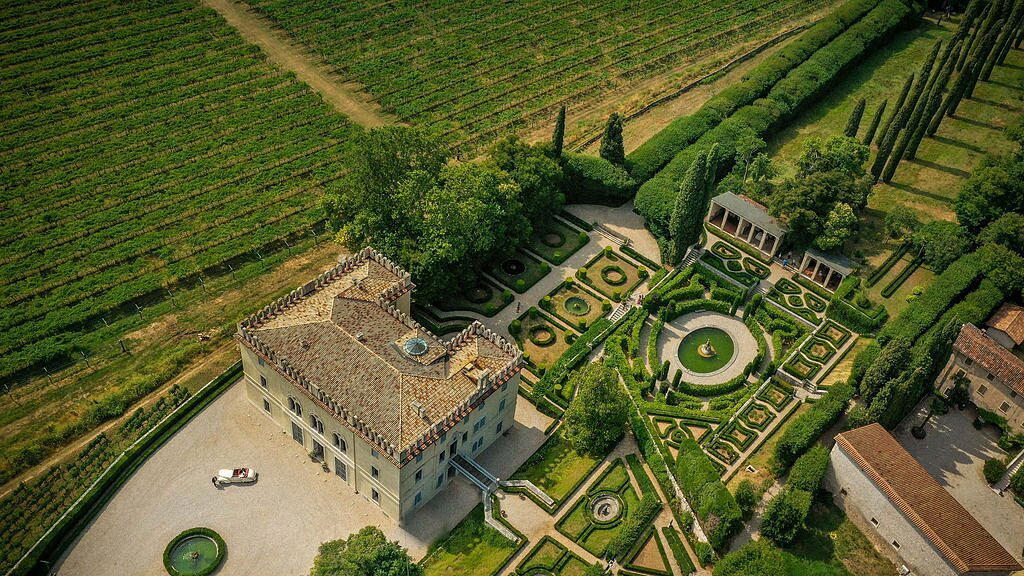
A strong pick for travelers who want Valpolicella in a quiet, historic villa setting rather than a large-format tasting circuit. Prioritize it if Amarone, vineyard atmosphere, and an intimate country-estate feel are the point; skip it if the trip needs a clearly published food program or a fast, highly structured stop.
Domaine Coillot Bernard Père et Fils
Marsannay-la-Côte, France
Domaine Coillot Bernard Père et Fils is worth shortlisting for a Marsannay-la-Côte wine day if the goal is bottle assessment rather than a polished visitor setup. The Falstaff listing gives it a useful credibility signal, but plan it as a targeted Burgundy stop and build the rest of the day around confirmed logistics nearby.
Fontanacota
Imperia, Italy
Fontanacota works if the goal is a slower Imperia wine experience built around Ligurian grapes, family agricultural history, and a setting tied to Val Prino and Pornassio. It is a stronger fit for a special-occasion afternoon than for a quick tasting stop, with value coming from time and context rather than trophy-label status.
Champagne Marguet Père & Fils
Ambonnay, France
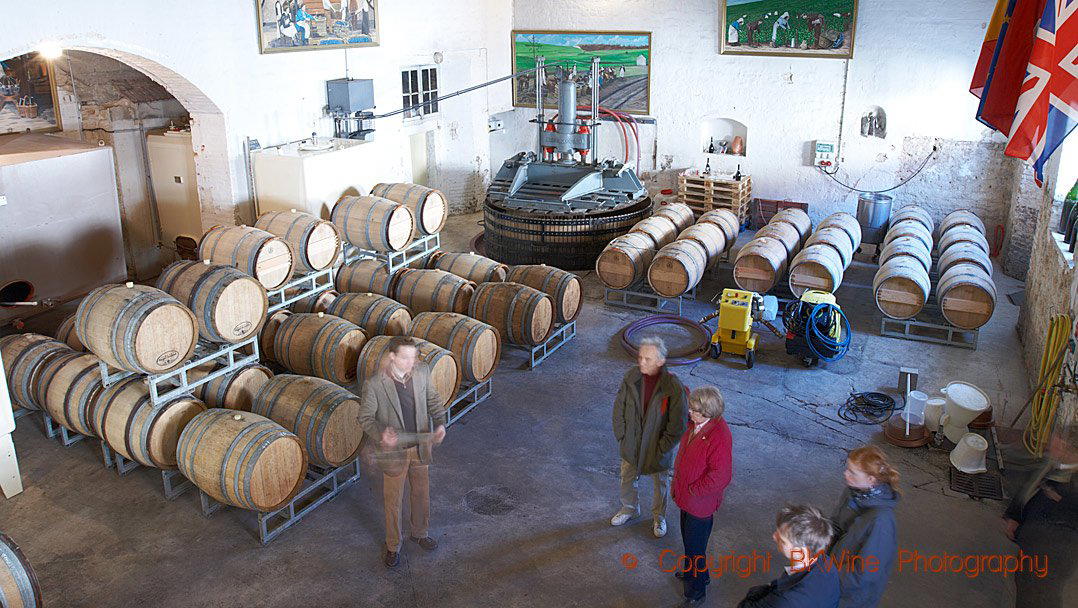
A serious Ambonnay choice for travelers who care about biodynamic farming, Grand Cru Pinot Noir, and grower Champagne detail. It is better for collectors and wine-focused visitors than casual drop-ins, with a premium price signal and an appointment-only format that rewards planning.
Fattoria Le Terrazze
Numana, Italy
Prioritise Fattoria Le Terrazze if the trip is about Monte Conero reds, estate-grown Montepulciano, and a quiet countryside setting rather than a highly structured tasting circuit. It is strongest for couples or small celebrations that value family history, Rosso Conero focus, and a slower vineyard visit in Numana.
Benanti
Viagrande, Italy
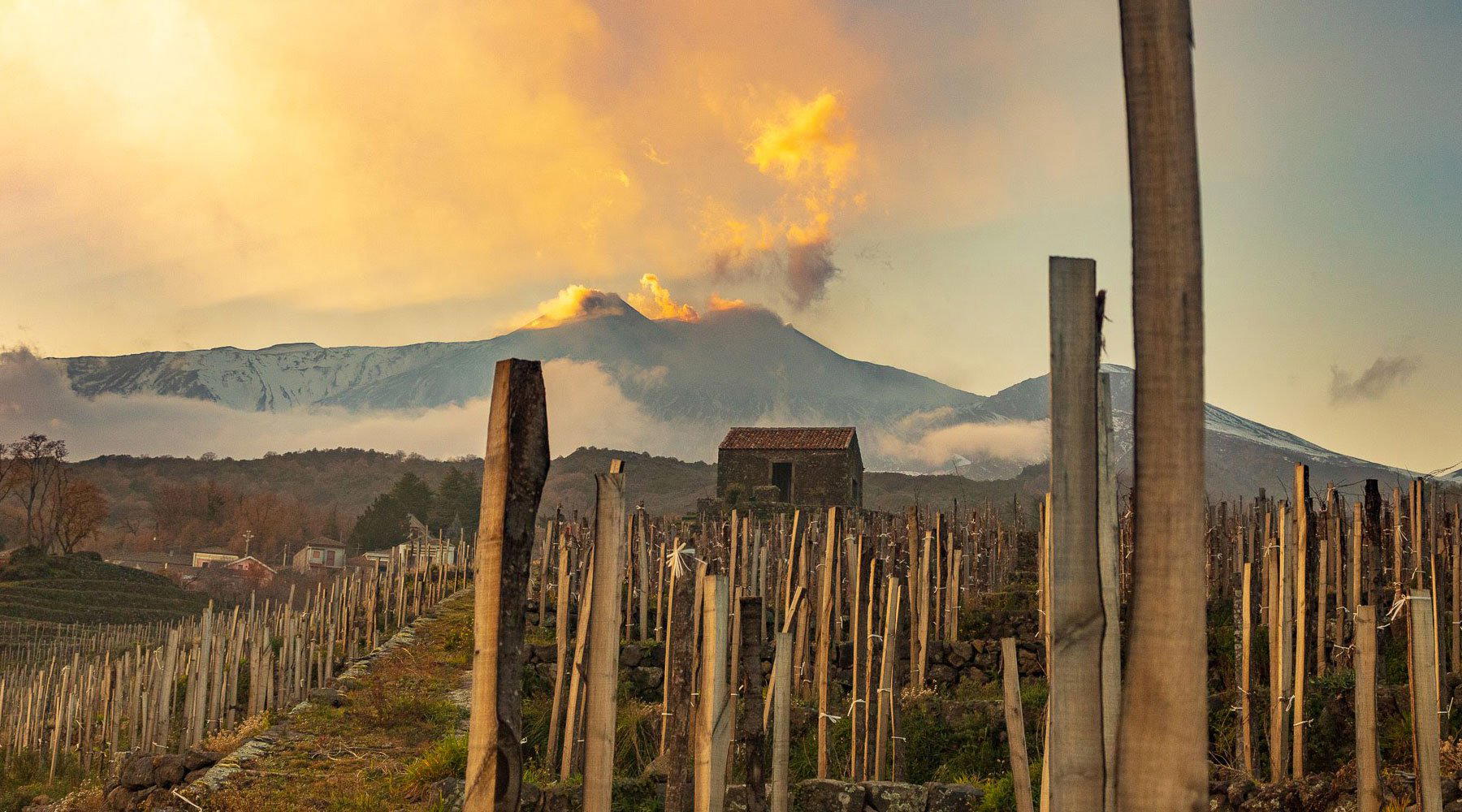
Book Benanti if the trip needs a serious Etna wine anchor rather than a casual tasting stop. It is the stronger fit for couples, small groups, and special-occasion planning in Viagrande; larger groups should confirm arrangements before building the day around it.
Clos Puy Arnaud
Belves De Castillon, France
A Castillon wine stop to plan deliberately, not casually. Clos Puy Arnaud is a stronger fit for a wine-focused celebration or a calm right-bank itinerary than for travelers who need posted hours and instant logistics; pair it with nearby Belves De Castillon winery research before fixing the day.
Warwick Estate
Stellenbosch, South Africa
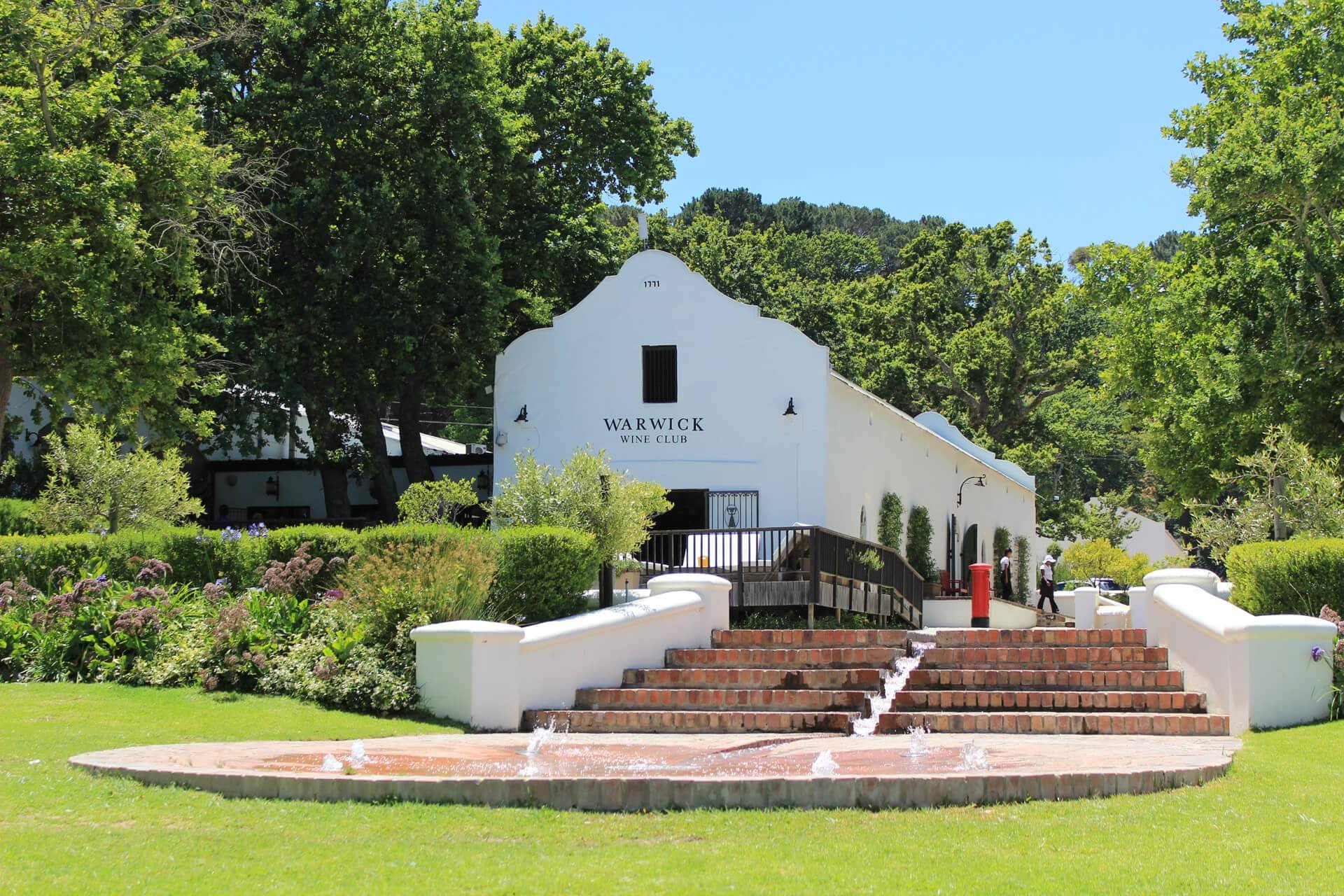
Warwick Estate is worth shortlisting for a polished Stellenbosch wine-route visit, especially for couples, celebrations, or business hosting where the setting matters as much as the tasting. Value is strongest when it anchors a slower day rather than a rushed multi-estate circuit.
How many of these have you visited?
Find out on Pearl and keep score across every place in 2026 Falstaff Winery Guide.