
Benanti
Viagrande
Winery in Viagrande, Italy
 Book with Pearl
The Read
Volcanic Terroir Precision
Price
$50–100tasting
Why go
Book Benanti if the trip needs a serious Etna wine anchor rather than a casual tasting stop. It is the stronger fit for couples, small groups, and special-occasion planning in Viagrande; larger groups should confirm arrangements before building the day around it.
About Benanti
Benanti is a Viagrande venue with a smart casual dress code and Pearl 2 Star Prestige recognition for 2025. For details such as format, services, menus, drinks, timing, pricing, or visit structure, check directly with the venue before planning. Use Our full Viagrande restaurants guide, Our full Viagrande hotels guide, and other Viagrande planning resources to build the rest of the day around local options.
Book this with the essentials in mind
The grounded reason to keep Benanti on a premium Viagrande shortlist is its Pearl 2 Star Prestige recognition for 2025. The venue also lists a smart casual dress code, so it is best approached with that standard in mind. Ask the venue about appointments, group suitability, food, drinks, or service format before making plans.
If you are comparing the area with other named options, Amaro dell'Etna and Distilleria F.lli Russo may be useful reference points for a broader itinerary, while Benanti remains the Viagrande venue featured here. For additional planning, check any nearby experiences directly before adding them to the same day.
How to position it against other itinerary options
Benanti should be considered as a Viagrande venue with a smart casual dress code and Pearl 2 Star Prestige recognition for 2025. For comparisons involving production style, tasting format, cuisine, price, or visitor experience, check directly with the venues you are considering.
For travelers building a wider itinerary, other named references such as Amaro dell'Etna, Distilleria F.lli Russo, Distilleria Giovi, Graci, and Tornatore can be considered separately, without assuming that they offer the same format or are part of the same local visit. Check each venue's current details directly before making plans.
Planning details
- Location
- Via Giuseppe Garibaldi, 361, 95029 Viagrande CT
- Website
- benanti.it
- Phone
- +39 095 789 0928
The take
The Take
The Vibe
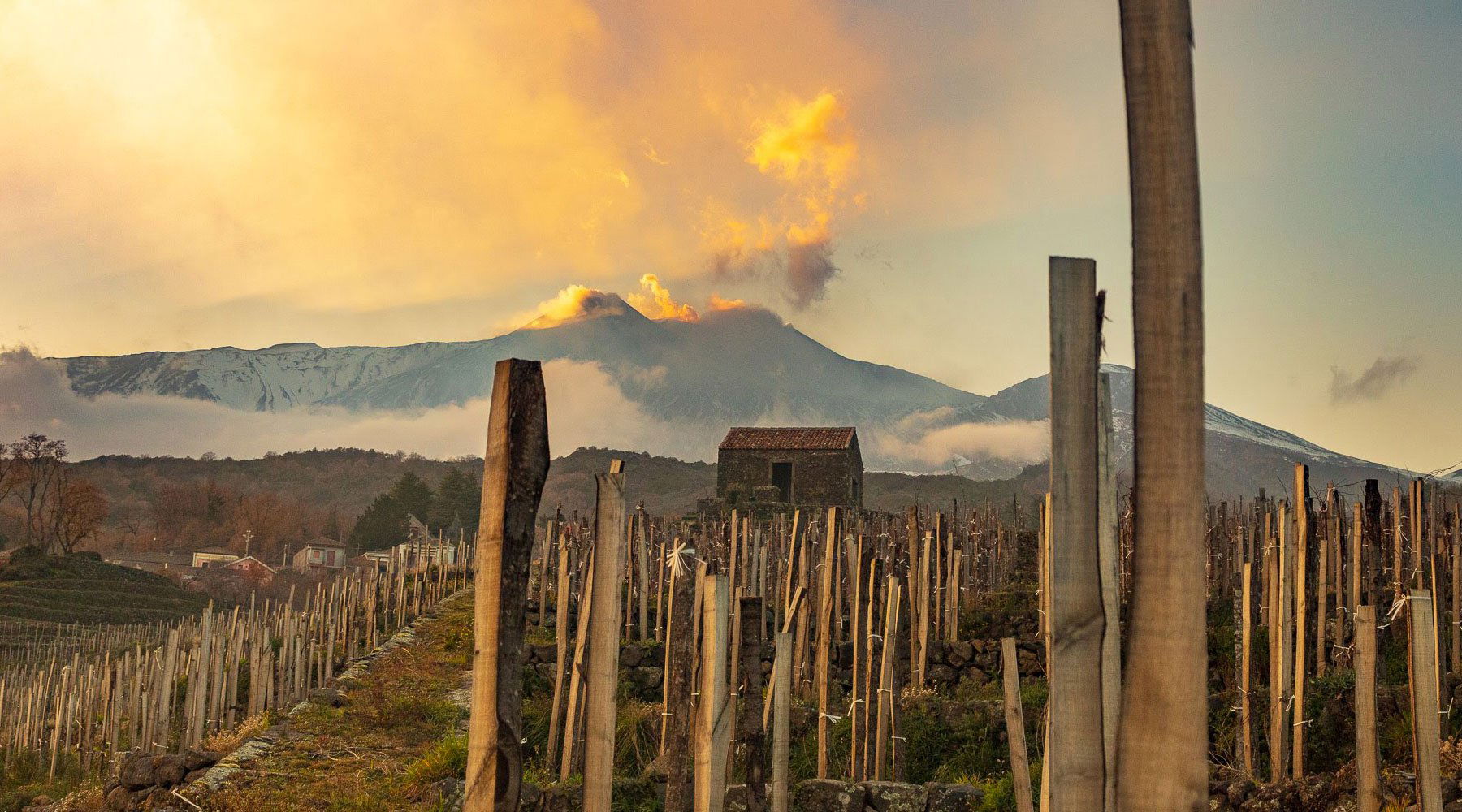
Benanti feels like a study in volcanic refinement: the property sits on Etna’s eastern slope and the story here is geology as design. The language of the place is mineral tension and altitude-influenced ripening rather than Mediterranean ripeness—old alberello vines, lava-stone walls and cooler exposure shape wines that are lean, focused and terroir driven. The estate’s recent Pearl 2 Star Prestige recognition underscores its standing among southern Italian producers, and the whole site reads as purposeful and quietly accomplished, where landscape and history are the primary décor rather than flashy hospitality gestures.
Best For
This estate is best for visitors who are focused on provenance and the mechanics of mountain viticulture: serious wine students, collectors and anyone interested in Etna’s distinctiveness. Tastings here suit wine-education minded visits and special-occasion trips that center on exploring site-driven bottles rather than casual drinking. The discussion leans toward soil, exposure and vine age, so it works well for small groups or individuals who want a measured, terroir-focused experience rather than a social or party atmosphere.
Tasting Tips
When engaging with Benanti’s wines, prioritize bottles that showcase Nerello Mascalese and labels that reference specific contrade or old-vine parcels—these are repeatedly called out in the estate’s profile. Ask about eastern exposure and how slower ripening affects vintage character, and look for bottlings sourced from pre-phylloxera or own-rooted vines if available. The estate’s Pearl 2 Star Prestige recognition signals that its core range and single-site expressions merit attention; request provenance details from the host to better understand mineral tension versus fruit weight in each vintage.
Venue details
Ambiance
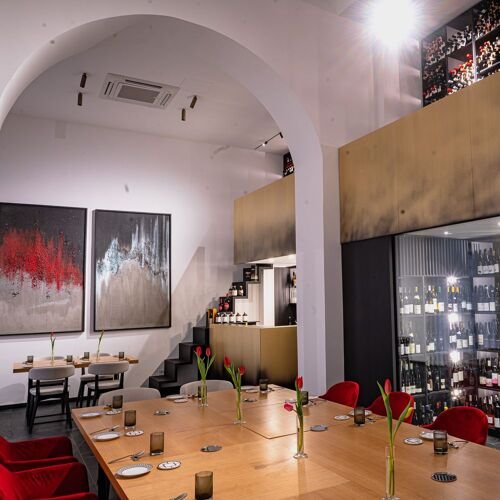
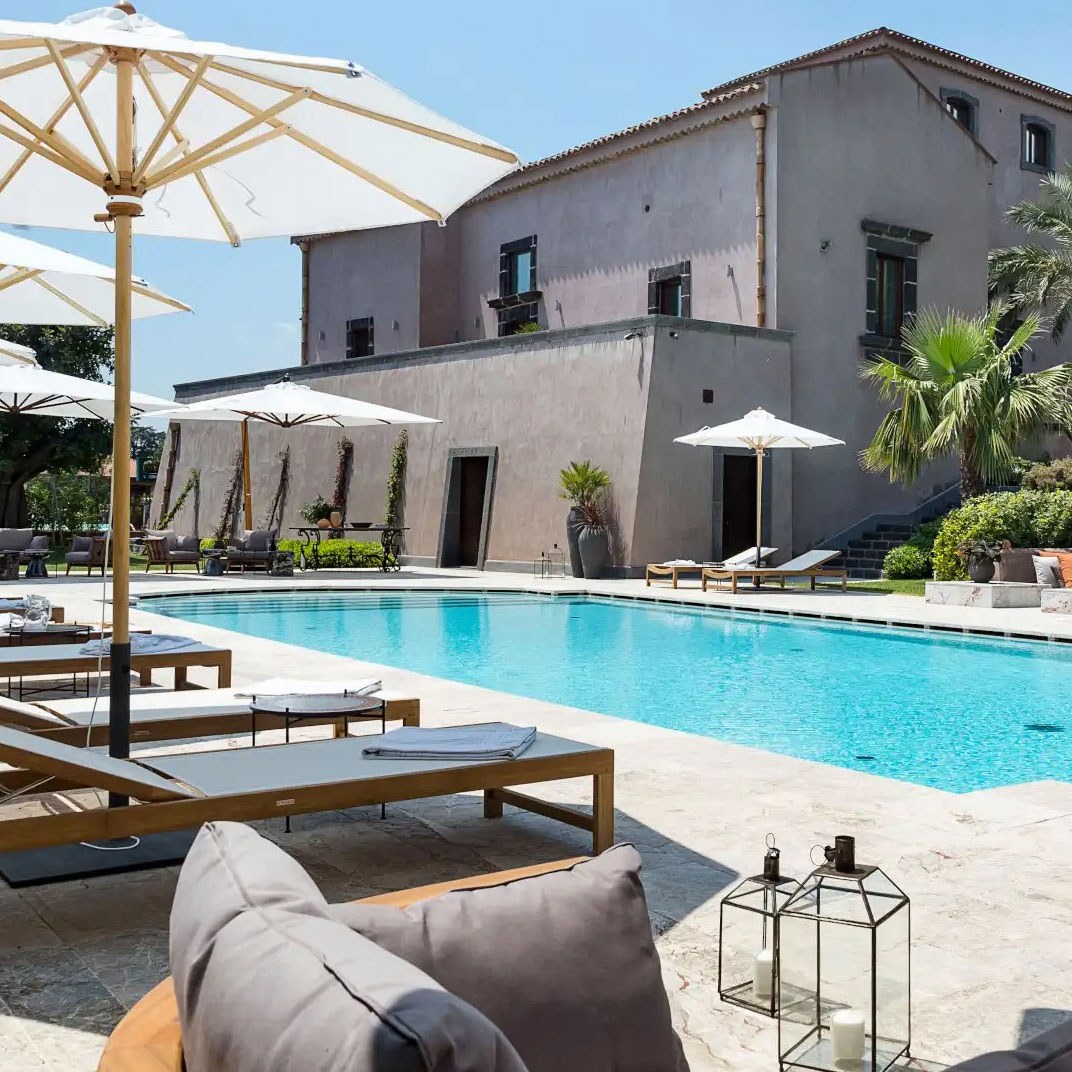
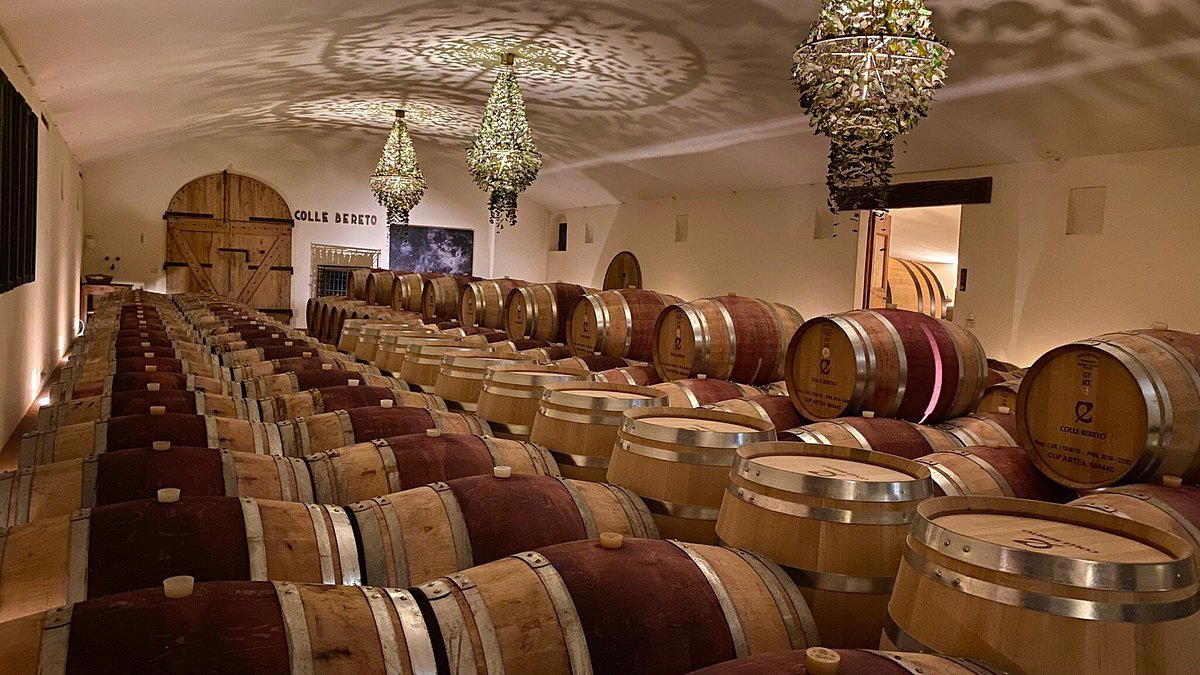
Elegant atmosphere in ornate rooms with 19th-century paintings, candelabras, and historic cellars, paired with breezy outdoor gazebos overlooking vineyards and sea.
Tags
Vibe
Best For
Experience
Sourcing
View
At the Vineyard
- Appellation
- Etna DOC
- Varietals
- Nerello Mascalese, Nerello Cappuccio, Carricante
- Tour Duration
- 60-90 minutes
- Tour Languages
- Italian, English
- Visits
- By reservation
- Farming
- Organic
- Production
- Small producer
- Wine Styles
- Still White, Still Red, Sparkling
- Food Pairing
- Offered
- Wine Club
- Not available
Know before you go
Know Before You Go
- Getting there
- Via Giuseppe Garibaldi, 361, 95029 Viagrande CT
Planning details
Location
Recognition and awards

Also consider
Also Consider
- Amaro dell'Etna, Notable alternative
- Distilleria F.lli Russo, Notable alternative
- Graci, Notable alternative
- Tornatore, Notable alternative
- Distilleria Giovi, Notable alternative
Winery context
How Benanti compares in the Etna area
Choose Benanti when the priority is a wine-led appointment in Viagrande and the occasion needs focus. Graci and Tornatore are the closest cross-shops for readers comparing Etna wine producers, but Benanti is the call when the itinerary is centered on Viagrande rather than a wider Etna circuit.
Amaro dell'Etna, Distilleria F.lli Russo, and Distilleria Giovi are better alternatives if the group wants a spirits angle or a less wine-specific stop. They make sense for mixed-interest groups; Benanti makes more sense for guests who care about Etna wine as the reason for the day.
On booking difficulty, plan Benanti first and treat the others as backups or add-ons. For ambiance, the practical split is simple: wine occasion first, choose Benanti; broader drinks itinerary, look at Amaro dell'Etna or Distilleria Giovi; Etna wine comparison day, cross-shop Graci and Tornatore.
Explore Viagrande
Around this place
Discover more on Pearl
Unlock the full Benanti guide in Pearl, including awards, comparisons, FAQs, planning details, and nearby places.
Compare Benanti
| Venue | Location | Awards |
|---|---|---|
| Benanti | Viagrande | 2026 Falstaff Winery Guide |
| Amaro dell'Etna | Catania | No published awards |
| Distilleria F.lli Russo | Santa Venerina | No published awards |
| Graci | Passopisciaro | 2026 Falstaff Winery Guide |
| Tornatore | Castiglione di Sicilia | 2026 Falstaff Winery Guide |
| Distilleria Giovi | Valdina | No published awards |
How Benanti Viagrande compares with similar nearby venues.
FAQ
Frequently Asked Questions
What should I know before visiting Benanti?
Benanti is in Viagrande, has a smart casual dress code, and holds Pearl 2 Star Prestige recognition for 2025. Ask the venue directly for current visit information.
Does Benanti have any recognition?
Yes. Benanti in Viagrande has Pearl 2 Star Prestige recognition for 2025 and a smart casual dress code.
When is the best time to visit Benanti?
How long should I plan for a visit to Benanti?
Ask Benanti directly for current guidance before building an itinerary around the stop.