

2026 Falstaff Winery Guide: The Ultimate Wine Authority — Page 29
Falstaff's 2026 Wineries guide.

Venues on this list
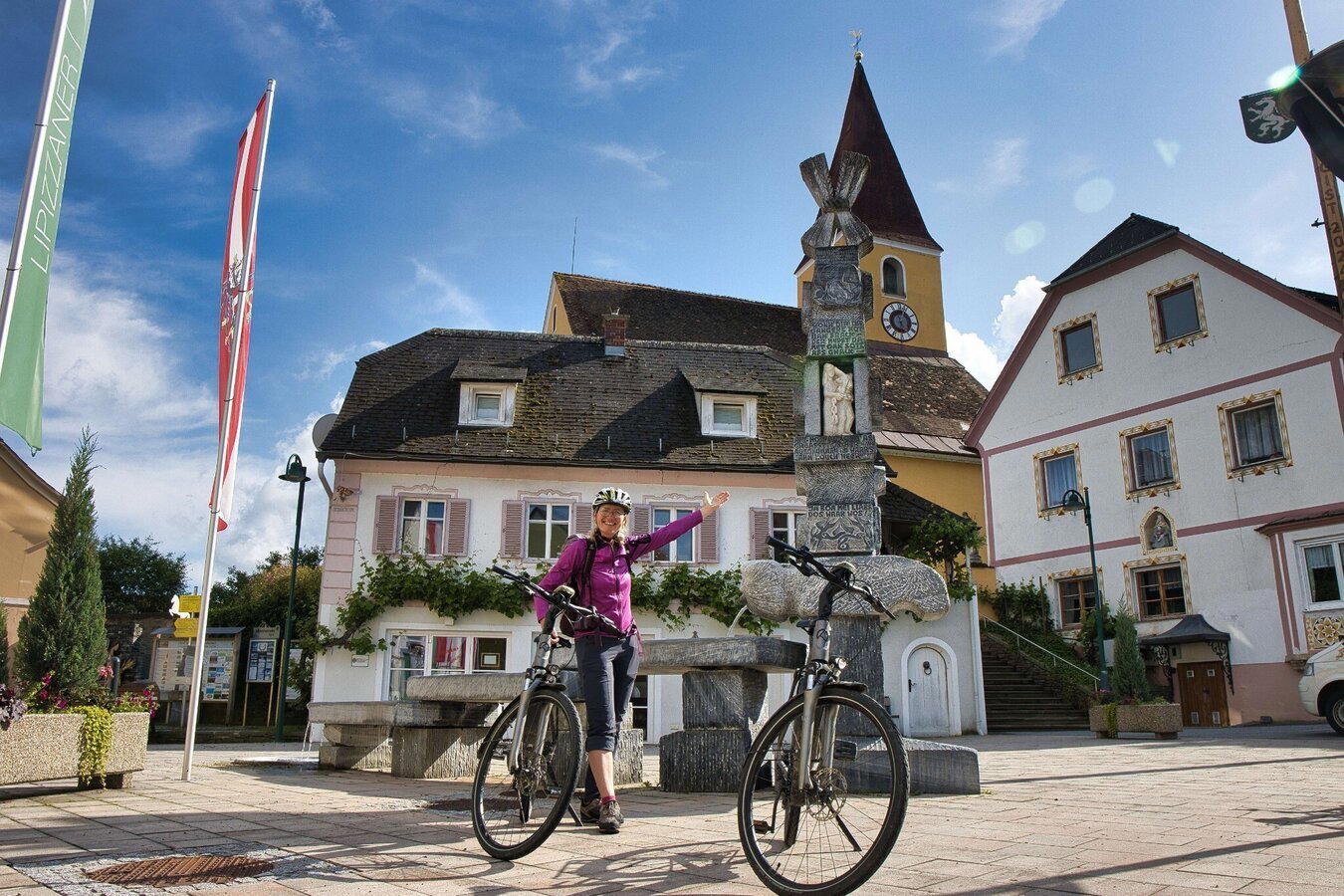
Buschenschank Lackner
Krottendorf Gaisfeld, Austria
Buschenschank Lackner is worth choosing for a casual West Styrian wine stop rather than a formal tasting-room experience. Go for the traditional Buschenschank setting, regional food, Schilcher context, and a broad estate wine range that gives Krottendorf-Gaisfeld more depth than a quick glass on the road.
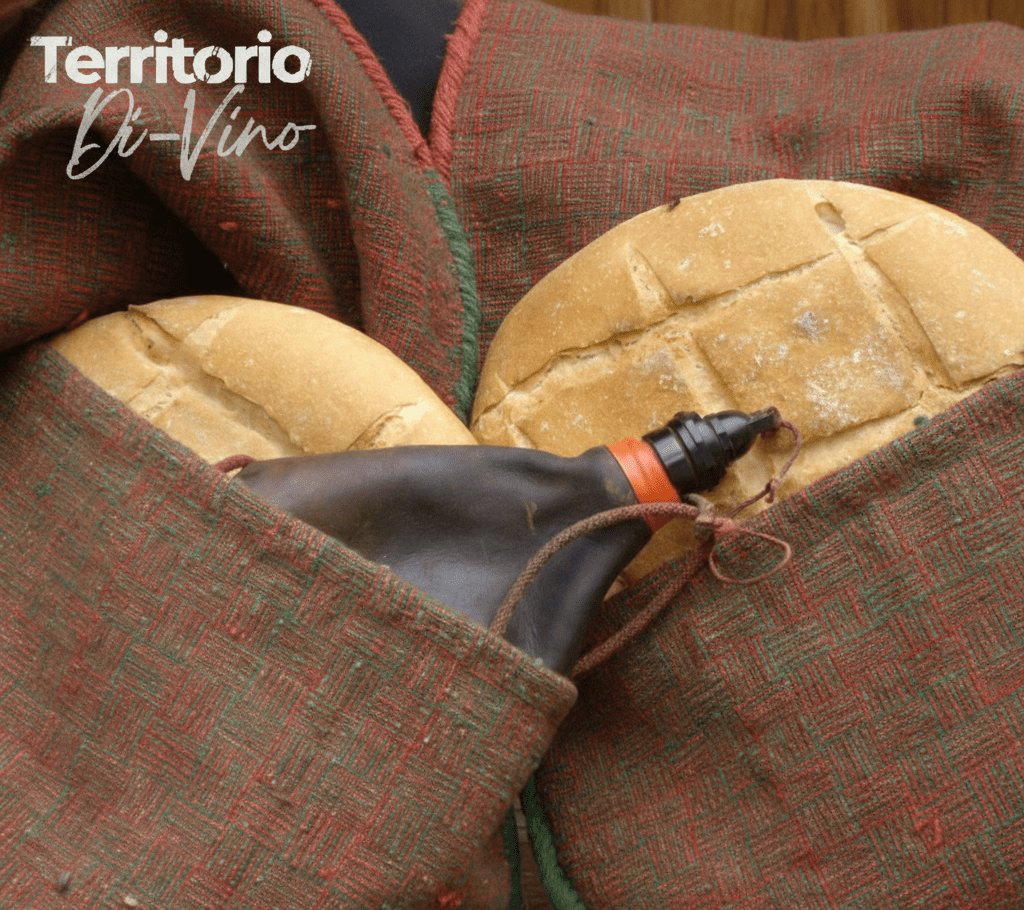
Bodega Hornillos Ballesteros, S.L.
Roa, Spain
Book Bodega Hornillos Ballesteros, S.L. if the goal is old-vine Ribera del Duero Tempranillo with a small, family-run feel rather than a glossy winery stop. The strongest argument is the MiBal range, especially the contrast between younger Tempranillo, Roble, and Crianza styles.
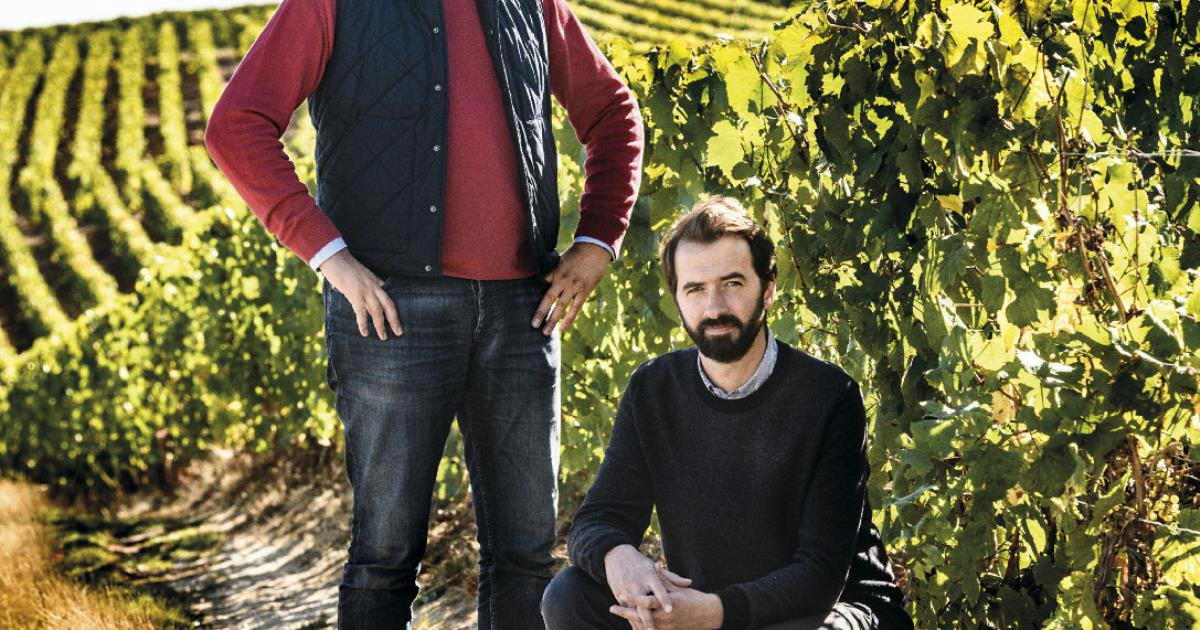
Champagne Bonnaire
Cramant, France
Champagne Bonnaire is worth targeting if the aim is a Cramant-focused grower Champagne visit rather than a large-house tour. Falstaff 3 Stars in 2026 gives it a clear quality signal, but the smart move is to plan around confirmed appointment logistics and keep the rest of the day flexible.
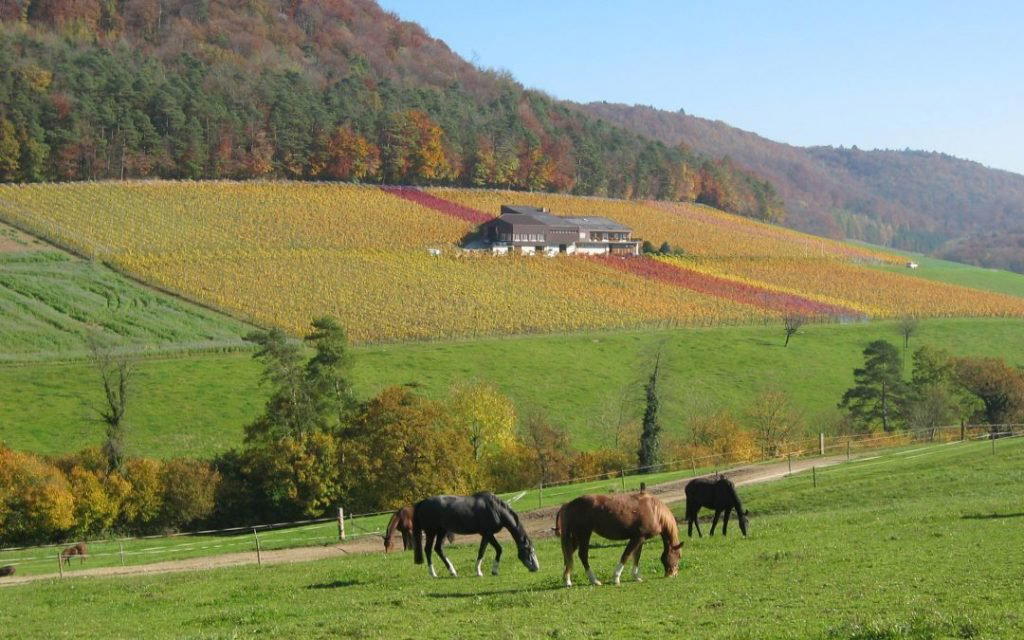
Büchli Weine
Effingen, Switzerland
Büchli Weine is a serious Fricktal shortlist pick if the decision is driven by Swiss wine credibility: its Falstaff 2 Stars in 2026 is the main trust signal. Treat it as an appointment-style wine stop rather than a casual walk-in plan, especially for celebrations, groups, club questions, or shipping needs.
Cave Morel
Chardonne, Switzerland
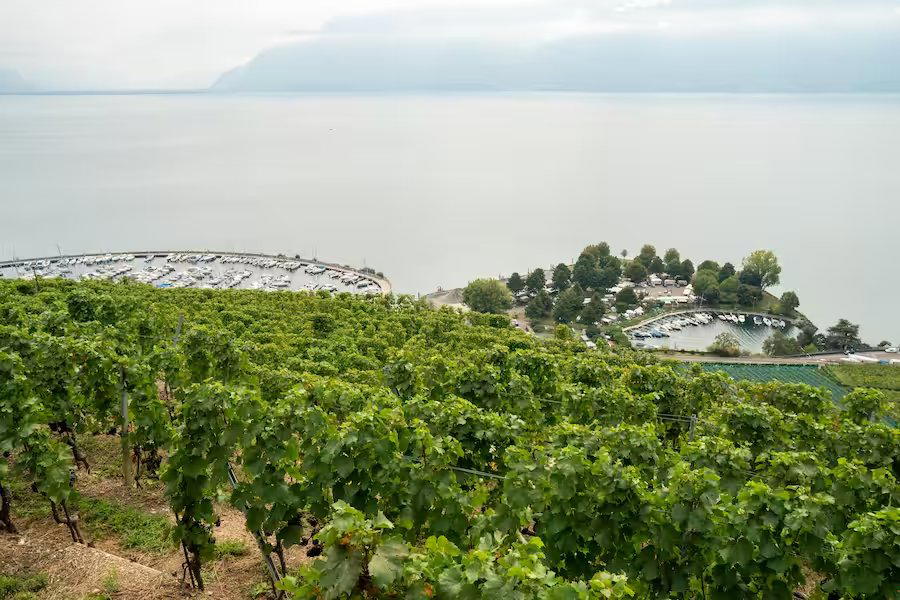
Cave Morel is a sensible Chardonne pick for a wine-led Lavaux itinerary, especially if external recognition matters more than a published hospitality format. Treat it as a focused producer stop, not a food or flagship-bottle destination, and build the rest of the day around confirmed Chardonne restaurants, hotels, bars, and nearby wineries.
Gruppo Mezzacorona
Mezzocorona, Italy
A strong pick for travelers who want Trentino wine context rather than a tiny-cellar visit. Gruppo Mezzacorona is better for understanding cooperative scale, regional varieties, sustainability practice, and a broad portfolio than for private-estate intimacy or rare allocation hunting.
Château Ferrière
Margaux, France
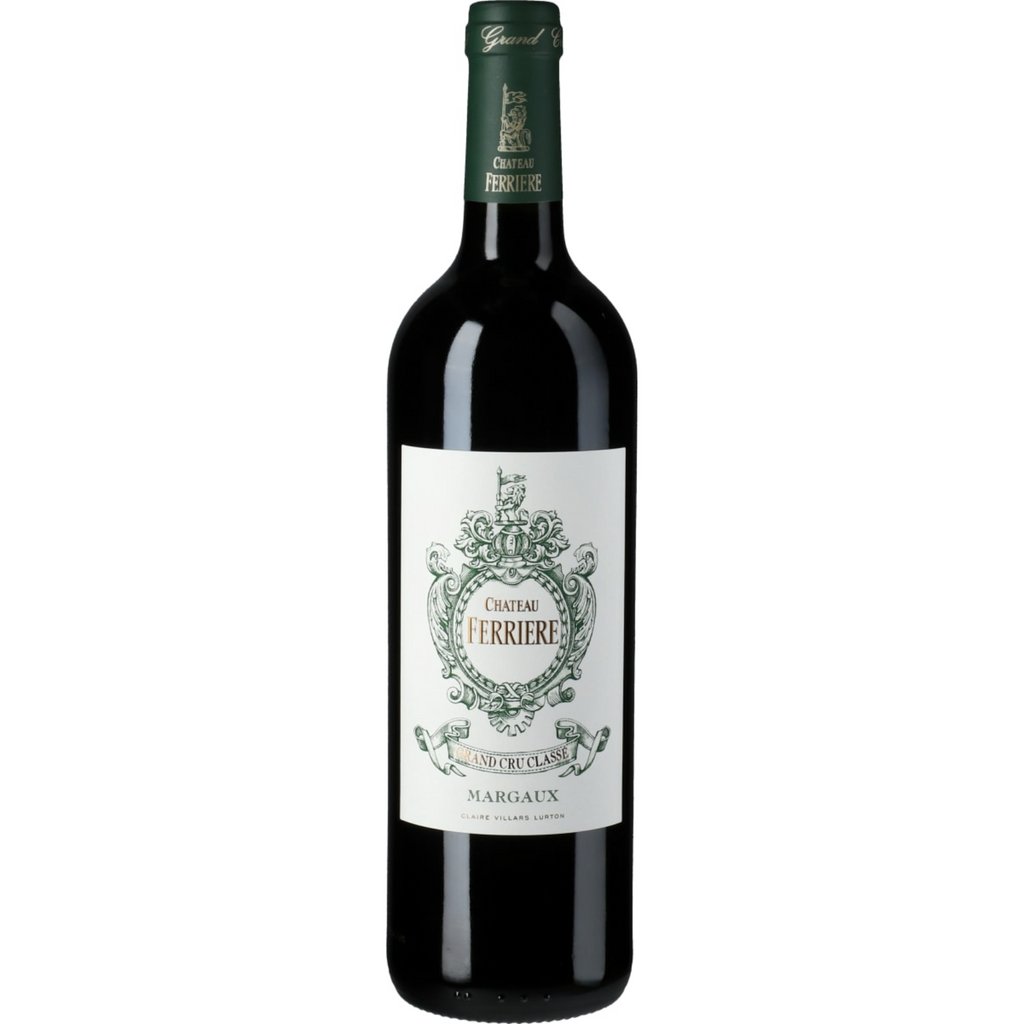
Château Ferrière is a stronger fit for Bordeaux-focused collectors and special-occasion travelers than for casual visitors seeking a clearly defined food or hospitality format. Prioritize it when the goal is a serious Margaux wine decision, then cross-shop nearby estates if the group needs easier planning or broader visitor infrastructure.
Château St. Thomas
Bekaa Valley, Lebanon
Château St. Thomas is a practical Bekaa Valley shortlist pick for travelers planning a wine-first visit or special-occasion stop. The strongest reason to include it is bottle assessment, supported by a 2026 Falstaff listing; plan around daytime conditions and avoid assuming a full dining format unless separately confirmed.
Domaine des Homs
Rieux Minervois, France
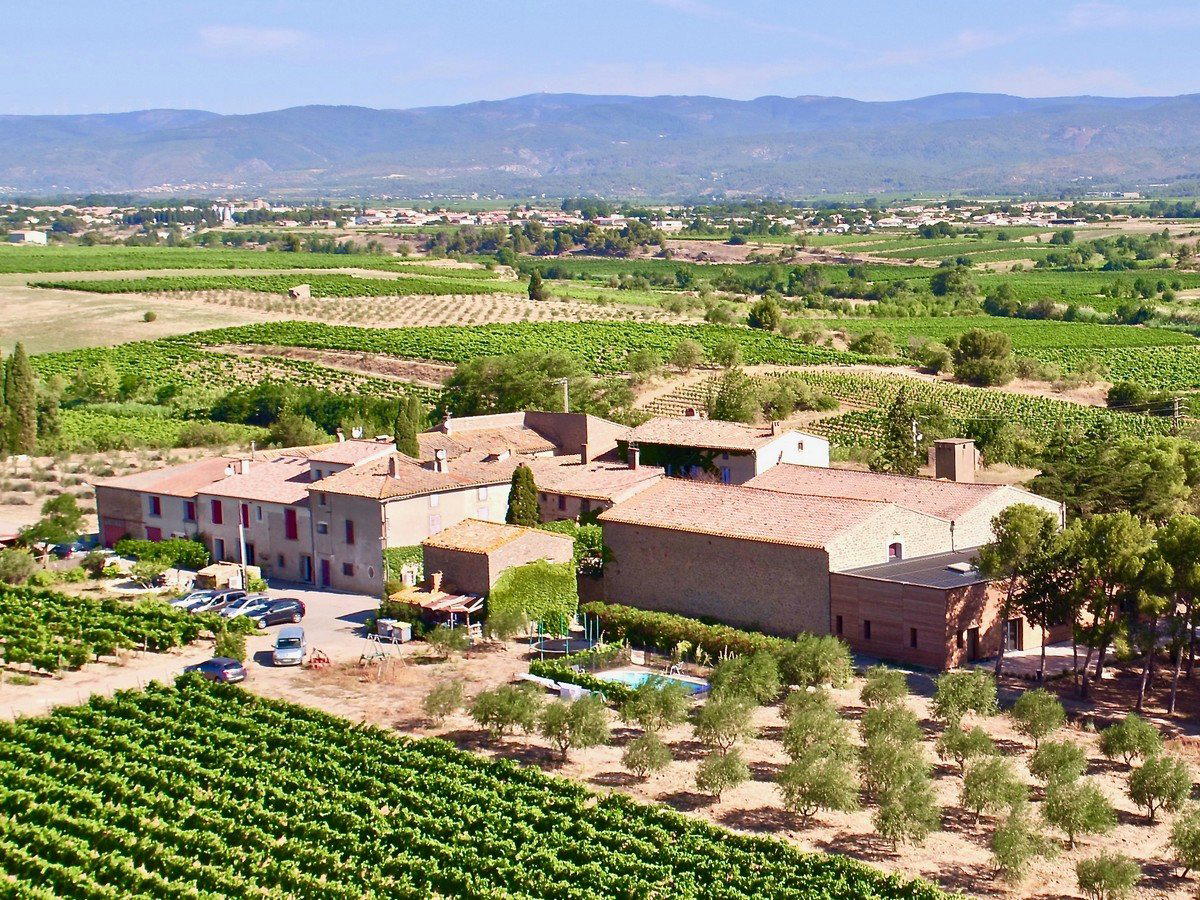
Domaine des Homs works for a compact Rieux Minervois wine stop, especially if the goal is regional context rather than a restaurant-style experience. Plan it as part of a wider Occitanie route, with time left for another winery or a meal elsewhere.
Aldo Rainoldi
Chiuro, Italy
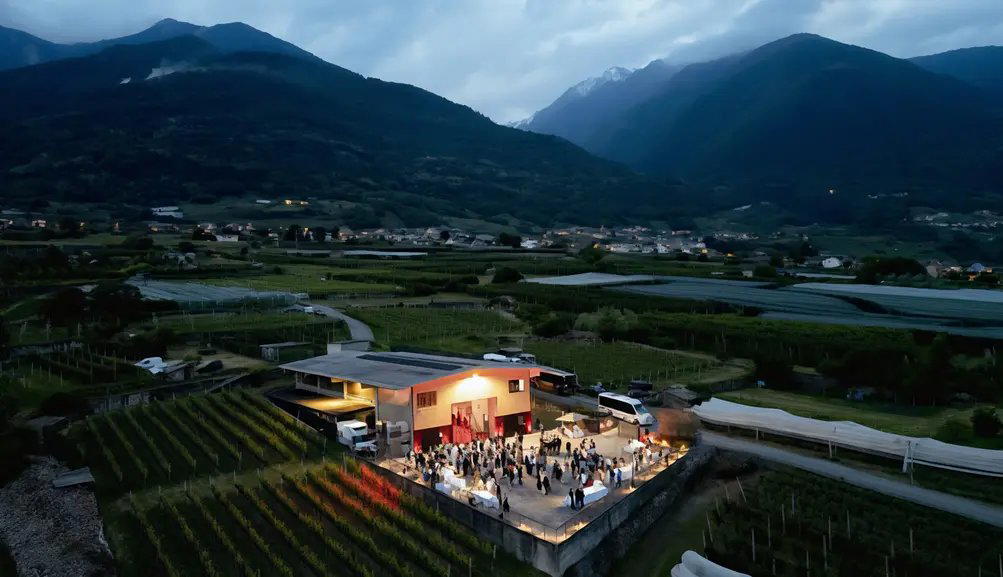
Aldo Rainoldi is a sensible Chiuro shortlist pick for travelers who want a recognized Valtellina winery stop without building the entire day around one estate. The value is strongest as part of a compact wine itinerary, especially in spring through early autumn when the valley setting adds more to the visit.
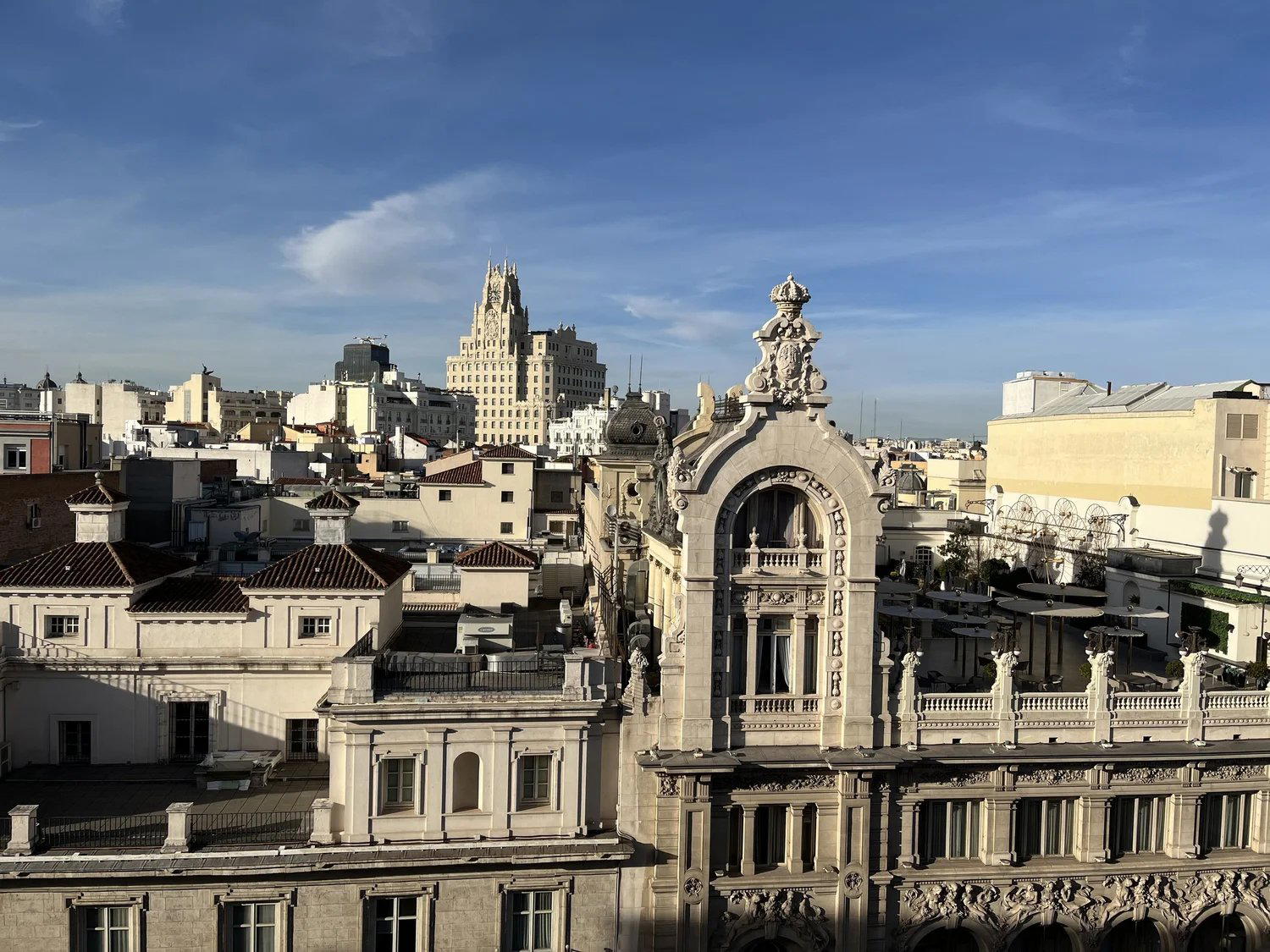
Bodegas Palacios Remondo
Alfaro, Spain
Book Bodegas Palacios Remondo only if Rioja Oriental is central to the trip. The draw is regional importance in Alfaro, supported by Falstaff 2 Stars in 2026, but visitor logistics are not the reason to choose it. Better for repeat Rioja travelers and collectors than casual walk-in winery touring.
Château Famille Bouey
Ambares Et Lagrave, France
Château Famille Bouey is a practical Bordeaux stop for drinkers who want portfolio context before buying or shipping bottles. The appeal is range: Médoc roots, family properties, classified-growth sourcing, smaller estates, and a sustainability-led vineyard approach. Choose it for grounded Bordeaux education over a showy tasting-room experience.
Ferruccio Sgubin
Dolegna del Collio, Italy
Ferruccio Sgubin is worth booking if you want a quiet, family-run Collio estate with hillside atmosphere and a production story centered on regional whites. The strongest draw is Sauvignon handled in stainless steel with lees contact until spring, plus a portfolio that includes Pinot Grigio, Cabernet Franc, and Mirnik blends. Go for place and winemaking context, not a glossy tasting-room format.
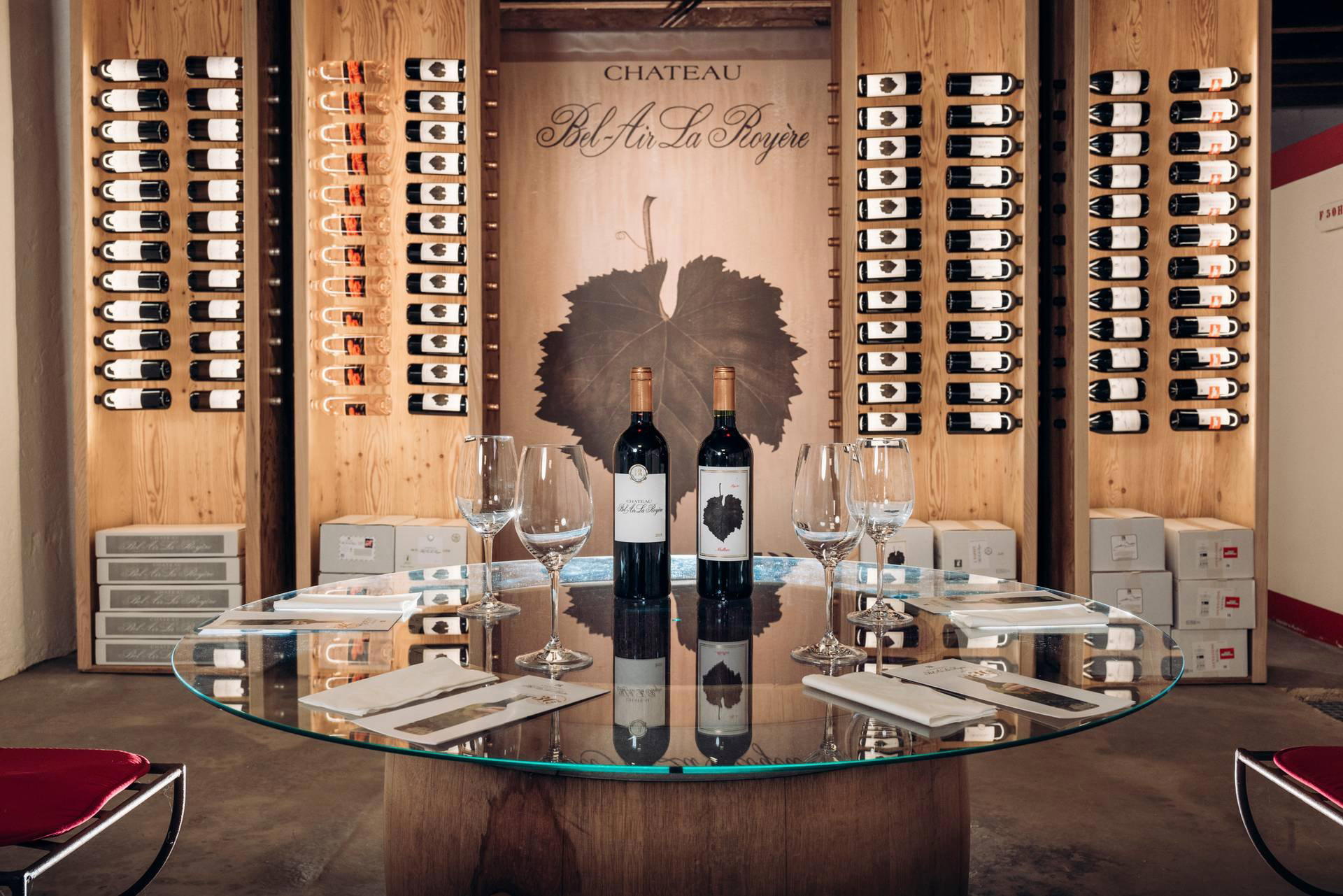
Château Bel-Air La Royère
Cars, France
Book Château Bel-Air La Royère if you want an approachable organic Blaye Côtes de Bordeaux tasting with real vineyard and cellar context. It is better for curious wine travelers than for visitors chasing a formal luxury château experience, with the strongest value coming from the relaxed educational format and small-estate perspective.
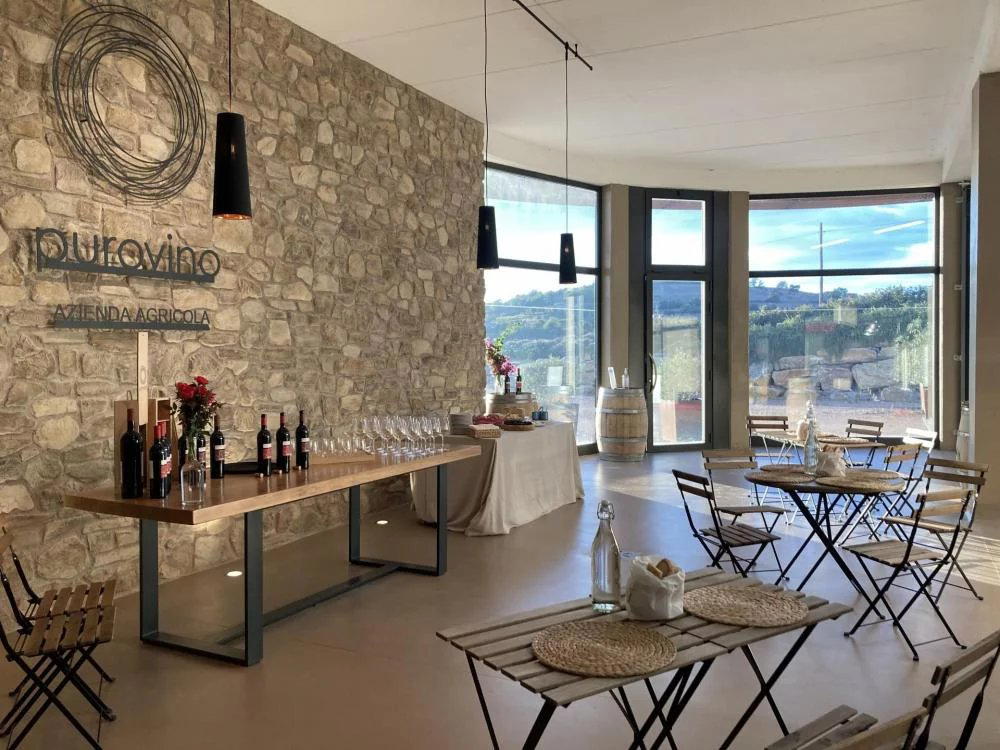
Cantina LaSelva
Magliano, Italy
Book Cantina LaSelva if organic Maremma wine is the point of the trip. The $$ positioning makes sense because the estate brings real farming history, an underground cellar, native grapes, and Falstaff recognition in 2026; skip it if the group wants a more flexible, high-energy hospitality stop.
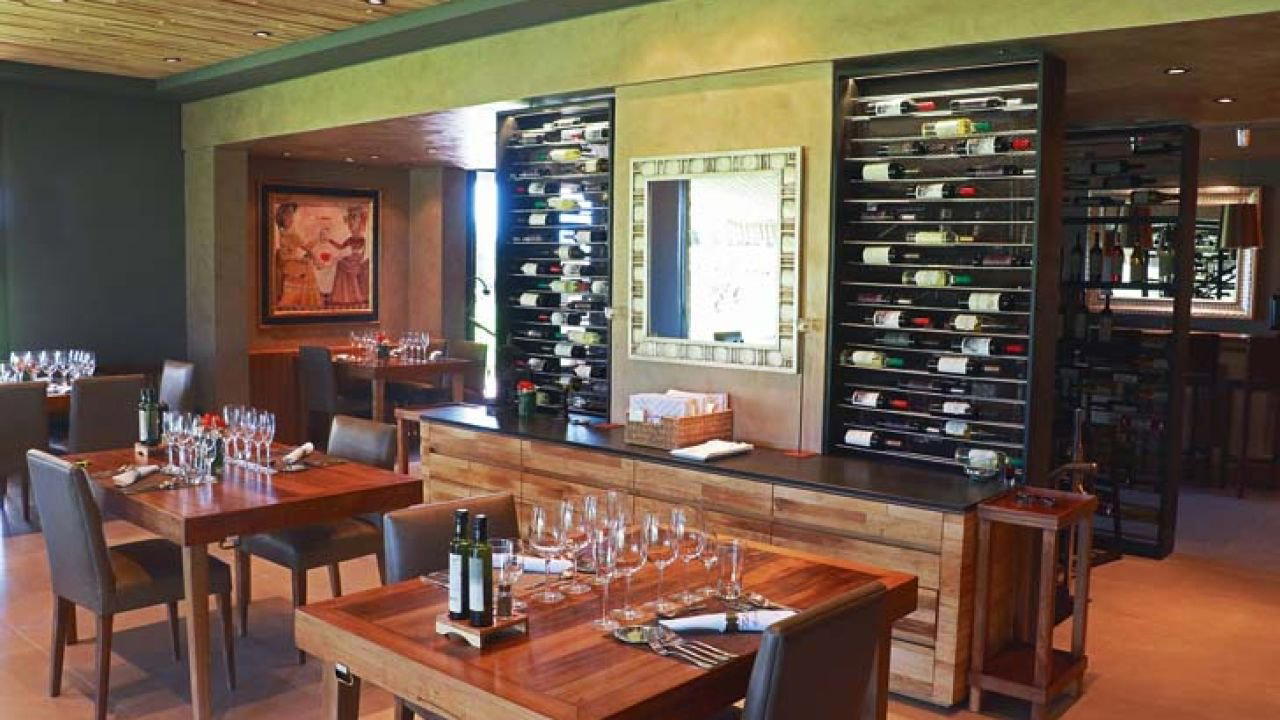
Dominio del Plata
Mendoza, Argentina
Dominio del Plata works as a flexible Mendoza winery stop, especially given its Falstaff Winery listing for 2026. Treat it as part of a broader wine-country route rather than a stand-alone anchor unless tasting format, timing, and group details are confirmed in advance.
All Saints Estate
Rutherglen, Australia
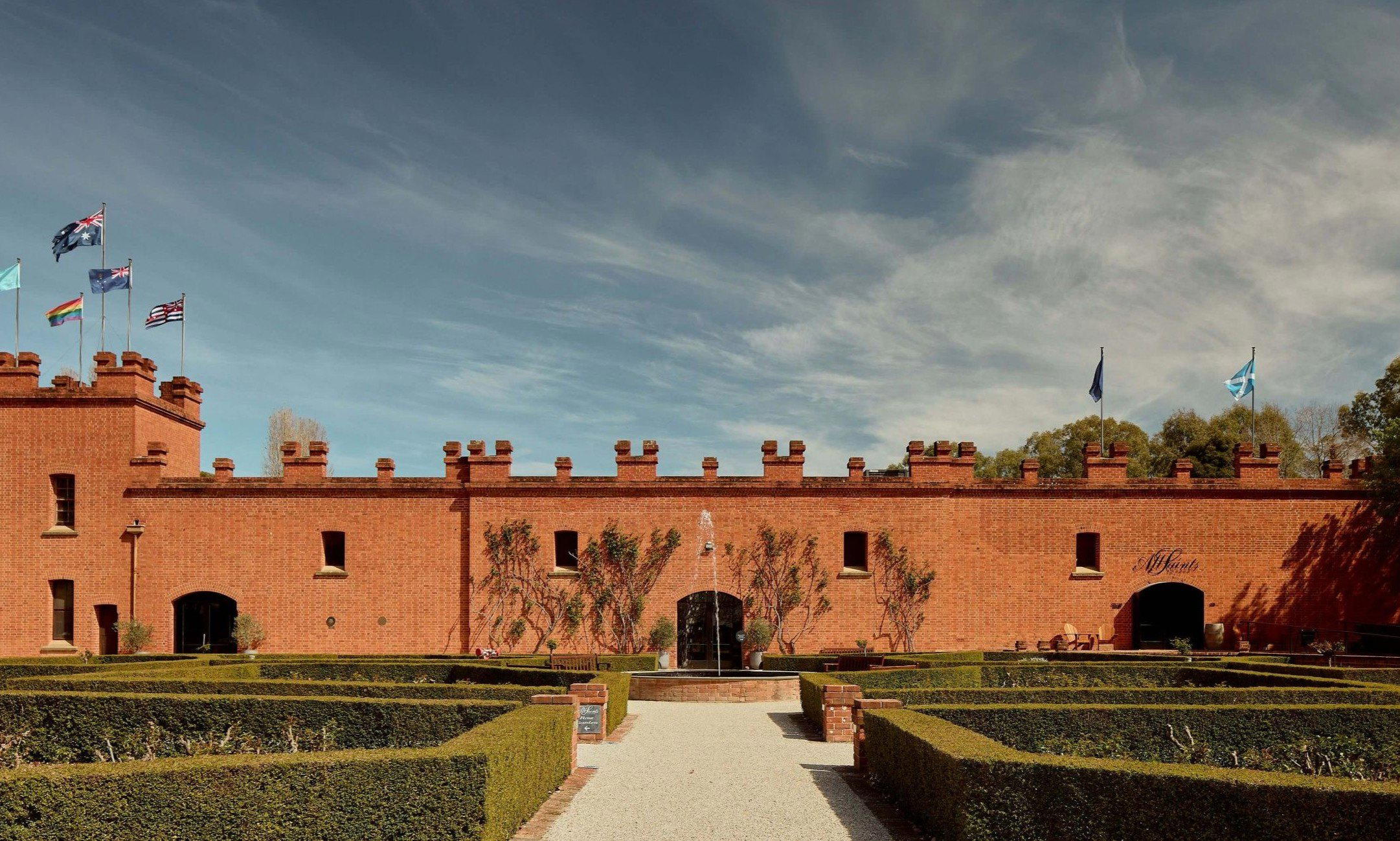
Book All Saints Estate when the Rutherglen stop needs to feel like an occasion, not just another cellar door. It is better suited to couples, hosted guests, and slower wine-country days than to travellers trying to fit in as many tastings as possible.
Jeio
Campea Di Miane, Italy
Jeio is worth shortlisting for a wine-first stop in Campea Di Miane, especially if a modern Prosecco-country setting matters more than a fully documented tasting or food program. The Falstaff Listed (2026) signal helps, but plan meals, timing, and group logistics separately before making it the anchor of a celebration.
Die Schwertführerinnen
Sooß, Austria
A low-friction Sooß winery choice for visitors who want a focused Thermenregion stop without planning around a large hospitality program. The 2026 Falstaff listing gives it a useful quality signal, but confirm tasting format and pricing before making it the anchor of the day.
Château La Fortune
Margaux, France
Château La Fortune works as part of a Margaux wine day, especially if the goal is to assess bottles before a purchase or membership-style commitment. Its Falstaff Listed (2026) recognition is the main trust signal; plan it as a focused producer stop rather than a full hospitality-led occasion.
Bodegas Condado de Haza
Roa, Spain
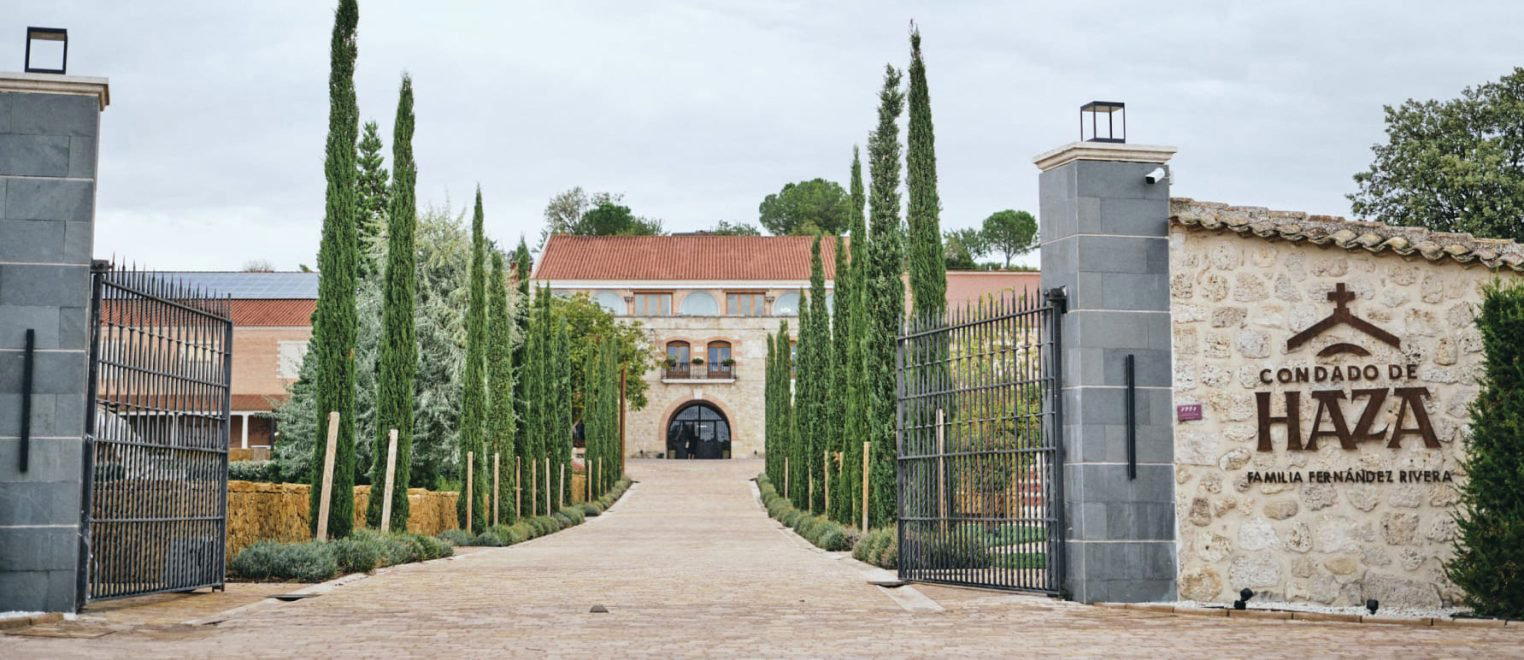
Bodegas Condado de Haza is worth booking if the goal is a serious Ribera del Duero winery visit rather than a quick tasting-room stop. The value comes from the estate-grown Tempranillo focus, hillside tunnel cellar, organic vineyard approach, and Falstaff 3 Stars recognition for 2026.
Domaine Didier Charton-Vachet
Saint Vallerin, France
Domaine Didier Charton-Vachet is a fit for Burgundy-focused travelers who prefer smaller producer visits over highly staged tasting rooms. The main trust signal is Falstaff listing recognition for 2026; go in expecting a concise, context-led stop rather than a large hospitality operation with published flagship wines or extensive visitor details.
Domaine Maxime Magnon
Villeneuve Les Corbieres, France
A worthwhile Corbières stop for wine-focused travelers already planning time in Villeneuve-les-Corbières, especially if producer depth matters more than visitor amenities. Domaine Maxime Magnon is Falstaff Listed for 2026, which gives it a useful credibility signal, but the visit is better treated as a targeted winery stop than a casual all-afternoon hospitality experience.
Brother Khutsishvili
Kisiskhevi, Georgia
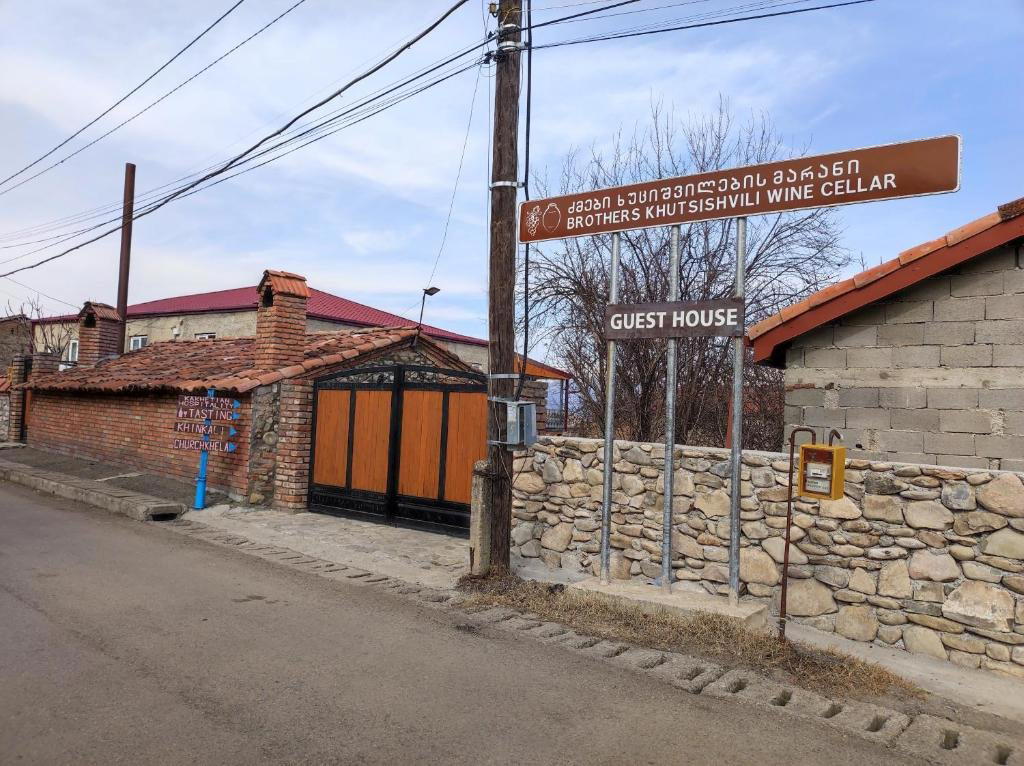
Book Brother Khutsishvili if the goal is a rustic Kakhetian cellar tasting focused on qvevri wine, indigenous grapes, and relaxed family-style hospitality. It is better for curious wine travelers and small groups than for visitors seeking a polished, highly structured winery experience.
Cono Sur Winery
Santiago, Chile
Cono Sur Winery is a smart pick if the goal is to understand modern Chilean wine production, especially Pinot Noir, rather than chase a small-estate mood. The value is strongest in a structured tasting or private tour that explains the winery’s technical cellar choices, sustainability work, and broad portfolio. Falstaff Listed in 2026, it suits visitors who want substance over scenery alone.
Domaine de Vernus
Regnie Durette, France
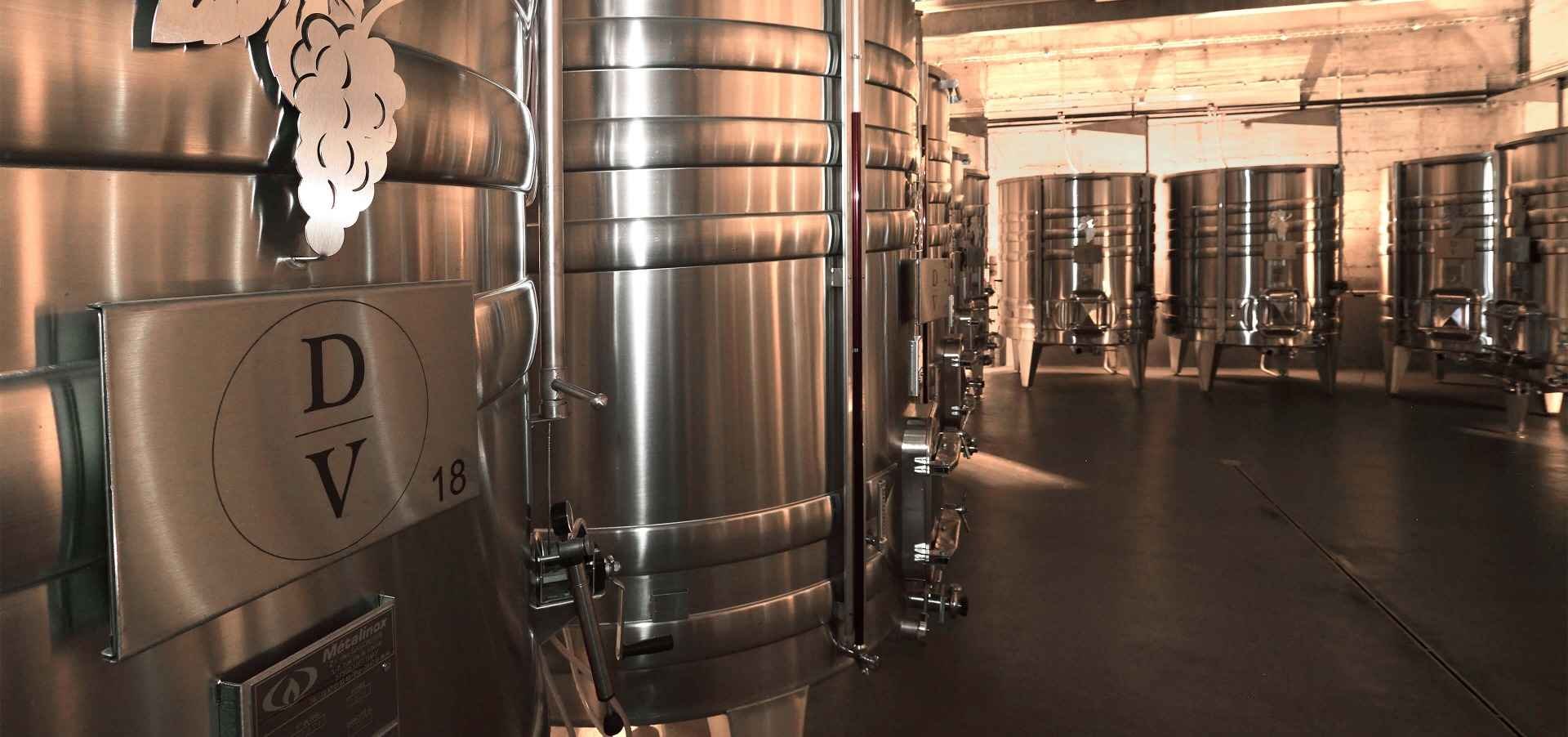
Domaine de Vernus is a strong appointment-only choice for Beaujolais drinkers who care about old-vine Gamay, granite soils, and cru-specific wines more than tasting-room amenities. The private format is worth prioritizing if you want context on Régnié, Moulin-à-Vent, and the estate’s Burgundy-influenced production approach.
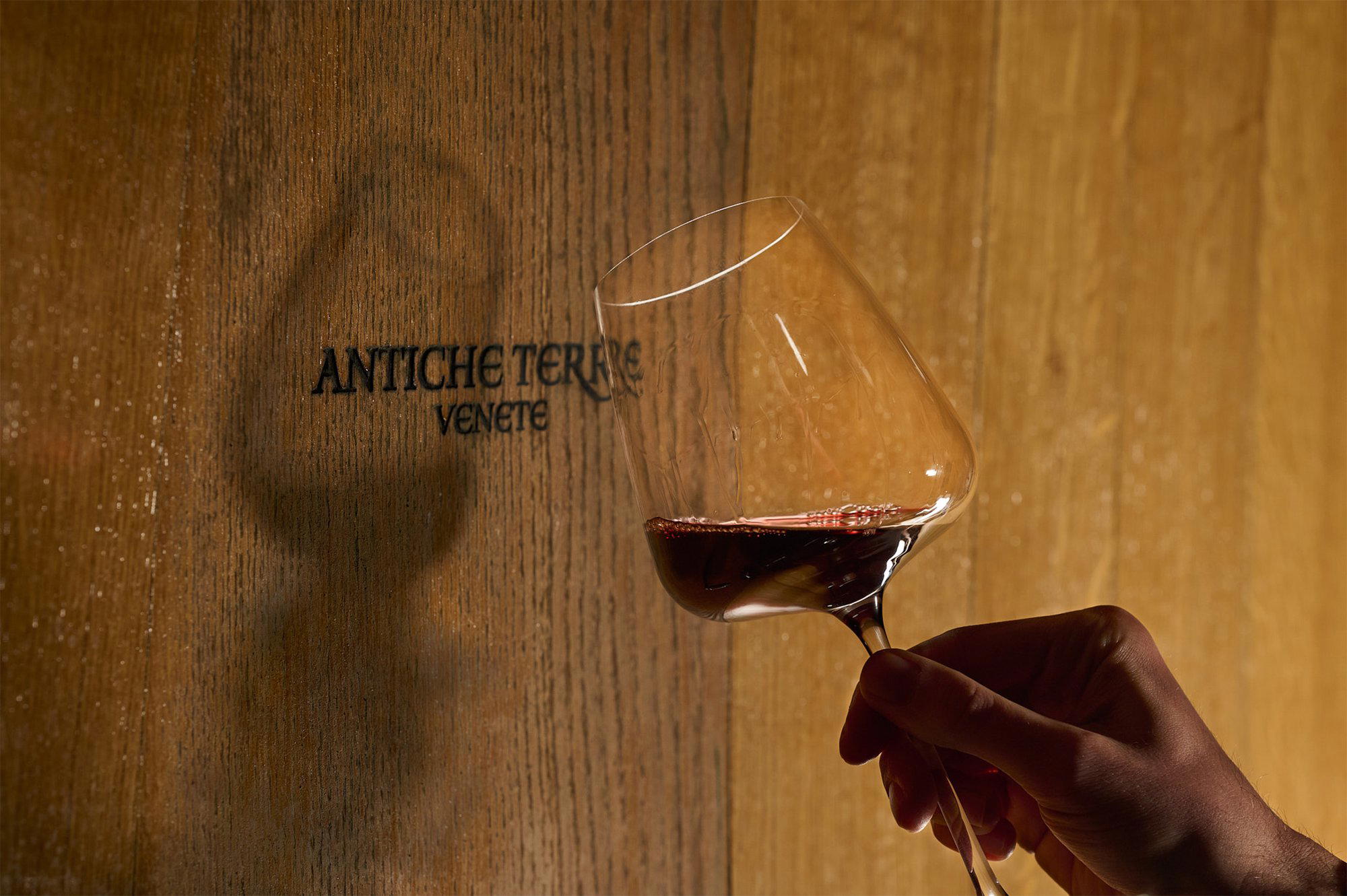
Antiche Terre Venete
Verona, Italy
Dark-fruited Ripasso, structured Amarone, terraced Valpantena vineyards: Antiche Terre Venete is worth prioritizing if you want a cellar-led winery visit outside central Verona. The private tasting makes the strongest case for serious wine travelers, especially those interested in Veneto reds, oak aging, and how the estate connects vineyard work to the bottle.
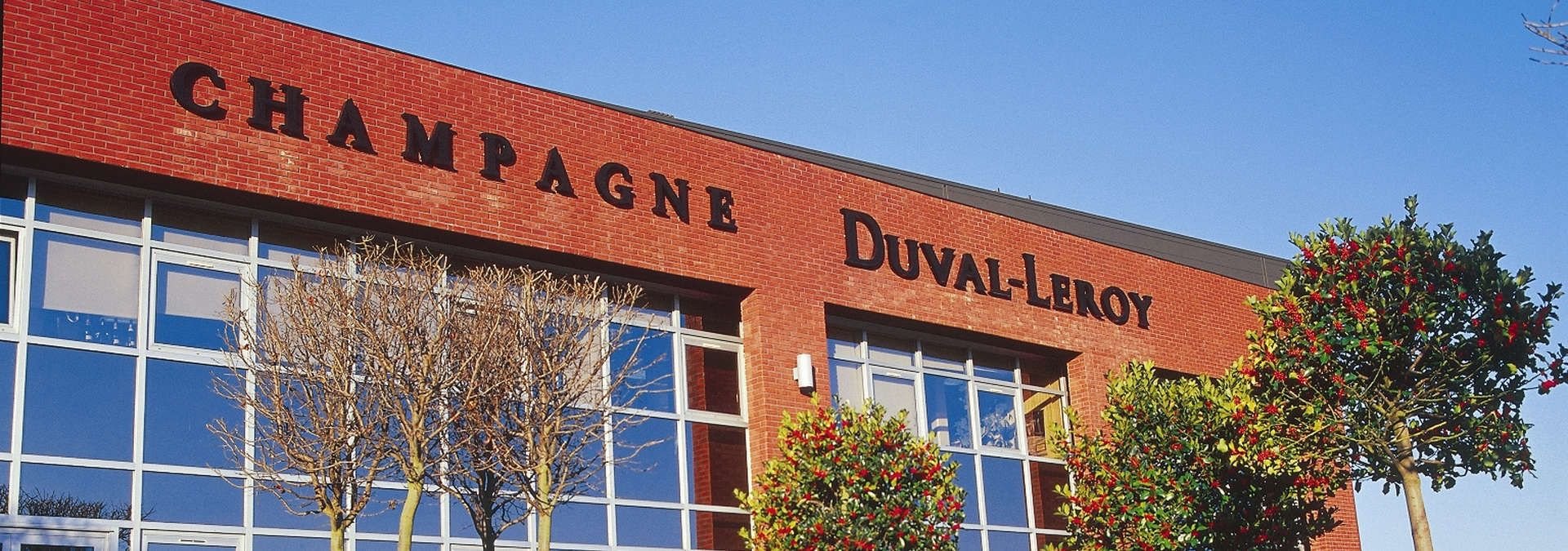
Champagne Duval-Leroy
Vertus, France
A serious Vertus stop for Champagne travelers who plan ahead rather than improvise. Champagne Duval-Leroy carries Falstaff 3 Stars (2026), so it makes sense as an anchor appointment in a Côte des Blancs day, but only if confirmed availability fits the route.
Domaine Perdrix-Lasouche
Bourdic, France
Worth planning if you want a quiet, appointment-only grower tasting in the Duché d’Uzès area without high tasting-room spend. The strongest fit is a first-time visitor using Bourdic as a countryside base, especially if the 3-bedroom gîte and preferential bottle pricing are useful.
Domaine de la Bongran
Clesse, France
A better fit for wine-focused travelers already planning time in Clesse than for visitors seeking a fully packaged tasting-room experience. Domaine de la Bongran has a 2026 Falstaff listing, so it carries a useful credibility signal, but first-timers should confirm visit details before building a day around it.
Clos Jangli - Luxembourg Vine Huggers Sàrl
Keispelt, Luxembourg
Clos Jangli - Luxembourg Vine Huggers Sàrl works if Keispelt is already on a Luxembourg wine route and the goal is regional depth rather than a fully pre-packaged cellar visit. Falstaff listing in 2026 gives it a useful credibility signal, but plan only around confirmed arrangements because visitor-facing details are sparse.
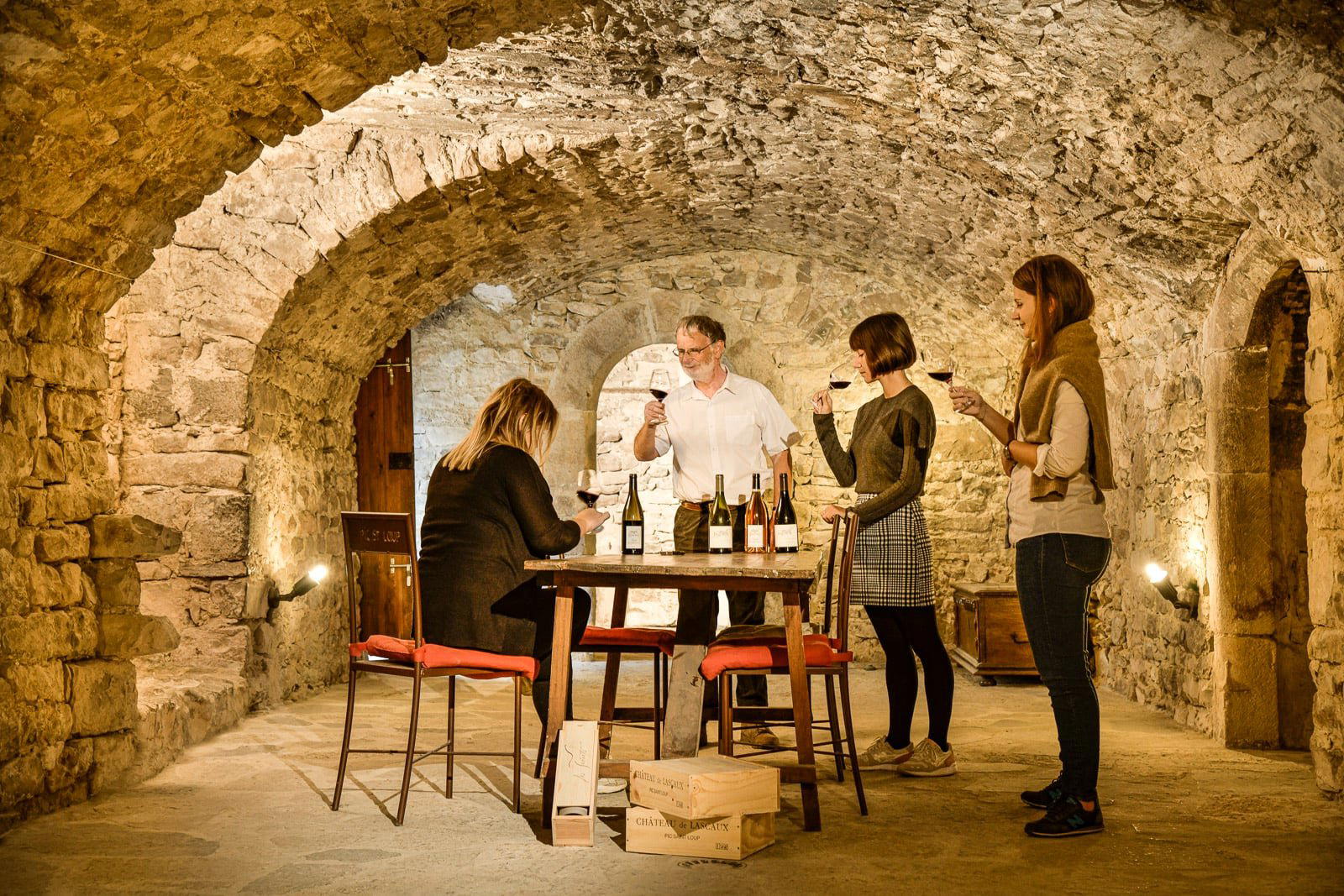
Château de Lascaux
Vacquieres, France
Château de Lascaux works as a focused Vacquières winery stop, especially if value and regional context matter more than a polished destination experience. The strongest trust signal is its Falstaff 2026 listing; pricing, tasting format, and visitor details should be checked before making it the anchor of the day.
Jean-Marc Burgaud
Villié-Morgon, France
A good pick for travelers who want a focused Morgon producer stop in Villié-Morgon, not a full-service wine-tourism afternoon. Booking looks easy, but confirm timing and food expectations before building the day around it, especially for groups.
Cobb Wines
Petaluma, United States
Cobb Wines is worth prioritizing if you want a calm, appointment-led tasting focused on cool-climate Pinot Noir, Chardonnay, and Riesling rather than a casual wine-country hangout. The value is in the depth of vineyard context and small-production focus, backed by Falstaff recognition in 2026, not in extras like food service or a big social scene.
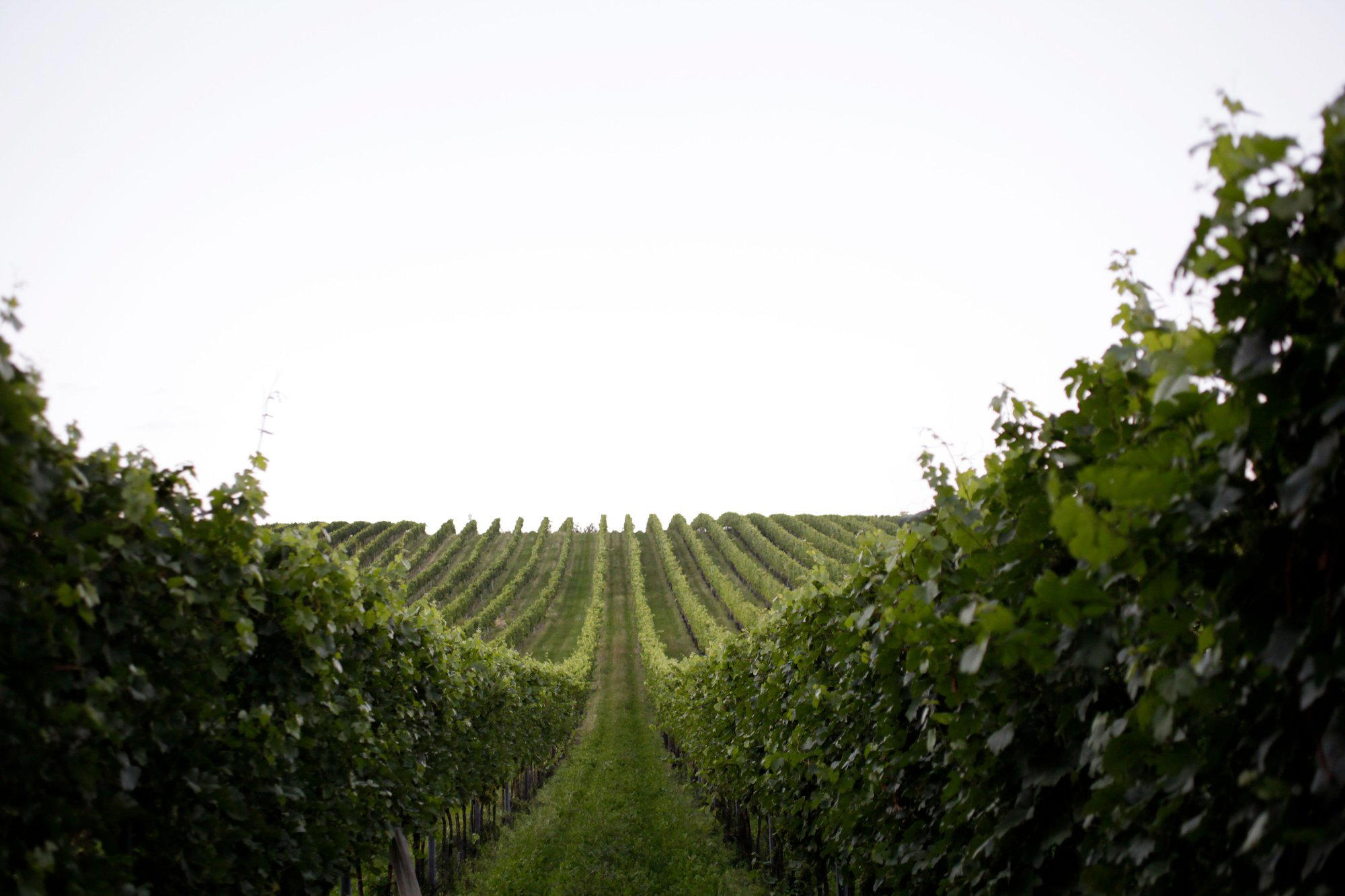
Bioweingut Zirnsack
Sierndorf An Der March, Austria
A sensible Weinviertel shortlist pick if you want a quieter organic winery visit in Sierndorf an der March rather than a large destination tasting. The 2026 Falstaff listing gives it credibility, but plan ahead if you need a private, group, or celebration format.
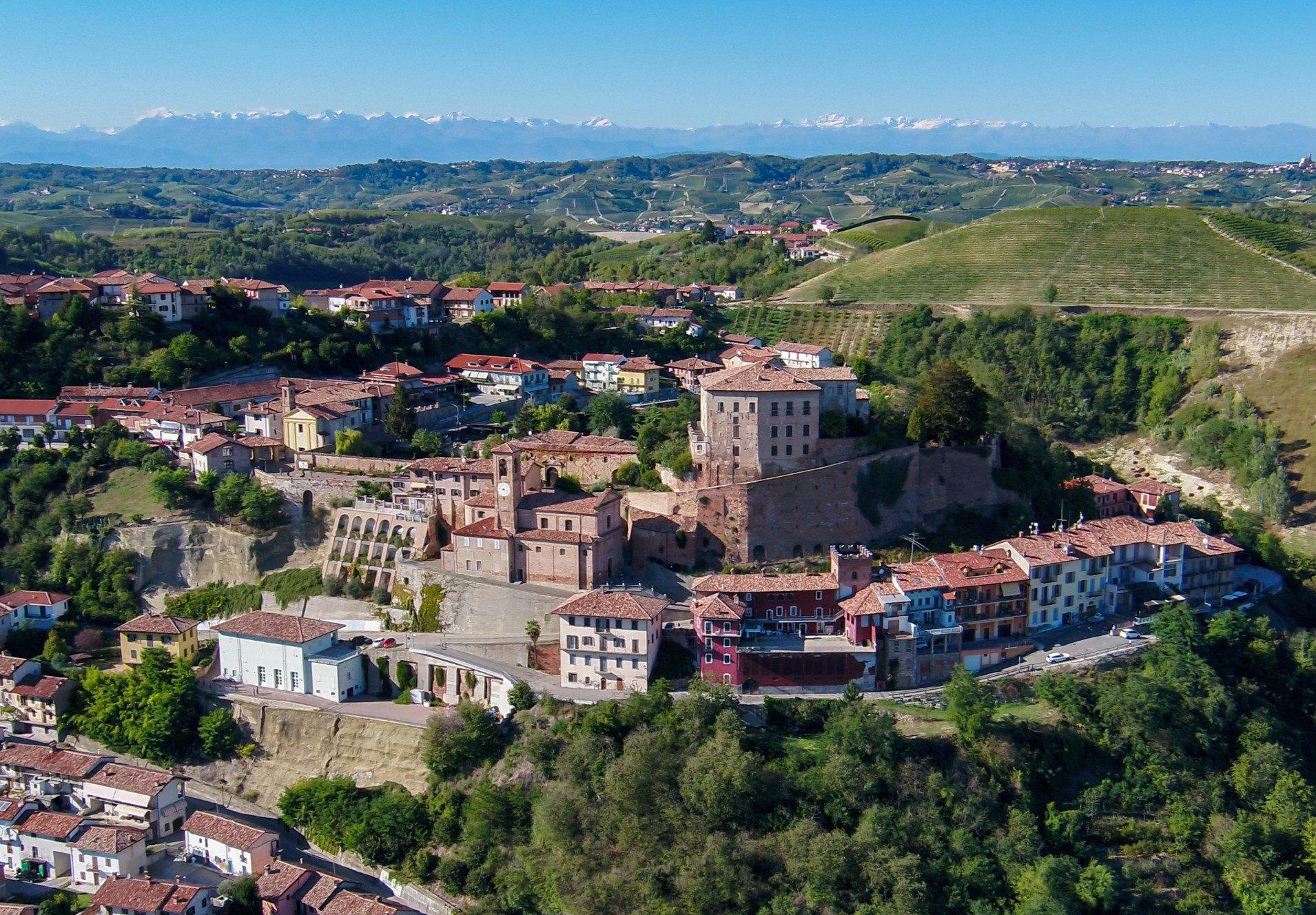
Cantina Marsaglia
Castellinaldo D Alba, Italy
A strong Roero stop if you want family-run context, Arneis depth, and a quieter vineyard setting rather than a polished luxury tasting room. The key bottles are the Roero Arneis Serramiana, the more structured Roero Armonia, and the Nebbiolo-based Roero Brich d’America, with Falstaff listing adding a useful recognition signal.
Compañia de Vinos Telmo Rodriguez, S.L.
Lanciego Alava, Spain
Book this only if the visit can be arranged as a focused wine appointment rather than a casual stop. The 2026 Falstaff 5 Stars recognition makes it worth pursuing for serious Rioja Alavesa planning, but first-timers should value structure, timing, and tasting depth over simply adding another winery to the day.
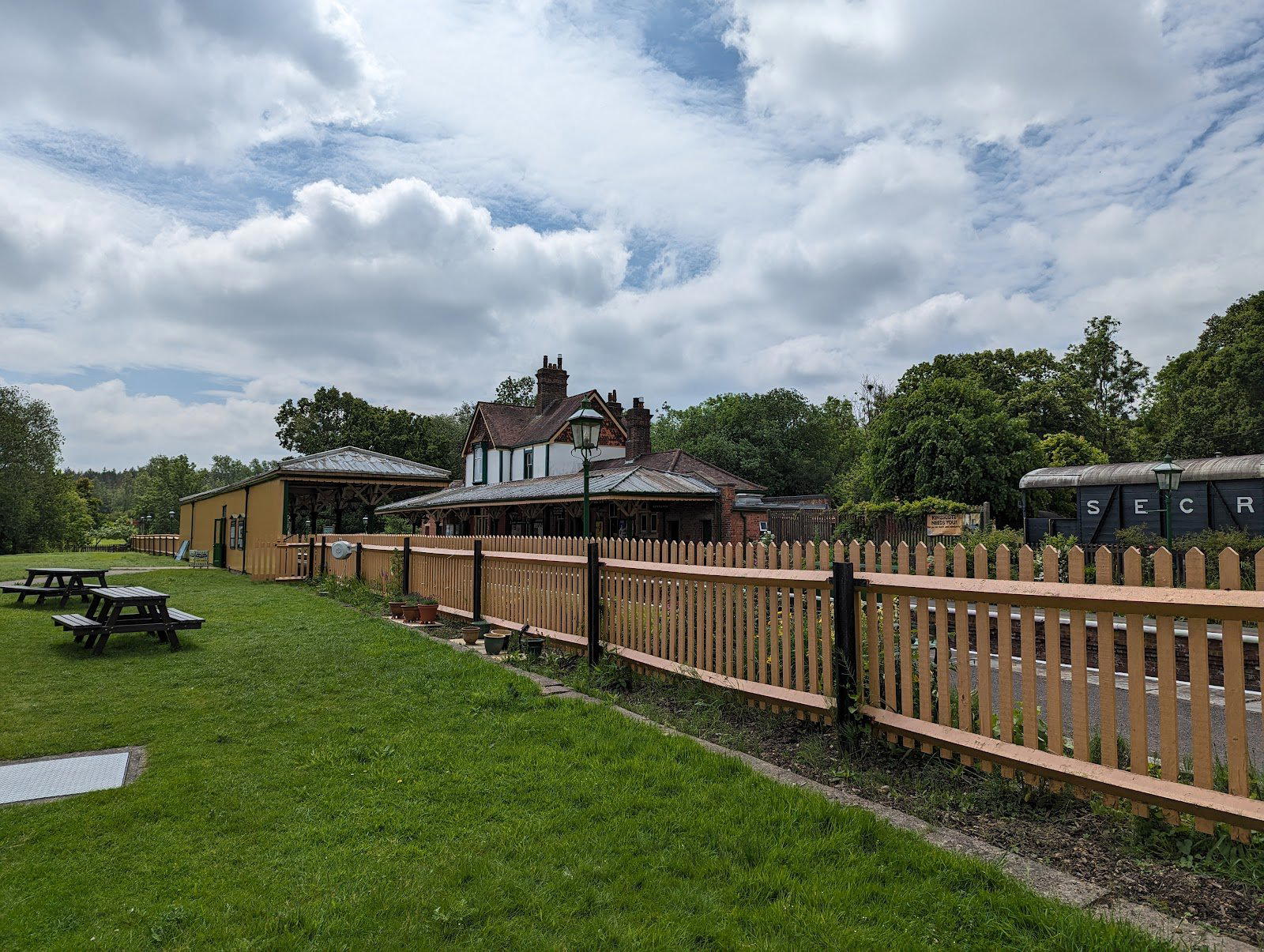
Bluebell Vineyard
Uckfield, United Kingdom
Bluebell Vineyard is worth booking for a relaxed Sussex wine visit where the tasting is only part of the value. Go for traditional-method sparkling, Ashdown still wines, woodland trails, and terrace time near Ashdown Forest; choose a guided or wine-and-cheese format if wine context matters more than a casual glass.
Barriton
Rioja Alta, Spain
Barriton works if you want classic Rioja Alta red wine with dry concentration, oak/barrique aging, and a long-aging profile. The stronger case is the bottle, supported by Falstaff recognition, not a fully mapped visitor experience; choose it for serious Rioja drinking rather than a low-effort tasting-room itinerary.
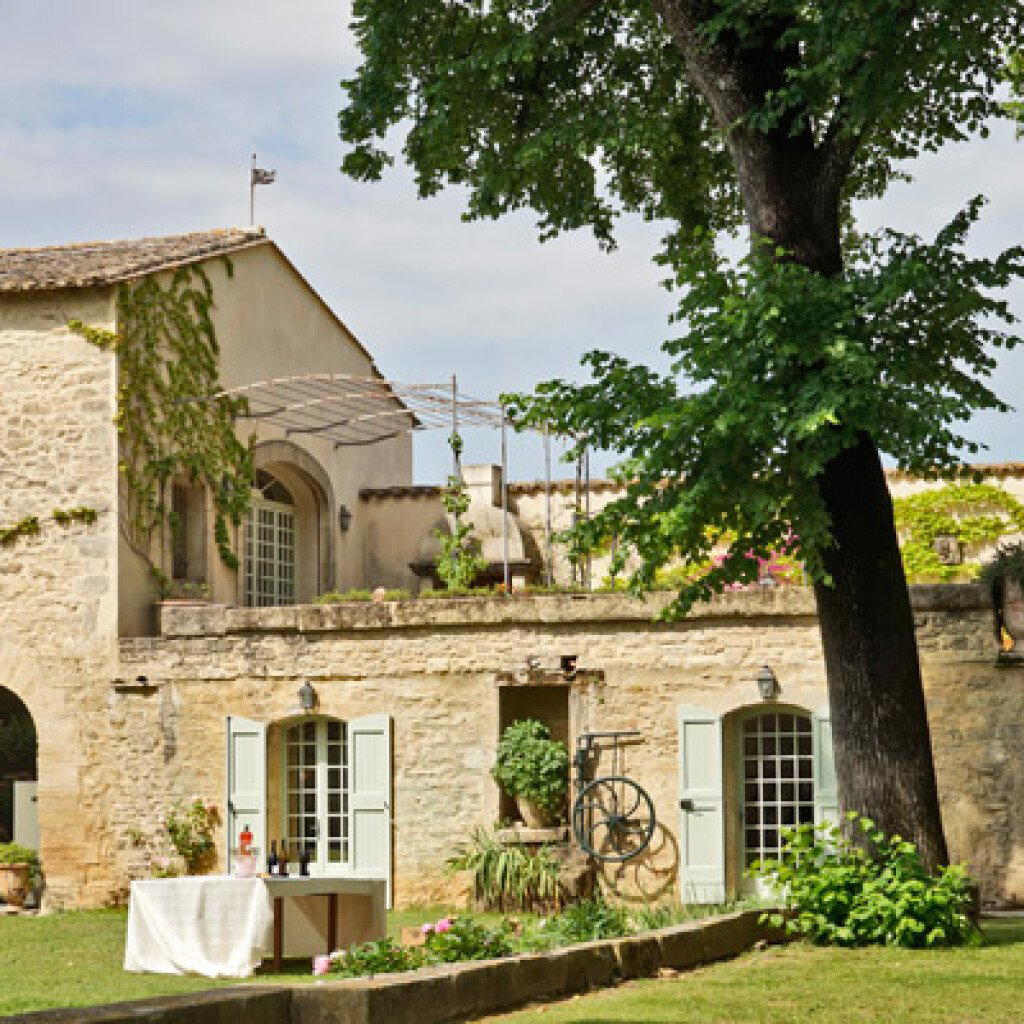
Château de l'Engarran
Pignan, France
A practical Pignan wine stop for travelers who want château setting and Languedoc context without turning the day into a long detour. Falstaff Listed (2026) gives it a useful recognition signal; ask on site which cuvées are strongest for drinking, cellaring, or shipping before buying heavily.
Ducret Olivier
Chardonne, Switzerland
Appointment-only Chardonne winery in Lavaux with a modest, traditional cellar feel and a moderate price signal. Worth booking for curious wine travelers who want local Vaud range, including red, white, rosé, and sweet wines, plus Falstaff Listed recognition in 2026; less suited to drop-ins or groups seeking a polished tourism setup.
Château La Sérénité
Pessac, France
A cautious yes for Bordeaux regulars who want a quiet, classic Pessac-Léognan stop rather than a trophy château visit. Château La Sérénité is better as a calm add-on to a wider Pessac itinerary than as the main appointment, especially if detailed production storytelling is a priority.
How many of these have you visited?
Find out on Pearl and keep score across every place in 2026 Falstaff Winery Guide.