
All Saints Estate
Wahgunyah, Rutherglen
Winery in Rutherglen, Australia
 Book with Pearl
The Read
Tiered Fortified Mastery
Price
$50–100tasting
Why go
Book All Saints Estate when the Rutherglen stop needs to feel like an occasion, not just another cellar door. It is better suited to couples, hosted guests, and slower wine-country days than to travellers trying to fit in as many tastings as possible.
About All Saints Estate
All Saints Estate is a Rutherglen venue with a smart casual dress code and 3 Star Prestige recognition for 2025. Confirm current arrangements directly with the venue before building a visit around specific services, timings, menus, tastings, or group formats.
For comparison planning, keep the set tight and relevant. In Rutherglen, Campbells Wines, Chambers Rosewood, and Morris Wines are useful names to consider alongside All Saints Estate. Corowa Distilling Co and Giaconda may also be relevant for a broader regional itinerary, depending on the kind of stop you want.
Book this when recognition matters
The clearest reason to prioritise All Saints Estate is its 3 Star Prestige recognition for 2025. Treat it as a more considered Rutherglen choice rather than relying on assumptions about a particular menu, tasting structure, group capacity, or service style.
For planning around the region, use broader Rutherglen guides and confirm venue-specific details directly before you commit. For comparisons, consider other Rutherglen dining and visit options generically, or compare All Saints Estate with Campbells Wines, Chambers Rosewood, Morris Wines, Corowa Distilling Co, and Giaconda where relevant.
How to think about value before committing
Value should be judged against what matters: All Saints Estate is in Rutherglen, has a smart casual dress code, and carries 3 Star Prestige recognition for 2025. If your plans depend on specific hours, prices, inclusions, seating, dietary arrangements, or takeaway and delivery options, check those details directly before committing. Campbells Wines, Chambers Rosewood, Morris Wines, Corowa Distilling Co, and Giaconda are the most relevant named comparisons to keep in mind for a broader itinerary.
Planning details
- Location
- 205 All Saints Rd, Wahgunyah VIC 3687
- Website
- allsaintswine.com.au
- Phone
- +61 2 6035 2222
The take
The Take
The Vibe
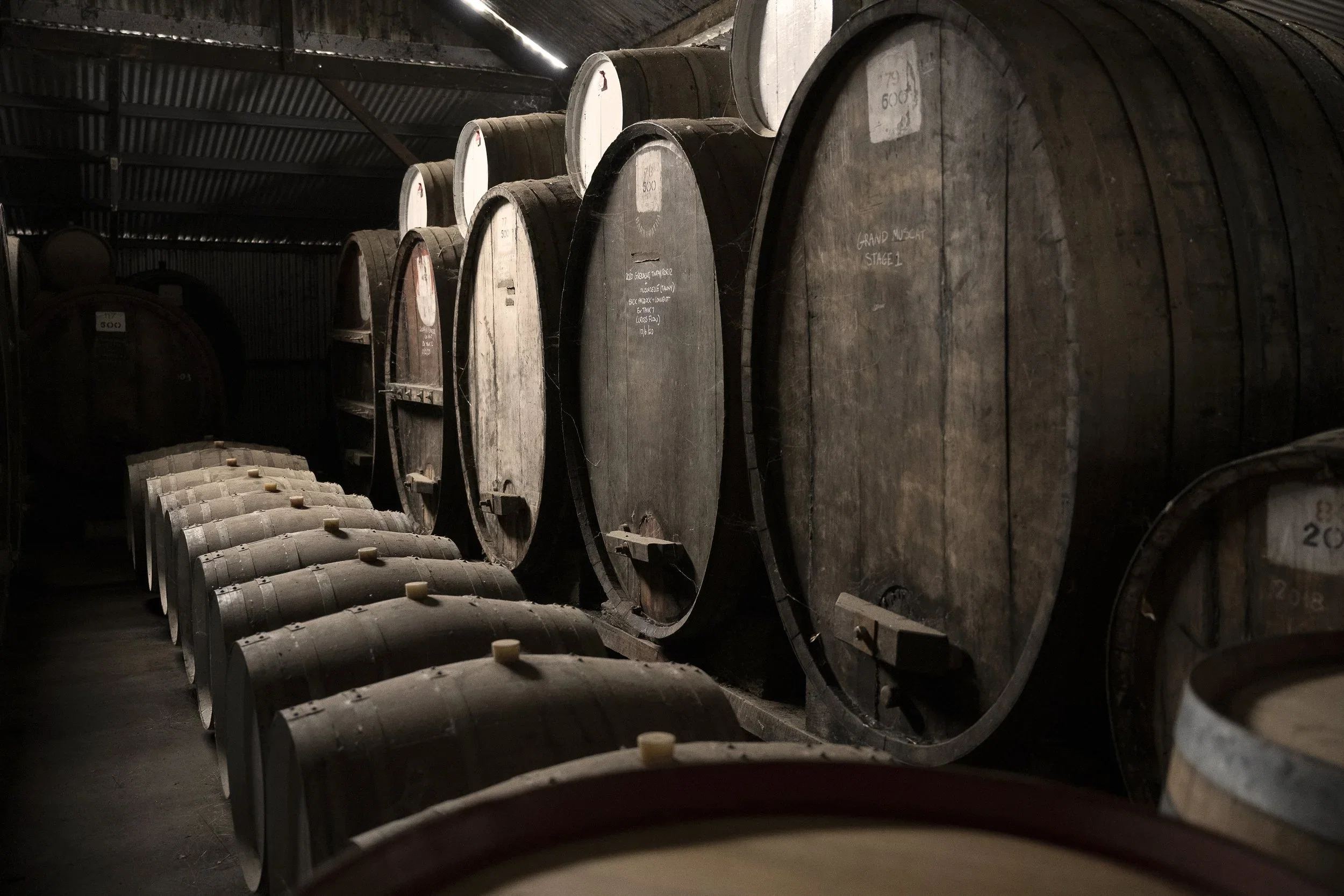
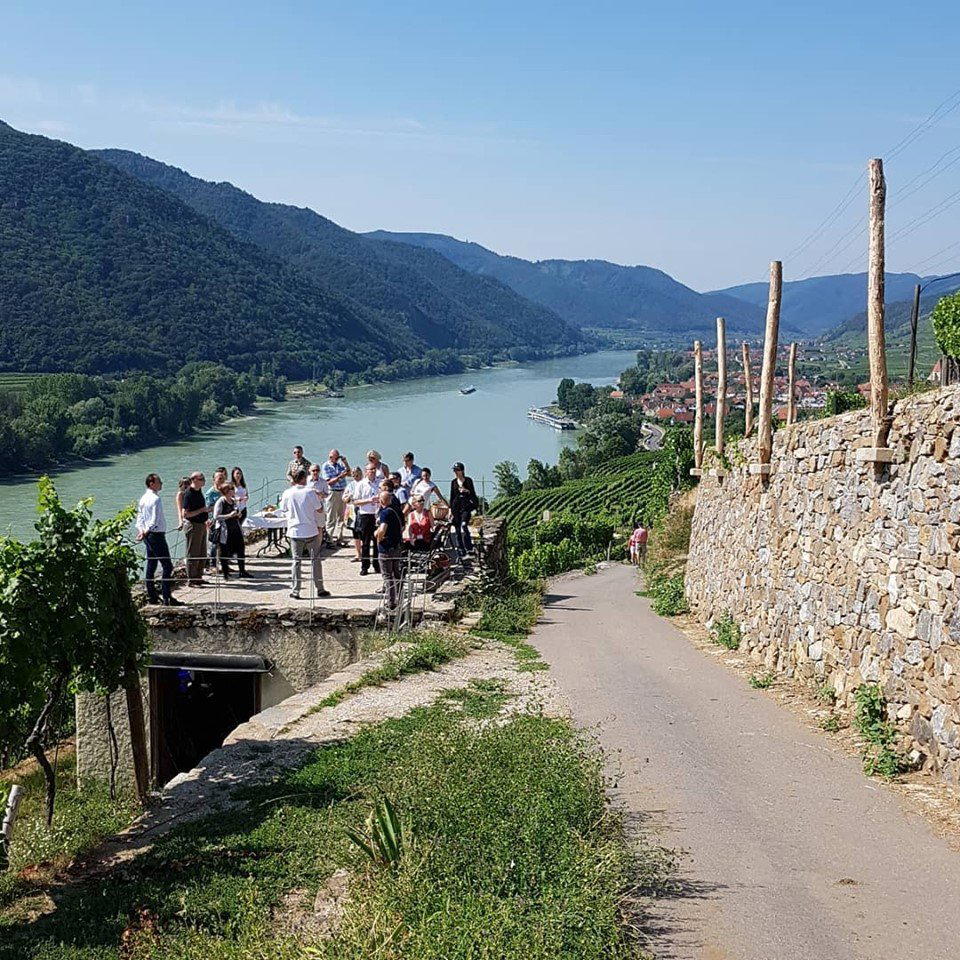
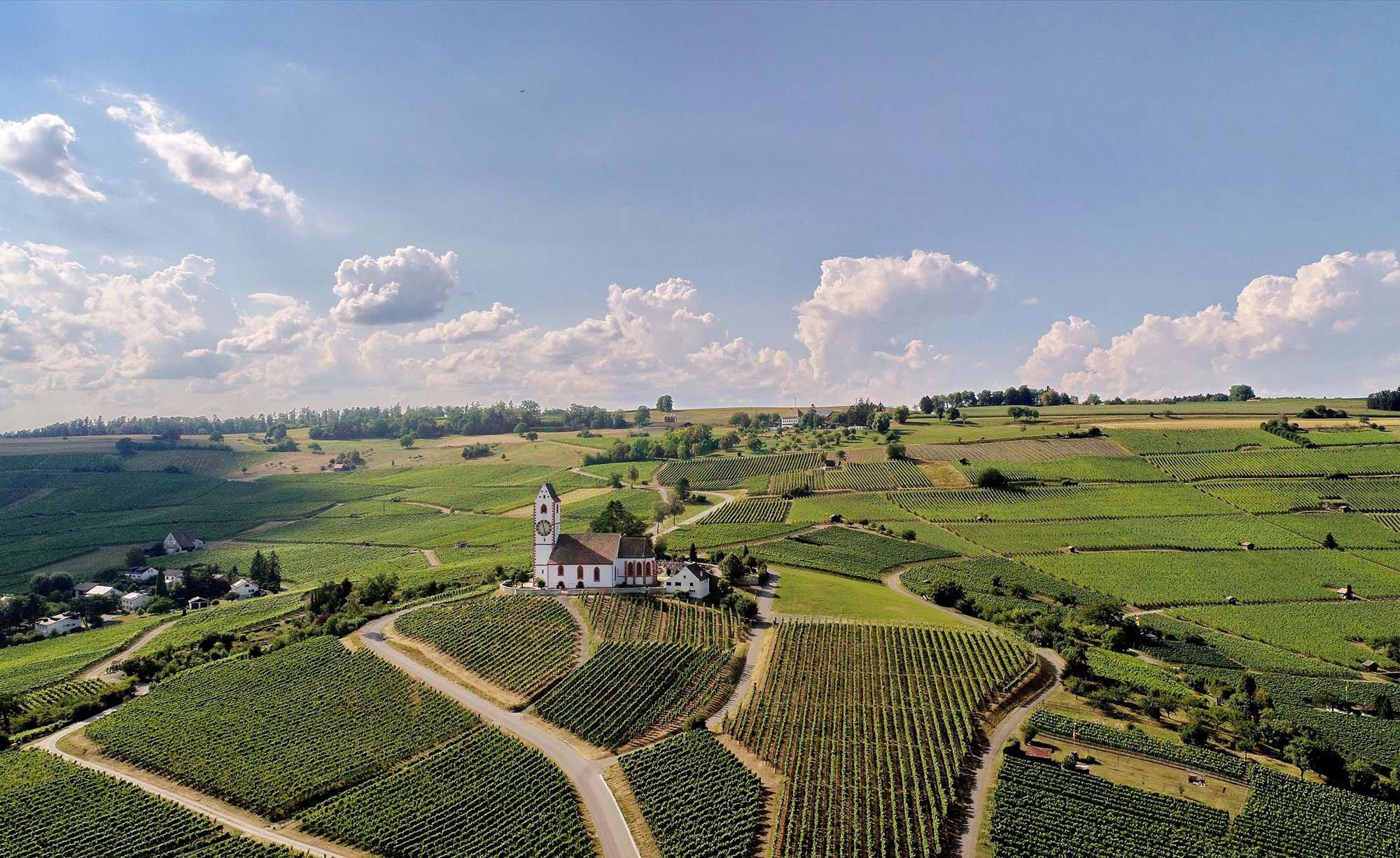
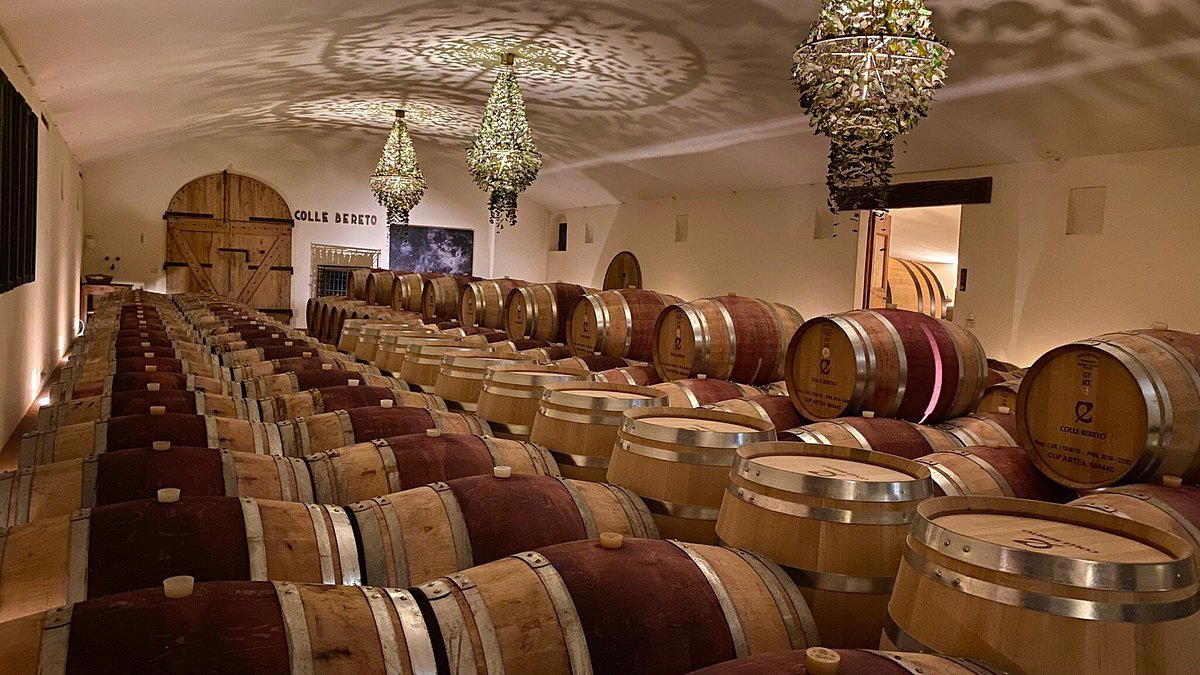
All Saints Estate presents as a quietly dignified winery steeped in time. The write-up emphasizes geology and long-lived winemaking systems — solera-style fractional aging and barrels that accumulate decades of concentration — which gives the place a sense of history and continuity. The approach through the flat river country and sandy loam soils evokes a tranquil, pastoral setting rather than bustling tourist activity. Overall the tone is measured and contemplative: this is a place where landscape and cellar work together to produce wines that reflect long-term tradition rather than flash, making the estate feel both rooted and serene.
Best For
All Saints Estate is best for visitors who come to learn and savor Rutherglen’s fortified-wine tradition. The copy positions the property as a destination for wine education and special celebrations, and the estate setting suits small group outings, family visits and romantic getaways where the focus is on tasting and provenance. Because the property highlights regional classification and long-aged material, it also works well for anyone seeking a thoughtful tasting experience rather than a quick stop — namely those celebrating milestones or deepening their knowledge of Muscat and Topaque from Rutherglen.
Tasting Tips
When tasting at the cellar door, ask to sample across Rutherglen’s fortified tiers — Rutherglen, Classic, Grand and Rare — and compare Muscat and Topaque styles to appreciate differences in concentration and age. The description flags the Rare tier as material averaged in decades, so request an example of older solera-aged stock to understand the region’s signature persistence. Mention the estate’s Pearl 3 Star Prestige rating (2025) and ask staff about their solera/fractional systems and barrel management to get context on how those practices shape flavor and longevity.
Venue details
Ambiance
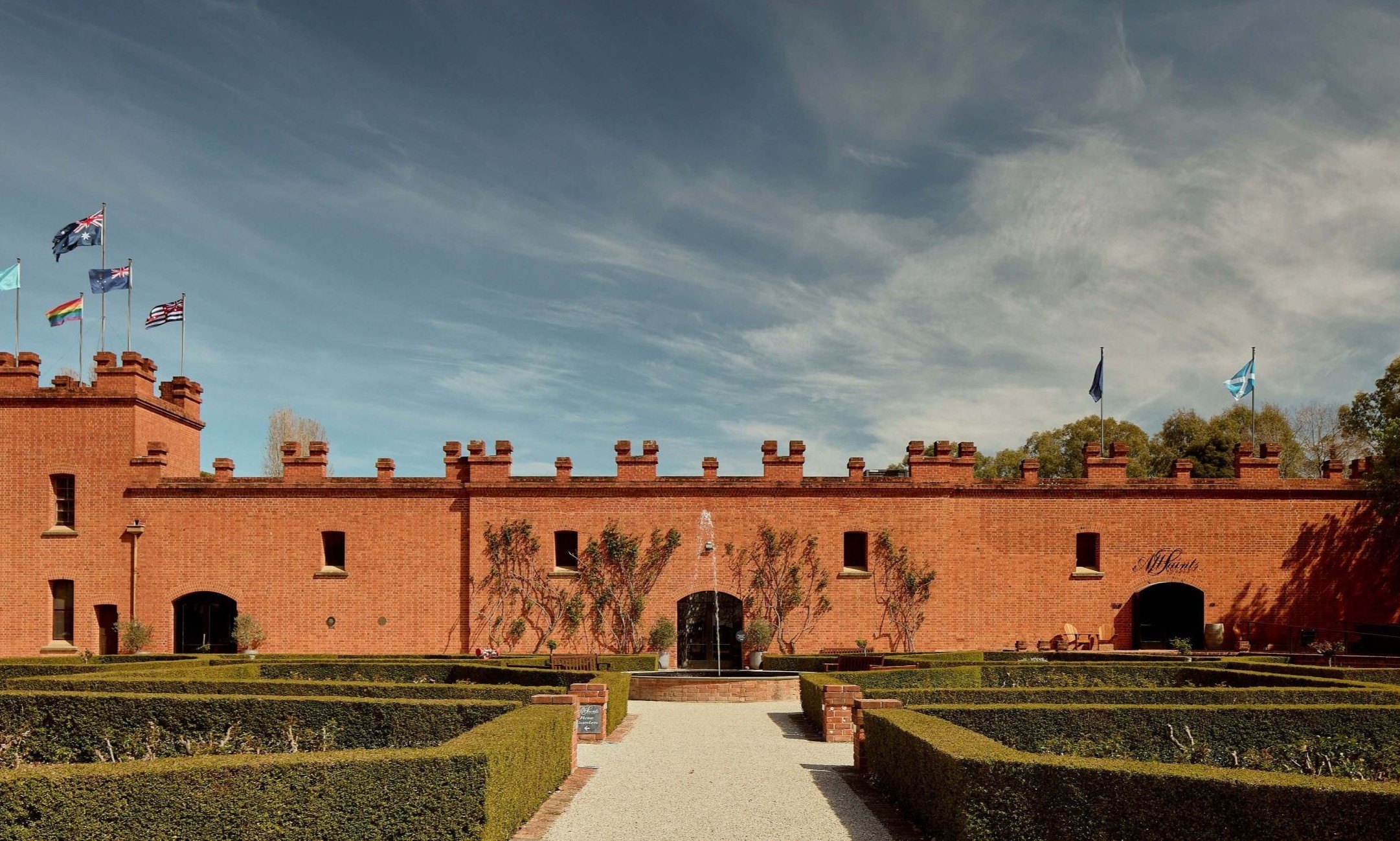
Picturesque and refined with warm, welcoming service; the newly renovated cellar door features a large wrap-around bar with excellent acoustics, while the estate grounds showcase a castle-shaped building, rose gardens, and historic architecture creating a sophisticated yet approachable atmosphere.
Tags
Vibe
Best For
Experience
Sourcing
View
Accessibility
At the Vineyard
- Appellation
- Rutherglen
- Varietals
- Muscat, Muscadelle, Shiraz, Cabernet Sauvignon, Merlot
- Visits
- Walk-ins welcome
- Farming
- Sustainable
- Wine Styles
- Fortified, Still Red, Still White, Sparkling
- Food Pairing
- Offered
- Shipping
- Available
- Wine Club
- Available
Know before you go
Know Before You Go
- Getting there
- 205 All Saints Rd, Wahgunyah VIC 3687
Planning details
Location
Recognition and awards

Also consider
Also Consider
- Corowa Distilling Co, Notable alternative
- Chambers Rosewood, Notable alternative
- Campbells Wines, Notable alternative
- Morris Wines, Notable alternative
- Giaconda, Notable alternative
Winery context
How It Compares
All Saints Estate is the Rutherglen choice for atmosphere and occasion value. Compared with Chambers Rosewood, Campbells Wines, and Morris Wines, it makes more sense when the setting is part of the spend. Those peers are better cross-shops if the goal is a tighter, wine-first circuit through established local names.
For booking difficulty, treat All Saints Estate as the one to plan around rather than leave to the day. If flexibility matters, start with the Rutherglen peers and keep All Saints for the slot where the group wants the slowest pace and strongest sense of arrival. Corowa Distilling Co is a different call entirely: better for a spirits detour or mixed group that does not want another winery stop.
Giaconda is the comparison for travellers willing to make wine the whole point of the trip rather than one part of a Rutherglen day. Choose All Saints Estate for a balanced estate visit; choose Giaconda only if the itinerary can support a more single-minded wine pilgrimage.
Explore Rutherglen
Around this place
Discover more on Pearl
Unlock the full All Saints Estate guide in Pearl, including awards, comparisons, FAQs, planning details, and nearby places.
Compare All Saints Estate
| Venue | Location | Awards |
|---|---|---|
| All Saints Estate | Rutherglen | 2026 Falstaff Winery Guide |
| Corowa Distilling Co | Corowa | No published awards |
| Chambers Rosewood | Rutherglen | 2026 Falstaff Winery Guide |
| Campbells Wines | Rutherglen | 2026 Falstaff Winery Guide |
| Morris Wines | Rutherglen | No published awards |
| Giaconda | Beechworth | 2026 Falstaff Winery Guide |
How All Saints Estate Rutherglen compares with similar nearby venues.
FAQ
Frequently Asked Questions
Do I need a reservation at All Saints Estate?
If your visit depends on a specific time, group size, or service, contact All Saints Estate directly before travelling to Rutherglen.
Can All Saints Estate handle large groups?
What other venues are near All Saints Estate?
Campbells Wines, Morris Wines, and Chambers Rosewood are useful Rutherglen comparisons. Corowa Distilling Co and Giaconda may also be relevant for a broader regional itinerary, depending on the style of visit you are planning.
What is the dress code at All Saints Estate?
The dress code for All Saints Estate is smart casual.