

2026 Falstaff Winery Guide: The Ultimate Wine Authority — Page 28
Falstaff's 2026 Wineries guide.

Venues on this list
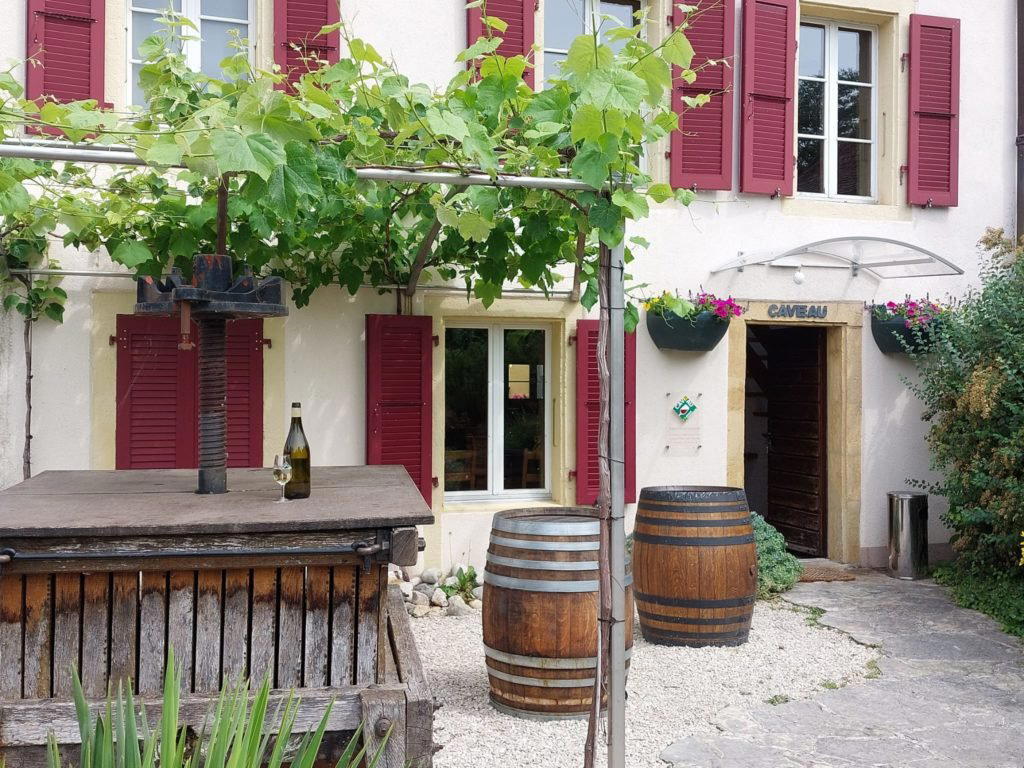
Cave Berthaudin
Tartegnin, Switzerland
Book Cave Berthaudin if the goal is a focused Vaud tasting in a traditional cave setting rather than a design-led winery visit. The appointment-only format, $$ price tier, Grand Cru Tartegnin context, and Falstaff Listed 2026 recognition make it strongest for couples, small celebrations, and business tastings built around Swiss wine.
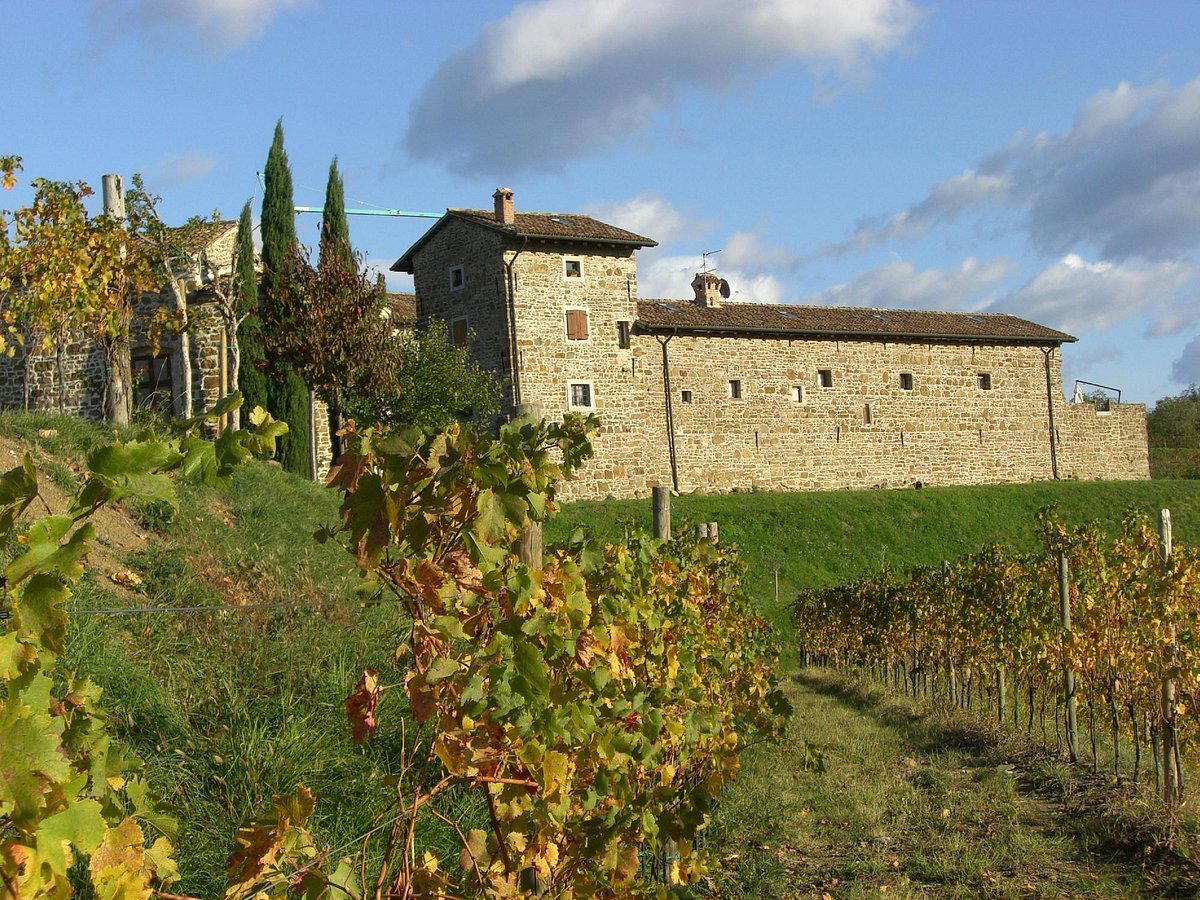
Cantina Ronchi di Manzano
Manzano, Italy
A practical Manzano shortlist pick for wine travelers who want Friuli context without building the whole day around one stop. Falstaff Listed in 2026 gives Cantina Ronchi di Manzano a useful trust signal, but the smarter move is to treat it as part of a wider local winery route.
Carvinea
Casamassima, Italy
Carvinea is worth a look for wine travelers already spending time around Casamassima, especially if the goal is regional discovery rather than a fully pre-priced visitor experience. The smart play is to taste before committing to any club or allocation, using its Falstaff Listed 2026 recognition as a quality signal, not a substitute for pricing and shipping details.
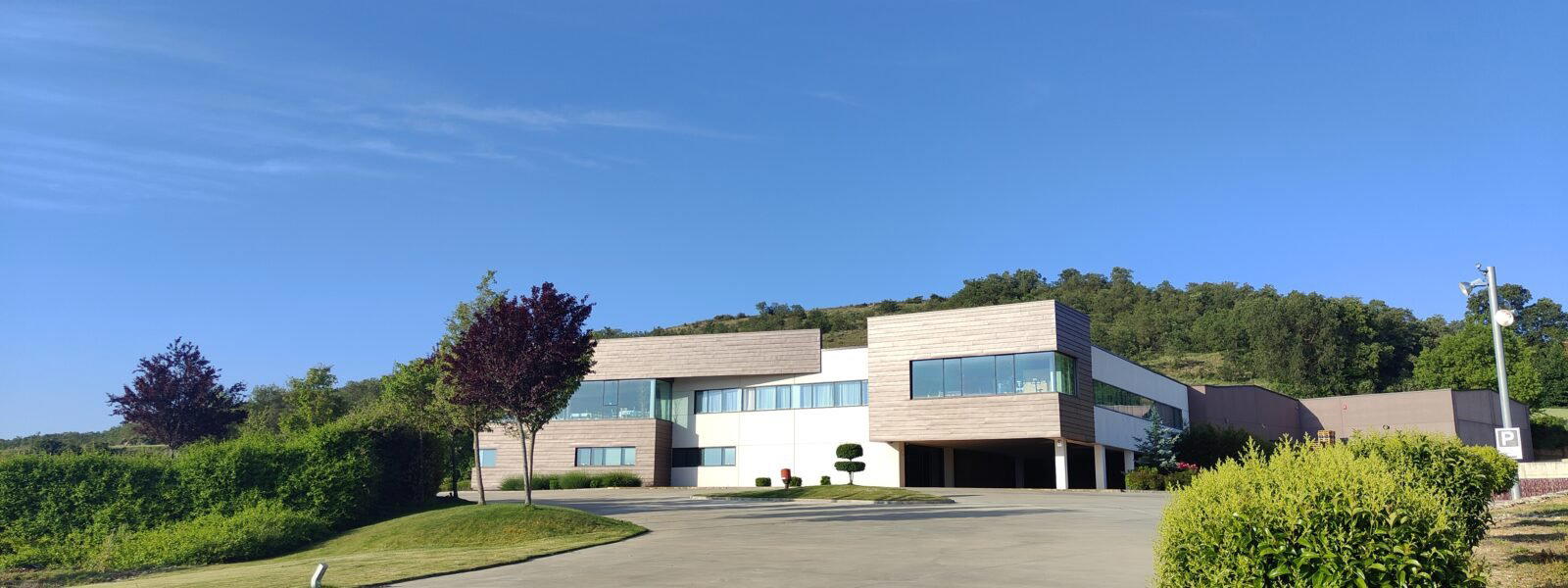
Bodegas Vetusta (Viñedos la Dehesa)
Burgos, Portugal
Book Bodegas Vetusta (Viñedos la Dehesa) if you want a small, production-led winery visit focused on organic high-altitude viticulture rather than a big-estate showpiece. The strongest draw is its 1,000-meter vineyard work, hand-harvested fruit, and Tempranillo-led portfolio, including VETUSTA Roble. Appointment-only access makes it better for planned celebrations than spontaneous drop-ins.
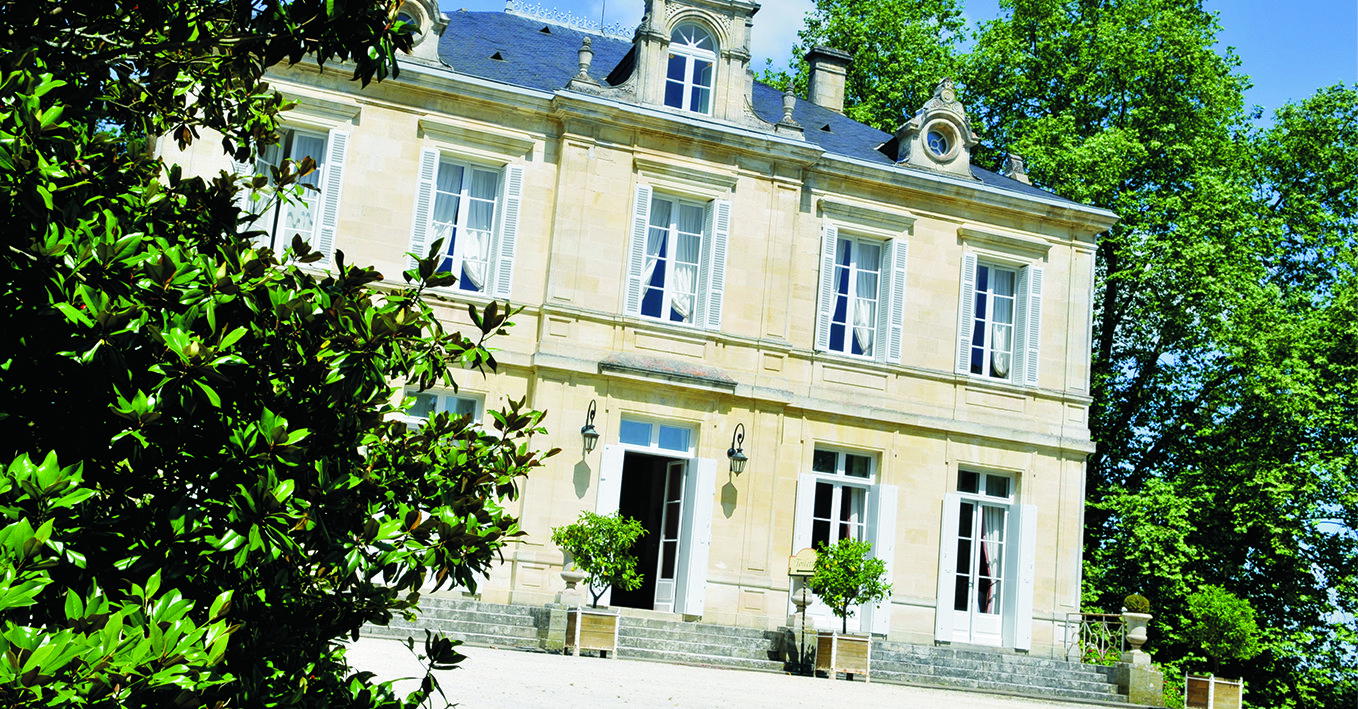
Château Dassault
Saint-Émilion, France
Book Château Dassault if you want a serious Saint-Émilion Grand Cru Classé visit with château atmosphere and a technically modern cellar. It suits collectors, couples, and business hosts better than casual tasters, especially if the day is planned around structured Bordeaux reds rather than flexible drop-ins.
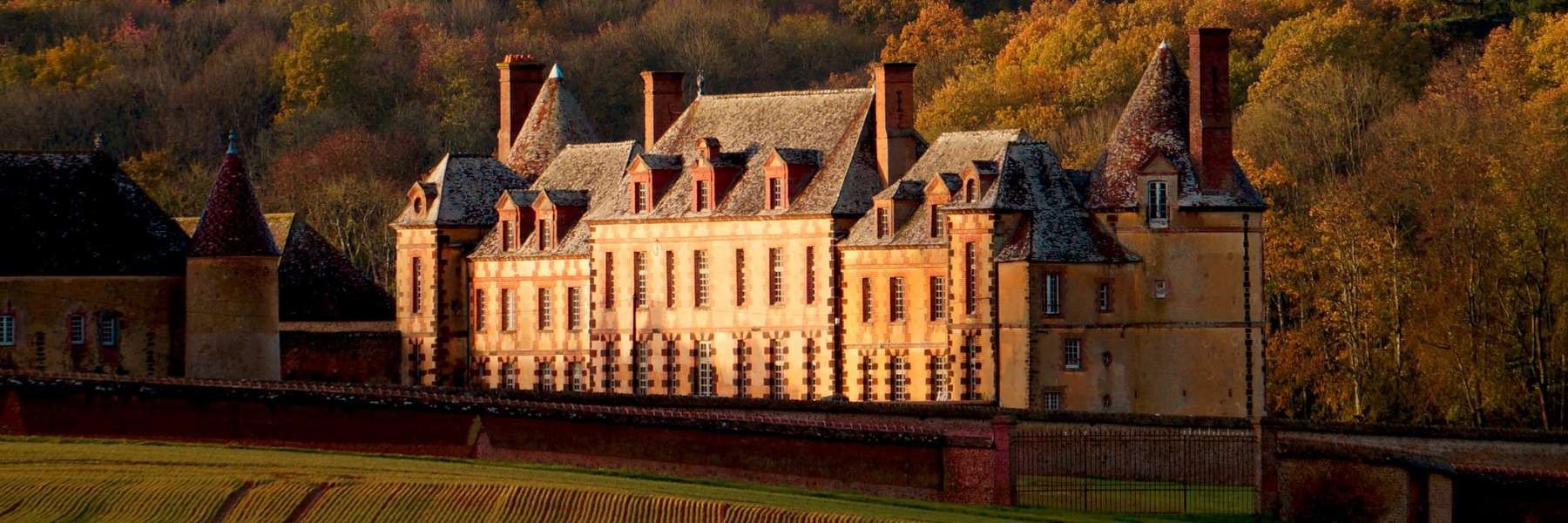
Château de la Rivière
La Riviere, France
Choose Château de la Rivière when you want a Fronsac tasting that feels like a proper occasion, not a quick counter pour. The draw is the combination of Merlot-led Right Bank wines, Dordogne Valley setting, and vast limestone cellars, with enough structure to work for dates, celebrations, or hosted business guests.
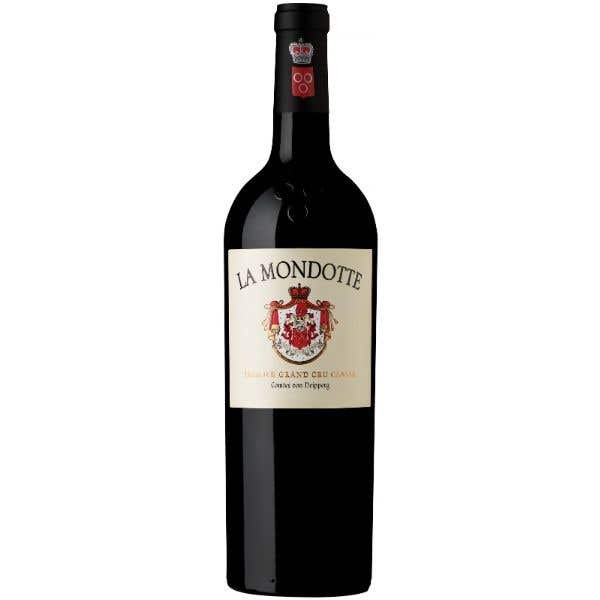
Château La Mondotte
Saint-Émilion, France
Choose Château La Mondotte for a serious Saint-Emilion wine itinerary, especially if the group cares more about producer focus than broad hospitality extras. It is better suited to collectors, celebration trips, and business hosting than casual drop-in sightseeing, with Stephan von Neipperg's winemaking role giving the visit a clear point of distinction.
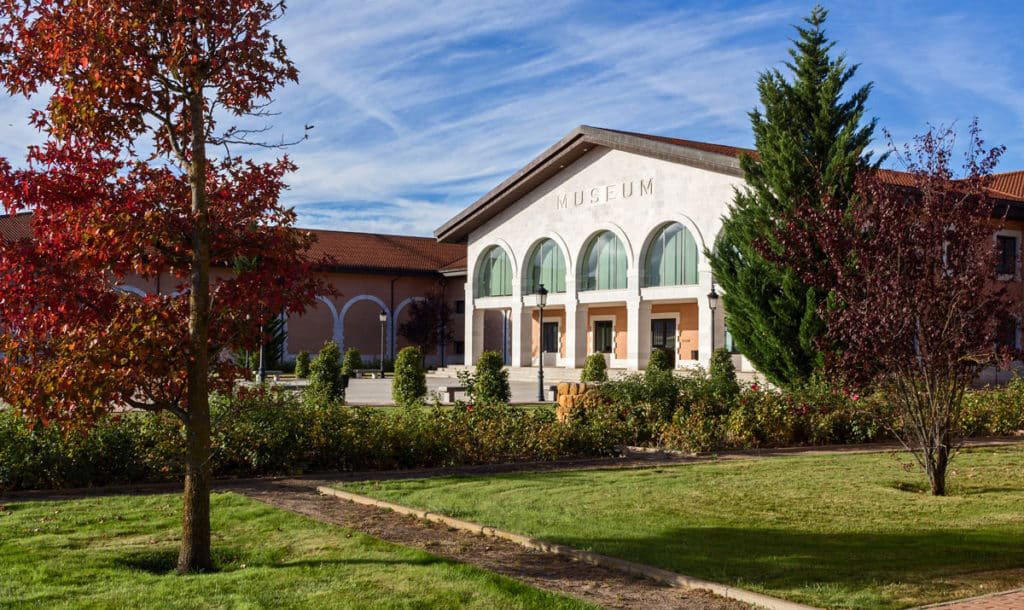
Finca Museum
Mucientes, Spain
Finca Museum is worth planning for if Cigales, old-vine Tempranillo, and long-aged reds are the point of the trip. The setting is rural and art-led rather than casual tasting-room style, with a $$ signal and Falstaff 2 Stars in 2026 adding credibility. Best for wine travelers building a focused Valladolid-Cigales itinerary.
Château Tour Baladoz
Soussans, France
Château Tour Baladoz is worth choosing for a small-group Saint-Émilion tasting with real appellation context: classified estate status, compact vineyard scale, and a terrace setting that suits slower wine travel. It is better for couples and focused wine enthusiasts than large groups or visitors looking for a broad hospitality complex.
Château Cantegril
Barsac, France
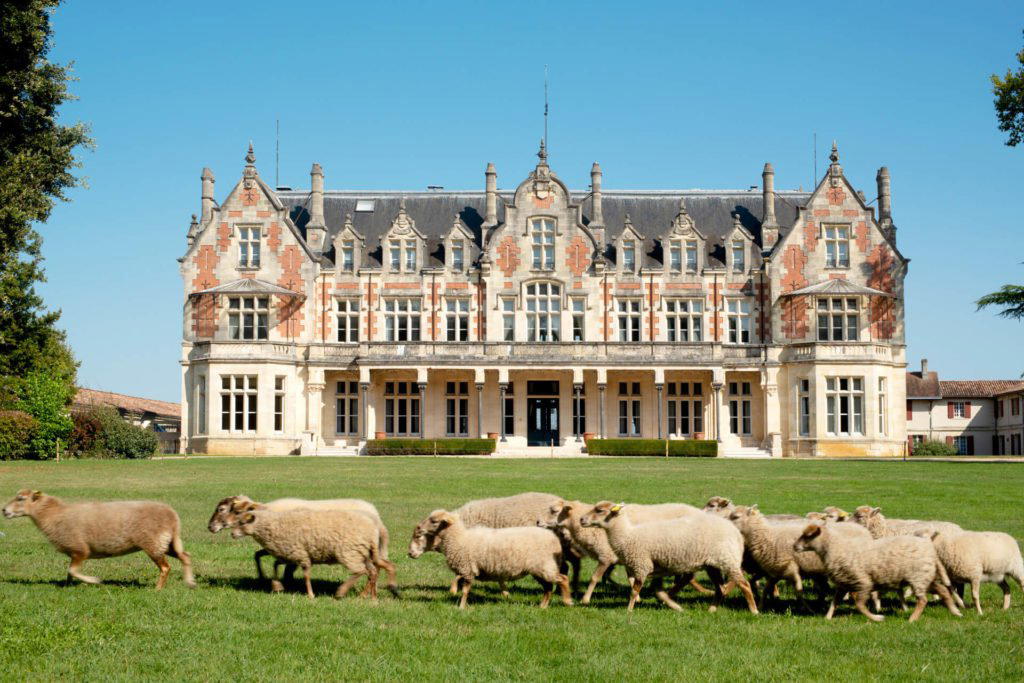
Château Cantegril is worth targeting if the goal is elegant Barsac rather than heavy, high-impact Sauternes. Its 100% Sémillon focus, old vines, manual harvesting, separate barrel fermentations, and Falstaff Listed 2026 recognition make it a strong fit for wine travellers who care about production choices and appellation nuance.
Château Les Clauzots
Saint Pierre De Mons, France
Château Les Clauzots works if you want an easy-to-book Graves winery stop in Saint-Pierre-de-Mons rather than a full dining experience. The practical move is to treat it as a focused wine visit and plan food separately; Falstaff listing for 2026 gives it a useful recognition signal.
Clos des Jacobins
Saint-Émilion, France
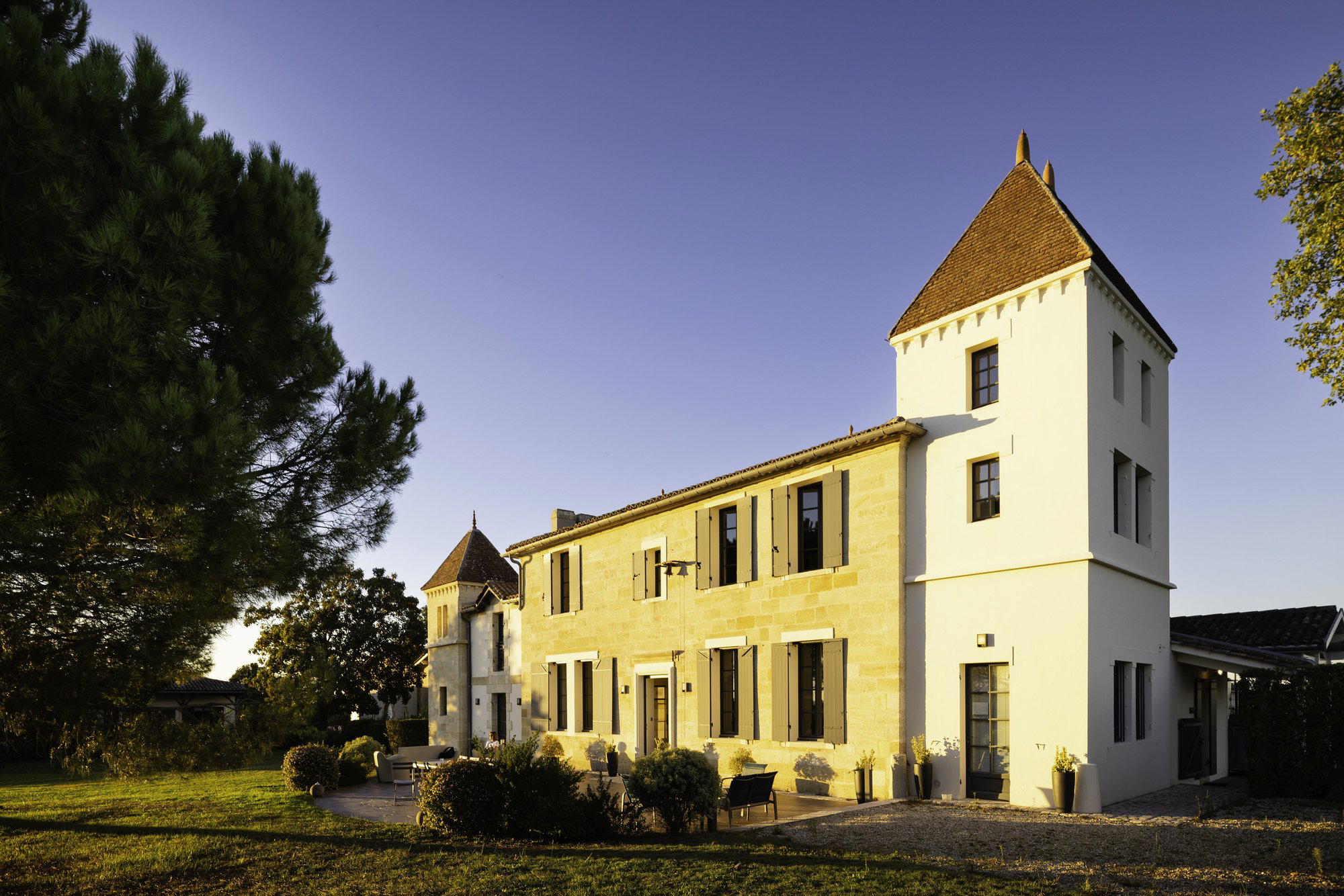
Book Clos des Jacobins if you want a calm, appointment-led Saint-Émilion Grand Cru Classé visit with real production credibility behind the setting. It is strongest for celebrations, collectors, and Bordeaux-focused travelers who care about organic farming, clay-limestone terroir, and structured Merlot-led wines; casual tasters may find the premium positioning more than they need.
Ciabot Berton
La Morra, Italy
Ciabot Berton works for a focused La Morra wine stop, especially if the goal is a calm tasting tied to Barolo country rather than a full food-led outing. Treat any wine-club or allocation decision cautiously: it makes sense only when pricing, shipping, and release timing are clear enough to match an existing Piedmont-buying habit.
Castello dei Rampolla
Panzano In Chianti, Italy
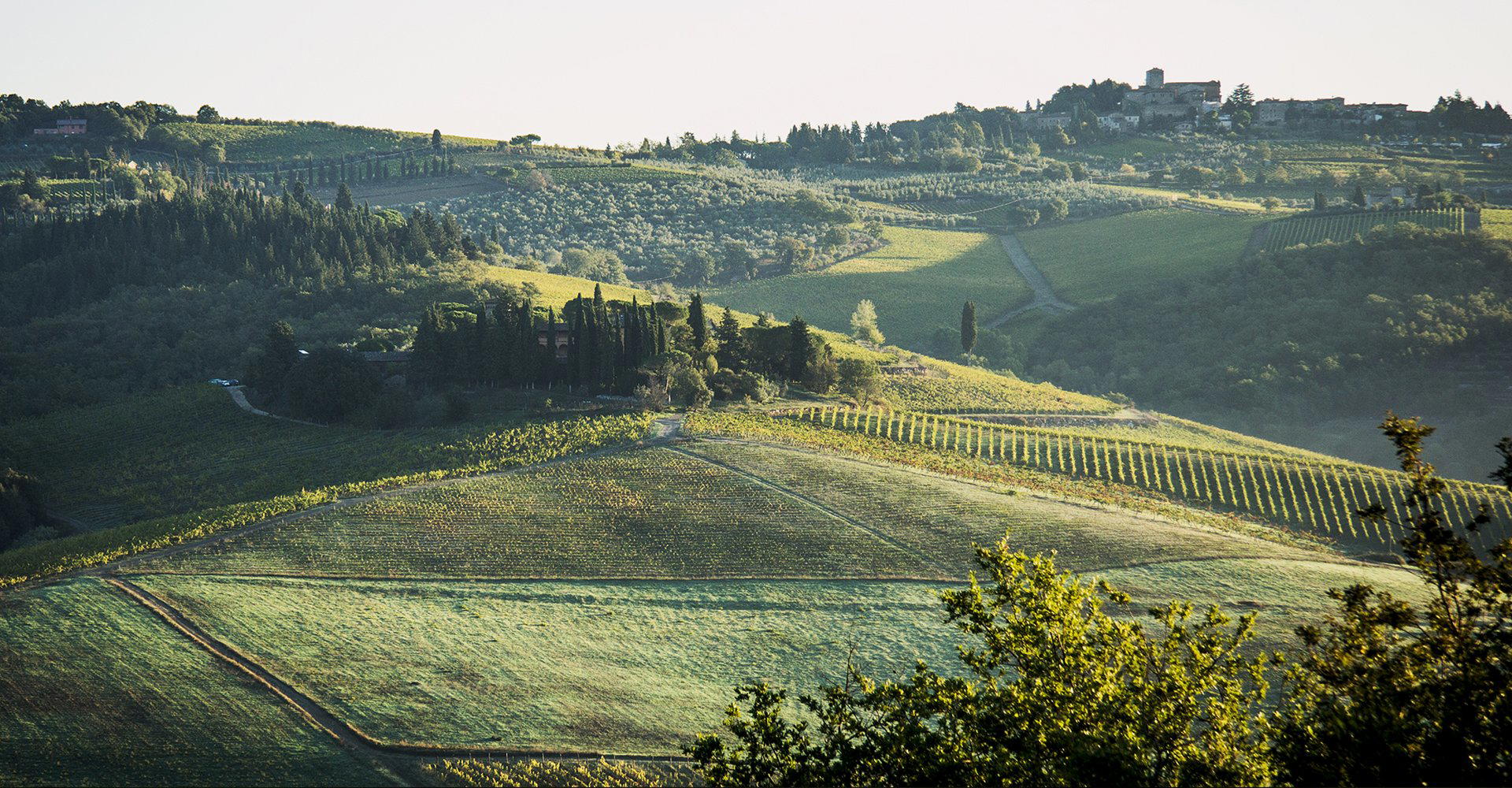
A serious pick for wine-focused travellers in Panzano, Castello dei Rampolla is strongest when treated as a focused Chianti Classico visit rather than a casual tasting stop. Go for biodynamic farming context, Conca d’Oro terroir, and a portfolio that moves from Sangiovese-led Chianti Classico into more collectible Toscana IGT wines.
Château Beauregard
Pomerol, France
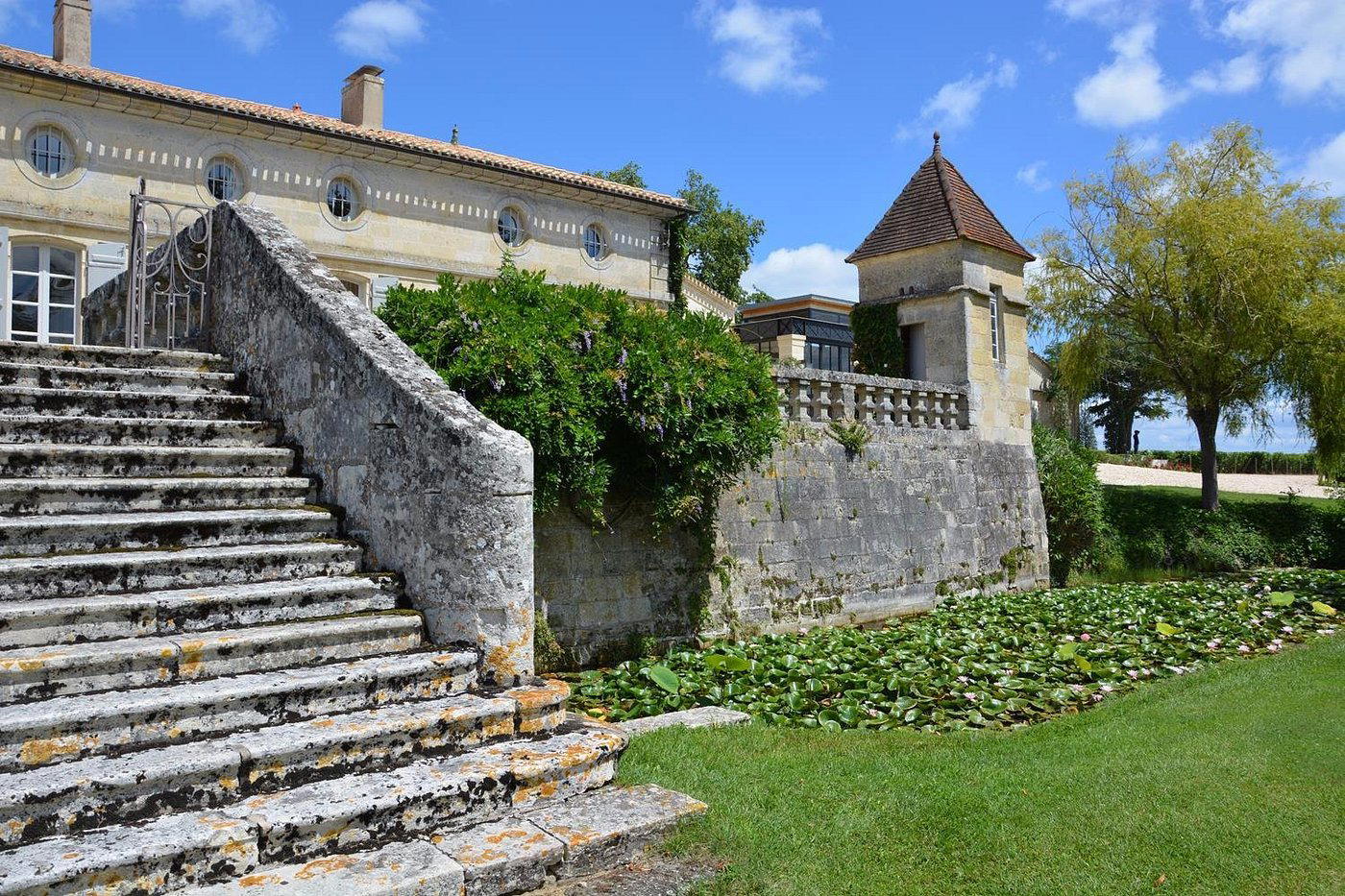
Book Château Beauregard if Pomerol is a serious focus of the trip and the goal is an educational, appointment-led tasting rather than a casual cellar stop. The draw is the combination of historic château setting, organic vineyard work, parcel-by-parcel winemaking, and a Merlot-led flagship with enough structure to make the visit feel substantive.
Amistà
Nizza Monferrato, Italy
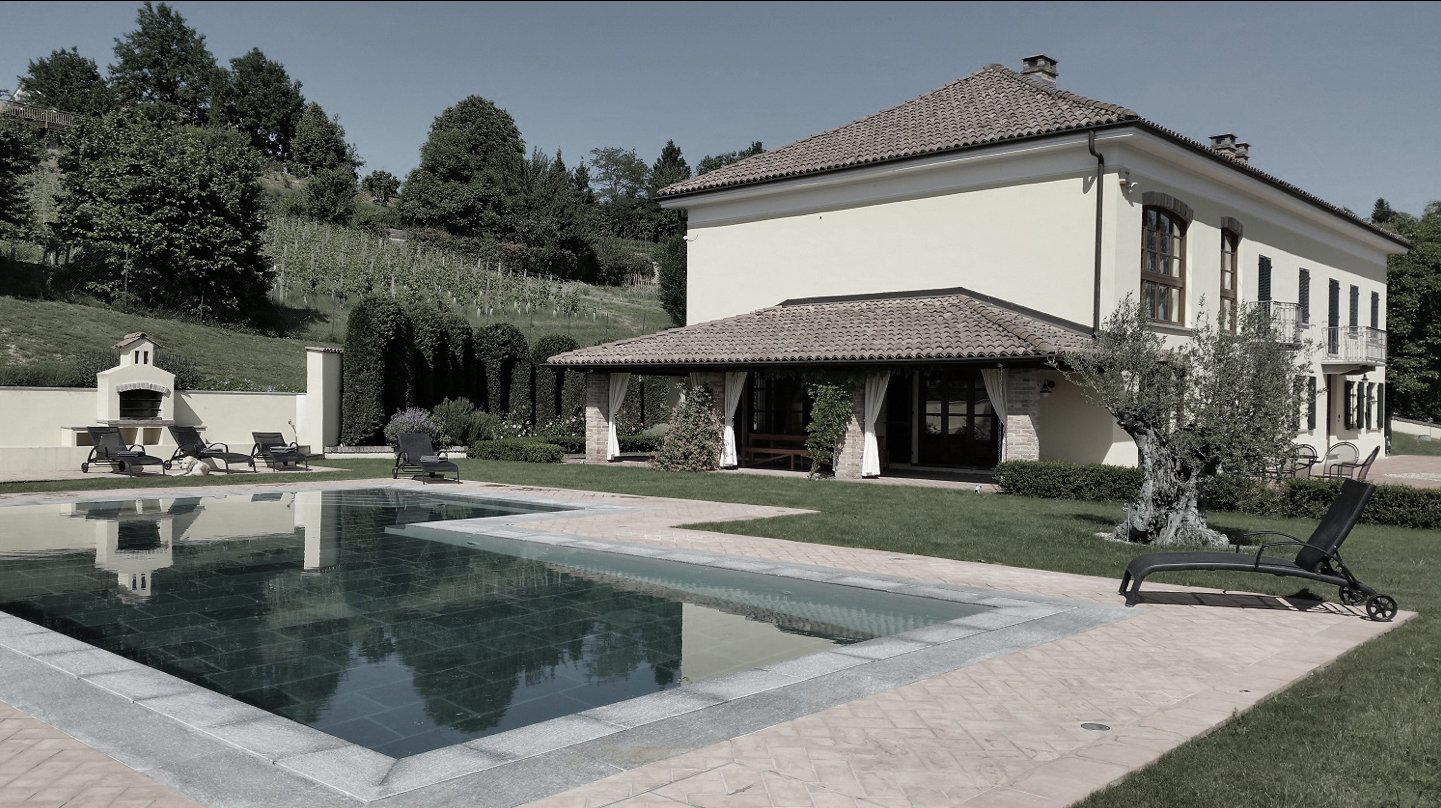
Amistà is a cautious yes for wine-focused travelers already spending time in Nizza Monferrato. Its Falstaff 2026 listing gives it a credible external signal, but sparse public detail means it suits flexible explorers better than visitors who want a fully mapped tasting, dining, or group format before they arrive.
Cantine Stucky Hügin Sagl
Magadino, Switzerland
Cantine Stucky Hügin Sagl is a better fit for wine travelers who value external recognition over fully published visitor details. The 2026 Falstaff 3 Stars signal makes it worth considering in Magadino, but plan it as a targeted wine stop rather than an easy drop-in tasting.
Buchmann Weine
Wittnau, Switzerland
A quiet Fricktal winery pick for travelers already planning time in Wittnau or Aargau. Buchmann Weine is Falstaff Listed for 2026, which gives it a useful credibility signal, but the smarter expectation is a focused local wine stop rather than a heavily programmed visitor experience.
Château Clinet
Pomerol, France
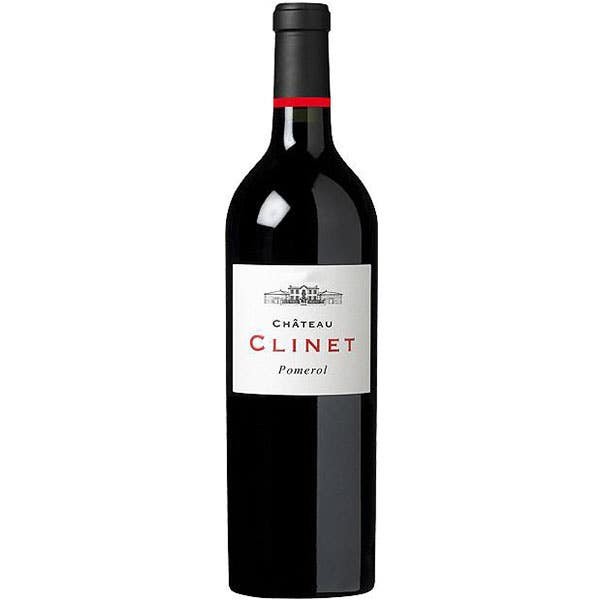
Château Clinet is worth prioritizing if the trip is built around serious Pomerol wine rather than casual tasting-room access. Plan it as an appointment-led winery stop and compare it with nearby estates such as Château L'Eglise Clinet, Château La Fleur Petrus, Chateau Petrus, and Château Trotanoy for a sharper read on the appellation.
Bodegas Balbás
La Horra, Spain
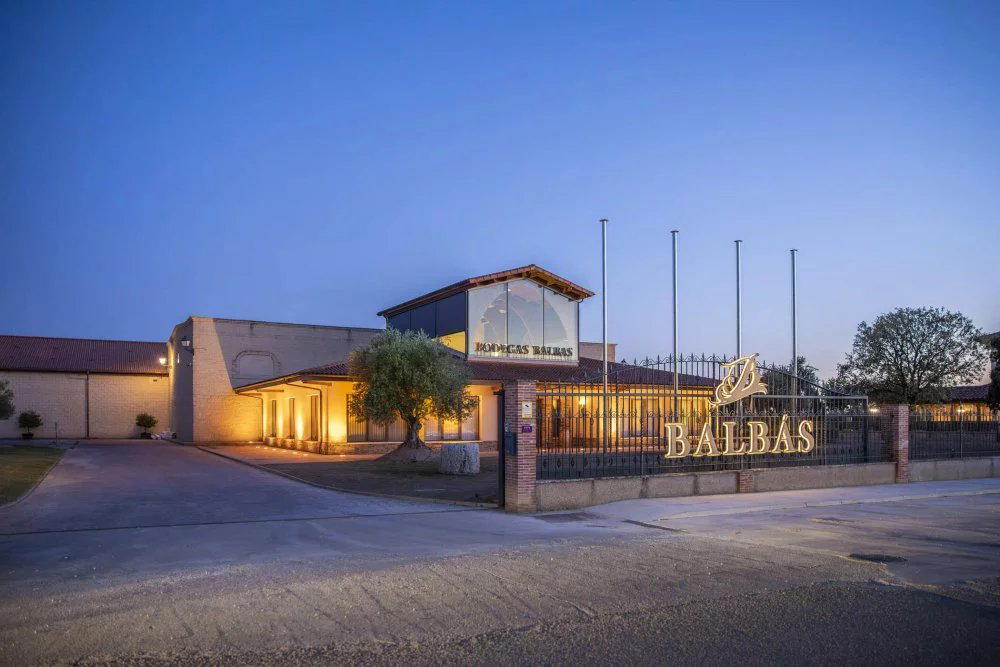
Bodegas Balbás is worth planning for if you want a heritage-first Ribera del Duero cellar visit with real La Horra context. The draw is family continuity, estate-driven wines, and a guided production-focused tasting format; choose another stop if food pairings or a restaurant-style experience matter more.
Adega Cooperativa Regional de Moncao
Monção, Portugal
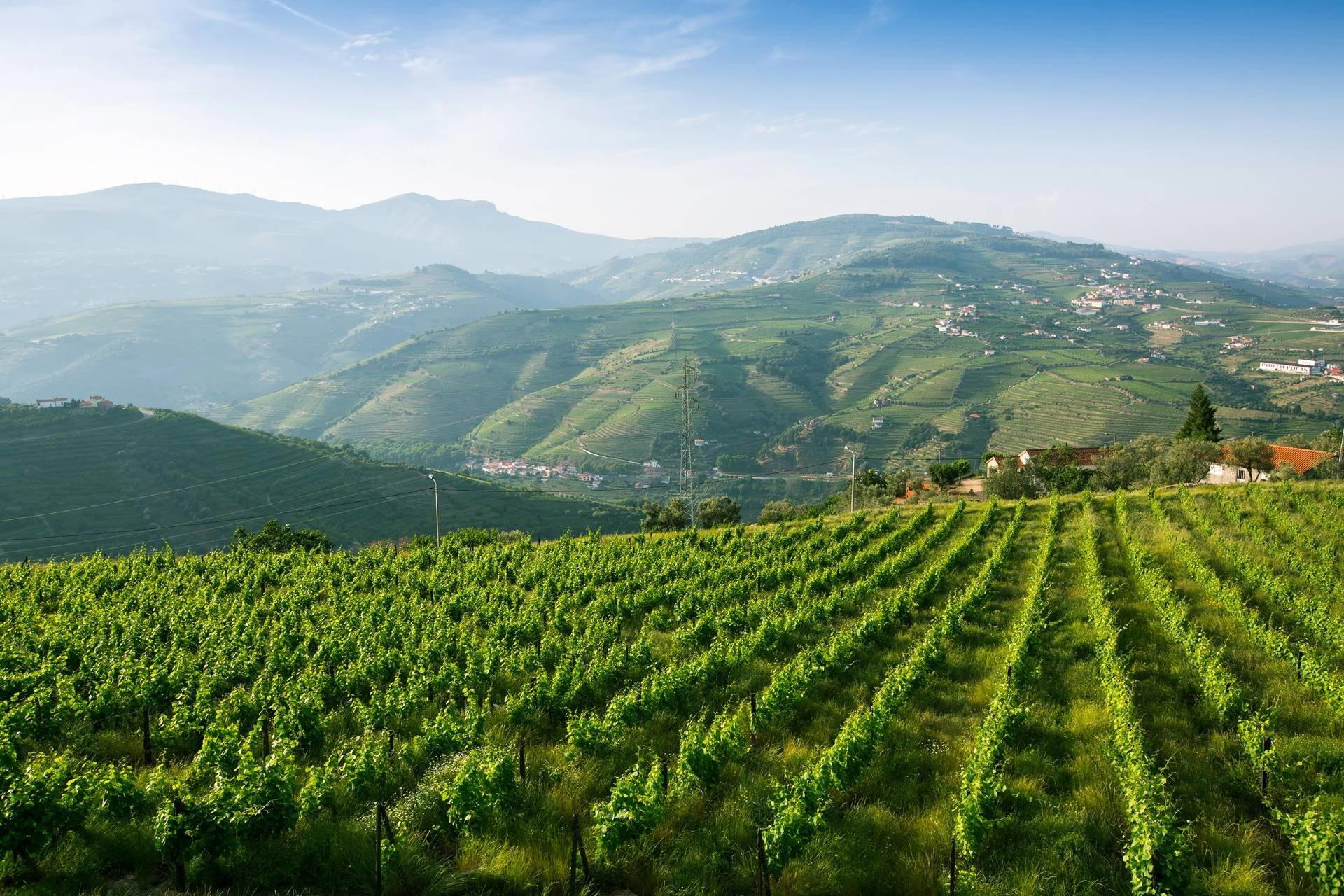
Book Adega Cooperativa Regional de Monção if the point is Alvarinho context and good-value regional tasting, not a polished estate experience. The cooperative format, 1958 history, Falstaff Listed (2026) recognition, and focus on Monção e Melgaço make it useful for serious wine travelers; for a more atmospheric celebration, cross-shop Palácio da Brejoeira instead.
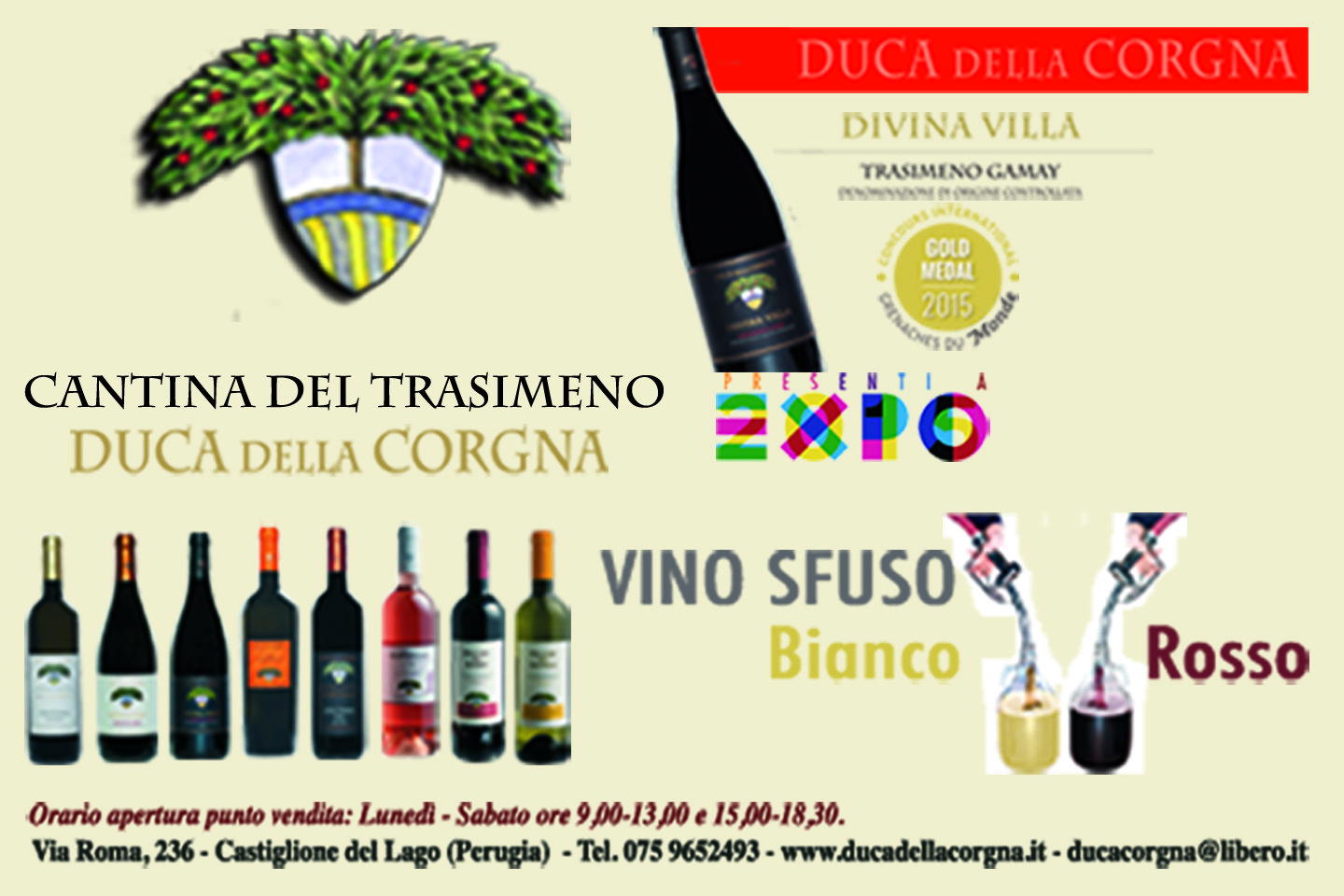
Cantina del Trasimeno - Duca della Corgna
Castiglione del Lago, Italy
In the current Castiglione del Lago wine season, Cantina del Trasimeno - Duca della Corgna is a strong-value first stop for understanding Trasimeno Gamay, Grechetto, and Sangiovese. The €15 three-wine tasting is easy to justify, especially with a 2026 Falstaff listing and a cooperative history dating to 1957.
DOLFO Winery
Berjac, Slovenia
DOLFO Winery is worth booking if the draw is a small family-run Brda cellar with estate vineyards on both the Slovenian and Italian sides of the border. Go for the cross-border wine story, Cabernet Sauvignon, and oak-influenced Gredič Belo rather than a polished hospitality setup.
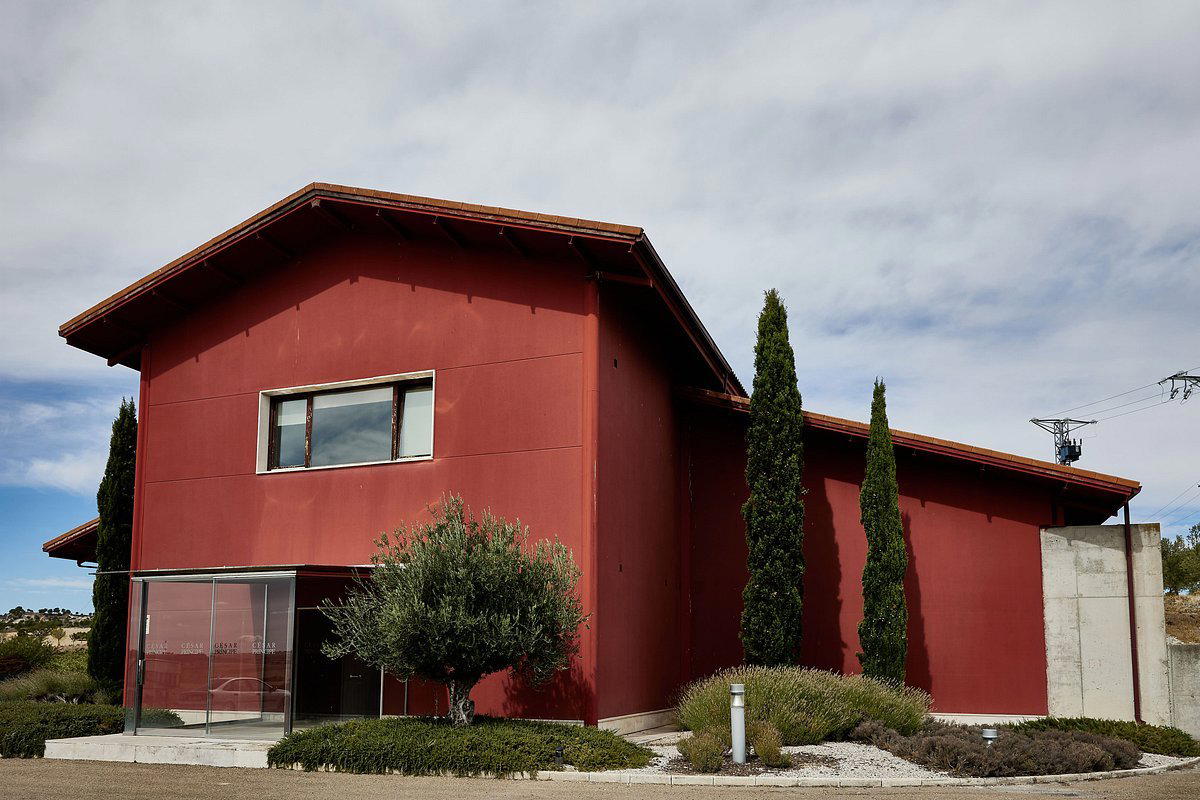
Bodegas César Príncipe
Fuensaldana, Spain
Worth prioritising for a focused Fuensaldaña wine stop, especially if Falstaff recognition matters in your shortlist. Treat the wine club as a taste-first decision: useful for collectors only if the house style, allocation terms, and shipping setup fit how you actually buy.
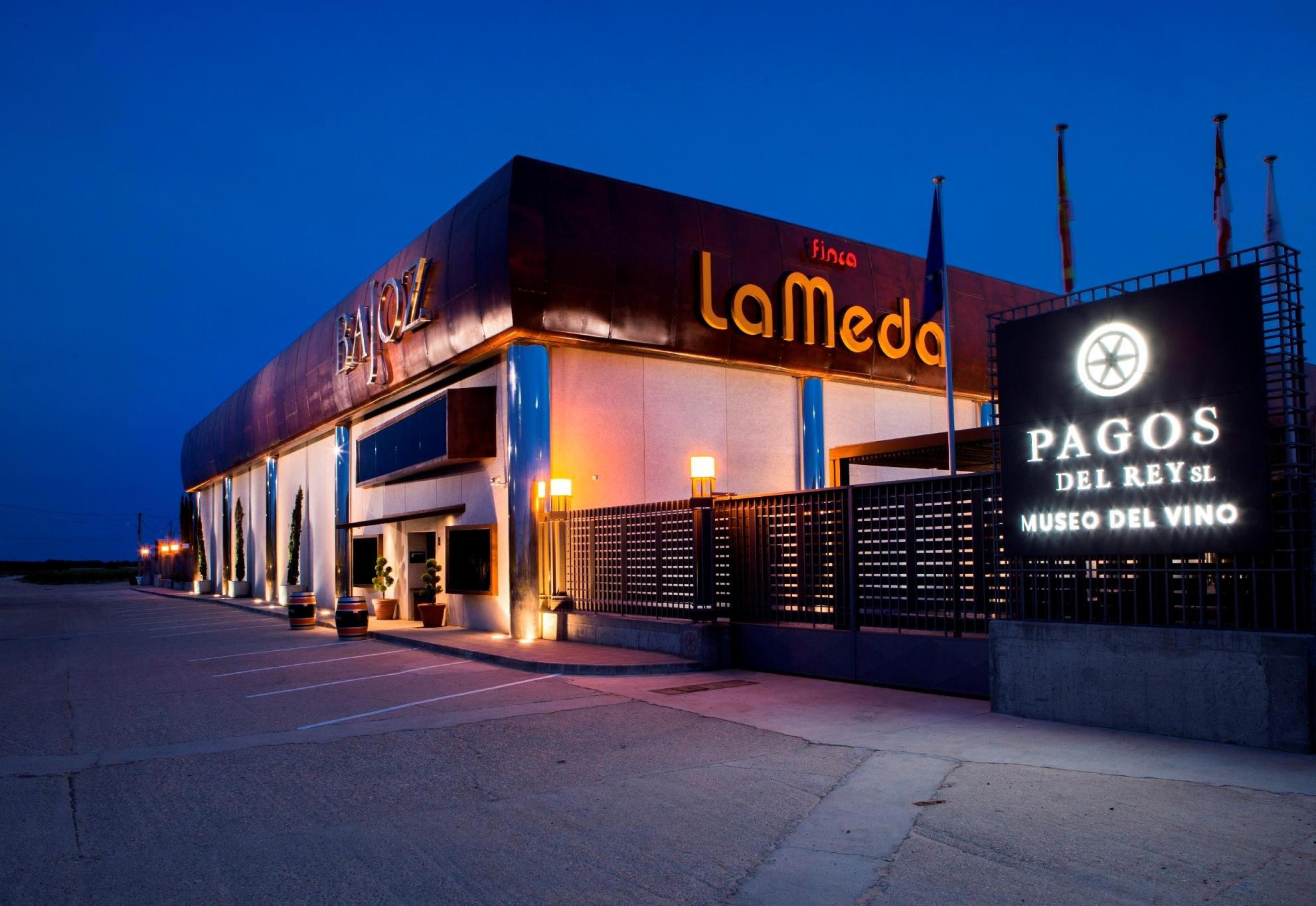
Bodega Rejadorada S.L.
Toro, Spain
Book Bodega Rejadorada S.L. if the priority is a focused Toro winery visit built around Tinta de Toro, old vines, and cellar technique. The strongest draw is the range: accessible oak-aged reds, old-vine bottlings, a prestige cuvée from pre-phylloxera sands, and ceramic-aged expression. It is better for wine-focused travelers than for visitors seeking a fully detailed hospitality or food-led experience.
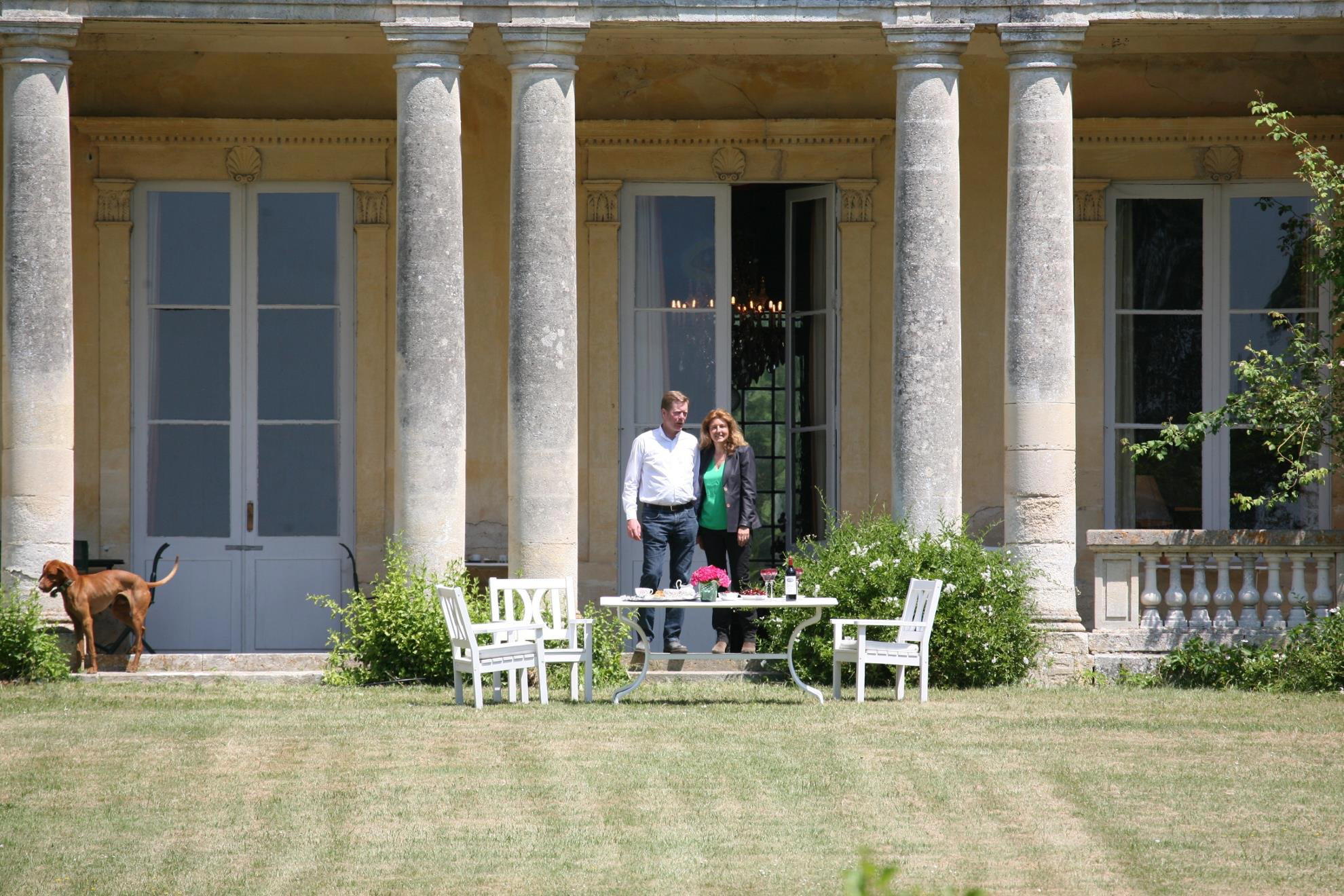
Chateau Laujac
Begadan, France
Chateau Laujac works if you are already building a Begadan or northern Médoc wine route and want a quieter estate stop with external recognition from Falstaff in 2026. It is less suited to travelers who need a fully published visitor format, fixed tasting structure, or restaurant-style planning details before committing.
Ghira
Novigrad, Croatia
Ghira is a small Novigrad winery to choose for a personal, local-grape-focused tasting rather than a polished hospitality production. The strongest reason to go is its compact portfolio, especially amphora-aged Malvasia Madura and the Black Ghira red blend, with Falstaff Listed recognition in 2026 adding a useful trust signal.
Kalfu
Santiago, Chile
Choose Kalfu for a quiet, intimate southern Chile stay where the house, lake access, and regional atmosphere are the point. It works well for couples and low-key occasions, especially if the trip is built around Puerto Varas and Los Lagos excursions. Skip it for a wine-led itinerary or a chef-driven food stay.
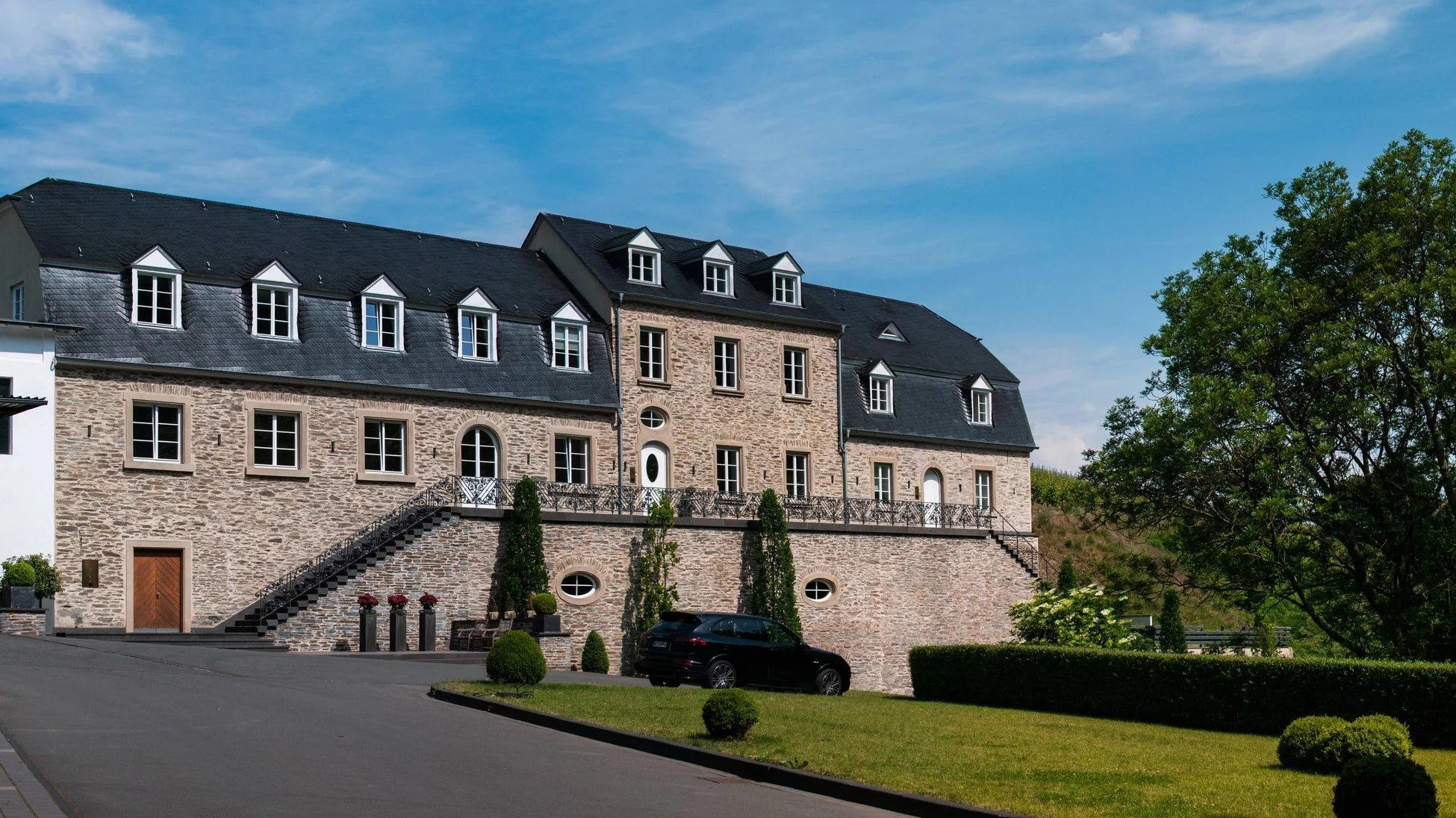
Weingut Markus Molitor
Bernkastel-Wehlen, Germany
Prioritise Weingut Markus Molitor if the purpose of the visit is serious Mosel Riesling depth, not an easy tasting-room stop. Planning detail is limited, so treat it as an appointment-led winery visit and arrange meals, transport, and backup options separately in Bernkastel-Wehlen.
Domaine Michel Colin
Chassagne-Montrachet, France
Domaine Michel Colin works if the trip is already centered on Chassagne-Montrachet and white Burgundy depth. The 2026 Falstaff listing gives it a useful trust signal, but with no confirmed public pricing, food, or hospitality format, treat it as a targeted winery inquiry rather than a full-service tasting-room plan.
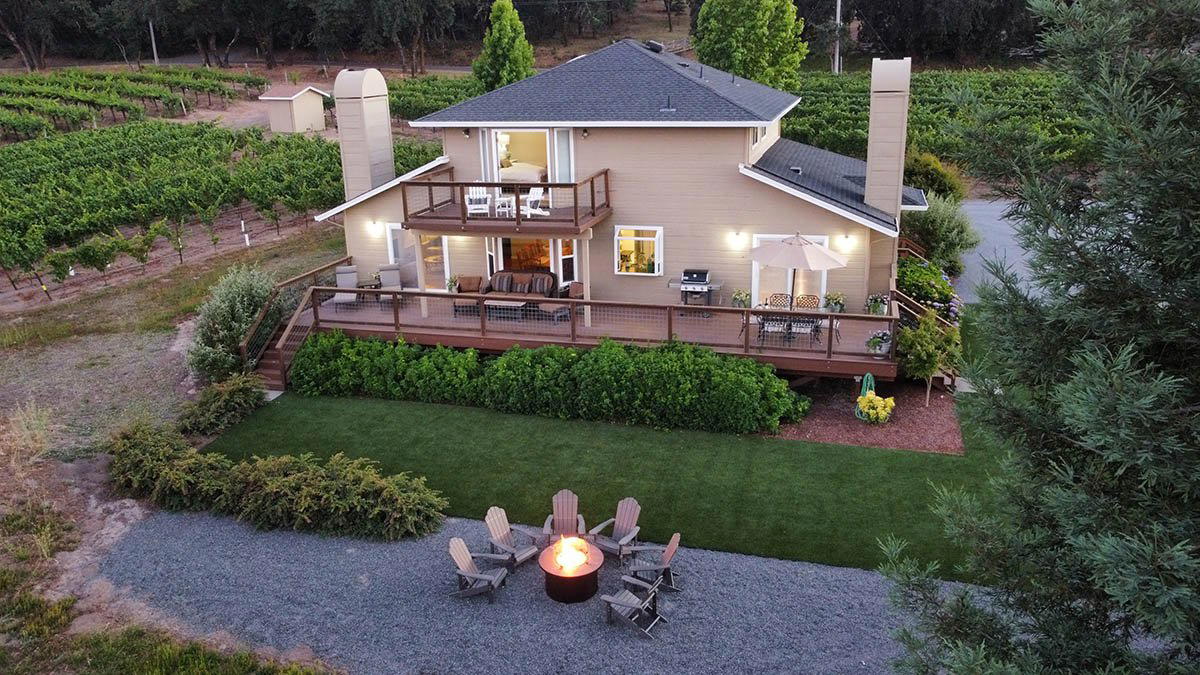
Dutton Estate
Sebastopol, United States
A calm Russian River Valley tasting room with a family-farm backbone, Dutton Estate is worth prioritizing if Chardonnay, Pinot Noir, and estate-grown Sonoma wines are the reason for the stop. Choose it for relaxed value and farming credibility, not for a formal private-tour or food-pairing experience.
Franco M. Martinetti
Turin, Italy
Worth considering as a Piedmont wine stop if the trip is already centered on Turin and regional bottles. The Falstaff Listed 2026 signal gives Franco M. Martinetti credibility, but this is better treated as part of a wider wine-and-dining plan than as the single anchor for a day.
Domaine Sylvain Morey
Chassagne-Montrachet, France
A practical Chassagne-Montrachet winery pick for travelers who want a focused Burgundy stop rather than a food-led visit. Domaine Sylvain Morey has a 2026 Falstaff listing and easy booking difficulty, but the available profile does not support planning around meals, published hours, or a named flagship wine.
Château de Laussac
Saint Magne De Castillon, France
A strong choice for a quieter Right Bank wine stop, Château de Laussac is better for cellar context and vineyard atmosphere than casual drop-in tasting. Its $$ positioning, Falstaff Listed 2026 recognition, HEV 3 certification, and focus on Merlot-Cabernet Franc reds make it worth prioritising if Castillon is part of the trip.
Maison Brotte
Châteauneuf-du-Pape, France
Book Maison Brotte if the goal is a structured Châteauneuf-du-Pape wine stop with appellation context rather than a quick tasting squeezed into the day. It is a better fit for wine-focused travelers building a village itinerary than for visitors who only want a casual photo stop.
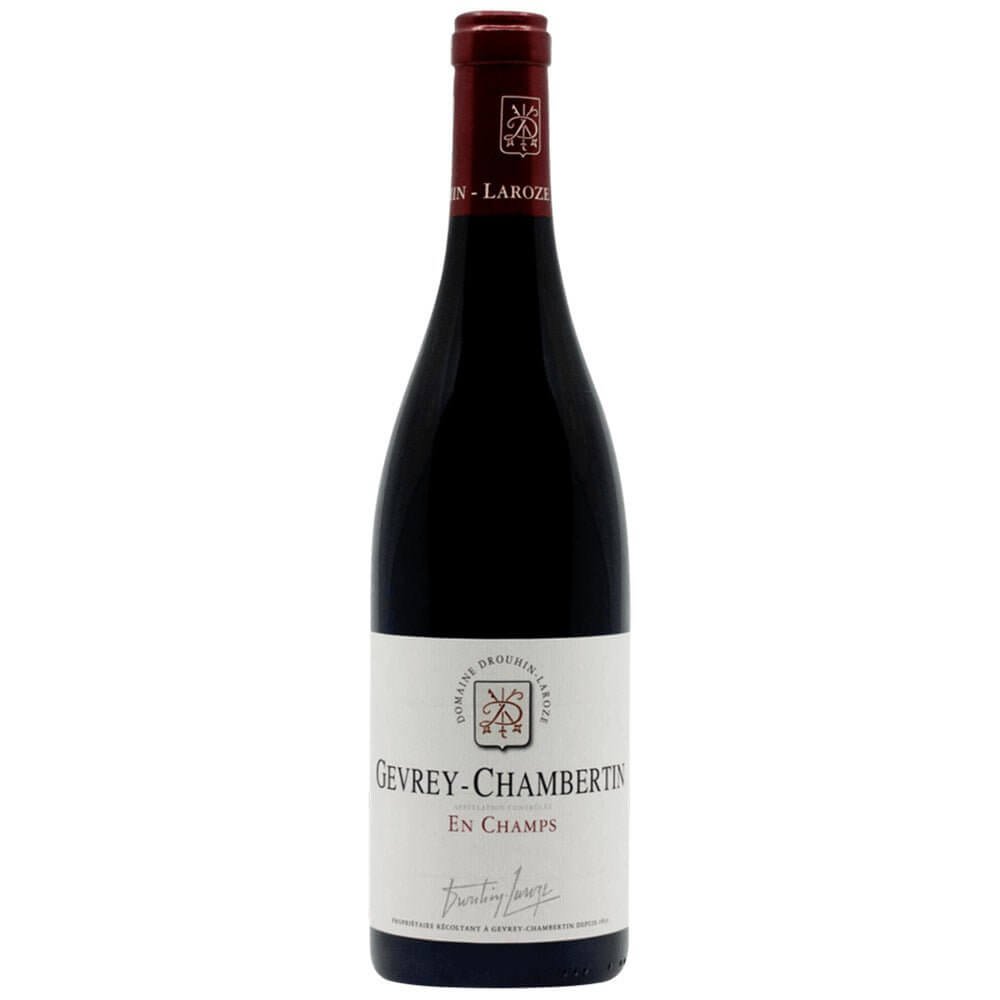
Domaine Drouhin-Laroze
Gevrey-Chambertin, France
Book Domaine Drouhin-Laroze if the goal is a serious Gevrey-Chambertin winery appointment rather than a casual tasting room or food-pairing experience. Its Pearl 2 Star Prestige recognition in 2025 makes it worth pursuing for Burgundy-focused celebrations, but visitors should plan meals and backup winery options separately.
Domaine de Joli Clos
Etoy, Switzerland
Domaine de Joli Clos is worth booking for a first Etoy winery visit if you want a small, family-run La Côte tasting rather than a large cellar-door experience. The appointment-only format, 16-guest scale, homemade amuse-bouches, and Lake Geneva-facing terrace make it strongest for couples or small groups who value context and calm over spontaneity.
Ferdinand Winery
Kojsko, Slovenia
Ferdinand Winery is a Kojsko pick for travelers and buyers who care about Slovenian wine quality signals more than a packaged visitor experience. Its Falstaff 3 Stars recognition for 2026 makes it worth researching for bottles, but plan meals, timing, and backup winery stops separately.
Château Reynon
Barsac, France
Book Château Reynon only if it fits neatly into a Barsac wine day or if a more guided tasting format is confirmed. Its 2026 Falstaff listing gives it credibility, but the practical details are thin, so first-timers should verify access before travelling and cross-check nearby winery options in Barsac.
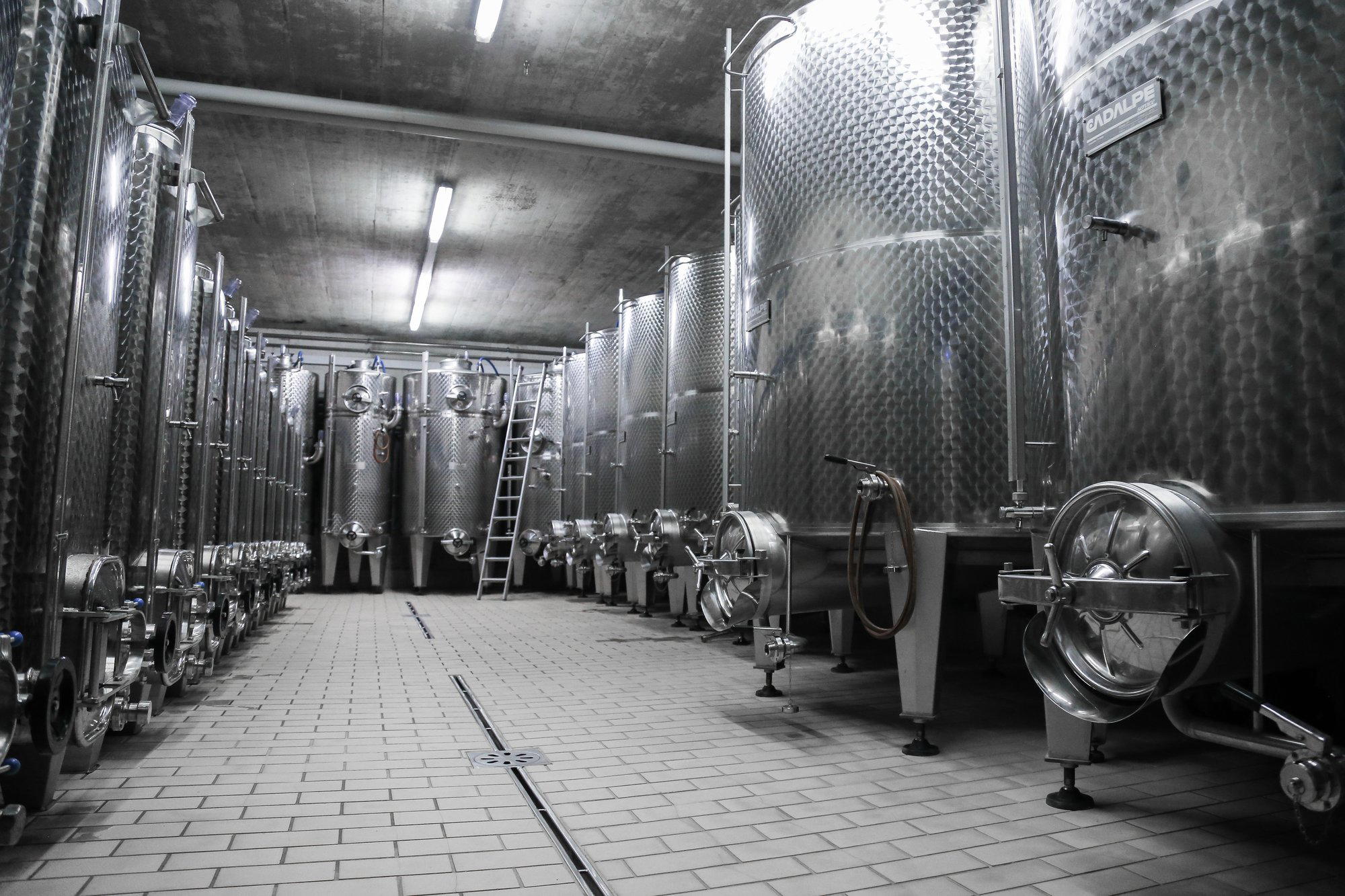
Cave des Bernunes
Sierre, Switzerland
Cave des Bernunes works for a calm Sierre wine stop where Valais setting matters and booking friction should stay low. The Falstaff Listed 2026 recognition gives it a useful trust signal, but plan it as part of a wider wine day rather than a fully mapped hospitality experience.
Colline Albelle
Riparbella, Italy
Book Colline Albelle for a quiet, premium Tuscan estate experience where the villa setting and biodynamic wine focus are the point. It is better for couples, celebrations, and small wine-minded groups than for spontaneous tasters chasing a fast cellar-door route. The strongest draw is the combination of Riparbella scenery, estate-grown Sangiovese, and a calm private-retreat feel.
How many of these have you visited?
Find out on Pearl and keep score across every place in 2026 Falstaff Winery Guide.