

2026 Falstaff Winery Guide: The Ultimate Wine Authority — Page 27
Falstaff's 2026 Wineries guide.

Venues on this list
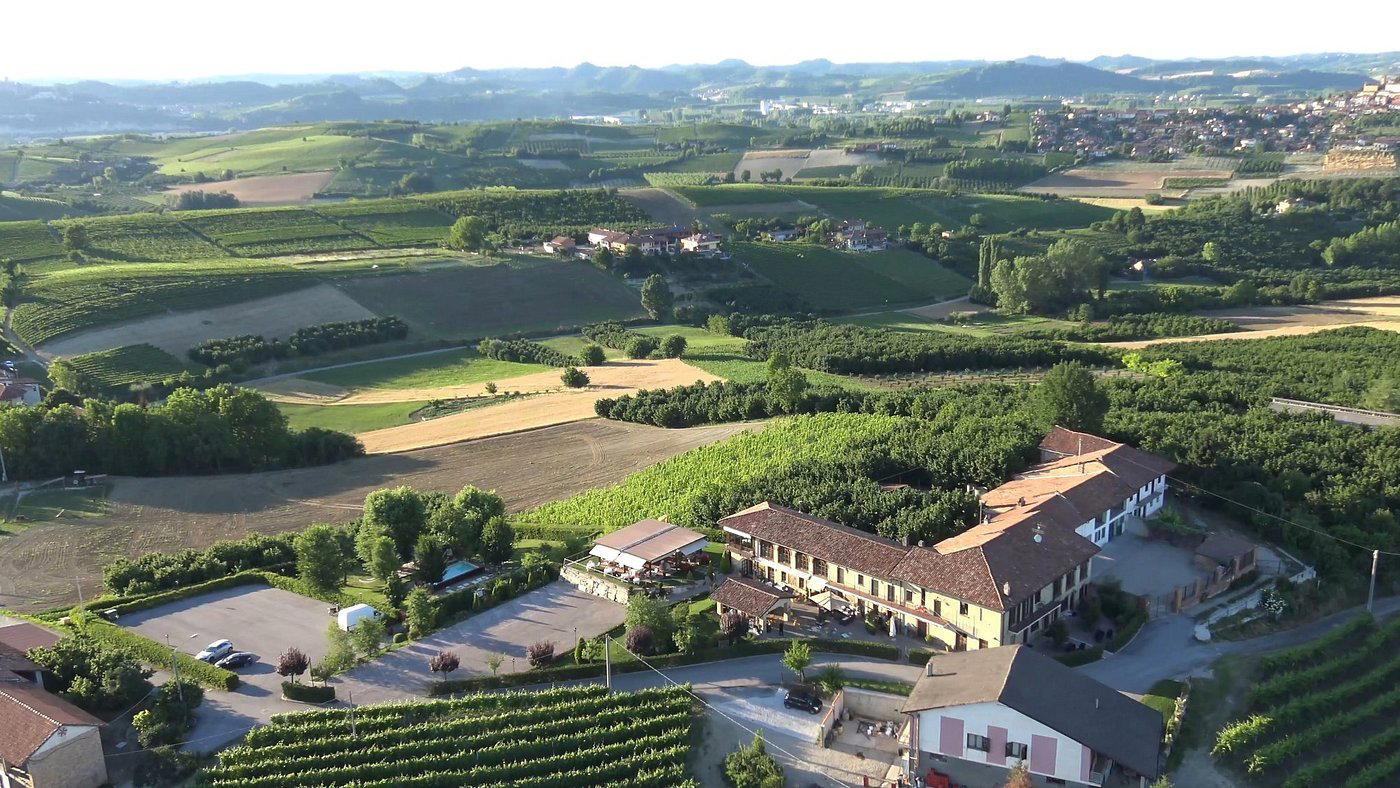
Azienda Agricola Cadia
Roddi, Italy
Azienda Agricola Cadia is worth booking for a relaxed, family-run Langhe tasting in Roddi, especially if you want a guided visit that connects vineyards, cellar, and hazelnut groves. It suits first-timers who want Piedmont context without a formal luxury setup; skip it if you want a highly polished tasting room experience.
Famiglia Cecchi
Grosseto, Italy
Book Famiglia Cecchi if you want a Tuscan producer with real range: Chianti Classico heritage, a major Maremma chapter, and a $$ price signal that makes sense for a structured tasting. It is less compelling if you want a tiny single-estate cellar, but strong for travelers who want regional context in one stop.
Château Treilles
Cahors, France
Château Treilles is worth shortlisting if the goal is a serious Cahors tasting built around structured, Malbec-driven wines rather than a polished hospitality showcase. Its Falstaff Listed 2026 recognition and 50-hectare vineyard profile make it a credible stop for wine-focused travelers, especially small groups planning a southwest France red-wine day.
Cantine Ortali
Galluccio, Italy
Cantine Ortali is a sensible Galluccio winery stop if the trip is already focused on northern Campania wine country. Go for regional context rather than a highly packaged tasting day, and confirm visit details before building a tight itinerary around it.
Cellers Can Blau
El Molar, Spain
Cellers Can Blau is a stronger buy than visit: a Montsant producer to prioritise for red blends, not a tasting-room day. Start with Blau Verd for value, move to Can Blau for the core house style, and choose Mas de Can Blau when the table wants the more serious expression.
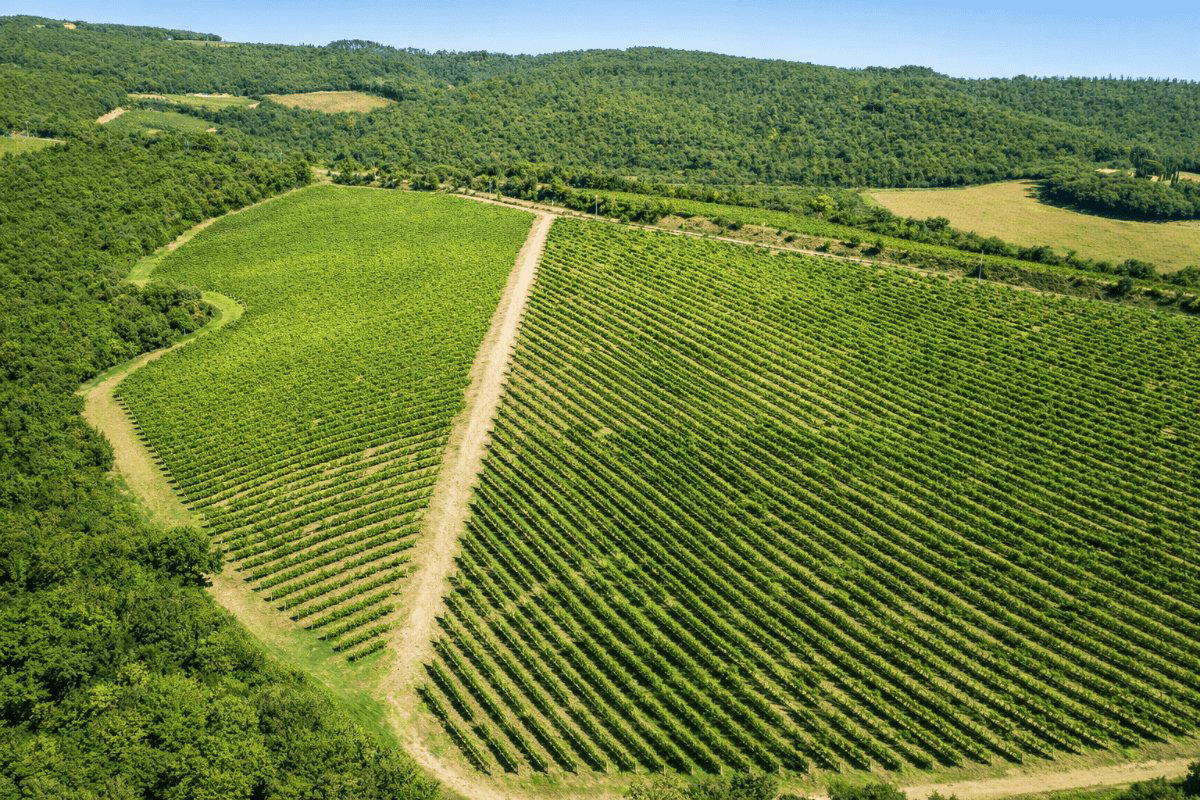
Centolani
Montalcino, Italy
Centolani is worth prioritizing if Brunello di Montalcino is the reason for the trip. The appeal is focused Sangiovese Grosso from distinct Montalcino estate sites, with enough family continuity and appellation context to justify an appointment-led stop for serious wine travelers.
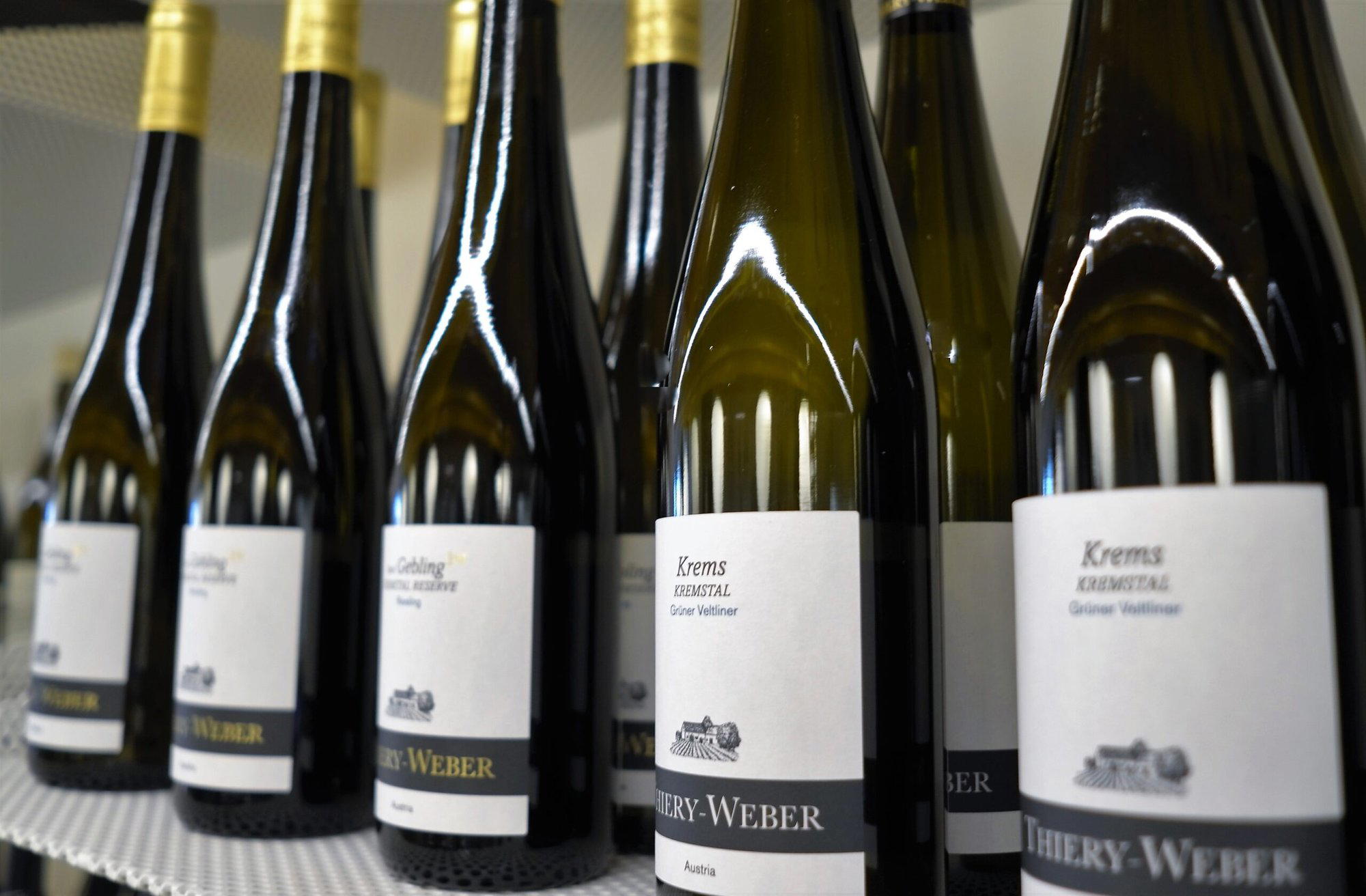
Artur Toifl
Rohrendorf Bei Krems, Austria
A sensible Rohrendorf bei Krems wine stop for visitors who want a calm, local Kremstal tasting rather than a large-format destination experience. The 2026 Falstaff listing is the main quality signal; plan ahead for tasting details and pair it with other nearby food, hotel, or winery plans.
Albet i Noya
Subirats, Spain
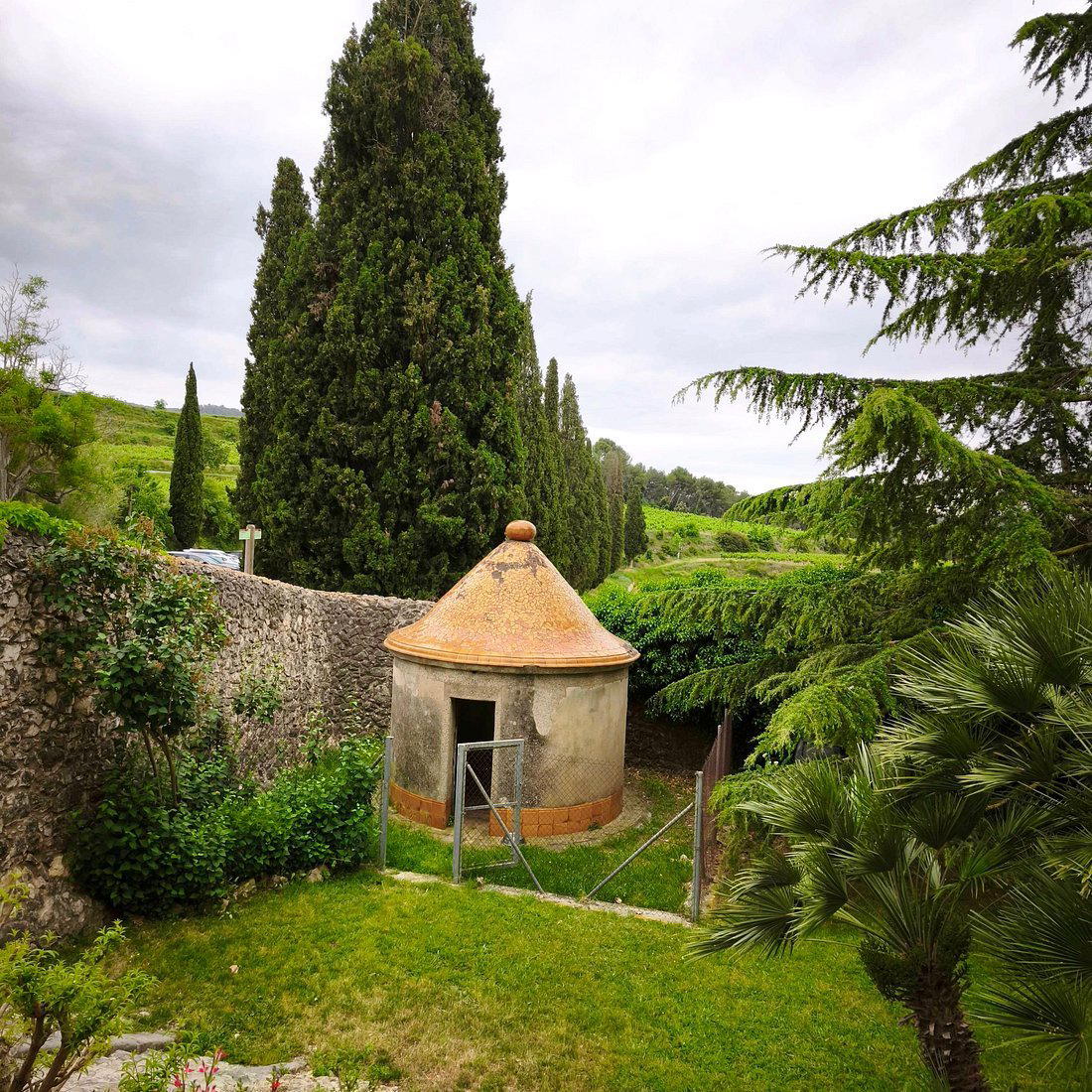
Albet i Noya is a strong Subirats pick for wine travelers who want a serious Penedès stop with Falstaff 2 Stars recognition in 2026. Treat it as an anchor appointment for the day rather than a casual add-on, especially for a celebration, date, or small group itinerary where timing matters.
Castello di Neive
Neive, Italy
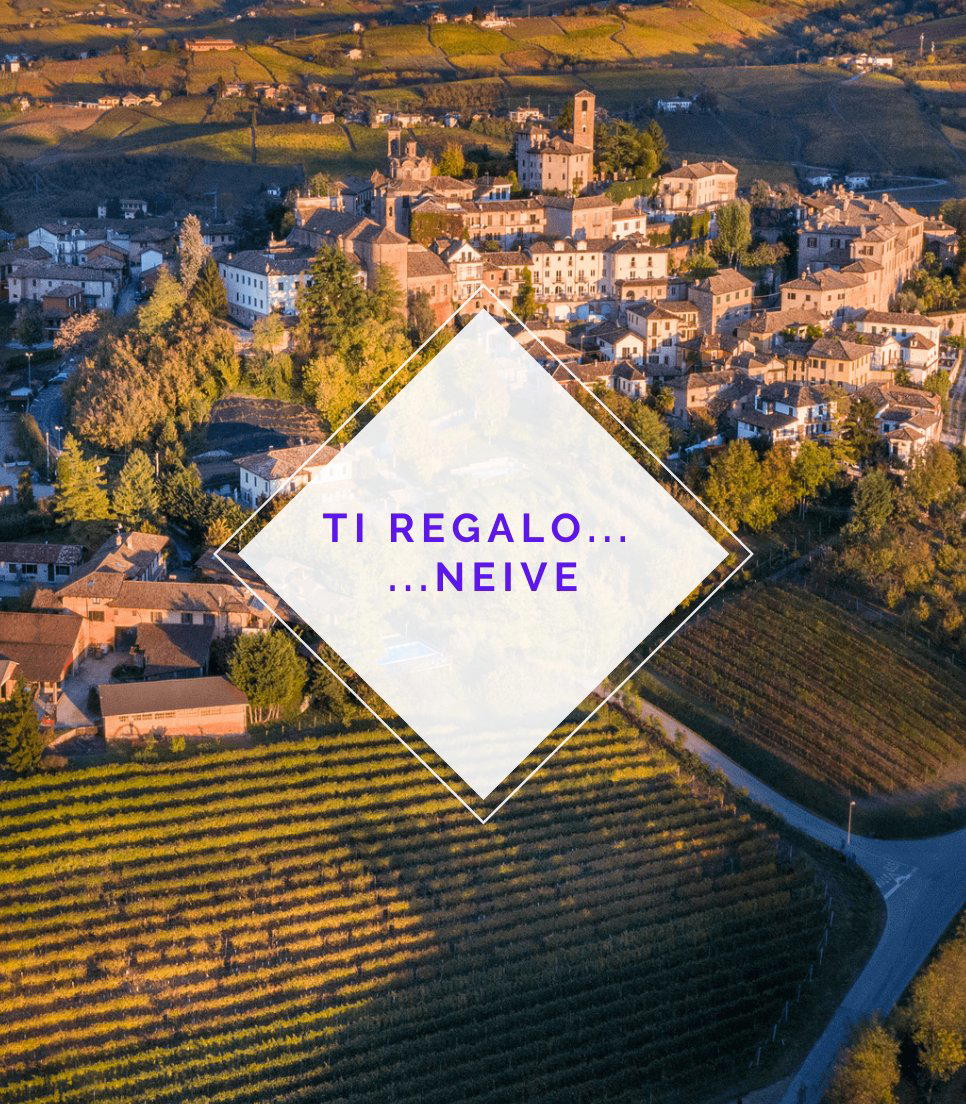
Castello di Neive is worth prioritizing if the trip is centered on Piedmont wine and advance planning is realistic. Falstaff 3 Stars in 2026 gives it a credible quality signal, but treat it as a serious winery appointment rather than a casual drop-in stop.
Cave Jacques et Aurélia Joly
Bourg En Lavaux, Switzerland
Cave Jacques et Aurélia Joly is a sensible Bourg En Lavaux pick for wine-focused visitors who want a quieter Lavaux cellar stop rather than a packaged tasting day. Falstaff listing in 2026 gives it a useful credibility signal, but plan around the essentials: confirm visit details ahead, keep food separate, and use it as part of a wider winery route.
Champagne Collard-Picard
Épernay, France
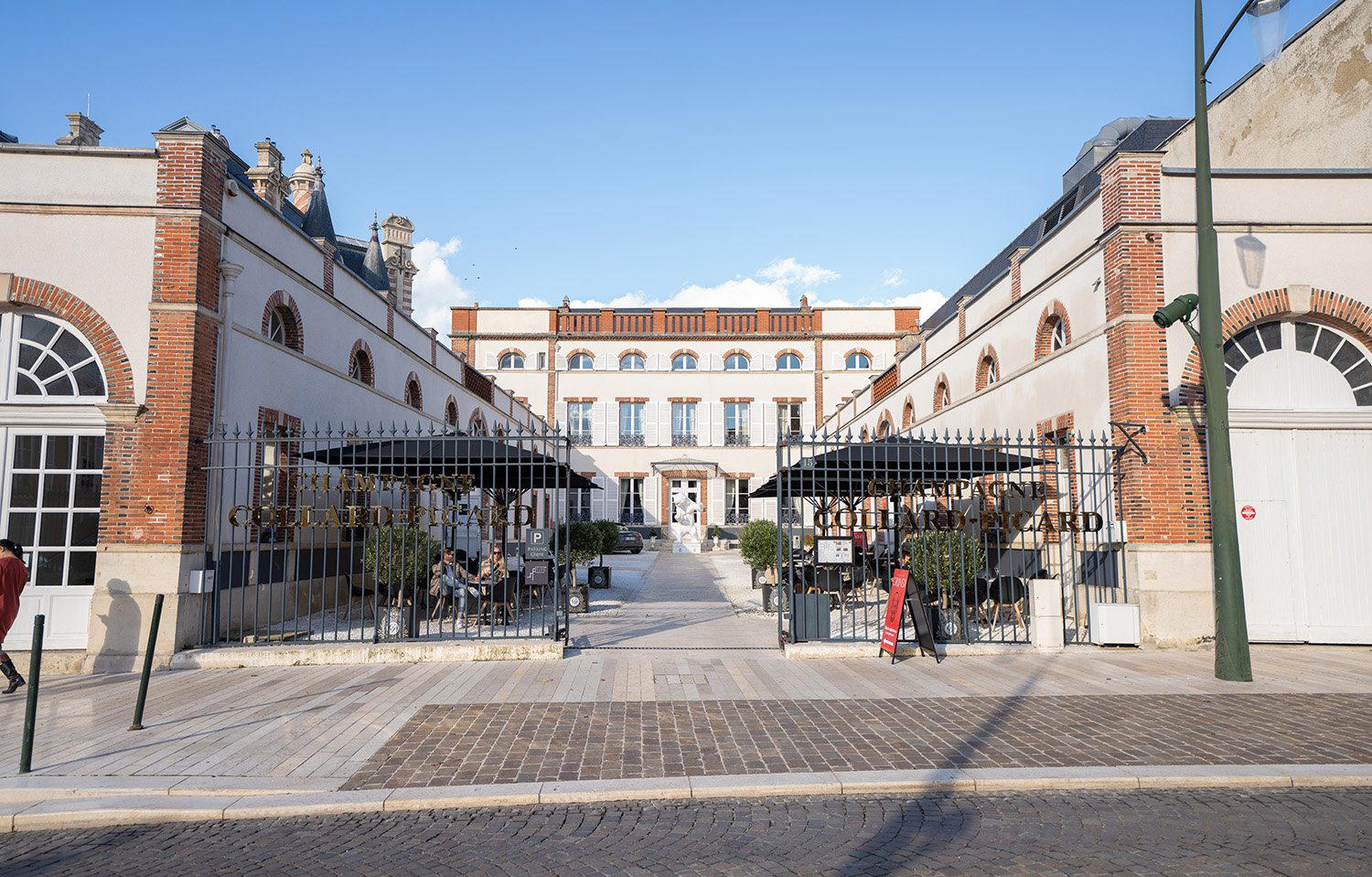
A sensible Épernay winery candidate for Champagne travelers who want regional context rather than a meal-led stop. Book only after confirming the practical details that matter to the day, especially food, format, and timing; use it as part of a tighter Épernay winery plan rather than as a standalone itinerary anchor.
Chateau d’Escurac
Civrac Medoc, France
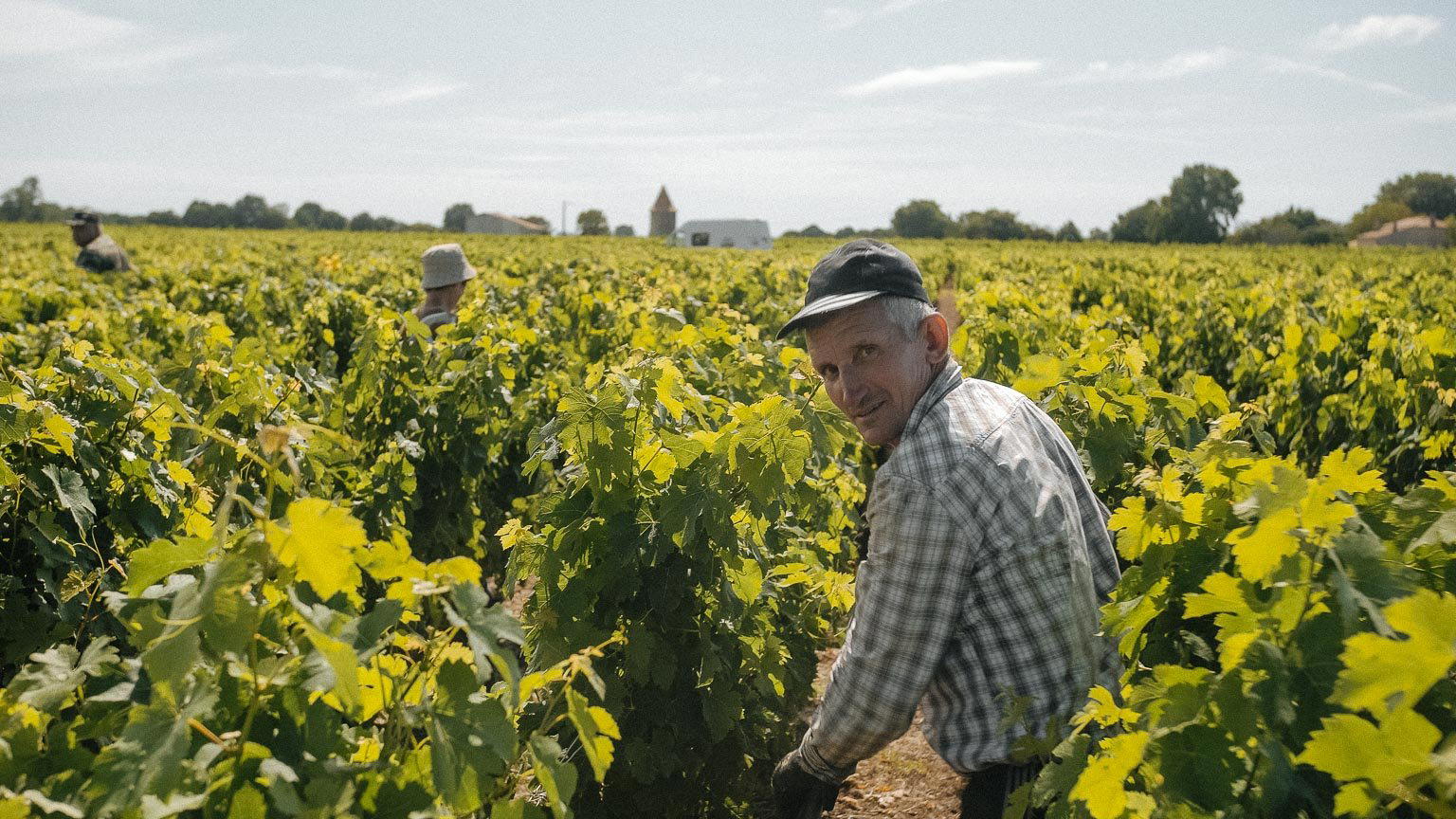
Visit Chateau d’Escurac if the priority is a wine-first Médoc stop, especially for choosing bottles for a celebration, cellar, or business gift. It is less useful as a meal-led outing, so pair it with separate restaurant planning in Civrac Medoc if food is part of the occasion.
Herr & Frau Lüttmer Die Winzerei
Querfurt, Germany
Herr & Frau Lüttmer Die Winzerei is worth shortlisting if Querfurt is already part of a Saale-Unstrut wine day, especially for curious drinkers who prefer small-producer discovery over polished hospitality. Do not plan around a food-pairing program or large-group tasting unless the format is confirmed first; use it as a flexible winery stop rather than the anchor of the trip.
Der Rebenhof – Hartmut Aubell
Ehrenhausen, Austria
Der Rebenhof – Hartmut Aubell works for a quiet Ehrenhausen wine-country stop, especially for couples or small special-occasion groups that value a slower, less scripted setting. Falstaff listing in 2026 gives it a useful trust signal, but confirm food, group size, and visit format before building a celebration around it.
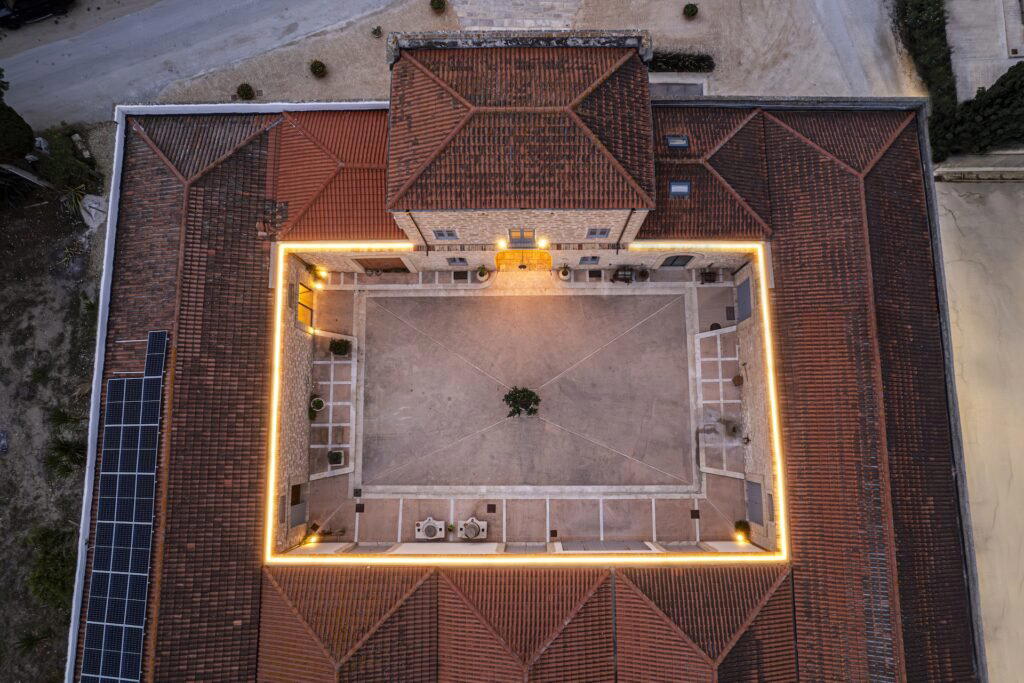
Ceuso
Calatafimi Segesta, Italy
Ceuso works if the plan is a wine-led stop near Calatafimi Segesta, especially for a small celebration or focused Sicilian tasting day. Go in with flexible expectations: confirmed visitor details are sparse, so the strongest reason to prioritise it is the wine focus and Falstaff listing rather than a fully documented hospitality setup.
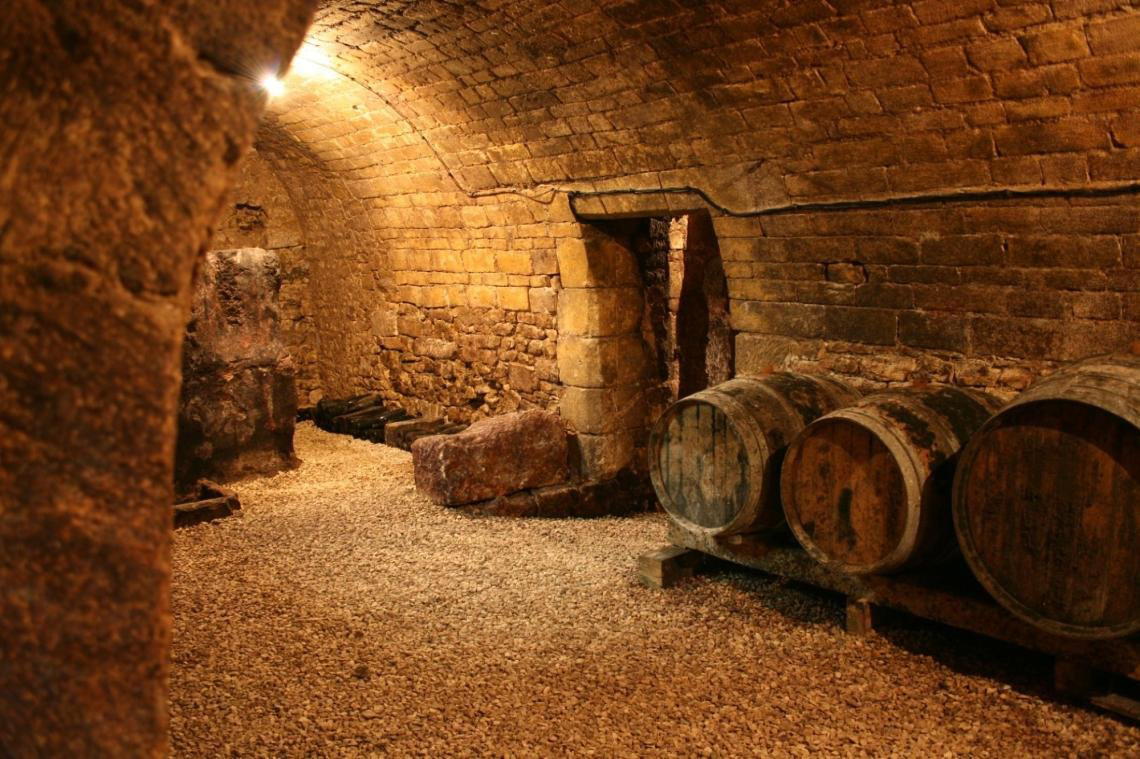
Domaine Bersan
Saint Bris Le Vineux, France
Domaine Bersan works if the goal is a Saint-Bris-focused Burgundy stop rather than a luxury tasting production. The value case rests on regional context and Falstaff Listed (2026) recognition, with easy booking making it a low-friction addition to a wine itinerary in Saint Bris Le Vineux.
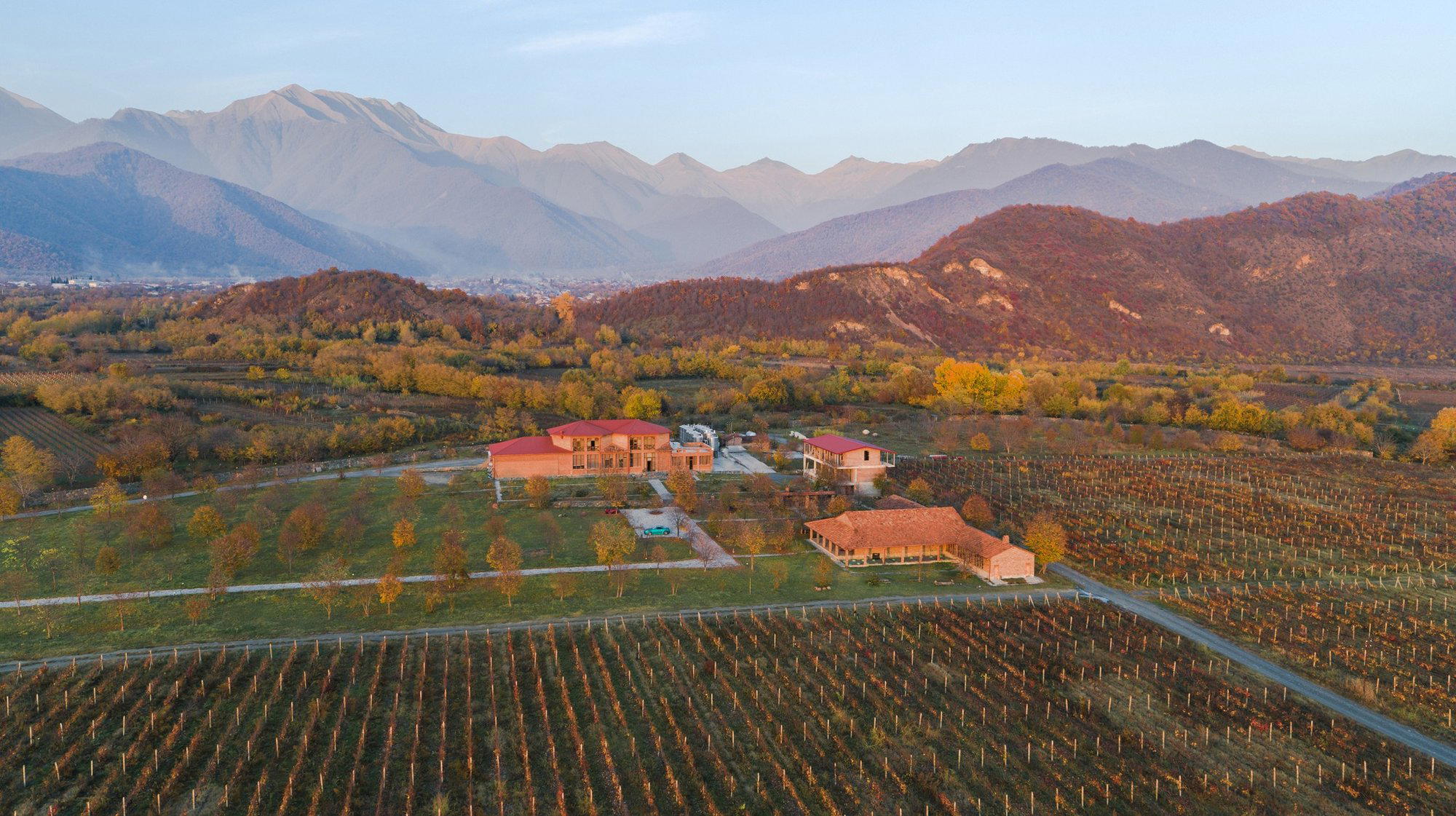
Chelti Winery
Berlin, Germany
Book Chelti Winery if the goal is a focused Georgian wine tasting rather than a big hospitality production. It is strongest for small groups, dates, and low-key celebrations built around qvevri, amber wine, and indigenous Kakheti grapes, with Falstaff Listed recognition adding a useful quality signal.
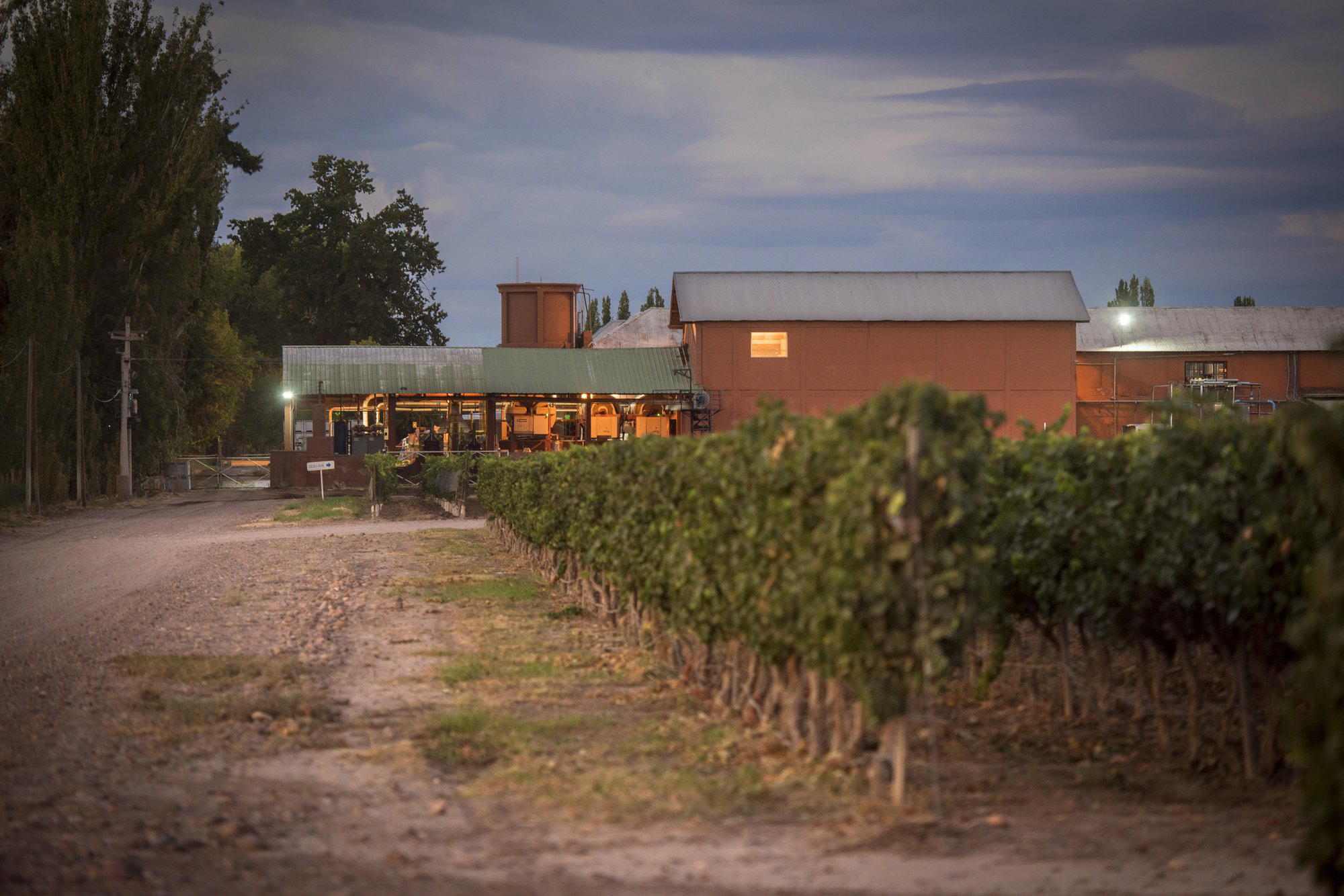
Bodegas y Viñedos Pascual Toso
Aer Mendoza, Argentina
A strong first Mendoza winery pick for travelers who want heritage, vineyard atmosphere, and a guided tasting that feels easy to follow. The private option is worth it if this is a key stop in the day, especially for groups who want context on Malbec, Maipú, and the Las Barrancas estate rather than a quick casual pour.
Giovanni Almondo
Montà, Italy
Chalk, lemon, and pear are the useful hook here: Giovanni Almondo is a strong Roero choice for travelers who want Arneis with real vineyard detail. Prioritise it for organic farming, parcel-led whites, and a serious Nebbiolo counterpart; skip it if the trip needs a highly scripted tasting format with published visitor details.
Endrizzi
San Michele All Adige, Italy
Endrizzi is a strong choice for a planned Trentino winery visit when the goal is heritage, regional grapes, and a calm special-occasion setting. The draw is the estate-grown focus on Teroldego Rotaliano and Trentodoc, supported by a long family history and eco-sustainable production philosophy.
Domaine des Pendus
Peney, Switzerland
Book Domaine des Pendus if you want a quiet, production-led Geneva winery visit rather than a polished tasting-room production. The $$ positioning, family-run cellar, Coteau de Peney AOC setting, local oak ageing, and recent Swiss wine medals make it a strong fit for wine-focused couples or small celebratory groups.
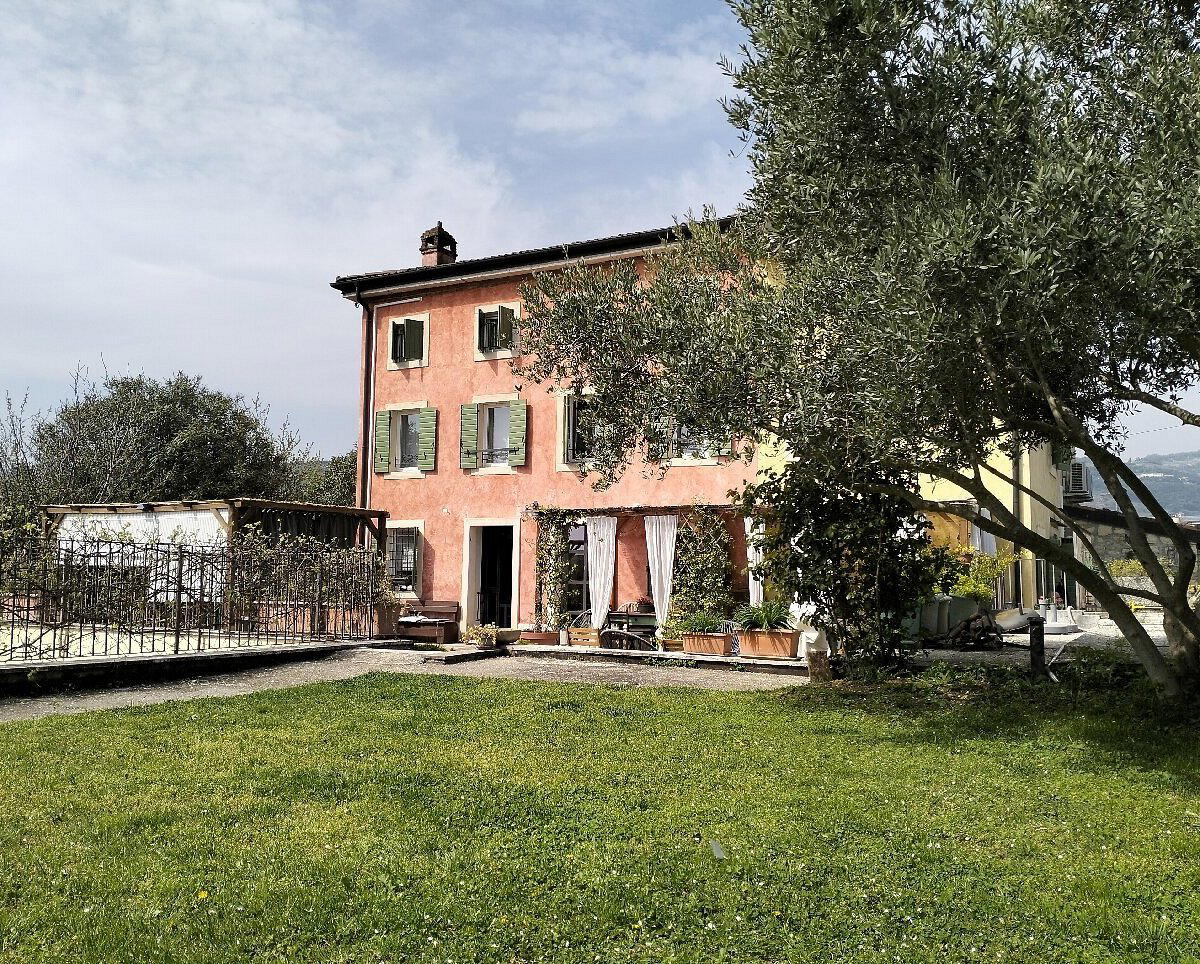
Azienda Agricola La Giaretta
Valgatara Marano Di Valpolicella, Italy
Azienda Agricola La Giaretta is worth adding to a Valpolicella Classica day if the priority is a quieter family-run winery with Amarone, Ripasso, Valpolicella Superiore, Recioto, and Passito in the mix. The main reason to go is the I Quadretti line and the estate’s vineyard-first approach, not a large-scale hospitality setup.
Jenny Weinbau
Jenins, Switzerland
Jenny Weinbau is worth prioritizing if the point of the visit is Bündner Herrschaft context, especially Blauburgunder and heritage vine material. Expect a small, producer-led feel rather than a hospitality-heavy winery experience; the value is strongest for travelers who want depth, a quiet appointment, and bottles with a clear Jenins identity.
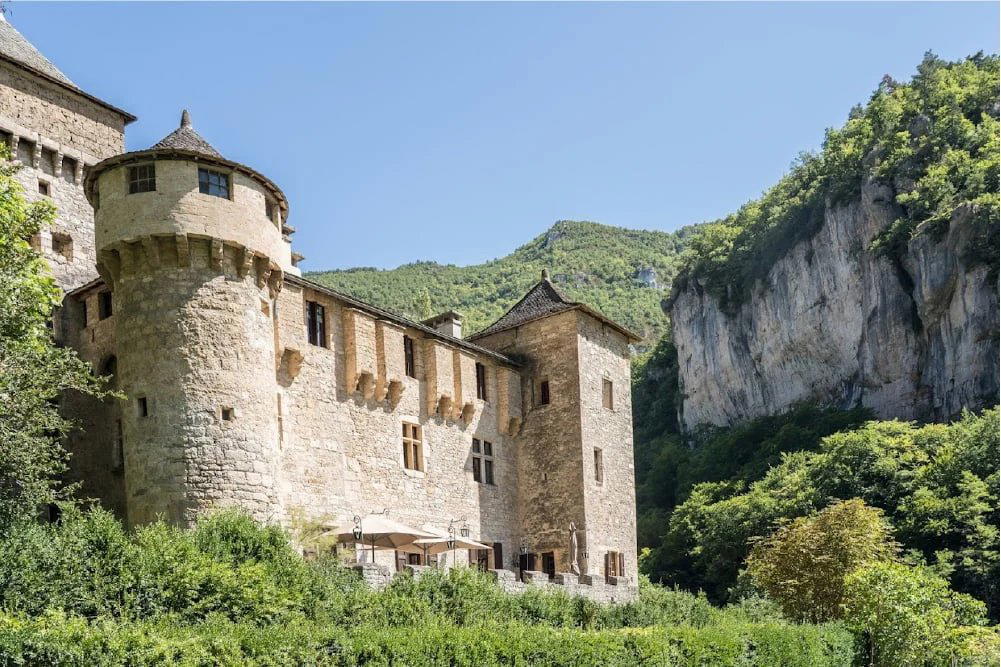
Château Montfin
Peyriac De Mer, France
Château Montfin is a practical Peyriac-de-Mer winery option for travelers who want a quieter Occitanie stop rather than a heavily structured tasting destination. The main trust signal is its Falstaff listing for 2026; the main caution is that pricing, food, hours, and visitor format are not published here, so treat any upgraded tasting as something to confirm before planning around it.
Danese
Ronca, Italy
Danese works if the priority is a practical Roncà winery visit built around portfolio range, Veneto reds and whites, and export-ready consistency. It is less suited to a romantic boutique tasting, but useful for buyers, business tastings, or anyone comparing Soave, Durella, Amarone, Valpolicella Ripasso, and Puglia reds in one stop.
Crosarola
Fumane, Italy
Crosarola is a sensible Fumane shortlist pick for wine travelers already exploring Valpolicella, especially if the appeal is estate context rather than a highly documented hospitality program. Its Falstaff listing gives it a useful trust signal, but groups or visitors who need firm logistics should anchor the day with more confirmed stops.
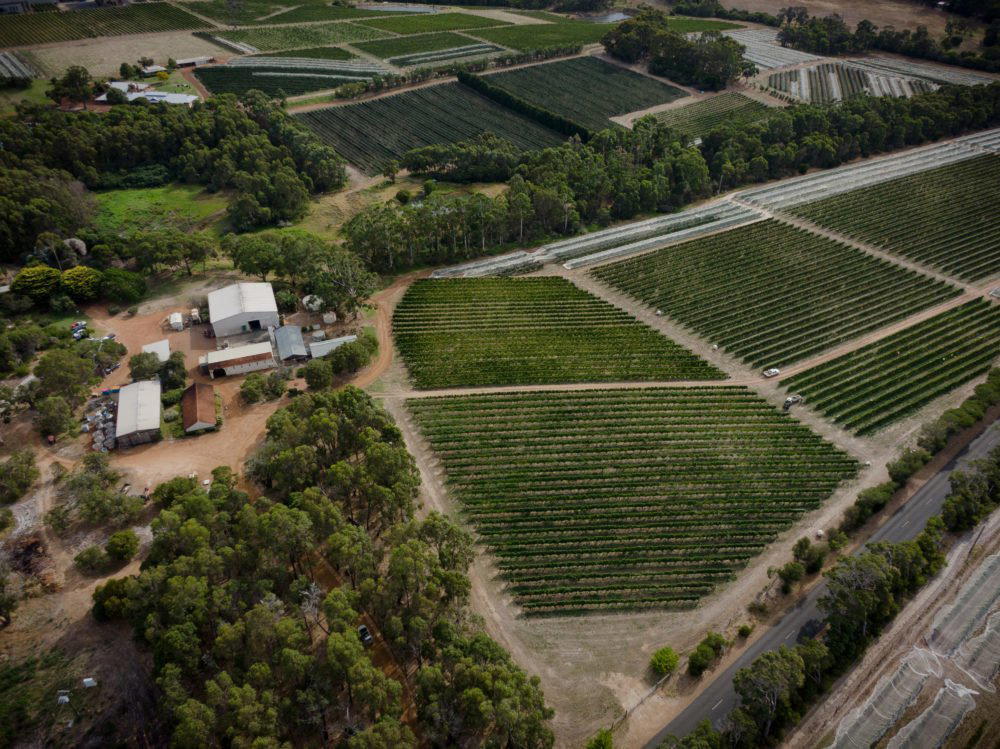
Moss Wood
Margaret River, Australia
Moss Wood is worth prioritising if the goal is a serious Wilyabrup reference point rather than a casual Margaret River tasting stop. Access is the main constraint, so plan around it and keep nearby alternatives in reserve. Better for wine-focused travellers than large groups or spontaneous cellar-door hopping.
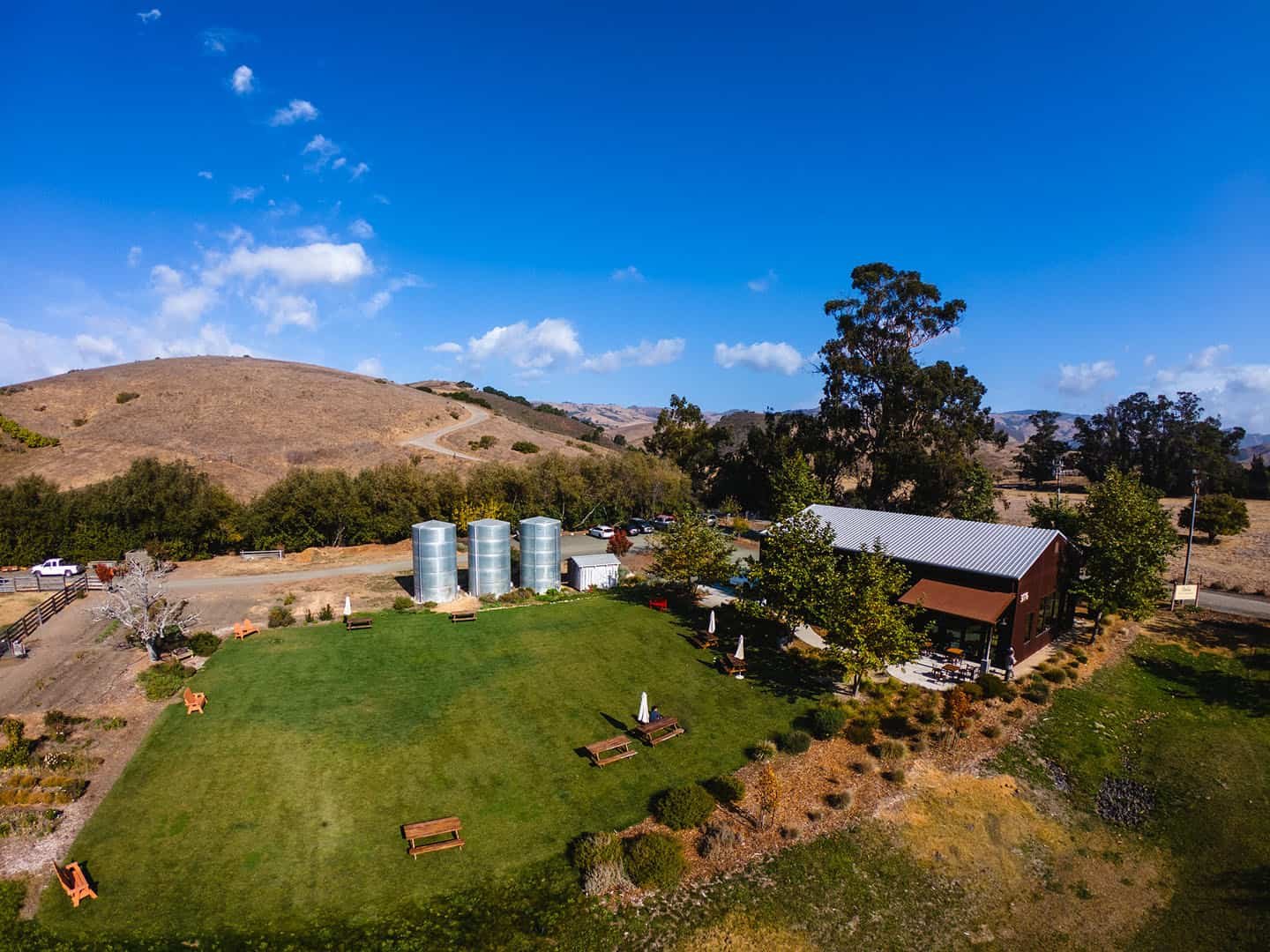
Brij Wines by Parr Wines
Cambria, United States
A wine-first Cambria pick for visitors who care more about bottle discovery than a fully scripted hospitality experience. Brij Wines by Parr Wines has a 2026 Falstaff listing, which gives it a credible signal, but confirm tasting format, timing, food, and wine-club terms before planning a celebration or group visit around it.
Houghton Wines
Wilyabrup, Australia
Houghton Wines is a sensible Wilyabrup stop for wine-focused travellers who care about recognised producers and bottle assessment more than a full hospitality outing. With Falstaff listing it for 2026, it has a credible signal, but the strongest use case is as part of a broader Margaret River tasting day rather than a standalone destination.
Château Ricaud
Loupiac, France
Book Château Ricaud if the goal is a focused Loupiac sweet-wine visit with historic context, Sémillon depth, and a quiet Bordeaux setting. It is better for appellation discovery than for a polished tasting-room itinerary; appointment-only access keeps planning simple but rules out casual drop-ins.
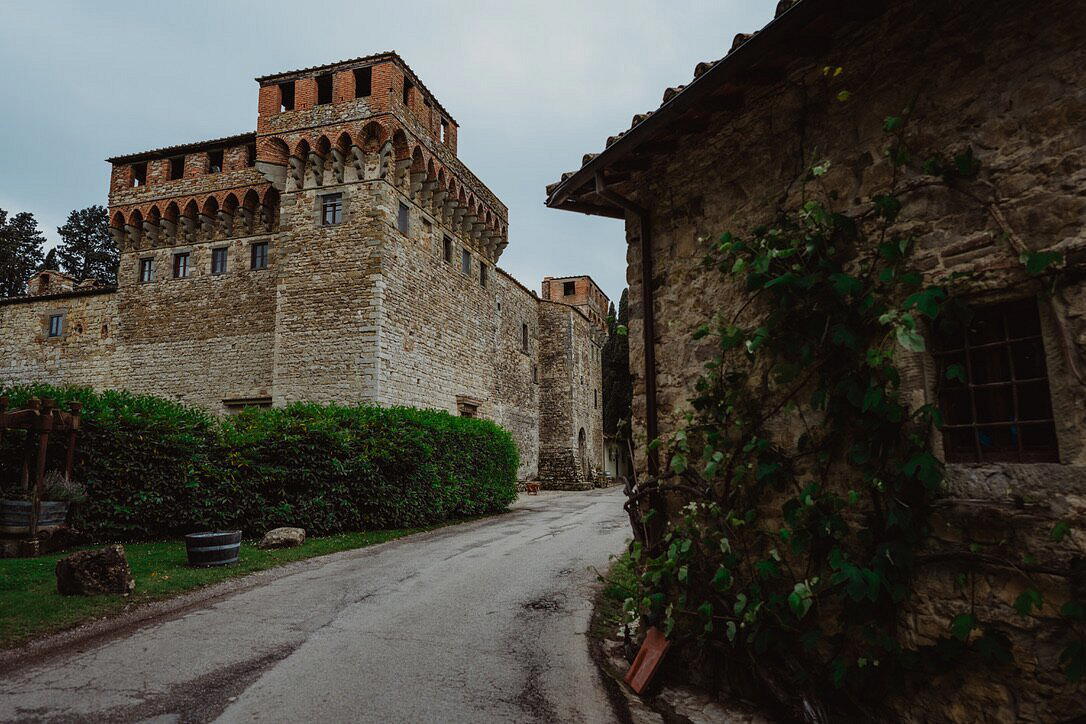
Castello del Trebbio
Pontassieve, Italy
Castello del Trebbio is the right Pontassieve booking if you want a Chianti Rufina estate visit with castle atmosphere, estate-grown wines, and food pairings built around farm products. Go for a guided or private tasting rather than a quick pour, especially if you have already done a standard Tuscan cellar stop.
Château Lucia
Saint-Émilion, France
Château Lucia is worth targeting for serious Saint-Émilion drinkers who want a compact, modern-leaning Right Bank estate with small production and strong cellar detail. The value case is strongest for collectors interested in Merlot-led Grand Cru, old vines, and a polished style; casual walk-around wine tourists will get more from a broader village itinerary.
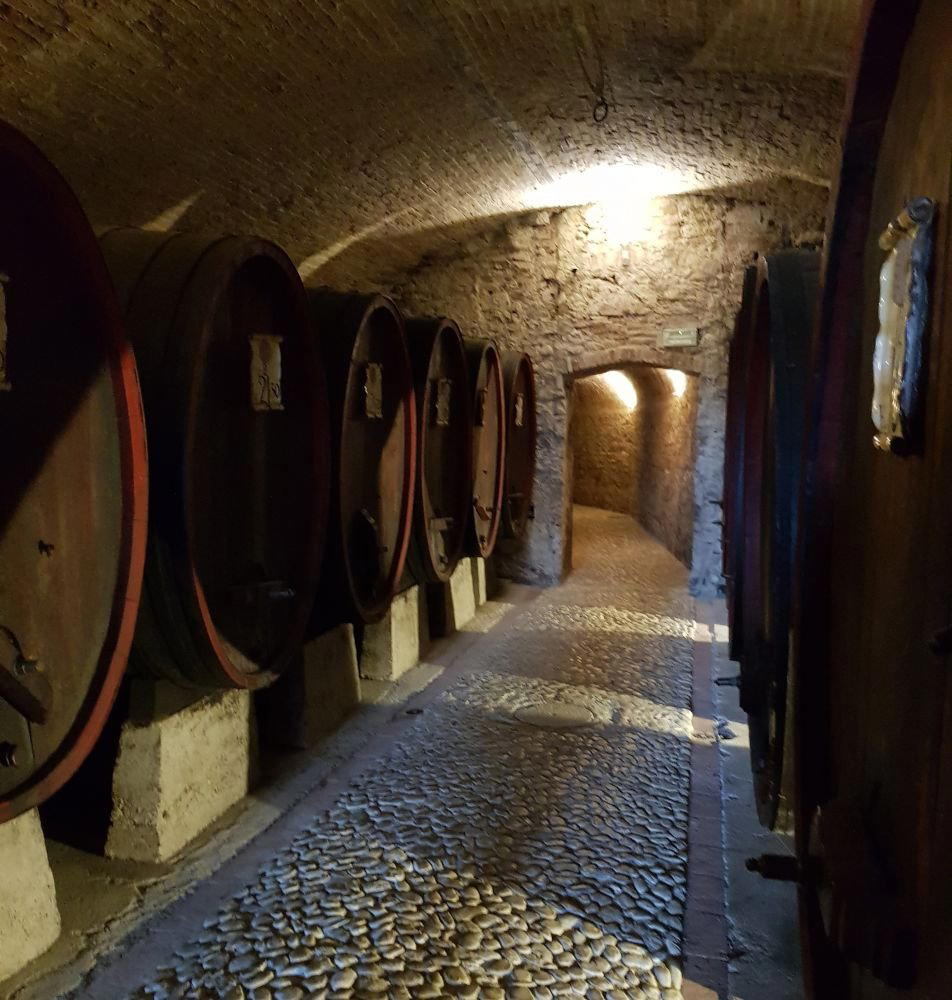
Antica Fattoria Machiavelli
Poggibonsi, Italy
Book Antica Fattoria Machiavelli if the appeal is a calm Tuscan winery visit with historic weight, not just a quick tasting. The Machiavelli estate connection, Chianti Classico setting, and 2026 Falstaff 3 Stars make it worthwhile for returning Poggibonsi visitors, especially if Il Principe Toscana IGT is available to taste or buy.
Damjanić Vina
Porec, Croatia
Damjanić Vina works if the trip to Poreč has a wine focus and the goal is a calm Istrian tasting stop rather than a full-day estate experience. Go when the day has room for a compact visit, and pair it with restaurants, bars, or coastal time rather than making it the only plan.
Domaine Font de Michelle
Bédarrides, France
Domaine Font de Michelle is worth booking if you want a calm, family-run Châteauneuf-du-Pape tasting with organic farming and real appellation context. The upgraded Grand Cru Experience is the smarter choice for a celebration or wine-focused group, mainly because it adds vineyard time, production context, and an older-vintage tasting rather than stopping at current releases.
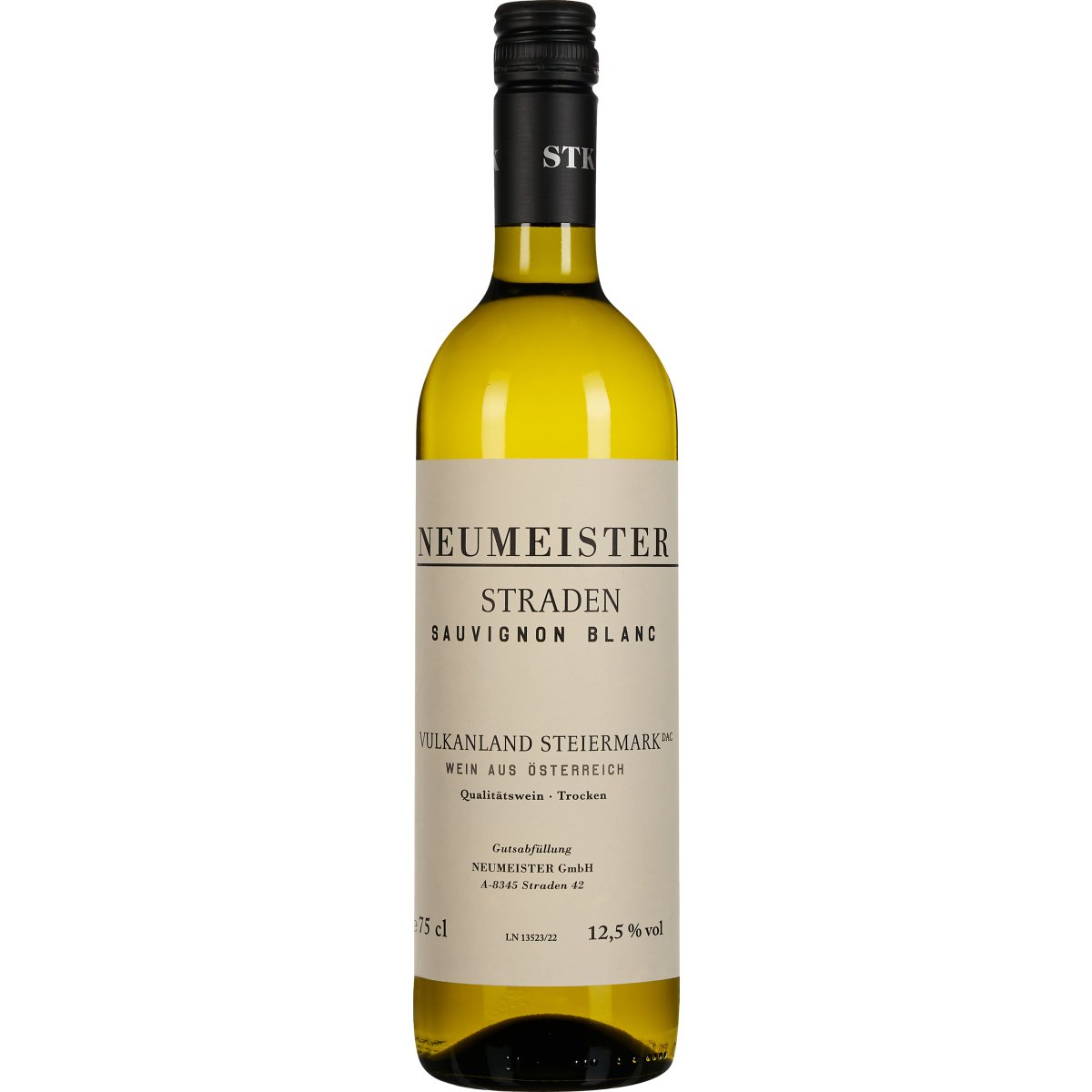
Weingut Neumeister
Straden, Austria
Prioritize Weingut Neumeister if your Straden trip is built around serious winery visits rather than casual drop-ins. It suits wine-focused travelers who can plan ahead and compare it with nearby producers; groups wanting a looser spirits-led day may be better served by Gölles Distillery or David Gölles House of Whiskey & Rum.
Divin Nolow
Chemery, France
Divin Nolow is worth prioritizing if the trip includes serious interest in alcohol-free Loire wine, not if the goal is a classic cellar-door visit. Its Touraine-rooted, craft-focused NoLo portfolio has a stronger regional argument than many generic alcohol-free bottles, with Falstaff recognition adding credibility for skeptical wine drinkers.
Domaine de Cray
Lussault Sur Loire, France
Domaine de Cray is a sensible Loire winery stop for travelers building a relaxed tasting day around Lussault Sur Loire. Treat it as a wine-led visit rather than a confirmed food destination, and plan meals separately if the occasion needs a fuller hospitality experience.
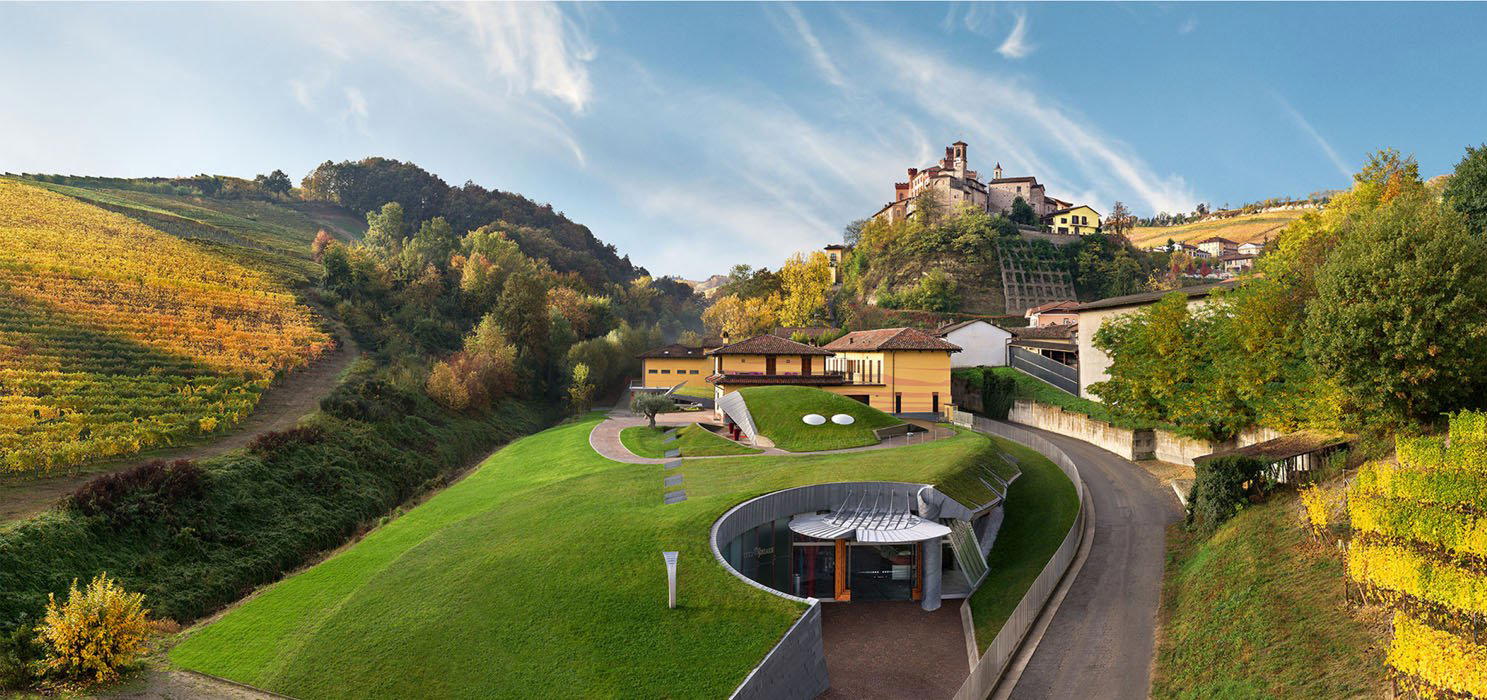
Cascina Adelaide
Barolo, Italy
Book Cascina Adelaide if you want a serious Barolo tasting centered on named crus rather than a casual cellar-door pour. The guided, production-focused format suits Nebbiolo drinkers, special-occasion wine trips, and anyone building a thoughtful Barolo itinerary; skip it if you want food-led hospitality or a flexible drop-in stop.
Viña Viu Manent
Santa Cruz, Chile
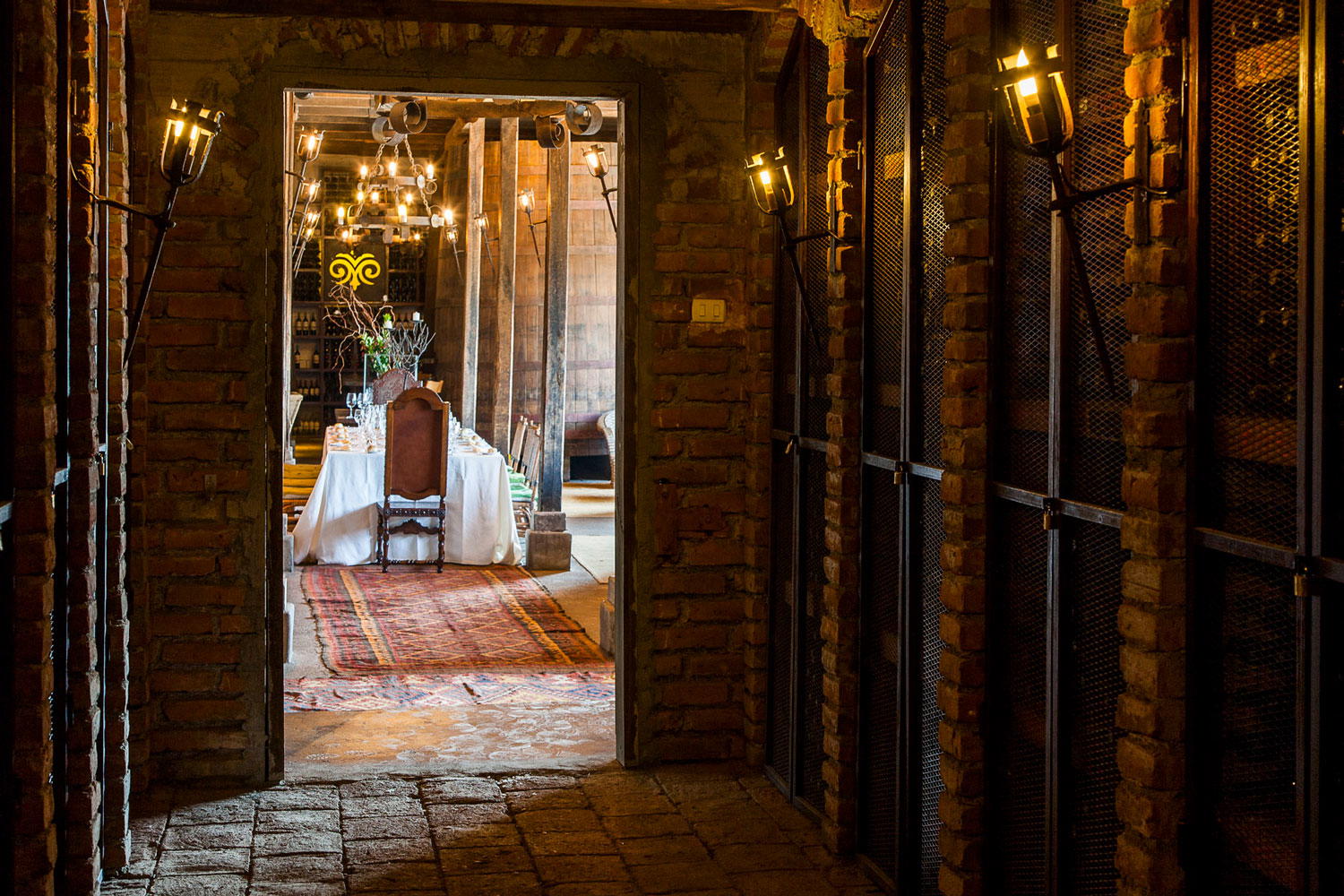
Book Viña Viu Manent when the Santa Cruz trip is built around wine, not when you need a casual last-minute stop. Its World's 50 Best Vineyards #40 placement gives it real trip-anchor weight, but the booking difficulty means dates should be planned early. Cross-shop Clos Apalta for a bigger prestige play and Viña Montes for another major Santa Cruz winery.
Degrassi d.o.o.
Savudrija, Croatia
Book Degrassi d.o.o. if you want an intimate Istrian winery tasting with guided context and food pairings rather than a flashy cellar visit. At $58 per person with recommended booking and casual dress, it suits dates, small celebrations, and wine-curious groups who want Malvasia, Teran, and broader Istrian styles explained at an easy pace.
Domaine Ghislaine Barthod
Chambolle-Musigny, France
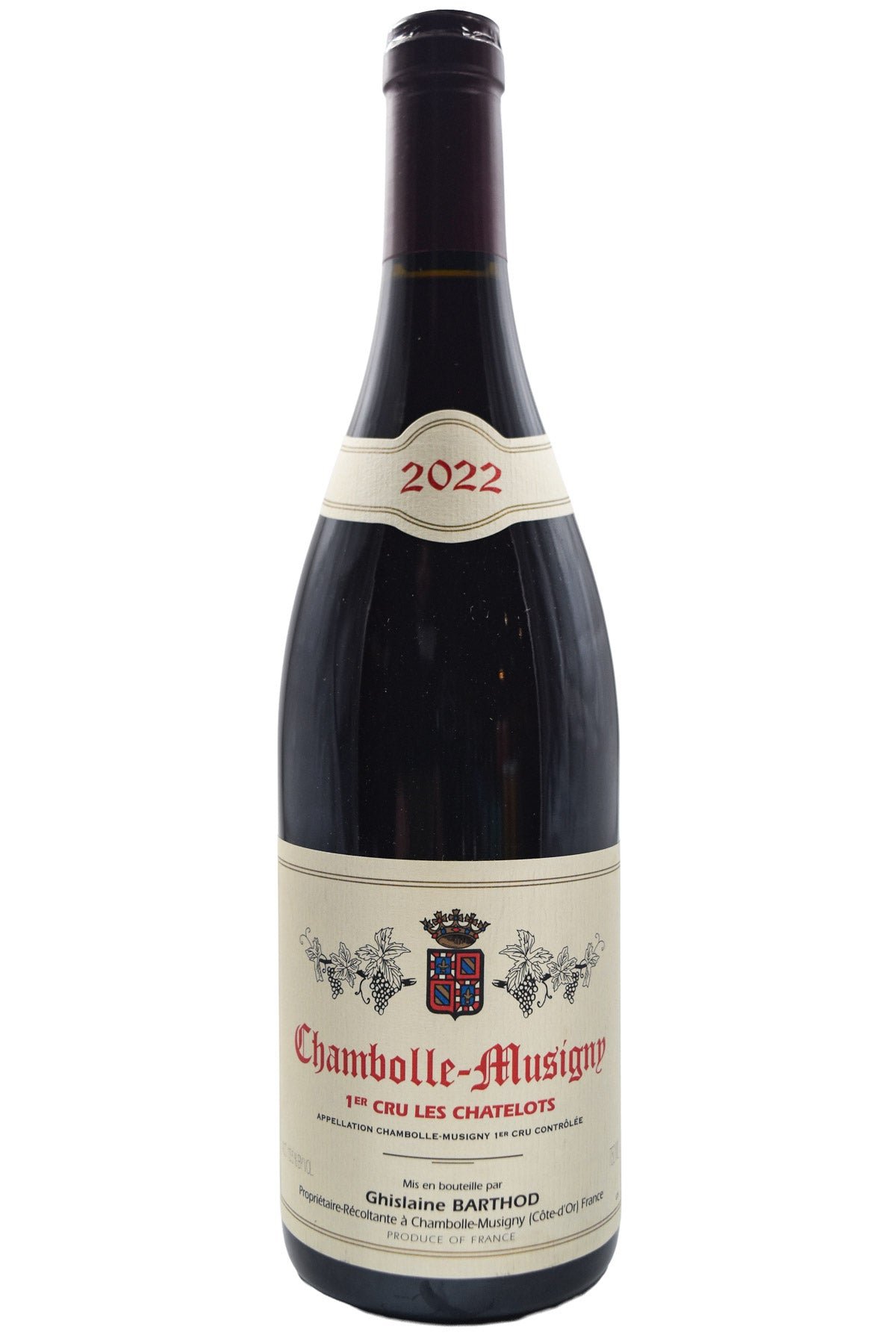
A serious Chambolle-Musigny target for Burgundy drinkers who value producer reputation over easy access. Worth pursuing if the trip is built around depth and scarce domaines; less suitable for large groups, casual tasting routes, or anyone needing a predictable visitor format.
Bodega Alvides
Villalba De Duero, Spain
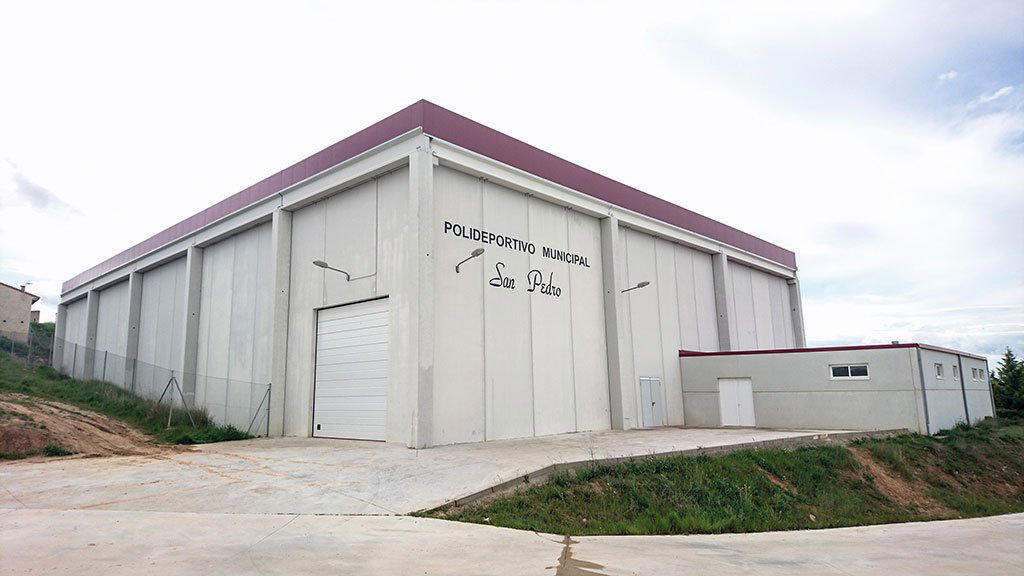
Bodega Alvides is a small, family-run Ribera del Duero winery for travelers who want a serious cellar visit rather than a large hospitality complex. The draw is estate-grown fruit, manual vineyard work, French oak aging, and Falstaff 3 Stars recognition in 2026. Plan ahead and treat it as a focused producer visit, not a casual drop-in tasting.
Frank Cornelissen
Passopisciaro, Italy
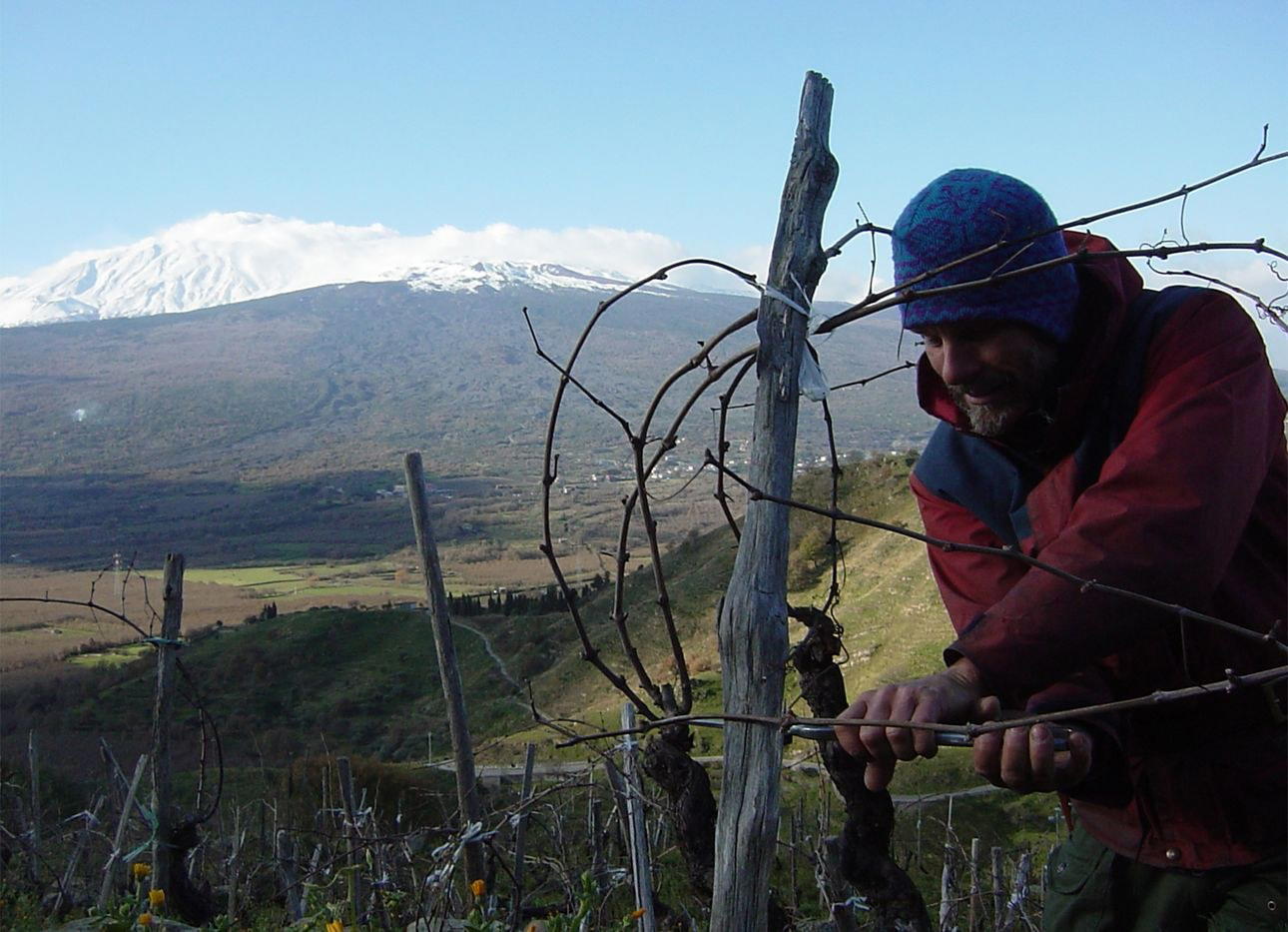
Frank Cornelissen is a benchmark natural-wine estate in Passopisciaro on Etna's northern slope. The winery is known for uncompromising volcanic-terroir work, high-elevation Nerello Mascalese parcels and a cellar philosophy that prizes observation, restraint and minimal intervention over polish.
Filippi
Soave, Italy
Filippi works for a focused Soave wine stop, especially if the trip is about producer choices and regional white-wine character rather than a heavily staged visitor experience. Treat it as one part of a wider Soave itinerary and plan surrounding meals, hotels, and other tastings separately.
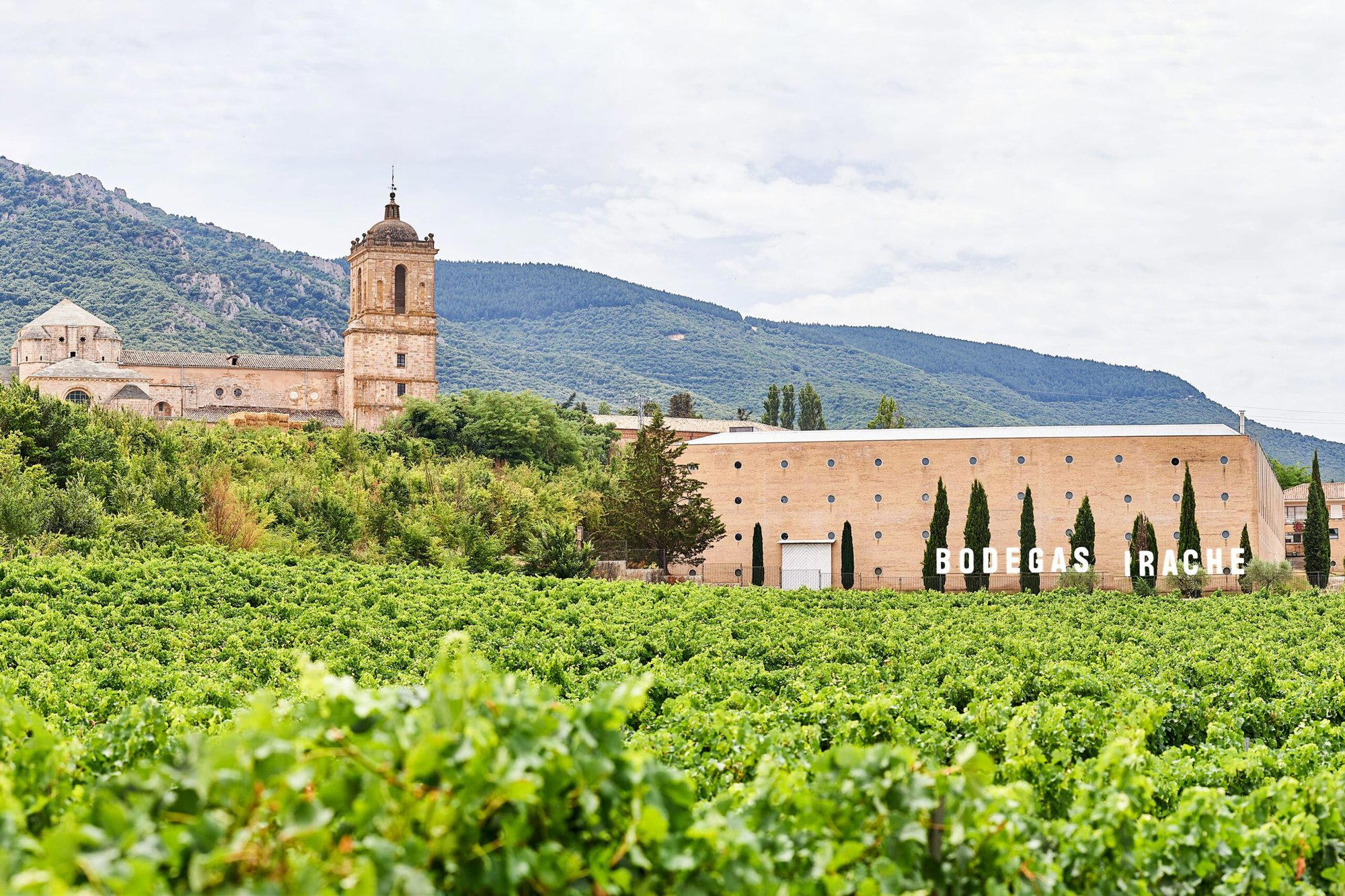
Bodegas Vicente Malumbres
Corella, Spain
Bodegas Vicente Malumbres is a better fit for a quiet, wine-led Corella stop than for a polished hospitality outing. Go for Navarra heritage, estate-bottled regional wines, and a calm traditional setting; skip it if the occasion needs food, design drama, or a casual drop-in feel.
Domaine Myléne Bru
Saint Pargoire, France
Domaine Myléne Bru is a good fit for travelers who want a quieter Saint-Pargoire wine stop rather than a packaged tasting-room experience. Keep the plan small, confirm visit details in advance, and use it as part of a wider Occitanie day; the 2026 Falstaff listing gives it a useful credibility signal.
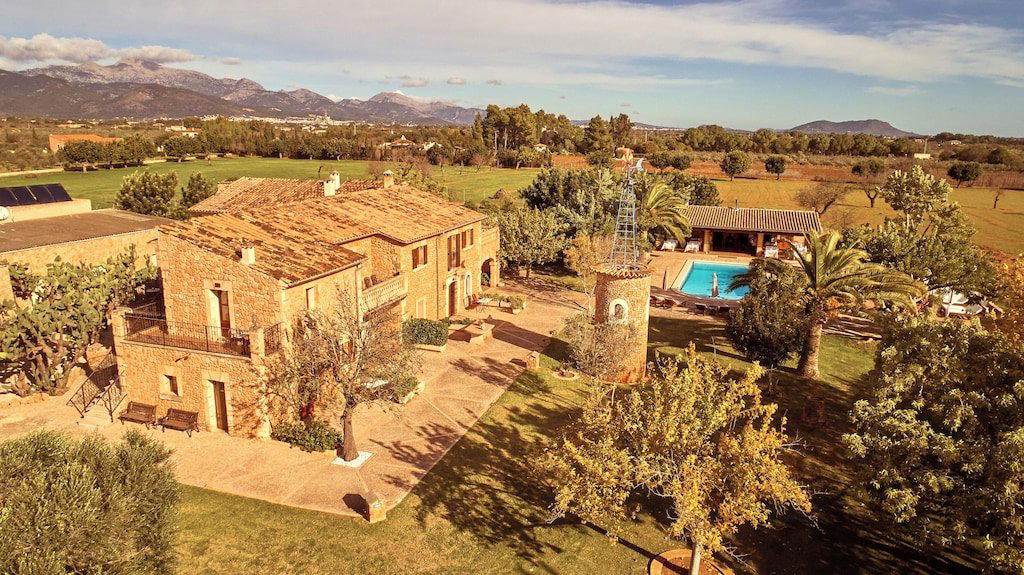
AVA VI
Binissalem, Spain
AVA VI is worth prioritizing if the goal is an intimate Mallorcan winery visit focused on local grapes and countryside context. The relaxed rural setting adds to the tasting, especially for travelers who want a deeper read on Binissalem-area wine rather than a polished, large-scale hospitality experience.
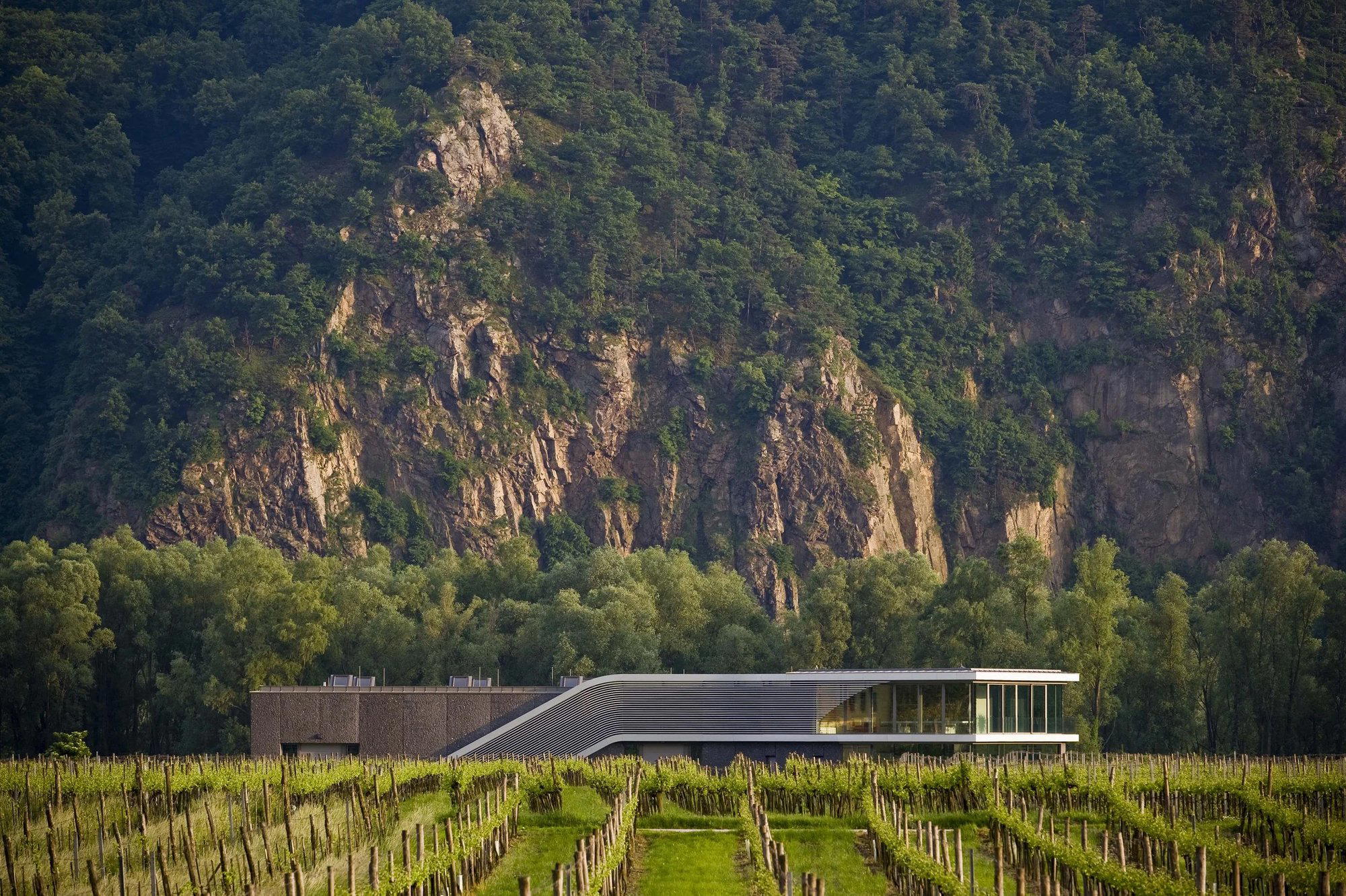
Weingut F. X. Pichler
Dürnstein, Austria
Prioritise Weingut F. X. Pichler if the Dürnstein trip is built around serious Wachau wine rather than casual tasting-room hopping. It is better for couples, collectors, and business hosting than for groups seeking food, easy access, or a loose afternoon plan.
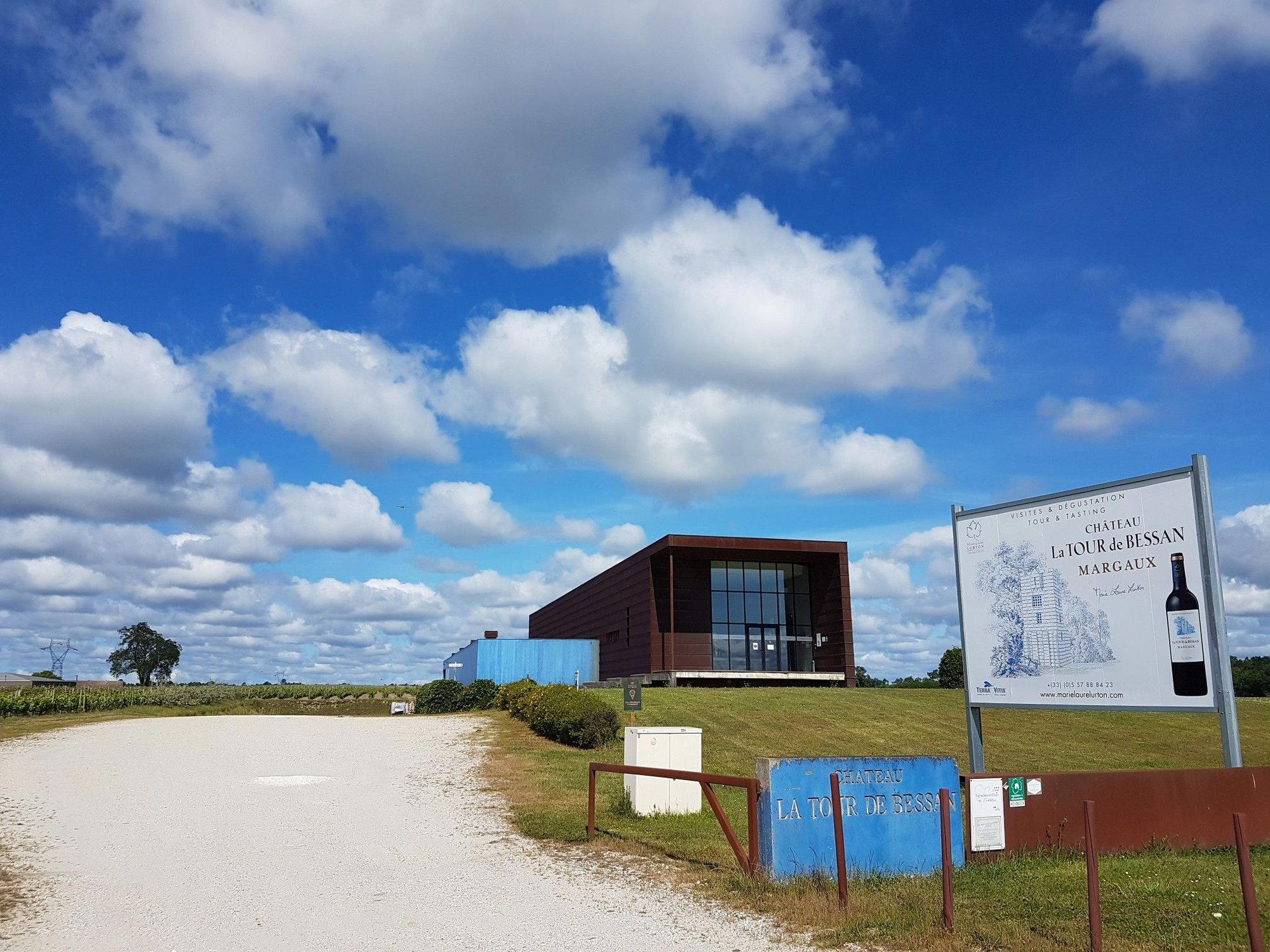
Château d'Arcins
Arcins, France
Book Château d'Arcins if you want a classic Haut-Médoc château visit with real production substance behind the scenery. The draw is the 101-hectare single-block vineyard, Cabernet-Merlot focus, Terra Vitis certification, and historic Arcins setting; skip it if you need a highly programmed tasting format or restaurant-style pairing experience.
How many of these have you visited?
Find out on Pearl and keep score across every place in 2026 Falstaff Winery Guide.