
Weingut Neumeister
Straden
Winery in Straden, Austria
 Book with Pearl
The Read
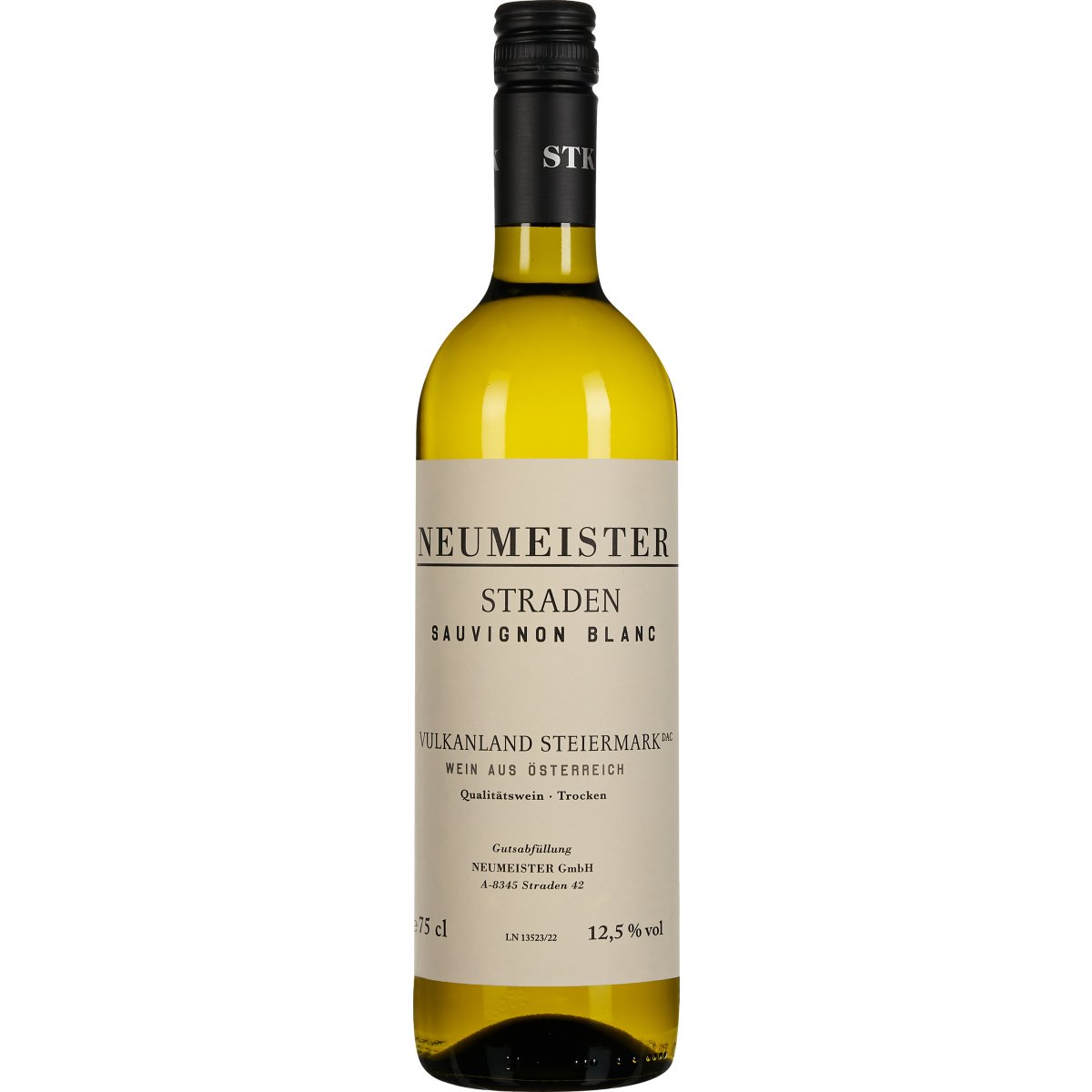
Volcanic-Terroir Sauvignon
Price
$20–30tasting
Why go
Prioritize Weingut Neumeister if your Straden trip is built around serious winery visits rather than casual drop-ins. It suits wine-focused travelers who can plan ahead and compare it with nearby producers; groups wanting a looser spirits-led day may be better served by Gölles Distillery or David Gölles House of Whiskey & Rum.
About Weingut Neumeister
That makes it a notable stop within Straden, alongside a smart casual dress code. For a practical visit, check dining, pricing, opening hours, visit format, and individual offerings directly with the venue before you go.
For travelers building a Straden plan, treat Weingut Neumeister as a recognized stop and confirm the practical details before arrival. If your schedule is tight, or if your plans depend on a meal, tasting, booking window, or exact timing, check those details directly rather than relying on assumptions.
Plan it as a Straden stop, not a single errand
The practical move is to compare it with other relevant names. For related planning, consider Weingut Erich & Walter Polz, Familienweingut Tement, or Weingut Gross. For a different angle, Gölles Distillery or David Gölles House of Whiskey & Rum may also be relevant to a broader itinerary. Keeping those names in view can help shape a route that feels intentional while still leaving room to adjust once you have confirmed the details.
For trip planning, use the city guides for meals, sleep, and evening plans: Straden restaurants, Straden hotels, Straden bars, and Straden experiences. Those categories are useful because they separate the practical layers of a visit: where you might eat, where you might stay, how you might spend the evening, and what else might fit around a recognized venue. A little confirmation in advance helps prevent the itinerary from depending on details that can change.
Who should prioritize it
Prioritize Weingut Neumeister if you are specifically looking for a recognized Straden venue and are comfortable confirming details in advance. It fits best for travelers who are using recognition as the starting signal, then doing the practical follow-up needed to make the visit work. Choose another plan if your decision depends on lunch service, exact pricing, visit length, particular offerings, or published public hours. In those cases, the better move is to wait for direct confirmation or to choose a stop whose practical information already matches your needs. Smart casual is the dress code, so dress neatly without assuming a formal restaurant format.
Planning details
- Location
- Kronnersdorf 147, 8345 Straden
- Website
- neumeister.cc
- Phone
- +43 3473 8308
The take
The Take
The Vibe
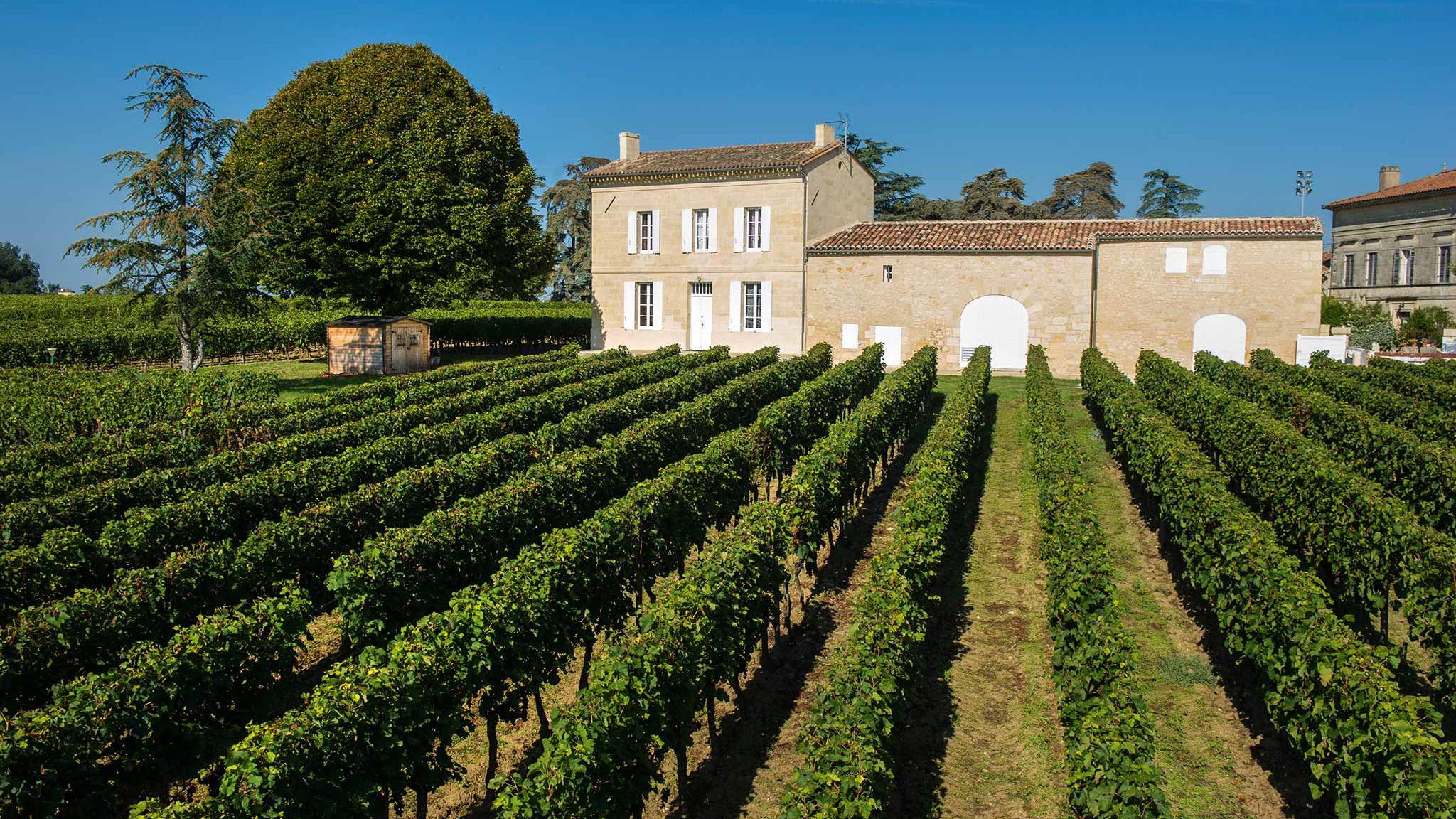
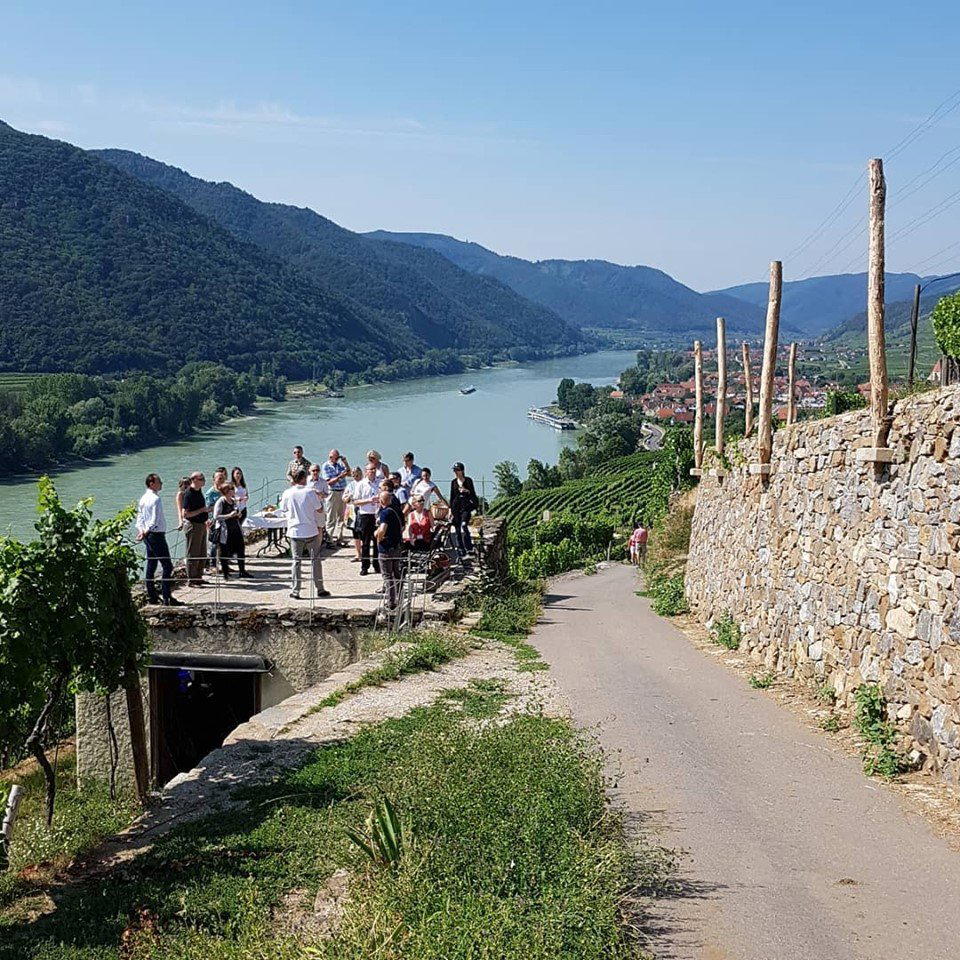
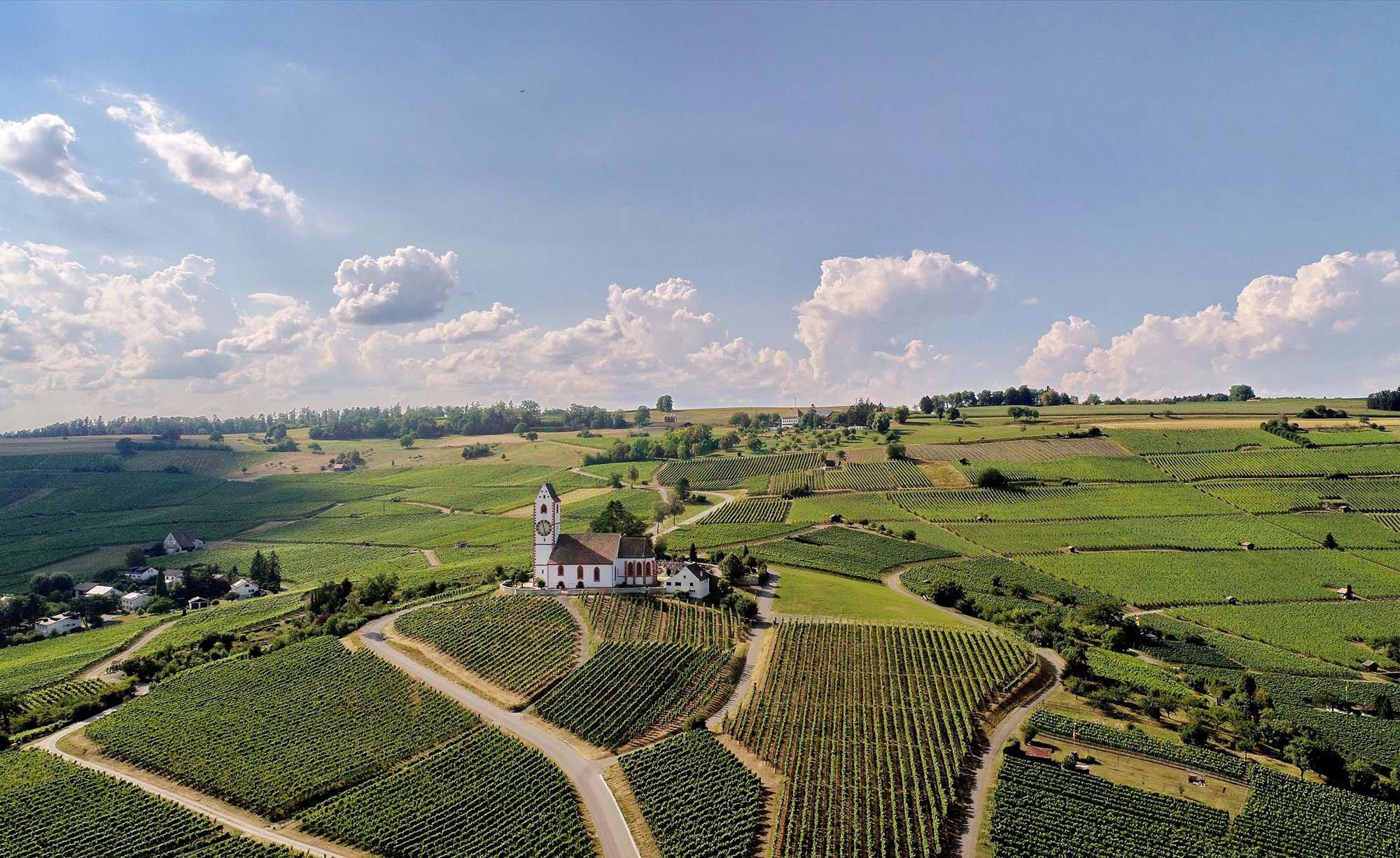
Weingut Neumeister presents an understated, terroir-forward presence in the Vulkanland of Südsteiermark. The tone is quietly serious rather than showy: narrow, often unmarked roads and steep, volcanic ridgelines set the scene for focused viticulture rather than tourism spectacle. Vineyards perch on tuff and ancient sea sediments, and the winery’s personality emerges from that geology and the dramatic diurnal swings that shape its wines. Visitors encounter a landscape-first aesthetic, scenic and contemplative, where the land’s texture is the principal attraction and the wines read as direct expressions of place.
Best For
This is a destination for travelers who care about geology, site specificity and the nuances of Styrian whites. Serious wine students and solitary explorers gain the most from Neumeister’s setting, where volcanic subsoils, steep exposure and wide diurnal temperature variation produce distinctly styled Sauvignon Blanc and Morillon. It’s less a stop for casual passersby and more for those who arrive with curiosity about how soil, aspect and climate translate into acidity, aromatics and minerality. Expect a focused, educational experience centered on terroir.
Tasting Tips
Plan logistics as carefully as your tasting list: the roads in and around Straden are narrow and sometimes unmarked, so give yourself extra time for navigation. On the wine side, prioritize the region’s benchmark whites, Sauvignon Blanc and Morillon (local Chardonnay), to understand the estate’s signature profile of full ripeness balanced by retained acidity. Ask about specific parcels and the volcanic tuff subsoils; conversations about site and vintage will illuminate the differences. Avoid expecting tourist trappings; this visit rewards attention to place.
Venue details
Ambiance
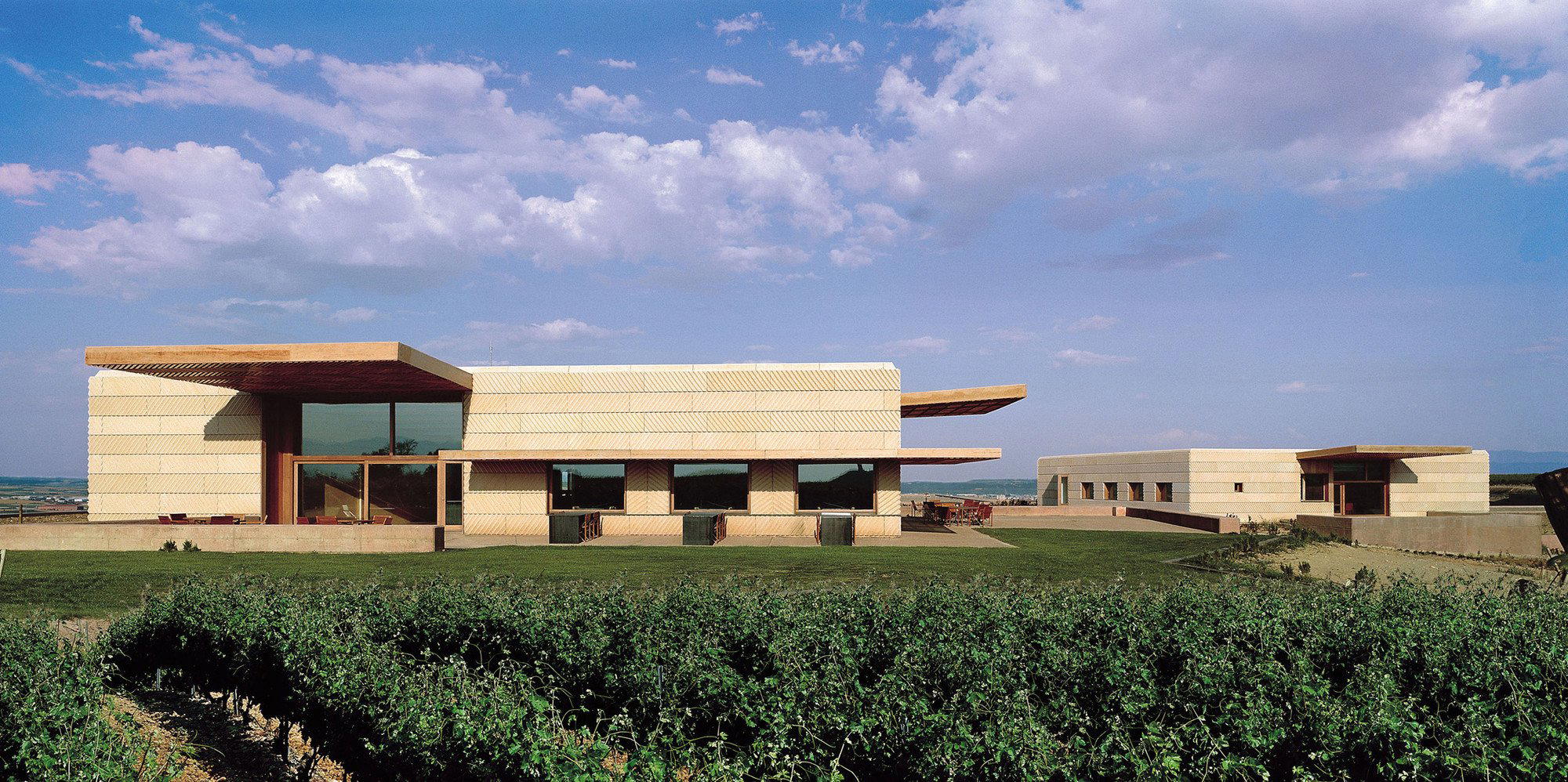
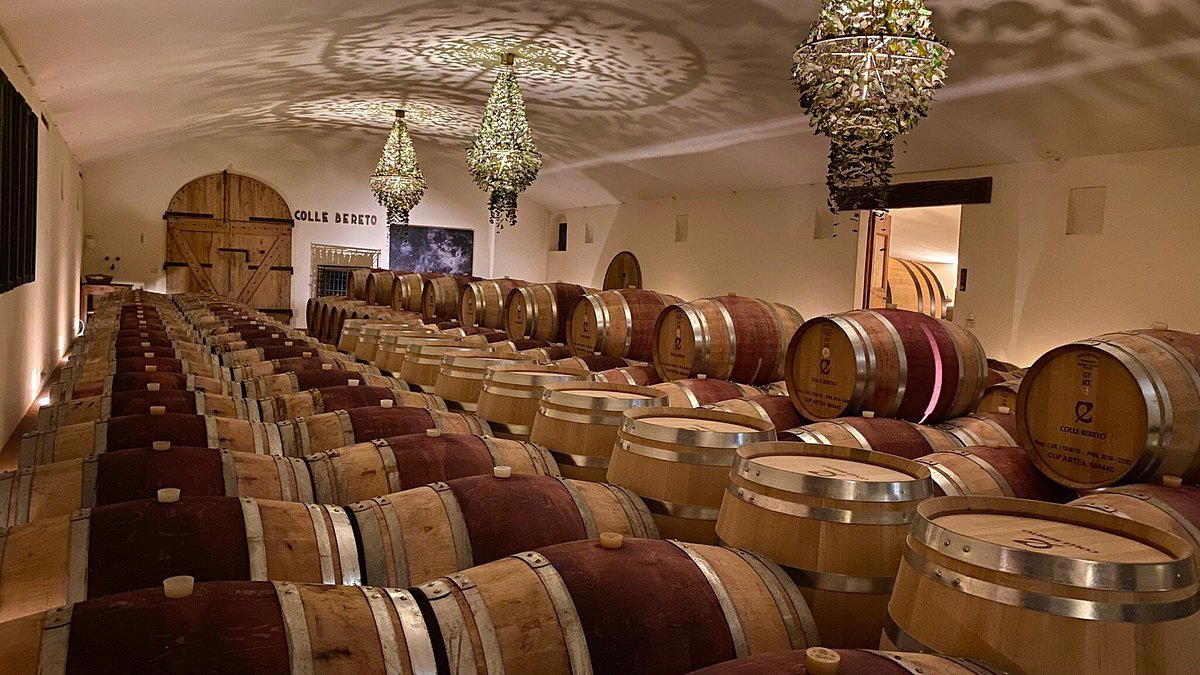
Modern cellar with tasting rooms amid steep hillside vineyards, offering a serene and terroir-focused atmosphere.
Tags
Vibe
Best For
Experience
Sourcing
View
At the Vineyard
- Appellation
- Vulkanland Steiermark
- Varietals
- Sauvignon Blanc, Grauburgunder, Weißburgunder, Morillon, Gelber Muskateller
- Tour Duration
- 60-90 minutes
- Tour Languages
- German
- Visits
- By reservation
- Farming
- Organic
- Production
- Small producer
- Wine Styles
- Still White
- Wine Club
- Not available
Know before you go
Know Before You Go
- Getting there
- Kronnersdorf 147, 8345 Straden
Planning details
Location
Recognition and awards

Also consider
If you cannot secure this visit
Choose Weingut Erich & Walter Polz or Familienweingut Tement if the trip still needs to stay wine-led. Pick Gölles Distillery if the group wants a broader tasting day with a spirits stop instead of another winery.
Winery context
How it compares in the Straden orbit
Weingut Neumeister is the stronger choice for a wine-first Straden plan, especially if the day is about producer context rather than variety for its own sake. Weingut Erich & Walter Polz, Familienweingut Tement, and Weingut Gross are the closest comparison set for travelers deciding between wineries; the right move is to choose two or three rather than overloading the day.
If the group is split between wine people and spirits people, Gölles Distillery and David Gölles House of Whiskey & Rum are more flexible cross-shops. They make sense when ambiance and category variety matter more than a focused winery visit.
Booking difficulty is the deciding factor here: treat Weingut Neumeister as the appointment to secure first, then add one nearby winery or one spirits stop around it. For value, the safer plan is fewer stops with more time at each, because rural Straden rewards pacing more than a packed checklist.
Explore Straden
Around this place
Discover more on Pearl
Unlock the full Weingut Neumeister guide in Pearl, including awards, comparisons, FAQs, planning details, and nearby places.
Compare Weingut Neumeister
| Venue | Location | Awards |
|---|---|---|
| Weingut Neumeister | Straden | 2026 Falstaff Winery Guide |
| Gölles Distillery | Riegersburg | No published awards |
| Weingut Erich & Walter Polz | Spielfeld | 2026 Falstaff Winery Guide |
| Familienweingut Tement | Ehrenhausen | 2026 Falstaff Winery Guide2025 World's 50 Best Vineyards · #822019 World's 50 Best Vineyards · #15 |
| David Gölles House of Whiskey & Rum | Riegersburg | No published awards |
| Weingut Gross | Ehrenhausen | 2026 Falstaff Winery Guide |

How Weingut Neumeister Straden compares with similar nearby venues.
FAQ
Frequently Asked Questions
What other venues are useful comparisons for Weingut Neumeister?
Familienweingut Tement, Weingut Gross, and Weingut Erich & Walter Polz are useful comparison points, while Gölles Distillery and David Gölles House of Whiskey & Rum add a different angle for broader planning.