

2026 Falstaff Winery Guide: The Ultimate Wine Authority, Page 26
Falstaff's 2026 Wineries guide.

Which wineries are on this list?
Adzic
Kutjevo, Croatia
Adzic works if the trip is already centered on Kutjevo wine and the goal is a focused bottle assessment rather than a full visitor-center experience. Its clearest trust signal is Falstaff Listed recognition for 2026.
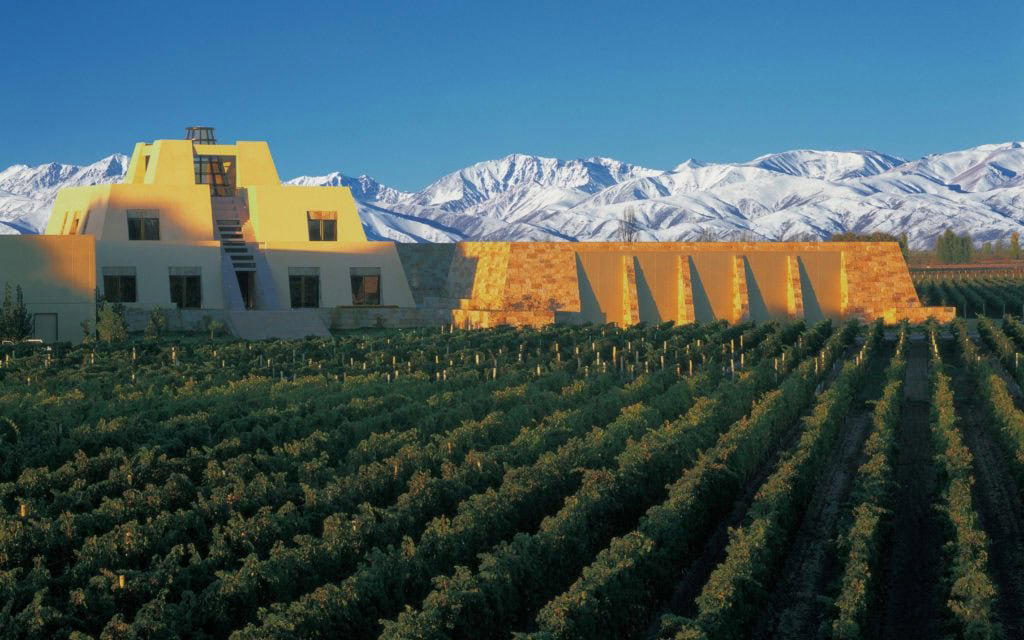
Alamos – Wines of Catena
Vista Flores, Argentina
Book Alamos – Wines of Catena if you want a focused Mendoza tasting built around high-altitude Malbec and the Catena family’s export-era influence. It is better for wine-context seekers than travelers chasing a long estate lunch or highly choreographed visitor experience, so plan it as an appointment-based educational stop in Vista Flores.
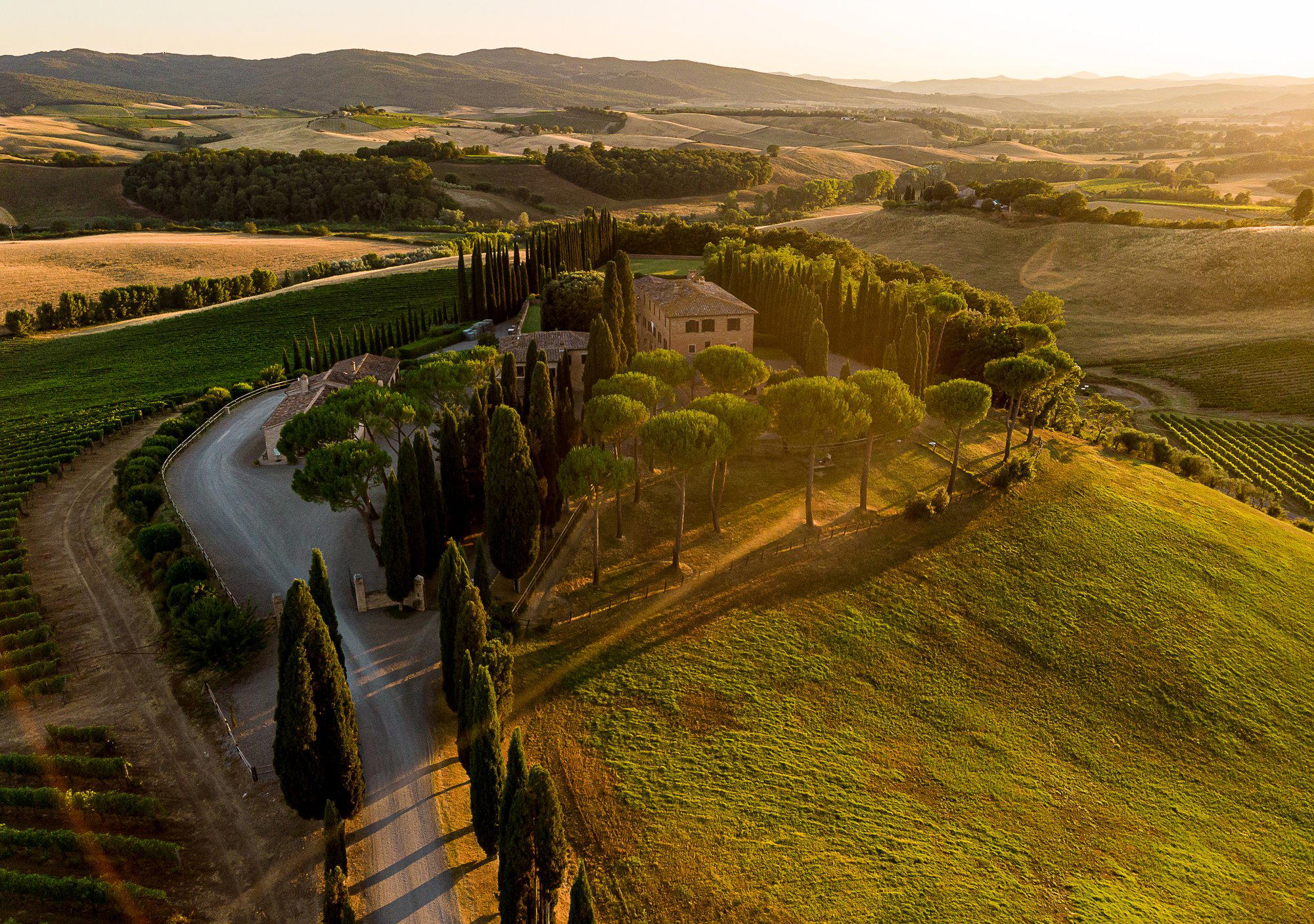
Altesino
Montalcino, Italy
Altesino is worth shortlisting for a Brunello-focused Montalcino day, especially if the visit is about wine context rather than a documented food-pairing program. Treat it as a serious winery stop and plan lunch or dinner separately in town; travelers who want a broader estate-style experience should also compare Castello Banfi, Argiano, and Biondi-Santi Tenuta Greppo.
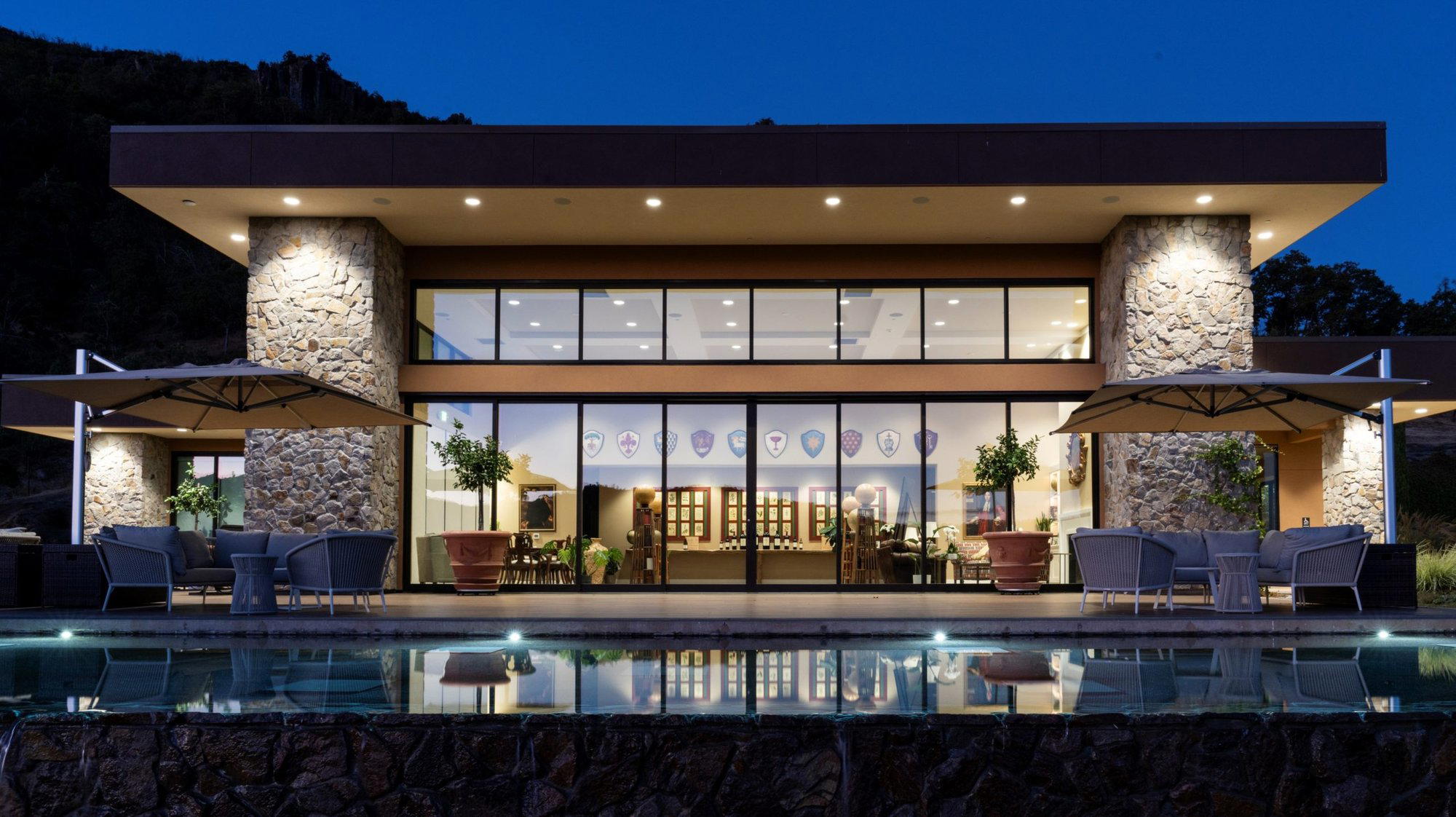
Antica Napa Valley
Napa, United States
Antica Napa Valley is worth targeting for a polished Napa winery occasion, especially if the visit needs to feel considered rather than casual. The value case rests on prestige recognition and fit: stronger for couples, dates, and client trips than for groups trying to keep the day loose.
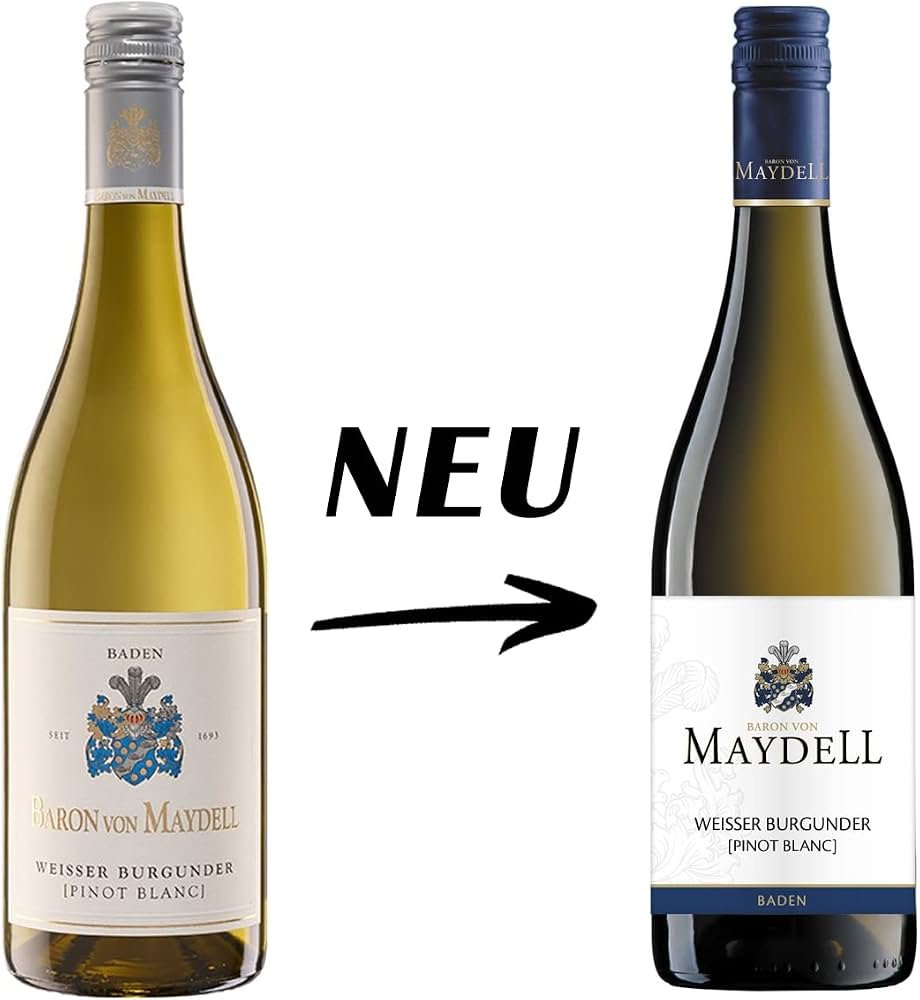
Baron von Maydell
Renchen, Germany
Baron von Maydell works if the goal is a focused Baden winery visit in Renchen rather than a casual food-and-drink stop. The 2026 Falstaff 2 Stars signal gives it credibility, but sparse public logistics make it better for small, flexible groups than large parties or travellers who need full-service hospitality details upfront.
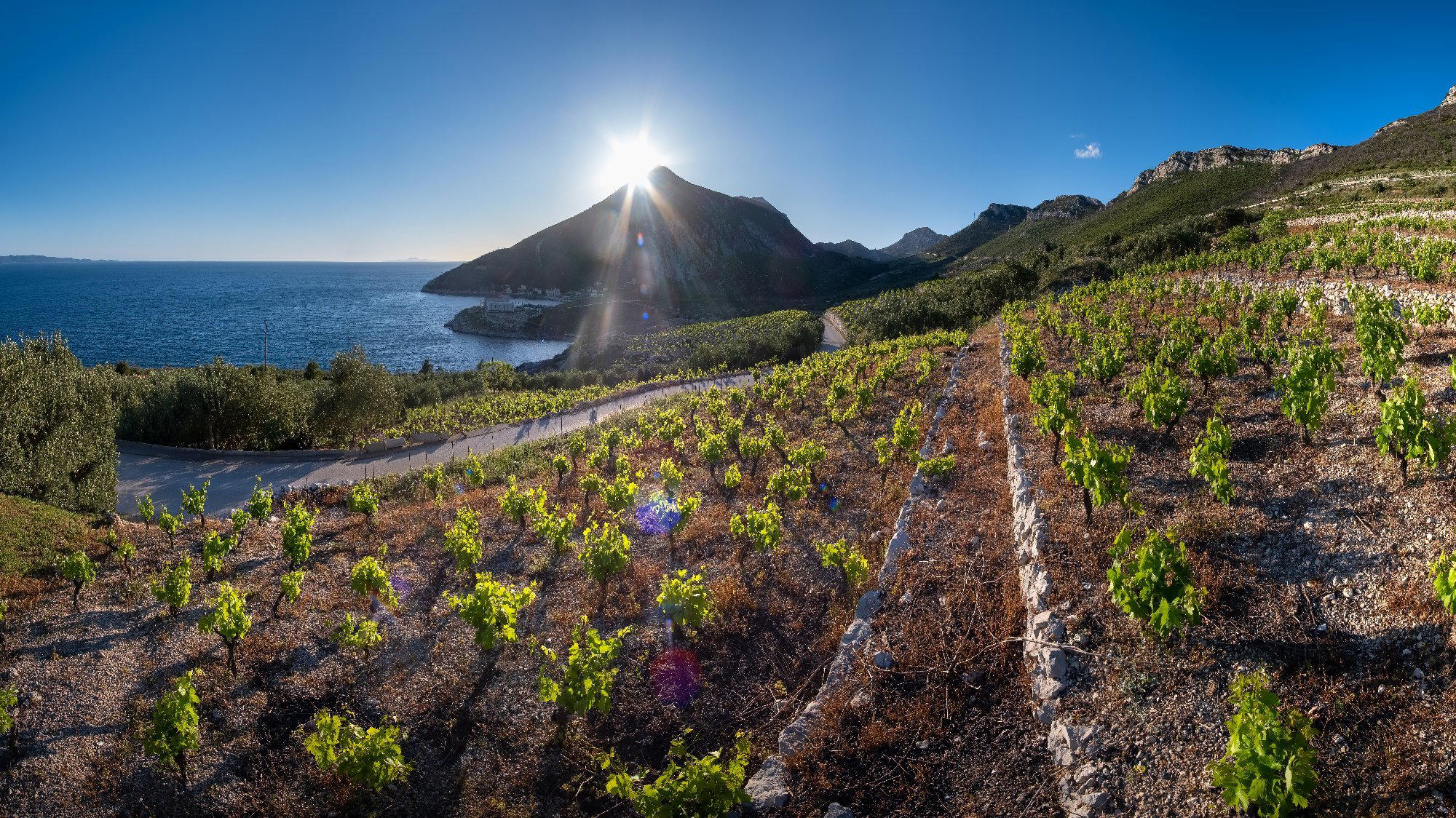
BEDEKOVICH WINES
Bedenica, Hungary
Worth considering if you want a quiet, appointment-led winery visit with a Sauvignon Blanc focus and ecological leanings. It is better for small, curious wine travelers than for groups seeking a polished tasting-room setup, food, or drop-in convenience.
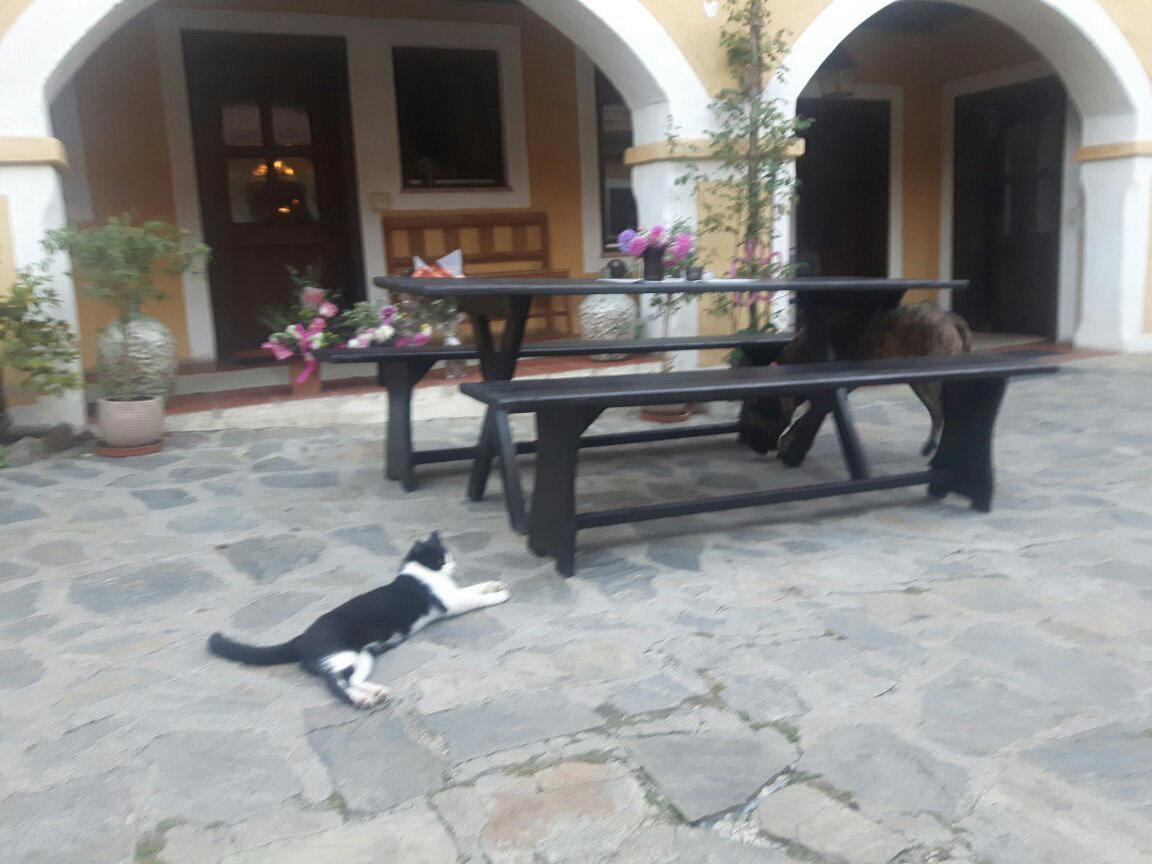
BIO-Weingut Erich Amon
Gobelsburg, Austria
BIO-Weingut Erich Amon is a sensible Gobelsburg pick for travelers building a Kamptal wine day around small-estate context rather than a heavily packaged visitor experience. Falstaff listing gives it a recognition signal, but the practical play is to treat it as one flexible stop within a wider Gobelsburg winery route.
Bocelli 1831
Lajatico, Italy
Bocelli 1831 works if the priority is a scenic Lajatico wine stop with a recognized name, not a fully pre-mapped tasting itinerary. It suits couples and celebration travelers.
Bodegas Caudalia
Lerga, Spain
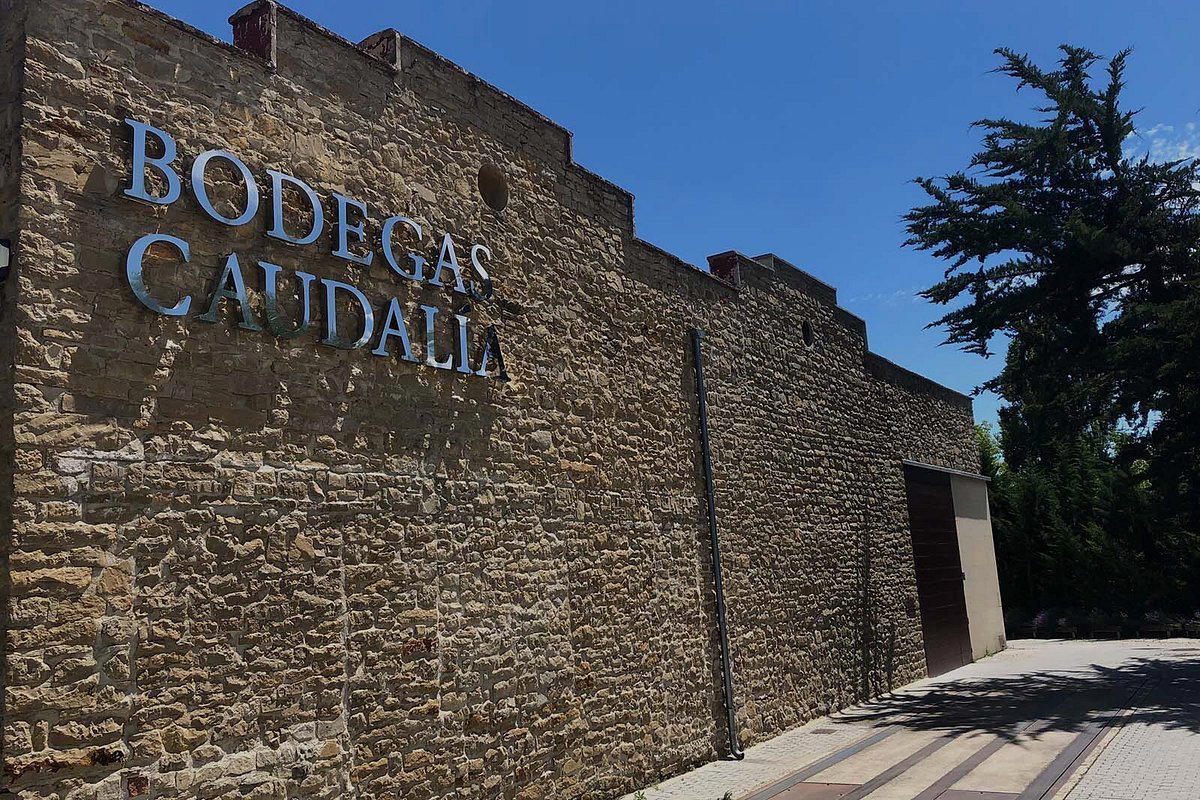
Book Bodegas Caudalia if the goal is a small, educational Navarra tasting with real production context. The draw is the recovered Lerga cooperative building, organic farming across 15 hectares, concrete fermentation, large-format barrels, and Falstaff 2 Stars recognition for 2026; it is less suited to travelers looking for a large hospitality estate.
Bodegas González Byass
Jerez de la Frontera, Spain
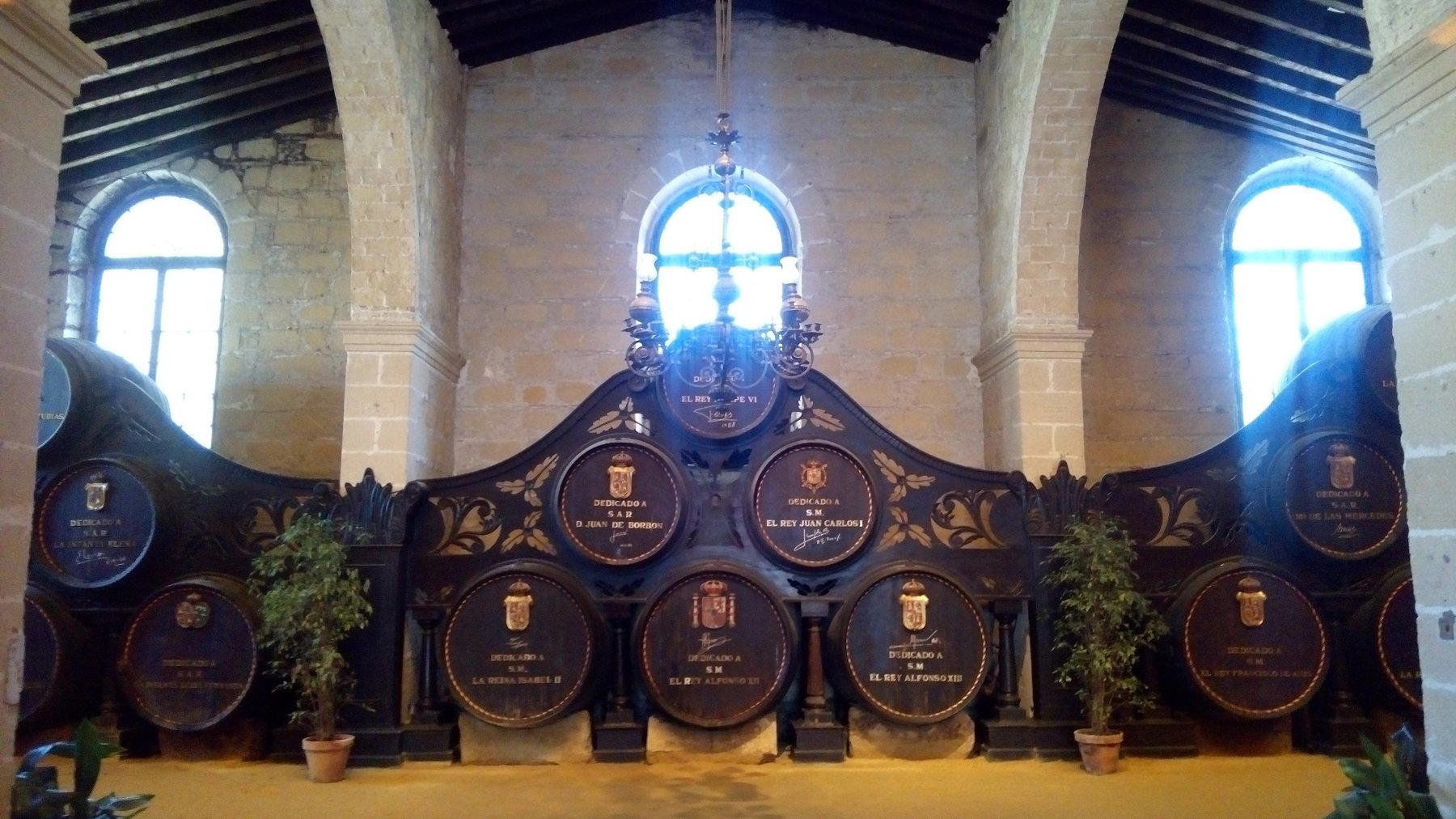
Book Bodegas González Byass when the point is a structured, celebration-friendly introduction to Jerez sherry rather than a quick pour. The stronger move is an upgraded or private tasting if sherry is central to the trip; standard visits suit first-timers who want history, architecture, and a clear explanation of the solera system.
Bodegas Luis Pérez
Jerez de la Frontera, Spain
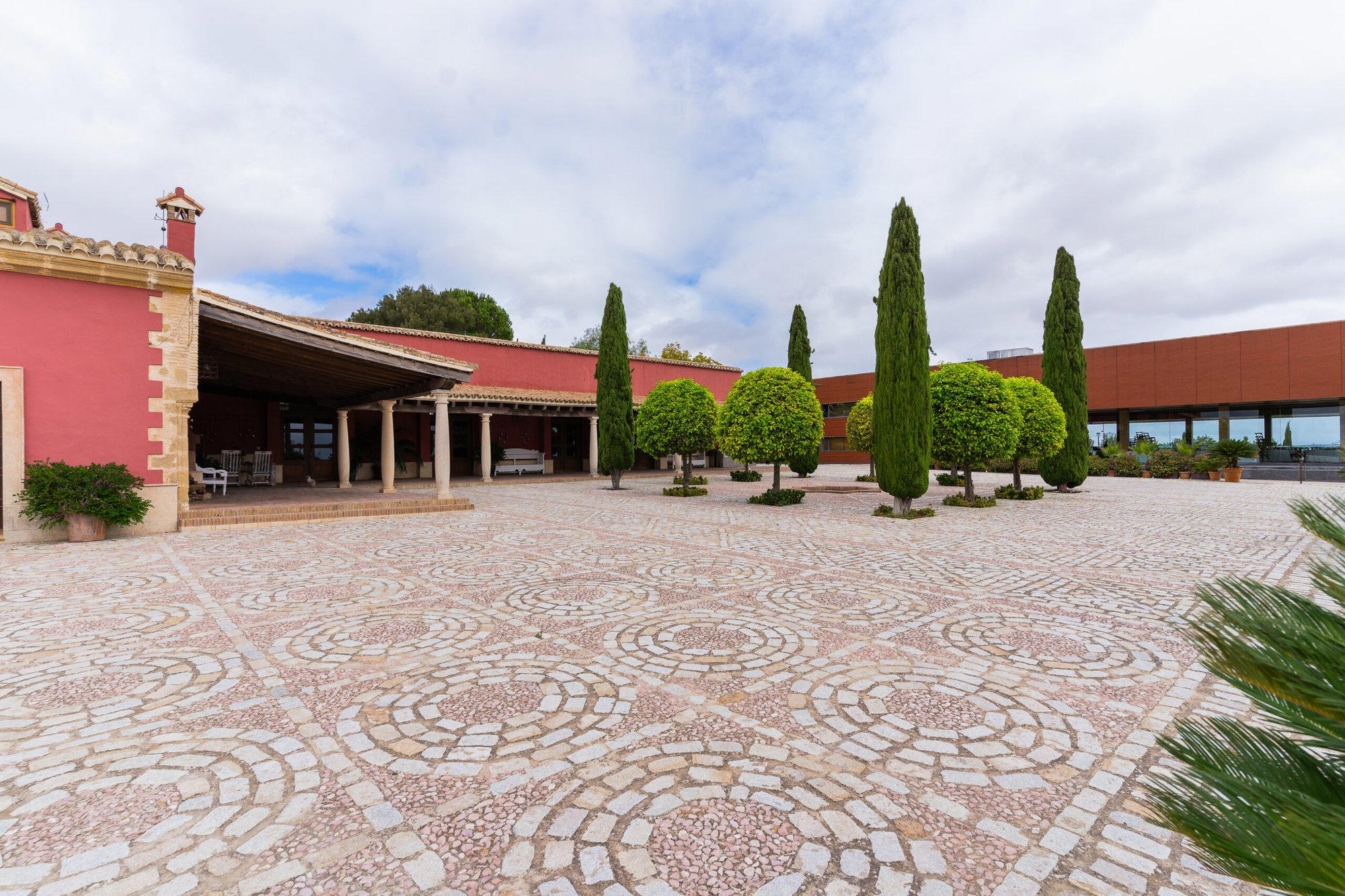
A good Jerez pick for travelers who have already done the obvious bodega stop and want a more focused winery inquiry next. Bodegas Luis Pérez is Falstaff Listed in 2026.
Bodegas y Viñedos Alilian
Aranda de Duero, Spain
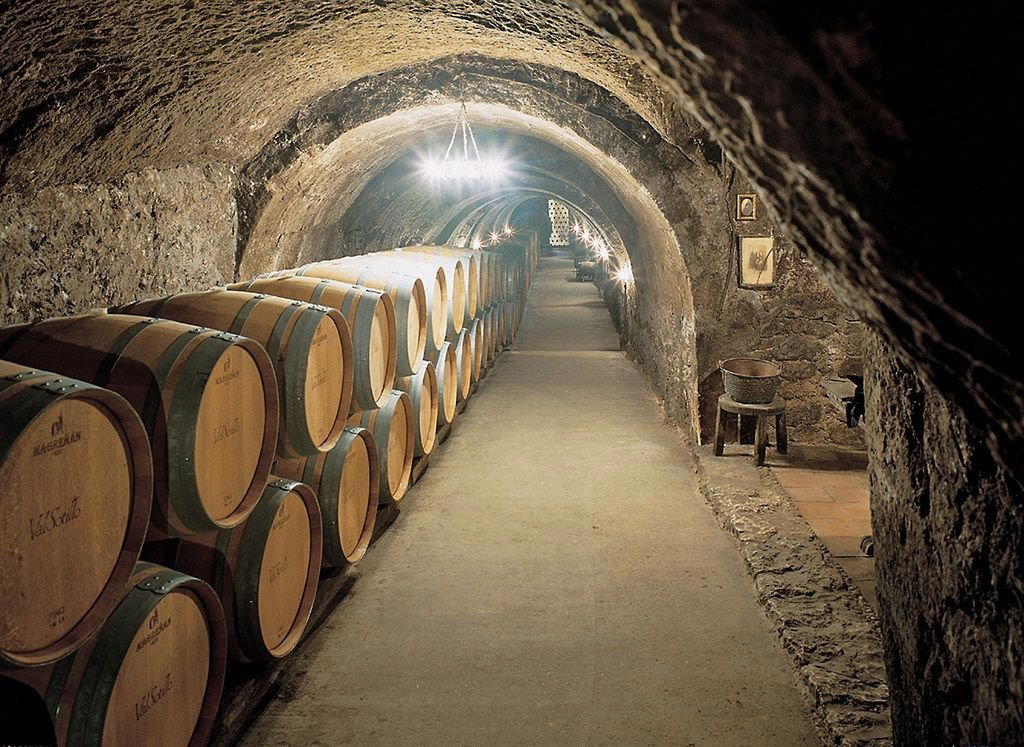
A credible Ribera del Duero winery pick for travelers who value recognition over easy logistics. The Falstaff 1 Star signal makes it worth considering for a planned special-occasion wine stop, but the lack of published visitor details means it is a poor choice for casual drop-ins or tightly scheduled groups.
Boutari Wineries Goumenissa
Pikermi Athens, Greece
Not visitable even if Goumenissa is the point of the trip, especially for drinkers interested in Xinomavro, Negoska, and cellar-worthy Greek reds. The experience is better suited to wine-focused travellers than casual drop-ins: appointment-led, rural, and strongest when used as part of a wider northern Greek wine route.
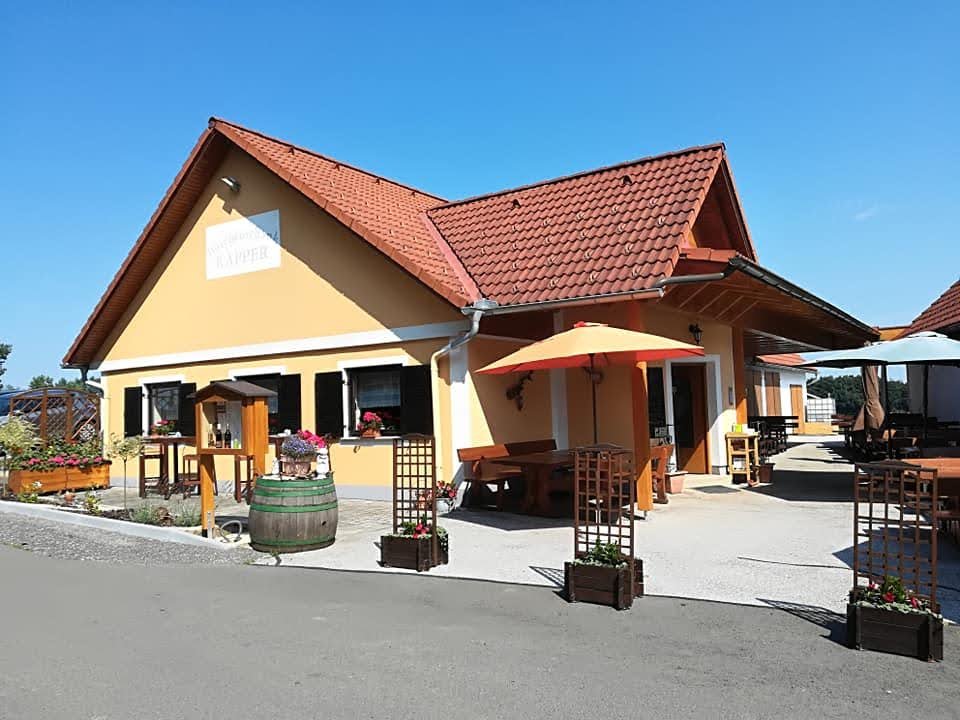
Buschenschank Kapper
Unterlamm, Austria
Worth planning for if you want a quiet Styrian Buschenschank rather than a formal winery tasting. Buschenschank Kapper suits couples and small groups looking for estate wine, homemade regional food, and family-run hospitality in Vulkanland Styria; skip it if you need a polished tasting-room format or confirmed large-group infrastructure.
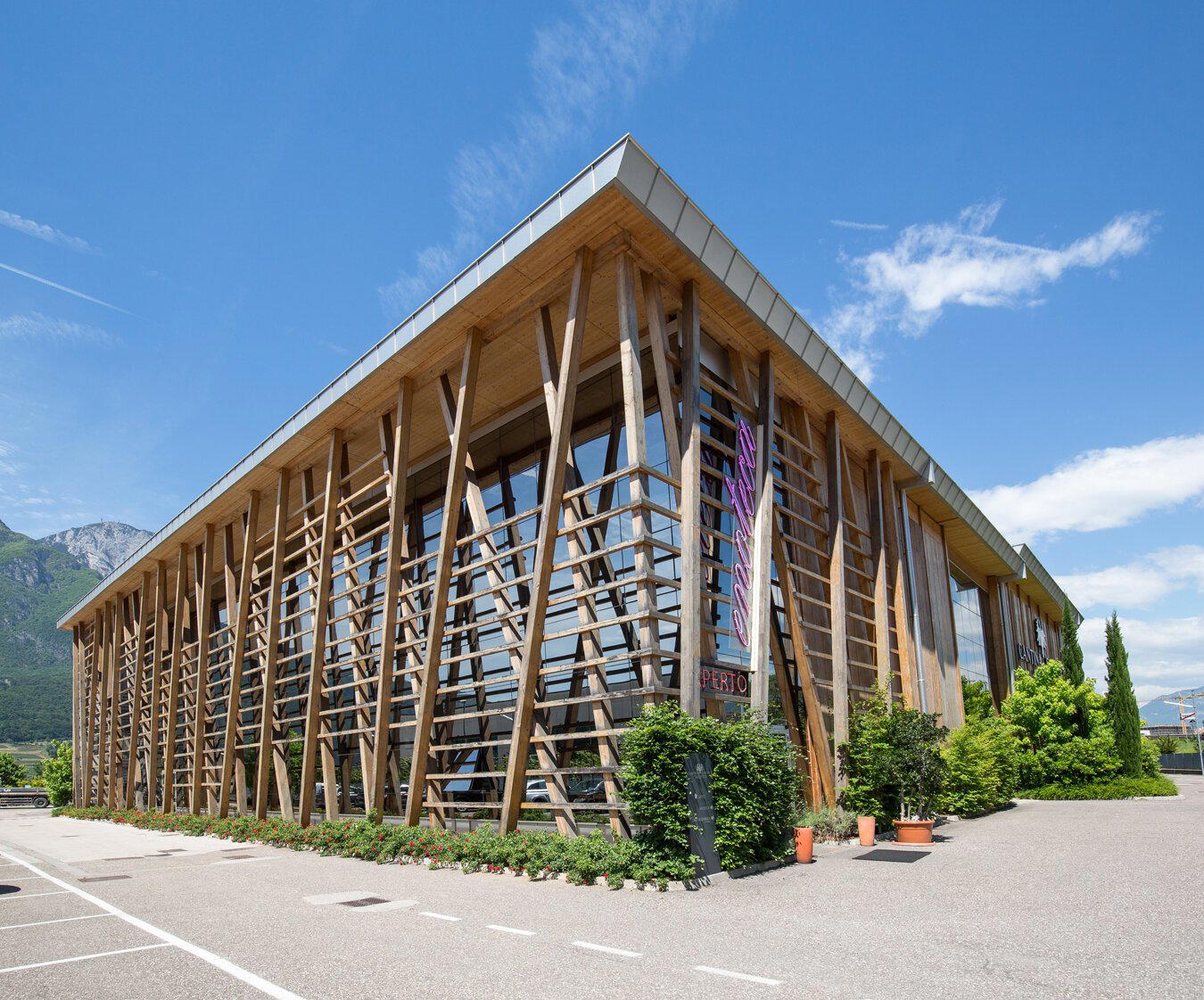
Cantina Sociale di Trento
Trento, Italy
Freshness, minerality and Trento DOC structure are the draw at Cantina Sociale di Trento. Book it as an easy, value-led first stop for understanding Trentino through a cooperative lens, especially if you want breadth across sparkling wines, local reds and cellar-door buying rather than a high-spend boutique tasting.
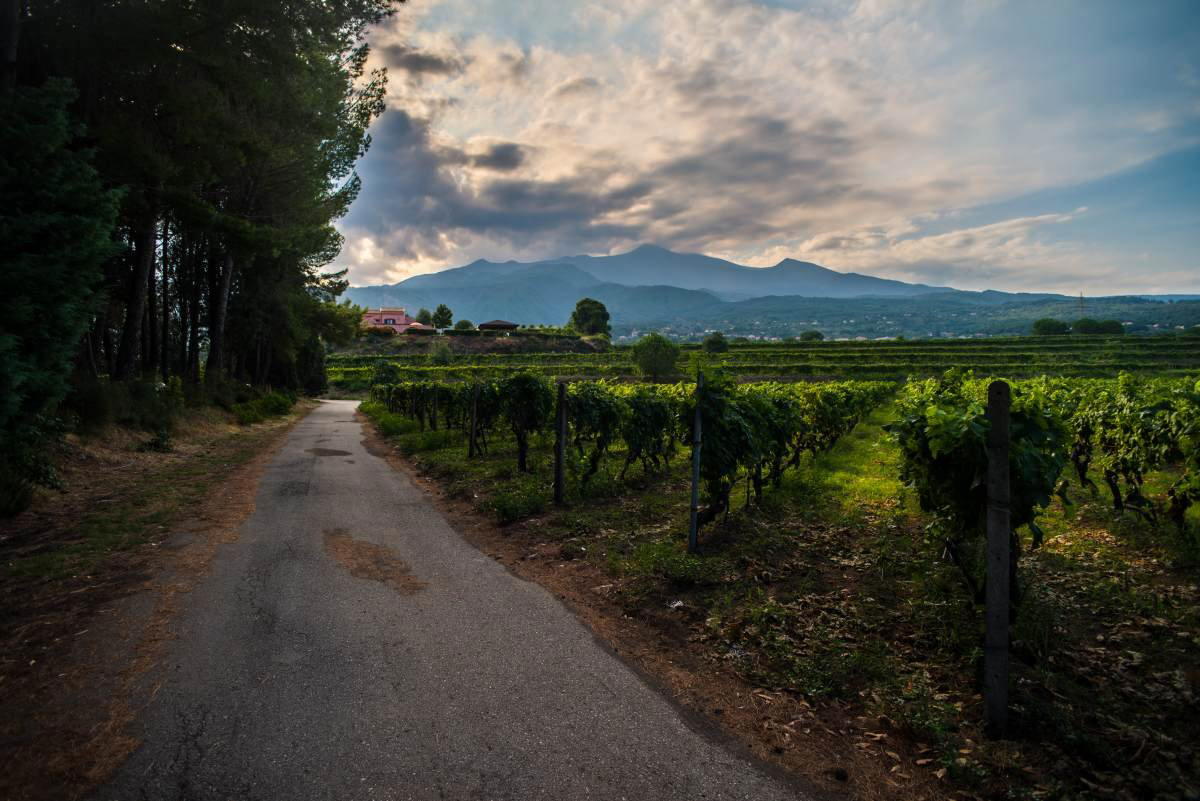
Cantine Murgo
Santa Venerina, Italy
Book Cantine Murgo if you want an Etna winery visit with vineyard views, local Sicilian food, and a traditional cellar-and-farmhouse feel. It is strongest for a relaxed celebration or date-style tasting, especially if regional context matters more than a quick tasting-room stop.
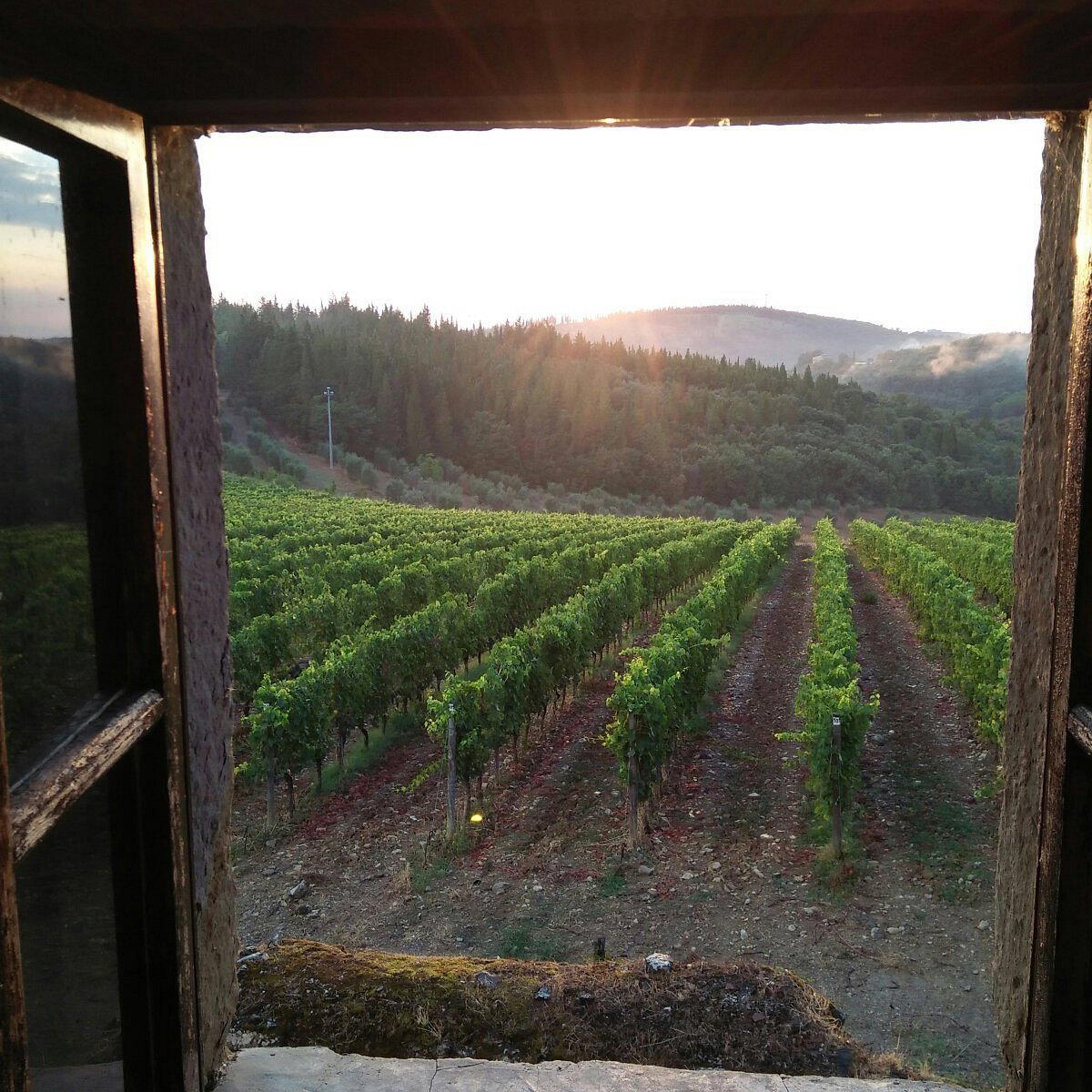
Castello della Paneretta
Barberino Tavarnelle, Italy
Book Castello della Paneretta if the goal is a first Chianti Classico tasting with real historical weight, native-grape reds and a castle setting. It is a better fit for couples or small groups who want context and atmosphere than for travelers trying to rush through multiple tastings in one afternoon.
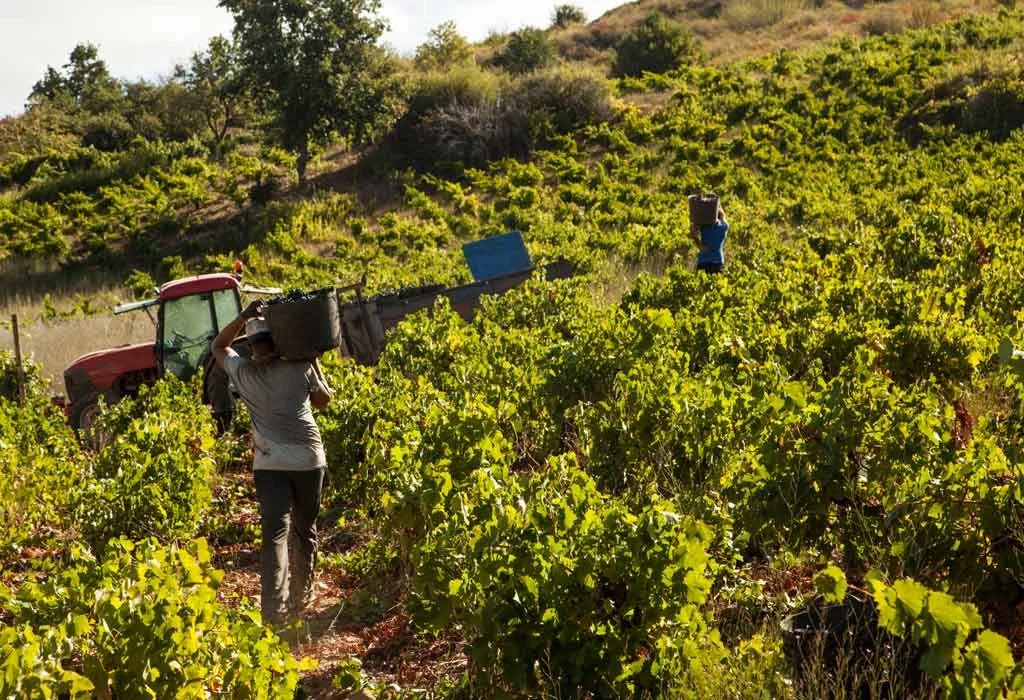
Castro Ventosa
Valtuille De Abajo, Spain
Castro Ventosa is a plan-ahead Bierzo winery for travelers who care about Valtuille de Abajo specifically, not a casual add-on tasting. The 2026 Falstaff 3 Stars signal supports the effort, but any wine club or allocation decision should be made only if the buyer already wants deeper exposure to this corner of Castilla y León.
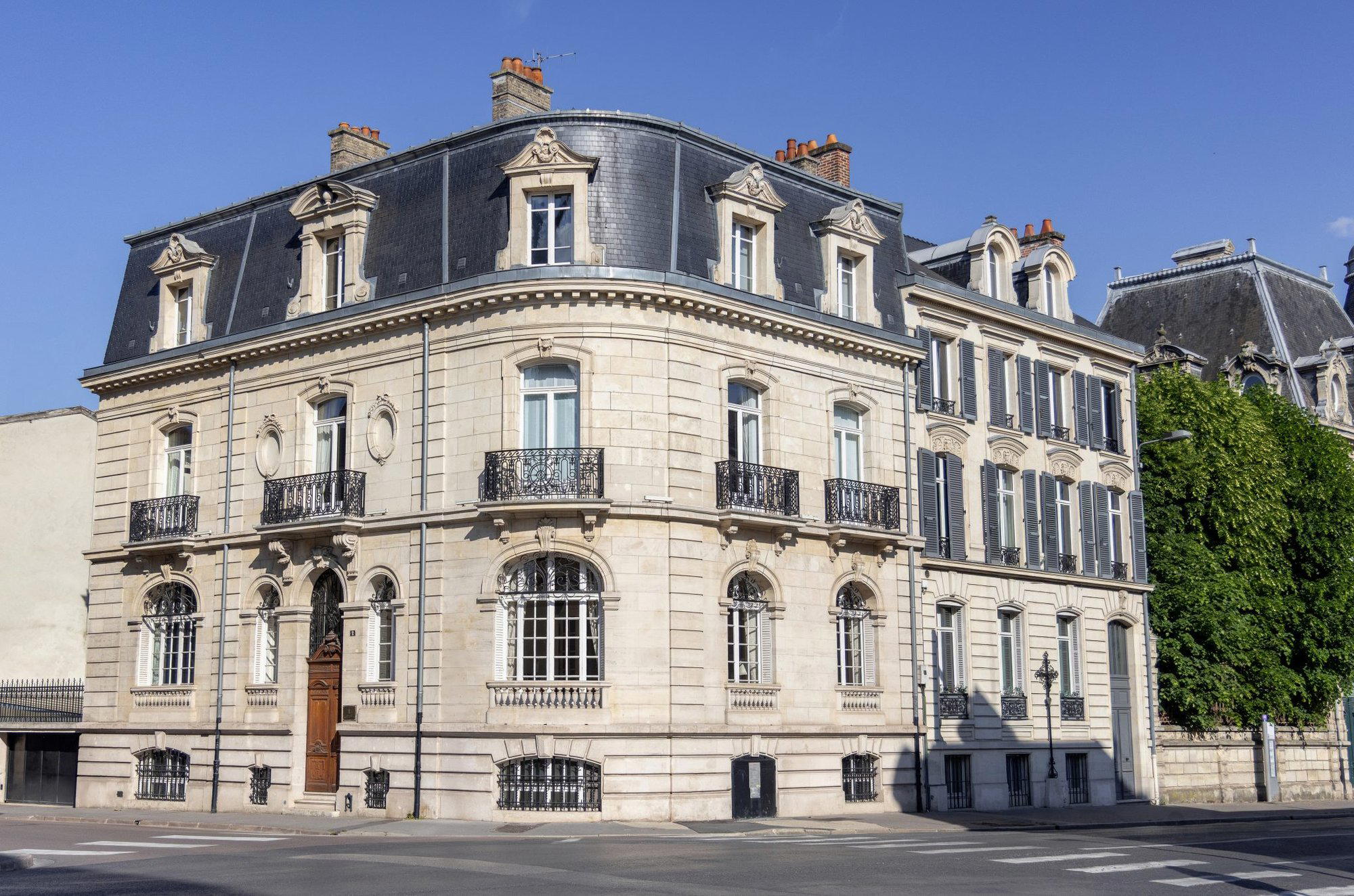
Champagne Barons de Rothschild
Reims, France
Champagne Barons de Rothschild is a Reims Champagne address for visitors who care about bottle assessment and house style more than a broad cellar-tour agenda. Falstaff 3 Stars (2026) gives it a clear quality signal; plan ahead, keep expectations focused on wine rather than food, and use it as a serious tasting stop within a tighter Reims itinerary.
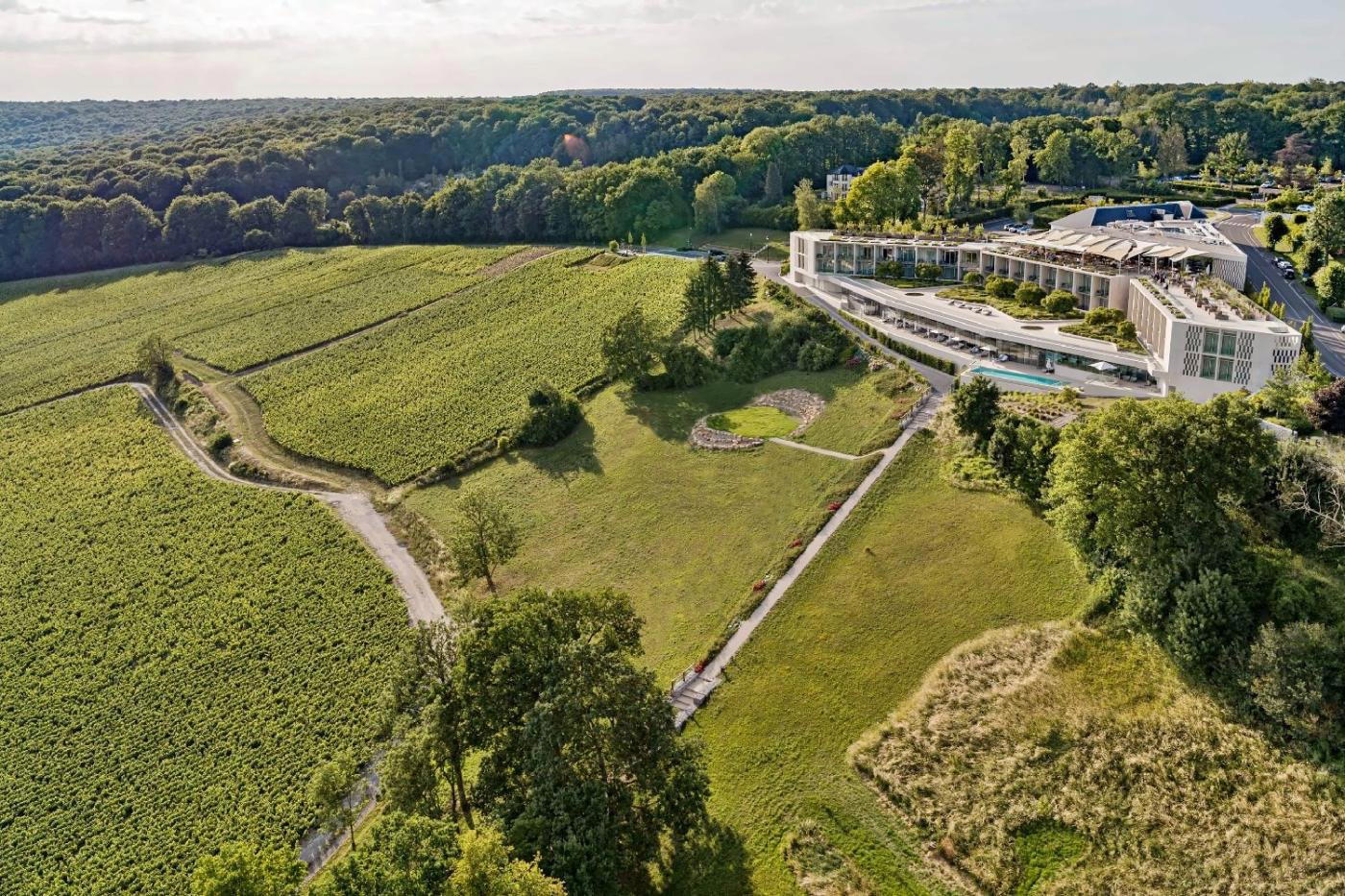
Champagne Carbon
Champillon, France
Champagne Carbon works as a focused Champillon wine stop if the goal is evaluating bottles rather than filling a long tasting itinerary. The Falstaff listing adds a useful recognition signal, but first-timers should treat this as a targeted research visit and compare it with other Champillon options before building the day around it.
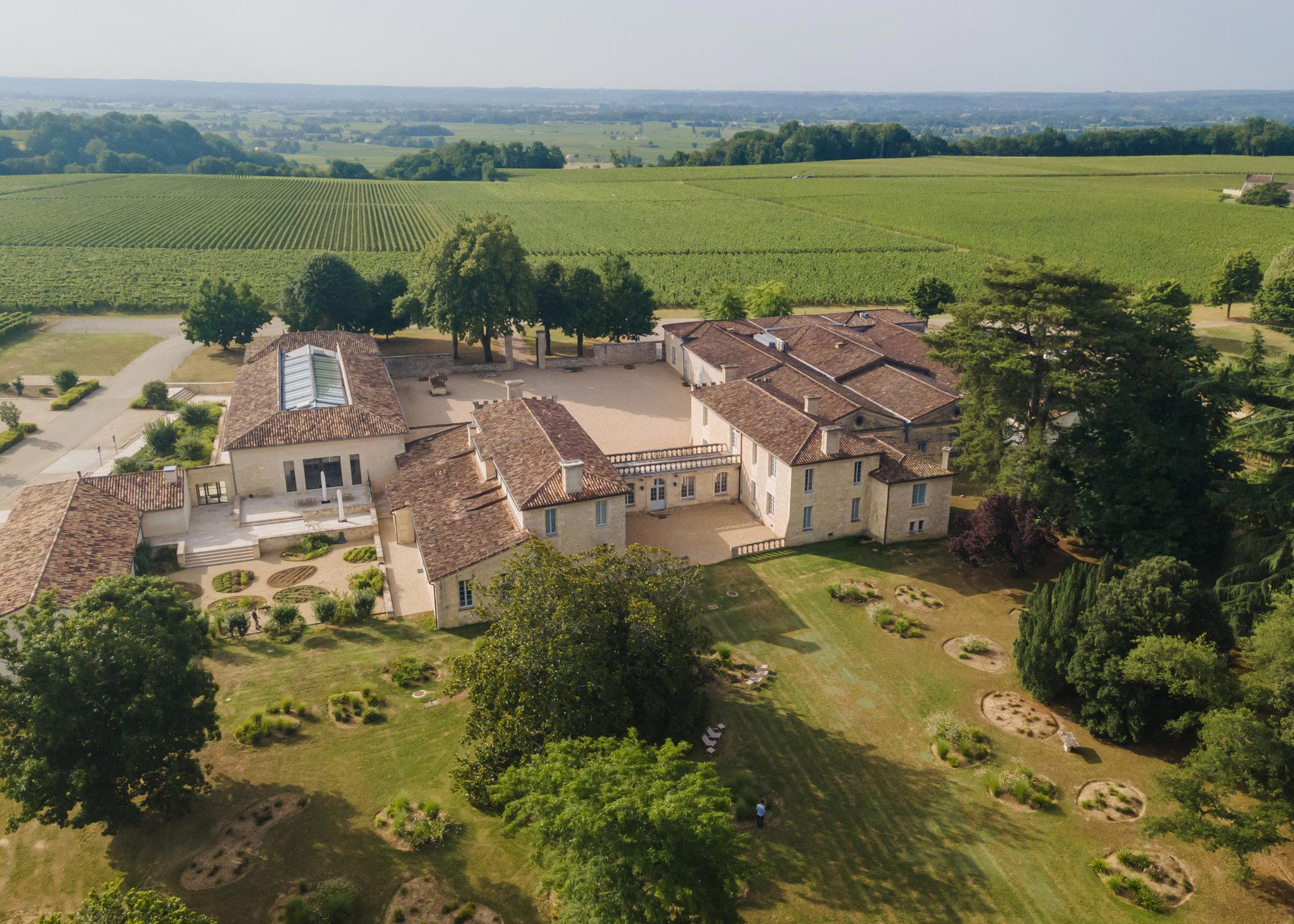
Château de Ferrand
Saint-Émilion, France
Château de Ferrand is worth prioritizing if you want a polished Saint-Émilion château visit with real production context, modern interiors, Grand Cru Classé credibility, and organic certification from 2024. It suits travelers who want more than a quick tasting and are willing to treat the visit as a structured wine stop rather than a casual drop-in.
Château Fourcas Hosten
Listrac-Médoc, France
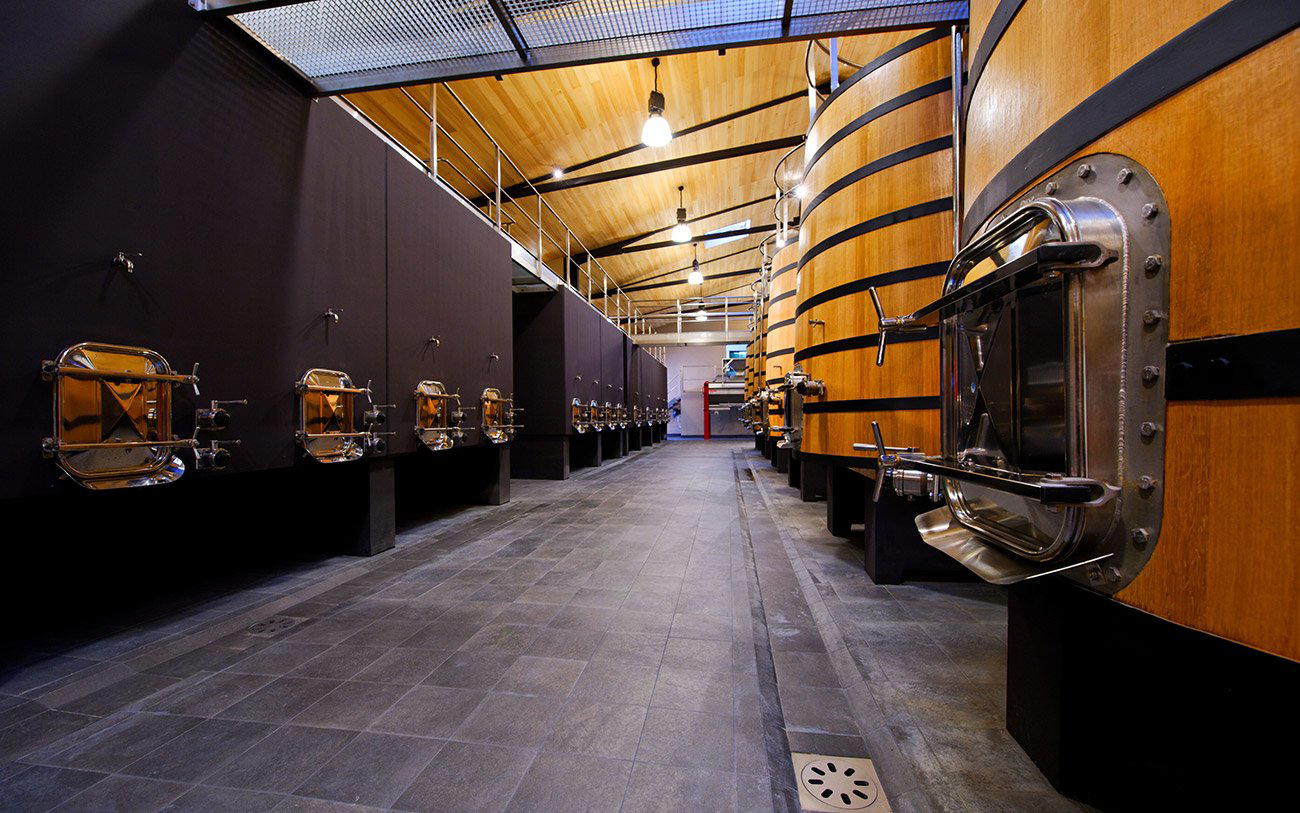
Book Château Fourcas Hosten if you want a quiet, appointment-only Médoc estate visit with real substance behind the tasting. The draw is organic Listrac-Médoc, a historic chartreuse setting, critic-backed recent vintages and a guided format that explains the estate’s clay-limestone and gravel terroirs without turning the visit into a crowded tasting-room stop.
Château Meyney
Saint-Estèphe, France
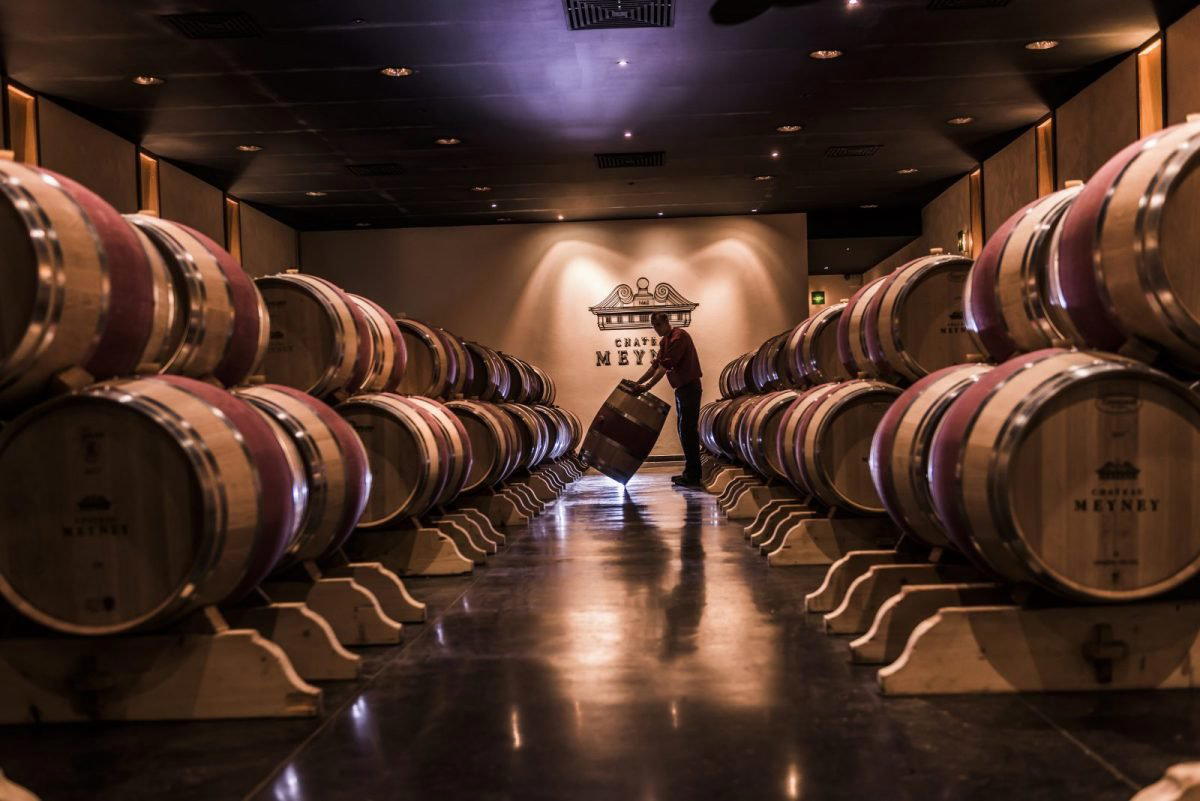
Château Meyney is worth planning around if the goal is a serious Saint-Estèphe visit focused on structured Bordeaux reds, vineyard context, and historic Médoc atmosphere. It suits special-occasion wine travelers better than casual groups looking for food-led tastings or flexible drop-in hospitality.
Château Peyredon Lagravette
Targon, France
Book Château Peyredon Lagravette if the priority is a traditional, production-led Bordeaux estate rather than a polished visitor-centre experience. The appeal is the working-château setting, Cru Bourgeois credibility, French oak cellar and classic Haut-Médoc focus, making it strongest for couples or small wine-focused groups.
Château Romer
Fargues De Langon, France
Château Romer is worth booking for serious Sauternes drinkers who want a focused, appointment-led look at a tiny 1855-classified estate. The value is in context, scale, and sweet Bordeaux detail, not broad hospitality or a mixed wine lineup.
Ciavolich
Loreto Aprutino, Italy
Ciavolich works for a wine-focused stop in Loreto Aprutino, especially for travelers using Falstaff recognition as a quality filter. Treat any wine club or allocation offer cautiously: join only if the bottle mix, release schedule, pricing, and shipping terms are clear enough to beat one-off purchases.
Colmant Cap Classique & Champagne
Franschhoek, South Africa
Colmant Cap Classique & Champagne is worth shortlisting for a focused sparkling-wine stop in Franschhoek, especially for a date, anniversary, or celebration itinerary. The appeal is specificity: choose it when Cap Classique is the point of the visit, then build lunch, hotels, or a second winery around it. Falstaff Listed in 2026 adds a useful recognition signal.
Consorzio di Tutela Conegliano Valdobbiadene Prosecco Superiore DOCG
Pieve Di Soligo, Italy
Book this only if the goal is appellation context, not a standard winery tasting. The consortium is useful for understanding Conegliano Valdobbiadene Prosecco Superiore DOCG, Rive, Cartizze, and the quality rules behind the label; for a celebration or hosted tasting, pair that context with a producer visit nearby.
Deutsches Weintor eG
Ilbesheim bei Landau in der Pfalz, Germany
Deutsches Weintor eG is a smart first stop for understanding Pfalz wine through a broad cooperative portfolio rather than a tiny cellar lens. Go for regional range, value-led buying, group-friendly tastings, and the German Wine Gate setting; skip it if the priority is a quiet, small-production appointment.
Distant Noises
Northern Territory, Australia
Distant Noises works as a bottle-first cool-climate Australian wine project, not as a cellar-door stop. Choose it for Chardonnay or lighter-framed Cabernet with credible winemaking context; look elsewhere if the plan requires hosted tastings, food, or group hospitality.
Domaine Georges Noellat
Vosne-Romanée, France
A serious Vosne-Romanée name for Burgundy collectors and special-occasion wine planning, not a casual tourism stop. Domaine Georges Noellat is worth researching for allocation interest and Côte de Nuits credibility, with Falstaff recognition in 2026, but visitors should build flexible backup plans around the village rather than assume a fixed tasting format.
Domaine Guy et Yvan Dufouleur
Nuits-Saint-Georges, France
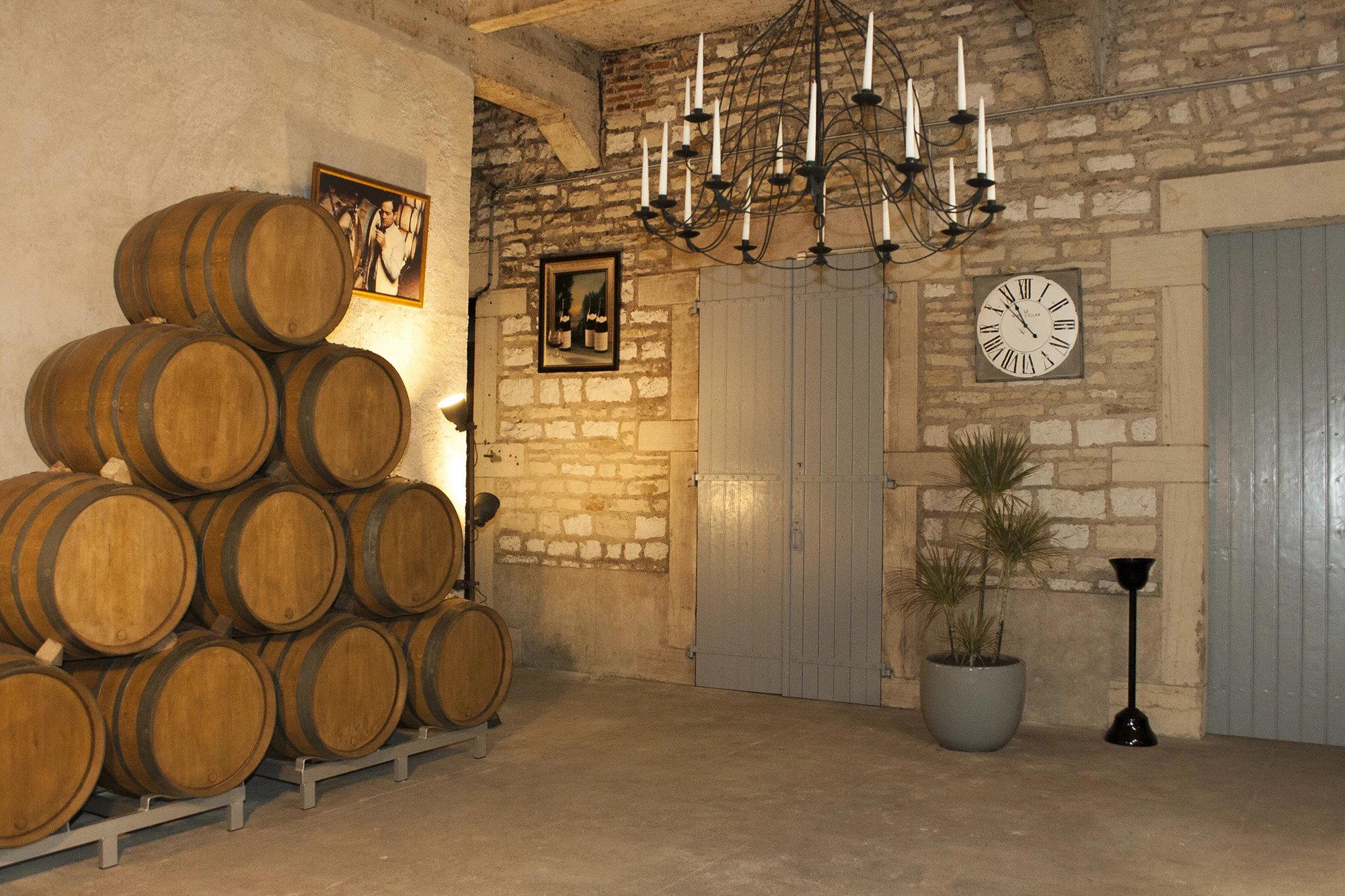
Domaine Guy et Yvan Dufouleur is a practical pick for a wine-focused Nuits-Saint-Georges stop, especially for first-timers who want a Burgundy producer visit without building the whole day around dining or extras. Falstaff listing in 2026 gives it a useful recognition signal, but plan the rest of the itinerary separately.
Domaine Karanika
Levea, Greece
Domaine Karanika is worth booking if the goal is a focused Greek sparkling wine visit in Amyndeon rather than a casual drop-in tasting. The draw is traditional-method sparkling wine, organic and biodynamic vineyard work, and a serious Xinomavro-led production story; plan ahead, especially for groups or special occasions.
Domaine Pellé
Morogues, France
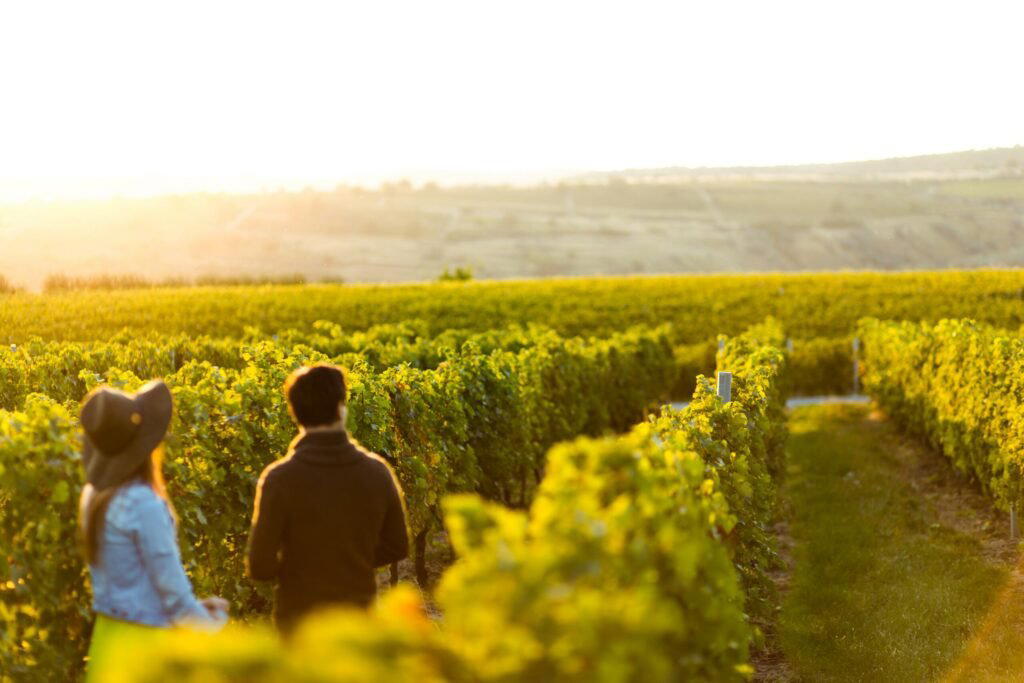
Book Domaine Pellé if you want a serious, cellar-led Menetou-Salon tasting focused on limestone soils, Sauvignon Blanc, Pinot Noir, and parcel differences. It is a strong fit for wine-focused couples or collectors, less so for visitors looking for food, scenery-led hospitality, or a casual drop-in winery afternoon.
DOPE. Natur & Wein
Albig, Germany
DOPE. Natur & Wein works if the goal is a relaxed Rheinhessen natural-wine stop rather than a formal tasting-room experience. It suits wine-first dates and casual celebrations, but it is not the right pick for a food-led itinerary or guests expecting polished hospitality cues.
Dotta
Refrontolo, Italy
Book Dotta if the goal is a calm, focused Prosecco Superiore visit in Refrontolo rather than a broad tasting-room experience. The strongest reason to go is the estate’s narrow Extra Dry and Brut focus, led by IWSC-recognized Lisiera Extra Dry NV, with guided tasting and direct purchase as the practical draw.
Elio Altare
La Morra, Italy
Compared with a casual La Morra wine stop, Elio Altare is the better fit for visitors who want a focused Barolo producer appointment backed by external recognition. Falstaff 5 Stars for 2026 makes it a higher-confidence choice for a short itinerary, especially if wine quality matters more than flexibility or food service.
Emanuele Gambino
Santo Stefano Belbo, Italy
Emanuele Gambino is a wine-focused Santo Stefano Belbo pick with a useful 2026 Falstaff Listed signal.
Éric Pfifferling - L'Anglore
Tavel, France
A better fit for serious wine travelers than casual tasting-room visitors, Éric Pfifferling - L'Anglore works if the bottle is the point of the stop. Plan it as a focused Tavel wine visit rather than a food, tour, or large-group hospitality play.
Finca Cantaburros
Aranda de Duero, Spain
Book Finca Cantaburros if you want a quiet, rustic Ribera del Duero winery appointment with a vineyard-led backstory and Falstaff 2 Stars recognition in 2026. The value is strongest for serious wine travelers who care about estate context; it is less suited to casual drop-ins or visitors needing a confirmed food-and-tour format.
Foss Marai Spumanti
Valdobbiadene, Italy
A good pick for a calm, producer-led Valdobbiadene tasting rather than a food-led estate visit. Foss Marai Spumanti makes the most sense for guests who want cellar context, Prosecco Superiore DOCG focus, and a polished bottle-shopping stop in the hills.
Gaierhof
Rovere Della Luna, Italy
Gaierhof works for an easy, value-led Trentino winery stop, especially if the goal is to taste across local styles without luxury pricing. Expect a quiet, rustic, product-focused setup rather than a polished hospitality production; the strongest case is the accessible bottle range, family heritage, and 2026 Falstaff listing.
Gschwind Weinbau
Therwil, Switzerland
Gschwind Weinbau works for a quiet, appointment-led winery visit in Therwil, especially for small groups who prefer local producers over packaged tasting rooms.
Herdade do Rocim
Fragoso, Portugal
Herdade do Rocim works for a calm, design-led winery stop with vineyards, olive groves, and talha winemaking cues, especially if the setting matters as much as the tasting. The price tier is moderate, and Falstaff Listed 2026 gives it a useful recognition marker.
Heusser Rebbau und Weinhandel
Uster, Switzerland
Book Heusser Rebbau und Weinhandel if you want a small, appointment-led Uster winery visit with direct access to a family producer rather than a polished tasting-room circuit. The strongest reasons are the Schlosshügel hillside setting, ÖLN-managed vines, Falstaff Listed 2026 recognition, and Grand Prix du Vin Suisse gold medals for Ustermer Pink! 2022 and Cabernet Dorsa 2018.
Hotel Ristorante Weingut Stroblhof
Eppan, Italy
Book Hotel Ristorante Weingut Stroblhof if the goal is a South Tyrolean wine-country stay where lodging, restaurant, winery setting, gardens, vineyards, and wellness sit together. The $$$ positioning and Falstaff 3 Stars recognition suit a relaxed upscale trip, but wine geeks wanting detailed bottle, vineyard, or tasting-format information should compare options before committing.
I Capitani
Torre Le Nocelle, Italy
I Capitani is worth booking if you want a quiet, traditional Irpinia winery visit built around native Campanian grapes rather than a highly produced tasting experience. The strongest draw is the family agricultural lineage, rustic stone-and-brick setting, Falstaff 2026 listing, and a portfolio anchored by Fiano di Avellino, Taurasi, Greco di Tufo, and Falanghina.
Il Faggeto
Montepulciano, Italy
Il Faggeto works for a quiet Montepulciano wine appointment if you care more about rural estate atmosphere and Vino Nobile structure than a polished tourism format. The draw is a focused Rosso, Vino Nobile, and Riserva ladder, plus Falstaff Listed (2026) recognition, not a big hospitality program.
Jako Wine
Verona, Italy
Jako Wine is a good Verona-area pick for travelers who want a guided, production-led tasting with an organic and biodynamic orientation. The strongest reason to go is the mixed still-and-sparkling portfolio, especially the Metodo Classico side, plus flexible hospitality for couples and small groups. Falstaff Listed in 2026, it reads as accessible and experience-driven rather than collector-focused.
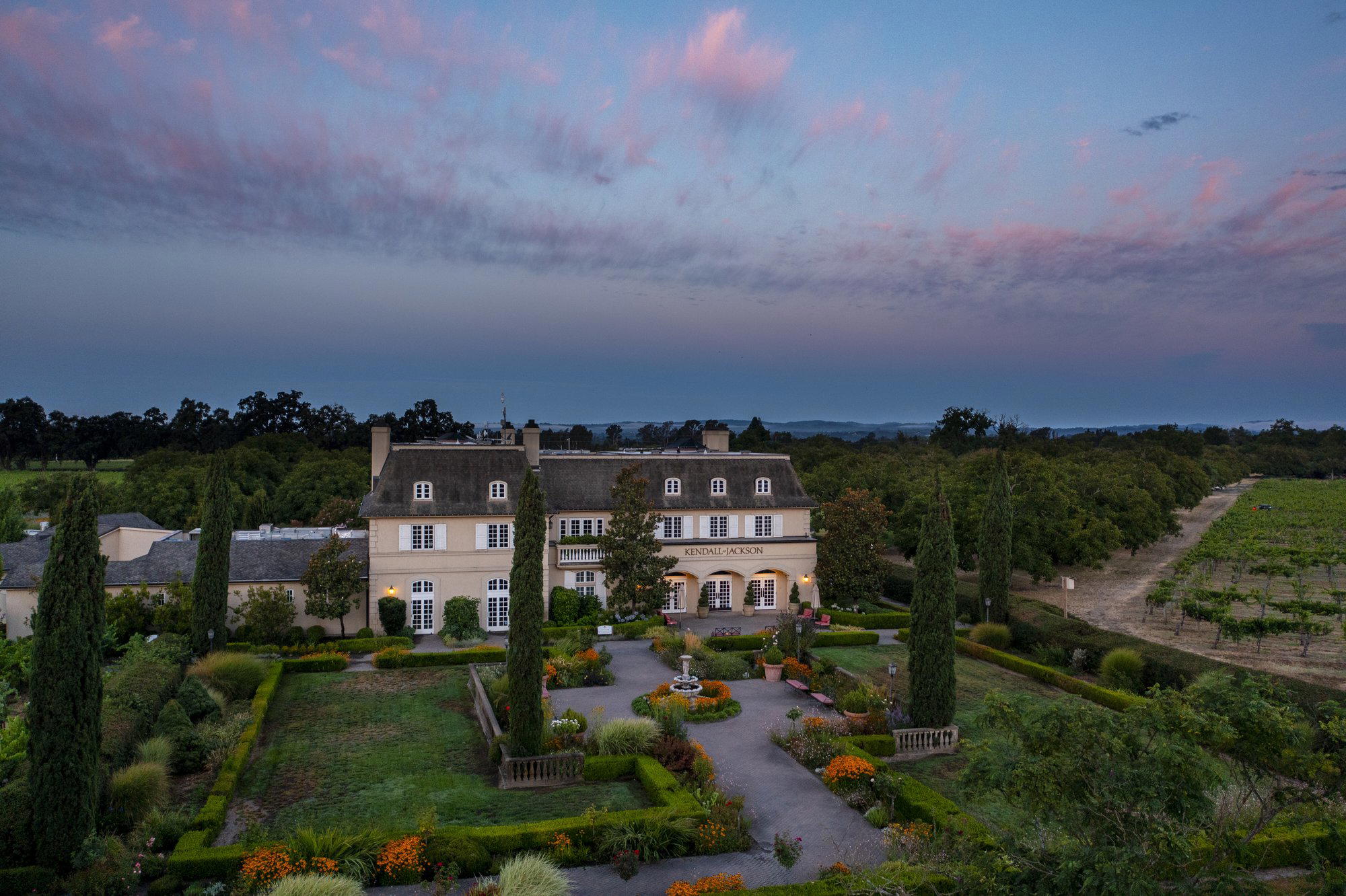
Kendall-Jackson Wine Estate & Gardens
Fulton, United States
Book Kendall-Jackson Wine Estate & Gardens when you want a polished, low-risk Fulton wine stop with broad appeal and garden time built into the visit. It is a stronger fit for first-time Sonoma travelers and mixed-experience groups than for collectors chasing a narrow producer tasting; cross-shop Inman Family Wines or Hook & Ladder Winery for a smaller-room feel.
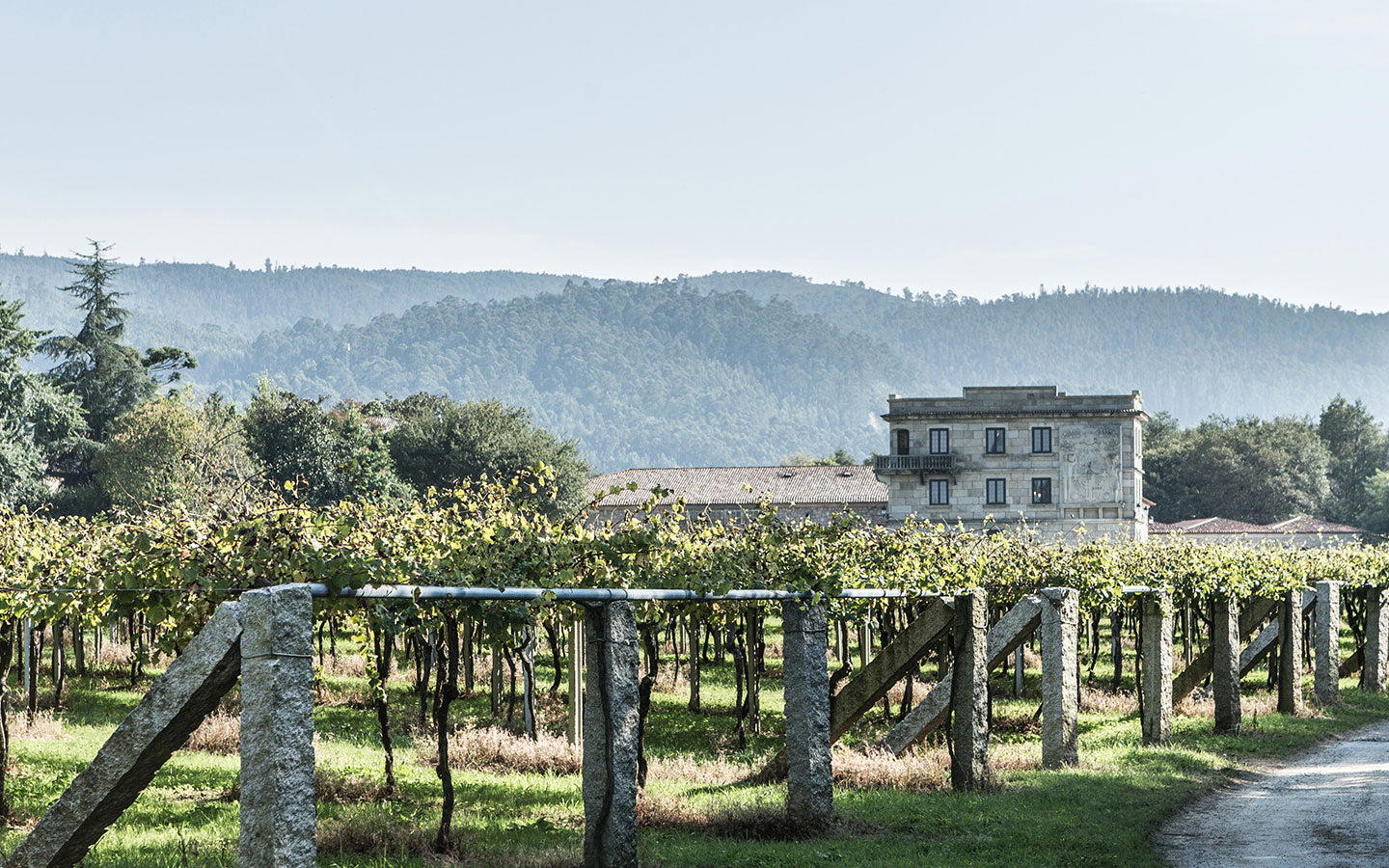
Marqués de Murrieta
Logroño, Spain
Marqués de Murrieta is a winery near Logroño in La Rioja.
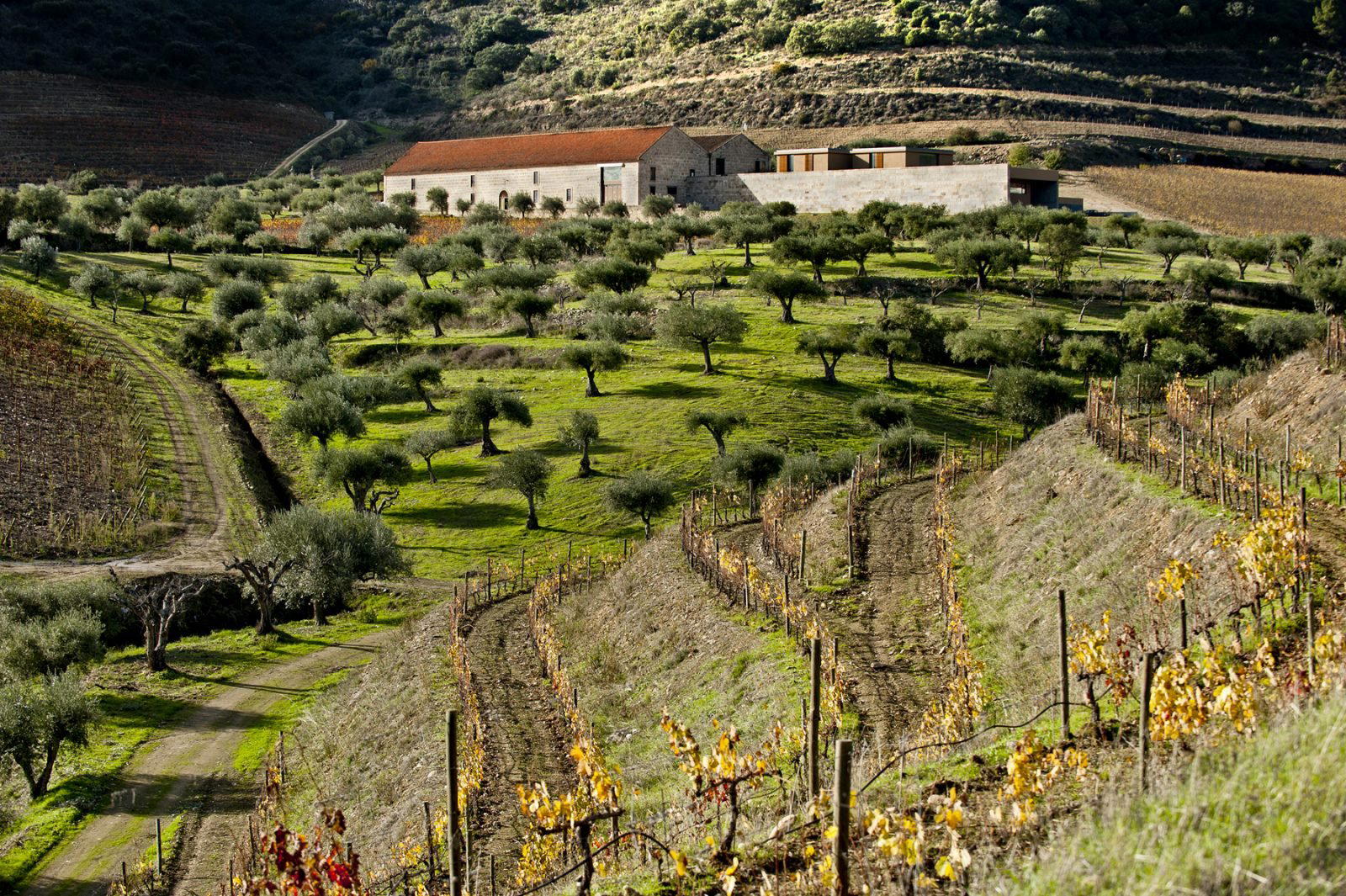
Quinta do Vale Meão
Vila Nova de Foz Côa, Portugal
Quinta do Vale Meão is worth targeting if the goal is a deeper Douro wine itinerary in Vila Nova de Foz Côa, not a casual tasting stop. It suits travelers who value regional context and are willing to plan around access; first-time Douro visitors may find Quinta do Bomfim or Quinta da Roêda (Croft) easier to fit into a standard route.
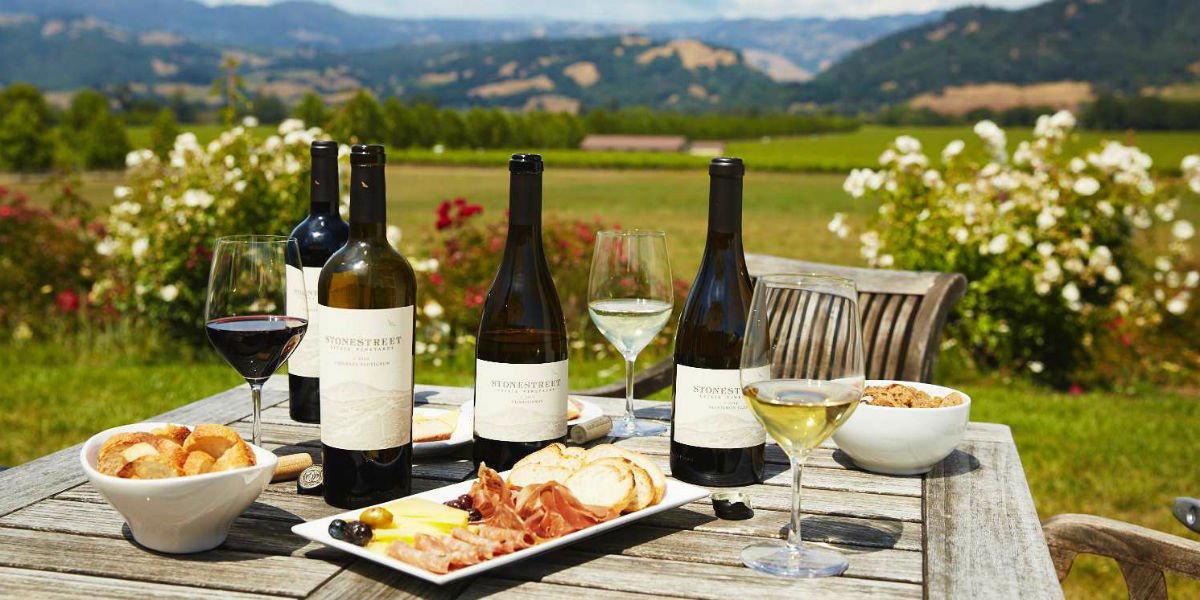
Stonestreet Winery
Healdsburg, United States
Stonestreet Winery is worth targeting when the tasting is the centerpiece of a Healdsburg trip, not a casual add-on. It suits celebrations, dates, and business-hosting plans where a structured winery visit matters more than flexibility; for looser itineraries, compare it with downtown or easier-to-book options first.
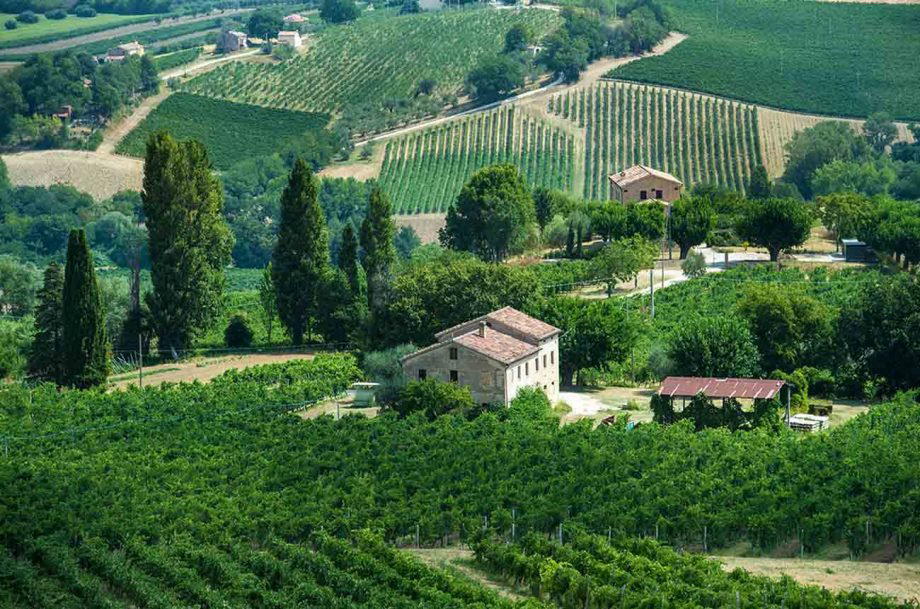
Umani Ronchi
Osimo, Italy
Umani Ronchi is worth planning around if the goal is a serious Marche winery stop rather than a flexible tasting-room drop-in. Treat the visit as appointment-led, confirm timing before building the Osimo day, and cross-shop Garofoli or Villa Bucci if the group needs easier logistics or a clearer backup plan.
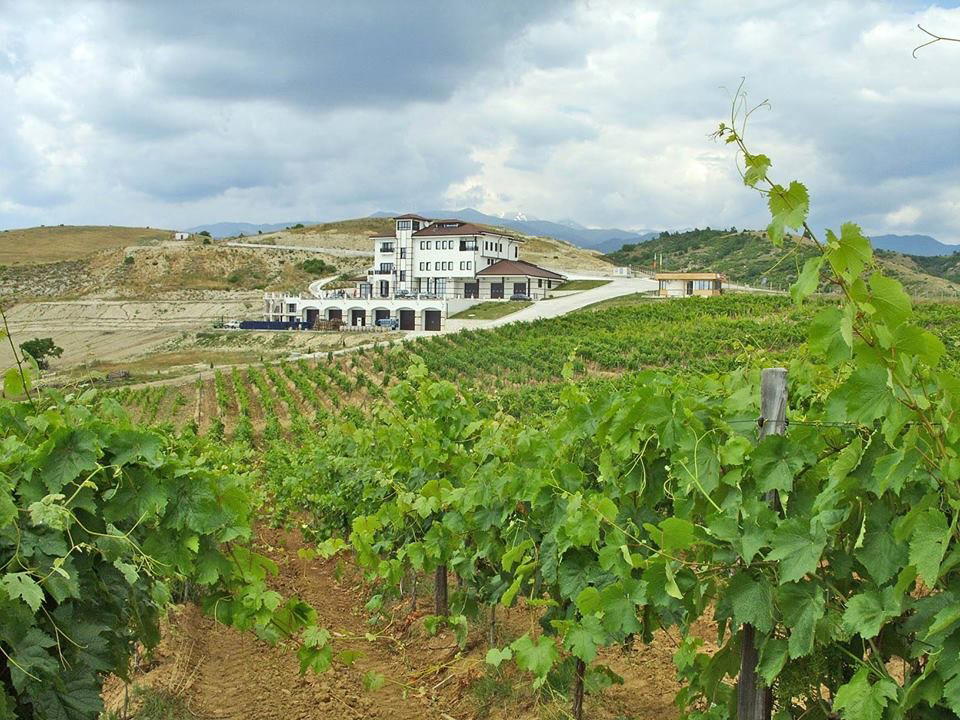
Wine Cellar Villa Melnik
Melnik, Bulgaria
Worth planning ahead for if Melnik wine is the point of the trip, especially for return visitors comparing cellar-door credibility. The 2020 World's 50 Best Vineyards #39 recognition is the key trust signal; treat any club or allocation offer as a post-tasting decision, not an automatic sign-up.
How many of these have you visited?
Find out on Pearl and keep score across every place in 2026 Falstaff Winery Guide.