

2026 Falstaff Winery Guide: The Ultimate Wine Authority — Page 25
Falstaff's 2026 Wineries guide.

Venues on this list
Da Vinum Grüningen GmbH
Grüningen, Switzerland
Book Da Vinum Grüningen GmbH if the priority is a small Zürcher Oberland producer with a focused local range rather than a full visitor-center experience. The value is clearest in its compact set of Schlüssberg wines, especially Garanoir, Solaris, and Cabertis, with the Fiini Box suited to anyone who wants to compare the portfolio.
Weingut Hausammann
Uesslingen, Switzerland
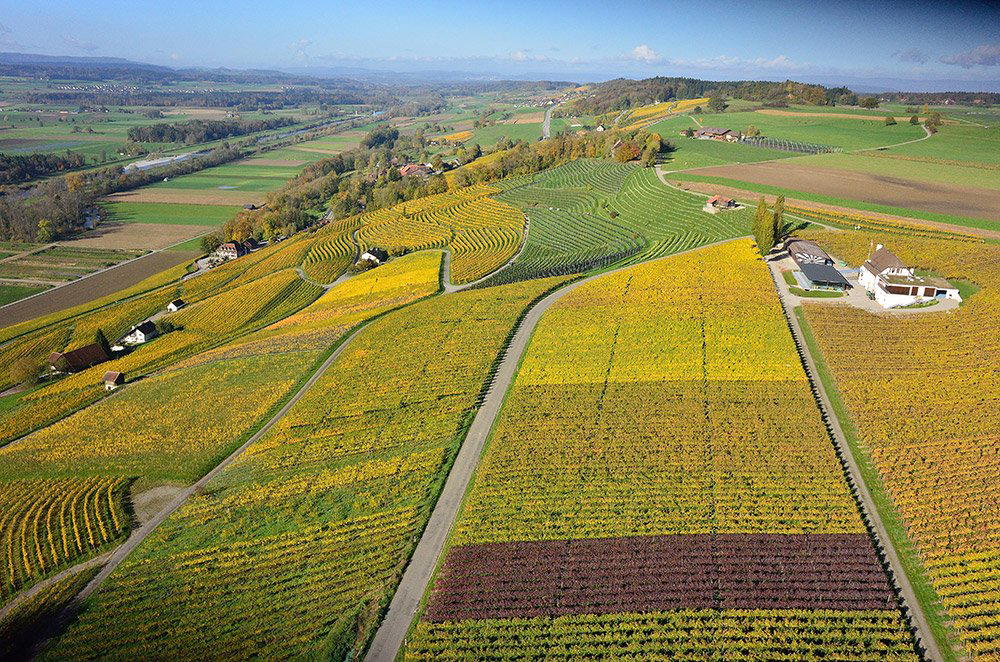
Iselisberger Weine is a good pick for a quiet, personal Swiss-wine tasting in Uesslingen, especially if the goal is to taste, get advice, and buy directly from a small family-run producer. The draw is intimacy and local character rather than a formal luxury tasting program. Falstaff-listed for 2026, it suits couples and small celebrations better than large groups.
Castell d’Encus
Talarn, Spain
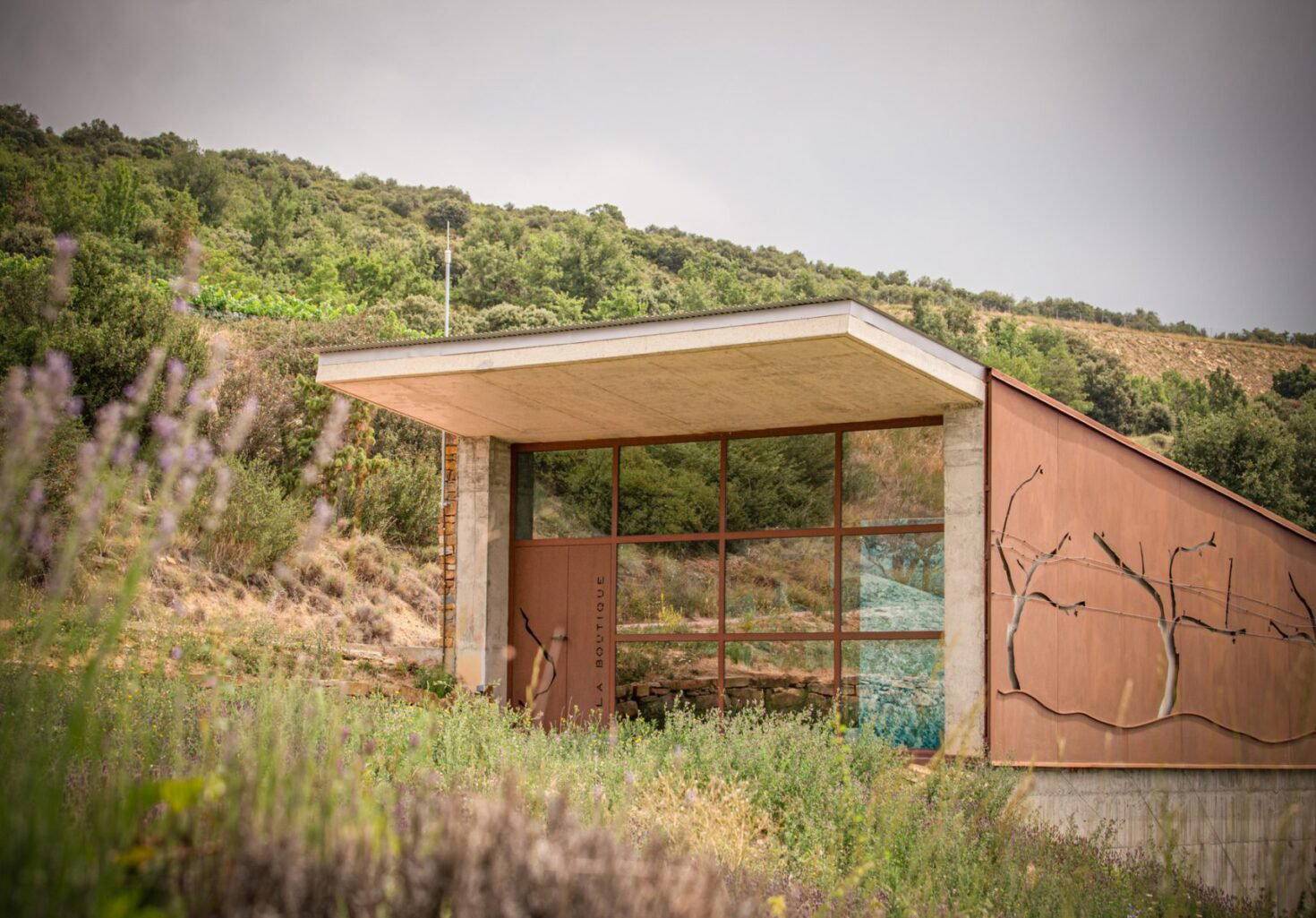
Castell d’Encus is a wine-first Talarn stop for travellers willing to plan around access rather than improvise. Its Falstaff 4 Stars (2026) recognition gives it a clear quality signal, but food, hours, and visit format are not details to assume, so build meals and timing separately.
Bodegas Cave
Villafranca De Los Barros, Spain
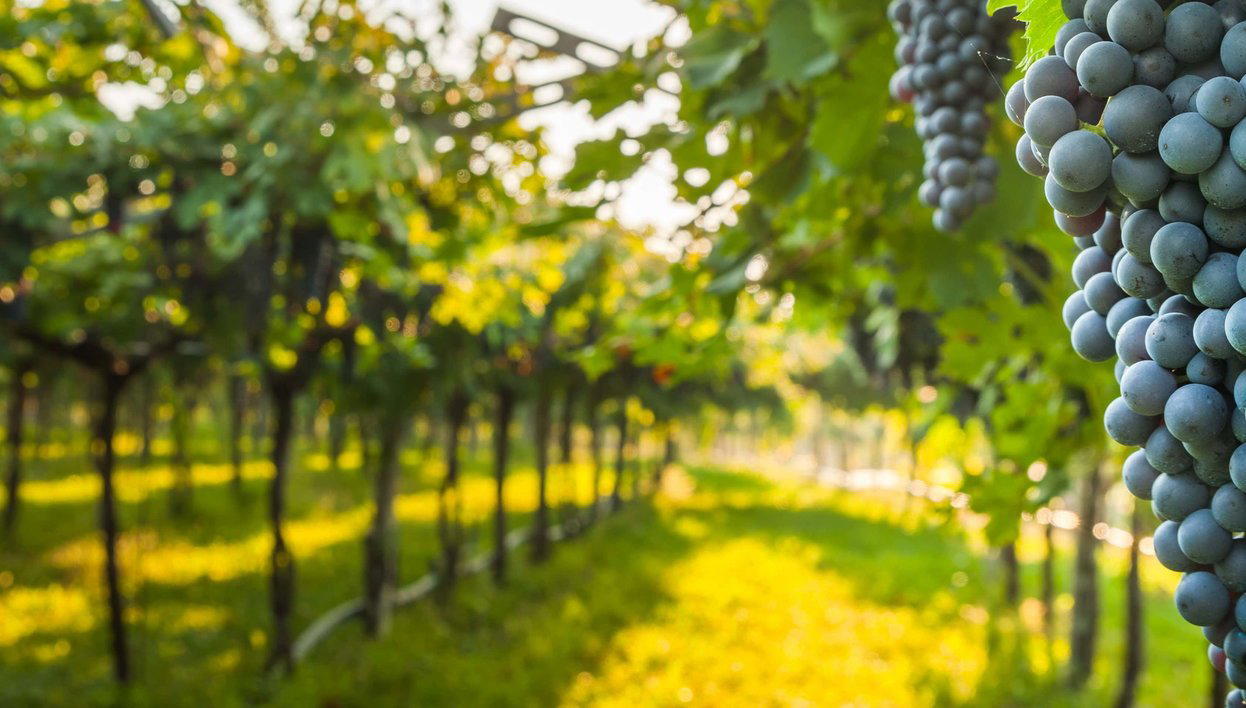
Bodegas Cave is worth planning if you want a grounded Extremadura winery visit with a traditional cooperative feel rather than a design-led tasting room. The better fit is a curious wine traveler building an appointment-led stop around Villafranca de los Barros, not someone looking for luxury hospitality or a casual walk-in tasting.
Hawkshead Wine
Queenstown, New Zealand
Hawkshead Wine works for a quiet Central Otago tasting stop near Queenstown, especially if Riesling and a more intimate cellar-door feel appeal. Treat it as a wine-first visit rather than a food-led estate experience, and plan meals separately if dining is a priority.
Covinca
Longares, Spain
Covinca works if you want a serious, context-led look at cooperative winemaking in D.O.P. Cariñena rather than a luxury tasting-room stop. The strongest move is a focused appointment built around the Terrai line, Garnacha, Cariñena, and the cooperative’s Longares grower base.
Cave Cherouche
Argnou Ayent, Switzerland
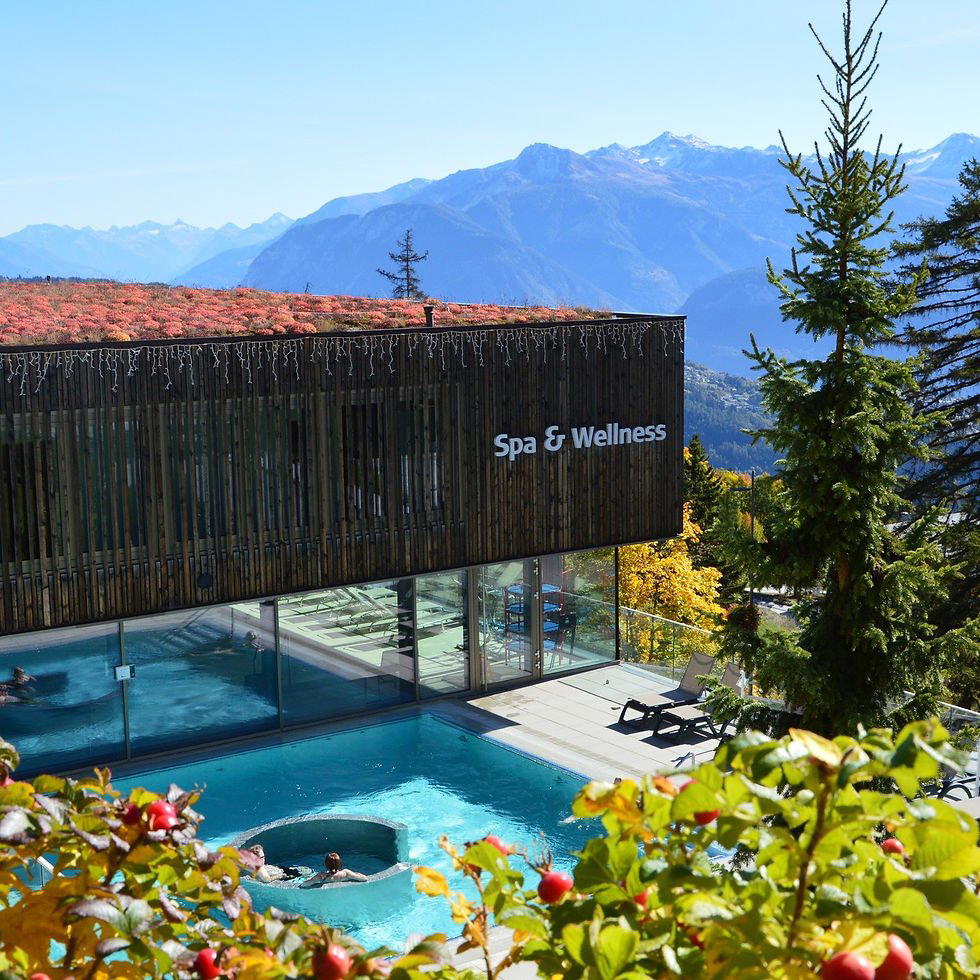
Cave Chèrouche is a practical Argnou Ayent shortlist pick for wine travelers already planning time in Valais. The case for going rests on local discovery value and Falstaff listing recognition, not on a fully published visitor setup, so it suits flexible explorers better than groups needing confirmed tasting logistics upfront.
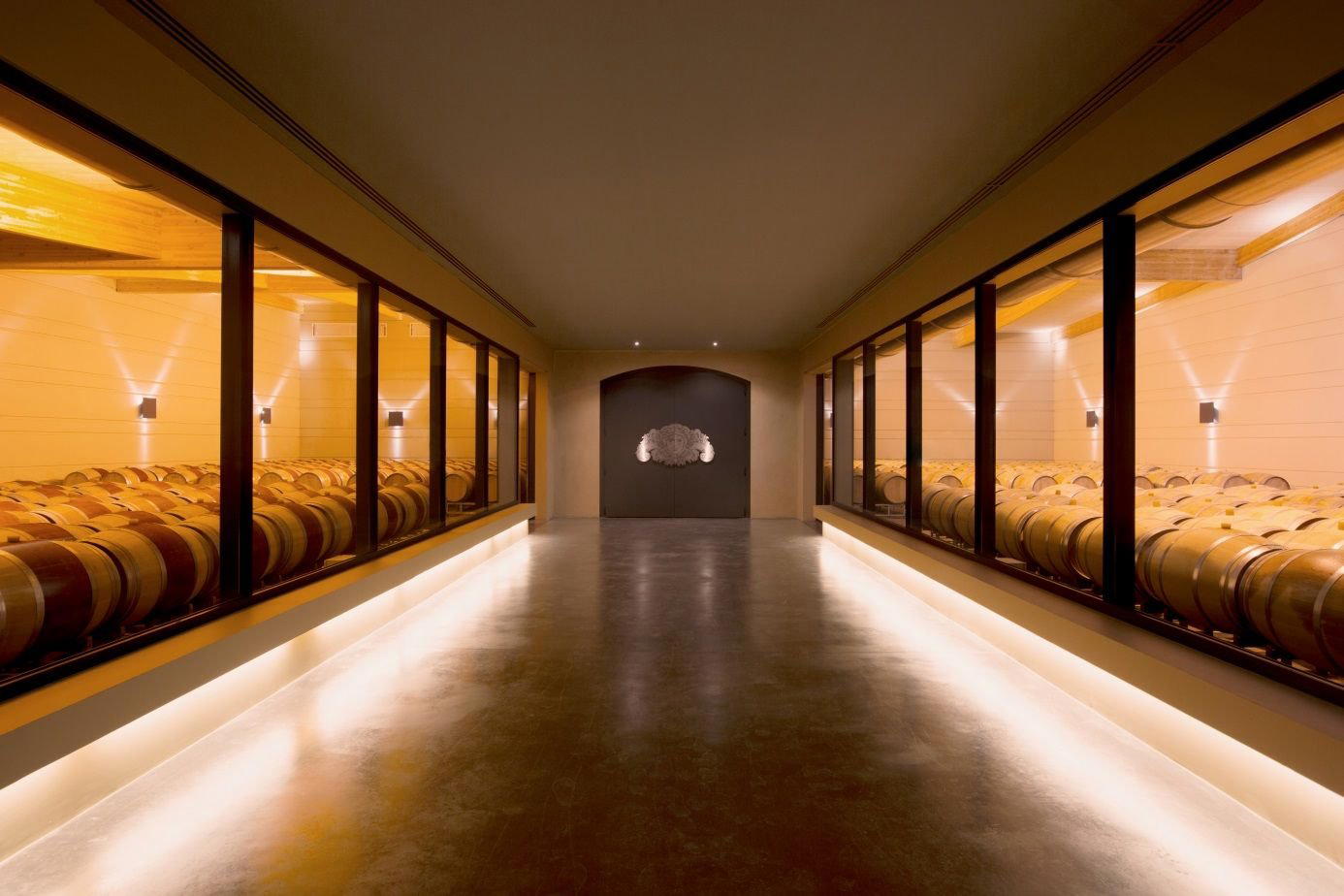
Domaine de Baronarques
Saint Polycarpe, France
Domaine de Baronarques is worth booking for a serious, guided Limoux tasting with Rothschild context and a quiet vineyard setting. Choose the private format if the group cares about blending, production choices, and vintage discussion; casual visitors will likely be fine with the standard guided experience.
Finca Tikal Natural
Tunuyán, Argentina
Finca Tikal Natural works for a repeat Tunuyán visitor building a natural-wine-focused route, not for someone who needs a fully structured estate day. Its Falstaff 2026 listing gives it a credibility signal, but the smarter use is as a targeted tasting stop within a wider Uco Valley plan.
Grupo Bodegas Palacio 1894
Alcobendas, Spain
Worth pursuing if the goal is a portfolio-led Spanish wine appointment rather than a scenic estate visit. Grupo Bodegas Palacio 1894 offers breadth across major appellations and carries a Falstaff Listed 2026 signal, but the Alcobendas setting is more practical than atmospheric, so book for focused wine context rather than a full hospitality experience.
Huerta de Albalá
Cádiz, Spain
Book Huerta de Albalá if you want a structured Cádiz winery visit with real production substance: vineyards, barrel rooms, guided tasting formats, and a modern Andalusian red-wine focus. It is strongest for first-timers who want to understand the estate’s parcel-led approach and Taberner lineup, rather than for visitors seeking a casual drop-in pour.
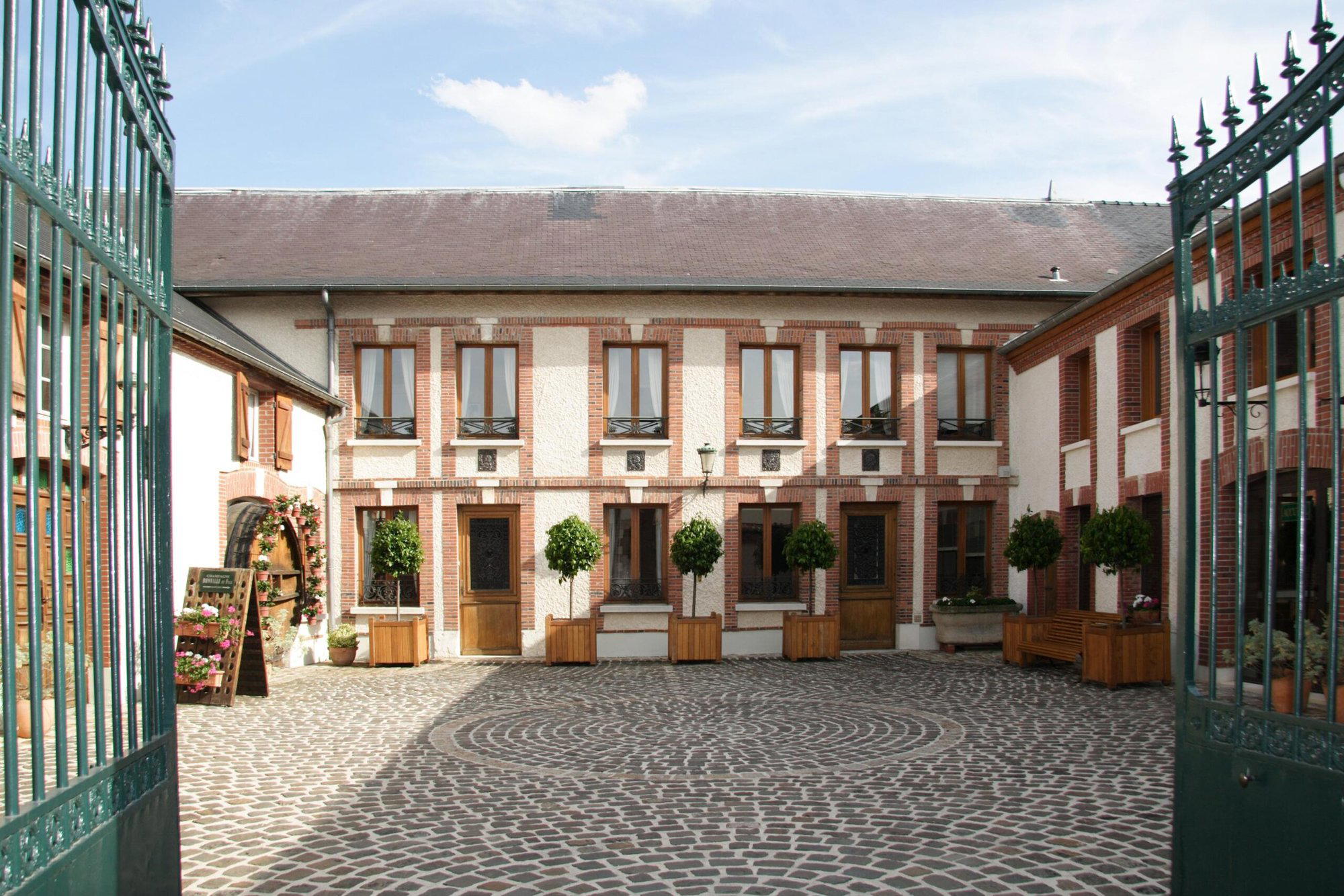
Champagne Franck Bonville
Avize, France
A sensible Avize winery pick if the goal is a focused Champagne stop backed by current Falstaff recognition. Treat Champagne Franck Bonville as part of a planned Côte des Blancs day rather than a standalone destination with assumed food, tour length, or walk-in structure.
Forster Winzerverein
Forst an der Weinstraße, Germany
Forster Winzerverein works if the goal is a practical, Riesling-led Pfalz tasting with strong value signals rather than a polished estate appointment. The cooperative format gives access to multiple Forst-labelled bottlings, backed by Falstaff 1 Star recognition in 2026, and suits visitors who want to compare everyday and site-focused wines before buying.
Ejamu
Loro Ciuffenna, Italy
Book Ejamu if you want a focused Valdarno di Sopra winery visit with organic farming, Sangiovese, and a quieter agricultural-estate setting at the center. It is better for wine travelers seeking regional context than for visitors who want a highly structured tasting program with published add-ons.
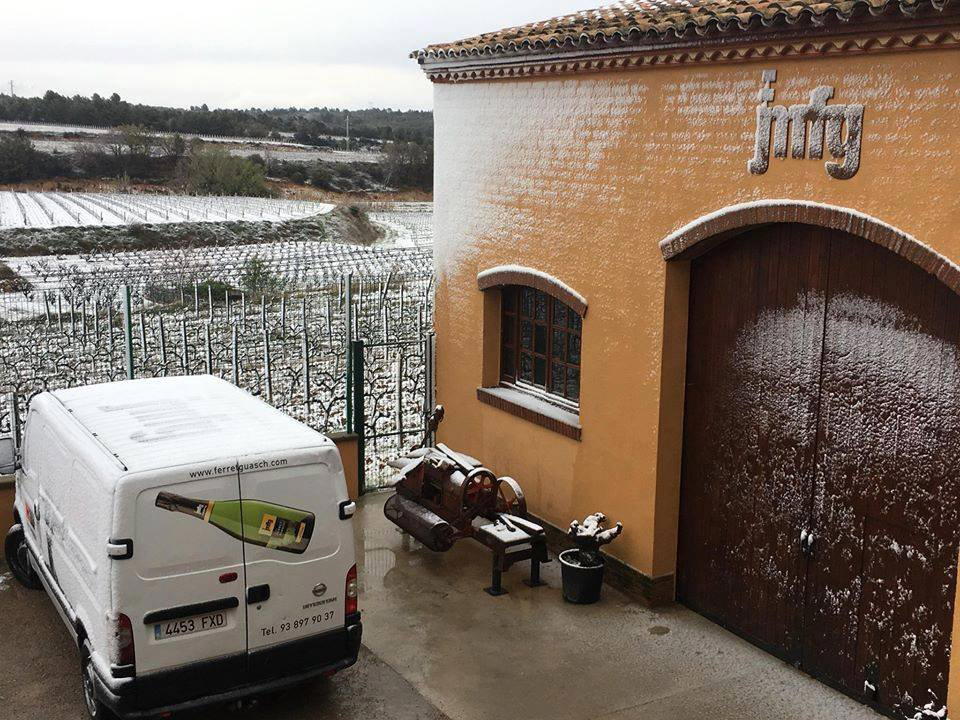
Cavas Ferret
Barcelona, Spain
Cavas Ferret is worth planning for if the goal is a serious Penedès cava visit with heritage, underground cellars, and a quieter craft-led setting. It is better for small, curious wine groups than casual drop-ins, with a listed $14 per person price and Falstaff 1 Star recognition in 2026.

Chiericati
Bellinzona, Switzerland
Book Chiericati if you want a traditional Ticino cellar visit rather than a polished tasting-room production. The draw is the working-winery feel, guided access through barrels and vaults, and a portfolio anchored in Merlot with a local Bondola angle. It suits small celebrations, hosted groups and wine-curious visitors who value context over elaborate hospitality.
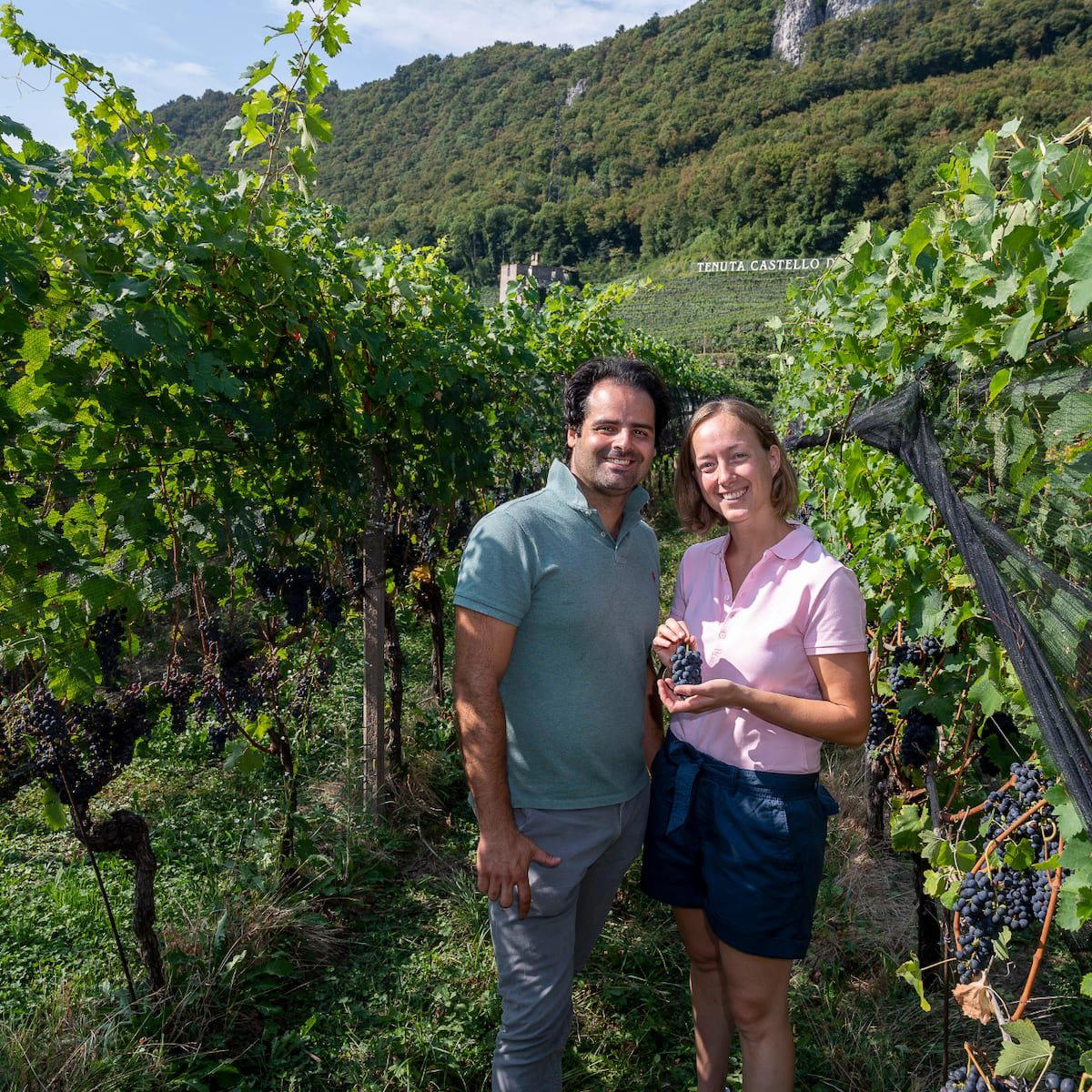
Castello di Cantone SA
Capolago, Switzerland
Castello di Cantone SA is worth shortlisting for a Capolago wine itinerary if Falstaff recognition is enough of a trust signal for the trip. Treat it as an explorer’s stop, not a guaranteed full-service tasting destination, and confirm practical details before making it the anchor of the day.
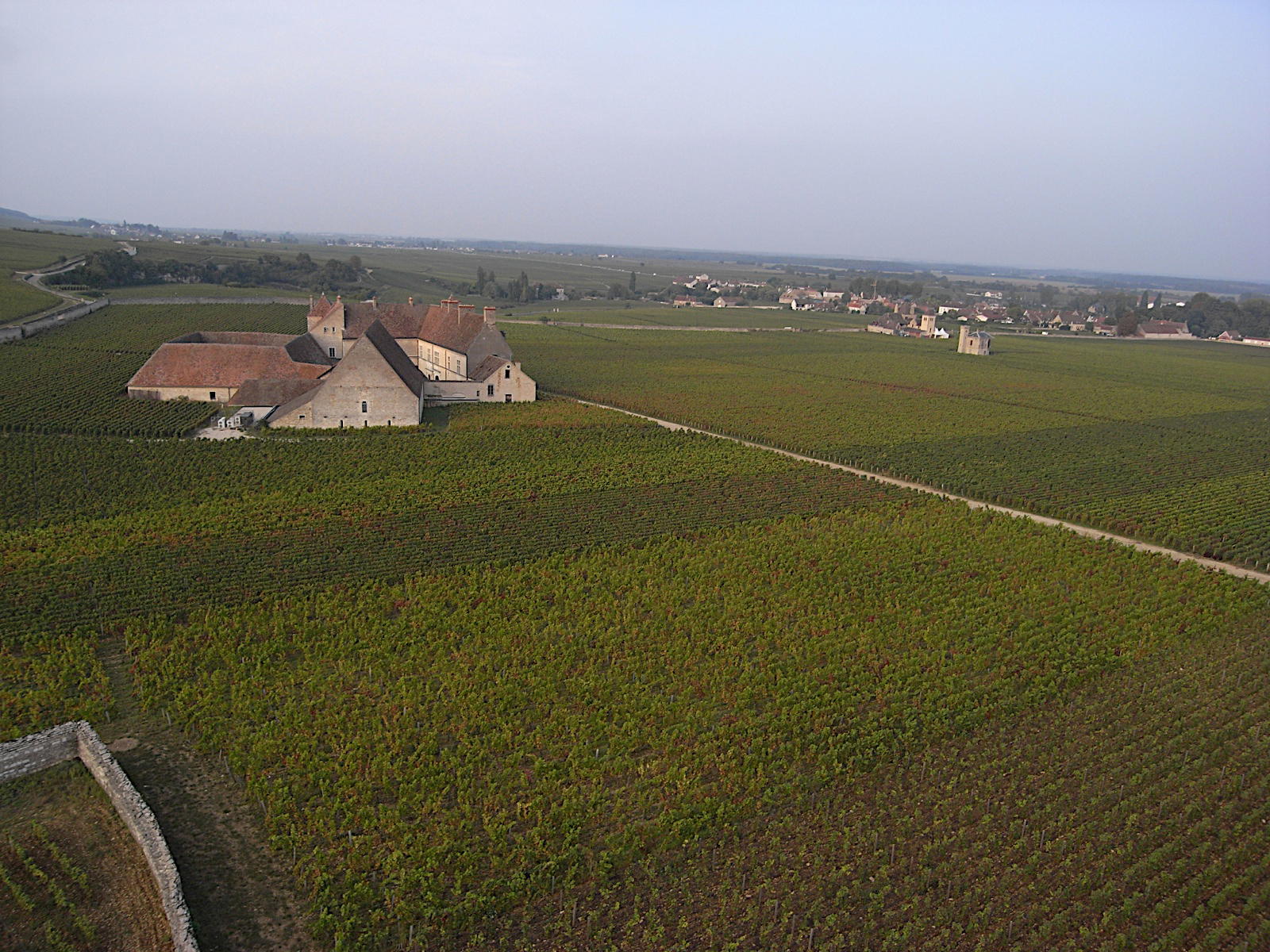
Domaine Anne Gros
Vosne-Romanée, France
A serious Vosne-Romanée producer stop for Burgundy-focused travelers, not a casual tasting-room fallback. Domaine Anne Gros is worth prioritising if the goal is estate context and producer depth; less so for groups needing open hours, published prices, or a broad hospitality setup.
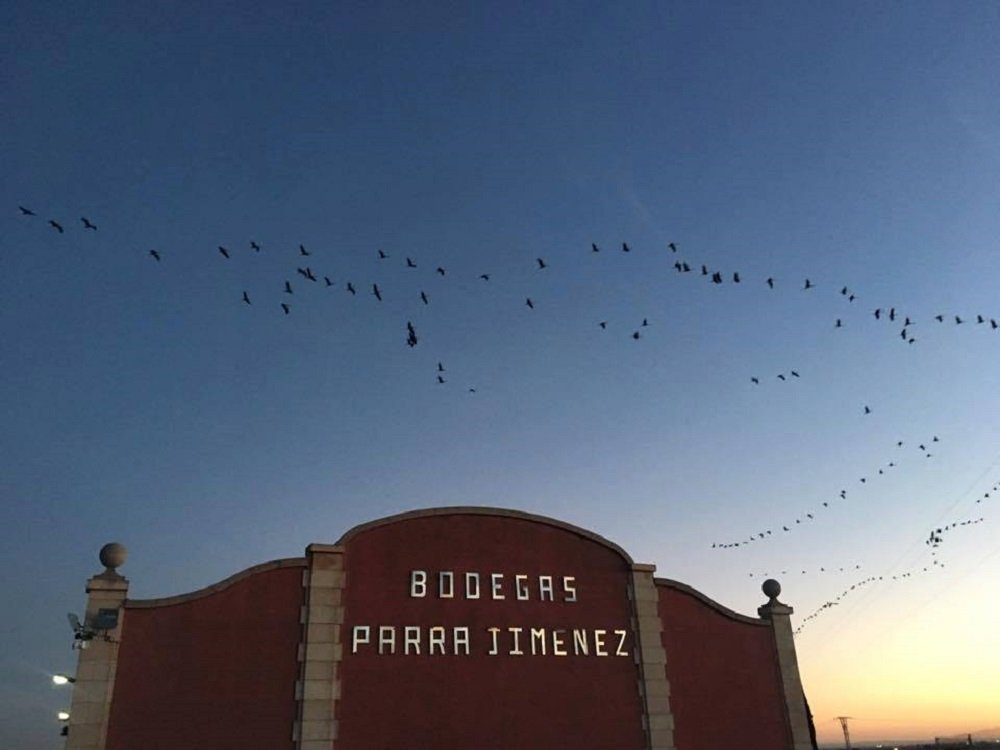
Bodegas Parra Jiménez
Las Mesas, Spain
Bodegas Parra Jiménez is worth planning for if the goal is a private, farming-led winery visit in La Mancha rather than a polished hospitality show. The draw is its certified organic and biodynamic approach, broad low-intervention portfolio, and high-desert Las Mesas setting. It suits wine-focused couples, small celebrations, and business guests who want substance over spectacle.
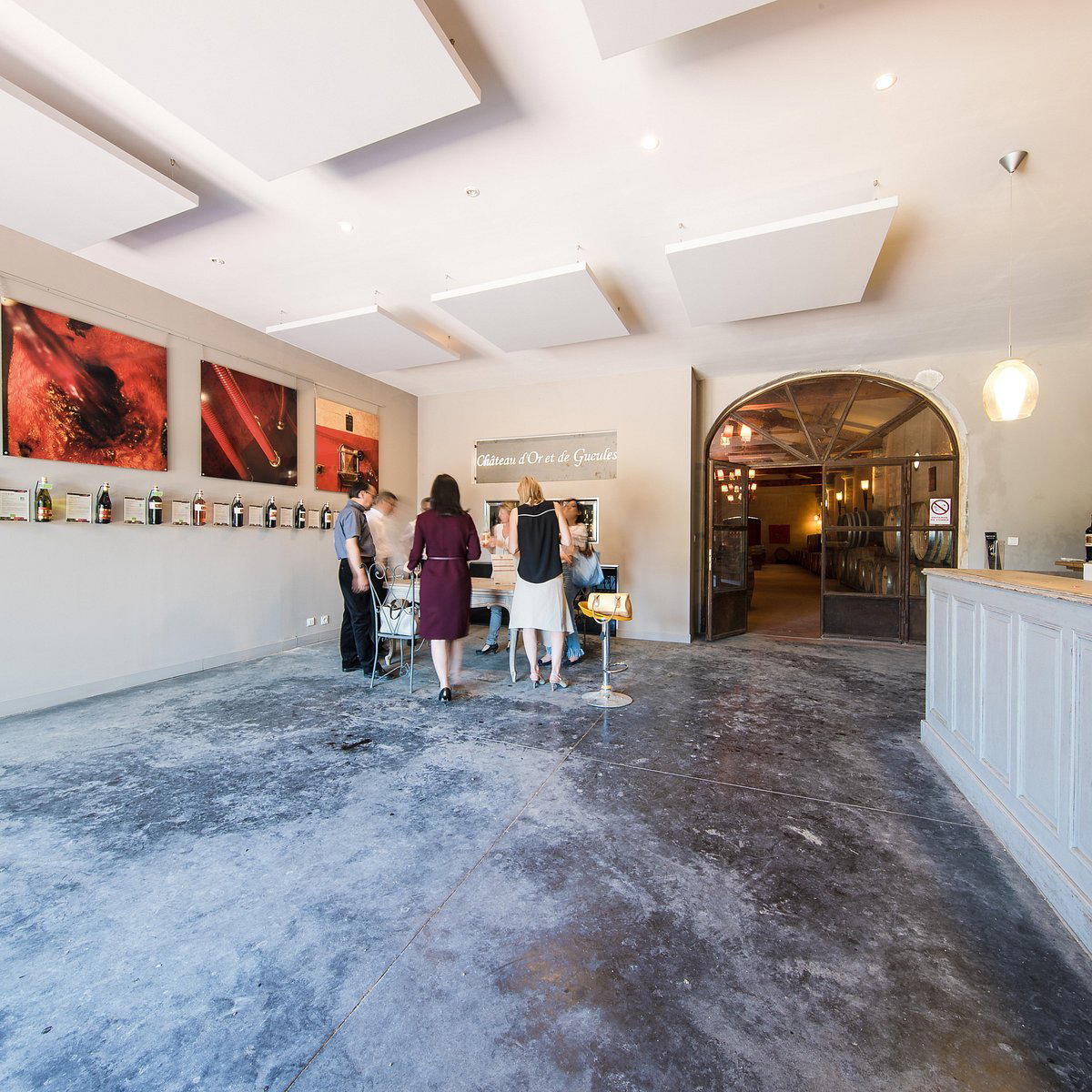
Château d'Or et de Gueules
Saint Gilles, France
Château d'Or et de Gueules is a practical Saint-Gilles winery pick for travelers who want a focused wine stop rather than a full restaurant or resort-style experience. Its Falstaff Listed 2026 recognition gives it a useful quality signal, but confirm tasting, group, food, and shipping details before building a special-occasion day around it.
Cavas Roger Goulart. S.A.
Sant Esteve Sesrovires Barcelona, Spain
Book Cavas Roger Goulart S.A. if the goal is a serious Cava visit built around long-aged, traditional-method sparkling wine. The strongest value is in the Gran Reserva, Extra Brut, Brut Nature and vintage-led bottles; casual drop-in drinkers will find the appointment-only format less convenient.
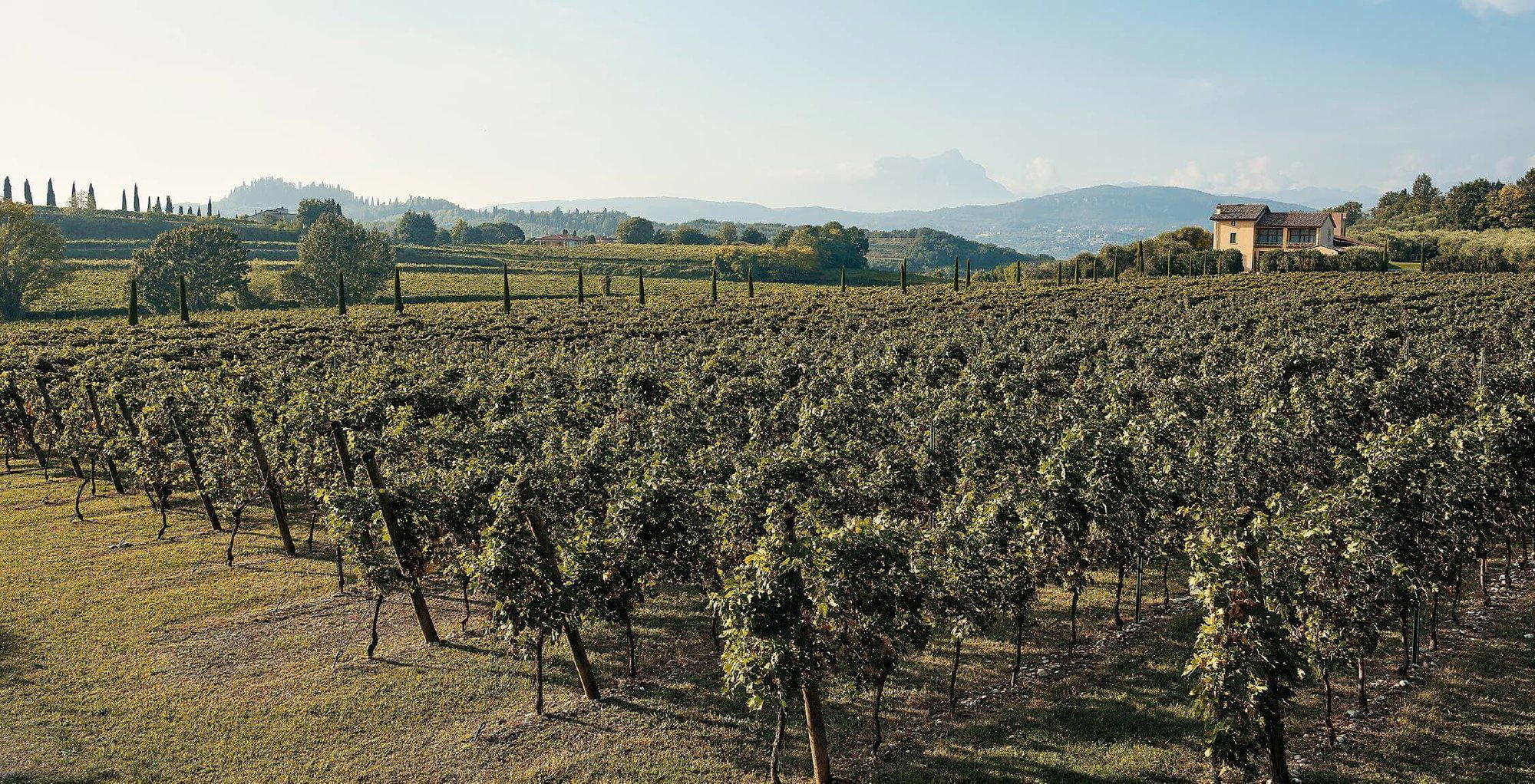
Ca' de'Rocchi
Lazise, Italy
Ca' de'Rocchi is worth booking if you want a modern, approachable read on Veneto rather than a heavy Valpolicella-only tasting. The range is especially useful for mixed-palate groups, with Corvina, Chiaretto, Custoza, Lugana, Soave and Amarone all in play, backed by Falstaff listing recognition for 2026.
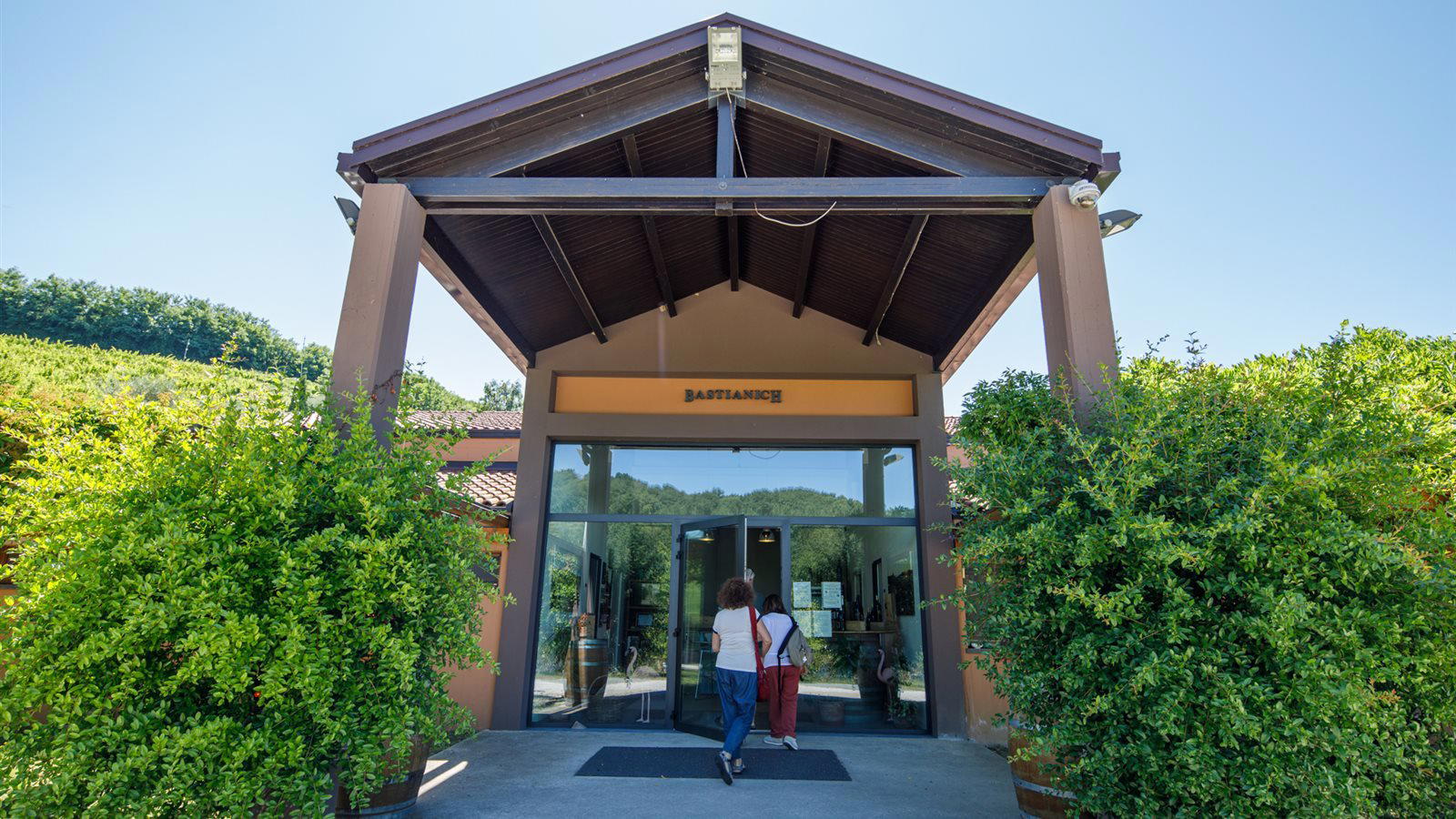
Bastianich
Cividale del Friuli, Italy
Bastianich is worth prioritizing if Cividale del Friuli is part of a serious Friuli wine itinerary, not as a casual last-minute stop. Plan around it, keep the day uncluttered, and compare it with Domenis 1898, Livio Felluga, Jermann, Bepi Tosolini, and Nonino Distillery if availability or format becomes the deciding factor.
Jürg Marugg - Weingut im Polnisch
Fläsch, Switzerland
A good Fläsch choice for drinkers focused on Graubünden Pinot Noir rather than a polished tasting-room production. The draw is a small, rustic, naturnah-leaning estate with Falstaff 2026 recognition and a moderate Swiss price tier. Best for couples or small groups planning a quieter wine stop in the Bündner Herrschaft.
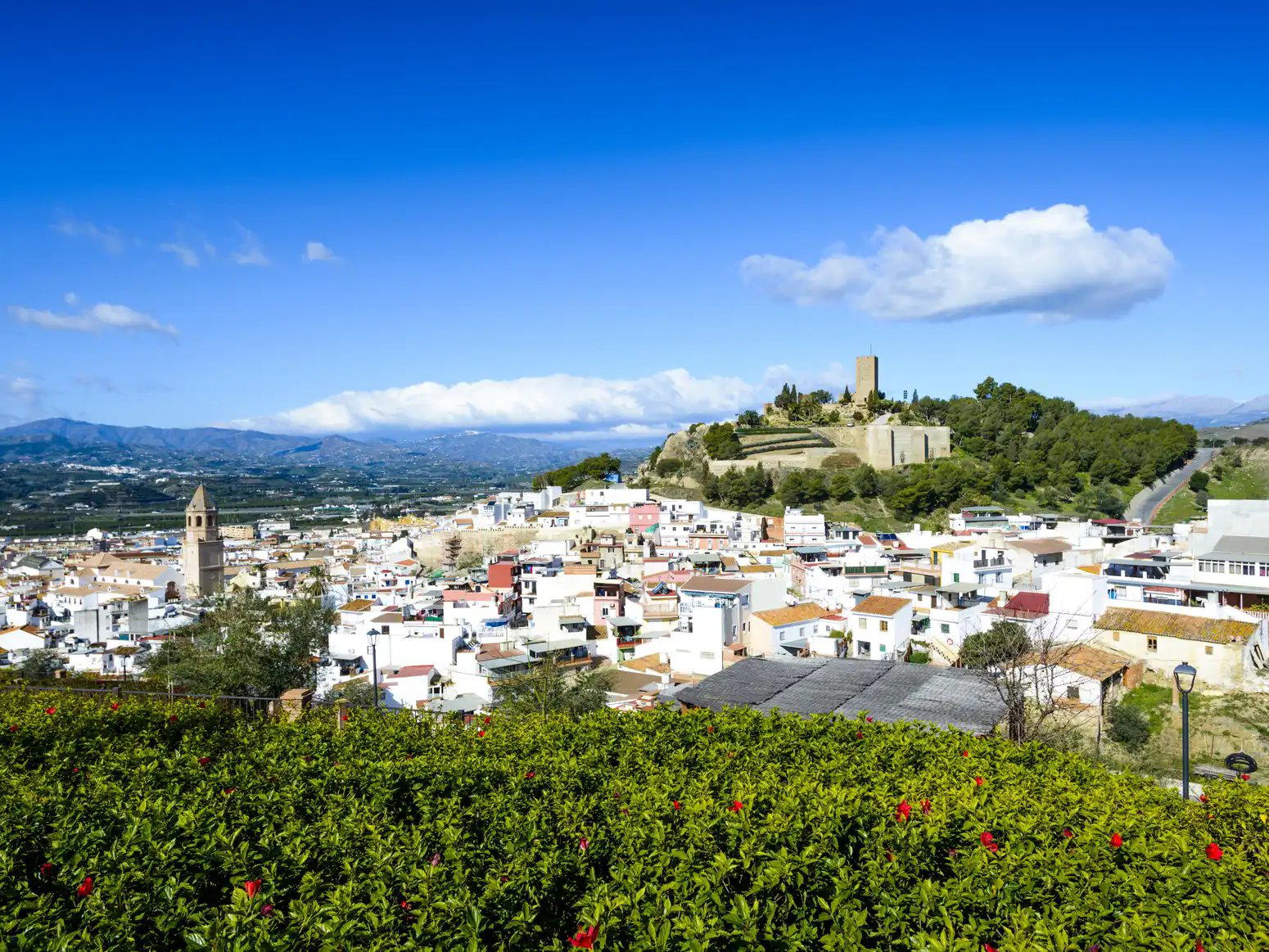
Bodegas Jorge Ordóñez & Co.
Vélez-Málaga, Spain
Prioritize Bodegas Jorge Ordóñez & Co. if you want a serious Moscatel-focused winery visit in Vélez-Málaga, especially around old-vine sweet wines and Axarquía terroir. It is less suited to casual drop-ins than to planned tastings, small groups, and travelers who want context behind Málaga’s revived dessert-wine reputation.
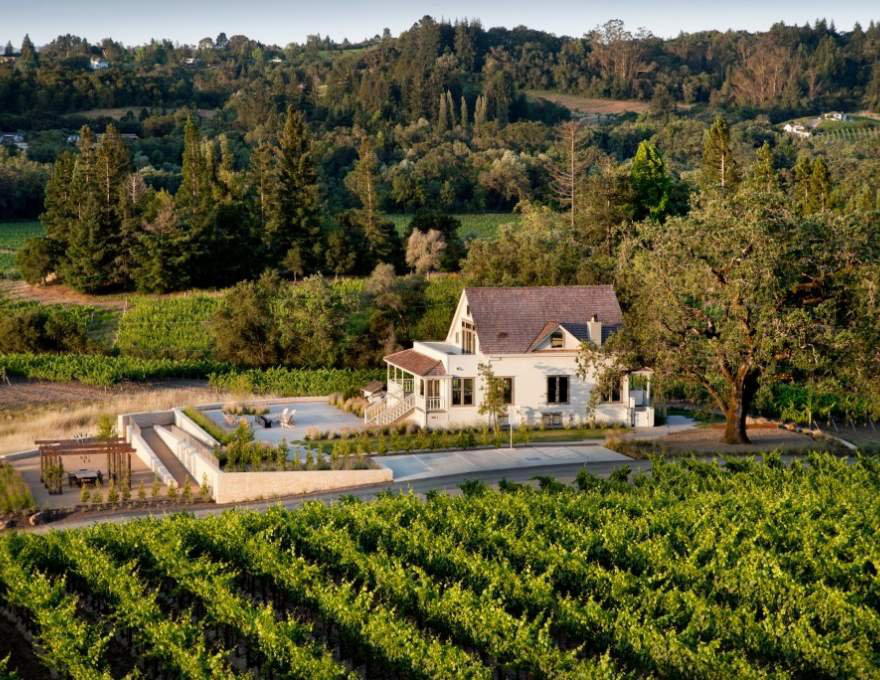
Kistler Vineyards
Sebastopol, United States
Kistler Vineyards is worth prioritizing for a serious, estate-focused Sebastopol wine visit, especially if Chardonnay and Pinot Noir are the reason for the trip. It is less suited to casual groups seeking easy availability or a broad tasting-room crawl, so build backup options into the day.
Château La Maroutine
Nouvelle Aquitaine, France
Château La Maroutine works if the goal is a focused Cadillac Bordeaux tasting rather than a lavish estate visit. Its appeal is value: recognized red and white Bordeaux, a quiet classic style, and a format that suits wine-led dates, celebrations, or business stops where the bottles matter more than amenities.
Weingut Dr. Fischer
Ockfen, Germany
Book Johannes Fischer Bocksteinhof if the goal is a focused Saar Riesling stop with family heritage, steep-slope context, and a clear link to Ockfener Bockstein. It is less compelling for travelers who need a confirmed food-pairing program or a long hospitality format, so treat it as a vineyard-led winery visit rather than a dining destination.
Domaine Canet Valette
Cessenon Sur Orb, France
Book Domaine Canet Valette if you want a focused Languedoc winery stop near Cessenon-sur-Orb, not a guaranteed food-pairing experience. Its 2026 Falstaff listing gives it a useful recognition signal, but verified visitor details are thin, so it works better as part of a broader wine day than as the only anchor.
Château du Bois Chantant
Bordeaux, France
Château du Bois Chantant is worth booking if you want an appointment-led Bordeaux tasting focused on ripe, Merlot-driven Right Bank blends rather than a high-ceremony château visit. The strongest case is the Cuvée Laurence H style: full-bodied, fruit-rich, structured, and approachable, with Falstaff listing adding a useful credibility signal.
Château Gazin-Rocquencourt --> changed name to: Malartic-Lagraviere ???
Léognan, France
Book Château Malartic-Lagravière if the goal is a serious Pessac-Léognan estate visit anchored by classified red and white Bordeaux. It is better suited to collectors, wine-focused couples, and private groups than casual drop-ins, with appointment-only access and a $$$ positioning that makes sense when the flagship bottles are the point.
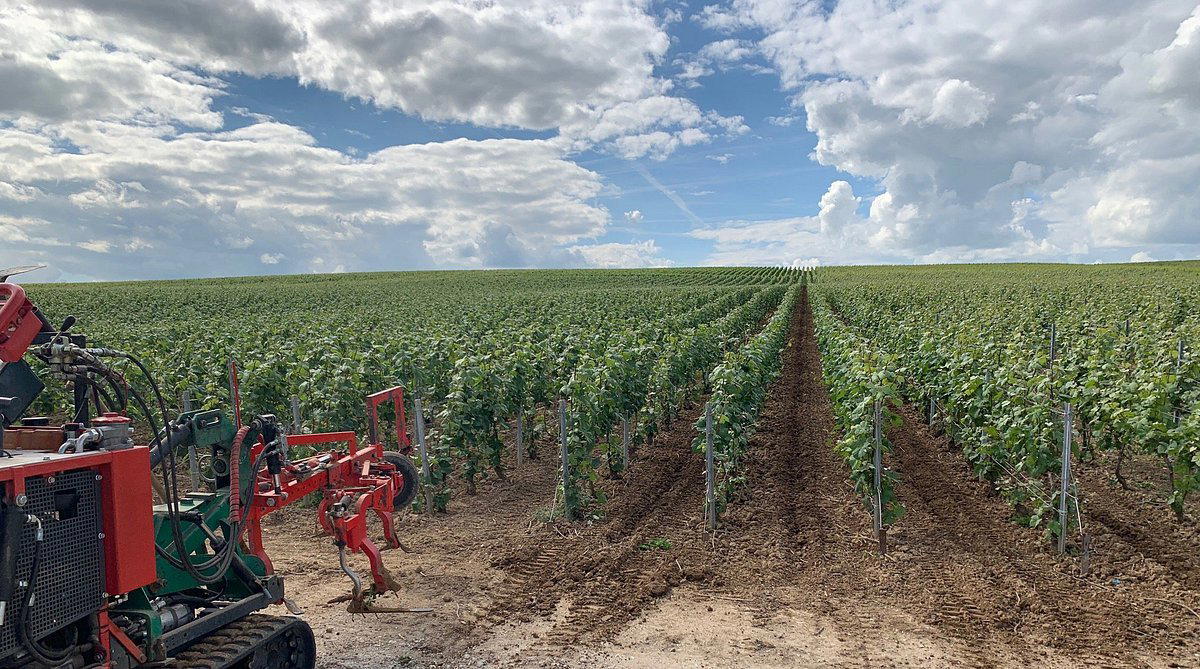
Champagne Jean-Philippe Trousset
Les Mesneux, France
A practical yes for Champagne explorers already spending time around Les Mesneux, especially if flexibility matters. Champagne Jean-Philippe Trousset is not the right choice if the trip hinges on a confirmed food-pairing program or published tasting format, but its Falstaff Listed recognition gives it enough credibility to consider for a wine-first itinerary.
Domaine Sylvie Esmonin
Gevrey-Chambertin, France
Domaine Sylvie Esmonin is a strong choice for serious Burgundy drinkers who want old-vine Gevrey-Chambertin and cellar-worthy Pinot Noir rather than a hospitality-led tasting. It suits a focused wine trip, a collector-minded celebration, or a business visit built around production detail. Casual groups looking for food, views, or a polished tasting-room setup should choose a different format.
Domaine Louis Boillot & Fils
Chambolle-Musigny, France
Domaine Louis Boillot & Fils works for Burgundy-focused travelers who want a serious Chambolle-Musigny producer stop, backed by Michelin 1 Grape and Falstaff listing recognition in 2026. It is less suited to casual visitors who need clear public pricing, hours, or shipping terms before planning.
Château d'Acquéria
Tavel, France
Book Château d'Acquéria if the goal is a deeper Tavel tasting rather than a quick pour. The private tour format, château setting, vineyard context, and optional food pairing programs make it strongest for wine travellers who want to understand the appellation through soil, cellar, and glass.
Inalto
Ofena, Italy
Choose Inalto if the goal is a focused high-altitude Abruzzo wine stop built around Montepulciano, Pecorino, and Trebbiano Abruzzese. It suits first-timers who want regional context and a quiet rural estate feel, not a large hospitality complex or food-led winery visit.
Gemstone Vineyard
Napa, United States
Gemstone Vineyard works for a polished Napa winery stop, especially for a date, celebration, or business-adjacent tasting where external recognition matters. Because public detail on format, pricing, and food is thin, use it as one focused part of a wider Napa plan rather than the sole anchor for the day.
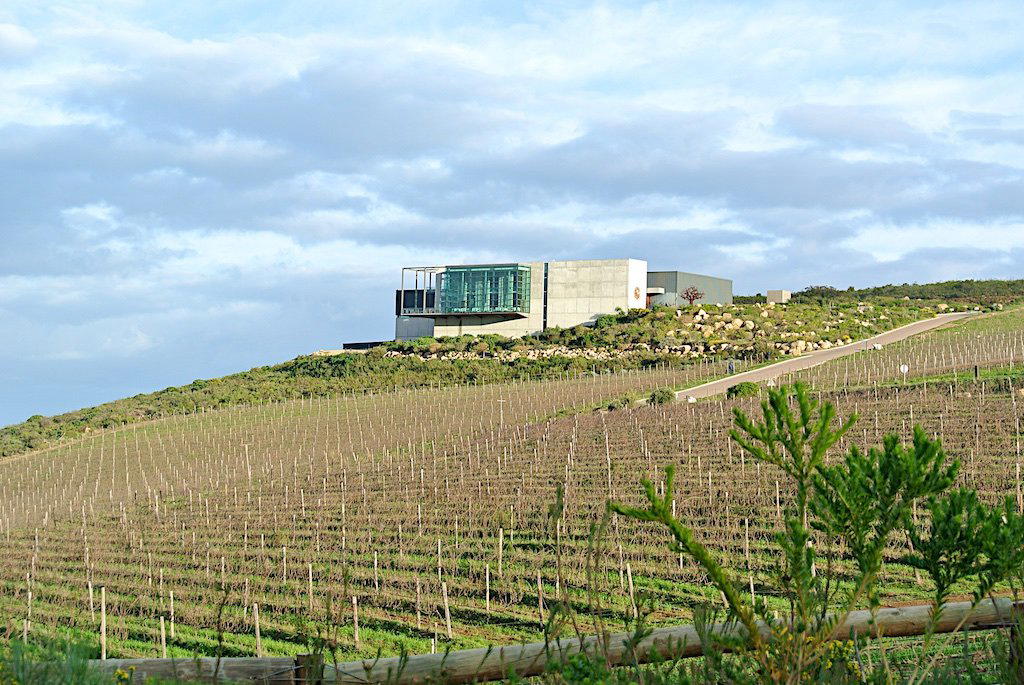
Waterkloof Wine Estate
Somerset West, South Africa
Waterkloof Wine Estate is worth prioritizing when the winery itself is the main event in Somerset West. It suits serious wine travelers better than loose, multi-stop groups; compare Lourensford for flexibility, Vergelegen for heritage, and Morgenster for another estate-led wine stop.
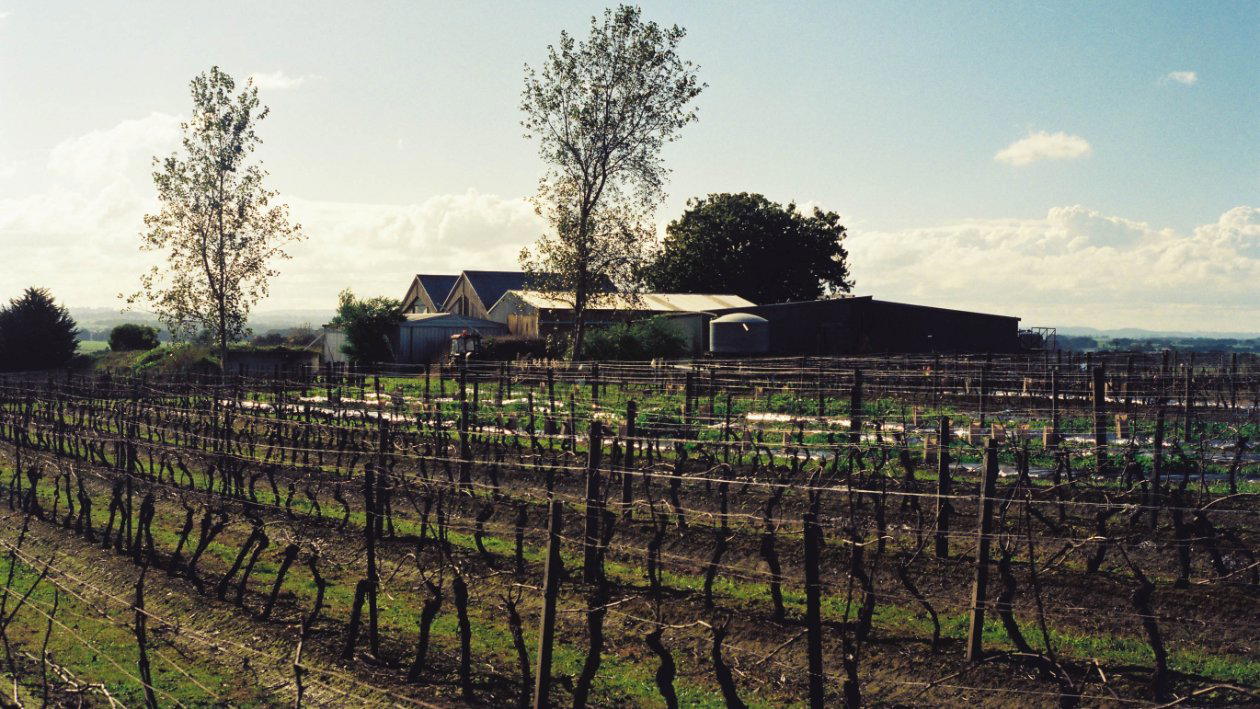
Bass Phillip
Gippsland, Australia
Bass Phillip is worth prioritising if the trip is built around serious wine rather than a casual food-and-tasting itinerary. Treat it as a hard-to-secure Leongatha South anchor, then plan meals, hotels, and backup winery stops separately across Gippsland.
Domaine des Carabiniers
Roquemaure, France
Domaine des Carabiniers works if you are already wine-tasting around Roquemaure and want a Falstaff-listed 2026 estate on the route. Treat it as a focused winery stop rather than a full hospitality destination, with easy booking but limited confirmed practical detail around hours, food, and shipping.
Fattoria di Sammontana
Montelupo Fiorentino, Italy
Fattoria di Sammontana works for a quieter Montelupo Fiorentino winery stop, especially if the goal is a focused Tuscan tasting rather than a famous-label checklist. Its 2026 Falstaff listing is the main trust signal; arrive ready to taste before committing to bottles, since no confirmed flagship wine is listed.
Emilio Vada
Coazzolo, Italy
Emilio Vada is a sensible Coazzolo pick for travelers who want a low-fuss Piedmont winery stop with a 2026 Falstaff listing behind it. Book it for regional context and an easygoing itinerary, not for a fully specified luxury tasting or named flagship-bottle plan.
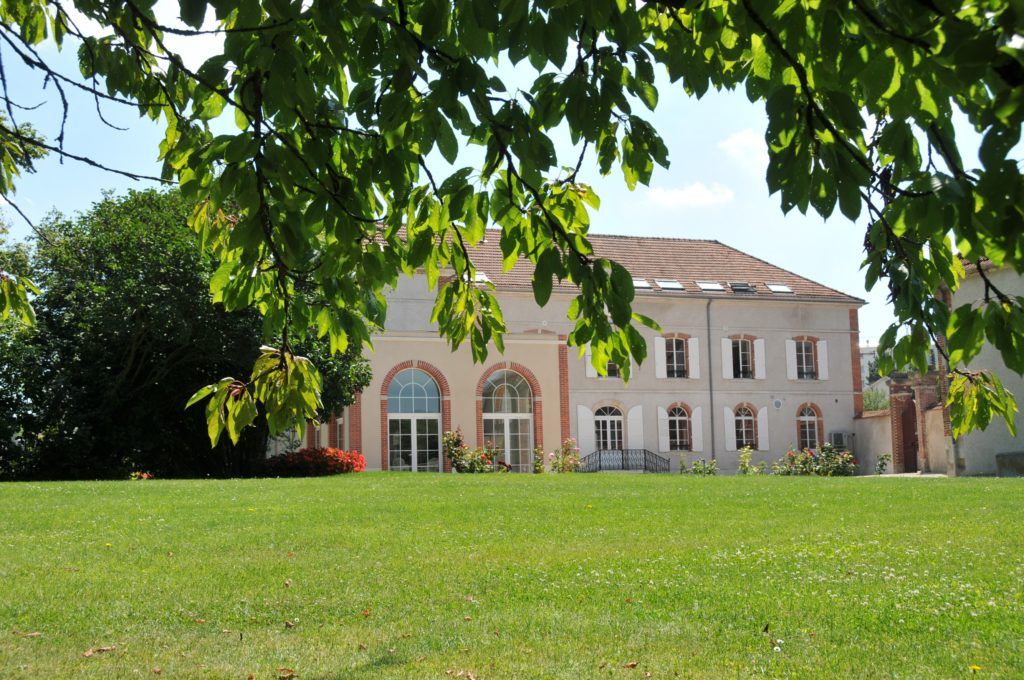
Gosset
Épernay, France
Book Gosset if the Champagne trip needs historical depth rather than only big-name polish. Its 1584 first-vintage marker and Épernay address make it a strong specialist stop for wine travelers, especially when paired with larger houses nearby. Travelers wanting the easiest, broadest visitor experience may prefer Moët & Chandon or Perrier-Jouët first.
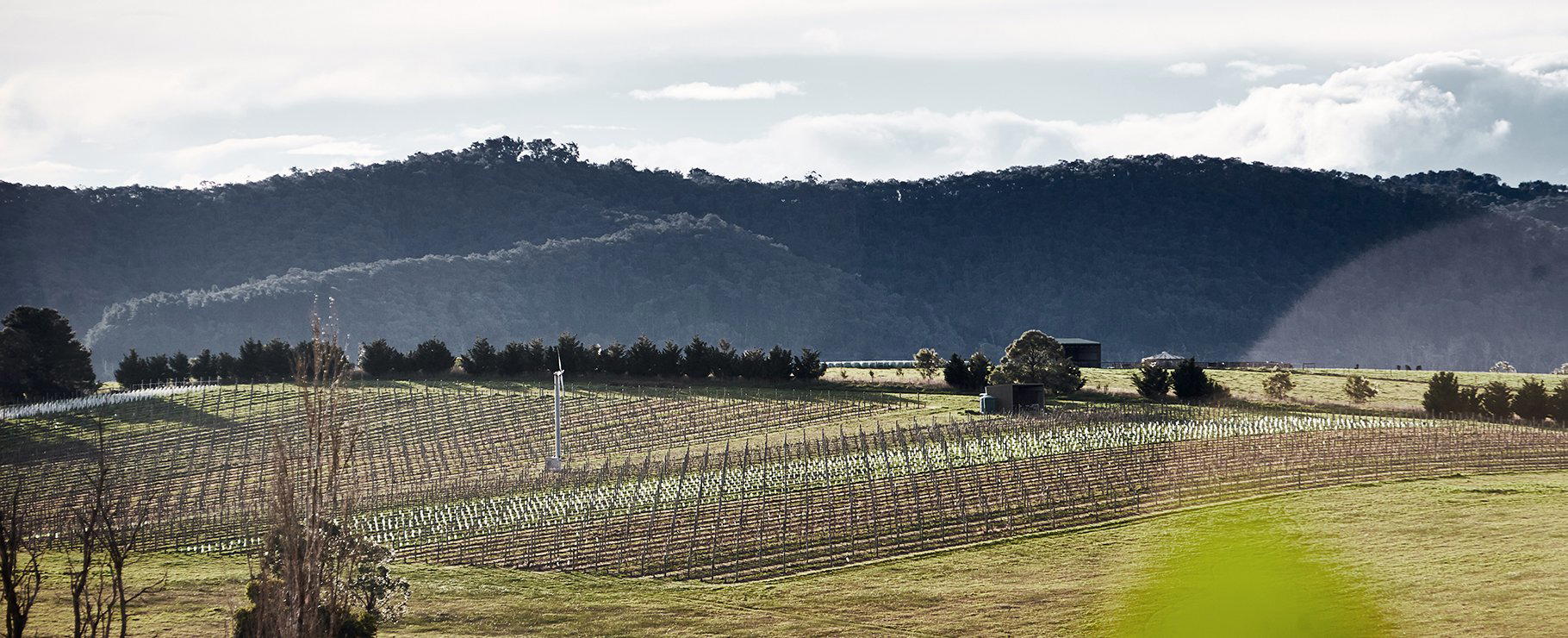
Mount Mary
Yarra Valley, Australia
Mount Mary is a serious Coldstream winery stop for Yarra Valley visitors who want a focused tasting day rather than a loose cellar-door crawl. Plan ahead, keep the itinerary tight, and pair it with nearby Coldstream or broader Yarra Valley venues only if your group has enough time.
Il Melocotogno
Castiglione del Lago, Italy
Il Melocotogno is a better choice for an independent countryside stay than for a formal wine experience. The draw is the restored farmhouse setting near Lake Trasimeno, with a self-catering apartment, garden access, pool, porch, family amenities, and enough space for a small group. Book it if the trip needs quiet, flexibility, and rural scenery.
Dourthe Bordeaux
Bruges Cedex, France
Dourthe Bordeaux works if you want a broad, estate-managed view of Bordeaux rather than a single small-château visit. The strongest value case is in the middle of the range and in the parcel-led Les Parcellaires releases, while N°1 Rouge is the flagship reference for understanding the house style.
How many of these have you visited?
Find out on Pearl and keep score across every place in 2026 Falstaff Winery Guide.