
Bass Phillip
Leongatha, Gippsland
Winery in Gippsland, Australia
 Book with Pearl
The Read
Cool-Climate Allocation Pinot
Why go
Bass Phillip is worth prioritising if the trip is built around serious wine rather than a casual food-and-tasting itinerary. Treat it as a hard-to-secure Leongatha South anchor, then plan meals, hotels, and backup winery stops separately across Gippsland.
About Bass Phillip
Bass Phillip in Gippsland is a premium venue with confirmed Pearl 3 Star Prestige recognition for 2025. Plan around the essentials rather than assumptions: the dress code is smart casual, and any current visit format, opening arrangements, or other services should be checked directly with the venue before you travel.
For planning, treat Bass Phillip as a Gippsland destination to confirm in advance rather than a stop with detailed services.
Plan for the recognized venue
The strongest grounded reason to prioritise Bass Phillip is its confirmed Pearl 3 Star Prestige recognition for 2025. If you are building a Gippsland itinerary, keep the plan flexible until current access and practical details are confirmed through the venue's own channels.
Do not rely on assumptions about dining, tastings, service, food pairings, dietary support, delivery, shipping, or other extras. The safer approach is to treat Bass Phillip as a Gippsland venue with smart casual dress expectations, then arrange any meals, transport, and surrounding plans separately once the current details are clear.
Plan the wider Gippsland day around established details
Bass Phillip should be placed into a Gippsland plan only after you have checked the venue's latest arrangements. If your day depends on specific timing, food, accessibility, group size, purchases, or a particular style of visit, confirm those details before committing the rest of the itinerary.
For broader comparison, consider Bass Phillip alongside other venues such as Chief's Son Distillery, Gembrook Hill, Paringa Estate, Port Phillip Estate/Kooyong, and Yabby Lake Vineyard. Bass Phillip is best assessed on its established attributes: a Gippsland venue with smart casual dress guidance and Pearl 3 Star Prestige recognition in 2025.
Planning details
- Location
- 16 Hunts Road, Leongatha South, VIC 3953, Australia
- Website
- bassphillip.com
- Phone
- +61356643366
The take
The Take
The Vibe
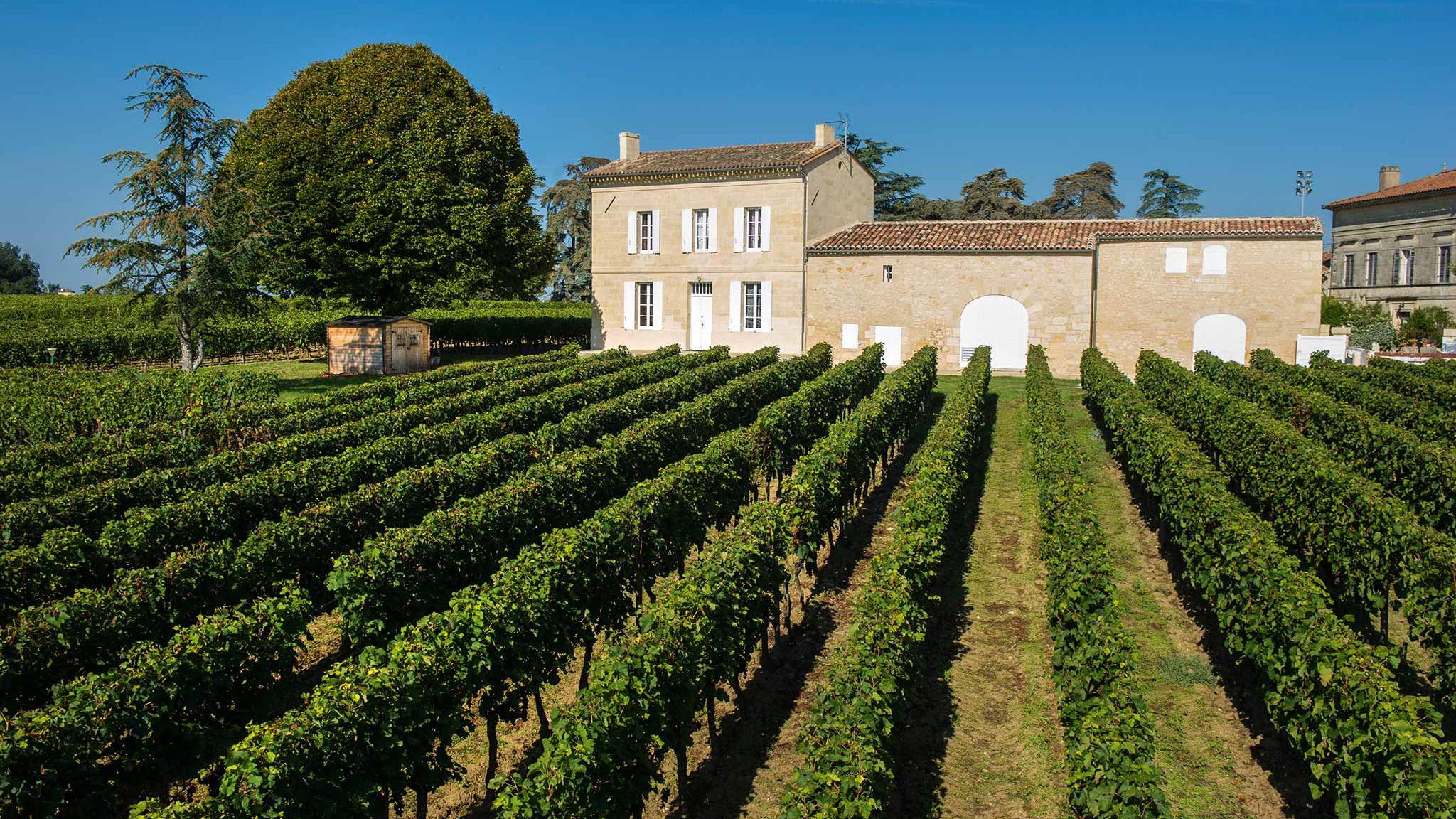
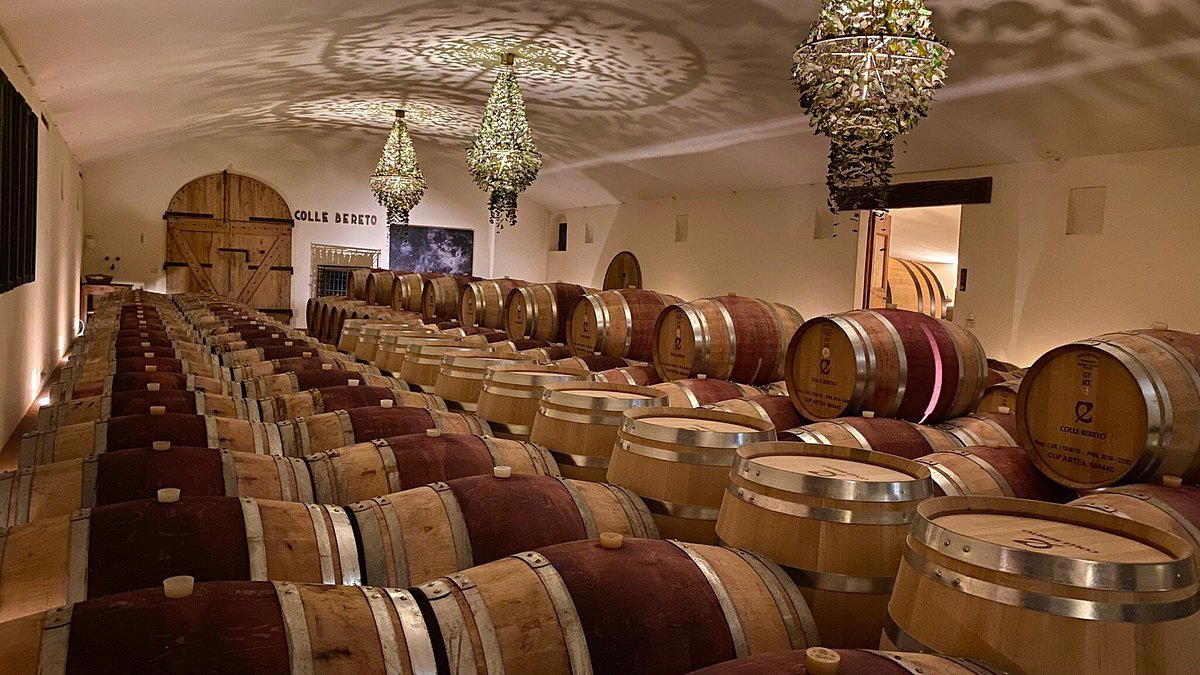
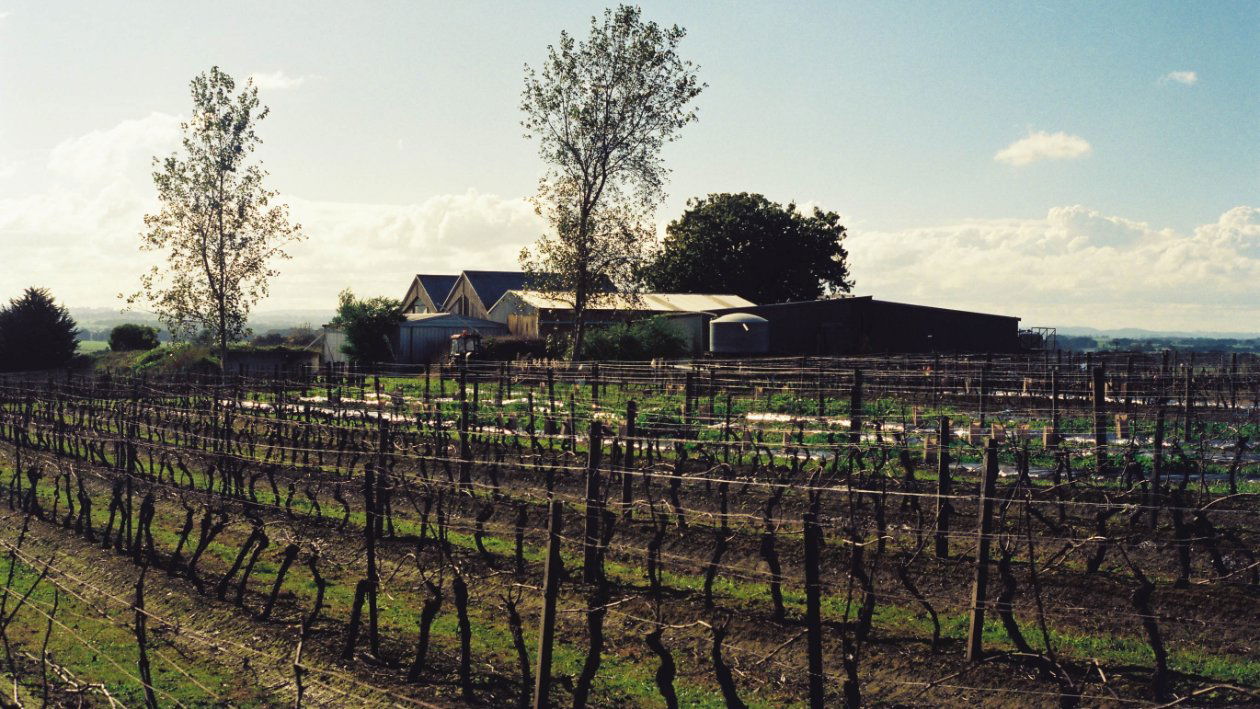
Bass Phillip presents as a quietly authoritative winery that feels removed from mainstream Australian wine tourism. The writing places the estate in a pastoral, dairy-country setting, with a maritime influence and red volcanic soils that signal thoughtful, site-driven viticulture. Its reputation rests on the tension and structure of Pinot Noir and the disciplined Chardonnay program rather than on promotional flash — a hallmark of a place that rewards focused attention. Visitors encounter a deliberately low-key, terroir-first character: understated, serious and serenely rural rather than theatrical or crowded.
Best For
This is a destination for wine-focused visitors who want to understand what cool-climate Gippsland can achieve. The profile strongly favors people interested in tasting and learning about site expression — students of Pinot Noir and Chardonnay will find the estate especially relevant. It suits solo exploration and small, contemplative visits as much as milestone tastings tied to special occasions; the copy emphasizes the quality and structural discipline of the wines rather than visitor amenities, so coming with the intent to taste and compare yields the best experience.
Tasting Tips
When engaging with Bass Phillip, concentrate on the wines the text elevates: Pinot Noir and Chardonnay. The narrative highlights structural discipline and mid‑palate density as signature qualities, so prioritize those bottlings and ask about site-specific expressions or notable vintages that show that tension. Frame questions around cool-climate character and the influence of maritime moderation and volcanic soils to get the most informative context from staff. Keep expectations oriented toward serious, terroir-driven tasting rather than tourist-oriented experiences.
Venue details
Ambiance
Serene and elegant atmosphere amid organic vineyards with a focus on natural, minimal-intervention winemaking.
Tags
Vibe
Best For
Experience
Sourcing
View
At the Vineyard
- Appellation
- Gippsland
- Varietals
- Pinot Noir, Chardonnay, Gamay
- Tour Duration
- 60-90 minutes
- Tour Languages
- English
- Visits
- By appointment only
- Farming
- Biodynamic
- Production
- Small producer
- Wine Styles
- Still Red, Still White
- Shipping
- Available
- Wine Club
- Available
Know before you go
Know Before You Go
- Getting there
- 16 Hunts Road, Leongatha South, VIC 3953, Australia
Planning details
Location
Recognition and awards

Also consider
Also Consider
- Chief's Son Distillery, Notable alternative
- Gembrook Hill, Notable alternative
- Port Phillip Estate/Kooyong, Notable alternative
- Paringa Estate, Notable alternative
- Yabby Lake Vineyard, Notable alternative
Winery context
How Bass Phillip compares in Gippsland
Bass Phillip is the high-conviction choice when the wine is the reason for the trip and booking friction is acceptable. Gembrook Hill, Port Phillip Estate/Kooyong, Paringa Estate, and Yabby Lake Vineyard are better cross-shops if the group wants a broader winery day with more fallback potential.
For value, the right comparison is not only bottle quality but how much of the day must be arranged around the visit. Bass Phillip asks more planning from the traveller. Chief's Son Distillery is the better pivot for groups that want a spirits-led stop rather than another winery, while Port Phillip Estate/Kooyong and Paringa Estate make more sense for travellers trying to combine wine with a more conventional hospitality rhythm.
Choose Bass Phillip for collector interest and a focused wine agenda. Choose Yabby Lake Vineyard or Gembrook Hill when the goal is a less pressured tasting day, and use Chief's Son Distillery when the group needs variety beyond wine.
Explore Gippsland
Around this place
Discover more on Pearl
Unlock the full Bass Phillip guide in Pearl, including awards, comparisons, FAQs, planning details, and nearby places.
Compare Bass Phillip
| Venue | Location | Awards |
|---|---|---|
| Bass Phillip | Gippsland | 2026 Falstaff Winery Guide |
| Chief's Son Distillery | Mornington Peninsula | No published awards |
| Gembrook Hill | Yarra Valley | 2026 Falstaff Winery Guide |
| Port Phillip Estate/Kooyong | Mornington Peninsula | No published awards |
| Paringa Estate | Mornington Peninsula | 2026 Falstaff Winery Guide |
| Yabby Lake Vineyard | Mornington Peninsula | 2026 Falstaff Winery Guide |
How Bass Phillip Gippsland: Pearl Prestige Venue compares with similar nearby venues.
FAQ
Frequently Asked Questions
How long should I plan for a visit to Bass Phillip?
Visit length is not specified. Treat Bass Phillip as a Gippsland venue to confirm directly before travelling, especially if timing is important to the rest of your day.
When is the best time to visit Bass Phillip?
Best time, opening pattern, or service schedule is not specified. Check Bass Phillip's current channels before planning a Gippsland visit.
What other venues can I compare with Bass Phillip?
For broader comparison, look at Gembrook Hill, Paringa Estate, Port Phillip Estate/Kooyong, and Yabby Lake Vineyard. Chief's Son Distillery is another option to consider.
Are memberships or purchases available at Bass Phillip?
Do I need a reservation at Bass Phillip?
Does Bass Phillip offer delivery or shipping?
What is Bass Phillip best known for in this guide?
Key details are that Bass Phillip is in Gippsland, has a smart casual dress code, and holds Pearl 3 Star Prestige recognition for 2025.