
Kistler Vineyards
Sebastopol
Winery in Sebastopol, United States
 Book with Pearl
The Read
Cool-Belt Chardonnay Precision
Why go
Kistler Vineyards is worth prioritizing for a serious, estate-focused Sebastopol wine visit, especially if Chardonnay and Pinot Noir are the reason for the trip. It is less suited to casual groups seeking easy availability or a broad tasting-room crawl, so build backup options into the day.
About Kistler Vineyards
Kistler Vineyards is a Sebastopol venue with a smart casual dress code and Pearl 3 Star Prestige recognition for 2025. Before planning around the visit format, availability, food service, pricing, hours, or tasting options, confirm the latest details directly with the venue.
Use it as a focused stop in a broader Sebastopol itinerary, anchored by its location, dress code, and Pearl 3 Star Prestige (2025) recognition.
Go for the essentials, then confirm the visit details
The safest way to plan around Kistler Vineyards is to check the practical details before you go. If timing, group size, tasting format, food, accessibility, or purchasing options matter to your itinerary, confirm those details with the venue.
If you are building a broader Sebastopol plan, our full Sebastopol restaurants guide, our full Sebastopol bars guide, and other local planning resources can help fill the rest of the itinerary.
Who should prioritize it
Prioritize Kistler Vineyards if you are looking for a Sebastopol venue with Pearl 3 Star Prestige (2025) recognition and you are comfortable confirming the practical details directly. If you need service style, hours, food, or tasting structure before choosing, check with the venue first.
For context, you may also compare Kistler Vineyards with Dutton-Goldfield Winery, Iron Horse Vineyards, Joseph Swan Vineyards, Merry Edwards Winery, and Paul Hobbs Winery. Use those names as planning reference points, then confirm each venue's current details directly.
Planning details
- Location
- 4707 Vine Hill Rd, Sebastopol, CA 95472, United States
- Website
- kistlervineyards.com
- Phone
- +17078235603
The take
The Take
The Vibe
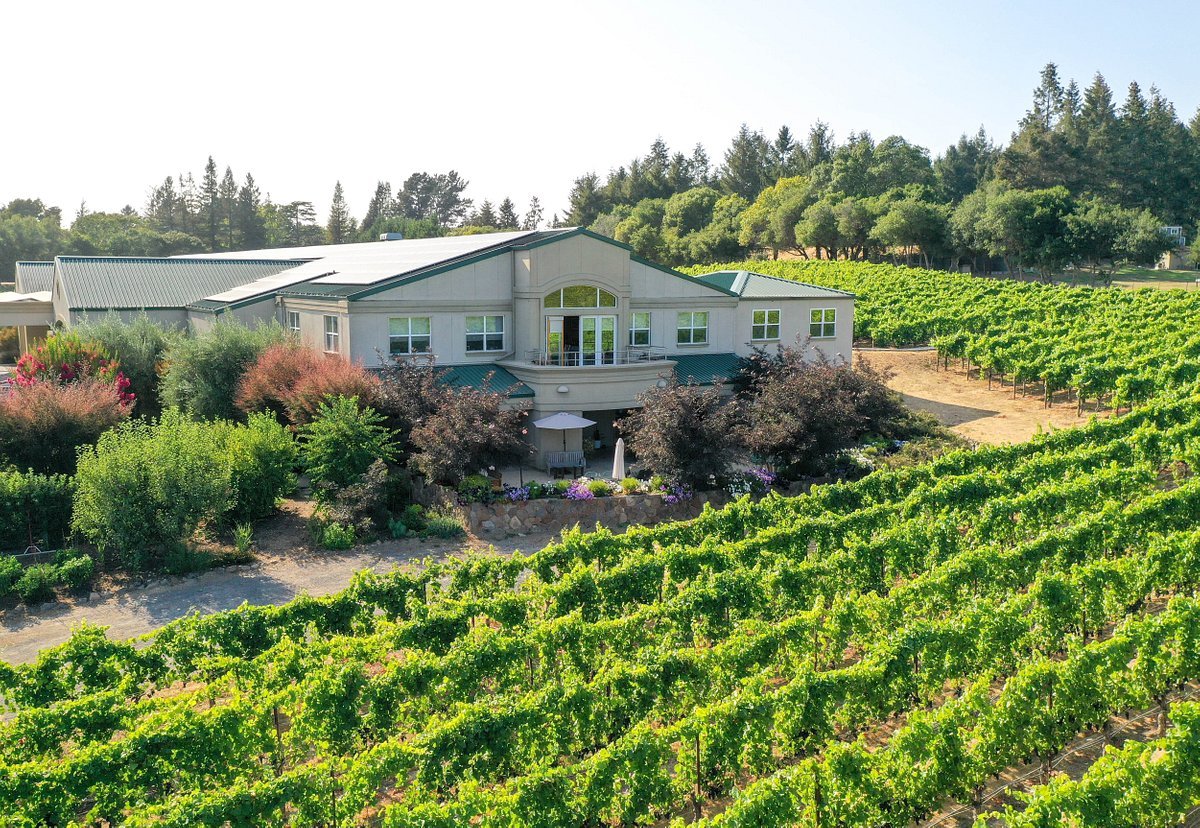
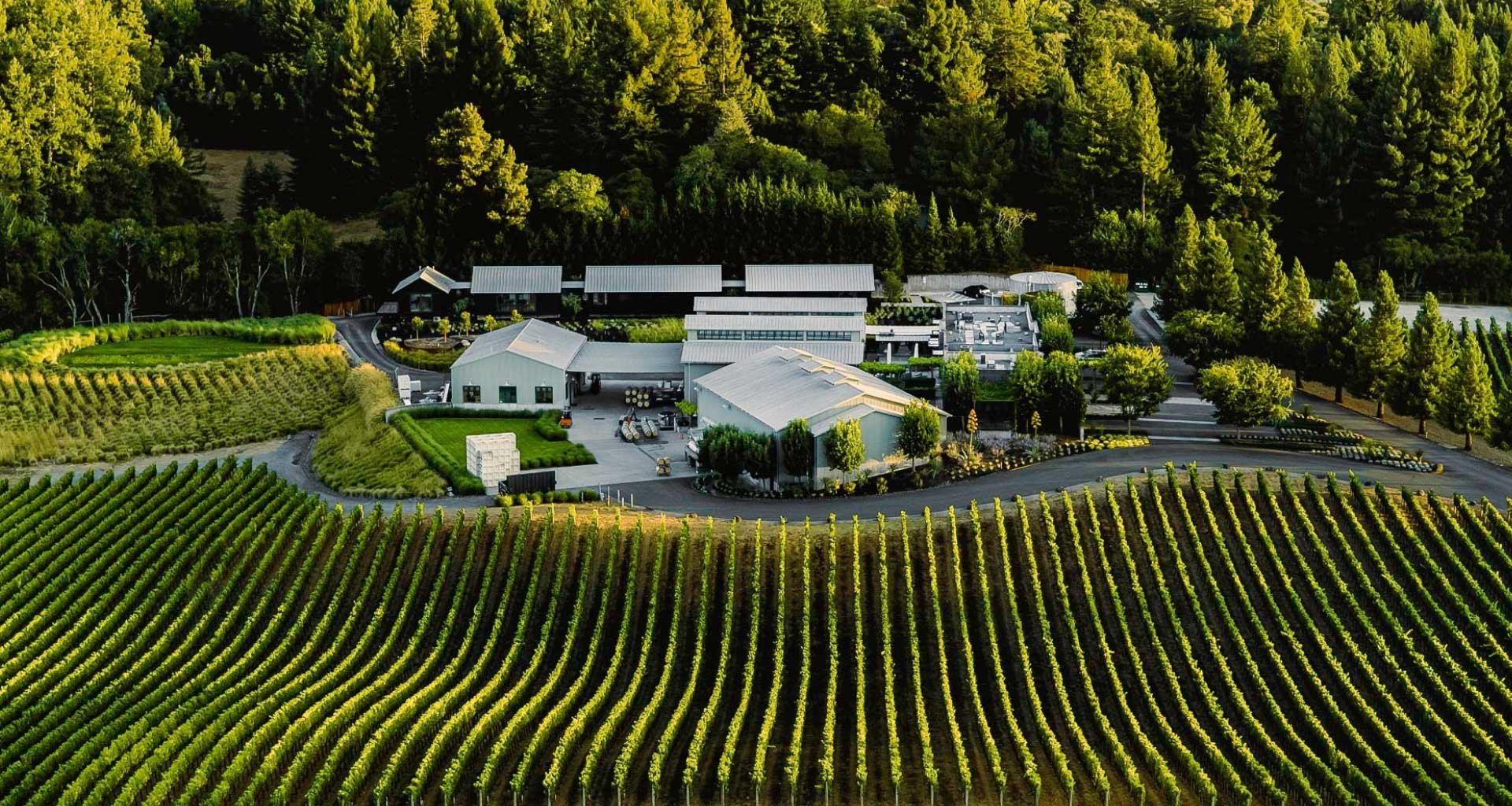
Kistler Vineyards reads like a studied, restrained expression of western Sonoma cool-climate winemaking. The copy foregrounds fog and coastal influence, positioning the site as one where Chardonnay and Pinot Noir develop tension and precision rather than sheer weight. Editorial emphasis on portfolio architecture and the recent Pearl 3 Star Prestige rating frames the place as quietly authoritative — a refined, thoughtful producer that favors nuance over flash. The overall impression is calm and exacting: a vineyard-focused operation where terroir and discipline take precedence over showmanship.
Best For
Kistler is best suited to anyone seeking an education in cool-climate California Chardonnay and Pinot Noir, and to visitors treating a tasting as a special occasion. The EP Club Pearl 3 Star Prestige designation highlights depth and consistency across the portfolio, so this is a stop for people who want to read site expression and vintage nuance. It also works well for solo exploration — tasting with attention to detail — or for gatherings that appreciate serious, terroir-driven wines rather than loud, high-octane styles.
Tasting Tips
When approaching the Kistler portfolio, prioritize Chardonnay and Pinot Noir selections: the grounds and copy emphasize those varieties as where the site’s restraint and precision show up most clearly. Look for examples that demonstrate tension and site expression rather than overtly heavy, oak-driven styles. The Pearl 3 Star Prestige rating signals producers and bottlings that reward comparative tasting, so focus on wines that speak to vineyard origin and vintage differences to get the clearest sense of what defines Kistler’s reputation.
Venue details
Ambiance
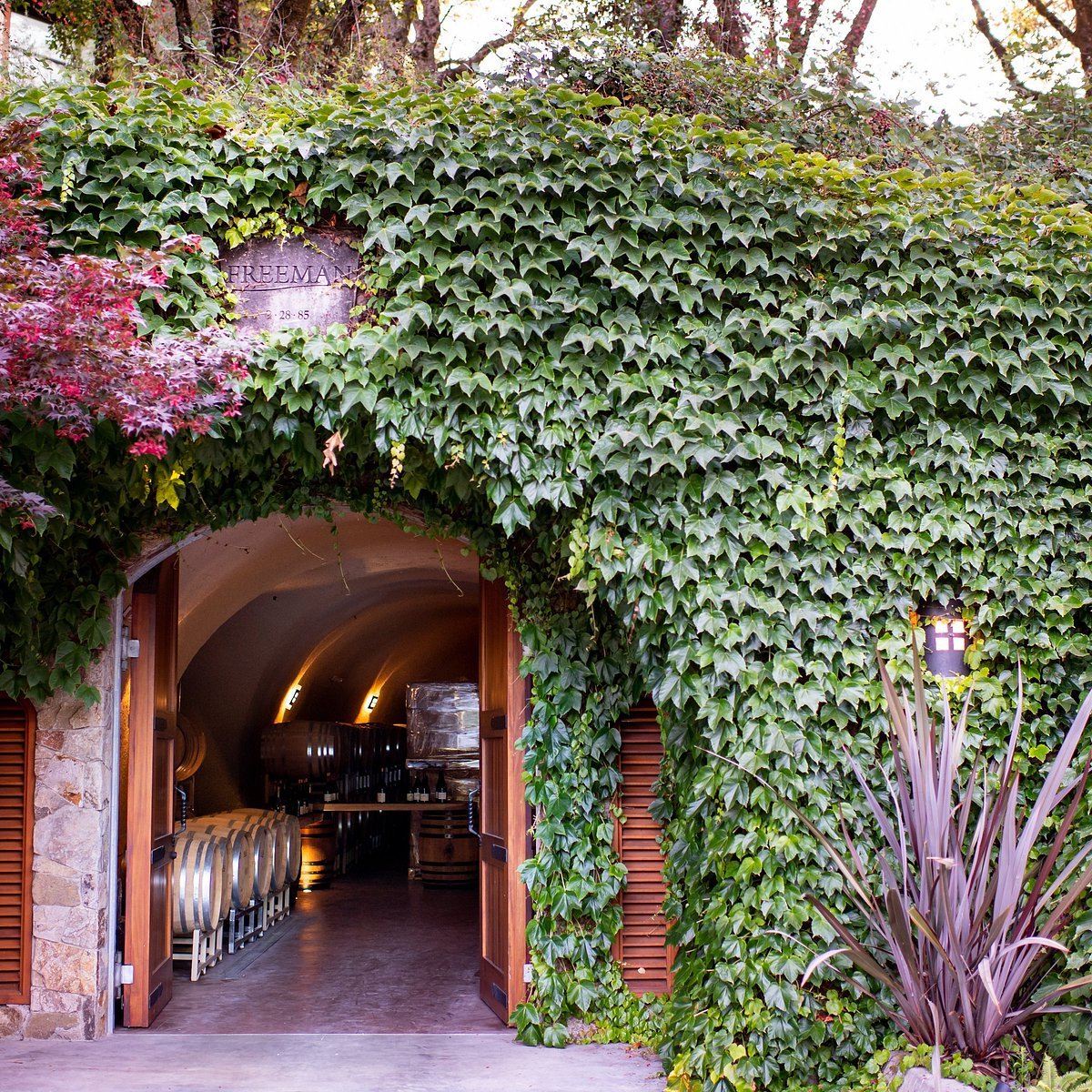
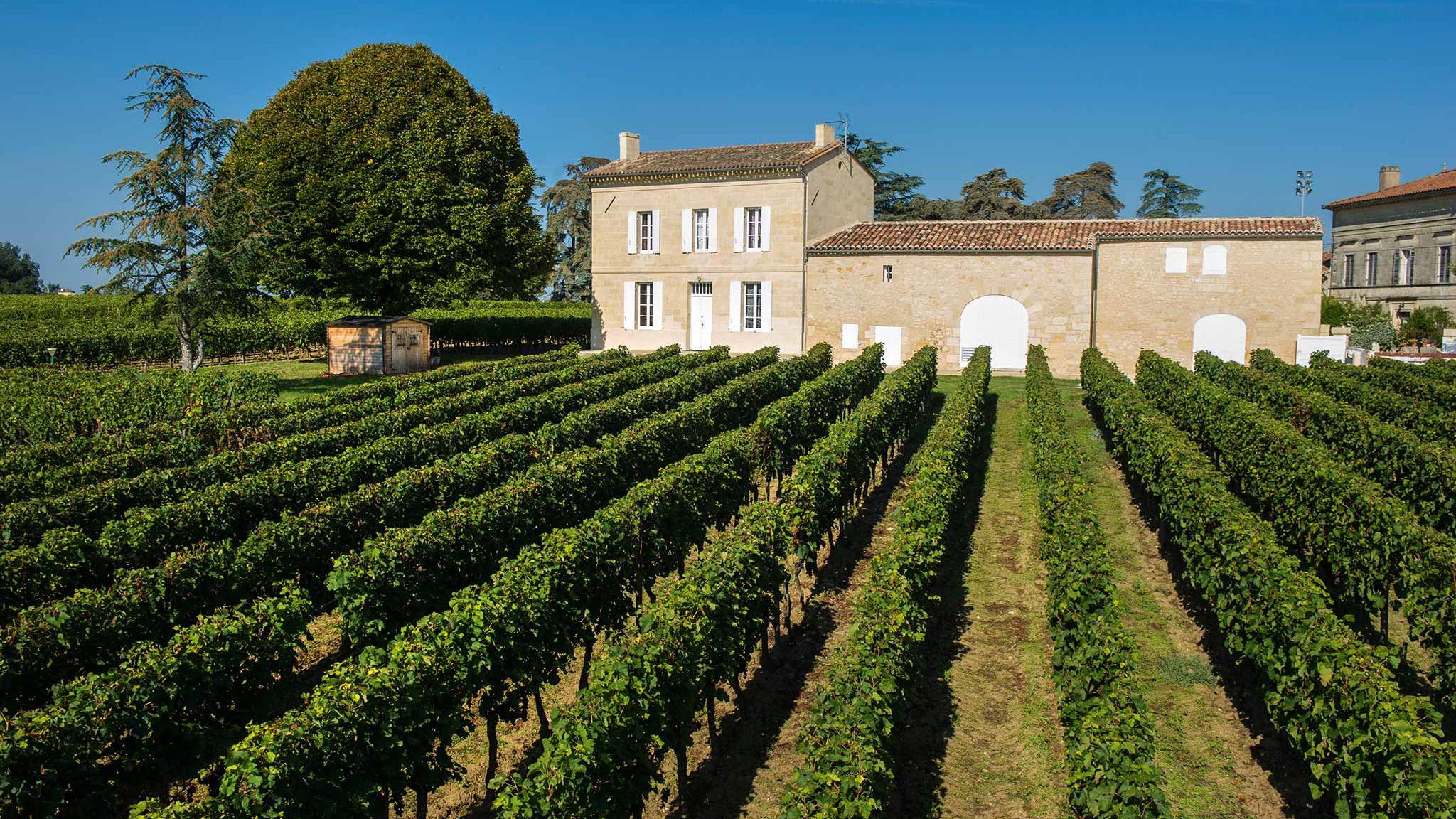
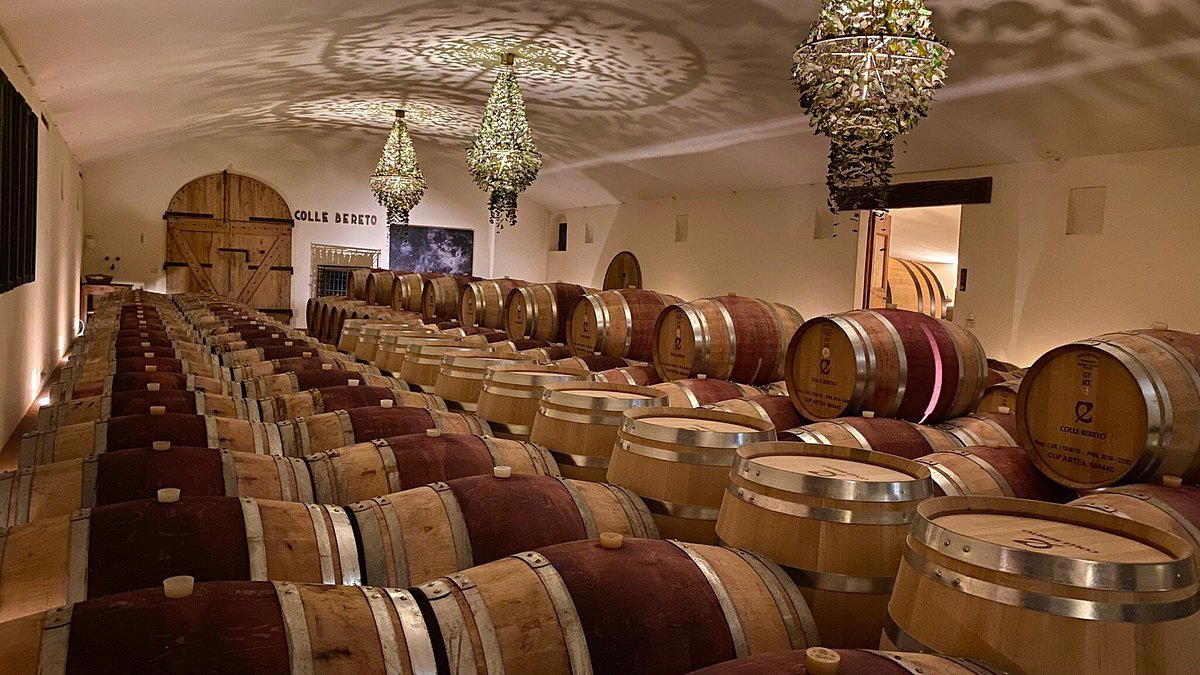
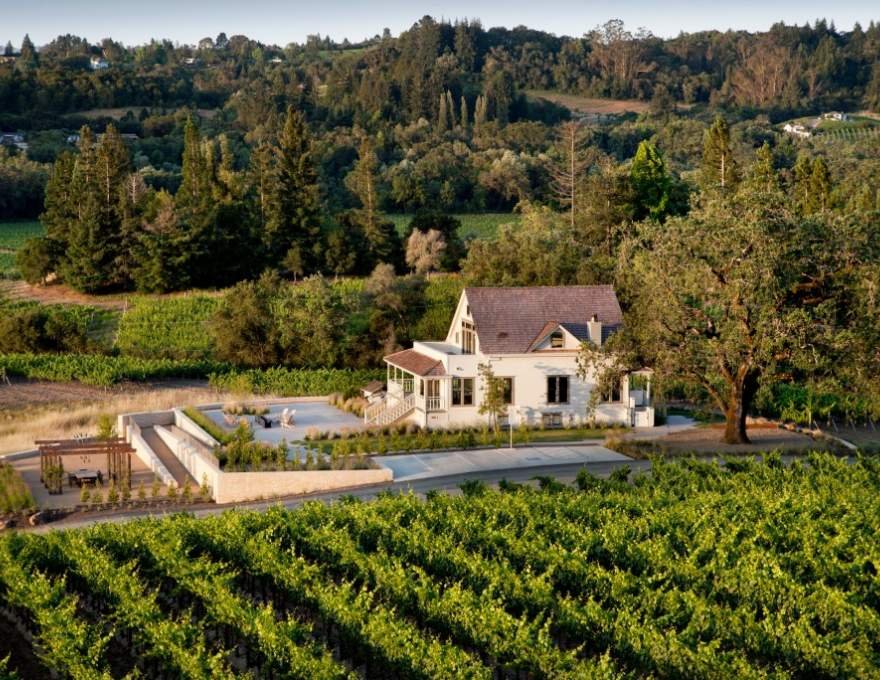
Subterranean barrel rooms alive with native yeast fermentations, hand-stacked French oak barrels, and a patient, site-expressive atmosphere.
Tags
Vibe
Best For
Experience
Sourcing
View
At the Vineyard
- Appellation
- Sonoma Coast AVA
- Varietals
- Chardonnay, Pinot Noir
- Tour Duration
- 60-90 minutes
- Visits
- By appointment only
- Farming
- Sustainable
- Wine Styles
- Still White, Still Red
- Wine Club
- Available
Know before you go
Know Before You Go
- Getting there
- 4707 Vine Hill Rd, Sebastopol, CA 95472, United States
Planning details
Location
Recognition and awards

Also consider
Where to look if this is not available
Start with Paul Hobbs Winery if the priority is another serious producer near Sebastopol. For a more flexible local plan, check Dutton-Goldfield Winery or Merry Edwards Winery instead.
Winery context
How Kistler Vineyards compares in Sebastopol
Kistler Vineyards is the sharper choice for collectors and first-timers who want an estate-led, wine-first appointment with a high-prestige feel. Paul Hobbs Winery sits in a similar serious-producer lane, so cross-shop that when the goal is another focused stop rather than a relaxed multi-winery crawl.
For an easier-feeling Sebastopol day, Dutton-Goldfield Winery and Merry Edwards Winery are better candidates to check alongside it, especially if the group wants a more practical route with less pressure on one appointment. Joseph Swan Vineyards is the comparison for drinkers who care more about classic local winery character than polished estate context.
If ambiance is the deciding factor, Iron Horse Vineyards is the stronger cross-shop for a scenery-forward outing. Choose Kistler when the producer itself is the reason for going; choose Iron Horse when the setting and group appeal need to do more of the work.
Explore Sebastopol
Around this place
Discover more on Pearl
Unlock the full Kistler Vineyards guide in Pearl, including awards, comparisons, FAQs, planning details, and nearby places.
Compare Kistler Vineyards
| Venue | Location | Awards |
|---|---|---|
| Kistler Vineyards | Sebastopol | 2026 Falstaff Winery Guide |
| Paul Hobbs Winery | Sebastopol | 2026 Falstaff Winery Guide |
| Dutton-Goldfield Winery | Sebastopol | 2026 Falstaff Winery Guide |
| Joseph Swan Vineyards | Forestville | No published awards |
| Merry Edwards Winery | Sebastopol | 2026 Falstaff Winery Guide |
| Iron Horse Vineyards | Sebastopol | No published awards |
How Kistler Vineyards Sebastopol compares with similar nearby venues.
FAQ
Frequently Asked Questions
What other venues can I compare with Kistler Vineyards?
Other comparison names to consider include Paul Hobbs Winery, Dutton-Goldfield Winery, Joseph Swan Vineyards, Merry Edwards Winery, and Iron Horse Vineyards. Confirm each venue's current visit details directly before building a route.
Is the wine club at Kistler Vineyards worth joining?
How long should I plan for a visit to Kistler Vineyards?
For visit length, confirm timing directly with the venue before finalizing your itinerary. Kistler Vineyards is in Sebastopol and holds Pearl 3 Star Prestige (2025).
Does Kistler Vineyards serve food?
Do not plan around food being available unless Kistler Vineyards confirms it directly before your visit.
Do I need a reservation at Kistler Vineyards?
Plan ahead by checking directly with Kistler Vineyards before you go.