

Gosset
Avenue de Champagne, Épernay
Winery in Épernay, France
 Book with Pearl
The Read
Non-Vintage Reserve Architecture
Price
$50–100tasting
Why go
Book Gosset if the Champagne trip needs historical depth rather than only big-name polish. Its 1584 first-vintage marker and Épernay address make it a strong specialist stop for wine travelers, especially when paired with larger houses nearby. Travelers wanting the easiest, broadest visitor experience may prefer Moët & Chandon or Perrier-Jouët first.
About Gosset
Gosset in Épernay is a Pearl 4 Star Prestige (2025) venue associated with chef/owner Odilon de Varine. It is best approached as a targeted Épernay stop rather than a detail-heavy listing, especially if you need specifics on format, pricing, opening hours, menus, visitor access, or services.
The right reader is someone building an Épernay itinerary and looking for a concise signal: Gosset has Pearl 4 Star Prestige recognition, a smart casual dress code, and Odilon de Varine is listed as chef/owner. If you are comparing it with other named reference points, Moët & Chandon, Perrier-Jouët, Pol Roger, Alfred Gratien, and Nicolas Feuillatte are natural options to consider by name, while other dining in Épernay can be compared more generally.
Plan it as an Épernay stop, not a detail-heavy listing
What is clear is narrow: Gosset is in Épernay, has a smart casual dress code, is associated with chef/owner Odilon de Varine, and carries Pearl 4 Star Prestige recognition for 2025. Specific claims about cuisine, menus, visit format, drinks program, prices, hours, seating, private rooms, dietary accommodations, delivery, or take-out should be confirmed directly with the venue before you build plans around them.
For itinerary planning, keep Gosset in the Épernay portion of the day and compare it with Alfred Gratien, Moët & Chandon, Perrier-Jouët, Pol Roger, and Nicolas Feuillatte as named reference points. If the day depends on exact timing, availability, or a particular service, verify those details directly rather than assuming they are offered.
Use Épernay as the base, then widen the map selectively
Gosset is listed in Épernay, so it makes sense to organize the surrounding stay around the city. For logistics around the wider stay, use Our full Épernay hotels guide, Our full Épernay restaurants guide, and Our full Épernay bars guide. For broader planning, pair this page with current direct confirmation from the venue, especially if your schedule depends on hours, reservations, or a particular service.
For travelers comparing options, Gosset is best treated as an Épernay-specific listing with limited details rather than a page that can support detailed claims about format or offerings. Use the key facts — Épernay location, Pearl 4 Star Prestige (2025), smart casual dress code, and Odilon de Varine as chef/owner — as the basis for deciding whether it belongs in your plan.
Planning details
- Location
- 12 Rue Godart Roger, 51200 Épernay
- Website
- champagne-gosset.com
- Phone
- +33 3 26 56 99 56
The take
The Take
The Vibe
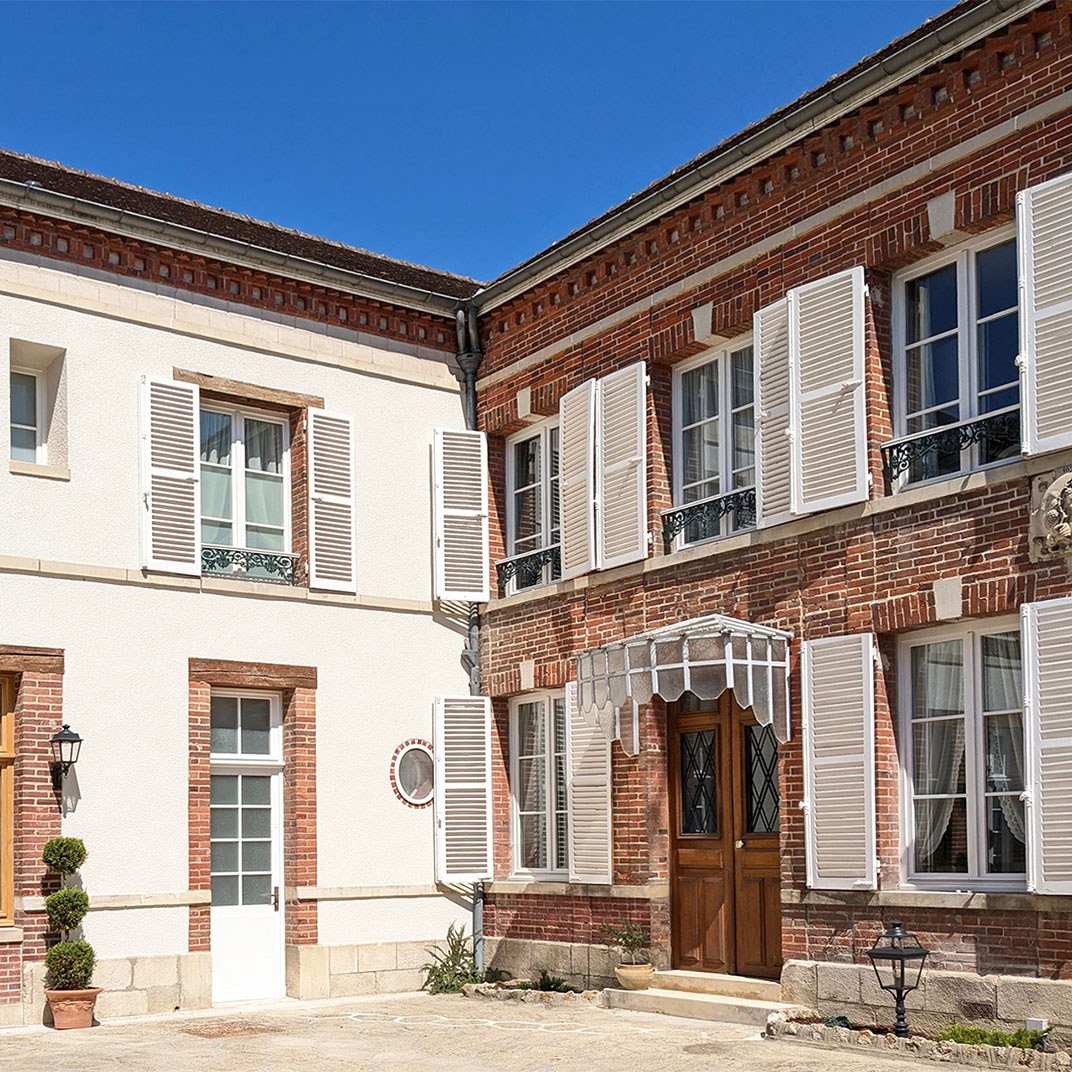
Gosset presents as a deeply historic, quietly charming Champagne house. The story foregrounds provenance — founded in 1584 and producing well before the méthode champenoise — which shapes everything about the visitor experience. The house’s smaller scale and deliberate presentation set it apart from the larger, volume-oriented names on the Boulevard de Champagne; this is a place that privileges continuity and interpretation over spectacle. The tone for a visit is thoughtful rather than flashy: expect measured, historically grounded hospitality from a house that reads like a living archive of Champagne tradition.
Best For
Gosset is best for visitors who value wine education and considered, memorable occasions. Its four-century lineage and emphasis on house style reward people who want to trace Champagne’s history through tasting and conversation. The house’s restrained profile makes it a fitting choice for special occasions that call for provenance and gravitas rather than theatrical hospitality. Travelers building an Épernay itinerary will find Gosset complements larger, showier producers by offering a more intimate, instructive counterpoint.
Tasting Tips
Plan Gosset into a deliberate Champagne itinerary rather than treating it as a quick stop. The description emphasizes that the house rewards attention, so allow time to absorb history and winemaking context when you visit. Because Gosset positions itself as a smaller, more deliberate house compared with volume-oriented neighbors, expect a visit that focuses on interpretation and continuity—arranging your schedule so you can engage without rushing will yield the best experience.
Venue details
Ambiance
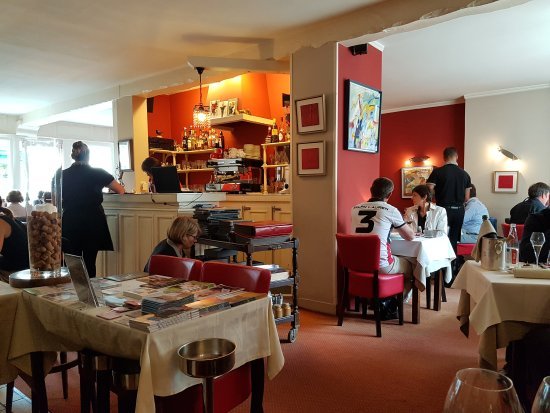
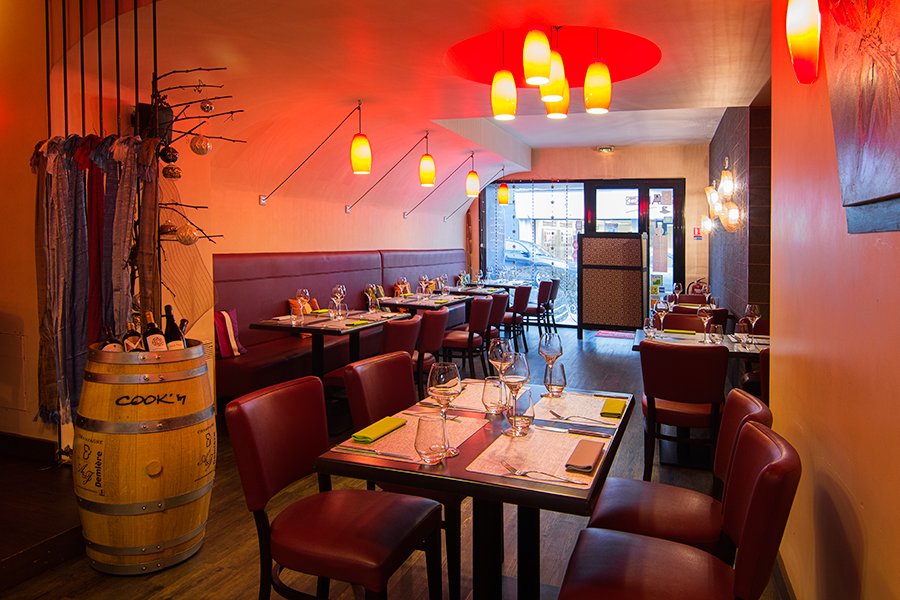
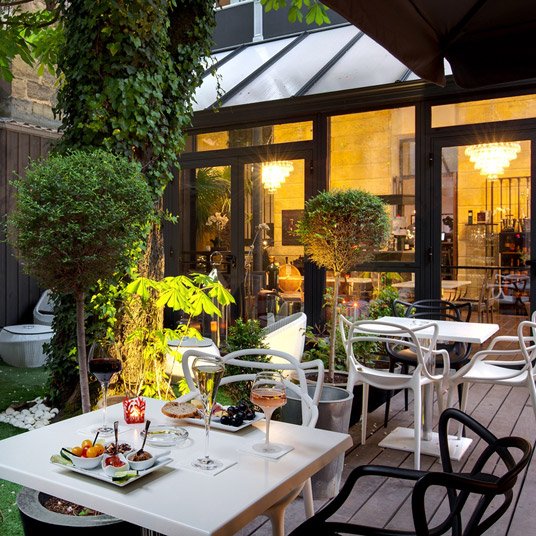
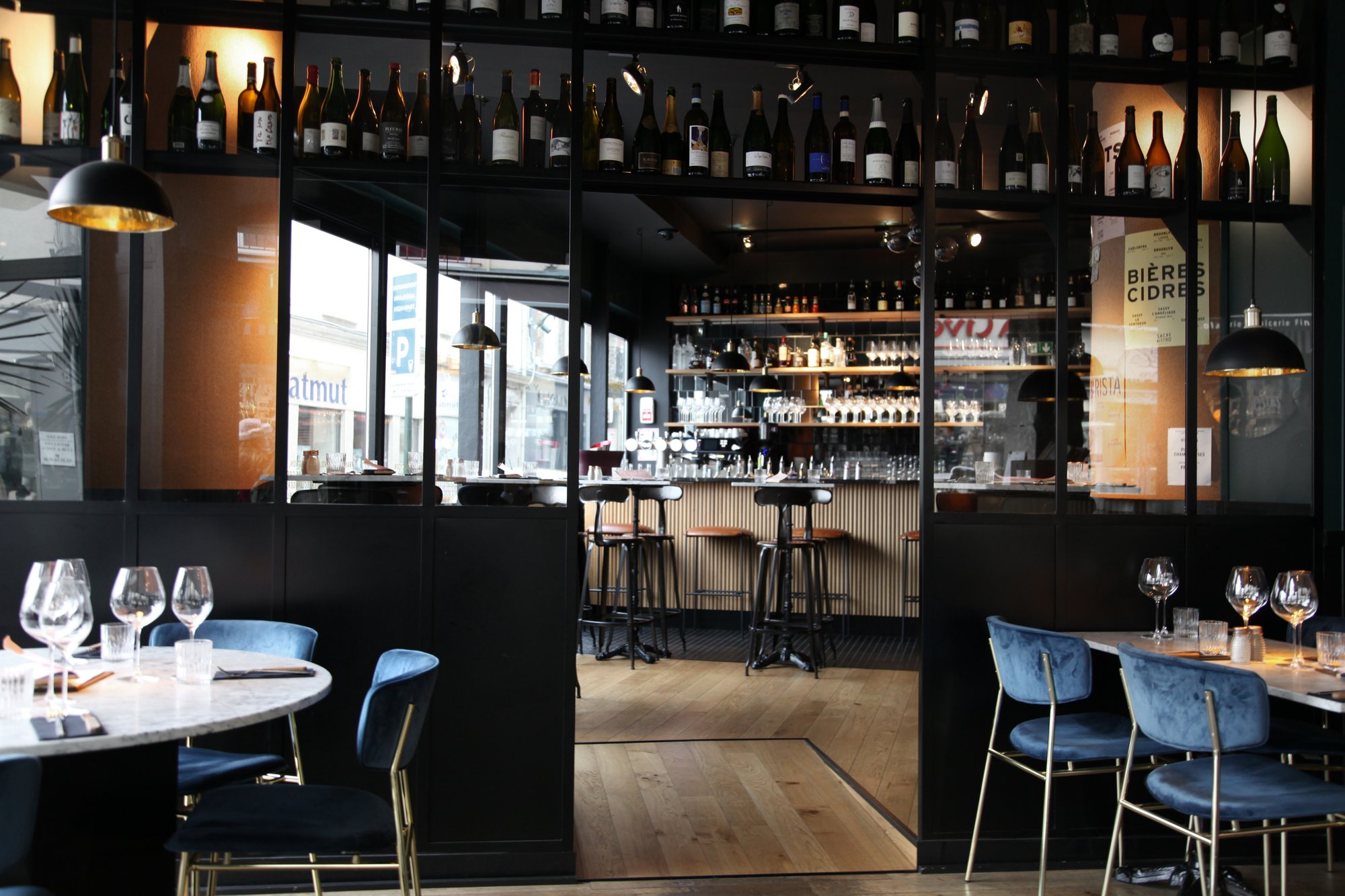
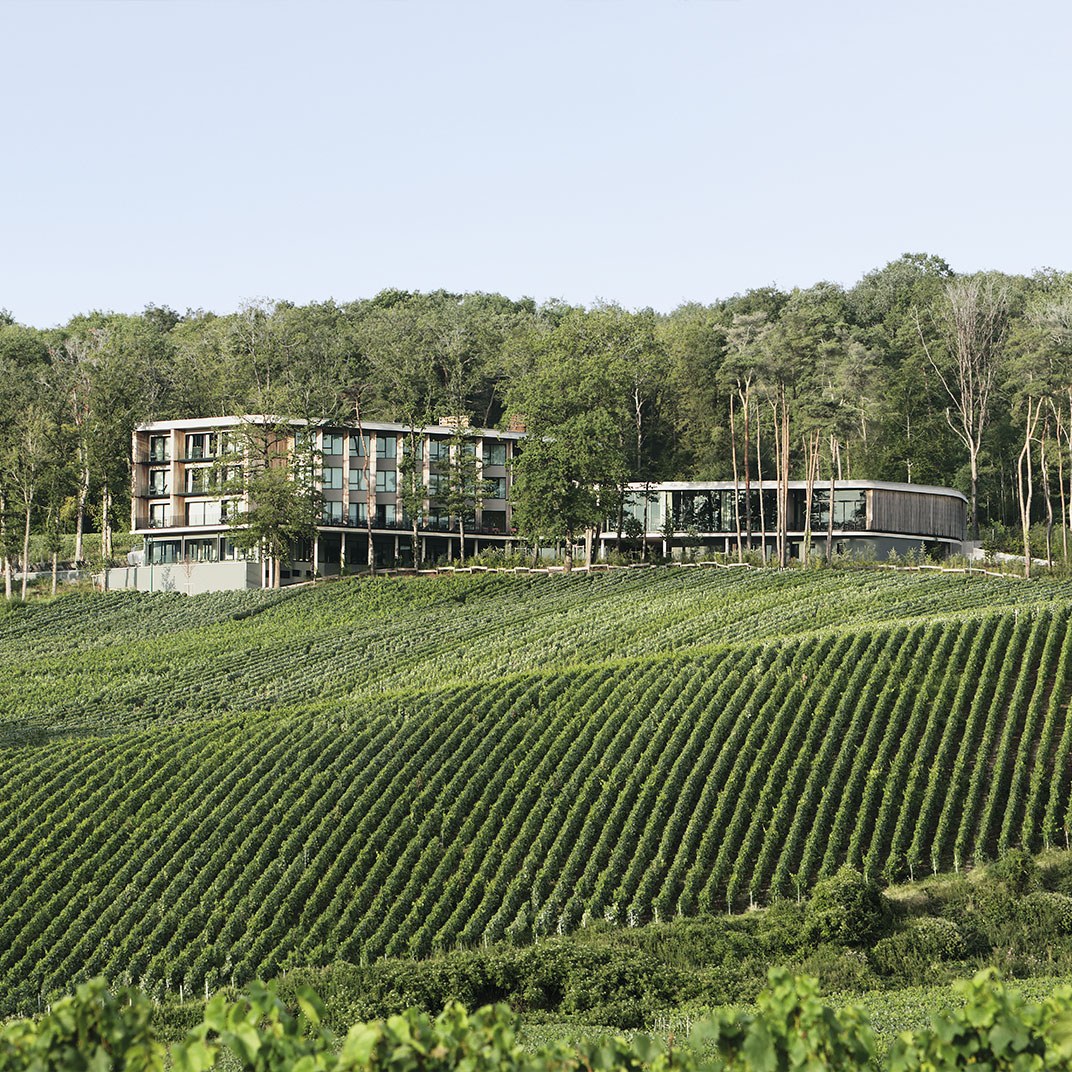
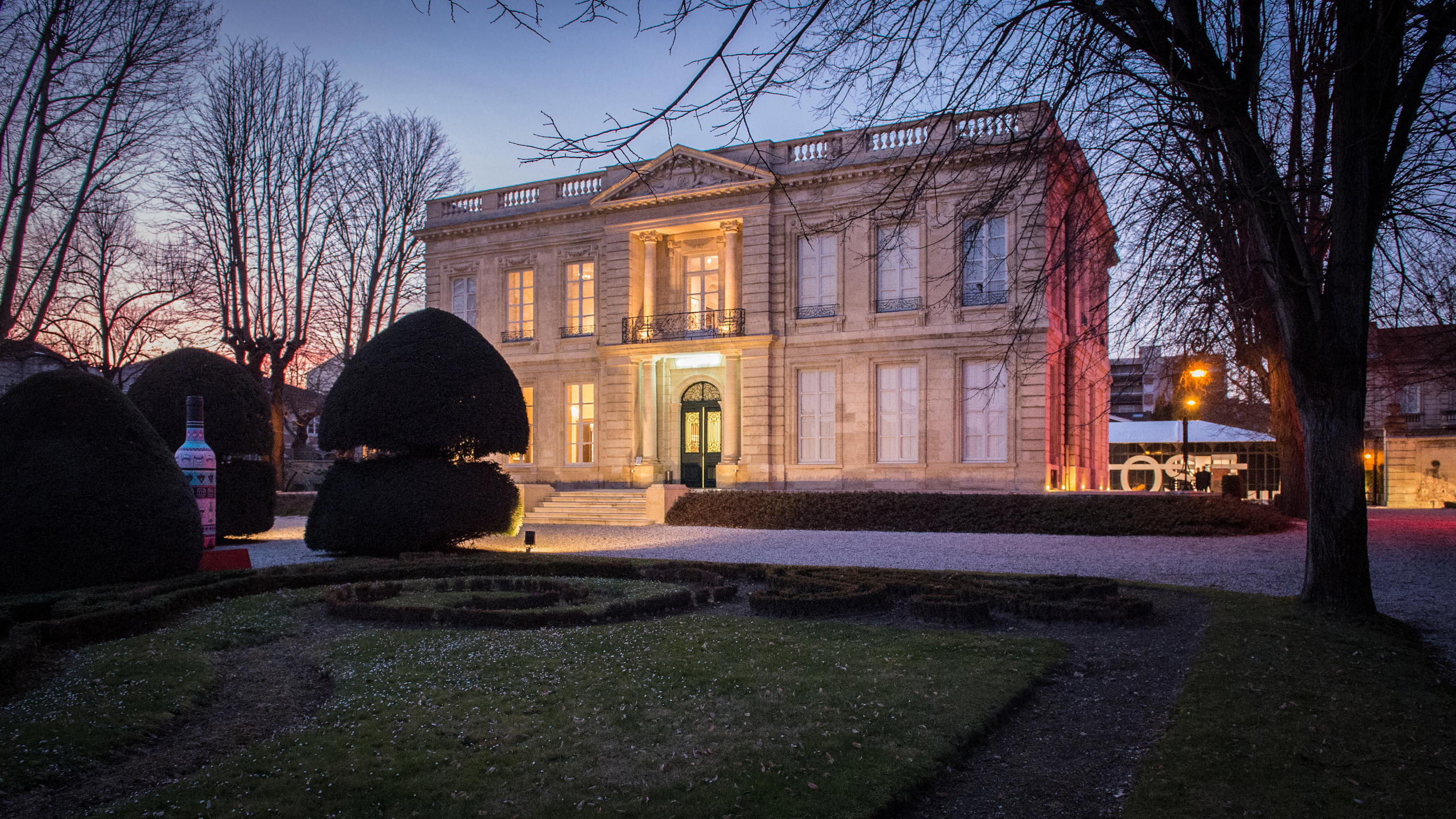
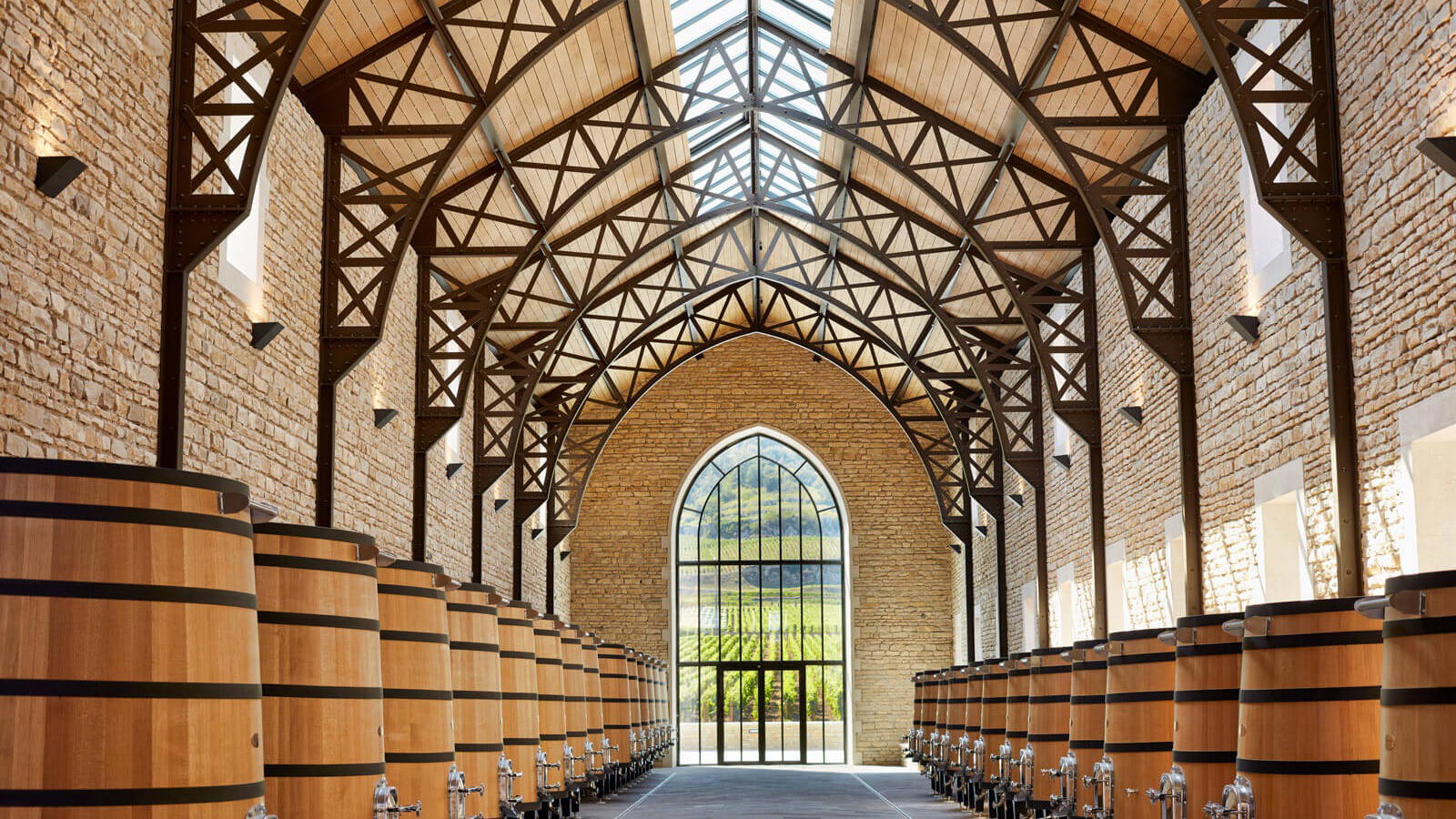
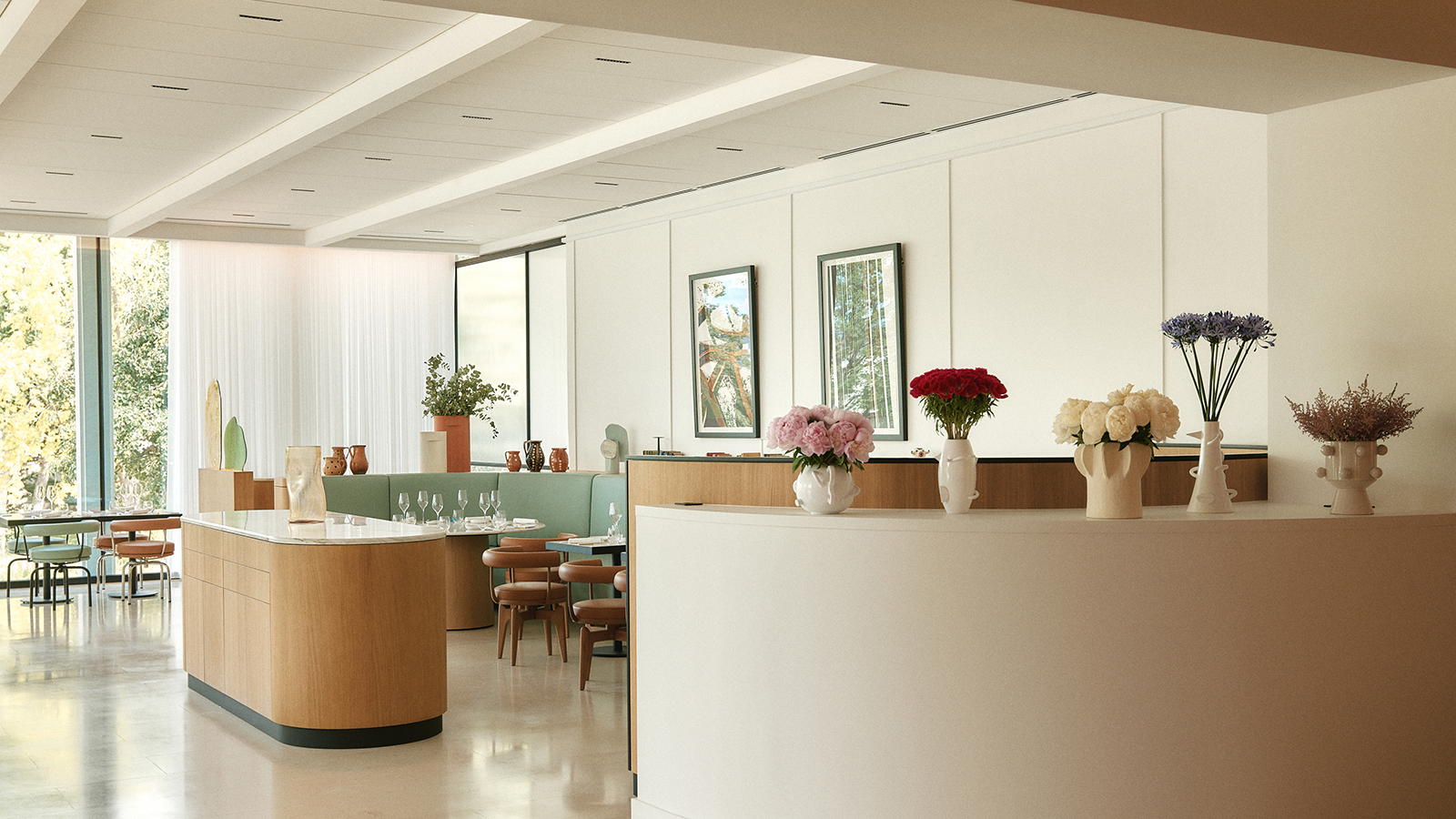
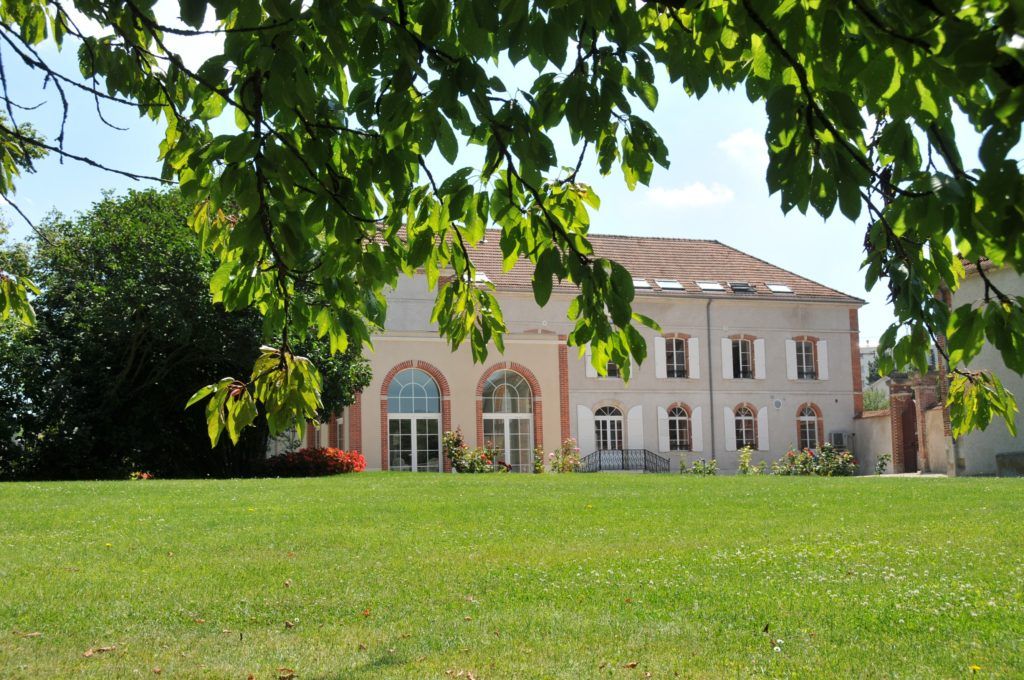
Elegant and serene with a historic, cathedral-like atmosphere in the chalk cellars, winter garden, and wooded parkland.
Tags
Vibe
Best For
Experience
View
At the Vineyard
- Appellation
- Champagne AOC
- Varietals
- Chardonnay, Pinot Noir, Pinot Meunier
- Tour Duration
- 60-90 minutes
- Tour Languages
- English, French
- Visits
- By appointment only
- Wine Styles
- Sparkling
- Food Pairing
- Offered
- Wine Club
- Not available
Know before you go
Know Before You Go
- Getting there
- 12 Rue Godart Roger, 51200 Épernay
Planning details
Location
Recognition and awards

Also consider
If you cannot get Gosset
Try Pol Roger first if the goal is another serious Épernay house with strong name recognition. For a more visitor-friendly headline stop, choose Moët & Chandon or Perrier-Jouët instead.
Winery context
How Gosset compares in Épernay
Choose Gosset over Alfred Gratien if the priority is historic weight and a more serious Champagne-history angle. Alfred Gratien is the safer cross-shop for readers who want another Épernay producer in the plan without making the day feel dominated by the largest houses.
Moët & Chandon and Perrier-Jouët are stronger choices for first-time visitors who want recognizable names, polished visitor infrastructure, and a more obvious sense of occasion. Gosset is the better fit for travelers who have already done the headline Champagne route, or who care more about producer lineage than spectacle.
Pol Roger sits closest as a serious-house comparison within Épernay, while Nicolas Feuillatte is the more practical fallback if ease and scale matter more than staying in the city center. For value, think of Gosset as worth prioritizing when itinerary time is the scarce resource: it pays off for depth, not for convenience.
Around this place
Discover more on Pearl
Unlock the full Gosset guide in Pearl, including awards, comparisons, FAQs, planning details, and nearby places.
Compare Gosset
| Venue | Location | Awards |
|---|---|---|
| Gosset | Épernay | 2026 Falstaff Winery Guide2025 Pearl 4 Star Prestige |
| Alfred Gratien | Épernay | 2026 Falstaff Winery Guide2025 Pearl 4 Star Prestige |
| Pol Roger | Épernay | 2026 Falstaff Winery Guide2025 Pearl 4 Star Prestige |
| Perrier-Jouët | Épernay | 2026 Falstaff Winery Guide2025 Pearl 3 Star Prestige |
| Moët & Chandon | Épernay | 2026 Falstaff Winery Guide2025 World's 50 Best Vineyards · #572025 Pearl 3 Star Prestige |
| Nicolas Feuillatte | Chouilly | 2026 Falstaff Winery Guide2025 Pearl 3 Star Prestige |

How Gosset Épernay compares with similar nearby venues.
FAQ
Frequently Asked Questions
When is the best time to visit Gosset?
If timing matters, confirm directly with Gosset before planning your Épernay itinerary around a visit. Gosset carries Pearl 4 Star Prestige (2025) recognition and has a smart casual dress code.
What is Gosset known for?
Gosset is a Pearl 4 Star Prestige (2025) venue in Épernay. Odilon de Varine is listed as chef/owner, and the dress code is smart casual.
How can I contact Gosset?
Use Gosset's current direct contact information to confirm any details before planning around a visit.