
Umani Ronchi
Osimo
Winery in Osimo, Italy
 Book with Pearl
The Read
Adriatic Terroir Precision
Why go
Umani Ronchi is worth planning around if the goal is a serious Marche winery stop rather than a flexible tasting-room drop-in. Treat the visit as appointment-led, confirm timing before building the Osimo day, and cross-shop Garofoli or Villa Bucci if the group needs easier logistics or a clearer backup plan.
About Umani Ronchi
Umani Ronchi is a venue in Osimo with Pearl 2 Star Prestige recognition for 2025 and a smart casual dress code. Other details are limited, so the safest way to plan is to avoid assuming specific hours, booking rules, visit formats, prices, menus, or services.
If Umani Ronchi is part of an Osimo day, confirm practical details directly before arranging transport or additional stops around it. For other dining in Osimo, compare options generically rather than assuming this venue provides a particular format.
Planning your Osimo stop
Umani Ronchi is in Osimo, carries Pearl 2 Star Prestige for 2025, and lists smart casual dress. A street address, public hours, booking channel, price, seat count, menu format, visitor format, or take-out and delivery information is not available.
That means the practical recommendation is conservative: treat all operational details as things to confirm before you go. If you are building a wider itinerary, keep the Osimo portion flexible until the venue's current arrangements are clear.
Who should choose this over another itinerary stop
Choose Umani Ronchi if you specifically want to include a Pearl 2 Star Prestige venue in Osimo and are comfortable confirming the practical details independently. If your plans depend on fixed hours, published pricing, a known visit format, or large-group logistics, those details should be confirmed and not assumed.
For comparison within a broader Italian itinerary, Garofoli, Villa Bucci, Poggio Antico, Emidio Pepe, and Distilleria Varnelli may be considered as separate options, each with its own location and planning requirements. Do not treat those venues as interchangeable with an Osimo stop; use them only as broader reference points when shaping the trip.
Planning details
- Location
- Via Adriatica, 12, 60027 Osimo AN
- Website
- umanironchi.com/it
- Phone
- +39 071 710 8716
The take
The Take
The Vibe
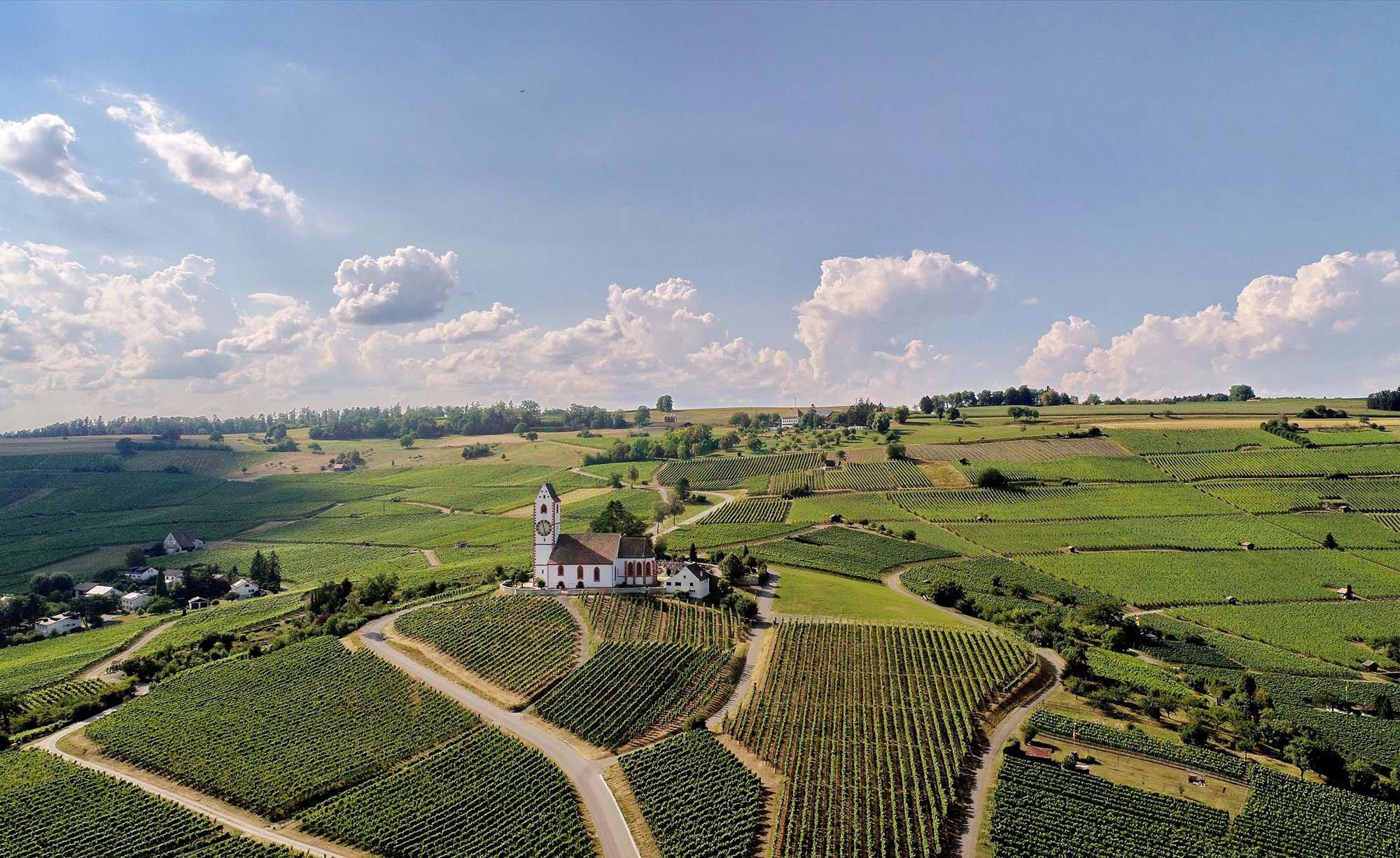
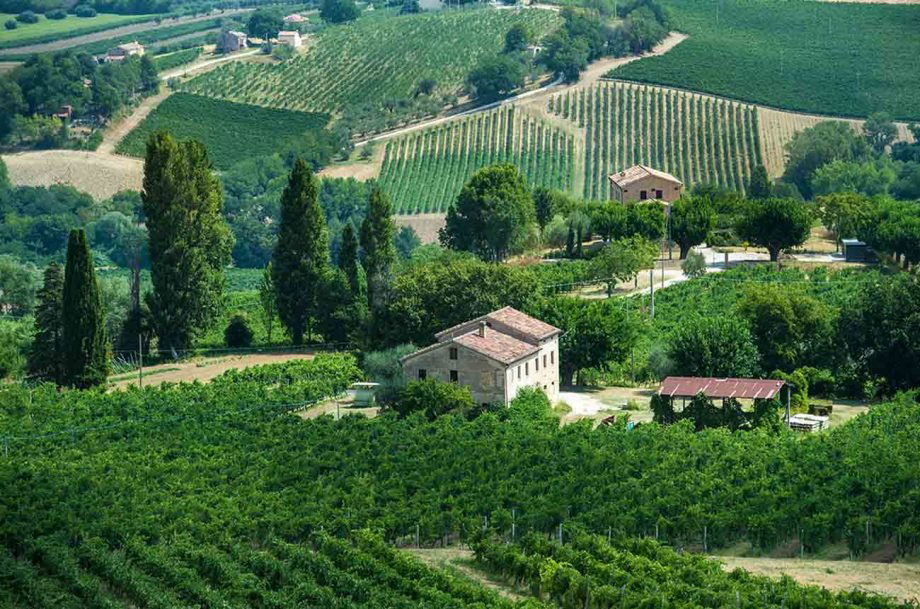
Umani Ronchi reads like a coastal estate where the Adriatic shapes both landscape and bottle. The tone is quietly scenic — low hills and bright, saline air give the wines a precise, structural clarity that the copy treats as an expression of place rather than a marketing line. Despite its regional roots, the house presents itself with ambition: working across Verdicchio, Conero and Pecorino shows scale and seriousness, and the recent institutional award signals recognition beyond local curiosity. Overall, the experience is calm and contemplative, focused on terroir and the measured influence of the nearby sea.
Best For
This is a winery built for tasting and learning: the copy emphasizes terroir, appellations and ageing potential, so visits naturally suit small groups, educational tastings and elevated celebrations. Its standing as a recognised producer (cited award) positions it well for special occasions and group visits where context and provenance matter. The estate scale and vineyard-focused narrative also make it suitable for vineyard-side strolls or guided talks about Verdicchio and Conero. Because the writing foregrounds place and technique rather than casual cork-popping, Umani Ronchi is best for visitors who want focused wine exploration rather than a boisterous day out.
Tasting Tips
When tasting at Umani Ronchi, prioritize the regional signatures mentioned in the text: start with Verdicchio to experience its characteristic bitterness at the finish and to assess its food-pairing and ageing potential. Follow with Conero Montepulciano to contrast the white-wine precision with a more robust red expression from the estate. Ask staff how the Adriatic influence shows up in each bottling and which parcels contributed to award-winning cuvées (the 2025 Pearl 2 Star Prestige is referenced). Focus on vertical or cellar-aged examples if you’re interested in ageing potential rather than early drinkability.
Venue details
Ambiance
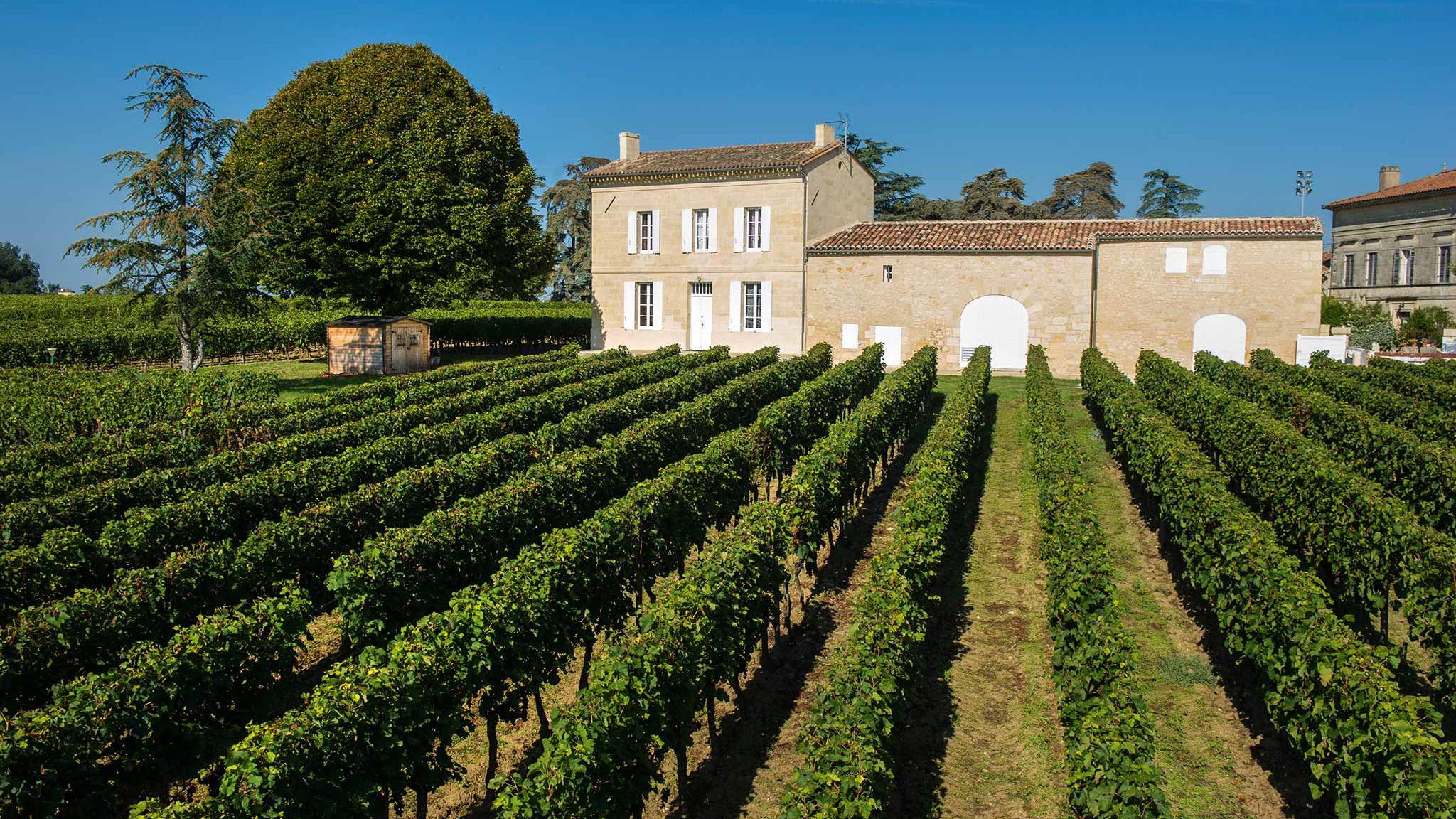
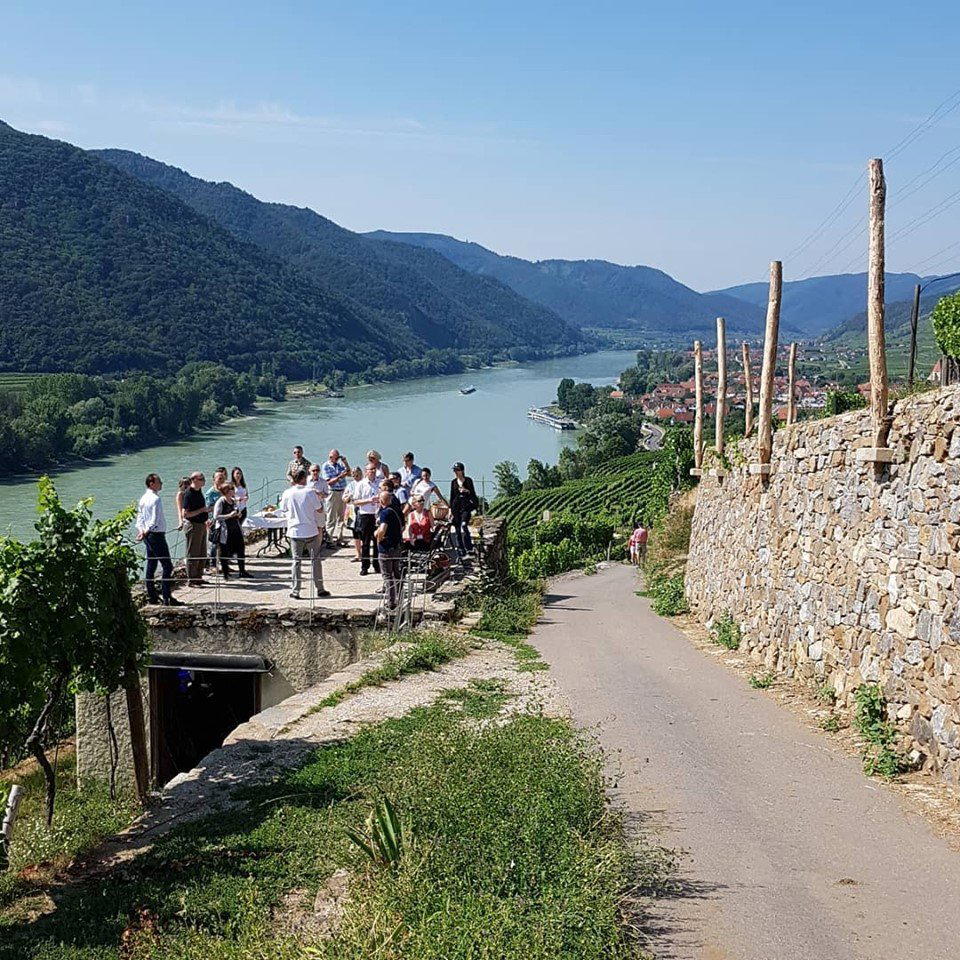
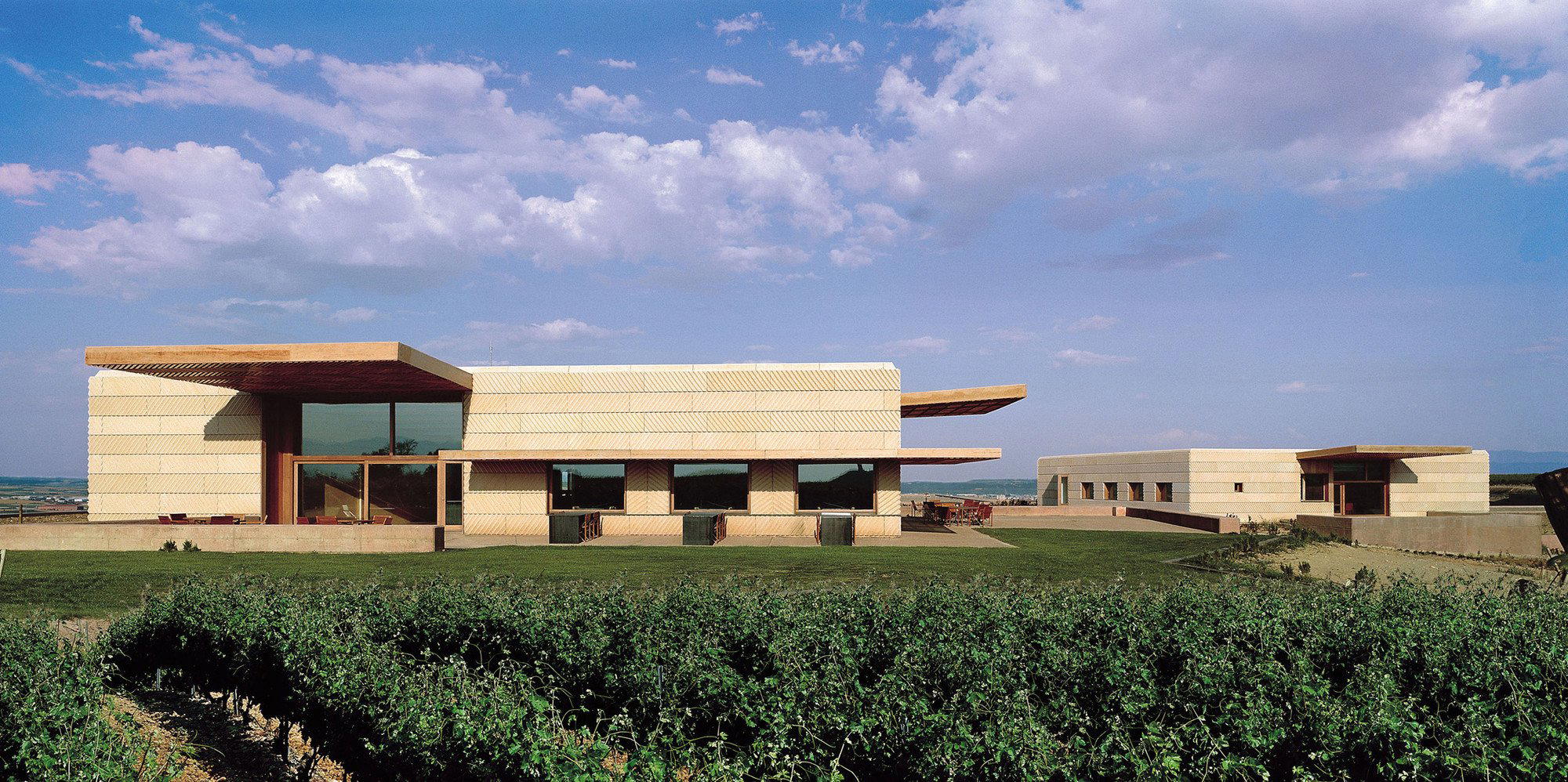
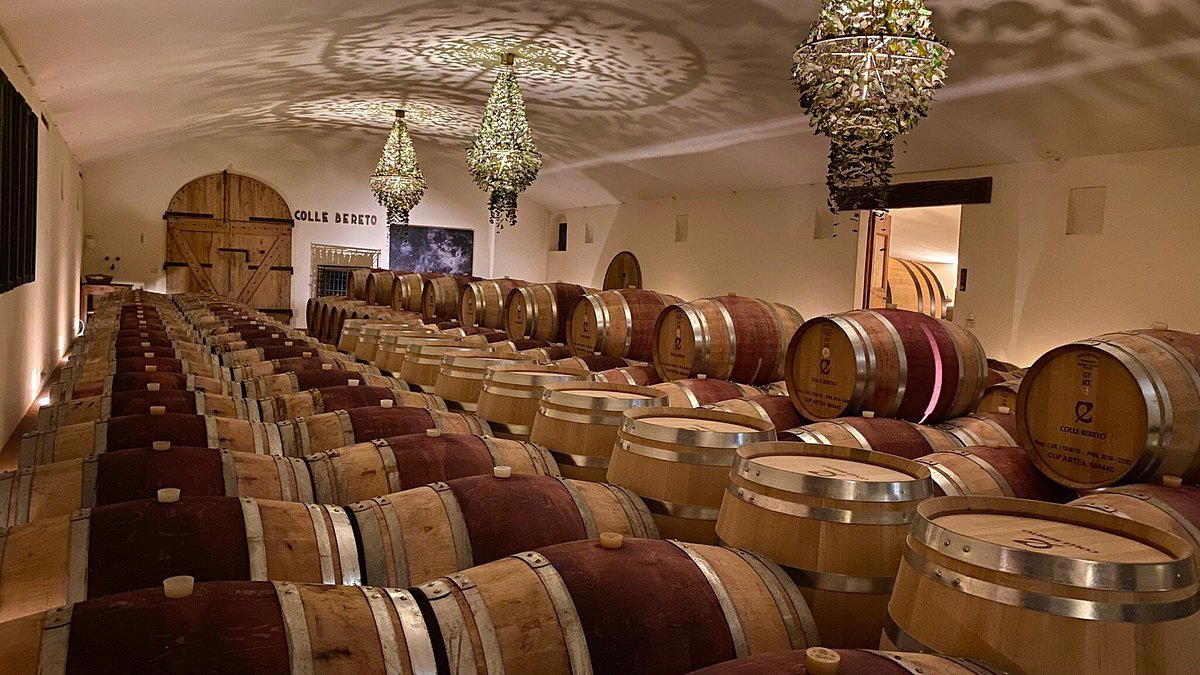
Professional and meticulous winery atmosphere focused on quality winemaking with modern facilities amid historic hillside vineyards.
Tags
Vibe
Best For
Experience
Sourcing
View
At the Vineyard
- Appellation
- Verdicchio Classico, Rosso Conero
- Varietals
- Verdicchio, Montepulciano, Chardonnay, Pecorino, Lacrima
- Tour Duration
- 60-90 minutes
- Tour Languages
- English, Italian
- Visits
- By appointment only
- Farming
- Organic
- Wine Styles
- Still White, Still Red, Sparkling
- Wine Club
- Not available
Know before you go
Know Before You Go
- Getting there
- Via Adriatica, 12, 60027 Osimo AN
Planning details
Location
Recognition and awards

Also consider
Where to look if this does not fit the schedule
Try Garofoli first if the priority is staying in a Marche wine frame without overcomplicating the route. Villa Bucci is the other sensible wine-led backup for travelers who want regional context but need a different appointment fit.
If the group is open to changing the shape of the day, Distilleria Varnelli offers a spirits-focused contrast rather than a second winery comparison.
Winery context
How it compares for an Osimo wine day
Umani Ronchi is the pick for travelers who want the Osimo plan to revolve around one serious winery visit, especially if the day is already being built around Marche wine rather than general sightseeing. Garofoli and Villa Bucci are the first cross-shops for a similar regional focus; choose them if their logistics fit your route better or if you want a backup before locking the day.
Poggio Antico and Emidio Pepe make more sense for travelers turning the trip into a broader Italian wine itinerary rather than staying tight to Osimo. Distilleria Varnelli is the better contrast pick if the group wants a spirits-led stop instead of another winery. For value, the deciding factor is not a listed tasting price here; it is whether the confirmed visit justifies giving up flexibility elsewhere in the day.
Explore Osimo
Around this place
Discover more on Pearl
Unlock the full Umani Ronchi guide in Pearl, including awards, comparisons, FAQs, planning details, and nearby places.
Compare Umani Ronchi
| Venue | Location | Awards |
|---|---|---|
| Umani Ronchi | Osimo | 2026 Falstaff Winery Guide |
| Garofoli | Castelfidardo | 2026 Falstaff Winery Guide |
| Poggio Antico | Monte San Vito | 2025 Pearl 3 Star Prestige |
| Villa Bucci | Ostra Vetere | No published awards |
| Distilleria Varnelli | Muccia | No published awards |
| Emidio Pepe | Montepulciano | No published awards |

How Umani Ronchi Osimo compares with similar nearby venues.
FAQ
Frequently Asked Questions
Do I need a reservation at Umani Ronchi?
A reservation requirement is not available. Umani Ronchi is in Osimo and has Pearl 2 Star Prestige for 2025, so confirm current visiting or booking arrangements directly before making plans.
How long should I plan for a visit to Umani Ronchi?
Visit length is not available. Plan conservatively and confirm the current format before arranging the rest of your Osimo day around Umani Ronchi.
What should I expect at Umani Ronchi?
Umani Ronchi is in Osimo, has Pearl 2 Star Prestige for 2025, and lists smart casual dress. Do not assume a specific format, menu, price, or service.
Are membership or purchasing options available at Umani Ronchi?
Does Umani Ronchi offer delivery?
When is the best time to visit Umani Ronchi?
Hours or seasonal guidance are not available. The safest answer is to visit only after confirming current arrangements for Umani Ronchi in Osimo.
Can Umani Ronchi handle large groups?
Large-group capacity is not available. If you are planning for a group, confirm directly rather than assuming that Umani Ronchi can accommodate a specific party size.