
Altesino
Montalcino
Winery in Montalcino, Italy
 Book with Pearl
The Read
Northern-Terroir Brunello
Price
$50–100tasting
Why go
Altesino is worth shortlisting for a Brunello-focused Montalcino day, especially if the visit is about wine context rather than a documented food-pairing program. Treat it as a serious winery stop and plan lunch or dinner separately in town; travelers who want a broader estate-style experience should also compare Castello Banfi, Argiano, and Biondi-Santi Tenuta Greppo.
About Altesino
Altesino is a Montalcino venue with a smart casual dress code and Pearl 2 Star Prestige recognition for 2025. For broader planning in town, use Our full Montalcino restaurants guide.
The practical read is simple: treat Altesino as one potential stop in a Montalcino itinerary, then confirm all visit-specific details directly before committing. If the day also requires lodging or evening plans, separate those decisions through Our full Montalcino hotels guide and Our full Montalcino bars guide.
Choose this for a Montalcino stop, not an assumed service format
The strongest reasons to keep Altesino on a shortlist are its Montalcino setting, smart casual dress code, and Pearl 2 Star Prestige recognition for 2025. Beyond that, avoid building plans around specifics you have not confirmed directly.
For travelers comparing options in the area, Altesino can be considered alongside Azienda Agricola Casanova di Neri di Giacomo Neri, Biondi-Santi Tenuta Greppo, Cerbaiona, Poggio di Sotto, and Valdicava Az Agr. Keep each stop as its own planning decision, and verify the current format directly before setting an itinerary.
How to cross-shop the visit
Keep the comparison focused on Montalcino. Altesino is best evaluated against other Montalcino names rather than against unrelated destinations in other regions. A tighter plan also makes it easier to confirm dress expectations, arrival timing, and any visit requirements directly with each venue.
Do not overbuild the schedule around assumptions. The safest approach is to contact Altesino in advance and confirm what is available on the date you want. Then compare that information with other nearby options such as Biondi-Santi Tenuta Greppo, Cerbaiona, Poggio di Sotto, Valdicava Az Agr, and Azienda Agricola Casanova di Neri di Giacomo Neri.
Quick reference: consider Altesino for a Montalcino itinerary, note the smart casual dress code and Pearl 2 Star Prestige 2025 recognition, and confirm all visit, timing, service, and group details directly before planning around them.
Planning details
- Location
- Località Altesino, 54, 53024 Montalcino (Siena), Italy
- Website
- altesino.it
- Phone
- +390577806208
The take
The Take
The Vibe
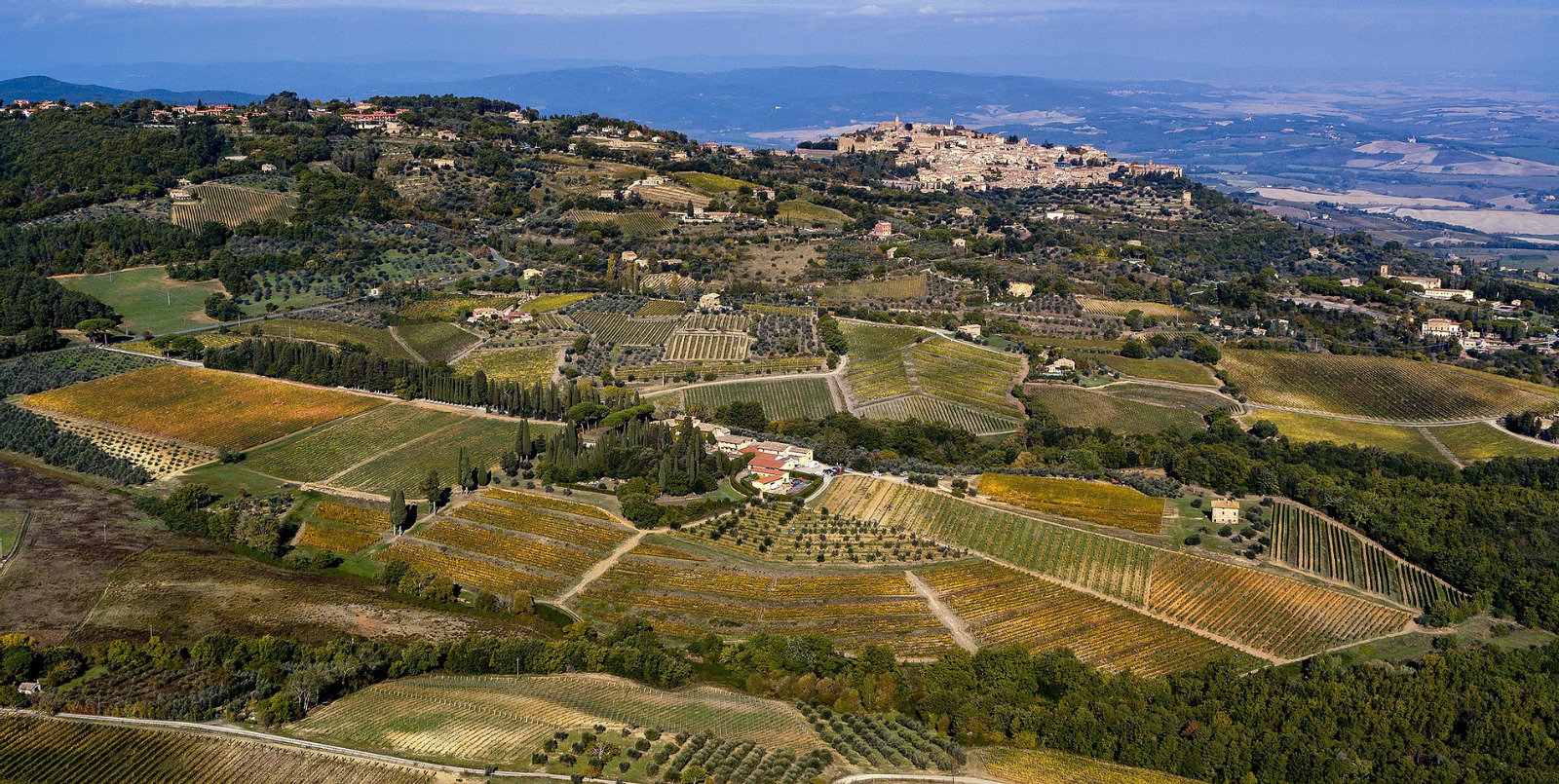
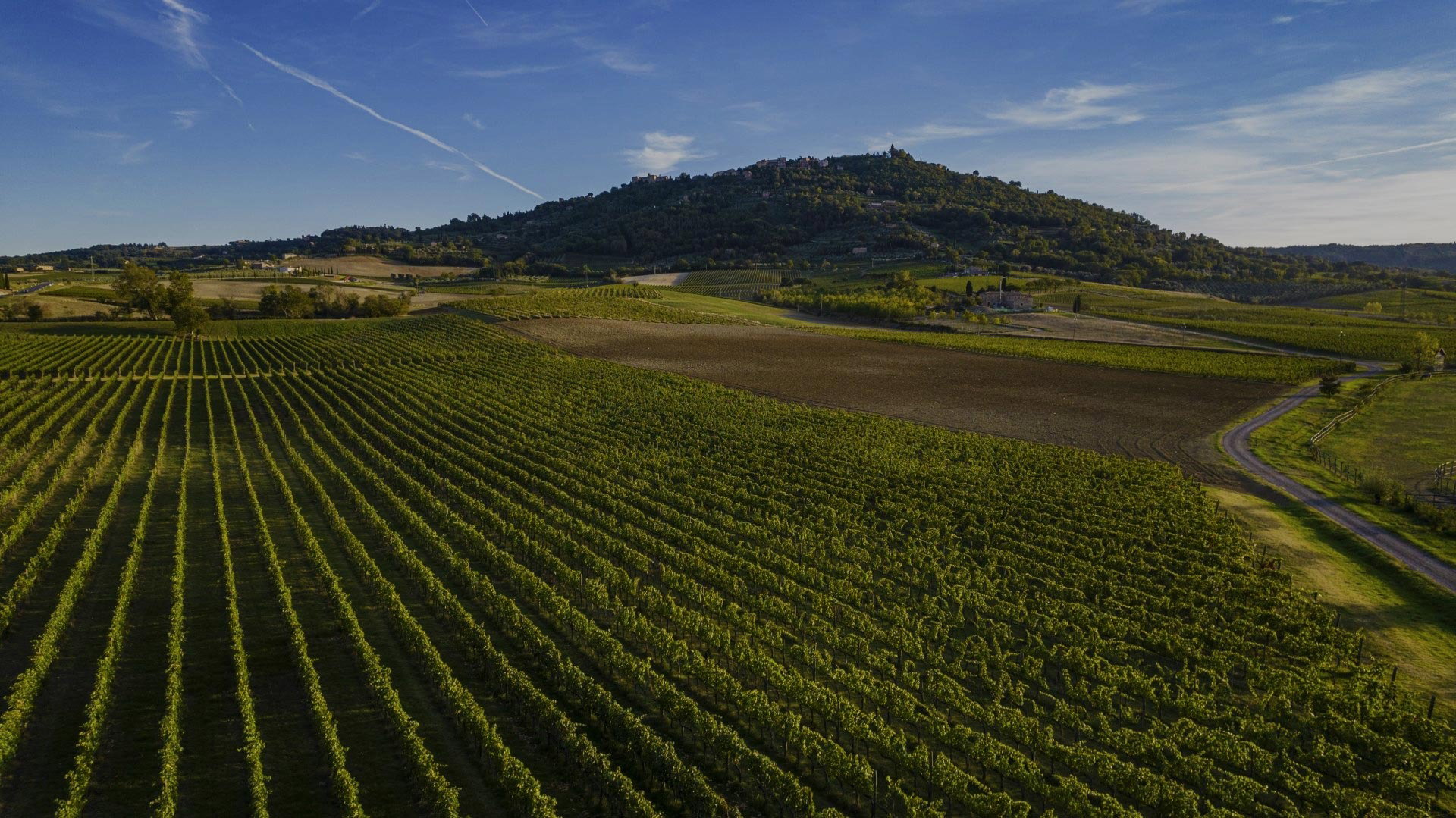
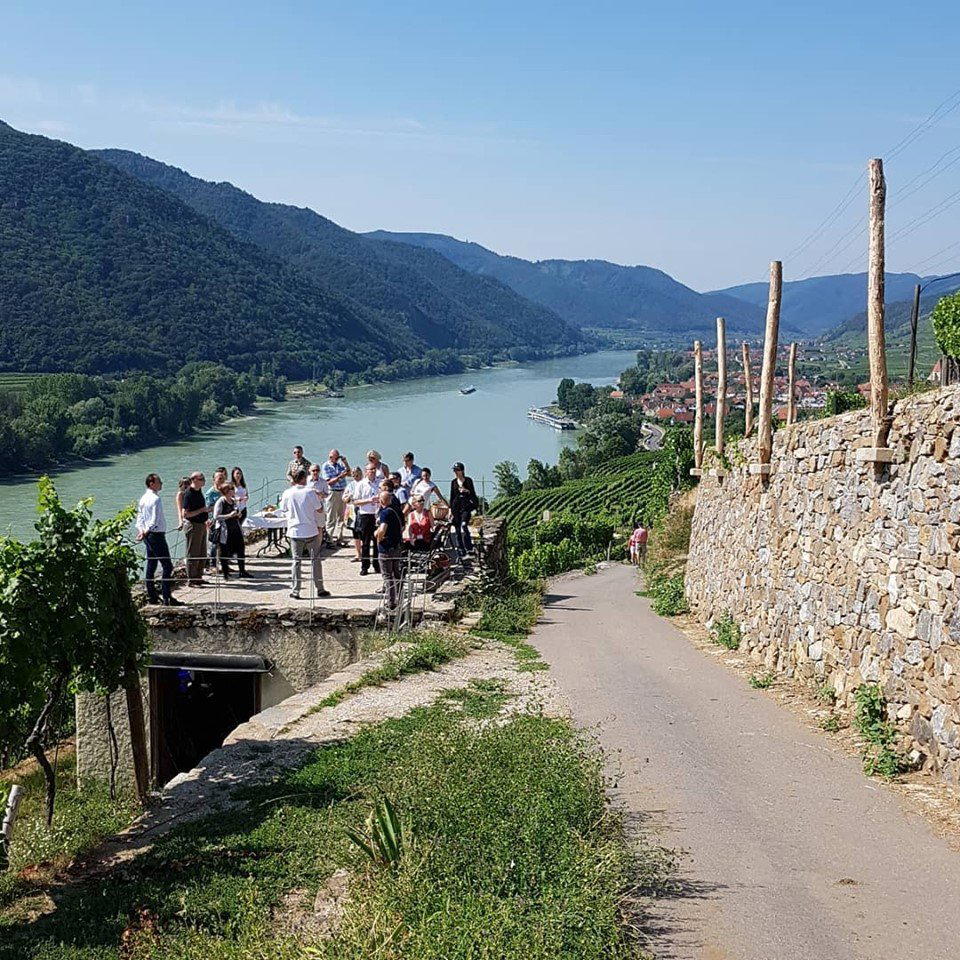
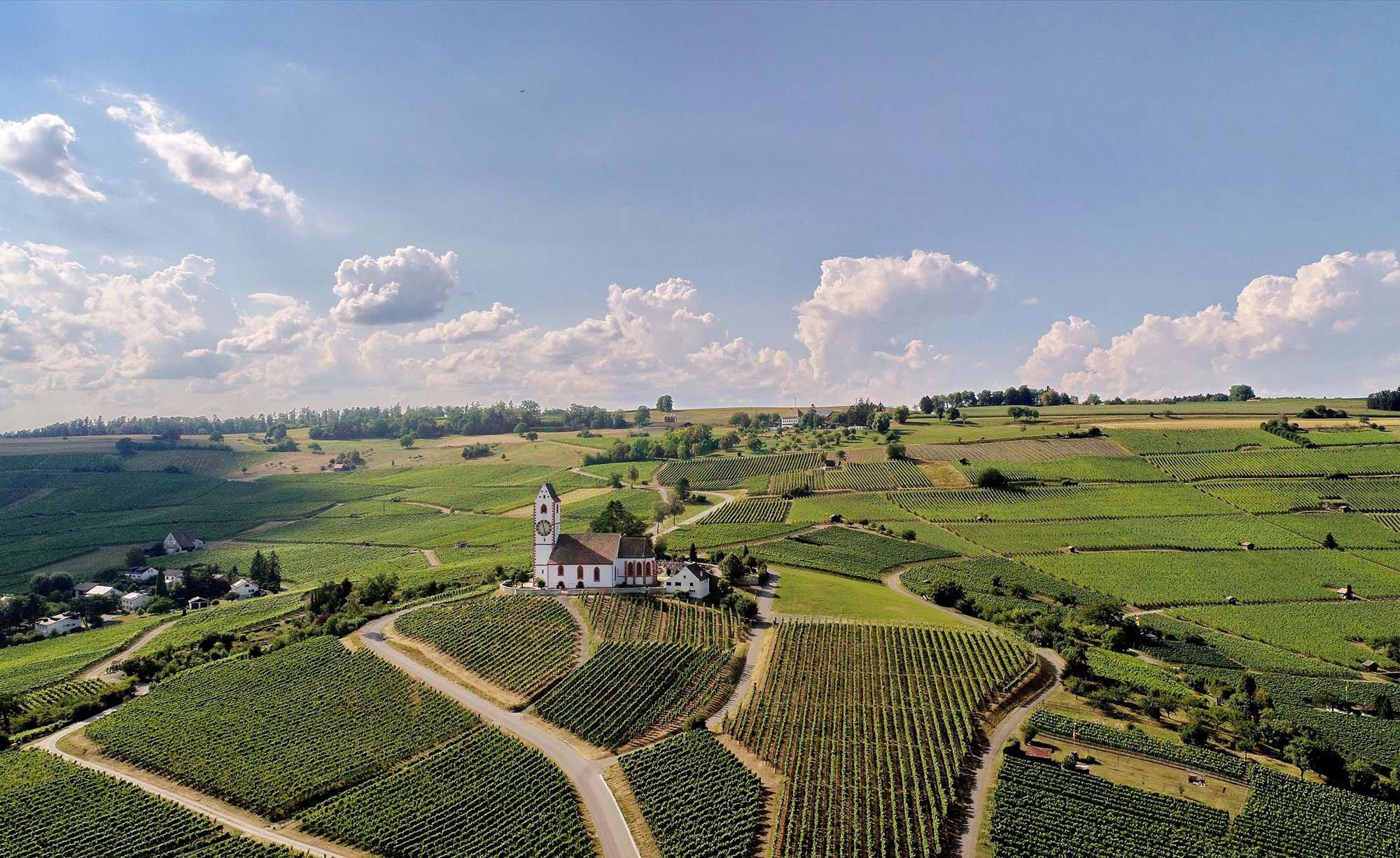
Altesino presents a quietly refined, terroir-forward presence on Montalcino’s northern slope. The estate reads like an argument for place: cooler temperatures, higher rainfall and clay-and-schist soils slow Sangiovese Grosso and produce firm, age-worthy Brunello. That focus on vineyard expression and long-term structure gives visits a sophisticated, measured feel rather than flash—an estate where technical detail and vintage consistency speak louder than theatrical tasting-room trappings. The award recognition underlines a seriousness of purpose, so the overall impression is polished, intellectually driven and quietly impressive.
Best For
Altesino is best for people who want to study terroir and taste Brunello with an eye toward aging. The write-up privileges comparison and detail—how northern slopes yield higher acidity and firmer tannins—making the estate a natural stop for wine students, collectors and visitors planning a thoughtful, special-occasion tasting. It also suits solo explorers who appreciate landscape-driven wines and the kind of quiet contemplation that accompanies conversations about vintage trajectories measured in decades rather than months.
Tasting Tips
When engaging with Altesino’s lineup, prioritize expressions of Sangiovese Grosso from the northern slopes and bottles noted for age-worthiness. The text highlights firmer tannins and preserved acidity, so seek out Brunello bottlings and estate-labeled releases that demonstrate the cooler-climate profile. Ask about the 2025 Pearl 2 Star Prestige recognition and about how specific vintages reflect the clay-and-schist soils and cooler temperatures; when available, compare older releases to recent ones to judge the estate’s long-term trajectory.
Venue details
Ambiance
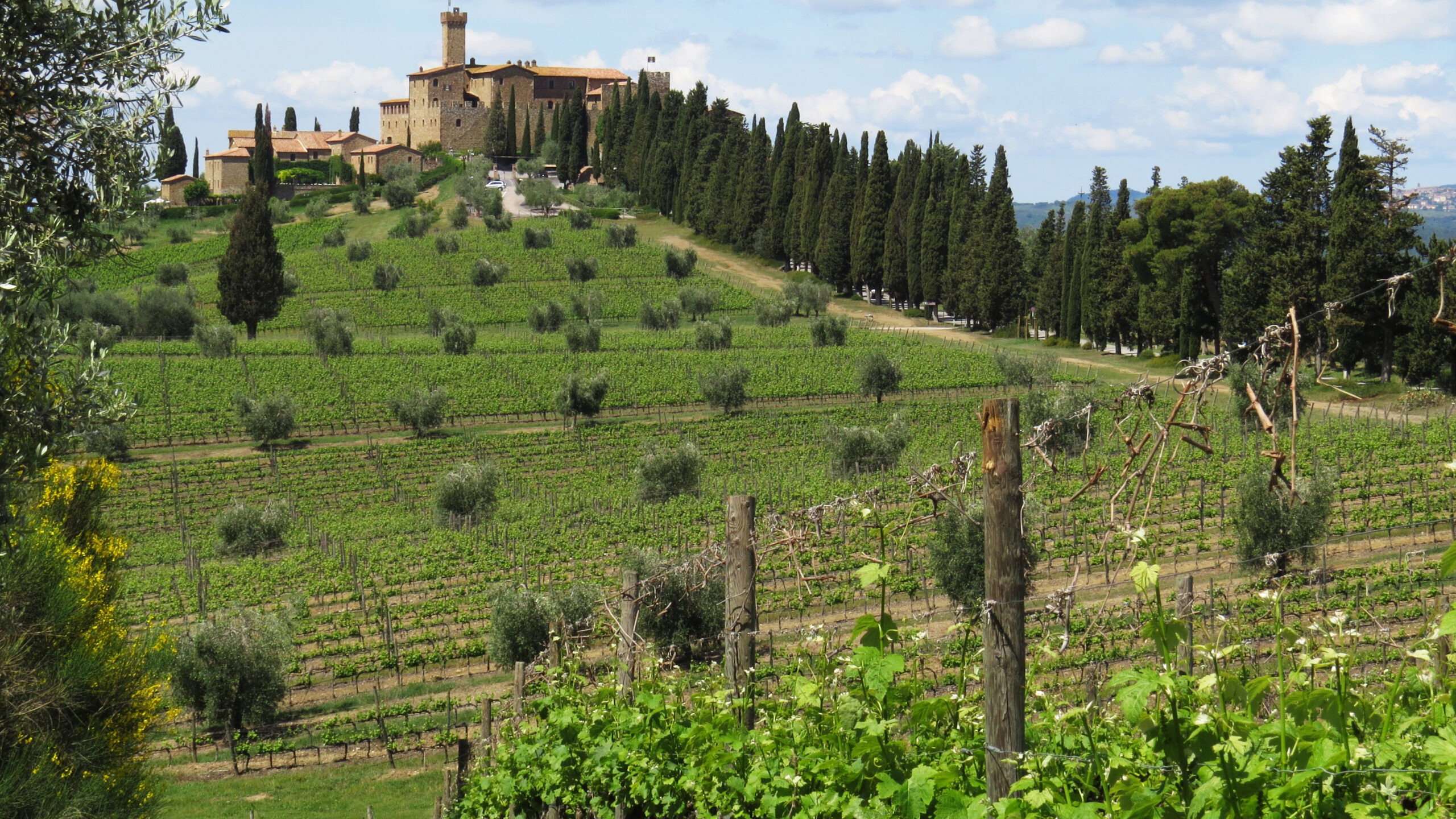
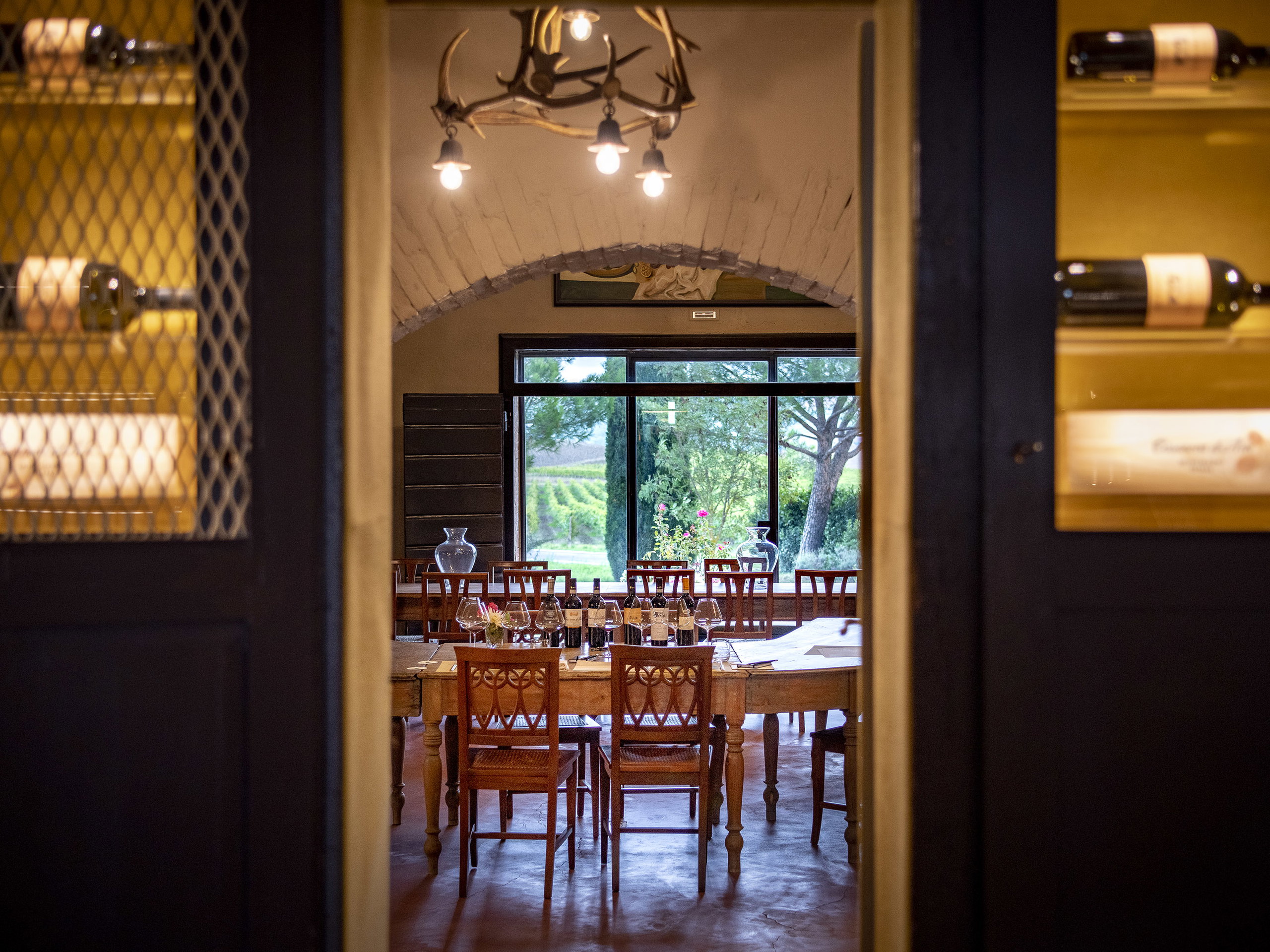
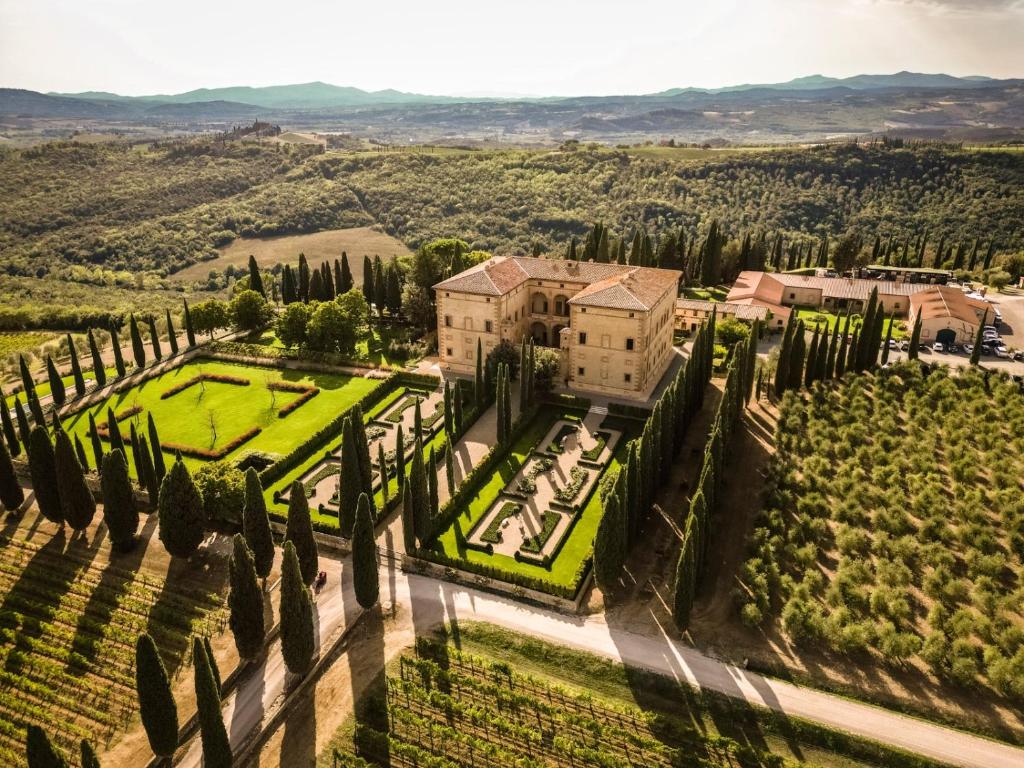
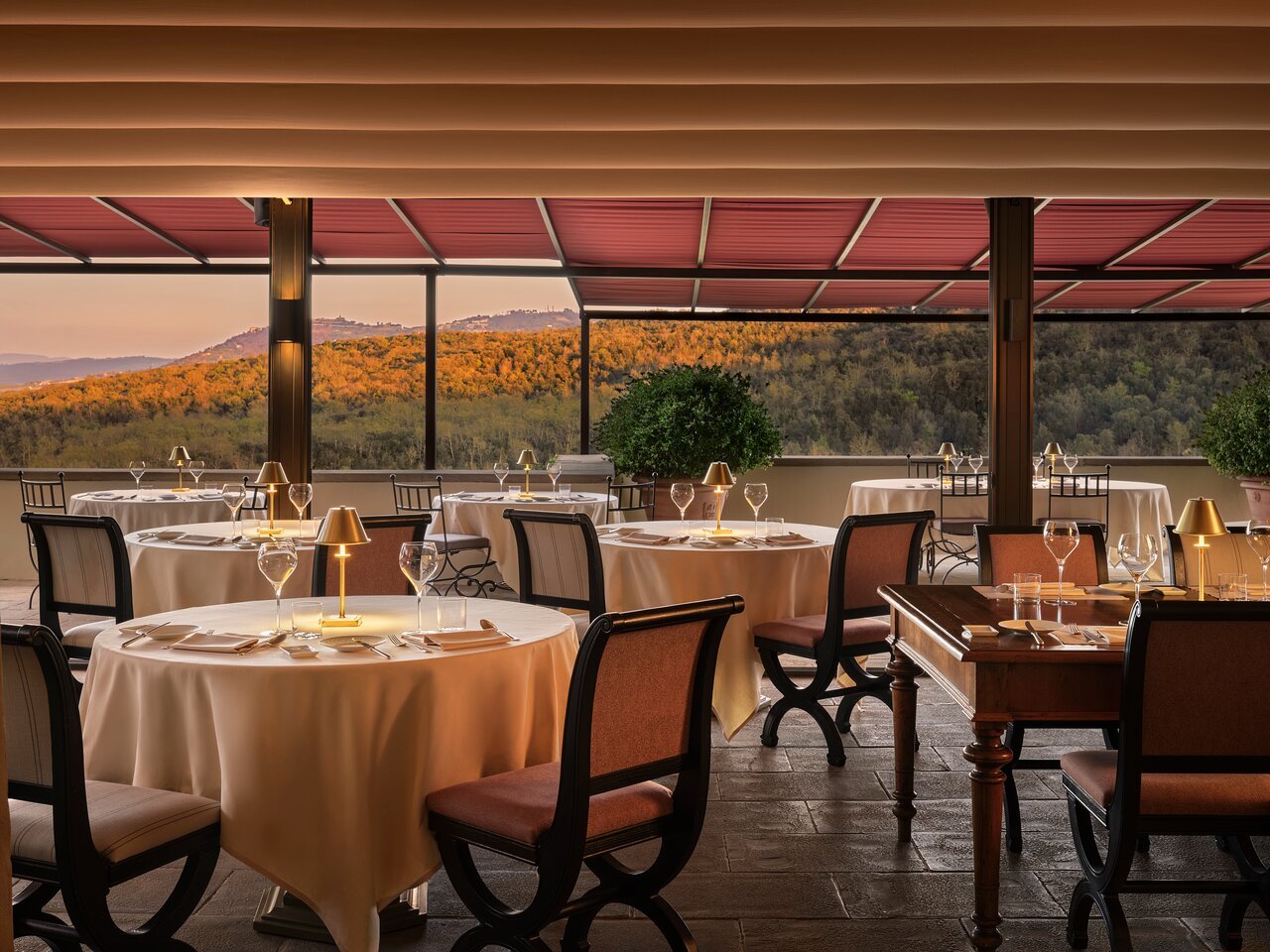
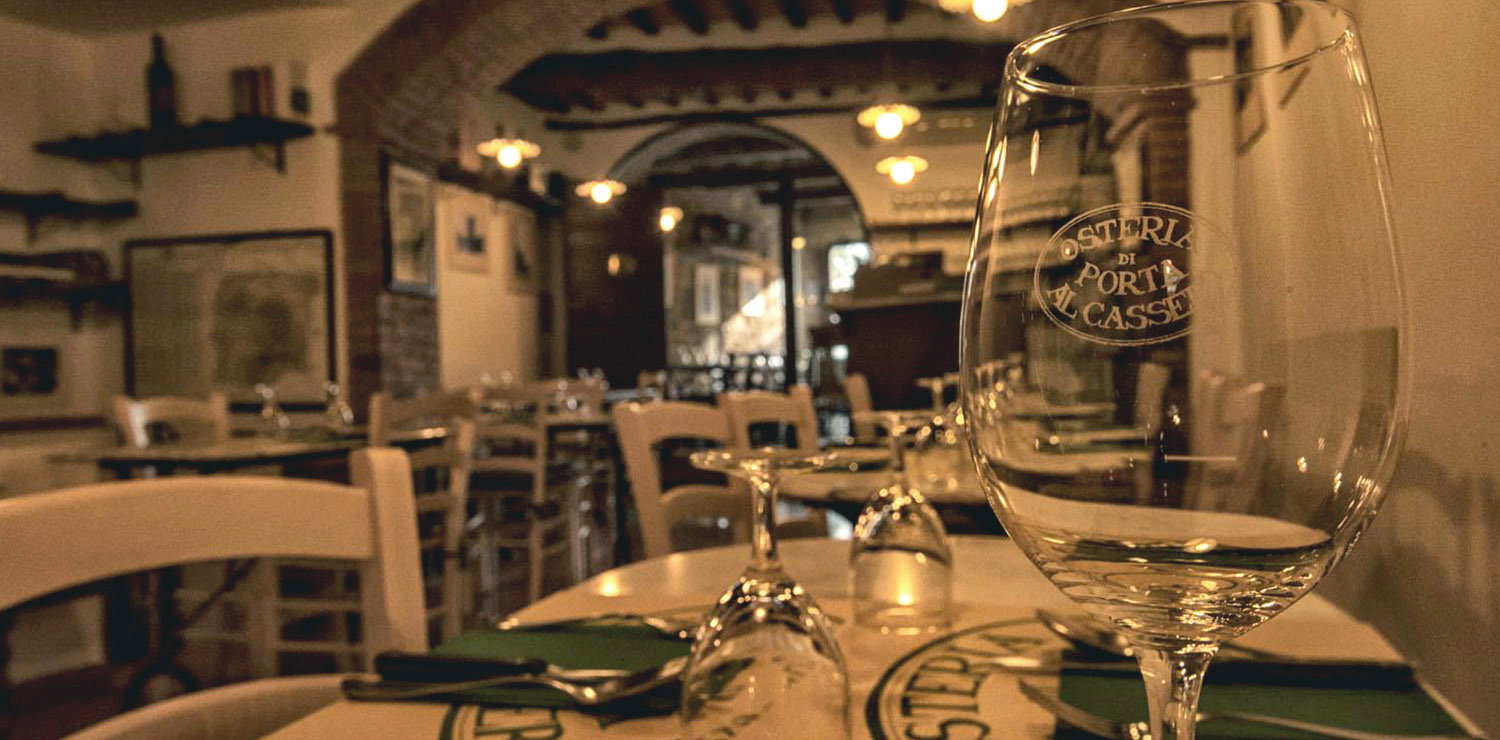
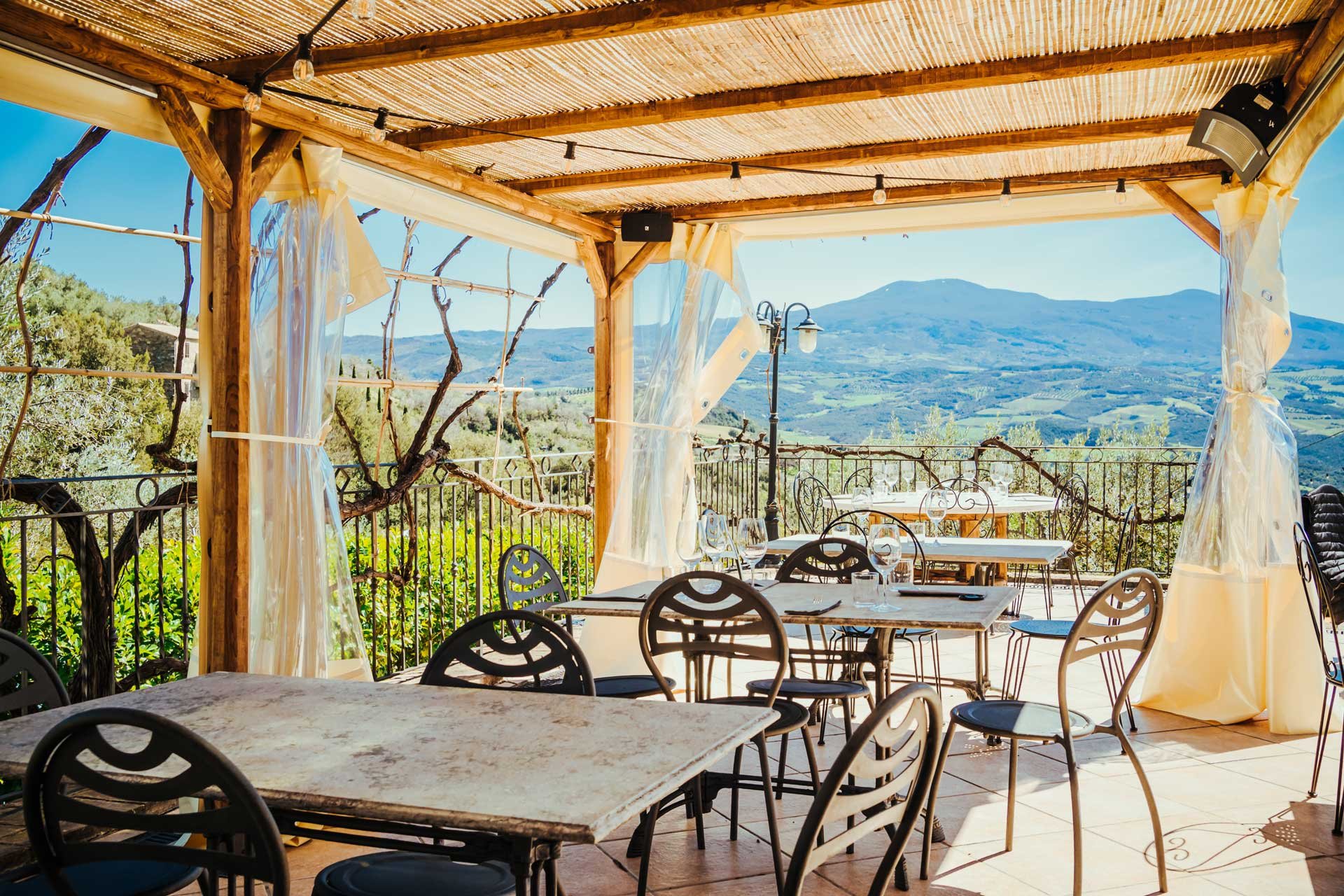
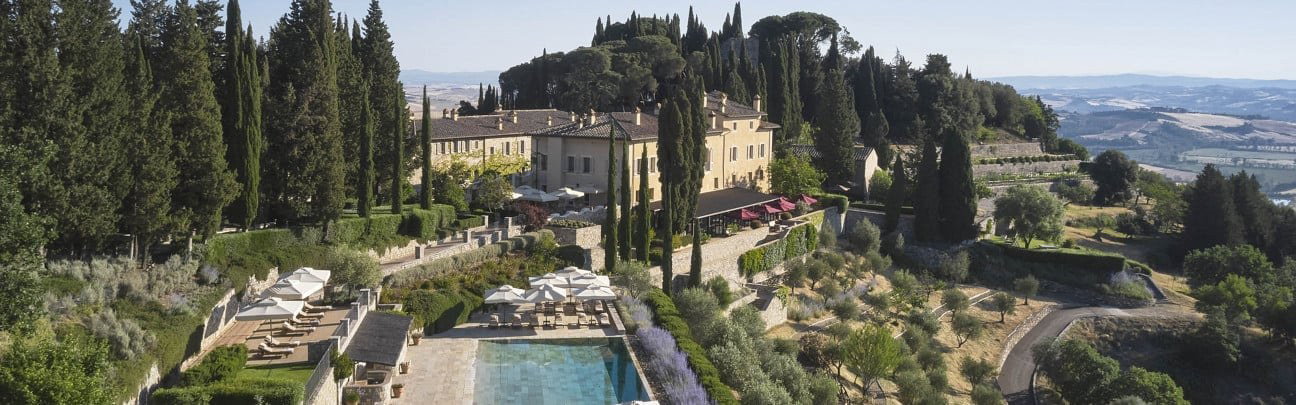
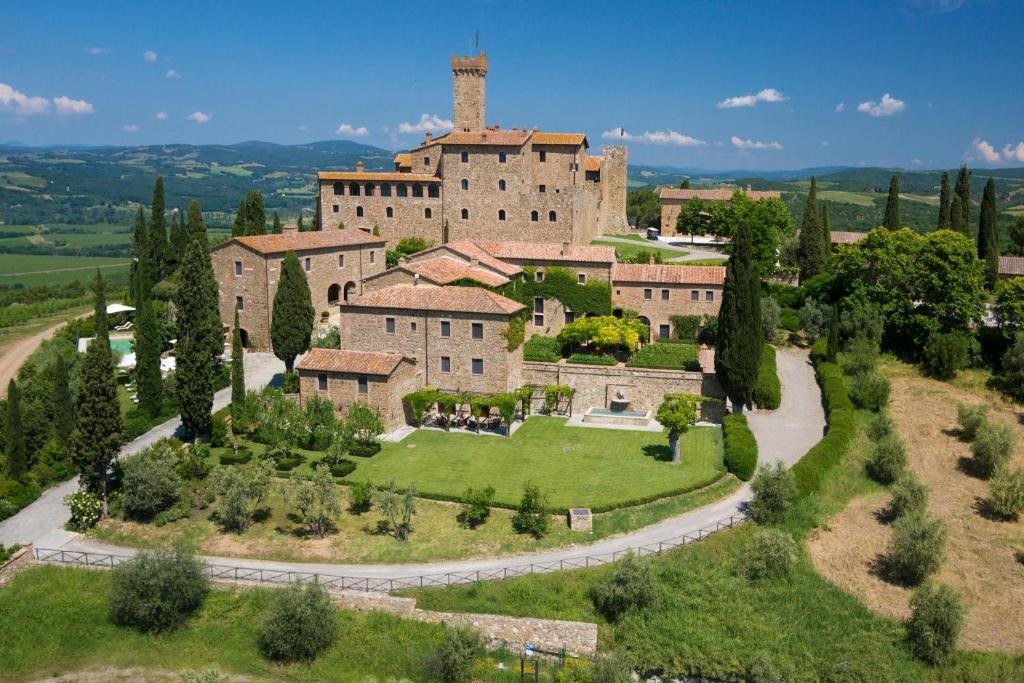
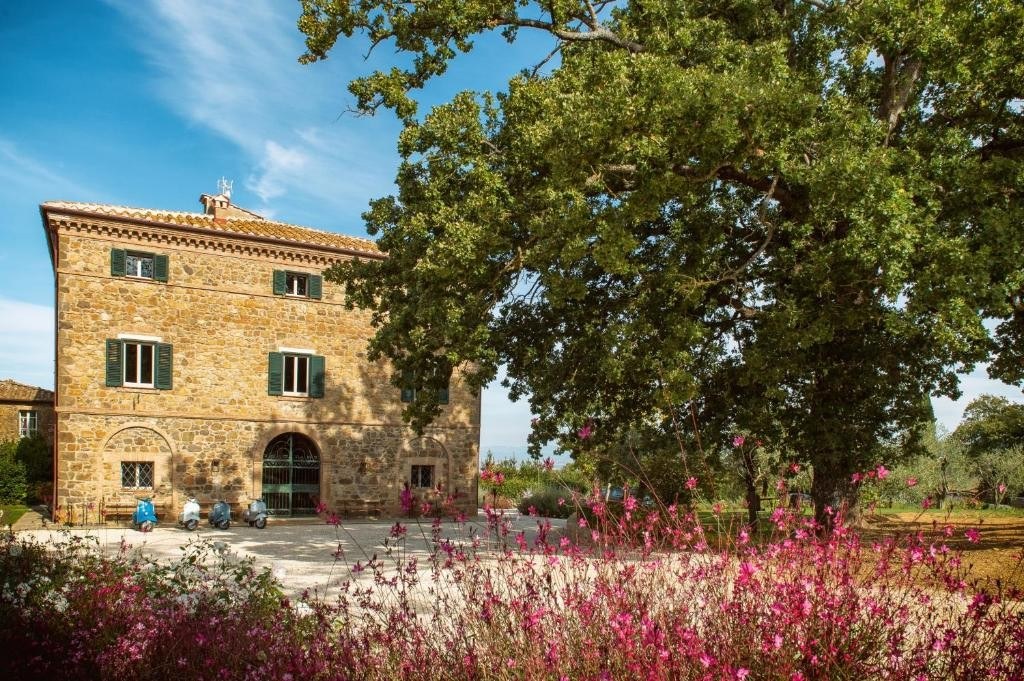
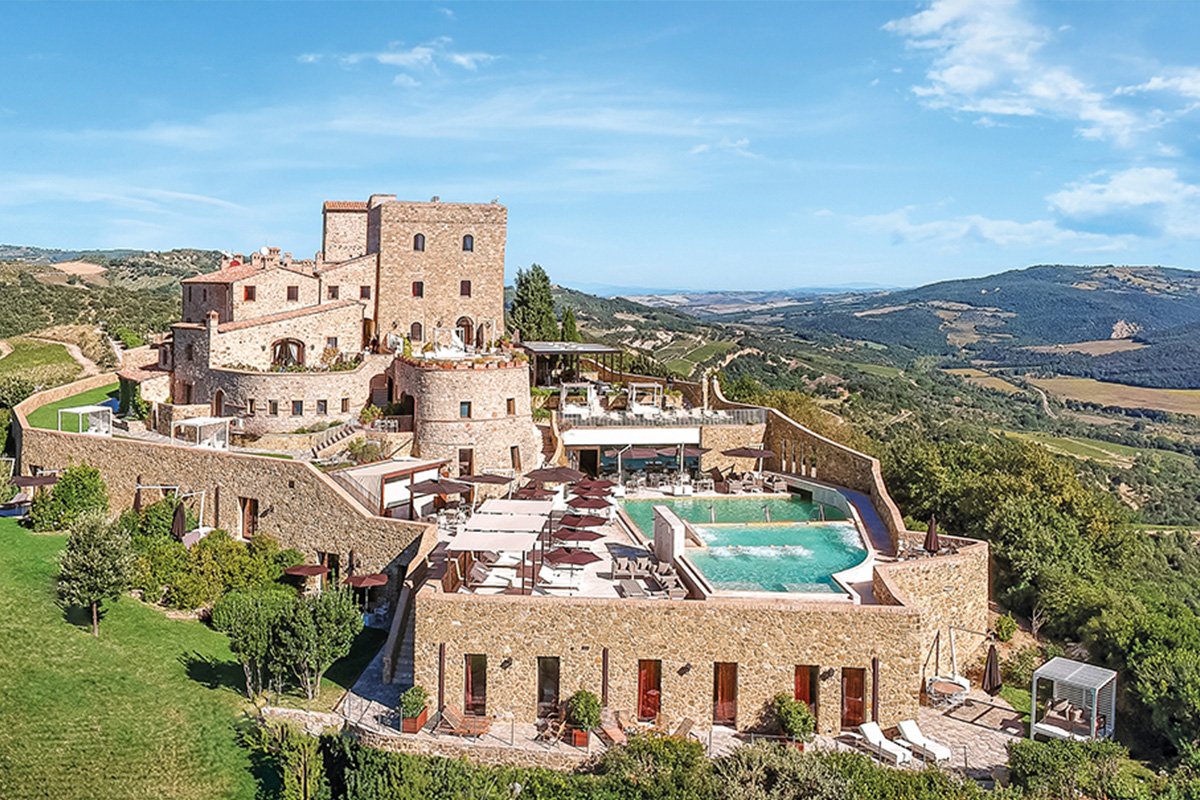
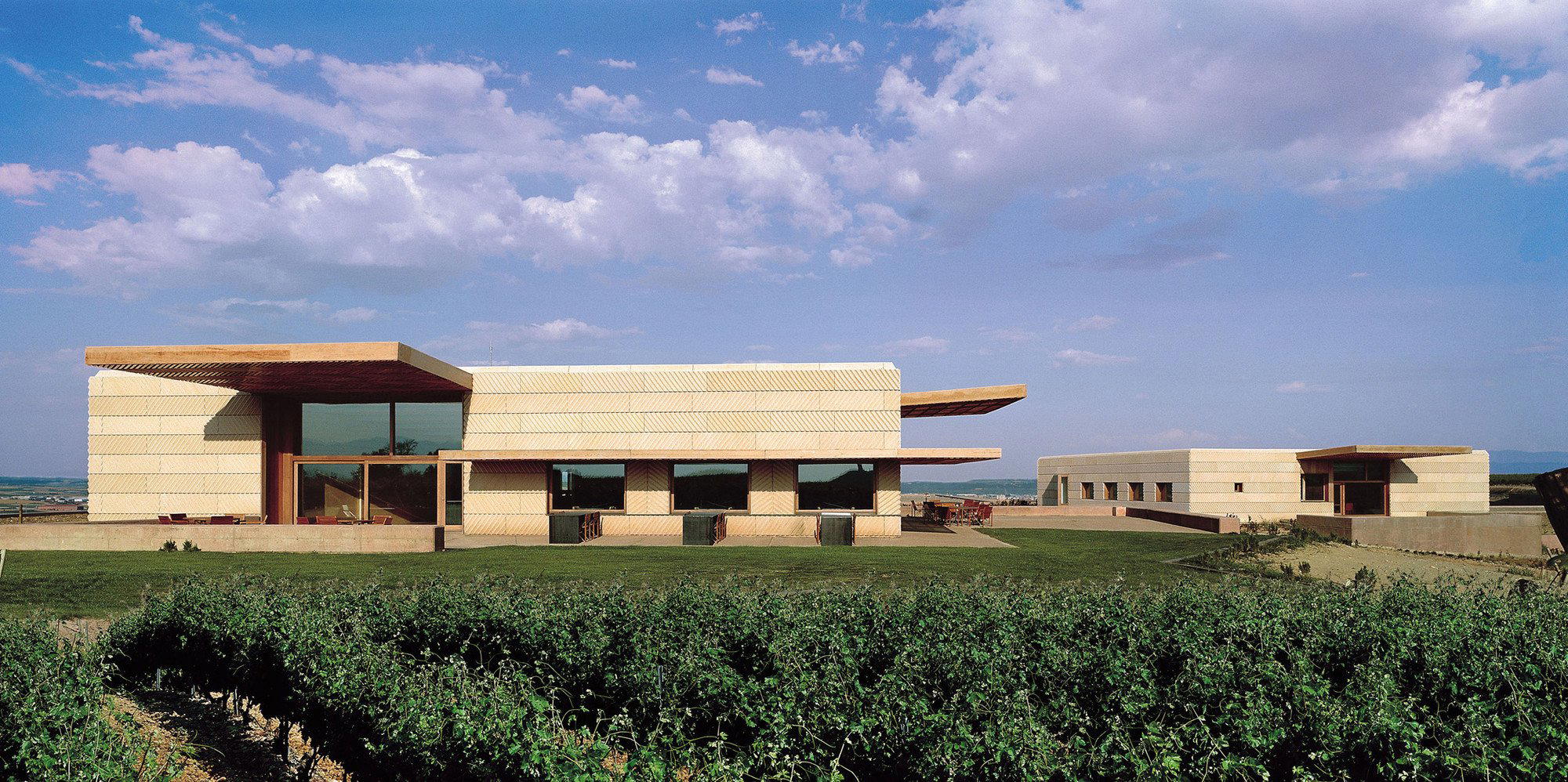
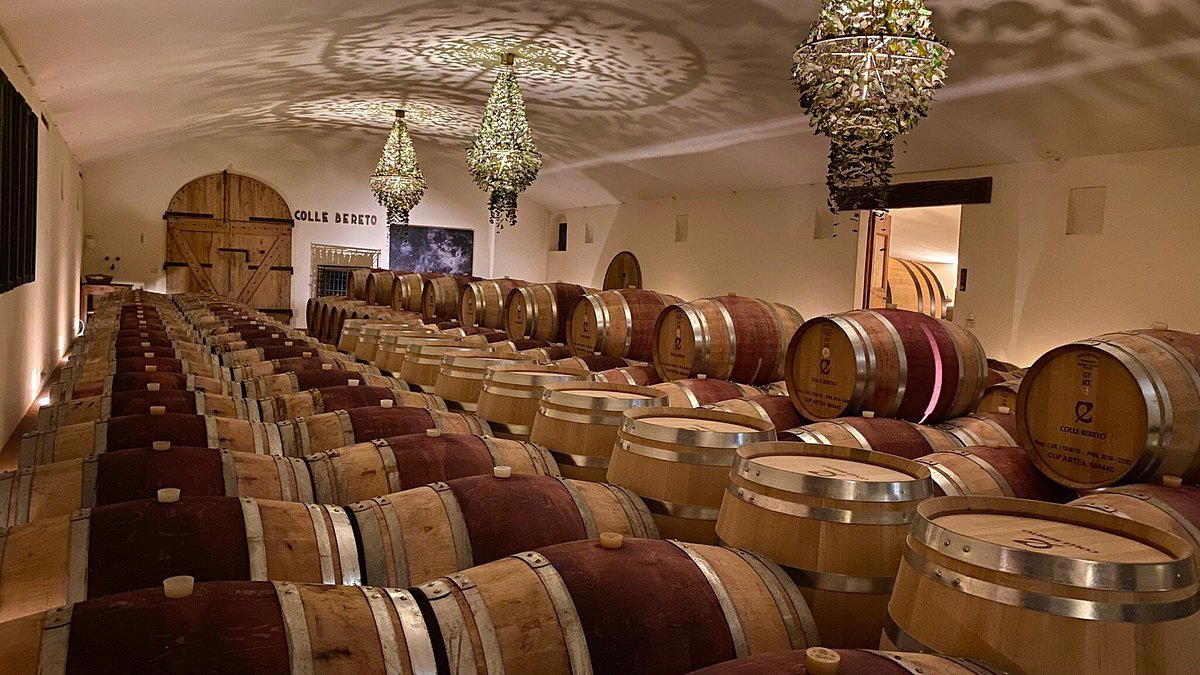
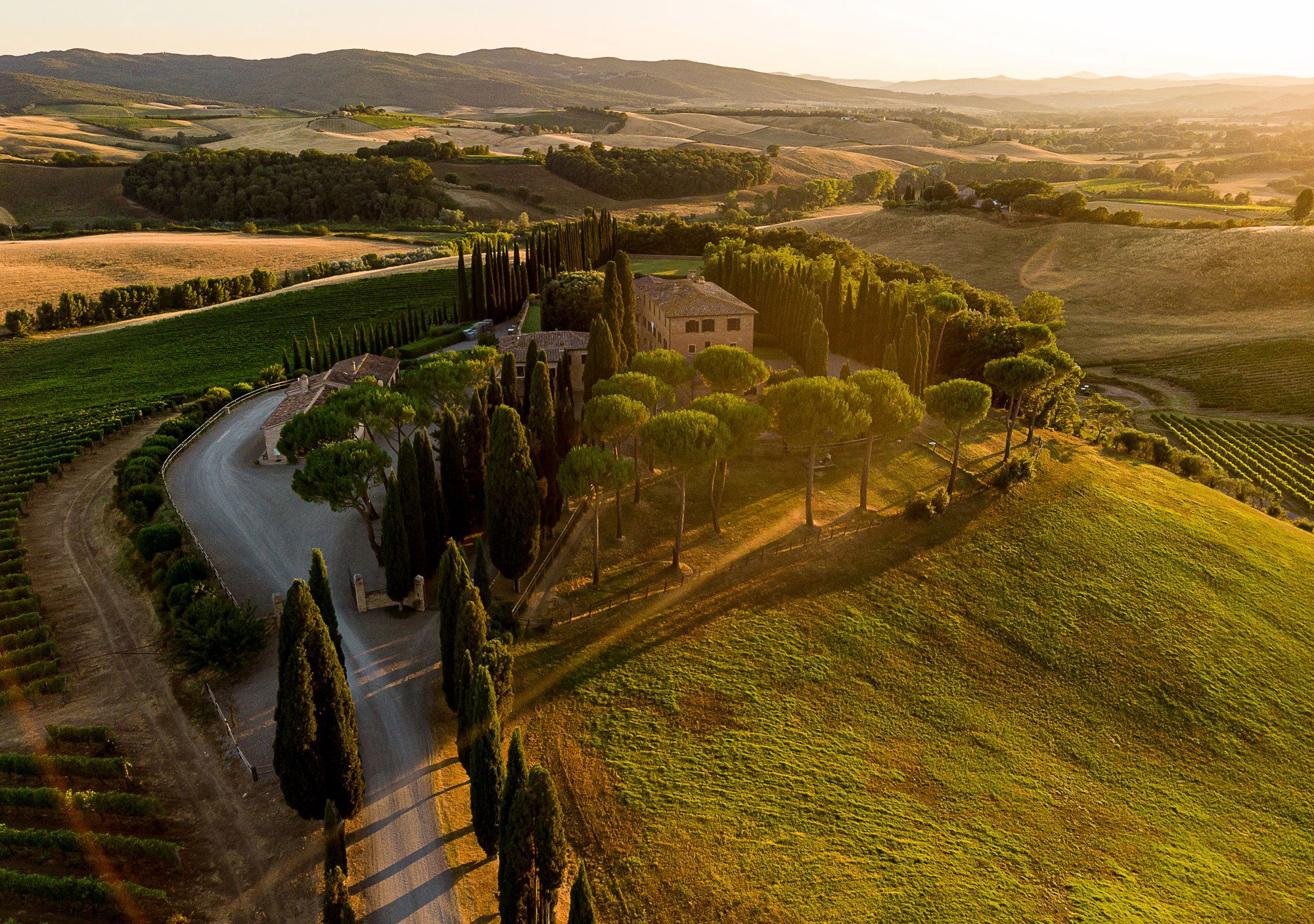
Elegant and refined historic palazzo atmosphere with charming ancient architecture and modern eco-sustainable cellars.
Tags
Vibe
Best For
Experience
Sourcing
View
At the Vineyard
- Appellation
- Brunello di Montalcino
- Varietals
- Sangiovese, Trebbiano Toscano, Malvasia Toscana, Cabernet Sauvignon, Merlot
- Tour Duration
- 60-90 minutes
- Tour Languages
- English, Italian
- Visits
- By appointment only
- Farming
- Sustainable
- Wine Styles
- Still Red
- Wine Club
- Not available
Know before you go
Know Before You Go
- Getting there
- Località Altesino, 54, 53024 Montalcino (Siena), Italy
Planning details
Location
Recognition and awards

Also consider
Also Consider
- Valdicava Az Agr, Notable alternative
- Azienda Agricola Casanova di Neri di Giacomo Neri, Notable alternative
- Biondi-Santi Tenuta Greppo, Notable alternative
- Cerbaiona, Notable alternative
- Poggio di Sotto, Notable alternative
Winery context
How It Compares
Against Valdicava Az Agr, Azienda Agricola Casanova di Neri di Giacomo Neri, and Biondi-Santi Tenuta Greppo, Altesino is the practical pick for travelers who want a serious Brunello name without making the entire day feel like a trophy hunt. Biondi-Santi Tenuta Greppo is the more heritage-driven choice, while Casanova di Neri is the better cross-shop for visitors prioritizing a bigger modern Brunello profile.
Cerbaiona and Poggio di Sotto make more sense for collectors chasing smaller-production intensity and a tighter appointment feel. If the group includes casual drinkers, Altesino is easier to justify as a balanced stop, provided the day is organized around wine rather than a guaranteed food pairing.
For value of time, keep the Montalcino plan tight: one serious benchmark, one contrasting producer, then a separate restaurant booking. Choose Biondi-Santi Tenuta Greppo for tradition, Cerbaiona or Poggio di Sotto for a more collector-led route, and Altesino when the goal is a focused Brunello visit that does not require the whole itinerary to bend around one appointment.
Around this place
Discover more on Pearl
Unlock the full Altesino guide in Pearl, including awards, comparisons, FAQs, planning details, and nearby places.
Compare Altesino
| Venue | Location | Awards |
|---|---|---|
| Altesino | Montalcino | 2026 Falstaff Winery Guide |
| Valdicava Az Agr | Montalcino | No published awards |
| Azienda Agricola Casanova di Neri di Giacomo Neri | Montalcino | 2026 Falstaff Winery Guide2025 World's 50 Best Vineyards · #87 |
| Biondi-Santi Tenuta Greppo | Montalcino | 2026 Falstaff Winery Guide2025 Pearl 5 Star Prestige |
| Cerbaiona | Montalcino | 2026 Falstaff Winery Guide2025 Pearl 4 Star Prestige |
| Poggio di Sotto | Montalcino | 2025 Pearl 4 Star Prestige |


How Altesino Montalcino compares with similar nearby venues.
FAQ
Frequently Asked Questions
What is the dress code at Altesino?
The dress code for Altesino is smart casual.
What recognition does Altesino have?
Altesino has Pearl 2 Star Prestige recognition for 2025.
How long should I plan for a visit to Altesino?
Plan your visit length by confirming the format, timing, and arrival requirements directly with Altesino before finalizing your Montalcino itinerary.
Can Altesino handle large groups?
Contact Altesino in advance to confirm whether your party size can be accommodated and whether any special arrangements are required.
What other venues can I compare with Altesino?
For a Montalcino itinerary, compare Altesino with Valdicava Az Agr, Azienda Agricola Casanova di Neri di Giacomo Neri, Biondi-Santi Tenuta Greppo, Cerbaiona, and Poggio di Sotto. Confirm current visit details directly with each venue before building the schedule.