



Marqués de Murrieta
Rioja Alta, Logroño
Winery in Logroño, Spain
 Book with Pearl
The Read
Tradition-Anchored Rioja
Why go
Marqués de Murrieta is a winery near Logroño in La Rioja.
About Marqués de Murrieta
In Logroño, Marqués de Murrieta is a premium venue to consider when the day is being planned around a recognized venue visit rather than a casual, flexible stop. The practical details are limited, so plan conservatively: it is open from 10 AM to 5:30 PM Monday through Saturday, closed Sunday, and the dress code is smart casual.
The clearest confirmed signals are recognition rather than detailed service information: Marqués de Murrieta holds Pearl 4 Star Prestige for 2025 and appears at #48 on World's 50 Best Vineyards for 2025. Those facts support treating it as a higher-profile Logroño venue, but they do not verify a particular tasting format, food offer, route, price, or group setup.
A Logroño visit for people planning the day around a recognized venue
The decision should come down to planning style. If the group wants to compare this stop with other options, our full Logroño restaurants guide can help with the meal portion of the day, while Bodegas Franco-Españolas and Campo Viejo are natural names to consider when shaping a broader itinerary. Choose Marqués de Murrieta when the confirmed recognition and smart-casual dress code fit the brief.
There is not enough detail to promise a specific tasting format, food pairing, cellar route, or private-room setup, so the safe way to plan is conservative: treat it as a venue visit first, not a lunch replacement. For a celebration, that usually means pairing the visit with a separate restaurant booking in Logroño rather than assuming the venue will cover the full meal window. Use our full Logroño restaurants guide for that second half of the day.
Who should choose it, and who should not
Choose it for a polished Logroño itinerary where the venue is the headline stop and the schedule can work within daytime hours. It is a weaker fit for groups that need a Sunday plan, a late-evening stop, or a venue where the food offer is the confirmed main draw. If the goal is a broader city plan, combine this research with our full Logroño bars guide rather than forcing one stop to carry the whole itinerary.
For comparison within the wider set of premium venue visits, Bodegas Faustino, Finca Valpiedra, Marqués de Riscal, Bodegas Franco-Españolas, and Campo Viejo are the relevant names to consider alongside Marqués de Murrieta. Keep the comparison practical: confirm current availability, timing, and any visit details directly before building the day around any one venue.
Planning details
- Location
- Carretera N-232A, Km 402,365, 26006 Logroño, La Rioja, Spain
- Website
- marquesdemurrieta.com
- Phone
- +34941271380
The take
The Take
The Vibe
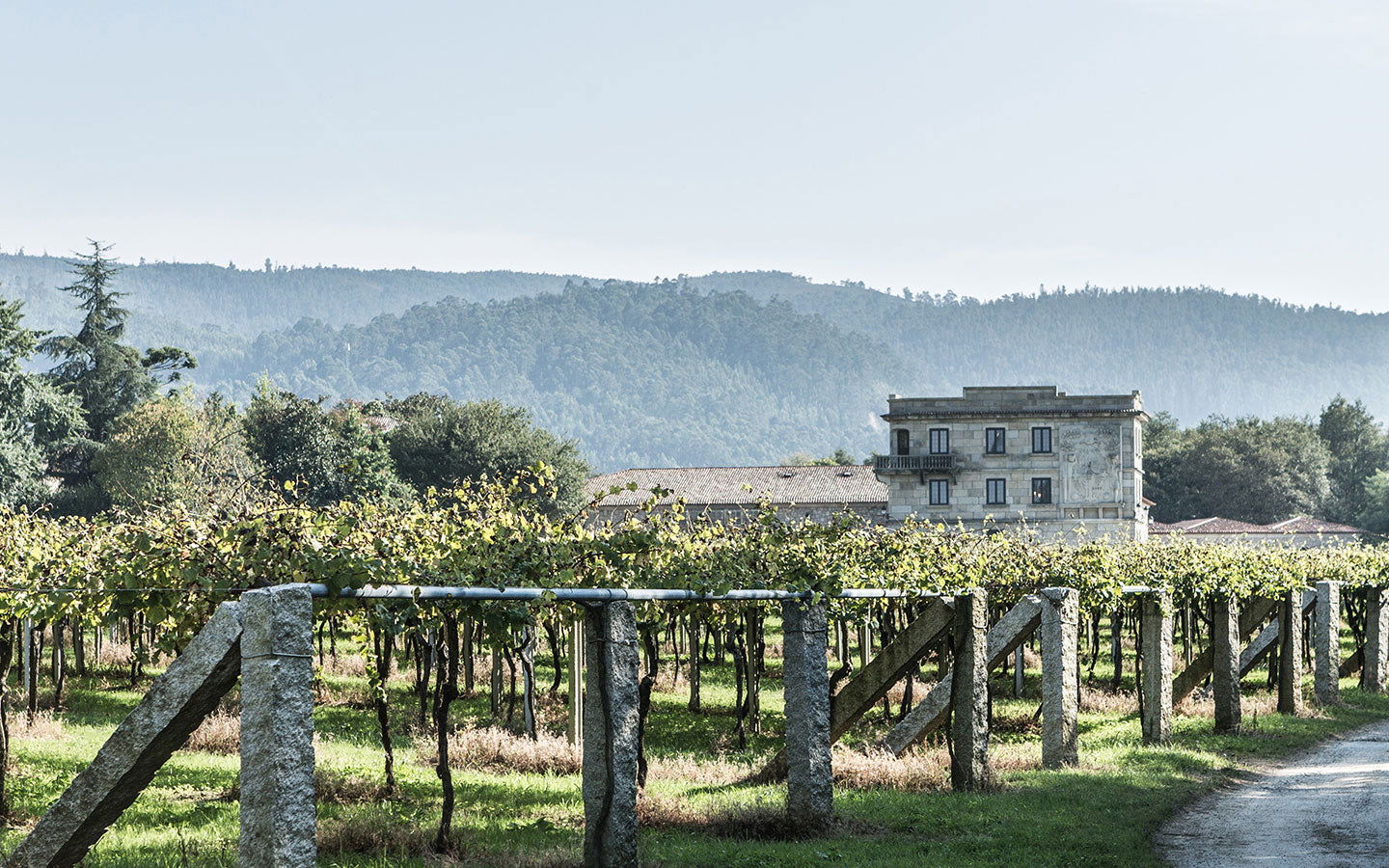
Marqués de Murrieta presents itself with quiet authority rather than theatrical showmanship. The approach down the N-232A dissolves into vine country, and the stone architecture of Château Ygay and orderly rows of old vines underline a working estate’s measured confidence. Founded in 1852, the place feels rooted in continuity: history is not decoration here but the primary introduction. Visitors encounter a restrained, contemplative atmosphere that emphasizes provenance, long-form winemaking and the estate’s role in shaping Rioja’s identity rather than contemporary branding or flash.
Best For
This estate is best for visitors who come to learn and to commemorate. Its historical significance and long-aging winemaking philosophy make it a natural fit for wine education and special occasions: Marqués de Murrieta is presented as the producer that helped define Rioja on the international stage. Travelers who care about vineyard age, traditional oak aging and the story behind a bottle will find the visit rewarding. The setting and tone favor thoughtful tasting experiences over casual, high-energy visits.
Tasting Tips
When selecting wines at or from Marqués de Murrieta, prioritize bottles that reflect the estate’s emphasis on extended aging and vineyard continuity. The description specifically highlights long aging in American and French oak and the estate’s place at the traditional end of Rioja production, so ask about wines aged in oak and older reserve bottlings that showcase that approach. Seek explanations of the estate’s history and vineyard parcels to better read how each wine expresses the house style—understanding that origin changes how you read a visit.
Venue details
Ambiance
Elegant and historic atmosphere in a restored castle with century-old cellars, professional yet humble service, and a sense of timeless sophistication.
Tags
Vibe
Best For
Experience
View
At the Vineyard
- Appellation
- Rioja DOCa
- Varietals
- Tempranillo, Graciano, Mazuelo, Garnacha, Viura
- Tour Duration
- 60-90 minutes
- Visits
- By appointment only
- Wine Styles
- Still Red, Still White
- Food Pairing
- Offered
- Wine Club
- Not available
Know before you go
Know Before You Go
- Getting there
- Carretera N-232A, Km 402,365, 26006 Logroño, La Rioja, Spain
Planning details
Location
Carretera N-232A, Km 402,365, 26006 Logroño, La Rioja, Spain · Directions
Recognition and awards


Also consider
Also Consider
- Bodegas Franco-Españolas, Notable alternative
- Campo Viejo, Notable alternative
- Bodegas Faustino, Notable alternative
- Finca Valpiedra, Notable alternative
- Marqués de Riscal, Notable alternative
Winery context
How it compares with Logroño and Rioja winery peers
Marqués de Murrieta is the splurge-feeling choice in this set, mainly because it works better as a destination estate visit than a quick city tasting. Bodegas Franco-Españolas is the better pick for convenience in Logroño, especially if the group wants a simpler add-on before lunch or dinner. Campo Viejo is the practical alternative for a larger, more accessible producer visit without making the whole day revolve around one estate.
Against the out-of-metro options, the choice comes down to how much travel effort the group will tolerate. Bodegas Faustino and Finca Valpiedra are better cross-shops if the itinerary already points outside Logroño and the group wants a broader Rioja drive. Marqués de Riscal is the more architecture-led comparison, better for travelers who care as much about the visual statement as the tasting.
For value, start with Bodegas Franco-Españolas or Campo Viejo because they are easier to fit into a city day. For occasion value, choose Marqués de Murrieta. For a full Rioja excursion with multiple stops, compare it with Bodegas Faustino, Finca Valpiedra, and Marqués de Riscal before locking the route.
Explore Logroño
Around this place
Discover more on Pearl
Unlock the full Marqués de Murrieta guide in Pearl, including awards, comparisons, FAQs, planning details, and nearby places.
Compare Marqués de Murrieta
| Venue | Location | Awards |
|---|---|---|
| Marqués de Murrieta | Logroño | 2026 Falstaff Winery Guide2025 World's 50 Best Vineyards · #482024 World's 50 Best Vineyards · #30 |
| Bodegas Franco-Españolas | Logroño | 2026 Falstaff Winery Guide2025 Decanter Winery Prestige |
| Campo Viejo | Logroño | 2026 Falstaff Winery Guide |
| Bodegas Faustino | Oyón | 2026 Falstaff Winery Guide2025 Decanter Winery Prestige |
| Finca Valpiedra | Fuenmayor | 2026 Falstaff Winery Guide |
| Marqués de Riscal | Elciego | No published awards |

How Marqués de Murrieta Logroño compares with similar nearby venues.
FAQ
Frequently Asked Questions
How long should I plan for a visit to Marqués de Murrieta?
Build the visit within the confirmed opening hours: 10 AM to 5:30 PM Monday through Saturday, with Sunday closed.
Does Marqués de Murrieta serve food?
Do not count on it as a meal stop unless your booking specifically confirms food with the visit; if lunch is important, plan a separate Logroño restaurant reservation.
What is Marqués de Murrieta known for?
Marqués de Murrieta is a recognized Logroño venue with Pearl 4 Star Prestige for 2025 and a #48 placement on World's 50 Best Vineyards for 2025. Its dress code is smart casual.