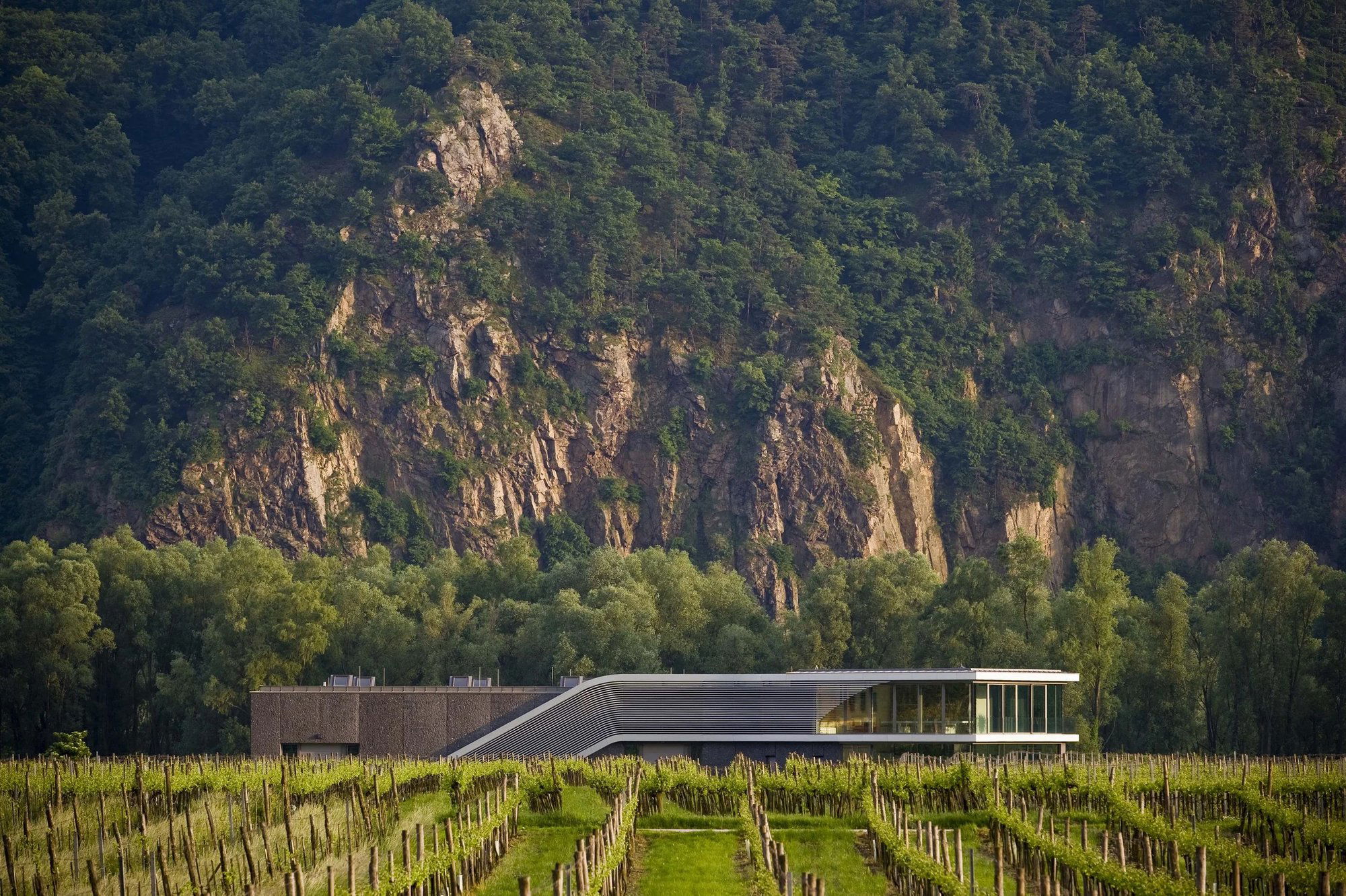

Weingut F. X. Pichler
Dürnstein
Winery in Dürnstein, Austria
 Book with Pearl
The Read
Smaragd-Tier Precision
Why go
Prioritise Weingut F. X. Pichler if the Dürnstein trip is built around serious Wachau wine rather than casual tasting-room hopping. It is better for couples, collectors, and business hosting than for groups seeking food, easy access, or a loose afternoon plan.
About Weingut F. X. Pichler
Weingut F. X. Pichler is a Dürnstein venue with Pearl 2 Star Prestige recognition for 2025. Plan with care and confirm practical details such as offerings, prices, hours, reservations, or specific arrangements directly before visiting.
The clearest expectation is dress code: smart casual. For travellers comparing options around an itinerary, Weingut F. X. Pichler can be considered alongside Domäne Wachau, Weingut Alzinger, Weingut Emmerich Knoll, Weingut Jäger, and Weingut Hutter Distillery, depending on the shape of the itinerary.
Plan the day with care
Avoid building the day around assumptions about walk-in access, food service, visit formats, specific products, or appointment structure. Confirm current arrangements directly with the venue before making plans.
For couples, small groups, or business hosting, the safest framing is simple: dress smart casual, keep the schedule flexible, and check any practical needs in advance. If the group needs meals, accommodation, bars, or other activities around the visit, map those separately through Our full Dürnstein restaurants guide or other current planning sources.
Who should choose this over another option
Choose Weingut F. X. Pichler if the Pearl 2 Star Prestige recognition and Dürnstein setting make it a priority for your itinerary. Choose another option if you need details on food, hours, visit format, accessibility, pricing, or reservation requirements before committing.
For comparison planning, consider Domäne Wachau, Weingut Alzinger, Weingut Emmerich Knoll, Weingut Jäger, and Weingut Hutter Distillery, or look at other Dürnstein options generically if the day needs more structure around meals or flexible stops.
Planning details
- Location
- Oberloiben 57, 3601 Dürnstein, Austria
- Website
- fx-pichler.at
- Phone
- +43273285375
The take
The Take
The Vibe
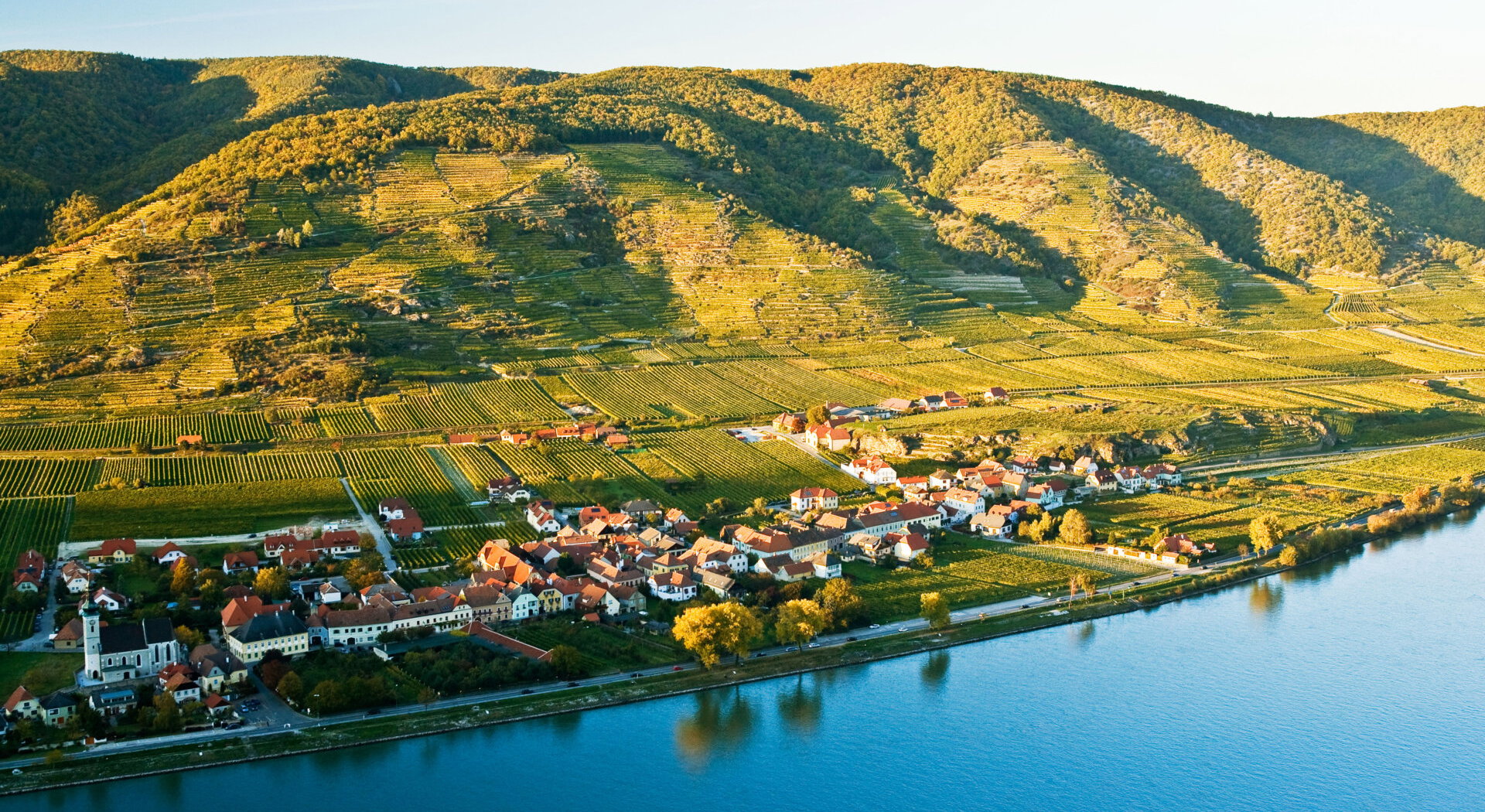
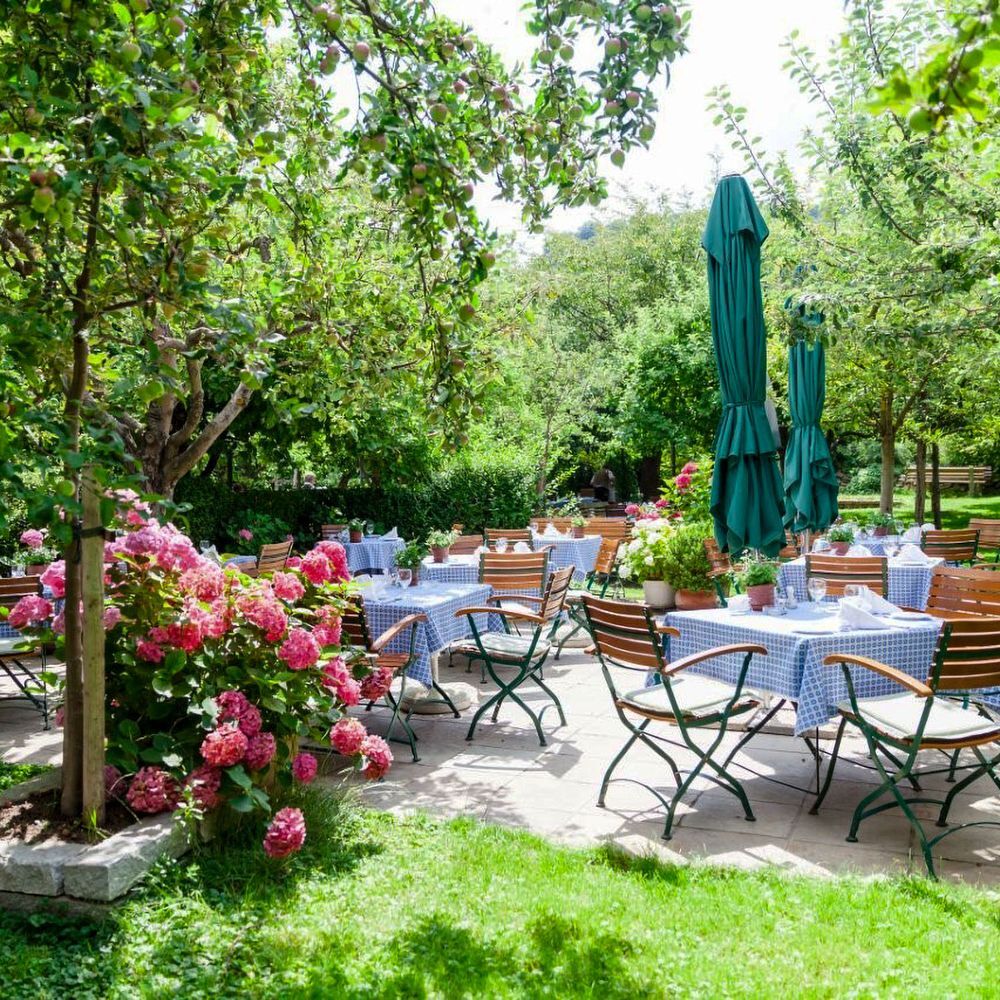
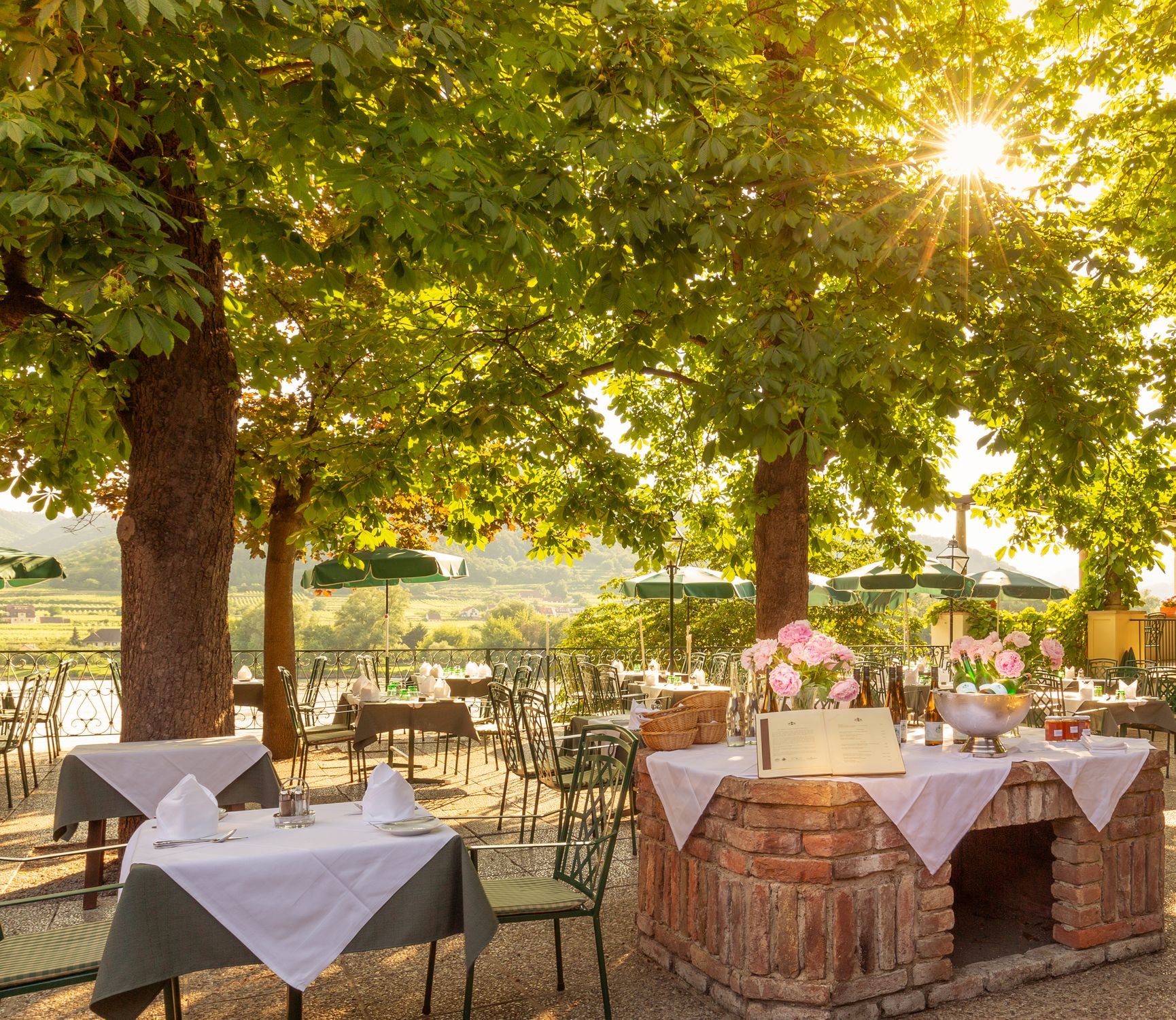
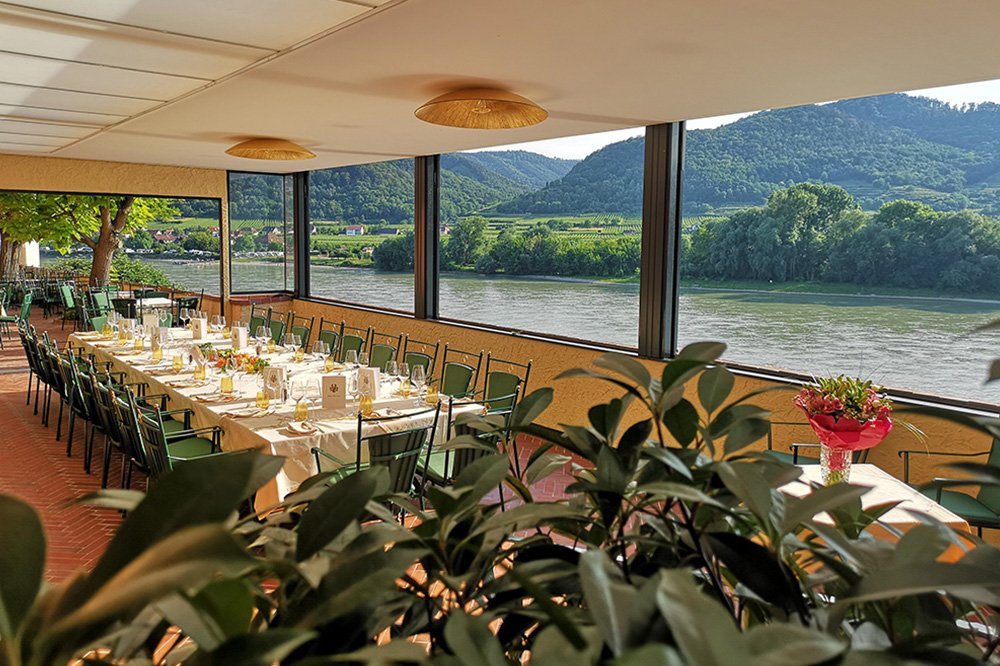
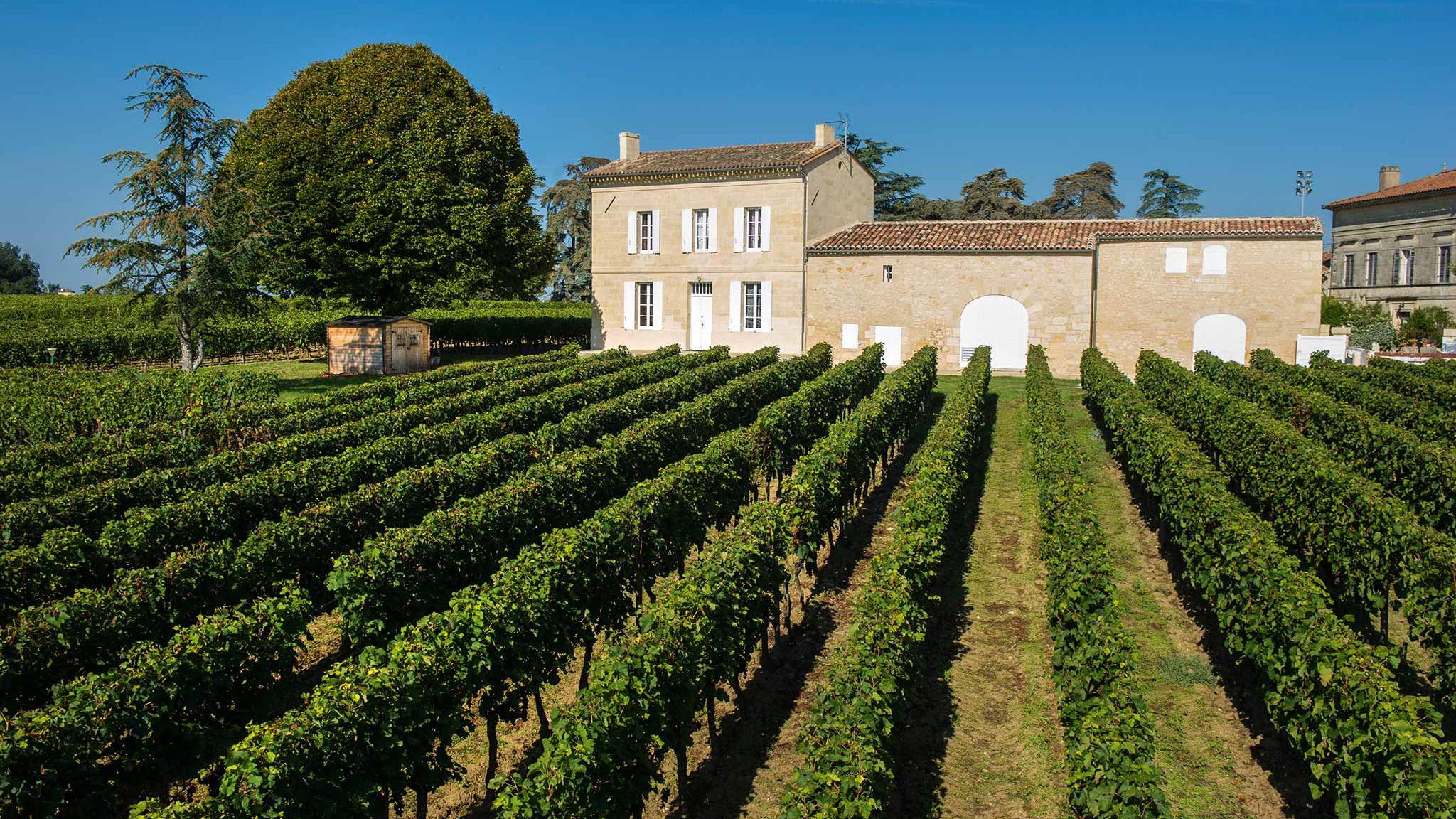
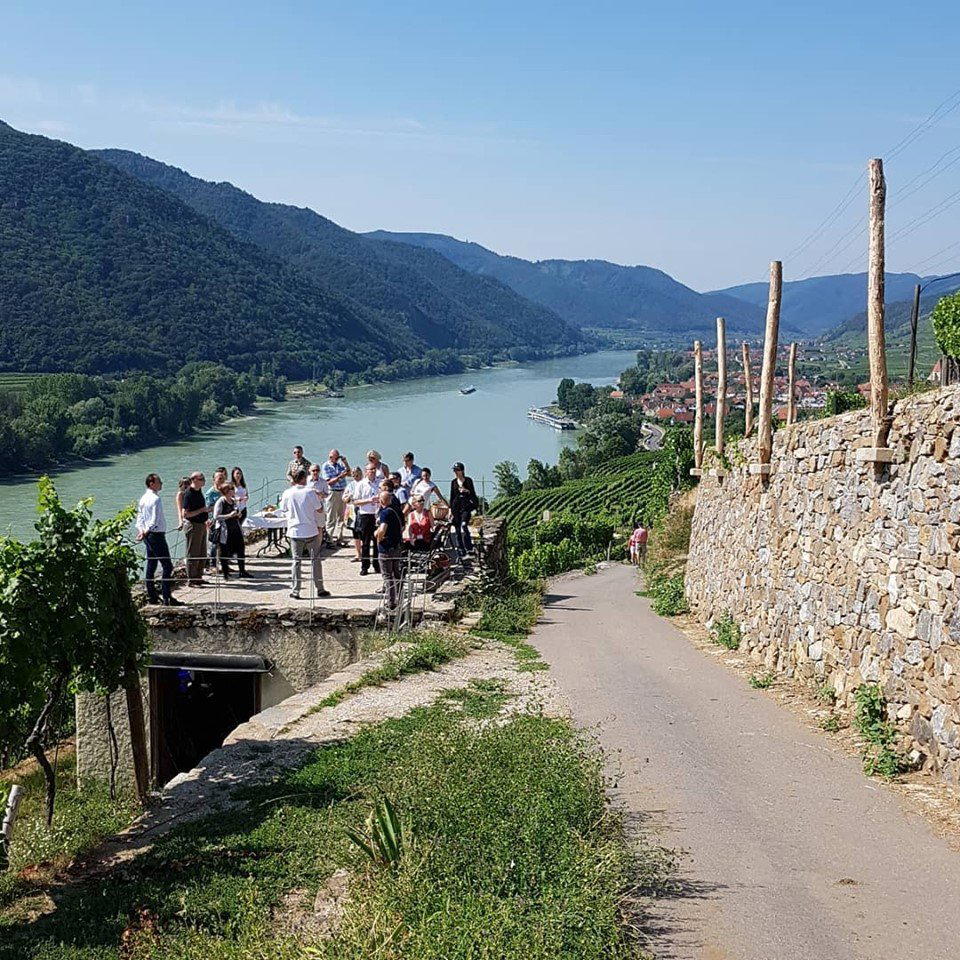
Weingut F. X. Pichler presents a restrained, sophisticated presence set within the Wachau’s terraced slopes and the Danube corridor. The approach frames the visit: loess terraces above, the river below, and a concentration of old vines that lends a sense of place and quiet gravitas. The estate reads as historic and serene rather than flashy — visitors encounter a landscape that feels curated by centuries of cultivation. That calm, collector‑minded atmosphere makes the winery feel like a focused destination for those who prize terroir and precision in Austrian Grüner Veltliner and Riesling.
Best For
This estate is best for visitors seeking deep wine education and serious tasting experiences rather than casual sightseeing. The description highlights the Wachau’s Vinea Wachau tiers (Steinfeder, Federspiel, Smaragd) and notes that F. X. Pichler occupies a high, allocation‑style bracket that attracts collectors and focused guests. First‑time visitors who want to learn about the region’s classification and the long‑ageing potential of Smaragd wines find the setting instructive; collectors and those celebrating a special wine moment will appreciate the estate’s formal reputation and the concentrated vineyards that produce ageworthy bottles.
Tasting Tips
Plan ahead: the text warns that the village and estate can be easy to miss without precise directions, and the winery’s award and allocation‑style reputation suggest limited availability. Reserve or confirm access before arriving and ask specifically about the Wachau tiers—Steinfeder, Federspiel and Smaragd—so you can taste across ripeness and aging categories. Given the estate’s focus and collector appeal, inquire about current release allocations and any cellar or library bottles that illustrate vine age and the region’s granite/gneiss‑influenced character.
Venue details
Ambiance
Elegant and sophisticated with focus on terroir-driven authenticity in a scenic valley setting.
Tags
Vibe
Best For
Experience
Sourcing
View
At the Vineyard
- Appellation
- Wachau DAC
- Varietals
- Grüner Veltliner, Riesling, Sauvignon Blanc, Gelber Muskateller
- Tour Duration
- 60-90 minutes
- Visits
- By appointment only
- Farming
- Organic
- Wine Styles
- Still White
- Wine Club
- Not available
Know before you go
Know Before You Go
- Getting there
- Oberloiben 57, 3601 Dürnstein, Austria
Planning details
Location
Recognition and awards

Also consider
Also Consider
- Domäne Wachau, Notable alternative
- Weingut Emmerich Knoll, Notable alternative
- Weingut Alzinger, Notable alternative
- Weingut Jäger, Notable alternative
- Weingut Hutter Distillery, Notable alternative
Winery context
How it compares in Dürnstein
Weingut F. X. Pichler is the serious-choice booking: strongest for travellers who want the winery visit to be the centre of the day, not a quick stop. Domäne Wachau is the easier recommendation for mixed-experience groups because it is better suited to a broader visitor rhythm, while F. X. Pichler makes more sense for a focused, wine-led occasion.
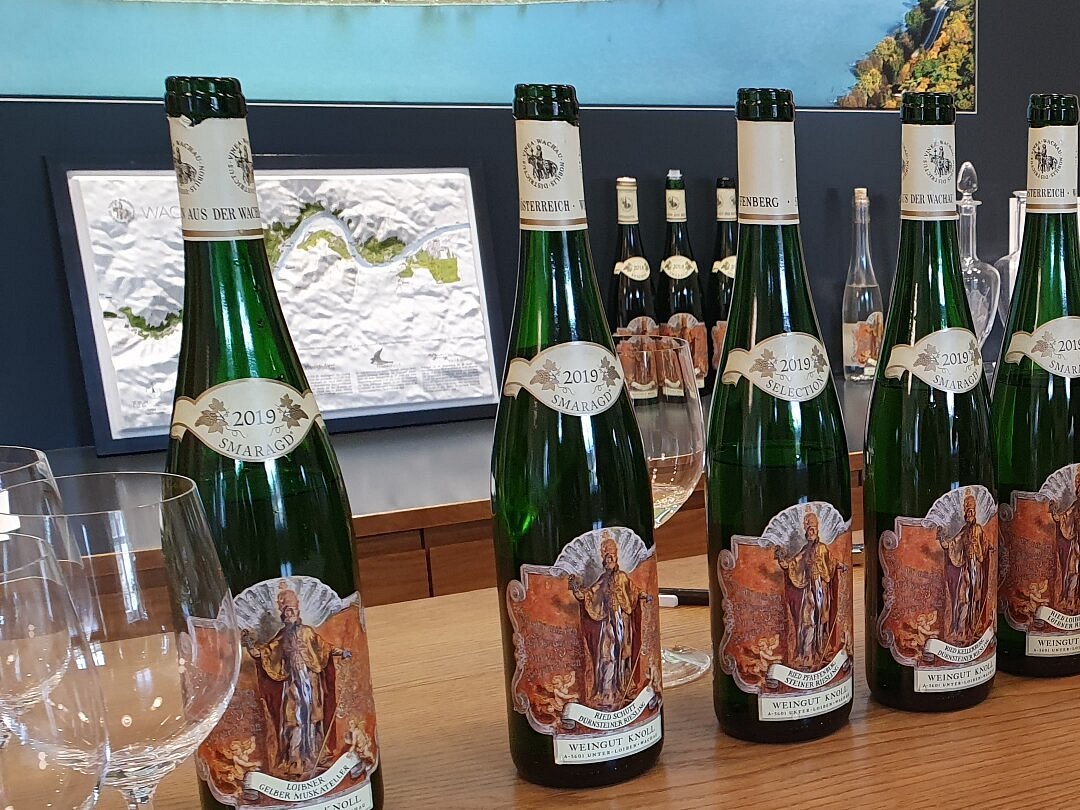
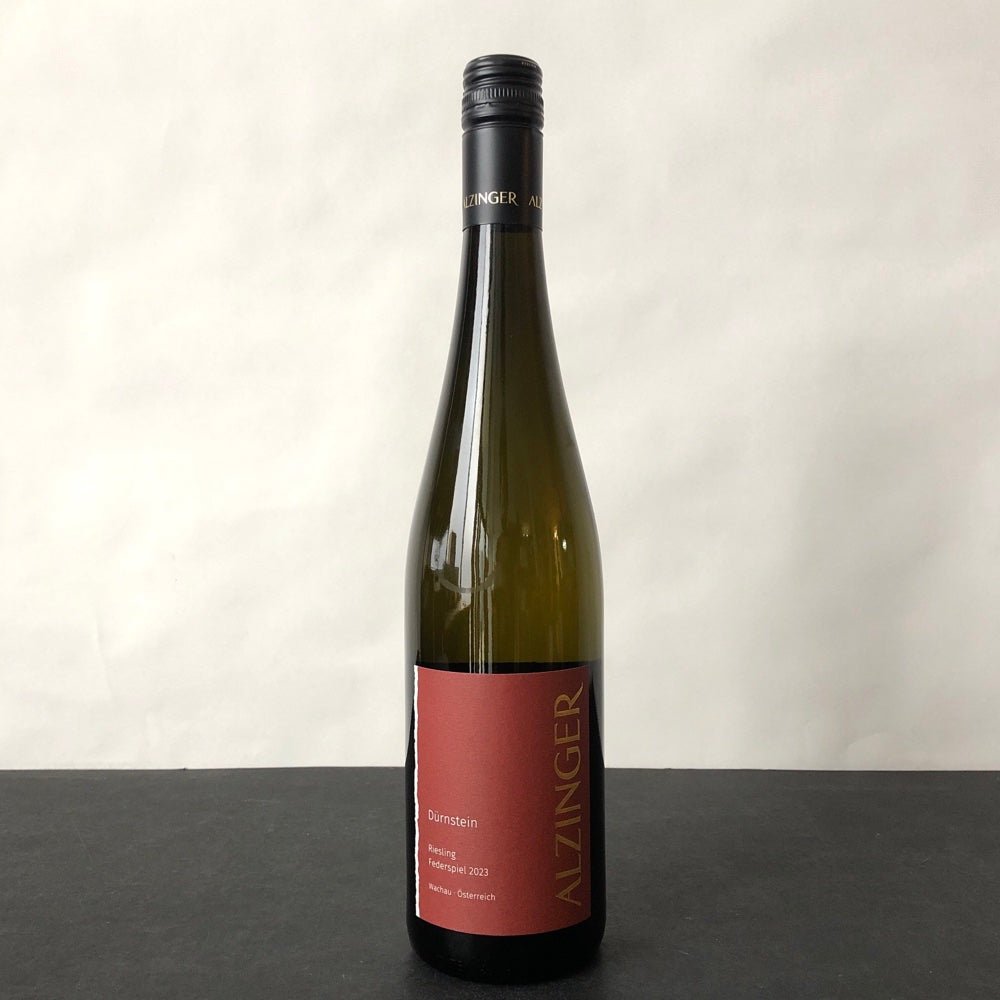
Against Weingut Emmerich Knoll and Weingut Alzinger, the decision is less about a simple quality ranking and more about itinerary shape. If the goal is a compact comparison of serious Wachau producers, build the day around two of the three rather than trying to force every name into one schedule. For a celebration, choose the appointment that feels least rushed.
Weingut Jäger and Weingut Hutter Distillery work better as alternatives when Dürnstein availability is tight or the group wants a different pace. They are the practical cross-shops; F. X. Pichler is the higher-commitment choice when the trip is specifically about the Wachau's benchmark producers.
Explore Dürnstein
Around this place
Discover more on Pearl
Unlock the full Weingut F. X. Pichler guide in Pearl, including awards, comparisons, FAQs, planning details, and nearby places.
Compare Weingut F. X. Pichler
| Venue | Location | Awards |
|---|---|---|
| Weingut F. X. Pichler | Dürnstein | 2026 Falstaff Winery Guide |
| Domäne Wachau | Dürnstein | 2026 Falstaff Winery Guide2025 World's 50 Best Vineyards · #682024 World's 50 Best Vineyards · #332023 World's 50 Best Vineyards · #142022 World's 50 Best Vineyards · #202021 World's 50 Best Vineyards · #222020 World's 50 Best Vineyards · #32019 World's 50 Best Vineyards · #19 |
| Weingut Emmerich Knoll | Dürnstein | 2026 Falstaff Winery Guide |
| Weingut Alzinger | Dürnstein | 2026 Falstaff Winery Guide |
| Weingut Jäger | Weißenkirchen | 2026 Falstaff Winery Guide |
| Weingut Hutter Distillery | Mautern an der Donau | No published awards |

How Weingut F. X. Pichler Dürnstein compares with similar nearby venues.
FAQ
Frequently Asked Questions
When is the best time to visit Weingut F. X. Pichler?
Are there membership benefits at Weingut F. X. Pichler?
Do not plan around membership access or benefits unless the venue confirms them directly.
What other venues can I compare with Weingut F. X. Pichler?
For planning comparisons, consider Domäne Wachau, Weingut Emmerich Knoll, Weingut Alzinger, Weingut Jäger, and Weingut Hutter Distillery, as well as other Dürnstein options generically.