
Domaine Ghislaine Barthod
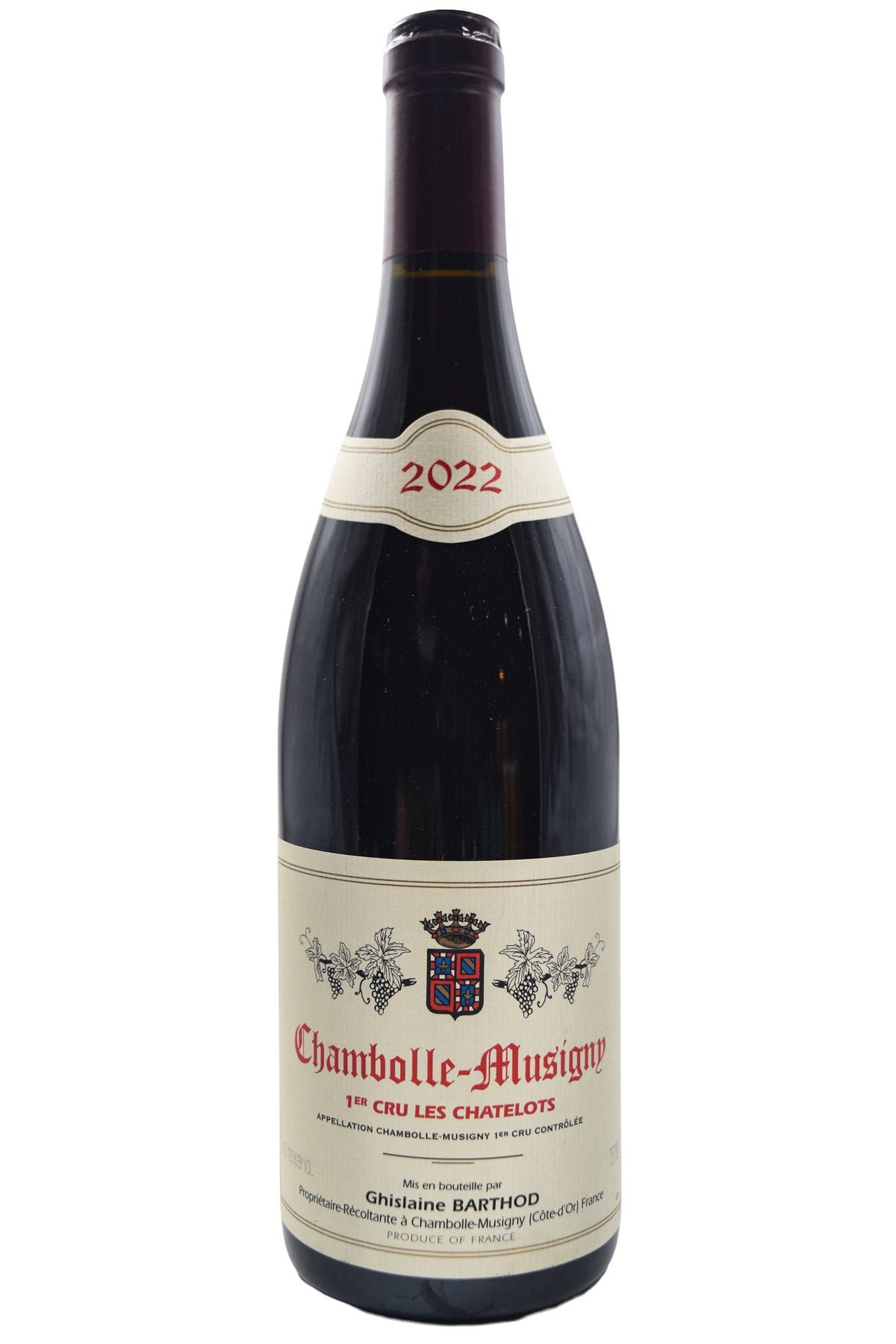
Chambolle-Musigny
Winery in Chambolle-Musigny, France
 Book with Pearl
The Read
Village-Rooted Premier Cru Precision
Why go
A serious Chambolle-Musigny target for Burgundy drinkers who value producer reputation over easy access. Worth pursuing if the trip is built around depth and scarce domaines; less suitable for large groups, casual tasting routes, or anyone needing a predictable visitor format.
About Domaine Ghislaine Barthod
Domaine Ghislaine Barthod is a Chambolle-Musigny venue with Pearl 2 Star Prestige recognition for 2025. For planning, avoid assuming specific services, formats, menus, pricing, or visit arrangements.
The dress code is smart casual. Treat the venue as a prestige Chambolle-Musigny reference point, and confirm any practical details directly before building an itinerary around it.
Book for Chambolle-Musigny focus, not assumptions
This is a fit for travellers who are specifically researching Chambolle-Musigny and want to understand how Domaine Ghislaine Barthod sits among notable names. It supports a prestige-led visit plan, though tasting format, group size, food service, price, and schedule should be checked directly.
If you need a broader route, use Our full Chambolle-Musigny guide to compare options and confirm the practical details that matter for your day.
Who should prioritise it over nearby names
Prioritise Domaine Ghislaine Barthod if your plan is centred on Chambolle-Musigny and you value its Pearl 2 Star Prestige status for 2025. For comparison, consider Domaine Amiot-Servelle, Domaine Hudelot-Baillet, Domaine Comte de Vogue, Domaine Georges Roumier, and Domaine Hudelot-Noëllat as other names to evaluate when shaping an itinerary.
The practical call: keep plans flexible and confirm details directly. For the rest of the trip, use Our full Chambolle-Musigny restaurants guide, Our full Chambolle-Musigny hotels guide, Our full Chambolle-Musigny bars guide, and Our full Chambolle-Musigny experiences guide to round out the day without relying on assumptions about Domaine Ghislaine Barthod.
Planning details
- Location
- 4 Rle du Lavoir, 21220 Chambolle-Musigny
- Phone
- +33 3 80 62 82 42
The take
The Take
The Vibe
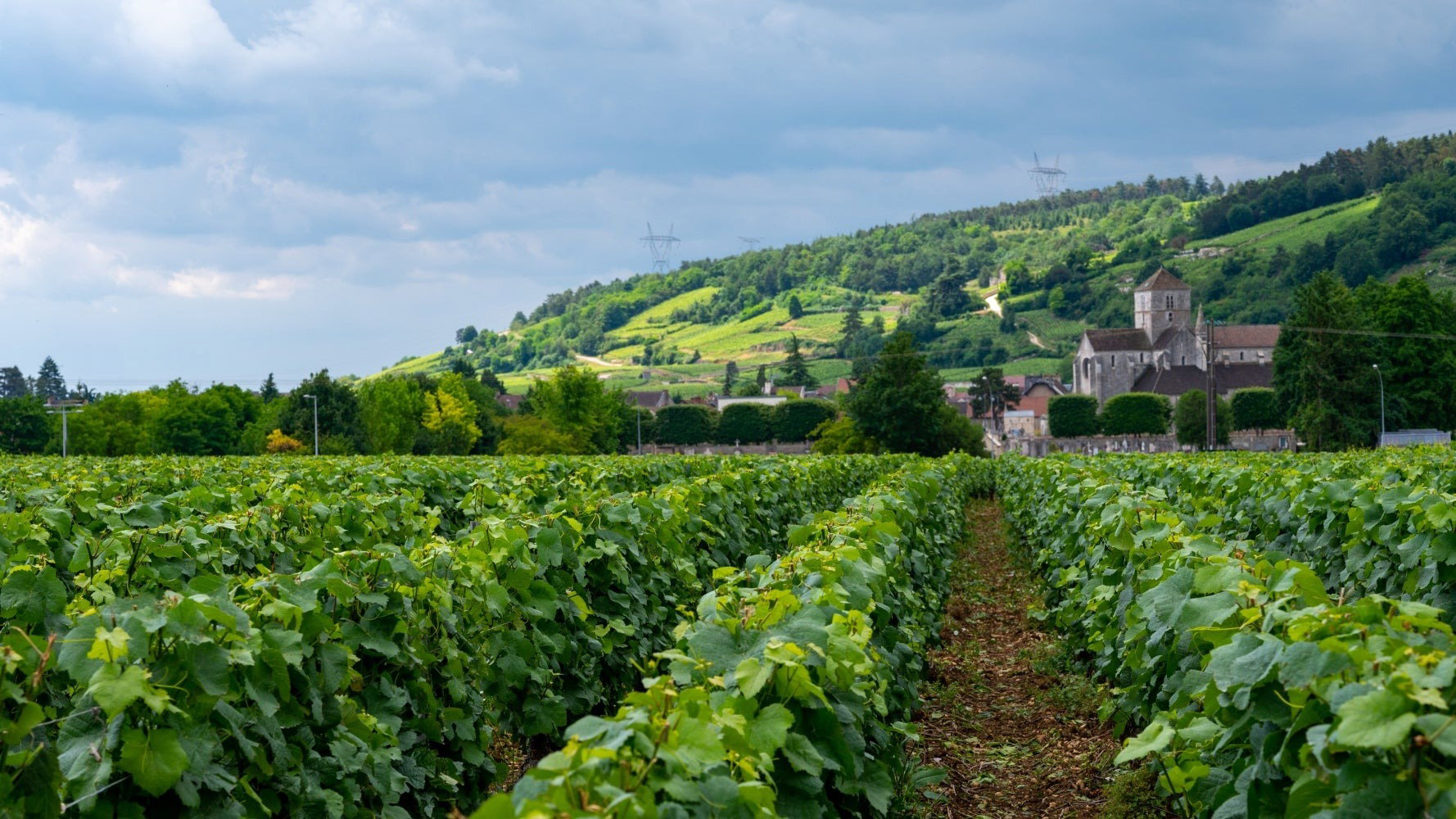
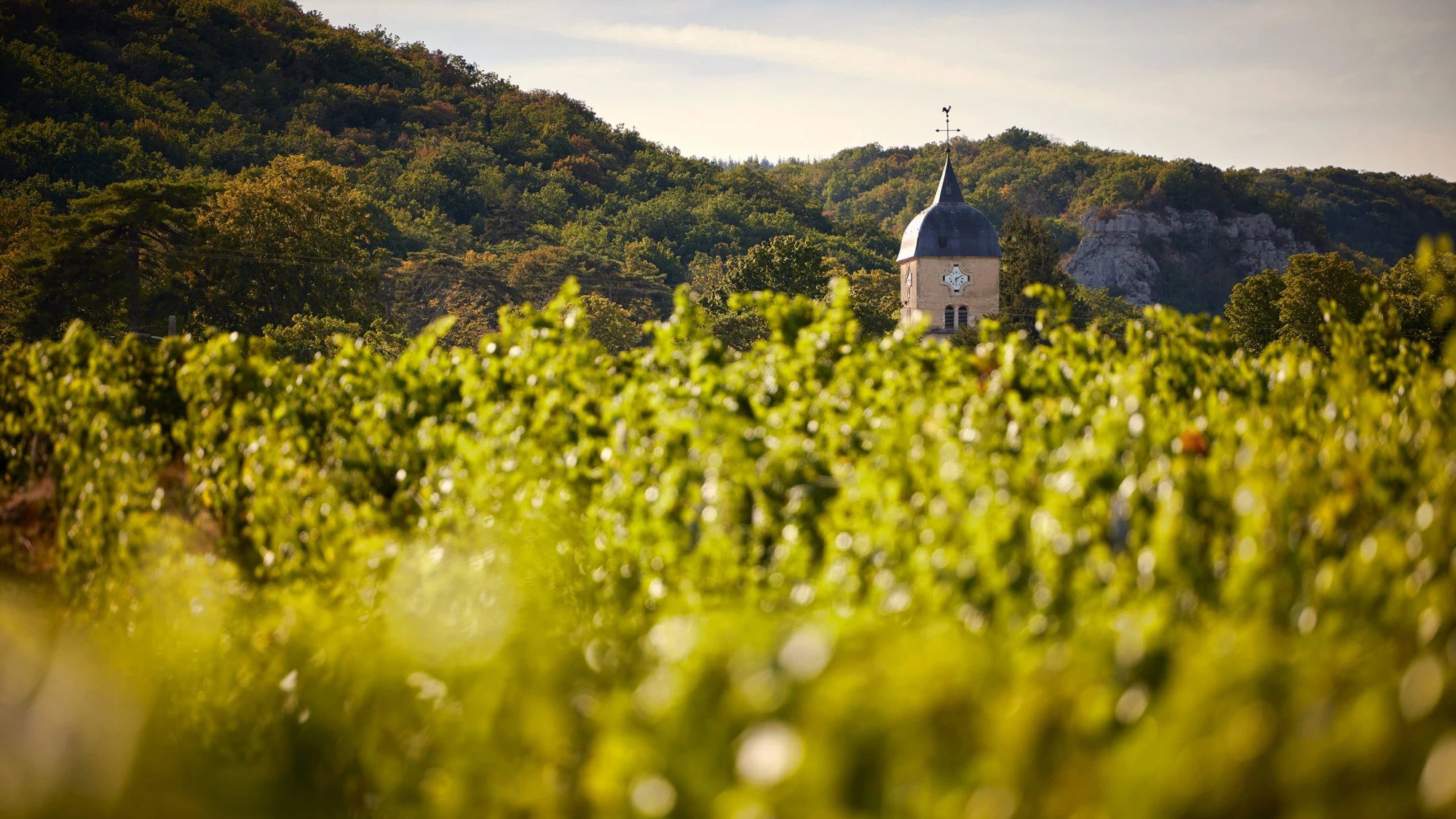
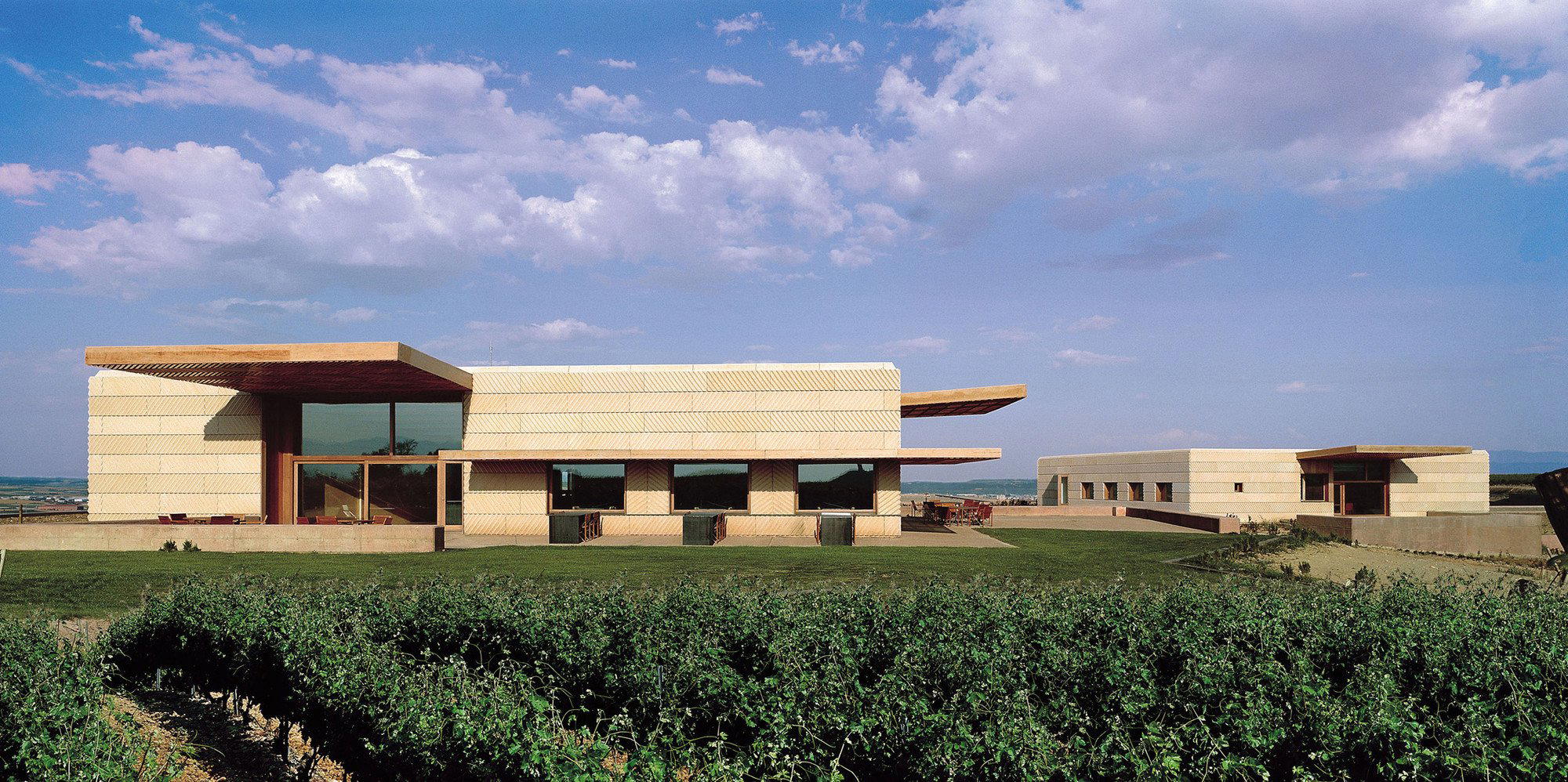
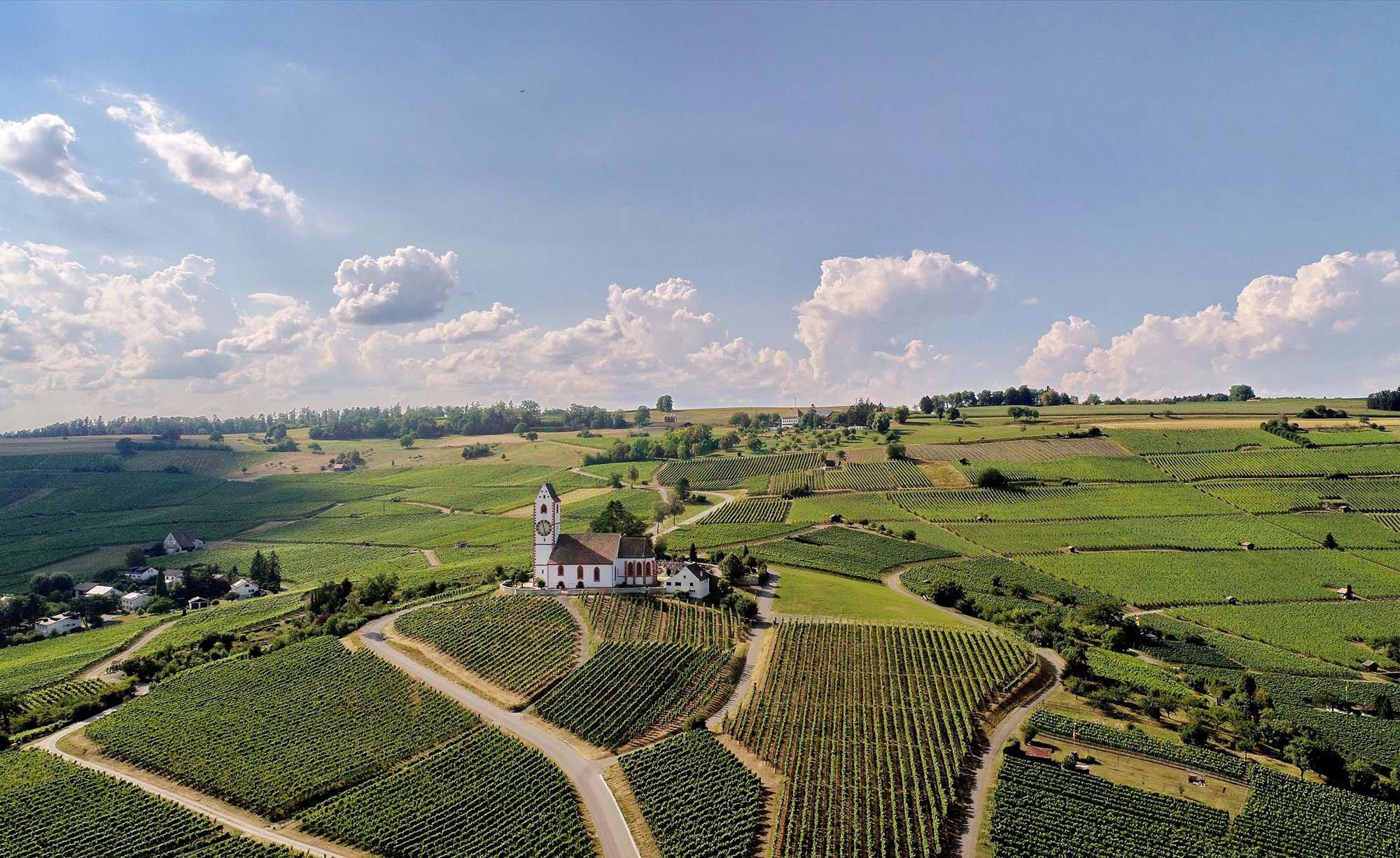
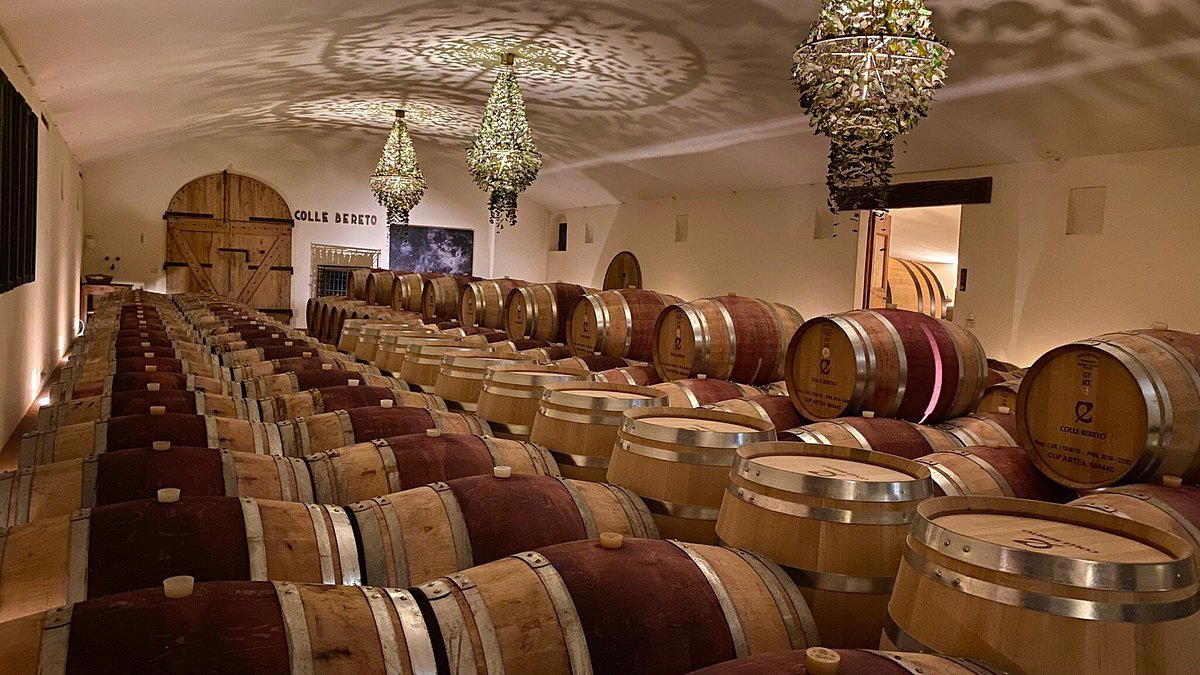
Domaine Ghislaine Barthod reads like a village producer first and a public-facing estate second. It sits within Chambolle-Musigny’s tight, limestone-soaked lanes — a place shaped by dry-stone walls, a church steeple and parcels that abut neighbors — and the domaine’s character reflects that geography. The operation is quiet and reserved: activity happens in the cellar rather than on the street, and the wines themselves do the speaking. Visitors encounter an unadorned, terroir-driven sensibility where refinement is the aim and the village’s long history is plainly visible in both setting and style.
Best For
This domaine is best for visitors who come to study Burgundy rather than to be entertained. It suits wine-education minded travelers, intimate special occasions and quietly romantic getaways where the emphasis is on terroir and precision. Because Barthod occupies a working, family-core lane among Chambolle’s peer set, tastings focus on parcel-level nuance and the restrained expression of limestone slopes. It’s not a theatrical stop; it rewards those who appreciate subtlety, vineyard-defined identity and small-production refinement.
Tasting Tips
Approach tastings here with a terroir-first mindset: prioritize questions about parcel origin, slope and how limited access to specific plots shapes each bottling. Expect a reserved, cellar-centered presentation rather than a theatrical visitor program; let the wines illustrate the point about refinement over volume. Ask the team to walk you through the differences between village, premier-cru and neighboring grands crus parcels so you can hear how minor topographical shifts translate into flavor and texture.
Venue details
Ambiance
Refined and luminous, emphasizing purity and elegance with a focus on the wines' natural brightness and mineral character.
Tags
Vibe
Best For
Experience
Sourcing
View
At the Vineyard
- Appellation
- Chambolle-Musigny AOC
- Varietals
- Pinot Noir, Chardonnay
- Tour Languages
- French, English
- Visits
- By appointment only
- Farming
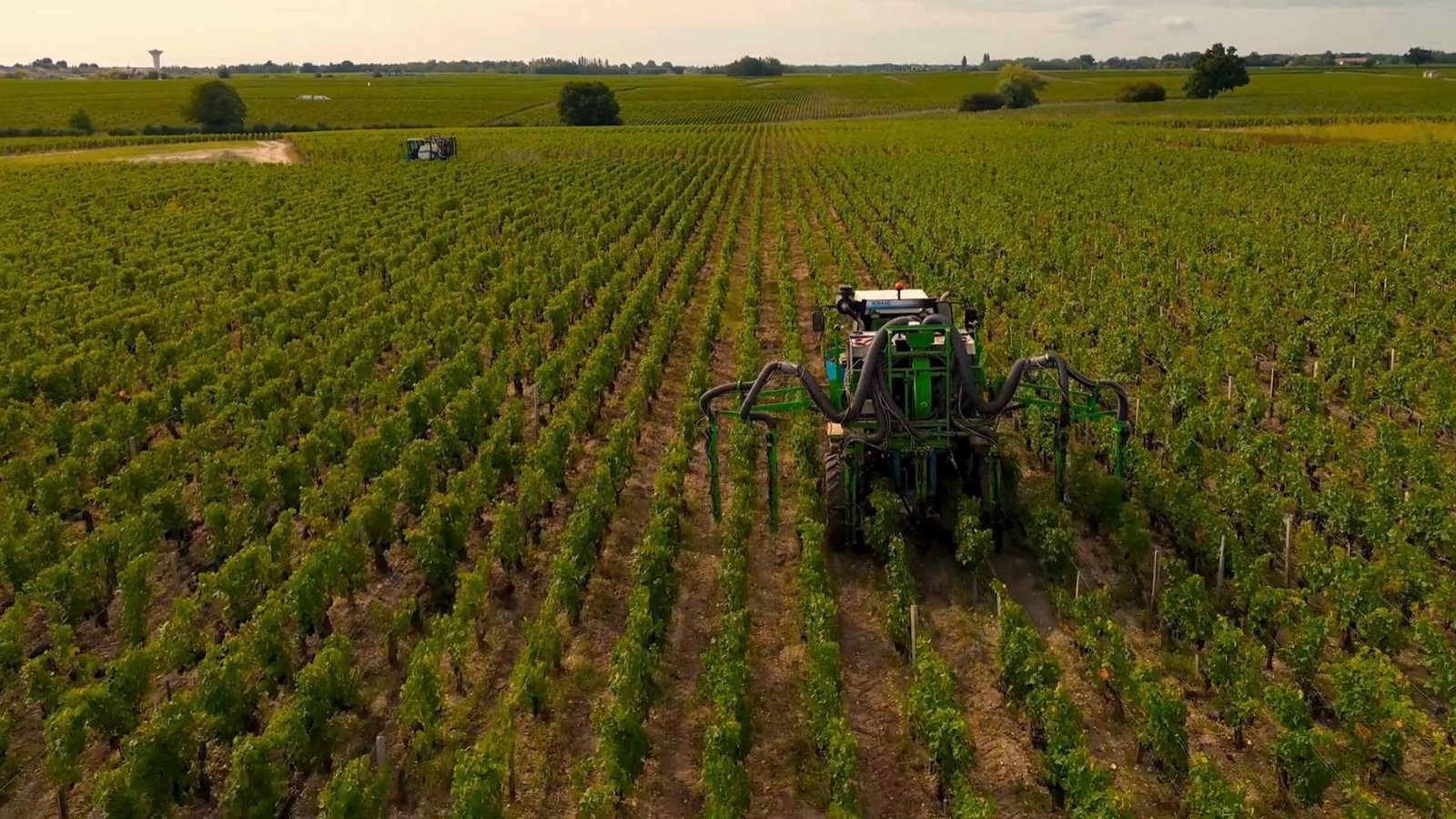
- Biodynamic
- Wine Styles
- Still Red, Still White
- Wine Club
- Available
Know before you go
Know Before You Go
- Getting there
- 4 Rle du Lavoir, 21220 Chambolle-Musigny
Planning details
Location
4 Rle du Lavoir, 21220 Chambolle-Musigny · Directions
Recognition and awards

Also consider
Also Consider
- Domaine Hudelot-Baillet, Notable alternative
- Domaine Amiot-Servelle, Notable alternative
- Domaine Comte de Vogue, Notable alternative
- Domaine Georges Roumier, Notable alternative
- Domaine Hudelot-Noëllat, Notable alternative
Winery context
How it compares in Chambolle-Musigny
Domaine Ghislaine Barthod is the pick for travellers who want a Chambolle-focused stop with high prestige and are willing to deal with difficult access. Domaine Hudelot-Baillet and Domaine Amiot-Servelle make more sense if the goal is a practical village itinerary with less pressure on a single hard-to-secure appointment.
For prestige cross-shopping, Domaine Comte de Vogue and Domaine Georges Roumier sit in the same scarcity conversation, so the decision is less about convenience and more about which confirmed access shapes the trip. If a visit needs to feel controlled and low-risk, none of the scarce-name options should be the only plan.
Domaine Hudelot-Noëllat is the broader Côte de Nuits comparison for travellers weighing Chambolle focus against a wider Burgundy lens. Choose Domaine Ghislaine Barthod when the priority is Chambolle specificity; choose a broader peer route when value means more confirmed appointments, less waiting, and a fuller day on the ground.
Explore Chambolle-Musigny
Around this place
Discover more on Pearl
Unlock the full Domaine Ghislaine Barthod guide in Pearl, including awards, comparisons, FAQs, planning details, and nearby places.
Compare Domaine Ghislaine Barthod
| Venue | Location | Awards |
|---|---|---|
| Domaine Ghislaine Barthod | Chambolle-Musigny | 2026 Falstaff Winery Guide2026 Michelin 1 Grape - Burgundy |
| Domaine Hudelot-Baillet | Chambolle-Musigny | 2025 Pearl 4 Star Prestige |
| Domaine Amiot-Servelle | Chambolle-Musigny | No published awards |
| Domaine Comte de Vogue | Chambolle-Musigny | No published awards |
| Domaine Georges Roumier | Chambolle-Musigny | 2026 Falstaff Winery Guide2026 Michelin 3 Grapes - Burgundy2025 Pearl 4 Star Prestige |
| Domaine Hudelot-Noëllat | Chambolle-Musigny | 2026 Michelin 1 Grape - Burgundy2026 Falstaff Winery Guide2025 Pearl 4 Star Prestige |

How Domaine Ghislaine Barthod Chambolle-Musigny Guide compares with similar nearby venues.
FAQ
Frequently Asked Questions
What other venues are useful to compare with Domaine Ghislaine Barthod?
Domaine Comte de Vogue, Domaine Georges Roumier, Domaine Hudelot-Noëllat, Domaine Amiot-Servelle, and Domaine Hudelot-Baillet are useful names to compare when planning around Domaine Ghislaine Barthod in Chambolle-Musigny.
How long should I plan for a visit to Domaine Ghislaine Barthod?
Can Domaine Ghislaine Barthod handle large groups?
What should I confirm before planning around Domaine Ghislaine Barthod?
Confirm purchasing arrangements, membership details, and visit format. Compare Domaine Ghislaine Barthod with Domaine Hudelot-Noëllat or Domaine Amiot-Servelle only after confirming the practical details that matter to your plan.
Do I need a reservation at Domaine Ghislaine Barthod?
Because Domaine Ghislaine Barthod has Pearl 2 Star Prestige recognition for 2025, it is sensible to confirm access and timing directly before visiting Chambolle-Musigny.
When is the best time to visit Domaine Ghislaine Barthod?
Check opening days, hours, and seasonal timing directly before coordinating a Chambolle-Musigny plan that also includes names such as Domaine Georges Roumier or Domaine Hudelot-Baillet.
Does Domaine Ghislaine Barthod serve food?
Plan meals separately in Chambolle-Musigny unless Domaine Ghislaine Barthod offers food service as part of your arrangements.