
Weingut Pöckl
Mönchhof
Winery in Mönchhof, Austria
 Book with Pearl
The Read
Pannonian Prestige Viticulture
Why go
A serious Mönchhof winery choice for travelers building a planned Burgenland wine day, not a casual last-minute stop. Prioritize it if regional reputation matters and you can plan ahead; cross-shop Weingut Keringer if availability and a simpler visit matter more.
About Weingut Pöckl
Weingut Pöckl is a Mönchhof venue with Pearl 2 Star Prestige recognition for 2025. Plan around the essentials rather than assuming a specific tasting format, menu, price point, or service schedule. The dress code is smart casual.
For planning, treat Weingut Pöckl as a focused stop in Mönchhof and confirm any visit details directly with the venue before building the rest of the day around it. If you are comparing options, Weingut Keringer is another named venue to consider, while Schloss Halbturn Winery, Weingut Gernot und Heike Heinrich, Weingut Anita und Hans Nittnaus, and Weingut Juris (Stiegelmar) can be considered separately without assuming they are all part of the same local itinerary.
A planned Mönchhof stop, not a casual add-on
The safest way to plan Weingut Pöckl is to keep expectations narrow: it is in Mönchhof, the dress code is smart casual, and it holds Pearl 2 Star Prestige recognition for 2025. Do not assume lunch, food service, a particular tasting structure, group capacity, opening hours, or pricing unless the venue confirms those details. For broader planning around Mönchhof, build meals, drinks, lodging, and other activities separately around details you can confirm directly.
Who should choose it over comparison venues
Choose Weingut Pöckl if you want a Mönchhof stop with a 2025 Pearl 2 Star Prestige signal and are comfortable checking practical details before you go. Cross-shop Weingut Keringer if you are comparing named options, or look separately at Schloss Halbturn Winery, Weingut Gernot und Heike Heinrich, Weingut Anita und Hans Nittnaus, and Weingut Juris (Stiegelmar) when building a wider itinerary. The practical call is simple: confirm the current visit details first, then add other plans only where timing and availability are clear.
Planning details
- Location
- Zwergäcker 1, 7123 Mönchhof
- Website
- poeckl.at
- Phone
- +43 2173 80258
The take
The Take
The Vibe
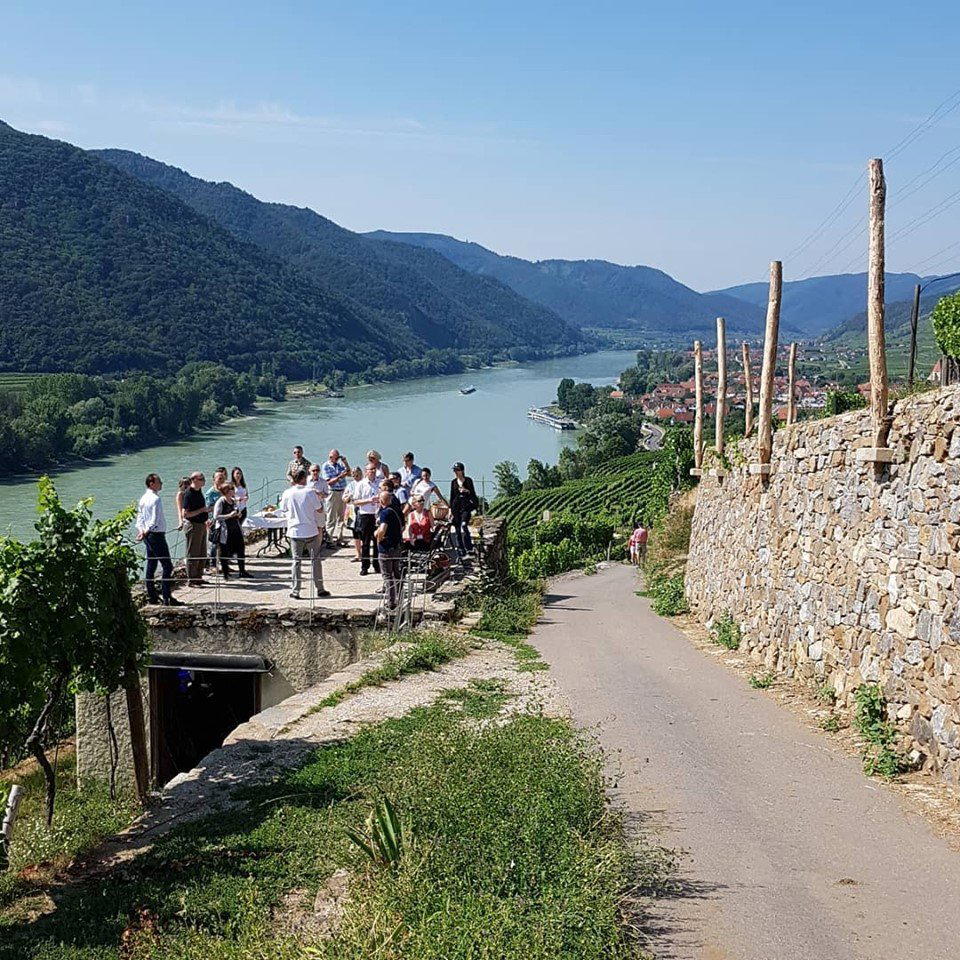
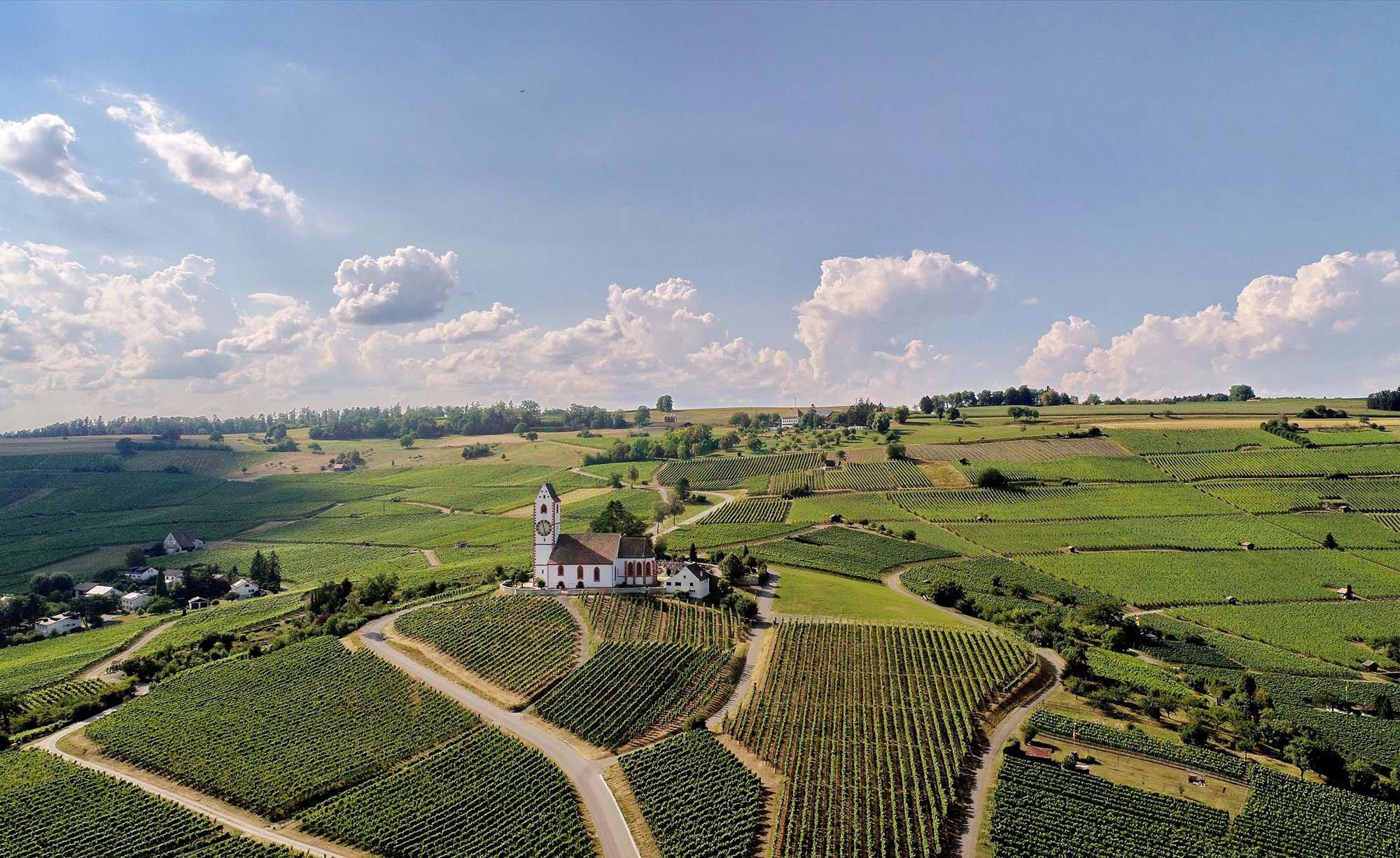
Weingut Pöckl sits in the broad, flat Seewinkel plain where the land opens toward the reed-edged shallow waters of Lake Neusiedl. The estate conveys a quiet, scenic character rather than dramatic hillside theatrics: long ripening seasons and a continental warmth shape ripe, structured red wines rather than flashy fruit. The writing places Pöckl in the upper tier of Austrian estates—an awarded producer whose attention to site and restraint produces reds with clarity and measured power. Visits feel contemplative and landscape‑focused, best appreciated by people who prefer understated terroir expression over showy production.
Best For
This estate is best for visitors seeking a serious, terroir-driven look at Burgenland reds: students of Austrian varieties, collectors tracking regional expressions, and couples or small groups wanting a calm, scenic stop near Lake Neusiedl. The property’s 2025 Pearl 2 Star Prestige recognition positions it for educational tastings and small special‑occasion visits where guests want context about Zweigelt, Blaufränkisch and Cabernet‑driven blends. It’s less about rowdy cellar‑door crowds and more about measured exploration of site, climate and vintage differences in a quiet village setting.
Tasting Tips
Ask to taste the estate’s red lineup with attention to Zweigelt and the blends that feature Blaufränkisch and Cabernet Sauvignon—the description highlights these varieties as the winery’s focus. Request the award‑winning or prestige cuvées (the write‑up cites a 2025 Pearl 2 Star Prestige) and inquire about vineyard sources and how the wines show structure and ageing potential. If bottles are available, consider buying one to take home; the climate notes—"long ripening seasons" and "concentrated warmth"—suggest wines that can reward short‑ to medium‑term cellaring.
Venue details
Ambiance
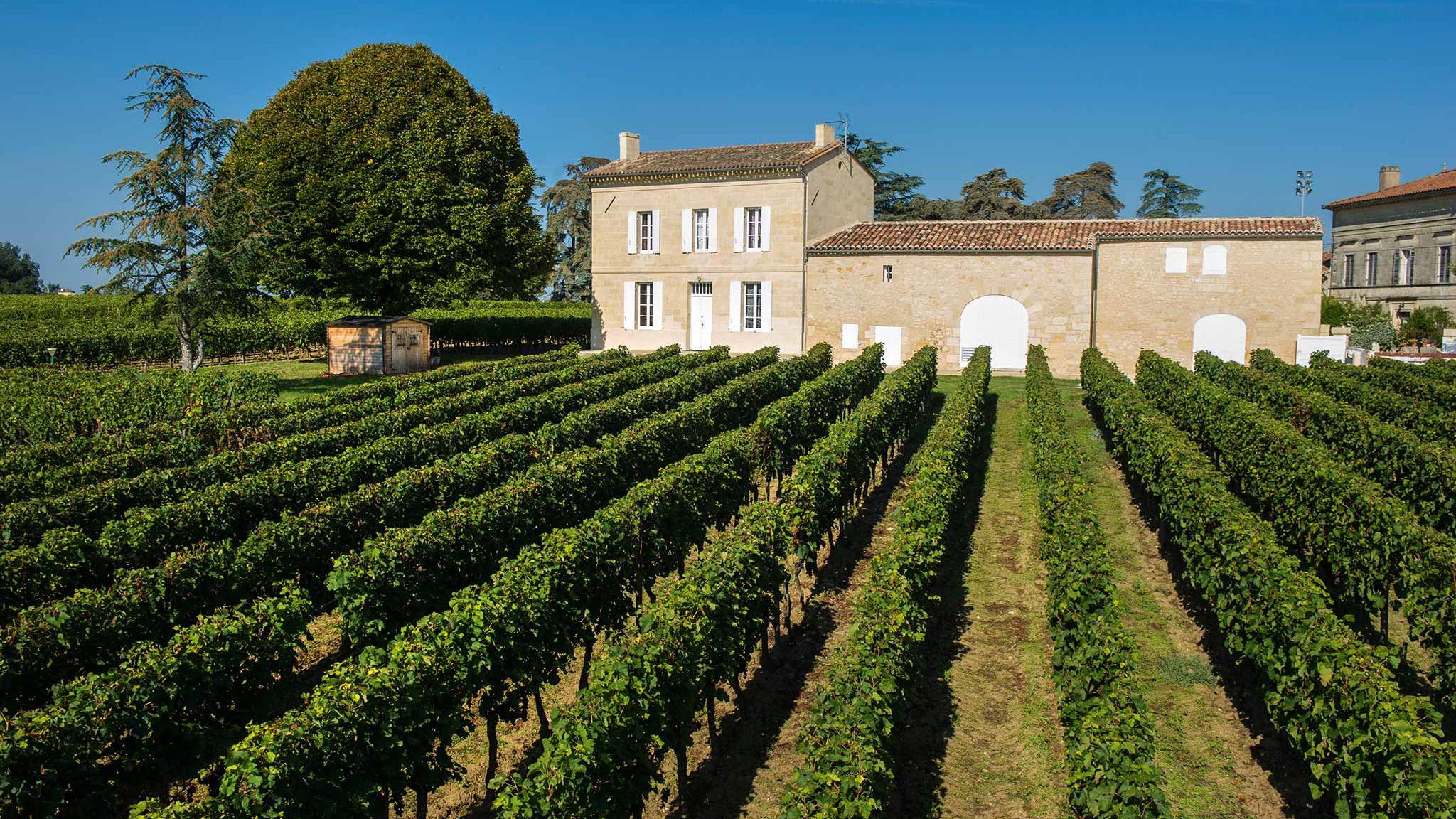
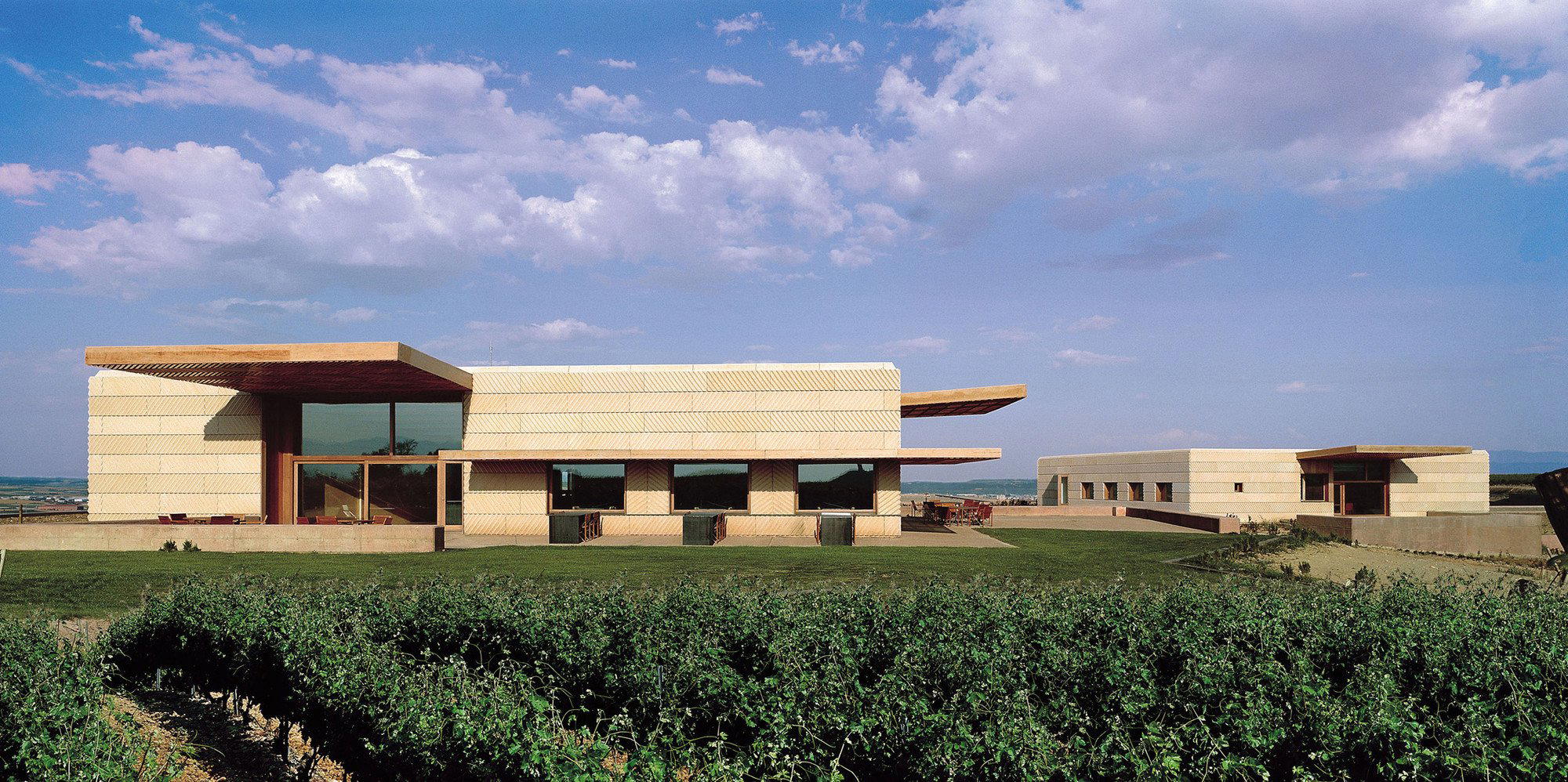
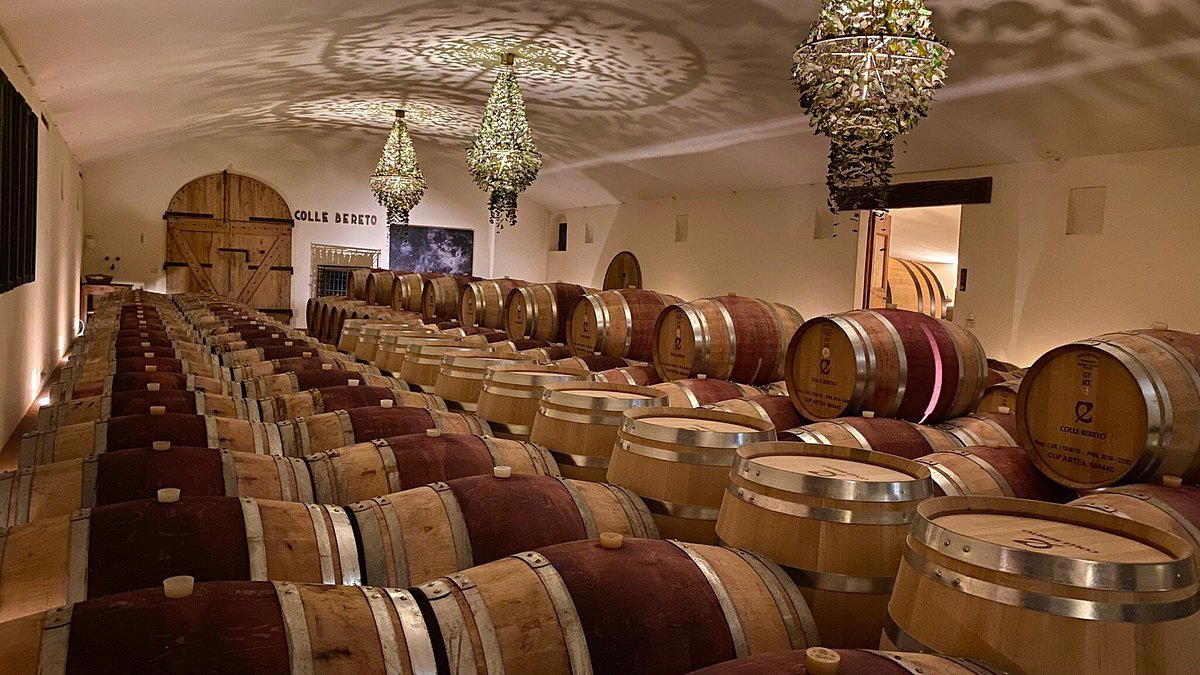
Traditional winery setting with modern cellar technology, reflecting a passionate dialogue between nature and winemaking tradition in the Burgenland region.
Tags
Vibe
Best For
Experience
Sourcing
View
At the Vineyard
- Appellation
- Neusiedlersee DAC
- Varietals
- Zweigelt, Blaufränkisch, St. Laurent, Pinot Noir, Cabernet Sauvignon
- Visits
- By appointment only
- Farming
- Sustainable
- Wine Styles
- Still Red
- Shipping
- Available
- Wine Club
- Available
Know before you go
Know Before You Go
- Getting there
- Zwergäcker 1, 7123 Mönchhof
Planning details
Location
Recognition and awards

Also consider
If you cannot secure it
Try Weingut Keringer first if staying in Mönchhof is important. It is the closest practical substitute for a village-based winery plan.
Choose Schloss Halbturn Winery if the group wants a more setting-led outing, or Weingut Gernot und Heike Heinrich if the day can become a broader regional wine route.
Winery context
How Weingut Pöckl compares in Mönchhof
Weingut Pöckl is the tighter, harder-to-secure choice in this set, so it suits travelers who are building the day around one serious winery visit. Schloss Halbturn Winery is the better call if the setting matters as much as the wine, while Weingut Keringer is the more practical Mönchhof fallback when availability is the deciding factor.
For a broader Burgenland comparison, Weingut Gernot und Heike Heinrich and Weingut Anita und Hans Nittnaus are stronger cross-shops for visitors willing to leave Mönchhof for a fuller regional wine day. Weingut Juris (Stiegelmar) also makes sense if the group wants another established local benchmark rather than concentrating the itinerary in one village.
The value call is less about a posted price and more about planning cost: if you can only secure one appointment, choose Weingut Pöckl for the more serious, prestige-led stop. If the group includes casual drinkers, mixed interest levels, or anyone who wants an easier schedule, Keringer or Schloss Halbturn Winery will likely feel less pressured.
Explore Mönchhof
Around this place
Discover more on Pearl
Unlock the full Weingut Pöckl guide in Pearl, including awards, comparisons, FAQs, planning details, and nearby places.
Compare Weingut Pöckl
| Venue | Location | Awards |
|---|---|---|
| Weingut Pöckl | Mönchhof | 2026 Falstaff Winery Guide |
| Schloss Halbturn Winery | Halbturn | No published awards |
| Weingut Keringer | Mönchhof | 2026 Falstaff Winery Guide |
| Weingut Gernot und Heike Heinrich | Gols | 2026 Falstaff Winery Guide |
| Weingut Anita und Hans Nittnaus | Gols | 2026 Falstaff Winery Guide |
| Weingut Juris (Stiegelmar) | Gols | 2026 Falstaff Winery Guide |
How Weingut Pöckl Mönchhof compares with similar nearby venues.
FAQ
Frequently Asked Questions
How long should I plan for a visit to Weingut Pöckl?
Plan conservatively, confirm timing directly with Weingut Pöckl, and avoid assuming a specific tasting length or format. The venue is in Mönchhof and has Pearl 2 Star Prestige recognition for 2025.
Does Weingut Pöckl serve food?
Can Weingut Pöckl handle large groups?
Contact Weingut Pöckl directly before planning for a larger party, and do not assume space, format, or availability without confirmation.