

Bodegas Baigorri
Rioja Alavesa, Samaniego
Winery in Samaniego, Spain
 Book with Pearl
The Read
Elevation-Driven Rioja
Why go
Book Bodegas Baigorri if Samaniego is the wine focus of the day, not a quick detour. Its recognition makes it a stronger choice for travellers seeking Rioja Alavesa depth, while Bodegas Ysios, Vivanco, and Marqués de Riscal are better cross-shops for architecture, broader wine culture, or marquee-name appeal.
About Bodegas Baigorri
Bodegas Baigorri is a Samaniego winery with 2025 recognition: Pearl 2 Star Prestige and Decanter World Wine Awards Derived Winery Prestige. Use it as a focused option when comparing wineries for a Samaniego plan.
The dress code is smart casual, and any further practical details should be checked directly with the venue before arranging a visit.
Choose it for a recognised Samaniego winery stop
The clearest reason to prioritise Bodegas Baigorri is its 2025 recognition: Pearl 2 Star Prestige and Decanter World Wine Awards Derived Winery Prestige. Those accolades give it a stronger basis for consideration than a generic winery listing.
Plan around what is known: Bodegas Baigorri is in Samaniego, carries 2025 prestige recognition, and has a smart casual dress code. For anything more specific, such as availability, visit options, group arrangements, or current hospitality details, confirm directly with the winery.
Where it fits among comparison wineries
Bodegas Baigorri can be compared with Bodegas Ysios, Bodegas Vivanco, Dinastía Vivanco, Bodegas de los Herederos del Marqués de Riscal, and Marqués de Riscal when deciding how to shape a winery-focused itinerary. The most grounded distinction here is Baigorri's recognition and its Samaniego setting.
The practical comparison is simple: choose Bodegas Baigorri if you want a recognised Samaniego winery in the mix, and compare the other names according to your own route, availability, and preferences. Check each winery's official channels before finalising plans.
Planning details
- Location
- Vitoria Errepidea, km 53, 01307 Samaniego, Araba
- Website
- bodegasbaigorri.com
- Phone
- +34 945 60 94 20
The take
The Take
The Vibe
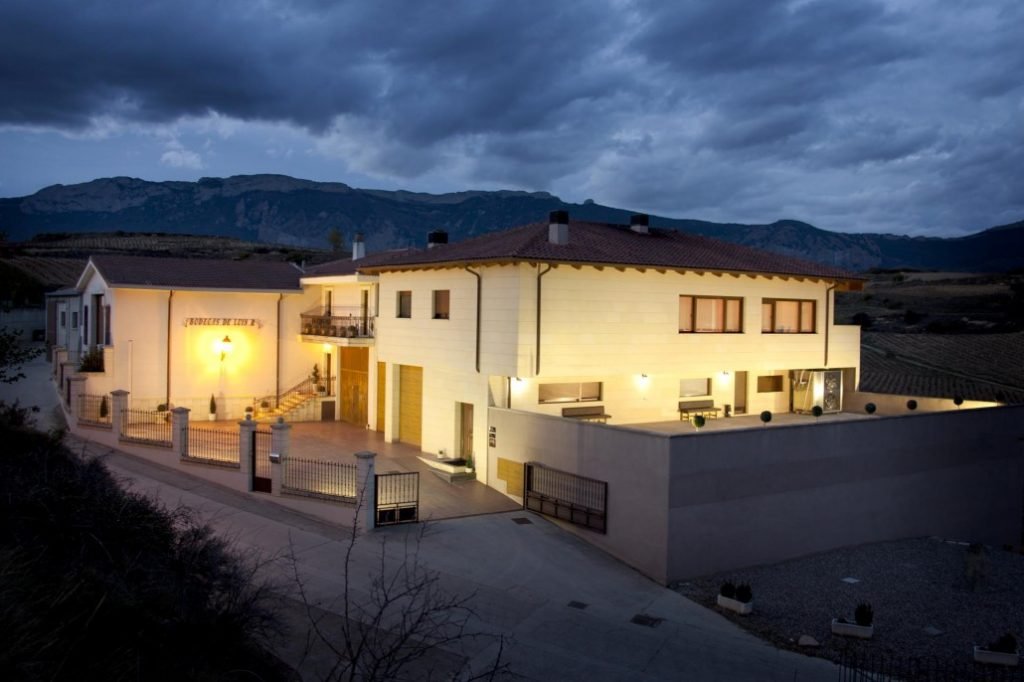
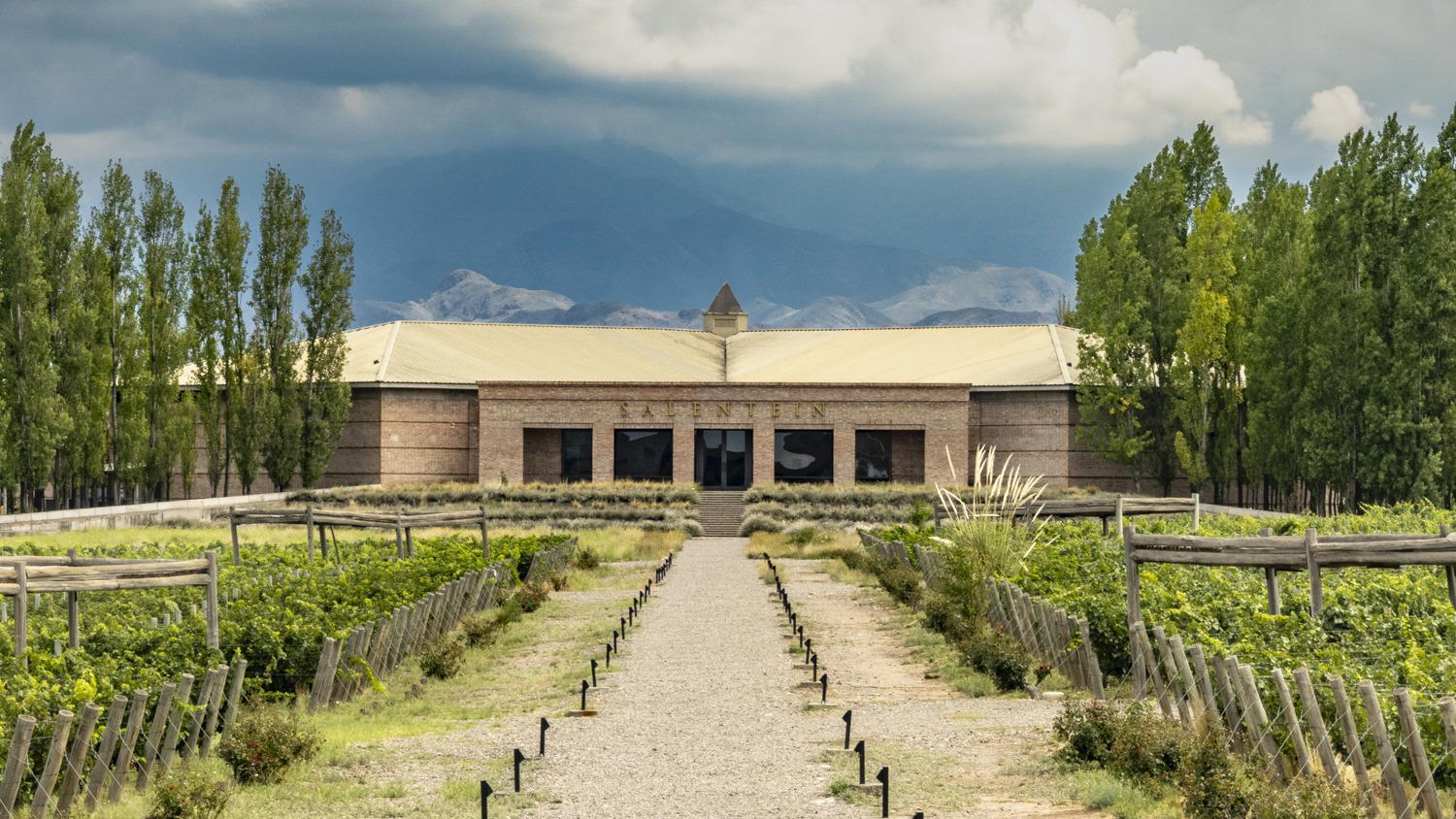
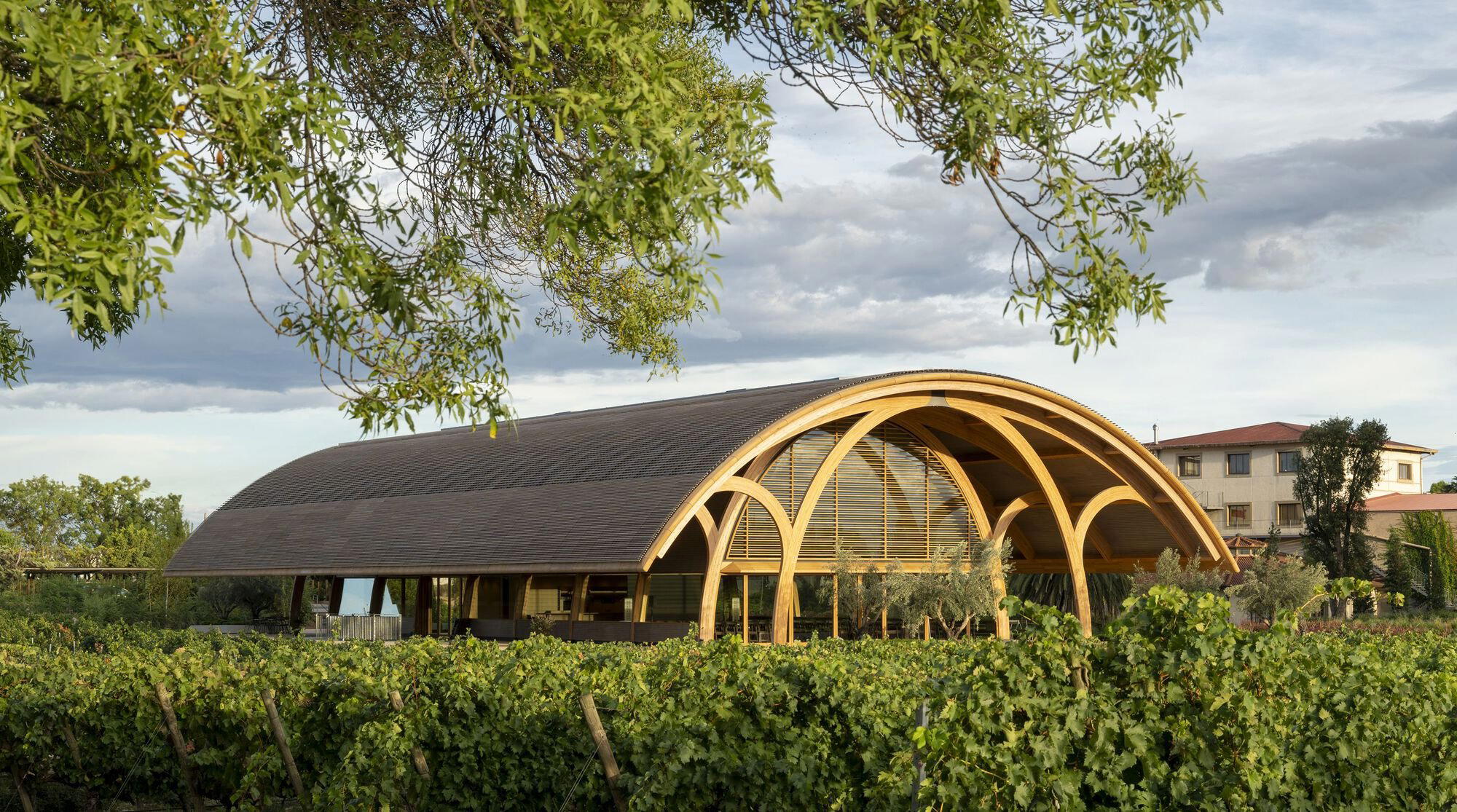
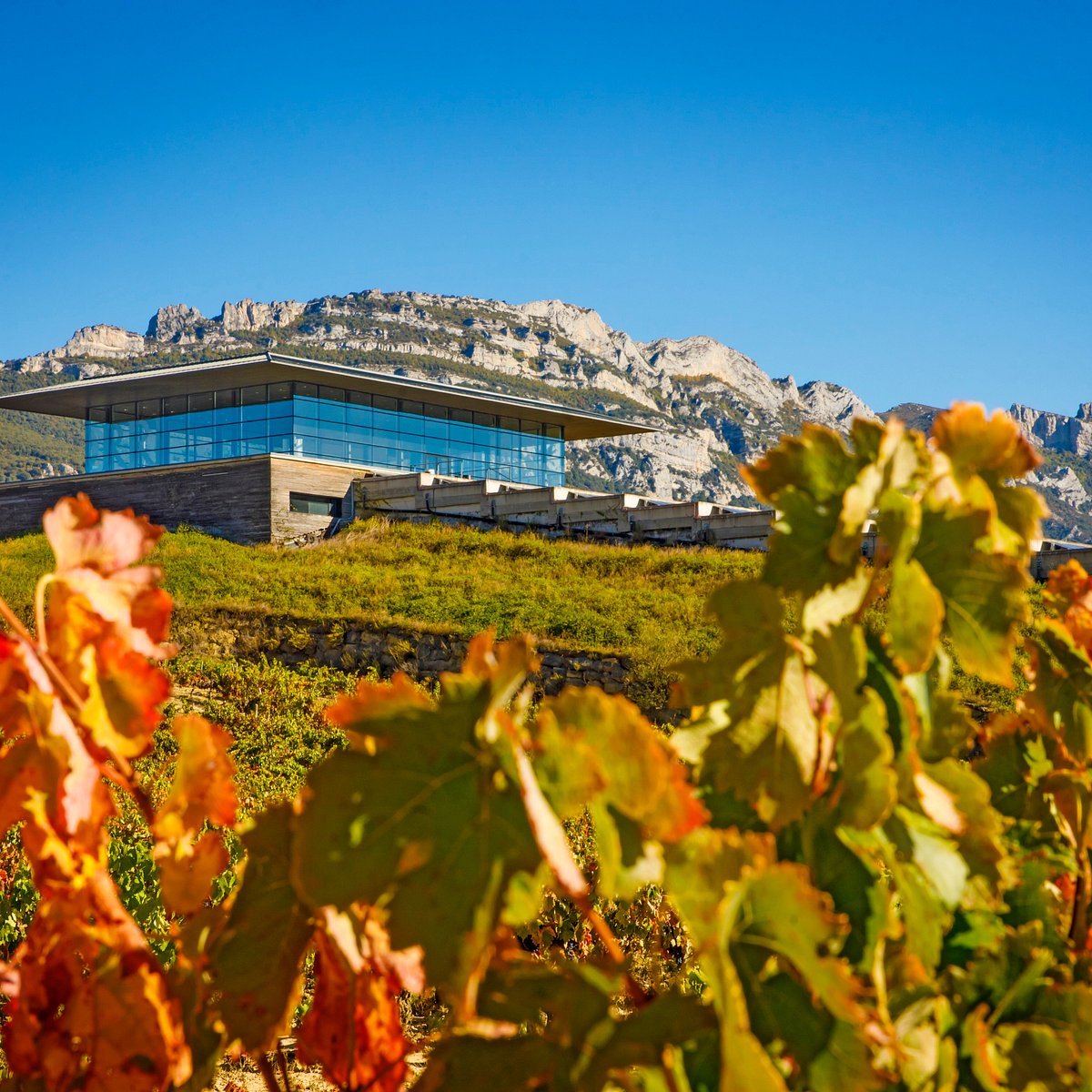
Bodegas Baigorri presents a site-responsive, architect-driven identity that reads directly from the hillside. The building descends into the slope so production can use gravity and the earth's natural thermal properties, and its design is framed alongside landmark Rioja Alavesa projects. The writing emphasizes the dialogue between modern construction and the land—limestone plateau, Atlantic influence and calcareous soils—to underscore a terroir-first sensibility. Visitors encounter a winery that intentionally integrates geology, climate and architecture, making the visit feel like an investigation of place as much as a look at contemporary winemaking.
Best For
This is a destination for travelers interested in terroir, architecture and the technical case for Rioja Alavesa. The copy foregrounds altitude, soils and a distinct regional argument for Tempranillo, which makes the estate a natural stop for wine-education–focused visitors who want to understand why this sub-zone tastes different. Its strong architectural statement and production layout also make it well suited to organized group visits and to travelers seeking a memorable, design-minded winery stop that illustrates how building, site and winemaking interrelate.
Venue details
Ambiance
Sophisticated and modern atmosphere with panoramic vineyard and mountain views from the glass structure, blending architectural elegance with natural serenity.
Tags
Vibe
Best For
Experience
Sourcing
View
At the Vineyard
- Appellation
- DOCa Rioja
- Varietals
- Tempranillo, Grenache, Viura, Graciano, Maturana
- Tour Duration
- 60-90 minutes
- Visits
- By reservation
- Farming
- Sustainable
- Production
- Small producer
- Wine Styles
- Still Red, Still White, Still Rose
- Food Pairing
- Offered
- Wine Club
- Not available
Know before you go
Know Before You Go
- Getting there
- Vitoria Errepidea, km 53, 01307 Samaniego, Araba
Planning details
Location
Recognition and awards

Also consider
Also Consider
- Bodegas Ysios, Notable alternative
- Bodegas Vivanco, Notable alternative
- Dinastía Vivanco, Notable alternative
- Bodegas de los Herederos del Marqués de Riscal, Notable alternative
- Marqués de Riscal, Notable alternative
Winery context
How Bodegas Baigorri compares in Samaniego
Bodegas Baigorri is the better pick for travellers who want a focused Rioja Alavesa winery stop and are willing to plan around harder access. Bodegas Ysios is the stronger cross-shop if the visit is driven by architecture and visual impact, while Baigorri is the more direct choice when the decision is about wine-region depth.
Bodegas Vivanco and Dinastía Vivanco suit travellers who want a broader wine-culture outing rather than a tighter cellar-led visit. If the group includes mixed-interest guests, those two are easier to justify; if everyone is there for Rioja Alavesa context, Baigorri is the cleaner call.
Bodegas de los Herederos del Marqués de Riscal and Marqués de Riscal are the better choices for travellers prioritising a major Rioja name. Choose Baigorri when the goal is a serious Samaniego stop; choose Riscal when the trip needs a more recognisable anchor.
Explore Samaniego
Around this place
Discover more on Pearl
Unlock the full Bodegas Baigorri guide in Pearl, including awards, comparisons, FAQs, planning details, and nearby places.
Compare Bodegas Baigorri
| Venue | Location | Awards |
|---|---|---|
| Bodegas Baigorri | Samaniego | 2026 Falstaff Winery Guide2025 Decanter Winery Prestige |
| Bodegas Ysios | Laguardia | 2026 Falstaff Winery Guide2025 World's 50 Best Vineyards · #32024 World's 50 Best Vineyards · #4 |
| Bodegas Vivanco | Valle de Mena | 2025 World's 50 Best Vineyards · #242024 World's 50 Best Vineyards · #312022 World's 50 Best Vineyards · #442020 World's 50 Best Vineyards · #41 |
| Dinastía Vivanco | Briones | 2019 World's 50 Best Vineyards · #24 |
| Bodegas de los Herederos del Marqués de Riscal | Rioja | Guía Repsol Soles 20262026 Falstaff Winery Guide2025 Decanter Winery Prestige2024 World's 50 Best Vineyards · #12023 World's 50 Best Vineyards · #22022 World's 50 Best Vineyards · #22021 World's 50 Best Vineyards · #22020 World's 50 Best Vineyards · #62019 World's 50 Best Vineyards · #9 |
| Marqués de Riscal | Elciego | No published awards |


How Bodegas Baigorri Samaniego compares with similar nearby venues.
FAQ
Frequently Asked Questions
Do I need a reservation at Bodegas Baigorri?
Reservation requirements are not listed here. Bodegas Baigorri has 2025 Pearl 2 Star Prestige and Decanter World Wine Awards Derived Winery Prestige recognition, so it is sensible to check directly with the winery before planning a visit. Bodegas Ysios and Marqués de Riscal are useful comparison names when shaping a wider winery plan.
When is the best time to visit Bodegas Baigorri?
Bodegas Baigorri is a Samaniego winery with 2025 recognition, and current availability and visit details should be confirmed directly with the venue. Bodegas Vivanco can be considered as another comparison option when planning a broader trip.
What other wineries can I compare with Bodegas Baigorri?
Bodegas Ysios, Bodegas Vivanco, Dinastía Vivanco, Bodegas de los Herederos del Marqués de Riscal, and Marqués de Riscal are key comparison venues to consider alongside Bodegas Baigorri. Baigorri's points here are its Samaniego location, smart casual dress code, and 2025 recognition.
Are membership details at Bodegas Baigorri ?
The grounded case for Bodegas Baigorri is the winery's Samaniego setting and its 2025 Pearl 2 Star Prestige and Decanter World Wine Awards Derived Winery Prestige recognition. For any club, membership, or buying details, check directly with the winery.
What is the flagship wine at Bodegas Baigorri?
Treat Bodegas Baigorri as a recognised Samaniego winery rather than relying on a named wine. If your planning depends on specific bottles or availability, confirm directly with the venue.
Can Bodegas Baigorri handle large groups?
If you are planning a group visit, contact Bodegas Baigorri directly for current details. Bodegas de los Herederos del Marqués de Riscal is another comparison name to consider when shaping a wider winery itinerary.