

Domaine Joseph Roty
Gevrey-Chambertin
Winery in Gevrey-Chambertin, France
 Book with Pearl
The Read
Prestige Côte de Nuits Parcels
Why go
Domaine Joseph Roty is worth targeting for serious Burgundy travelers who want producer depth in Gevrey-Chambertin, not a casual tasting-room stop. Access should be treated as difficult, so keep plans flexible and compare it with Domaine Duroché or Domaine Henri Rebourseau if the group needs a more predictable visit.
About Domaine Joseph Roty
Domaine Joseph Roty is a Gevrey-Chambertin venue with 2 Star Prestige recognition for 2025. It is best evaluated by its essentials: the venue name, its Gevrey-Chambertin setting, its smart casual dress code, and its 2025 recognition.
Use this as a careful verdict rather than a promise of specific visitor services. Specific details regarding booking, visit format, menu or tasting structure, pricing, opening hours, group capacity, and special services are not available. If those details matter for your plans, confirm them directly before arranging a visit.
A notable Gevrey-Chambertin name
Domaine Joseph Roty is in Gevrey-Chambertin and holds 2 Star Prestige recognition for 2025. That makes it a notable name to consider in a Gevrey-Chambertin context, but specific information about hospitality format, appointment style, visitor capacity, or public tasting setup is not available.
For comparison planning, consider other Gevrey-Chambertin names such as Domaine Duroché, Domaine Henri Rebourseau, Domaine Pierre Damoy, Domaine Trapet Père et Fils, and Domaine Drouhin-Laroze. For current details, contact each venue directly.
Who should use this verdict
Domaine Joseph Roty is best treated as a carefully documented Gevrey-Chambertin listing. Detailed visitor information is not available. The dress code is smart casual, and the recognition is 2 Star Prestige for 2025. Beyond that, practical details should be checked directly before relying on them for timing, group planning, or expectations.
Planning details
- Location
- 24 Rue Mal de Lattre de Tassigny, 21220 Gevrey-Chambertin
- Phone
- +33 3 80 34 38 97
The take
The Take
The Vibe
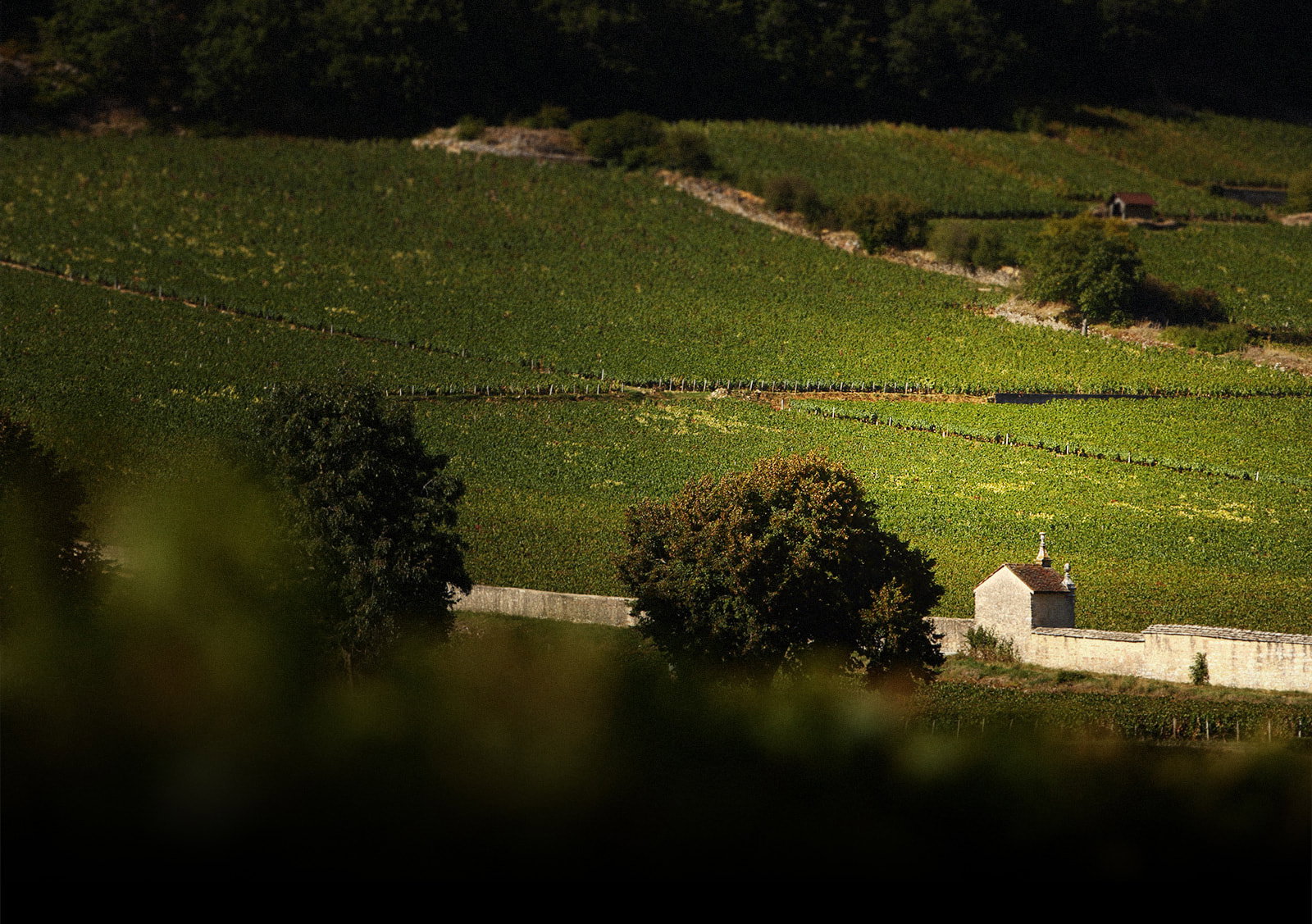
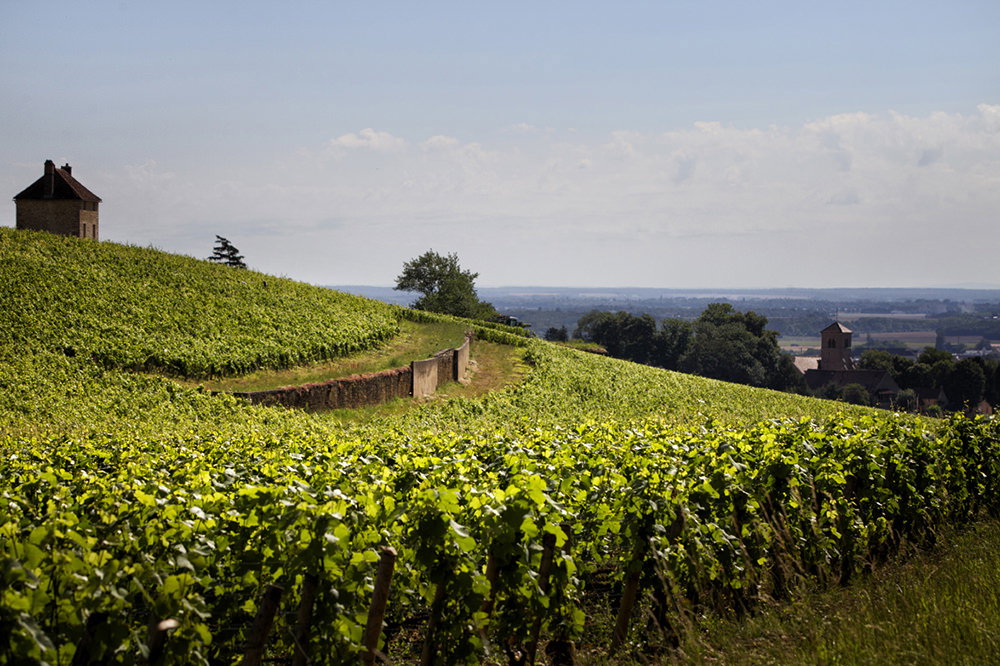
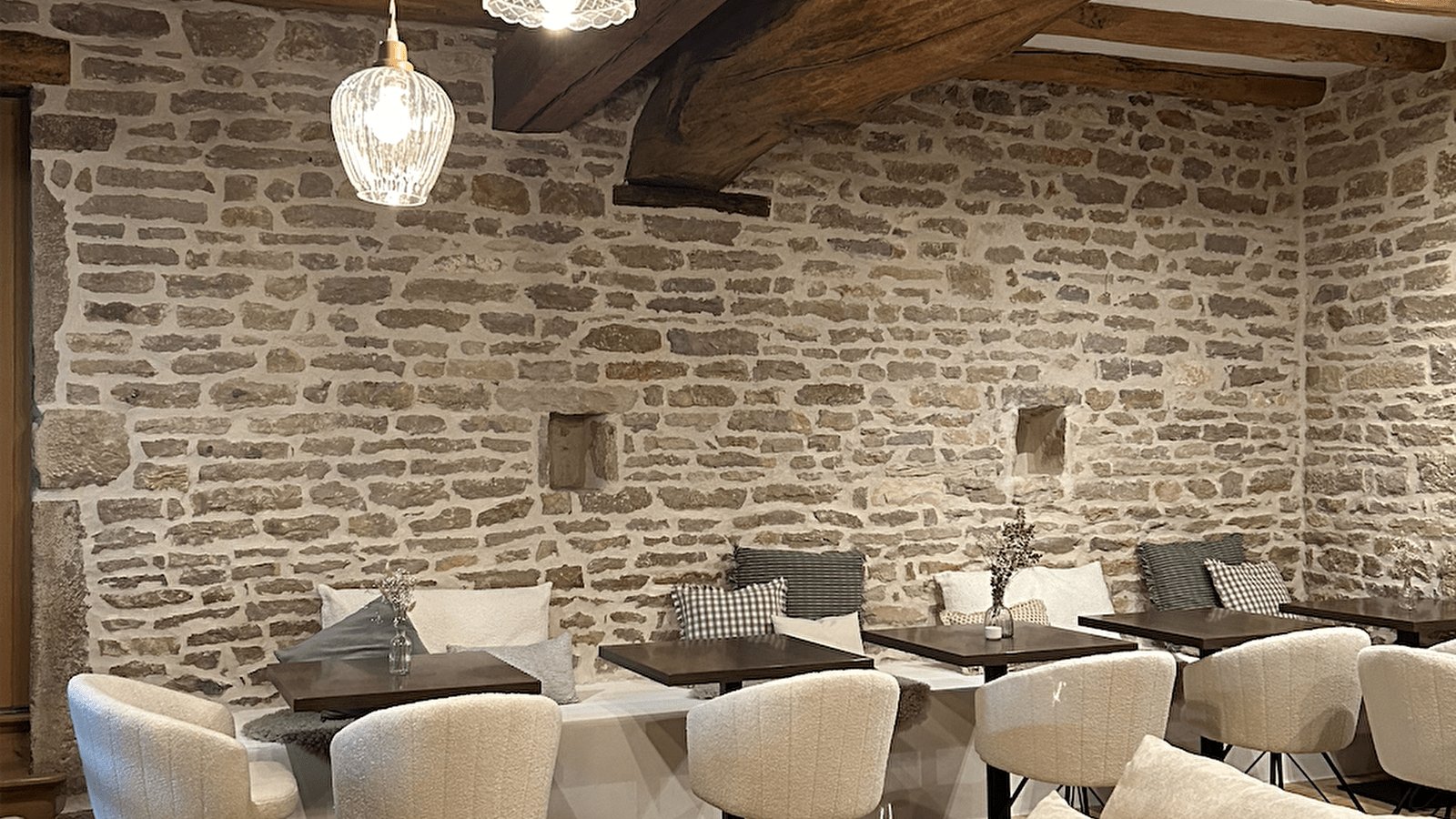
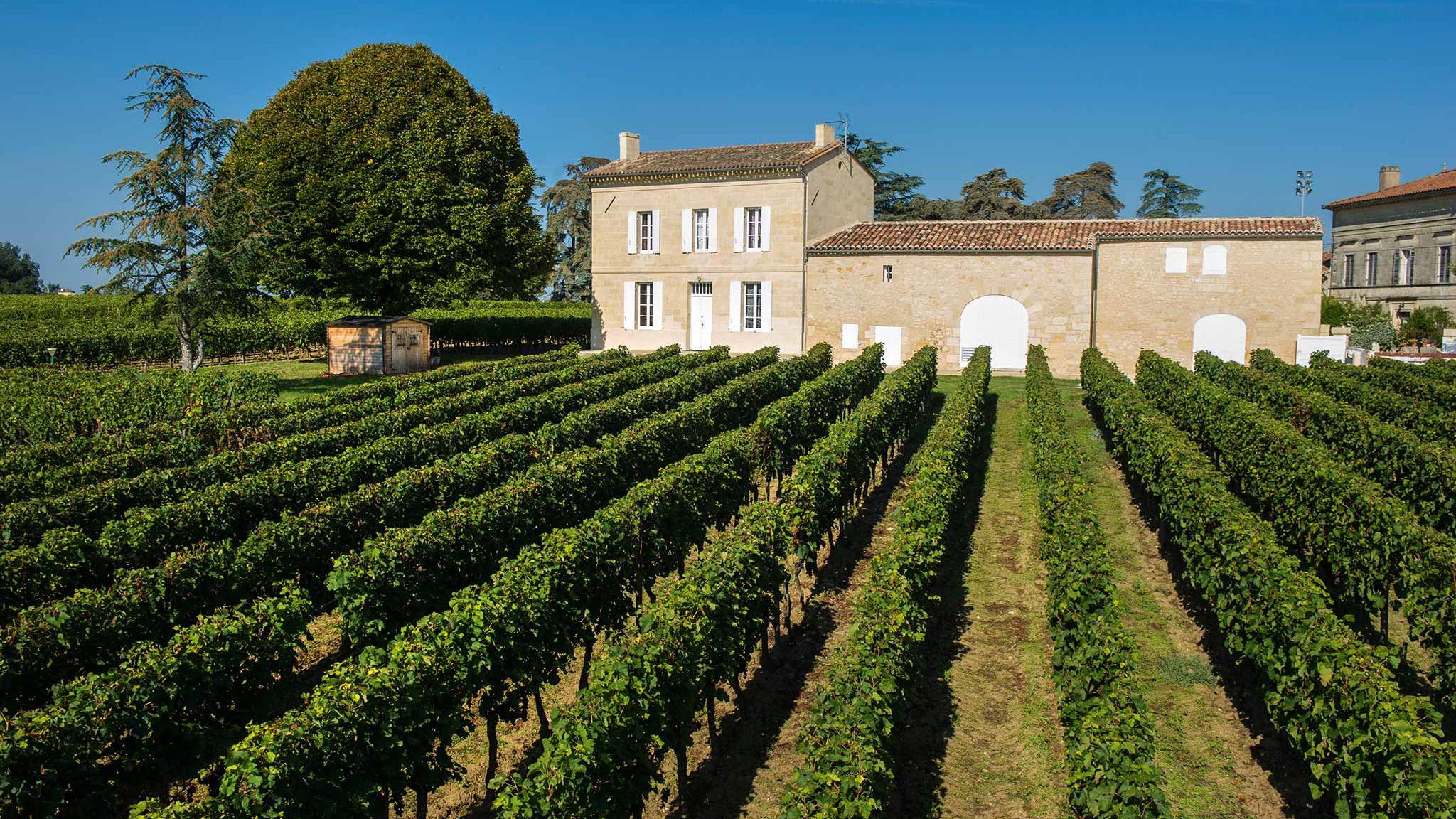
Domaine Joseph Roty presents a quietly authoritative, historically rooted presence: old stone and old vines frame a parcel-led approach that privileges what the land says over any showy frontage. Set in Gevrey-Chambertin’s working village centre, the domaine’s language is limestone, lanes and the subtle gradations between village, premier- and grand-cru sites. The mood is restrained and focused, where nuance and lineage matter more than spectacle. Visitors encounter a thoughtful, terroir-driven atmosphere that rewards attention — an experience defined by continuity, understated elegance and the small-scale rhythms of classic Burgundian viticulture.
Best For
This domaine suits visitors who come to study Burgundian terroir rather than to seek entertainment. Wine-focused travelers, students of classification and solitary explorers find the parcel-driven logic especially instructive: holdings that span village, premier- and grand-cru levels make for direct, educational comparisons. The EP Club Pearl 2 Star Prestige recognition indicates a level of quality that also fits a quiet special occasion for guests who prefer refinement over flamboyance. In short, Joseph Roty is for people who want to read the land, taste the differences and place individual cuvées within Gevrey-Chambertin’s hierarchy.
Tasting Tips
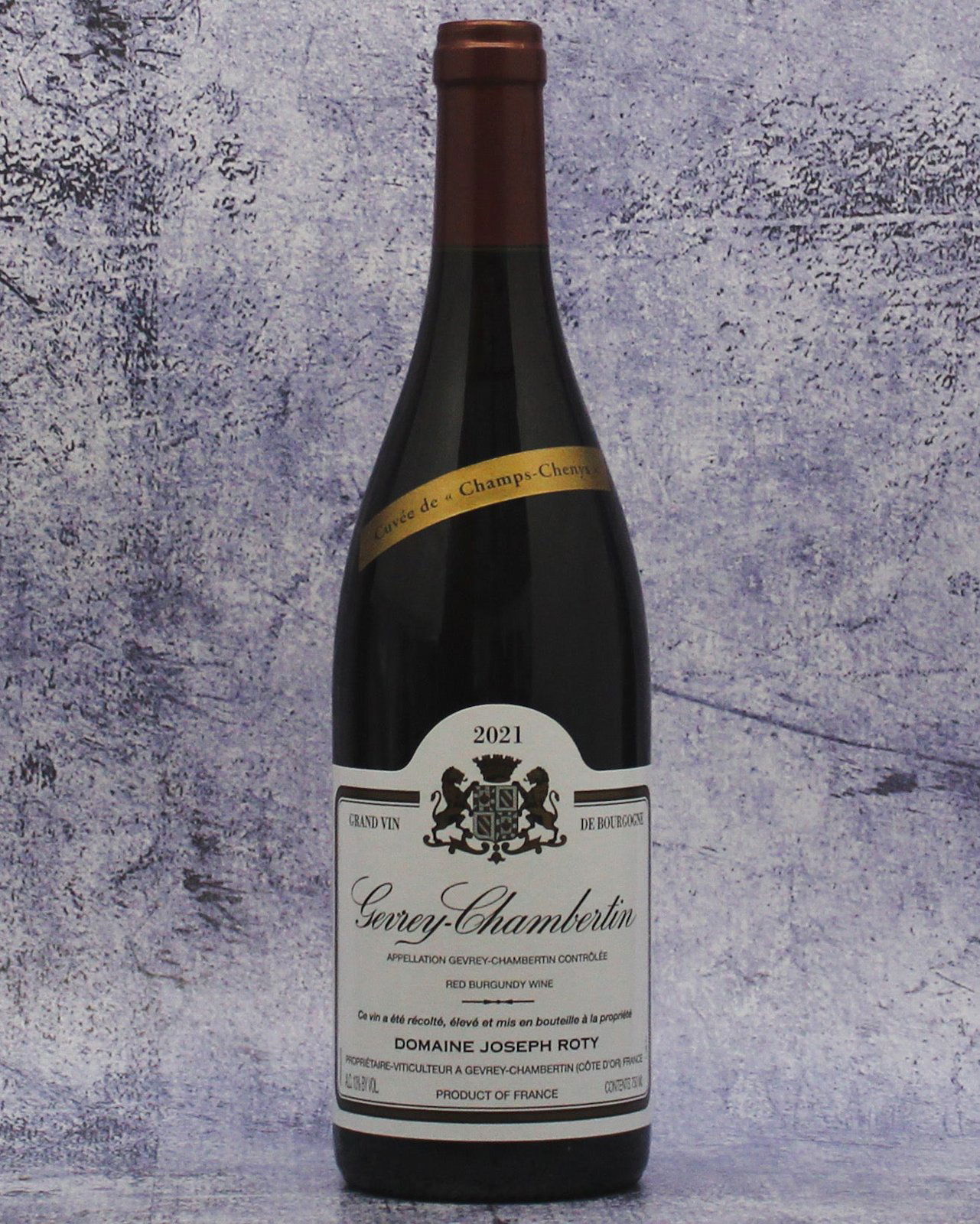
When engaging with the wines, focus questions on parcels and hierarchy: ask about parcel-designated cuvées and how holdings are expressed across village, premier- and grand-cru tiers. Taste laterally where possible — sampling wines from different parcels and levels illuminates soil-driven distinctions. Pay attention to bottlings labeled by lieu-dit or parcel name, since those labels are the clearest signposts for terroir variation in this domaine. Given the domaine’s village setting and prized holdings, prioritize comparative tasting of representative parcels to understand what sets Joseph Roty apart in Gevrey-Chambertin.
Venue details
Ambiance
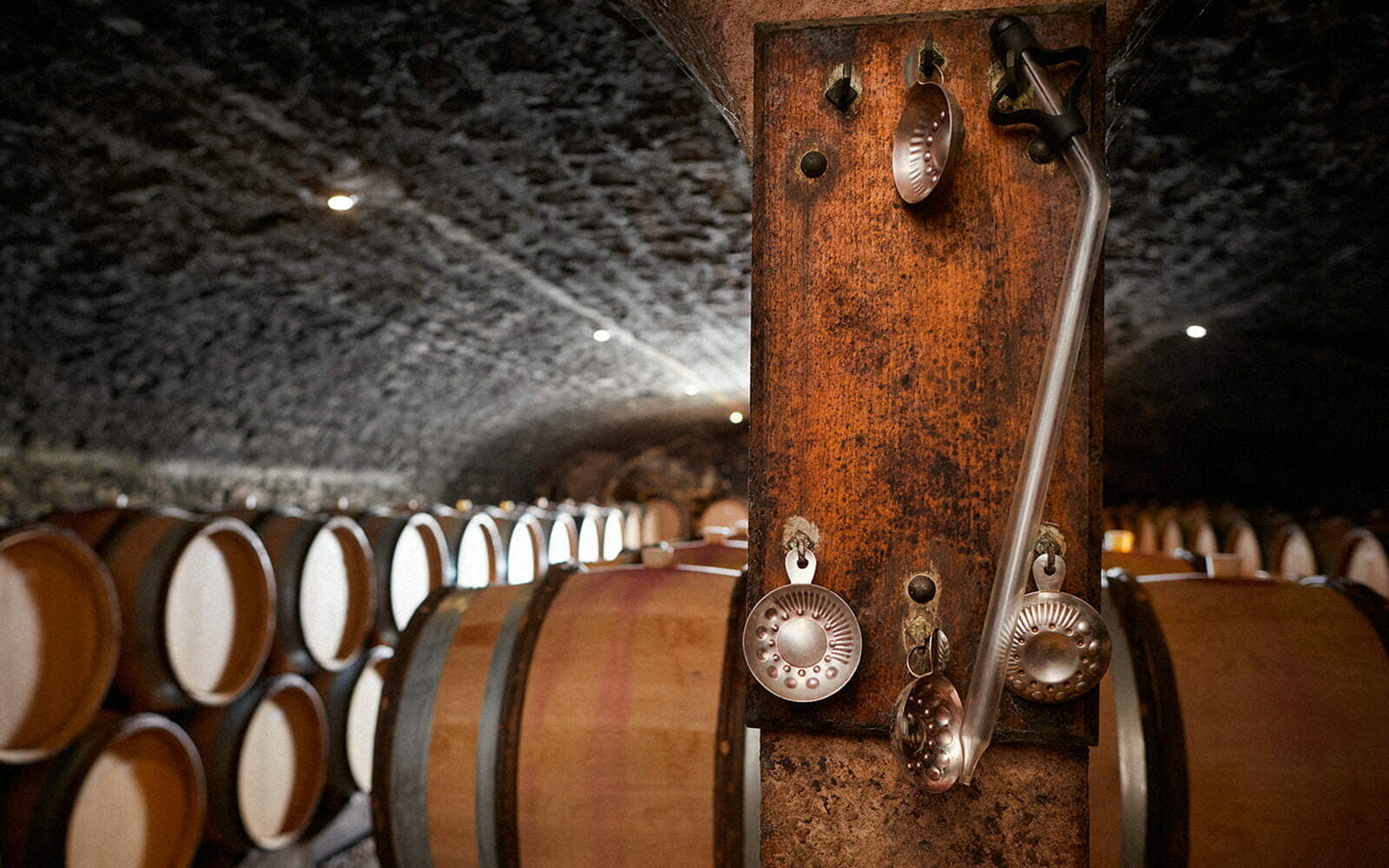
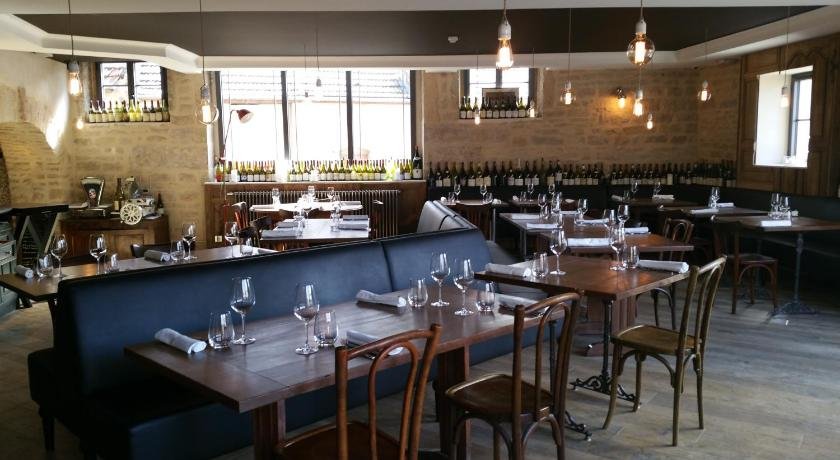
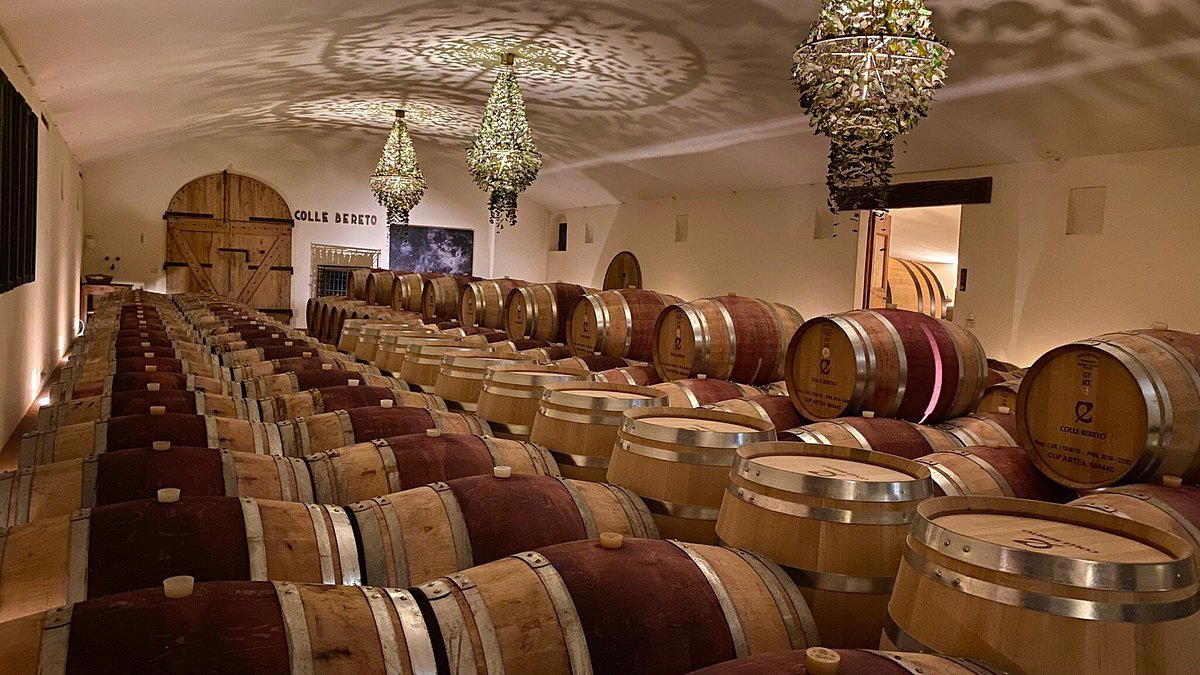
Understated, traditional, and cellar-focused, with a garage-like barrel cellar and a private tasting-room feel overlooking the La Brunelle lieu-dit.
Tags
Vibe
Best For
Experience
Sourcing
View
At the Vineyard
- Appellation
- Gevrey-Chambertin AOC
- Varietals
- Pinot Noir
- Visits
- By appointment only
- Farming
- Organic
- Production
- Small producer
- Wine Styles
- Still Red
- Founded
- 1710
- Wine Club
- Not available
Know before you go
Know Before You Go
- Getting there
- 24 Rue Mal de Lattre de Tassigny, 21220 Gevrey-Chambertin
Planning details
Location
24 Rue Mal de Lattre de Tassigny, 21220 Gevrey-Chambertin · Directions
Recognition and awards

Also consider
Also Consider
- Domaine Pierre Damoy, Notable alternative
- Domaine Henri Rebourseau, Notable alternative
- Domaine Duroché, Notable alternative
- Domaine Trapet Père et Fils, Notable alternative
- Domaine Drouhin-Laroze, Notable alternative
Winery context
How It Compares
Domaine Joseph Roty is the pick for travelers who are willing to trade convenience for producer seriousness in Gevrey-Chambertin. Against Domaine Pierre Damoy and Domaine Trapet Père et Fils, the decision is less about amenities and more about which producer matters more to the trip. None should be treated like easy walk-in options, so prioritize the name that fits the cellar focus.
Domaine Henri Rebourseau is the better cross-shop for visitors who want a more understandable estate experience in the same village. Domaine Duroché is the closer match for a tightly focused Burgundy itinerary where scarcity and producer reputation drive the decision. If the group includes less wine-technical guests, Henri Rebourseau is the safer call.
Domaine Drouhin-Laroze is the practical backup if the day needs another Gevrey name without leaving the village. Domaine Joseph Roty is the sharper choice for collectors; Drouhin-Laroze is easier to position as part of a broader Gevrey route. For value, judge by access and relevance to the bottles being sought rather than by a published tasting fee.
Explore Gevrey-Chambertin
Around this place
Discover more on Pearl
Unlock the full Domaine Joseph Roty guide in Pearl, including awards, comparisons, FAQs, planning details, and nearby places.
Compare Domaine Joseph Roty
| Venue | Location | Awards |
|---|---|---|
| Domaine Joseph Roty | Gevrey-Chambertin | 2026 Michelin 1 Grape - Burgundy2026 Falstaff Winery Guide |
| Domaine Pierre Damoy | Gevrey-Chambertin | No published awards |
| Domaine Henri Rebourseau | Gevrey-Chambertin | 2026 Falstaff Winery Guide |
| Domaine Duroché | Gevrey-Chambertin | 2026 Michelin 1 Grape - Burgundy2026 Falstaff Winery Guide |
| Domaine Trapet Père et Fils | Gevrey-Chambertin | 2026 Michelin 1 Grape - Burgundy2026 Falstaff Winery Guide2025 Pearl 4 Star Prestige |
| Domaine Drouhin-Laroze | Gevrey-Chambertin | 2026 Falstaff Winery Guide |

How Domaine Joseph Roty Gevrey-Chambertin Verdict compares with similar nearby venues.
FAQ
Frequently Asked Questions
When is the best time to visit Domaine Joseph Roty?
Domaine Joseph Roty is in Gevrey-Chambertin and holds 2 Star Prestige recognition for 2025. Specific hours, seasons, appointment windows, and visit timing are not available, so confirm directly before planning around a particular date or time.
Do I need a reservation at Domaine Joseph Roty?
Can Domaine Joseph Roty handle large groups?
Group capacity is not available. If you are planning for more than a small party, contact Domaine Joseph Roty directly to confirm whether the venue can accommodate your group.
What is confirmed about Domaine Joseph Roty?
Domaine Joseph Roty is in Gevrey-Chambertin, has a smart casual dress code, and holds 2 Star Prestige recognition for 2025. Other practical details are not available.
How long should I plan for a visit to Domaine Joseph Roty?
What other venues are relevant for comparison?
For comparison planning in Gevrey-Chambertin, consider Domaine Pierre Damoy, Domaine Henri Rebourseau, Domaine Duroché, Domaine Trapet Père et Fils, and Domaine Drouhin-Laroze. For current details, contact each venue directly.