

Domaine Duroché
Gevrey-Chambertin
Winery in Gevrey-Chambertin, France
 Book with Pearl
The Read
Village-Centred Pinot Precision
Why go
Domaine Duroché is worth pursuing for a serious Gevrey-Chambertin wine itinerary, especially for collectors or Burgundy-focused celebrations. Access should be treated as difficult, so small groups and early planning make the most sense. Pearl 2 Star Prestige recognition in 2025 supports its place on a high-priority village shortlist.
About Domaine Duroché
Is Domaine Duroché worth planning a Gevrey-Chambertin trip around? It may be. Domaine Duroché is in Gevrey-Chambertin, has a smart casual dress code, and holds Pearl 2 Star Prestige recognition for 2025. Treat it as a high-priority venue only if those details fit the kind of itinerary you are building.
The practical verdict is simple: plan with care and contact the domaine before making it central to a trip. Build flexibility into the itinerary for hours, pricing, visit format, group capacity, food service, shipping, and reservations, and keep backup plans in place.
Book for the essentials, not for assumptions
The strongest reasons to consider Domaine Duroché are its Gevrey-Chambertin setting and Pearl 2 Star Prestige recognition for 2025. Beyond that, avoid assuming a particular experience, service format, menu, tasting structure, allocation policy, or visitor amenities.
For a celebration or special trip, use the core details as a starting point rather than assuming a particular hospitality program. If the occasion needs guaranteed seating, food service, flexible timing, or a hosted group format, confirm those details directly and build the day with backup options using Our full Gevrey-Chambertin restaurants guide, Our full Gevrey-Chambertin hotels guide, and Our full Gevrey-Chambertin experiences guide.
Where it fits in a Gevrey-Chambertin itinerary
Use Domaine Duroché as one possible anchor in a Gevrey-Chambertin plan, then compare it with other relevant names where appropriate, including Domaine Denis Mortet, Domaine Drouhin-Laroze, Domaine Henri Rebourseau, Domaine Joseph Roty, and Domaine Pierre Damoy. Keep comparisons focused on each venue’s format and access rather than assuming identical experiences.
The smart move is to avoid overloading the day with plans that still need direct confirmation. One priority request, one flexible backup, and a separate meal plan will work better than relying on assumptions. For broader planning, use general Gevrey-Chambertin guides and confirm current details directly before relying on any specific schedule.
Bottom line: consider Domaine Duroché if you want a Gevrey-Chambertin venue with Pearl 2 Star Prestige recognition in 2025 and a smart casual dress code. Confirm all practical details directly before treating it as the centerpiece of a trip.
Planning details
- Location
- 5 - 7 Pl. du Monument, 21220 Gevrey-Chambertin
- Website
- domaine-duroche.com
- Phone
- +33 3 80 34 19 10
The take
The Take
The Vibe
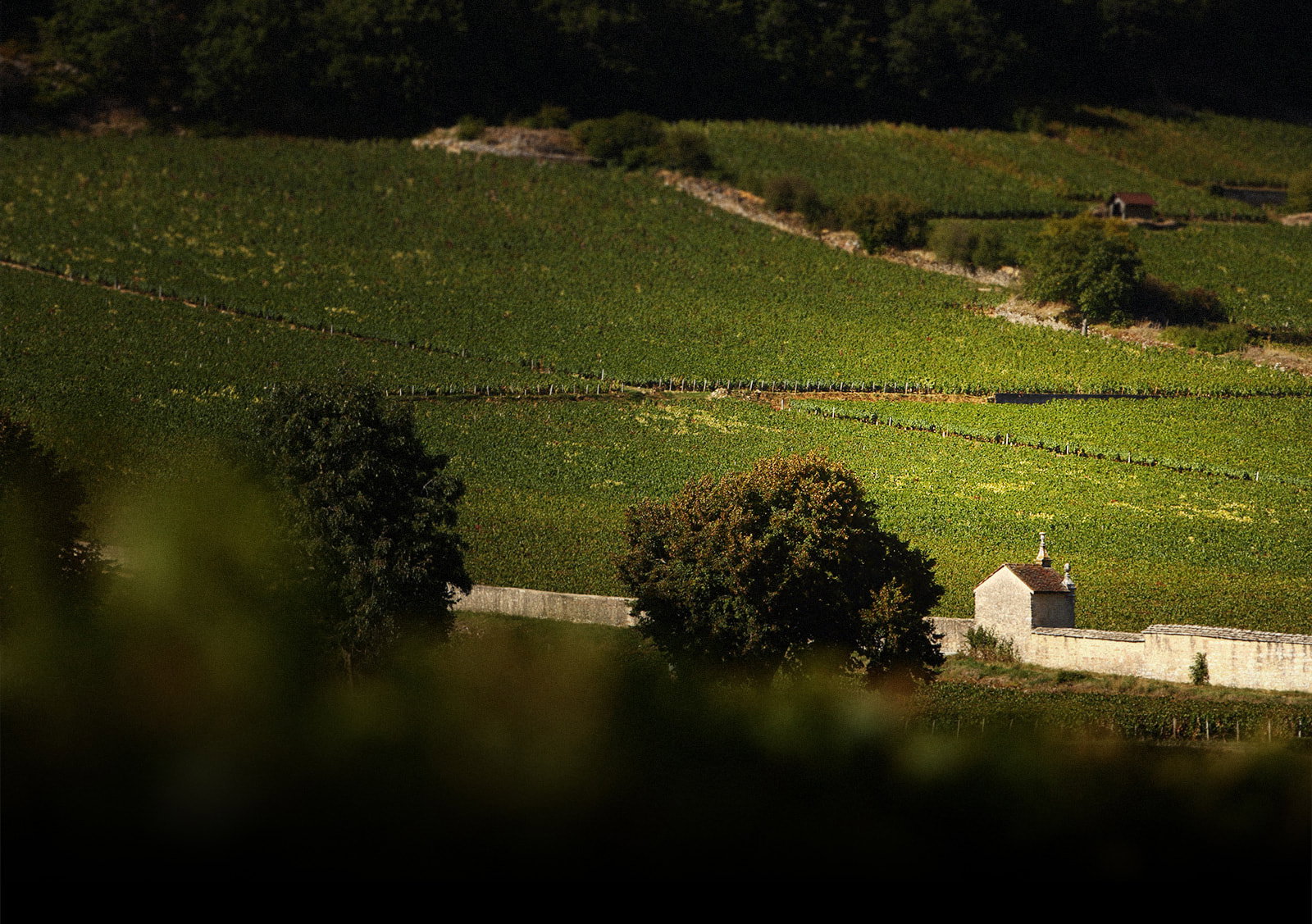
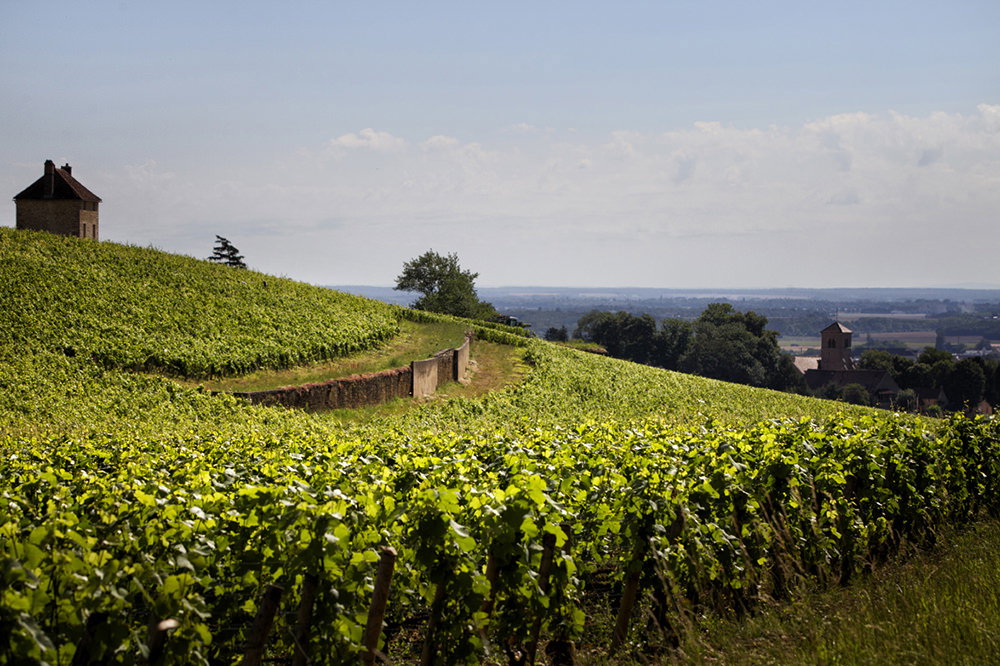
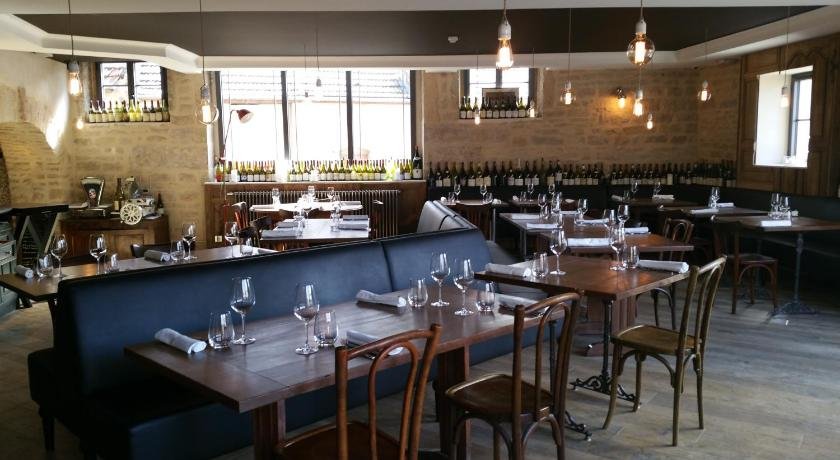
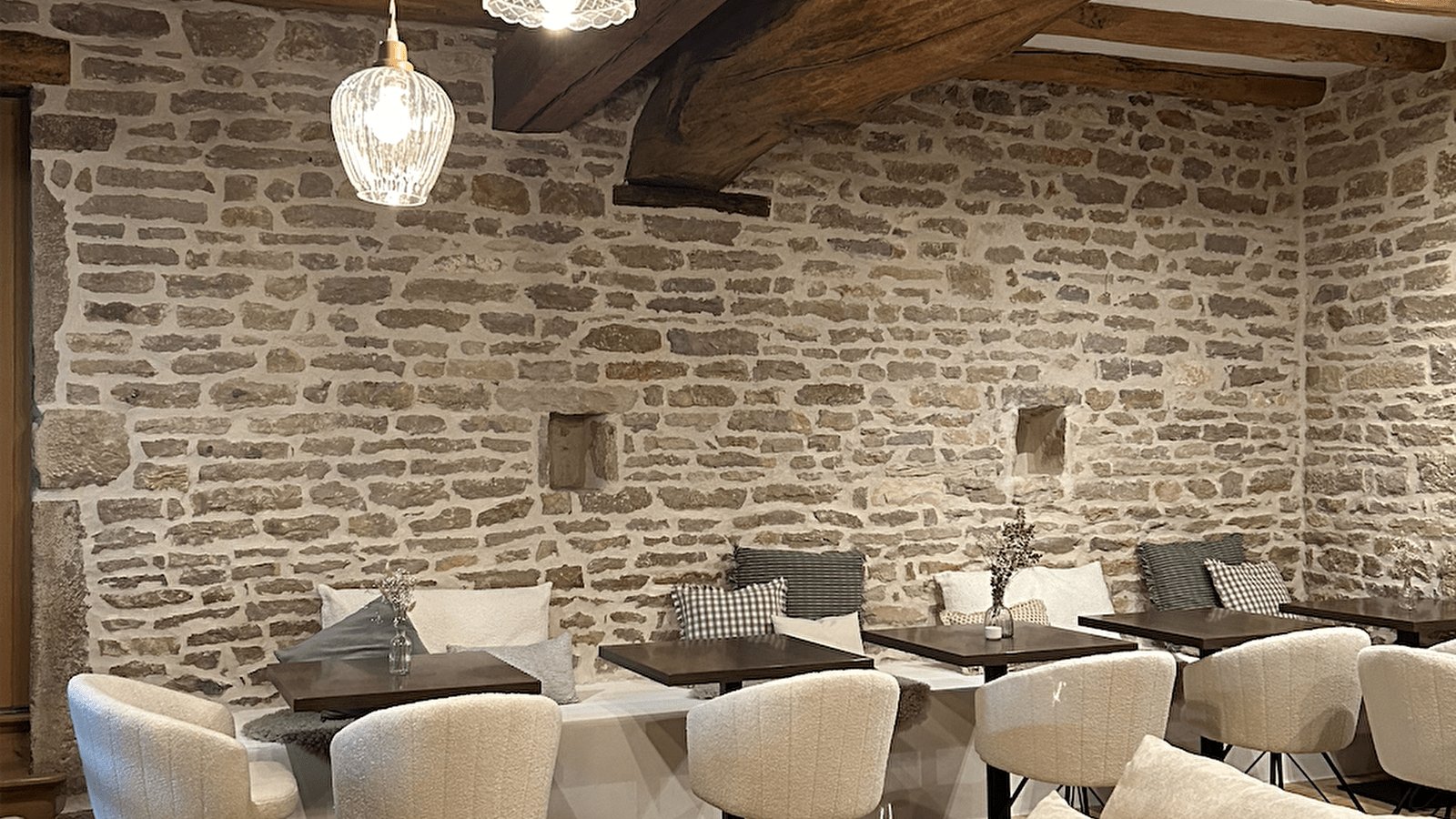
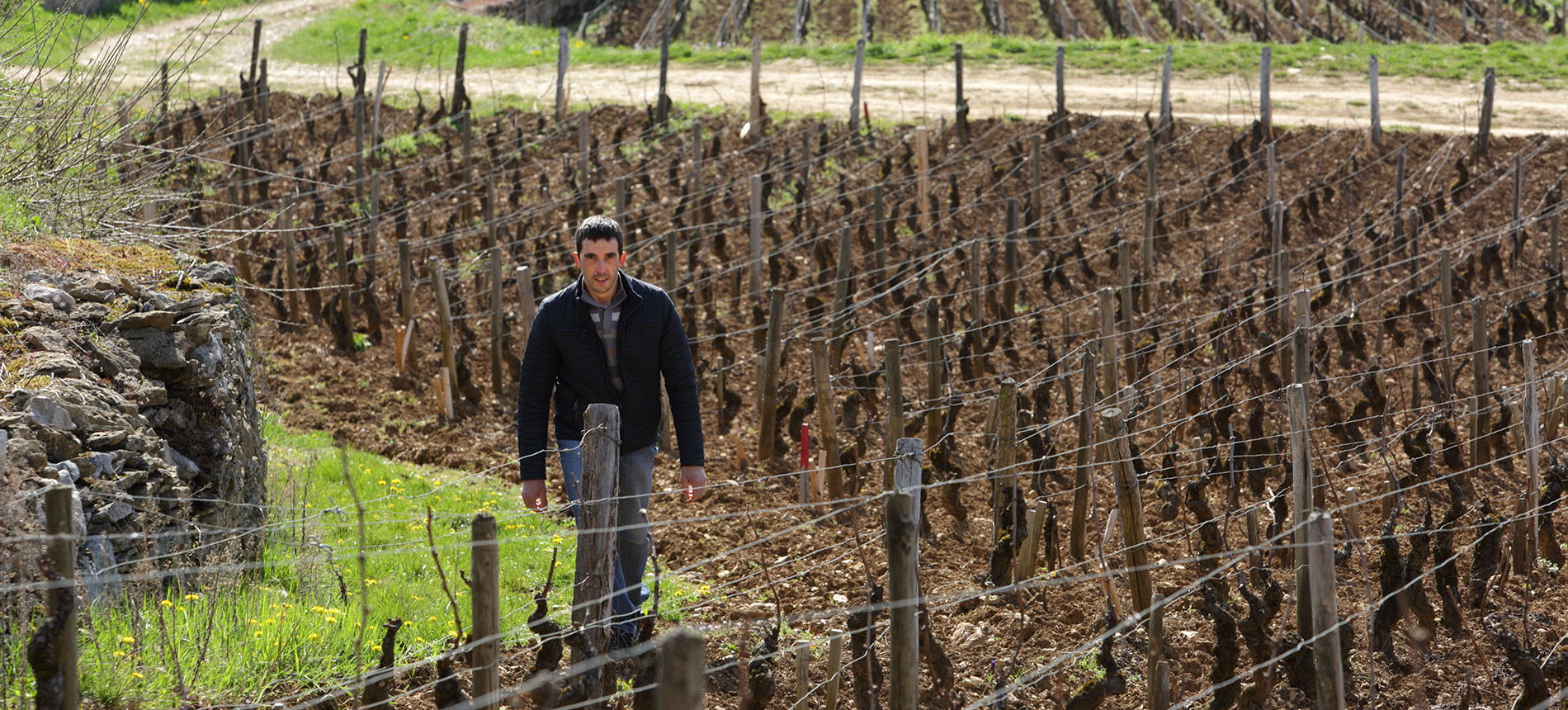
Domaine Duroché sits quietly at the core of Gevrey‑Chambertin, occupying a cellar address on the village square rather than a touristy hospitality complex. The tone is understated and agricultural: the description reads like a working settlement where growers prioritise what goes into the bottle over a polished visitor experience. That focus gives Duroché a low‑key, old‑village character — a calm, terroir‑forward presence among the commune’s denser roster of grands crus. Visitors encounter a restrained Burgundian sensibility here: serious about quality, modest in presentation, and rooted in place.
Best For
This domaine is best for visitors who come for the wine rather than the show. Collectors, sommeliers and serious tasters will appreciate Duroché’s placement in Gevrey‑Chambertin’s competitive grower landscape and its Pearl 2 Star Prestige recognition, which signals a higher tier among local producers. It also suits solo explorers or small, focused visits that prioritize tasting, provenance and comparison with neighbouring domaines. The setting — a quiet village square and a cellar address — rewards people interested in terroir, producer reputation and close attention to the wines themselves.
Tasting Tips
Plan any visit around the village rhythm: the square is especially quiet on still mornings before tourist coaches arrive, making that a good window for a focused visit. Expect an emphasis on the wines rather than hospitality — growers here compete on quality in the bottle, so direct your attention to tasting and provenance questions about parcels and vintages. If you’re working with a collector’s mindset or comparing neighbouring domaines, bring notes and be prepared to discuss specific cuvées; the setting rewards informed, low‑key wine conversation.
Venue details
Ambiance
Refined and understated with an atmosphere of precision and harmony, featuring wines of finesse, minerality, and elegance.
Tags
Vibe
Best For
Experience
Sourcing
View
At the Vineyard
- Appellation
- Gevrey-Chambertin AOC
- Varietals
- Pinot Noir, Chardonnay
- Tour Duration
- 60-90 minutes
- Tour Languages
- French
- Visits
- By appointment only
- Farming
- Organic
- Production
- Small producer
- Wine Styles
- Still Red
- Wine Club
- Available
Know before you go
Know Before You Go
- Getting there
- 5 - 7 Pl. du Monument, 21220 Gevrey-Chambertin
Planning details
Location
Recognition and awards

Also consider
Also Consider
- Domaine Henri Rebourseau, Notable alternative
- Domaine Drouhin-Laroze, Notable alternative
- Domaine Pierre Damoy, Notable alternative
- Domaine Joseph Roty, Notable alternative
- Domaine Denis Mortet, Notable alternative
Winery context
How it compares in Gevrey-Chambertin
Domaine Duroché is the higher-friction choice: better for travelers who care about serious producer access than for anyone seeking an easy, hosted tasting format. If access is the main issue, cross-shop Domaine Henri Rebourseau and Domaine Drouhin-Laroze first, because they keep the itinerary within Gevrey-Chambertin without shifting the day into a different village.
For a more collector-led shortlist, compare it with Domaine Pierre Damoy, Domaine Joseph Roty, and Domaine Denis Mortet. None should be treated as casual walk-in options; the better strategy is to request more than one and build the day around whichever confirms.
For ambiance, choose based on tolerance for producer-led simplicity. Domaine Duroché makes sense when the wine itself is the occasion. If the group needs a smoother hospitality experience, prioritize the peer that can confirm timing and group handling first, then use this as the stretch booking.
Explore Gevrey-Chambertin
Around this place
Discover more on Pearl
Unlock the full Domaine Duroché guide in Pearl, including awards, comparisons, FAQs, planning details, and nearby places.
Compare Domaine Duroché
| Venue | Location | Awards |
|---|---|---|
| Domaine Duroché | Gevrey-Chambertin | 2026 Michelin 1 Grape - Burgundy2026 Falstaff Winery Guide |
| Domaine Henri Rebourseau | Gevrey-Chambertin | 2026 Falstaff Winery Guide |
| Domaine Drouhin-Laroze | Gevrey-Chambertin | 2026 Falstaff Winery Guide |
| Domaine Pierre Damoy | Gevrey-Chambertin | No published awards |
| Domaine Joseph Roty | Gevrey-Chambertin | 2026 Michelin 1 Grape - Burgundy2026 Falstaff Winery Guide |
| Domaine Denis Mortet | Gevrey-Chambertin | 2026 Falstaff Winery Guide2026 Michelin 2 Grapes - Burgundy2025 Pearl 4 Star Prestige |


How Domaine Duroché Gevrey-Chambertin compares with similar nearby venues.
FAQ
Frequently Asked Questions
Can Domaine Duroché handle large groups?
Where is Domaine Duroché?
Domaine Duroché is in Gevrey-Chambertin.
Do I need a reservation at Domaine Duroché?
Because Domaine Duroché is a Pearl 2 Star Prestige venue for 2025, it is sensible to confirm availability and access directly before making plans.
What is the dress code at Domaine Duroché?
The dress code for Domaine Duroché is smart casual.