Domaine Jérôme Galeyrand
Gevrey-Chambertin
Winery in Gevrey-Chambertin, France
 Book with Pearl
The Read
Grower-Allocation Burgundy
Why go
Domaine Jérôme Galeyrand is worth prioritizing for a serious Gevrey-Chambertin wine day, especially if the goal is depth rather than an easy tasting-room stop. Plan well ahead, keep the group small, and compare it with nearby Gevrey domaines before fixing the itinerary.
About Domaine Jérôme Galeyrand
In Gevrey-Chambertin, Domaine Jérôme Galeyrand has limited public planning details in this guide, so the page should be read with a deliberately cautious eye. The confirmed information is concise: the venue is in Gevrey-Chambertin, the dress code is smart casual, and it holds Pearl 3 Star Prestige recognition for 2025. Those points are enough to make it a venue to research, but they are not enough to define the shape of a visit. Beyond that, specific claims about visits, tastings, opening arrangements, bottle availability, pricing, or services should be checked directly with the domaine before you build an itinerary around it.
Use this page as a careful planning note rather than a promise of a particular visitor format. That distinction matters when travelers may be weighing several addresses at once and where assumptions can quickly become impractical plans. If you are comparing Domaine Jérôme Galeyrand with other names to research, consider Domaine Fourrier, Domaine Joseph Roty, Domaine Pierre Damoy, Domaine Rossignol-Trapet, and Domaine Trapet Père et Fils. For a wider Gevrey-Chambertin itinerary, build meals and overnights from general Gevrey-Chambertin dining and lodging research, keeping this domaine as one item to verify rather than a fully settled stop.
A Gevrey-Chambertin stop with limited planning details
The safest expectation is to treat Domaine Jérôme Galeyrand as a Gevrey-Chambertin venue that requires direct confirmation for practical details. This guide does not verify a tasting format, group policy, visitor schedule, bottle-purchase arrangement, or service style. In other words, it should not be used to infer whether a visit is formal or informal, brief or extended, public or appointment-led. What is is its Gevrey-Chambertin setting, smart casual dress code, and Pearl 3 Star Prestige recognition for 2025.
For context, compare it with other relevant venues before committing the itinerary. Domaine Fourrier, Domaine Joseph Roty, Domaine Pierre Damoy, Domaine Rossignol-Trapet, and Domaine Trapet Père et Fils are useful references for travelers researching the area. The important planning step is to verify availability and visit details directly rather than assuming that any one domaine operates like another. Treat the comparison as a research aid, not as evidence that policies, access, or visitor expectations will match across addresses.
When to plan the visit and how to frame the day
Because specific opening times, appointment requirements, and visit length are not here, do not rely on a fixed schedule from this guide alone. Confirm the current arrangements with Domaine Jérôme Galeyrand before setting the day, especially if the stop would affect transport, meals, or other commitments. Smart casual dress is the dress-code guidance, and the Pearl 3 Star Prestige 2025 recognition makes it a notable Gevrey-Chambertin address to research carefully. The practical approach is to keep expectations precise: the recognition and location are confirmed, while the mechanics of visiting remain to be confirmed.
In Gevrey-Chambertin, a practical plan should leave room for direct confirmations, transport time, and backup options. That does not make the stop less interesting; it simply means the itinerary should be built around information rather than hope or hearsay. If you are comparing Domaine Jérôme Galeyrand with other venues, keep the research focused on references such as Domaine Fourrier, Domaine Joseph Roty, Domaine Pierre Damoy, Domaine Rossignol-Trapet, and Domaine Trapet Père et Fils. For the rest of the trip, round out the practical plan with general Gevrey-Chambertin research, and keep any final timing decisions dependent on direct confirmation.
Planning details
- Location
- 12 Rue des Cheminots, 21220 Gevrey-Chambertin
- Website
- jerome-galeyrand.fr
- Phone
- +33 6 61 83 39 69
The take
The Take
The Vibe
Domaine Jérôme Galeyrand reads like a quietly influential address in Gevrey-Chambertin: a small, independent domaine that sits squarely inside Burgundy’s layered hierarchy. The writing emphasizes pedigree and market positioning rather than tourist trappings, so the impression is of a producer taken seriously by collectors and peers. Its recent selection for La Paulée 2026 signals peer recognition and a degree of prestige that complements the village’s venerable reputation. For visitors and readers alike, the domaine feels like a cultivated, low-key discovery — the kind of place collectors and serious Burgundy fans note when scanning allocations and producer lists.
Best For
This domaine is best for people focused on Burgundy study, collectors tracking allocations, and anyone who approaches wine visits with a researcher's eye. The write-up centers on appellation hierarchies, negociant relationships and market positioning, so it’s especially useful for those interested in provenance, stylistic context and the dynamics that shape bottle availability. It’s also appropriate for quiet, focused visits or a stop on a deeper Gevrey-Chambertin exploration, where the emphasis is on understanding the domaine’s place among its more widely known neighbours rather than casual tasting-room socializing.
Tasting Tips
Because the description highlights allocations, negociant relationships and selection for high-profile events, assume releases may move through customary Burgundy channels. Watch for allocations via negociants and broader en primeur or release lists, and monitor relevant producer and event announcements that can influence demand. Serious buyers should prepare to work through established trade partners or specialist merchants who track village-level Burgundy; being proactive about allocation windows and joining mailing lists or waiting lists can improve the chance of securing bottle releases once they appear on the market.
Venue details
Ambiance
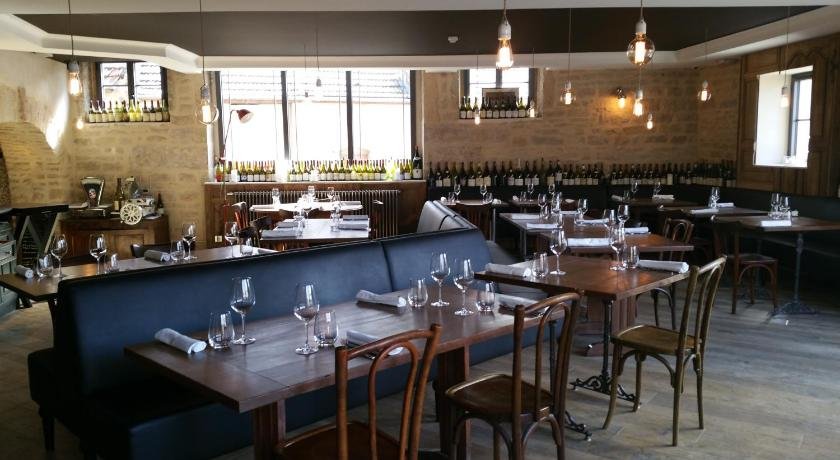
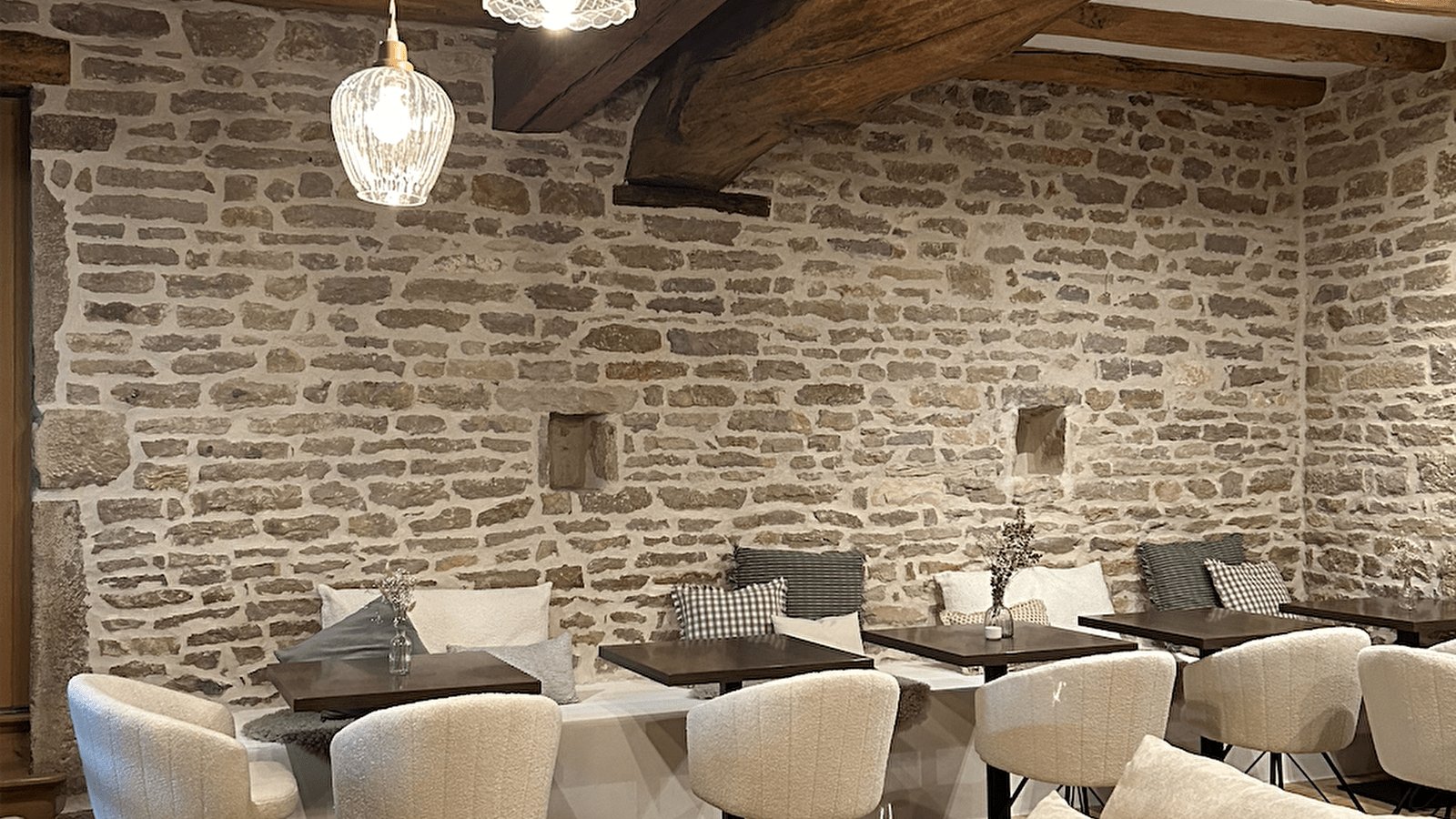
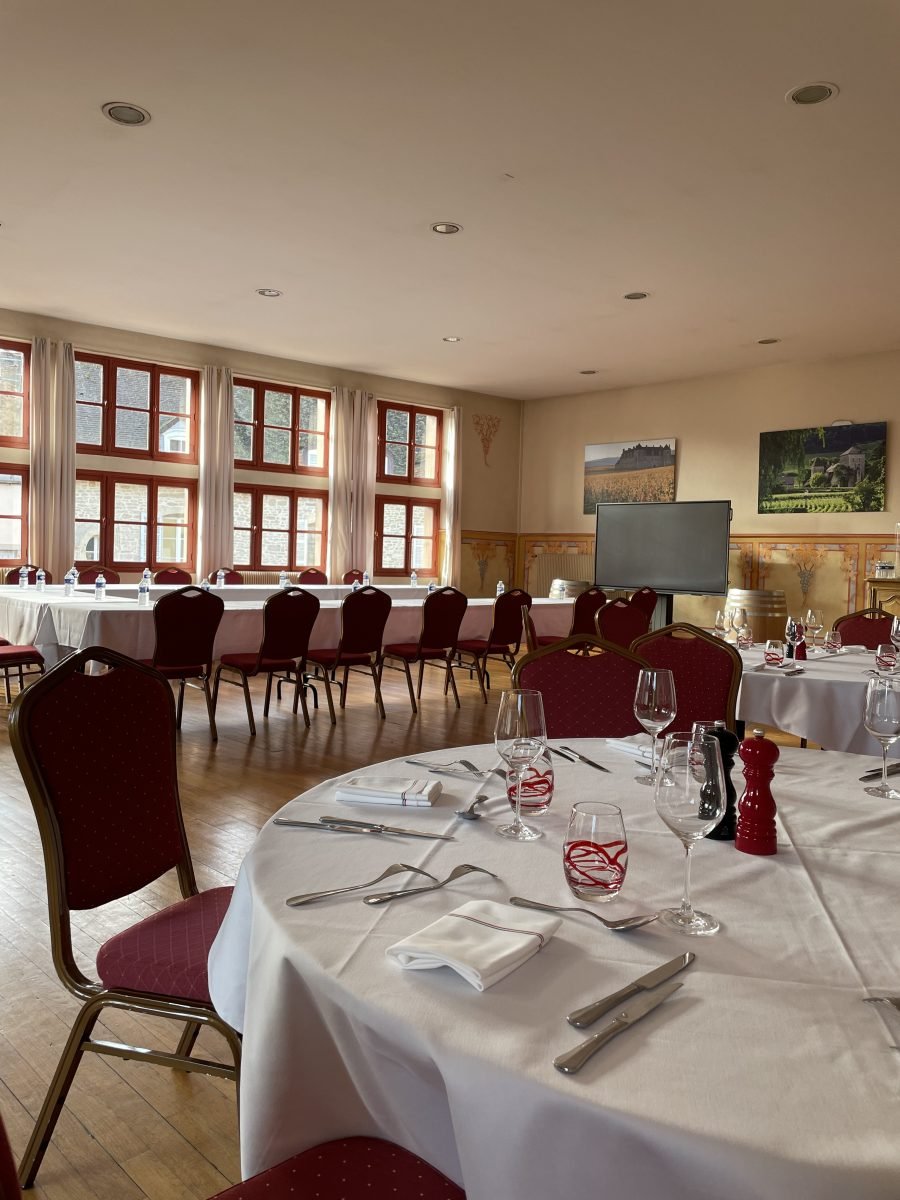
Refined and elegant atmosphere focused on terroir transparency in a small family winery.
Tags
Vibe
Best For
Experience
Sourcing
View
At the Vineyard
- Appellation
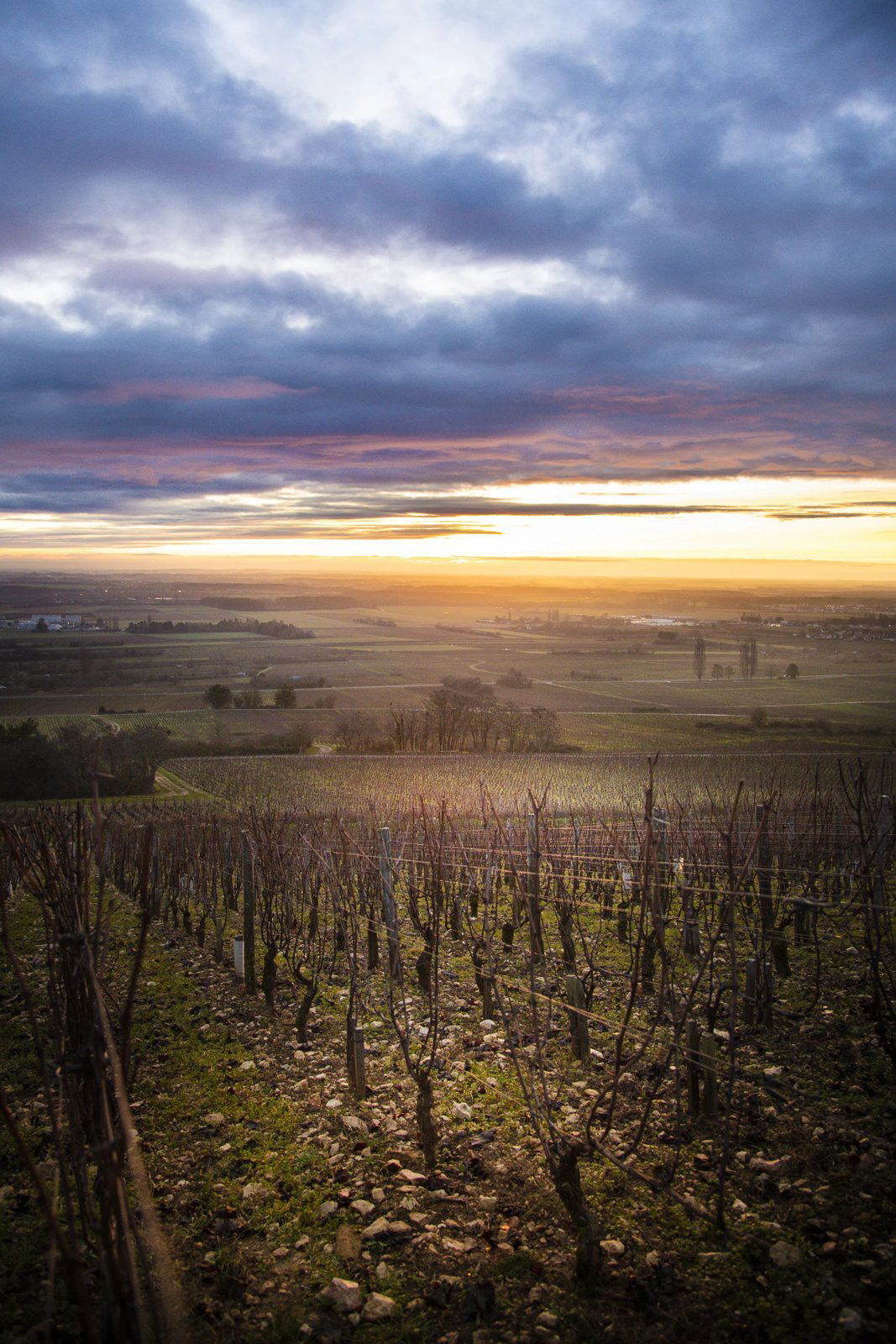
- Gevrey-Chambertin AOC
- Varietals
- Pinot Noir, Chardonnay, Aligoté
- Visits
- By appointment only
- Farming
- Biodynamic
- Wine Styles
- Still Red
- Wine Club
- Not available
Know before you go
Know Before You Go
- Getting there
- 12 Rue des Cheminots, 21220 Gevrey-Chambertin
Planning details
Location
Also consider
Where to Look If This Is Not Available
If access does not line up, try Domaine Rossignol-Trapet or Domaine Trapet Père et Fils first for a same-village alternative. For a more collector-led comparison, look at Domaine Fourrier or Domaine Joseph Roty.
Winery context
How It Compares in Gevrey-Chambertin
Domaine Jérôme Galeyrand is the tighter, more focused choice if the day is built around producer context rather than a broad visitor setup. Domaine Rossignol-Trapet and Domaine Trapet Père et Fils are better cross-shops for travelers who want another Gevrey address with established local gravity, while Galeyrand is the better fit for a compact, serious stop.
Against Domaine Fourrier and Domaine Joseph Roty, the practical question is access and itinerary priority. If collector recognition is the main driver, those names may pull harder; if the goal is a quieter tasting plan with less emphasis on label-chasing, Galeyrand makes more sense.
Domaine Pierre Damoy is another serious Gevrey comparison for travelers mapping the village through producers rather than restaurants or hotels. For ambiance, expect the decision to come down to how much intimacy matters: choose Galeyrand for a concentrated visit, and cross-shop the others when the priority is a broader Gevrey benchmark.
Explore Gevrey-Chambertin
Around this place
Discover more on Pearl
Unlock the full Domaine Jérôme Galeyrand guide in Pearl, including awards, comparisons, FAQs, planning details, and nearby places.
Compare Domaine Jérôme Galeyrand
| Venue | Location | Awards |
|---|---|---|
| Domaine Jérôme Galeyrand | Gevrey-Chambertin | No published awards |
| Domaine Rossignol-Trapet | Gevrey-Chambertin | 2025 Pearl 4 Star Prestige |
| Domaine Trapet Père et Fils | Gevrey-Chambertin | 2026 Michelin 1 Grape - Burgundy2026 Falstaff Winery Guide2025 Pearl 4 Star Prestige |
| Domaine Fourrier | Gevrey-Chambertin | 2026 Falstaff Winery Guide2026 Michelin Grape Main Selection - Burgundy2025 Pearl 4 Star Prestige |
| Domaine Joseph Roty | Gevrey-Chambertin | 2026 Michelin 1 Grape - Burgundy2026 Falstaff Winery Guide |
| Domaine Pierre Damoy | Gevrey-Chambertin | No published awards |




How Domaine Jérôme Galeyrand Gevrey-Chambertin Guide compares with similar nearby venues.
FAQ
Frequently Asked Questions
Can Domaine Jérôme Galeyrand handle large groups?
Does Domaine Jérôme Galeyrand offer shipping?
When is the best time to visit Domaine Jérôme Galeyrand?
Does Domaine Jérôme Galeyrand have a membership program?
A membership program is not in this guide. Review any current terms directly with Domaine Jérôme Galeyrand before deciding whether they suit your needs.
What should I know before visiting Domaine Jérôme Galeyrand?
Specific wine details and visit formats are not in this guide. Treat Domaine Jérôme Galeyrand as a Gevrey-Chambertin venue to research directly for current details.
Do I need a reservation at Domaine Jérôme Galeyrand?
Reservation requirements are not in this guide. Contact Domaine Jérôme Galeyrand directly before planning a visit to Gevrey-Chambertin.
How long should I plan for a visit to Domaine Jérôme Galeyrand?
A specific visit length is not in this guide. Confirm the current format and timing directly with Domaine Jérôme Galeyrand before setting your Gevrey-Chambertin itinerary.