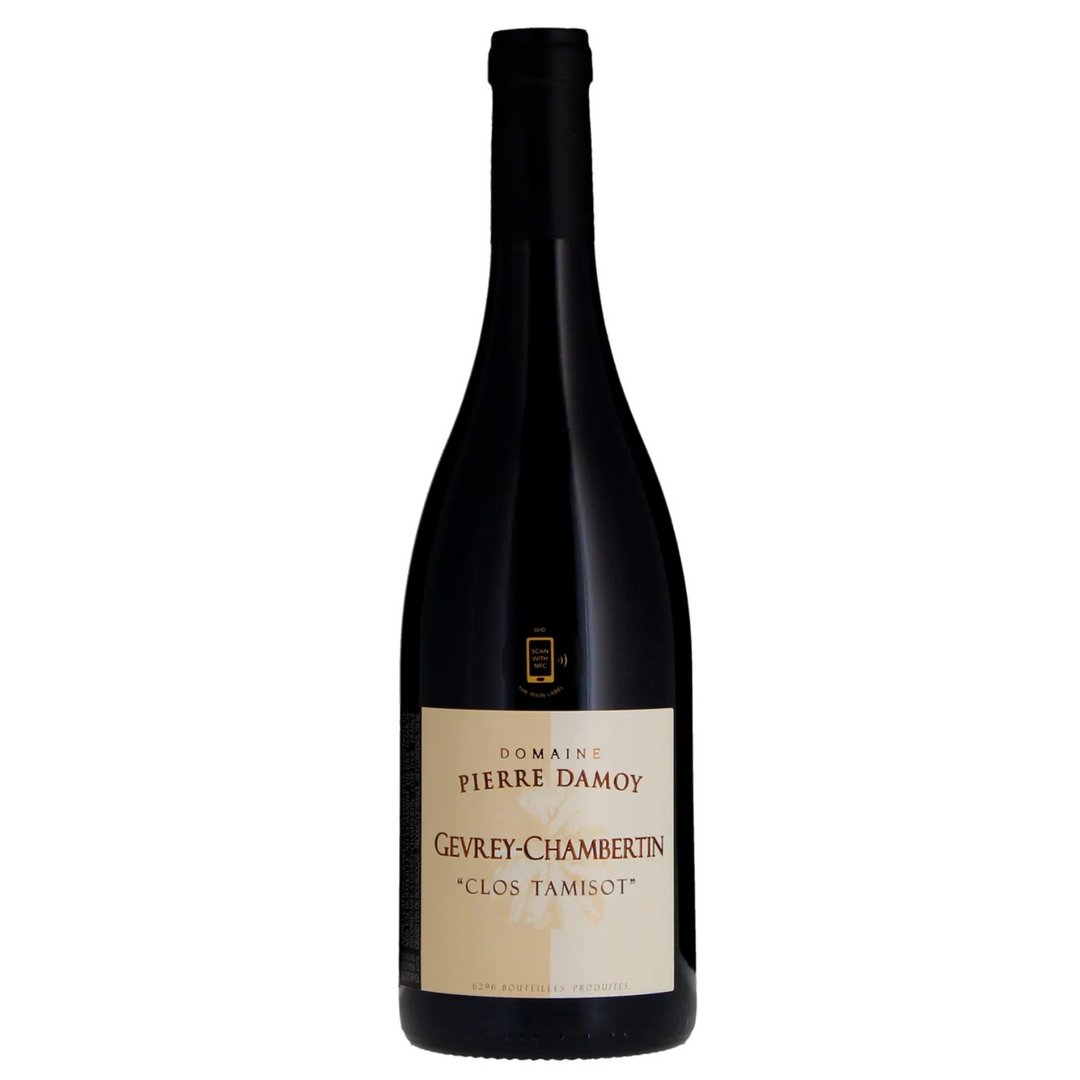
Domaine Pierre Damoy
Gevrey-Chambertin
Winery in Gevrey-Chambertin, France
 Book with Pearl
The Read
Grand Cru Parcel Authority
Why go
A serious Gevrey-Chambertin target for Burgundy collectors, not an easy tourism stop. Worth pursuing if allocation access matters more than convenience, but first-timers should plan nearby backups and avoid building a full day around one difficult request.
About Domaine Pierre Damoy
Domaine Pierre Damoy is a Gevrey-Chambertin venue listed with 2 Star Prestige (2025). It suits travelers looking for a notable Gevrey-Chambertin address with a smart-casual dress code.
For planning, use it as a concise reference point and confirm practical arrangements directly before building an itinerary around the venue, including visit formats, prices, hours, group capacity, and reservation procedures.
Worth pursuing if the profile fits your trip
The value case is simple: Domaine Pierre Damoy is a Gevrey-Chambertin venue with 2 Star Prestige (2025). That makes it relevant for travelers comparing notable addresses, especially when the trip calls for a smart-casual setting rather than a fully casual stop.
For comparison, consider Domaine Joseph Roty, Domaine Henri Rebourseau, Domaine Duroché, Domaine Trapet Père et Fils, and Domaine Drouhin-Laroze. Use those names as reference points when deciding how Domaine Pierre Damoy fits into a broader Gevrey-Chambertin plan.
Plan the Gevrey day around practical details
Keep the plan flexible and avoid relying on assumptions about access, timing, group size, or service style. The safest approach is to confirm details directly and use other Gevrey-Chambertin options as backups if needed.
Use the wider village guides to round out the trip without overloading it: a broader Gevrey-Chambertin guide can be a useful companion, while Our full Gevrey-Chambertin restaurants guide can help with dining plans around a focused venue choice. The clear recommendation: consider Domaine Pierre Damoy if its Gevrey-Chambertin profile and smart-casual dress code fit your plans, and confirm practical details before committing.
Planning details
- Location
- 11 Rue Mal de Lattre de Tassigny, 21220 Gevrey-Chambertin
- Website
- domaine-pierre-damoy.com
- Phone
- +33 3 80 34 30 47
The take
The Take
The Vibe
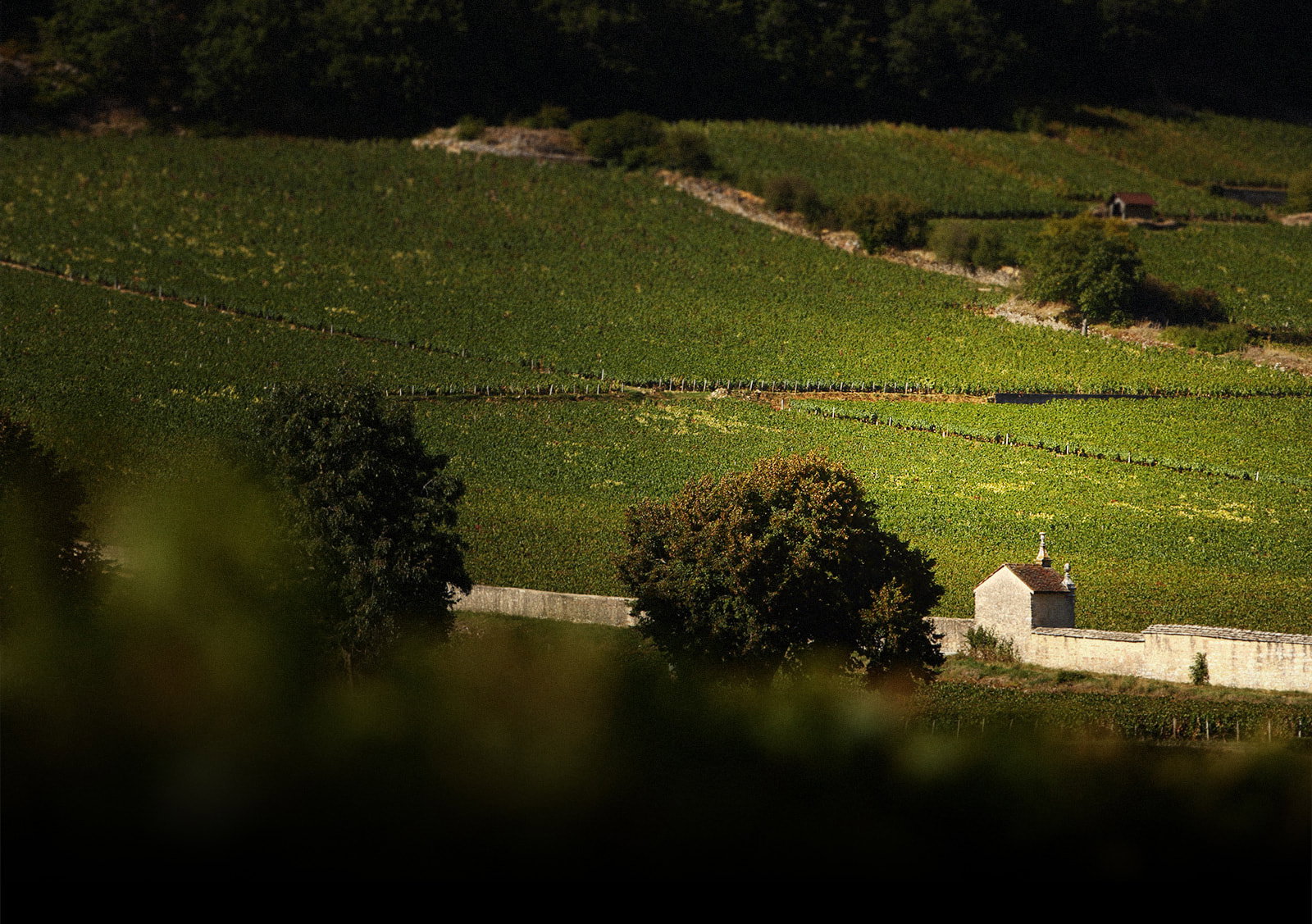
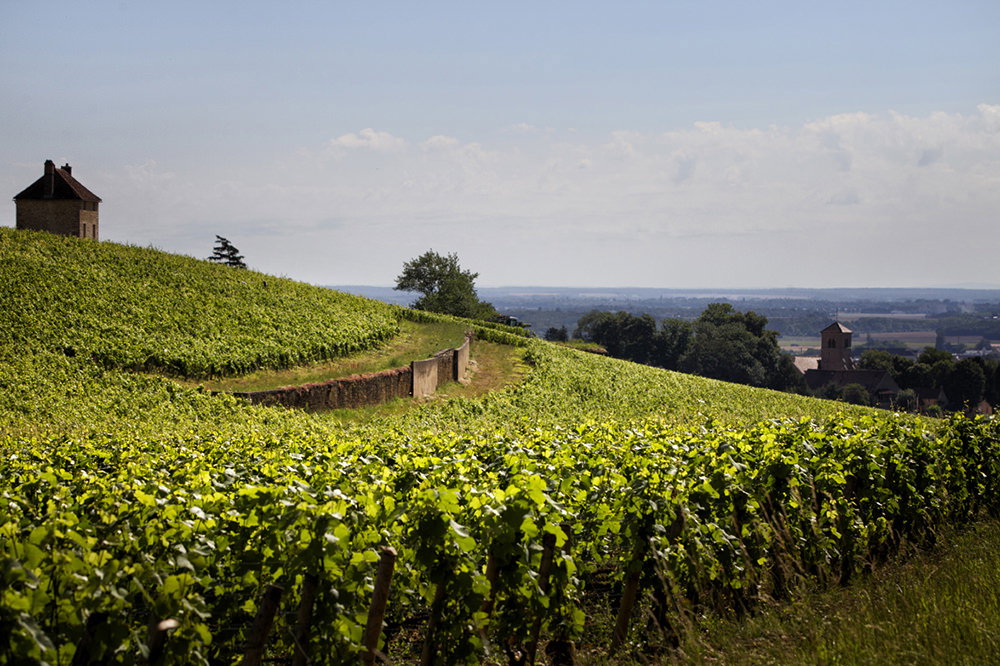
Domaine Pierre Damoy reads like a piece of Burgundy history. The writing emphasizes the weight of centuries — mist-laced autumn mornings, vine rows, and the stone walls of old domaines — giving the place a palpably historic and scenic character. That sense of longevity is matched by a deliberate, sophisticated aura: ownership of a meaningful contiguous parcel in Chambertin-Clos-de-Bèze is presented as both an economic and cultural statement. The domaine feels measured and serious, the kind of producer where geology, documented provenance and grand cru pedigree shape the atmosphere as much as cellar work.
Best For
This domaine is best for people focused on the land and lineage behind great Burgundy. Collectors, students of appellation history and sommeliers seeking first-hand context on Grand Cru parcelization will find the narrative here particularly valuable. The write-up positions Damoy as a reference point within Gevrey-Chambertin’s hierarchy, so visits or research tied to provenance, vineyard ownership and comparative tastings of top parcels make the most sense. It also suits anyone looking for a contemplative, historically rooted wine experience rather than a casual, social outing.
Tasting Tips
When engaging with Domaine Pierre Damoy — whether researching bottles or planning a visit — center questions on vineyard provenance and parcel continuity. Ask specifically about their Chambertin-Clos-de-Bèze holdings, documented history of the plots and how those parcels inform style and allocation. Prioritize tasting or requesting wines tied to the named Grand Cru parcels so you can trace site expression, and look for notes on vintage variation that reflect the Côte de Nuits’ climatic nuances. Framing inquiries around ownership and historical continuity yields the most insight from this domaine.
Venue details
Tags
Vibe
Best For
Experience
Sourcing
View
At the Vineyard
- Appellation
- Gevrey-Chambertin AOC
- Varietals
- Pinot Noir
- Visits
- By appointment only
- Farming
- Sustainable
- Production
- Small producer
- Wine Styles
- Still Red
- Wine Club
- Not available
Know before you go
Know Before You Go
- Getting there
- 11 Rue Mal de Lattre de Tassigny, 21220 Gevrey-Chambertin
Planning details
Location
11 Rue Mal de Lattre de Tassigny, 21220 Gevrey-Chambertin · Directions
Also consider
Also Consider
- Domaine Joseph Roty, Notable alternative
- Domaine Henri Rebourseau, Notable alternative
- Domaine Duroché, Notable alternative
- Domaine Trapet Père et Fils, Notable alternative
- Domaine Drouhin-Laroze, Notable alternative
Winery context
Among Gevrey-Chambertin peers, Domaine Pierre Damoy is the tougher, more collector-coded choice: pursue it if scarcity and allocation relevance are the point. Domaine Henri Rebourseau is the better practical fallback for visitors who want a smoother day in the village, while Domaine Joseph Roty sits closer in spirit for serious Burgundy drinkers who are comfortable with access friction.
For a comparison-minded Gevrey itinerary, Domaine Duroché and Domaine Trapet Père et Fils are stronger cross-shops if the goal is to understand different producer styles rather than chase one scarce appointment. Domaine Drouhin-Laroze is useful for anchoring the day because it keeps the focus in Gevrey without making the whole plan depend on one hard-to-secure domaine.
Value here should be judged by access quality, not by ease or breadth of hospitality. Choose Domaine Pierre Damoy for a high-friction, serious Burgundy pursuit; choose the peers when the priority is a more predictable visit, easier scheduling, or a fuller comparative tasting day.
Explore Gevrey-Chambertin
Around this place
Discover more on Pearl
Unlock the full Domaine Pierre Damoy guide in Pearl, including awards, comparisons, FAQs, planning details, and nearby places.
Compare Domaine Pierre Damoy
| Venue | Location | Awards |
|---|---|---|
| Domaine Pierre Damoy | Gevrey-Chambertin | No published awards |
| Domaine Joseph Roty | Gevrey-Chambertin | 2026 Michelin 1 Grape - Burgundy2026 Falstaff Winery Guide |
| Domaine Henri Rebourseau | Gevrey-Chambertin | 2026 Falstaff Winery Guide |
| Domaine Duroché | Gevrey-Chambertin | 2026 Michelin 1 Grape - Burgundy2026 Falstaff Winery Guide |
| Domaine Trapet Père et Fils | Gevrey-Chambertin | 2026 Michelin 1 Grape - Burgundy2026 Falstaff Winery Guide2025 Pearl 4 Star Prestige |
| Domaine Drouhin-Laroze | Gevrey-Chambertin | 2026 Falstaff Winery Guide |



How Domaine Pierre Damoy compares with similar nearby venues.
FAQ
Frequently Asked Questions
Can Domaine Pierre Damoy handle large groups?
For larger parties, confirm capacity directly before making Domaine Pierre Damoy part of the itinerary, and consider names such as Domaine Joseph Roty or Domaine Drouhin-Laroze as additional comparison points.
What other venues can I compare with Domaine Pierre Damoy?
Relevant comparisons include Domaine Joseph Roty, Domaine Henri Rebourseau, Domaine Duroché, Domaine Trapet Père et Fils, and Domaine Drouhin-Laroze. For a Gevrey-Chambertin day, compare Domaine Pierre Damoy with one or two of those rather than relying on a single stop.
Does Domaine Pierre Damoy have a membership or allocation program?
For membership or allocation programs, contact Domaine Pierre Damoy directly before making a decision. Domaine Pierre Damoy is in Gevrey-Chambertin, has a smart-casual dress code, and carries 2 Star Prestige (2025).
What is Domaine Pierre Damoy best known for?
Domaine Pierre Damoy is a Gevrey-Chambertin venue with 2 Star Prestige (2025) and a smart-casual dress code.
When is the best time to visit Domaine Pierre Damoy?
If you want to include Domaine Pierre Damoy in a Gevrey-Chambertin itinerary, confirm availability and timing directly, especially if you are also comparing it with Domaine Trapet Père et Fils or Domaine Drouhin-Laroze.
How long should I plan for a visit to Domaine Pierre Damoy?
Plan only after confirming the format and timing directly with the venue, then leave enough flexibility for the rest of your Gevrey-Chambertin day.
Do I need a reservation at Domaine Pierre Damoy?
Confirm reservation requirements directly before visiting Domaine Pierre Damoy, and consider Domaine Joseph Roty or Domaine Duroché as other names to compare while planning.